Culture is often described as tradition, heritage, or identity. Something expressive. Something to preserve.
But in many communities, culture is not separate from the conditions of life. It is how people come to understand the land they live on, the materials they work with, the patterns that shape their environment over time.
This is not symbolic. It is functional.
This knowledge is built through sustained interaction with place. Watching how soil changes after rain, how plants respond to shifting seasons, how water moves across a landscape, how animals behave when something begins to shift. Built through repetition, adjustment, and long-term attention to what changes and what holds.
Over time, observations become patterns. Patterns become practice.
What outsiders often call “tradition” is, from within, a living system of interpretation. It guides decisions about when to plant, when to move, when to gather, when to wait. It shapes how materials are selected, prepared, and used. It informs how resources are shared, how scarcity is managed, how continuity is maintained across generations.
This is not static knowledge. It does not sit in the past. It is continuously updated through use.
Culture and ecology are not separate domains. Culture is one of the primary ways ecological knowledge is carried. It holds memory, but it also holds instruction. It tells people not only who they are, but how to respond to the world around them.
Women as Knowledge Holders
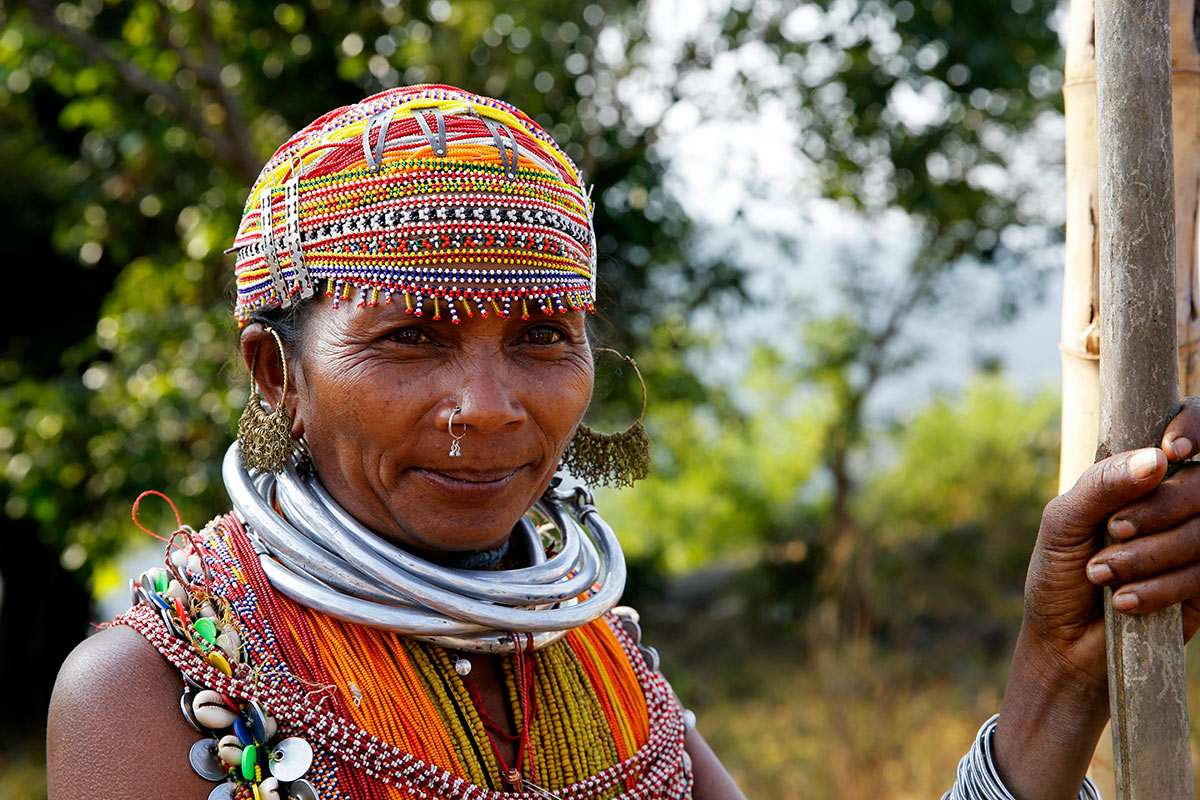
In many communities, women play a central and often under-recognized role in this. Their proximity to water systems, food preparation, material processing, health practices, and family life places them within the daily continuity of knowledge. Through repeated practice, they carry detailed understanding of timing, quality, variation, and change.
This knowledge is not abstract. It is tactile. Sensory. Embedded in doing.
Across Indigenous societies, whether in India or elsewhere in the world, knowledge is distributed through roles, responsibilities, and relationships. It is not centralized. It is not removed from daily life. It is maintained through participation.
What the Climate Conversation Is Missing
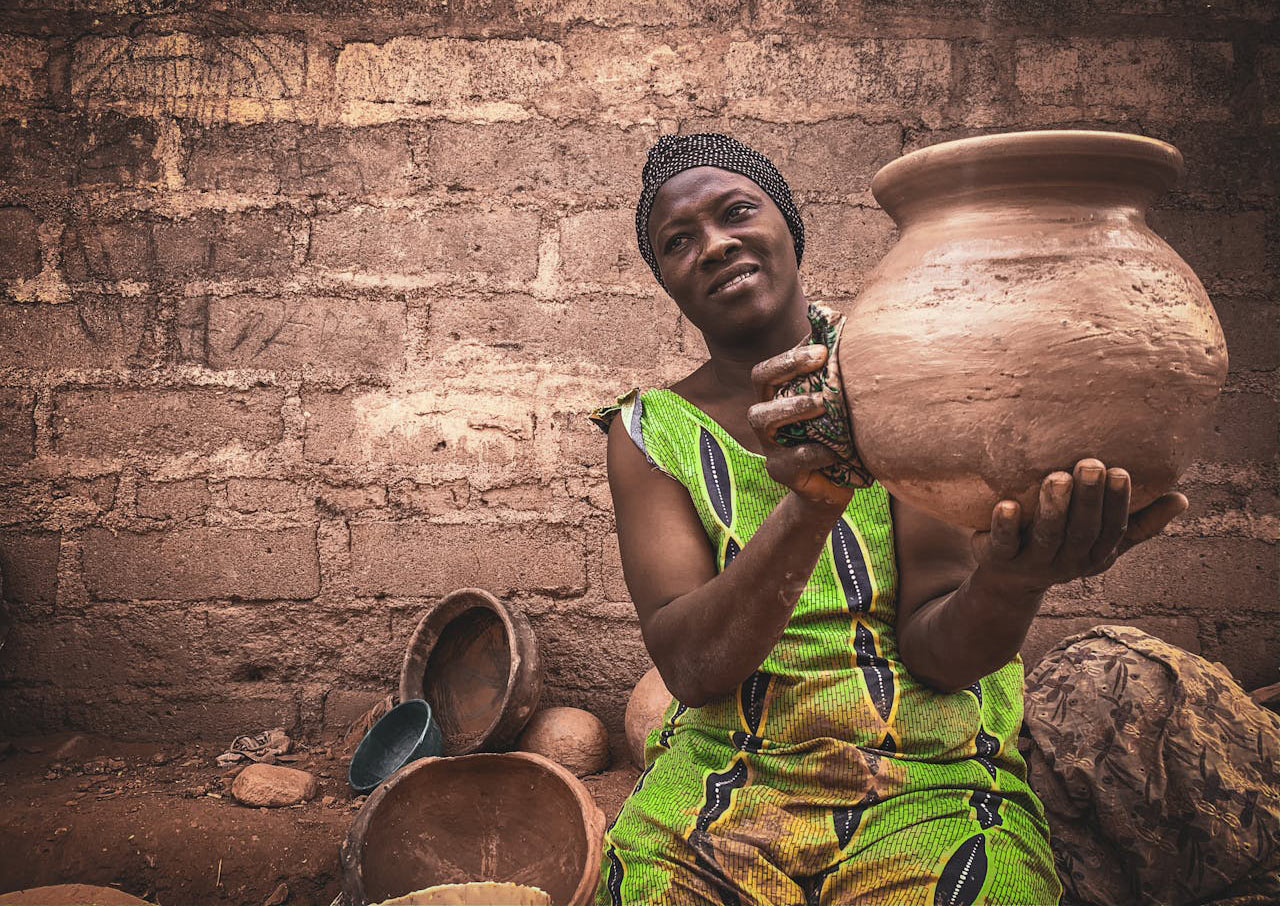
As global conversations around sustainability and climate adaptation continue to expand, there is an increasing search for solutions that can respond to environmental uncertainty.
In many places, it already exists.
It has been shaped over long periods of time under conditions of variability, constraint, and change. What is often missing is not the knowledge itself. It is the recognition of how it operates.
Humanculture is an Indigenous-led global nonprofit that documents how communities manage natural resources, sustain food systems, and carry ecological knowledge across generations. Its field-based work is presented through Indigenous Systems , a platform developed by Humanculture to bring Indigenous knowledge contributions to a broader audience, including United Nations platforms. Research and writing on the platform includes contributions from Stephanie Zabriskie , Founder and Executive Director of Humanculture.
Through documentation, practices that have long existed within specific communities become visible in a wider context. Not as abstract models, but as grounded examples of how knowledge functions in real life. This creates a different kind of visibility one that does not extract or simplify, but allows practices to be more authentically understood and appreciated.
When culture is framed only as heritage, something essential is overlooked. This is practical knowledge, formed through relationships, carried through practice, and sustained through continuity. While it is certainly something to preserve, Indigenous knowledge is also something that continues to operate, to adapt, and to inform decision-making right now across the globe.