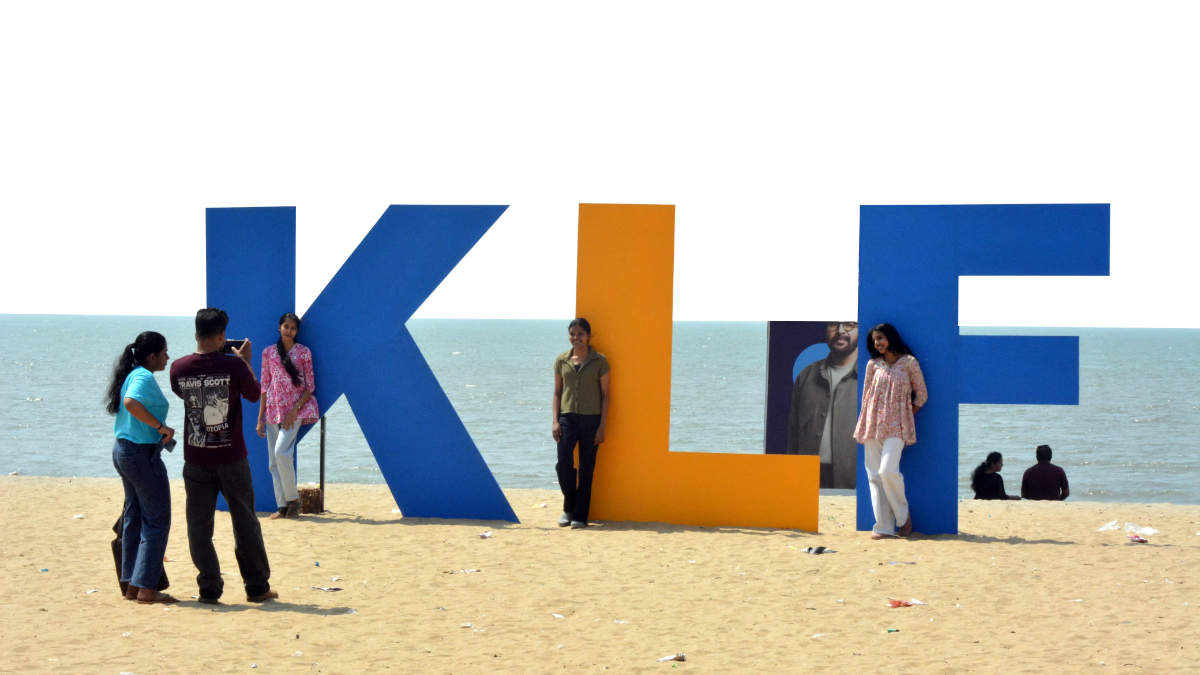
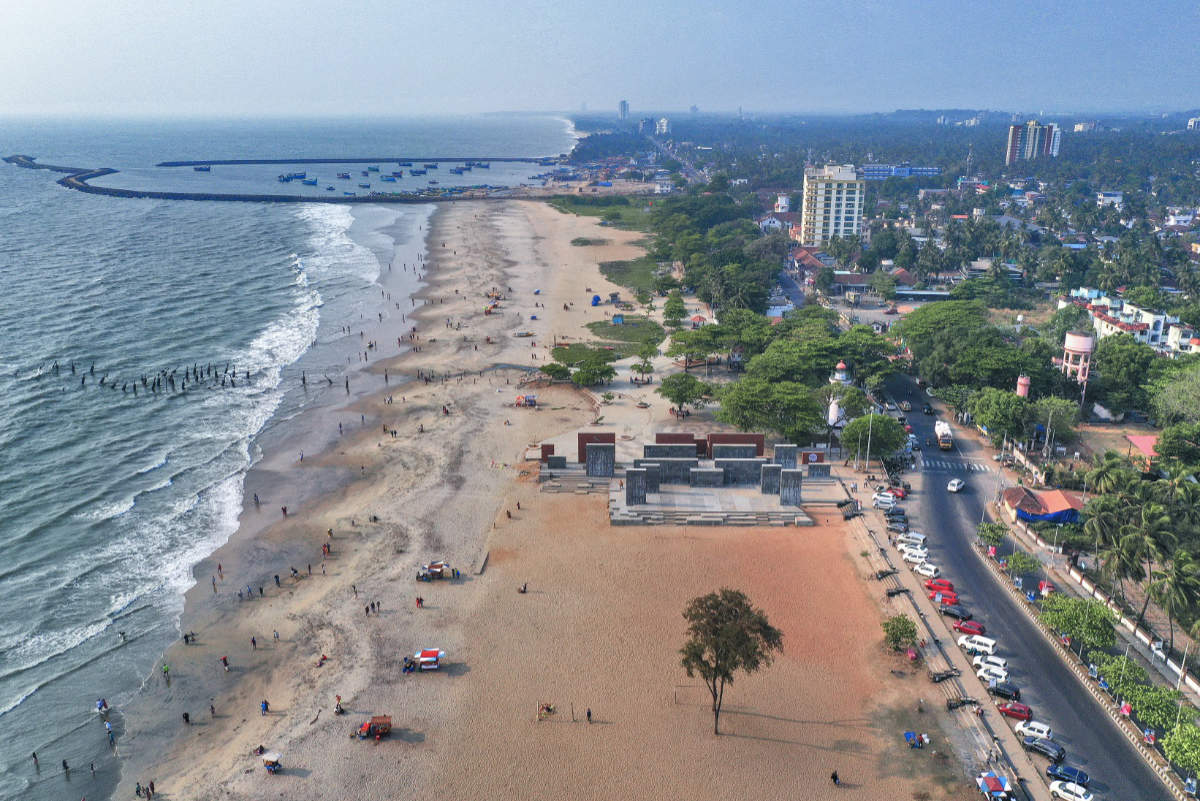
The Kerala Literature Festival (KLF) will celebrate its 10th edition from 21 to 24 January 2027 on the beaches of Kozhikode, bringing together 500 speakers from 14 countries. Australia has been named the Guest Nation for the four-day event, which will mark a decade since the festival began in 2016. The upcoming edition will feature international literary exchanges, First Nations storytelling, multidisciplinary performances and new initiatives aimed at engaging children, students and readers.
A Decade of Literary and Cultural Exchange
Founded in 2016, the Kerala Literature Festival has developed into a major platform for conversations across literature, art, science, cinema, music and philosophy. According to the organisers, the festival has attracted more than seven lakh visitors over the past decade, establishing Kozhikode as an important meeting point for writers, thinkers and cultural practitioners.
The 2027 edition will continue this international approach, with participants expected from Australia, Spain, Belgium, the United States, the United Kingdom, the Netherlands, Ireland, Iran, Indonesia, Zimbabwe, Singapore, the Czech Republic, France and Iceland.
Australia to Lead the International Programme
Australia’s role as Guest Nation will bring together its literary traditions, contemporary cultural expressions and First Nations storytelling with Kerala’s literary heritage and indigenous narratives. The programme will explore shared themes of land, environment, identity, migration and belonging.
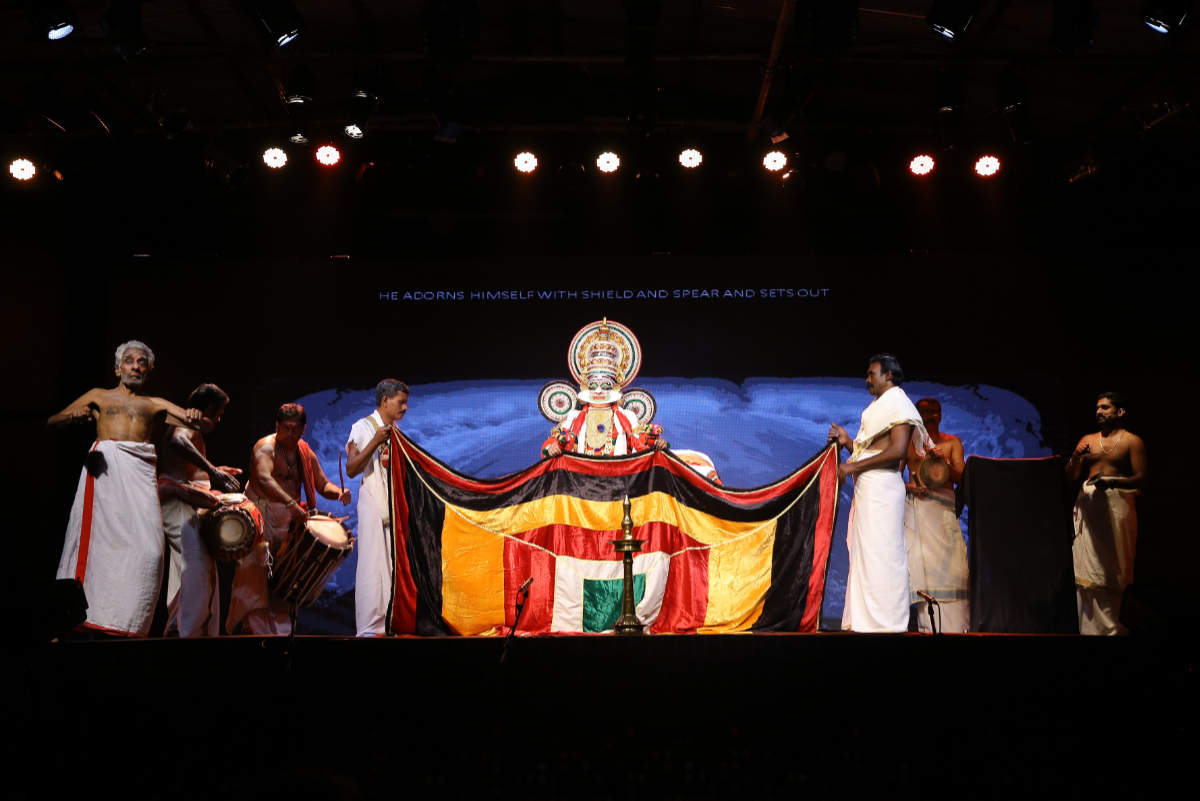
One of the featured presentations will be by Guuranda, an Indigenous Australian performing group. The group will present a contemporary, multidisciplinary performance and cultural exchange project created by Narungga artist and director Jacob Boehme.
Boehme is an award-winning theatre maker, choreographer and cultural leader from the Narungga and Kaurna Nations of South Australia. His multidisciplinary practice combines performance, dance and contemporary First Nations storytelling. His participation is expected to provide a platform for conversations around Indigenous cultural expression and the relationship between traditional narratives and contemporary performance.
New Initiatives for Children and Young Readers
The 10th edition will also introduce initiatives intended to extend the festival’s engagement beyond its four-day programme. The Children’s Kerala Literature Festival (CKLF) will introduce Kiko, a squirrel, as its official mascot. The character will feature in literary, educational and creative activities for younger audiences.
The children’s programme will include:
- Storytelling sessions designed to encourage reading and imagination.
- Workshops and interactive creative activities.
- Educational programmes connecting children with literature and storytelling.
Another initiative, KLF on the Move, has already commenced across Kerala. The campus outreach programme will bring authors to colleges and universities for book talks, discussions and interactive sessions, allowing students to engage directly with writers and contemporary ideas.
Authors to Become Booksellers
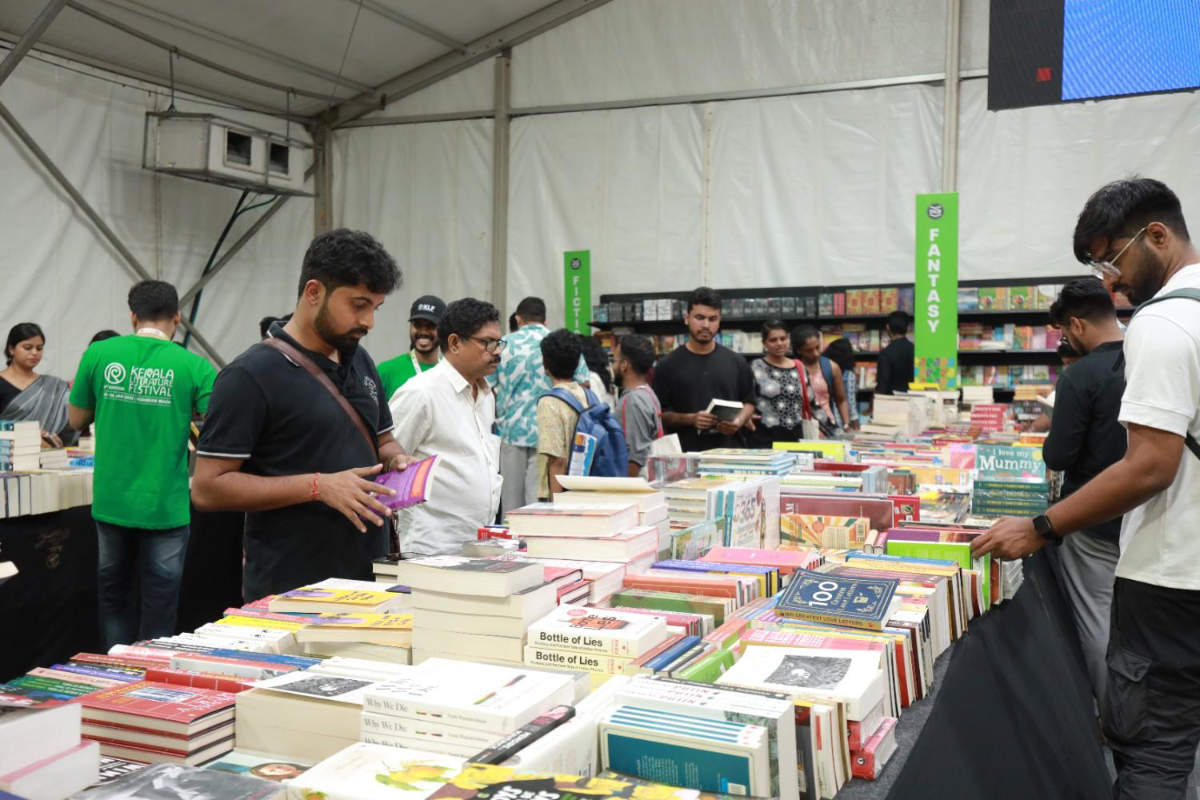
The festival will also introduce ‘I Am Your Bookseller‘, an initiative through which selected authors will take over bookselling duties for an entire day at DC Bookstores across different locations.
Each participating author will curate a bookshelf featuring personally recommended titles. Readers will have the opportunity to discover books through direct conversations with the writers themselves, creating an additional connection between authors and their audiences.
International Speakers and Diverse Conversations
KLF 2027 will feature hundreds of sessions covering fiction, non-fiction, politics, history, folklore, contemporary culture, science, philosophy, sports and entertainment. The programme is expected to bring together Nobel Laureates, Booker Prize winners, historians, scientists, philosophers, activists, filmmakers and artists.
The announced names include Meg Mason, Shelby Van Pelt, Meena Kandasamy, Avni Doshi, Tavleen Singh, Ramachandra Guha, Akriti Tyagi, Anupama Chopra, Ameer Shahul, Arathi Menon, Christina Dhanuja, Alla Saraogi, Abhay K, Tanisha Rao, Boria Majumdar and Omair Ahmed, among others.
Speaking about the 10th edition, Ravi Deecee, Chief Facilitator of the Kerala Literature Festival, said the focus would be on creating more opportunities for people to participate in literary culture, including through campus engagements, children’s programmes and direct interactions between authors and readers.
Key Details of the Event
| Event | Details |
| Name | Kerala Literature Festival 2027 – 10th Edition |
| Artist / Guest Nation | Australia (Guest Nation); Jacob Boehme and Guuranda |
| Venue | Kozhikode Beach |
| City | Kozhikode, Kerala, India |
| Opening Date | 21 January 2027 |
| Exhibition / Event Dates | 21–24 January 2027 |
| Organiser | DC Kizhakemuri Foundation |
| Speakers | 500 speakers from 14 countries |
| Entry / Tickets | Details not announced in the supplied press release |
| Website / Registration | Official Kerala Literature Festival Website |
Kozhikode and the Festival’s Organising Legacy
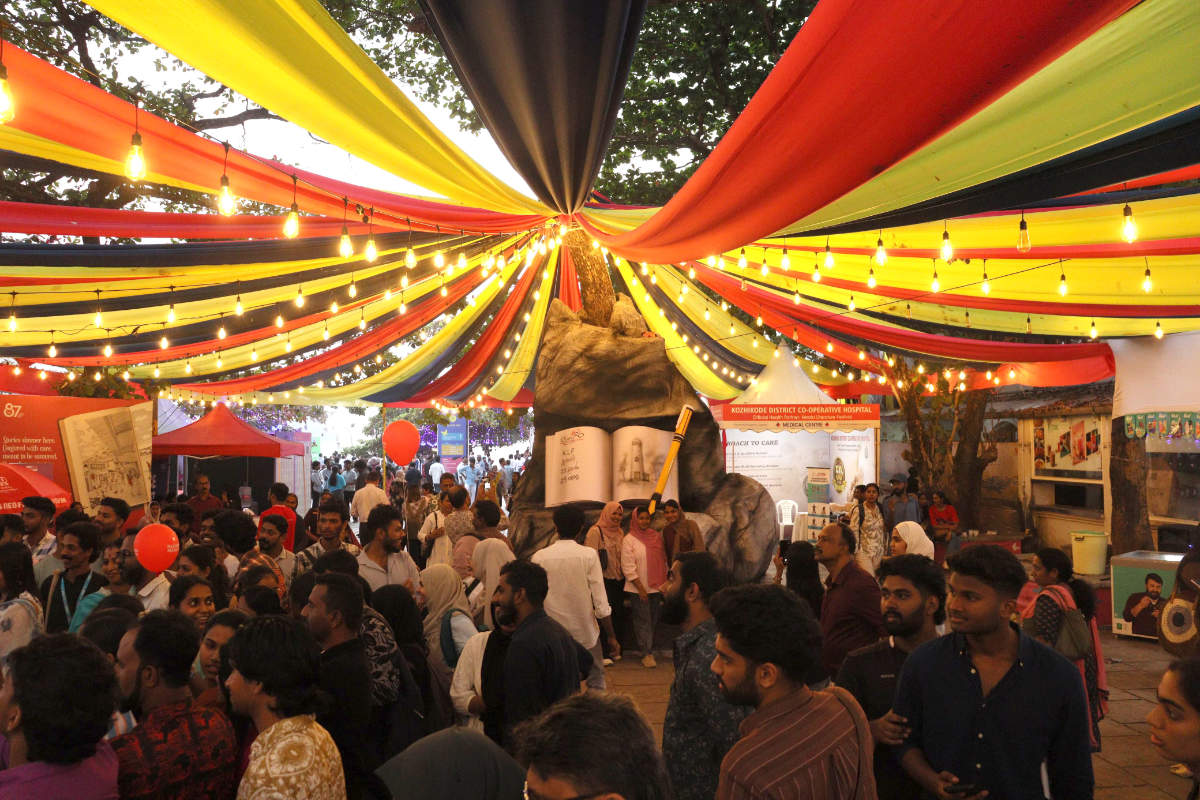
Organised by the DC Kizhakemuri Foundation, the festival draws inspiration from the legacy of D. C. Kizhakemuri, a publisher, writer and social reformer whose contribution to Indian reading and publishing culture continues to inform the Foundation’s work.
Kozhikode, recognised as India’s first UNESCO City of Literature, provides the setting for the festival. The city’s literary history includes influential Malayalam writers such as Vaikom Muhammad Basheer and Thunjath Ezhuthachan. Its history as a centre of trade and cultural exchange also forms part of the context for the festival’s international outlook.
The Kerala Literature Festival 2027 will take place from 21 to 24 January at Kozhikode Beach. Further details about the programme and visitor arrangements can be followed through the official Kerala Literature Festival website.
As KLF enters its second decade, the 10th edition will bring together literary traditions and cultural perspectives from different parts of the world. Its emphasis on children, students and direct reader engagement also reflects the continuing role of literature in education, public dialogue and cultural exchange.