The landscape of arts in India has always been nourished by its close link with textiles. Starting with ancient textile weavings and moving on to modern interpretations of textiles as tools for telling stories, textile arts are now once again at the forefront of 2025. What was treated more like craft arts before now receives recognition as fine arts and hence draws considerable attention not only among curators but among art lovers and art institutions globally too. All this can easily be viewed at prominent arts festivals taking place in India itself.
Creative Processes & Global Intersections
Many modern artists of India share how their own processes of creation begin with an unexpected starting point, which can either be derived from traditional subject matters or an impromptu occurrence of daily life itself. While analyzing how visual concepts develop differently yet similarly among various cultures around the globe, many artists refer to those sources that explain the larger landscape of creativity, ranging from great fashion websites to other related avenues, where the interplay of design and creativity meets cultural expressions with a global outlook taken into account.
Textile Art at India Art Fair 2025
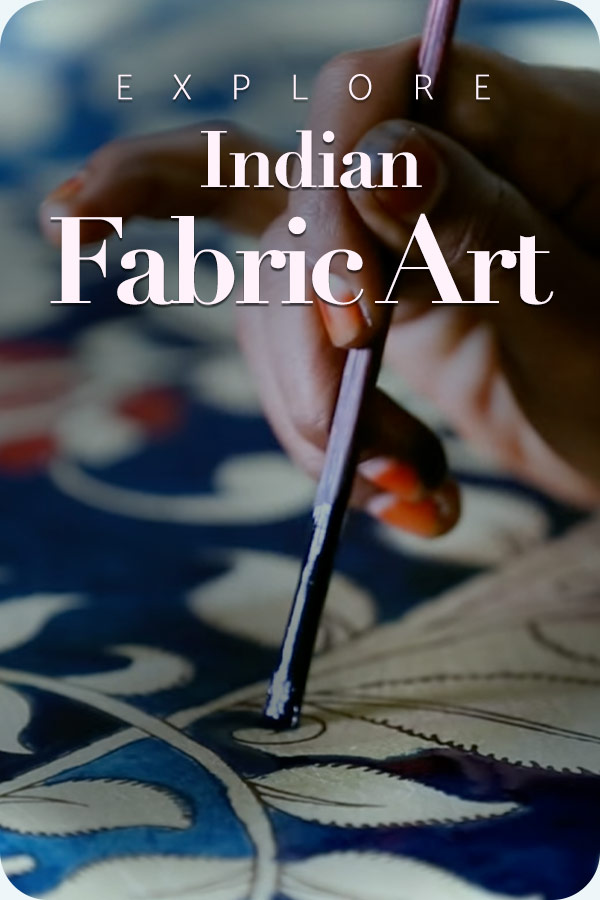
The increasing importance given to textile art was evident at India Art Fair 2025 held at New Delhi because several galleries showed installations based on fabric that delved into identity, memory, and politics. Weaving artists and dyers using natural fibers took center stage because of their skill to combine traditional art with new subject matters. There was an increase reported at India Art Fair 2025 with regard to visitors engaging with textile-based installations that showcased traditional processes like ikat, ajrakh, or kanthas that were being rediscovered among younger artists of India’s art landscape.
Textile Narratives at the Kochi-Muziris Biennale
Another field in which textile-based arts made an impression was at the Kochi-Muziris Biennale; this Biennale has always been at the forefront when it comes to pushing non-traditional and community-based artists. The edition for 2024 and 2025 brought to the table works of artists who tried to express themselves with cloth as their chosen media on matters pertaining to migration studies, gender studies, and environment studies, among others. These included fabric-based installations using natural dyes, recycled fabrics, and hand-woven fabrics taken from craft-based communities spread all over India.
Revival, Preservation & India’s Craft Legacy
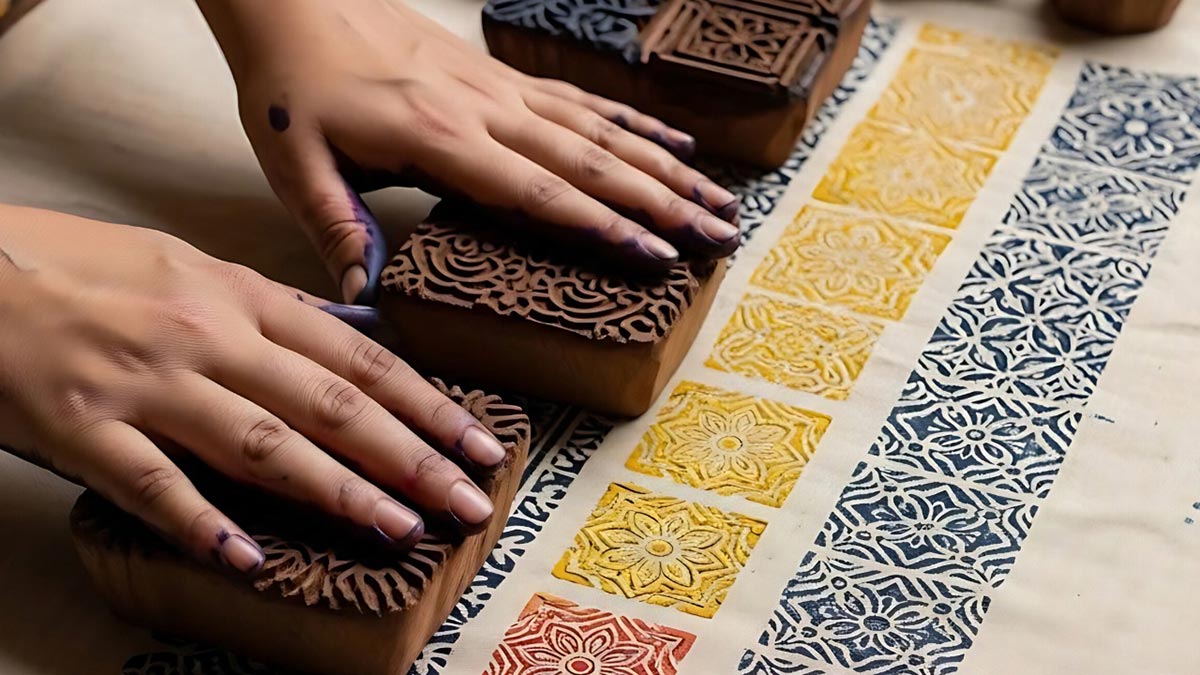
The movement to revive textile art can also be linked to India’s rich craft tradition. Initiatives such as those taken by and Craft Revival Trust can be referred to as an important part of preserving India’s weave traditions for posterity’s sake. Contemporary artists inspired by these efforts can now treat textiles not only as an art form but as an archive too. Most of these artists work with weavers, embroiderers, or dyers; hence, fine arts and craft traditions intersect with an objective to keep age-old traditions alive while unearthing new paths for artists to experiment with their creations.
Textile Art in Indian Galleries (2024–2025)
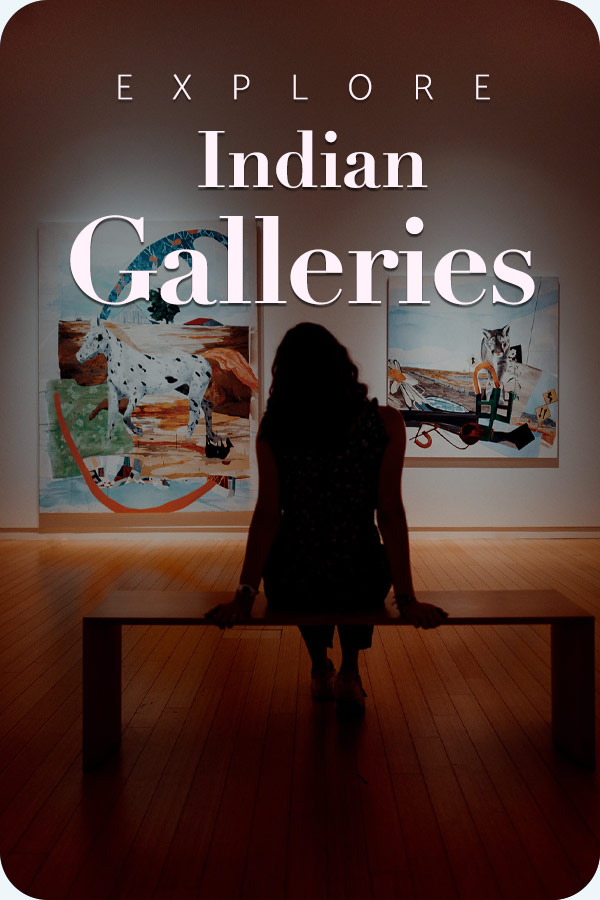
Textile art receives growing recognition within galleries in India too. Exhibits held at Mumbai, Delhi, and Bengaluru over the years 2024 and 2025 established that there has been a growing need for such artwork based on fabric within the modern art market too. Jhaveri Contemporary and Gallery Espace exhibitions establish that textile art has ceased to be viewed as something remote, but rather a mature form able to deal with complex notions too.
Artists Leading the Textile Art Renaissance
There are several artists who have been at the forefront of this movement. Shelly Jyoti has been investigating the philosophical foundations of khadi fabrics through her installations involving large-scale textile works that combine hand-woven fabrics with modern conceptual ideas. Gauri Gill has been working with craft networks based in Rajasthan to create stories around fabric and embroidery about life and the role of women in rural areas of India. These artists, among others like Aisha Khalid, show how important textile stories are becoming in South Asian contemporary art circles. They not only conserve tradition but also challenge definitions related to textile-based art.
Academic Engagement & Institutional Support
Apart from exhibitions, there has been an observable rise in academic and institutional engagement with textile art too. Institutions of higher learning and art colleges throughout India have increasingly opened new courses related to textile design and innovative arts using textiles. Workshops and residencies now regularly incorporate textiles into their programs so that young artists can work with textiles under the supervision of designers and traditional craftsmen alike, a positive indication that there will indeed be a lasting focus on these arts into the future. The growth of textile art relates to global discourses on sustainable practice too.
Sustainability & Eco-Conscious Textile Practices
With increasing awareness about waste, production practices, and provenance of materials, artists in India have increasingly started using these sustainable factors to create art with natural fibers and recycled materials. These artists relate well to global trends associated with ecological art and have given Indian textiles an opportunity to make their presence felt at global art festivals and exhibitions too. Sustainable practice and handmade art can be said to define India’s arts and crafts circles of 2025. The significance of this particular era resides within how textile art bridges individual experience with collective cultural memory.
Fabric as Language, Memory & Transformation
Fabric has stories – stories of labor, lineage, geography, and identity. India’s artists bear witness to this power of emotion associated with fabric not just as media but as language itself because these artists pay tribute to tradition even while pushing beyond boundaries into areas of innovating with textile art’s role at the forefront of India’s cultural transformation. While India becomes more prominent in the global arts community, textile art emerges at the forefront of India’s authentic art movement. It embroils history and ingenuity, skill and creativity, tradition and transformation. And what becomes evident at the start of 2025 is that while textile art indeed enjoys an era of rediscovery and rebirth, it’s nonetheless forging a new future for art.