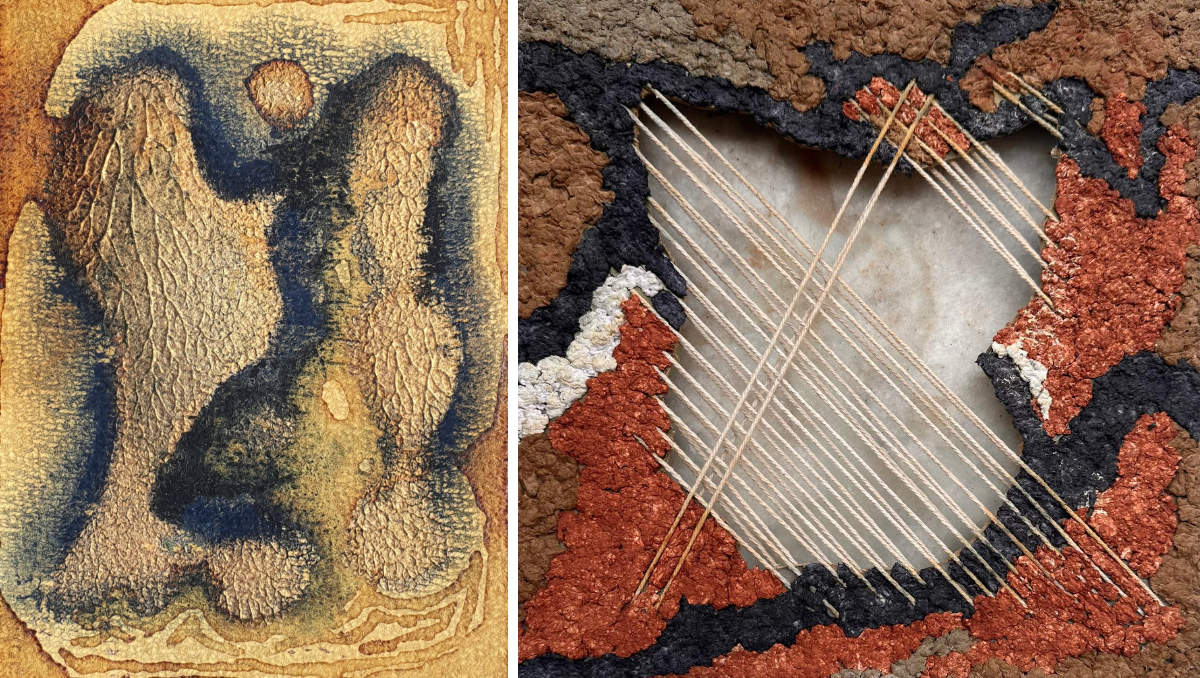
New Delhi will host E3 – Ephemeral Echoes of the Earth, a group exhibition bringing together six women artists to examine the relationship between art, nature and the environment. Curated by Georgina Maddox, the exhibition will take place at Kalamkar Gallery, Bikaner House, from 21 to 24 November 2026, with a preview scheduled for 20 November. Through different artistic approaches, the exhibition considers ecological fragility, conservation and regeneration, encouraging audiences to reflect on humanity’s changing relationship with the natural world.
An Exhibition Exploring the Fragility of Nature
At the centre of E3 – Ephemeral Echoes of the Earth is the understanding that the planet’s natural resources are finite. Forests, rivers, minerals and other resources have developed over extensive periods, yet their consumption continues at a pace that places pressure on the environment. The exhibition considers how human intervention, industrialisation and the pursuit of natural resources have contributed to the growing separation between people and the ecosystems they depend on.
Rather than presenting nature simply as a landscape or visual subject, the exhibition approaches it as a source of memory, metaphor, material and living presence. Its central theme examines the relationship between human activity and the environment, asking viewers to reconsider ideas of ownership, control and coexistence. The works collectively explore how artistic expression can encourage greater awareness of environmental concerns.
Six Women Artists Present Different Perspectives
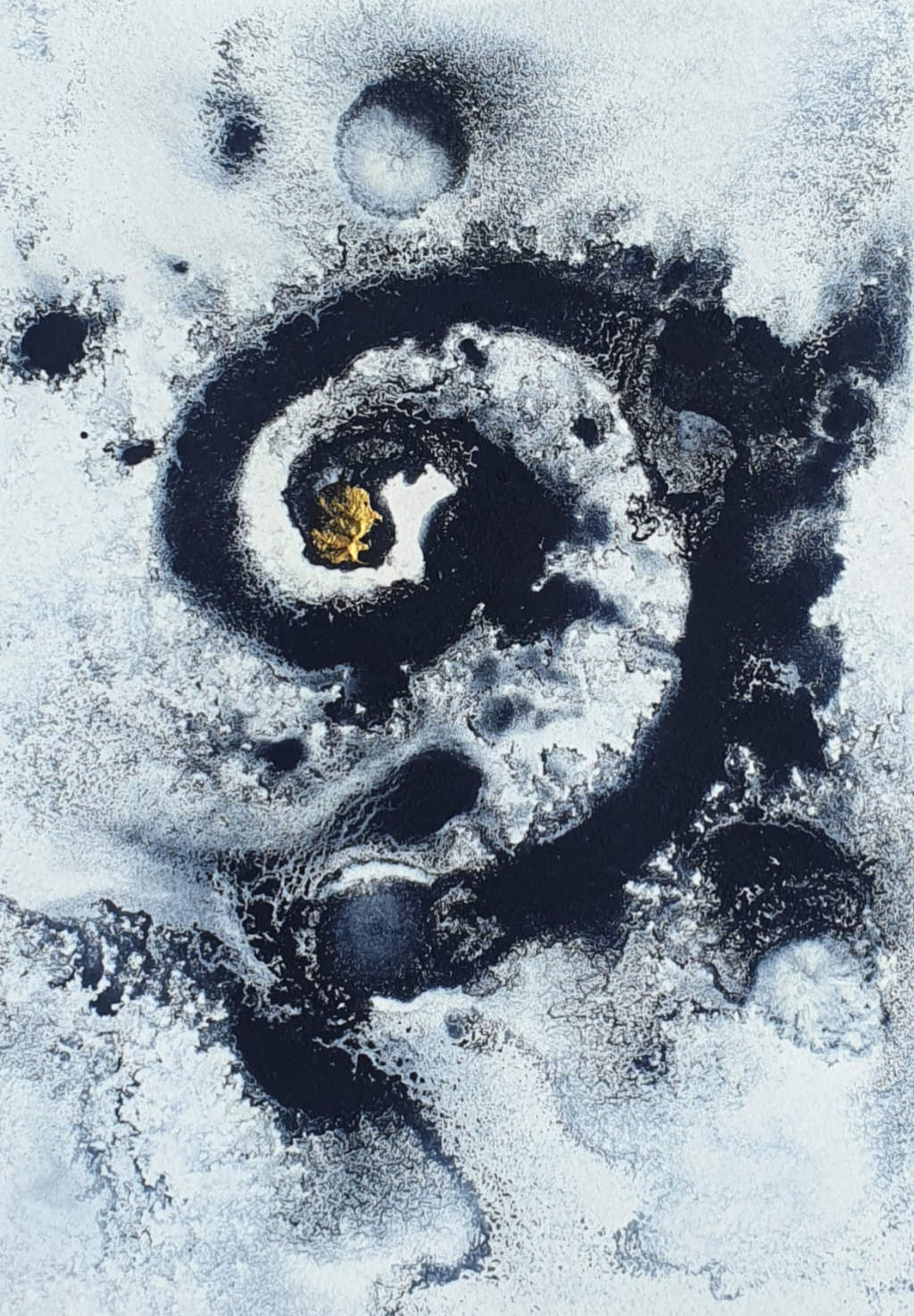
The exhibition features six artists: Anika Jain, Jasmeet Khurana, Kanika Raj Singh, Pooja Hada, Poonam Bevli Sahi and Suparna Arora. Their participation brings together different artistic perspectives around the themes of nature, conservation and regeneration.
The exhibition also considers the relationship between nature and nurture, with the artists examining the possibilities of observing, preserving and reconnecting with the natural world.
The participating artists approach the subject through distinct creative practices, allowing the exhibition to develop a conversation around environmental responsibility without limiting itself to a single visual language. Their works encourage audiences to consider nature as something closely connected to everyday human existence rather than an external resource.
Georgina Maddox’s Curatorial Approach
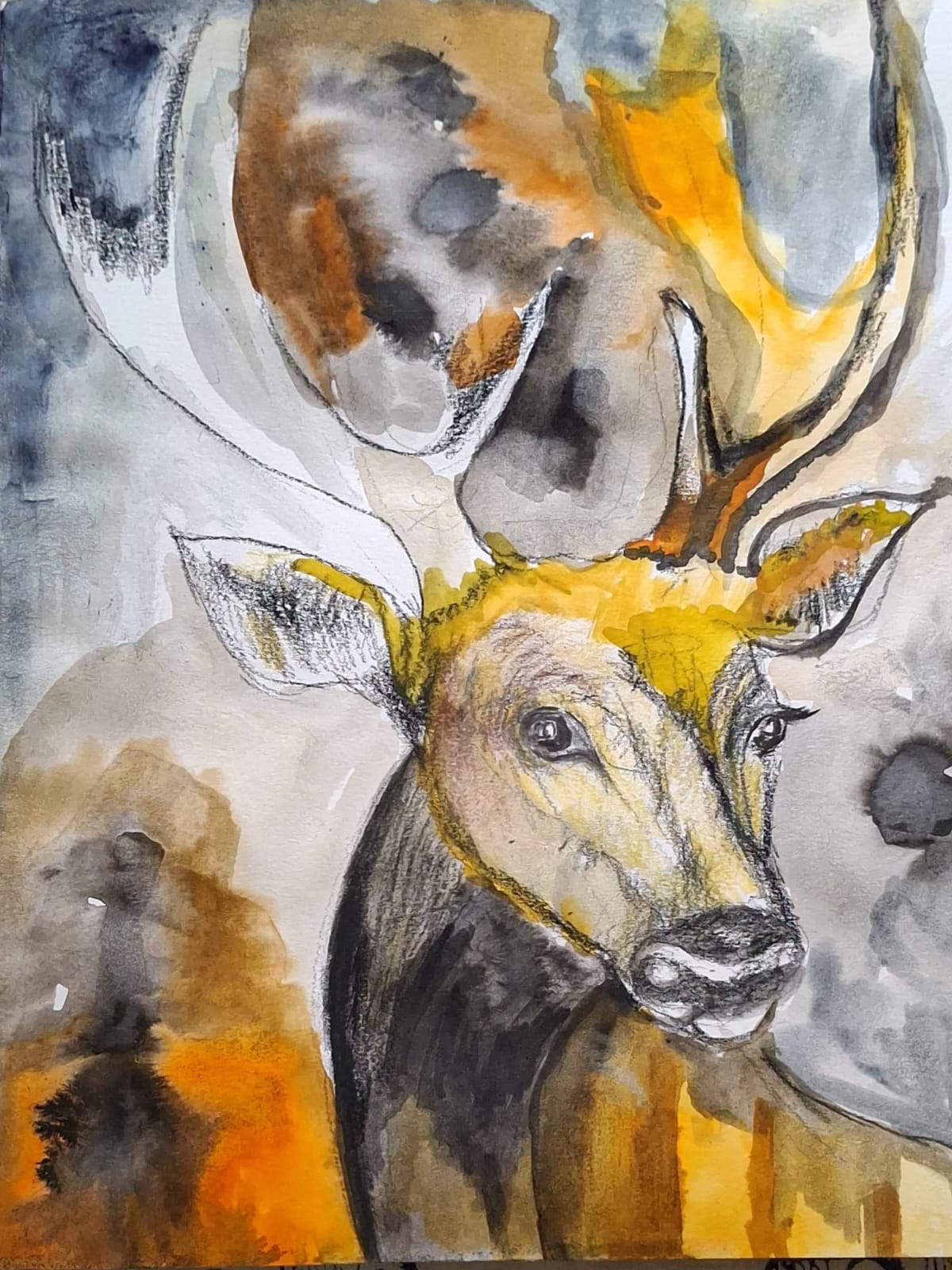
The exhibition is curated by Georgina Maddox, an independent critic-curator, journalist and visual artist based in New Delhi. With approximately two decades of experience in Indian art and culture, Maddox has worked across art criticism, exhibition curation and cultural writing. Her professional background includes contributions to publications such as The Hindu, The Indian Express and STIRworld, alongside curatorial projects and critical essays on contemporary art.
For E3, Maddox has developed a curatorial framework that brings together six artistic interpretations of the natural environment. The exhibition also includes a special curator’s wall, through which Maddox contributes her own artistic perspective alongside the participating artists.
This addition creates a space for the curator to participate in the exhibition’s visual conversation, extending the presentation beyond the conventional distinction between curatorial interpretation and artistic practice.
Moving Beyond the Idea of Human Dominance
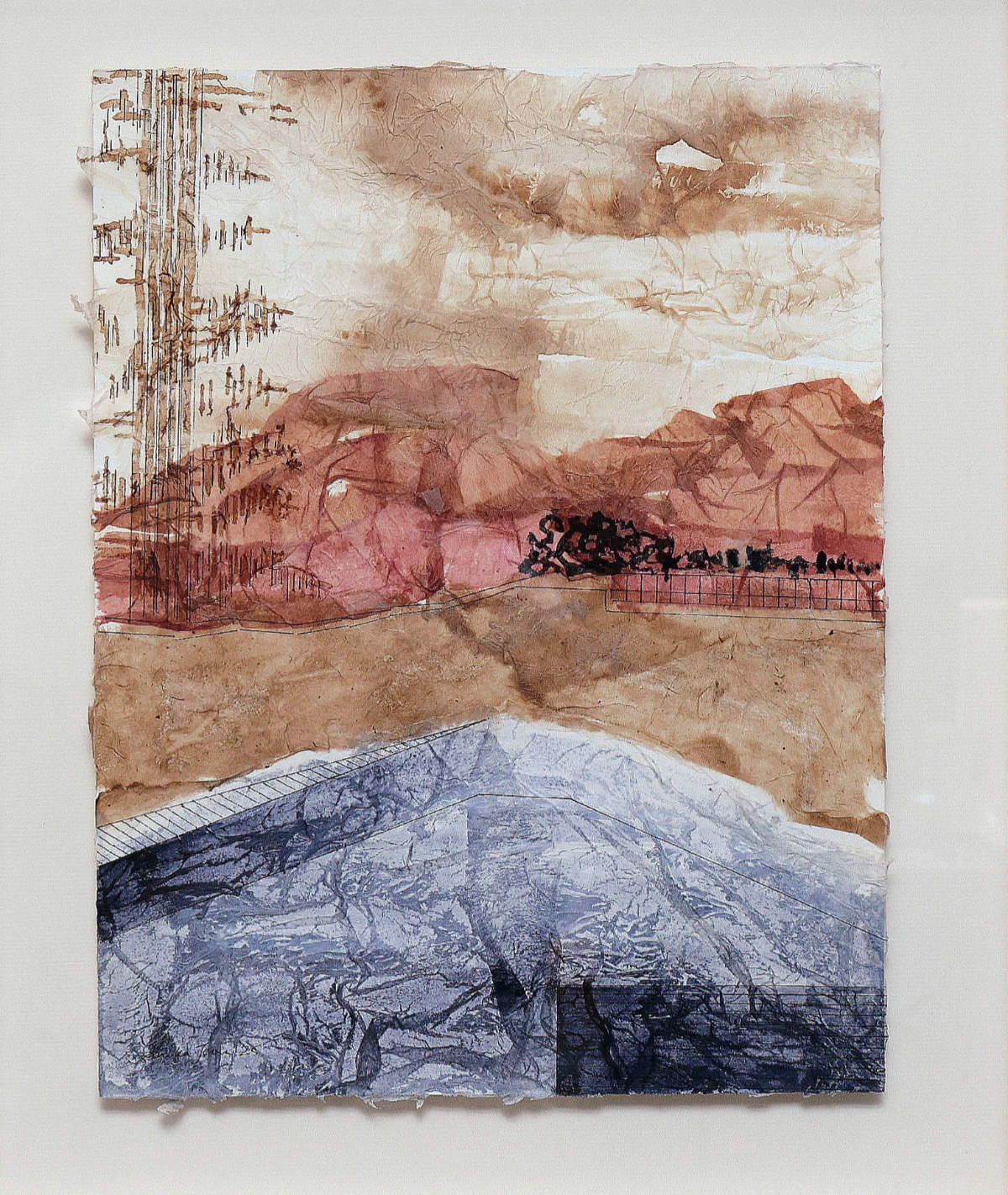
The exhibition’s conceptual framework addresses the historical tendency to view nature as something to be controlled, transformed and consumed. The development of industrial societies has intensified this relationship, with forests, mountains, rivers and oceans increasingly treated as resources for human use.
E3 does not propose an idealised return to an untouched natural world. Instead, it considers the possibility of developing a more responsible relationship with the environment through awareness and coexistence.
Some of the key themes explored through the exhibition include:
- Ecological fragility: Understanding the vulnerability of natural ecosystems and the pressures they face.
- Conservation: Recognising the importance of preserving natural resources and biodiversity.
- Regeneration: Exploring the possibility of restoring and nurturing the relationship between humans and nature.
- Nature and memory: Considering the natural world as a source of cultural, emotional and artistic meaning.
- Human responsibility: Questioning the assumption that nature exists primarily for human consumption.
Venue, Dates and Visitor Information
| Event | Details |
| Event Name | E3 – Ephemeral Echoes of the Earth |
| Artists | Anika Jain, Jasmeet Khurana, Kanika Raj Singh, Pooja Hada, Poonam Bevli Sahi and Suparna Arora |
| Curator | Georgina Maddox |
| Exhibition Dates | 21–24 November 2026 |
| Venue | Kalamkar Gallery, Bikaner House, New Delhi – 110011 |
Art as a Way of Reconsidering Our Relationship with the Earth
The exhibition places art within a broader conversation about environmental awareness and collective responsibility. While artistic expression cannot directly restore damaged ecosystems or replenish disappearing natural resources, it can influence how people understand and respond to environmental challenges.
Through six artistic practices and a dedicated curator’s wall, E3 invites visitors to reflect on the connections between human life and the natural world. It presents an opportunity to engage with ecological concerns through visual culture while considering the importance of conservation and sustainable relationships with the environment.
By bringing these perspectives together, E3 – Ephemeral Echoes of the Earth seeks to encourage a shift from the idea of nature as a resource to the understanding that humans are part of a larger ecological system. The exhibition offers audiences an opportunity to reflect on what must be protected, remembered and nurtured for future generations.