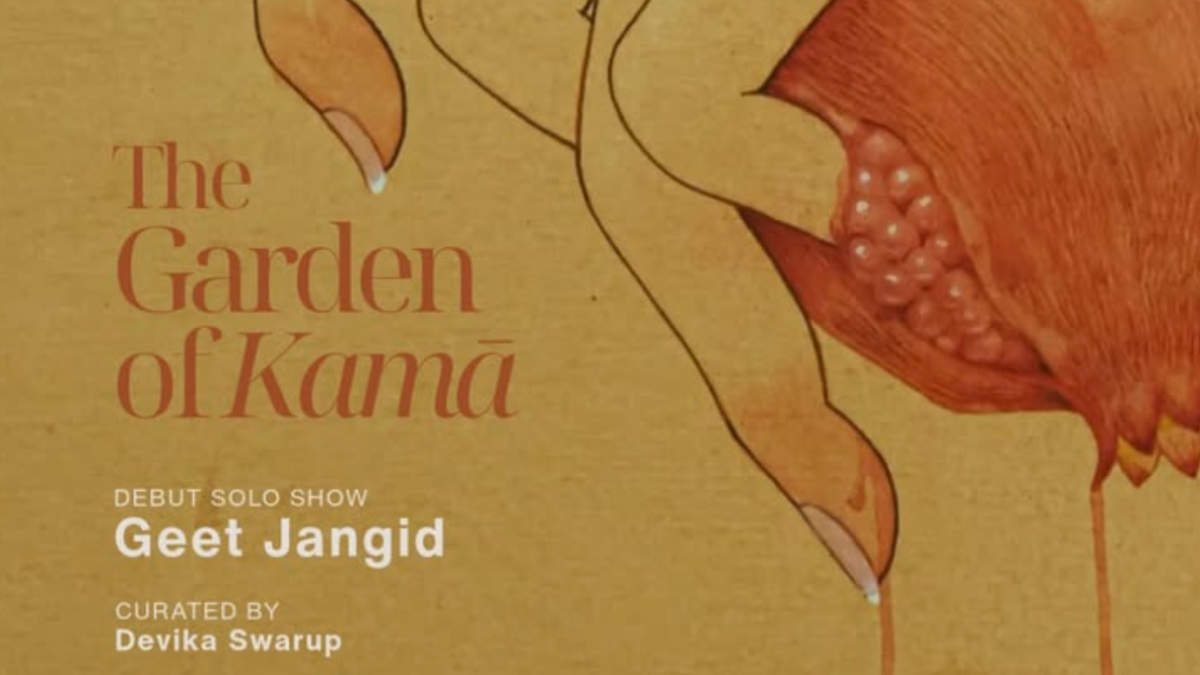
New Delhi’s contemporary art scene will see the debut solo exhibition of visual artist Geet Jangid with The Garden of Kamā, opening at LATITUDE 28 in Defence Colony on 25 November 2026. Curated by Devika Swarup, the exhibition examines desire, sensuality, identity and devotion through the framework of Hindu philosophy and Indian aesthetic traditions. Drawing from mythology, classical music and historical art forms, Jangid brings together the body and spirituality in a visual exploration of longing and creative expression. The exhibition will remain open until 30 December 2026.
Exploring Kāma Beyond Sensual Pleasure
At the centre of the exhibition is Kāmadeva, the Hindu god of love and desire. The curatorial framework considers kāma not simply as physical or sensual pleasure but as a primordial creative impulse associated with the origins of life and existence. Within this understanding, the body becomes a site of worship, desire a creative force, and beauty a manifestation of the divine.
The exhibition also draws upon the philosophical relationship between human love and spiritual union. References to Jayadeva’s Gita Govinda, particularly the relationship between Krishna and Radha, provide a cultural context for understanding the union of lovers as a metaphor for the individual soul’s connection with the Absolute. These ideas position sensuality and devotion as interconnected rather than opposing experiences.
Inspired by Raga Tilak Kamod and Ragamala Paintings
Music plays an important role in shaping the exhibition’s visual language. Jangid draws inspiration from Raga Tilak Kamod, a late-evening raga associated with joyful longing. The mood of the composition informs the treatment of desire and anticipation across the works.
The paintings also recall the tradition of Ragamala paintings, in which musical modes were translated into visual representations. Through this reference, Jangid approaches painting as a form of musical composition, working with form and emptiness in a manner comparable to the relationship between sound and silence.
Curator Devika Swarup describes longing as an important element of the exhibition, where desire moves between approach and retreat, and fulfilment remains suspended. The resulting visual language brings together intimacy, waiting and devotion.
The Body, Gender and Contemporary Identity
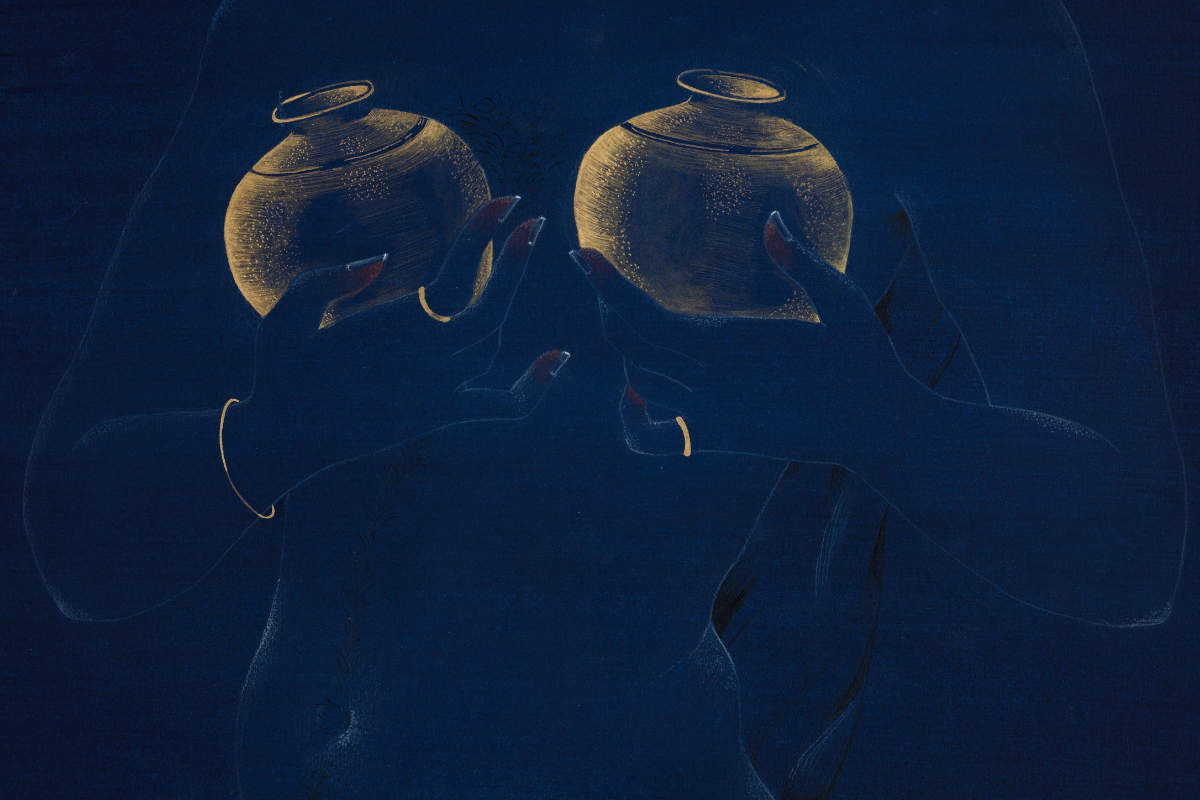
A significant aspect of Jangid’s practice is his representation of protagonists who embody both masculine and feminine attributes. By moving beyond conventional gender distinctions, the artist examines the body as a space of personal expression, identity and human experience.
His engagement with erotic imagery also considers the relationship between sexuality and social morality. Rather than separating sensuality from spirituality, the exhibition revisits Indian aesthetic traditions in which the erotic and the sacred have historically existed alongside one another.
Jangid’s approach places these historical references in conversation with contemporary discussions around sexuality, identity and the representation of the human body. His work invites viewers to consider how inherited cultural ideas can be interpreted through changing perspectives.
Artistic Influences and Material Exploration
Born in 2000 in Alwar, Rajasthan, Geet Jangid completed his Bachelor of Visual Art at Rajasthan School of Art, Jaipur, followed by a Master of Visual Arts at the College of Art, Delhi.
His artistic practice draws inspiration from Indian miniature paintings, temple sculptures and the Ajanta frescoes. These influences inform his engagement with historical representations of the human figure, ornamentation and sensuality, while contemporary approaches such as expressionism, symbolism and surrealism contribute to his visual vocabulary.
Working across several mediums, Jangid brings together:
- Painting and drawing
- Natural pigments and gouache
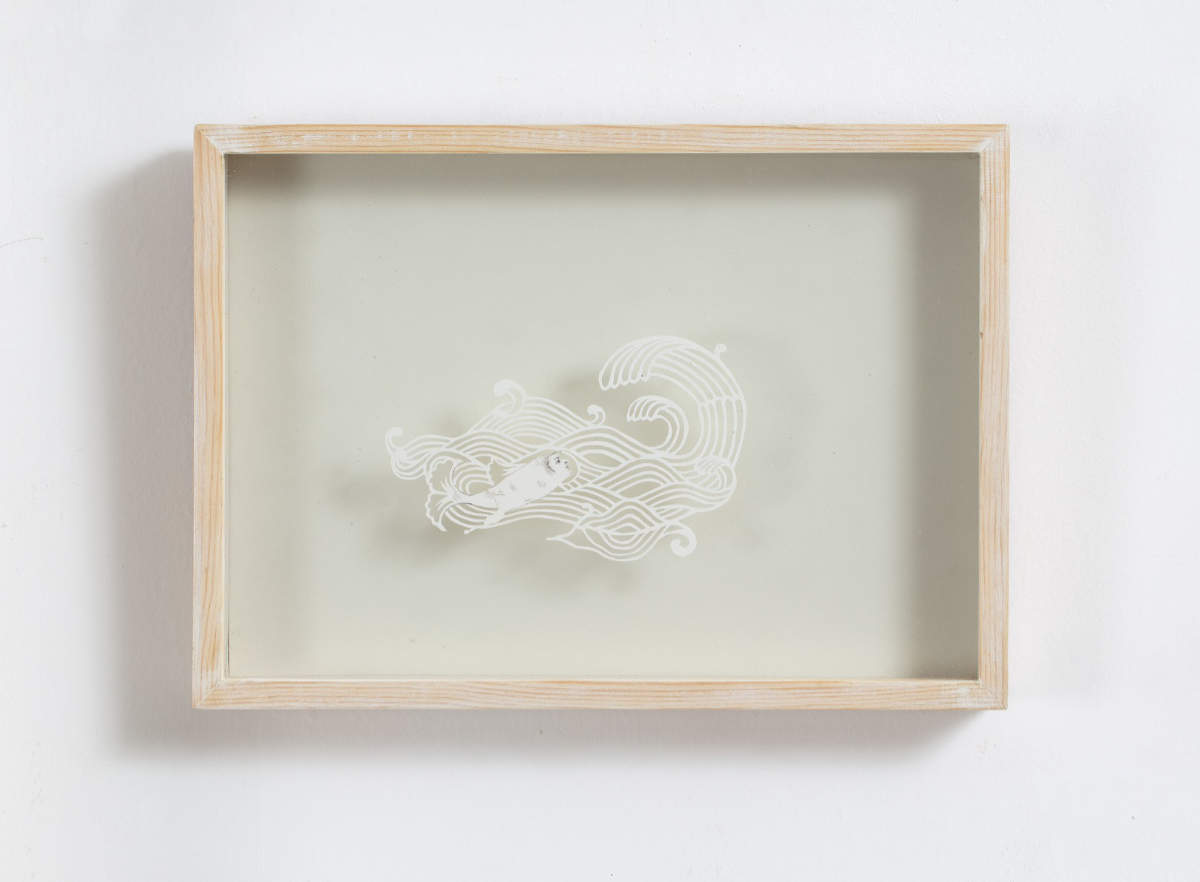
- Paper cutting and handmade paper
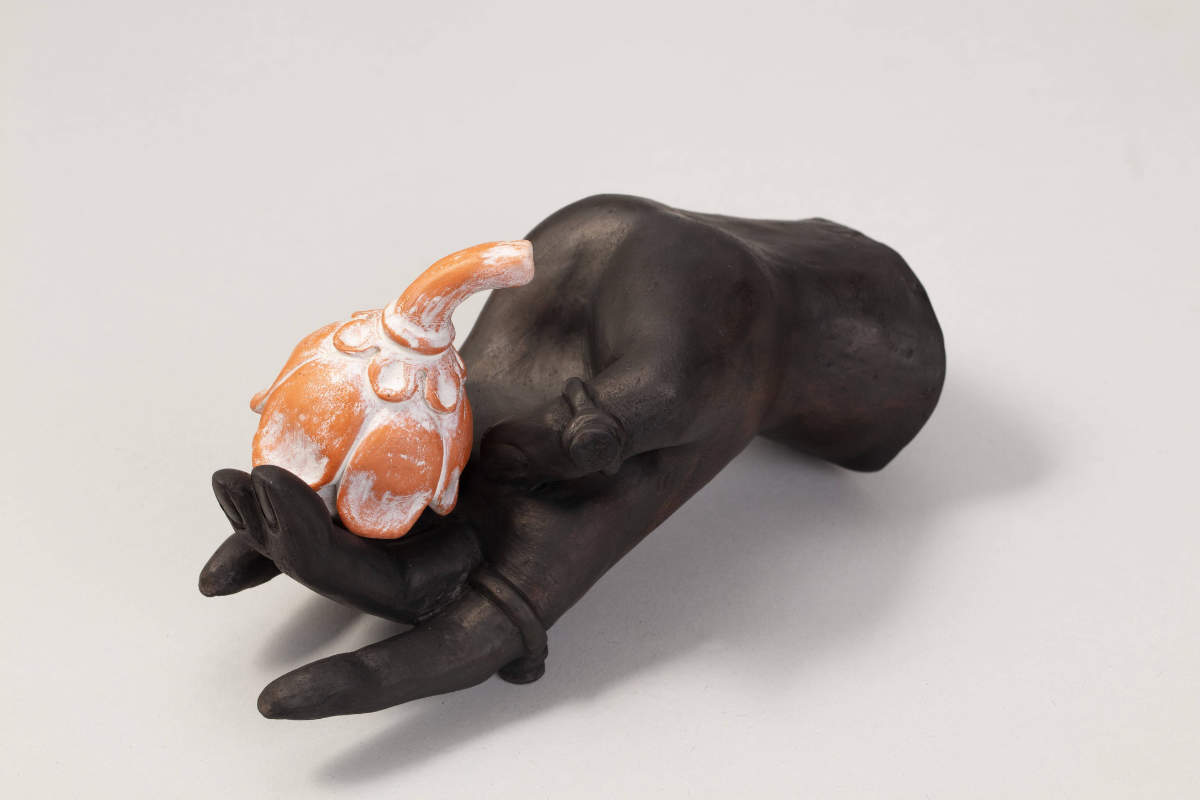
- Sculpture and installation
The press material also identifies a Pleasure Garden Series, featuring gouache and natural pigments on handmade paper, measuring 7 x 8 inches. The use of material and surface is central to the exhibition’s exploration of intimacy, composition and visual storytelling.
LATITUDE 28 and Its Contemporary Art Programme
The exhibition is presented by LATITUDE 28, founded in 2010 by Bhavna Kakar. The gallery has focused on emerging South Asian artists and experimental approaches to contemporary art, with an emphasis on material-based practices, curatorial research and cultural exchange.
The exhibition continues this engagement with emerging artistic voices by presenting Jangid’s first solo gallery exhibition. Further information is available through the LATITUDE 28 official website.
Exhibition Preview and Visitor Information
| Event | Details |
| Title | The Garden of Kamā, a debut solo exhibition |
| Artist | Geet Jangid |
| Venue | LATITUDE 28, B-74, Ground Floor, Block B, Defence Colony |
| City | New Delhi, India |
| Opening Date | 25 November 2026 |
| Preview Timings | 6 PM – 9 PM |
| Exhibition Dates | 25 November – 30 December 2026 |
| Organiser | LATITUDE 28 |
| Curator | Devika Swarup |
| Gallery Timings | Monday to Saturday, 11 AM – 7 PM |
| Website | www.latitude28.com |
Revisiting the Relationship Between Art and Spirituality
Through The Garden of Kamā, Jangid brings historical Indian aesthetic traditions into dialogue with contemporary questions of identity, sexuality and the human body. The exhibition considers desire as both a personal experience and a creative principle, examining how sensuality can intersect with spiritual expression.
By drawing on painting, music, mythology and material experimentation, the presentation offers visitors an opportunity to engage with different interpretations of the body and its cultural significance. It also contributes to wider conversations about the continuing relevance of Indian artistic traditions in contemporary visual culture.