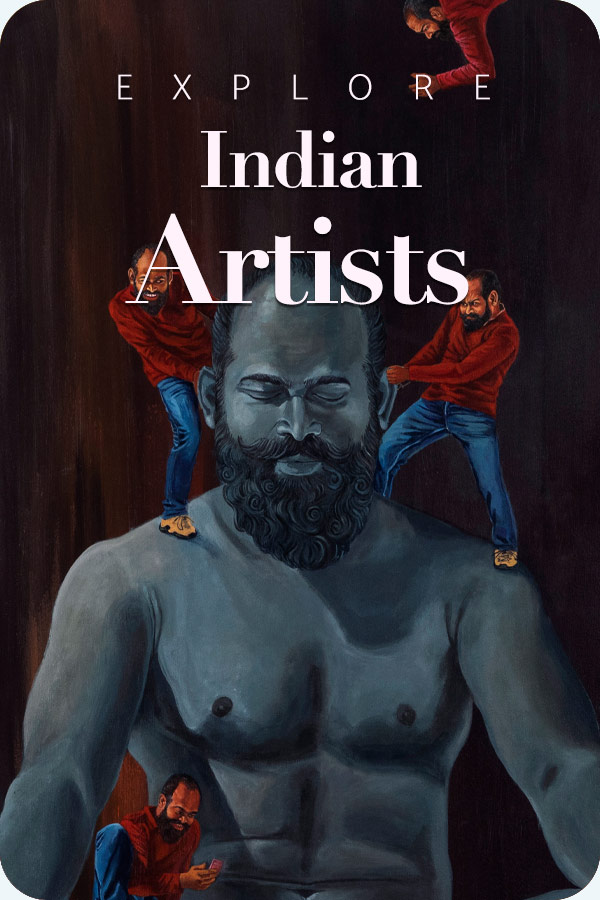
A new contemporary art exhibition titled METTĀ — A Practice of Presence: In Continuation… will open at the AC Art Gallery, Nehru Centre, Mumbai, on 15 September 2026. Bringing together five artists—Ramesh Thorat, Ranjit Deshmukh, Guhyacitta, Gopal Gangawane and Jagruti Sonawane—the exhibition explores ideas of awareness, contemplation, nature and human experience through painting and sculpture. The exhibition will remain open until 22 September 2026.
Exploring the Idea of Presence
The exhibition takes its inspiration from the Buddhist concept of Metta, often understood as loving-kindness, compassion and an open-hearted relationship with life. Rather than presenting presence as merely a state of being, the exhibition approaches it as a way of engaging with art and the world. Through five distinct artistic journeys, the participating artists examine introspection, sensitivity, existence and human connection, inviting visitors to slow down and observe more attentively.
Five Artists, Five Perspectives

Although united by a common thematic framework, each artist brings a unique visual language and creative process to the exhibition.
Ramesh Thorat’s work is rooted in the belief that art extends beyond the canvas into everyday life. His paintings encourage viewers to look closely and reflect on perception, awareness and the ways meaning is constructed through experience.
Ranjit Deshmukh’s sculptural practice grew from traditional Ganpati murti-making. His works emerge through a close dialogue with stone and material, balancing restraint, form and a sense of harmony while remaining attentive to natural rhythms and structures.
Contemplation and Material Practice

Guhyacitta’s artistic practice is informed by a contemplative way of life. Living and working within a Buddhist retreat environment, he approaches painting and sculpture through openness and experimentation. His works evolve through observation and discovery, often allowing traces of the creative process to remain visible within the finished form.
Gopal Gangawane’s work explores the relationship between light, shadow and states of mind. His paintings develop through layered gestures and intuitive mark-making, creating visual spaces that encourage reflection while remaining open to multiple interpretations. His wider engagement with sculpture, tool-making and musical instrument construction also informs his artistic approach.
Returning to Painting

Jagruti Sonawane began her creative journey in commercial art before returning to painting after a long period away from the field. Her practice draws upon ideas of mindfulness, impermanence and compassion. Through restrained compositions and a deliberate working process, she creates works that emphasise attention, observation and personal reflection.
Exhibition Highlights

Key aspects of the exhibition include:
- Five contemporary artists exhibiting together.
- Paintings and sculptures informed by personal experience and reflection.
- Exploration of mindfulness, awareness and human connection.
- Artistic approaches shaped by nature, contemplation and material engagement.
- A shared exhibition framework inspired by the concept of Metta.
Venue and Visitor Information
| Event | Details |
| Title | METTĀ — A Practice of Presence: In Continuation… |
| Venue | AC Art Gallery, Nehru Centre |
| City | Mumbai |
| Opening Date | 15 September 2026 |
| Inauguration | 5:00 PM, 15 September 2026 |
| Exhibition Dates | 15–22 September 2026 |
| Timings | 11:00 AM – 7:00 PM |
| Organiser | In association with Infinity Art Collaborators (IAC) |
| Entry / Tickets | Not specified in the exhibition materials |
| Address | Ground Floor, Discovery of India Building, Dr Annie Besant Road, Lotus Colony, Worli, Mumbai – 400018 |
Participating Artists
- Ramesh Thorat
- Ranjit Deshmukh
- Guhyacitta
- Gopal Gangawane
- Jagruti Sonawane
Conclusion
METTĀ — A Practice of Presence presents a collective exploration of observation, reflection and artistic inquiry. By bringing together five distinct creative practices, the exhibition offers visitors an opportunity to engage with questions of awareness, compassion and human experience. Through painting and sculpture, the participating artists create a space where contemplation and dialogue remain central to the encounter with art.