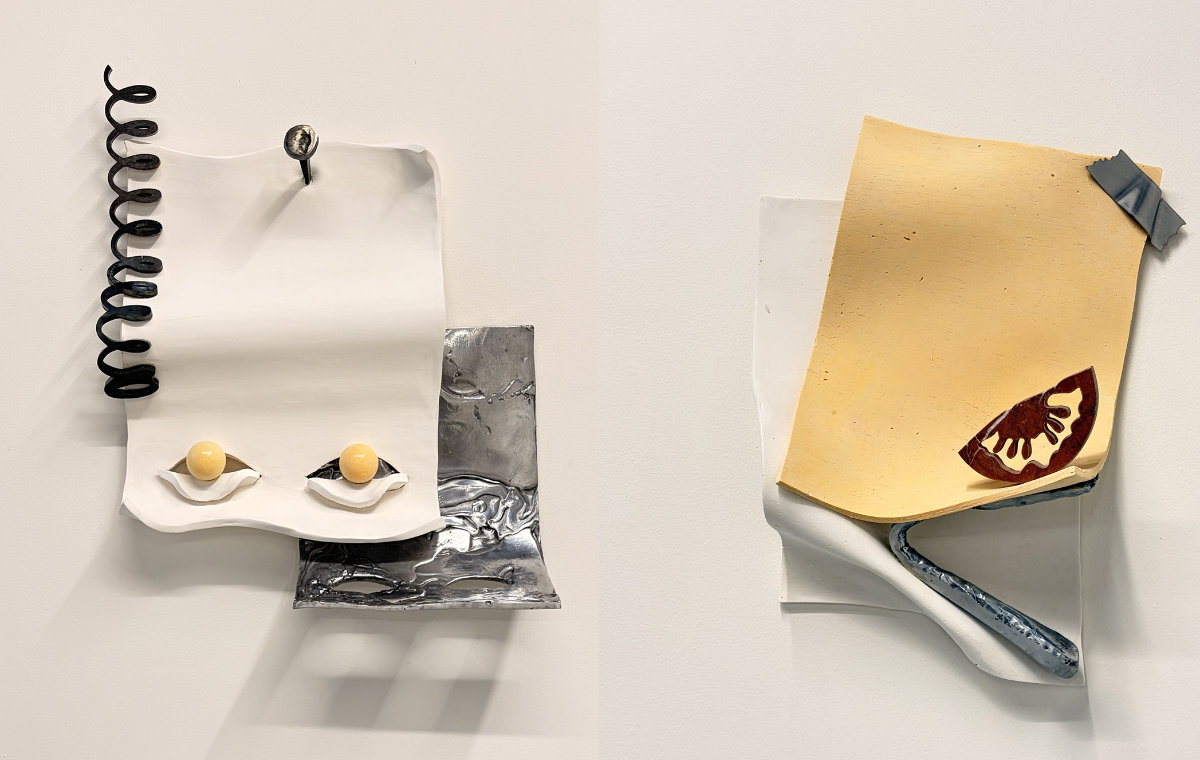
Thapar Contemporary in New Delhi is presenting Sing. No Cry, a group exhibition that brings together nine artists whose works engage with instinct, experimentation and the freedom to move beyond established conventions. Curated by Jasone Miranda-Bilbao and Vaibhav Raj Shah, the exhibition remains on view until 15 October 2026 at the gallery’s Kapashera space. The exhibition takes inspiration from the spirit of David Lynch’s Wild at Heart, using the idea of artistic freedom as a framework for examining contemporary creative practice.
A Dialogue on Artistic Freedom
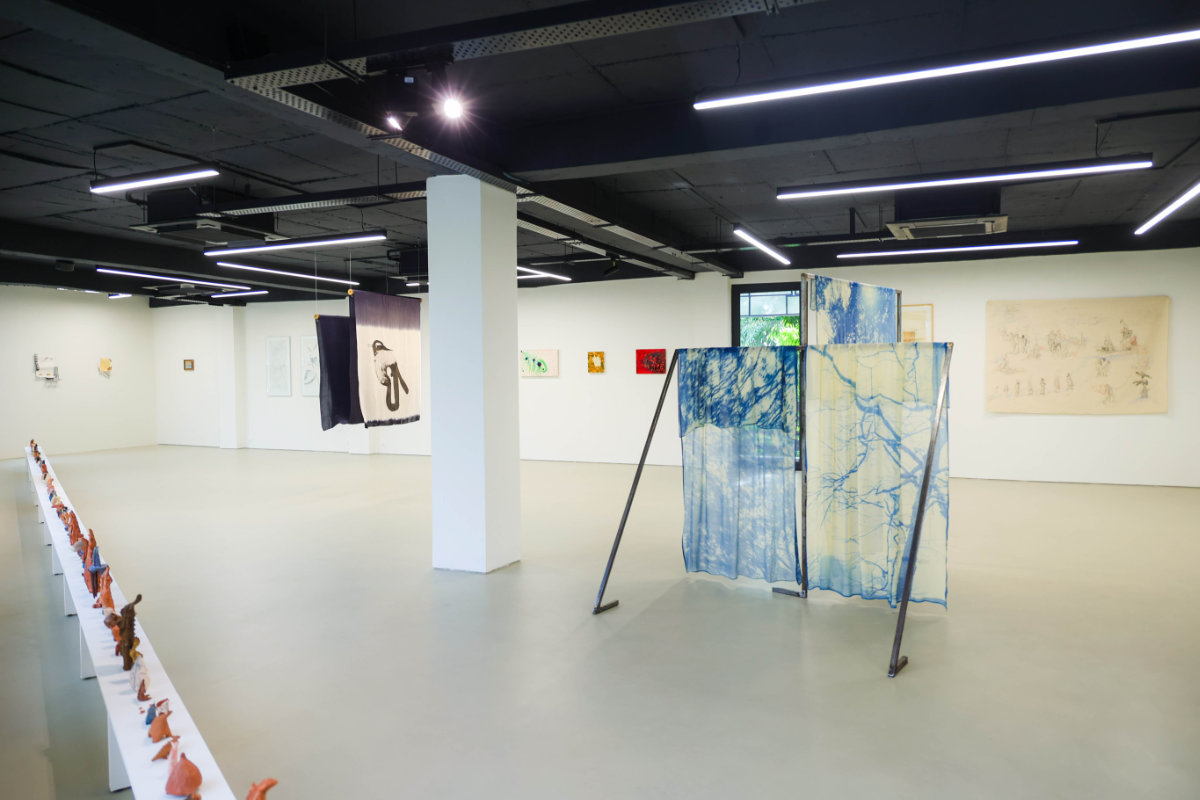
According to the curators, Sing. No Cry is less concerned with rebellion and more focused on the ability of artists to trust their instincts. The exhibition considers how creative practices evolve when artists allow themselves to move beyond familiar structures, visual languages and expectations. Through varied media and approaches, the participating artists explore ways of seeing that remain open to uncertainty and possibility.
The title itself suggests an act of expression. “Sing” refers to finding and asserting one’s voice, while “No Cry” points toward resilience and the refusal to allow difficulty or uncertainty to silence creative expression.
Nine Artists, Distinct Approaches
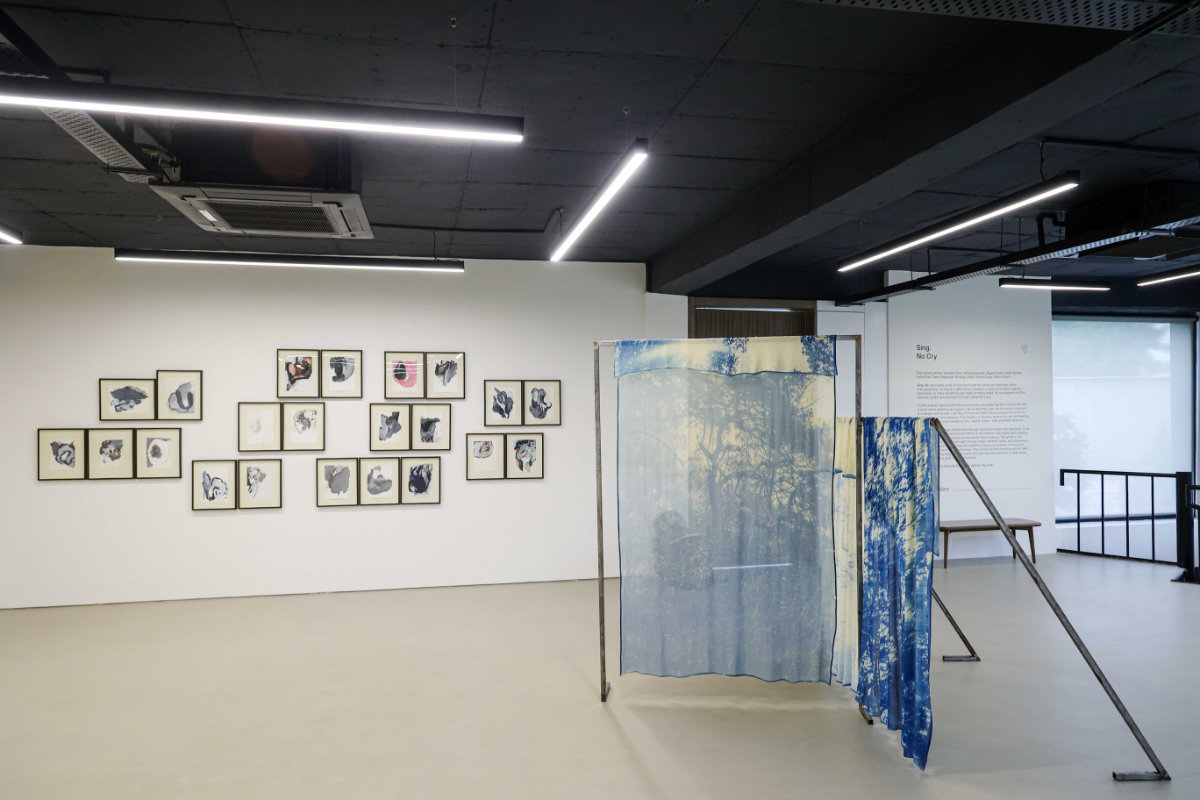
The exhibition features works by Amikam Toren, Asha Vaidyanath, Basist Kumar, Holly Hendry, Katie Pratt, Rahul Papaniya, Shivangi Ladha, Vanita Gupta and Willa Hilditch. Rather than presenting a unified aesthetic, the exhibition foregrounds the differences between their practices.
Featured artists include:
- Amikam Toren, known for conceptual and mixed-media works developed over decades in the UK.
- Holly Hendry, whose sculptural installations investigate hidden systems, architecture and the human body.
- Basist Kumar, recognised for atmospheric landscape paintings shaped by his studies in India and China.
- Shivangi Ladha, whose printmaking and multidisciplinary practice has been exhibited internationally.
- Vanita Gupta, whose work spans sculpture, video and installation, often challenging conventional artistic categories.
| Amikam Toren | Asha Vaidyanath |
| Basist Kumar | Holly Hendry |
| Katie Pratt | Rahul Papaniya |
| Shivangi Ladha | Vanita Gupta |
| Willa Hilditch |
International and Indian Perspectives
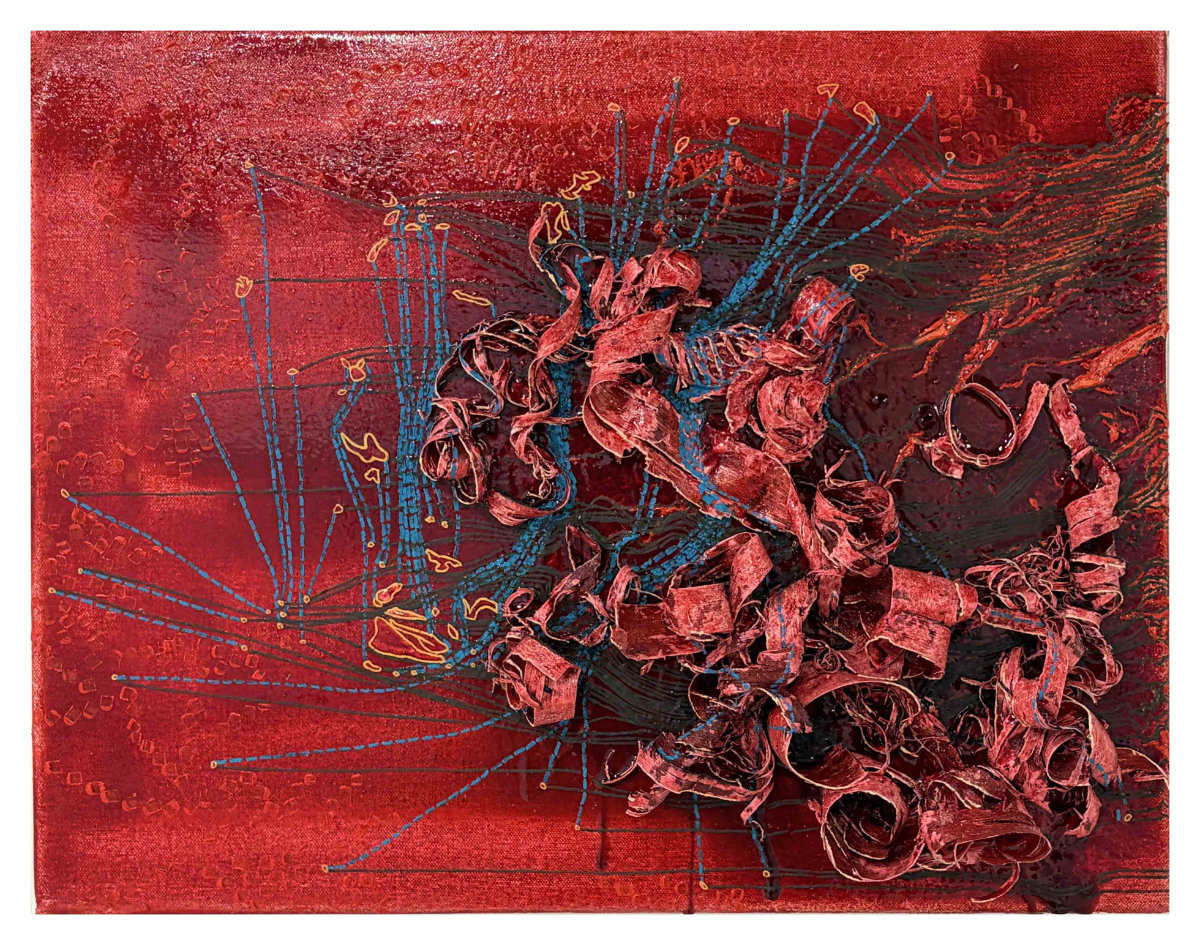
Several participating artists bring international experience to the exhibition. London-based sculptor Holly Hendry has recently completed major commissions in Tokyo and London, while painter Katie Pratt has exhibited extensively across Europe and the United States.
Alongside them, Indian artists such as Basist Kumar, Shivangi Ladha, Rahul Papaniya and Vanita Gupta contribute practices rooted in painting, printmaking and sculpture. Their works reflect different engagements with materiality, observation and personal experience, reinforcing the exhibition’s emphasis on diverse artistic voices.
Curatorial Framework
Miranda-Bilbao and Shah describe the exhibition as an exploration of spaces where perception shifts and questions remain open. Rather than directing viewers toward fixed conclusions, the curators are interested in practices that maintain a degree of uncertainty and experimentation.
This approach continues a curatorial dialogue previously explored at Thapar Contemporary through exhibitions addressing contemporary social, political and cultural concerns.
Exhibition Highlights
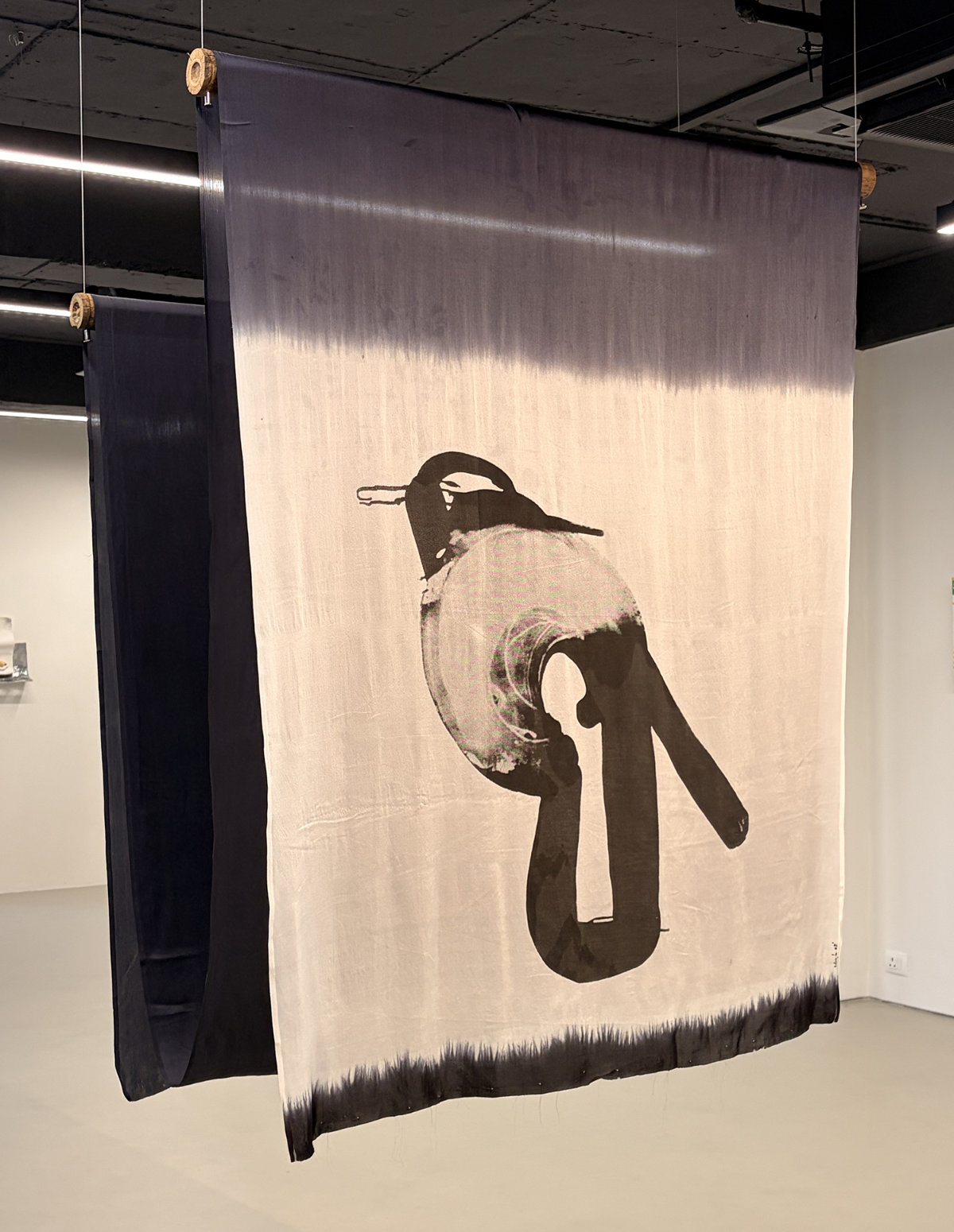
Visitors can expect:
- Paintings, sculptures and installations
- Works exploring perception, materiality and observation
- Dialogues between Indian and international artists
- Diverse approaches rather than a single thematic visual style
- A curatorial focus on instinct, experimentation and creative freedom
Visitor Information
| Event | Details |
| Title | Sing. No Cry |
| Venue | Thapar Contemporary, Kapashera |
| City | New Delhi |
| Opening Date | September 2026 |
| Exhibition Dates | On view until 15 October 2026 |
| Curators | Jasone Miranda-Bilbao and Vaibhav Raj Shah |
| Organiser | Thapar Contemporary |
Takeaway
By bringing together nine artists with distinct practices, Sing. No Cry offers an examination of how contemporary artists navigate uncertainty, intuition and experimentation. Rather than presenting a single narrative, the exhibition encourages viewers to encounter multiple ways of seeing and making. In doing so, it contributes to broader conversations about artistic freedom and the role of creative expression in contemporary cultural life.