Festivals of Andhra Pradesh You Can’t Miss!

0
Festivals-of-Andhra-Pradesh-cover
Image – Rajesh_India/Flickr

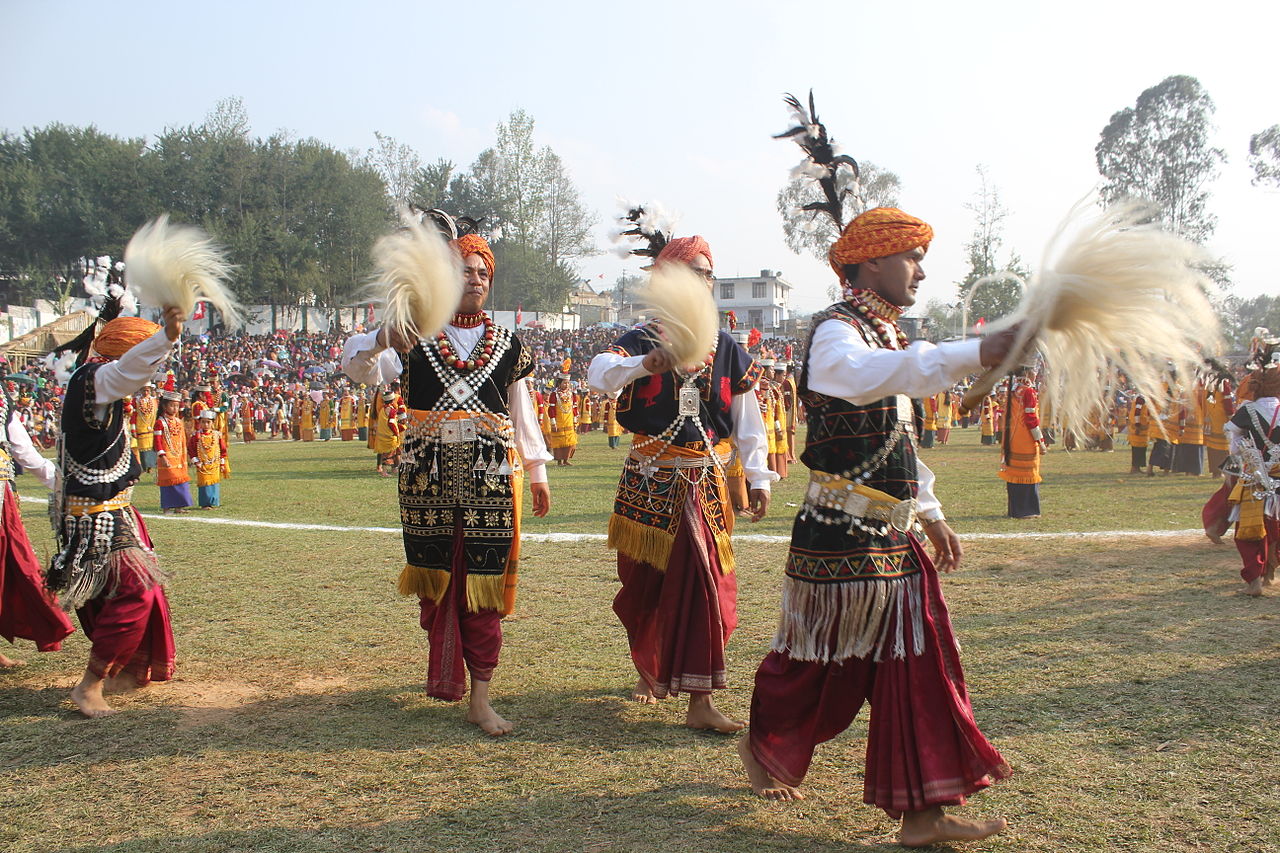
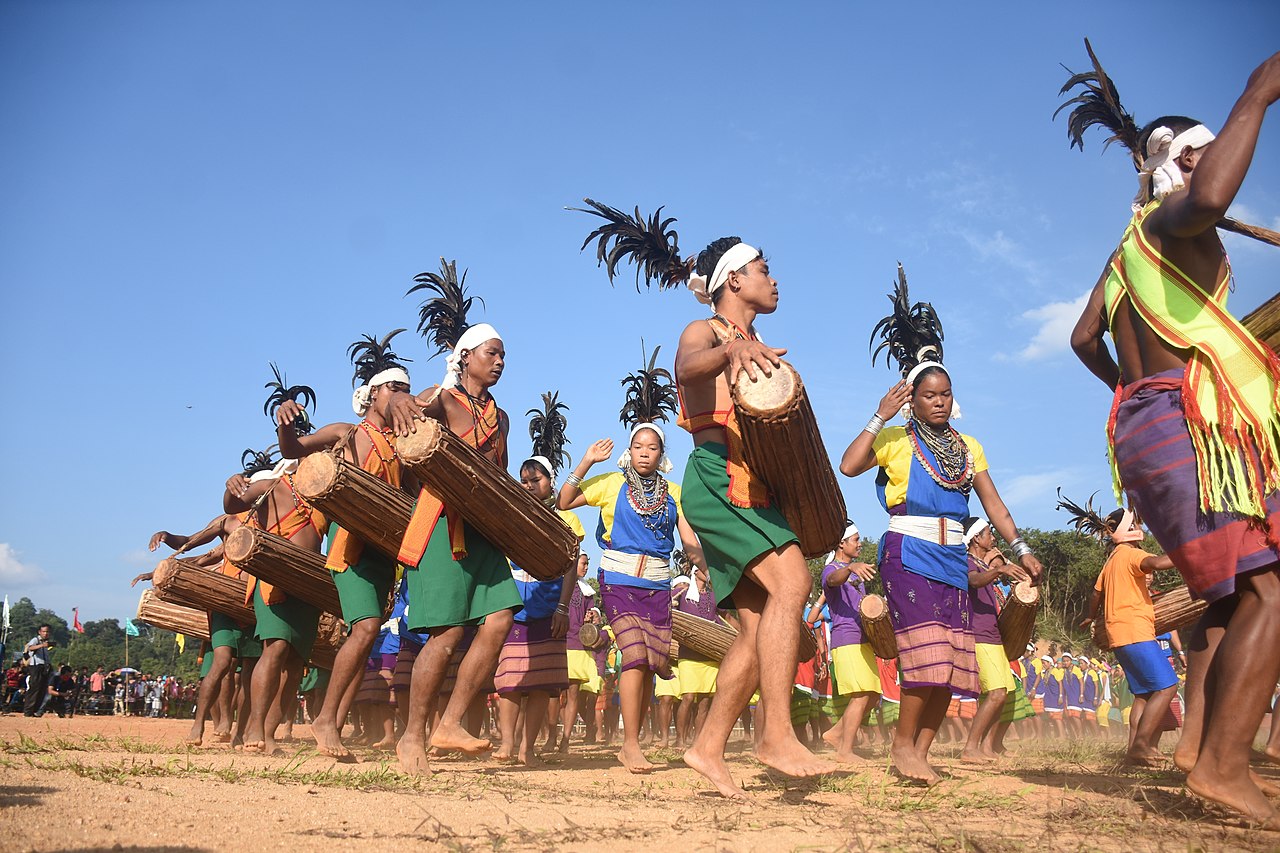
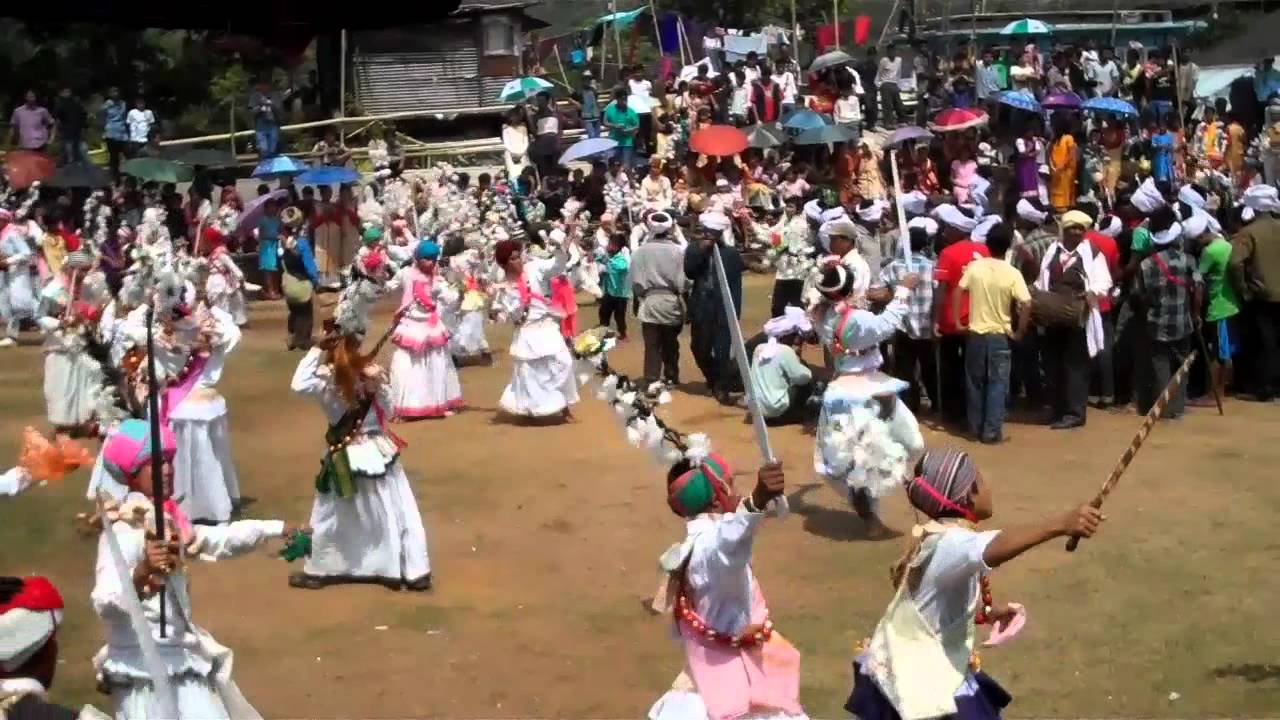
Andhra Pradesh is a magnet attracting people from all walks of life and people from all around the globe. Thousands of people visit the state of Jasmines, Andhra Pradesh, each year to explore the distinct culture of Andhra Pradesh. Festivals are the symbols to understand one’s culture. The festivals of Andhra Pradesh are lavish and would not fail in giving you chills of excitement. Here is a list of the eight most famous festivals of Andhra Pradesh.  

Pongal 

Festivals of Andhra Pradesh, Pongal 
Image – Choo Yut ShingFollow / Flickr

Pongal, or what you might know as Makar Sakranti, is one of the most famous festivals in the state. It is a harvest festival and observes the inception of the harvesting season. Although the festival is famous all over the country, the people of Andhra Pradesh celebrate it uniquely.  

In Andhra Pradesh, people dress up as ancient mythological characters on the occasion of Pongal. Pongal is a four-day event where the first day observes the Bhogi Panduga, the second day is the Pedda Panuga, the third is the Mattu Pongal, and the last is the Kanuma Panduga. And how can we miss the delicious feast and sweet rice Pongal of the Festival?  

Ugadi    

Festivals of Andhra Pradesh, Ugadi
Image – Wikimedia  

In Andhra Pradesh, people celebrate Ugadi as New Year’s Day. Locally, people call it Gudi Padwa. It is a festival based on the lunisolar calendar. You can be part of this festival at the end of March or the beginning of April. And as we know that festivals in India are incomplete without mouth-watering dishes, on Ugadi too, people make lots of tasty sweets. Puran Poli and Bhakshya are ritual sweets of the festival. The most astonishing part of the festival is the making of banana leaves garland. People in Andhra Pradesh make banana leaves garlands for hanging them on their doors.  

Other than Andhra Pradesh, Southern states, including Telangana and Karnataka, also celebrate the festival with utmost enthusiasm. 

Deccan Festival 

Festivals of Andhra Pradesh Deccan Festival
Image – Wikimedia

The Deccan festival is the most exuberant Festival of Andhra Pradesh, and you would witness the five-day-long festival celebrated most astonishingly. This festival is different from the traditional festivals of the state, as the festival is about art, cuisine, and culture rather than mythology and religion.  

The best part about the Deccan festival is the local fairs and exhibitions that you would see at several places all over the state. The nights spent with cultural programs, dance performances, and poetry sessions complete the festival and the festive vibe of the festival.  

Lumbini Festival 

Festivals of Andhra Pradesh, Lumbini Festival 
Image – Wikimedia

The Lumbini festival is a Buddhist festival. The Department of Tourism of the State Government of Andhra Pradesh is responsible for organizing the festival. The festival aims at reviving the knowledge about the significance of Buddhism in the medieval history of Andhra Pradesh. The main objective is to promote and highlight the Buddhist culture in the state.  

The festival goes on for three days in December and is now one of the greatest and most famous festivals in Andhra Pradesh. Many tourists visit Andhra Pradesh in December to be a part of this joyous festival. 

Vinayaka Chaturthi 

Festivals of Andhra Pradesh, Vinayaka Chaturthi 
Image – Wikimedia

Vinayaka Chaturthi, also known as Ganesha Chaturthi in Maharashtra, is the most vibrant festival of Andhra Pradesh and the country. In Andhra Pradesh, people celebrate the Chaturthi or the birthday of Lord Ganesha by worshipping the god with leaves, flowers, sandal paste, vermilion, and kheer. The festival culminates with the immersion of the idol of Lord Ganesha in the lake. 

Rayalaseema Food and Dance Festival 

Festivals of Andhra Pradesh, Rayalaseema-Food-and-Dance-Festival

The Rayalaseema Food and Dance Festival is the most significant Art Mela in the state. The people of Andhra Pradesh encapsulate in traditional and religious festivals and cultural festivals aiming at the promotion of art and culture. The Rayalaseema Food and Dance Festival is a living example of this. The festival stands dedicated to art and crafts, food, and cultural dances. The people organize this festival during the festive month of October in the region Rayalaseema.

Suggested Read – 10 Dishes of Andhra Pradesh that Would Make You Fall in Love

Visakha Utsav 

Festivals of Andhra Pradesh, Visakha Utsav 
Image – Wikimedia

Visakha Utsav is a cultural festival of South India, and the festival is neither mythology-based nor traditional. The state government of Andhra Pradesh organizes the Visakha Utsaveach year at the end of December, and the four-day festival event was first organized in 1997.  

You can not miss this Festival in Andhra Pradesh. It is a hub of all cultural ties up in the state. You would witness many cultural events, including sports events, traditional crafts, shows, garment exhibitions, flower shops, and heritage tours. There is no chance of facing boredom. If you are an admirer of cultural beauty, you have to attend the Visakha Utsav. 

Tirumala Brahmotsavam

Festivals of Andhra Pradesh Tirumala Brahmotsavam
Image – Wikimedia

Brahmotsavam or the Tirupati Tirumala Brahmotsavam is a Hindu festival. The only temple where you would see the celebration of this festival is at the Tirumala Venkateswara temple. The nine-day festival dedicated to the sole worship of Lord Brahma forms the first religious festival in the state of Andhra Pradesh. To become a part of this eventful ceremony, you would have to plan your trip to Andhra Pradesh in October. The last day of the festival, the ninth day, is extraordinary and the most interesting one. On the last day, there is a display of bliss scenes of the procession of Lord Venkateshwara passing by various streets. This goes on till midnight.  

Suggested Read – Enchanting Folk Dances of Andhra Pradesh Reflecting Telugu Culture

Final Thoughts

This completes our list of festivals of Andhra Pradesh. The state is culturally rich, and this unique aspect of walking on the road of culture, heritage, and mythology together is visible only in Andhra Pradesh. Many festivals of Andhra Pradesh find their origin or base from the mythological legends, others from religious traditions, and the most recent ones developed as a part of the promotion of state tourism. The festivals in the state attract thousands of visitors each year and serve as a great way to display the state’s eclectic, vibrant and joyous culture. 

Tholu Bommalata – Leather Puppetry Art from Andhra Pradesh

0
Tholubommalata
Image Source

The Indian subcontinent is a place of unimaginable diversity. There have been different art and craft forms that evolved from this region, one of which is the craft of making Tholu bommalu or leather puppet in the southern Indian state of Andhra Pradesh. However, this craft is unique because it is intrinsically linked with an ancient form of entertainment- Tholu Bommalata- or the dance of leather puppets.

Suggested Read – Andhra Pradesh Culture – A Window to the Rich Heritage & Tradition of Telugu People

Tholubommalata-Performance

Tholubommalata is a shadow puppet tradition from Andhra Pradesh, known for its roots in traditional tales and folklore. The art of making these puppets is a difficult craft, and an art in itself. The unique beauty of Tholubommalata comes from the fact that it is the same community that make these puppets and the same community that gained such acclaim for entertaining millions of people over millennia.Tholubommalata is so special because it encompasses two very different arts- crafting leather puppets and the painstaking skill of puppeteering, both intimately interdependent.  

Tholubommalata History and People

Tholubommalata, History and people
Image Source

The tradition of making Tholu bommalu and the practice of Tholubommalata is believed to have originated in about the second century BC during Satavahana rule in Andhra Pradesh. The community of puppet makers consists mostly of people of the Balija community from Maharashtra who migrated to Andhra Pradesh. The same community also put up puppet shows, each of them acting as the voices for different characters. The puppeteers/ puppet makers travelled from one village to another, setting up temporary theatres to entertain and educate people through their puppet shows.The puppets were usually mounted in the centre on a palm stick, with strings tied to the limbs to control their movements. A single puppeteer would control all the movements of the puppet, and give it its voice as well. The puppets would be controlled behind a nearly transparent screen, with light shining from behind to cast the colourful shadows of the puppets on the screens.

Tholubommalata-Artists-03

Music would be played on the side for dramatic effects, and every few minutes, there would be some sort of comic relief, either in the form of exaggerated movements of the puppets or an eccentric manner of speech to convey these values in a memorable and entertaining manner. Tholubommalata was for all strata of society, and for all ages, with entire villages excitedly leaving their homes for the evening to watch the annual show of the travelling artistes. It was once said that the places chosen by the artists to put up a show would experience days of bountiful rain and prosperity. 

Tholubommalata-Artists

This tradition continued and maintained its popularity for a long time, through the ancient and mediaeval ages. However, it truly came under the limelight and reached the pinnacle of its renown and popularity under the Vijayanagara empire, when it came under royal patronage. Under the Vijayanagara empire, it was so renowned that a version of the Ramayana called ‘Ramayana Ranganatham’, is believed to have been composed exclusively for a portrayal of Ramayana through the art of puppetry.

Today, the puppets are made by the same community, with each generation inheriting the knowledge of crafting and entertaining with leather puppetry from their senior generations. The community has assimilated into the Telugu state from its original Marathi origins, with Nimmalakunta in Ananthapuram, Narasaraopet in Guntur and D.C. Palle in Nellore districts of Andhra Pradesh being considered the main centres of leather puppet craftsmen now. 

Tholubommalata Style, Uniqueness and Process

Tholubommalata Style and Uniqueness
Image Source

The process of making these leather puppets is a time-taking and laborious one- it usually takes more than a month. Traditionally, artisans first pick up goat hide from the local meat markets. Then, through a long and labour-intensive process of cleaning and curing, they convert the hide into parchment. This process includes soaking the hide in lime water for ten days, followed by cleaning. The leather is, once again, soaked in water mixed with kadaka powder, a vegetable based natural dye that imparts a light brown hue to the leather. Then, the artisans must allow the leather to dry out for perhaps a week or more. 

After the parchment is ready, the artisans trace out the shapes of the soon-to-be puppets with chalk on the parchment and cut out the outline. The shapes generally are those of characters from Indian epics like the Mahabharata or the Ramayana and Indian Mythology in general, because Tholubommalata revolves around these stories- stories of Indian mythology with life and moral lessons, meant to entertain and educate at the same time. 

Tholubommalata-Artists-01

Once the outline is made, the artisans cut out holes in the puppet, this is to make light pass through it, giving it a certain sparkle during the performances. These holes are usually intricate little patterns that look like windows or flowers. Following this, the artisans draw the outline of the figure to be painted with black ink using sharpened bamboo reeds. This forms the outline of the character of what is to be the puppet.

Subsequently, the puppets are painted with vibrant colours traditionally derived from natural dyes, so that the light during the puppet shows don’t overshadow the colours of the Tholu Bomma; instead the vibrant colours just make the puppets look brighter and more beautiful when light shines against them. This process requires a great deal of precision and takes a lot of time. Once it is finished, the artists draw the outline and details in black ink again, to emphasise the details that might have been lost in the process of painting. This is the long, laborious process of making one Tholu bomma. 

Recognition for Tholubommalata

Tholubommalata-Recognition
Image Source

In modern India, this beautiful and difficult craft and performing art  has not gone unrecognised. In 2008, Tholubommalu were given a GI, or a Geographical indication tag, implying that it cannot be manufactured or performed anywhere outside Andhra by people other than Andhraites. Craftsmen committed to preserving and popularising this ancient craft in the age of globalisation have also individually recognised at the National level. In 2020, master craftsman Mr D Chalapathi Rao from Nimmalakunta village received the Padma Shri award from the then President, Ramnath Kovind, for his efforts to preserve the craft. His entire family is involved in making Tholu bommalu and Tholu bommalata- his relative, Mr Sinde Sriramulu, also received a national award for the same. 

Present State of Tholubommalata Art

Tholubommalata -Present state
Image Source – Right, Left

Despite the accolades and recognition, all is not rosy for these craftsmen and artists. With the rise of modern entertainment media like television and mobile phones, few people are interested in Tholu bommalata now. As a result, craftsmen are now resorting to making commercial products like lampshades and wall hangings to practise their traditional occupation of leather crafts in some way- few craftsmen make Tholu bommalu themselves now, since they see few buyers. The younger generations in the community of the craftsmen are disinterested in the craft, or are being discouraged from practising it, being told to look for something more lucrative instead. 

Suggested Read – Enchanting Folk Dances of Andhra Pradesh Reflecting Telugu Culture

Final Thoughts

Tholubommalata is a craft that epitomises the beauty of the arts, crafts and culture of India. It represents not only centuries of craftsmanship, but a tradition of performing arts that helped propagate our culture and values for millenia. In this growing age of globalisation and consequently, homogeneity, awareness regarding the significance of crafts like Tholubommalata is necessary to help the common populace recognise the fact that it is arts, crafts and cultural enterprises like this is what makes our respective regions and cultures unique in an increasingly uniform world. 

Yoga vs Pilates vs Tai Chi – Key Differences and Benefits

0
Yoga-vs-Pilates-vs-Tai-Chi-0
It all starts with a single stretch – Image Credit – Ketut Subiyanto

Tai Chi, Pilates, and yoga are all effective low-impact workouts that concentrate on strengthening your core and improving your balance. These activities can be performed by anybody, regardless of age or skill level, and they have several positive effects on one’s health.

In this article, we will discuss these meditation workouts that will help aid your mind and body alike. Each workout type will be described according to its style and form. Then, we shall conclude by going over their differences.

Yoga

Yoga-vs-Pilates-vs-Tai-Chi-01
Slow breathing while in stretched position in yoga exercises – Image Credit – FreePik

There are a lot of different styles and forms of yoga. One of the most well-known approaches is called Hatha, meaning ‘force’. This approach has various components that relate to the body.

Hatha yoga emphasizes movement and is less of a quiet and contemplative practice. It relies on breath control exercises (pranayamas). After this, there will be a sequence of yoga poses (asanas), and the practice will conclude with a resting period (savasana).

During your yoga practice, you should exert yourself physically, but you should never feel overwhelmed by the experience. When you reach this “edge”, your attention shifts to your breath and your mind becomes accepting and at ease.

Main Components

There is a wide variety of types of yoga, each of which emphasizes a distinct idea or way of thinking. Each of these varieties of yoga also emphasizes a different set of postures and areas of emphasis. 

Although the actual practice of yoga covers a vast amount of ground and is quite in-depth, yoga is primarily concerned with the following aspects:

  • Position and posture of the body
  • Breathing
  • Meditation or a certain frame of mind

Benefits

Everyone, regardless of age or fitness level, may improve their physical and mental health by practicing yoga. 

The health benefits of yoga include:

  • Strength, balance, and flexibility are all improved
  • Back discomfort may be alleviated
  • Yoga alleviates symptoms of arthritis
  • There is some evidence that yoga is good for the heart
  • Sleeping at night is better since it helps one to calm down
  • Increased vitality and improved moods
  • Better stress management and lower blood pressure
  • You will find a welcoming and encouraging community

In addition, if you are currently dealing with an illness, are recovering from surgery, or are a patient living with a chronic condition, you can incorporate yoga into your treatment plan to aid your recovery.

Numerous studies have shown that yoga may be beneficial for different conditions, including oncology, osteopenia, challenges with balance, women’s health, arthritis, and chronic pain, to name a few.

Due to the scientific evidence of yoga’s benefits to health care, several significant institutions, including the United States Armed Forces and the National Institutes of Health, are incorporating it into their practice. 

Pilates

Yoga-vs-Pilates-vs-Tai-Chi-02
Routines in Pilates can be done with or without machines – Image Credit – Pexels

Routines in Pilates can be done with or without machines – [Image Credit – FreePik]

Pilates is focused on the improvement of overall fitness, aerobic condition, and health while also working to strengthen the whole body. Its routines may be practiced on a mat like yoga, but usually, resistance devices are utilized to improve strength.

Benefits

Health benefits of Pilates exercises include better posture, muscular toning, and enhanced mobility and balance. There is also proof that Pilates may be useful for alleviating back pain since using equipment enables the individual to exercise with back support. 

Pilates is largely regarded as a safe and helpful type of exercise, despite having a plethora of movements with a wide range of motion. For this reason, many people are scared of trying it out the first time, but it is appropriate for beginners too.

The health benefits of Pilates include:

  • Strengthening of the core
  • Improvement of posture
  • Reduces back discomfort
  • Provides an energy boost
  • Helps you be more fit
  • Relieves stress
  • Relieves pain during menstruation cycles
  • Enhanced flexibility and mobility
  • Makes you more resistant to illness
  • Better cognitive performance
  • May increase motivation
  • Improves athletic performance
  • Improves sexual life
  • Strengthens bones
  • Effective mood enhancer
  • Provides better sleep

Tai Chi

Yoga-vs-Pilates-vs-Tai-Chi-03
The martial art-like movement of Tai Chi – Image Credit – Hebert Santos

Tai Chi is sometimes referred to as meditation in action, but a more appropriate name for the practice is medicine in motion

There is an increasing amount of research suggesting that this mind-body activity, whose roots came from Chinese martial arts, may be beneficial in the treatment and prevention of a wide variety of health issues. 

You may begin with its routines even though you aren’t in an ideal form or health, at the moment. It is the easiest exercise for beginners since it does not require a lot of cardio background and a prerequisite body weight. 

Erien Fryer, a Qi Gong-certified teacher states, “Tai Chi Qi Gong can be extremely beneficial for individuals who have experienced trauma and find static positions triggering. The slow gentle movements with deep diaphragmatic breathing assist in the facilitation of neuro-regulation of the parasympathetic nervous system and optimal flow of Qi (Chi)”.

Benefits

Practicing Tai Chi has numerous benefits, both physical and mental. Tai Chi has been linked to a reducing symptoms of anxiety and sadness, as well as an increasing cognitive performance. 

It is also possible that it may assist you in managing the symptoms of some chronic disorders, such as fibromyalgia or COPD (chronic obstructive pulmonary disease).

Tai Chi also has the following health benefits:

  • Alleviates stress and anxiety
  • Help facilitate better sleep
  • Reduction of weight
  • Enhances cognition (especially beneficial for cognitively impaired elderly persons)
  • Improves balance and motor skills
  • May supplement conventional treatments for some chronic illnesses
  • Reduces arthritis-related pain
  • Teaches you the art of self-defense

Tai Chi Sword

Tai Chi Sword
The remarkable Tai Chi sword – Image Credit – Wikimedia

Tai Chi is the only meditational art that uses a weapon, the Tai Chi sword. The goal of using this fascinating weapon is not to end one’s life but to preserve it. It is a widely respected weapon reflecting Chinese culture, tradition, and history.

Differences & Similarities

Yoga-vs-Pilates-vs-Tai-Chi-04
You shall improve both your mental and physical well-being with each exercise – Image Credit – Pexels

Although yoga, Pilates, and Tai Chi are all distinct forms of physical activity, they share one important characteristic: the ability to reduce discomfort and enhance the overall quality of life.

  • Tai Chi generally focuses on health, self-defense, and mind meditation with the internal Qi Gong
  • The main foundations of Pilates are associated with concentration, focusing on the core, correct breathing techniques, and providing control, flow, and precision
  • Yoga is another method to take care of your health that uses breathing, movement, and meditation to bring your mind, body, and spirit together

All these 3 exercises can support your health and well-being in varying degrees for similar areas. All of them will provide you with various forms of exercise designed to strengthen your muscle tone and mind.

The physical postures you will do for each of these arts will lead to stress reduction and weight loss. The risk of falls and failure when exercising is close to null, so we recommend you try each of their routines.

You can get support from an expert to decide which is more suitable for you or simply, try them all out and see for yourself which exercise suits you the most.

Conclusion

Building strength and balance via activities like Tai Chi, Pilates, and yoga are becoming more popular since it provides the dual benefit of lowered risk of injury from falls and alleviation of pain from illnesses. It is even possible to modify existing routines for each so that even mobility-impaired individuals can practice these.

References:

Vedanta Centre Staff, S. Y., & Publishing Staff, D. K. (2010, January 1). Yoga. In Your Home Practice Companion. DK.

Yoga, V. C., & Publishing Staff, D. K. (2003, January 1). Yoga (L. Hawksley & I. Whitelaw, Eds.). https://doi.org/10.1604/9780789496843

Yoga. (1997, March 2). In S. Y. Vedanta Centre (Trans.), Mente y Cuerpo.

Tucker, P. (2000, January 1). Tai Chi. In Flowing Movements for Harmony and Balance. Lorenz Books. https://doi.org/10.1604/9781859675038

Frantzis, B. (2011, July 15). Tai Chi. In Health for Life. https://doi.org/10.1604/9781583941447

Paden, L. (2014, December 1). Pilates. In Easy Lessons for Stretching, Lengthening, and Toning Your Body.

Eisen, I. (2014, December 30). Pilates. Rosen Young Adult.

The Golden Age of Indian Comic Book Publishers

0
Indian-Comic-Book-Publishers-1
Image – Wikimedia

I fondly remember when I was a child, I used to be crazy about comic books. Those pages filled with colourful illustrations, jokes and dialogues would just take you to a whole new world. I’ve grown up now, but I confess, I’m still as crazy about them. There’s just something about those little books that makes me so nostalgic. 

I don’t think kids today would ever know the joy of holding up a beaten-up, dog-eared and crumbling comic book. Everything is now available to read on the internet – you can read comics right off your computer or download them on your iPad or tablet. I’m not putting down any of these methods of reading but a real book has a charm unlike anything else. A comic book used to fuel our imagination, our creativity and resourcefulness but sadly that seems to be passing now. While I do truly believe that nothing can replace the charm and appeal of a paperback comic book, if we can provide comic books for children today in electronic form it can revive them. Just how successful they will be is something only time will tell.

Just to refresh your memory, here are a few Indian comics that are bound to get you all nostalgic.

1. Diamond Comics

Golden Age of Indian Comics-Diamond Comics
Image – Facebook

Do you remember the amusing, not to mention hilarious capers of Pinki and Billoo? Or the amusing adventures of Chacha Chaudhary, Sabu and his faithful dog, Rocket? Diamond Comics was responsible for bringing these characters to children across India with the help of master illustrator Pran who brought them to life. It also featured a range of other popular characters such as Raman, Motu-Patlu, Shrimati Ji, Channi Chachi, Fauladi Singh and so many more. Along with these, they also published the comics featuring a number of foreign characters like Phantom, Mandrake, Spiderman and Superman. Diamond comics have gained a huge following over the years not just among children but adults as well, making it one of the most popular comics in India.

2. Amar Chitra Katha

Golden Age of Indian Comics-Amar Chitra Katha
Image – Flickr

One of the oldest and the most well-known comic book that has been enthralling children with its tales of Indian culture and heritage since 1967, Amar Chitra Katha has come a long, long way. It was started as a series by Anant Pai and was divided into many sections with stories about Indian visionaries, scientists and fables from Panchatantra, mythological stories from Indian epics like Ramayana and the Mahabharata as well as humorous stories like Akbar and Birbal, Tenali Raman and so on. Today it is published in over twenty languages and shipped all over the world. It has to be said that Amar Chitra Katha made Indian kids more aware about their heritage and history at a time when India was moving towards development and urbanization. Filled with colourful illustrations and snappy dialogues, these are the comic books we grew up reading.

3. Raj Comics

Golden Age of Indian Comics-Raj Comics
Image – Wikimedia

Before we all got addicted to Marvel/DC superheroes like the Incredible Hulk, Wolverine and Captain America, there was Raj Comics. The comic responsible for spawning off some of India’s most popular superheroes is also one of the longest running and the most successful comic books. It featured characters such as Nagraj, arguably India’s finest superhero, Shakti, our very own version of a female superhero, Doga, the anti-hero, Inspector Steel and so many more iconic characters. Before Marvel and DC superheroes, there were these superheroes that ignited and stimulated the imagination of so many young children all over India.

4. Tinkle

Golden Age of Indian Comics-Tinkle
Image – Wikimedia

Who else remembers sneaking in a Tinkle comic and reading it during lunch breaks? It also fit snugly into our pockets and we loved taking it everywhere with us. Tinkle comics, with its wholesome mix of stories and comics was and is still popular, not just among children but grown-ups as well. Created by Anant Pai or Uncle Pai as he is affectionately known, it features something for everyone, everything from puzzles to stories, humorous anecdotes, quizzes and comics. Plus who can forget the unforgettable characters of Suppandi, a very foolish simpleton who’s always up to his hilarious antics, Shikari Shambu, the bumbling jungle hunter, Kalia the friendly crow and so many more. It’s still popular, so much so that it still has a monthly subscription of over 300,000 copies. Since its creation in 1980, Tinkle has been engaging children and adults of all ages with its entertaining as well as educational content. 

5. Indrajal

Golden-Age-of-Indian-Comics-Indrajal
Image Source

Started by Bennet, Coleman & Co, the publishers of The Times of India in 1964, Indrajal Comics featured stories from Lee Falk’s The Phantom as well as iconic characters such as Mandrake, Flash Gordon and Buz Sawyer. The most distinctive feature of Indrajal Comics was its bright and colourful cover designed by B. Govind and that alone could catch your eye. Indrajal also began publishing in various Indian languages. Sadly the publication canceled the series in 1990. Indrajal Comics are sought after a lot by comic aficionados and collectors. If you’ve got a copy, it can get you up to Rs.70, 000 becoming a collector’s item and quite the treasure.

6. Chandamama

Golden-Age-of-Indian-Comics-Chandamama

Chandamama was another classic story magazine; in fact summer vacations and Chandamama sort of went hand in hand. It had some of the most vibrant and beautiful illustrations and artwork and ran the longest running series of mythological tales in India as well as the very popular Vikram-Betal stories. The first issue was launched in 1947 in Telugu by B.Nagi Reddy and Chakrapani. After a while the magazine was revamped and published in many Indian languages. Known mostly for its historical and mythological tales and stories full of moral values, Chandamama has always striven to educate children about Indian culture, heritage and folklore. As of now Chandamama is no longer published but you can access it online from a number of websites.

Women Achievers of India Who Broke the Barriers & Became the ‘Firsts’

0

Indian women achievers

There are some fields that are dominated by men. For a long time, a woman breaking barriers and entering an occupation that was only driven by men was unheard of. However, a lot has changed in the last century and more women are making a foray in the fields of science, technology, sports and more. Here is a list of amazing women achievers of India, who made India Proud in their respective fields.

Women Achievers in Conventional Fields

The home has always been deemed to be the first and most important priority of a woman for generations. Teach the girl how to cook, clean and take care of the family. That is about all that mattered. Yet, women began venturing into occupations and passion that brought them out of the four corners of their homes and exposed them to a world where they learnt more and felt independent. Teaching, sewing, home based businesses, such as, tuitions, running classes or selling items were the main careers around which a large majority of women centered. These occupations were safe and did not require a full time dedication. 

This meant that though women were beginning to get educated they were still not boldly making in-roads into the ‘man’s world’. Even in academics, women chose subjects dealing with Arts, Humanities and Commerce and rarely took up courses in the sciences and mathematics. This was not because women were any less smart, but most of the studies in science required more than 3 years at the graduation level. This was one of the main reasons that women refrained from pursuing these fields, because again ‘marriageable age’ was a big milestone in any woman’s life.

Thankfully the passage of time, more awareness and a world-wide wave of feminism slowly but surely opened the eyes of a patriarchal society. There is still a long way to go, but some incredible women who took charge of their lives and lived their dreams on the strength of their own desires and hand work also paved way for generations of women to come. These women who became the firsts in their fields, did the impressive impossible. They showed others that women could also do what men did. And they did it with such grit and determination that their lives have been an inspiration for all generations. 

Women in Science/Technology/Mathematics

Anandibai Joshi and Kadambini Ganguly were one of the first female Indian doctors who qualified to practice western medicines. 

Women Achievers of India, Anandibai Joshi and Kadambini Ganguly
Anandibai Joshi and Kadambini Ganguly

Janaki Ammal (1897-1984) – With Botany as her interest, Janaki Ammal was the Director-General of the Botanical Survey of India and did a lot of work on medically and economically important plants. 

Women Achievers of India, Janaki-Ammal-First-Woman-Director
Janaki Ammal – Wikimedia

Kamala Sohonie (1912-1998)- She was the first woman to get a PhD in a scientific discipline. She was the first female student of Prof. C.V. Raman who himself was averse to having women students. But her intelligence and caliber made the Professor himself encourage her to research further. 

Women Achievers of India, Kamala-Sohonie
Kamala Sohonie – Wikimedia

Asima Chatterjee (1917- 2006)- A highly recognised chemist, she was brilliant in the field of organic chemistry. She is known for her research on anti-epileptic and anti-malaria drugs.

Women Achievers of India, Asima-Chatterjee-Woman-Chemist
Asima-Chatterjee – Wikimedia

Rajeshwari Chatterjee (1922-2010) – One of the first female engineers of India, she was given a scholarship by the then Government of Delhi to study abroad. She is known for her research on antennae and microwave engineering. 

Women Achievers of India, Rajeshwari-Chatterjee-first-female-engineer
Rajeshwari-Chatterjee – Wikimedia

A.Lalitha – She is the first electrical engineer from India. She proved that if you educate a woman you educate her entire family. She was widowed at the age of 18 with a four month old son. She chose to move ahead with her life and went on to create history. 

Women Achievers of India, A.Lalitha-first-electrical-engineer-from-India
A.Lalitha – Source

Darshan Ranganathan – An incredible organic chemist, she is known for her works in protein folding. 

Women Achievers of India, Darshan-Ranganathan-organic-chemist
Darshan-Ranganathan – Wikimedia

Dr. Aditi Pant – The first Indian woman to reach Antarctica, she is a well-known oceanographer.

Women Achievers of India, Dr. Aditi Pant-The-first-Indian-woman-to-reach-Antarctica
Dr. Aditi Pant – Gyanpro.com

Tessy Thomas – Also known as the ‘Missile Lady’ she has successfully launched the Agni missile series. She is the first Indian woman scientist to head a missile project. 

Women Achievers of India, Dr. Tessy Thomas Missile Lady
Dr. Tessy Thomas – Baggout.com

Mangala Narlikar – A renowned mathematician, she finished her PhD after 16 years of marriage. A master of simple and complex mathematics she is loved by her students whom she taught in the University of Mumbai and Pune. 

Women Achievers of India, Mangala-Narlikar-A-renowned-mathematician-1
Mangala Narlikar – Wikimedia

Indira Hinduja– She is the first Indian gynecologist and infertility expert who delivered a test tube baby in India. 

Women Achievers of India, Indira-Hinduja-first-Indian-gynecologist
Indira-Hinduja – TheBetterIndia

Other notable women in the field of science are Sunetra Gupta, Paramjit Khurana, Charusita Chakravarty, Usha Barwale Zehr, Shubah Tole, Kalpana Chawla and many more. 

Women in Indian Armed Forces

Punita Arora – The first Indian woman in the rank of Lieutenant General in the Indian Armed Forces and first female Vice Admiral in the Indian Navy, Punita Arora in her 37 years of service has received 15 medals.

Women Achievers of India, Punita-Arora-The-first-Indian-woman-in-the-rank-of-Lieutenant-General
Punita Arora – Storypick

Padmavathy Bandopadhyay – She was the first woman Air Marshal and the first woman to become a Fellow of the Aerospace Medical Society. 

Women Achievers of India, Padmavathy-Bandopadhyay-first-woman-Air-Marshal
Padmavathy Bandopadhyay – Wikimedia

Harita Kaur Deol – She was the first woman to fly without a co-pilot in the Indian Air Force, and she was just 22 years old. 

Women Achievers of India, Harita-Kaur-Deol-first-woman-to-fly-without-a-co-pilot
Harita Kaur Deol – Swagathsiva.blogspot.com

Divya Ajith Kumar – She was the first woman to receive the ‘Sword of Honour’ from 244 fellow cadets that included both men and women.

Priya Jhingan – She scripted history when she became the first cadet to join the Indian Army in 1992.

Women Achievers of India, Priya-Jhingan-first-cadet-to-join-the-Indian-Army
Priya Jhingan – Facebook

Gunjan Saxena and Flt. Lt. Srividya – They together were the first women pilots to fly into a combat zone during the Kargil War. 

Women Achievers of India, Gunjan-Saxena-and-Flt.-Lt.-Srividya-first-women-pilots-to-fly-into-a-combat-zone-during-the-Kargil-War
Gunjan Saxena – More about her

Lt. Col. Mitali Madhumita – She is the first woman to receive the Sena Medal. 

Women Achievers of India, Lt. Col. Mitali-Madhumita-first-woman-to-receive-the-Sena-Medal
Lt.-Col. Mitali Madhumita – Wikipedia

Shanti Tigga – The first female jawan in the Indian Army, Shanti achieved this when she had 2 children and was 35 years old.

Women Achievers of India, Shanti-Tigga-first-female-jawan-in-the-Indian-Army
Shanti-Tigga – TheBetterIndia

Many other women who are stalwarts in the Armed forces include, Ganeve Lalji, Sophia Qureshi, Deepika Misra, Priya Semwal, Anjana Bhaduria, Nivedita Choudhary and many more. 

Women in Administration

Chhavi Rajawat – The first woman Sarpanch, Chhavi took the post in her village Soda in Rajasthan. 

Women Achievers of India, Chhavi-Rajawat-first-woman-Sarpanch,-Chhavi-took-the-post-in-her-village-Soda
Chhavi Rajawat – Wikpedia

Anna Malhotra – She became the first IAS officer of India.

Women Achievers of India, Anna-Malhotra-She-became-the-first-IAS-officer-of-India
Anna-Malhotra – More about her

Ira Singhal – She is the first woman IAS officer with disability to top the Civil Service exams. 

Women Achievers of India, Ira-Singhal-first-woman-IAS-officer
Ira-Singhal – Wikipedoia

Women in Sports

Karnam Malleswari – The first Indian woman to win an Olympic medal. She won a bronze Olympic medal in weightlifting. 

Women Achievers of India, Karnam-Malleswari first-Indian-woman-to-win-an-Olympic-medal
Karnam Malleswari – Wikipedia

The Indian Women’s Ice Hockey Team – They won the first international match in the IIHF Challenge Cup Asia. 

Vijayalakshmi Subbaraman – She was the first Indian woman to win the titles of Woman Grandmaster and International Master. 

Women Achievers of India, Subbaraman-Vijayalakshmi-first-Indian-woman-to-win-the-titles-of-Woman-Grandmaster
Subbaraman Vijayalakshmi – Wikipedia

There are many popular sportswomen who have achieved landmarks in their careers, such as, Saina Nehwal, Sania Mirza, Mary Kom. 

Women in Others Fields

Arunima Sinha – The first differently abled woman to climb Mount Everest.

Women Achievers of India, Arunima-Sinha-first-differently-abled-woman-to-climb-Mount-Everest
Arunima-Sinha – Wikipedia

Bachendri Pal – She was the first Indian women to reach the summit of Everest in 1984.

Women Achievers of India, Bachendri-Pal-first-Indian-women-to-reach-the-summit-of-Everest-in-1984
Bachendri-Pal – Wikipedia

Selvi Gowda – Her story to becoming India’s first female taxi driver is nothing short of an inspiration. 

Women Achievers of India, Selvi-Gowda-India’s-first-female-taxi-driver
Selvi Gowda – More about her

Chetna Sinha – She founded the first rural bank for women in India. 

Women Achievers of India, Chetna-Sinha-first-rural-bank-for-women-in-India
Chetna Sinha – Wikipedia

There have been firsts and many inspirations that have edged the Indian women to push boundaries and break frontiers. There are those that are very well known, the likes of Indira Gandhi and Pratibha Patil, and then there are those who have initiated small changes with huge impacts, such as, Surekha Yadav the first female train driver or Praveenan Soloman the woman that runs a crematorium. But each of them has proved beyond doubt that gender is no barrier when it comes to doing and following your heart.

Also Read – Role of Women in the Independence Movement of India

Culture of Lucknow – Exploring the City of Nawabs

0

Lucknow-Culture-Final

Lucknow has had a rich history and background which has deeply influenced its culture. In the past, Lucknow has been ruled by various dynasties and empires, which includes the Mughals, the Nawabs of Awadh and the British who all have left their mark on the city and have greatly influenced its culture. Lucknow’s culture is a rich and diverse blend of various things including its architecture, cuisine, language, people, art forms, literature, handicrafts, etc. It attracts tourists from all over the world to explore its cultural heritage, traditions and history. This makes the city worth exploring to gain knowledge and get to know about its past and its culture. Let’s have a look at the culture of Lucknow.   

History & Background of Lucknow

Lucknow- The City of Nawabs- History
Image Source

Lucknow was founded by the Mughal emperor, Akbar, in the 16th century and was later ruled by the Nawabs of Awadh. They were the patrons of art and culture and encouraged the growth and progress of music, dance and poetry. They were also famous for their love for food and developed a new cuisine which mixed the Mughal and Awadhi flavors. The city became a center of Islamic culture and produced many well-renowned artists like Mir Taqi Mir, Mirza Ghalib, etc. The British also influenced Lucknow’s culture significantly when they came in the 19th century. They introduced new architectural styles and established institutions such as schools and colleges. The city is home to Mughal and Nawabi architecture. The language and dialect spoken in Lucknow is very different and is known as Lucknowi Urdu and Awadhi. Lucknow was one of the major centres and an important part of the Indian rebellion of 1857 and India’s independence movement.    

People of Lucknow

Culture-of-Lucknow-People
Image Source

The people of Lucknow are known for their warm hospitality, values and etiquettes also known as “tehzeeb” and their culture. Their values, tehzeeb and their way of talking and welcoming guests and outsiders is one of the most distinctive aspects of the people of Lucknow. It is deeply ingrained in them and their values are reflected by their language. People there are also known for their courteous behavior, respect to elders, and generosity towards guests and how they also refer to themselves as ‘hum’. People there often refer to themselves as “Lakhnawis” or “Nawabs’ ‘ which is connected to the city’s historical past. The city is home to a large Muslim population and has rich Islamic heritage but otherwise has a diverse population with people from different religions and ethnicities living together in harmony.

Languages of Lucknow

Lucknow- The City of Nawabs- Language
Image Source

Language plays a very important role in Lucknow’s culture. Urdu is the official language of Lucknow and is considered an integral part of its cultural identity. It is one of the most widely spoken and the most prominent languages in Lucknow. Apart from Urdu and Hindi, there are several other languages spoken in different regions and parts of the city such as Braj, Awadhi, Bhojpuri and Koeli. It is a Persian influenced language which developed during the Mughal era. Urdu is poetic and lyrical in nature and is used in music, literature and art. The city has many renowned poets and writers. It is often used to express the city’s rich culture, history and values.  

Food in Lucknow

Lucknow- The City of Nawabs- Food
Image Source

Lucknow is known for its rich and delicious cuisine, inspired by its Mughal heritage. The city’s cuisine is a blend of flavors and spices from different places such as Central Asia, Persia and the Middle East. Lucknow is famous for its kebabs, especially Tunde Kabab as well as Seekh kebabs and Galouti Kebabs. These are made with minced meat, which is marinated in spices and grilled and cooked over charcoal. Biryani is another famous dish of Lucknow, cooked with a variety of spices, meat and vegetables. Another very popular dish of Lucknow includes Nihari, which is a mutton stew cooked overnight. Among vegetarian options, the most famous dishes include Navratan Korma, sheermal which is a type of sweet paratha, creamy and rich Rabri and to end it with the very famous desert, Makkhan Malai, which is a creamy sweet delicacy made and sold during winters.

Suggested Read – 10 Lucknow Food Delicacies that Will Make You a Foodie for Sure!

Art & Craft in Lucknow

Lucknow- The City of Nawabs- Art & Craft
Image Source

The city is famous for its traditional art and handicrafts, including chikankari embroidery, zardozi work, jali work and pottery. Starting with chikankari embroidery, it is a famous traditional embroidery technique which involves delicate and intricate hand thread work on fabrics like cotton, silk and muslin. It is known for its floral patterns and is used to create a range of clothing, including sarees, kurtas, salwar kameez and dupattas. 

Zardozi work is a type of embroidery that involves the use of metallic threads and sequins to create intricate patterns on fabrics like silk, velvet and chiffon. This type of embroidery is often used in creating stunning bridal wear and other dresses. 

Jali work is a type of lattice work which involves the use of intricate designs to create a perforated pattern in wood or stone. It is often seen in buildings like palaces and tombs and is a unique feature of Lucknow’s architectural heritage. 

Pottery is another well-known art and craft of Lucknow. It is crafted by local artisans and often decorated with beautiful designs and motifs and is used to make items like vases, bowls and plates.  

Dance & Music in Lucknow 

Lucknow-Culture-Kathak-Dance
Image – Saurabh Thakur

Lucknow’s traditional dance and music forms reflect the city’s cultural heritage, its rich history and they are a vital part of the city’s culture. The Mughals and Nawabs of Awadh greatly influenced the city’s culture and traditions.

Starting with the Indian classical dance form, Kathak, this originated here and was patronized by Wajid Ali Shah, the last Nawab of Awadh. It is made up of graceful movements, intricate footwork and expressive hand gestures. The city is one of the main centers for Kathak dance and has given birth to many renowned Kathak dancers who have carried forward the tradition and art form with them like Pandit Birju Maharaj and Lachhu Maharaj. 

Coming to traditional music, we have Ghazal and Qawwali. Ghazal is a type of poetry that originated in Persia and was brought to India by the Mughals. It is characterized by its lyrical beauty and is often set to music. Qawwali is a form of devotional music that is popular in Sufi culture and is characterized by its rhythmic beats. 

Another such type of music is known as Thumri, which is a genre of classical vocal music that originated in the Awadh region. It is a semi-classical music characterized by light classical melody and romantic lyrics. The city has produced many ghazal, qawwali and thumri singers.     

Best Places to Visit in Lucknow

Lucknow-Culture-Places
Image Source

Some of the tourist attractions in Lucknow include the Residency, Bara Imambara, Chhota Imambara, Rumi Darwaza and Hazratganj which is one of the old and best market place in Lucknow. Some other places include Chattar Manzil, Ambedkar Park, Indira Gandhi Planetarium and La Martiniere College, if anyone is interested in architecture. 

Mirza Ghalib Shayaris For The Soul

0

mirza-ghalib-shayari

Introduction

Mirza Ghalib remains one of the most renowned shayars and whose legacy lives on even after years of his demise. He was born as Mirza Beg Asadullah Khan in 1797 in Agra. He started composing poetry at the tender age of 11 and his first works were in Urdu. However, he was well versed in Persian and Turkish too. And though Mirza Ghalib has written much more in Persian and values it himself more, it is his works in Urdu that have earned him the maximum fame and love. 

About Ghalib

Great-Indian-Poets-Mirza-Ghalib
mage – Wikimedia

Ghalib’s original pen name was Asad (lion). But sometime later he switched to Ghalib, meaning superior, most excellent and all conquering. 

He was bestowed with many titles and honors including the title of Dabir-ul-Mulk by Emperor Bahadur Shah Zafar in 1850. He also became the official poet laureate of the Mughal court. For Ghalib his first love was always the city of Delhi. He moved from one rented house to another and finally breathed his last in a home near a mosque. It was here that he wrote the couplet, ‘Masjid ke zere saya ek ghar bana liya hain, ek banda-e-kameena hamsaya-e-Khuda hai.’ (Under the shadow of the mosque, A scoundrel has made my home). His tomb is located near Chausath Khamba, Nizamuddin area in Delhi.

Ghalib moved to Calcutta for a matter concerning his pension. And here too he fell in love with the city. He found the literary circles different from the ones of Delhi. There were no courtly appearances and the discussions were more liberal and freer. It is often said that his journey to the City of Joy changed the course of his life. 

Ghalib’s works

Ghalib’s-works

Though Ghalib is most well known for his Urdu shayari or poetry, he is also credited for a number of other literary contributions. His letters and prose in Urdu is what scholars and generations to come will always be indebted to. Before him, letter writing in Urdu was highly sophisticated. But he made the letters truly conversational. 

Ghalib also wrote naats in praise of Prophet Mohammed. Besides, his Persian works included qasidas that were an ode to the rulers. He also wrote ghazals and masnavi (poems with rhyming couplets) in Persian. Essentially, both poetry and prose in Urdu and Persian owe a lot to Ghalib’s work. 

Ghalib’s Shayari

The subject of most of Ghalib’s poems are based on philosophy and love. There is no definite gender or beloved of whom he talks. And hence his poems are about love, though not love poems. But his vast repertoire of poetry and literary works touch upon a wide range of subjects that are based on the mysteries and philosophies of life itself. The first translation of his ghazals are found in Love Sonnets of Ghalib, a book written by Sarfaraz Niazi. 

For laymen, it has always been the shayaris of Ghalib that have touched a deep chord and churned the soul and mind. His simple, yet meaningful poems in Urdu have been used by popular creative media, such as in films, TV shows and more. His ghazals have been sung on screen and in concerts by renowned artists. Overall, these Urdu shayaris have left a lasting impact on the listeners. Here is taking a look at some of Ghalib’s most wonderful shayaris. 

mirza-ghalib-shayari-2

‘Ishq ne Ghalib nikamma kar diya

Varna hum bhi aadmi the kaam ke’

     (Love made me useless, otherwise I too was a useful man.)

mirza-ghalib-shayari-3

‘Gunah Kar ke kahan jaoge Ghalib, 

    Ye zamin ye aasmaan sab usi ka hai

    (Where will you go or hide after committing sins? This earth and sky are of His)

mirza-ghalib-shayari-4

 ‘Unn ke dekhe se jo aa jaati hain munh par raunak

     Woh samjhte hain ke bimar ka haal acha hain’

      (My face lights up whenever I see my lover, now she thinks my illness is cured)

mirza-ghalib-shayari-5

 ‘Guzar jayega ye daur bhi Ghalib zara itminan to rakh

     Jab Khushi na thahri to gum ki kya aukat hain’

      (These days shall pass too Ghalib, for if happiness didn’t stay, how much sadness can.)

mirza-ghalib-shayari-6

‘Haton ki lakeeron pe mat ja ae Ghalib

     Naseeb unke bhi hote hain jinke haath nahin hote.’

      (Do not believe in the lines on your palm Ghalib, for even those without hands have a         destiny)

mirza-ghalib-shayari-7

 ‘Mere bare mein koi raye mat banana Ghalib

     Mera waqt bhi badlega teri raye bhi.’

      (Do not form an opinion about me Ghalib, for in time I will change and so will your opinion.)

mirza-ghalib-shayari-8

 ‘Manzil milegi bhatak kar hi sahi, 

     Gumrah woh hain jo ghar se nikle hi nahi,’

     (The destination will be found albeit after getting lost, but lost are those who haven’t ventured out of their homes.)

mirza-ghalib-shayari-9

 ‘Aah ko chaahiye ik umr asar hone tak

    Kaun jeeta hain teri zulf ke sar hone tak’

   (A lifetime of sighs scarcely reveals its effects, yet how impatiently I wait for you to             untangle your hair)

mirza-ghalib-shayari-10

 ‘Umar bhar Ghalib ye hi bhool karta raha, 

     Dhool chehre par thi aur aaina saaf karta raha’

     (All your life Ghalib you repeated the same mistake, your face was dirty but you kept          cleaning the mirror)

mirza-ghalib-shayari-11

‘Dil-e nadaan tujhe hua kya hai,

       Aakhir is dard ki dawa kya hai’

       (Oh naïve heart what will become of you? Is there no relief for your pain? What will              you do?)

mirza-ghalib-shayari-12

‘Log badalte nahin Ghalib, benaqaab hote hain’

      (People don’t change Ghalib, their true colors are revealed)

mirza-ghalib-shayari-13

‘Hazaroon khwaishen aisi ke har khwaish pe dam nikle,

       Bahut nikle mere armaan, lekin phir bhi kam nikle’

      (Ten thousand desires, each one worth dying for…. So many fulfilled and yet still I               yearn more!)

mirza-ghalib-shayari-14

‘Humne maana ke tagaaful na karoge lekin, 

       Khaak ho jayenge hum, tumko khabar hone tak’

        (While you may not ignore me, I’ll be ashes before you understand me)

mirza-ghalib-shayari-15

‘Peene do sharab masjid main bhet ke Ghalib

        Ya woh jaga bata jaha Khuda nahin hain’

         (Let me get drunk in the mosque, or show me the place where God abstains.)

mirza-ghalib-shayari-16

‘Humne mohabbat ke nashe mein aa kar unhain Khuda bana dala, 

       Hosh toh tab aaya jab unhone kaha ki khuda ek ka nai hota’

      (In the toxification of love we thought of our beloved to be God, but we came to our             senses when they said that God is not for one alone.)

mirza-ghalib-shayari-17

‘Mat kar itna ghuroor, apnea aap par aye insaan,

      Na jane Khuda ne kitne tere jaise bana bana kar mita diye’

      (Do not take pride in yourself O! Man, for you don’t not know how many like you did God create who are no more)

mirza-ghalib-shayari-18

‘Woh saath tha hamara, ya hum paas the uske, 

      Woh zindagi ke kuch din, yeh zindagi thi kuch din’

     (Was she with me, or was I near her? Were those a few days of my life, or were those           days my life)

mirza-ghalib-shayari-19

 ‘Rakh kar dekho khud ko meri jagah, 

      Taras na aaye toh beshak chor jaana’

       (Keep yourself in my place, and if you do not pity me, then for sure leave me and go)

mirza-ghalib-shayari-20

‘Khhub tha pehle se hote jo hum apne bad-khvah,

       Ki bhala chhahte hain aur bura hota hain’

      (I’ll only wish ill on myself today, for when I wished for good, bad came my way)

mirza-ghalib-shayari-21

‘Daam-e har mauj main hai halqa-e-sad kaam-e-nahang,

       Dekhein kya guzre hai qatre pe guhar hone tak’

       (Every wave conceals monsters, and yet teardrops become pearls)

mirza-ghalib-shayari-22

‘Main ne maanaa ki kuch nahin Ghalib, 

       Muft haath aaya to buraa kya hain’

       (I get that Ghalib is not much, but when a slave comes free, what’s the problem?)

mirza-ghalib-shayari-23

‘Ashiqui sabr talab aur tamanna betaab, 

      Dil ka kyaa rang karoon khoon-e jigar hone tak’

      (Love requires patience, while pa’Jab ssion races, must my heart bleed constantly until it expires)

mirza-ghalib-shayari-24

‘Nikalna khuld se aadam ka sunte aaye hain lekin, 

       Bahut be-aabroo hokar tere kooche se hum nikle’

        (Often we have heard of Adam’s banishment from Eden, but with far greater                      humiliation, I depart your garden)

mirza-ghalib-shayari-25

‘Is sadgi pe kaun na mar jaae ae Khuda,

       Ladte hain aur haath mein talvaar bhi nahin’

       (Who would not die on this simplicity. They are fighting and there is not a sword in the hands)

mirza-ghalib-shayari-26

‘Jab laga tha teer, tab itna dard na hua Ghalib,

       Zakham ka ehsaas tab hua, jab kaman dekhi apne ke haath main’

       (The arrow didn’t hurt O! Ghalib much, but the realization of the pain was when I saw in whose hands lay the bow)

Takeawaya

There are many other wonderful shayaris that have been penned from the heart, soul and intellect of Mirza Ghalib. On calm days, pick his shayaris out to read, reflect and feel something connect. 

Suggested Read – 10 Great Indian Poets Who Still Warm Our Hearts With their Epic Poetry 

Sufi Music – A Divine and Spiritually Enthralling Experience

0

Sufi-Music

The best way to describe Sufi music is to call it soulful. Though there are several genres of music in the world, Sufism holds a special place. Almost transcendental it connects one to the divine and mystical. Closely associated with the doctrines of Islam, Sufism came on its own much later after the establishment of the religious order. However, though Islam and Sufism cannot be confused with each other, Sufism does revolve about earning for the Almighty or Allah and of looking and seeking within than outside.

Over the years, Sufism has evolved into several branches or tariqas across different regions of the world. Each branch usually has its own Sufi Master and the art form thus carries on for generations, holding onto the basic foundational beliefs of this musical form, however, differing in manifestation and style. 

What does Sufism express?

Sufi Music in India
Image – Wikimedia

The word ‘Sufi’ means wool in Arabic and signifies the attire that the Sufi musicians and practitioners’ wear. Culture is vital in the expression of Sufism and so is the experience of connecting with the divine power. The Sufi Master or Mystic places the Almighty above all and everything else. Sufism concentrates on the spiritual rather than the religion. Sufi music is thus, almost meditative and trance like renditions for the ultimate and only goal is to seek the philosophical and divine. And Sufi music is the heart of Sufism for it is the expression that manifests the emotions and sentiments of the devotee. 

Evolution of Sufism

Evolution of Sufism
Image – Wikimedia

The earliest record of Sufi music can be dated back to the 7th century. It finds its origins in Egypt, Caucasus, Iran, Indonesia, Morocco, Balkans, Turkey and Senegal. Sufism and its ideology spread to several nations and flourished in their cultural environments. First the lyrics were in Arabic and later have been adapted in Persian, Urdu, Turkish and many other languages. 

Today it is not only spread over the world, but different countries and regions have their own specialised style, musical instruments, rhythms and cultural nuances of Sufi music. 

In Turkey there are the swirling dervishes, in Morocco there is gnawa and in India and Pakistan there is qawwali. Each of these are different forms of Sufi music. 

Sufi Music in India

Sufi music in India thrives mostly in the form of qawwalis. However, Hindi cinema has also hugely impacted the influence and subsequent spread of Sufi music. A lot of popular songs, such as Rockstar’s Kun Faya Kun or Khwaja Mere Khwaja from Jodha Akbar are all Sufi music compositions. 

Qawwali

Sufi Music, Qawwali
Image – Flickr

But it is qawwali that steals most of the show when it comes to Sufi musicals in India. Not just India, but Pakistan has also been the home ground of gifted Sufi artists who have transcended borders to bridge gaps with musical outpourings. 

Amir Khushrow is known to have created the qawwali and this Sufi art form can be dated back to almost 700 years now. Qawwali may have also originated from the time of Khwaja Mohinuddin Chisti Ajmeri. Hazrat Nizamuddin Auliya who was from the Chisti school used Sufi music as a medium to invoke his followers and large gatherings. Amir Khushrow was his follower who further popularised and combined various elements of lyrics and compositions from Persia, Turkey and India to evolve the qawwali. Qawwali traditionally is performed at the shrines of Sufi saints in Delhi, Ajmer and other towns of India and Pakistan. 

Qawwali comes from the Arabic term ‘ qaul’, meaning ‘utterance’. This qaul is an utterance for the spiritual realm as singers emotionally give it their all. Qawwali is performed by several qawwals together. There is a main singer in the group and the musical instruments used include the harmonium and other Indian percussion instruments. 

Qawwali Today

Sufi Music – A Divine and Spiritually Enthralling Experience - Qawwali Today
Image – Wikimedia

In recent times, a global qawwali artist that has successfully taken qawalli on the world map is Nusrat Fateh Ali Khan. From Pakistan Nusrat Fateh Ali Khan is admired the world over and has had numerous international collaborations too. 

For Bollywood one can credit both Nuzrat Fateh Ali Khan and Shankar-Shambhu who have played a huge role in introducing Sufi music and qawwali in mainstream cinema. This has tremendously helped in its increased popularity and spread. 

Qawwali lyrics are poetry in Hindi, Persian and Urdu. With a few words a lot is conveyed and the musical gathering is usually termed as ‘mahfil e sama’ or an assembly of listeners. 

Besides, other Sufi music forms that are also love songs are Kafi and ghazals. 

Sufi Music in Turkey

Sufi-Music-–-A-Divine-and-Spiritually-Enthralling-Experience-Sufi-Music-in-Turkey
Image – Max Pixel

In Turkey the imagery accompanying the Sufi music is as masterful as the songs themselves. The whirling and swirling dervishes perform in the sama gatherings. The sama is a unique combination of the signing and twirling where the artists or dervishes perform a circular motion with one hand pointing downwards and the other pointing upwards towards the Supreme Creator. 

The dervishes are members of a Sufi order called Mevlevi. The Mevlevi order is named after Mevlana or Jalal Aadin Muhammad Rumi who was one of the most popular Persian poet and mystic in the 13th century. 

The Ney flute is the main musical instrument that is also instrumental in the swirling performances. The Ney flute produces a long sad sound that signifies a deep longing to connect with God. 

Sufi Music in North Africa

Sufi Music – A Divine and Spiritually Enthralling Experience - Sufi Music in North Africa
Image – Flickr

Gnawa is an ethnic community of North Africa. Though initially spread across the continent this community was brought to North Africa as slaves. Over time they established spiritual practices that included music and dance. Also, as slaves they find a connection with Bilal a well-known figure in Islam who was the first Muezzin (the person who calls for prayers) during Prophet Mohammed’s time. 

The Gnawa community though Muslims have their own cultural aspects and beliefs. They believe that there is a spirit world where their ancestors inhabit and through music they can connect with the unseen worlds. 

The musical instruments used in this form of Sufi music are drums, a cymbal called qraqab and clapping. Dancing and music are considered ways to heal, to release bad spirits, get rid of bad luck, illness etc. 

Lately, the community has moved into mainstream entertainment and collaborated with Moroccan music, pop cultures etc. The Gnawa music is now mixed with other musical forms, such as rock, jazz, hip-hop etc. 

Contemporary Sufi Music

Sufism Ney Mawlana Mevlana Dervish Religion Sufi
Image – Max Pixel

Sufi music continues to be one of the most heard and mesmerizing genres till date. The amazing thing about it, is that it has retained its innocence and originality along with progressing and matching with the modern times. Even till date you will often find qawwals sitting cross-legged outside Nizamuddin Auliyas shrine reciting a song. However, you also see Sufi musicians taking on the world stage, collaborating with other musical forms and re-inventing themselves. From mainstream Hindi cinema to authentic sama gatherings, Sufi music doesn’t falter whether in India or across the world. 

Sufi Artists

Sufi Music – A Divine and Spiritually Enthralling Experience - Sufi Artists
Image – Flickr

There are several young and old Sufi artists who are considered to be not only fantastic singers, but also deeply rooted to the culture and essence of Sufism. Some of the notable Sufi singers from the subcontinent include Abida Parveen, Saieen Zahoor, Wadali Brothers, Zila Khan, A R Rahman, Atif Aslam, Kailash Kher, Rahat Fateh Ali Khan and more. 

Besides individual singers there are also Sufi bands, such as Nizami Bandhu, Nooran Sisters, Goonj Sufi Rock Band, Jazba Band, Innayat Band etc. 

Sufi music and Sufism continue to thrive all over the world. Perhaps the most wonderful aspect of this musical form is that it deeply touches, both the performers and the listeners. Though all musical forms have an attractive quality to them that keeps the audience engaged, Sufi music elevates this experience by joining it with the emotion of spiritual understanding. The purity of this musical form raises the bar, for it moves beyond and above songs which are created, sung or heard for entertainment alone. Sufi music not only connects with the listener but also takes them along the journey of discovery and devotion. 

Culturally Significant Flowers in India

0

Significant Flowers in India-01

India is a country known for its diverse flora with everyone having their own benefits be it in pharmaceuticals, medicinal, health, economic, aesthetic, etc. Many flowers in India have a history and are related to Indian and Hindu mythology and are of great religious and cultural significance. They are used all around the country by everyone for various different purposes like decoration in weddings, festivals or as offerings to worship gods and goddesses or for its health benefits.They are fundamental to Indian tradition and culture. So, let’s take a look at some of the most important flowers in India. 

1. Lotus

Significant Flowers in India  - Lotus
Image- Wikimedia

Starting with the National Flower of India, Lotus is also scientifically known as Nelumbo Nucifera. Some other names for it include sacred lotus, Indian lotus, Laxmi lotus, etc. Lotus is a sacred flower in Indian culture and has a special place in Indian mythology. It is considered sacred and is an important flower in Hinduism and Buddhism. It holds great significance in Indian culture and religion as it is associated with goddesses Lakshmi and Saraswati and Lord Brahma in Hinduism and it symbolizes the spiritual journey towards enlightenment in Buddhism. Lotus represents purity and self-regeneration as it rises from the muddy waters and blooms as a beautiful flower, representing the potential for spiritual growth in everyone.  Lotus has various amazing characteristics and qualities and is also a symbol of resilience, strength, wealth, fertility, knowledge as well as prosperity. Apart from its religious and spiritual significance, it is also widely used in Indian cuisine and medicine. Its leaves, roots and seeds have several medicinal properties and are used for varied purposes.      

2. Rose

Significant Flowers in India  - Rose
Image- Pexels

Rose, scientifically known as Rosa is associated with love, beauty and purity and holds cultural and religious significance. It is widely used in Hindu, Muslim and Christian religious ceremonies as well as wedding festivities and rituals. They are an integral part of cultural celebrations like Indian weddings and festivals as they are used to decorate homes and places. It is considered an auspicious flower for the bride and groom because of its fragrance and its rich pink and red color which is similar to bride and groom’s attire. There are various different colors of rose and all of them have different meanings like a white rose signifies love and purity of mind, red signifies love and passion, pink signifies friendship, purple signifies infatuation, orange signifies fascination, etc. Other than this, rose is also a part of Hindu mythology and is associated with Lord Krishna, who is shown holding a flute and surrounded by roses. It is also used in aromatherapy, Ayurveda and medicine as its petals are used in remedies for skin problems, digestive problems, etc.       

3. Marigold

Significant Flowers in India  - Marigold
Image- Wikimedia

Scientifically known as Tagetes, Marigold is one of the most popular and widely used flowers in India for several occasions which make it an important flower in India. Marigold has religious significance and is considered a sacred flower in Hindu religious ceremonies and rituals. It is often used to decorate Hindu temples and used in poojas. Its bright yellow and orange color signifies purity, divinity, vibrancy, creativity and good fortune. It is used during festivals like Holi and Diwali to decorate homes. During Diwali and Navratri, they are strung into garlands which are used to create rangolis and decorate temples in home and offerings. They too have medicinal properties and are used to cure stomach pain and are believed to antiseptic and pain-relieving properties which are why it is used to treat wounds and skin irritations. Another major and popular use of marigold in India is in weddings. They are used to decorate the venue and are used in bridal bouquets and the auspicious and important garland ceremony.    

 4. Jasmine

Significant Flowers in India Jasmine
Image Source

Scientifically known as Jasmine, Jasmine is also commonly referred as Mogra or Chameli in India. It is one of the most beautiful and fragrant flowers. It is also known as the “Belle of India” or the “Queen of Fragrance ” because of its refreshing fragrance which is considered to be the most intoxicating and pleasant aroma in the world. Jasmine is one of the most important ingredients in the Indian perfume industry and is used in perfumes, soaps, candles and other such products because of its soothing aroma. It is also used in aromatherapy. Jasmine signifies beauty, purity and divinity in India. It is associated with Hindu goddess Radha. This flower is widely used in Hindu religious rituals and is used as offering to gods and goddesses in temples. It is also a major source of livelihood as it is cultivated and produced in southern parts of India like Madurai, Tamil Nadu. Jasmine is a part of South Indian culture and tradition and can be seen worn by women there. It is used for making Gajra, a beautiful ornament for hair. They fasten a string of Jasmine flowers on their hair which is also known as “Mogre ki Mala ”. This adds to the beauty of women as it is a symbol of purity and beauty.  

5. Saffron

Significant Flowers in India  - Saffron
Image- Flickr

Crocus Sativus, commonly known as Saffron, is an important and significant crop in India. It is produced in Jammu and Kashmir as it is the only state in India where it is produced. Saffron has a long history of use in India for various reasons. It is an extremely valuable spice which is highly prized for its distinctive flavor and color. This makes it a popular product for export and is a good source of income for farmers. It is used in traditional Indian medicine for its various health benefits. It helps in menstrual problems, depression, digestive issues and to promote hair growth and protect against cough and cold. Its unique flavor and aroma makes it an essential ingredient in many Indian dishes like biryani, kheer, etc.     

6. Hibiscus

Significant Flowers in India  - Hibiscus
Image- Wikimedia

Hibiscus, also scientifically known as Hibiscus rosa-sinensis, is often associated with Goddess Kali and Lord Ganesha in Hindu mythology. A red hibiscus is used to worship Goddess Kali as it represents her tongue and during “Kali Puja”, a garland of 108 red hibiscuses is specially made to offer her. The red color also represents her fierceness, empowerment and destruction. It is widely used in India for decoration and is known for its medicinal properties for the treatment of high blood pressure, headaches and digestive issues. It has a long history in Ayurveda and is used to prepare various medicines for hair and skin care. It is also considered an important cultural symbol in Indian art and literature and is used as a motif in traditional textiles and fabrics.                  

GI Tagged Products in Karnataka, Preserve the Heritage of the Land

0

GI-Tag-products-in-Karnataka-01

GI Tags or Geographical Indication Tag is assigned to products that have a distinct relation with the region or geographic location in which they are produced or manufactured. The GI tag essentially means a certification given to the product indicating that it is made using traditional and authentic methods that are specific to the geographic region or location. 

About GI Tags

First of all, it helps preserve the heritage of the land and ensures that the practices and skills passed on from generations are preserved. Also, it helps in securing popularity, advertising and marketing. 

Secondly, a GI Tag also ensures that only the authorized maker or producer is allowed to use identification and name of the product. The tag itself is an association of the quality and authenticity that the product brings.  

GI Tags in India

GI Tags

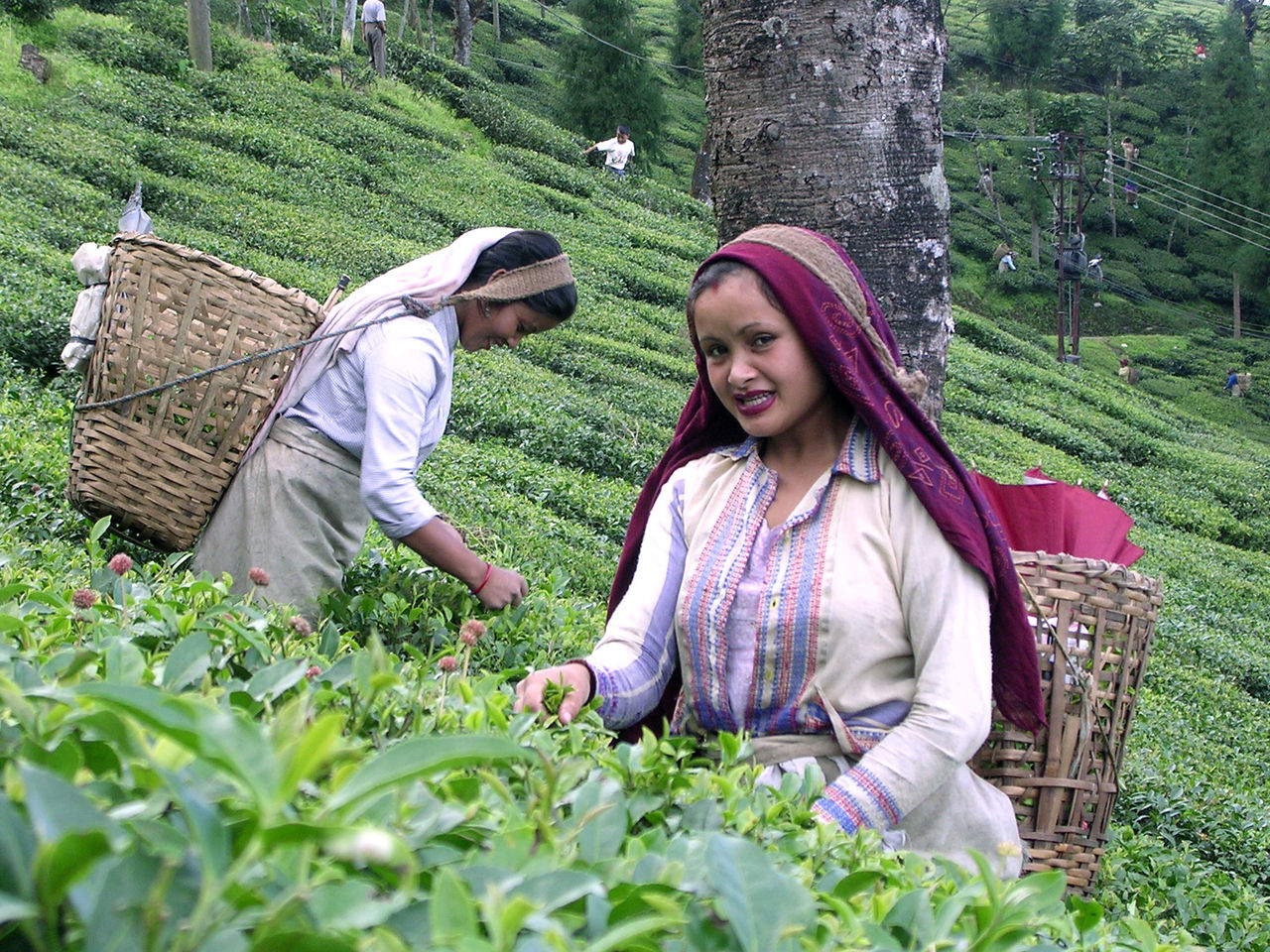
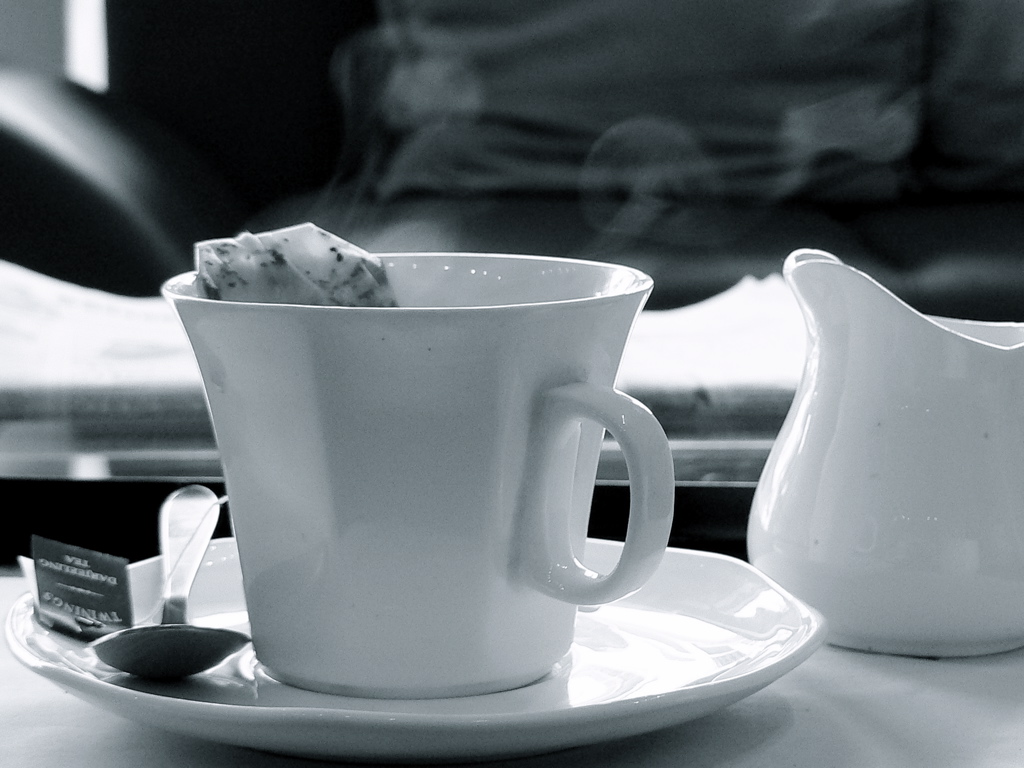
India enacted in 1999 the Geographical Indications of Goods (Registration and Protection) Act. The act however, came into force on 15th September 2003. The first product to get a GI Tag in India was Darjeeling Tea in 2004-2005.

The GI tags are assigned to agricultural products, manufactured products and handicraft products. Some of the other popular GI Tags include Mysore Silks, Thanjavur paintings, Chanderi saree, Basmati, Kolhapuri chappal and more recently, Gucci mushroom from Jammu and Kashmir etc. India has more than 300 products listed with GI Tags. 

GI Tags in Karnataka

Every state has its own products that are given GI Tags. However, Karnataka has the highest number of GI Tags in India. With a list of 46 items Karnataka is the state with the highest registrations and that undoubtedly speaks about the quality and heritage of products that it grows, manufactures and creates. 

Also, with more GI tags the state is able to showcase and recognize the individuality of its several towns and cities. The GI tag is also a status and boosts the morale and economic viability of sellers and manufacturers.

Here is taking a look at some of the products from Karnataka that have a GI tag. 

Handicraft GI Products of Karnataka

Bidriware

GI Tag products in Karnataka-Bidriware
Image Source

Originating from Bidar this metal handicraft may have began as early as the 14th century when the Bahmani Sultans ruled. The art was brought over form Persia, and a mix of Arabic, as well as local elements gave shape to what Bidriware looks like today. The term comes from the name of the town Bidar that still remains the center of production of the metalware. The white metal is used in this art form and is further blackened and inlaid with silver. The intricate inlay of silver and gold on metal gives shapes to beautiful creations including different types of vases, décor items, statues and more. 

Channapatna Toys and Dolls & Kinhal Toys

GI Tag products in Karnataka-Channapatna Toys
Image Source

You would have seen children playing with colorful, rounded wooden dolls or toys. These in fact, come from Karantaka’s small town Channapatna that is located in the Ramanagara district. The town manufactures ivory-wood toys and over the years has created a brand for themselves. Toys of today are made using not only ivory-wood, but teak, sandalwood, rosewood, cedar, rubber etc. Since children are the largest market for these toys only vegetable based and natural paints are used. 

Suggested read – Photo Feature – A Day with Channapatna Toy Makers

Kinhal toys or Kinhal craft comes from the Kinhal town in Koppal district. These are also wooden toys and also this craft is used in creating idols for worship. Lightweight wood is the primary raw material required and the artisans involved in this art form are called chitragara. 

Mysore Silk

GI Tag products in Karnataka-Mysore Silk
Image Source

Mysore silk undoubtedly is one of the most popular GI tag products from Karnataka and also the first from the state. The Mysore silk is known for its feel, texture, shine and elegance. Mysore silk sarees are amongst the most expensive in the world for they are made completely using 100% silk and zari work. The zari work is done using gold and silver threads that are weaved with the silk. 

Ilkal Sarees and Molakalmuru saree

GI Tag products in Karnataka-Ilkal Sarees
Image Source

A traditional saree worn by the women of north Karnataka, Ilkal sarees originate from Ilkal a town in Bagalkot district in Karnataka. The town has been the center of weaving since the 8th century. Using cotton and silk these sarees are affordable, simple, yet elegant. Around 20000 people in the town of Ilkal are currently engaged and employed in weaving and marketing the saree. 

Molakalmuru saree, on the other hand, comes from the Molakalmuru town in the Chitradurga district. These silk sarees incorporate patterns, motifs and designs that are influenced by nature. 

Sandur Lambani Embroidery and Kasuti Embroidery

GI Tag products in Karnataka-Sandur Lambani Embroidery
Image Source

The Lambani are a tribe of Karnataka. They usually visit cities and towns with their products that include the Sandur Lambani embroidered products. This form of embroidery is a wonderful combination of cross stitch, darning, and mirror work all using natural dyes and printing methods. The unique design and embroidered material can be used in bags, accessories, wall hangings, pillow covers etc. The embroidery is created by the women of the tribe. 

Kasuti embroidery is a folk art and is so intricate that at times it requires more than 5000 stitches to complete the design. Made by hand this form of embroidery is often used on Ilkal sarees, Mysore silk sarees and more. 

Navalgund Durries

GI-Tag-products-in-Karnataka-Navalgund-Durries

These woven durries or thin rug carpets are splendid. Their designs, colors and quality make them stand out. Hand made in the town of Navalgund in Dharwad district, these durries or carpets are sold under different categories, such as Jamkhana which is the size of a prayer mat or the Guddar which is used of covering the floor.

There are several other handicrafts that are given GI tags in Karnataka. These include Mysore Ganjifa cards, Mysore rosewood inlay, Mysore traditional paintings, Udupi sarees, Kolhapuri chappals, Karnataka bronze ware and Guledgud Khana.

Manufactured GI tag products

Mysore Sandalwood Soap and Oil

GI Tag products in Karnataka-Mysore Sandalwood Soap
Image Source

Both Mysore sandalwood soap and Mysore sandalwood oil are GI tag products. The Mysore Kingdom was the largest producer of sandal wood and also one of the largest exporters to European countries. However, during the World War I, the exports were curbed and tons of sandal wood was left in Mysore. Nalvadi Krishnaraja Wodeyar, who was then the King of Mysore opened the Government Soap Factory in Bangalore. Similarly, sandalwood was sent for oil extraction to Germany. However, due to the war the sandal oil distillery was established in Mysore. Today both these products are sought after for their natural and chemical free approach. 

Mysore Agarbatti

GI Tag products in Karnataka-Mysore Agarbatti
Image Source

The Mysore agarbatti or locally known oodabathies are incense sticks made from flowers, herbs, barks, essential oils, roots, charcoal etc. Sandalwood is the main ingredient that comes from the forests of the state. 

Agricultural goods and foods with GI Tags

Mysore betel leaf

GI Tag products in Karnataka-Mysore betel leaf
Image Source

Betel leaves are enjoyed by Indians, especially after a sumptuous meal. The Mysore betel leaf or Piper betel is grown around the area. It also holds cultural value as it is used for auspicious occasions in rituals and prayers. These betel leaves can be differentiated through their spicy taste and smooth texture from paan leaves grown in other parts of India.

Nanjangud Rasabale

GI Tag products in Karnataka-Nanjangud Rasabale
Image Source

The popular banana variety Nanjangud Rasabale is loved for its sweet flavors and medium size. When ripe they have red dots on the skin and a fantastic fragrance too. 

Bababudangiri and Chikmagalur Arabica Coffee

GI-Tag-products-in-Karnataka-Chikmagalur-Coffee
Image Source

The first coffee beans are said were sown in the Baba Budan Giri Hills in the Chikmagalur district around 300 years back. Later the Dutch and British expanded the commercial farming of this coffee variety.

Coorg Orange

GI Tag products in Karnataka-Coorg Orange
Image Source

Coorg Orange or Coorg Mandarin is cultivated in the Kodagu district. These oranges are enjoyed for their perfect blend of sweetness and acidity. They are easy to peel, have less seeds and have a golden shine to them. 

Appemidi Mangoes

Different varieties of mangoes are grown all over the country. From Karnataka comes the Appemidi mango and is highly sought out for its use in pickles. They preserve their flavor, taste and texture even after years. This variety is grown in many parts of the state, including in the Shimoga district, Uttar and Dakshin Kannada districts and along river valleys. 

Dharwad Pedha

GI Tag products in Karnataka-Dharwad Pedha
Image Source

Ram Ratan Singh started making the pedha, a milk based sweet delicacy in the 18th/19th century. The family since for generations has been making these delicious sweets for decades with their secret ingredient that has made this dish famous worldwide. 

Some of the other GI tagged food items include the Bangalore blue grapes, Bugadi chili, Coorg green cardamom, Gulbarga tur dal, Sirsi supari, Udipi malligae and many more. 

The Karnataka GI products are a reflection of the hard work and skill of its local towns and cities, whether it is handicrafts, manufactured or agricultural and food products. You must buy the authentic GI tagged products of Karnataka to support the local artisans of its regions.