A Timeless Classic: Bharat Muni’s Natya Shastra

0

Bharat-Muni-Natyashastra-02

Apart from India, no other country in the world has an old classic committed completely to the creation, technique, and significance of music, dance, and theatre. The Natya Sastra, attributed to Bharata and most likely composed about 200 BCE, is unique. This Sanskrit literature is ancient and timeless since much of what was said in this theatre manual is still pertinent today!

Meaning of Natya Shastra

The Natya Sastra combines the terms Natya, which alludes to techniques of dancer/actor, with “sastra,” which refers to science, resulting in a codified framework that is surprisingly secular in its setting. The work offers detailed descriptions of acting techniques, costumes, music, musical instruments, and so on, and it also serves as the social and philosophical underpinning for Indian classical dance styles such as Bharatanatyam, Oddisi, and Kuddiyatam.

Natya Shastra – The Book

Natyashastra is a classic on theatre and aesthetics that has been widely assigned to Bharata, the sage, as its creator. It is based on human psychology as it exists in India’s cultural framework, with a concentration on on-stage performance. The Rasa theory is central to the Natya Sastra. Natya Sastra is a work that analyses dramatic performance elements such as Natya, Vithi, Bhav, Vyabhichari Bhav, Satvik Bhav, Vibhav, Anubhav, Rasa, Rasa Sutra, Nishpatti, Model Spectator, and the profoundly spiritual idea of Shantih. The text’s value stems from its practical relevance for both creative and critical elements. It functions theoretically as both a classic and modern work. Bharata describes each Sutra in terms of determinants, and consequences, and Vyabhichari Bhav establishing his authority in comprehending human nature with an ability of analytical expression and dramatic depiction for the final Nishpatti of desired Rasas for the audience’s enjoyment and satisfaction. Natya Sastra is regarded as a supplementary Ved in the lineage of Sanskrit academia and is a collection of performing arts, theatre, music, dance, and visual arts. Bharata has had a significant impact on succeeding Sanskrit critics like Abhinav Gupta, Manmohan and Vishwanath in India aesthetics. It is likely that art can discover the bedrock for art and fine arts based on Rasas’ practical experience.

About-Natyashastra
Image – Arian Zwegers/Flickr

It takes the form of an informal discourse between Bharata Muni and a number of other Munis who approached him with Natya Veda-related questions. This text has 36 chapters and 6000 poetry poems portraying performing arts. The book covers topics such as dramatic composition, play structure and stage construction, acting genres, body motions, make-up and costumes, the function and aims of an art director, musical scales, musical instruments, and the incorporation of music with art performance.

Bharata mentions fifteen different styles of play, each with one to 10 acts. Full-scale dramas with five or more acts are divided into two categories: history and fiction. The “Natya Shastra” specifies eight varieties of one-to-four-act plays: heroic, tragic, or comedic plays, as well as satirical monologues, street plays, and three types of archaic plays concerning gods and demons. A separate four-act “light play,” a hypothetical, sensitive comedy about a genuine character, is also included. The basics of stage design are outlined in depth. Individual chapters include topics including cosmetics, wardrobe, acting, and directing. A substantial chunk focuses on how to accentuate the meanings transmitted by the performance (bhavas), leading to a wide aesthetic philosophy (rasas).

Four aspects of abhinaya (or histrionics) are discussed: the signals sent by movements of body parts (angika); speech (Achika); clothes and makeup (AhArya); and, at the greatest level, by interior feelings portrayed by minute movements of the lips, brows, ear, and so on (Attvika).

According to the “Natya Shastra,” drama developed from the conflicts that arose in society as the world deteriorated from the Golden Age (Kta Yuga) of harmony, and hence a play always depicts a struggle and its conclusion. The transformation of a tale into a dramatic plot is based on the single primary element that resolves the conflict, which is expanded in its components and conjunctions. Each full-scale drama has five “conjunctions”: an opening, a re-opening, an embryo, an obstacle, and a finale. Each of these “conjunctions” has up to a dozen dramatic episodes and circumstances that depict the characters in action. There are several theatrical tactics available for expressing the causes and repercussions of emotion.

Rasa in Natya Shastra

Natya-Shastra-Rasa

The Ntyashstra lays out a thorough philosophy of theatre equivalent to Aristotle’s Poetics. Drama’s objective is to amuse the audience. The audience’s delight (harşa) and consolation are purposely created by the actors using particular acting skills.

Bharata refers to bhavas, the performers’ emotional impersonations, and the rasas (emotional responses) they elicit in the audience. Love, humor, energy, wrath, fear, grief, disgust, and amazement are the eight primary bhavas (emotions). These are not immediately communicated to the spectator but are depicted through their causes and effects. The spectator experiences eight major reactions, or rasas, when seeing and picturing these emotions: love, pity, wrath, contempt, heroism, wonder, horror, and humour. Bharata suggests that plays combine several rasas yet be dominated by one. The audience mostly enjoys the play, but they are also educated by watching both good and negative behaviours, as well as the motives that drive them.

Each rasa felt by the audience is linked to a distinct bhava displayed on stage. For instance, in order for the audience to feel srngara (the ‘erotic’ rasa), the author, performers, and musician collaborate to represent the bhava known as rati (love).

Suggested read – Rasas In Bharata Muni’s Natya Shastra

Natya Shastra in Dance

Natya_Sastra_about-dance
Natya Sastra dance mudra on Chidambaram Nataraja templ – Wikimedia

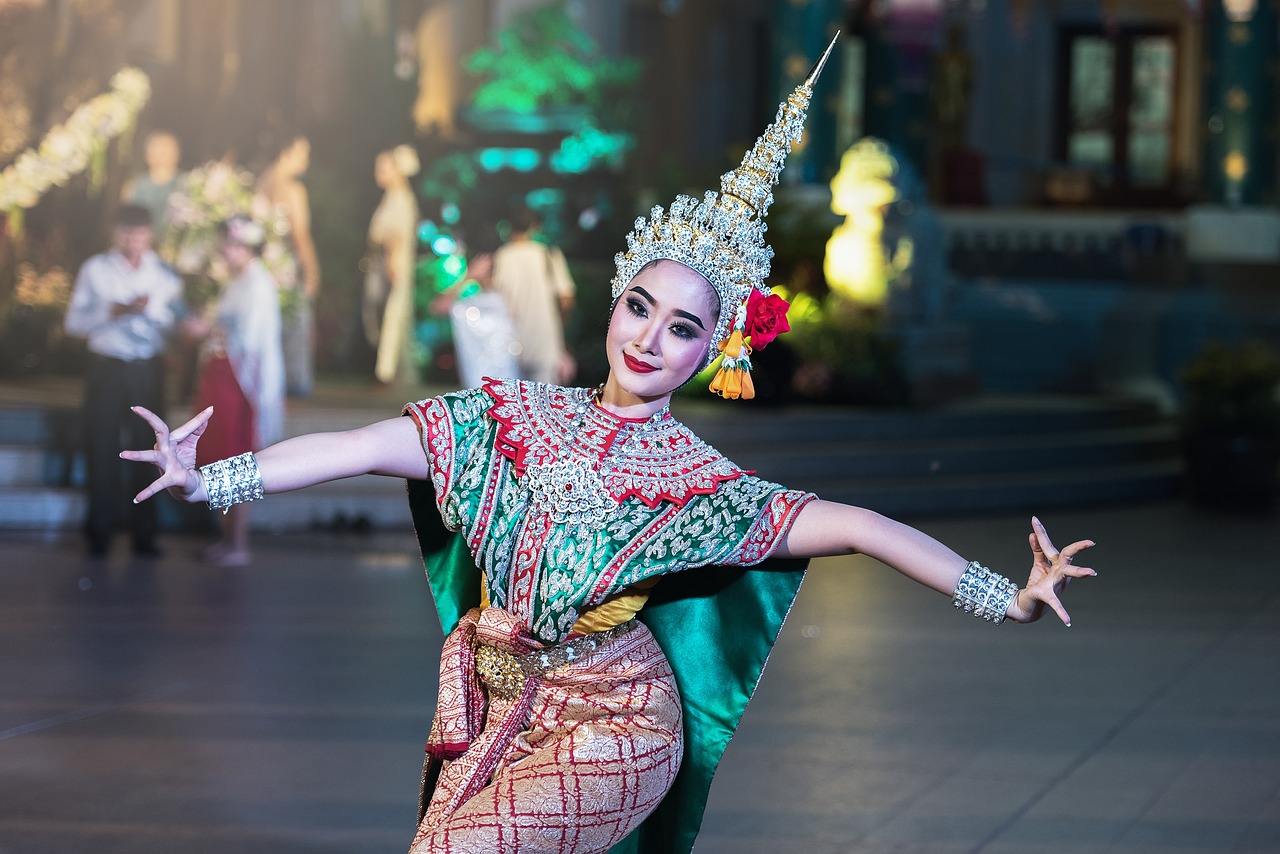
Dancing is connected to drama and, like drama, portrays the eight emotions. Drama relies heavily on words and gestures, whereas dance relies heavily on music and motions. The “Natya Shastra” defines thirteen head positions, thirty-six eye positions, nine neck positions, thirty-seven hand positions, and ten body positions. Modern Indian dancers still follow the guidelines outlined in the “Natya Shastra.”

When suitable, group or solo dances might be incorporated into a drama. Parvati’s solo dance, the lasya, represented a tale, or part of a plot, inside a theatre.

Natya Shastra in Indian Music

Natyashastra-in Music
Image – Wikimedia

Following the Samaveda, which dealt with Vedic ceremonial utterances, the “Natya Shastra” is the first important literature that deals in depth with music. It is regarded as the defining book of Indian Classical Music until the thirteenth century, when it split into Hindustani classical music in North India and Pakistan and Carnatic classical music in South India.

While much of the “Natya Shastra” discussion of music concentrates on musical instruments, it also highlights many theoretical themes that have remained vital to Indian music:

  1. Shadja is established as the initial, defining note of the scale or grama. The term “shadja” means “giving birth to six,” and alludes to the fact that once this note (commonly referred to as “sa” and notated S) is defined, the location of subsequent notes in the scale is decided.
  2. Principle of Consonance: There are two principles:
  3. The first premise claims that there is a basic note in the musical scale called Avinashi and Avilopi, which is always present and unchangeable.
  4. The second concept, which is sometimes taken as law, claims that there is a natural consonance between notes, with the best being between Shadja and Tar Shadja and the second best being between Shadja and Pancham.
  5. The Natya Shastra also mentions musical modes or jatis, which are the basis of the present melodic patterns known as ragas. Compositions that highlight the notes gandhara or rishabha are thought to be associated with tragedy (karuna rasa), whereas rishabha is supposed to be emphasised for conveying valour (vIra rasa). Jatis are discussed in greater depth in the work Dattilam, which was written at the same time as the “Natya Shastra.”

Natya Shastra the Book

Natya Shastra Book Importance
Image – Prabhu B Doss/Flickr

The Natya Shastra examines numerous elements of musical performance, notably its application to vocal, instrumental, and symphonic works. It also addresses the rasas and bhavas that music might inspire.

The Natya Shastra is the world’s largest and most extensive theatrical and dance text, and it still serves as the foundation for India’s ancient styles of theatre and dance. Through decades of actual theatrical labour, the Natya Shastra teachings became established. It may be claimed that Bharata took a global perspective and asserted that art universalizes emotions, turning them into a tool for attracting onlookers. It is possible to argue that Natya Shastra is more relevant to practitioners than academics. The creator of Natya Shastra, Bharata Muni, has explicitly indicated that theatrical experiments (proyoga) and temporal notions should be included in the Shastra. As a result, it is a living, organic text in aesthetics and performing arts, rather than a fixed collection of ideas and instructions. Bharata’s Rasa theory is still very important today, since many current theatrical personalities are influenced by these rasas and utilize these basic emotions in their plays. The components of ” Rasa” act as a framework to sustain the emotional richness of a play.  

This 2000-year-old text has retained the cornerstone of classical Indian dance styles throughout the country and throughout the decades. This captures the core of practically all modern stage and film screenplays. It’s incredible that Bharata had the vision to outline the fundamentals of theatre almost 2000 years ago.

Best Site to Get Instagram Followers

0

Instagram Followers

Having an active social media presence is essential for any business in today’s digital age. And, when it comes to platforms like Instagram, followers can be hard to come by without the right strategies and tactics in place. So, where do you turn if you’re looking to buy Instagram followers and increase your reach?

Let’s take a look at the best sites out there that won’t break the bank. 

Twicsy 

Twicsy stands out from the pack as a top-rated and trusted platform for growing your Instagram following. You can make an informed decision based on their good standing with leading media outlets such as Men’s Journal or US Weekly, along with many positive reviews on Trustpilot. You have two different options when opting to purchase followers: a high quality that is auto-refilled according to package size; or a premium that comes from real active accounts complete with profile pics and bios respectively. For added peace of mind they provide 24/7 support coupled with a money-back guarantee should you not be satisfied!

Thunderclap 

Thunderclap strives to help you maximize your social media presence and increase engagement on Instagram. By providing just a few pieces of information such as your IG handle, email address, and the size package desired (from 1000-25000 followers!) with packages starting at only a fraction of what other companies offer – achieving growth has never been easier or more efficient. Not only will you be getting real followers following purchase within hours; but rest assured that knowledgeable customer service personnel are available around the clock for any questions or problems arising along this journey towards increased reach!

Buzzoid 

Buzzoid has earned its reputation as one of the few reliable providers of real followers due to its top-quality services and competitive prices. Through extensive coverage in reputable platforms such as Delco Times, New York Family, US Magazine, Men’s Journal, and AMNY; it comes as no surprise that many individuals turn to them when purchasing Instagram followers. In addition, they offer three types of packages: high-quality, premium, or managed growth each tailored towards customer satisfaction depending on needs and budget limitations. Their signature ‘high-quality’  followers ensure authentic profile pictures accompanied by completed biographies while ‘premium’, taken from verified private accounts imbue more integrity through active usage on IG – making sure everyone looking for a boost gets what he pays for!

Rushmax 

To increase the visibility of your Instagram profile, Rushmax provides unbeatable growth solutions for businesses, celebrities, and public figures. Through either monthly subscription packages or one-time purchases ranging from 100 to 25000 followers per batch, customers can tailor their desired number of active IG followers at a discounted rate – with orders delivered within 72 hours. With premium and high-quality follower options available around the clock; those looking to boost their presence on social media need to look no further than Rushmax’s vast selection of services perfect for unlocking unparalleled online success!

FollowersZeal 

FollowersZeal is one of the most popular sites when it comes to buying Instagram followers. They offer a wide range of packages that can fit any budget. From just $2, you can get 100 real followers delivered within just 24 hours! Their packages are not only affordable but they also provide high-quality followers who will engage with your content and help grow your profile in no time! One downside of FollowersZeal is that their customer service isn’t always the best; however, this shouldn’t deter you from using their services as their quick delivery times make up for any potential customer service issues. 

SocialShop 

SocialShop has been around since 2012 and offers some of the best value packages on the market today. They offer packages ranging from 500 followers all the way up to 50K followers for as little as $9! All SocialShop’s packages come with a 30-day guarantee meaning that if there are ever any issues with your order, you can get a full refund within 30 days of purchase – no questions asked! On top of that, SocialShop also offers additional services such as engagement campaigns, account verification services and more – making them one of the most comprehensive options out there today. However, they do have a slightly slower delivery time than some other sites on this list – but that doesn’t make them any less reliable or trustworthy! 

Famoid 

Famoid is another great site when it comes to buying Instagram followers. They offer some really competitive prices starting at just $3 for 100 real followers delivered within 24 hours! Famoid also has excellent customer service – they offer live chat support so if ever you have any queries or issues with your order they will be able to sort it out quickly and easily for you! Additionally, Famoid offers additional services such as boosting likes & comments on posts which makes them even more attractive for those looking for a comprehensive package deal when it comes to growing their brand online quickly.  

Conclusion: 

Finding the right site to buy Instagram followers can be tricky but it doesn’t have to be overwhelming. By doing your research ahead of time and finding a reputable company with good reviews, you’ll be sure to get quality services at an affordable price point that won’t break the bank! Whether you’re looking for organic growth or just want more followers quickly Social Tradia, Famups, Buzzoid, or Followers Guru are all excellent options worth considering if you want real results without any hassle or risk involved!  So what are you waiting for? Check them out now and get ready to start growing your brand’s reach online today!

India Art Fair 2023 – Highlights and Artworks

0

India-Art-Fair

The 14th edition of the India Art Fair which took place at the NSIC Exhibition Ground in Okhla, with 85 exhibitors, including 71 galleries and 14 institutes came to an end on 12th February 2023. The exhibits on display are a diverse mix of modern, contemporary, and digital art. The 4-day exhibition was believed to be the “most ambitious edition” to date. The India Art Fair this year places a special emphasis on a unique fusion of art and technology, featuring an expanded Studio showcasing its “Digital Artist in Residence” program. Art enthusiasts, art experts, and curators from all over the globe came to the event to learn what makes the exhibition unique for them. Shruti, one of the art enthusiasts, was happy to share her interest in art. “My love for the arts and the inquisitiveness for the artist’s thought behind every stroke has been there since a very young age. I am more than amused to see all these masterpieces. They make me happy and emotional at the same time. I see myself in some of these paintings.” 

1. Sunil Padwal

India-Art-Fair-Sunil-Padwal

Every time he performs, Padwal attempts something fresh. He will also venture into unexplored territory with this exhibit: huge prints. He intends to provide visual intrigue by contrasting chairs with massive posters. One of the fair volunteers states that “The piece depicts a hybrid mask. We all are a mixture of entities in this ongoing pop culture. The collection of items at Padwal’s workshop, which includes vintage books and diaries as well as an old lamp, provide inspiration.”

2. Maya Mima

India-Art-Fair-Maya-Mima

The painting by young artist Maya Mima was made during the pandemic. It is a beautiful representation of how the world survived the pandemic inside out. Made on rice paper with water colour, it depicts the contrasts between the alarming ambulances on the streets and the unified family having dinner at home. 

3. The Long Goodbye by Madhuban Mitra and Manas Bhattacharya 

India-Art-Fair-Madhuban-Mitra-and-Manas-Bhattacharya

Madhuban Mitra and Manas Bhattacharya are artists due based in Kolkata. The artists photograph films as pre-existing representations of the visible world rather than taking photographs of the real environment. The photos span the history of cinema around the world from the 20th century and are from fiction films, documentaries, propaganda, and experimental films. The long goodbye contrasts the faces of numerous well-known actors from throughout the world with those of faceless, everyday, ordinary people.

4. Industrial Photographs by Madan Mahatta

India-Art-Fair-Madan-Mahatta

Born in Srinagar, Madan Mahatta learned photography in the early 1950’s. While the West had industrialized when photography came into being, the industrializing young India was barely documented by a few photographers. This presentation made in the 1970’s, draws attention to the lesser known industrial work. Mahatta’s work drew attention to the rapidly developing steel, textile, and paper industries in the post independence era. 

5. Meet Me In The Garden by Farheen Fatima

India-Art-Fair-Farheen-Fatima

Meet Me In The Garden is an ongoing series that emerged out of Farheen Fatima’s interest in the Chandigarh gardens. This is a beautiful blend of photography and painting. In her work, she engages in a narrative that is themed around nostalgia and the complexities that govern the human longing for tenderness. The images depict her personal relationship with nature. 

6. Untitled by Vivan Sundaram

India-Art-Fair-Vivan-Sundaram

This untitled piece by Vivan Sundaram, presents abstracted images of his own back, carrying translated inscriptions from the poems of the 14th century Sufi mystic Lal Ded. Using the body as a metaphor, he confronts viewers with the backbone as a symbol of vulnerability in the battle of aging. 

7. Sunset in Surat (1929) by Atul Dodiya

India-Art-Fair-Dodiya

Dodiya has been drawn towards Mahatma Gandhi for over twenty five years and so are his artistic creations. Sunset in Surat (1929) shows a public meeting held in Surat in 1929 in the presence of Gandhi and Sardar Patel residing on the dais amidst the rising momentum of the freedom struggle. 

8. Life, Death, and Miscellaneous by Gigi Scaria

India-Art-Fair-GIGI-SCARIA

This is a bronze art of 25 pieces that revolves around various pitiful parts of life such as love, hate, society, sex, industry, food, and fire. Gigi’s work explores issues of urban development, in relation to migration, economic development, and urban architecture. He also has a keen interest in the quality of social space in drastically changing urban environments. 

9. Ancient Steps by Mayadhara Sahu

India-Art-Fair-MAYADHARA-SAHU

The artist hails from Bhubaneshwar and is greatly influenced by the temple architecture of Odisha. The work is made by cutting wooden pieces and handcrafting them. The 3D pillars and Garbhgriha give positive vibes to the worshiper. 

10. Masquerade: An Endless Drama by Avijit Dutta

India-Art-Fair-Avijit-Dutta

Avijit Dutta’s latest body of work, titled “Masquerade: An Endless Drama,” was presented by the Kalakriti Art Gallery from Hyderabad. He employs tempera to consider how many scripts and characters interact in real life, reflecting on the theatricality of existence. The curatorial Note describes the basis of this group of artworks as  “Creative liberty and idea notes, fact and fiction, love and false affection, class and mass are engaged in an unseen tug of war. Truth is lost in this swirling mix of pretense and projected reality.” 

11. Hair And Her by Rohit Chawla And Swati Bhattacharya

India-Art-Fair-Rohit-Chawla-and-Swati-Bhattacharya

The “Hair and Her” exhibit by Rohit Chawla and Swati Bhattacharya sparked discussion about women’s hair-cutting as a form of defiance against men who try to dominate them. Additionally, the installation had a glass cabinet where visitors can drop their freshly cut hair.

12. Industrial Photographs by Ahmed Ali

India-Art-Fair-Ahmed-Ali

This series is a small section from Ahmed Ali’s industrial work which includes photographs shot at various factories from 1949-78. Ali decided to make a career in photography after college. His first professional assignment was of choice for all the Tata Enterprises, for which he traveled to parts of India. Ahmed Ali through his extensive oeuvre became the pioneer of industrial and photography in India. 

13. Uma’s Mother by Atul Dodiya

India-Art-Fair-Atul-Dodiya

Paintings by Atul Dodiya include well-known iconic characters in his recognisable realistic manner.The series was inspired by viewing and rewatching movies during the pandemic’s lockdown year. Dodiya has made references to cinema since 1995, but in this work, he examines extensively the sets of a variety of commercial and independent films by directors like Hrishikesh Mukherjee and Satyajit Ray. Dodiya took a closer look at the set pieces, including lamps, vases, phones, picture frames, art deco furniture, fake antiques, and floors that might have had paper applied to them to create a black-and-white grid. As he watched these movies intently, Dodiya started to capture his own decisive moment—each of these meticulously selected “frozen moments.”

14. Mirror Mirror On The Wall by Tapasya Gupta

India-Art-Fair-Tapasya-Gupta

Tapasya Gupta with her vivid imagination and ability to convert that imagination into reality has produced remarkable sculptures. She uses glass, metal, driftwood and stone in her sculptures. Her pieces approach the concept of destiny with a wry sense of humour that tickles the funny bone but strikes at the soul. 

15. Folk Art

India-Art-Fair-Jangrah-Singh-Shyam,-Baua-Devi-and-Bhuri-Devi India-Art-Fair-Jangrah-Singh-Shyam,-Baua-Devi-and-Bhuri-Devi.01 India-Art-Fair-Jangrah-Singh-Shyam,-Baua-Devi-and-Bhuri-Devi.03

This section celebrates the living traditions and shows 3 important artists Jangrah Singh Shyam, Baua Devi and Bhuri Devi. This show juxtaposes 2 important Padma Shri Awardees in the male dominated art world.

16. The World Sits On My Toenail

India-Art-Fair-BHAJJU-SHYAM,-MANJUNATH-KAMATH-AND-SANTOSH-KUMAR-DAS-1

Vishwaroopa by Bhajju Shyam, Manjunath Kamath And Santosh Kumar Das – Vishvaroopa is considered as the supreme form of Lord Vishnu. In this form, the whole universe is considered to be contained inside of him. The three artists together have re-imagined all the conceptions and united Vishvaroopa with nature as a central deity.

17. Feet by Gurdeep Brar

India-Art-Fair-GURDEEP-BRAR

He always said his feet were killing him, but nobody believed him – Gurdeep Brar

18. Log Kya Kahenge by Mira Felicia Malhotra

India-Art-Fair-MIRA-FELICIA-MALHOTRA

Also known as Kohla, this designer creates illustrations with pop culture and feminist themes. It is a blend of Digital Print on canvas with Augmented Reality technology. Scanning the portraits with iPad Pro, it reveals the complex conflicts that often go unseen in traditional family structures. 

19. Lost Stories by Shivani Aggarwal

India-Art-Fair-SHIVANI-AGGARWAL

Five wooden newspapers are on display at the Studio Art booth as part of Shivani Aggarwal’s project Lost Stories—Time and Transformation, which examines the fleeting nature of news, the concept of preserved time, and attempts at modest radical change by everyday people. 

20 . The fair displayed a range of artworks from modern to contemporary to digital.

India-Art-Fair-MAYADHARA-SAHU

Assam: The Land of the One Horned Rhino and Much More

0

About-Assam

Assam has been plagued with the issue of illegal immigration for decades. Since 1979, the government has been mired by instability, ethnic violence, and civil disobedience campaigns against the illegal immigration in the state, particularly from Bangladesh. Several peace accords signed between the campaigners and the government of India have failed to solve the matter. In the past, massive bloodshed has been witnessed due to the ethnic conflict between the illegal immigrants and the native communities. All that one can hope and look forward to is a peaceful action and efficient development-works carried out by the newly elected government. This said, let us now delve a little beyond politics and explore the vibrant state of Assam.

The Land

Assam-the-Land

Assam, has been a centre port for many north-eastern travellers from other parts of the country. As I write this, I remember my first visit to Guwahati during my mid teenage years. I had gone there for a cultural exchange program from Visakhapatnam. Guwahati, back then, had seemed to me to be one of the biggest city\ies that I had ever seen. It was also the first time that I had ever sighted a crow in my life (a memory itched on my mind till today)! As time passed by, it became a regular stop for me. I would board trains or flights to go beyond the North-Eastern regions of India. Of late, my encounters with other parts of Assam have become more frequent and the diversities of its landscapes and culture excite me even more now than it has in the past.

Assam Culture

Surrounded by the lush greenery of tea gardens, the green paddy fields combined with coconut groves, the banana trees that are spread across the terrain, Assam connects the remaining North Eastern states of India through the well known “Chicken’s Neck” or the Siliguri corridor in West Bengal. The State, situated to the south of the eastern Himalayas with a geographical area of 7,850 Sq. Km., is spread over 27 districts. These districts are clubbed into five regions – North Assam, Lower Assam, Central Assam, Upper Assam and the Barak Valley. Assam is divided into two physical divisions, i.e. the plains and the hills. The plains or the valley consists of the Brahmaputra and Barak rivers and the hills consist of the North Cachar and Karbi Anglong Hills. Aasam is surrounded by the remaining six sisters namely, Arunachal Pradesh, Manipur, Meghalaya, Mizoram, Nagaland, and Tripura. It also shares its borders internationally with Bangladesh and Bhutan.

Assam The Land of the One Horned Rhino and Much More - 2
Image – Wikimedia

Assam had been under the rule of different kingdoms, from the Kamrup to the Mughals and to the powerful Ahom Kingdom that ruled the state for almost six centuries. Historically, the name ‘Assam’ is said to originate from the Ahom rulers. The Ahoms were the last ruling kingdom till the British took over in 1826. The diversity of the State is evident in the art and culture of the people, of three different races, i.e. the Australoids, the Caucasoid and the Mongoloids. With a wide range of cultures, the state celebrates festivals of various kinds of which Rongali or Bohag Bihu is the most popular. During these festivals the locals of the state celebrate the bountiful and rich harvests and welcome the season of spring.

Assamese

The main languages of the state are Assamese and Bodo. However, with a huge multicultural population, the people of the state speak other languages such as Bengali, Nepali, Deori, Rabha, and various other dialects depending on the region as well.

Even in the era of globalization, various traditional practices of handicraft production still exist in the state despite the presence of technologically advanced machines. The confluence of various cultures and tribes is evidently reflected in the handicrafts which are simple yet stylish. Products are shaped and artistically carved out from bamboo, canes, wood, and metal that are then transformed into furniture, home decors, toys, pottery and jewelry. Handloom products, which are worn especially by women in their day-to-day lives or for special occasions, are also known far and wide for its rich textures and designs.

Assam The Land of the One Horned Rhino and Much More - 3
Image – Wikimedia

There is a popular saying that the culinary skills of women in Assam are determined by how well they cook a dish called ‘khar’. This is a dish that is made by filtering water through the ashes of a dried banana peel (other vegetables such as papaya, gourd etc. are also used as alternatives). Rice being the staple food is found in almost every dish. It is usually eaten with lentils, fish or meat curry and vegetables. Sweets are also made using rice powder. Herbs of various kinds that are recognized as having medicinal cures for various ailments are also used for cooking. The tribes of the region consume fresh and fermented bamboo shoots and fish on a daily basis. A pancake known as ‘pitha’ stuffed with sweet coconut paste or sweet black sesame seed paste is one of the native delicacies.

Assam’s untouched wildlife is popular across the world. It houses several wildlife sanctuaries. Popular among them are the Kaziranga National Park, which hosts two-thirds of the world’s Great One-horned Rhinoceros and boasts of the highest density of tigers among the protected areas in the world and the Manas National park, which is a dwelling for a number of rare and endangered wild species.

Assam The Land of the One Horned Rhino and Much More - 1
Image – Wikimedia

It is also a land blessed with rich natural resources such as petroleum, natural gas, limestone and minor minerals. It has abundant riverbeds, huge hydrocarbon potential, low ash coal resources and dolomite deposits, to mention a few. It boasts of having the oldest oil refinery and the first discovery of an oil field in Asia in the city of Digboi in Tinsukia district.

Finally, Assam is incomplete without the mention of the tea gardens and its production. Today, the state possesses more than hundred tea estates and is well known for its quality of tea. Assam manufactures 25 percent of the world’s tea production.

I conclude with a quote by Thompson Chuck, “no place is ever as bad as they tell you it’s going to be.”

Source:
Baruah, Sanjib. “Immigration, Ethnic Conflict, and Political Turmoil–Assam, 1979-1985.” Asian Survey 26.11 (1986): 1184-1206.

Festivals of Manipur, A Mesmerising Visual Treat to Your Eyes

0
Festivals of Manipur
Image – Wikimedia

Manipur, one of India’s Seven Sister States, lies nestled among the highlands. In many aspects, the state is unique from the others, and it is well known for its costumes, arts, dancing, and music. The state is rich in natural beauty, with stunning lakes, gorgeous waterfalls, and lush green woods. The weather is excellent here, making it a relaxing area for visitors to unwind. It has been the meeting point of Asian commercial and cultural interaction for more than 2,500 years, blessed by nature’s richness and has a rich culture and history. This wealth is reflected in its fairs and celebrations. Some are conducted to commemorate the beginning of a bountiful harvest, while others are held with the goal of achieving more riches and success in life. 

Suggested Read – Culture of Manipur: Mesmerizing Tradition, Art, Music, Food and Festivals

1. Yaoshang Festival

Festivals of Manipur, Yaoshang Festival
Image – Wikimedia

The celebration of colours is known as Holi in other areas of the country, but Yaoshang in Manipur. Manipur’s Yaoshang festival is a five-day celebration that is widely recognised as one of the state’s most important festivals. Everyone, young and old, takes part in the celebration, which includes traditional music and dance demonstrations. The traditional Thabal Chongba dance, on the other hand, is the main draw of Yaoshang.

In the region, the Holi celebration represents burning, therefore people build huts and light them on fire to show their devotion. Because the term ‘Thabal Chongba’ means ‘Moonlight Dance,’ it is performed at night. Yaoshang is a five-day festival that begins on the full moon day of the Phalguna month (February – March).

2. Kut Festival

Festivals of Manipur, Kut Festival
Image – Flickr

Manipal’s Kut festival, also known as Chavang Kut, is one of the most popular in the state. It is celebrated by the Kuki-Chin-Mizo tribes of Manipur. People from all groups in Manipur congregate to celebrate this lovely festival, which celebrates the end of the harvesting season and allows them to thank the gods for a plentiful crop.

That is why the event is called as Chavang Kut; Chavang means “autumn” and Kut means “harvest.” The Kut celebration used to run many days and included numerous ceremonies. This charming Manipuri event takes place on November 1st. Farmers assemble their full harvest to commemorate the success of a robust crop.

3. Heirku Hindongba

Festivals of Manipur, Heirku Hindongba
Image – Wikimedia

Another celebration in Manipur is Heirku Hindongba, which is held on the 11th day of the Langbal month (September). This is a boat racing extravaganza on the canal at Bijoy Govinda, Manipur. Local youths engage in this thrilling boat race with vigour, zeal, and team spirit. The boats are cleansed, and sanctified with sacred shlokas, and flowers are placed on them on the night of the celebration. Temporary tents are also set up along the canal to accommodate guests from all around the state.

The statue of Shri Vishnu is put along the canal with the idea that God will oversee the race and preside over the festivities. Furthermore, Brahmins offer money and silver to the gods before the commencement of the boat race.

4. Gang Ngai Festival

Festivals of Manipur, Gang Ngai Festival
Image – Wikimedia

Manipur has been home to several indigenous tribes for millennia. These tribes are well-known for their magnificent culture, varied lives, and a variety of religious traditions and festivals. The Kabui Nagas are one of Manipur’s most famous tribal clans. The Gang Ngai Festival, which is celebrated with tremendous fervour and devotion, is one of Manipur’s most prominent events. Dance, revelry, music, and spiritual rites are all linked with the Gang-Ngai festival. Gang Ngai is a winter event that is also known as Chakan Gaan-Ngai.

This well-known celebration in Manipur lasts five days and is observed in various sections of the state. The Gang Ngai event takes place in December and January. It is observed throughout the course of five days.

5. Ningol Chakouba

Festivals-of-Manipur-Ningol-Chakouba
Image Source

Ningol Chakouba, a Meitei or Vaishnavite festival, is one of Manipur’s most significant festivities. Muslims in Manipur are also now participating in this celebration. Throughout the celebration, married ladies who reside in rural regions after marriage are invited to their parents’ houses to spend time with their children. They are greeted with great excitement and affection, and extravagant feasts are prepared for them.

They spend the entire day pampering their parents and returning to their respective marital houses with presents and blessings. Ningol Chakouba is conducted annually on the second day of the New Moon in November.

6. Cheiraoba Festival

Festivals of Manipur, Cheiraoba Festival
Image – Wikimedia

Manipur, which is surrounded by the mighty Himalayas, is known for its timeless beauty, towering hills, abundant flora, and quiet atmosphere. This lovely state’s description would be incomplete without highlighting its magnificent customs, traditions, and, most notably, the numerous thrilling festivals celebrated throughout the year. Among the several festivals in Manipur, Cheiraoba is well-known and holds a particular place in the hearts of the people. The Cheiraoba festival is celebrated throughout Manipur to commemorate the beginning of a new year.

For this occasion, people dress up in traditional clothes and worship the local deity. There is also a custom in which presents are exchanged between family and friends. Although Chriraoba is a Hindu holiday, Muslims in the state also celebrate it. This ancient Manipuri event, according to the locals, indicates a deep link of devotion among family members. Cheiraoba is observed in March/April, on the first lunar day of the Sajibu month.

7. Lui Ngai Ni Festivals

Festivals of Manipur, Lui Ngai Ni Festivals
Image – Wikimedia

The wonderful Naga tribe celebrates many holidays in locations where this ethnic group inhabits. Lui-Ngai-Ni is a well-known name in various important Naga celebrations. The Naga clan of Manipur celebrates Lui-Ngai-Ni, or the seed-sowing holiday. Every year, this event in Manipur is celebrated with tremendous zeal when the spring season begins. The Naga clan celebrates the season of seed sowing with this event, which marks the beginning of the new year. The term Lui-Ngai-Ni is taken from three different Naga languages; the first word “Lui” in Tangkhul indicates seed sowing festival.

The second phrase, “Ngai,” is a Rongmei word that also means festival, and the last term, “Ni,” is a Mao word that also denotes seed sowing festival. Overall, the Lui-Ngai-Ni festival is a time of pleasure and celebration during which local Nagas pay tribute to harvest gods and ask for good health and wealth. The Lui-Ngai-Ni festival is held annually towards the beginning of the spring season and is consequently observed on 14-15 February. The ceremony also symbolises the start of the new year for the Manipuri clan.

8. Kang Rath Yatra Festival

Festivals of Manipur, Kang Rath Yatra Festival
Image – Wikimedia

Rath Yatra, also known as Kang in Manipur, is one of the state’s most prominent festivals. Kang, also known as Kang Chingba, is an eight-day celebration conducted in Manipur that is similar to the Rata Jatra festival held in Puri. This well-known Manipur event, however, is exclusively observed by the Meitei tribe. The festival commemorates Lord Jagannath’s travels as well as that of his sister Subhadra and brother Balabhadra over the course of 10 days. During the Kang festival, the deities leave their homes and the sculptures of all three deities are transported to Lord Jagannath’s Rath.

The word ‘Kang,’ a local phrase, derives from the same Rath (carriage) that carries Lord Jagannath and his brothers and sisters. Thousands of devotees pull this Rath along the way. Aside from its immense height, the Rath’s beauty, which is beautifully ornamented, grabs people’s attention. The Manipur Rath Yatra procession is quite similar to the Puri Rath Yatra procession, and it is only held on the first and last days of the event. Kang Chingba is a Manipuri lunar month event held in June and July.

The best way to explore the unique culture and lifestyle of Manipur is by attending these festivals. It will be a delight for people who love to explore new cultures. If you’re someone who wishes to explore the rich heritage and culture of this hill district, then you must visit Manipur during one of these festivals!

Traditional Food of Manipur, Simple, Healthy and Nutritious

1
Traditional Food of Manipur-01
Tan NgangWikimedia

One of the seven sisters of North-East India is Manipur, also known as the “Jewelled land.” It is blessed with utmost beauty and its sprawling tea gardens. The cuisine of Manipur is represented by the traditional cuisine of the Meiteis, an ethnic majority in in culture of Manipur. It is also heavily influenced by the neighbouring states of Assam and Nagaland. The food of Manipur is known for its use of herbs and spices and its combination of flavours from different ethnic groups. Fish is the most commonly used ingredient and is a staple in their diet. Manipuri cuisine also heavily uses bamboo shoots, fish and meat. The Manipuri cuisine and dishes are extremely healthy and nutritious and are generally very simple and based on rice and fish. Ngari is a very popular fermented fish in Manipur which is used in most of their preparations. Let’s take a look at some of the authentic dishes from the traditional food of Manipur.    

1. Chamthong or Kangshoi

Traditional-Food-of-Manipur-Kangshoi
Image – K Theishim

Chamthong or Kangshoi is a healthy and exotic vegetable stew. It is an authentic common dish in Manipur. It is very nutritious as it contains a variety of seasonal vegetables, meat, dried fish or grilled fish pieces. The vegetables are boiled and cooked with a lot of spices like sliced onions, cloves, garlic, maroi, salt and ginger. It is topped with Ngari which is fermented fish or dried fish. The consistency of the dish is soupy and is supposed to be consumed when it is piping hot. The dish is often served and eaten with rice. 

2. Chak-hao Kheer 

Traditional Food of Manipur, Chak-hao Kheer 
Image – Facebook

Chak-hao Kheer is a traditional and famous desert of Manipur. It is cooked using forbidden black rice, milk, cardamom and sugar. The black rice is cooked in milk until it becomes soft and creamy and it is flavoured with cardamom and dry fruits such as almonds and raisins. It’s an authentic sweet rice pudding and is often served during festivals and special occasions. Some distinct features of Chak-hao kheer is the type of rice used in this dish. Chak-hao is a premium variety of rice which is grown in Manipur and is known for its nutty taste and health benefits. It is rich in antioxidants, fibre and prevents the risk of diabetes and heart diseases. Another distinct feature of this dish is its pleasing shade of purple. 

3. Eromba

Traditional Food of Manipur, Eromba 
Image – Wikimedia

This popular and traditional dish of Manipur is for people who love fish. Eromba is a dish made of mashed boiled vegetables with a dry fermented version of a fish called Ngari, mixed with a lot of red chilies and other spices. All of these are mixed together until the texture and the consistency of the dish becomes paste-like. It is often served with steamed rice and garnished with Maroi and coriander leaves and is considered to be a staple food there. 

4. Singju

Traditional Food of Manipur, Singju
Image – Wikimedia

This is another extremely nutritious and healthy traditional dish of Manipur. Singju is a salad filled with a variety of vegetables which are chopped into very thin juliennes. This is often served as a spicy dish and is best as an afternoon or evening snack. The salad includes a mix of vegetables, herbs and spices and often includes ingredients such as bamboo shoots, chives, and fish or meat. Singju includes tomato, onions, cabbage, coriander leaves, ginger, lotus stems, raw papaya, banana flower, lotus root and the Singju leaves. These vegetables are then mixed with lightly toasted chickpea flour which is besan, sesame seeds, chilies, powder of perilla seeds and some herbs. It is typically served as a side dish and is known for its unique blend of flavours and its use of ingredients that are native to the region. Roasted Thoiding seeds are also added to Singju which gives it a nutty flavour and is very rich and healthy.  

5. Morok Metpa

Traditional Food of Manipur, Morok Metpa
Image – Wikimedia

Morok Metpa is a famous and traditional chutney of Manipur. The people of Manipur like to have it with all their meals. It can be both veg as well as non veg.  The chutney is prepared by taking dried green or red chilies, mostly green chilies and mashing them. Then mixing them and boiling them with Ngari fish. They are crushed and mashed again and then sprinkled with salt. For the vegetarians, it is made by frying red and green chilies with chives and chopped onions. This chutney is enjoyed with all meals as its two main ingredients include green chilies and Ngari.   

6. Paaknam

Traditional Food of Manipur, Paaknam
Image – Wikimedia

Paknam is very much like a pancake. It is a famous evening snack in Manipur. Paknam is a savoury cake prepared by mixing a thick batter of besan, herbs, vegetables, spices which includes a lot of chilies which helps in flavouring it and the famous and traditional Ngari, fermented fish. The batter is then wrapped in turmeric and banana leaf and steam cooked and baked in a pan and then roasted for some time. It is best to have as a snack with a cup of hot tea or coffee and is a delicacy enjoyed by the local people of Manipur.   

7. Alu Kangmet

Traditional Food of Manipur, Alu Kangmet
Image – Facebook

Alu Kangmet is a very simple dish yet one of people’s most favorite delicacies in Manipur. It is served as a side dish. It is none other than boiled potatoes mashed and served with a lot of different spices, salt and mustard oil. It is a spicy dish made with bamboo shoots. The bamboo shoots are boiled and then mixed with mashed potatoes and a variety of spices such as cumin, turmeric and chili powder. It is then cooked in mustard oil which gives the dish a distinct and robust flavor. The dish is also known for its nutritional value as it is a rich source of proteins, vitamins and minerals. It is often served with rice or a main dish. 

8. Nga-Thongba

Traditional Food of Manipur, Nga-Thongba
Image – Wikimedia

Nga-Thongba is a fish curry and is one of the most loved dishes in Manipur as fish is comfort food and a very common ingredient for the people of Manipur. The dish is included in most non-vegetarian meals. It is made with freshwater fish, onions, tomatoes, ginger and a variety of herbs and spices. It is typically served with steamed rice and is considered a staple food there. The fish is marinated in a mixture of turmeric, salt and other spices before being cooked. It is cut into bite-size pieces and mashed to a point. It is then cooked and flavoured with crushed pepper and other spices. 

By now, we know that the traditional food of Manipur is very healthy and nutritious and mostly includes rice, fish and a lot of spices and herbs. They like their dishes simple yet they have a lot of flavour in them. They like vegetables and spices and also use bamboo shoots. Fish is used a lot in their dishes and is an important part of their cuisine. Overall, the food of Manipur is still attached to its roots and is very authentic and traditional and the flavours are very different and unique, which is why one should definitely taste some of these dishes to experience the taste and cuisine of Manipur.                                                                                                                                                                

Things to Do for Valentine’s Day in Las Vegas

0

Things-to-Do-for-Valentine’s-Day-in-Las-Vegas-00

Experience the most romantic activities and attractions in Sin City

A romantic getaway in Las Vegas is the perfect thing to do for your Valentine’s Day celebration. The city offers many exciting sites and attractions for you and your loved one to enjoy together during this special occasion of love. Some of the most romantic things to do for Valentine’s Day don’t even require much money. You’ll find that out below.

Let’s explore the top five best things to do for Valentine’s Day in Las Vegas.

1. Explore The Planet Hollywood Resort

Things-to-Do-for-Valentine’s-Day-in-Las-Vegas-01

The Planet Hollywood Resort Hotel is home to numerous attractions, such as live shows, retail shops, restaurants, and more. You could spend an entire day at the resort with your partner on Valentine’s Day and find romantic things to do there the whole time. That is why the Vegas Lens Guide mentions it at the top of their list of best shows at Las Vegas hotels.

Take your romantic partner or spouse to one of Planet Hollywood’s many fabulous Las Vegas shows. They include The Mentalist, V – The Ultimate Variety Show, Criss Angel Mindfreak, Las Vegas Live Comedy Club, Nathan Burton’s Comedy Magic Show, and Popovich Comedy Pet Theatre.

The Miracle Mile Shops has everything you could want at the resort, including over 170 retail shops. So if your loved one likes to go shopping, they will have endless opportunities.

2. Ride on The Venetian Gondola

Things-to-Do-for-Valentine’s-Day-in-Las-Vegas-02

Have you always dreamed about taking your partner on a gondola ride in Venice, Italy on Valentine’s Day? Las Vegas has the next best thing at the Venetian Hotel because it features a recreation of the classic Venice water canals and gondolas.

You and your partner can take a romantic ride on a Venetian gondola and explore the Venice-like canals created in Las Vegas. Meanwhile, the gondolier will sing romantic songs as you ride the gondola and witness the beautiful sights throughout the canals. 

Indoor and outdoor gondola rides are available. If you need to decide which is better, try walking each route first to see which one looks better. Either that or you can take both rides to get the most out of the romantic experience.

3. Helicopter Ride

Things-to-Do-for-Valentine’s-Day-in-Las-Vegas-03
Image – Smart Destinations/Flickr

 Go on a helicopter adventure ride through the Grand Canyon with Maverick Helicopters. Their experienced helicopter pilots will fly you to the best sites and viewpoints of the Grand Canyon. You’ll even get close to the mountainous cliffs and ridges to give you and your partner an extra thrilling experience.

In addition, the helicopter tour will take you over the famous Hoover Dam structure. You’ll witness a spectacular blend of mountain terrain, magnificent manmade structures, and one of the world’s seven wonders.

4. Bellagio Fountains

Things-to-Do-for-Valentine’s-Day-in-Las-Vegas-04

The Bellagio Hotel has gorgeous fountains in the front of the resort for everyone in the area to witness. They feature approximately 1,214 nozzles shooting water out of them over an 8.5-acre manufactured lake. The water is blasted about 460 feet into the air before falling back into the lake again.

The Bellagio Fountains are 100% free to watch and enjoy from afar. You don’t need to be a guest at the Bellagio Hotel because onlookers outside are welcome to witness the fountains in all their glory. So if you want to see Las Vegas on a budget during Valentine’s Day, the Bellagio Fountains are a great place to start.

The best time to witness the fountains is at night because the fountain sprayers are brightly lit and create a romantic setting for any couple. There are even special fountain shows which take place every 15 to 30 minutes from 8 PM to midnight on weekdays and noon to midnight on weekends. 

5. Couples Massage

Things-to-Do-for-Valentine’s-Day-in-Las-Vegas-05

There is something extra special about getting a couples massage and spa treatment. If you visit the Wynn Spa or Waldorf Astoria Spa, you and your partner will receive a five-star massage in an exotic setting. All your sore muscles from walking around all day will be relaxed and soothed by the time the massage is over.

Since it is a couples massage, you and your partner will be massaged together in the same room. There will be two individual massage tables next to each other and two massage therapists massaging you both. It is a fun and intimate experience for couples to share together.

Conclusion:

Las Vegas is a city of adventure, excitement, and beauty. There is no better place to spend Valentine’s Day with your partner or spouse.

Best Tricks to Grab Cheap Domestic Flights from Varafi

0

Best Tricks to Grab Cheap Domestic Flights from Varafi-1

Varafi is a platform that offers huge discounts on domestic flights and this helps users to book flight tickets at cheaper rates through online booking. But is it so easy to crack the deal? Yes, definitely, but one has to use a few tricks to grab the best domestic flight tickets. Let’s discuss a few of them-

1. Book at the correct time

This is the most simple and best way to book flight tickets. When one is planning a domestic trip, one must always keep in mind the time period of planning. If one is planning it during peak season, it is very obvious that the flight prices will be relatively high. To avoid this always try to book flights online at least a month in advance. This will help one save money by not paying an extra amount on raised ticket price. Because as the days of flying comes closer the prices get hiked. So try to keep checking the Varafi website to grab the best offer.

2. Flexible with travel dates

If one wants to get cheap flights; one must be flexible with travel dates. There are certain days when there are huge discounts and deals offered by Varafi websites or certain domestic airlines. One must reschedule travel dates and grab these discounts and offers and book flight tickets at comparatively cheaper rates. Also if one goes for early morning or late night flights, tickets are cheaper. So plan travel dates accordingly and grab discount offers on domestic flights.

3. Choose cheaper days for travel

It has always been observed that the most expensive days for flying are Friday and Sunday. These days the flight rates are on the higher side. It is not wise to pay an extra amount for flight tickets. So choose other comfortable days to travel as Tuesday, Wednesday, and Saturday. Still, the best way is the keep an eye on Varafi websites from time to time to check the flight rates and find out the cheapest flight for travel.

4. Choose low-budget airlines

There are certain low-budget airlines that provide flight tickets at cheaper rates. But one has to do a certain compromise in terms of traveling date, time, etc so to avail of the benefits of these airline’s flight tickets. However, traveling on these flights to save money is indeed a good deal. One can also book through the Varafi Online flight ticket booking Platform for low-budget airline tickets.

5. Choose alternative routes

It is advisable to use alternative travel routes as it is cheaper. Direct flight tickets are always high prices than connective flights. Connective flights may take time but save a lot of money which can be utilized for other purposes. One can also check in at a local airport to save time and money instead of boarding a flight at the primary airport.

6. Book individual tickets

When one is planning to travel in a group, always try to book tickets for a single person. Try to avoid purchasing multiple tickets at a time as the airline shows raised prices of tickets for group purchases. When buying a single ticket, one can save money. Although the seats may not be together, still some savings did. Try out Varafi websites for individual ticket booking.

7. Use social media

Try to follow airlines on social media. These are often used to promote exciting offers and deals on flight tickets. They always keep their websites updated with the latest deals and offers. One can easily surf these social media sites and avail of various exciting deals and offers. Learning the art of cheap booking can be done by keeping a watch over these booking websites.

8. Use multiple search engines

When one is planning for a domestic trip, one must always try to search on more than one website. Some search engines have higher rates. The rates also vary between the two search engines. So it is better to compare two or three search engines before booking flight tickets. Go to Varafi Websites and use this to grab cheap online tickets.

9. Look for cheaper travel destinations

If one is not very particular about a travel destinations, one can look for a cheaper travel destination to grab offers and discounts from Varafi. Certain websites time and again provide discounts on flight tickets for particular travel destinations. If one does not have any choice of place, one can certainly book tickets and avail of the discounts and offers. Many try to save money by being flexible with their travel destinations.

10. Flyer program and points

There are certain airlines that provide some flyer programs for their customers. If one is a permanent customer of a particular airline, then their name gets enlisted in the flyer program. Now, these airlines provide certain points on your flights. Next time one can use these points and make the purchase of a flight ticket cheaper. This way one can use this trick to grab the benefits of cheap domestic flights.

This website also provides many deals and discounts on flight tickets. But to avail of those one must know the ways and tricks as to how to use them. One can use the online booking platform to book flight tickets. So just click on the Varafi website and one can always think of a hassle-free domestic trip at a cheap rate. A name one can trust for booking cheap online tickets.

Quotes and Greetings for Republic Day

0

Happy-Republic-Day-Greetings-02

Republic Day is one of three Indian national holidays that celebrates the establishment of India’s constitution on January 26, 1950. India gained independence from Britain on August 15, 1947 (a distinct national festival), although the country was essentially controlled under the colonial Government of India Act of 1935 for the first three years.

Shortly after the declaration of independence, a constituent assembly elected by provincial assemblies set about creating a constitution to govern the newly independent nation. After more than two years, India’s constitution was finished, solidifying the country’s autonomous democratic governance. The date of January 26 was chosen as a nod to the Indian National Congress’s Purna Swaraj (full self-rule) proclamation of independence in 1930, which was considered the first tangible step toward independence from Britain.

Republic Day and the Beating Retreat Ceremony – On 26th January 1929
Republic Day and the Beating Retreat Ceremony – On 26th January 1929. Image- Ramesh Lalwani/ Flickr

The Republic of India was established by the 1950 constitution as a “sovereign socialist secular democratic republic” that “secures all its citizen’s justice, liberty, equality, and fraternity,” as stated in the preamble.

The primary event of the occasion is a gigantic parade in New Delhi, India’s capital, that incorporates cultural, historical, and military performances. The prime minister will lay a wreath at the Amar Jawan Jyoti, an arching war memorial, and observe a minute of silence to remember lost troops.

Greetings for Republic Day-cover

As most companies, schools, and government offices are closed, smaller parades, cultural activities, public festivities, and private parties take place around the country. The festivities conclude on January 29 with the Beating Retreat Ceremony in New Delhi, which features bands from the Indian Army, Navy, and Air Force.

The 74rd Republic Day is an excellent opportunity to exchange greetings and messages with family and friends. Here are some wishes, messages, quotes and greetings on Republic day to send to your loved ones on this great day.

Greetings for Republic Day 1

With patriotism in my heart, I wish you and your loved ones a very joyful Republic Day.

Greetings for Republic Day 2

On this day, let us pledge to enrich and safeguard our legacy, ethos, and value. Salute to the Republic!

Greetings for Republic Day 3

May our tricolour always soar high. Let us pause to honour the four foundations of our magnificent Indian constitution: justice, equality, liberty, and fraternity. Have a wonderful Republic Day.

Greetings for Republic Day 4

Freedom of thought, strength of speech, purity of blood, pride in our spirits, zeal in our hearts On this Republic Day, let us salute our country. Congratulations on Republic Day 2023.

Greetings for Republic Day 5

For years, our heroic ancestors fought valiantly so that future generations might live in freedom and dignity. This is a day to remember them and the causes they fought for. Happy Republic Day!

Greetings for Republic Day 6

On this Republic Day, let us pledge to develop a country that will be an excellent environment for our youngsters to thrive.

Greetings for Republic Day 7

Celebrate the nation’s greatness, and don’t forget to honour the warriors whose vigilance and sacrifice keep us secure. I wish you a joyous Republic Day 2023!

Greetings for Republic Day 7

Let us commemorate the Nation with faith in our hearts and freedom in our minds. Happy Republic Day!

Greetings for Republic Day 9

Freedom is undoubtedly the most expensive because it is the result of our freedom warriors’ efforts, therefore never take it for granted. Happy Republic Day 2023!

Greetings for Republic Day 10

Let us join forces and work together to safeguard our nation from the societal ills that are ruining its glory. I wish you a joyful Republic Day 2023!

Greetings for Republic Day 11

Let us swear to our mother India that we would do all in our power to ensure the development of our nation. Happy Republic Day!

Greetings for Republic Day 12

Freedom of opinion, conviction, and pride in our heritage. On this Republic Day, let us honour our valiant martyrs. Happy Republic Day!

Greetings for Republic Day 13

Our freedom has come as a result of the sacrifices of our freedom warriors, therefore let us commit to defend it. Happy Republic Day to you!

Greetings for Republic Day 14

Let us follow in the footsteps of our great leaders on Republic Day and make India the finest country in the world.

Greetings for Republic Day 15

A thousand salutes to our magnificent country. May it grow even more affluent and magnificent. Happy Republic day!

Republic Day Celebration – A Grand Show on the Bedrock of the Constitution of India

0
Republic day celebration
Image – Public.Resource.Org/Flickr

I often wonder what it must be like to witness the first Republic Day parade back in 1950. Yes, there are photographs of it that one can view anytime, but what I really would like to fathom is the extent of the emotions. The grandeur and sense of patriotism is usually high when one watches the Republic Day celebration parade every year. The preparation, the meticulous detailing and the national strength in terms of defense and cultures is visible on full display.

As a kid and also today as an adult, there is often a surge of a bond or connection with the motherland that comes to surface while watching a few sections in particular of the parade. The scenes at Amar Jawan Jyoti or the unfurling of the National Flag or the air show are some moments that can bring a feeling of national fervor. The Ashok Chakra, Kirti Chakra and other awards by the President sometimes makes one wonder if as a nation we were really worth the many sacrifices that soldiers and their families gave for the sake of sovereignty and safety. The cultural tableaus of each state are informative and colorful and remind us of our classic tenet, Unity in Diversity. Hence the Republic Day parade is a show of our might, team efforts, discipline, traditions, cultural aspects, bravery etc. But what is the significance of the day and why is it celebrated on 26th January. A little more on that.

History and significance of Republic Day

Significance of Republic Day
Image- Ramesh Lalwani/ Flickr

India gained independence on 15th August 1947. Under the British Commonwealth of Nations, India was an independent dominion but the British monarch was still the official head of the state. But it was after the constitution was officially implemented on 26th January 1950 that India truly became a democratic republic and federal state. The President was from then on the official head of state.

However, the drafting process of the constitution took a couple of years. Under the acumen of B R Ambedkar who was the chairman of the Drafting Committee the constitution of India was drafted and finally adopted on 26th November 1949. But the constitution came into effect all throughout the country on 26th January 1950. Dr. Rajendra Prasad became the first President of the nation and the Constituent Assembly henceforth became the Parliament of India.

The constitution of India is the longest hand written constitution in the world. The 2 original handwritten copies in English and Hindi are preserved in the Parliament of India. On 24th January 1950 copies of the handwritten constitution were signed by 308 members of the Constituent Assembly.

But why was the day 26th January chosen as the day of adopting the constitution? There is a bit of history to this too.

On 26th January 1929

Republic day of India – On 26th January 1929
Image- Ramesh Lalwani/ Flickr

It might be surprising but the demand for complete independence was for the very first time declared in 1929. During the Lahore session Jawaharlal Nehru was elected as the president of the Indian National Congress. And it was here that a resolution was passed for ‘Purna Swaraj’ or complete independence. Initially the general sentiment of the people and the INC was to demand for a ‘dominion status’ where the British monarch would continue to be the head of the state. However, Jawaharlal Nehru along with Subash Chandra Bose opposed those within the party and demanded for complete independence.

On 31st December 1929, the tricolor was hoisted by Nehru on the banks of the River Ravi and the idea of ‘Purna Swaraj’ demanded. The date set for complete independence then was 26th January 1930. Since then the 26th of January has been celebrated as the ‘Purna Swaraj Diwas’. However, it took the nation another 17 years to achieve this goal, but it was befitting to implement and celebrate the Republic of India on 26th January, the date that was set by the leaders more than a decade back.

In fact, according to historian Ramachandra Guha, freedom came on a day ‘that resonated with imperial pride rather than national sentiment.’ This was because the British chose 15th of August as it coincided with the anniversary of the Japanese submitting in World War II to the allied forces. But on the adoption of the constitution in 1949 many believed that the document should be celebrated on a day that had national significance.

The first Republic Day 1950

Republic Day – The first Republic Day 1950

The first Republic Day was celebrated on 26th January 1950. The parade was held at the Irwin Amphitheater that was later renamed to Major Dhyan Chand Stadium. The parade however, went on till Red Fort. The Chief Guest to grace the occasion was the President of Indonesia Sukarno. The parade included marching bands and various performances.

Republic Day Facts

Republic Day Facts
Image- Wikimedia

Though we see the parade every year, not many of us are aware of some of the detailing, minutest planning and traditions that are a part of the Republic Day celebrations. Here is taking a look at some of the most interesting facts.

  • From 1950 to 1954 the Republic Day parade was held at the Irwin Amphitheatre, Kingsway, Red Fort and Ramleela Maidan. It was 1955 onwards that Rajpath (then known as Kingsway) became the permanent venue of the parade.
  • The 21 gun salute is given by 7 cannons of the Indian Army. The time of the gun salutes matches exactly with the National Anthem. So the first shot is fired when the anthem begins and the last one at the end of 52 seconds when the anthem ends.
  • The regiments participating in the parade were informed in July the previous year. They practice for almost 600 hours before performing on Republic Day.
  • Each army personnel participating in the parade goes through 4 levels of investigation. Their arms are checked to make sure they are not loaded.
  • The armored vehicles and tanks are all kept at a special camp near India Gate. The vehicles go through various levels of check, usually 9-10 before they appear as part of the parade.
  • The tableaus move at a speed of 5 km/hr. The drivers can only see the path through a tiny window.
  • For rehearsals each group covers a distance of 12 km. However, on the day of the parade they cover a distance of almost 9 km.
  • The aircrafts participating in the parade take off from different centers but reach at the Rajpath on the fixed designated time.
  • Republic Day celebrations are in fact, not a one-day event. It is a three-day celebration that begins on 26th January and ends on 29th January with the Beating Retreat ceremony.
  • During the Beating Retreat, Gandhi’s favorite song ‘Abide With Me’ is played.

The Beating Retreat ceremony

Republic Day - The Beating Retreat ceremony
Image- Public.Resource.Org/Flickr

Though the Republic Day parade and celebrations on the 26th of January are the main highlight and attraction of the day, the Beating Retreat ceremony definitely holds its own charm.

It marks the official end of the Republic Day celebrations and is conducted in the evening of 29th January. The bands of the three wings of each military wing – the Indian Army, Indian Navy and Indian Air Force perform the ceremony. From 2016 onwards bands from the Central Armed Police Forces and Delhi Police also participate.

The Beating Retreat takes place at Raisina Hills and the adjacent Vijay Chowk surrounded by the North and South Blocks and the Rashtrapati Bhavan at the end of Rajpath.

Republic Day
Image- Pixahive

The first Beating Retreat ceremony took place in 1950 where Queen Elizabeth II and Prince Philip visited India for the first time after independence. However, the Chief Guest of the ceremony is the President of India. The ceremony begins with the arrival of the President amongst the sounds of the trumpets. The National Anthem and unfurling of the flag follows the National salute. There are also popular marching tunes that are played in the ceremony. The last tune is however; ‘Abide With Me’ and the bugle call at sunset is when all the flags are brought down slowly. The ceremony is closed and the bands march back playing the famous Saare Jahan Se Achha. As the President leaves the National anthem is played once again and the President receives the last or final salute by PBG or President’s Bodyguard.

Happy-Republic-Day-Greetings

The Republic Day celebrations are, of course, the most prominent in Delhi. However, parades and celebrations are held across the states. The Chief Ministers and ministers of different states attend the parade in their respective cities.

The grandeur of Republic Day reminds of the military and cultural prowess of the nation. For a country that fought hard for complete freedom, the Republic Day festivities are a befitting way to celebrate the momentous occasion. It not only is a way to showcase the country’s capability to the world. But also a medium for the citizens of the nation to understand the importance of our constitution. It took over two years to draft the fundamental document that acts as the bedrock of our rights and liberties. And hence, underneath the display of opulence and might, lies the foundation of what every Indian, whether as a citizen or government, needs to hold very dear and close to their hearts.