


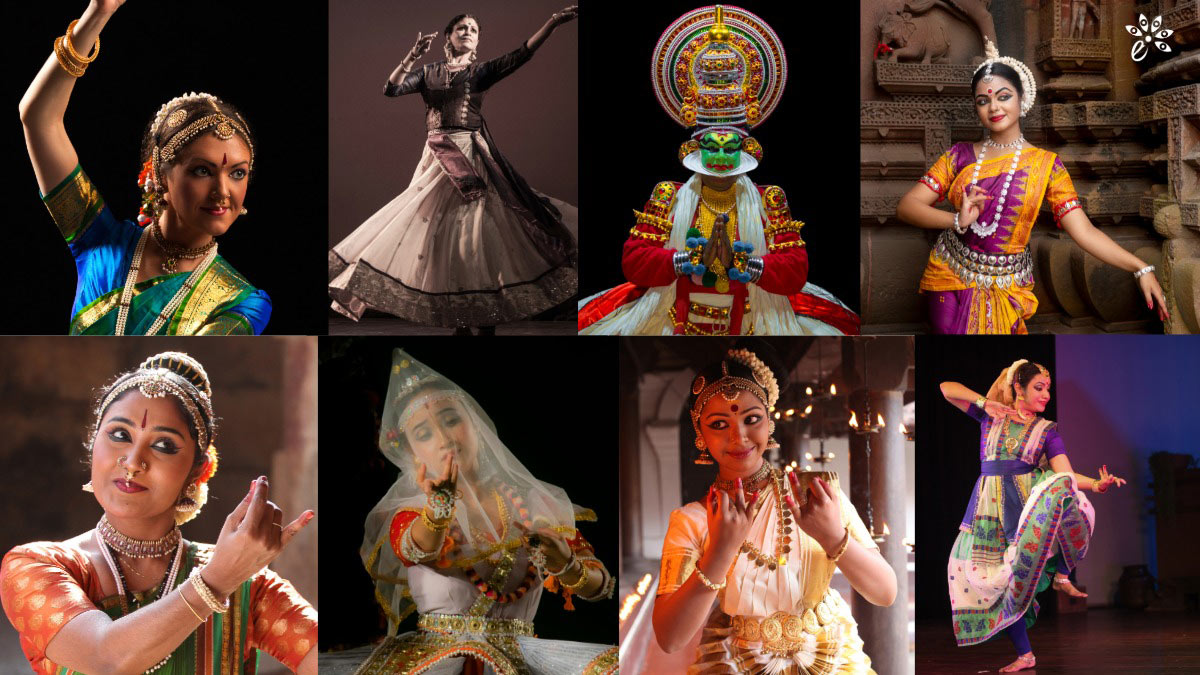
India’s cultural heritage is deeply enriched by its vibrant traditions of music, dance, and theatre. Among these artistic expressions, classical dances of India stand out as refined art forms that combine storytelling, rhythm, emotion, and spirituality. These dances are not merely performances but powerful mediums through which ancient traditions, mythology, and philosophical ideas are communicated.
Indian classical dance traditions evolved over centuries and are rooted in sacred texts, temple rituals, and royal court patronage. Each dance form reflects the cultural identity of a specific region while following the principles laid down in ancient treatises on performing arts.
Today, India officially recognizes eight classical dance forms, each distinguished by unique techniques, costumes, music, and storytelling styles. These dances continue to thrive on modern stages while preserving the essence of India’s rich cultural legacy.
Origin of Indian Classical Dance

The origins of classical dance in India can be traced back to the Natya Shastra, an ancient Sanskrit theory on performing arts attributed to the sage Bharata Muni. Written between 200 BCE and 200 CE, this foundational text established the theoretical framework for dance, drama, and music in Indian culture.
According to the Natya Shastra, dance is a divine art created to educate and entertain humanity. The text describes detailed principles of movement, gestures, facial expressions, stage design, costumes, and musical accompaniment. These guidelines shaped the development of classical dance traditions across India.
Historically, many classical dances were performed in temples as acts of devotion. Dancers used expressive gestures and rhythmic movements to narrate stories from Hindu epics such as the Ramayana, Mahabharata, and the Puranas. Over time, these temple traditions evolved into sophisticated stage performances while retaining their spiritual roots.
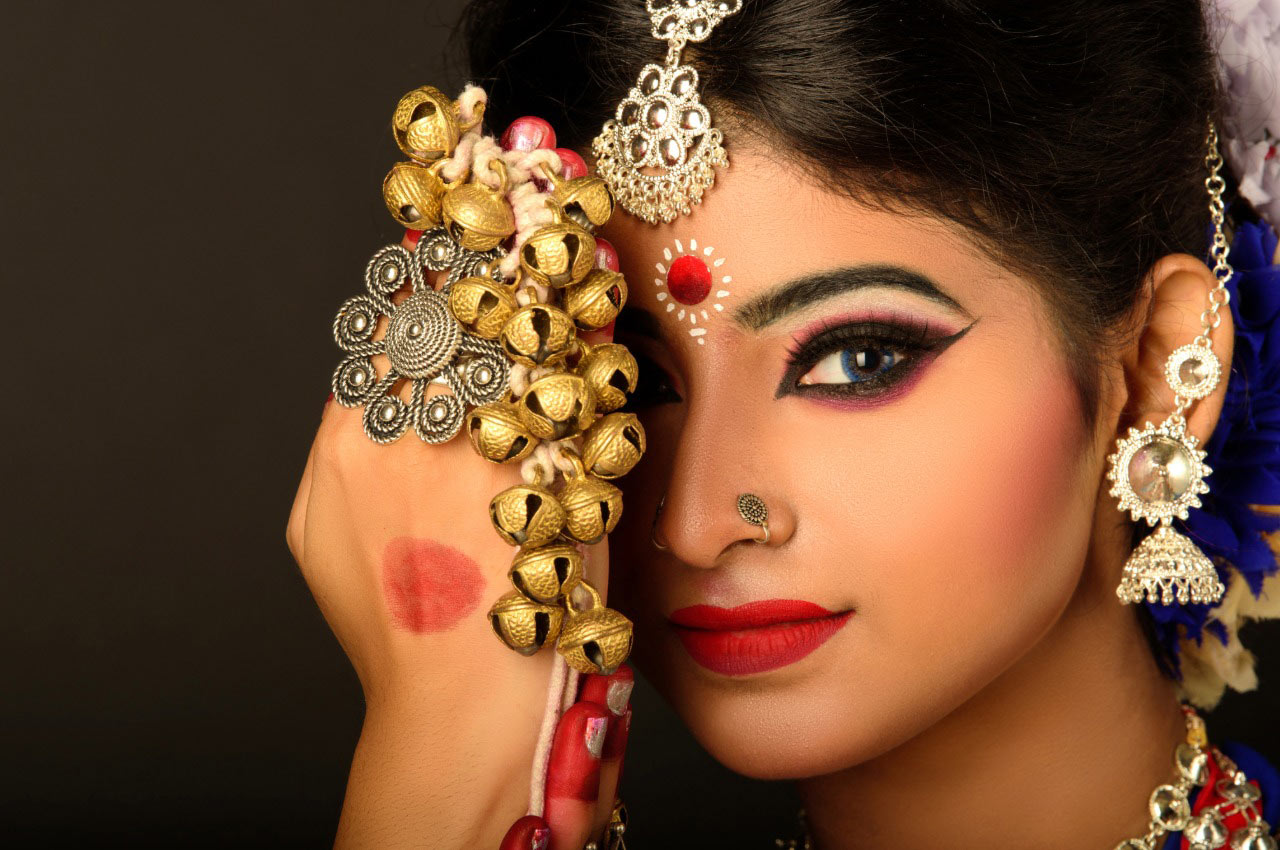
Key aspects of classical dance traditions include:
- Inspiration from the Natya Shastra
- Strong connection with temple rituals and devotional traditions
- Storytelling through expressive gestures and facial expressions
- Use of classical music traditions
- Training under the Guru-Shishya tradition
These elements continue to define Indian classical dance even today.
Eight Classical Dances of India
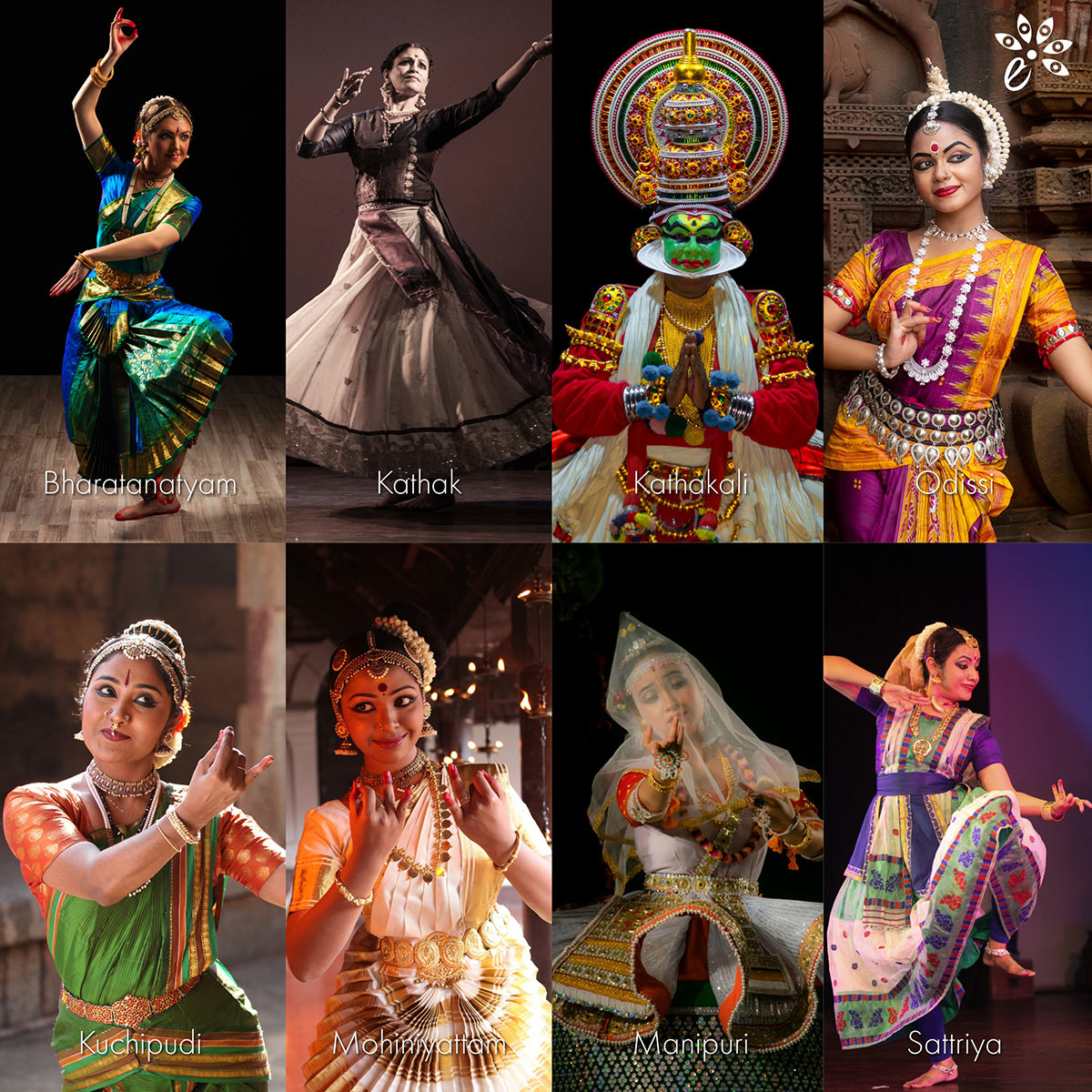
India recognizes eight classical dance traditions that represent the diverse cultural landscape of the country. Each form developed in a particular region and carries distinctive movements, costumes, and musical styles.
The eight classical dances recognized by the Sangeet Natak Akademi are:
- Bharatanatyam
- Kathak
- Kathakali
- Odissi
- Kuchipudi
- Mohiniyattam
- Manipuri
- Sattriya
Together, they represent the artistic brilliance and regional diversity of Indian culture.
Here is the List of Classical Dances of India with States, Key Characteristics and Music Traditions
| Classical Dance Form | Origin State, Key Features, Music Tradition |
|---|---|
| Bharatanatyam | Tamil Nadu, known for geometric body positions, expressive mudras and strong rhythmic footwork, performed to Carnatic music |
| Kathak | Uttar Pradesh and North India, famous for rapid spins (chakkars), intricate footwork and storytelling traditions, accompanied by Hindustani classical music |
| Kathakali | Kerala, dramatic dance-theatre with elaborate makeup and costumes representing mythological characters, uses percussion instruments and traditional Kerala music |
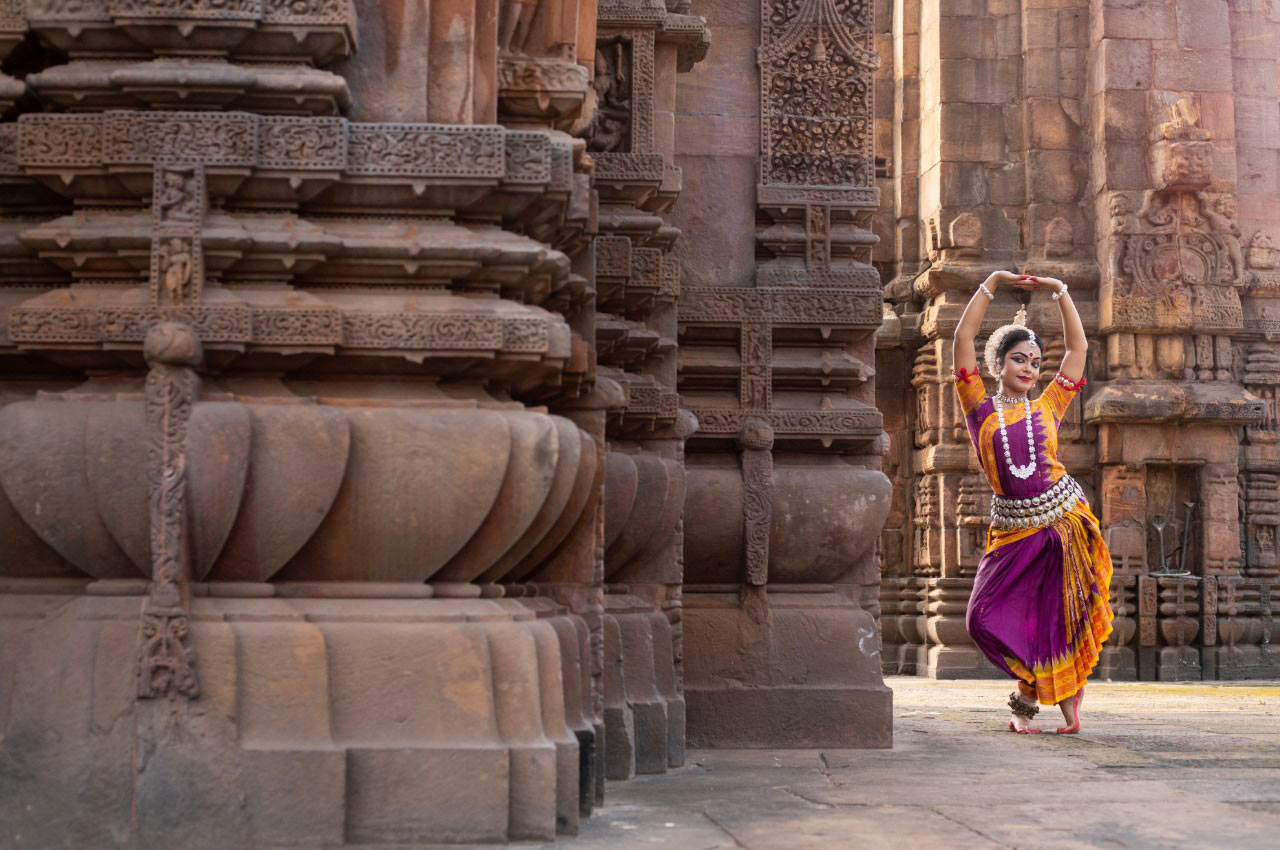
| Odissi | Odisha, graceful movements inspired by temple sculptures and the Tribhangi posture, performed to Odissi classical music |
| Kuchipudi | Andhra Pradesh, combines dance and drama with expressive storytelling, famous for the Tarangam performance on a brass plate, Carnatic music accompaniment |
| Mohiniyattam | Kerala, gentle and graceful dance emphasizing feminine movements and devotion, performed with Carnatic music and traditional percussion |
| Manipuri | Manipur, known for soft flowing movements and Raas Leela performances depicting Radha-Krishna stories, accompanied by Manipuri devotional music |
| Sattriya | Assam, originated in Vaishnavite monasteries called Sattras, combines dance, drama and devotional storytelling, traditional Assamese devotional music |
1. Bharatanatyam

Bharatanatyam is one of the oldest and most widely practiced classical dance forms in India. It originated in the temples of Tamil Nadu, where it was traditionally performed by temple dancers known as devadasis. Over time, the dance evolved into a respected stage art practiced across the world.
Bharatanatyam is known for its precise geometric movements, rhythmic footwork, and expressive storytelling. Dancers communicate emotions and narratives using hand gestures called mudras and facial expressions known as abhinaya.
Performances often depict stories of Hindu deities such as Shiva, Vishnu, and Krishna. The dance is accompanied by Carnatic music, which enhances its rhythmic and emotional depth.
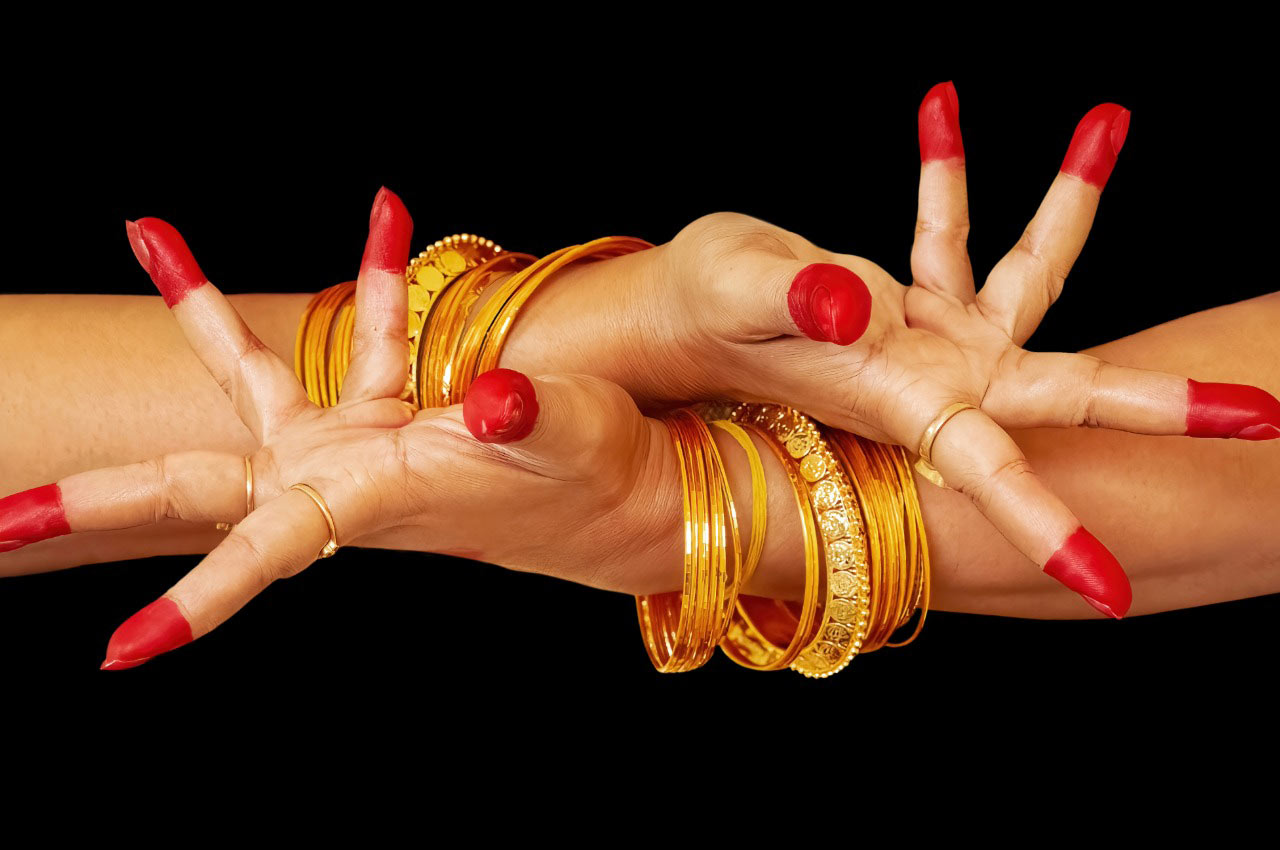
Key features of Bharatanatyam include:
- Origin: Tamil Nadu
- One of the oldest classical dance traditions
- Strong rhythmic footwork and body geometry
- Expressive storytelling through gestures (Mudras)
- Performed to Carnatic classical music
Today, Bharatanatyam remains one of the most globally recognized Indian dance forms.
2. Kathak

Kathak is a classical dance form that originated in northern India, particularly in the region of present-day Uttar Pradesh. The name “Kathak” is derived from the Sanskrit word katha, meaning story.
Originally performed by storytellers called Kathakars, the dance developed as a narrative art that conveyed mythological stories through rhythmic movements and expressive gestures.
During the Mughal era, Kathak evolved further and incorporated elements of Persian culture, courtly elegance, and intricate footwork. This fusion created the distinctive style that defines Kathak today.
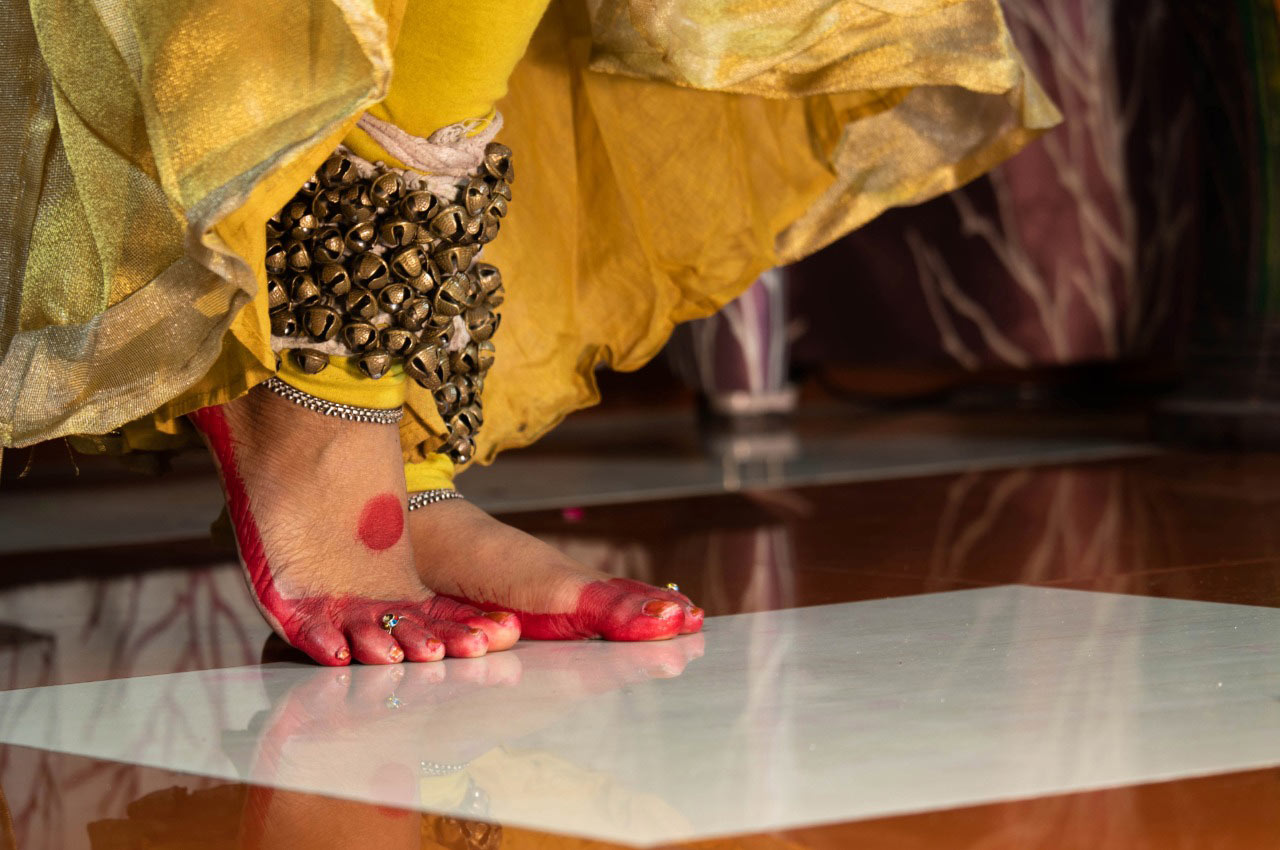
Kathak performances are characterized by rapid spins, complex foot rhythms, and graceful movements. The dance is often accompanied by instruments such as the tabla, sitar, and sarangi.
Important characteristics of Kathak include:
- Origin: Uttar Pradesh and northern India
- Derived from storytelling traditions
- Influenced by Mughal court culture
- Known for fast spins and rhythmic footwork
- Accompanied by Hindustani classical music
Kathak continues to flourish on both traditional and contemporary stages.
3. Kathakali

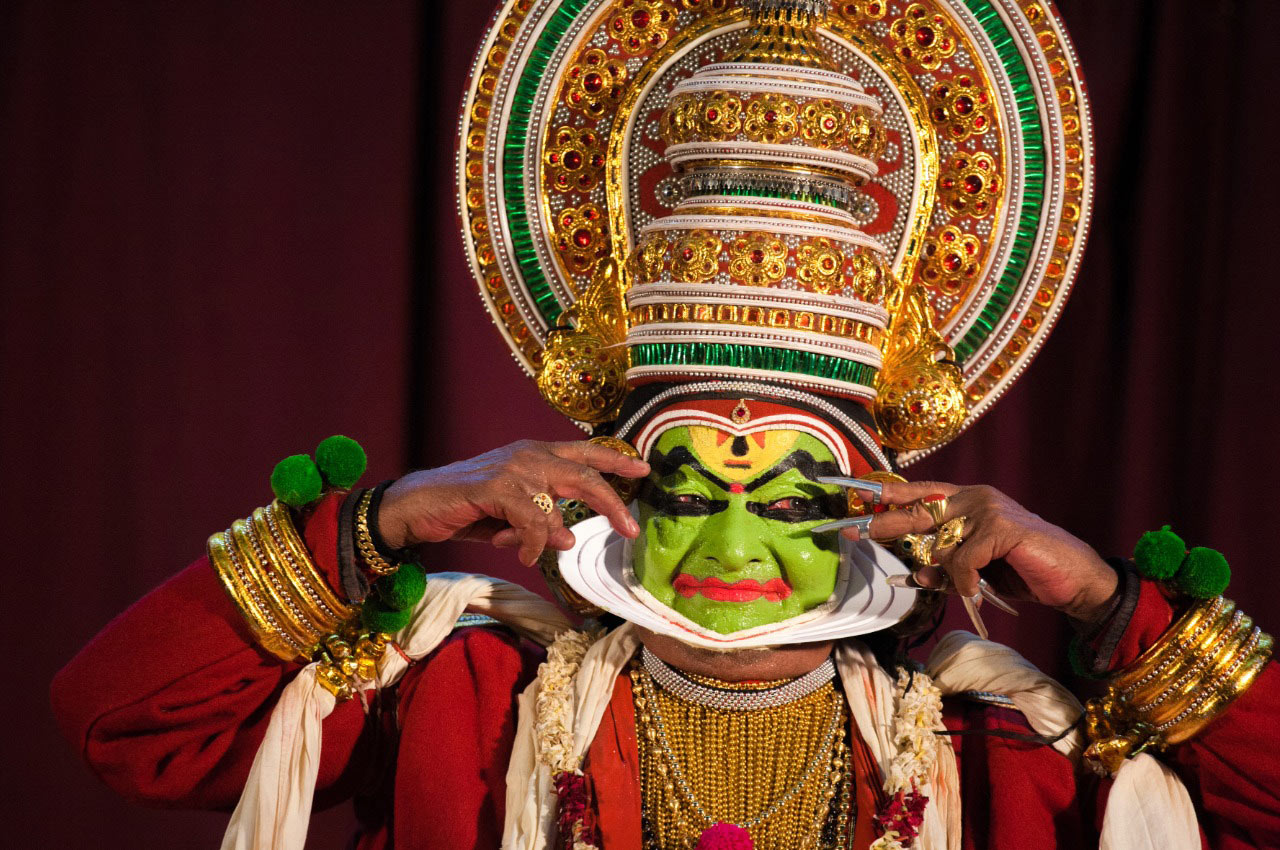
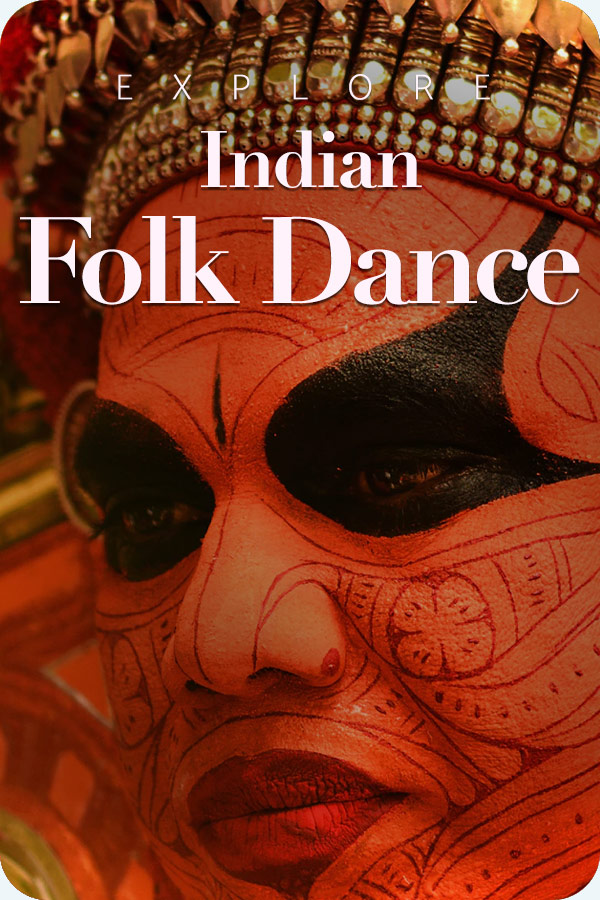
Kathakali is a highly dramatic and visually striking classical dance form from the state of Kerala. It is known for its elaborate costumes, vibrant makeup, and powerful storytelling.
Unlike many other dance forms, Kathakali combines dance with elements of theatre and martial arts. Performers portray characters from Hindu epics using exaggerated facial expressions, stylized gestures, and vigorous movements.
One of the most distinctive features of Kathakali is its intricate makeup and costume design, which transform dancers into mythological characters such as gods, demons, and heroes.
Kathakali performances often last several hours and traditionally take place during temple festivals or cultural events.
Key aspects of Kathakali include:
- Origin: Kerala
- Known for dramatic storytelling
- Elaborate makeup and costumes
- Inspired by epics like the Ramayana and Mahabharata
- Combines dance, theatre, and martial art elements
Kathakali is widely regarded as one of the most visually spectacular dance traditions in India.
4. Odissi

Odissi is a classical dance form from the eastern state of Odisha. It is believed to have originated in ancient temples where dancers performed devotional rituals dedicated to Lord Jagannath.
This dance form is known for its graceful movements, sculptural poses, and lyrical expressions. Many of its movements resemble the poses seen in temple sculptures across Odisha.
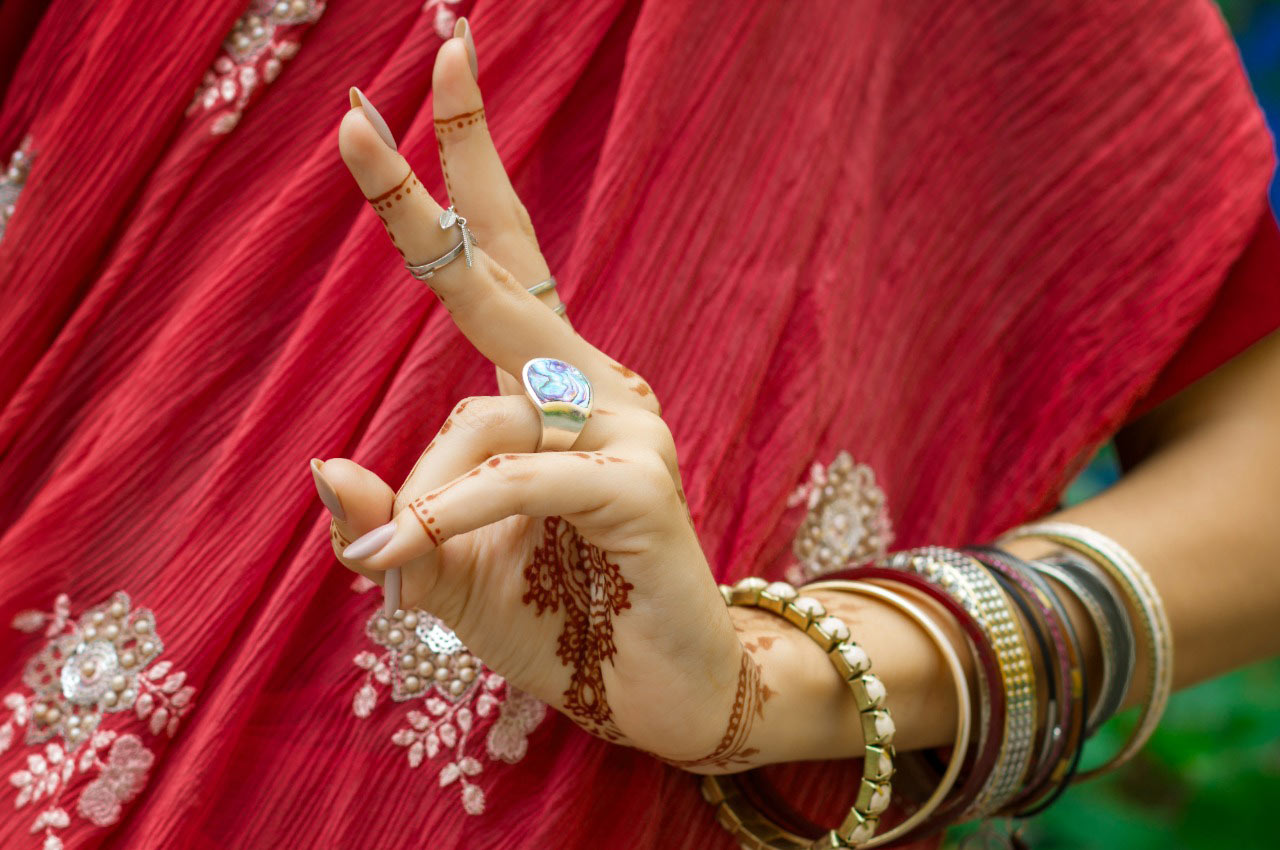
Odissi dancers use intricate footwork, expressive hand gestures, and fluid body movements to narrate stories from mythology and classical poetry.
The dance is accompanied by Odissi music, which blends melody and rhythm to enhance the emotional impact of the performance.
Key characteristics of Odissi include:
- Origin: Odisha
- Inspired by temple sculptures
- Graceful and fluid movements
- Devotional themes and storytelling
- Accompanied by traditional Odissi music
Odissi is widely admired for its elegance and aesthetic beauty.
5. Kuchipudi

Kuchipudi is a classical dance tradition from the state of Andhra Pradesh. It originated in the village of Kuchipudi, where it was initially performed by male Brahmin performers as part of religious dramas.
Unlike many other classical dances, Kuchipudi incorporates elements of dance, drama, and dialogue. Performers often enact mythological narratives while combining expressive gestures with rhythmic movements.
Over time, Kuchipudi evolved into a solo dance tradition and gained popularity among both male and female performers.
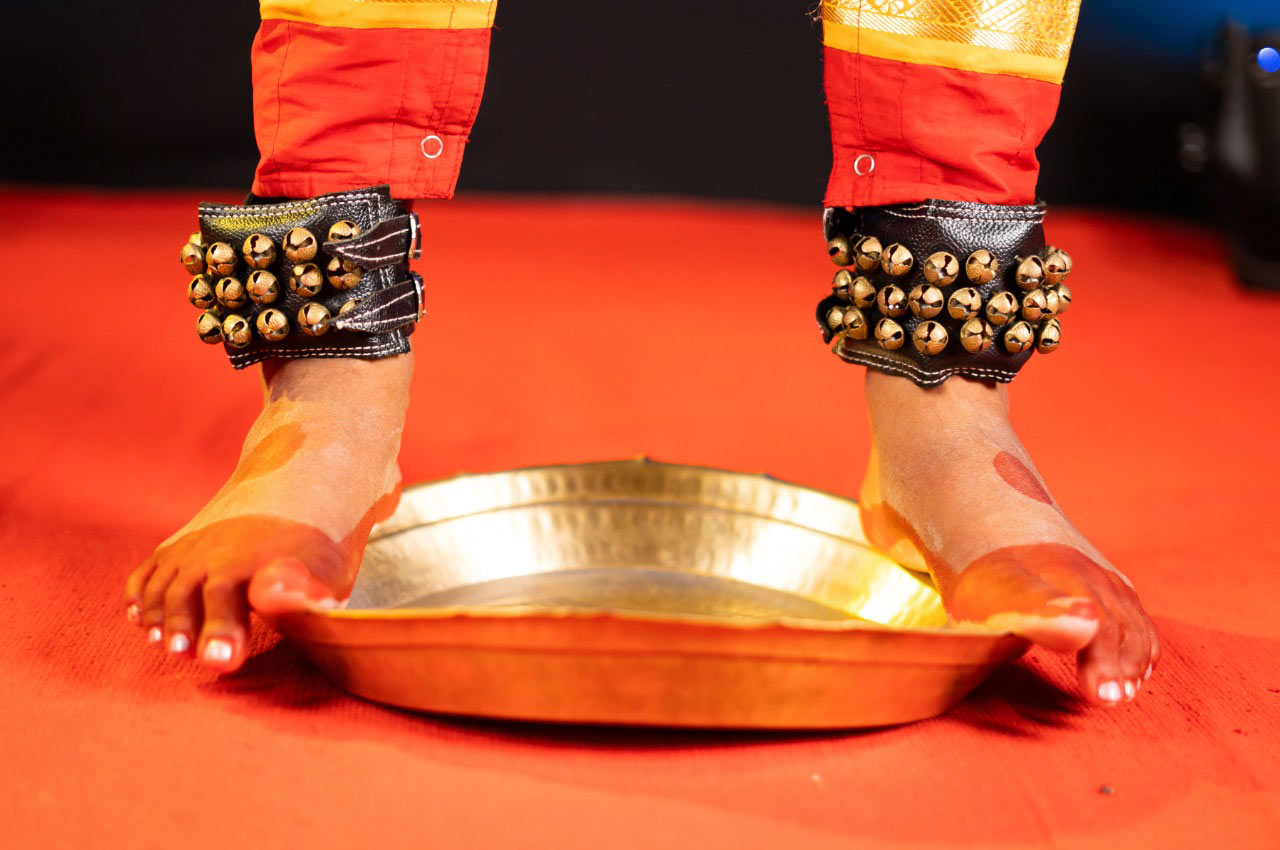
The dance is known for its energetic footwork and graceful movements. One famous feature of Kuchipudi is the Tarangam, in which dancers perform rhythmic steps on the edge of a brass plate.
Key features include:
- Origin: Andhra Pradesh
- Developed from dance-drama traditions
- Energetic movements and expressive storytelling
- Incorporates dialogue and dramatic elements
- Known for the unique Tarangam performance
Kuchipudi represents a dynamic fusion of dance and theatre.
6. Mohiniyattam

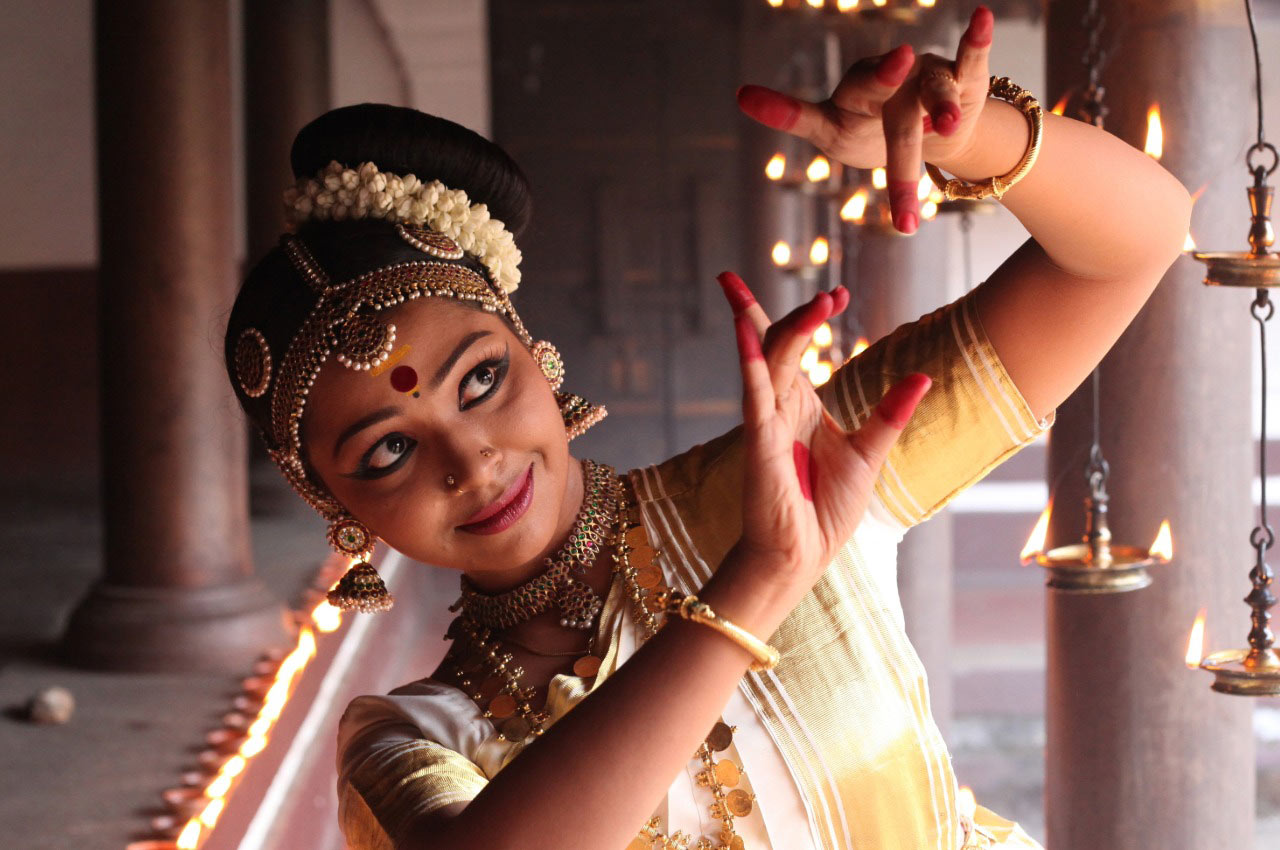
Mohiniyattam is a graceful classical dance form that originated in Kerala. The name comes from the Sanskrit word Mohini, referring to the enchanting female form of Lord Vishnu.
This dance is known for its gentle, flowing movements and feminine grace. Unlike the dramatic intensity of Kathakali, Mohiniyattam emphasizes subtle expressions and delicate gestures.
The dance style reflects themes of love, devotion, and spiritual longing. Performances are accompanied by Carnatic music and traditional percussion instruments.
The costume typically includes a white sari with golden borders, which enhances the elegant appearance of the dancer.
Key characteristics of Mohiniyattam include:
- Origin: Kerala
- Emphasis on graceful and fluid movements
- Feminine style of expression
- Themes of devotion and love
- Traditional white and gold costume
Mohiniyattam is celebrated for its elegance and emotional depth.
7. Manipuri Dance

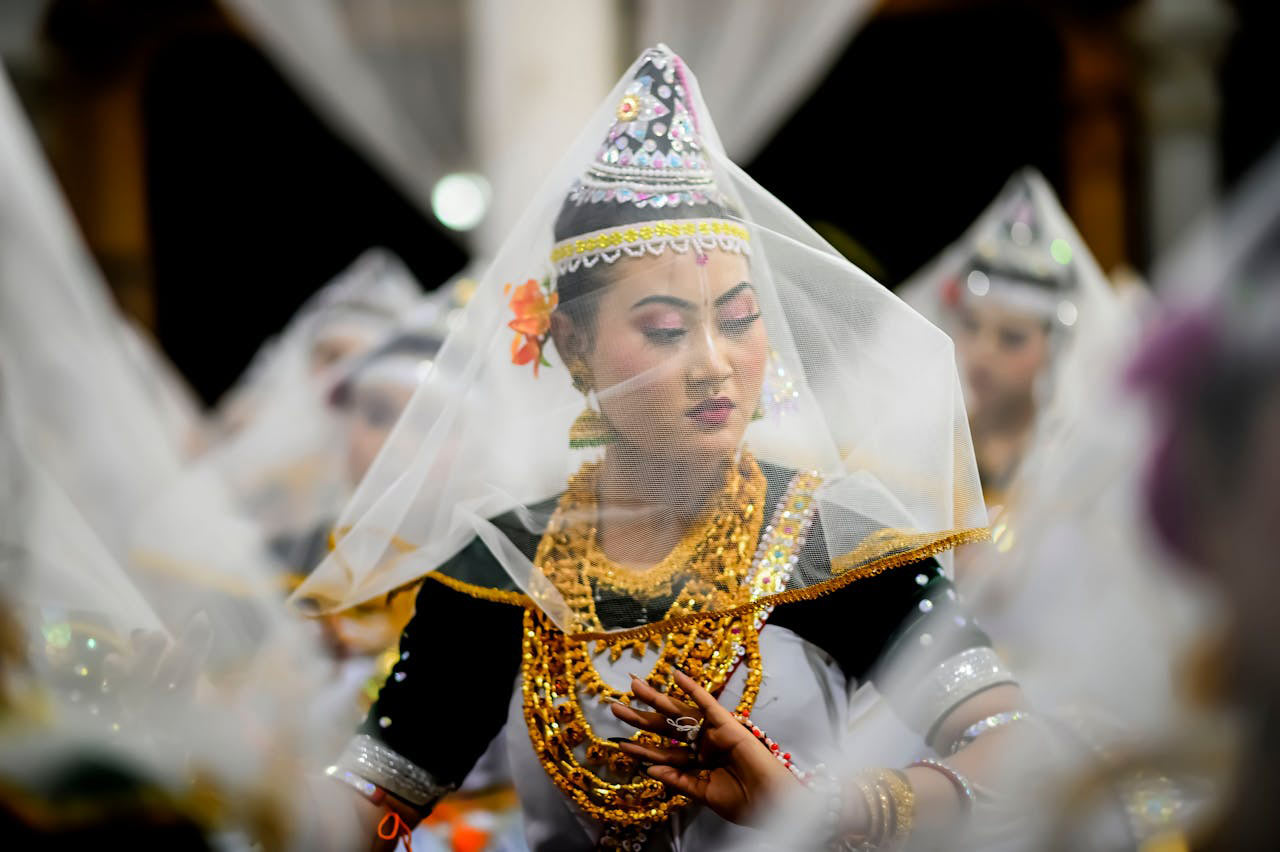
Manipuri is a classical dance form that developed in the northeastern state of Manipur. It is deeply associated with the Vaishnavite traditions of the region and often depicts the divine love between Radha and Krishna.
Manipuri dance is characterized by soft, rounded movements and gentle expressions. Unlike some other classical dances, it avoids strong foot stamping and dramatic gestures.
The costumes used in Manipuri are elaborate and colorful, especially the distinctive cylindrical skirts worn during the famous Raas Leela performances.
Manipuri performances are typically accompanied by devotional music and traditional instruments.
Key features include:
- Origin: Manipur
- Inspired by Vaishnavite devotional traditions
- Graceful and gentle movements
- Famous for Raas Leela performances
- Colorful and elaborate costumes
Manipuri dance conveys deep spiritual emotion through subtle expression.
8 . Sattriya

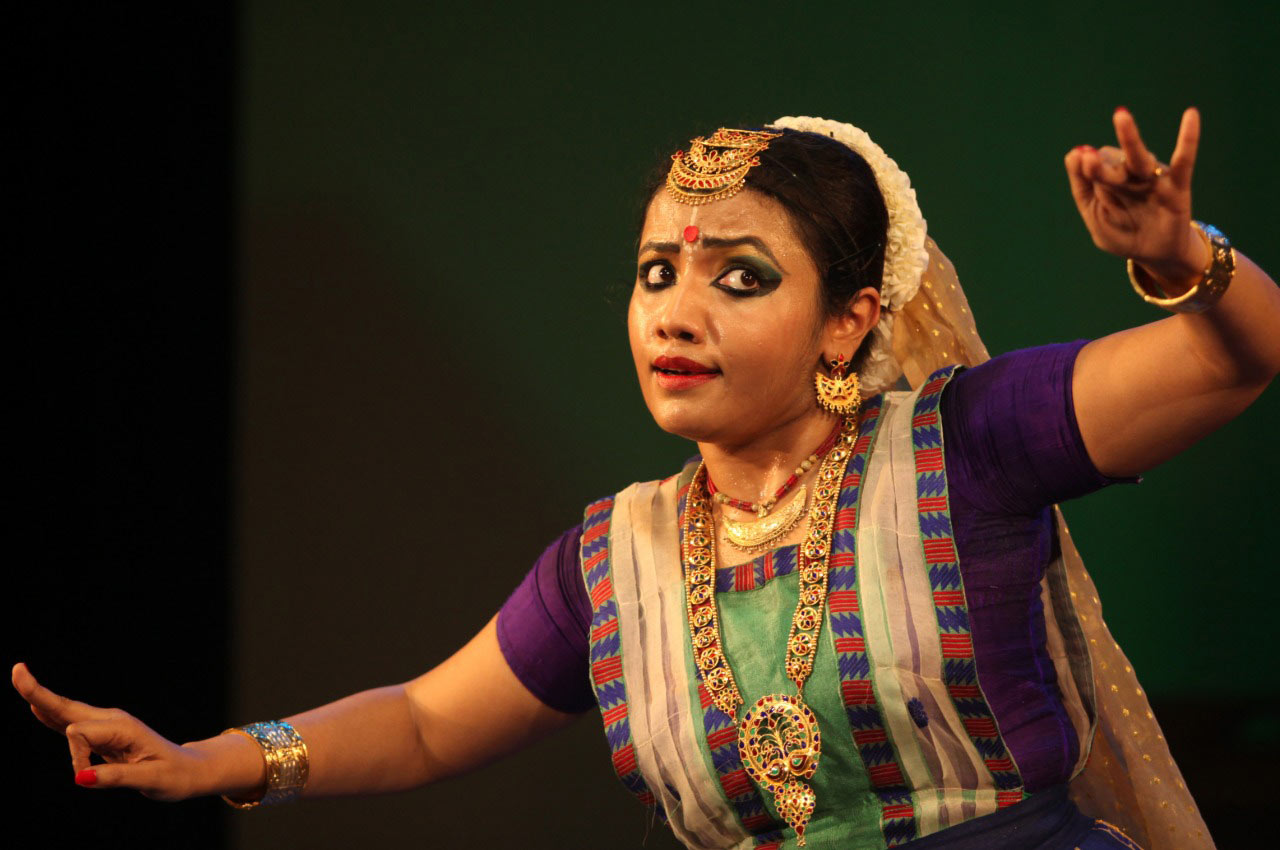
Sattriya is the youngest of the classical dance forms to receive official recognition. Mahapurusha Sankaradeva, a Bhakti saint and reformer of Assam, introduced the Sattriya dance form during the 15th century AD.
This dance form was preserved in the Sattras or the Vaishnava Maths. It is an artistic way of imparting teachings through mythological themes, with a combination of dance, ballad and enactment.
Today, the Sattras do not limit the themes and the performances. It includes the popular romantic tales of Radha-Krishna and Ram-Sita. It is one of the most graceful classical dances of India
Sattriya combines storytelling, rhythmic footwork, and expressive gestures to narrate religious themes.
Key characteristics include:
- Origin: Assam
- Developed in Vaishnavite monasteries
- Strong devotional themes
- Blend of dance and drama
- Recognized as a classical dance in 2000
Sattriya highlights the spiritual and cultural traditions of northeastern India.
Elements of Indian Classical Dance
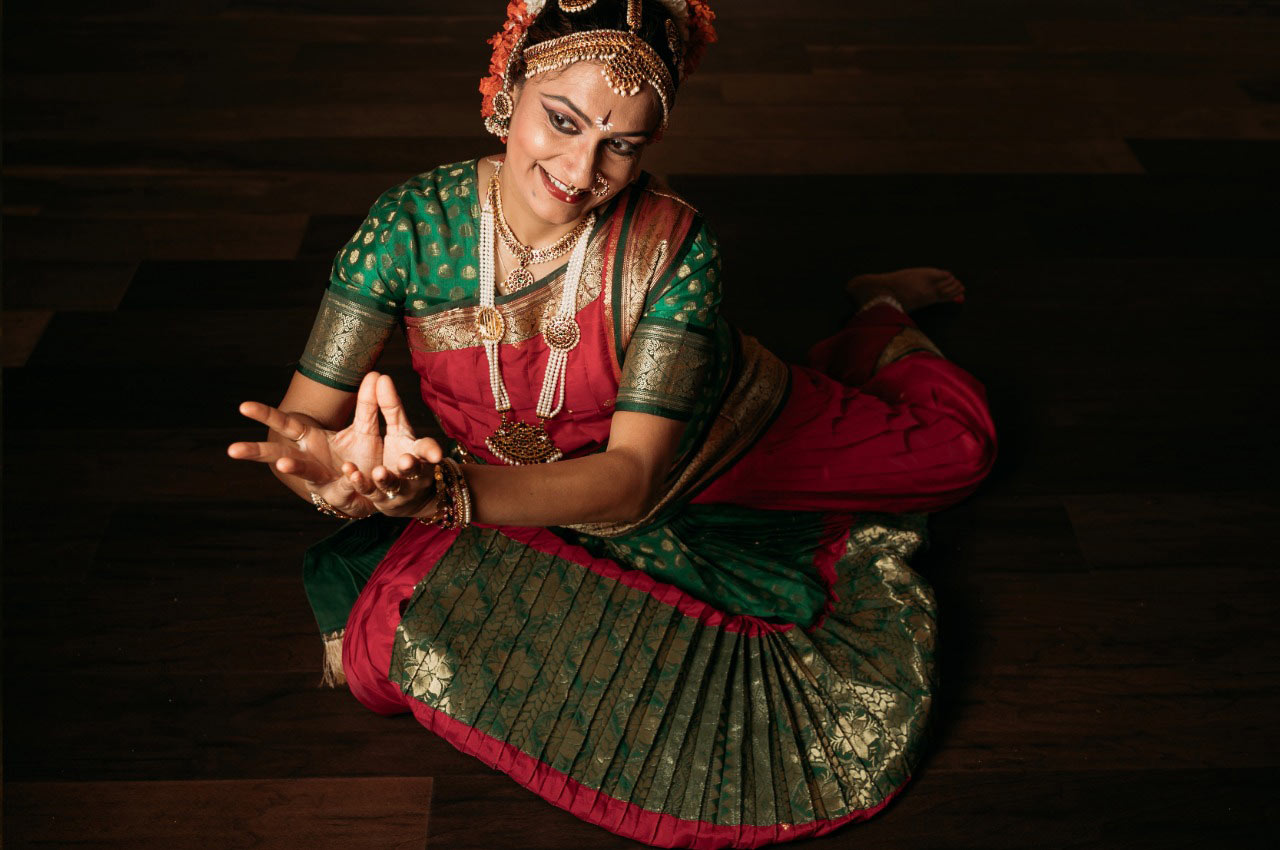
Despite their regional differences, all classical dance traditions share certain fundamental elements described in the Natya Shastra.
These elements combine technique, emotion, and storytelling to create a complete performance.
Major elements include:
- Nritta – pure dance movements without narrative
- Nritya – expressive dance that conveys emotions
- Natya – dramatic storytelling through dance
- Mudras – symbolic hand gestures
- Abhinaya – facial expressions and body language
Together, these components allow dancers to communicate complex emotions and stories to the audience.
Cultural Significance of Classical Dance
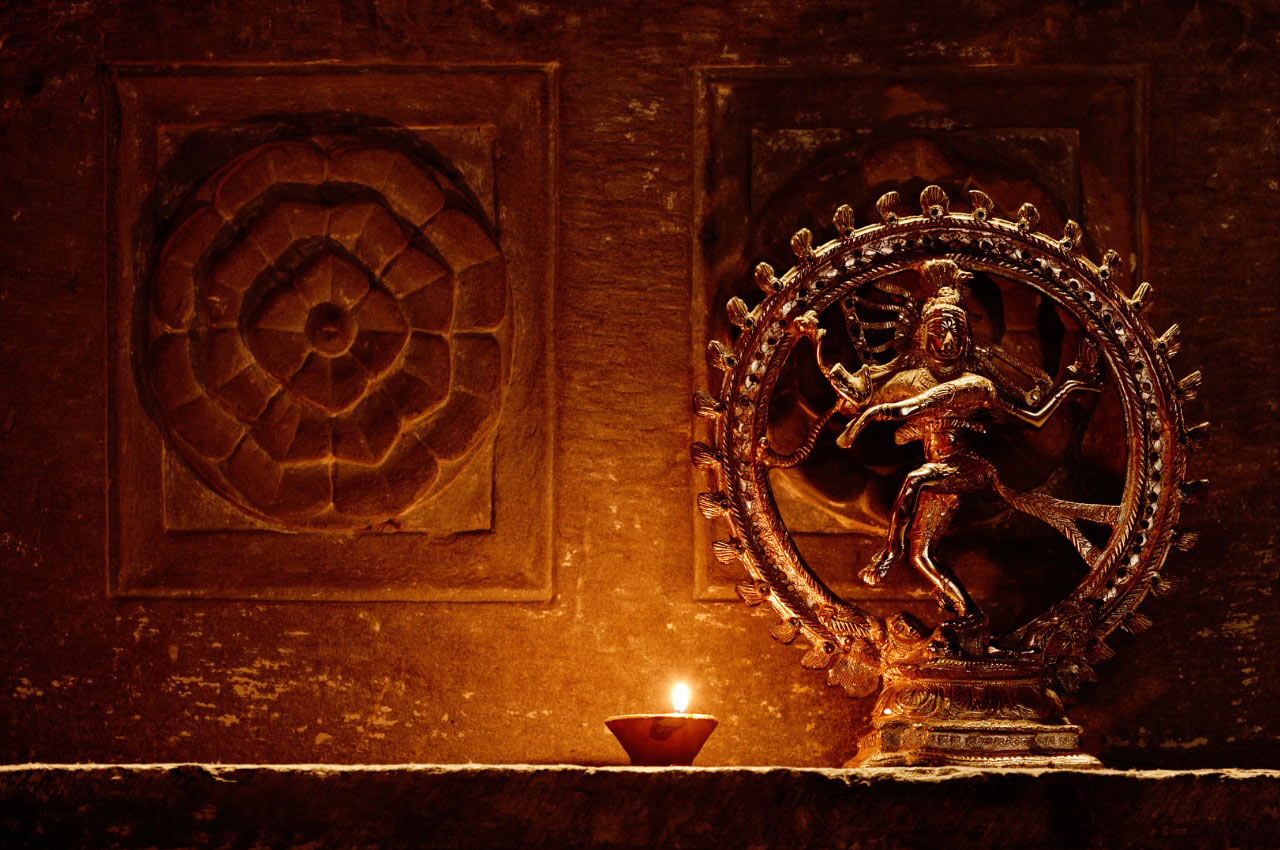
Indian classical dances play a vital role in preserving the country’s cultural heritage. These art forms act as bridges between ancient traditions and contemporary society.
Through dance, performers communicate philosophical ideas, religious stories, and social values. Classical dance also helps preserve regional languages, music traditions, and traditional costumes.
These dances are taught in cultural institutions and universities across India and abroad, ensuring their continued survival.
Their cultural significance includes:
- Preservation of ancient traditions
- Representation of regional identities
- Promotion of Indian performing arts
- Educational value for students and scholars
- Cultural diplomacy on global stages
Indian classical dance continues to inspire audiences worldwide.
Conclusion
The classical dances of India represent centuries of artistic evolution and cultural expression. Rooted in ancient texts like the Natya Shastra and shaped by regional traditions, these dance forms reflect the spiritual and artistic heritage of the country.
From the geometric precision of Bharatanatyam to the theatrical grandeur of Kathakali and the gentle grace of Manipuri, each dance style offers a unique glimpse into India’s diverse cultural landscape.
Even in the modern era, classical dance remains a vibrant and evolving tradition. Through dedicated performers, teachers, and cultural institutions, these timeless art forms continue to celebrate the beauty, philosophy, and creativity of Indian civilization.
FAQs on Classical Dances of India



super
Thanks Venkateshan 🙂