It is rightly said, “A beautiful body perishes, but a work of art dies not”. Art is indeed a universal language; it is that form of expression which needs no tongue. The world has given birth to several outstanding artists who do justice to this incredible practice, the widespread popularity of various art forms all over the world has created a whirlpool of enthusiasm towards it. Today, even though we are separated by miles of distances and barbs of wire, the language of art will always be a unifying factor between us.
India has been an avid patron of art since the very early ages. The list of Indian artists celebrated for their distinctive and creative artwork is long. Even though the world has advanced quite a bit when it comes to art, the ancient Indian forms of paintings are still prevalent in minute regions of India. Blossoming like buds of a flower, these arts are not widely known, but are no less spectacular to the eye. And one such art form is the Kangra painting.
Originated in the North-eastern state of Himachal Pradesh, Kangra paintings were highly endorsed in its name-sake city. Kangra School of Painting came into existence after the gradual decline of the Basohli art style in the middle of the 18th century. The new up-gradation and features showcased in the Kangra paintings were severely lauded by the critics and public. The tremendous support given to this form of painting led to the subsequent replacement of the Pahari art (art practiced in hilly regions of India) by the Kangra art. The main centers where this art form is extensively practiced are Bilaspur, Nurpur, Guler, and of course, Kangra. Later on, it also made its way to other regions of India including Kullu, Suket, Arki, and others. Although numerous kings and aristocrats acted as patrons to the Kangra painting, this art form came into prominence from the reign of Maharaja Sansar Chand.
The story of Kangra paintings and how they came into existence begins in Guler (Guler is a tiny hill state situated near Himachal Pradesh) sometime in the early 18th century. A Kashmiri family well versed in the method of painting practiced by the Mughals asked for refuge in the court of Guler under Raja Dalip Singh. This fateful event led to the inter-mixing of the native artists of Guler and the Kashmiri painters. Soon, the local artists came to be heavily affected by the new style of paintings and began experimenting with it. The usual paintings depicting love and portrait images of kings and their queens came to be replaced by more scenes involving nature and the love stories of Radha and Krishna. Thus, the Kangra paintings slowly made their way into society.
Moving a couple of years forward, the Kangra paintings reached their pinnacle under Maharaja Sansar Chand, who was known for his open-mindedness and his fervent devotion towards Lord Krishna. It is said that he used to pay artists handsomely to depict scenes from the lifetime of Lord Krishna. It is from here that the Kangra began to be known as one of the most alluring and unique art forms of India.
Themes of Kangra Paintings
Image/Ashley Van Haeften/Flickr
The central idea behind the Kangra painting is often the immersive love story of Radha and Krishna. The famous bhakti movement and devotional ideas of that era gave rise to the visual representation of common Hindu love stories enjoyed by the majority of the population in the early ages. The romantic poems composed by Jayadeva (known as Gita Govinda) frequently provided a reference point for artists to visualize and paint the love life and legends of Radha-Krishna. This beautiful visual expression of the duo stimulated the devotional community and provided a spiritual gateway for them to immerse in. Common Kangra paintings include scenes of Krishna merrily dancing and playing in the forests while the gopis secretly watch him, conversations between Radha and Krishna are also frequently portrayed in the Kangra paintings. These paintings are considered a pure form of art, elevating the story it narrates through the tender stroke of the brush and fresh colors.
If you observe, you’ll notice that majority of the Kangra paintings have a realistic and lifelike approach, focusing heavily on nature. In simpler terms, there is the extensive usage of natural elements in the paintings such as creepers, trees, flowering plants, rivers, and such, along with the repetitive use of the color green and its numerous shades. The Kangra paintings are distinctly known for their meticulousness. They make use of fresh hues while refining the countenance of women, thus conveniently making them look even more feminine. With further developments in the art form, Kangra artists began depicting harsher scenes in their paintings such as thunder, lightning strokes, and heavy rain.
The colors used in the making of the Kangra paintings are made out of vegetable extracts and other naturally made substances. Kangra artists rarely use artificial colors in their paintings. The colors red, yellow, and green can be seen throughout the paintings due to their brightness.
The Kangra art form is a serene celebration of life and its simplicity. No wonder these paintings are famous for their delicate grace and finesse! Even after hundreds of years, the stunning Kangra paintings continue to impress us with their eloquent features. Today these paintings are declining in practice, their existence is floundering and unstable. To make these paintings flawlessly, artists must undergo years of hard work and dedication. However, several art societies and galleries are trying their best to revive this dimming art form. With such subtlety and delicate technique showcased in the Kangra painting, the world deserves to view it in its full glory.
We all know Tamil Nadu as the spectacular land of the Tamils. Having a plethora of remarkable architecture, authentic cuisine, and groundbreaking cultural heritage, this Southern state is, by all means, one of the most prominent Indian states. Like any Southern state of India, Tamil Nadu, too, has a boundless hidden treasure of historical significance which it adds to the history book of India. It was the birthplace of multiple powerful and well-known dynasties such as the Cholas, Cheras, Pandyas, and Pallava which ruled extensively around the medieval period. Then, with the arrival of the East India Company, Tamil Nadu was turned into an important industrial hub that operates to date. Of course, there is no denying that the rich and admirable history of Tamil Nadu has inevitably accounted for its magnificent monuments and architectural heritage. Come along as we explore some of the best and most extraordinary historical places in Tamil Nadu you must visit for a time well spent.
It is undoubtedly imperative to begin our article with the south-eastern town of Mahabalipuram. Mahabalipuram is a splendid representative of India’s architectural culture and is highly regarded all over India. If you visit this fantastic town, you’ll come across numerous mysterious caves and intricately constructed temples. The most famous among these include the renowned Shore Temple, Panch Ratnas, and the Crocodile Bank (which are UNESCO World Heritage sites). The Shore Temple comprises three individual temples situated in a single complex, the Panch Ratnas on the other hand, is a group of five temples in the form of chariots. Some other worthwhile attractions in Mahabalipuram include Arjuna’s Penance, Indian Seashell Museum, Krishna’s butterball, and many more. You won’t be bored in Mahabalipuram, that’s for sure!
Adorned with several temples and historic features, Thiruvannamalai majestically recreates Hindu mythologies with the aid of architecture. Visited by nearly one million pilgrims each year, the pride of Thiruvannamalai lies in the glorious Annamalaiyar Temple. This beautiful temple is devoted to Lord Shiva and is deemed to be the largest Shiva temple in the world. The Annamalaiyar temple has been around for thousands of years now and attracts many tourists in Tamil Nadu. The weather in Thiruvannamalai is generally pleasant.
One of the most famous cities in Tamil Nadu, Madhurai is the cultural capital of Tamil Nadu. It also happens to be one of the oldest cities in India, inhabited for thousands of years. Alternatively known as The Lotus City, it is interesting to know that Madhurai is carved out in the shape of a lotus. Moreover, since it was ruled by the Pandya dynasty for the majority of its existence, there are numerous stunning temples with the Dravidian architecture around the city. Be sure to check out the Meenakshi Amman Temple, Gandhi Memorial Museum, Sri Koodal Azhagar Temple, and several other tourist spots to get the best of the city.
If you visit Chettinad, you’re bound to fall in love with it helplessly. This gorgeous region is located in the center of Tamil Nadu and is known all over India for its mansions. Chettinad initially came into existence when a tribe, Nattukottai Chettiar migrated to this region when their previous home perished in an unfortunate flood. Today, not much has changed in this amazing town. Highly famous for its jewelry, there is no doubt that you’ll simply adore the exquisite designs of Chettinad jewelry! Apart from this, also pay a visit to the nine temples (kovlis) in the area to witness the extraordinary architecture and mind-blowing temple carvings they have to offer.
The phrase ‘Kashmir to Kanyakumari’ is indeed, very famous in India and is used often. Kanyakumari is a wonderful town tucked away right at the bottom-most part of Tamil Nadu. It is comparatively smaller in size; however, its natural bounty is unmatched. Packed with fresh trees, thundering waterfalls, mesmerizing sunsets, serene beaches, and lip-smacking coastal food, living in Kanyakumari is no less than a truly magical experience. There are a host of things to do in Kanyakumari – Vivekananda Rock Memorial, Thiruvalluvar Statue, Sunset View Point, Padmanabhapuram Palace, and many more places are the perfect getaway destinations to have fun with your family and friends.
Since religion is an important part of Tamil Nadu’s culture, it is no mystery that there is yet another town famous for temples. Kumbakonam is a temple town situated between the great rivers of Cauvery and Arsala. According to historians, this ancient town was built in the 3rd century and was ruled by a host of rulers. Attracted by the intense temple architecture or for pilgrimage, tourists often end up marveling at the beauty of Kumbakonam. The Nageswaran, Adi Kumbeswarar, Brahma, and Kasi Viswanathar are some of the famous temples in Kumbakonam. Unravel yourself in the exquisite history of the city as you let loose!
Pondicherry (alternatively known as Puducherry or Pondy) is a charming town situated on the southeast coast of India. It was an important and apparently, the largest French colony in the earlier years of colonial rule. Due to a mix of cultures, Pondicherry is fondly called the French Riviera of the East. You’ll be pleasantly surprised to find this enchanting place a stunning replica of the streets of France. The architecture, the cafes, and the bakeries in French are also widely understood in the town. Visit this mini France to get a piece of Europe without leaving India!
8. Tranquebar
Image/Saurabh Chatterjee/Flickr
A gift of nature to humanity, Tranquebar is what its name suggests – tranquil and relaxing. Also known as Tharagambi, this place was an outstanding trading port in earlier times. Interestingly, the town closely resonates with the Danish culture as the Danes held power in the tower till 1845, before the East India Company took over. Some must-see places in Tranquebar include The Danish Fort, Zion Church, Ziegenbalg House, and many more. What a delight!
These sumptuous places in Tamil Nadu speak loudly of the importance given to culture, arts, and tourism by the state. We get to learn a ton about the Indian ancient history and culture by closely observing the historical heritage of the state. And of course, with so many places to visit, you’re sure to have a leisurely trip. An experience of a lifetime, as they say, it!
A saree or as rightly referred to as, six yards of sheer elegance, is the identity of a modern Indian woman. Sarees are truly representative of the Indian culture and heritage and donned by women all over the country with such grace. This is a piece of fabric but it is also so much more than that. Throughout the country, its fabric, style, and colors vary as per the native heritage and way of clothing but the essence of the gorgeous saree shines through. One of the various types of the same is the exquisite Molakalmuru Sari.
This saree derives its name from the town that originated in and is woven in Molakalmuru. Situated in Chitradurga district in the state of Karnataka, approximately 245 kilometers away from the capital. This town is a panchayat town that possesses various allures, a primary of which is the Molakalmuru Sarees. These are also commonly referred to as Karnataka Kanchipuram. Due to this, the main occupation of the town is naturally weaving while the rest are involved in agriculture. These sarees look beautiful when worn by the women of the region as well as the entire country that remains in praise of the same.
The fabric used provides it with a particularly desirable texture. These sarees are made from pure silk with the mulberry variety being used prominently throughout. Additionally, zari is also utilized in the making of the saree and is procured from Surat which is rightly renowned for its zari production. On the other hand, the silk comes from the Bengaluru Silk Exchange. Yet another feature of this saree that adds to its eminence is its exclusivity. Since the production is limited to a single town, the number of weavers involved in creating this stunning masterpiece range at around fifteen hundred, leading to the number of sarees made to be around four hundred and forty.
The creation of this saree is a story that leads quite a few decades back or to the nineteenth century, to be more precise. The migration of the Sourashtra populace that belongs to the community of Swakulasali, originally from the state of Maharashtra, and the individuals of the community of Padmashali from Karnataka’s very own neighbor, the state of Andhra Pradesh is what led to the commencement of this wonderful sarees that are full of grace. The production of these sarees, due to their breath-taking designs, received tremendous support and patronage from the prince of the city of Mysore: Nalvadi Krishnarajendra Wodeyar.
These sarees possess intricate and elegant designs upon them which are also commonly referred to as motifs. These have varied themes, mostly derived from nature, such as floral prints, animals, the wilderness, fruits, birds, just to name a few. Apart from these, geometric and symmetrical patterns are also quite popular in today’s era. These beautiful designs are a noteworthy attribute of these sarees. Additionally, Molakalmuru sarees give off an ethnic aura and traditional impression which truly makes one feel closer to their culture as well as heritage and how can one forget to mention the most mesmerizing part of a saree: the pallu which in case of this variety is truly magnificent. Furthermore, the zari border is another unmissable element of these sarees as it presents a contrast to the saree and simply stands out. It is also worth noting that the color of the pallu also differs from the body of the saree. These sarees are mostly dark colored with some colors being widely in use are blue, pink, black, green, mustard, red, and many more.
The fabrication of these sarees is to this date, done by utilizing traditional handlooms or pit looms to be more specific with fly shuttle and a throw shuttle and for the same, the inhabitants of the region of Molakalmuru using chiefly two techniques with the first one being the Kuttu technique. This elaborate technique requires hard work as it involves manually interlacing the border and the body of the saree by the use of a total of three throw shuttles: one for the body, one for the border, and another one for the pallu of the saree. The second one is the Chalu Technique, which involves joining the existing and new warp ends of the pallu. The coloring of these sarees requires the use of the tie and dye method. By the application of these, a single Molakalmuru Saree is made within approximately eight days.
Molakalmuru sarees are further themselves divided into myriad sub-varieties. A few are the butta saree. It derives its name from the design of the buttas that can be seen on both sides of the border and this saree incorporates both traditional as well as modern patterns thus making it the best of both worlds. Other varieties include the long border Molakalmuru Sarees and the Double Molakalmuru Sarees both of which inculcate the use of multiple colors adding to the sarees’ vibrant nature.
These sarees are indeed a masterpiece that is a gem of our culture and traditions. Molakalmuru Sarees are popular in the country and around the globe in countries such as the United States of America and Australia, to name a few. However, comparing the previous demand for these dares, it would only be fair to state that the demand to a certain extent has fallen and that is truly unfortunate. Therefore, it comes upon us to revive our culture and these sarees which form an integral part of the same. As we move ahead with the advent of modernization, we must also remember to look back and remember our roots. Saree is the identity of any Indian woman. This was already stated in the beginning but this is a statement that merits a re-mention. It is rightly said, “We should feel empowered by where we came from and who we are, not hide it.”
Each year literary festivals take place in many parts of the country to draw large numbers of readers, writers, playwrights, and editors, who gather to exchange ideas with like-minded people. Most literature festivals feature opportunities to meet and polish your skills with your favorite authors and include extensive storytelling sessions and other engaging activities for children and young adults, to encourage a true love of reading.
Several Indian cities commemorate the literary richness of the country and conduct annual festivals. Not only conversations and debates but also cultural acts such as music and performances with literary leaders, authors, thinkers, etc are held here. Most of India’s literary festivals intend to popularise regional writers’ work with backing from internationally renowned personalities. Each state has at least one literature celebration held at its capital, organized by India’s Ministry of Culture, so check out your state’s next one. It is also a fantastic incentive to travel around. This list is for you if you want to experience the best of all the Indian literary festivals.
The Jaipur Literature Festival is a magnificent festival of ideas and is described as ‘the biggest literary exhibition on Earth.’ It has turned into a global sensation in the past decade, with about 2000 speakers and over a million book enthusiasts from around India and from other parts of the world. In the pink city of Jaipur at Diggi Palace, this five-day extravagance is a delightful experience. Writers from all over the world come to make this place the prime spot for all book enthusiasts. It is the finest choice if you have never attended literary festivals, as it features everything, from book readings to panel discussions and stimulating speeches. Jaipur Literature Festival has had writers like Call Me By Your Name author Andre Aciman, Life Of Pi which was written by Yann Martel, and creator of Calling Sehmat, the book that prompted the Bollywood movie, Raazi, Ramachandra Guha, highly regarded Indian author, historian, and biographer and many more discuss their books and interact with readers.
Organized every January by Oxford Bookstore and hosted by a range of authors from around the world, the Apeejay Kolkata Literary Festival must not be missed by bookworms. The AKLF line-up is always a pleasure as it harbors dignitaries from recipients of the Pulitzer Prize winners to journalists. The celebration marked its 10th anniversary recently with writers like David Davidar, Anuja Chauhan, and Naseeruddin Shah, a few of whom were highly regarded as panelists.
The events are recognized for delivering an incredible combination of panels for writers, workshops, music and dance, and many other amusing activities. The fact that it also organizes workshops for young authors is one of the aspects that make it even more unique. Outstanding names like Shashi Tharoor, Ramachandra Guha, Devdutt Pattanaik, and Bon Okri are some of the previous speakers in that festival. This celebration transmits the City of Joy’s rich cultural and literary legacy.
Times LitFest is an annual festival for writers, journalists, book enthusiasts, and lecturers. As one of the best in the country, this illuminated fest has flourished. Journalists Bachi Karkaria and Namita Devidayal saw the notion of this literary festival together. The Times lit Fest is an event that lasts three days with a new theme every year. Arianna Huffington, Akhil Sharma, Amish Tripathi, Anupama Chopra, and Ashwin Sanghi took part in one of the themes “Power As Hero and Villain” with sessions organized around it. The entry is free of charge for this event. The festival also features debates on mythology, history, crime, fiction, storytelling, romance, and modern interactions. To focus on many dimensions and facets of illustration, painting, parenting, gender, sexuality, etc., as well as panel discussions, Times LitFest provides a range of workshops. The festival organizes a wealth of the country’s literature, movies, and music and promotes dynamic dialogues and debates.
4. Khushwant Singh Literature Festival
The literary festival, first held in 2012, was exclusively named after the legendary writer and is currently celebrated every October. Since Khushwant Singh wrote most of his work in Kasauli, it is was only fitting to organize it among the gorgeous hills.
It connects figures from several walks of life, including Dr. Rakhshanda Jalil, Shobhaa De, Anupam Kher, Coomi Kapoor, Dr. Dilip Donde, Bishen Singh Bedi, Bachi Karkaria, and more. Kushwant Singh Lit Fest’s premise or topic changes annually to facilitate all types of discussions and debates. While on one side of this hill there are sessions and workshops with writers, the other side features music entertainment, and exciting performances. You can enjoy this lovely fest and read your favorite books in the lap of the wilderness.
The Literary Festival of Bangalore celebrates reading and writing and takes place in ‘Namma Bengaluru’ in November every year, immersing itself in the city’s literary environment. Under the winter sun in the Garden City of India, book worms and bibliophiles are welcome to meet writers from all around – local, national, and worldwide. The Festival is city-owned and honors the creative energy that it offers and celebrates the diversity of literature, bringing it into conversation with the brightest brains in India and outside. It includes numerous Indian and international authors who gather here to share experiences and experiences. The main festival event is attended by bibliophiles from around the country. Book collectors from all over the country are invited to participate in the main activities of the festival. The contest begins with written papers and the top 20 teams select several intensive literary questions leading to a winning group.
6. Valley of Words, Dehradun
Image Source
This literary festival in the center of the hills is more than just an excuse to get away from the busy city life. Dehradun brings together artists and authors from around the world, offering an amazing combination of culture and natural beauty. It offers people from diverse disciplines of art and literary works, three days in the valley, ranging from authors such as Anand Neel Kanth and Sagarika Ghose to performers such as Rahul Dev and Sorabh Panth. VoW is an open and inclusive festival with no entrance fees. It opens up a universe for young adults, storytellers, bloggers thespians, photographers, painters as well as craftsmen. The fest organizes concerts and hikes, promotes local crafts through its shows, and celebrates all kinds of creative expression. VoW celebrates different ways of thinking and knowledge by creating a forum to listen to new writers. It allows the first-time authors, translators, and narrators- space, time, and support by presenting books and facilitating talks and discussion with distinguished writers.
If a literary fest with your favorite books and sunsets and waves by the beach sounds like your perfect dream- this is the place for you! GALF is a non-profit organization that has been fully volunteered every year since 2010. It’s now become a magnet for the top writers in the country for political and social discourse. In the middle of this city’s culture, it takes place at the International Center Goa. This event offers to provide you with your cultural fullness, lectures by famous writers, poets, and painters. The Goa Arts And Literary Festival focuses on Goan and diaspora literature as well. Emergent and well-known scholars such as Amitav Ghosh, Amish Tripathi, and Teju Cole have been welcomed there before. Goa is known for its beaches, beautiful architecture, and unique culture, and is usually one of the most popular tourist destinations in the world. But many things are less known: a flourishing theatre, musical, and film culture for some of India’s top artists and authors.
8. Himalayan Echoes: Kumaon Festival of Literature & Arts
The Kumaon Literature & Arts Festival brings together writers from India and around the globe as well as a distinguished local essence with established young voices from Uttarakhand. It is a unique convergence of words and compelling ideas in a gorgeous location. In contrast to other events, this event is defined by the strength of its voice, the intimate crowd, and the wonder of its environment. The festival also offers the opportunity to learn about, and experience one-on-one interactions with ecological, socio-cultural, art, musical, cinematic, sports, and wildlife writers and specialists.
This is India’s only “Green” Festival where the curators believe in open spaces for conducting meetings with mountain views of the Deodars and oaks instead of the conference rooms or enclosed tents. They provide birdwatching lessons, forest walks, and heritage paths. Emphasis is put on local craftsmen and art and crafts of the region, whether it be weavers, artists, or Uttarakhand organic farmers. They are a festival that does not contain plastic, with mineral water in glass bottles and tea in paper cups. Dustbins painted by school kids are distributed throughout the festival and people are aware that their surroundings need to be clean.
The Kerela Literatur Festival (KLF) is regarded as the “most prominent celebration of word, story, and idea” and is situated along the coast of Kozhikode facing the Arabian Sea. Except for the literary festival, this is a cultural show with performances by famous artists from all over the world. To engage participants in vital dialogues concerning literature, environment, culture, art, film, music, and technology, the festival offers a series of seminars and interactive activities. On the nights, several performers and bands celebrate and play music from all over the world. Environment and climate change were at the forefront of KLF 2020. As a guest nation, KLF 2020 invited Spain, and the literature concentrated primarily on Tamil texts.
10. Queensline Lit Fest, Mumbai
Wonderful sunsets, fancy discussions, or debates with the sea breeze that blows your hair. Is any better way to demonstrate your passion for literature than with a beautiful glass of red wine in your hand and views of the spectacular skyline of Mumbai? The Queensline Lit Fest, which is hailed as India’s first marine literature celebration, offers literature enthusiasts a chance to share their love for books amid the ocean. The three-day festival showcases some of India’s biggest names sharing remarkable stories. Onboard the brand new addresses of the Mumbai sea – Queensline Neverland and Queensline Sea YAH — ships with a capacity of 400 people each.
Art, literature, and culture are embedded in the DNA of Mumbai. When paired with the silhouette of the skyline of Mumbai it provides for an ideal combination in which great minds come together and debate or deliver speeches on different subjects. Magnum opus of Shripriya Dalmia Thirani, the owner of the Queensline Neverland and Queensline Lit Fest saw some of the top minds from the literary world having an intellectual discourse about famed works.
These literature festivals are a must-visit when you’re in any of the states. They aim to unite the past with our contemporary lives now, the real with the imagined and the spoken with the written. Literary festivals have become a great center for all literature aficionados and aspiring writers with a growing passion for books and expanding love of writing.
Tamil Nadu is certainly a mesmerizing state concerning its art, culture, heritage, and cuisine but did you know that it is also a paradise for adventure lovers? Tamil Nadu’s topography and geographical landscapes, apart from contributing to its lovely scenic beauty, also make it a great destination for thrilling the endeavor that is trekking. Furthermore, the treks are great, especially great for amateurs, new to the same, as they are generally shorter in length. Additionally, these treks will provide you with the perfect opportunity to get in some exercise before starting your day, plus the breathtaking view doesn’t hurt. Check out some of the best trekking destinations for those desiring thrill in Tamil Nadu.
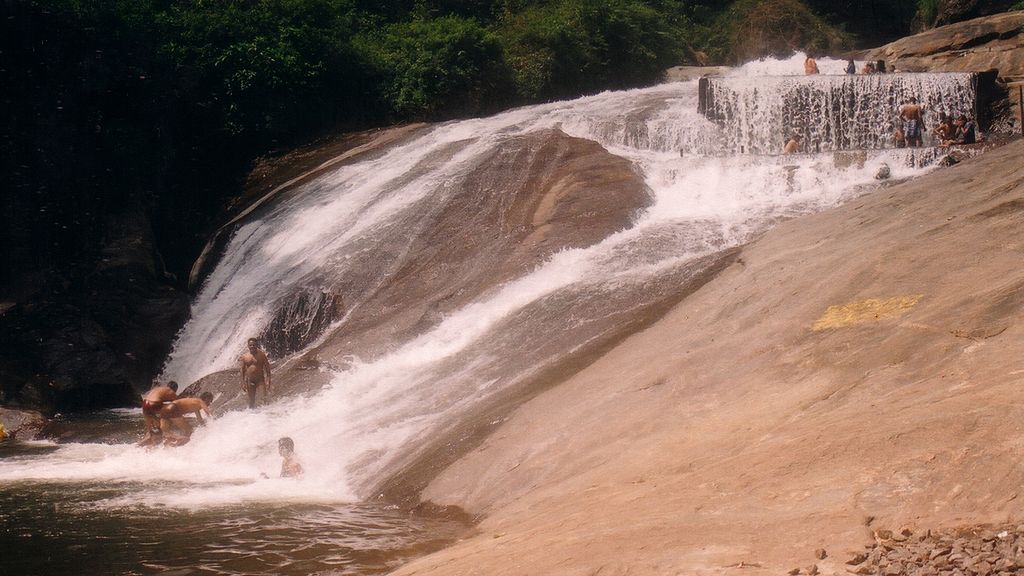
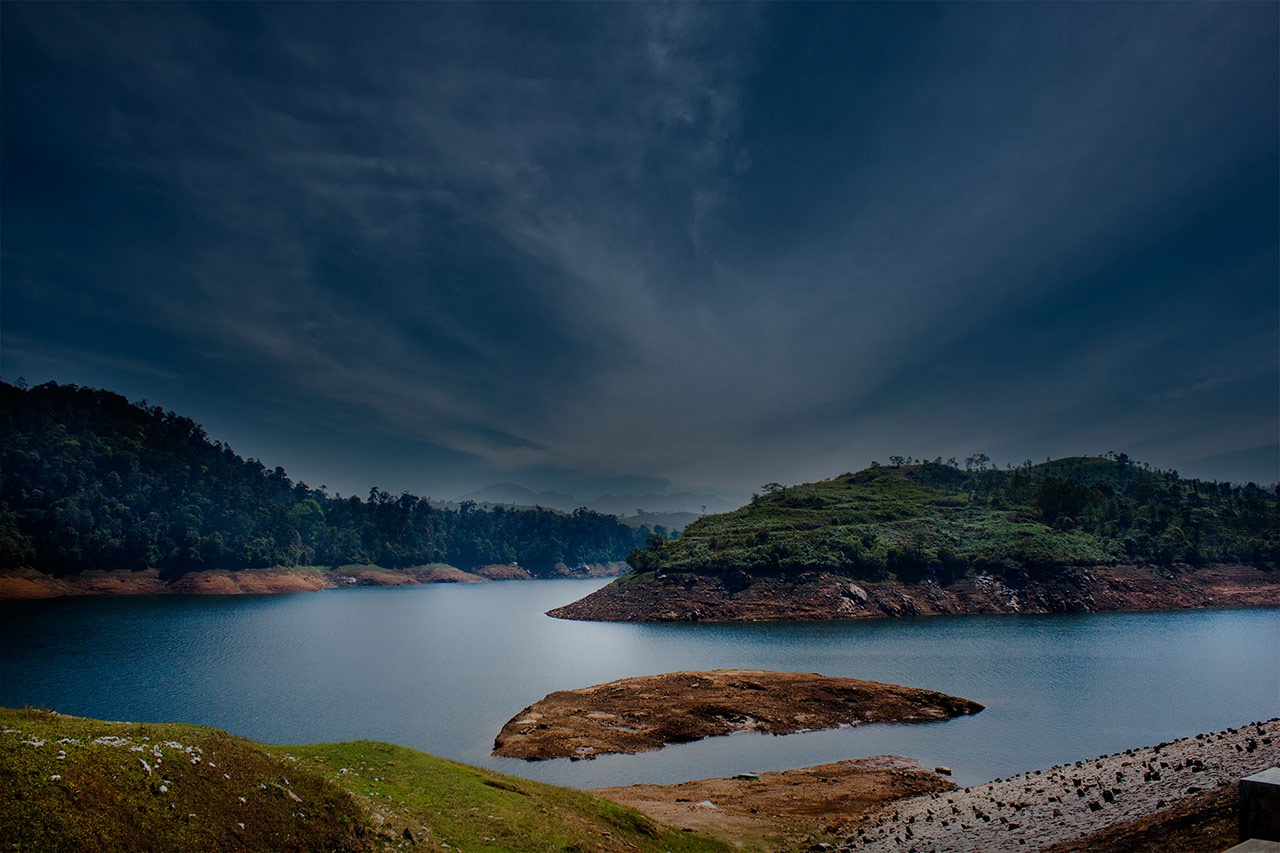
This is a trekking spot that comes highly recommended, especially for one longing to go out on a nature expedition. That’s because the Siruvani Waterfalls will allow you to take a trip among the wild with dense trees all around you, the entrancing waterfall and how can our main highlight, that is the trek go without mention? Located in the city of Coimbatore, the water of the namesake reservoir is known for its sweetness. Trekking upon the cliff is fairly dangerous and so most people prefer to go up to the waterfall to then bathe and enjoy the water and view.
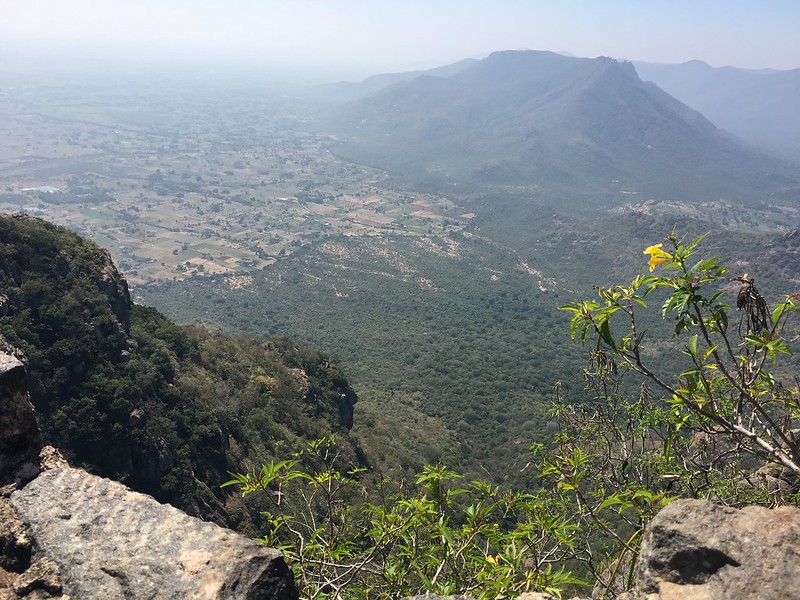
Situated in Kodaikanal, the place is described as a haven for any trekking enthusiast and is definitely a must-visit. Why? That’s actually quite simple. A place with exceptional weather, amazing views with beauty and serenity at its best, and the thrill of trekking as the added bonus, who wouldn’t want to visit a place like that? The entire trek is full of excitement as your efforts all build-up to the moment you reach the top of the mountain and look down at the world and the feeling is simply indescribable. You can also extend your satisfaction by camping out there.
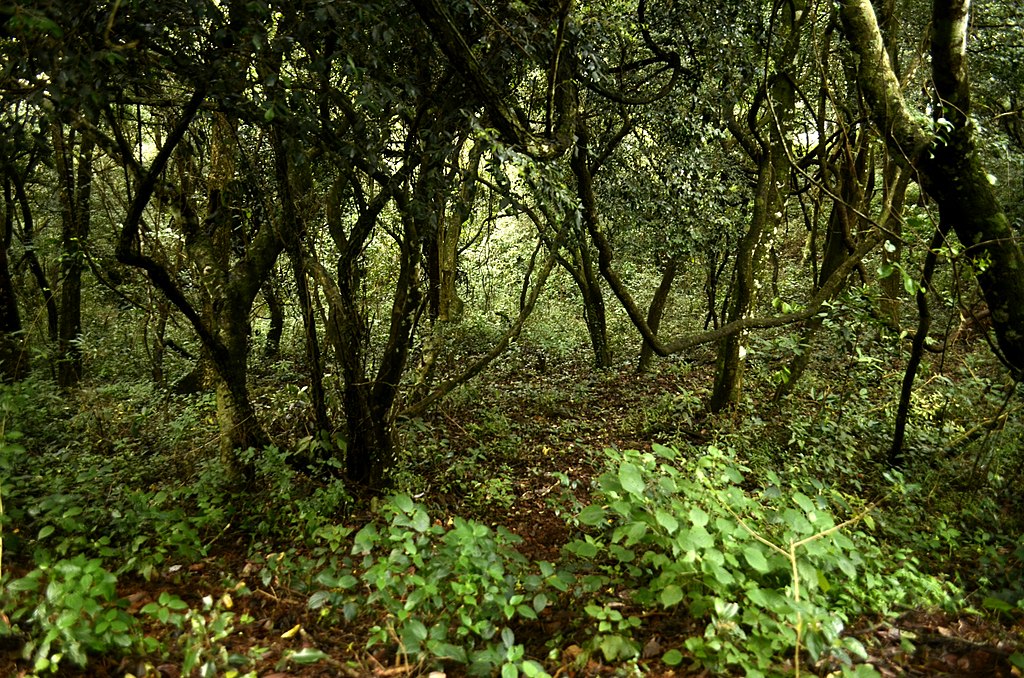
The trek of Kolli Hills is perfect for anyone looking to escape into nature or travel the road not taken for this is a fairly secluded trek. Being a Western Ghats trek, greenery all around is something to be expected. However, to much of a surprise, the vegetation, and topography differ from the same. The currents of the river ever-flowing simply enhance your experience with this trek and again, nothing beats the satisfaction of reaching to the top and touching the waterfall, your fitting prize after having successfully conquered this route.
This is a place that possesses a truly fascinating charm and mystique to it. What makes it unique is the fact that this is perhaps the only trek that is open twenty-four hours of the day, seven days of the week. Situated in Tiruvannamalai, a site known for its divinity, this trek also attracts pilgrims from around the state. On the trek, the temple makes for a great rest stop, especially since it provides you with a sense of solace and peace. This trek is said to be more apt for experienced trekkers but amateurs looking for an adventure can try, if they do dare.
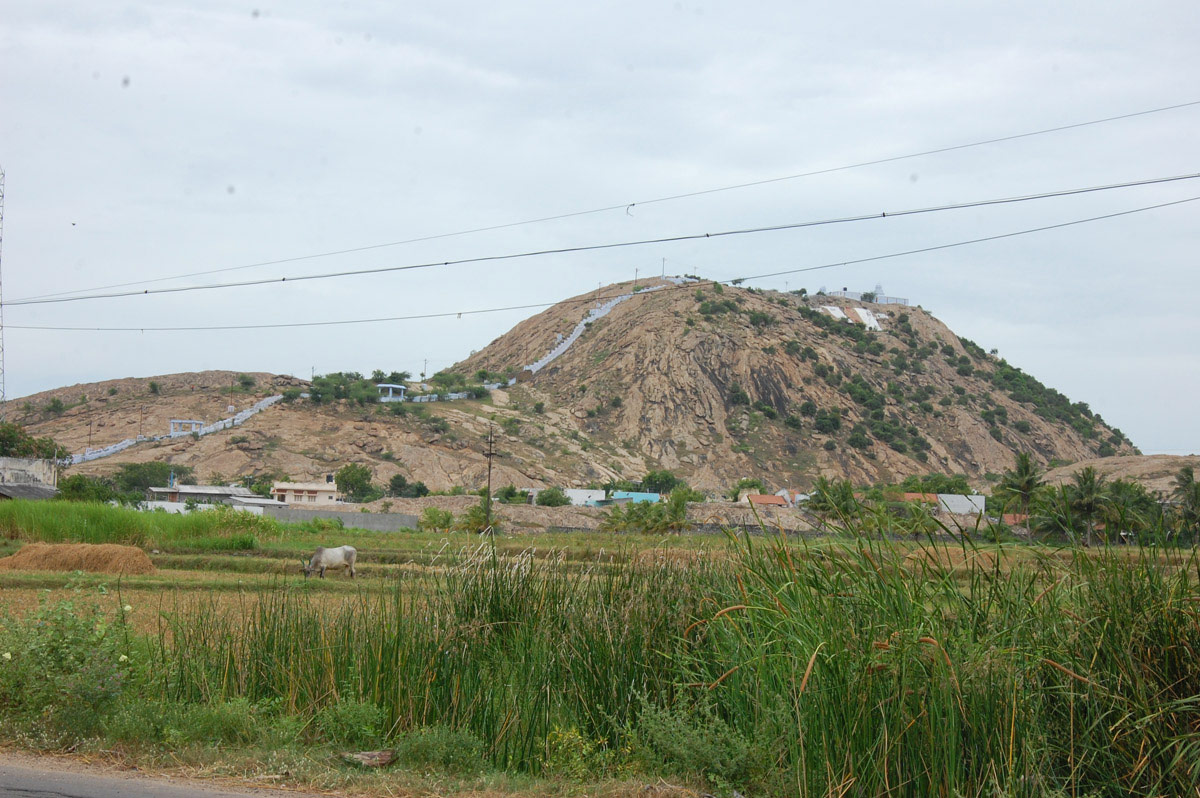
The trek of Yelagiri is a must if you’re visiting the namesake city and is known for its spectacular views. It is often advised to trek up there early in the morning to observe the marvelous sunrise from the top of the summit. Additionally, you can also see the area and its beauty entirely. This is a comparatively short trek and therefore is great for amateur trekking enthusiasts to begin this adventurous activity with. This is yet another trek popular with pilgrims for at the highest point, there exists a Shiva Temple, next to which you can find a giant rock. The specialty of the latter is that it was believed that there was a ‘Trishul’ on its top but was, unfortunately, stolen.
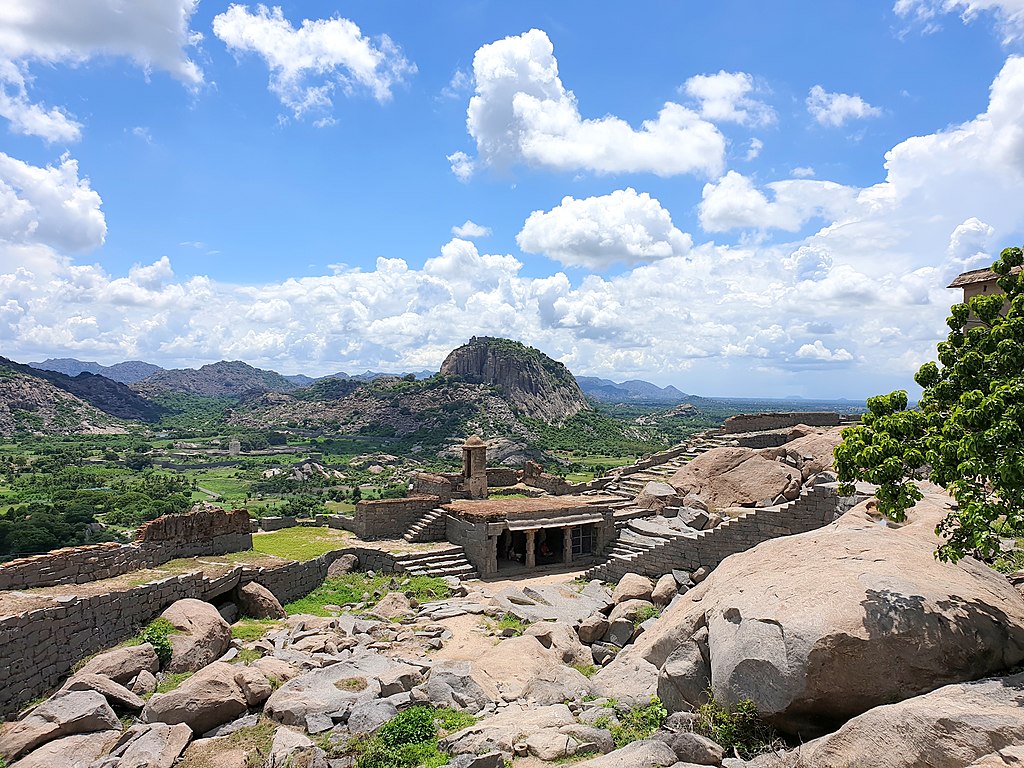
The Gingee Fort or also referred to as the Senji Fort is a must-visit. To do that, in your way stands a trek that is completely worth the effort. The trek, however not that long (it comprises approximately 400 steps), is still considered to be a moderate one owing to the steepness of the hill but it is important to remember that at the top of this journey, what awaits you is truly mesmerizing but be warned of the mischievous monkeys.
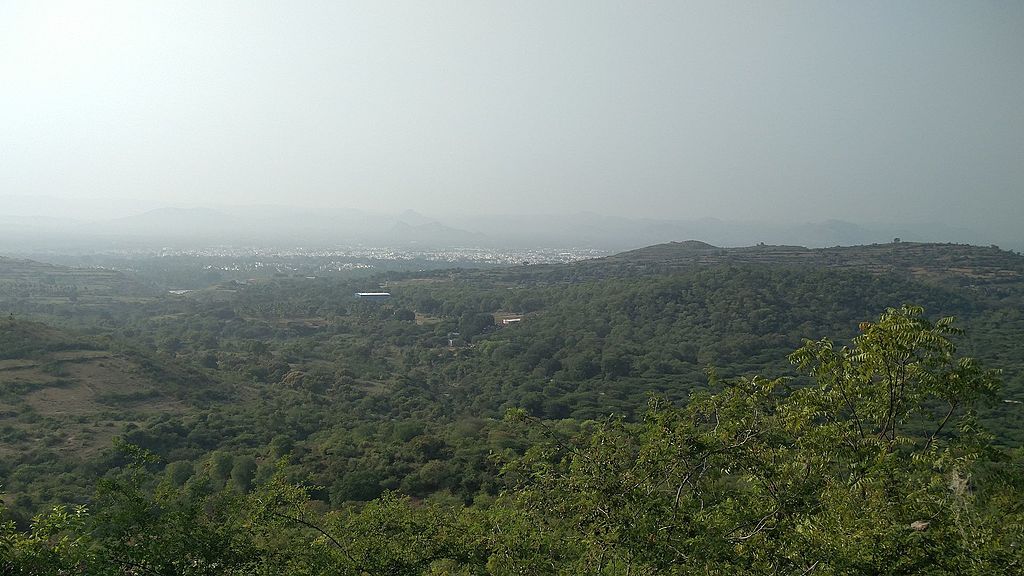
The Grass Hills National Park encloses an incredible experience that’s just perfect for anyone looking for a little bit of adventure and thrill. When describing the route, the very first word that comes to mind is pristine. These open hills, located in the Western Ghats, are filled with greenery and the scenery is absolutely breathtaking at these hills. It is highly recommended to observe the sunset from here as it is out of this world, well, both literally and figuratively, in this case.
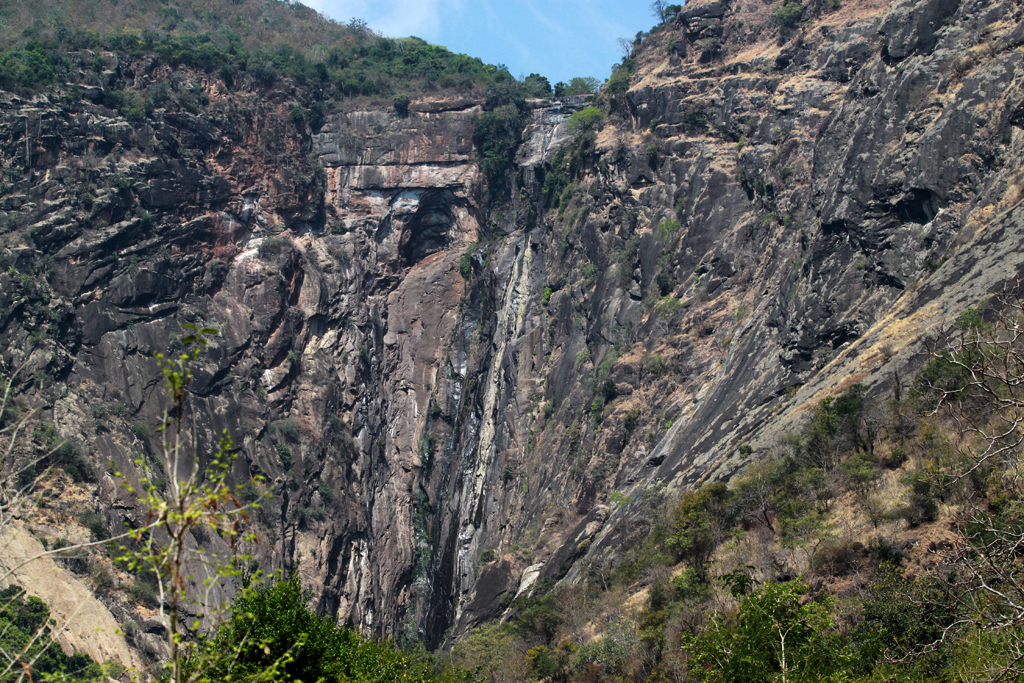
A beautiful waterfall on the River Manjalar, this is also the highest falls in Tamil Nadu, adding to its prominence. The hike actually goes on from the river to the lovely waterfall. The difficulty of it is considered to be moderate and is quite suitable for intermediate as well as experienced trekkers. On the way, the journey is enthralling. You can notice the orchids and fruit farms, not to forget the scenic beauty. Needless to say, the final destination will be completely ecstatic.
The thrill you experience trekking at these places is ineffable and it is truly exhilarating, especially when you can take in the fresh air of nature. Furthermore, the spell-binding view is the beautiful cherry on top. After all, it is rightly said, “The best view comes after the hardest climb.” Let us know in the comments below about your favorite trek of Tamil Nadu!
Bhangra is a traditional and the most popular folk dance of Punjab. It is both the folk dance form and the folk music that originated in the Majha area of Punjab. This dance form is extremely energetic and full of life. It is usually performed by Punjabi farmers during the Vaisakhi season that celebrates the harvest. It was for the most part performed while the farmers did the agricultural tasks. They would do the Bhangra on the spot as they carried out each task and did their farming activity so that, they could finish their jobs and chores in a pleasurable and fun way. Once they harvested their wheat crops, they used to attend cultural festivals and perform Bhangra to demonstrate and exhibit a sense of accomplishment and also to welcome the new harvesting season.
The dance form represents the liveliness and the enthusiasm of the people and it involves both men and women, dancing to the fast and rapid beats of the drum and music.
Although the origins of the traditional folk dance form, Bhangra are tentative and uncertain, it is said to have originated in the 14th or 15th century by the Punjabi farmers to celebrate the harvesting season. However, the folk dance of Majha originated in Sialkot, Pakistan. The historical records around the late 1800s show the first mentions of Bhangra as a dance. The present style of the Bhangra dance form formed in the 1940s and it has been evolving since then. Bhangra uses an instrument Dhol which gives large beats and rhythm. Short sets of lyrics describe scenes or stories from Punjab through boliyan.
These lyrics generally are based on the themes of love, strength, patriotism, and celebration.
Bhangra started to gain popularity worldwide in the mid 20th century and it emerged as a regular element of celebrations like weddings, functions, birthday parties, local events, etc. The folk dance spread beyond Punjab and is now performed mostly on all the celebrations and is also included in popular music and DJs, competitions, school dance programs, and even exercise.
In 1953, the Maharaja of Patiala requested a stage performance of Bhangra and he patronized it. This is how, the 1950s saw the growth of the free form of traditional Bhangra in Punjab, India. A dance troupe led by brothers from the Deepak family of Sunam, Punjab (Manohar, Avtar and Gurbachan) and Bhana Ram Sunami, the dhol player, were the first significant developers and introducers of this style. The stage performances which featured traditional Bhangra moves as well as other Punjabi dance forms like Luddi, Jhummar, Dhamaal, and Gham Luddi, developed the free form of traditional Bhangra.
There are many Bhangra competitions help all over India, especially in Punjab for several decades. This dance form symbolizes the imagination, potential, talent, and charisma of the people performing it.
Bhangra has been established all over the world and is performed by both men and women. It takes place mainly in the Punjabi culture and people nowadays tend to perform and exhibit it as a source of joy and entertainment at weddings, functions, events, parties, and all types of celebrations. A lot of people also do the bhangra as a source of exercise as it is perfect for someone who wants to stay fit and have fun as well.
Nowadays, many colleges, universities, and community clubs have started their bhangra groups which include men and women from various backgrounds. There are bhangra clubs for the younger children so that they can learn the dance form, stay fit and stay connected to the culture of bhangra and the culture of Punjab and India. The very first woman who created the bhangra fitness workout was Sarina Jain. Her bhangra fitness workout is now known as the Masala Bhangra Workout. Her workout has taught a lot of people all over the world, some basic steps associated with the Bhangra dance form. This has helped many people learn the dance form by sitting at their own house.
Bhangra has also made its way to global platforms like America’s Got Talent (AGT) and the London Olympics and even the White House. Raaniyan Di Raunaq is India’s first all-women bhangra competition. It is made only for women and also for those who identify themselves as transgender or nonbinary. This competition is a safe space for women to showcase their talent, compete, and be judged equally. This is because the bhangra dance form is dominated by men, even though there is an abundance of female performers. Still, many people look at this dance form as only masculine.
Dhol is the most famous instrument in Bhangra. It is a double-sided barrel drum and it creates the beat to which Bhangra is danced. The Dholi is the person who plays the Dhol. She/he plays various beats and creates different Bhangra segments like Dhamaal and Jhummar. Dhol’s one side is thicker and the other side is thinner. The thicker skin creates a deeper sound while the thinner side creates a higher-pitched sound. Two sticks, usually made of wood or bamboo, are used to play the dhol. The thicker stick, known as dagga, is used to play the base side whereas the thinner stick, known as the tilli, is used to play the treble side.
Algozey is two wooden flutes played simultaneously by the artist using three fingers on each side. The music created is more rhythmic than melodious. A small stringed instrument, tumbi, consists of a small wooden stick attached to a hollow, gourd-like shell to create its acoustics. It has an only string that is plucked continuously to create a rhythm.
The Chimta is like a large pair of metallic tongs. Each side of the tongs has bells attached to it that when struck together, ring loudly. The one who plays the Chimta can either accompany other instrumentalists or can even dance with other dancers while playing the instrument at the same time.
Dhad
Dhad
The Dhad is a much smaller, double-sided, high-pitched drum. Its body is like an hourglass and one can only beat one of its sides with their hand. The other hand squeezes a cord around the middle of the instrument that controls the pitch of the sound as it is being played.
These are wooden instruments consisting of small X-shaped parts that expand and contract. These instruments are used by the dancers. As one uses both their hands to play the instrument, it produces a loud clapping sound that is meant to sound like thunder. There is also a long, heavy, decorated stick and it is used in numerous ways by the dancers.
The Bhangra outfits are very vivid, bright, and colorful. The style of clothing for both men and women is different when doing Bhangra. However, both of their clothes have similar colors and fabrics. There is variety in a color scheme. Sometimes, the clothes of the men and women don’t match in the group and sometimes, the top wear is in a completely different color from the bottom wear. Even if the performers wear different colors, their dance will be very vibrant and lively.
The traditional Bhangra costume includes men wearing long silk-buttoned shirts, also known as a kurta which is loose to wear, and lungi or tehmat that is a decorated cloth tied around their waist and jugi – a waistcoat with no buttons. The men wear a turban (pudgee) with torla – a fan-like thing that can carry a rummal – colorful scarves tied onto the fingers. The Jugi is one of the most heavily embroidered elements in the entire outfit.
The Bhangra outfit for women includes a Ghagra – a long skirt and colorful veils known as Dupattas. They wear a kameez which is a type of shirt and sometimes salwar which is loose-fitting pants. With a tikka on the forehead, they wear jhumka – long earrings with Paranda – tassles worn in the braid and Suggi-Phul, a type of jewelry worn on the head. They also wear a Baazu-Band that is a cloth worn around the upper arm and Haar – Hamela, a gold necklace studded with gems, and finally, Pazaibs that are anklets. The overall attire for both men and women is very vibrant, bright, and attractive.
The delicious cuisine of Chennai is something that everyone must experience. And if you think that all there is to it is idli-dosa and vada-sambar, then today might just be your lucky day for you can finally escape that rock you’ve been living under and encompass the true delight of Chennai’s dishes because we have got you covered. The cuisine of Chennai forms a truly essential part of the South India thali and is one of its kind. It additionally offers a great variety of dishes so there is something for everyone in it. Let us dive into the scrumptious journey of ten dishes of Chennai food that you simply must try!
Who doesn’t love the taste of the crunchy and twisty murukku? Now imagine a murukku sandwich. Sounds odd at first but the taste is what makes it worthwhile. The origin of the dish was a happy accident. This delicious sandwich consists of layers of the ever-amazing murukku, acting as the bread only it’s crunchy which makes it all the way better. The filling remains the same (onions, cucumber, and tomatoes). The sandwich is, of course, incomplete without the seasoning of some homemade masala and cheese.
To all confused as to why a dish that originated in Mysore is included in the list of must-try dishes of Chennai? It might surprise you to know that Chennai has sold more than its namesake itself. This dish is a staple of every household and is the go-to sweet for celebrations. It is the dish that people bring you back from when they visit Chennai and it is that same dish that melts in your mouth with each bite being truly heavenly.
A dish now eaten with delight throughout the country, the credit for its origin goes to the very own Hotel Buhari of Chennai. This spicy fried chicken dish is something that one must eat. You must be wondering: why 65? The reason behind this is widely thought to be the number of chilies that are used in this flavorful dish that will have you reaching for water. If in Chennai, your meal isn’t complete unless you order a fiery plate of Chicken 65, that is if you dare.
This is again a dish that did not originate in Chennai but as is our habit, we took it and made it our own with a delicious spin. The Madras Atho is an amalgamation of Burmese and Indian cuisines, attributing to its unique taste. It is one of the most prominent and delectable street foods in the city. A truly crunchy and invigorating dish, it is all the more perfect for anyone looking for a little spice but not too much.
In Chennai, your day doesn’t start without a cup of fresh filter coffee and you must have heard the expression, ‘When in Rome, do as Romans do,’ so following the same spirit, a must-try for anyone visiting Chennai becomes the infamous filter coffee. This meticulously brewed coffee gives truly delectable results with its specialty being the froth which will coat your mouth in its entirety. The reason behind this is the heavy milk and strong coffee that is used in its preparation.
Kozhukattai, a popular dish of Chennai food, can be considered similar to Modak. The dish itself is made from rice flour, with the filling inside traditionally consisting of either grated coconut sweetened with jaggery syrup but can consist of a savory filling as well. Another staple of households in Chennai, these sweet dumplings are also a popular item exchanged at weddings because their plump shape represents good health as well as fertility.
A dish found in every corner of Chennai, Sundal is one of the most widely available street foods in Chennai that is offered at every beach and temple. This is a dish that is quite simple to make at home with its primary ingredient being soaked Chana which is then given flavor by adding grated coconut, a variety of spices and chilies, unripe mango along with other ingredients. Peanuts, lentils, chickpeas, etc. are common additions to this spicy and tangy dish of Chennai.
The resourcefulness of the people of Chennai is truly reflected by this next mouth-watering street food of the city. As its name suggests, the foundation of this dish is a classic Kerala Parotta but it’s so much more than that. The Parotta is mixed with eggs, chunks of meat, and a spicy tomato sauce which is popularly referred to as salna, hence giving form to the Kothu Parotta. This delicious and unique dish is, therefore, a must-try.
An eminent dish of South India, uthappam is similar to pancakes but savory. They became popular as a breakfast dish because of the sour nature of leftover dosa batter and they soon became a favorite, because of course, they’re delicious. The ingredients of this delicious uthappam are rice, spices, lentils as well as herbs. Vegetables are added on top to enhance their taste. They are consumed with either chutneys or sauce.
A dish renowned for its unique taste and texture, puttu is made from steamed rice, which is in the form of a cylinder with a filling inside that can be either sweet or savory. Furthermore, it is layered with coconut shavings. This delicious dish is served with side dishes such as sugar, banana, lentils, curry, or even ghee. The preparation of puttu takes meticulous prep as water is added to rice until the perfect texture is achieved.
These diverse and delicious dishes are bound to leave one hungry for some mouth-watering delicacies such as these! After all, eating good food is equal to a good mood as it brings us a sense of joy and you have to admit that there is nothing that brings people together as much as food does. Don’t eat to live, live to eat, and explore the cuisines of the world as much as you can! So, what was your favorite dish from this list? Let us know in the comments below.
Tamil Nadu is a state renowned for its art, culture, cuisine, beaches, hill stations, temples, pilgrimage sites, and mesmerizing views. This is a state that has truly a lot to offer. Prominent among this list is the vivacious attire donned by the natives of the state. The traditional dress symbolizes the rich heritage and beauty of the place. The traditional dresses of Tamil Nadu are made from myriad materials such as cotton, georgette, and various types of silk-like crepe silk, organza, pattola silk, and micro silk, just to name a few.
A saree is the spirit of the attire of a modern Indian woman. The same remains true for the southernmost state of our country. Women dress in truly simplistic yet elegant sarees which form their daily wear. Due to the high temperatures of the place, most women prefer to wear cotton sarees. The sarees of Tamil Nadu are especially exquisite and have an intricate zari border that only adds to their charm.
One such saree in Kanchipuram, which is renowned for its style and its texture as well as colour usually differs from the sarees that are found in North India and the length ranges from between five yards to six yards. Young girls, furthermore, wear beautiful half-sarees or as commonly referred to as pavada.
Apart from that, another popular traditional dress remains the classic combination of a full-length skirt, paired with a short blouse and a shawl that is known as davani which is donned by young Tamilian girls. In some parts of the state, due to the advent of modernization, prevalent attire is skirts, suits, salwar kameez due to a certain level of influence from the style of dressing in northern India and other modern articles of clothing such as dresses, jeans, shirts, just to name a few.
A lungi is primarily the traditional dress for men in Tamil Nadu. A lungi is nothing but a rectangular piece of cloth that is wrapped around your legs and thighs. They customarily wear white or pastel colours but today, lungis are available in all shades as well as sizes. It is chiefly made from cotton and is perfect for any occasion- from daily wear to marriages and festivals. Along with it, the men wear a shirt over which goes a shawl that goes over their shoulders which is referred to as Angavastram. In earlier times, it was utilized as the upper wear but now is worn with a shirt. Again, the younger generation prefers going with a more modern choice such as jeans, trousers, and shirts.
The weddings of Tamil Nadu are nothing if not an extravagant affair. The women look gorgeous wearing silk sarees. Generally, they dress in Kanchipuram sarees with a lovely zari border and vibrant colours or sarees made from Madurai silk whose texture is out of the world. The sarees that are worn by them during their wedding are comparatively longer ranging from 8 to 9 yards. Apart from that, the women pair up with their outfit with magnificent jewellery which is generally passed down from generation to generation, adding to its significance.
A two-piece garment known as Veshti and Angavastram is traditionally worn by the Tamil groom. Both are made of puttu or silk. Veshti refers to the lower half of the clothing that the groom wears as a dhoti, or just as a lungi. He might also don a basic white shirt or the Salvai, which is covered by the angavastram. He also wears a particular headwear, which is almost like a turban, called Thalaip.
Both the bride and groom, additionally, wear a wreath over their necks and the women add to their stunning look by accessorizing their hair with the most wonderful flowers as well as gold jewellery.
As aforementioned, the women of Tamil Nadu look gorgeous when they don upon their hair a beautiful garland made from fresh flowers giving them a naturalistic look. These flowers are commonly referred to as ‘Gajra’.
Another popular accessory in Tamil Nadu is the infamous gold jewellery. Being a state that is known for its inhabitants’ possession of gold, it is natural for it to be prevalent in the state. The women look striking wearing exquisite gold jewellery such as necklaces, bracelets, bangles, earrings, payals, and maang-tikas. Some prominent pieces include the oddiyanam which is a gold belt that ties a saree together, vanki which is a lovely armlet customarily worn on the upper arm, thodu which are studded earrings, and many more.
The entire look is tied together by women the application of kum-kum on their feet and forehead. Men, on the other hand, usually put on vibhuti and sandal paste on their foreheads.
With the rise of urbanization, many people in Tamil Nadu have switched to jeans and shirts for daily wear, but when it comes to celebration, old is gold and everyone looks beautiful in their traditional attire. The preservation of culture and heritage in this state that can be seen is impeccable and the continued efforts from the people are the primary reason behind it. Even something as minor as choosing to dress in lungi or a saree creates a bigger impact than you may realize at the moment because it goes a long way.
A noteworthy point to further consider is the unity in our country despite differences in various fields that we do not just tolerate but accept and embrace. Tamil Nadu and almost all other states of our country have their dresses and accessories that are popular in that particular region and therefore, it is absolutely beautiful that even in all this cultural diversity, we are still united and that’s one of India’s best qualities which is why the summation of the culture as unity in diversity is perfect. It was best put by Mahatma Gandhi, the father of our nation, “Our ability to reach unity in diversity will be the beauty and the test of our civilization.
Indian Classical dance is a renowned art form not only in India but also across the world. The grace, technique, charm, expressions, and years of relentless practice and passion make the Indian classical dances one of the most respected and recognized forms of elevated arts. We will be talking about 10 Indian Classical dancers of India.
Dance in a universal or generalized sense is often casually referred to as ‘shaking a leg’. Only the true exponents of the art know that it goes far beyond that. When it comes to Indian classical dances, there is almost a sense of reverence and spirituality attached to the dances. Those are soaked heavily in tradition and culture. Each classical dance has its origin and growth graph, traversing through history and time and along the way touching the lives of many.
The origin of the Indian classical dances is the Natya Shastra written by the great scholar Bharata Muni. It forms the foundation of classical dances. However, the Sangeet Natak Academy has recognized eight dances that are categorized as Indian Classical dances. These include Bharatanatyam, Kuchipudi, Kathak, Kathakali, Odissi, Manipuri, Sattriya, and Mohiniyattam.
Each of these dances forms the crux of the exalted and revered status of classical dance art. Parents take pride in their children learning and practicing these traditional dance forms. Teachers and gurus are treated with utmost respect and connoisseurs of performing arts. They know the true caliber and artistic expression that these dance forms merit.
However, there are many influential and popular dancers of the classical dances that have excelled in their art. These are the true flag bearers, taking the dance forms forward and making them globally recognizable and loved. Though a huge number of people learn classical dances. There are the legends and renowned stalwarts who have kept the art and dance alive with their scintillating performances.
Here we take a look at the 10 most influential and acclaimed artists whose love and dedication for dance have made them shining examples of artistic excellence.
Rukmini Devi is regarded as one of the most distinguished artists of Bharatanatyam. Her role as an artist was not limited to expounding the art alone. But she was instrumental in modifying the dance form to give it the form we know it today. Bharatanatyam was known as sadhir, considered a vulgar dance form, and was in fact, an extension of the Devadasi dance. Rukmini Devi changed the dance by removing the erotic elements and introducing instruments. Such as the violin, and bringing in creative costumes and accessories inspired by temple designs and sculptures. Bharatanatyam, as we know it today, owes in huge amounts to Rukmini Devi and her teacher E Krishna Iyer. Her collaborations with distinguished scholars and artists led to the making of dance dramas. They were based on epics, such as Ramayana and Gita Govinda.
She was a dancer, choreographer, and theosophist who made Bharatanatyam an acceptable art for the then British and Indian upper class and caste. In 1956 she was awarded the Padma Bhushan and she was the first woman in India to be nominated in the upper house or Rajya Sabha.
Rukmini Devi broke several stereotypes. She married Dr. George Arundale British theosophist in 1920 causing shock waves in a conservative society. Devi was also interested in animal welfare and integral in the legislation of the Prevention of Cruelty to Animals Act. She was nominated for President of India by Morarji Desai in 1977 but she turned it down.
Devi passed away in 1986 leaving behind a legacy that is hard to replace.
An internationally acclaimed artist Uday Shankar is often credited for blending Indian classical and western dances. He had no formal training in classical dance but with his creative insight was able to create an integrated dance form. Also called the pioneer of modern dance Uday Shankar was exposed to folk dances and classical dances. In Europe he understood ballet and it was then that he thought of bringing it all together. He was awarded the Padma Vibhushan and in 1965 the Uday Shankar Center for Dance was established in Kolkata.
Brijmohan Mishra was trained under the tutelage of his uncles Shambhu Maharaja, Lachhu Maharaj, and father Acchan Maharaj. From a very young age, he started teaching Kathak and was head of the Kathak Kendra in New Delhi. However, in 1998 he opened his dance school called Kalashram. He highlighted Kathak globally as an acclaimed dance form and continues to build his legacy. He has also choreographed songs for a few movies, such as Devdas.
An exponent of Manipuri dance, Guru Bipin Singh was a choreographer, director, and teacher of the dance form. With the support of the King of Manipur, he learned Manipuri dance under Guru Amudon Sharma. He is often called the Father of Manipuri Dance and has choreographed various songs for films. Yet he did not lose touch with the traditional form of dance. He opened Govindji Nartanalaya dance school in Imphal for women and Manipuri Nartanalaya in Kolkata. He was awarded the Sangeet Natak Academi Award in 1966 and passed away in 2000.
One of the most important figures who were responsible for the revival of the Odissi dance was Kelucharan Mohapatra. He was a great dancer, but also excelled at musical instruments, such as the mridangam, tabla, and pakhawaj. As a young boy, he performed Gotipua, a traditional dance of Odisha. His research in Gotipua and Mahari dance led him to contribute considerably to Odissi dance. He was a versatile artist and excelled at the Pattachitra paintings. The first person from Odisha to be awarded the Padma Vibhushan he passed away in 2004.
Often referred to as the Guru of Kuchipudi, Guru Vempati Chinna Satyam is credited for the global recognition and spread of Kuchipudi. He played a huge role in streamlining the dance form and basing it on the classical dance forms from Natya Shastra. He also started the Kuchipudi Art Academy in 1963. It has been instrumental in creating many solo and dance dramas that have been staged abroad and in India. He was awarded the Padma Bhushan and various other awards for his exemplary contribution to the dance form.
Mrinalini Sarabhai was one of the finest dancers in both Bharatanatyam and Kathakali. She was the first woman to learn and perform the male dancing style of Kathakali. Besides, she also played a role in bringing Bharatanatyam outside temples and making it a respectable dance in other artistic circles. She was the director and founder of the Darpana Academy of Performing Arts. The institute has trained thousands in dance, music, drama, and puppetry. She was married to renowned scientist Vikram Sarabhai and her daughter Mallika Sarabhai is an extremely well-known and talented dancer herself.
Mallika Sarabhai is a classical dancer distinguished in Bharatnatyam and Kuchipudi. She continues to manage the Darpana Academy and is a strong advocate for women’s empowerment and a prominent social activist too.
Mohiniyattam owes a lot to Kalamandalam Kalyanikutty Amma. Born in Kerala she worked relentlessly to revive this classical dance form that was almost extinct and all forgotten. She helped give it a formal structure and has also authored books on Mohiniyattam. Her book Mohiniyattam- History and Dance Structure is probably the only authentic documentation on the dance form. Her disciples include Mrinalini Sarabhai, as well as her daughters Sreedevi Rajan and Kala Vijayan.
Kalamandalam Kalyanikutty Amma was married to Kathakali artist Kalamandalam Krishnan Nair. She was also responsible for spreading Mohiniyattam to places outside India, including Russia.
The disciple of Birju Maharaj, Shovana Narayan is an acclaimed Kathak dancer. Both as a performer and choreographer, Shovana Narayan is widely known for bringing in a range of expressions and various dimensions. She experiments fearlessly and has been mesmerizing audiences for decades. With her depth and dedication, she has also collaborated with many international artists and dancers. Shovana Narayan has also written many books on dance and performing arts. She has been awarded the Padma Shri and continues to organize various classical dance festivals each year.
A distinguished Bharatnatyam and Kuchipudi dance artist, Yamini Krishnamurthy began her training at Rukmini Devi’s Kalashetra. Also trained in Carnatic music and the Veena, she is also referred to as the torchbearer of Kuchipudi. She has been awarded the Padma Vibhushan and teaches aspiring dancers at her dance school.
Many other wonderful classical dancers have etched their mark, including Sonal Mansingh, V. Satyanarayana Sarma, Padma Subrahmanyam, Tanjore Balasaraswati, Kumari Kamala, Alarmel Velli, and many more.
One can only say, classical dance is devotion and divinity in itself. And those that reach their highest pinnacles are often an extension of that.
What could be better than a sunny afternoon paired up with a cool sport such as jet skiing! Much like anything else, jet skiing can be a fun yet dangerous sport, especially for beginners. It comes with its fair share of thrill and risks. If you are a beginner at jet skiing, you are at the right place. Based on expert advice, here are 7 jet ski safety tips you need to know!
Always wear a life jacket
Every single time you set off into the water with your jet ski, make sure that you have a life jacket on. There are numerous jet ski rentals, which can be exciting and fun. the exceptions to this rule, regardless of one’s experience with jet skiing.
Although many places believe life jackets are ‘accessible; instead of compulsory, they are a must. It is to be noted that even the life jackets must be tested once a year. This helps in ensuring that they haven’t worn off or lost their flamboyance to maintain their efficiency in providing an optimum level of safety.
Watch out for the weather
This is one of the most underrated safety tips that one must always follow before leaving for the water. Always check the local weather first before beginning to ski your jet. It is to be noted that the weather forecast is quite unpredictable and can change at any moment. To prevent any mishaps, one can always carry a small radio to keep an eye out for inclement weather. Get off the water and take the first exit in case you notice any sudden weather shift sloppy water, lightning, dark skies, or fierce waves coming your way.
Plan ahead of the game
Before you jet ski, it’s important to take a few additional precautionary measures and stay ahead of the same. First and foremost, make sure that you know and understand all laws related to jet skis in your area. Other than that, you can also get a vessel check-in in advance to make sure that everything is working smoothly. Have a float plan ready regarding where are you heading and how long must it takes to come back. Always make sure to do a pre-skiing check like checking for fuel, onboard equipment et cetera. Some experts also recommend doing a beginner’s course to stay one step ahead.
Stay in your comfort zone
If you are a first-time or even a beginner jet ski rider, refrain from trying anything crazy right off the bat. As we get more comfortable, we are tempted to try out new techniques and stunts. But one must always prioritize their safety and stay in their lane. Increase your pace gradually, don’t take sharp turns, be careful of wakes, don’t go too far into the sea, and stay away from waves.
Keep up with maintenance
Similar to any vehicle such as a car, a jet ski needs regular maintenance to run properly. If you own a jet ski, make sure to look after its maintenance every quarter. If you are simply renting out a jet ski, you still need to ask for the maintenance records. This might seem like an unnecessary precaution but will help prevent any mishappening in the water. Always know your model and its specifications before riding any ski.
Have a dry bag
Preparing a dry bag is one of the most essential steps one must undertake before jet skiing. A dry bag is an additional bag that one must carry with them to the water body, that consists of all important items. This may include a bunch of items, depending on your requirements. Some of the standard stuff that everyone must have in their bag includes their license, sunblock, first aid kit, tracking device, waterproof phone case, and other essentials. Having a dry bag ensures that you are always prepared for unforeseeable situations and get out of the safe and sound.
Refrain your consuming alcohol
Popping a beer before heading off with the jet ski is quite a common practice that can lead to hazardous and legal consequences. However, it is important to note down that drinking before riding is just as dangerous as drinking before driving. It impacts one’s focus, concentration, and ability to make decisions and jerks off the balance. To make sure that your coordination stays on point, it is advised not to consume alcohol 12-24 hours before jet skiing.
CONCLUSION
And last but not the least, have fun while you are at it! The entire point of this water sport is to enjoy the thrill and adrenaline rush. So, make sure you are choosing the best jet ski rental and enjoying the ride. Keep these tips in mind, stay tuned for more tips and you will be good to go!






_(11936918694).jpg)


.jpg)
.jpg)


.jpg)


