Wildlife Sanctuaries of Kerala to Embracing the Wilderness in You!

0
Wildlife-Sanctuaries-of-Kerala
Image – Navaneeth KN/Flickr

Adventure and thrill is something everybody needs and being able to achieve that while in the company of mother nature is something entirely different. Kerala or God’s Own Country shelters a vast assortment of plants and animals attracting nature and wildlife aficionados from all around the country. Of course, that is perfectly natural for a state enclosed by none other than the marvelous Western Ghats which consists of around 44% of the entire state. The thriving forests deliver a flawless environment for the fostering of the ecosystem and house about 14 wildlife sanctuaries. These prime zones consist of more than a thousand species of plants and animals that comprise animals such as the Asian Elephant, Langur, Bengal Tiger, etc. as well approximately 450 species of birds. Let us dive into some of the most pristine wildlife sanctuaries in Kerala.

1. Chinnar Wildlife Sanctuary

Wildlife-Sanctuary-in-Kerala-Chinnar-Wildlife-Sanctuary
Tahrs in Nilgiris – Subhadip Purakayastha/Flickr

Located in the Western Ghats surrounded by lush foliage all around, the Chinnar Wildlife Sanctuary becomes a must-visit. The distinct variety of fauna that can be spotted here comprises the Nilgiri Tahr, Hanuman Monkey, tigers, elephants, and vibrant butterflies flying around. The two rivers that go through this sanctuary, Chinnar and Pambar, add to the aura of this wildlife sanctuary. Furthermore, it is a great place for trekkers as well as adventure lovers who can check out the safari offered here.

2. Periyar Wildlife Sanctuary

Wildlife Sanctuary in Kerala-Periyar Wildlife Sanctuary
Image/Wikimedia

This beautiful sanctuary in Thekkady is truly a dream come to life. A protected area or haven for tigers and elephants. Amidst this utopia, an artificial lake is situated a century back, which forms a major attraction of this place. Other animals found here include wild pigs, gaur, Indian wild dog, bonnet macaque langurs, and many more. A truly amazing way of exploring this wildlife sanctuary is by safari but this isn’t just your normal jeep safari, this is an elephant safari, quite an appropriate way to discover the wilderness, wouldn’t you say?

3. Kumarakom Bird Sanctuary

Wildlife Sanctuary in Kerala-Kumarakom Bird Sanctuary
Image/Wikimedia

Are you a bird-water who would jump at the chance of observing rare and exotic birds? If yes, then congratulations for you have stumbled upon the perfect place for you. This bird sanctuary also seems to be on the route of various migratory birds, originally from areas such as the Himalayas and even, Siberia. There are various activities offered at the sanctuary, the most popular among them being boating, providing you with a sense of peace and calm.

4. Wayanad Wildlife Sanctuary

Wildlife Sanctuary in Kerala-Wayanad Wildlife Sanctuary
Image/Kerala Tourism/Flickr

An undiscovered gem of the state of Kerala, Wayanad wildlife Sanctuary is renowned for the world’s largest Tigers and Asian Elephants’ population throughout the globe. This mesmerizing sanctuary also is 8th on the list of the World’s Biodiversity Hotspots. The prominent fauna that can be noticed here are barking deer, sambar, otter, panther and so many more. You absolutely can’t forget to carry a camera because trust me when I say this might just be the most picturesque place you have ever seen.

5. Thattekad Bird Sanctuary

Wildlife Sanctuary in Kerala-Thattekad Bird Sanctuary
Image/Wikimedia

One of Kerala’s most popular fascinations, the Thattekad Bird Sanctuary’s formation is solely due to the efforts of Dr. Salim Ali who through his survey pointed out the scope the place possessed for the development of avian life. Some tropical species of birds found here include the Malabar Parakeet, Rufous Babbler, Yellow-Browed Bulbul, While-bellied Blue Flycatcher and so many more. Home to over 300 species of birds, this is a breath-taking bird sanctuary that is a must-visit for any bird-watching enthusiast.

6. Aralam Wildlife Sanctuary

Wildlife Sanctuary in Kerala-Aralam Wildlife Sanctuary
Image/Wikimedia

This wildlife sanctuary, situated in the Western Ghats is certainly a sight to see. The area is covered with the most exquisite flora, which includes both evergreens and deciduous trees. The wildlife here consists of spotted deer, Nilgiri Langaur, elephants, gaur, and many more. Apart from spotting the diverse variety of fauna here, you can also go for a trek to the nearby Meenmutty falls. The good news for bird watchers, this sanctuary is home to around 188 different species of birds.

7. Chimmini Wildlife Sanctuary

Wildlife Sanctuary in Kerala-Chimmini Wildlife Sanctuary
Image/Wikimedia

Located in Thrissur, this is one of the finest wildlife sanctuaries of Kerala. Characterized by lush green forests, a myriad of animals, plants, and avian life, this wildlife sanctuary has a plethora to offer. Home to rare species of flora and fauna, your experience here will surely be memorable. Other activities that you can partake in here are trekking and bamboo rafting, a must-try. The wildlife here includes the Indian porcupine, small Indian civet, common otter, slender loris, wild buffalo, etc.

8. Idukki Wildlife Sanctuary

Wildlife Sanctuary in Kerala-Idukki Wildlife Sanctuary
Image/Wikimedia

At the Idukki Wildlife Sanctuary, you will observe animals roaming around such as the Malabar Giant Squirrel, Barking deer, porcupines, mouse deer, jackal, and many more. On top of this, you get to experience the truly entrancing nature of this sanctuary. Here, surrounded by forests, you will achieve a sense of peace at its very pinnacle. One of the major attractions of this place is the Idukki Reservoir here which is hauntingly beautiful. Furthermore, it is highly recommended to take the safari to explore its complete magnificence.

What could be more thrilling than marveling at the natural beauty of the flora and fauna of Kerala? It’s an absolutely enthralling adventure and when in a wildlife sanctuary, it’s all the more amazing to witness animals roaming around instead of being locked up in a cage and you can actually serve as a witness to the efforts being undertaken for wildlife preservation. It is, after all, rightly said, “All creatures are deserving of a life free from fear and pain.

Phad Paintings – Lively, Ancient Folk Art Form of Rajasthan

0

Phad Paintings

India has a beautiful talent for narrating and telling stories through various art forms like singing, dancing, sculpting, and even painting. These folk art forms have been a part of our culture and tradition for centuries. Each one of them is very different from the other. Every art form has its origin, history, and uniqueness. India has a rich cultural heritage and a lot of efforts have been put in by the people of this country to keep our culture alive and paintings are a very important part of it.

These traditional and tribal folk painting art styles are being practiced in India for a very long time. They have been passed on from generation and generation. These are a way to express ourselves and our feelings and narrate stories. Through these paintings, we admire and appreciate our nature, our surroundings. In addition, we also give respect to our gods and goddesses and our traditions and cultures. One such Indian folk style of painting is Phad paintings. Let’s take a look to know more about Phad paintings.

What are Phad Paintings?

Phad Paintings
Image-MicheleLovesArt/Wikimedia

Phad painting or Phad art form is an Indian folk painting art form practiced mainly in the state of Rajasthan in India. This art style is a religious scroll painting style. It got its name from the long piece of cloth or scroll it is painted on. We call this long piece of scroll a Phad. This art form is over 700 years old. It was originated by the Joshi family in Shahpura, near Bhilwara district in Rajasthan. These paintings have been passed on for generations in their family. They are the traditional artists of this art form. These Phads most popularly portray and depict the tales of local gods or folk deities of Rajasthan, Pabuji (folk deity), and Devnarayan (folk deity; an incarnation of Vishnu).

The Phad style of painting is a mix of Rajput as well as Mughal style of painting. The lengths of the phads of Pabuji are around 15 feet and of the phads of Devnarayan are around 30 feet. These Phads were used as traveling and portable temples of the local and Hindu folk deities. They were carried along by the Bhopas, the priest-singers of the Rebari tribe in Rajasthan. They are traditionally kept rolled while in transit. The Bhopas carry them and perform in front of them in villages or towns and public places. They use it as a mobile temple and perform especially during times of illness and misfortune. The Bhopas would unfold the Phad paintings after sunset and narrate the stories of the epics and the deities throughout the night in the jagarans. The performance would come to an end only in the early morning.

Along with this, the male priest (Bhopa) sings and narrates stories illustrated in the Phads. His wife (Bhopi) holds an oil lamp putting light on the section of the Phad painting which is being described. She also accompanies by singing some parts of the Phad and dancing. They also use a two-string musical instrument in their performance known as a ‘ravanhatta’.

The Making and Technique of Phad Paintings

Phad Artist - Shanti Lal Joshi
National Awardee Sri Shanti Lal Joshi

The Phad paintings are extremely intricate and detailed. These paintings are very complex and the artist drawing them needs to be incredibly skilled and experienced. Traditionally, these paintings are created on handwoven, rough cotton clothes which are first kept overnight soaked in water so that the threads of the canvas thicken. Then starch from rice or wheat flour is applied for it to harden and stiffen. It is then dried in the sun and rubbed with a moonstone. It smoothes the surface and polishes the canvas giving it a shine. The whole process and the making of these paintings take a few weeks or months. The entire procedure involves the use of completely natural fibers and natural and earthen colors or paints.

These are handmade and are extracted from stones, minerals, flowers, herbs, and plants, later, mixed with gum and water. Every available inch of the canvas is used by the artist. He manages to adjust several stories at once in the painting. These paintings consist of a lot of human figures and they always face each other and not the person who is seeing the painting. These narrative scrolls are painted mostly in red, yellow, orange, green, brown, blue, and black colors. Every color has its purpose. Yellow is used for the initial outline, ornaments, and clothing whereas orange is used for limbs and torso. Trees and vegetation are shown by the color green while brown shows the architectural structures. The red color shows thick borders, royal clothing, and flags. Black is at the end of outlines, and lastly, blue shows water and curtains. The canvas is prepared by men while the colors are prepared by women.

Phad Paintings
Phad Painting by Vijay Joshi

It is believed that as soon as the artist paints the main deity’s eyes, the painting comes alive and is ready to worship which is why the artist paints the eyes in the last. After this, the artist could not work on his painting anymore. Before the first stroke of a brush on the painting, a prayer is offered to a deity such as Saraswati, Pabuji, or Devnarayan and then, the first stroke was always done by a virgin girl of the family.

For a very long time, the art form remained inside the Joshi family, and techniques were taught to only those members who were permanent in the family. After some time, the art form was at a threat of being extinct and needed immediate revival which is why Shree Lal Joshi, a celebrated and renowned Phad artist, and Padma Shree recipient, as well as Shilpguru award winner, decided to open a school ‘Joshi Kala Kunj’ in 1960 where other people and artists could come and learn the Phad art form. It is now known as ‘Chitrashala’. His son, Kalyan Joshi portrayed other stories and characters from the epics Ramayana and Mahabharata, Hanuman Chalisa, Geet Govind, Panchatantra, Ramcharitmanas, Bhagavad Gita, Kumarasambhava, Prithviraj Chauhan, etc.

The Phad art form is now not only nationally but internationally recognized and well–known. Some popular Phad artworks include Devnarayan Ki Phad, Pabuji Ki Phad and there is also a series of 108 Phads on Ramcharitmanas. Some noted Phad artists include Shree Lal Joshi; he kept the art form alive and received many national as well as international awards like the Padma Shree and the Shilpguru award. Pradip Mukherjee is another eminent artist who managed to revive this art form to a great extent. Other known Phad artists are Shanti Lal Joshi, Shri Vijay Joshi, Shamsher Khan, Nand Kishor Joshi, and Prakash Joshi.

10 Lucknow Food Delicacies that Will Make You a Foodie for Sure!

0
Lucknow-Food-Delicacies
Image – Rajesh_India/Flickr

Lucknow, also nicknamed ‘the City of Nawabs’ has a special place in my heart. I had visited the place when I was about 9 or 10 years old and remember that I was mesmerized. I instantly fell in love with the enchanting land – the architecture, the tall buildings, the food! Oh, and did I mention the food? I think we can agree on the fact that food makes everything better. Lucknow is a dream destination for all kinds of food lovers; whether you may have a massive sweet tooth or like a tangy taste, the streets of Lucknow are sure to have a stall for you. If you ever visit Lucknow (and you must!), do not leave without trying out the below-listed food items.

Suggested Read – Culture of Lucknow – Exploring the City of Nawabs

1. Shahi Tukda

Lucknow-Food-Delicacies-Shahi-Tukda
Image – Wikimedia

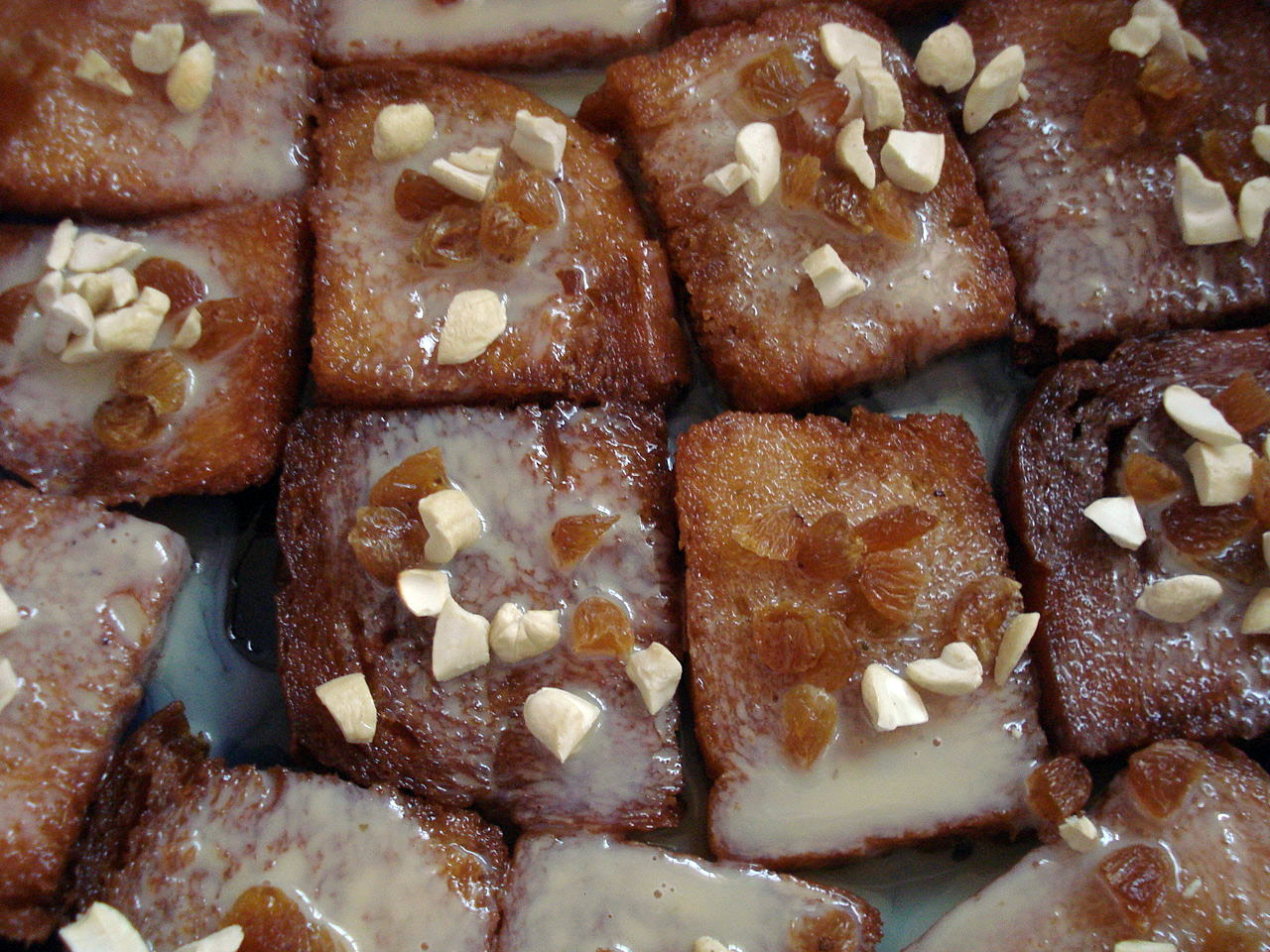
Starting our list with a magnificent sweet dish, Shahi Tukda is a beautiful dessert conceived in the times of the Mughals. The word ‘Shahi’ translates to royal and ‘tukda’ means a piece. Therefore, Shahi Tukda is nothing but a royal dessert, a favorite amongst the emperors of Lucknow. It is made with fresh milk, bread, sugar, and some desi ghee. This deep-fried bread is a staple in most Lucknowi parties and celebrations.

2. Chole Bhature

Lucknow-Food-Delicacies-Chole Bhature
Image/Edsel/Flickr

There isn’t a soul in India who doesn’t know the grandeur of Chole Bhature. This timeless classic is the king of street food and extremely popular all over the Northern part of India. Simple ingredients to a delicious treat, Chole Bhature is made with spicy chickpeas and a fried flatbread known as bhature. It is usually served as a breakfast dish and has several variations. Since the dish is so famous and widespread, its place of origin remains a subject of debate. Any foodie can relate to the fact that Chole Bhature is not only a dish but also an emotion. Can a dish be an emotion? Yes, sir, it can.

3. Dahi Badey

Lucknow-Food-Delicacies-Dahi Bade
Image/Wikimedia

If there is anything the north is famous for, it is its chaat. Dahi Badey is one of the most popular and well-known chaat dishes of Lucknow. Although it is intended to be a snack item, Dahi Badey can be eaten at any point in time. This amazing dish is made by soaking the ‘badey’ or vada in water and eventually frying them. The sweet chutney and various other toppings give a tangy twist to the dish.

4. Kaju Curry

Lucknow-Food-Delicacies-Kaju-Curry
Image – For the love of food/FB

Rich, creamy, and infinitely delicious, the Kaju curry or Kaju masala is a must-try dish in Lucknow. This mouth-watering preparation of cashew, tomatoes, and cream is usually eaten with naan (made with maida) or paratha. Kaju curry is a savory dish and a favorite amongst the locals of Lucknow. This dish is made extensively during festivals such as Holi and Diwali, and it is also made for social gatherings and parties.

5. Makhan Malai

Lucknow-Food-Delicacies-Makhan-Malai
Image – Wikimedia

Trust me, once you eat this fabulous dessert, you’re bound to forget the cheesecake! Made from the goodness of fresh cream, milk, cardamom, and powdered sugar, Makhan Malai is a flavorsome source of happiness. This dish is prepared all over Uttar Pradesh and is a staple during the winters. Although Makhan Malai is quite time-consuming to prepare (taking about 8 long hours!), the end product is worth every delicious bite!

6. Galawati Kebab

Lucknow-Food-Delicacies-Galawati-Kebab
Image – Rajan Manickavasagam/Flickr

If you visit Lucknow, do not leave without trying out this melt-in-mouth, exquisite kebab! Finely chopped keema, made better by adding a range of Indian spices and herbs on top, Galawati Kebab is indeed the food of the kings! According to a popular legend, this dish was specially invented for a toothless Nawab who just couldn’t relent to life without kebabs. So, you can probably imagine how tender and soft the kebabs are. Relish in the Awadhi aroma of the Galawati Kebab as you eat to your stomach’s fulfillment!

7. Gulabi Chai

Lucknow-Food-Delicacies-Gulabi-Chai
Image – The Spice Passport/FB

If you’re bored of drinking the same, old tea every single day, feel free to try out this splendid variation! Gulabi Chai is a Lucknow special; it is refreshing, warm, delicious, and everything you need to give your day a jump start. This fancy drink is made with green tea leaves, saffron, cardamom, and kewra. It is sweet to drink and is highly beloved by the Lucknowites. Although this tea is a play on the traditional Kashmiri chai, it is widely accepted as a perfect blend of energy and taste!

8. Katori Chaat

Lucknow Food Delicacies-Katori Chaat
Image/Wikimedia

Another addition from the chaat category, Katori chaat is a delicious delicacy in a bowl. This unique recipe is served in a deep-fried edible bowl and contains several vegetables such as potatoes, onions, and tomatoes. Serve this tangy dish with a tasteful chutney and you have a great evening snack for children and adults alike!

9. Sheermal

Lucknow Food Delicacies-Shrimal
Image/Wikimedia

Brought into India from Iran, Sheermal is a mildly sweet flatbread made of flour with just a pinch of cardamom. It is well famed not only in Lucknow but also in Hyderabad, Pakistan, Bangladesh, and Aurangabad. Sheermal is an ancient recipe and has evolved. Initially, it was made in resemblance to roti, however, as time passed by it came to be associated with naan more. This Awadhi treat is often enjoyed alongside kebabs or nihari in Lucknow.

10. Nihari and Kulcha

Lucknow Food Delicacies-Nihari and Kulcha
Image/Kake/Flickr

After spending the entire day exploring the streets of Lucknow under the grizzling sun, your hunger will surely soon fire up. The best way to satisfy your hunger in a cheap yet delicious way is by having the famous Nihari and Kulcha of Lucknow. An absolute favorite amongst the meat-lovers, the savory taste of this delightful dish is a must-try. The oldest and most popular restaurant for getting the best Nihari and kulcha in the city is Rahim ki Nihari in Lucknow’s Chowk area. Bon Appétit!

Disappointment remains out of the question when you’re in Lucknow. The best thing about the city (aside from its architecture, culture, and literally everything else) is that you’ll find eateries at every corner, so you need not worry about a growling stomach. You’ll find yourself to be in love with the city just as I was, and after trying these royal dishes, you would despise returning home. A food paradise, that’s what Lucknow is!

All Set to Travel to the Maldives? Get Travel Insurance and Secure Your Travel!

0
Maldives Travel Insurance
Photo by Asad Photo

Whenever you are daydreaming of beaches and the sun, you always think of one place. The trees swaying in the wind and endless blue waters can redefine beauty as you know it. The warm sand beneath your feet and blue skies overhead will relax your mind like nothing else. 

The place you can find all this is undoubtedly the Maldives. It has been a coveted tourist destination for years. The serenity and peace you feel while floating on a boat in the depths of the waters around the Maldives are why people look forward to going back. 

Don’t let your passion for travelling around the world get affected by unfortunate incidents. Take a look at how you can make your vacation process smoother. 

Also ReadHere’s How to Pick the Best Travel Insurance to Attain Peace of Mind

How can you get a visa for entering the Maldives?

Maldives visa for Indians is provided on arrival and you don’t need to go through a long process to get a visa. If you intend to work in the Maldives, you need a work permit before you arrive. However, if you have arrived as a tourist, you get a visa for 30 days on arrival. Your passport validity must be one month while entering the Maldives. Most airlines insist on the passport having a validity of 6 months. It is essential that your passport has not suffered any damage as it may get rejected. 

While entering the Maldives, they may also ask for proof of sufficient funds. Your finances should be enough to sustain your stay there and for a flight ticket back to your country. You should be able to produce documents of your arrangement for stay if asked. The Maldives is popular for its hassle-free entry procedures. You need to submit a health declaration within 24 hours of entering the Maldives. This can be done online as well. 

Also ReadTips to Bring Down Cost of Your Motorcycle Insurance

Why do you need travel insurance? 

Overseas travel insurance is a wide umbrella that protects you against a lot of things that could go wrong. While travelling out of your country you are bound by the laws of the land and any emergencies that may occur at the destination place. Attending any health emergencies or tracking lost baggage can be stressful in a foreign land as it is, this is when your overseas travel insurance comes to the rescue. An effective, safe, and full coverage travel insurance is the best way to enjoy your travel the optimal way.

Here are some things that you should look for when looking to buy travel insurance. 

  • Cancellations and delays – Travel is often affected by factors that are not in your control. Political unrest, global pandemic, and sometimes weather challenges can disrupt your plans. It is essential that cancelling your trip doesn’t leave you at a disadvantage. In case you have to delay your trip by a few days, rebooking your flights and hotels can take a big chunk out of your vacation fund. 
  • Medical care – This is one of the most important reasons why people opt for travel insurance. Medical care is expensive in other countries and emergency hospitalization will surely leave a dent in your savings. Sometimes, it is difficult to convert currency and pay the hospital. To avoid these issues, it is best to opt for cashless hospitalization. If you are on a tour to different countries then you may wish to look at hospitalization options worldwide. 
  • Baggage – There is a limit to how much you can carry with you in the cabin. Your check-in baggage may be misplaced or wrongly redirected by the airline. You can only imagine the issues that arise when you are in a foreign country and you do not have any of your things. The best way to circumvent this hurdle is to get an insurance policy with full coverage for lost baggage. 
  • Loss of passport – Yes, you can get this insured as well. Losing your passport puts you in a precarious position, especially in a foreign country. Your passport is your identity and contains your visa as well. It is proof that you have indeed entered the country legally. 

Vacations can be enjoyed to the fullest with a calm and stress-free mind. When you are travelling with your family, travel insurance ensures they stay protected no matter what. It helps you be prepared for a mishap. So, get packing and be ready to enjoy the Maldives!

Also ReadWhen Should I Purchase Travel Insurance?

8 Gorgeous Waterfalls of Kerala that You Must-Visit on Your Trip

1

The gorgeous waterfalls of Kerala are always known to be the best resources the state possesses. These beautiful white lines falling vertically down towards the Earth give the impression of something magical unfolding. Indeed, waterfalls are a go-to destination for family and friends to relax and have the time of their lives. How many times have we stopped on our way, to relish the exquisite joys of a waterfall upon seeing one thundering down? Whether it is casually strolling along the side of the falls or having a grand bath underneath it; the waterfalls of Kerala accompanied by dense greenery, have got you covered. Read along to find out about some of the best and most-visited waterfalls in Kerala. Believe me, you do not want to miss these!

1. Athirapally Falls

Waterfalls in Kerala-Athirapally Falls
Image/Wikimedia

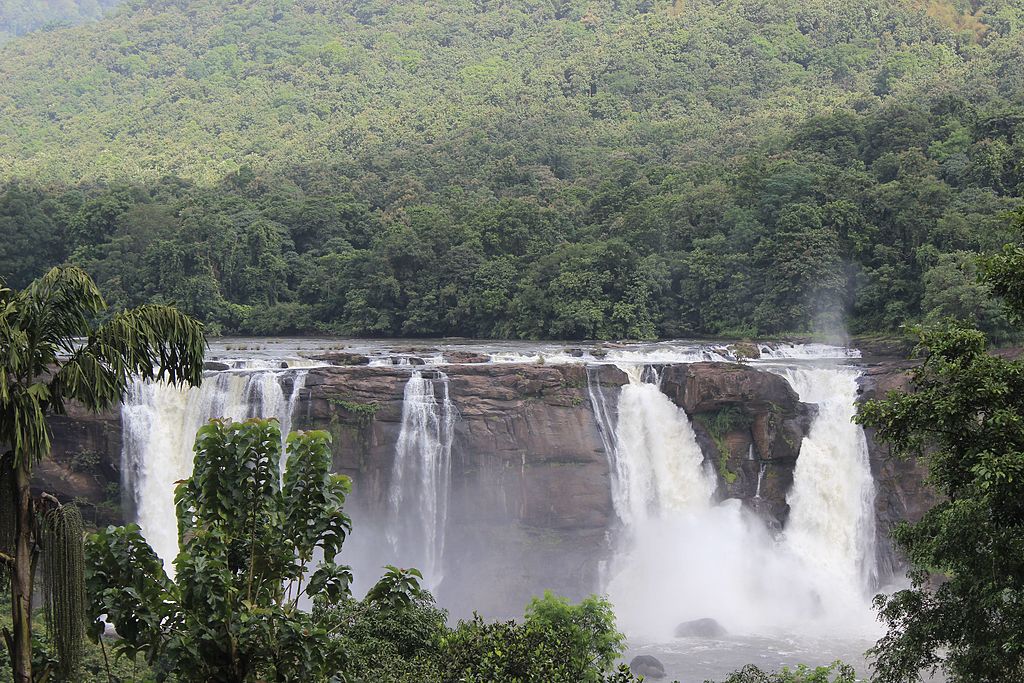
Located in the Thrissur district of Kerala, this spectacular waterfall is the tallest in Kerala, achieving a height of about 80 feet. The waterfall is formed by the Chalakudy River, which is seen to originate from the Western Ghats. After covering its distance from the Western Ghats to Kerala, the waters turn turbulent around the Athirapally Waterfalls. Invaded by several large rocks, the waterfalls in three different plumes. Additionally, not far from another famed fall named Vazhachal Falls, the Athirapally Waterfalls are fondly called the ‘Niagara of India’. Tourists will find the falls especially amusing, not only because of the Waterfall but also due to the various species of flora and fauna found here. Out of the many species of fauna here, the ferocious Bengal Tiger, Indian Elephant, gaur are the most popular.

2. Vazhachal Falls

Waterfalls in Kerala-Vazhachal Falls
Image/Thangaraj Kumaravel/Flickr

After speaking about the Athirapally Waterfalls, it is only natural to talk about the Vazhachal Falls next. Together with the Athirapally Waterfalls (which is about 5 km from it), the Vazachal Falls forms a splendid bead of waterfalls beautifully decorating the town of Chalakudy. Also blessed with a plethora of different wildlife, the Vazachal Falls is extremely alluring to watch. It is located at the extremity of the Sholayar Ranges and is an ideal place for nature lovers out there as well as adventurists and photographers. A true haven of natural beauty, the Vazachal Falls are absolutely stunning!

3. Thommankuthu Falls

Waterfalls in Kerala-Thommankuthu Falls
Image/Wikimedia

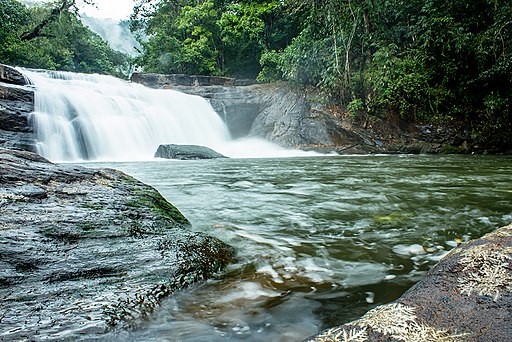
Situated in the Idukki district of Kerala, the Thommankuthu Waterfalls are one of the most famous falls in Kerala. The most interesting characteristic of this waterfall is that while most falls descend singly, the Thommankuthu Waterfalls descend in a collection of 12 waterfalls. This place is highly famous among trekkers and wildlife enthusiasts as it is located in between a charming forest. Visit the Thommankuthu Waterfalls if you want to experience serenity as closely as possible.

4. Soochipara Falls

Waterfalls in Kerala-Soochipara Falls
Image/Ramkumar Velusamy/Flickr

This glorious waterfall, alternatively known as the Sentinel Rock Waterfalls, is at a height of 656 feet and is highly recommended to all tourists who wish to witness the natural wonders of Kerala. The Soochipara Waterfalls are a three-tiered waterfall and have a cliff, which is mainly famous amongst the youth for rock climbing. The beautiful falls are surrounded by soul-soothing deciduous and evergreen forestry. Located in Wayanad, this waterfall is the ideal place to have a fulfilling time!

5. Palaruvi Falls

Waterfalls in Kerala-Palaruvi Falls
Image/Wikimedia

This amazing waterfall is located in the Kollam district and is deemed one of Kerala’s most breathtaking falls. The word Palaruvi translates to ‘stream of milk’, which is a true testimonial to the beauty of the falls. Ideally, the best season to visit the Palaruvi Waterfalls is from June to January. The thunderous waterfalls at high speed and creates a large pool in which several people swim and bathe. Indeed, an exuberant gift to mankind; the Palaruvi Waterfalls are evergreen!

6. Lakkam Falls

Waterfalls in Kerala-Lakkam Falls
Image/Wikimedia

Set amidst rolling hills and green surroundings, the Lakkam Waterfalls are a perennial beauty. Enjoy the tranquillity of the falls as you enter this gorgeous place. The cascading waters along with a soothing atmosphere will surely make it hard for you to leave the Waterfalls. Enjoy the picturesque trip to the Lakkam Falls with your friends and family to have a wondrous day!

7. Marmala Falls

Waterfalls in Kerala-Marmala Falls
Image/Wikimedia

Situated close to Teekoy in the Kollam district, the Marmala waterfall is one of the best places to visit in Kollam. This stunning waterfall falls from a height of about 200 feet and is formed by the waters of the Meenachal River. It is nestled within a rubber estate and forms a deep pool of water. Usually, it is not recommended to swim in the pool due to the large force and depth of the pool which can be extremely dangerous and life-threatening. Furthermore, because the Marmala Falls are fairly isolated, they thus provide a great way to escape the hustle and bustle of city life. Enjoy the waters of the fall as you breathe in its cool, unspoiled air. Refreshing, isn’t it?

8. Adyanpara Falls

Waterfalls in Kerala-Adyanpara Falls
Image/Wikimedia

Another great addition to our list of popular waterfalls in Kerala, the Adyanpara Waterfalls is spectacular. It is located in the Malappuram district and is a welcoming sight for all the Nature lovers out there. The Adyanpara Waterfalls provide its visitors a great view of the exotic wildlife found here, cascading waters, and pleasant weather. A must-visit place, you’ll be able to witness several migratory birds if you are lucky. Also, make a point to try out the various adventure sports around the falls such as trekking and hill climbing. Visit the Adyanpara Waterfalls in the Monsoon season to have a truly memorable experience.

Every person who has visited these places in Kerala will surely testify to the fact that they are notably the best. The sight of the gushing water along with its magnificent surroundings is a source of much-needed peace and calm to many. Visiting these places with your loved ones proves to be a perfectly wholesome experience and is a great way to keep out monotony. Moreover, these trips also help in reconnecting ourselves with Mother Nature and appreciate her pristine glory. Tell me, is there a reason not to visit these beautiful falls?

New Covid Transition: Work from Home to Work from Office

0

Author – Mangesh Mundhe

Work-from-Home-to-Work-from-Office

As the vaccination process has been started in the country, slowly the people are getting back onto the track. Although it will be very early to say that everything has become normal. Still, there are numbers of covid cases everyday getting reported, still there are numbers of deaths occurring due to covid,Although we can say currently the number of deaths and the covid cases reported on daily basis are less as compared to earlier.

The present situation is heading toward normality because of vaccination and the lockdown imposed by respective state governments. Definitely vaccination has changed certain things, people are moving out for shopping ,for buying stuff for inter-districts-travel and for inter-states-travel with precautions.

Some organizations are asking their employees to come to the office to do the work instead of relying on their ‘Work From Home Policy’. In some organizations the work from home ‘quota’ is getting reduced day by day because the situation is improving in the real world. One thing is clear: the organizations are very much eager to generate more business, for that reason they are even trying to get their employees vaccinated. It does not mean all organizations are after the profits only, some genuinely care for their employees, especially organizations like Reliance, they have conducted a mega vaccination drive for their employees and family members.

Now the question is how employees will accommodate themselves in the post covid era, how will it be altogether a different thing for people to get back to the pre-covid days? Surely, it will not be that easy nor will it be that much difficult either. The new normal will be different for everyone. The physical activity was reduced during the covid waves. Many people had a relaxed setup, many had a comfortable attitude while performing their work duties from home.

On the other hand, there are several positive aspects of ‘working from office’ such as teamwork, cross networking, positive motivation, and many more which you can access at your fingertips in the real world. Organizational culture has a better influence on the productivity of any business and it teaches employees to be focused on their work moreover it reminds them about their roles and responsibilities in a professional way.

Although covid had forced employees to work from home,however in near future they may have to face compulsive options of either to work from home or to work from office. In fact, there is proven evidence that we should keep work and home life separate. Therefore for better balance , it will be sensible for organizations to look at it as a choice based on the self interest of the employees and not by compulsion. Same applies to the employees trying to evolve instead of merely adjusting.

5 Lesser Known Beaches Around Chennai You Must Visit

0
Lesser-Known-Beaches-Around-Chennai
Photo by Shraddha Agrawal on Unsplash

Being an introvert, and an avid solo traveler, it is often difficult for me to find places to travel which are not full with tourists throughout the year. All you tired folks who are searching for temporary refuge from humankind on quiet, calm beaches of the south, you have come to the right place. 

Here are the top 5 recommendations for lesser-known beaches around Chennai to escape to when the human world becomes overwhelming. You can reach these places easily without any hassle. Simply hire a car in Chennai with a local driver and head for a memorable weekend getaway. 

1. Breezy Beach

Beaches Around Chennai Thiruvanmiyur Beach
Image – Wikimedia

Situated in Valmiki Nagar, Breezy beach is exactly what the name suggests, a breezy getaway to watch a peaceful sunset, away from concerns of everyday life. There is no entry fee, and you also have the Thiruvanmiyur market to spend those extra bucks on. 

There are various restaurants and eateries around the beach like Golden Plates, Flavours Food Lounge, and Arusuvai Arasu. It is well-connected to the Chennai Egmore railway station, making it conveniently accessible. 

The breezy beach is a top choice because it’s the ideal combination of a quiet, tranquil getaway with enough restaurants and markets nearby to lend some company if you feel too lonely.   

2. Bharathiyar Nagar Beach

Beaches-Around-Chennai-Bharathiyar-Nagar-Beach
Image Source

No trip to a beach is complete without an outdoor photoshoot for your social media handles. After all, if you didn’t post it, did it even happen? However, many shy folks can’t channel the inner supermodel under the judgemental public gaze. The unexplored Bharathiyar Nagar beach in Ennore solves this problem.  

If the crowd at Marina gets on your nerves, this is where you can unwind. 

3. Panaiyur Beach

Beaches-Around-Chennai-Panaiyur-Beach
Photo by Ragu Clicks on Unsplash

Panaiyur beach is a relatively lesser-known beach located on ECR road. The beach is popular for its clean sands and tidy environment. The beach is mostly deserted for the better part of the day, but you may find small ice cream shops in the evening. 

This secluded beach provides travellers with solitude and peace. If you are more on the chirpy side, you can chat a bit with the few local fishermen on the beach. 

4. Palavakkam Beach

Beaches-Around-Chennai-Palavakkam-Beach
Image – Kannan B/Flickr

This beach has something for everyone. Palavakkam beach can double as a spiritual retreat as it houses a temple, so your parents and grandparents will get a few quiet minutes with god. It also has a stretch of green which makes it more picturesque. Kids can play here as it is safe, so exhausted parents get a few minutes away from parental duties. 

5. Uthandi Beach

Beaches-Around-Chennai-Uthandi-Beach
Image – Wikimedia

Uthandi beach is another one of those obscure beaches that you feel lucky to have discovered. Away from the hubbub of the main city, Uthandi is a good alternative for people seeking solitude. Alternatively, you can have a private time with friends and family at this quiet and peaceful beach.

Chauffeur driven car rental is the best way of reaching the beach. It is quick and convenient—you can get there in less than an hour in your car. You will find boats lined up along the shore as fishing is the primary occupation. Another attraction of this place is the Matsya Narayana Temple, located around 2 km away. 

Plan a quick weekend getaway to any of these beaches to give yourself some me-time away from the world of mobile notifications, emails, and calls.

Indian Flatbreads You Must Taste to Celebrate the Food Culture of India

0
Indian Flatbread
Image-Isabelle Boucher/Flickr

Hot piping meals are one of the most delicious elements of Indian cuisine. The aromatic curries that are spiced up with flavors however need to be complemented. Though rice and pulaos do blend in with Indian curry, the real yin to this yang is the sumptuous flatbread.

Flatbread in India is as varied as one can imagine. It could be the plain and simple chapati or the ghee-laden parathas. One could devour dishes that are dipped over bajra and jowar rotlas or experience the softness of dosas and appams melt in the mouth. The regional variation in the preparation and consumption of Indian flat pieces of bread is an endearing study into how a simple staple food can have far-reaching cultural and social effects. 

But to not make matters complicated let’s see things as they are. The flatbread in India comes in different sizes, shapes, and colors. They can be layered, unleavened, or just simply rounded off. 

They could be stuffed or plain, sprinkled with garnishing or buttered. No matter the dough type, the batter, or all the other titbits that go into it, the fact of the matter remains – Flatbreads in India are unique and delicious. They enhance the flavors of the curries, but they can be eaten as stand-alone too. They are nutritious, healthy, and wholesome meals by themselves as well.

What are flatbreads?

Indian-Flatbread-2
Image-s4’s world/Flickr

Before we take a gastronomic tour of the different types of flatbreads eaten and made in India, let’s understand what flatbread means. A flatbread is made from flour mixed with water and salt. The ingredients are mixed to make a dough which is then rolled or flattened. The flatbreads could be unleavened or leavened. The thickness of the flatbread can also vary from a few millimeters to a few centimeters. Once the flatbread is given a shape it can be baked, cooked on a Tawa, fried, or even grilled.

 Some of the most famous international flatbreads include pizzas, pitas, tortas, khubz, etc. Some of the most popular Indian flatbreads include roti, parathas, puri, kulchas, bhakri, bhatura, appams, and more. 

Flatbreads in India

There are a whole range and variety of flatbreads that are found in India. Let’s take a look at some of these delicious delicacies. 

1. Chapati/Roti/Rumali roti

Indian-Flatbread-Chappati
Indian-KittyKaht/Wikimedia

Up first is the simpleton roti or chapatti. A staple food in many homes, the roti is an everyday dish eaten with different curries or snacks.

The roti is usually made from flour or atta and the dough is rolled with a rolling pin. The roti is then cooked on a pan or Tawa and sometimes sprinkled with ghee or oil. The rumali roti, on the other hand, is made from a mix of wheat and white flour and is cooked in a traditional Tawa. It is super thin as suggested by the name meaning rumaal or a handkerchief. There are, of course, umpteen variations of the roti, including tandoori roti, makkai ki roti, bajra roti, jowar roti, and so on. 

2. Paratha/Parotta

Indian-Flatbread-Porotta
Image-Russelak1976/Wikimedia

The north and the south Indian version of the paratha and parotta differ only slightly. Paratha is the specialty of north India but is famous almost everywhere too. 

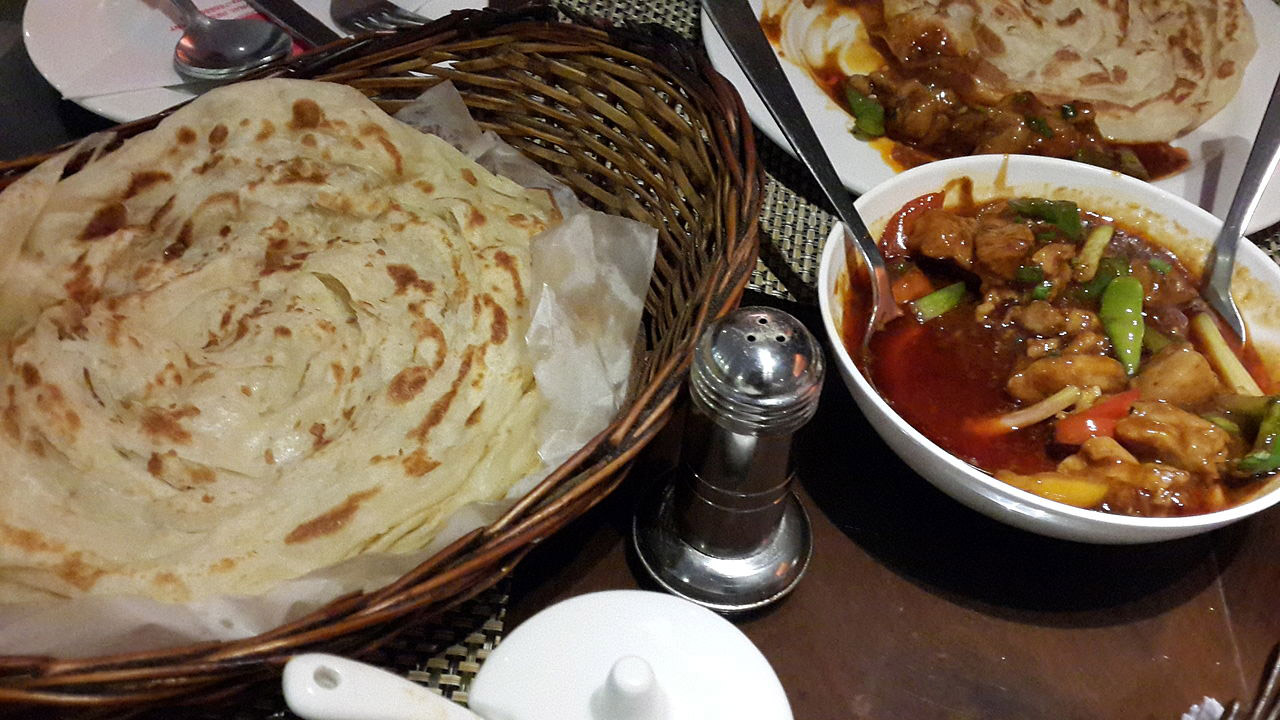
They are soft and chewy and also have flakes coming off the surface. The word is derived from parat meaning layers and atta or flour. The parotta is southern India’s delight and is made from maida or white flour. Of course, there are many variations, such as the famous Malabar parotta from Kerala or the delicious lachha parathas, aloo parathas, gobi parathas, the list can go on.

3. Puri/Luchi

Indian-Flatbread-Poori
Image-Nadir Hashmi/Flickr

Puri or pooris are deep-fried and usually are smaller in size when compared to rotis. These can be prepared from maida or wheat flour and are best served when hot. The unleavened flatbread is best eaten with vegetable curry or chickpeas. Luchi is another version of the puri and is popular in West Bengal. Another interesting thing about puri is that it is also eaten as a snack in many parts of the country, especially in western India. The puri, in this case, is usually flavored with a few spices and can be stored for days.

4. Bhatoora

Indian-Flatbread-Bhatoora
Image-Nadir Hashmi/Flickr

Similar to the puri but much larger the bhatoora is the better half of the lip-smacking chhole bhatoore. A popular street food, and much-loved dish at home and restaurants, the chhole bhatoore is north India, especially Delhi’s go-to food. The bhatoora is made from maida, yogurt, and yeast to help it swell up a bit. Usually accompanied by a glass of lassi the bhatoora is sure to tingle your taste buds.

5. Naan 

Indian-Flatbread-Naan
Image-Gagandeep Sapra/Flickr

The leavened flatbread called naan is the favorite for tandoor lovers. Cooked inside a tandoor, clay, or metal oven, the naan can also be prepared at home in the oven or pan. Served with curries or even dry starters, the naan has various incarnations, such as garlic naan, butter naan, and so on. When dining in an Indian restaurant be sure to check out the naan on the menu, it’s bound to be there for sure. 

6. Bhakri 

Indian Flatbreads Bhakri 01
Image by Veerendra Tikhe from Pixabay

A flatbread that originated from Maharashtra the bhakri can be cooked on a Tawa or also puffed up. The bhakri however, finds its presence even in the humble homes of farmers who carry it with them to the fields for lunch. The bhakri is made from jowar, sorghum and even ragi. Accompanied by baigan bharta, the bhakri becomes the ultimate healthy intake. Another flatbread from Maharashtra is the thalipeeth made from a mix of different flours, such as rice, chickpea, jowar, bajra, etc. 

7. Appam

Indian-Flatbread-Appam
Image-Krishna Kumar/Flickr

From south India comes this light as breeze flatbread that one can gobble quickly. The appam is soft and made from rice flour and coconut milk. Dipped in gravies both vegetarian or non-vegetarian the appam spreads a warmth of satisfaction and content once popped inside the mouth. 

8. Akki Rotti/Pathiri

Indian-Flatbreads-Akki-Rotti
Image – Wikimedia

Known as Akki Rotti in Karnataka and quite similar to pathiri in Kerala this wonderfully thin flatbread is made from rice flour. Usually, the rotis have onions and green chilies in them and are cooked on the Tawa. Sometimes many other ingredients, such as carrots, coriander, cumin, etc are also added for flavor.

9. Thepla/Chillas 

Indian-Flatbread-Thepla
Image-Rocky231293/Wikimedia

Where most flatbreads are made from either wheat, white flour, rice flour or other millet flours there are a few whose main ingredients slightly differ. Theplas for example are made from gram flour and wheat flour along with spices to add flavor. Theplas are the perfect vacation or holiday snacks that can be carried for longer trips. It is, of course, the most famous in Gujarat. The chilla on the other hand to has many variations. The most popular are the besan chillas and the moong dal chillas. Chillas are quite a hit street food in West Bengal and northern India. 

10. Baati/Litti 

Indian-Flatbread-Baati
Image-Vinay Sah/Wikimedia

Who doesn’t crave a dal baati churma? The delicious recipe from Rajasthan is impossible to imagine without the baati or rounded flatbreads. Quite similar to the baati is the litti from Bihar which is stuffed with sattu and baked in clay ovens. The litti is served with a dish made from potatoes and brinjals called chokha. 

The different types of flatbreads in India are many. The dosa, pesarattu, adai, Puran Poli, bakarkhani, sheermal, and many more are delightful delicacies that are so profound in their gastronomical capacity and cultural presence. 

The flatbreads of India resonate with the land from where they come and the people who take a lot of care to create them. Layered inside them are traditions and cultures passed on from generations. There are tales, folklores, and secret ingredients of practicality and taste. For all of these reasons, whether it be the roti or bhakri or appam, their reach goes beyond superfluous divides of class or caste. They feed those who look for strength, pleasure, and survival with the same measure of proportion and care. 

Ruins to Resurrection – Madras High Court Made a Benchmark Ruling on Conservation of Architectural Heritage

0

Author – N.Kavitha Rameshwar

Madras High Court Made a Benchmark Ruling on Conservation of Architectural Heritage
Image by Sreesai

A people without the knowledge of their past history, origin and culture is like a tree without roots -Marcus Garvey

The recent ruling of the Madras High Court in a suo motu PIL, on conservation of architectural heritage including ancient monuments and temples seems to have captured in extenso what Joseph Joubert, the French essayist said –“Monuments are the grappling-irons that bind one generation to another”.

Decoding the civilizational DNA-

History bequeaths heritage- the heritage of art, culture, tradition, folklore, architecture and various other forms of antiquity, the primary purpose of which is to mirror the life and ethos of the bygone civilizations. India is home to several marvels of art and architecture in their kaleidoscopic grandeur, and which has stood the test of time and nature’s calamitous upheavals. The history of a nation can simplistically be said to be the sum total of the lives of its people, whether classified politically as rulers and subjects, or governments and their citizens. The High Court in its poignant 224-page judgment was primarily concerned with conservation of archaeological monuments in the State of Tamil Nadu. However what has been said in the prelude to the operative portion of the judgment, would serve as a synecdoche on the issue to the whole of our country, universal in its application and emphasizing more than once that the symbols of history act as a protective carapace for the civilization of the present and the future generations. While holding that “a monument, a sculpture or scripture is not just a record of historical fact but is a testimony to the knowledge, culture, tradition and lifestyle of the people”, the Court has sought to view the architectural heritage, artistic splendour and the sagacious scriptures of the yesteryears as a means to decode the civilizational DNA of our generation. The Court has reaffirmed the thought that architecture is the biggest unwritten document of history. 

A thorough reading of the judgment would bring to light the engineering marvels that the Periakovil (BrihadeeswararTemple) of Thanjavur, Madurai Meenakshi Amman Temple, Shore Temple of Mamallapuram embody, and the scientific temper and knowledge that have animated their construction. These structures have then become not only monuments of heritage but also structures of monumental artistic and architectural grandeur, showcasing a deep knowledge of the pure sciences of physics and geometry to mention a few. 

Woven with silken secular threads –

A striking feature that runs like a connecting vein through the entire judgment is an acknowledgement of the fact that architecture and art transcend narrow and parochial boundaries of religion, region as well as language and cultural traditions. This is made further prominent by the fact that the Court has employed the doctrine of ‘parens patriae’ while issuing its various mandates and directions acting as ‘the parent of the citizen’. The Madras High Court has decisively dusted off the cobwebs and brought back to life the Ancient Monuments and Archaeological Sites and Remains Act, 1958 (the 1958 Act) in its full bloom and application to the monuments in the State in order to declare that all temples which are more than hundred years old are to be treated as monuments under the 1958 Act. In some portions of the judgment, the Court has even used the words ‘temple’ and ‘monument’ interchangeably, thereby underlining the fact that ancient monuments and architectural structures, and materials classified as ‘antiquity’ belong to the State and its citizens and that no individual, group, entity can lay claim on the same. This factor is of primordial importance in furthering the Directive Principles of State Policy that calls upon the State to preserve our rich heritage and composite culture.

The Court has made a detailed study of all the judgments holding the field including the judgment in the case of Archaeological survey of India versus State of Madhya Pradesh (2014), where the question was whether the Jain temples including the temple of “Bade Baba” could be classified as a monument and whether the ASI would have jurisdiction over it. In the said case, the Court held that in the circumstances of the case that where the State Act had received the assent of the President, the Jain temples in question would not come within the jurisdiction of the ASI as monuments. The said case would stand on a different footing as the legal issue involved was with respect to the repugnancy of the state law vis-à-vis the central law and in which case Article 246 of the Constitution was invoked. This judgment cannot stand in the way of the 1958 Act being brought into play for conservation of monuments (including temples) under the control of the ASI. 

Role of the temple as a unifying factor- 6th century AD onwards-

Since the present judgment is primarily concerned with architectural heritage with specific reference to constituting a Heritage Commission as also to set up the Mamallapuram World Heritage Area Management Authority to safeguard the archaeological monuments in the State of Tamil Nadu, it is important to place in context the role of the temple in South India during the second half of the first millennium A.D. A reading of historical sources would reveal that that the building, maintenance, administration as well as expression of art and culture in the form of music and dance melding into the temple ritual were a way of life for the people of the day during the sixth century A.D. onwards. Established historian Romila Thapar would tell us that the vogue established by the Buddhists for excavating cave temples continued and the patrons vied with each other in having shrines and temples excavated in the Deccan Hills and further south. In the freestanding temples of the South as well as in cave temples, murals were common. Here again it is important to note that in a rock cut temple, sculpture cannot be added on therefore every detail of positioning had to be planned in advance. The cutting of the rock required extremely careful control as a wrong move could win a sculpture or the architectural form. The rock cut temples were introduced in the Pallava period, akin to the Buddhist cave shrines, but much smaller and showing evidence of preliminary stages of an artistic technique. The monolithic temples at Mahabalipuram carved out of granite boulders still carry the barrel vault roofs and arch waves generally associated with the Buddhist cave shrines of the Deccan as well as contemporary architectural styles, and have features distinctively different from other architecture of the North. At this juncture it is important to note that due credence deserves to be placed on record to the stonecutters, masons, inlayers, masons, painters, calligraphers and other workmen who have toiled for decades together, as well as all those who undertook the massive expenditure which could be said to be equivalent to a major military campaign. The freestanding temples at Kancheepuram and Mahabalipuram also provided for the spaces for sculpture. As many of these temples were built by the kings, they carried assertions of royal authority which could take the form of lengthy inscriptions narrating the history of the King or could be sculptured panels, such as ones with his biography or his consecration. It is therefore seen that the temples built with such in-depth knowledge of science cannot be treated only as a symbol of religion but as an emblem of architecture, sculpture, murals, paintings and other forms of art that has embedded within it an indelible aesthetically secular imprint. 

Shouldering the bequest-

All these aspects have been succinctly and yet elaborately encapsulated in the judgment, which has found its unique place in the corpus of the law dealing with the conservation of historical heritage. This iconic judgment further underscores that conserving the past is important not just for an exponent of history but for an entire future civilization while pointing out that though architecture speaks of its time and age, its allure lies in its timelessness. It is fervently hoped that the extensive and detailed directions of the Court will be adhered to with the same fervour with which they have been rendered, in order that the Court’s vision of immortalizing the awe-inspiring creations of architecture, and its avowed mission of preserving their legacy for eons of humanity, is achieved.

6 Boat Races of Kerala You Must Witness for a Breathtaking Experience

0
Boat-Races-of-Kerala
Image – Wikimedia

Ask anyone who has ever been to Kerala about their most exciting experience in the state and I’m sure that their answer absolutely would be the amazing boat races of Kerala. These will surely keep you on your edge and keep you questioning as to who will win till the very end. The colorful boats come in a variety of shapes and sizes and also form a major attraction of these races as well as the fanfare surrounding them only add to the overall entrancing nature of these. Throughout the state of Kerala, boat races are conducted in the mesmerizing backwaters with every race having its specialty. Let us know more about some of the most popular boat races of Kerala.

1. Nehru Trophy Boat Race

Boat races in Kerala- Nehru Trophy Boat Race
Image/Avinash Singh/Flickr

One of the most prominent boat races of Kerala, The Nehru Trophy Boat Race is held on the second Saturday of August every single year and serves as a major tourist attraction of the state. People gather in large numbers to witness the nearly 30-meter-long boats competing with each other in groups, at Punnamada Lake, where participants line up to compete in this fascinating race. The history of this mesmerizing affair can be traced back to 1952 when Pandit Jawaharlal Nehru visited Kerala. Upon perceiving these marvelous boats, he, in a surprising move, climbed onto one. Later that year, he made a generous donation of one silver snake boat in remembrance of his visit and that is how this competition derived its name. During the race season, majestic water parades and other activities are held in the area. This race remains an experience that you will never forget for this race is nothing short of art itself.

2. Champakulam Moolam (Snake) Boat Race

Boat-Races-of-Kerala-Champakulam Moolam Boat Race
Image – Rajesh_India/Flickr

Talking about the boat races of Kerala and not talking about the legendary race Champakulam is impossible for this is practically synonymous with the regatta of boat races, a significant part of Kerala’s heritage. This race is held every year and is one of the oldest races in the state. It is conducted at the river of Pampas customarily in June and July, located in a city in the Alappuzha region. This is a fascinating competition that is a must-see and is an amazing experience.

3. Aranmula Vallamkali Boat Race

Boat races in Kerala-Aranmula Vallamkali Boat Race
Image/Wikimedia

The Aranmula Uthrattadi Vallamkali is one of the state’s most ancient and infamous boat races. Organized between August and September, or Chingam as per the Malayalam calendar, the race is an event that attracts tourists from all over the country. It features boats called palliyodams which are beautifully ornamented and a sight to see. They are in fact, dedicated to Lord Parthasarathy, which is why this race customarily occurs on the day of the installation of the namesake temple. Before the race, you can observe men with decorated parasols walking up to their boats with melodious traditional songs serving as the background music.

4. Payippad Boat Race

Boat-Races-of-Kerala-Payippad-Vallamkali-Boat-Race
Image – Kannan Palayathil

The origin of this breathtaking boat race lies in legend. It is said that inhabitants of a distant town received instructions to reach a body of water in a dream. When they reached the place they were alluded to in the Kayamkulam Lake, what they found is something you’ll not believe, a truly exquisite idol of Hindu deity, Sri Subramanya. Today, among the myriad races that occur in the backwaters and lakes of Kerala, this boat race may just be perhaps the most anticipated. Organized at the river of Payippad located in Alappuzha, it occurs in the remembrance of the installation of the idol at the namesake temple. This boat race is surrounded by indescribable fanfare and a cheerfully lovely aura.

5. Uthradam Thirunal Pamba Boat Race

Boat races in Kerala-Uthradam Thirunal Pamba Boat Race
Image – Thirunal Pamba Boatrace

Another prominent boat race of God’s Own Country, this race is held during the auspicious festival of Onam (the state festival of Kerala) and that is why it observes large participation by locals. It is conducted at the river Pamba.

Any spectator of this marvelous boat race is filled with vigor and excitement which is why this race is characterized by large crowds of people, all enthusiastic to watch this delight. We can witness the majestic snake boats, synonymous with the identity of Kerala practically cutting the water in half as they sail ahead while people in the audience sing along to boat songs, which enhances the fervor associated with this race.

6. Karuvatta Boat Race

Boat-Races-of-Kerala-Karuvatta-Boat-Race
Image – Vinod Kumar M Nair

This might just be the most looked forward to race that occurs in the mighty waters of Kerala. This race is held at the Thottaappally Spillway with its highlight easily being the boats on which the participants spend weeks working and perfecting it right down to every carving. This race additionally serves as a major tourist attraction and was attended by 75,000 people in 2018. These races are a unique experience for everyone watching and are truly spectacular for there is nothing that they don’t possess. The artistic abilities of the local craftsmen are brought out by these competitions, the melodious songs are acting as the background music and of course, the ever so enthusiastic audience.

The thrill you achieve while merely witnessing from afar is unbelievable. It is rightly said, “The heights that remain unexplored, the unconventional wonders of the Earth that are left for us to see are what make it worthwhile” So pack your bags and set out on your journey to witness true thrill and adventure for in the world, everything and nothing is perfect at the same time. Let us know in the comments section below about the Kerala Boat Race that caught your eye!