Top Seven Banned Books in India, You Should Never Miss!

12

Banned-Books-in-India

Another book fell victim to intolerance recently – Wendy Doniger’s ‘The Hindus’. Instead of a protracted legal fight, the publisher of the book, Penguin, chose to make an out-of-court settlement with the organization that had filed a complaint, claiming the book had “hurt the religious sentiments” and “contained factual errors”. While many are supporting the ban, Indian liberals have decried the decision and Penguin has been criticised heavily for buckling under pressure.

Suggested Read – 10 Great Books on Indian History, Every Indian Must Read!

Book censorship is not a new phenomenon – books have been banned and burnt for centuries. In a multicultural country like India, it is difficult to maintain perfect stability, especially when it comes to religion. Far too often, religion seeps into public life, into politics and literature, instigating waves of discord that manifest themselves through public demonstrations and litigation. On a fundamental level, censorship of books displays a blatant disregard for pluralism, and an overwhelming eagerness to tear down new ideas. While it is certainly the government’s prerogative, too often, the law is taken in the hands by outraged citizens!

As the spate of book banning continues in India, here are some of the most controversial banned books in India in the recent past –

An Area of Darkness – V.S. Naipaul

Banned-Books-in-India-An-Area-of-Darkness-V.S.-Naipaul

The first book in Naipaul’s trilogy on India – ‘An Area of Darkness’ was published in 1964. It is a semi-autobiographical account of the year he spent travelling in India. The style of the book is quintessentially Naipaul – unsentimental, unflinching – he writes with a coldness of a surgeon’s knife. It features Naipaul’s strikingly original responses to India’s paralyzing caste system, its apparently serene acceptance of poverty and squalor, and the conflict between its desire for self-determination and its nostalgia for the British raj. Obviously, the dark tone of the book did not please the Indian tourism board. Criticised for its portrayal of India as a helpless, hopeless place, the book was banned in India.

The Satanic Verses – Salman Rushdie

Banned-Books-in-India-The-Satanic-Verses-Salman-Rushdie

Salman Rushdie’s ‘The Satanic Verses’ is considered the most controversial book ever, which got him immense notoriety as a writer and also a few death threats. There was a rash of protests around the world following its publication in 1988. Books and effigies of the writer were burnt. India was the first country to ban the book – other countries soon followed suit. The book is about two Indian expatriates, now living in England, are on an airplane when it is exploded by terrorists. They survive the explosion and the fall, but after landing their lives change. The garish obnoxious one, gains a halo, becoming the arch-angel Gabreel and the prim and proper other one becomes the devil. The devil’s story is his reintroduction into society and the angel’s story is through his dreams, who he inspires the prophet Mohammad. Everything culminates into a showdown between these two entities.

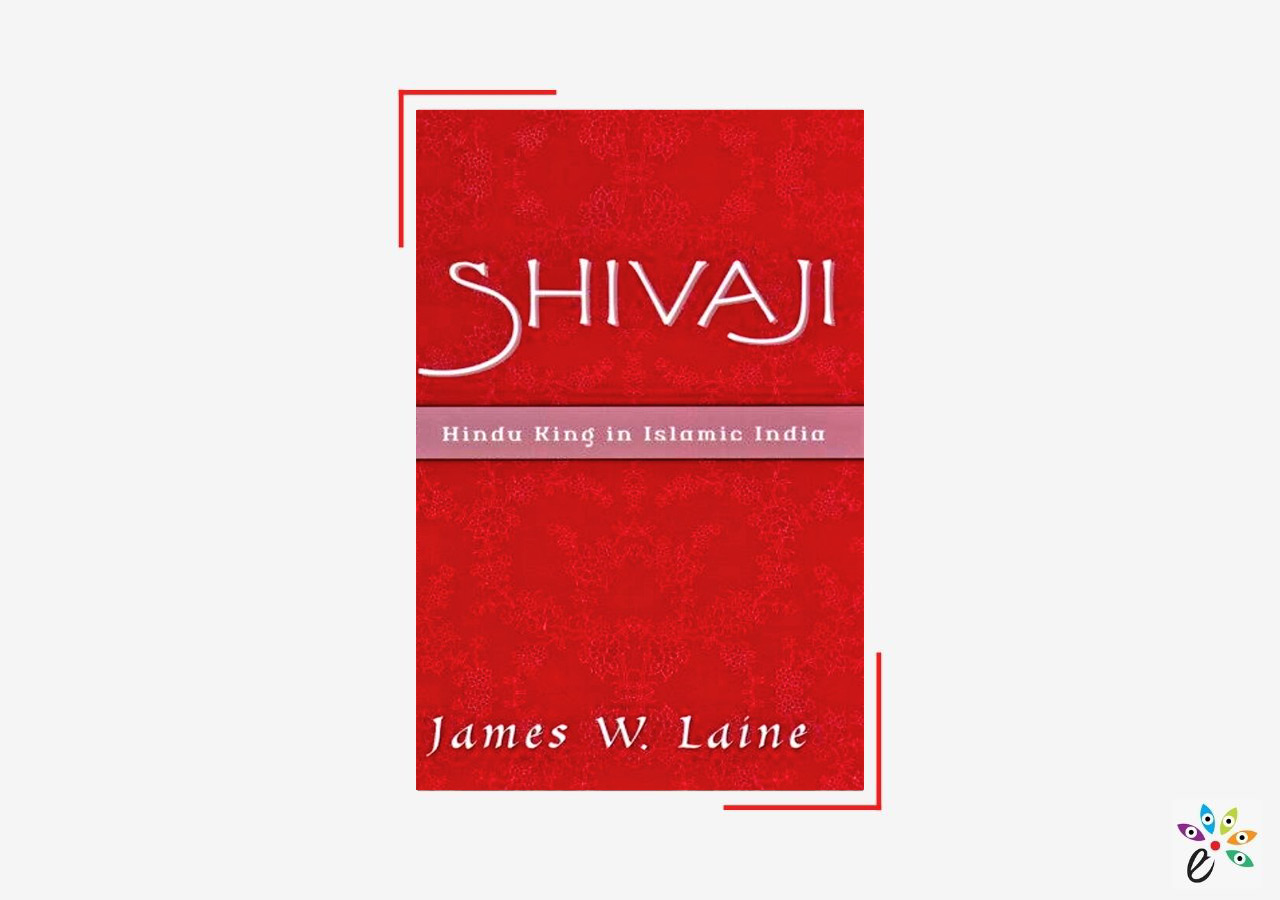
Shivaji: Hindu King in Islamic India – James Laine
Banned-Books-in-India-Shivaji-Hindu-King-in-Islamic-India-James-Laine

When this biographical book on the Maratha King Shivaji was published in 2003, nobody could have anticipated the public ire that it drew. James Laine, a highly respected scholar, had done some of his research for the book in Bhandarkar Institute of Oriental Research, Pune. While a ban was imposed on the book in Maharashtra, angry mobs ransacked the institute, destroyed many precious manuscripts in the process. James Laine traces the origin and development of the Shivaji legend from the earliest sources to the contemporary accounts of the tale. His primary concern was to discover the meaning of Shivaji’s life for those who have composed the legendary accounts of his military victories, his daring escapes, his relationships with saints. In the process, he painted a complex picture of Hindu-Muslim relations from the seventeenth century to the present.

Jinnah: India, Partition, Independence – Jaswant Singh

Banned-Books-in-India-Jinnah-India,-Partition,-Independence-Jaswant-Singh

Eyebrows were raised when Jaswant Singh, a prominent member of the BJP came out with a book on Jinnah in 2009. Like its heavy title, the book was pronounced to have suitable scholarly merit. Instead of being a tendentious tome, it was a well-researched, perspicuous book. However, the Gujarat government banned the book and Jaswant Singh was unceremoniously expelled from his party. The partition of India in 1947, has been the most wounding trauma of the twentieth century. Why did this partition take place at all? Jaswant Singh attempts to find an answer. He studies Jinnah’s political journey beginning as ‘an ambassador of Hindu-Muslim Unity’ and ended up with his becoming the ‘sole spokesman’ of Muslims in India. The book attempts an objective evaluation of Jinnah’s transformation.

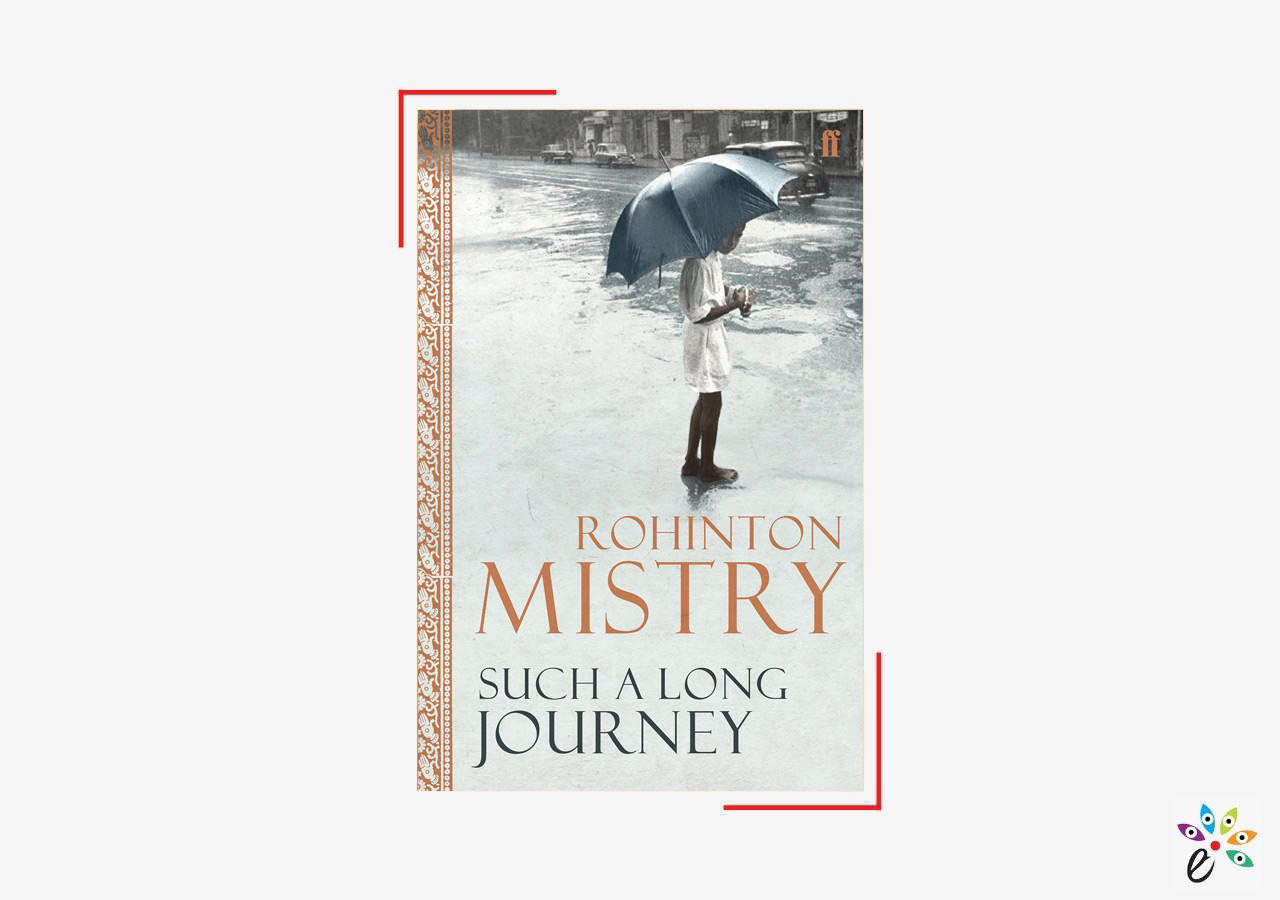
Such A Long Journey – Rohinton Mistry
Banned-Books-in-India-Such-A-Long-Journey-Rohinton-Mistry

‘Such a long journey’ is a highly acclaimed novel by Rohinton Mistry. It has won many awards like The Commonwealth Writers Prize, Governor General’s award, and was also shortlisted for the prestigious Booker prize. It follows the family life of a Parsi protagonist in the tumultuous decade of 1970, under the rule of Indira Gandhi. Shiv Sena objected to the ‘derogatory’ remarks made against its leader in the book. The issue was fiercely debated on public forums and within academic circles after the University of Mumbai withdrew the book from its syllabus. Rohinton Mistry later issued a public statement, expressing his disappointment about the withdrawal.

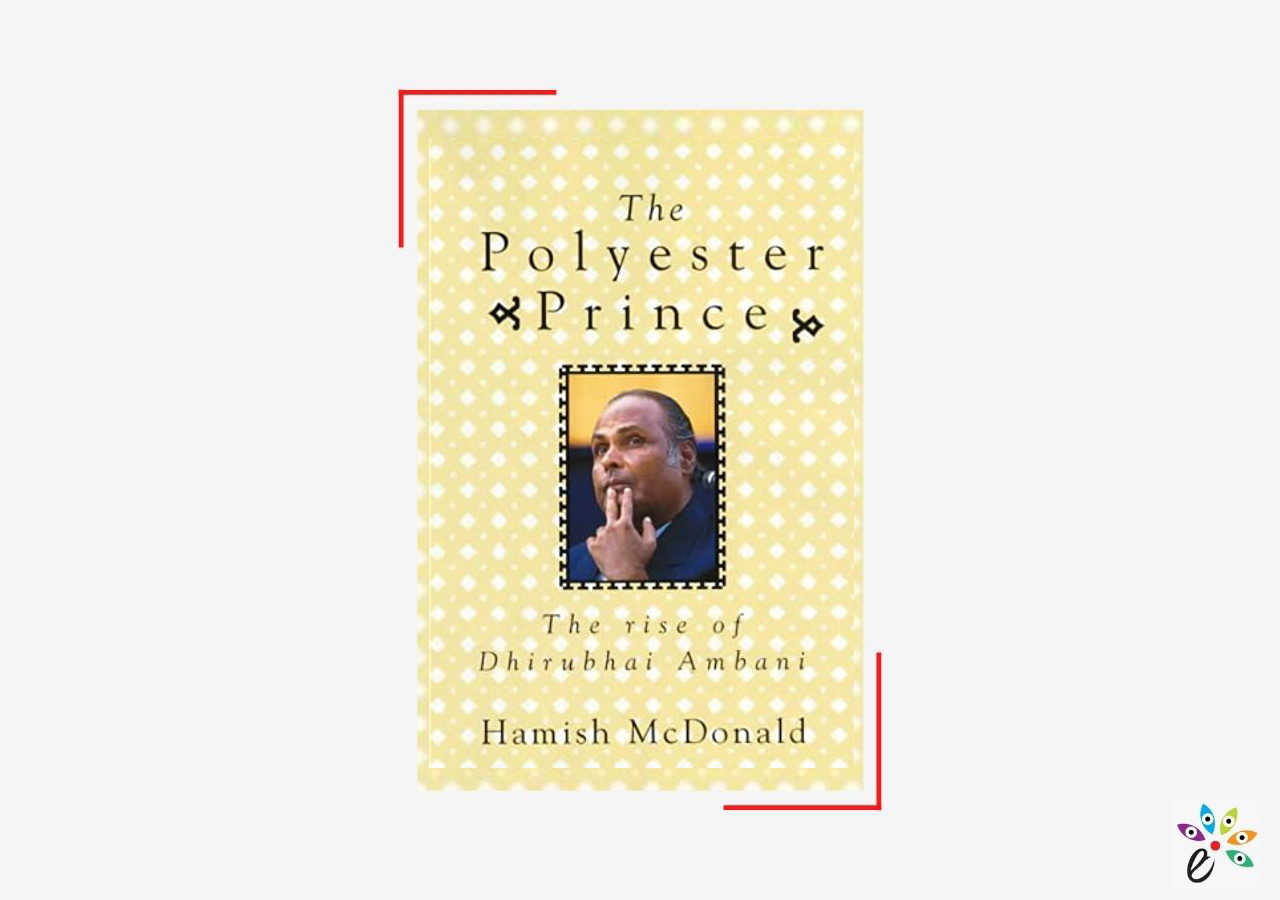
Polyester Prince: The Rise of Dhirubhai Ambani – Hamish McDonald
Banned-Books-in-India-Polyester-Prince-The-Rise-of-Dhirubhai-Ambani-Hamish-McDonald

‘Polyester Prince’, the unofficial biography of Dhirubhai Ambani, which could have been one of the polemical biographies of the decade, never saw the light of the day. Harper Collins, the publisher anticipated legal action from the Ambani family and pulled the plug before the book could go into print. The book comments on length on the concept of power, and gives a riveting account of Ambani’s meteoric rise, his hits and misses and his successors. The book, though unavailable in India, can be found and read on the web. Pirated copies of the book are also commonplace.

It was five past midnight in Bhopal – Dominique Lapierre and Javier Moro

Banned-Books-in-India-It-was-five-past-midnight-in-Bhopal-Dominique-Lapierre-and-Javier-Moro

‘It was five past midnight in Bhopal’ is a novel based on one of the greatest disasters in the recent times – the Bhopal gas tragedy, which killed thousands of people and left lakhs injured. Instead of being a dry, prosaic account, the book is a tribute to the resilience of the human spirit, a chronicle of human survival against all odds. The book was banned after Swaraj Puri, the commissioner of Bhopal during that period, filed a defamation suit. Later, the ban was lifted by the Madhya Pradesh high court.

Suggested Read – India Between the Pages – Best Books on India that Describe the Land & Culture

Factfile –
https://www.goodreads.com

The Rich Legacy of Puppetry Art of India

0

Puppetry-Art-of-India

Puppetry is a fascinating art form that has always sparked curiosity from an audience of all ages. Contemplating the life sagas of great monarchs and heroes of this type in rural India is quite popular. Emerging from the grassroots level, the identification of puppetry in India varies from one location to the other. Over the years, a fusion of regional painting techniques and sculptures has become more holistic. But it’s a dying art, unfortunately. Puppetry has grown less respected and less well-known with other types of easily accessible entertainment. Knowledge of these old forms is generally confined to a small group, and if it is to be popularised again we must try to make it more accessible for the masses.

India’s puppetry tradition forms an integral part of the culture of performance in the country. Puppetry shows include the representation of graphic stories utilising puppets, live music, gestures and narratives. They’re therefore at the intersection of theatrics and storytelling. It has mostly been done at religious events, ceremonies and temple celebrations.

Puppetry-Art-of-India
Image –Wikimedia

Beginnings of the tradition cannot be accurately located. There is nevertheless a narrative that says that Brahma the creator gave life to Adi, the first nat puppeteer who constructed his fellow goddess, Saraswati, the first puppet for enjoyment. Brahma was not content with his job and expelled the puppeteer to earth, starting the line of nat bhatt puppeteers. The oldest mention of puppetry was made in the Mahabharata in 9th century B.C.E., according to literary sources. Panini’s grammar(4th-century B.C.E), Patanjali’s works  (2nd-century B.C.E), are the other literary sources. Certain academics contend furthermore that puppetry arose even before theatre. The puppets show gods and heroic figures through epic poetry, theatrics and story-telling. They fulfil educational and entertainment functions. It was present throughout India as a popular medium of performance. There is a variety of puppetry traditions in India.

The various styles and types of Puppetry 

Puppetry Art of India, types of Puppetry 
Image Source- Flickr / VasenkaPhotography

Puppets come in many shapes and forms, as with everything else in India. The backbone of the craftsmanship is glove, shadow, rod and string puppetry although styles differ in the country from region to state. The puppets are virtually life-sized in the northern state of Bihar, they weigh up to 10 kilos in Bengal, but they are paper-thin in Karnataka and Andhra Pradesh. They are manufactured from wood in Rajasthan, from leather in Tamil Nadu, from terracotta in Bengal and from wood in Odisha.

Geographies, language, music and culture, together with hyper-local demographic choices, have an important part in determining types of puppetry. In spite of the distinctions, they may be tied to a similar topic – religion. The most popular narratives told using puppetry are Ramayana, Mahabharata and the Puranas. Native language, regional context and local accent ensure that stories continue to be relevant to the audience and the message is properly transmitted.

String Puppets 

Puppetry Art of India, string puppets
Image Source- Pxhere

String puppetry remains the most frequent type of puppetry in India. It is also the most expressive with the use of cords tied to the limbs and head of the puppet. The cords are tugged from behind the screen by the Sutradhar and the dolls dance and follow his orders. The more strings the more difficult and intricate is the performance. Different variants of this form may be found throughout the country.

For example, in Rajasthan, string puppets are ornamented with tinsel and named kathputli. In tourist squares, both local residents and visitors can observe them dance to native music. They are named Putul in West Bengal where they recount local stories of Durga’s courage; most of them are found at exhibitions, festivals and in rural areas. The technique they use is called suter putul nach. Odisha utilises string puppets, gopalila kundhei, for portraying the narrative of Lord Krishna, and in Maharashtra, known as Kalasutri Bahulya, the episodes of Ramayana are depicted with cymbals and drums on the stage. Separate variants of the stringed puppets are also available in Karnataka (yakshagana gombeyaata), Kerala (nook pavakoothu), Andhra Pradesh (koyya bommalata) and Telangana (keelu bommalata and  sutram bommalata) and in Tamilnadu (bommalattam)

Shadow Puppets

Puppetry Art of India, Shadow Puppets
Image Source- Wikimedia

Two-dimensional and flat puppets make the most fascinating form of puppetry – the shadow puppetry. These puppets are often made from animal leather, first processed and later painted with natural colours and with traditional motifs, and depict the most popular legends like Ravana, Rama, Surpanakha, and Mahabharata.

In the southern states Shadow puppets are more popular; their styles are very similar but subtle. Some of these are constructed with one enormous piece of leather, like the Togalu Gombeyatta in Karnataka. Some are joined like the one in Maharashtra. The joints enable the puppet to move more quickly and more gracefully and to be agile. Large groups of men and women sing traditional folk tunes to the beats of mridangam and cymbal as the Sutradhar brings the stories live on the stage. Tholu Bommalata puppets performed in Andhra Pradesh and Telangana, are recognised for their powerful performances, most of them performed after darkness with the sound, light, and visuals working together to create a fascinating ambience. Odisha’s shadow puppets are smaller and made of deerskin; and mountains, carts and trees play a vital part of the plot and the scenes from these epics come to life with realistic visuals and lyrical shadows.

Glove Puppets

Puppetry Art of India, Glove Puppets
Image Source- Wikimedia

The ideal demonstration of how a mute limp doll may spring to life with the small movement of the hand is what glove puppets show perfectly. Used in Uttar Pradesh, Kerala, Odisha and Bengal, a simple approach is employed: a puppeteer places his hands into the head and arms of the puppet, manipulating the entire scenario. Uttar Pradesh’s Gulabo-Sitabo puppets mainly play social subjects in a fun and comedic style; they tell the story of Radha and Krishna in Odisha; however, Kerala’s glove puppets are the most captivating. These enormous, kathakali-like dolls, Pavakoothu, feature intricately wooden faces and garments in the fabric between one to two feet in height. Like Kathakali, the stories from both epics and dance to the enjoyable music of the chenda, chengiloa, ilathalam and shankha are also depicted. The performance of Pavakoothu is often as fascinating as the performance of Kathakali.

Rod Puppets

Puppetry Art of India, Rod Puppets
Image Source- Wikimedia

An extension for the glove puppet – the rod puppet are sometimes much larger than their hands and are manoeuvred by a rod. The most notable forms of these are Bengal Putul Nach and Bihar Yampuri. In Bihar, the puppets in one piece are made of wood. The movement needs higher skill on the part of the puppeteer, since there are no joints.

The rod puppet of Bengal is made of giant dolls and their stories and styles are borrowed from the traditional theatre, Jatra. They’re very dramatic and theatrical. They have a bamboo rod attached to the waist, manufactured in elaborate consumes, dazzling headpieces and typical Bengali Mask styles. The puppeteers stands behind a high curtain, singing and dancing while the puppets are being manoeuvred by them. There’s a festive atmosphere around the musical ensembles who accompany this performance, playing rhythmic local tunes about harmoniums, drums and cymbals.

Famous Puppeteers of India

1. Suresh Dutta

Puppetry Art of India, Suresh Dutta
http://pronay-165022.blogspot.com/2017/09/

Suresh Dutta is an Indian puppeteer, an eminent personality in the theatre and founder of the Calcutta Puppet Theatre, situated in Kolkata. Dutta  was born in Faridpur in 1934 in the then undivided Bengal of British India. He graduated from the Albert League Temple Art School and the College, where he studied dance, play and music. Also Dutta trained in Jatra and Kathakali under Balakrishna Menon and Phani Bhushan.He also learned Bharatanatyam and Manipuri. He stood in his parala puppetry at the Calcutta Children’s Small Theatre in 1954 and made numerous shows with puppets, Mithuya in 1955 and Dustu Indur (Naughty Mouse) in 1956. He then proceeded to Russia in 1962 to train with Sergey Obraztsov, the master of puppetry, under a scholarship. He continued with the Little Children’s Theatre until 1971 when he returned.

In 1973, together with his wife Devi and a few similar artists, he established his own  puppet theatre group, the Calcutta Puppet Theatre. The stage shows performances beginning with the Aladdin, followed by Ramayana , Sita, Gulabo aur Sitabo and natun Jeebon, raining to over 3000 shows. In 1978 he was awarded the Sangeet Natak Akademi Award. For his contribution to puppetry, the government of India gave him in 2009 the fourth highest civil honour of Padma Shri.

2. Ranganath Rao

Puppetry Art of India, Ranganath Rao
http://pronay-165022.blogspot.com/2017/09/

Mr. Rangatha Rao was Kannada puppetry’s pioneering artist. Born in 1932, he learned traditional art from a professional puppeteer, his grandfather Narasingha Rao.. He then left his position as a school teacher to teach puppetry as a full-time profession. Supported by an academic background in theatre and drama, Ranganatha rao’s use of puppets as a medium for teaching students at school, in particular in rural Karnataka institutions was a wonderful initiative. He specializes in Rod puppetry. In order to create a wholesome mini theatre of rod puppets in traditional folk music and culture, Rao has created a team of experienced musicians and singers.

Rao and his team went throughout the country to demonstrate the rod puppetry can be a great medium of entertainment and education, by means of lecture demonstrations and workshops. In 1981, the Sangeet Natak Academy presented a national prize to Rao to recognise his achievement and to help reconstruct the form of art. In renowned world museums such as the Victoria Albert (United Kingdom), Swiss Puppet Museum (Fribourg, Switzerland), Tokyo Puppet Museum (Japan), and China Puppet Museum Rao’s puppets are displayed. The 2016 Karnataka State Rajyotsva Prize and Kamala Award from the Indian Crafts Council speak loudly on his contribution to the field of puppetry.

3. Dadi Pudumjee

Puppetry Art of India, Dadi Pudumjee
http://pronay-165022.blogspot.com/2017/09/

Dadi Pudumjee is a renowned Indian puppeteer who was born on 15 September 1951 and is the founder of The Ishara Puppet Theatre Trust. In 1992 he received the Sangeet Natak Academy Prize. He is the president of the Union Internationale de la Marionnette i.e International Puppetry Association. Later on, he was educated in Pune at the NID National Institute of Design and in Darpana Academy in Ahmedabad under late Meher Contractor, where he learned puppetry under Michael Meschke and then he moved to the Marionette Theatre Institute in Stockholm (Sweden). The puppetry of Pudumjee is not limited to more frequent types of strings and hand puppets and rather has a wide range. He used semi-sculptural marionettes, which are attached to the bodies of the players and carried across the stage. 

Dadi Pudumjee, a successful artist with a remarkable skill in puppetry , is credited alone for introducing the globe to Indian puppet theatre. He led a successful HIV awareness programme and drug abuse programme in conjunction with UNESCO through medium puppetry to communicate, in order to offer art that can alter social life. He wants to strengthen the art of the traditional puppetry in India and expand the appearance and the usage of puppetry as a means of expression with his foundation, the Ishara Puppet Theatre Trust.

4. Ramdas Pandhye

Puppetry Art of India, Ramdas Pandhye
http://pronay-165022.blogspot.com/2017/09/

A ventriloquist, puppeteer and puppet maker, Ramdas Pandhye is an eminent personality in this field. He has performed about 9,000 ventriloquism and puppet shows across India and internationally in the past four decades. His shows have been frequently shown since 1972 on Doordarshan and he has also created the first Indian ventriloquism and puppetry websites. He was an Indian ventriloquist, performing on NBC, ABC and CBS television in America and BBC four on ventriloquism and puppetry-based shows. During the 70s he was immensely successful with his puppets Ardhavat rao’ and ‘Awadabai. He constructed many shows on societal matters such as family planning, small savings, education for children, etc.

Due to the efforts of individuals, cultural entities and local artisans, puppetry, which had almost perished in the post-colonial period, has been not only revived but became more popular in metropolitan areas. It is also utilized for teaching (for the differently-abled), communication (in urban villages and women’s groups), and entertainment in modern everyday life.

10 Great Books on Indian History, Every Indian Must Read!

0

Great Books on Indian History

India boasts of having one of the world’s oldest civilizations which can be traced back centuries through the documented history of the Vedas. Many kings and their reigns have influenced this country. It has also been evolved by numerous queens, many empires, faiths and, last but not least, the people. Indian history is comprehensive and diverse and encompasses from early civilizations and conquests to liberation and disconnected battles. During various times of history, several outstanding characters and unforgettable events have been exciting and inspiring. It’s not surprising that thousands of books are written about Indian history, both academic and others, making it tough to find apt literature about this matter. That is why this list of the ten most informative and interesting books about Indian history might be of use to everyone. 

Suggested Read – India Between the Pages – Best Books on India that Describe the Land & Culture

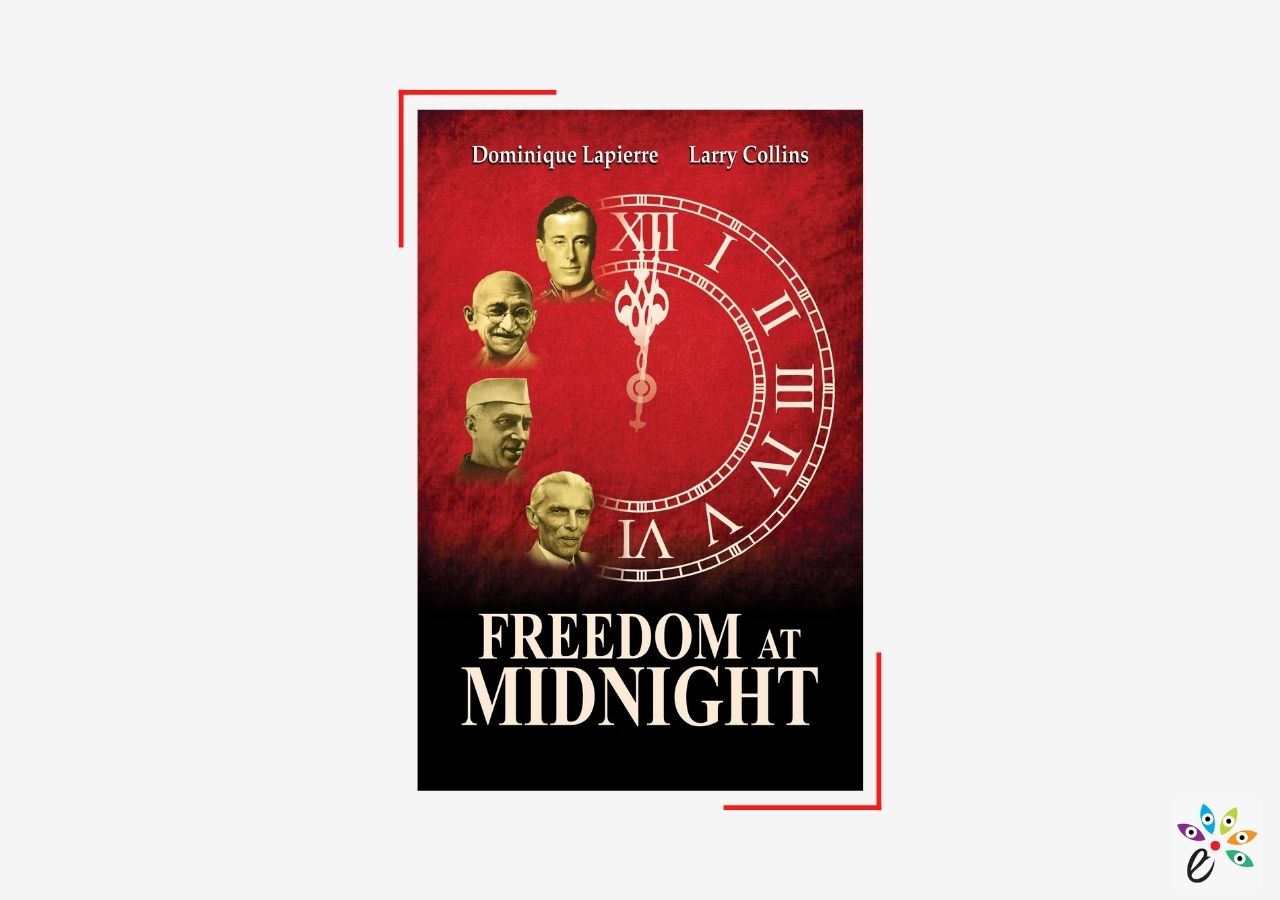
1. Freedom at Midnight by Dominique Lapierre and Larry Collins

Great Books on Indian History, Freedom at Midnight

Freedom at Midnight portrays the turbulent year of India’s independence from Britain in 1947. This book focuses mostly on India’s 1946 and 1948 Independence Movement. This work is regarded as historical throughout the span of events that occur during this period. It is thoroughly investigated, contains astonishing information that you would never have known before and is a highly recommended book on the independence and partition of India. The book also contains interviews with Lord Mountbatten, British India’s last viceroy. The book’s narrative technique dives the readers into the visual world of the collapsing Raj and lets them inside the minds of this age’s great actors.

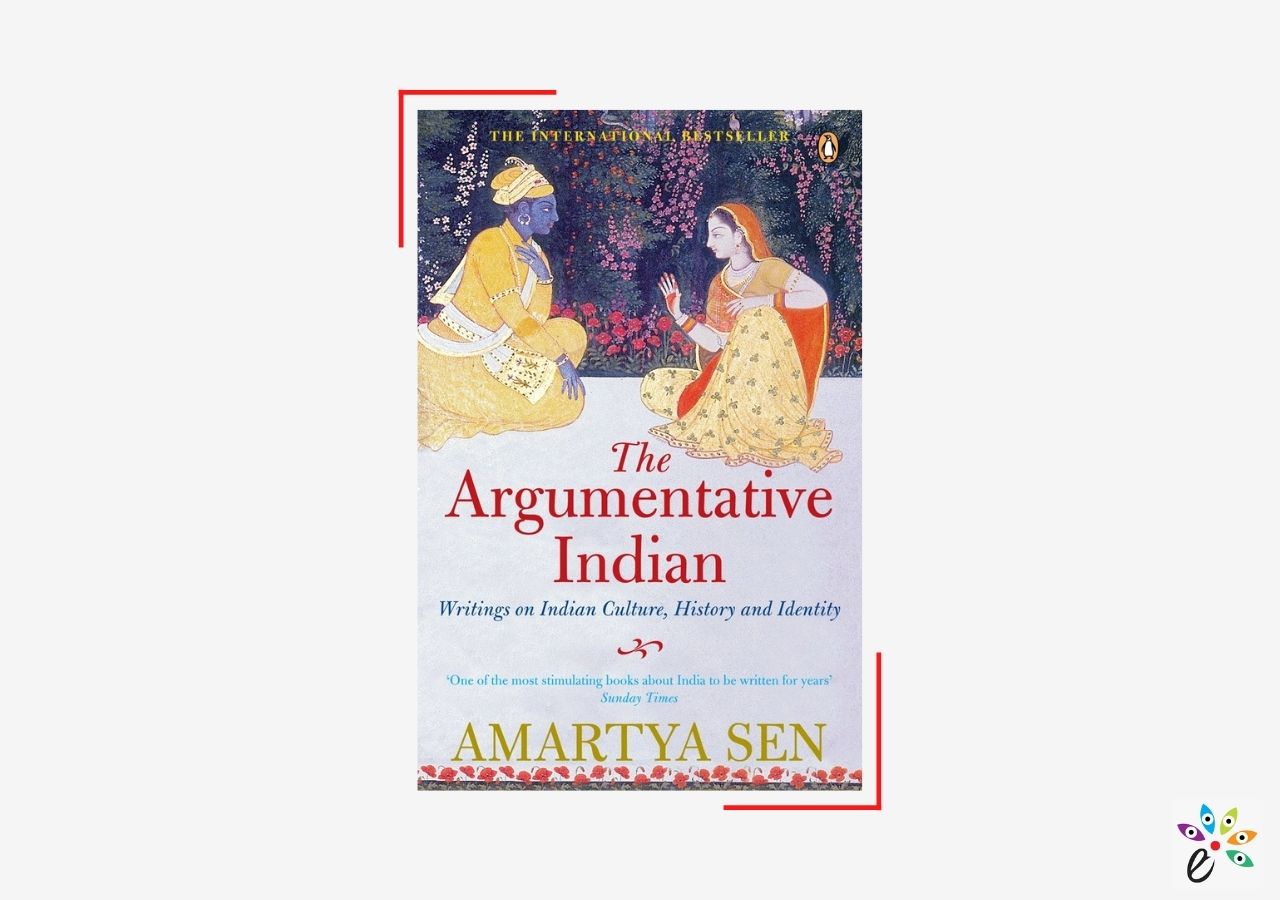
2. The Argumentative Indian by Amartya Sen

Great Books on Indian History, The Argumentative Indian

Essential for anybody looking for the basis of Indian politics, this collection of poignant essays on Indian history by Nobel Laureate economist Amartya Sen is a must for this list. This book explains mainly the history and the influences of that past on the cultural identity of India. Sen discusses how India had a long history of public debate (in every aspect of life) and how heterodoxy prevailed centuries ago in Indian civilization. Sen feels that we should all know about this lively past – given that the way in which we embrace our future might have a profound effect. With a focus on tradition in the Indian civilizations of the past, public discussion and argumentation and intellectual variety, Sen expresses his thoughts on what would decide the future of democracy in India.

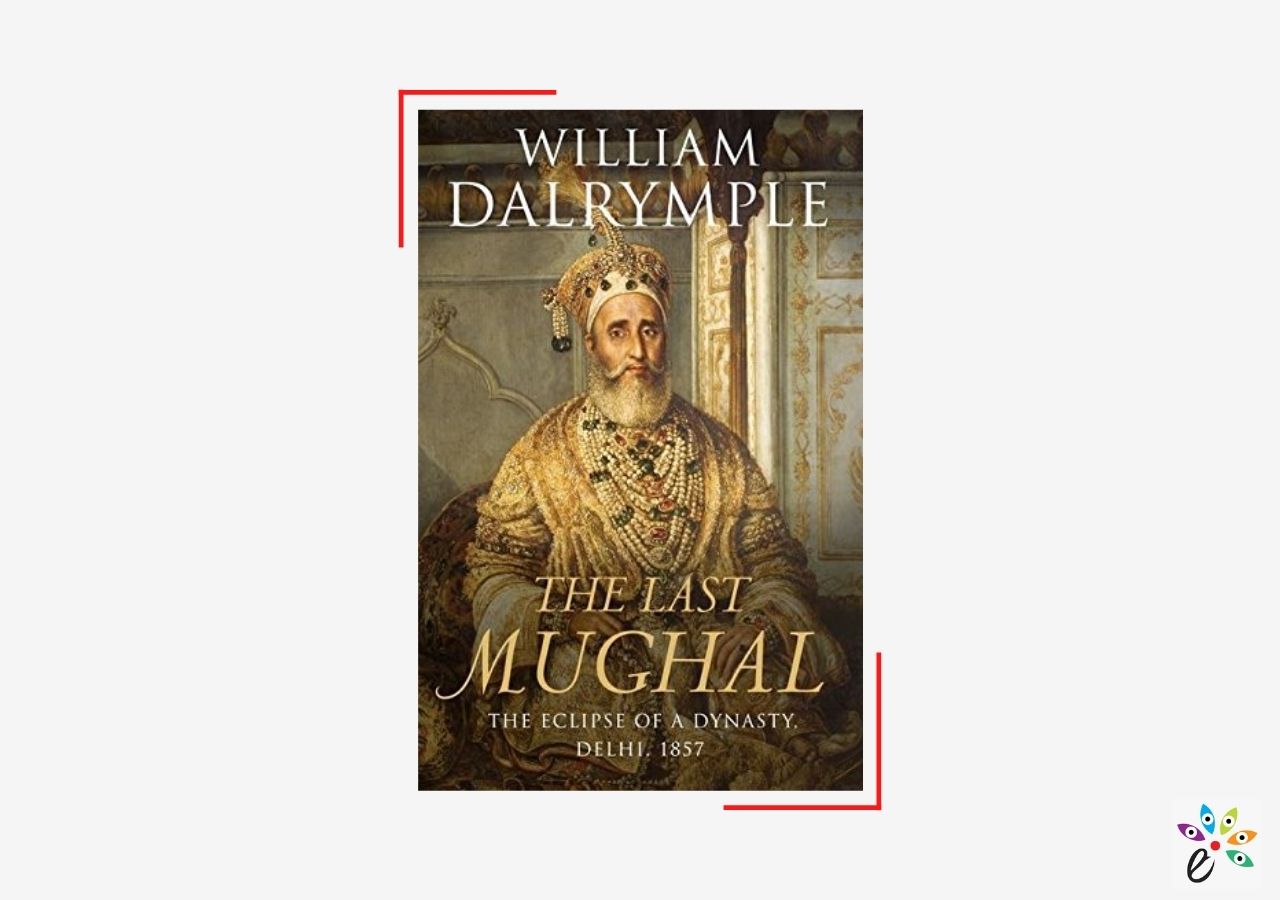
3. The Last Mughal by William Dalrymple 

Great Books on Indian History, The Last Mughal

The Last Mughal is a joy for enthusiasts of history and provides a complete account of the years of the decline of the Mughal Empire in India and the rise of the British Raj. William is a distinguished historian and travel writer. The book speaks about a culturally diverse and prosperous society during the tenure of Bahadur Shah Zafar the last Mughal emperor. The first conflict (popularly known as the Sepoy Mutiny) against the British signalled the end of the Mughal Empire in 1857. William recounts how such events occurred in a political and cultural manner and the impact that they had on the country. His styles of writing and his knack for perception make this book a must-read. If you want to know how Delhi came about and the mutiny of 1857, this one’s for you.

4. India After Gandhi by Ramachandra Guha

Great Books on Indian History, India After Gandhi

Perhaps one of the best Indian historians at present is Ramachandra Guha. Guha’s India After Gandhi became the go-to book on the journey of India, post-independence from the British in 1947 till the nineties. This is the finest book to comprehend modern India’s development. The former professor who now works as a historian has done a splendid job in making sense of the chaotic and eventful happenings of India since independence – the partition, Nehru socialist programmes, a brief but consequential career of Rajiv Gandhi, the rise of religion, and caste politics in this 900-page book. This may sound long but it is worth the journey and all the events and personalities of this captivating land are detailed here. The book also serves as a good primer to grasp the economic and social reality of India at present.

5. India: A History by John Keay

Great Books on Indian History, India: A History

John Keay is an English writer and journalist who writes archives about India, usually with an emphasis on the colonisation and exploration by Europeans.  Skillfully tracing the Indian subcontinent for more than 5,000 years of civilisation, this narrative is a superb reading for all those seeking a crash course in Indian history. John offers a panoramic vision in “India, a history” from the cities of Harappa and Mohenjodaro through the civilizations of the Indus valley to today’s modern India, including all key developments in South Asia, up to the nuclear arms competition between India and Pakistan. This book combines material from different sources into one complete Indian history book. Many regard this as a superb textbook for every history student.

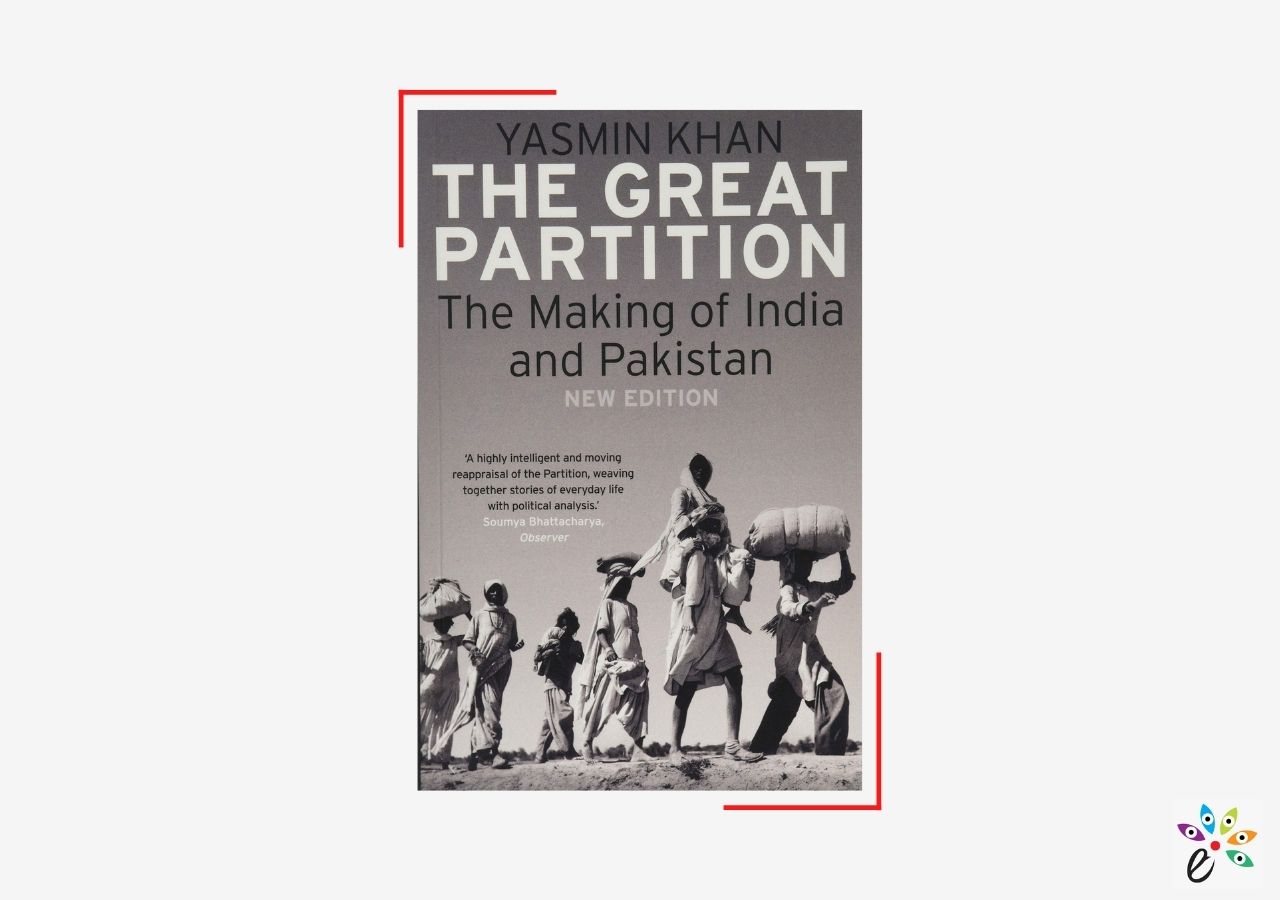
6. The Great Partition by Yasmin Khan

Great Books on Indian History, The Great Partition

The Great Partition is an essential reading for everyone wishing to understand modern South Asia and is an informative account of British India’s partition into modern India and Pakistan. In this book, Yasmin Khan focuses on combining a series of voices that show the human impact of certain hasty political decisions. She investigates the setting, the way the partition was executed and its repercussions, including internal politics. It was published in 2007 and provided a fresh perspective into the situation. It is precisely written and advised as a much-needed review of decades of official partition history. If you want to discover what goes beyond the “political leaders” of that period and concentrate on other more on-ground concerns during the partition, this is your book.

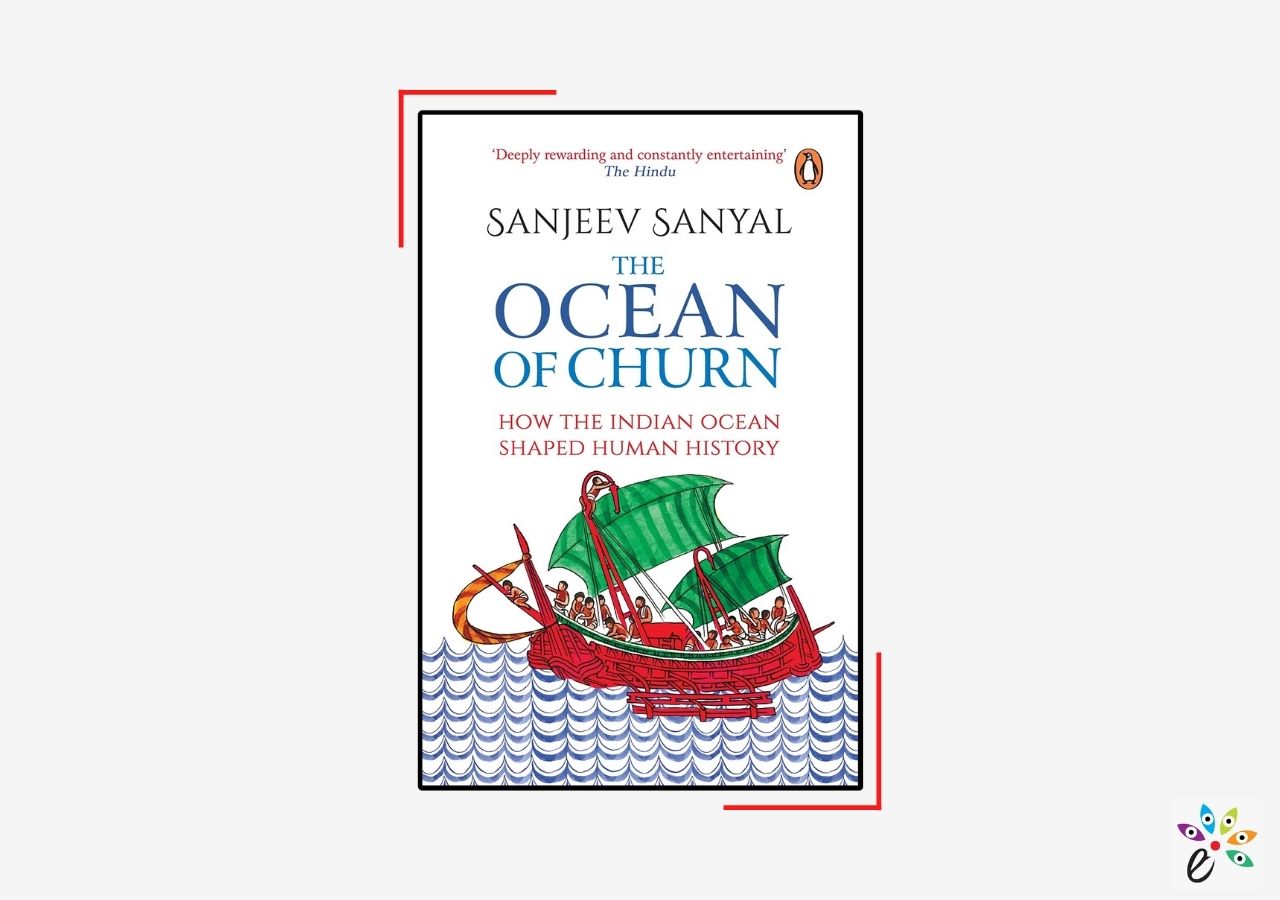
7. The Ocean of Churn: How the Indian Ocean Shaped Human History by Sanjeev Sanyal

Great Books on Indian History, The Ocean of Churn: How the Indian Ocean Shaped Human History

“The Ocean of Churn” by Sanjeev Sanyal is a book for those who need to grasp the importance of the Indian Ocean and the interconnection between human beings in the region that has influenced human history. It is also a necessary read for everyone who wishes to obtain the right view on the contribution of India to humanity. This book is not from a western perspective, unlike most historical works. The Ocean of Churn takes you on a fantastic voyage from mediaeval geopolitics and eyewitness reports from long-lost cities to the latest human genetic discoveries and to bring an area that has defined civilisation from the beginning to life. Each of the eleven chapters of the book discusses a number of important events over some time and together they introduce from ancient times until today the linked history of the Indian Ocean region. These insights are rich in unique anecdotes which, unlike other books about history, make this book an enjoyable read.

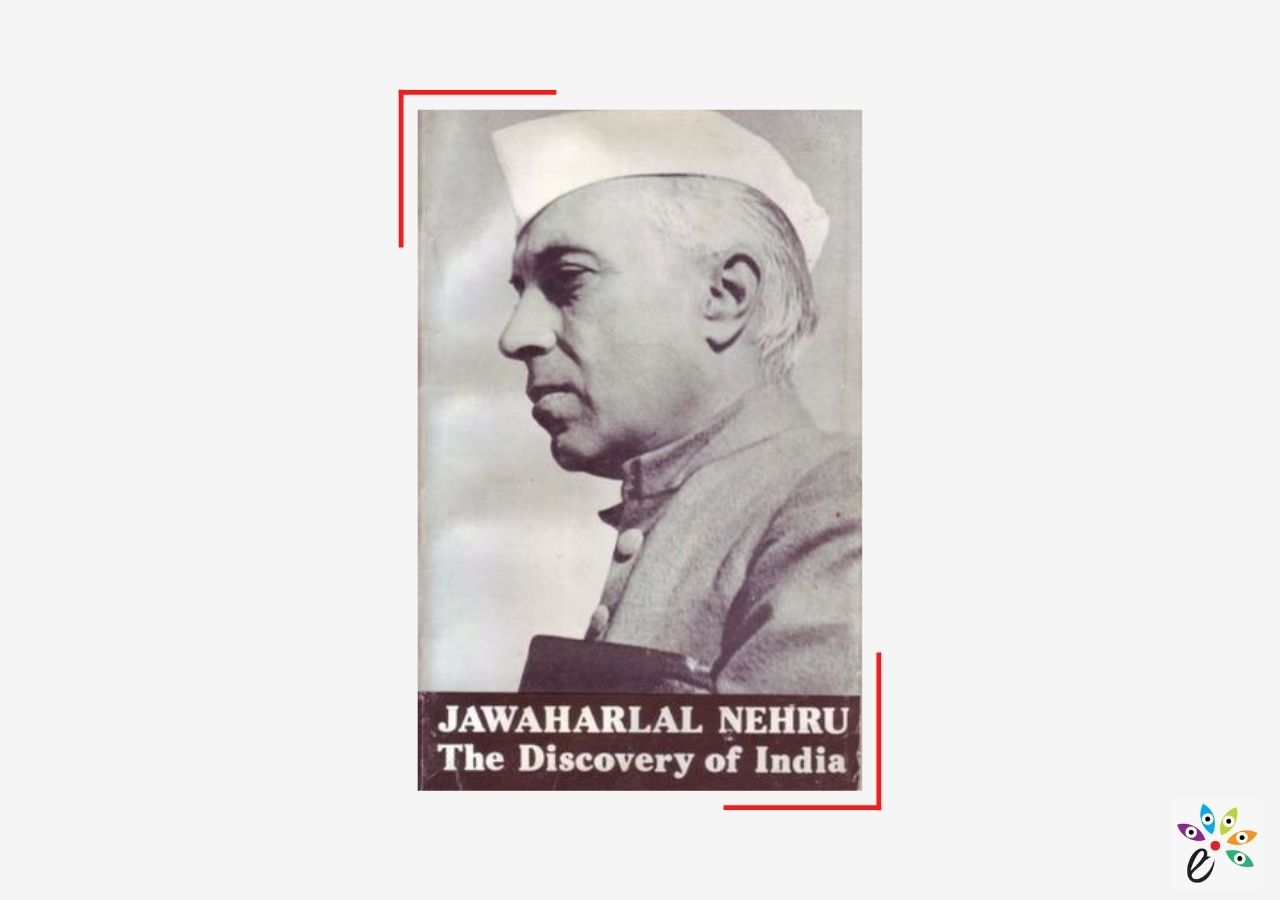
8. The Discovery of India by Jawaharlal Nehru

Great Books on Indian History, The Discovery of India

Written in prison between 1942 and 1946 by India’s first prime minister, it narrates the history of India, beginning with the Civilization in the Indus valley through the foundation of the British Empire. He walks past and traces our country’s roots. He studies the culture, the literature, the science, the philosophy and the vital power that led India to become one nation and one people. As a “friendly stranger,” he approaches India, respects his knowledge, condemns her follies and analyses the past as a benchmark, to push the history of society in the creative future. Facts, thoughts and sentiments coexist in The Discovery and produce literary harmony. It is a suggested reading to take on the unbelievably long history of India. This book was also produced by Shyam Benegal as an award-winning TV series.

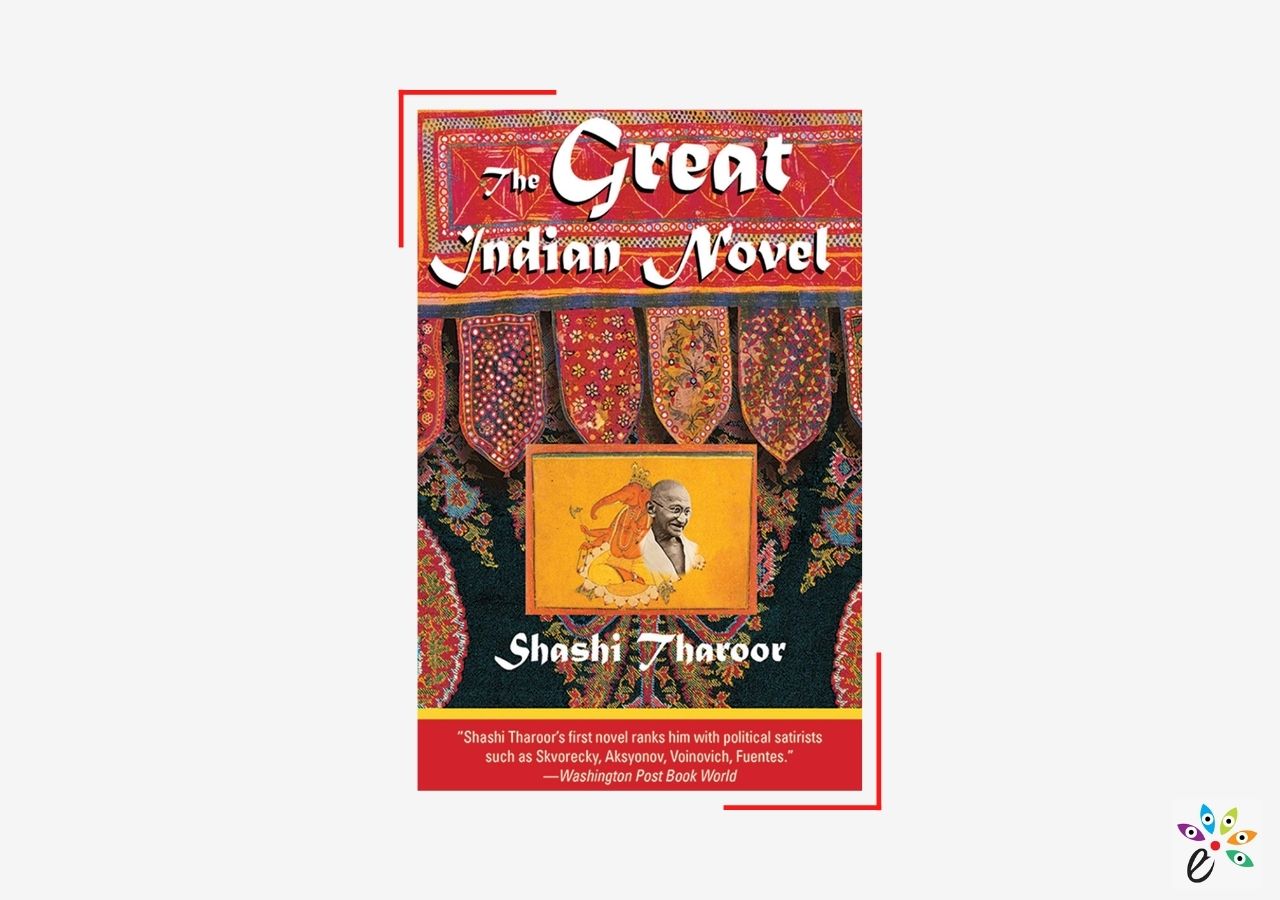
9. The Great Indian Novel by Shashi Tharoor

Great Books on Indian History, The Great Indian Novel

The Grand Indian Novel is a satire by Shashi Tharoor. The Mahabharata, a Hindu mythology epic, is a fictitious work that is re-examined and reseted within the context of the Independence Movement and the first three decades of its independence. Indian figures have been converted into mythological characters and India’s mythical history is recalled as the history of Indian independence following throughout the 1980s. The satire implied in the title pervades the pages of the book, a fictitious portrayal of two of Indian history/ mythology’s essential components – Mahabharat and British Indian politics. Well-known characters washed off their colours, repainted and reintroduced. And the reader is struck by the author’s utter naivety and occasionally boldness. The novel calls for audacity to depict in human light on the gods and demigods of India, which is what Tharoor has done. Read this if you can take your history with a pinch of salt.

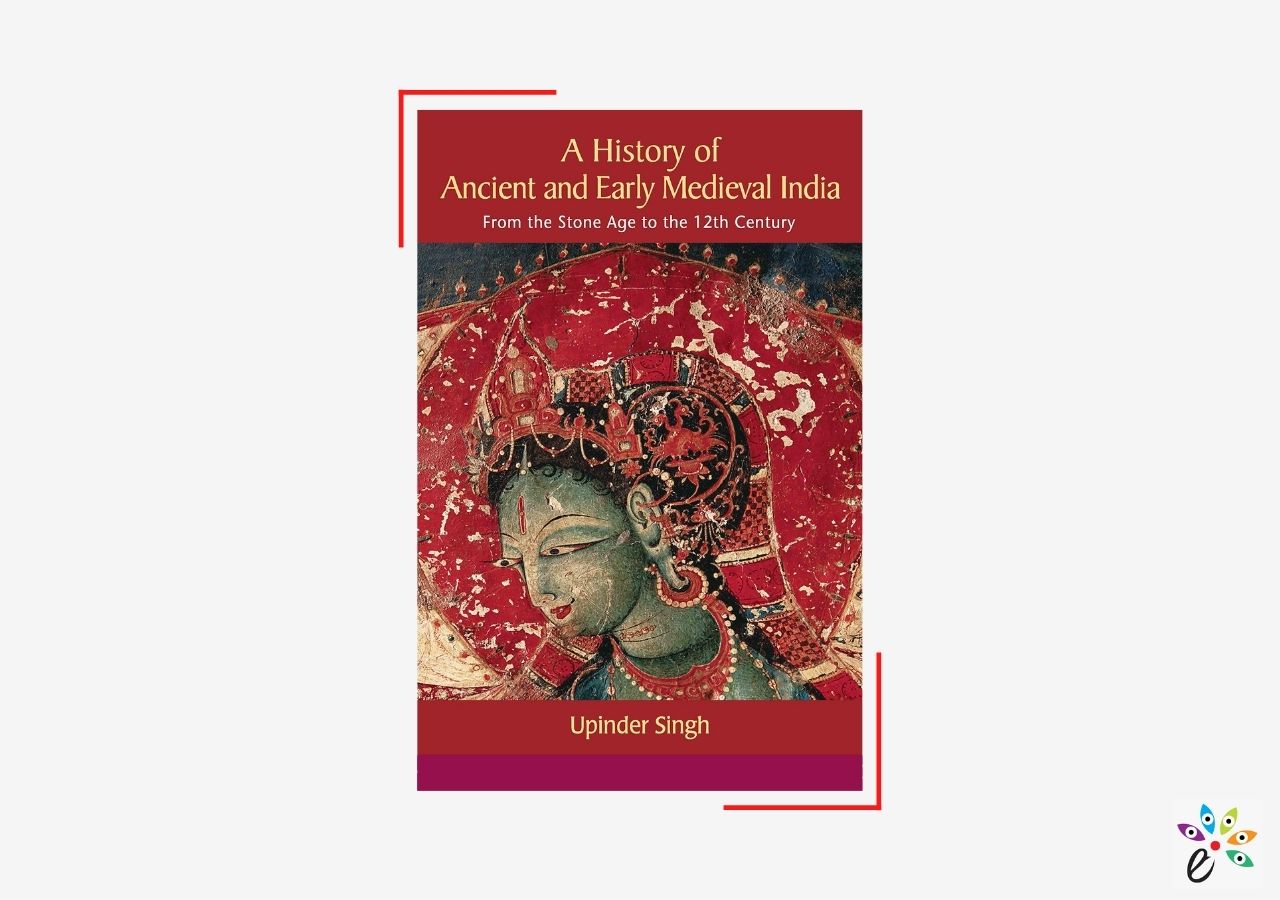
10. A History of Ancient and Early Mediaeval India: From the Stone Age to the 12th Century by Upinder Singh

Great Books on Indian History, A History of Ancient and Early Mediaeval India: From the Stone Age to the 12th Century

This book has been developed for academics and students of antique and early mediaeval Indian history as a thorough introduction and offers the most comprehensive view. The vast historical compass, from the age of stone until the 12th century, is divided into chronological units and profiles of diverse geographical locations in the subcontinents are constructed. The narration of the past differs from normal text-based history writing, dealing in extensive length in prehistory and protohistory of the sub-continent. It teaches essential principles and enlightens modern discussions, discoveries and research by revealing the ways in which our past is built. Ancient and Early Mediaeval India presenting fair views, promotes readers’ individual appraisal of hypotheses, evidence and arguments, to place the main historical controversies in their contexts.

Suggested read – Must Read Booker Prize Nominated Books from Indian Authors

This book, maps and figures illustrated superbly with over four hundred images which helps to comprehend and grasp the material. It presents a wise, complex yet clear overview of India’s early past, and will certainly make for a splendid experience for readers.

Basohli Paintings – Bold and Beautiful Expressions in Pahari Style

4

Basohli-Paintings

#Didyouknow that Basohli painting, a School of Pahari miniature painting which flourished in the Indian hill states, in sub-Himalayan India during the late 17th and the 18th centuries, is known for its bold colours and vitality? The school takes its name from the small independent state of Basohli. Where exactly is Basohli? It is in a town near Kathua in the Kathua district in the union territories of Jammu and Kashmir, India. Its original name is Vishwasthali and was founded by Raja Bhupat Pal from the Biloria clan of Chandravamshi Rajputs, in 1635. Its past glory can be gleaned from its ruined forts and palaces and its splendorous paintings created by artists in the ateliers of the rulers or even at village homes of artists and brought to the patrons for purchase. It is nestled on the right bank of the river Ravi. Basohli is naturally beautiful with mountainscapes and greenery located amidst the Shivalik hills. There are villages on hillsides, meadows and trees such as pines among others. Basohli paintings are considered the first School of Pahari paintings, which evolved into the Kangra paintings school by mid-eighteenth century. Most of the Hill states were ruled by Rajput rajas or kings who were vassals to the Mughals which influenced the art styles and architecture of the state.

A-mountain-peak-on-way-to-Basohli
A mountain peak on the way to Basohli, Jammu, India. – Wikimedia

Basohli paintings display a wide range of subjects. Starting with Hindu deities, the school goes on to paint illustrations to texts like the Bhagavata Purana, Gita Govinda, Rasikpriya and Rasamanajari. The Basohli 

School of painting flourished under royal patronage. It flowered under Raja Kirpal Pal (r. 1678-1695), a patron of arts and learning, who had an atelier and was fascinated with illuminated manuscripts. Many Basohli paintings have beetle wings to depict emeralds in jewellery and also gold work on them which makes them glow. He had commissioned a Rasamanjari set in circa 1695 executed by artist Devidasa. However, there are sets prior to 1680; a Tantric Devi series, a set of Nayikas, a group of illustrations of Rasamanjari as well. The earlier paintings were most probably made during Raja Sangram Pal’s (r.1635-73, grandfather of Raja Kirpal Pal, son of Bhupat Pal) period by individual artists. There might have been a Kashmiri painter at Basohli with knowledge of Nepali techniques because some early artworks show Nepali influence. The influence of wood sculpting is also seen because the atelier had sculptors.

Basohli-paintings-Raja-Kirpal-Pal
Raja Kirpal Pal, painting from Basohli, dated to circa 1685, San Diego Museum of Art, U S A. – Wikimedia

The son of Raja Kirpal Pal, Raja Dhiraj Pal (r. 1695 – 1725) kept the School alive. It is conjectured that a Bhagavata series done in horizontal mode, of Mankot was actually made by his atelier. Between 1707 and 1710 a set of Ragamalas were made, a Ramayana dated to 1720 is from his rule. Few portraits were also executed. His son Raja Medini Pal (r. 1725-36) commissioned the famous Gita Govinda of 1730. His son was Raja Amrit Pal (r. 1757-1776). Thus, we see that the illustrations to famous texts, portraits of rulers, battling elephants, Ragamala paintings, the school has it all in bold vibrant hues and illumination as well. Basohli painting has a typical facial geometry and stood out as unique in the 17th century. The artworks have red borders within which the picture is depicted.
Basohli style uses strong colours, and deep-set facial patterns. The faces have large graceful eyes. The paintings use bright colours with yellowish-brown, yellow, brown and green grounds, Takri script is on the top and serial numbers on top left. On the back of these paintings Sanskrit verses may be inscribed in Devanagri. The architecture reveals pavilions, doors with panels, latticed windows and plinths. Women are with a receding forehead, well defined nose and wide eyes. Stone colours, brushes of squirrel hair, and hand-made papers were used for the artwork. The feathers of Kalmunha bird and colours from leaves, flowers, beetle wings and khadiya earth besides gold and silver are known to be used as well to great effect in Basohli paintings. Let us look at the subjects painted and see some images from this vibrant School of Indian painting! 

Lord Ganesha

Basohli-paintings-Lord-Ganesha
Ganesha getting ready to throw his lotus, Basohli painting, National Museum, New Delhi, dated to circa 1730. Wikimedia

Art Historian Martin-Dubost, Paul says about this painting at National Museum, New Delhi of Lord Ganesha sourced from his work Ganesa: The Enchanter of the Three Worlds…”Attired in an orange dhoti, his body is enitirely red. On the three points of his tiny crown, budding lotuses have been fixed. Gaṇeśa holds in his two right hands the rosary and a cup filled with three modakas (a fourth substituted by the curving trunk is just about to be tasted). In his two left hands, Ganesa holds a large lotus above and an axe below, with its handle leaning against his shoulder. In the Mudgalapurāṇa (VII, 70), in order to kill the demon of egotism (Mamāsura) who had attacked him, Gaṇeśa Vighnarāja throws his lotus at him. Unable to bear the fragrance of the divine flower, the demon surrenders to Gaṇeśa.”

Radha and Krishna

Basohli-paintings-Radha-and-Krishna-in-discussion-01
Radha and Krishna in discussion, an illustration from Gita Govinda, Basohli, dated to circa 1730, THE MET, New York, U S A. Wikimedia

A painting at The Met, New York of Radha and Krishna along with a sakhi or companion is depicting a discussion between them in a verdant space in Vrindavan. Radha is in rapt attention and the sakhi is making a point as well, Krishna seems to be having the final word. Krishna is wearing his pitambar garment of yellow and Radha is dressed in a blue diaphanous odhni and a red ghagra. It is an illustration from the Gita Govinda of Jayadeva Goswami written in the 12th century.

Sanveri Ragini

Basohli paintings Sanveri Ragini
Sanveri Ragini, page from a Ragamala Series, possibly Basohli or Nurpur, dated to circa 1700-1710, THE MET, New York. Wikimedia

The painting of Sanveri ragini, a melody in Indian classical music depicts a royal woman dressed in finery seated on a silver throne in a grove. There is a falcon on her left hand which may be her pet bird or symbolic of royalty.

Pradyumna and Mayavati

Basohli paintings Pradymna and Mayavati-01
Pradyumna and Mayavati fly to Dwaraka, from the Bhagavata Purana, Basohli, dated to circa 1755, Cleveland Museum of Art, U S A. Wikimedia

This painting of Pradyumna and Mayavati flying from The Cleveland Museum of Art depicts a scene from the Bhagavata Purana which relates to Lord Krishna’s life. 

Battling Elephants

Basohli-paintings-Battling-Elephants
Battling elephants, Basohli, dated to circa 1700, LACMA, U S A. Wikimedia

The painting of two fighting elephants from the collection at LACMA, USA, captures the intensity of the combat with the mahouts speaking animatedly and the onlookers enthralled and participating in the event.

Indrakshi Seated on a Lotus Flower

Basohli paintings Indrakshi Seated on a Lotus
Indrakshi seated on a lotus flower, adored by the gods, from the Tantric Devi series, Basohli dated to circa 1660-70. Wikimdeia

An illuminated painting from the Tantrik Devi series depicting Indrakshi, being adored by the Hindu Trinity of Gods, Lord Brahma, Vishnu and Shiva. The artwork has used gold, silver and beetle-wing cases on paper.

Akura Rides Toward Dwarka

Basohli paintings Akura rides to Dwarka
Akrura rides toward Dwarka, page from the Bhagavata Purana, Basohli, dated to circa 1760-65, Cleveland Museum of Art, U S – Wikimedia

The painting Akura rides towards Dwaraka from the 17th century at The Cleveland Museum of Art depicts a scene from the Bhagavata Purana which relates to Lord Krishna’s life.

Kalki Avatar

Basohli paintings Kalki Avatar
Kalki Avatar, Basohli painting, dated to circa 1700-10, The Met, New York, U S A. Wikimedia

Kalki is the tenth and final incarnation of Hindu God Vishnu who will end the Kali Yuga, one of the four periods in the endless cycle of existence. The painting from The Met, New York depicts the avatar seated on a silver throne with his sword and an attendant bringing his white horse in which he will arrive. 

Scenes from Rasamanjari

Basohli paintings Shiva and Parvati playing chaupar
Shiva and Parvati playing chaupar, from a Rasamanjari series, Basohli painting, dated to circa 1694-95. picryl.com

Rasamanjari is a text in Sanskrit verse composed by Bhanudatta from the 17th century. It is about the many aspects of love. Bhanudatta in his poetry had depicted the social life of that era, especially the elite and depicted couples as Nayaks and Nayikas. The text has been well illustrated by many Schools of Indian painting, especially Basohli. Basohli style Rasamanjari paintings hold a special place in the history of Indian painting. Kripal, his son Devidasa and grandson Golu were the main artists of the illustrations. Here we see two paintings, one of Shiva and Parvati playing a game of chaupar and one where Radha is upset with Krishna. Shiva and Parvati, Radha and Krishna have been envisaged as nayak and nayika by the poet.

Basohli-paintings-Radha-is-upset-with-Krishna
Radha is upset with Krishna, from a Rasamanjari series, Basohli, dated to circa 1670. Wikimedia

The Basohli School is a pioneering school in the Pahari genre of painting and will continue to enthrall be treasured by art lovers and scholars for its ability to engage the viewer with it powerful depictions and colourful images.

Top Offbeat Places in Uttar Pradesh to Visit for a Different Experience

0
Offbeat-Places-in-Uttar-Pradesh
Image – Pixahive

The name Uttar Pradesh brings names of places like Varanasi, Agra, Lucknow, and the likes. Indeed, the beautiful lanes of Varanasi, the white marble’s wonder of Agra, and mouth-watering kebabs of Lucknow are popular tourist attractions. These places receive hoards of footfall from visitors across the nation and even from other countries. But there is more to Uttar Pradesh as a state with popular tourist places has to offer.  

Other than the most famous places of Uttar Pradesh, there are many offbeat places each state has in store. These places are still untouched by the commercialization of tourism. The offbeat places of Uttar Pradesh hold a unique charm that one must experience. Uttar Pradesh is a state rich in history, culture, tradition, and different communities of people. The tourist attractions of the state are mostly heritage sites. The offbeat places in Uttar Pradesh are equally rich with heritage and beauty that make their place in the hearts of its visitors. Additionally, if you’re looking for convenient transportation to explore these offbeat destinations, you can easily avail of reliable cab services in Delhi to travel to Uttar Pradesh and enjoy the enchanting experiences it has to offer.

In this article, we bring you a list of top offbeat places to visit in Uttar Pradesh. These places have a unique quality that attracts visitors for their heritage value and their rustic beauty. Read on to find out which offbeat place or places in Uttar Pradesh will be your next destination.  

The Residency Lucknow – Historical Architecture of Uttar Pradesh 

Offbeat Places in Uttar Pradesh, The Residency Lucknow - Historical Architecture of Uttar Pradesh
Image – Wikimedia

The glitz and glamour, the sizzling delicacies, vivid markets, and famous remnants from the period of the Nawabs are common stops while visiting Lucknow. The Residency Lucknow is a heritage site that is often missed by people visiting the city.  

The Residency Lucknow is a heritage building built in the late 1700s for the British General. Lucknow was the administrative hub during the reign of the East India Company. The Residency Lucknow became the home to Awadh’s British commissioner. When one visits the historical site, they get to experience the exquisite British lifestyle and the struggle the countrymen went through to gain independence. The Residency Lucknow has tremendous historical significance. The prime event was the First World War of Independence in 1857.  

The Residency Lucknow is still in the process of making people aware of its importance and significance. This offbeat tourist attraction in the heart of the city of Lucknow is a must-visit, and one will learn more about the fight Indians had put up to make their country free of British rule. 

Fort Rampura 

Offbeat Places in Uttar Pradesh, Fort Rampura 
Image – Wikimedia

The fort of Rampura is over 600-years-old. Fort Rampura’s location is in the deep Chambal ravines of Bundelkhand. The fort was part of fourteen generations of a royal family. Raja Samar Singh and his family, the owners of Fort Rampura, now offer this place for visitors to stay.  

The fort has a beautiful appeal not just for its architectural wonder but also for its nature. Fort Rampura is easily accessible from Delhi, Kanpur, Agra, Lucknow and is an ideal getaway for the weekend. For those of you who enjoy the wilderness, a place to rejuvenate, and learn about the rural landscape of a place, then Fort Rampura is your spot. The fort misses its place in the list of popular places for visitors in Uttar Pradesh, but its unique features do not diminish. One must visit this offbeat heritage getaway to enjoy a fabulous and bucolic stay in an old fort. 

Kachhpur

Offbeat Places in Uttar Pradesh Kachhpura
Image – Koshy Koshy/Flickr

Kachhpura is a small hamlet in the Mainpuri district of Uttar Pradesh. The tiny village does not cut to attract tourists. But what Kachhpura does hold as a prized possession that must get more attention is the Sanjhi Art.  

The walls of the houses of Kachhpura are beautifully painted with the Sanjhi Art form. Local children paint the walls with paper stencils and natural dyes like lime and terracotta. The patterns of Sanjhi Art are rich with the influence of nature and episodes from Lord Krishna’s life. Kachhpura has imbibed the Sanjhi Art form so adeptly that the main reason to visit this offbeat village is to appreciate the art form. One visiting the small town will witness the pastoral beauty of the place and the decoration the entire place participates in. 

Mahoba – Alah Udal Nagari of Uttar Pradesh

Offbeat-Places-in-Uttar-Pradesh-Mahoba
Image Source

Those who like history in the lap of nature, well, Mahoba in Uttar Pradesh is your place. Mahoba is a small district in Uttar Pradesh, and the place is a strong contender in the list of offbeat places in Uttar Pradesh because of the temples and forts.  

Mahoba was home to the Chandela Kings. The Chandela Kings made forts and hill-top forts that complement the brilliant engineering of the old days. The temples of Mahoba are atop small hills, valleys, and myriad lakes. It is a place that will generate a very rustic experience within the hearts of its visitors. Visitors will also get to see the Sun Temple at Rahila that was built around the 9th century.  

Bateshwar  

Offbeat Places in Uttar Pradesh, Bateshwar   
Image – Wikimedia

Bateshwar lies a short drive away from Agra, and Bateshwar houses 101 Shiva temples in a distinctive complex. For people who would like to take a quick detour and explore some more that Agra offers, the ghats of Bateshwar will be ideal for you. The temples in the complex and 40 other pearl white temples along the banks have great significance to both Hindus and Jains. One can likely visit Bateshwar and get to enjoy a bit more nature and peace along its ghats. 

Wildlife SOS Bear Sanctuary – Wildlife at Uttar Pradesh

Offbeat Places in Uttar Pradesh, Wildlife SOS Bear Sanctuary
Image – Wikimedia

The Wildlife SOS Bear Sanctuary is ideal for those who like to be in touch with the wildlife. Only a few hours’ drive from Agra; the facility resides in the Sur Sarovar Bird Sanctuary at Keetam, Agra. The sanctuary is home to rescued dancing bears or Sloth bears and other animals caught in the cruelty wildlife faces at the hands of some humans. The place is home to many bears who were once part of a life that only treated them as commodities. This offbeat wildlife sanctuary is a place to help connect these abused animals with a human touch once more, but this time in a positive way.  

Chausathi Ghat 

Offbeat Places in Uttar Pradesh, Chaumsathi Ghat
Image – Wikimedia

Varanasi, its narrow lanes, temples, and ghats are ubiquitously known to every visitor of the place. Most of the ghats of Varanasi are overflowing with pilgrims. Finding a quiet spot for oneself can be a tiring task while visiting Varanasi.  

The Chausathi Ghat is an offbeat ghat that does not attract too many people. The ghat also has another significance. Chausathi in Hindi means 64. The temples of this ghat add up to having idols of 64 Daasis, helpers, of Goddess Kali. The calm of the Chaumsathi Ghat is unlikely to be found at the other ghats. Watching the sunset or sunrise from any of the ghats of Varanasi is an experience of its own. The Chausathi Ghat’s fewer visitors have the charm to help one enjoy the view by oneself, far from the maddening crowd.

Uttar Pradesh is a state that is rich in historical importance, and each place of the state has a particular narrative that attracts tourists from different parts of the country and the world. These offbeat places have a primitive, rustic quality that requires people to experience it at least once. We hope that some of these offbeat places have caught your eye and will be your place of interest on your next trip to Uttar Pradesh. 

How To Find Meaning in Your Life

0

We all go through tough times in our lives when we feel lost and don’t know what to do with ourselves. In this blog post, I will be sharing some tips on how to find meaning in your life when you’re feeling lost.

Practice Mindfulness

How-To-Find-Meaning-in-Your-Life
Image – Unsplash

If you’re lacking meaning in your life, it could be because you’re worried about the future and too focused on the mistakes of your past. You can benefit from practicing mindfulness. Mindfulness is the practice of being present in the moment and focusing on the current experience. It can be practiced through meditation, yoga, or other mindful activities. Mindfulness has been shown to improve mental health, physical health, and overall well-being. It can help to reduce stress, improve sleep, and increase focus and productivity. Mindfulness can also help to connect people with their thoughts and feelings and increase self-awareness.

Connect with a Higher Power or Spiritual Practice

How-To-Find-Meaning-in-Your-Life-01
Image – Pexels

Sometimes when we lack meaning in our lives, we can look to a higher power to feel a part of something greater than ourselves. Higher powers can come from religions and other spiritual practices. One such practice that you can connect to is astrology.

Astrology is the study of the movements and relative positions of celestial objects as a means for divining information about human affairs and terrestrial events. Astrology has its roots in calendrical systems used to predict seasonal shifts and to interpret celestial cycles as signs of divine communications.

A practice in astrology is angel numbers. Angel numbers can help divine meaning from your present and give you hope for your future. One number the hopeless see often is 2222. You can look up “2222 angel number meaning” to find out more about how the number 2222 is representative of encouragement and support and what that means for you.

Serve Others

How-To-Find-Meaning-in-Your-Life-02
Image – Pixabay

When most people think about finding meaning in their lives, they think about finding something that they are passionate about and then pursuing it. Another way to find meaning is to focus on serving others.

When you serve others, you are putting their needs before your own. Volunteering your time, donating money, or simply being kind and helpful are ways that you can do something truly meaningful and fulfilling.

Serving others is an act that makes you feel good. When you help someone else, your brain releases oxytocin, which is sometimes called the “love hormone“. Oxytocin is associated with happiness, stress relief, and calming sensations.

Serving others can also help you make new friends and connections. When you volunteer your time or donate money to a cause, you are likely to meet other people who are passionate about that cause. These new friends can become a support network for you, and they can help you find meaning in your life.

Seek Higher Education

How-To-Find-Meaning-in-Your-Life-03
Image – Unsplash

One way you can advance your life and feel like you have meaning is to pursue an education. Learning new things is enriching. If you’re considering going to college, you don’t have to apply alone. A college application consultant can help students to identify and articulate their unique skills, experiences, and goals in a way that will make them stand out to college admissions officers. They can also help students to develop a strong application package, including essays and letters of recommendation. College application consultants can also provide advice on financial aid and scholarship opportunities.

If you’re lacking meaning in your life, learning your strengths from a college consultant can put you in a better mood and a more hopeful position, whether you get into higher education or not.

Embrace Change

How-To-Find-Meaning-in-Your-Life-04
Image – Unsplash

The phrase “embrace change” is often used to describe how to find meaning in your life. It means that you should not resist change, but instead, accept it and use it to your advantage. Change can be difficult, but it can also be a source of growth and opportunity. When you embrace change, you are open to new experiences and new ways of thinking. You are also more likely to take risks and challenge yourself.

Everyone has different ways of finding meaning, but it is important to have something that drives you. Having meaning in your life can make you happier and more fulfilled. Finding a sense of purpose has many forms, and finding yours is more simple than you think.

Amazing Places to Visit in Arunachal Pradesh – The Land of Rising Sun

0

Places-to-visit-in-Arunachal-Pradesh

The north-eastern state, Arunachal Pradesh, is a state full of magic and mysticism. The lush landscapes, green views, spectacular valleys, and calming vibe is the best package for one wanting to cleanse body and mind. If you love nature and exotic calm, Arunachal is the place for you. Arunachal Pradesh is a beautiful place and an unknown location for photographers, adventurers, and nature lovers. The site is ideal for tourists, given the magnificent number of tourist places and hotspots in the state. This article would help you in making your vacation plan for Arunachal Pradesh. So, pack your bags and book the tickets. Here is a list of the 12 most exciting and most famous tourist places in Arunachal Pradesh you cannot miss at any cost.  

Tawang 

Places to visit in Arunachal Pradesh, Tawang 
Image – Wikimedia

Tawang, at an altitude of 3048 meters, is a hub of monasteries. Research claims Tawang as the birthplace of the 6th Dalai Lama, known as Tsangyang Gyatso. In Tawang, you can find numerous spots with iconic landscapes and waterfalls. Tawang Valley is one of the most famous tourist places in Arunachal Pradesh. You can soak in the peaceful and calming vibes here. The charm of peace in Tawang is something that you can’t find at any other place in the world. You must plan your visit to Tawang from March to June or September-October.  

Ziro Valley 

Places to visit in Arunachal Pradesh, Ziro Valley 
Image – Wikimedia

The Ziro Valley is the best place if peace is what you are looking for. The site is blessed with a balmy climate and is home to tribal groups, making it devoid of the rush-rash city life. It is an old town in the north-eastern state—initially, home to the Apa Tani tribe. The valley is exclusively famous for its pine hills, which would drop your jaw at their picturesque landscape and rice fields. 

Sela Pass – Lifeline of Arunachal Pradesh

Places to visit in Arunachal Pradesh, Sela Pass
Image – abrinsky/Flickr

Guess what is known as the lifeline of Arunachal Pradesh? It is the Sela Pass. Sela Pass, in the Himalayan Vistas, is a heavenly place. The combination of the mesmerising Sela pass and the Himalayas surrounding it is deadly gorgeous and a nature’s gift to the state. If you plan to visit the crystal-like snow-covered Sela Pass, you might need an inner line permit. 

Tezu 

Places to visit in Arunachal Pradesh, Tezu
Image – Wikimedia

Tezu is one of the most famous tourist attractions in Arunachal Pradesh. There are numerous monasteries, museums, renowned wildlife sanctuary, and botanical gardens to include in your trip. Your trip to Tezu is incomplete if you don’t experience the cultural richness of the place.  

Roing – All rounder of Arunachal Pradesh 

Places to visit in Arunachal Pradesh, Roing
Image – Wikimedia

Roing is the all-rounder of tourism in Arunachal Pradesh. There is a wide variety of activities you can be a part of, and there is a vast event list of places to see if you visit Roing. The place has some of the most ethereal scenes with the snow-peaked mountains, beautiful deep gorges, river streams, breathtaking waterfalls, calming lakes, and archaeological sites.  

Namdapha National Park 

Places to visit in Arunachal Pradesh, Namdapha National Park 
Image – Pixahive

Namdapha National Park is the third-largest national park in India. You can find the rarest and endangered animals and species here in the Namdapha National Park. The national park has exotic biodiversity. Snow Leopards, Clouded Leopards, Tigers, and other animals, you can see all. It is also an ideal place for forest trekking, hiking, and camping.  

Bomdila 

Places to visit in Arunachal Pradesh, Bomdila
Image – Abrinsky/Flickr

Bomdila is a beautiful place with marvellous terrains. If you love clicking pictures or are a nature-lover, you must visit Bomdila once. You can seek a resort from the loud city life, and the town is full of picture spots. Not to forget the amazing apple orchids of Bomdila.  

Dirang – Village of Arunachal Pradesh

Places to visit in Arunachal Pradesh, Dirang
Image – piqsels

Dirang is a small town in Arunachal Pradesh. It is what we might call ‘ Chota Packet Badaa Dhamaka’. The perfect pleasant climate, breathtaking views and cultural hub makes it a place worthy of being in your tour plan. The most famous attractions here are the hot water spring, Dirang Dzong and the Yak research centre. 

Pasighat 

Places to visit in Arunachal Pradesh, Pasighat
Image – Wikimedia

Pasighat is a photographer’s delight. Love clicking pictures, don’t forget to include Pasighat in your visit plan to Arunachal Pradesh. The holy river, the Brahmaputra, flows through Pasighat, making it a blessing for a photographer’s eyes. The other name of Pasighat is ‘The Gateway of Arunachal Pradesh’. You can even be a part of fun activities like white river rafting, boating, and angling.  

Sangti 

Places-to-visit-in-Arunachal-Pradesh-Sangti
Image – Wikimedia

Sangti, the ‘piece of heaven’ in Arunachal Pradesh, is a small valley blooming in the lap of the Himalayas. The wide variety of flora and fauna, scenic beauty, and crystal clear rivers are some things you can not miss here.  

Pakhui Wildlife Sanctuary 

Places to visit in Arunachal Pradesh, Pakhui Wildlife Sanctuary 
Image – Wikimedia

The Pakhui Wildlife Sanctuary is famous all around the country, and it provides a home to the endangered Royal Bengal tiger. You can find the Sanctuary in the East Kameng District of Arunachal Pradesh. The Sanctuary sought to resort to more than 40 species of animals and plants.  

Madhuri Lake– Most popular lake of Arunachal Pradesh

Places to visit in Arunachal Pradesh, Madhuri Lake
Image – Wikimedia

Madhuri Lake, or the Sangetsar Lake as known in the local area, is one of the most sacred lakes of Arunachal Pradesh. It is also the remotest lake in the world. The lake is present at an altitude of 12,000 ft above sea level. You might have seen the beautiful, enchanting lake in scenes of Bollywood movies. One instance is from the movie Koyla.  

Conclusion 

This brings us to the end of our list of Arunachal Pradesh places to visit. This article enlists the 12 most famous tourist places of Arunachal Pradesh that you must not miss if you plan to visit the state. Other than these, you can also include places like the Nuranang Falls, Bumla Pass, Tirap, Gorichen Peak, and others. Arunachal Pradesh has a lot of places you would love to visit. The state passes as an ideal vacation destination for every kind of person. It is truly Heaven on Earth. There are many monasteries, museums, waterfalls, lakes, hillside villages, etc., to calm your chaotic city-sighted mind and relax your soul. Activities like rafting, hiking, trekking, etc., satisfy the adventurer within you.

Sustainability Through Enactus’ Social Entrepreneurial Action

0

Enactus products

When we look at businesses today, we judge them for how successful they are in terms of the revenue generated or the number of customers converted. However, these parameters have taken a backseat with the onset of environmental consciousness amongst citizens and the factor that has gained more relevance in the present times is whether these businesses are creating an impact in the social sphere. This is where social entrepreneurship comes into the picture. The reality of our world today is far from the rosy picture we paint in our minds and social entrepreneurship is the solution that we must seek. It essentially means creating change and impacting lives with the entrepreneurs of today for a sustainable tomorrow and this is exactly what Enactus strives to achieve.

Enactus-people

Enactus is a global non-profit organization and the world’s largest experiential learning platform dedicated to making this world a better place while shaping the next generation of entrepreneurial leaders and social innovators. Enactus Kirori Mal is a student chapter of the same that was established in 2016 at Kirori Mal College, Delhi University. With a head for business and heart for the world, it endeavors to impact the lives of the underprivileged strata of our society by uplifting and empowering them through its sustainable business models. Currently, it is operating three projects, namely Project Dor, Project Syahi, and Project JanBhoomi.

Enactus-Project-Dor


Project Dor is one of the longest-running projects at Enactus Kirori Mal. It works with a community of migrant women from Bihar, Jharkhand, and West Bengal to produce and sell sustainable, handcrafted, and trendy range of tie and dye products, in order to revive this 5000-year-old dying art. What makes this initiative unique is that it sells neo-ethnic and gender-neutral products, that are available in 30+ designs which are further customisable, ranging from scarves to dupattas to cushion covers. The scarves, which turn out to be defective, are not discarded but utilized in making potlis which renders Dor a zero-waste project. The project functions with the aim to empower women and make them financially independent.

Project-Syahi


Project Syahi, with its motto ‘Scribble. Sow. Save’, endeavours to tackle the problem of plastic menace by replacing single-use plastic pens with pens made up of upcycled paper. It aims to uplift a community of underprivileged women by not only providing them with a source of livelihood but also upskilling them through training so that they become independent entrepreneurs and eventually run the project themselves. Syahi pens are completely handcrafted, fully customizable, and come with a seed inserted at the rear end which can be planted and grown into a sapling.

Project-JanBhoomi

Project JanBhoomi is an initiative that aims to combat land degradation and inefficient waste management through sustainable methods of composting and gardening. It made compost out of discarded flowers from temples, thereby contributing to soil enrichment and reduction in the unwanted waste that gets accumulated when not disposed of properly. In order to promote an organic lifestyle, JanBhoomi also sold gardening toolkits which included five high-quality gardening tools that came in a sustainable jute bag. In addition to this, the project team collaborated with the Government of Haryana to introduce to farmers the knowledge of organic farming, vermicomposting and solid waste management. This intervention was successfully carried out in 75+ villages in the Palwal district and it helped establish 150+ vermicomposting pits for the benefit of these farmers so that they were dissuaded from using harmful chemical fertilizers.

Enactus-projects

So far Enactus Kirori Mal, through its 3 entrepreneurial projects, has been able to carve a niche in the social impact sphere by replacing 7800+ plastic pens, reducing 48+ kgs of plastic waste, preventing the discharge of 200 million microplastic fibers, saving 44000 square inches of cloth and planting 5850+ saplings. To change the standards of our society, Enactus is not just offering a product or service but a solution that catalyzes the process of sustainable development through the values of integrity, passion, innovation, and collaboration!

Understanding Your Child’s Human Potential

2

Understanding-Your-Child’s-Human-Potential

I saw two roads diverged in a wood…
One was Medical and the other was Engineering! …

– The Great Indian Parent

This funny forward doing rounds on social media depicts the mentality of Indian parents and the great Indian education circus that we all are invariably a part of at some point of our lives. After all these years, the charade refuses to end. Even today, children are still waiting for a time when their parents will allow them to choose, what Robert Frost calls ‘The road less travelled’ and let that decision make all that difference in their lives. However, sadly, the Indian parent and their hapless children are compelled to follow the bandwagon.

Worse, in the great Indian matrimonial market, yet another circus, if you are not an engineer or a doctor, or now the recent entrant in the matrimonial ads… an MBA, then you are gone case! However, parents need to decide whether their son/daughter will become an average engineer who is slogs it out as inconsequential worker in a large company or a dancer par excellence who enthrals a nationwide audience. This is where they need to properly understand the human potential of a child.

The study and the understanding of the human potential is not something that has sprung up recently. In fact, it has been a part of psychological research for more than a century now. An interesting concept that has emerged recently that cites the theory of human potential is the theory of ‘Multiple Intelligences’. This theory was put forward by Howard Gardner in his book “Frames of Mind”, where he describes human potential as multidimensional.

Let’s talk about the beauty of human potential. Visualize a beautiful flower bud just about to blossom. Its beauty mesmerises you, doesn’t it?! What probably captivates us more is the apparent destiny of the bud blossoming into a flower. The question is what actually made this flower bloom? The obvious answers are: fertile soil where it germinated in the first place, followed by adequate sunshine and enough watering.

Similarly, a young student is like that bud. The soil is equivalent to the environment an individual child is born and brought up in, the sunshine is like an individual’s interests keep him/her warm and set his/her spirits aglow, apart from providing him nourishment. The water is something that is both an internal and an external source of nourishment for the plant. The seed is something that is nature’s gift to an individual and together each one of these elements helps an individual to blossom and flower into his/her fullest potential.

Gardner’s theory fits well into the Indian context to a great extent. Let’s try to understand various career options from the looking glass of Gardner’s human potential theory. Parents should note that if a youngster chooses a vocation matching his/her potential (aptitude and interest), he/she will excel in his/her career. Gardner postulates that an adolescent possesses a multidimensional human potential that can achieve various things:

1. The Linguistic Potential

As the name suggests, people who possess a dominating ‘linguistic potential’ have a good command over their language skills. (we mean not just English!). They tend to pick up new languages easily and even develop fluency in them. They are able to express themselves beautifully through words whether in the spoken or in a written form. A person with linguistic intelligence is attuned to the syntax and semantics of a language. Public speaking comes naturally to them and they will have the ability to captivate the audience with their speech. And when they write they move people with their prose or poetry.

2. The Analytical-Logical Potential

The analytical intelligence indicates in a person’s ability to think logically, by analysing, looking at things in depth; taking a bird’s eye view of the situation while solving problems. People who possess such a potential will have a better ability to understand the underlying dynamics of a problem and are able to establish a cause & effect relationship. By making sense of information at hand, they can identify trends and patterns and make predictions. A lot people falsely believe that this potential is linked to logical streams like science and mathematics. In fact, a number of other activities and business ventures require logical ability.

3. The Spatial Potential

The spatial potential identifies with the ability to imagine, perceive, visualise and transform imaginations and abstract observations into concrete realities. It is also related to the ability to understand space at both two dimensional and three dimensional levels. Activities associated with design have a strong relationship with the ‘Spatial Potential’. An architect can imagine and create a structure in what was once a vacant piece of land. A graphic designer can visualise that shapes and structures of things and create vividly eye-catching images.

4. The Personal Potential

This potential is characterised by the ability to understand and work with others with sensitivity and empathy. People possessing a higher degree of the personal potential are sensitive to the moods and emotions of others. They are more attuned to the values that shape human nature and drive them to behave the way they do. One may not necessarily be an extrovert to possess good people skills.

An ability to make others laugh is as important as having the composed ability to understand the thoughts and behaviours of others, even without speaking. Counsellors, for instance, listen and assimilate more than they speak and counsel and that is what works with their clients. The Personal Potential comprises both skills… interpersonal as well as intrapersonal skills, which indicates an ability to deal with the complexities of emotions within oneself.

5. The Physical-Mechanical Potential

The potential is what Gardner describes as Bodily-Kinaesthetic intelligence. This potential is linked to our physical-mechanical abilities. It deals with the way we express with our bodies and the degrees to which we can stretch its limits and explore its capabilities. No wonder actors and dancers express the most complex of emotions so easily. Just like a writer has fluency over language, people with this potential have fluency over the movement of their bodies.

Education-systemSportspersons also require the Bodily-Kinaesthetic intelligence. This potential also reflects an individual’s mechanical skills like understanding the laws of mechanics, being adept at the use of tools, having a good eye hand coordination and manual dexterity. Engineers and technicians also demonstrate this prowess.

Apart from these intelligences, Gardner has also spoken about Musical Intelligence in his theory of multiple intelligences. Each type of intelligence or a potential within an individual are like sensory organs in the body. Everyone of us possesses it. The only difference is that these different potentials dominate each individual differently. All of us have the ability to speak or use the skills of our bodies. But only some of us become writers or sportsperson. We are extremely good at one thing but not-so-good in another.

Scientific testing techniques such as Psychometric tools can play a pivotal role in helping individuals to delve deeper within and identify their core potential. This coupled with counselling provided by a trained professional can enable a student to identify areas in which he/she has the higher potential. Great things can happen when an individual’s choice matches his/her human potential.

The time has come to eradicate the prevailing myths regarding careers. Just like one size doesn’t fit all, just having a few beaten paths of career streams to choose from will lead to the situation of being a square peg in a round hole. One will never be able to fit in no matter how hard one tries. Hence, it is important for we parents to let our children take the hammer, tongs and chisels in their hands and allow them sculpt their own story.

“It’s choice – not chance – that determines your destiny.”

– Jean Nidetch

What are Some Fun Interactive Games to Play with a Toddler?

0

Interactive Games to Play with a Toddler

Toddlers are kids between the age of 1 and 3. It’s the age when the kid starts walking and has a lot of energy, so he craves to keep doing things. It’s also the age when they begin learning and absorbing what they see around them, such as walking and speaking. 

Suggested read – Top 10 Traditional Games of India that Defined Childhood for Generations

As parents, it’s our responsibility to keep toddlers busy with activities or use their toddler energy in suitable interactive games, which can boost their physical, mental, and emotional skills. Toddlers love to learn through games, so finding games that can increase their mental strength is significant. This blog will help you recognize the importance and find some fun interactive games to play with a toddler with the best schools in indore.

Why are fun games essential for child development?

Interactive Games to Play with a Toddler
Children playing hopscotch game illustration

When it comes to a child’s health and development, play is more than just a way to have some fun. According to research, games are vital for healthy development in early childhood and beyond. Through interactive games, children can practice what they know and what they don’t know. It enables children to learn by trial and error, find answers to issues, devise the best techniques, and gain new confidence and skills.

Suggested read– Photo Essay: The Joys of Childhood

Many studies have shown that children’s capacity to plan, organize, get along with others, and regulate emotions can be improved through play. Furthermore, play benefits children’s language, numeracy, social skills, and ability to cope with stress. So, look for childcare and preschools that offer unstructured playtime when deciding. The key emphasis of high-quality early childhood development should be on playful learning, where children take the initiative and follow their interests. Many International Schools in Indore also comprise Indore’s best school lists and focus on early childhood education most interactively so the toddler won’t feel bored in learning. 

Suggested read – Most Unique Schools in India : Taking Education to The Next Level

You can also make a learning environment in the home by giving your child puzzles, bricks, empty containers, and wooden spoons. Some of the best ways to encourage a child’s creativity are inexpensive and straightforward products. Please spend time with your kids and remember that children are enriched by their parents’ and caregivers’ presence and attention, not by sophisticated electronic equipment.

Here is the list of Interactive fun games for toddlers you can play with your kids.

interactive games to play with a toddler

Tape Game

Using this tape, make various shapes, letters, and numbers on the floor. Allow your child to stand on their favourite note, then give them directions to follow to get to their following location. Tape games keep your child active while teaching them shapes, alphabet, and numbers!

Number square

Create a big square with your tape, then cut it into nine or smaller squares, each with a different number. Now instruct your youngster to do something particular to get to the next number, such as “jump to 12,” “walk to 6,” or “slide to 44.”

Don’t let the balloon touch the ground

Have you ever seen your child completely charmed with a balloon at a birthday celebration? Add a few “rules” to their fascination, and they’ll be joyfully moving around, strengthening their movement skills while also burning off some of their exuberant energy. Don’t let the balloon touch the ground is a popular and most interactive game that all children like. The rules are simple: release the balloon into the air and avoid contact with the environment. Make it more challenging for older toddlers by having them juggle many balloons. Time them to see how long they can do it for, or have them count the number of times they can bounce it back and forth, then see if they can beat their time or score! This game is terrific for strengthening your arms and improving your hand-eye coordination.

Sticky note wall

Stick 26 sticky notes, each with a different letter written in random order, to the back of a door. Make a “start” line a few feet from the door and have your child stand behind it with a softball or bean bag. Now tell them to toss their object in the direction of the “A” or “V.” Players with better aim and spelling skills can strive to hit all the letters in specified words. You can also make it much more difficult, have them start again if they miss one!

Ping pong catch

Get a few ping pong balls or any tiny object that will fit in the cup, and have your kids toss the ball to a partner and try to catch it in the cup. Start close together and gradually increase the difficulty by taking a step backwards. A single player can throw the ball into the air and attempt to catch it.

Movement chain

If you have two or more kids, this most interactive game is for you in which the first player will do a specific activity such as jumping two times or complex. The other partner must repeat the previous movement before adding another to complete a chain. The next player repeats the last two motions and adds their own. You keep going until the chain sequence is broken (which is generally forgotten!), and that player is eliminated. The winner is the last person standing.

Puzzle piece hunt

Hide all of the parts of a wooden board puzzle and have your youngster go on a hunt for them, returning each piece to the board when they find it. This game gets children moving while also getting their brains to work, and youngsters enjoy having a goal to achieve. They’ll beg you to put them away once more!

Final verdicts

The above games are challenging for a toddler but more fun. Toddlers love games as they are the primary source of learning for them. Providing toddlers with many opportunities to play is the most effective way to help them boost their creativity, curiosity, skills, and health. Please don’t ignore or refuse your kids when they ask to play with you. Jump into the opportunity and spend most of your time, become their best friend, and share the world’s joy.