You Are Using Your Specs/Contacts Right? Here Are 5 Things You Should Know

0

You-Are-Using-Your-Specs-01

Wearing eyeglasses can get cumbersome and a bit challenging in certain situations. Imagine running or playing football while wearing them – they just keep on falling down your nose. Arguably, glasses are bulky, annoying and need constant care.

On the other hand, if you are wearing contact lenses daily, you would know that lenses make your life a lot easier. You don’t need to go looking around where you kept your glasses, you don’t need to keep pushing your glasses up the bridge of your nose, and you always look natural as there are no bulky eyeglasses perched on your face. 

So, switching to contact lenses is definitely a convenient option. Whether you are well-accustomed to wearing contact lenses or have recently started wearing contact lenses, there are some things you should know about.

1. Water harms your contact lenses more than you think

Rinsing any and all types of contact lenseswith anything except for the prescribed lens care solution is strictly prohibited. Whether it is tap water, bottled water, or saliva, never use any other form of liquid to clean your contact lenses except the lens solution. Cleaning your lenses with water, or anything other a lens solution can lead to deposition of impurities and germs on your contact lenses, which in turn, puts you at risk of developing eye infections. For the same reason, you should avoid swimming while wearing contact lenses.

2. Always dispose of your daily/ monthly disposable contact lenses as per schedule

Don’t fall into the habit of extending the prescribed wear duration of your daily or monthly disposable contact lenses to few more days. You must never use your contact lenses longer than you are supposed to. It doesn’t matter if you don’t wear your contact lenses often. 

Daily and monthly disposable contact lenses are designed and built for performing optimally for a specific period. After that, the lenses gradually start to lose their shape and water content as they dry up, and bacterial build up starts to form. Wearing contact lenses beyond their prescribed dates also can expose you to risk eye infections which may or may not turn critical. So, diligently follow the wear and maintenance/replacement schedule.   

3. Start Wearing Contact Lenses That Offer High Breathability

In today’s digital day and age, more than 40 million people in India use digital devices for extended periods, and nearly 80% of the population faces discomfort because of Computer Vision Syndrome (CVS)

Some common symptoms of CVS are eye strain, headaches, blurring of vision, and dryness of eyes. Thankfully, there are visual aids such as specially designed contact lenses to tackle dryness issues.These lenses offer higher breathability and moisture retention to keep your eyes healthy. Apart from this, you can make workstation adjustments, such as: 

  • Try blinking voluntarily (helps maintain eye moisture) 
  • Make changes to the brightness of your digital devices 
  • Try taking small breaks once in a while from the screen 

Additionally, consult with your optometrist and buy contact lenses specially designed for people with high digital usage from reputable brands like Bausch+Lomb that offers products such as Bausch+Lomb Ultra Contact Lenses which is specially designed to prevent lens related dryness. The Ultra lenses are designed with MoistureSeal technology that helps retain almost 95% of their moisture and offer high breathability so that you can wear your contact lenses for nearly 16 hours without any discomfort. Such specially designed contact lenses for dry eyes helps prevent lens dehydration and offers you comfort and clear vision.

4. You Must Never Sleep While Wearing Your Contact Lenses

As a rule of thumb, wearing contact lenses to bed is a strict no. Sleeping while wearing contact lenses can increase the risk of eye infections . Whether you wear extended wear contact lenses, or not, make sure that you remove your contact lenses and store them properly in a lens care multipurpose solution before you go to sleep. If you like wearing contact lenses and enjoy the benefits it gives you, avert form making such a mistake to avoid any risks.

5. Regularly Get Your Eyes Examined from An Optometrist

Contact lenses are basically visual-aid devices that require to be accurately prescribed by an eye care practitioner. Whether you want to switch to contact lenses or want to change the colour of your eye, you must first consult with an eye care specialist to get your eyes thoroughly examined to ensure its safe for you to start wearing contact lenses. Additionally, if you have eye power, and use prescribed contact lenses, it helps you stay up to date, which only betters your eye health

Switching to contact lenses from glasses may seem intimidating. However, the transition may only take a few days before you experience and enjoy the benefits of contact lenses. And if you have been wearing contact lenses for a while, you must know that a little care offers you so much more in terms of clear, precise vision, and comfort. Always get in touch with an optometrist before you start wearing contact lenses or make a change to your prescribed lens wear and care schedule. 

Finally, while buying your contact lenses, make sure that you do so from trusted brands like Bausch+Lomb that offer various different types of contact lenses to treat different conditions, apart from coloured contact lenses. With a bit of care and the right kind of contact lenses, you can start your journey towards a clearer vision. Explore now!

Sources: 
https://www.aoa.org
https://www.aoa.org/covid-19-patient-resources
http://www.jmgims.co.in
Data on file Bausch & Lomb Incorporated
https://www.aao.org/eye-health
https://www.aoa.org/patients-and-public

Culture of Gujarat: Exploring the Rich Heritage, Art, Music, Food and Festivals

0
Culture-of-Gujarat-01
Image – Pallavi Pant via Flickr

Located along the western coast of India, Gujarat is the fifth-largest state of the country. The state has preserved its ancient history, culture and traditions since ages past. Recognised easily through its energy, colours and amiability, Gujarat is the ninth most populated state of India.

To understand the absolute diversity and unique culture of Gujarat, we dive into the various aspects that define the state and its people.

Heritage of Gujarat

Heritage-of Gujarat
Siddhpur – Nevil Zaveri via Flickr

The state of Gujarat is a trove of rich heritage and cultural history. The structures and monuments built with ancient technology stand tall in their domineering stature. The city of Sidhpur, for example, displays the relics of old centuries through its colourful mansions that belong to the Dawoodi Bohra Muslim community. The ancient city of Baroda (now, Vadodara) is where the royal family of Gaekwad established their kingdom in the 18th century. The sweeping Laxmi Vilas Palace located in this city displays Indo-Saracenic architecture.

There are several other brilliant palatial buildings like the Naulakha Palace, Prag Mahal Palace, Vijay Vilas Palace and Lakhota Palace which are treasured insights into the legacy of architectural marvels. 

Architecture in Gujarat

Culture-of-Gujarat-Architecture-Mahabat-Maqbara
Mahabat Maqbara – Saurabh Chatterjee via Flickr

The Mahabat Maqbara mausoleum is an example of the splendid craftsmanship of Indo-Islamic architecture. It was built during the 19th century at Junagadh, a historical city located at the bottom of Girnar Hills.

The majestic mosque of Jama Masjid is situated in the city of Ahmedabad is an example of architectural ingenuity with its fine, intricate details and splendid design. The Sidi Bashir Mosque with the Jhulta Minara and the Sidi Saiyyed Mosque are monuments of exquisite Islamic architecture. 

Culture-of-Gujarat-Architecture
Rani Ki Vav – DSM888 via Flickr

The Uparkot Fort dates back to 319 BC and was built by Chandragupta Maurya. It exhibits several ancient structures including step-wells and Buddhist rock-cut caves. The Bai Harir ni Vav at Ahmedabad, the Adalaj stepwell and Rani Ki Vav at Paltan are examples of spectacular step-wells that narrate fascinating tales of history. 

Most forts in Gujarat are made of stones, with arches and expansive gates adding to their grandeur. The design and layout were influenced by the methods of warfare that were prevalent during the time of its construction. Some famous names are those of Lakhota Fort in Jamnagar, Pavagadh Fort in Panchmahal District, Old Fort in Surat, Ilva Durga in Idar and Zinzuwada Fort in Rann of Kutch.

Traditional Dresses of Gujarat

Features-of-the-Traditional-Dresses-of-Gujarat
Image – Restless mind via Flickr

The traditional dress of Gujarati culture often has tie-dye or block prints. The Patola silk forms an essential part of the attire representing Gujarati culture. The vibrant women’s costume of Chaniya Choli is significant during festivities, especially the Navratri Mahotsav. It is a long, heavy skirt worn with a blouse and a dupatta called Chunni, all embedded with mirror work. Abhas is the representative traditional outfit worn by women of Kutch.  

The men usually wear Kurta and Dhoti. The cotton Chorno pants are light and are very suited for the hot climate. Their Kediyu top is a frock-like, colourful clothing  usually worn during joyous festivities. They often wear a headgear called Phento.

The gorgeous silk saree of Gharchola with its zari-embroidery and the white Panetar saree with its red bandhani border are traditional bridal attire. The Kurta of the groom, on the other hand, is adorned with intricate embroidery.

Gujarat Food Culture

Gujarat Food Culture-Dhokla
Dhokla – Pixhere

The cuisine of Gujarat is primarily vegetarian. The conventional meal consists of roti, rice, dal and vegetable preparation. A sweet dish like ‘gur’ or jaggery and Aam Shrikhand follows after as dessert. Gujarat’s most traditional and authentic delicacies include Dhokla, Thepla, Dal Dhokli, Undhiyu, Fafda, Handvo, Ganthia, Khandvi and Gujarati Khadi. Pickles, Farsans and Chutney are great accompaniments for heavy meals. The conventional dinner of a Gujarati includes khichdi-kadhi or bhakri-shak.

Gujarat-Food-Culture-Gujarati-Thali
Gujarati Thali – Wikimedia

The distinct flavour and blend of taste vary from one region to another. Since the coastal climate of Gujarat is dry, adequate amounts of sugar, lemon and tomatoes in the diet help to keep the body hydrated.

Art and Craft of Gujarat

The artisans of Gujarat create the most intricate and colourful handicraft products. Be it jewellery, interior decor pieces, gorgeous embroidered garments or furniture, Gujarat showcases creative craftsmanship and skill. The arts and crafts of Gujarat is a pivotal force in preserving its culture and heritage. 

Handicrafts-from-Gujarat-Beadwork
Beadwork – Image Source

Among the numerous handicraft and handloom practices, there is leatherwork, metalwork, applique and patchwork, and mirror work. Places like Khambhat and Saurashtra are famous for their beadwork. The people have exquisite preferences for woodwork, as seen in the likes of Meenakari furniture and Sankheda furniture. 

The detailed intricacy of the patterns on the Patola sarees impart an elegant, traditional outlook to the garment. Originated in the Mughal era, the gold threaded zari embroidery is Gujarat’s oldest textile craft. 

Mention should be made of the Rogan painting of the Khatris from the Kutch region and the ancient tribal Warli paintings.

Music and Dance Forms of Gujarat

Culture-of-Gujarat-Music-and-Dance
Image – Nayanika Mukherjee via Flickr

The folk music of Gujarat often incorporates Bhajans into them. Sugam Sangeet has acquired worldwide fame since the last few years. The state boasts of a variety of musical instruments including Turi, Ektara, Manjira, Jantar, Dhol, Prabhati and Ravanhatta. Bardic tradition is an important type of Gujarati folk music.  

Gujarat is a state of vibrant dance forms that bring the people together in the joy of the occasion. Dandiya Raas, performed by both the women and men, traces its origin in the legends of Lord Krishna and the Gopis. The bamboo sticks used as props in the dance are called Dandiya. The energetic dance form of Garba is performed in a circular formation, usually by women. Garba dancers dress in the most colourful and gorgeous attires as they revolve in a celebratory dance around the divine statue of Shakti. Padhar is an interesting dance form performed by the rural communities residing around Nal Lake.

Fairs and Festivals of Gujarat

Culture-of-Gujarat-Events-and-Fairs
Rann Utsav – Pixabay

Gujarat is characterised by invigorating cultural festivals that are a reflection of its diverse population. People from other states visit Gujarat to witness and participate in the grand celebration of festivals like Navratri Mahotsav, Diwali, Rann Utsav, Rath Yatra and Makar Sankranti.

The Dang Darbar Fair is organised to honour the rulers and leaders of villages who gathered for Durbar during the British rule in India. It is held in the Dangs district, of a mostly tribal population. Some other important fairs that are organised in the state include Shamlaji Mela, Bhadra Purnima Utsav and Mahadev Utsav. 

The Rann Utsav is a carnival of exquisite arts and crafts, music, dance and the natural brilliance of the white Rann. Through its thorough execution and excellent designing, the culture of the state is represented in all its colours.

Religion in Gujarat

Religion in Gujarat 01
Image – Meena Kadri via Flickr

Like most states of India, Gujarat, too, is home to people of different religions. The major religions of the state include Hinduism, Islam, Jainism and Buddhism. The variety of cultures, therefore, is reflected in the lifestyle, customs, practices, art and festivals celebrated in the state.    

Language of Gujarat

Culture-of-Gujarat-Language
Gujarat Books – Romana Klee via Flickr

The native people of the state speak Gujarati, an Indo-Aryan language derived from Sanskrit. It ranks 26th among the most used languages in the world and has many different dialects spoken in different parts of the state. A section of the population speaks languages like Hindi, Marwari, Marathi and Urdu, because of the influence of neighbouring states. The Kachhi-language of the semi-arid region of Kutch is significant to Gujarat’s culture.

Tourism in Gujarat

The cities of Gujarat are its cultural pride. The ancient Dwarka, its first capital, is one of the sacred ‘Char Dham’ Hindu pilgrimage sites. 

Ahmedabad-World-Heritage-City-Haveli
Haveli in Ahmedabad via Flicker by Saad Akhtar

In 2017, Ahmedabad was declared as India’s first UNESCO World Heritage City. It is an abode of a diverse community of people about Hinduism, Islam and Jainism. Gandhi’s Ashram is a historically significant place of tourist attraction in Ahmedabad. Other important places include the city of Sidhpur, the hill station of Saputara (or “abode of serpents”), and the dockyard and trading centre of Harappa, Lothal.

Gujarat is a state of the magnificent history of architectural wonders. And such is reflected in its numerous places of worship. The Sun Temple at Modhera village was built by the rulers of the Solanki dynasty in the 11th century. The pilgrimage destinations of Dwarkadhish Temple, the Somnath Temple and the Shatrunjaya Hill Temples are renowned all across India.

Tourism-in Gujarat-Gir-National-Park
Gir National Park – Gaurika Wijeratne via Flickr

There are several wildlife and bird sanctuaries located in Gujarat. The Velavadar Blackbuck National Park prides itself in the largest population of Blackbuck and the rare, spiral-horned Indian antelope. The Nalsarovar Bird Sanctuary, Gir National Park and the Narara Marine National Park are some other attractive sites.

The great semi-arid region of Rann of Kutch is a major cultural and tourist attraction. Besides, Sabarkantha district’s Polo Forest and Idar Hill Fort are must-visit for history lovers.

Occupation in Gujarat

Occupation in Gujarat
Agriculture in Gujarat – IWMI via Flickr

The chief occupation of the state is agriculture people primarily engage in farming crops like rice, wheat, sugarcane, millet and cotton. Milk and dairy products are also significant outputs.

Industrial products like cement and petroleum provide a major contribution to the economy. The automobile industry, pharmaceuticals and tourism generate significant income for the people of Gujarat.

The film industry of Gujarat has always brought distinct forms of cinematic art other than mainstream entertainment. It is a major regional and vernacular film industry of India. Its first movie was in 1932, titled ‘Narsinh Mehta’.

The people of Gujarat have preserved its customs and traditions despite the influence of modernisation. They form an ethnically diverse community with their unique histories and practices. The state’s identity adhered to the life of the people.

Harvest Festivals of India – The Planting of Social and Cultural Landscapes

2
Harvest-Festivals-of-India
Image – Pintrest

The sight of lush green fields is common in India. With almost half of the population engaged in agriculture, India is primarily an agrarian economy. The greenery permeates through the economy to the culture and social fabric of the country. In art, celebrations, decorations or festivals, the presence of farming or agriculture is strongly felt, especially in rural India. And hence it is no wonder that harvesting too finds its place planted in the cultural landscape of the country. 

The harvesting festivals have just gone by. A long weekend of celebrations that the urban population usually associates with vacationing is in fact, highly significant for the farmer and his family. The importance of this agricultural festival is also heightened by the ongoing agitation by farmers in Delhi. The tussle continues between the government and the farmers and the road seems long ahead in terms of any resolution. A few harvesting festivals are yet to come and a few went by as people wished each other on social media painting the different hues of celebrations that are specific to different parts of the country. 

Cropping Cycles in India

Harvest-Festivals-of-India-Crop-Cycle
Harvesting – Well-Bred Kannan via Flickr

The crops grown in the country are divided on various parameters. One such is the kharif, ragi and zaid crops. The kharif crops are grown between July to October and depend heavily on the southwest monsoons for its success. The rabi cropping, on the other hand, is between October to March. Some of the kharif crops are maize, rice, millets, bajra, cotton etc. Rabi crops include barley, wheat, oats, mustard, chickpeas etc. Zaid crops are grown from March to June and include vegetables and fruits.

Harvesting of the crops thus differs depending on the type and season of the crops. Kharif crops are usually harvested in September-October and rabi crops in February – April. The first yield or harvest of any crop brings exceptional happiness and joy to the farmer because it is a direct result of his skill and hard work. And hence, harvest festivals are an important and integral way of celebrating the yield and acknowledging the role of both nature and the farmer in providing sustenance for just not themselves, but for others as well. 

Harvesting Festivals of India – The philosophies and beliefs

The-philosophies-Harvesting-Festivals-of-India
Image – Michael Foley via Flickr

Any celebration in India is fraught with multiple layers of beliefs or rituals. Harvesting festivals are no different. Celebrated across the country and in fact, the world, harvesting festivals are all about thankfulness and gratitude. Whether it’s Thanksgiving in the USA or Canada or the Moon Festival in China, Vietnam, Malaysia etc. the idea behind the celebrations is to be grateful for a yield that can feed and sustain life.

Harvest-Festivals-of-India-Pongal
Kollam for Pongal – Wikimedia

In India, whether it is Makar Sankranti, Pongal, Lohri or Baisakhi the main focus is on respecting food or ‘ann’. There is the understanding that a synchronized and seamless working together of natural elements along with mindful human intervention is the key to a successful yield or harvest. The farmer is well aware that all his skills and hard work might be of no use if nature decides to play havoc. Similarly, with the best of natural providence crops cannot be grown if the farmer doesn’t till the land, sow the seeds, nurture and understand the dynamics of his cropping patterns etc. And therefore, celebrating a harvest is much more than just mere manifestations. It is about a deeper belief and a symbiotic relation that in turn is beneficial to thousands of people.

Tamil-Nadu-Culture
Pongal Celebration – Nithi Anand via Flickr

And thus, harvesting festivals remind us of how much nature and man work in tandem to create the most basic of necessities for survival. The mutual respect is evident and more so during the harvesting festivals of India. The natural forces required for a good yield, such as the sun is worshipped. Food is offered to the God’s and a general sense of gratitude and respect prevails.

Also, though agriculture is primarily a rural endeavor the harvest festivals are celebrated with a lot of fervor in urban areas too. Though the cultural and social undertones and expressions may vary, the basic philosophy is understood and celebrated well. 

The Harvesting festivals – North and South India

Harvest-Festivals-of-India-Lohri
Lohri Celebration – Pintrest

The harvest festivals are spread across the Indian calendar. In January some of the most celebrated harvested festivals make their way over both north and southern India. 

Lohri, Makar Sankranti, Bihu and Pongal almost always coincide and are celebrated on the same days or a day or two apart. Lohri is celebrated in Punjab with its iconic celebratory image being a bonfire into which grains, nuts, corns etc. are offered as a ritual. There is also singing and dancing especially around the fire. 

Makar Sankranti Festival
Image – Saurabh Chatterjee via Flickr

Makar Sankranti is celebrated in various parts of north India and is one of the most colorful festivals of the country. Also called the Festival of kites one can see colorful kites litter the sky as people make way to their terraces. In fact, kite flying competitions are also held in various states. Uttar Pradesh, Gujarat, Rajasthan are some states that celebrate Makar Sankranti. The famous Kumbh Mela also begins with Makar Sankranti and lasts for three months. 

Harvest-Festivals-of-India Magh Bihu
Image/Wikimedia

In January Assam celebrates Bhogali or Magh Bihu. Local traditions in the form of dances and songs fill the atmosphere of the feast and festivities. 

Harvest-Festivals-of-India Baishakhi
Baishakhi – Wikimedia

Baisakhi is usually celebrated in April in Punjab. In the Punjabi fervor this harvest festival has the renowned Baisakhi fairs which are all about dance, music, wrestling, acrobatics etc. Basant Panchami on the other hand is during February which welcomes the season of spring. The yellow mustard crops are found swaying in the fields at the advent of this festival celebrated in Haryana and Punjab. 

Celebration-of-New-Year-in-Various-Cultures-of-India-Gudipadwa
Gudi Padwa Celebration – Wikimedia

Gudi Padwa is a Maharashtra harvest festival that brings the onset of the New Year. Homes are decorated with rangolis and dolls and there is an ambience of merriment and meeting up with family and friends. 

Nabana is a popular West Bengal harvest festival where the harvest of new rice is celebrated. The first grains are offered to Lakshmi. In Odisha, Nuakhai is a harvest festival but also celebrates the coming of new over the old.

Harvest-Festivals-of-India-Onam
Onam Celebration – Wikimedia

In southern India, Pongal is in fact, just another name for Makar Sankranti in the north. Divided into celebrations over four days, the sun, rain and cattle are worshipped. Special foods are prepared and offered to the deities for the success of the harvest. 

In Kerala Onam marks the state’s harvest festival where traditional dishes are cooked and homes decorated with rangolis. Ugadi is another popular harvest festival of southern India, celebrated in Andhra Pradesh and Karnataka.

Food and festivities 

Harvest-Festivals-of-India-Lohri-Food
Makhi di Roti and Saag – By Su-lin voia Flickr

Undoubtedly, the celebrations of the harvest festivals are all about prayers and a lot of feasting. A number of traditional dishes are cooked and served during the harvest festivals. The range and variety of dishes vary across the country, but each state or region has its own special cuisines lined up for their respective harvest festivals. Sweet dishes made from jaggery and sesame are the heart of any Makar Sankranti festival. Basant Panchami is all about sarso ka saag and makkai ki roti. Bihu commences with a grand community feast the previous night called Uruka, whereas the absolutely sweet and delicious arsaa pitha from Odisha are the delight of Nuakhai. 

Harvest-Festivals-of-India-Gudi-Padwa-Special-Puran_Poli
Image – Wikimedia

There is puran poli and srikhand during Gudi Padwa and payesh or kheer during Nabana. Southern India has its own unique delicacies, whether it is payasam, pulihora, Ugadi pachadi or the different sweet and savoury pongal rice preparations.

Besides, the food, the harvest festivals also exude a rich heritage and dose of traditional culture and arts. The music and dances, as well as traditional attires all point towards the connection that the festival has to the traditions of the land. The harvest festivals are celebrated with various decorations, such as rangolis, kites, dolls, sugarcane etc. There are fairs, gatherings and showcasing of different cultural skills during the harvest festivals. 

And thus, this brings to conclusion that the harvest festivals are in fact, the heart of the country’s celebration. Of course, there are many other festivities that are celebrated with much fanfare. Yet, the harvest festivals are in so many ways a perfect coming together of social, cultural and economic nuances.

Harvest-Festivals-of-India-Rangoli
Image – Pixabay

The economy of agriculture is regarded as a means of livelihood and sustenance. And though agriculture is an important occupation it is still largely relegated to the unorganized and rural sector of the nation. And so it is heartening to see that the rural urban divide does break down during the harvest festivals. Yes, the intimacy and depth of celebrations might vary, but the general feeling of gratitude is felt no matter in which part of the country. 

Perhaps, more than ever before this sense of gratitude also needs to be extended to the farming community in general. A community that has been feeding people in rural and urban areas and yet finds themselves very often at the end of spectrum when it comes to respect, status or education. The need of hour, especially in the wake of the farmer protests, is to truly understand what they need and how the economics of trade function. But most importantly, it is to acknowledge that their occupation is intrinsically woven with the traditions and cultures of the land. And in turn, define the core on which the nation stands.

How to Choose The Best International School in Mumbai for Your Child?

0

International school in Mumbai

Parenting is no easy task. It’s challenging and tedious and often consists of constant doubt regarding every decision. The hurdles are never-ending. If a parent overcomes the battle of raising a child past the tantrum-driven toddler stage, they come face to face with another monumental stage! The academic years begin to creep in, and even before their commencement, parents have the difficult task of enrolling the child into a school. Coupled with figuring out the process of school admissions, this stage can be incredibly anxiety-inducing. And we cannot forget about the additional practical and psychological worries. Before enrolling their child in school, a parent’s mind is clouded with endless questions. The most common search on websites shows that parents have the same concerns, whether it’s rural or urban India. In the case of schools, a parent in Maharashtra might be googling the best international schools in Mumbai, while another parent in Kashmir might be contemplating if a state board is more preferable. And of course, there is the age-old dilemma of choosing old schools that have been around for years or opting for newer technology-driven schools?

School years – Foundational and Formative

Best International school in Mumbai | Orchids International School

As parents, we want only the best for our children. A school is critical in the formative years. Not only does it help in education but also the development of various social and cognitive skills. It helps the child to build their own identity and prepares them to interact with the world. It is the bedrock on which the foundation of future career and personality is constructed. And thus, all parents want their child to be a part of a prestigious institution that enhances their growth and development. 

The Conundrum

But the problem arises when parents have to choose a school. It is difficult to know which school might work best for a child. Of course, some schools have had generations pass out from them, and their reputation is widespread. On the other hand, there are relatively newer schools cropping up everywhere, with advanced teaching and learning techniques. Great schools may not remain so over time, curriculums may shift, the staff, administration, and ideologies may change. New schools may have an excellent infrastructure but might be lacking in experience. Specific school admissions require early planning, whereas other schools select students based on interviews. The uncertainty only widens in big urban cities, such as Delhi or Mumbai. Best international schools in Mumbai or Delhi are eye-catching but usually not affordable for all. Hence, the list of conundrums is long, making it difficult for parents to set their heart and mind on a school of their choice. 

If you are looking for a way to narrow down your potential choices, it’s best to decide on the particular areas you want the school to excel in. Some examples of features that a parent should keep in mind while trying to choose a good school are: 

Fees and expenses –

Choosing the best international schools in Mumbai for your child

School admissions for children depend on many factors, the financial aspect being one of the most critical. For example, some schools might ask for donations during school admissions, while one school’s yearly fees can be quite steep compared to other schools. As parents, it is vital to keep affordability in mind without compromising on quality. Education expenditure doesn’t end with just fees; a parent should look into the cost of extracurriculars/tours and other events that might need monetary contribution. 

Facilities and infrastructure –

Does the school have a big playground? Are the labs well equipped? Are the classrooms spacious and well ventilated? These are some of the criteria parents should keep in mind while choosing a school. However, this does not mean that the school should only have world-class amenities, but the basic infrastructure to facilitate a child’s safety and comfortable learning is necessary. 

Exams, curriculum, and extracurricular – 

Choose the right option among the best international schools in India

It is viable for parents with transferable jobs to enroll the child in a CBSE or CISCE board school. These central boards’ education methods and curriculum do not change much even if the child switches schools. In India, each state has its own state board too. The state boards usually emphasize the state’s local or regional language, and their syllabus also varies from one state to another. On the other hand, IB and IGCSE boards are followed in the good schools in Mumbai, Delhi, and other cities. Besides the syllabus, parents also need to consider the extracurricular activities offered to the students. They should research whether the school is only academically orientated or encourages the child’s overall development through sports, creativity, debates, etc. 

Staff and administrators – 

A school is best recognized by its teachers. The quality, qualifications, and ratio of teachers can be used to gauge the school’s standard. A school must hire qualified teachers, such as those with a B.Ed for higher classes or a degree in Elementary Education for the lower classes. Similarly, teachers should hold relevant degrees in their respective subjects. According to the Right to Education (RTI), the ideal student-teacher ratio in a class for efficient learning is 30:1. This creates a proper balance where teachers can give attention to each student. As parents, it’s essential to know the size of the class and the number of sections during school admissions. Sometimes, there are so many students and sections in every batch that it becomes hard to know if they will get individual attention and equal opportunities due to high competition. 

Proximity and transportation –

A couple of generations ago, parents only bothered about the proximity of school from home. A school that was close to home was always the first choice. But today, the story is quite different. In the hope of sending the child to the best schools in Mumbai, Bangalore, or any other city, parents don’t mind enrolling their kids into faraway schools. However, most medical experts advise sending children to a school that is not too far from home. With a nearby school, the child wastes less time commuting. Thus it decreases the chances of fatigue, stress, and other ailments. But if you are not satisfied with the schools around your home, then a quick check of the transportation options that the school provides comes in handy. Does the school provide a bus service? Or can children avail of a bus pass for travel? Having the knowledge, you can decide if the school is worth the time and expense. 

Reviews and hearsay –

One of the best ways to vet schools is to talk to ex-students or parents of children currently studying there. Conversing with them will help you get a sense of the school’s feasibility, standard, and education quality. Also, many websites and organizations post the list of top schools in cities or states annually. 

Last but not least, school admissions are an essential landmark for both the parents and the students. Enrolling the child in a good school is a dream of every parent. Your child could be studying in the international schools in Mumbai, in a government school in Delhi, in a public school in Jaipur, or a private school in Kolkata. In the end, what matters most is the attitude and upbringing of the parents as well as the teachers. Sometimes even the best of schools cannot handle or understand the requirements of a child, whereas a small school can make a big difference in their life. The school and the nurturing of parents work in tandem to mould and shape a child into a rounded, emotionally, socially, and intellectually developed adult.

Show Off Your Earrings With These Styling Tips

0
Show-Off-Your-Earrings-With-These-Styling-Tips-01
Photo by sayash alone on Unsplash

Earrings are the pair of beautiful jewelry that has the power to captivate the onlooker and can add a sense of style and feminism to whatever a woman is wearing. Your entire look can be twisted by this simple yet intricate piece of jewelry when carried thoughtfully according to the ensemble and the occasion. No matter how small or big, jhumkas or studs, they can keep your style game on whether you are going for a party or a 9 to 5 job. Earrings can dress up a simple pantsuit, a tunic, and jeans to bridal lehengas, pretty gowns, and flowy anarkalis.

With so many earrings embracing your wardrobe, it is quite tickling to show off your favorite fashion accessory in front of your friends and peers may it be the diamond studs, silver jhumkas, colorful feathers, or many earring designs in gold. Here are a few tips to flaunt the beautiful collection of earrings that you own

Understand your face cut

The shape of your face plays an important role in defining your earrings. The right pair can flatter your look to get you a good amount of attention and can make you stand out in the crowd. If you have an oval-shaped face, you don’t need to think much while grabbing any kind of earrings as every style suits the oval face cut, especially, triangular-ones or a simple stud. If you have a round face, then drop earrings can make a world of difference to the appearance as it will take all the attention towards your chin. A heart-shaped face looks good when they flaunt a chandelier or teardrop earrings paired with simple gold chain designs to give an elegant look. For square and narrow faces, round drops or hoops or oval drop earrings look perfect. 

Pick up the right pair matching your bone structure

Women having small, fine bone structure should opt for delicate designs in gold that complement their beauty. Large or heavy styled earrings can look bulky with finer features and shape. Women with medium bone structure will look good in both the delicate as well as oversized style of earrings. Women with more solid bone structure should prefer the bigger and more opulent style of earrings. 

Wear them according to the venue and occasion

It is important to wear earrings that are appropriate to the venue and occasion. If you are going to the office, a simple stud or a slight drop earring would look perfect as the heavy ones can leave you feeling uncomfortable all day. For a special occasion like a party or wedding, let the bling shine on with the dangling chandelier earrings, heavy hoops, and drop cluster earrings.

Don’t deviate much from your style

Whether you have a tomboy or a feminine personality, it is important to feel comfortable while looking stylish and gorgeous. Always choose earrings that suit your personality as you can find so many options these days whether it is in gold earrings or gold chain designs. If you choose to wear heavy clothing, it’s better to go with muted colors and soft tones and if you have a dramatic personality, then geometric earrings will be the right choice for you.

Complement Your Complexion

It is as important to choose the earrings matching your complexion as you choose your clothes to wear because accessories can make or break any appearance. Undertones like peach, sky blue, and golden pairs look extravagant and lavish on fair complexions while loud and bold colors like black, blue, and green look great on the wheatish complexion.

Kerala Cuisine – Exotic, Spicy and Unique, A Must Try for Every Foodie

1
Kerala-Cuisine
Image – Luke Appleby via Flickr

The Kerala cuisine is intricately woven to its culture. God’s own country may be a heavenly abode of magnificent backwaters and beautiful landscapes. Yet, the exotic dishes of Kerala hold a special place in the hearts of both the localities and travellers. The cuisine in various ways defines the aromas and the gastronomy of the state that is much loved for its exquisite traditions and flavours.

Kerala – The land of spices

Kerala-The-land-of-spices
Image – Pixabay

So what is so special about the food of Kerala? Why does it have its designated revered spot on the a la carte of national and international menus? Well, the simple answer is that Kerala is also called the ‘land of spices’. A variety of different spices are grown here and Kerala has always been a central hub for spice trade over the years. With both high quality and quantity of spices being grown, Kerala is also considered one of the largest world producers of spices. Interestingly, the spices are not only the backbone for the flawless flavours, but also have several medicinal and health benefits for those consuming it.

Some common ingredients of Kerala cuisine

ingredients-of-Kerala-cuisine
Photo by samer daboul from Pexels

Besides, the spices Kerala’s location and climate are also best suited for the growth of rice. Lush paddy fields interspersed with coconut trees are the most eye-catching scenic postcard moments of the state. Therefore, unsurprisingly, both rice and coconut play a huge role in its cuisine. Kerala dishes are fraught with rice preparations, as well as, coconut is used as one of the main ingredients in various dishes and different forms. Many special dishes use coconut milk, coconut gratings or even dry coconut as one of the principal ingredients. 

And then there is the long coastline of Kerala coupled with many backwaters, rivers and streams. All of this means a rich marine fauna that also finds its way on platters. Fish, prawn preparations and curries are also an important part of the cuisine of the state. 

A wide spread platter

Kerala-Cuisine-01
Image – Ramesh NG via Flickr

Kerala cuisine is not confined to a single type or genre of food. Both vegetarian and non-vegetarian dishes find an equal presence in the cuisine of the state. In fact, side dishes are also an important part of meals. Whether it is the kadumanga or mango pickle, pavakka achar or bitter gourd pickle or the inji curry or ginger pickle, each of these is loved along with the main course meal. Some of the other popular side dishes of Kerala cuisine include the chammanthi podi, vellarikka pachadi, papaya or mango pulissery, kalan, sambhar, rasam and more. 

Top Dishes of Kerala

Now, let’s plunge into the main course and check out some of most exotic dishes of Kerala cuisine

Puttu – Kadala curry

Kerala-Cuisine-Puttu-Kadala-curry
Image – Wikimedia

Puttu is a traditional steamed cylindrical rice cake that can be eaten with various combinations. Though it can be eaten with any curry, the kadala curry made from chickpeas is the most popular. The dish is high on protein and provides for long lasting energy.  It is one of the most common breakfast dishes of Kerala.

Appam and stew/curry

Kerala-Cuisine-Appam-and-curry
Image – Wikimedia

Appam is a rice pancake. Yes you heard it right! After the puttu, a rice cake, appam the rice pancake is a thin and soft round pancake that can be eaten with almost anything. Usually combined with a stew, either vegetarian or non-vegetarian, the coconut flavored curry along with the appam is a perfect delicacy. 

Malabar parotta

Kerala-Cuisine-Malabar-parotta
Image – Pankaj Kaushal via Flickr

As the name suggests, this crispy and flaky parotta finds its origins along the Malabar Coast. With a sweetened after taste, the Malabar parotta tastes good with any curry or side dish too.

Idiyappam and curry

Kerala-Cuisine-Idiyappam-and-curry
Image – Wikimedia

Another dish that can be dipped alongside a curry is the idiyappam. Made from thin strips of rice dough and steamed, the soft idiyappams provide for that perfect warmth of homely nourishment. 

Nadan Kozhi Varuthathu or spicy fried chicken

Kerala-Cuisine-Nadan-Kozhi-Varuthathu
Image – Wikimedia

Yes, one of the lip-smacking non-veg delights of Kerala cuisine, the spicy fried chicken is an explosion of flavors. Marinated and cooked in various spices and later fried in coconut oil, this crispy from outside but soft inside chicken will blow your mind away. 

Naadan beef fry

Kerala-Cuisine-Naadan-beef-fry
Image – Wikimedia

Another flavorful non-vegetarian dish, the beef fry is a popular dish of Kerala. Layered with the aroma and taste of spices and curry leaves, this dish can also be enjoyed with the Malabar parotta. 

Malabar Biryani and Thalassery biryani

Kerala-Cuisine-Malabar-biriyani
Image – Wikimedia

Made usually during the special occasion of Eid, both the biryani preparations use dry fruits and varied spices. Served with pickle and curd, the biryani is not accompanied by curry. 

Kerala Fish Molee

Kerala-Cuisine-Kerala-Fish-Molee
Image – Sheeba’s Recipes

Flavored with kocoum and coconut, this fish curry is an absolute cracker of a dish. The fish is lightly fried and then cooked along with the Kerala styled gravy with generous loads of spices. 

Erissery

Kerala-Cuisine-Erissery
Image – Sri Lathas Recipes

Turning our attention to vegetarian delicacies, the erissery is a mouthwatering dish prepared from pumpkin and lentils. This stew is strewn with spices and has a blended coconut flavor. It can be eaten with rice or also with appam, idiyappam or parotas.

Parippu curry

Kerala-Cuisine-Parippu-curry
Image – Veena’s Curryworld

Also known as dal curry, this simple dish is in fact, a delicious variation of the usual dal fry. Made from gram and ghee this dal is rich in spices and a definite twist from the usual dal that we cook at home. 

Prawn curry

Kerala-Cuisine-Prawn-curry
Image – Cookd

No one really cooks seafood the way it is done in Kerala. The traditional prawn curry is a coming together of opulent flavors and spices, dipped in of course, coconut milk and jaggery! The prawn theeyal is a definite dish to try!

Sadhya

Kerala-Cuisine Sadhya
Image – Marvelous Kerala via Flickr

The sadhya is not a particular dish, but a full-course meal that is served especially during Onam. Laid on banana leaves, the meal includes a range of traditional vegetarian curries accompanied with side dishes, buttermilk, papad and payasam. The wholesome experience projects a well balanced diet that is authentic in culture and taste. 

Erachi varutharacha curry or mutton curry

Kerala-Cuisine-Erachi-varutharacha-curry
Image – Mia kitchen

The mutton marinated with sumptuous spices is fried and then added into the delicious coconut gravy. The dish originally prepared by the Syrian Christian community is a hit amongst both locals and tourists. 

Mussel fry

Kerala-Cuisine-Mussel-fry
Image – pachakam.com

This sea food delicacy is prepared with care where the mussels are cooked in a variety of spices including shallots, turmeric, garlic and grated coconut. Known locally as Kallumakkaya ularthiyathu this dish requires time and patience to prepare. 

Kappa and meen curry

Kerala-Cuisine-Kappa-and-meen-curry
Image – Annammachedathi Special

Tapioca or cassava is called kappa in Malayalam. The tapioca is boiled to make a smooth paste and is served along with the fish or meen curry. The meen curry is laden with spices and the tangy tamarind along with the taste of coconut makes it a wonderful combination.

Thattu dosa 

Kerala-Cuisine-Thattu-dosa
Image – Mia kitchen

Any mention of south Indian food without the dosa is incomplete. The thattu dosa is a popular street food of Kerala that is served with chutney, sambhar and also many times with omelette. 

Karimeen pollichathu or fish fry 

Kerala-Cuisine-Karimeen-pollichathu
Image – M4 Tech

This dry dish will leave you asking for more. This dish is usually prepared from the Pearl Spot fish, a common fish type found in the backwaters. The fish is marinated and then wrapped in plantain leaves and baked. 

Naadan Kozhi curry or Chicken curry 

Kerala-Cuisine-Naadan-Kozhi-curry
Image – Mia kitchen

The Kerala style chicken curry is creamy and fraught with spices and coconut flavors. Spicy and hot, the dish can be eaten with rice, Malabar parotta, idiyappam or appam. 

Banana fritters

Kerala-Cuisine-pazham-pori
Image – HomeCookingShow

Also called ethakka appam or pazham pori , this is a perfect snacking option during late evenings or tea time. Coated with flour and then fried these tiny crisps are thoroughly enjoyed by all age groups. 

Dosa/idli with sambhar

Kerala-Cuisine-Dosa-idli-with-sambhar
Image – Pixabay

The last on the list, is the most ubiquitous and loved dish of south India. Though the idli and dosa are common across southern India, the Kerala sambhar has a distinct taste and is best enjoyed with a crisp ghee roasted dosa. 

The sweet tooth

Kerala-Cuisine-palada-payasam
Palada PayasamJinoo’s Kitchen

No meal is quite complete without a sweet dish. The same holds for the exotic cuisine of Kerala where traditional and exquisite sweets are a much delightful part of the meals. The palada payasam is one of the most popular sweet dishes made from milk and vermicelli. Neyyappam, the sweet fried snack, unniyappam, the coconut rich elaneer pudding, the basic mutta mala or the nut heavy ada pradhaman are some of the main sweet dishes of Kerala. And yes, of course, there are the coconut laddoos, the various forms of payasam and the coconut pitha that are good to go for all occasions. 

Drinks in Kerala

kulukki
KulukkiYouTube

A good hearty meal can definitely brighten the day. But drinks are also an essential part of the cuisine. Kerala is not far behind in churning out some cool exotic drinks that are defined in its local flavours and ingredients. Coconut water, of course, remains one the most natural and healthy drinks to satiate your thirst. However, some of the other drinks one can try to include the panakam made from ginger, lemon and water, the traditional spiced sambharam which is buttermilk seasoned with other ingredients. The popular street drinks, kulukki and nannari sherbet are extremely refreshing.

The cuisine of Kerala is an essential part of the rich culture and heritage of the state. The heavy dependence on local ingredients and the usage of locally grown materials adds flavour and aroma to the dishes that are both exotic yet traditional. Kerala cuisine reminds one of homeliness and bonhomie, of richness and subtleness and of warmth that can enliven your very being.

Benefits of Curry Leaves That Makes It A Part of Every Indian Cuisine

2

A sub-tropical plant native to India, the leaves of the curry tree are used for cooking and medicinal purposes. Curry leaves are aromatic and flavourful. They are known by several other names, the most common being Meetha Neem, Kadi Patta and Girinimba. 

Research in the field of beneficial effects of curry leaves on the human body is lacking. However, there has been an adequate amount of test-tube studies and tests on animals, especially rodents, which have helped scientists to reach some conclusion.  

Below, we explore the health benefits of curry leaves.

Provides antioxidants to the body

Curry leaves abound in plant substances like alkaloids, glycosides and phenolic compounds. These protective components have properties which ensure health benefits. Some of the most important of these include linalool, alpha-terpinene, myrcene, caryophyllene, murrayanol and alpha-pinene. These function as antioxidants in the body and play an essential part in keeping away diseases. They suppress oxidative stress associated with the development of chronic diseases and protect the liver from infection and inflammation. They also hunt down potentially harmful compounds known as free radicals. Curry leaves are useful for the treatment of liver cirrhosis.

Manages weight

Carbazole alkaloids help to regulate levels of cholesterol in the body. Thus, curry leaves encourage weight loss. You can consume dried curry leaves or add them to your food preparations and salads. Besides this, you need to follow a healthy diet and regular exercise to quicken weight loss. 

Reduces Risk of Heart Diseases

High levels of cholesterol and triglyceride are risk factors that might lead to the development of heart diseases. Since extracts of curry leaves can reduce these levels, you would like to add them to your meals.

Treats an upset stomach

Curry leaves help in bowel movement and increases secretion of digestive enzymes. Thus, it can help in treating an upset stomach suffering from diarrhoea, constipation or dysentery. One convenient way to consume it for this purpose is to grind dried curry leaves and put them into buttermilk. This should be consumed on an empty stomach. Or, you can chew on tender and raw curry leaves.  

Relieves nausea

As curry leaves help to stimulate digestive secretions, it relieves nausea. Women who are in the first trimester of pregnancy resort to curry leaves to soothe their morning sickness and nausea. 

Gets rid of bacteria

Curry leaves pose as a natural treatment to eliminate infectious bacteria. The compound linalool contains properties to kill bacteria as well as rid the body of harmful free radicals. The carbazole alkaloids also offer bacterial and inflammatory resistance to the body.

Aid for diabetes

Curry leaves provide protection to insulin-producing cells of the pancreas and prevent damage from free radicals. The leaves have these properties due to the presence of minerals like copper, zinc, and iron. Thus, they can effectively reduce and keep control over blood glucose levels. This is extremely helpful for diabetic people.

Good for eyesight

Many consider that curry leaves have a beneficial effect on the eyes. This is due to the rich amount of Vitamin A present in the leaves. They protect from the early onset of cataract.

Reduce stress

The linalool component induces an aromatic scent in the essential oil of curry leaves. Studies have proved that the scent produces a calming effect on the mind. Stress, depression and anxiety are effectively reduced when one breathes in the smell of curry leaves.

Heal burns and wounds

In case of minor wounds, you can grind the curry leaves into a paste. By applying a little water to make it more consistent, the paste can be finally applied directly on the skin. This process also aids to soothe and cure burns, boils and other skin eruptions. Next, cover the area with a medical gauze or a bandage. The carbazole alkaloid quickens the process of healing bruises and wounds. 

Improves memory

Curry leaves have the potential to empower the nervous system, including the brain. The leaves help in benefiting memory capacity and also dealing with neurodegenerative diseases like Alzheimer’s.

Treats Anaemia:

The rich iron and folic acid content in curry leaves helps in increasing iron levels in the body. This serves as a major advantage to an anaemic patient.

Anti-cancer effects

Since Curry leaves possess anti-mutagenic potential, they can protect the body from various types of cancers. The flavonoids act as anti-cancer agents and are effective in inhibiting the growth of breast cancer cells. Other than this, curry leaves also protect from colon cancers and cervical cancers.

Hair Benefits

Curry leaves are rich in vitamin C, iron, phosphorus, calcium, and nicotinic acid. These are responsible for ensuring health of hair and scalp:

  • Curry leaves enhance the restoration capabilities of the scalp and thus, increase hair growth. They also allow hair follicles to breathe by opening up clogged ones. If extract of hibiscus is mixed with curry leaves, the antioxidants in the resultant combination strengthen hair follicles and moisturise the scalp. Thereby, it prevents hair loss.
  • The components of proteins, beta carotene, and vitamin B6 benefits the hair shaft and prevents thinning of hair. A conventional way to make the best of this property is to add the essential oil of curry leaves to hair masks. Regular use strengthens the hair roots. Thus, curry leaves nurture longer and stronger hair.
  • To maintain natural hair colour and add lustre to its quality, you can resort to the nourishment of curry leaves. All you have to do is boil the leaves, mix the residue with coconut oil, and then, massage your scalp thoroughly. Curry leaves, thus, stimulate an inherent production of melanin and averts premature greying of the hair.
  • Since curry leaves are anti-bacterial, anti-fungal and anti-inflammatory, they protect the scalp from dandruff and infections. They are also convenient for sensitive scalps. Curry leaves paste can be mixed with yoghurt and applied for a healthier scalp. Keep it for at least half an hour and add fenugreek seeds for more efficient results.
  • The damaging effects of pollutants and free radicals can be negated by the use of curry leaves.

In order to consume curry leaves such that you acquire the maximum benefits for your body, there is an ideal dosage that you can follow:

  • Have 8 to 10 fresh Curry leaves per day
  • Have 1/2 to 1 teaspoon of Curry leaf powder per day

Other than direct consumption of the leaves, you can easily add them to your diet in versatile ways. The leaves have been part of the traditional Indian cuisine since ages. Their taste is slightly citrus with a tinge of nutty flavour. 

Most commonly, the curry leaves are added to the preparations of meat and other curry dishes. When cooked, the dried leaves soften. Often, the leaves are sautéed in oil or butter before they are added to the dish. Dried or fresh curry leaves can be mixed with other spices, like turmeric, red chilli, and cumin seeds to achieve a brilliant blend for seasoning.

Creating The Memories with Mumbai That Last Forever

4
Memories-with-Mumbai
Photo by Atul Pandey

Before being renamed Mumbai, after the goddess of the fishing community, Mumbadevi, the islands that formed Bombay were Isle of Bombay, Colaba, Old Woman’s Island (Little Colaba), Mahim, Mazagaon, Parel, and Worli. It took over five centuries to unite them to form an emotion called Bombay. Hence, it is no surprise that it is a culmination of various communities coming together in the most beautiful way possible. From famous tourism spots like the Gateway of India, The Taj Hotel, etc., to the old buildings in the Fort area, you learn to find beauty in everything. But there are certain things that one must try when they visit the Mumbai to enjoy the complete enriching experience. Or at least something that comes close to it because Mumbai will always have unexplored corners of beauty somewhere in this chaos. So, here is a list to help you give one of the best memories of your life:

See the Sea:

Memories-with-Mumbai-See-the-Sea
Photo by Vijit Bagh from Pexels

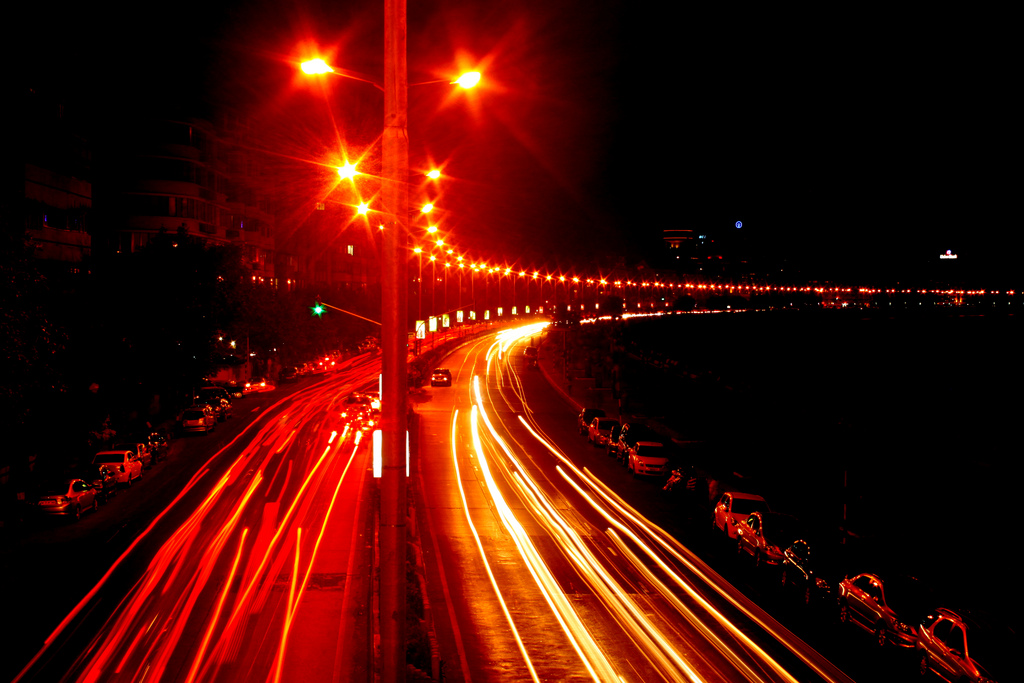
Mumbai is served by two major ports- Mumbai Port Trust and Jawaharlal Nehru Port Trust. The city is also the headquarters of the Western Naval Command and is also an important base for the Indian Navy. Being a coastal area, Mumbai gives you continuous interaction with the Arabian Sea. Beaches are a major tourist attraction in Mumbai. There is nothing like finding your own little spot to dip your feet in the water at the Juhu or Chowpatty beach. The latter is based at the northern tip of the famous Marine Drive, which offers the perfect moment of introspection against the sea for people who aren’t fond of getting their feet sticky with sand. It is open at all times unless an adverse situation like a high tide alert persists. You can watch the sunrise or sunset against the backdrop of the city’s skyline or see the Queen’s Necklace (named because of the C-shaped road) light up at night. Quite a popular tourist attraction,

Memories-with-Mumbai-Gateway
Photo by Raj Rana on Unsplash

Gateway of India is also set against the city’s waterfront- with the Taj Hotel visible from there. The monument was built to commemorate the visit of George V, the then Emperor of India. It is often referred to as the symbol of conquest and colonization. But today, the gateway is ironically synonymous with the city of Mumbai. Since its construction was finished in 1924, the gateway has remained amongst the first structures visible to visitors arriving at Bombay by sea. The location also offers jetty services for spending some time to view the stillness of this chaotic place from the sea or to visit nearby destinations like the Elephanta Caves or cities like Alibaug.

Heaven for Architecture Aficionados:

Memories-with-Mumbai-Architecture
Photo by sudarshan poojary

The architectural splendour of Mumbai blends Gothic Revival, Indo-Saracenic, Art Deco, and other contemporary styles. South Bombay or SoBo houses most of the old British era buildings while the suburbs have modern contemporary styles. So, the walk through the streets is an aesthetic experience of its own. The architectural features of the older buildings include a variety of European influences such as German gables, Dutch roofs, Swiss timbering, Romance arches, Tudor casements, and traditional Indian features. There are also a few Indo-Saracenic styled buildings such as the Gateway of India.

Queen’s Necklace Mumbai

Art Deco styled landmarks can be found along the Marine Drive, and a walk through the Oval Maidan provides an excellent view of some of these buildings. Mumbai has the second largest number of Art Deco buildings in the world after Miami. It is also a proud home to three UNESCO World Heritage Sites- the Chhatrapati Shivaji Terminus (VT), the Elephanta Caves, and the Victorian and Art Deco Ensemble which includes buildings in the Fort area.

Find Your Corner:

Memories-with-Mumbai-Asiatic-Society-of-Bombay
Image – Sourav Das via Flickr

The city offers a cosmopolitan and diverse lifestyle with a variety of food, entertainment, and nightlife, available in a form and abundance comparable to that in other world capitals. Mumbai’s history as a major trading center has led to a diverse range of cultures, religions, and cuisines coexisting in the city. The foundation of Bollywood was laid here by Dadasaheb Phalke, and there are many cinema halls all around the place. So, you can catch a movie anytime you want! There are innumerable malls and brands all around the city- both Indian and International. In fact, a Zara store is housed in one of the oldest buildings in Mumbai. There is also something for all the bibliophiles! Constructed in 1833, the Asiatic Society of Bombay is one of the oldest public libraries in the city. The city has many such places like Kitab Khana, which stores thousands and thousands of books and even offers a small cafe for a quiet hour or two. If you are an art lover, Jehangir Art gallery and the National Gallery for Modern art could always be your place to be.

Food for Life:

Mumbai Vada Pav
Image by Garrett Ziegler Via Flickr

The street food in Mumbai is very famous and rightly so. The streets are filled with Pani Puri stalls that are never empty, and the smell of Vada Pav, which is pretty much the go-to dish here, is forever lingering in the air. Because the city is a culmination of a variety of cultures, it offers the best of all. From restaurants like Britannia in the Fort area that serves Parsi dishes to the Sev Puri or Bhel Puri in almost every stall- the place gives you a myriad of options to choose from. It is the perfect place to explore and experiment with both local and international cuisines.

Memories-with-Mumbai-Bhel-Puri
Image – Garrett Ziegler via Flickr

The best thing about the city is that it has a place for every kind of connoisseur. If you are a foodie wanting to appeal not just your taste buds but your Instagram profile too, this is where you will find your peace. If you are an art lover, the city is home to budding and well-established artists. So, there couldn’t be a better place for people who want to give it a try themselves or those who are just here to appreciate it. If travel and nature are what sends the adrenaline rushing through you, the city is all about those moments of introspection looking at the sea amidst all the hustle and bustle of life. So, the city awaits you because it is always ready to welcome a new passionate heart.

Caravan Travel: 4 Travelers From India Spreading Their Love For Caravans

0
Caravan-Travel-in-India
Image Courtesy – Caravan Chronicles

Van, Motorhome, Caravan, Campervan, Mobile Home, Recreational Vehicle/RV, Homecabs – the same vehicle has many names but one important purpose. The purpose is to luxuriate our expeditions and caravan travelers from India are fully optimizing it. However, Caravan travel in India is not a very popular mode of transport (yet). The reason is the cost of procuring it. A simple caravan ranges from 7.5 lakh and can go up to somewhat 4.5 crores! So, it does cost a fortune and depends on the factor of affordability.

Caravans have other utilities too besides solely being a travel buddy. Ambulances, vanity vans of celebrities, expandable food vans, and even specific election campaigns are some examples. Caravan travelers from India were influenced by the Indian movie Swades (2004) starring Shah Rukh Khan and Gayatri Joshi. It now appears that the trend is becoming more and more popular after the pandemic. So it is not bizarre to think that Caravan in English and Karavan in Hindi have somewhat similar connotations.

It is safe to say that caravan travel in India is now a choice for more sanitized travel. Also, it is supportive of your personal space and makes you feel at home while on the road. The best part is the personification of caravans: you can make them look the way you want! From interiors to the exteriors, an entire makeover is now possible. It can easily accommodate 4-6 people. The amenities range from electronics, TV, CCTV, a kitchen area, dining aka sleeping area, and so much more.

Here are 4 Caravan travelers from India that are regularly empowering Caravan tourism through their trips:

Sherin Pylan Parekkadan, Cocoon Life


View this post on Instagram


A post shared by cocoon.life (@the_cocoon_life)


Sherin Pylan was previously a Commercial Pilot but presently, he is an entrepreneur. Additionally, his travel endeavors have led him to undertake solo travel journeys. His Instagram page is named The Cocoon Life and so is his Van. He is originally from Thrissur, Kerala, and is on a constant search for the unexplored. His dusty blue color van also incorporates a solar panel on the roof to charge the electronics. With his backups and his love for dogs and nature, he routinely goes into the wilderness. He also mentions that this is a perfect way to travel during the ongoing pandemic. A true Vanderer, indeed!

Ankita Kumar & Sharanya Iyer, Caravan Chronicles

Their bio describes them as ‘Two petite girls traveling across the Northeast of India in a hippie caravan’. Their Instagram page is a one-stop solution for all your Caravan woes. Additionally, there is also a web series named ‘Caravan Chronicles 2.0’ that features the curaters themselves! It features the incoming revolution of Caravans and of course brings in the vanlife movement to India. From an orange caravan to a minty fresh blue color, their Caravanning journey is pulchritudinous! Luna, the Caravan was driven all the way from Bangalore. Caravan Chronicles wrote in one of their posts,

“Back in Bangalore, when she was first painted blue, the colour was totally messed up. We didn’t know any better, and it turned out very dark and meh. After a whole week of paint prep, we had to go back to the drawing board for a second time. And that’s when we got her to this minty fresh blue which we absolutely loved. But with Indian vehicle modification laws, came the decision to wrap her in white vinyl sticker to get her across state borders without cop issues. Once she hit Siliguri though, with the white sticker, out came many sections of our yummy blue! ????

Ahhhh, long agonizing story short, we found some angels in disguise who helped us paint her Again overnight, and then @whirlwnd worked hard with us over another 12 hour overnight shift to get the art on both sides finished in time. We went with a simplistic nature theme with Sikkimese style Thangka clouds on this side you see, all hand painted and designed a day before it went up on Luna.

And then, our trip officially began last evening. We got out of Gangtok and made it to the idyllic  Temi Tea Gardens in Southern Sikkim and spent the day shooting and taking in the utter beauty of this State.

Sigh. We’re home. Caravanning in India is an adventure everyday. And we’ve learnt so much from it already! ❤️”

Deep Banerjee, Indian Roadies

A brand marketing strategist by profession and a devoted Van persuader, Deep is spreading the Van culture all over India. Even though he realizes that it is a novel concept, he is adamant about his research and encouragement. In his blog called Indian Roadie, he states very candidly,

“I (Deep Banerjee, Founder, Indian Roadie) have devoted countless hours since 2017 or earlier to drill the idea of leading a vanlife into the heads of roadies in India.  All the efforts have started yielding the desired results in India, thanks to the Communist Virus sweeping the nation since March 2020.

‘Vanlife’ lifestyle can be led for a couple of days to weeks even in a Tata Nano, Maruti 800, Maruti Omni, Maruti Ertiga, or a multi-axle Volvo bus (if one has deep pockets).

Spending a couple of days or weeks every year in your vehicle doesn’t mean that you have to buy a new or pre-owned Tata Marcopolo or Volvo B9R and convert it, spending ₹20 – 100+ lakhs in the process. A modest ₹25000 – 125000 is enough for a start.

It’s high time that we Indians, especially the complacent millennials in the Information Technology industry which the 7000 odd engineering colleges churn out year after year, learn to become more flexible, more realistic, more modest in their words and action. They need to move out of their cocoon/ their world of a 5’x5′ workspace.

People need to look around to realize that India already has all the facilities, if not better, to get set and go.

Plus, I am there to handhold you, but remember that there are no free lunches in life. You need to fork out money to buy ideas/suggestions.” Read more about him here.

Abhyant Sahu, WittyVans


View this post on Instagram


A post shared by A B H Y A N T (@abhyantsahu)

An entrepreneur, an avid traveler, and co-founder of his social initiative the WittyVans, Abhyant Sahu is passionately spreading the Caravan culture in India. Abhyant calls it his kind of luxury that he wouldn’t share with anyone else. Campervans to him are a persistent mood to travel; yet mobile. He often invites strangers to his van life and ends up having some of the best meals, together! The little pantry, convertible sofas, and an extended tent are the essences of van life.

With the Caravan anthem ‘Yuhin Chala Chal Rahi’ playing in the background, he undertakes most of his unplanned trips. A sucker for wildlife, unexpected guests (read dogs and cats), and watching movies by the river and mountains, this is the cabin life that Abhyant pictures and lives by.

A Caravan hack? He suggests cooking scrambled eggs on the go. Stargaze, early morning bird watching, sunset, camping in the forest – Abhyant gives some of the greatest major FOMO with his va’n’cations.

The cabin fever is real and with the wave of Vocal for Local, domestic, and private travel is likely to expand. The government of India is also in the process of empowering its ‘Caravan Policy’ vis-à-vis promoting ‘Caravan Tourism and Caravan Camping Parks’. It is not anymore about buying or converting but renting too. Not to forget the happiness of meeting conservationists and naturalists on the way. It is nonetheless about fun activities such as rescue, rehabilitation, food distribution, and nightlife on wheels.

Chitra Santhe – The Vibrant Art fair is Now Online

0

Chitra-Santhe

Chitra Santhe is a much familiar and loved event for all art connoisseurs. Held every year on the first Sunday in Bangalore the art fair has gone online this year due to the pandemic. The santhe began on 3rd January and will be held for a full month. The 18th edition of the art fair has shifted from a single day event to a full month because of COVID-19. 

The Kumara Krupa Road which was lined annually with colorful artistic endeavors might not seem as crowded as last year. But the online extravaganza has had an overwhelming response already. It was estimated that more than one lakh people had attended the event online in a matter of a few hours. 

History of Chitra Santhe

Chitra Santhe began in 2003-04 celebrating and drawing inspiration from the founder of the Karnataka Chitrakala Parishath, Professor MS Nanjunda Rao. Chitra Santhe’s main objective has been to ‘create a platform for students, professionals as well as self-taught artists to exhibit their work and have an opportunity for direct interaction with art connoisseurs and collectors.’ In the early years artists participated from the many areas of Karnataka, such as Belgaum, Gadag, Gulbarga, Mysore, Raichur etc. However, over the years the event has gained a prestigious status with many renowned artists gracing the occasion. Yet, at the same time the fair remains a wonderful opportunity for artists across all genres, experiences or qualifications.  

The Digital catalogue

Chitra-Santhe-online

There are around 1500 artists participating from across 20 countries this year. Each artists work along with their contact details and artwork is displayed on Chitra Santhe’s virtual gallery. One can view the gallery on the website that is categorized in the most systematic manner. The artists can be searched either through their names alphabetically or states. At the same time, artists are also divided into various other categories, such as senior artists, students, those who do it for a hobby or are self-taught, differently-abled artists and more. 

The riot of colors, insight and sheer creative energy is palpable on every artist or category page that one clicks on. 

Inauguration and intent

Sudha Murthy, Chairperson of Infosys Foundation, inaugurated the online edition of the Chitra Santhe. She also stressed on the condition of the artists during these trying times of the pandemic and urged the society to take collective responsibility in supporting and encouraging arts and artists. Dedicated to corona warriors other dignitaries present at the inauguration included the Deputy Chief Minister of Karnataka Dr. C N Ashwath Narayan, S M Krishna, S.T Somashekhar, B L Shankar and C N Manjunath. 

Artists and awards

The art fair also confers awards and citations to chosen artists. The four awards, namely the D Devaraja Urs Award, H K Kejrival Award, M Aryamurthy Award and Y Subramanyaraju Award also called Chitrakala Samman are awarded to four artists along with Rs.50,000 and a citation. Besides, a senior artist is conferred the national award in the memory of Professor M S Nanjunda Rao with a cash price of Rs.1 lakh and citation.

This year the artists felicitated with the awards include, Neelima Sheikh for the Prf M S Nanjunda Rao National Award, P S Kumar for D Devaraja Urs Award, Vijay Bagodi for the Y Subramanyaraju Award, R Raju for the M Aryamurthy Award and Dr. Choodamani Nandagopal for the H K Kejrival Award. 

The pandemic might have made it difficult to conduct the Chitra Santhe on ground, but the online fair has been extremely convenient for all. Anyone can log on the site to check out the artistic and creative magic unfold on their screen. The exhibition is live on chitrasanthe.org and also on their Instagram, Facebook and Youtube channels. 

So don’t wait too long. Explore the variants of colors, patterns, design, lines and get mesmerized by art that has both meaning and intent.