Shalini Bisht – A Self-taught Artist’s Journey in Mandala Art and More

4

Shalini-Bisht-Artist

Artists are born in different circumstances. Some show an exemplary talent at a very young age and rise up the ladder of fame and skill. Some discover their true calling later in life. For some the art gradually grows into a passion, whereas, others rediscover it after having longed for it in the hustle and bustle of life. Shalini Bisht was always fond of art from a very young age. But she left it behind in the pursuit of studies and then job pressure. However, during her maternity leave she found the time to rediscover her love and started exploring her artistic journey with a renewed zeal. And it was during then that Creative Kalakari was born.

Shalini-Bisht-Artist-6

Creative Kalakari founded by Shalini is an art platform for creating products, as well as, organizing learning workshops. Shalini teaches and creates Mandala art and has already taught more than hundred students this unique and therapeutic art form. She loves painting and besides Mandala art, specializes in acrylic paintings and also makes customized orders for clients. Besides selling her artwork, she has also had her paintings and art work displayed in various exhibitions.

Shalini-Bisht-Artist-1

However, the most striking quality about Shalini is that she is a self-taught artist. As a child she enjoyed art and credits her mother as the biggest inspiration behind it. Yet, she learnt art initially on her own through the internet and her own interest. In fact, she holds a degree in M.Com and is a Digital Media Marketer in a real estate company in Gurugram.  A proud mother it is only her sheer love and passion for her art that has helped her churn out an alternate professional path as she gallops along it steadily, not only learning and creating herself, but also, educating and teaching many others the joys and detailing of her artwork.

We spoke to Shalini to learn more about Creative Kalakari and art in general.

Q: What are the various products or services that you offer through Creative Kalakari?

A: I conduct online and offline workshops of Mandala art. I make custom orders of Mandala art and Acrylic paintings for clients. I also sell my artworks.

Shalini-Bisht-Artist-2

Q: Which type of arts do you bring into your products? Is it digital graphic work, traditional art forms, painting etc.?

A: I have specialized in Mandala art, so in many of my paintings you will see the glimpses of the Mandala art form. But I also love to paint Indian traditional art forms like Madhubani & Warli Paintings.

Q: How do you think traditional arts of India can be marketed and sustained? Or do you think they have to be combined with digital arts etc. to survive better?

A: Indian art is already recognized worldwide. Mandala art is the best example of that because many foreigners are creating the art form and they are using it as a meditative art therapy. Yes, a combination of traditional art and digital art is good. But in my opinion the art which is made by hand will always have a special place.

Shalini-Bisht-Artist-3

Q: What advice would you give to creative artists, especially women who are good with such kind of artistry or making crafts, decorations, home items etc? How or what would you suggest to them to enhance their skill?

A: Being a social media professional I know the importance of social media. It plays a vital role in today’s world. I think if you have the skill then you should try to enhance it more by using the internet. In my case I am also a self-taught artist and I have learnt everything on my own from the internet initially. So I would advise house wives or working women to always groom their skills and use social media to promote your art or craft. If one has the will and desire one can do anything. Where there is a will there is a way and so keep learning! Never stop learning new skills to enhance your own passion. And who knows you can turn your skill into a profitable business venture too.

Shalini-Bisht-Artist-4

Q: As a creator and artist, what joys and challenges do you face while creating your art.

A: Whenever I get time I make art seriously because it relaxes my mind and gives me pleasure. It’s a stress buster and healing therapy for me. The only challenge I face is the lack of time due to my full time job. But I always try to find time on weekends and make it happen because after all it’s all about priority and passion.

Shalini-Bisht-Artist-5

Q: Finally, what are your future plans?

A: I want to promote the Indian Mandala art form to as many people by teaching them.  And so I am working to reach out to as many art lovers as I can.

There are many workshops where Shalini personally teaches Mandala art.

For further details about Creative Kalakari, its products and services check out the following:
https://www.instagram.com/creative_kalakari/
https://www.facebook.com/creativekalakari/
https://in.pinterest.com/creativekalakari/

The Significance of Indian State and City Names

0
The-significance-of-Indian-State-and-City-Names-8
Mumbai – Image by DARSHAK PANDYA

A name is a solid identity marker for any person or place. It defines its wearer and hence the popular Shakespearean line ‘What’s in a name?’ has gained almost a cult status when it comes to social, political or economic discourse. Yet, there is a lot of history, research and meaning in every name, especially when we start referring to names of places in India.

The-significance-of-Indian-State-and-City-Names-5
Hyderabad Image by David Mark

States and city names in India reflect the influence of the ruler, culture, as well as their social connotations. Some are born out of colonial history, some under the patronage of kings and nawabs and others are drenched in ancient Indian cultures, languages and myths. There are regional specifications and certain suffixes and prefixes that cater to certain areas. Some of the names sound familiar, some almost the same, whereas, some have a unique feel and sound. Yet, each of these has a special meaning that connects it to the place and unfolds its character.

State Names

The-significance-of-Indian-State-and-City-Names-02
Himachal by Ankit Anand

Ever wondered how each state got its name? ‘Hima’ means snow and hence Himachal means clad or snow-laden. Punjab is the land of five (punj) rivers (ab), Rajasthan is the land of the Rajputs derived from ‘Raja’ or king and Jharkhand comes from the Sanskrit word ‘Jhar’ meaning forest and ‘khand’ which means land. There are some names that have literal meaning, such as Madhya Pradesh which means the Central Province and Uttar Pradesh or Northern Province.  Then there are also state names that are derived from the type of people living there, for example, Gujarat is the land of Gujjars and Tamil Nadu is where the Tamil population resides. Bihar is believed to have originated from the Pali word ‘Vihara’ or abode of the Buddhist monks and Assam gets its name from the Ahoms rulers who ruled the area for centuries.

City and Town Names

The-significance-of-Indian-State-and-City-Names 01
Mysuru – Source

City and town names, too like state names have ample meaning. Some of the names have clear derivations and meaning, whereas, some have multiple theories surrounding their names. Mumbai for instance is derived from Mumba Devi the Goddess of the region and Hyderabad comes from the word ‘Haider/Haydar’ meaning lion. The city is believed to have been named in honor of Caliph Ali Ibn Ali Talib who was also known as Haider for his exemplary courage during battles. Vadodara finds it origins in the Sanskrit word ‘vatodar’ which means the heart of the banyan tree and Mysuru is derived from Mahishuru or the mythological demon Mahishasura.

The-significance-of-Indian-State-and-City-Names-3
Kolkata – Photo by ABHISHEK CHAKRABORTY

However, some cities that have varying theories surrounding the origin of their names include Kolkata which may have been derived from Kalikshetra or land of Goddess Kali. The other explanations include the unique products of the region, such as kata (coir) and koli chun(quicklime). Bengaluru, Benga-val-oru mean the City of Guards in Halegannada or Old Kannada, or the name may have been derived from the Kannada word for the Indian Kino tree that grows in this area. Pune gets its name signifying virtue or punya and Kochi gets its name from ‘kochu azh’ which means a small lagoon in Malayalam.

A Few Commonalities

The-significance-of-Indian-State-and-City-Names-4
Vizag – Ravikiran Rao

Many towns and cities have common suffix, such as ‘patnam’, ‘pur’, ‘abad’, ‘nagar’, ‘peta’, ‘ooru’ etc. All of these mean village, area or town in their respective languages. And so we do have many cities and towns whose names end with such suffix, such as Jaipur, Kanpur, Nizamabad, Secundrabad, Vishakapatnam, Karimnagar, Vijaywada and more.

Quite a few places also have Anglicized or colonial names that have been named during the colonial rule, including McLeodganj, Port Blair, Landsdowne, Mussourie etc.

What’s in a Name?

The-significance-of-Indian-State-and-City-Names-6
Pune City – Photo by Atharva Tulsi

One can go in great depth and detail while studying the naming pattern and meaning of the different states or cities. Yet, what stands out for sure is the diversity of the names, each having at least a cultural, regional, temporal or spatial significance. Because India is such a diverse country, its city and town names are bound to reflect this sprawling milieu. Most of the names are a reflection of the deep rooted literature and mythologies that are an integral part of the Indian diaspora. At the same time, the openness of accepting names that arise from different religious or regional dynasties and rulers across time only heightens the wonderfully unique and endearing aspect of the country’s culture. Where on one hand some names are very practically kept, depending on their location or geographic features, others expound and merit a more complex and interesting understand.

The-significance-of-Indian-State-and-City-Names-7
Bengaluru – Image by Vivek Chugh

Also, changing names of cities and towns has always been an ongoing process, where governments have tried to shed off the colonial naming patterns to a more Indianized or culturally suited version. This might or might not really go down well with everyone, because though the name of the place is significant, it’s usage over the years also makes it a familiar and known entity. While changing the name may cause a shift from this comfortable association, it also once again brings the Shakespearean line at the forefront asking why should a name matter so much more than other pressing administrative and executive decisions. Yet, renaming city or town names might on the other hand, help build more a local and traditional connection that rekindles some of the older and forgotten culturally significant highlights.

The-significance-of-Indian-State-and-City-Names-9
Vadodara – Image Wikimedia

Finally, just like the people of the country that hail, practice and follow a large range of diverse cultures, the names of the places they reside in are no different. And yet, the idea of unity in diversity never ceases to shine brighter when we think of how every name though reflective of its uniqueness, co-exists harmlessly and seamlessly surrounded by its geography, history, mythology, traditions and both physical and cultural landscapes.

Birdwatching during the Lockdown: How Nature Arrived at My Doorstep

0

Text & Photography – Asit Bhagat

Common-Tailor-Bird
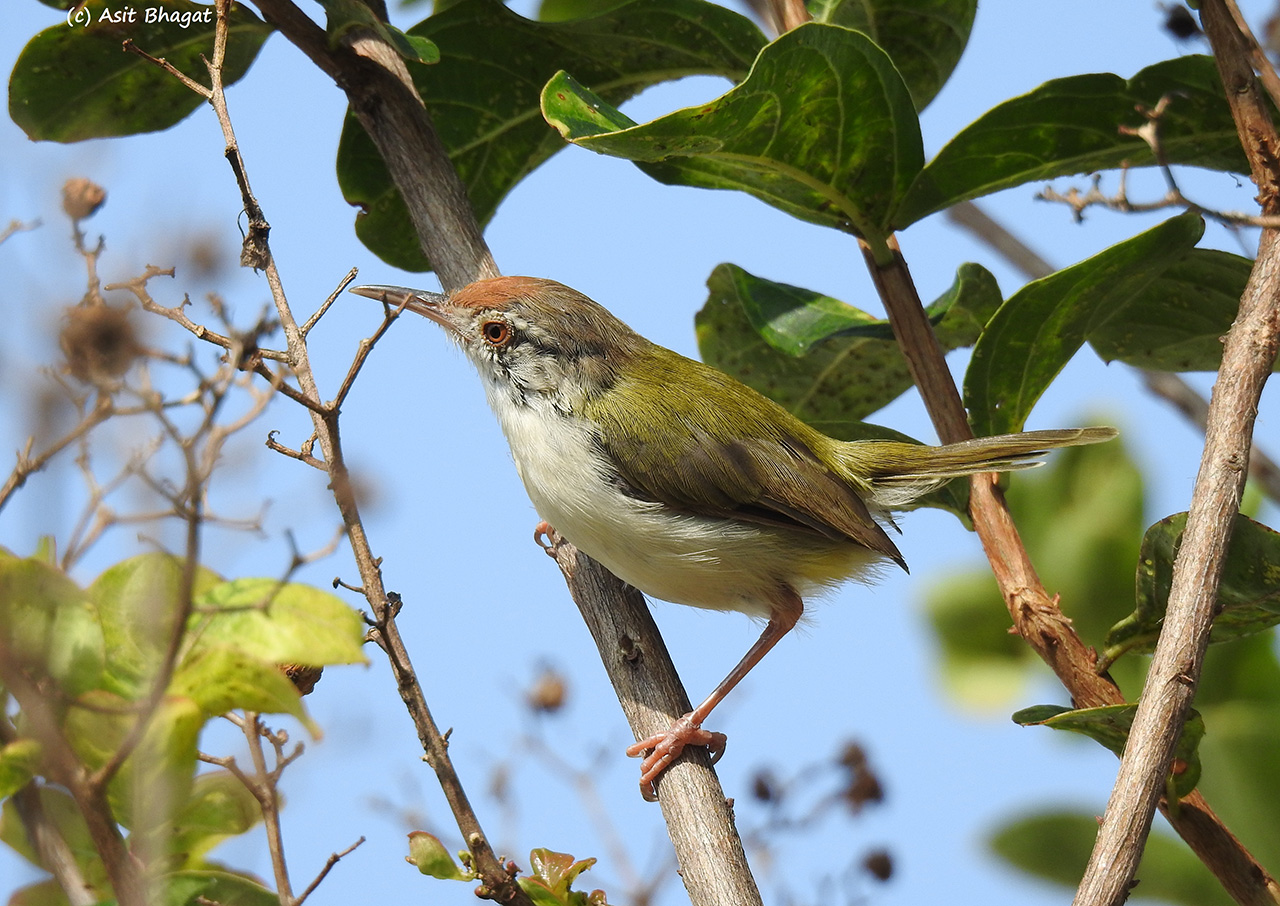
Common Tailor Bird

Most of us have some hobbies and interests. Some of us are nature lovers who often like to spend time outside. However, as COVID-19 compelled a mandatory lockdown, people have gotten confined to their homes, and given the situation, this is undoubtedly the best option.

Like many, initially, I also got a little distressed with the idea of staying indoors. Being an avid birdwatcher, it was difficult for me to imagine not going out and sighting the avifauna. It was with this feeling that my lockdown stay began. But then I did not have the slightest idea how nature would unfurl its serene beauty at my doorstep.

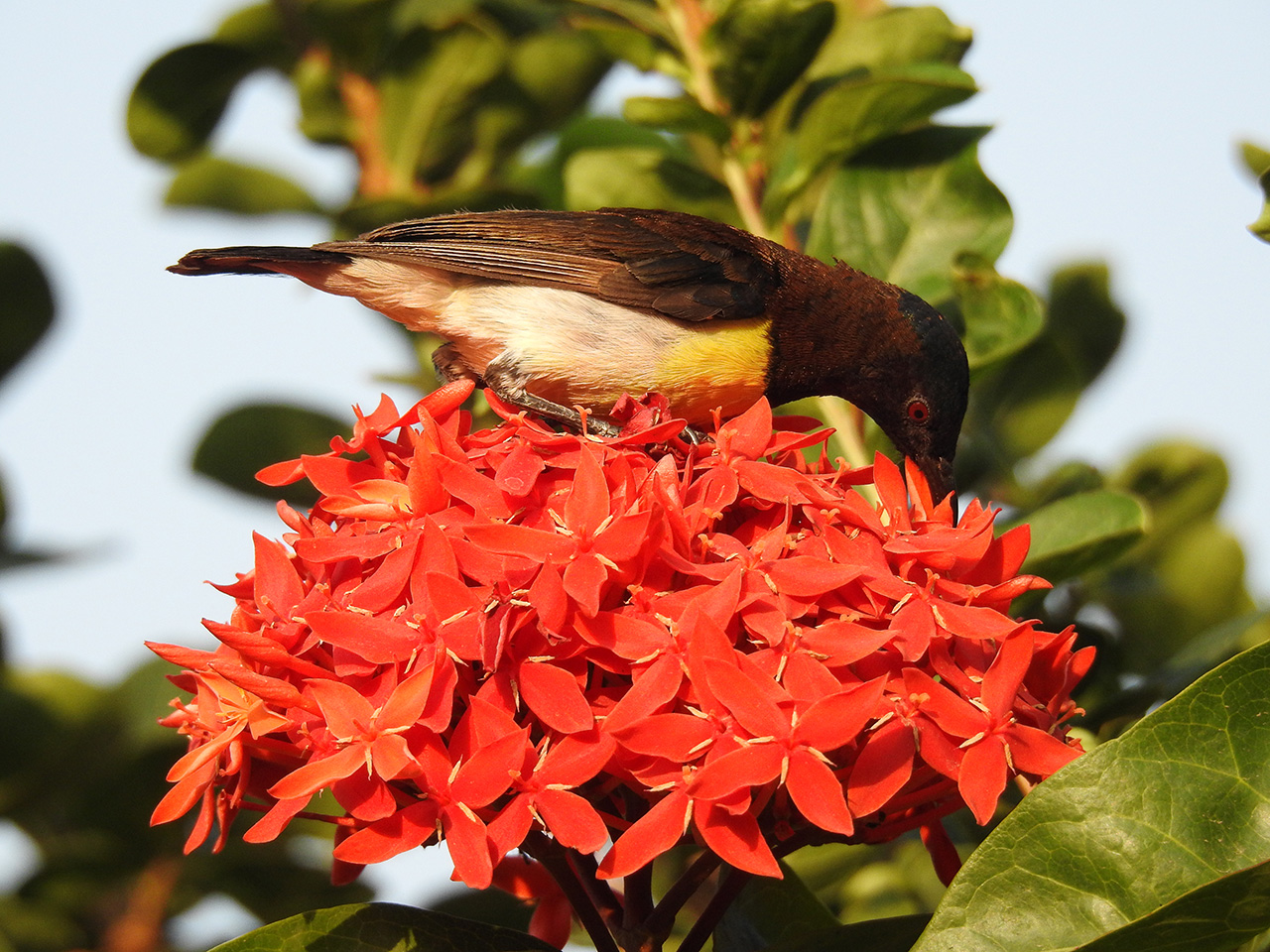
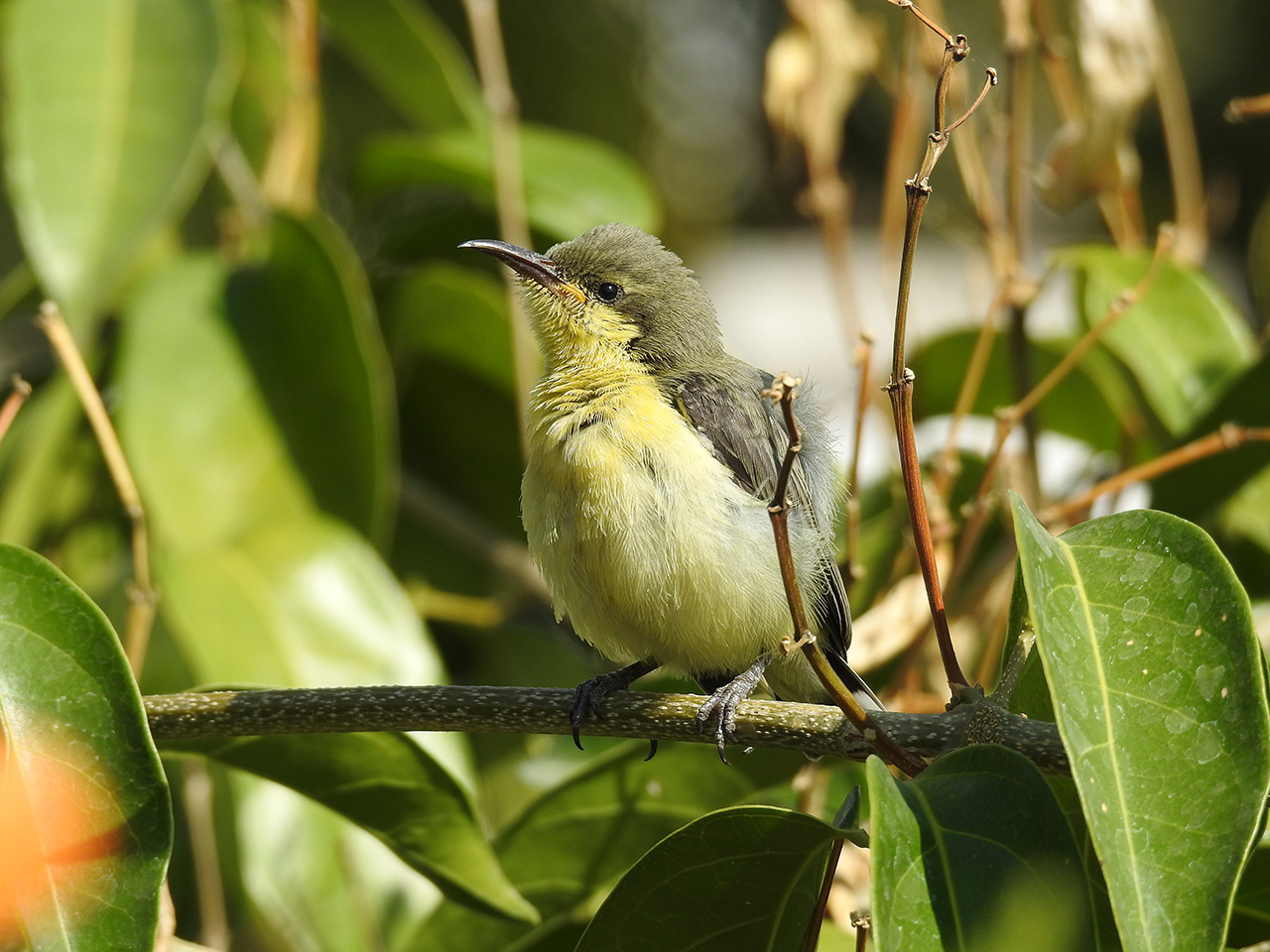
One lockdown morning, I was exercising in the yard, just when the call of purple-rumped sunbird caught my attention. The excitement drew me near the bird, and I found it busy sucking nectar from the flame vine. The sighting offered me a sense of relief, as I had completely given up on the thought of birdwatching. No sooner had the bird left, when a purple sunbird landed on the West Indian Jasmine. Undeterred by my presence, it immersed itself in satiating its appetite. It was nice to watch the two categories of sunbirds in quick succession.

Silver-Bills
Silver Bills

For the first few days, I didn’t try to take pictures of the birds, because I enjoyed watching them more than photographing them. The sunbirds now became accustomed to my presence, and would allow me watch them from close quarters. Taking the advantage, I finally managed to click some pictures of the birds. The shining rump and the glittering West India Jasmine made excellent shots.

As I began to have birdwatching sessions at home, another two little sweet members in the avian club of our garden became visible. They were the warblers, ashy prinia and common tailor bird. In the evening, when the trees were watered, the mischievous ashy prinia would start emitting the panicky whistle. It hopped amidst the branches, from one tree to another, swiftly perching between the thorns of rose, oscillating its tail, and offering the very poses for my photo shoots. The little tailor bird, would perch vertically along the trunk on the mango tree, and keep singing its melodious tune. Its intermingling green shades, and chestnut forehead made it a cynosure for bird lovers like me. 

Purple-rumped-sunbird-II
Purple Rumped sunbird

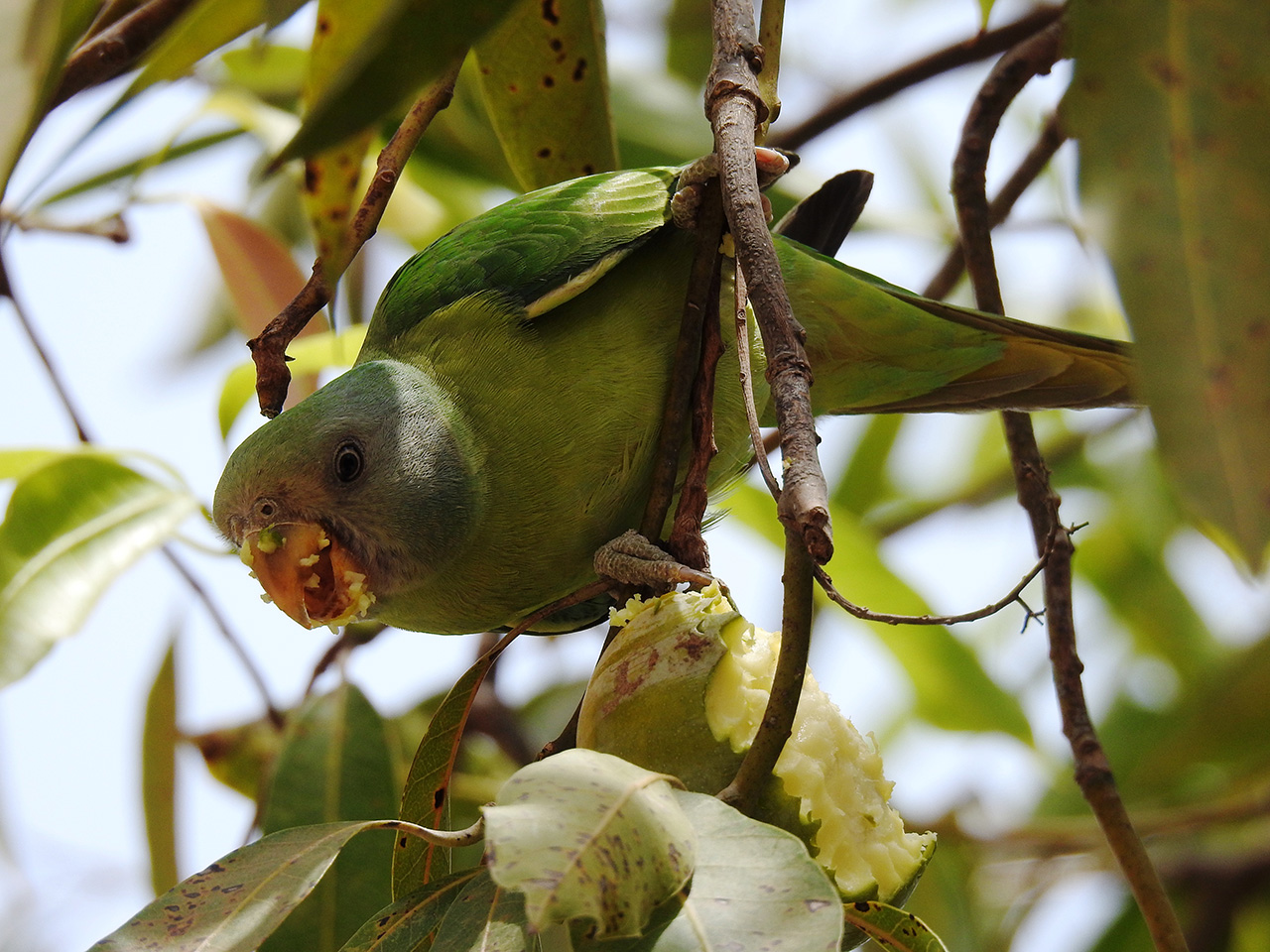
Just when I had become busy sighting these little mischievous flyers, I happened to spot another few visitors. A plum-headed parakeet now made it its routine to visit our garden to feed on the fresh mangoes. On one occasion, I attempted taking a picture and went closer. With its beak smeared with crumbs, the parakeet was nonchalantly feeding on a mango, as I just stood under it and watched the activity. Just in time, I took a few shots, and left it undisturbed. 

The soaring temperatures and sizzling heat compel birds to take shelter in dense trees. As time transitioned from April to May, new calls now started coming from the mango tree. When I looked at it, I discovered two silver bills cuddling each other and chirping. Oriental white eye and common Iora, though rare visitors, camouflaged themselves in the leaves, and kept emitting the mysterious sweet calls. 

Purple-rumped-Sunbird-III
Purple Rumped Sunbird

The birdwatching sessions now became quite exciting, owing to the arrival of new members. Each day turned out to be a new day, and for a moment, I forgot that I was in fact, still at home. 

Summer evenings are known for the calls of Asian koels and one evening when I was climbing down the stairs, I saw one. It was a female known for its brown plumage with white and buff spots, and blood-red eyes, stealthily hiding in the twigs of the mango tree. 

I had just updated the lockdown bird list when the next morning I heard a beautiful song coming from the backyard. My temptation led me to find an oriental magpie robin! Its soft and sweet tones accompanied with the early morning cool breezes offered a soothing experience.

Plum-headed-parakeet
Plum Headed Parakeet

The birds kept the garden alive all the time and when no one would be there, the two constant companions, the sparrow and the laughing dove, would make their silent presence felt.

As time passed, I didn’t realize when my home garden became an offbeat bird watching destination for me. I preferred jungle patches, botanical gardens or lakes but I had hardly thought of the home garden as a great venue for my hobby.

The experience came as a realization that nature exists around us in many forms. All we need is to see it through our inner lenses and spend some time to understand and enjoy it.

The Vision of Migrants in Jhumpa Lahiri’s Works

2
Migrants-in-Jhumpa-Lahiri’s-Works
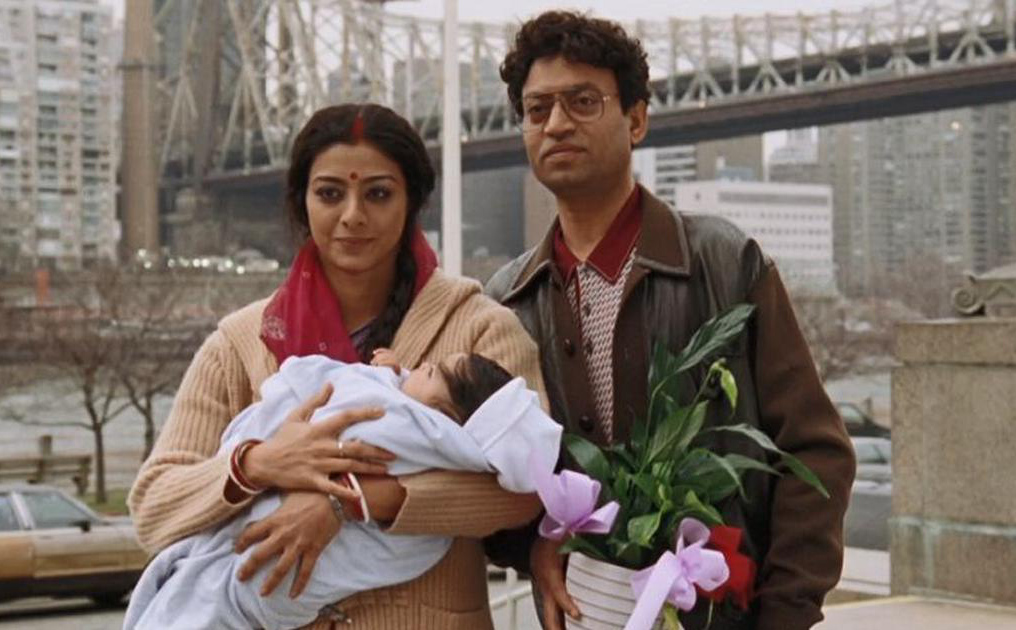
Still from The Namesake, Courtesy – Mirabai Films

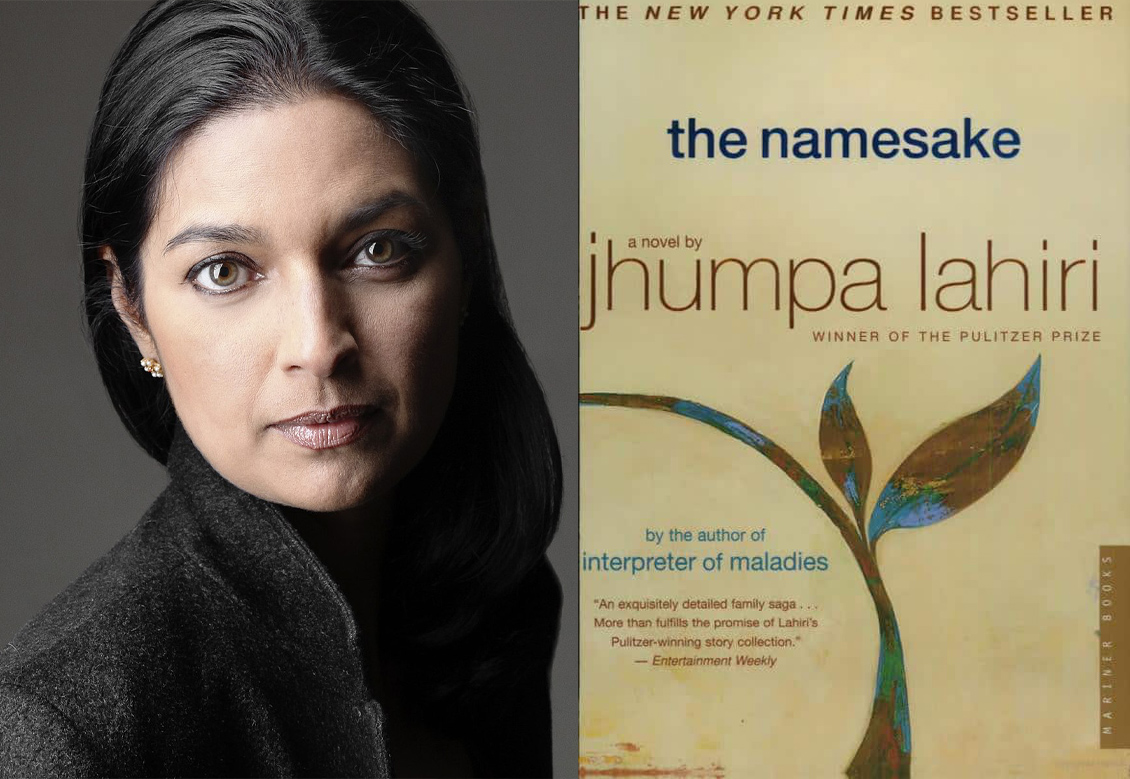
A recipient of the Pulitzer Prize for literature, Jhumpa Lahiri is an Indian-American writer whose uniqueness lies in her expression of the struggles and perspectives of Indians while away from their homeland. Along with this, she also highlights the pangs of loneliness, the rootlessness characteristic of non-residing Indians, and the need of the migrants to either cling on to their Indian roots in a foreign land or relinquish them in order to blend in with the norm. This is the primary subject in her three most celebrated novels – The Namesake, Unaccustomed Earth, and The Lowland. The anxiety of not belonging is very starkly brought out in the manner in which the homeland is described through the eyes of a migrant, who is unable to call the land their own while cherishing memories of a past spent there. The sights of Bengal thus seem to be recollected by one who is familiar with the terrain but acutely conscious of the fact that they are not an organic part of it. While living abroad, this feeling is not that strong among the first generation migrants who are still close to their Indian heritage and do not seek for a foreign identity. The attempt to consolidate a native identity in a foreign land introduces a strong local flavour to the narrative, as Lahiri writes from a similar position of cultural isolation. 

Migrants-in-Jhumpa-Lahiri’s-Works-02

Having spent her childhood in England before finally moving to Rhode Island, her parents were the only remnants of Bengal that Lahiri was exposed to. A perpetual crisis ensued wherein she felt like an American ambassador within an Indian household, and being a foreigner in American circles is frequently referred to in her works. She colloquially refers to those like her as ABCDs (American Born Confused Desis). In the mentioned novels, the characters belong to different backgrounds and cities but they are united in their identity as Bengalis. However this cannot be considered as an adequate identity, because the characters do not share a uniform relationship with their roots. The second generation NRIs are not as attached to their country as their parents are, and even among them there is a disparity in their attitudes towards the new land. In The Namesake, Ashok and Ashima shared similar middle-class upbringings; however Ashok perceived America as the land of possibilities. On the other hand, America was an exile for Ashima- a compromise she made for the sake of her marriage. Bitterly nostalgic of the life she had left behind, she subconsciously held her husband responsible for uprooting her from it. 

Migrants-in-Jhumpa-Lahiri’s-Works-03
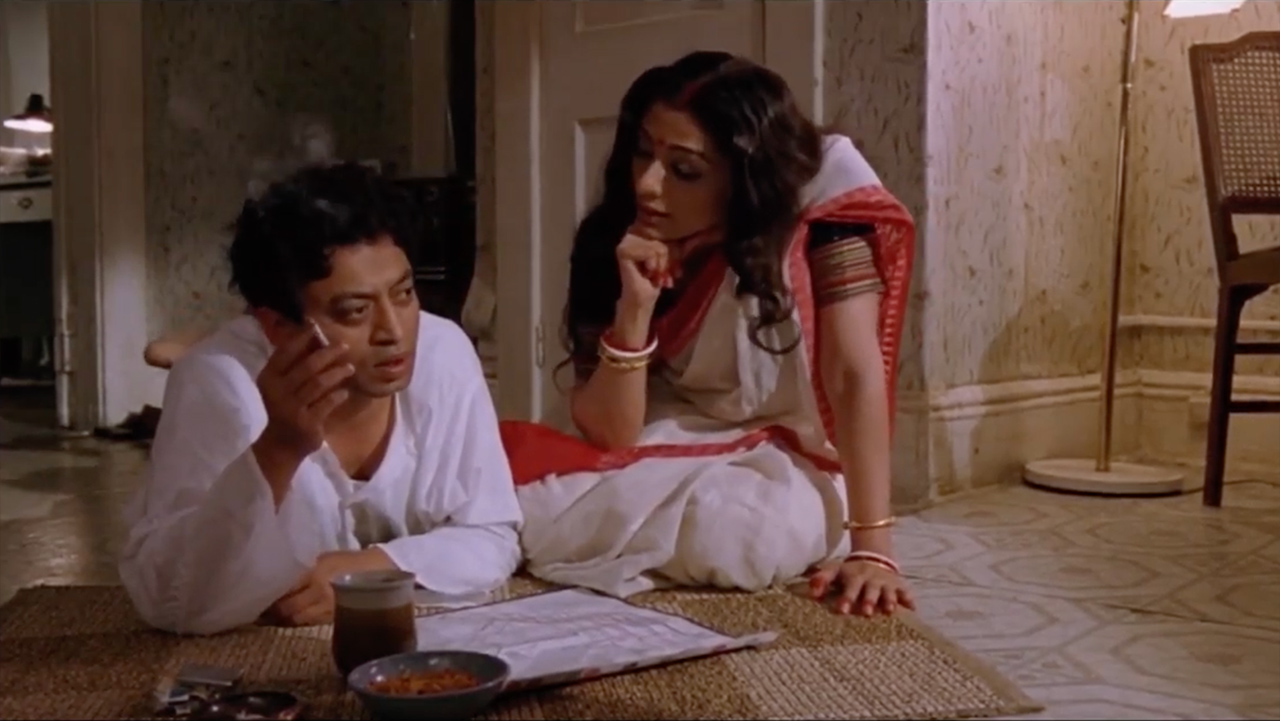
Bengali influence in Jhumpa Lahiri’s Works

Lahiri creates Chitra and Hema’s and Usha’s parents in Unaccustomed Earth – all of whom take great care to nurture their native roots in America. The women in these stories are all Bengali home-makers who desperately try to replicate the environment they grew up in. In Lahiri’s works, Bengalis who are born in a foreign country attend American schools, have American friends, and live American lives outside their homes. The parents, for whom native culture is comforting and familiar, bring up children who see that very culture as strange. The cultural practices of the masses of Americans are what seem normal to them. Lahiri’s focus is not on the difference between the American and Indian way of life but the growing distance between the Bengali parent and the American child due to the differences in the way in which they identify themselves. This distance becomes evident in the differences in food habits, clothing, language, and other elements constituting culture in a community. A lot of Lahiri’s women characters, especially those who are aggressively protective of their Bengali identity, use clothing as an armour against western culture. Although they run the risk of being isolated, they would rather stand out in a sari than be a part of the American crowd. 

Migrants-in-Jhumpa-Lahiri’s-Works-04

In The Lowland, Subhash and Udayan are twins who grow up in Kolkata leading very ordinary childhoods, but once Subhash returns home after several years in Rhode Island he notices more clearly the orthodox practices still followed by his parents. Despite having left his homeland several years ago he brings up his late brother’s daughter as his own, giving her a quintessentially Bengali name and instills in her Indian habits. Hence Bela grows up knowing the Bengali culture closely, due to the clarity of Subhash’s vision of himself as an Indian living in the USA. Ultimately, Lahiri seems to argue that the cultural dislocation and the feeling of not belonging is largely psychologically created, for some migrants are proud of their rich Indian background while others are uncomfortable due to the same reason. Aside from racial and spatial considerations, she highlights the migrant’s desire to belong to both cultures and not entirely to any, which creates a conflict of identity of not knowing if they are truly Indian in spirit. 

The Indian Railways – Much More Than a Mode of Transport!

2
The-Indian-Railways
Image – Pixabay

The Indian Railways is a humongous system that caters to passengers and services across a massively vast area. Considering that the country is large in area coupled with the fact that almost half of its population is dependent on trains for commute at both local and national destinations, the railways inadvertently are a hub of social and cultural milieu. 

A few facts about Indian Railways

The-Indian-Railways-03
Image – Santulan MahantaImage via Flickr
  1. The Indian Railways began operating in 1853 and were nationalized in 1951 after Independence. It is the fourth largest railways in the world based on its size, route length and track length. It is the largest in Asia. 
  2. It carries more than one billion tons of freight in a year and more than 23 million passengers daily. 
  3. Due to its huge services, a separate budget is presented for the Railways alone. The finances of the railways were separated from the other budgets of India way back in 1924. 
  4. The Indian Railways also connect international destinations, such as Pakistan, Nepal and Bangladesh. The Samjhauta Express and Thar Express to Pakistan, passenger trains between Jainagar and Bijalpura in Nepal and freight trains between Raxaul and Birganj, whereas, the Maitree Express and Bandhan Express to Bangladesh.
  5. Indian Railways also runs tourist trains, such as the Palace on Wheels, Maharaja’s Express, Royal Rajasthan on Wheels, Deccan Odyssey, The Fairy Queen and more.
  6. The Railways employs over 1.4 million people making it the seventh largest employer in the world.

Train Travel Memories and more

The-Indian-Train-Memories
Image Source

Railway stations and trains are an integral part of every citizen’s life. It is hard to not have an incident or memory that is related to train travel in India. Travelling with family or friends has its own share of fun when in the train. The bag loads of food and snacks that are passed around, the squeezing onto the seat so that more people can fit, the spreading of quills to play a game of cards or the sporadic songs that burst out as hawkers and beggars make their way through the isle are only a few memories that are etched in probably all our minds. Yet, due to the sheer range of people that board the railways makes it a perfect platform for social and cultural exchange. How many times have we struck a conversation with our co-passengers? And how many times have we learned something about themselves, their thoughts and perspectives, their traditions and relations? Enough number of times to know that this kind of a social exchange is also what enriches our own travel experiences. 

The-Indian-Railways-04
Image – Omitra.in

Whether the long journeys that lasts for more than 24 hours or daily local commutes, the bonds that we form with each other, known or unknown faces make enough of an impact to mold and touch us in different ways. An intuitive teacher who starts a game of reading minds to a talkative aunty trying to offer food or advice every five minutes, the train journeys that I have made are cherished and always bring a smile on my face.

Social Stratification

The-Indian-Railways-02
Photo by Killian Pham

Yet, the Indian Railways, like most things Indian, divide and unify at the same time. Where the different classes give a peek into the economic stratification, the different sellers and hawkers throw light upon how the railways also impact the financial lives of people indirectly. Of course, a lot has changed over the years but many platforms are still buzz with stalls serving hot foods or packet goods. The stationery guy still finds his way to impress upon us the need to buy a pen or the local fruit seller sprinkles her delights with flavors that are irresistible to munch on. Books and magazine sellers inspire to read and tea and coffee vendors are the most awaited guests on board. A game of cricket makes friends, foes and informers out of everyone who whispers or shouts out scores and a game of antakshari no matter played in which corner of the compartment makes you tap your feet in unison too. 

The-Indian-Train-Memories-02
Saurabh Nimbkar – Raise funds for Families of Cancer Patients in train

The discussions amongst passengers vary from politics, sports, traditions and personal sightings. And as the hills and fields roll past our windows we also feel a strange connection with regions and areas that we may never halt or stay put at, but they nonetheless tingle a sense of belonging and yearning in passing over. Long journeys bring out humor and talks even from the most quietest and reclusive of beings, whereas, daily commutes help form friendships with strangers for life. 

In many ways the statistics of the Indian Railways though highly noteworthy, do not surpass the human and emotional strappings of what they accomplish in reality. The meeting and interacting of hundreds of strangers on a daily basis helps form an understanding that is hard to replace in any other form or mode of travel. The Indian Railways hence does what forms the bedrock of our democracy and nation. It helps to compress the melting pot substantially, making it tangible and real. And thankfully, no one seems to have any reservations about it!

Get the Badge of Your Dream with Cisco 200-901 Exam and Practice Tests

0

Cisco

If your interest is in software development, then you should definitely read this article. Cisco is determined to providing you with expertise and experience in this area so that you can offer the necessary support to your clients and organization. That is why the new DevNet certification path was created and immediately filled the niche of the associate- and professional-level tracks. The Associate level that you can start with requires that you pass only one exam – Exam-Labs.com . Therefore, let’s talk more about it.

Cisco 200-901: Exam Details

The Cisco 200-901 exam is designed to ensure that the professionals master their skills needed to develop applications on the Cisco platforms. The test is a prerequisite for earning the Cisco Certified DevNet Associate badge that is one of the latest credentials recently brought into the light by the vendor.

The completion time for the CCNA Test is 120 minutes. The candidates should prepare for it while bearing in mind the appearance of various questions. Learning the types of questions, such as drag and drop, multiple choice, fill-in-the-blank, testlets, and simlets, is one of the key factors during your preparation process. You should also note that the test costs $300 and is available in Japanese & English.

The main purpose of Cisco 200-901 is to help you gain different skills required for software design and development. They include the following:

  • Pass Cisco Exams platforms & development;
  • Usage of APIs;
  • Deployment & security of applications;
  • Automation & infrastructure;
  • Design & software development;
  • Network fundamentals.

To know more details of these topics, you should visit the Cisco website.

Cisco 200-901: Preparation Preferences

Knowing the exam objectives and their subsections is the first and foremost step that you should take towards your preparation journey. After identifying these domains and all the components, the next step involves finding out what study materials will provide the understanding necessary for each topic.

Cisco offers its official training course and other resources that you can use to develop the relevant skills for your associate-level automation engineer job role in networking. This training is necessary for those learners who want to adequately prepare and pass the test on the first try. A certified instructor will provide you with all the knowledge necessary to take the exam and get the passing score. Besides the official course, there are other helpful CCNP Exams 200-901 revision tools, including hands-on labs, e-Learning, and video tutorials. Another platform that you can visit is Amazon if you want to buy a study guide. One that can be found here is the Cisco Certified DevNet Associate DEVASC 200-901 Official Cert Guide.

You can also opt for some third-party sources and take practice tests. Most applicants choose this option as a good addition to their preparation methods to get even more chances to pass Cisco 200-901 with the highest result. With practice questions, you can see what score you can get during the real exam. If you answer some questions incorrectly, you can check the right answers and go back to the topic you need and reread the guide to improve this area.

Conclusion

To succeed in the career of your choice that is connected directly to the development and management of applications built on the Cisco platforms, you need the relevant skills. Free Cisco DevNet Associate Exams is the best option if you want to excel in software development. Focus on working through it to gain the skill set that will support you in your journey and obtain the certification of your dream.

Tarishi Gupta – Capturing the Expressions of Passion

0

‘In photography there is a reality so subtle that it becomes more real than reality’ – Alfred Stieglitz

Tarishi-Gupta-Photography-01

A photograph has the timeless quality of capturing a moment, person or surrounding for eternity. When there is so much fleeting reality that passes by us each day, a photograph holds still the moment, withholding a slice of time within its realm. At the same time, a photograph is one of the best ways of expression for both the photographer and poser, because the one holding the camera and clicking the moment is as much of an artist as a painter with a brush or a writer with a pen. To know what, when, why and how to create into a photograph is an art itself, so is the capturing of moods, expressions, colors and cultures to deliver a message or provoke a thought. 

Luckily, there are many photographers who have made their mark and elevated the scope of photography from a mere picture taking aesthetic to a nuanced and meaningful form of art. One such young photographer charting her path from a young age is Tarishi Gupta. Born and raised in Delhi, Tarishi is a freelance photographer working and living in New York who ‘loves to work with diverse people with different cultures’. Armed with a Bachelor’s degree in Fashion Photography at the Fashion Institute of Technology, New York, Tarishi has a sizeable work experience under her belt, including working as, a photo intern at Collective Magazine, a first styling assistant at fashion shoots for Eryka Clayton, studio management, editing and assisting at advertising campaign photoshoots with Rebecca Handler Photography and also having worked for The Indian Watchdog, Food-dee-dum blog and many more.

The beginnings

Tarishi-Gupta-Photography-08

When did Tarishi realize her true calling? “Art has always been an inherent part of me, and my mother recognized it when I was barely three. At the time, I showed my inclination by understanding color schemes, drawing abstract forms yet with an aesthetic sense. She encouraged my natural instincts and helped groom my visual understanding of diverse mediums. I was handed a camera in my hand at the age of five and hasn’t left my hand ever since.”

And thus began her journey where she joined the Aman Shaw School of Photography when she was still in her tenth grade. Her tryst with professional photography culminated and led her to take up the course in New York but how easy or difficult was it? “The decision of moving so far away from home to pursue photography definitely wasn’t easy. Getting top grades and being a nerd in school didn’t help my argument of wanting to pursue arts as a career. With everybody telling me that I should study something ‘more practical and more stable’, I was just glad to have the most supporting parents who didn’t pay any heed to anyone but rather took this decision with me. My mother is my biggest cheerleader and always reminds me how lucky I am to be doing what I love every single day and sustaining myself while doing it. It pushes me to never stop hustling and to hone my craft in depth every single day.”

Inspirations and technicalities

Tarishi_Work_03

What inspires Tarishi’s art we ask? “My art is inspired by and is representative of the bustling markets in my hometown and the grandeur of the vibrant Indian culture. Through my photography work, I seek to draw upon the bold and vivid hues that ensconced my childhood and translate them into striking fashion photographs. Culturally and ritualistically, India prides itself upon the use of colors to depict tradition and values, and that is what I focus on when I create art.”

Yet, there is a whole lot of skill involved in photography. So what are some of the technical pointers that Tarishi keeps in mind while plunging into her art?

“Color and fashion dictate my story; I frame my compositions in order to accentuate the color to convey the narrative and guide my viewer through the photograph. Moreover, light plays a significant role in my photography, and I prefer to observe how it sculpts my subjects and induces mood change. I like to maintain a neat and clean aesthetic while developing stories and narratives through frames. Being notably detail-oriented, I seek to highlight movement, even as trivial as wind blowing the hair, as it endows energy to the photograph.”

For the love of the art

Tarishi-Gupta-Photography-04

Every skill requires a good balance of technique and passion. But at the same time aptitude, will and the sheer happiness of creating something is one of the greatest assets of any artists. It is no different for Tarishi who exclaims the multiple facets of photography that she loves. 

“The inclusivity of my upbringing reflects in my choice of casting. I love working with different kinds of people who bring different and unique stories with them. With my muses and models, I like to practice patience. I like to wait for my subject to grow comfortable in front of the camera and naturally interact with me. The cumbersome process produces beautiful results. 

I also love working in teams and love being on sets of fashion and film productions, be it as a photographer or an assistant. I like to observe how all artists practice their craft and learn so much on set from everybody around me. Collaboration, creativity, and hard work are at the heart of everything I do, and the driving force behind the elaborate production of each shoot.”

Style of work

Tarishi-Gupta-Photography-05

With her strong Indian roots, Tarishi has a good sense of Indian fashion. Since India is a diverse country with so many different cultures coming together, Tarishi loves working with all kinds of artists bringing unique ideas and visions to the Indian fashion space. She works mostly with young Indian fashion designers that support all communities, those who have no gender boundaries, brands that believe that fashion is more than a label and clothing, and rather view it as a movement. However, her most favorite brand to work so far with is Anaam. 

“Through careful styling with a diverse and location choice, I’m able to formulate a story that consistently ties my images together. I enjoy bringing all these elements together and the process is worth paying attention to. All photos stem from the way the designer wants the customers to feel, and how they want to portray the underlying story. I want my audience to have the information, be visually pleased when they look at my work and for them to take away something and feel empowered.”

Aspirations and the future

Tarishi-Gupta-Photography-06

Tarishi has definitely marked her foray in the world of photography. One of her most passionate project is The Red Project that plays around the significance of the color in different cultural backgrounds and photographs a whole range of people, practices and images that are related to it. You can check them out here (https://www.tarishigupta.com). 

But of course, there is a lot that Tarishi aspires to achieve. “I dream of creating visions of beauty and glamor for the world using my camera. I dream of giving every mundane object an artistic twist. My future plans include working with international magazines and brands to shoot editorials and advertising imagery representing a wider community. I definitely want to delve more into video production and filmmaking and bringing the beautiful and rich Indian culture to bigger screens and a wider audience.”

Tarishi-Gupta-Photography-07

One of her long term goal however is to “bring a whole new avenue of photography, videography, production and event spaces to India” which she thinks is missing. “You would be surprised on how difficult it is to find a basic studio rental space with all major equipment in New Delhi for a decent price. I want these spaces to act as a one stop shop for all the artists in the country, be it event production or shooting productions. I also want to study business sometime later to understand all aspects of it and eventually execute and bring such spaces to the country. Till then, I would continue to work hard, master my craft and pursue my dreams.”

You can see Tarishi’s work at https://www.tarishigupta.com/ or
On her Instagram handle
https://www.instagram.com/tarishiguptaa/

Exploring Panamanian Cultural Attractions

0
offbeat panama
Image by Manuel de la Fuente from Pixabay

For a country about the size of South Carolina, Panama has a lot to offer in terms of cultural, historical, and natural attractions. Eco-tourism options include zip-lining and white water rafting, coffee plantation tours, and nature walks. Beach getaways run from sleepy bed-and-breakfasts to large-scale resorts directly on the water. Whether you have a few days or a couple of weeks to explore this beautiful Central American country, you will want to make time for these three significant cultural attractions. 

The Panama Canal

The Panama Canal
Image by artes2franco from Pixabay

This 50-mile (82 km) canal connects the Atlantic and the Pacific. A visit to this world-famous engineering feat is a great place to start your trip as an introduction to the geography and history of the country. The French were the first to try to build the waterway, but their project failed in the 1880s. President Roosevelt took up the project in the early 1900s, throwing his support behind a Panamanian independence movement from Columbia in exchange for the rights to build and run the canal. It took 10 years to complete and the project tested the managers’ engineering skills, who had to learn to dynamite mountains and find a place to put the removed earth. The construction also challenged the laborers’ health, with yellow fever and malaria-carrying mosquitoes killing many. You can see the lock and dam system in action from land, or as a passenger aboard one of the 30 ships which pass through the canal every day on a luxurious Panama canal cruise. Although additional locks have been added to the system, the original design was so structurally sound, many of the original parts are still in use today. The US maintained control over the waterway until it transferred to Panama in 1999, ending almost a century of US economic and military influence over the country.

Casco Viejo

Casco Viejo
Image – Wikimedia

The Old Town of Panama City was settled in 1673, two years after the original Panama Viejo town was attacked and destroyed by pirates. Because of its Spanish-style colonial architecture and the ruins of the first city, Casco Viejo was designated as a UNESCO World Heritage Site in 1997. Depending on your love of churches and food, you could spend an afternoon or a week wandering through the town, taking in the historic sites, eating local dishes such as ceviche (cold seafood dish) or yucca fruit, and sipping Panamanian geisha coffee in one of the plazas while you people watch. You can also enjoy the neighborhood at night, with its nightclubs and casinos to keep you busy.

San Blas Islands

San Blas Islands
Image by jakobhanbergerequmenia from Pixabay

Panama has forests, mountains, beaches, and plains, but if you can only visit one natural attraction, make sure it’s the San Blas Archipelago. Managed by the Guna people, these pristine islands and the preserved indigenous culture are so unique, they are highlighted as one of the 1000 Places to See Before you Die. Fans of Gilligan’s Island will feel like they have been stranded with the infamous crew on these palm tree-filled islands, with grass huts, where you can see all the fish swimming around your feet under the clear, blue water. Whether snorkeling, sitting on the beach or boating in the waters, you can be sure to enjoy an unforgettable day. Be sure to buy some local handicrafts to support the local people, whose long history respecting these islands has made them an oasis from the modern world. If your itinerary doesn’t allow you to take a couple of days in this island paradise, you can arrange a day trip to the islands from Panama City.

Panamanian culture is a direct reflection of its history, allowing you to enjoy a mix of African, Spanish, and indigenous cultures. The country’s reputation as being business-friendly has resulted in Dubai-like investments in high-rises in Panama City and a truly international population. But these changes have not affected the deep cultural traditions of the people, making the country a fantastic place to travel.

Offbeat Legacy of Champaner and Pavagadh

0

The divinity of the ancient temple permeated through my senses while treading along rocky surface over volcanic hills. Mountain breeze ruffled up everything in its way, rendering me to gaze down.

Clusters of monuments ran along meandering streets far into the distance. They were part of a citadel that laid quietly engulfing ruins of a pre-Mughal Islamic capital.

Champaner-and-Pavagadh-Jami-Masjid-featured
Jami Masjid – Vageesha Mishra

Even in plain sight, the irony wasn’t lost on me as my eyes chased down sun beams falling on rugged climbs, dense leafy branches, pre-historic inscriptions and at last, dancing over rippling green waters in the lake below.

It irked me as to how the historical wonder of Champaner-Pavagadh Archaeological Park, a UNESCO World Heritage Site, still remained tucked away in the shadows of a lesser known legacy. As per UNESCO, the site was the only unchanged pre-Mughal Islamic city.

A-view-from-Pavagadh-hills
A view from Pavagadh hills- Diego Tirira via Flickr

“If history were taught in the form of stories, it would never be forgotten.” The famous words of iconic author Rudyard Kipling occurred to me for there were centuries worth of stories lived through in the world of Champaner and Pavagadh, some told, many lost with time.

Complex history follows this archaeological park which is just about 50 kilometres past of Vadodara. It comprises of the volcanic Pavagadh hills and city of Champaner extending wide from its base holding together a fortified world.

The towering 800-metre-high Pavagadh hills is a revered site for the Hindus owing to the ancient shrine of Kalika Mata atop a steep mountain. Descending down from there is the Lakulisa temple. Round the year, these shrines are crowded with hundreds of devotees.

Pavagadh town being an integral trade route, often caught the eye of conquerors. The neighbouring Champaner was laid equal weight. Champaner was believed to have been founded by the Rajput ruler Vanraj Chavda, from Chavda dynasty in the 8th century. Sometime in 1300 AD, Chauhan Rajputs took over the reins of Champaner for nearly a span of 200 years.

Champaner-citadel-gate
Champaner citadel gate – Diego Tirira via Flickr

Pre-Mughal Islamic footprints came through Mahmud Begada, in 1484. He was captivated by the strategic positioning giving it an upper hand in military and trading positions. Upon his victory, he moved his capital from Ahmedabad to Champaner after further elevating the city to a stunner with artistic architecture and urban planning.

Ahmedabad regained the status of a capital when Mughal emperor Humayun conquered Champaner. It slowly lost its charm to neglect, eventually slipping towards ruins. Pre-historic monuments amidst a jungle stirred the interest of Britishers years later. In 2004, the site was declared a World Heritage Site by UNESCO.

Sahar_ki_Masjid,_champaner,_Gujarat
Sheher ki Masjid – Wikimedia

There’s quite a chance to feel somewhat overwhelmed with the scattered spread of monuments. A guide or a localised map would come in handy to figure out your whereabouts.

The broad outline involves several beautifully built mosques, ancient Hindu and Jain temples, a hill fortress, lakes, greenery, stepwells, fortifications, palaces, and granaries, among others.

Sky high gateways and ramparts are common along narrow roads. One street led way to the Jami Masjid (mosque) interchangeably used as Jama Masjid. Magical, intrinsic and finest artwork speak volumes about a bygone era like only a few. It served as a model for future mosque architecture.

Seamless blend of Hindu and Persian architecture makes up for an enchanting fusion. The splendid artwork of Jami Masjid involved stunning motifs, oriel windows, twin minarets at the entrance to doubled storied mosque, pillared prayer halls separating each one.

Jama_masjid_in_Champaner
Jami masjid in Champaner – Wikimedia

Jallis opened out to lake, greenery and sky! Further on, there were domed roofs, courtyards, arched pathways, and the like.

The ruler’s inclination towards crafty urban landscape shone through the many mosque strikingly different in design. Some of them being Sahar ki Masjid, Kevada Masjid, Lila Gumbaj ki Masjid, and Ek Minar ki Masjid.

A little farther from Jami Masjid, there was an ancient Jain Temple. After rambling some more on the pathway, it opened out to a Kabootar Khana pavilion overlooking a spectacular lake.

Water was abundantly placed in the walled city it seemed owing to lakes, carrier arteries and a helical stepwell. Explanatory enough from the name, it spiralled down as curving steps to the base.

Ruins continue to spring into my view from distance even along the hills which was draped in a cool greenery. Walking down the withered steps over a part of the climb suddenly brought in focus an intriguing seven arched passage. It was called Saat Kaman.

Champaner-and-Pavagadh-Saat-Kaman
Saat Kaman – Pixabay

Questions popped up somewhere in my mind. Before reckoning it as an aesthetically evoked structure, curiosity got hold of me. And off came the answers miles apart from my guesses!

For the arches ran adjacent to a still sturdy boundary, giving a glimpse of far flung areas. Placed on top, the vantage point worked as a competitive advantage for the yesteryear army rendering it a military base.

Serene and eye warming scenery of the whole world beckoned from beneath. It felt like being in the nature’s cradle, away from the hustle bustle of touristy roads.

Cool breeze nudged surroundings, whispering tales of the past, witnessing stories unfold in the present and waiting to capture those in future. Kipling’s quote reverberated through my head once more.

Migration in India – The Story Beyond Economics

0

Migration-in-India-01

Those of us living in urban areas have witnessed the role migrants play in our cities. People who leave behind their home or migrate with their families to larger cities for better work opportunities is a reality that almost all of us have known since long. The issue was highlighted like never before in the recent events of the lockdown where thousands of migrants moved across borders and walked miles to reach their homes amid the COVID crisis. And hence it brought to stark and shocking notice a fact that was already accepted in many subtle ways years ago. 

Urbanization in India has seen rapid growth with cities turning into centers of economic growth. The lack of agriculture gaining importance or financial stability has only added to the woes of the rural population whose only means to a better life is seen as moving into the city. Varied work opportunities in the construction, transport and informal sectors began to be seen as wage earning means for a large portion of the population, often deemed as the unskilled laborers. 

Understanding migration

Migration is compelled by basically two factors, called the push and pull factors. The push factor refers to the unsatisfactory conditions in the place of stay, which pushes or forces people to move out. It could be drastic scenarios, such as war, massive economic depressions or more closer to home heavy loss in agriculture leading to farmer suicides. However, one of the most common push factors is of course, economic betterment. When work and economic opportunities are minimal in the place of stay, people have no other option but to look for greener pastures. 

Pull factors on the other hand, are when the positives of a particular place lure migrants towards it. This is why people opt to study or settle abroad or shift to more lucrative career cities, such as IT capitals of Bangalore or Hyderabad. 

When migration occurs due to pull factors, the migrants are usually skilled, qualified and most likely already hailing from the privileged section of society. When migration occurs due to the push factors, the likelihood is that migrants are unskilled and chose to move out from their place of stay more out of a necessity rather than a choice. 

Some facts

According to the 2011 Census 45 million Indians moved outside their birth district for opportunities of work. The Economic Survey of India 2017 estimated migration of around 9 million people per annum between 2011 and 2016. The recent lockdown has probably impacted 50000 to 60000 people who moved from urban centers back to their villages in a matter of a few days. 

The human aspect

Migration-in-India-02

Yes, migration has an economic aspect to it at its core, yet one cannot discount the human emotions that flow into it. It might seem like a herculean task to move cities, with children, belonging and family, but the many stories of migrants that have emerged from the massive exodus during the lockdown have shone light on both the plight and resilience of the migrants. These migrants, who managed to wrap up their entire homes upon their heads and under their arms, show us, the middle and upper middle class the myths of our wants and needs. 

Often relegated to the lower strata of society, the migrants that shift base to urban centers live in make shift homes near their work sites. Their children don’t really go to school and their better halves usually join force or find alternate working options, such as domestic helpers etc. The family quite literally lives on the streets and forms their own social and cultural bonds. For those better off, the living conditions are tad better; however, the temporariness of their present home and lives is very palpable. Their lifestyle depends on their daily work, whether it is in constructing highway, roads or malls, converting into delivery boys or rickshaw pullers or selling fruits and food on roadsides. These are the people who grappling to make something out of their lives, in spite of not having much to begin with. And sadly, it is a vicious cycle that is hard to break because the future seems no better for them either. With overpopulation in the city centers, the crowds swell, spaces cringe and as more migrants make their way into urban areas the negatives of urbanization begin to spin the web of cluster and clutter. And in the race of survival, the migrants just become another layer, another link in the chain of the urban ecosystem. 

Realizations and questions

Migration-in-India-03

The migrants’ movement during the lockdown brought to light many things. One of it was also the lookout of the non-migrants or employers who play an important role in the lives of the migrants. Why didn’t the urban non-migrants ensure taking care of their migrant employees when the lockdown was announced? Why did top bureaucrats and decision makers of the country never anticipate such a situation? Why did we all just assume that the people we usually take for granted around us and on whose sweat and hard work a lot of our homes, offices and entertainment sources are built, don’t think of their place of stay as their true home? And they clearly don’t! Within hours after the announcement people started walking away from their temporary abodes to their villages and homes. Why didn’t they feel secure in the city? Why didn’t they have faith that their neighbors and city dwellers will step up and take care of their needs? Why did they feel alienated, not belonged, so much so, that their first instinct was to get away rather than have trust and stay?

All these are pertinent questions that need introspection from not only, top government official and bodies, but also from society, employers, neighbors, you and me. Yes, there is great economic disparity in our country, but the disparity is not only economic. It is in our sense of togetherness and understanding. There is disparity in the way we view and treat people who are different from us. There is discrimination in the way we brush realities away hoping for them to disappear only because we have ignored them for generations. 

But there is hope, there always is. Once the stories of the migration came to fore, the people of the city did step up. There were numerous organizations, friends, groups and individuals who did whatever they could, in their own capacity to ensure that the migrants were safe, fed and with a roof over their heads. And thus, we hope that this sense of helping and looking out for each other remains true not only in the bleakest of hours, but also during the brightest of times. We don’t need an exodus or alarm bell to ring our consciousness. We need just a slight awareness of our privileges versus the needs of others. We need to make those around us know that we will stand for them, as much as they need to understand that we are always in it together.