Depiction of Nature in Indian Classical Dances

2

Author –  Ojaswita Krishnaa Chaturvedi

Depiction-of-Nature-in-Indian-Classical-Dances
Shobana Chandrakumar via forum.xcitefun.net

Classical art forms of India are known to be profound and holistic in nature. They connect the inner-self of the performer, and that of the viewer, to a realm of positivity, concentrating on the blessings and leading towards spirituality. This transcendental nature of theirs makes it obvious for the art forms to draw themes from the puranas and make them relevant in the context of current world. The philosophical characteristics of these art forms teach us almost every value of human life, like holding elders in respect, importance of culture, appreciation and satisfaction with material possessions, and a love for nature.

Indian classical dances are very much a reflection of the characters mentioned above. A complete dance recital, in essence, has the ability to improve the positive aura within any individual, whether a performer or a spectator, in such a way that life can seem incredibly beautiful. In these dances, one can find many references to the concept of nature as the loving, life-sustaining, Mother.

In a Bharatanatyam repertoire, nature is usually shown in the numbers that contain the abhinaya sequences. Within the Varnams, nature takes on an important role in the Sanchari sections. This is predominant in the Varnams that are in the Shringara Rasa, where the Virahotkanthita nayika observes nature in harmony and remembers her union with her beloved.

In the Javalis too, the Vaskasajja nayika is seen act in a similar manner while anticipating arrival of her beloved. Padams offer even more scope for the nayikas– the Abhisarika moving through nature to meet her lover; Svadheenabhartrika enjoying unison with her husband in nature; Prshitapatika in conversation with nature while enquiring about the arrival of her beloved and many more.

The Marathi Abhangs, that are gradually being incorporated in the Bharatanatyam repertoire, carry more such references. Kuchipudi also has a large wavelength of nature depiction in Sanchari. There are a few signature items which have been brought forward through the parampara that intensively describe nature as well.

It is worth noting that these are simply examples and do not define the limits of the dances. They have been listed as simple instances to highlight how nature comes in between the dance beautifully. Otherwise, our classical art forms are as vast as nature itself and cannot be constrained to certain margins.

Following are two examples of dance pieces that relate to nature.

Chaliye Kunjan is a famous composition by Maharaja Swati Tirunal in the Ragam Brindavani. As simple as the Sthayi Bhava, the nayika portrays Svadheenabhartrika and is straightforward in her demands from her beloved. The method that she uses to convince her Lord to spend time with her is the beauty of nature. Line by line, this composition elaborates different propositions of nature.

The Pallavi itself starts with the gopika requesting Krishna to go with her in the gardens. With this, the dancer gets ample opportunity to show the creepers, birds, bees, flowers, trees, and grass in the garden through mudras. This brings out the beauty of nature into the eyes of the viewers.

She then says, “look at the river Yamuna, she is so full of water”. Again, the exquisiteness of the river is broadly shown here, by depicting her waves, the swans, the fishes and lotuses in her waters and the grandeur of her banks.

The nayika then moves on to attract the attention of her beloved towards the birds chirping in the garden, saying “they are speaking about our union through their melodious voice”. In this way, it is evident that nature has an important role to play in the shringara feature of performing arts.

Madooka Shabdam is another traditional item in Kuchipudi, where the lyrics sum up to praise the Lord who saved Gajendra from the the crocodile in the lake.

The item lyrically begins with the description of various flowers and animals in the forest. When the piece is performed as a dance, the dancer dwells on these descriptions through her dance expansively displaying the exquisite beauty of the nature that was present in the scenario.

As our artforms are, to all intents and purposes, spiritual in nature, it is worth noting the episode of Gajendra Moksham from the Srimad Bhagawatam. In the Phala Shruti of the episode, it is stated that whoever meditates upon the forestry and trees that are described in this context will be freed from all sins. It is a direct relation that even the dance has primary focus on the representation of the forestry.

Kuchipudi was borne out of the Bhagvata Nataka Melas and therefore it is no surprise to see the correlation that has been described in the scriptures with those that are performed in the art form.

Now, it is evident that nature portrayal is an integral part of our classical dances and this factor tends to have a deeper meaning than just dancing out the item. Nature refreshes, provides peace, and dissolves sins. This has been confirmed by our scriptures and Indian classical dance flawlessly brings out these portrayals through amazing abhinaya and mudras.

Kerala’s Beautiful Eco-friendly Handicrafts

10

Author – Rachana Adusumilli 

Kerala is famous for its eco-friendly tourism practices. Most of the handicrafts in the State are made from naturally available materials and skilled artisans play an important role in its creation. They are given special training in making the artefacts which appear to have a life of their own.

The state has an edge as far as eco-friendly handicrafts are concerned because it has a tradition of making beautiful handicrafts with articles like ivory, bamboo, palm leaves, seashells, wood, coconut shells, clay, cloth, metals, stone and so on.

Kerala’s rich cultural heritage is depicted in its art and crafts. You can find artefacts ranging from ayurvedic soaps and balms to wood carving, woven fibre baskets, mats and other curios. Even in the temples of Kerala, crafts are carved out of metal alloys made from a mixture of brass, tin and copper, especially the popular tower lamps.

The Kerala handicrafts not to be missed are Brass and Bell Metal Works, Coir and Cane Products, Ivory Works, Lacquer Ware, Sandalwood Carving, Textiles, Wooden Toys, Kathakali Masks, and Wood Carving amongst others.

Some of the Kerela handicraft products are:

The Brass and Bell Metal art

keralas-beautiful-eco-friendly-handicrafts-bell-metal-art
Image Source

The Brass and Bell Metal art is one of the famous arts in the state. It uses an alloy of tin, copper and brass to create idols of mythological events like the ‘Tandava Dance’. Moreover, this metal is used for making lamps and various household articles.

We Recommend…
Aranmula Kannadi (Handicraft of Kerala) 3.5 INCH

Coir and Cane Products

keralas-beautiful-eco-friendly-handicrafts-coir-and-cane-products
Image Source

Coir and Cane Products are used to create eco-friendly items like coir mattresses, floor furnishings, mats and other colourful items. Coir product manufacturing is an important part of the cottage industry in Kerala. Calicut and Kollam are the two places that produce these coir products.

Lacquer Ware

keralas-beautiful-eco-friendly-handicrafts-lacquer-ware
Image Source

Lacquer Ware is a blend of woodcraft and metal. The artistic woodcarvings created by artisans are given lacquer finish and the product is finally decorated with precious metals. The State of Ernakulum has some of the best Lacquer Ware.

We Recommend…
Kerala Wall Hanging

Wooden Toys

keralas-beautiful-eco-friendly-handicrafts-wooden-toys
Image Source

Wooden Toys are irresistible souvenirs for anyone coming to Kerala. These are fascinating toys created out of wood carving.

Bamboo Pen

keralas-beautiful-eco-friendly-handicrafts-bamboo-pen
Image Source

Bamboo Pen is one of the eco-friendly products widely used in Kerala. Bamboo pens are particularly used as promotional items by business establishments. The pen is made from small bamboo reeds by the craftsmen.

We Recommend…
Brass Elephant Design Decorative Ganesha Urli

Coconut Shell Handicrafts

keralas-beautiful-eco-friendly-coconut-shell-handicrafts-1
Image Source

Coconuts are one of the most abundantly occurring natural products in Kerala. In fact, coconut trees grow all over Kerala and the beauty is that the coconut fruit is used in its entirety. Coconut shell is used to craft products like bowls, vases, tea pots and toys. Other products include lamp stands encased in brass and smaller coconut shell articles. Hookahs and large vases are a combination of coconut shell and brass bindings.

Screw Pine Products

keralas-beautiful-eco-friendly-handicrafts-screw-pine-products
Image Source

Screw Pine weaving is an ancient craft of Kerala. Three different types of mats are woven with the screw pine leaves. The most popular products made from screw pine are straw hats, household linen and carry bags.

Pulpaya Mats

keralas-beautiful-eco-friendly-handicrafts-pulpaya-mats
Image Source

Pulpaya, which is a traditional grass mat, is one of the oldest handicraft items of Kerala that brings you the virtue of nature in the form of a utilitarian product.

We Recommend…
Kerala Mural Art Wall Painting for Living Room

Banana Fibre Handicrafts

keralas-beautiful-eco-friendly-banana-fibre-handicrafts
Image Source

The trunk of the Banana plant when treated gives a fine natural fibre. Banana fibre handicrafts are slowly gaining in popularity. Apart from the traditional table mats and bags, wall hangings and mats of different shapes and sizes are also made out of this fibre. The traditional pattu saree in Kerala is woven using this fibre.

Rice Straw Handicrafts

keralas-beautiful-eco-friendly-rice-straw-handicrafts
Image Source

Rice straw painting is an ancient art that originated in Kerala; it uses different shades of rice straw to craft beautiful paintings. Each painting is a collection of several of pieces of rice straw meticulously cut and glued on a black cotton cloth. All the materials used for this painting are naturally occurring such as leaves, glue from tree sap, paper, etc. Not only paintings but various other handicrafts are made using rice straw, including rice straw mats, hats, handbags, wall decorations, sculptures and brooms.

Kathakali Papier-mâché Masks

keralas-beautiful-eco-friendly-kathakali-papier-mache-masks
Image Source

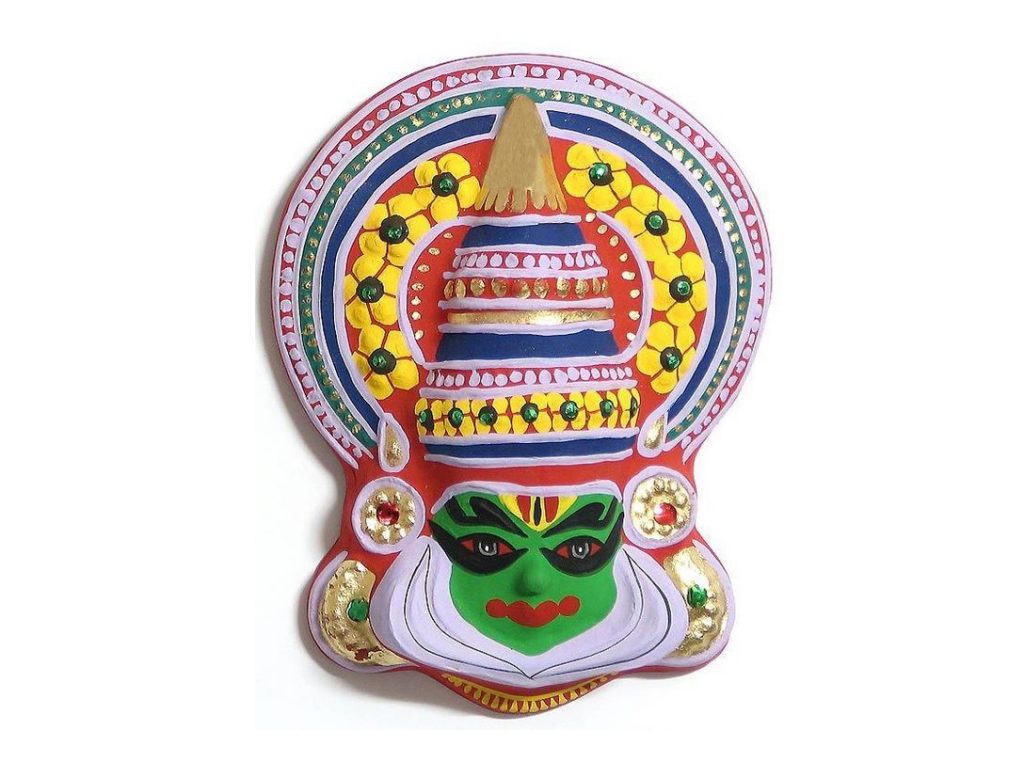
Kerala is known for the spectacular classical dance- drama Kathakali. It is one of the oldest theatre forms in the world and is a combination of drama, dance, music and ritual. The Kathakali masks are available as little relics and showpieces that showcase the culture of Kerala. Including the elaborate headgear, painted face and long black hair of the Kathakali costume, these curios are made out of papier-mâché. These masks are eco-friendly as they are made out of paper and glue.

We Recommend…
Kathakali Face mask showpiece Idol Decorative Statue

The beauty of Kerala cannot be described in words or pictures. The best way to enjoy it is through some amazing ethnic handcrafts that show a new way of living in harmony with nature. Let’s follow in their footsteps to ‘Go green and Save the Earth.’

Varanasi – The Spiritual Epitome of Hindu Culture [Photo Feature]

0

Photo Feature – Tejas M S

It is hard to define Varanasi singularly. The kaleidoscope of life varies vividly across its length and breadth and its shades of aura and darkness touch equally upon onlookers. Photographing the city is hence an amalgamation of putting together the emotions, essence and vitality of Varanasi in frames that are etched in memory for long. 

Tejas M S a travel, wildlife and adventure photographer has shot extensively along the city located on the banks of the ever endearing Ganga. He is also a filmmaker and lives in Bangalore. Passionate about field based work, here is taking a look at some of his pictures speak a thousand words centered on the ethos of a culturally and spiritually soaked Banaras.

Varanasi Photo feature
Blessings from the Mystic
Varanasi Photo feature
Old Architectures of Varanasi
Varanasi Photo feature
The Evening Aarti – A Splendid Devotion
Varanasi Photo feature
Innocence and Childhood in the City of Pyres
Varanasi Photo feature
Lost in the smoke of godliness
Varanasi Photo feature
 The Busy Barbers
Varanasi Photo feature
Ghat at Night – The Shimmering Dawn of the Night
Varanasi Photo feature
Pyre – Rest in Peace
Tejas M S

Exploring Indian Cultural Heritage Singapore

0

Singapore is known for its diverse culture. Everything practiced over here is a mixture of European, Asian and Middle Eastern cultures. As all the customs and heritages are also derived from South Asian, Eurasian, Malay and East Asian countries, Singapore is also popular with the names like “Garden City”, “East meets West” and “Easy Asia”. If you are an Indian then you just need to feel proud in Singapore. You will get to see some great pictures of India in Singapore. This article will make you well accustomed to many information related to Indian cultural heritage found in Singapore.

If you are planning to travel to Singapore then you should try Air India flight booking on Flightxp. I recommend that because it was very much more comfortable for me. Keeping this in mind let’s start this article with some of the iconic places depicting Indian culture found here.

Sri Mariamman Temple (Dravidian)

The resplendent six-layered grand tower entrance, also known as gopuram, situated at the main entrance of this temple completely reflects the architecture related to the Dravidian Style. The façade is also decorated with several mythological figures as well as Hindu deities. There is a big prayer hall present inside the temple. Behind that, there are several small rooms where people can worship different deities. Sri Mariamman Temple in Singapore is the oldest of all Hindu temples present in the country. It is the main center for the Hindu community living in Singapore. This temple was constructed in due respect of Goddess Mariamman. She is popularly known for her power to cure any kind of epidemic illness. Every year several travelers come here to get a pleasant mind and soul.
Location: 244 South Bridge Road, Singapore 058793.
Near Chinatown MRT station.

Sree Ramar Temple (Dravidian)

Architecture of this Dravidian temple is much the same as the Sri Mariamman one we discussed above. There are still some features which make Sree Ramar temple unique in its own way. Apart from having statues of the gods and goddesses of the Hindu like Rama this temple is also a pilgrimage ground of Lord Buddha and Guan Yin (Goddess of Mercy). This reflects multi-religious makeup of Singapore. 
Location: 51 Changi Village Road, Singapore 509908.
Near Tanah Merah MRT Station 
 

Sultan Mosque (Indo-Saracenic revival)

The present structure of “Masjid Sultan” was constructed completely in the year 1932. It bears every one of the trademarks related to the Indo-Saracenic style. This style is an Indian-British style. It joins several traditions relating to Persia, Turkey, and Moorish. This mosque was constructed in the 19th century for the great ruler, Sultan Hussein Shah. With fabulous minarets and a brilliant vault roosted at the top, the exterior part of the mosque is a good sight for your eyes as well as cameras. If you will look closely then you will see that the bottom of this dome is decorated with glass bottles all around. This structural arrangement empowered all individuals from the Muslim group to add to the development of this mosque.
Location: 3 Muscat Street, Singapore 198833. 
Near Bugis MRT station. 

So till now, we have seen all the architectures that depict the Indian culture. But this is not enough in Singapore. While walking in the streets you will feel that it’s your own country, India. Let’s reveal why it is so.

Little India is one of the most vibrant streets in Singapore. Stroll down Serangoon Road and neighboring lanes, you will discover a good blend of Chinese and Hindu temples, churches and mosques. It creates up to a soothing sensation with its extraordinary sound, sight, and smell. A good walk in this street will demonstrate you with all the culture related to the Hindu community that has withstood the trial of time. The smell of Indian spices from the restaurants will make your mouth juicy. The smell of flowers coming from the shops will make you buy one and protect it for a lifetime. 

A street in Little India, Singapore

A museum known as the Indian Heritage Centre is also situated in Little India. It was established on 7th May 2015 and covers 3,090 square meters of land. It will boon you with good knowledge about the history and culture of Indian Singaporeans. 

If you are feeling hungry now and want to fill your tummy then you have different Indian options here. You have South Indian dishes like Dosal, Idli, Vada, etc, and North Indian tandoori dishes. You will also get rotis and parathas here. If you are a tea lover then you will get a good hot milk tea to refresh your mind.

Walk a bit further and you will see several shops selling legal and authentic products such as jewelry, saris, etc. designed in India. So just grab some of them and try it yourself. Your walk will end at one of the famous temple known as the Sri Veeramakaliamman Temple. This temple was established in the year, 1855. The best thing about this temple is that it is made only by Indian people who came to Singapore at that time for work. They made this temple to worship their God in a foreign land. The 1st name given to this temple was Sunnambu Kambam Kovil. In Tamil, it meant temple at the lime village. Numerous Indians who used to pray in the temple worked in lime furnaces in the region. Lime was considered a good material for constructing buildings during those days. It was a miracle that during World War II several bombs were dropped in the country but not a single of them made any harm to the temple and its statues. It is said that the Goddess Kali protected the people praying in the temple. This tour will take you nearly two and a half hour and I swear that you are going to enjoy a lot.

Singapore is really a great country for the Indians. The best time to give a visit to this country is during the festive season of Deepavali and Pongal. You will see the joy and charm all around. Hope that I have shared a lot of info regarding the country. So have a happy and safe journey ahead.

Here’s a Handy Goa Tourism Guide for the Solo Travellers Out There

0
Goa Tourism Guide for the Solo Travellers

Solo travelling is an awesome way to explore yourself. You can plan your trip as per your convenience, set your own rules and enjoy the trip like no one’s watching. Goa, being home to the white sandy beaches, party joints and its unique cuisines, is a wonderful destination for solo travellers. 

Travelling alone is fun, but at the same time needs certain planning. You are on your own when it comes to figuring out the way ahead. It can be a wise idea to plan it in advance and you can do this by using the Goa tourism guide on LBB to start with. 

Positioned on the western margin of the country, Goa is the smallest state of India. The shore of this beautiful province is stretched along the Arabian Sea and offers many picture-perfect locations for the sea-lovers and beach bums. 

So if you are all set to begin your journey as a solo traveller from this beautiful place, here’s a handy Goa tourism guide for you:

Goa season stays around the year:

Nightlife-of-Goa
Image-PxHere

Generally, the best time to visit this ‘Sun city of India’ is to celebrate the occasion of Christmas. People flock this city between October and February, but this is not the only time to visit. 

The serene beaches remain crowded during its peak season, if you are alone and not a beach bum, then monsoon is equally beautiful with the green surroundings and less crowd. Rain cleans the city and makes it fresh and new. If you are here in June, you can be a part of the famous Sao Jao Festival. That said, as a solo traveller, you will always find something to engage in here.  

Staying in Goa:

Goa Tourism Guide - Vagator beach
Image – Joegoauk Goa via Flickr

You have to select your stay among the two options, North Goa or South Goa. North Goa is a bit congested, but if you like the crowd and enjoy parties, then North Goa is the best option for you. This section of the city is provided with more party spots compared to South Goa. In addition, in Panjim, you can enjoy exploring ancient structures. 

But, if you are searching for a quiet stay, then head towards Margao for experiencing the authenticity of the state with the sea around. The tourist industry has missed out this region of South Goa. You cannot stop yourself from exploring the old royal style buildings, churches, and temples lined on the streets. Ahead of a few miles from Margao, you have the option of exploring the unspoiled and serene beaches and indulge in various water sports. 

In North Goa, you can check out the Happy Panda Hostel near Arambol or The Prison Hostel near Anjuna Beach. Some other budget options are Alor Holiday Resort on Calangute beach and Grandpa’s Inn near Anjuna beach. 

In the South Goa, you can stay around Palolem beach. The Dreamcatcher Eco Resort is one among the best options here. You can find more information about good lodging facilities here by visiting Goa tourism guide on LBB.

Goa is an awesome place but you won’t find many options for local commuting, it could be a wise idea to hire a car or a bike to roam around.

Best places to visit in Goa:

Baga Beach

Goa Tourism Guide - Baga Beach
Image – Aman Gupta via Flickr

Baga beach is home to many cafes, party spots, discos, etc. Head towards this beach if chilling out and partying are what you are looking for. 

Basilica of Bom Jesus:

Goa Tourism Guide Basilica of Bom Jesus
Image – Kirk Siang via Flickr

The Spanish people invented this notorious church in the year 1605. This church preserves the relics of St. Francis Xavier. The UNESCO has recognized this as the World Heritage Site. The church bears a red look due to its creation, with red color brick, that differs it from the other churches of the city. 

Chapora Fort:

Goa Tourism Guide Chapora Fort
Image – Alexey Komarov via Flickr

The movie, ‘Dil Chahta Hai’ has publicized this fort and made it famous. This place is a must-visit point of the city with a splendid sight of Vagator Beach.

Aguada Beach:

Aguada Beach Fort
Image Pixabay

With a lighthouse inside, this Portuguese fort is a famous attraction among the tourists. In fact, driving on the way that leads to this destination is a fun0filled experience. 

Dona Paula Jetty:

Goa Tourism Guide Dona Paula Jetty
Image – Joegoauk Goa via Flickr

You should include this famous tourist landing in your bucket list of Goa. You will get a magnificent view of the sea from this point. This place was presented in the renowned Bollywood film, Singham. 

Forrest Food court:

Goa Tourism Guide Forrest Food court

This is the perfect place for tasting the traditional Goan delicacy with a diverse menu each day.  

Dudhsagar waterfalls: 

Goa Tourism Guide Dudhsagar waterfalls
Image – Kumaresh Rajarajan via Flickr

Dudhsagar waterfall is a must-visit of Goa. Though, 50kms away from proper Goa, while an amazing place for doing photography and exploration. 

Adventures for solo traveller:

Goan Water sports like jet-skiing, banana ride, scuba diving, etc. are the awesome activities you can indulge. The nightlife of Goa is just amazing, as it offers a bundle of joys like enjoying a beach party, dance clubs or you can visit casinos. You can find more such amazing adventures that you can experience in Goa on LBB.

The city embraces a wealthy list of adventures for seeing, doing or experiencing. This place is perfect as a holiday destination considering the rich cultural heritage, sandy beaches, and foremost architectural beauties.

Why Park Street Describes Kolkata in a Nutshell

0
Park Street Kolkata
Park Street Kolkata During Christmas

Grabbing a quick vegetarian cheese and spinach quiche at Flury’s, my friend was narrating her childhood experience of Kolkata as a city to me. Her father was in the air force and that led to her changing cities very frequently. She used to live in Barrackpore, a small Air Force town around 27 km from the main city of Kolkata. As a child, she was fascinated by everything that Kolkata had to offer to her – the city lights, large bookstores, fancy multicuisine restaurants, christmas celebrations and parties all year round. Park Street, a jostling lane with everything a city has to offer is crowded anytime of the day. We walked around Park Street together and explored the city through the childlike eye of my friend. 

It was December and though the evenings were cold, the afternoons were really hot. We wore shorts in the day with tank tops and simply put a jacket over in the evenings. This left an unexpected cold in our legs but the constant movement gave us enough heat to continue our nomadic exploration in the city. For now, our jackets were in our hands, we had sweat seeping through our tank tops, but we didn’t mind.

Oxford Book Store
Oxford Book Store

The Oxford bookstore in Park Street is one of the oldest bookstores in the city. It has large wooden walls, full stocked bookshelves with books from all around the globe and a never dying, oozing smell of coffee which keeps the reading owls awake. My friend had visited this store as a child and she had really wanted a book which her father refused to buy for her. She completed her childhood wish and bought a book from the store now. Park Street thus represents the child who wants many things but cannot get them all. It is a metaphor for unfinished business in the city where an adult keeps going back to seek something that their childhood could not give them. Kolkata is a colorful, vibrant dream set in stone in the concrete jungle surrounded by buildings and a loud bustle of constant car honks. 

Park Street Book Stores
Image – Faisal Akram

As we walked on the street, we crossed an ancient house with Kolkata written on it. The house was vintage and was enveloped by a scaffold of trees. There was a purple vintage car parked inside with an unrecognizable logo which was hard to recollect. It must be imported car from another country. If this was a movie, the house would definitely belong to an old Marwari businessman. The scene around us quickly changed from a huge lane filled with old buildings, to a bustling street with modern ones.

 Tantra club
Tantra Kolkata

We walked around different restaurants on the street, and noticed the world’s food diversity wrapped across this one small street. The place looked like a fantasy dream with “Choice” written in every street, every shop, and every product there. I knew I could come here 20 days a month and I’d still have more places to explore. I had my first trip based argument with my friend in Park Street. She wanted to eat at an Indian restaurant and I wanted to eat Japaneese, we went to both. The perk of having a lot of leisure time in the city is that you can explore the multiple choices that are given to you. That’s when I realized that cities are like unexpected rainbows that appear without any rain, the ones that children see when they look at a white beam of light from the ruler. They represent the beauty in something unexpected, a chance encounter, of finding a new restaurant in a hidden alley or of finding an introverted stranger in the city who opens up to you. 

We were walking on the street and we encountered a group of people dressed like Lord Hanuman. They had painted themselves orange and had tails connected to them. They were going to perform a play. On the same street, there was a man selling paan in a variety of flavours. His shop had a picture of Lord Hanuman and he devotedly prayed to the passerby play actors. Watching this first hand, felt like an amalgamation of a dramatic experience. It felt very fulfilling in a strange sense.

Flury’s, an old bakery

It was evening, the honks had grown louder and people were visiting park street in their element and camouflaging with the expectations of city life. There were lights all around us. Since, it was Christmas, the entire park was covered with lights and had an event show planned. It was getting cold, and we put on our jackets. The famous yellow taxis in Kolkata were flooding the streets and there was a Badshah concert happening at a restaurant nearby. We had enough for the day, starting with Flury’s, an old bakery in town and ending with knowingly missing a Badshah concert which was easily accessible to us. 

We We had been exploring Park Street since morning and there had been a rush of emotions ranging from – fascination, contentment, excitement, feeling like we could never get enough of the place to actually having enough of it to return home full of light. Whenever you go to a city, you carry some of the sparkly, glitzy, individuality in you, which the city presents to you through it’s vibe. I had explored the essence of Kolkata through the bustling Park Street in a day.

Also Read – Simply College Street Kolkata

Federal India – States and Regions with Their Own Cultural Identities

0
Federal India
Image – Pixabay

There are very rare chances of finding many nations like India. The country is a single entity on the global map, but has multiple cultural variations within itself, making it a rich conundrum of differences. This is evident when one compares it with many other countries. Imagine going to Italy or France, or Indonesia or Japan and you will find some sort of uniformity in its culture. There will be an official language, a set of policies that apply to the entire country, a specific cuisine and so on. Of course, there are always local variations and every locality or region has its own special cultural twist. However, this difference is extremely stark in India, where it is near to impossible to have a standard definition that fits the bill across the length and breadth of the country. 

More so, the democracy of the land shines bright when regions or states are allowed to not necessarily follow a standard uniform cultural code. 

To elucidate let us take a look at some of the main overarching cultural and societal references to understand how much of these vary in span of thousands of kilometers on ground. 

Indian Language –

Indian Language
Image – Pixabay

There is no national language of India. But it has 22 languages that are officially recognized. Hindi and English are used for official purposes; but, states can specify their official languages taking the count to 22. In fact, there are hundreds of languages spoken in India, if dialect and variations are taken into account. India has the highest number of official languages in the world, however, it has to be noted that besides Hindi and English the rest are official only at the state level. The importance of language is such, that states have demanded being formed on the lines of linguistic uniformity, such as, a Telugu speaking state of Andhra Pradesh. The regional concentration of language makes it sometimes difficult to communicate with the locals in any other language. This is especially seen in certain states, such as, Tamil Nadu, Punjab and the north eastern states. Hence for someone visiting India, the sheer change in dialect and language can be considered overwhelming. 

Indian Caste and Reservation –

Caste-System

India has a long history of caste and reservations are its reality of today. Schedule Caste, Schedule Tribe and OBCs are together given a reservation of 49.5%, however, certain states, such as, Tamil Nadu, Maharashtra, Telangana and Haryana have crossed this reservation cap due to their inherent social and caste structures. Though many castes and tribes are included, many more have voiced their desire for reservations. The Supreme Court along with the Central and state governments have been trying to find a way to accommodate or reject their pleas. Irrespective of the outcome, the fact that the country is home to a large number of castes and tribes, makes it a constant hub of differing caste needs and the history of discrimination makes the demands and debate only more alive. 

Indian Cuisine –

Indian Cuisine
Image – Pixabay

Though many nations are identified strongly on the basis of their cuisine (remember Chinese and Lebanese!), Indian cuisine incorporates a wide range of dishes and methods that are hard to classify all under one roof. Yes, Indian cuisine has its own specifics and favorites that are well known throughout the world, yet it is definitely much harder to define Indian food on a single menu card when compared to some other international cuisines. The sheer variety of food ranging from south Indian light food, to spicy ghee laden north Indian food, to sea food of the east, the street foods, the cross country influenced foods and so on make Indian cuisine a gamut of wonderful gluttony.

Indian Dance –

India recognizes 8 classical dances though there are many more dances that originate and are akin to particular states and region. A look at different dances of the world and one will know that India tops the list with the maximum number of dances. Yes, one can Samba in Brazil, Ballet in Russia or perform the Dragon Dance in China, but India is home to Bharatnatyam, Kathak, Manipuri, Kathakali, Kuchipudi, Odissi besides bhangra, garba, bihu and many more. Most of these dances have originated from a particular state or region and find highest patronage and recognition from the same. 

Indian Religion –

Indian culture religion in India

Some countries in the world are known for having a larger majority of a particular religion, whereas others are secular in nature. India is often considered the largest democracy in the world that is religiously pluralistic and high on ethnicity. The large population has something to do with it, yet the fact that people from different religions reside together under the governance of a single unified democratic nation speaks volumes. Certain religions are more concentrated within certain states and regions and just as caste, there is a healthier distribution of different religions in urban areas and cities. However, the fact that India is home to many different religions that are also concentrated across different states, make it a unique diaspora. 

It is a known fact that India is a land of diversity. However, being a republic the country gives its states and regions a reigned freedom to be who they are. A great sign for democracy and in spite of its many flaws and lapses, India still remains to acknowledge and respect its cultural and social differences.

The Celebration of Muslim Festivals in India

0
Muslim-Festivals-in-India-01
Image – Jobit George via Flickr

Secularism in India is a very palpable tenant. People of different religions co-exist here and though there are outbursts of communalism at times, overall, the structure of the nation warrants for an understanding and respect for each other’s beliefs.

One of the best ways to manifest this harmonious existence is the fervor by which festivals of all religions are celebrated. We have grown up learning about Diwali, Christmas and Eid in almost the same breath.  We have celebrated them with our friends irrespective of which religion we follow, have savored the delicacies with as much hunger as anyone else and have found ourselves intertwined in the cultural mélange that is an essential part of all festivities. 

Muslim Festivals in India
Image – Jobit George via Flickr

Muslims make a significant population of India. Many of their popular festivals are marked as government holidays too. The Muslims follow the Islamic calendar which is based on lunar calculations. Here is taking a look at some of the main Islamic festivals that are celebrated and observed in India. 

Milad-un-Nabi

Eid Mehndi
Eid Mehndi – Farrukh via Flickr

One of the most important celebrations for Muslims around the world, Milad-un-Nabi is the day of Prophet Muhammad’s birth. The Prophet’s birth day falls in the month of Rabi-ul-Awwal. The day is celebrated by remembering the Prophet’s various teachings and by the praying of the Quran. Families get together and donations are made to charity as well. 

Eid-ul-Fitr

Eid-Photo-Feature4

Marking the end of the month Ramzaan, Eid-ul-Fitr is one of the most joyous occasions in the Islamic calendar. After 30 days of fasting and abstaining from various forms of sins, this Eid is a true celebration of restraint and satisfaction. It is also one of the best known Islamic festivals in India, particularly because of the wonderful cuisine, such as the very popular sheer khurma and sevai preparations. New clothes are worn, gifts exchanged and ‘eidi’ (a token amount) is handed over to children and relatives. There is a general sense of frolic and happiness as people greet and hug each other on this day. 

Eid-ul-Adha 

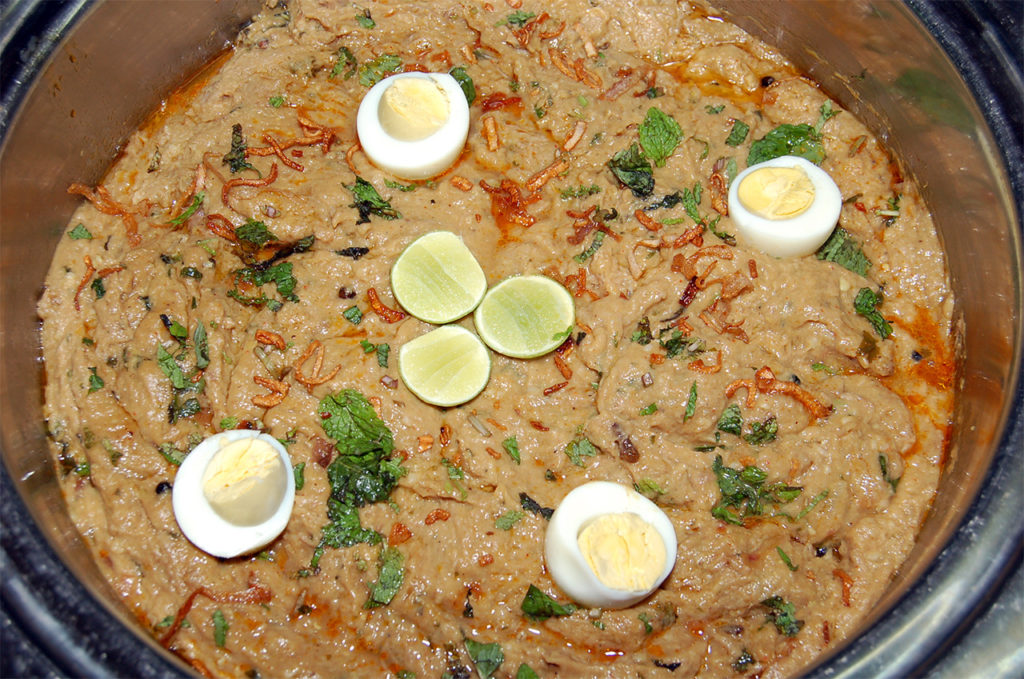
This Eid is celebrated to commemorate Abraham willing to sacrifice his son in accordance to the will of Allah. Because of Abraham’s absolute belief in the Almighty, the day is remembered for teaching Muslims the importance of having strong faith in the will of the divine. On this day, certain animals are sacrificed and prayers are offered early in the morning. Some of the delicacies to watch out for during this festival are biryani, halim, nihari, korma and more. 

Hyderabadi-Haleem
Hyderabadi Haleem – Source

Muharram 

The first month of the Islamic calendar begins with the month of Muharram. On the tenth of Muharram, the Prophet’s grandson, Imam Husain was martyred in the battleground of Karbala. Unlike all the other Islamic celebrations, Muharram is not a festive celebration but a time to remember the tragedy and great sacrifices made by Husain. Many sects within Islam also carry out a procession called Taziahs, whereas, others spend the day in mosques praying and listening to sermons. 

Eid Biryani – Nadir Hashmi vis Flickr

The Cultural Connect

Muslims are spread across the world, in fact, many countries deemed as Islamic. Yet, the social milieu in India makes Muslim celebrations much more diverse and enriching. The layman that lives in societies, apartments or chawls finds the opportunity of a religiously different neighbor as a way of life. Working with colleagues or studying with Muslim friends is just how integrated the societal structure of this country is. And though at times, there are the scary incidents of them vs us, in those times there are also these very same common or laymen that rise above the religious difference to embrace humanity in its highest form. 

Sheer Khurma
Sheer Khurma – Avinash Bhat via Flickr

The celebration of Muslim festivals, just like the celebrations of any other festival adds charm and fun into the culture of this country. Can you imagine not having friends invited for biryani during Eid, or not being pestered by office colleagues on when is the sheer khurma dabba coming from your home. How uninteresting and single minded would our social and cultural understanding be, if we didn’t drop by our neighbor with a scoop full of sevai or if we didn’t light phuljaris in our compounds. 

Muslim celebrations are distinct in their character of celebration, their language and their cuisine. And thankfully, we still live in an age and time, when these are integrated with sensitivity, openness and friendship by this country. 

Indian Pottery – Spinning a Tale of Utility and Art

1
Indian-Pottery
Source

Pottery is one of the oldest forms of handicrafts in the Indian sub-continent. In fact, it is not so much of an art, as it is, a way of life. Evidence of pottery has been found in the Indus Valley and Harappa Civilizations. However, Indian pottery continues to be a part of our households in the form of pots, pans, jugs, water mugs and so on. The great thing about Indian pottery is that it has been able to balance the artistry with mundane usage. Where on one hand, the skill and style of the pottery handicrafts are a symbol of Indian culture, on the other, the practical use of pottery in our everyday existence is common.

Types of Pottery

Unglazed and glazed are essentially the two distinct types of pottery. Each holds within its fold a variety of handicrafts and pottery making skills, most of which are akin to specific areas and regions of the country. There is also a historical reference and influence on the different types of pottery.

Indian Pottery
Image – Pixabay

Unglazed pottery is what has been in practice for centuries. Clay and terracotta is the most commonly used material for unglazed pottery in India. The hand or the potter’s wheel is used to mold the clay into different shapes. However, the terracotta creations can also be glazed depending on the kind of usage. For example, glazed terracotta pots are easier to clean and cook food in. On the other hand, the flavor of the food is best sensed in unglazed vessels. The exquisitely made Kagzi or paper-thin pottery from the Kutch region, as well as, pottery of the regions of Kangra in Himachal Pradesh, Pokhran in Rajasthan, Birbhum in Bengal, Jahjjar in Haryana, Meerut in UP are all known for their variety of unglazed pottery.

Glazed pottery is believed to be kick started with much fervor during the Mughal era. The white and blue patterns are a trademark of glazed pottery that does not use clay or terracotta as its raw material.

Regional variations

Pottery symbolizes an important tenant of both art and the Indian way of being. The ‘unity in diversity’ tagline holds true for this form of handicraft that has grown both laterally and vertically in its development and spread. Each region or state has a specific set of pottery making that is mastered by its inhabitants. Here is taking a look at the different kinds of pottery handicrafts across the country:

West Bengal Pottery –

Indian Pottery, West bengal
Image – Wikimedia

The ‘surai’ is one of the well-known makes from Bengal. The jug or surai is not made on the wheel, but four pieces are joined together to form the base. The neck is made on the wheel and then attached. Red polished potteries are mostly found in Bengal. The clay bhars are used for beverages and still used by street stall vendors.

Delhi and Jaipur Pottery –

Blue-Pottery-Jaipur
Source

The popular Blue Pottery is found in Delhi and Jaipur. The base is made from powdered quartz and gum and the final product is semi-transparent and looks in appearance like glass. The Persian influence is visible in its design. The Blue Pottery of Jaipur uses no clay and looks elegant in its blue discernable patterns. The Jaipur pottery is fired once before being used and its impervious nature makes it the most hygienic.

Uttar Pradesh Pottery –

Indian-Pottery-Uttar-Pradesh
Khurja Pottery, Uttar Pradesh – Wikimedia

Khurja and Rampur in UP are recognized destinations for pottery. The base of the pot is prepared from red clay and both the places create different versions of blue pottery. The Rampur surais are well-known with their green and blue gazes, whereas, Chunar produces the brown hues of pottery. The other areas within UP that are known for their pottery wares and art are Meerut, Hapur, , whereas, the dark earthen look or black pottery is found in Nizamabad and Azamgarh districts of UP.

Rajasthan Pottery –

The mouths of the pots of Rajasthan are smaller indicating water saving in a state that has scarcity of water. Alwar is where the Kagzi pottery is famous, the paper like thinness of the pots making them special. Bikaner is known for its lac and golden colored pottery wares and Pokhran creates decorative patterns on its creations. The red polished potteries are popular in Rajasthan.

Gujarat Pottery –

Gujarat-Pottery
Source

The Kutch and Saurashtra region produces splendid handicrafts, one of which also includes pottery. Banaskantha for its decorative pots, Vidi for its white clay pottery and the Saurashtra region known for its Gopichandan, a type of clay that resembles sandalwood are some of the varied pottery styles and types of Gujarat.

Himachal Pradesh Pottery –

Kangra is the leading area in HP that is known for its wonderful pottery. The dark red and black wares are used in homes, as well as, for artistic presence and decorations.

Karnataka Pottery –

Belgaum is where large containers are made for storage.

Tamil Nadu Pottery –

Tamil Nadu Pottery –
Image – T. A Joseph via Flickr

Noted for glazed pottery, Vellore has red and black pottery wares and the Madurai district is known for black pottery with a mix of yellow substances. Tamil Nadu is also famous for its Tanjore Dolls that are figures made from terracotta of the southern deity.

Pottery classes and an enhanced understanding of the art is finding a wide spread audience in its wake. The techniques, method and making differ from region to region and so do the types of the pottery created. But nonetheless pottery remains an important part of the Indian handicrafts, crafted by people who are strewn across various social and cultural dimensions.

Ungalzed pottery
https://www.christies.com/lotfinder/Lot/an-unglazed-pottery-water-bottle-iran-11th12th-4894020-details.aspx
https://www.youtube.com/watch?v=AUS3GSvA3xY
https://spinningpots.com/pottery-tips-beginners/

Blue pottery
https://www.savista.com/room/jaipur-blue-pottery-workshop/
https://www.travelogyindia.com/blog/what-and-where-to-shop-in-jaipur
https://gokhalemethod.com/tags/pottery_market
https://pixels.com/featured/indian-women-selling-pottery-michele-burgess.html

Traditional Costumes of Indian Classical Dances – A Feast for the Eyes

0

Indian dance forms are as much about grace and skill as about presentation. The costumes, make-up and accessories are a vital part of each of the traditional classical dance styles. The moves and expressions are enhanced and complimented by the outfits that shimmer and give a distinct identity to the dance form. It is hence hard to imagine Kathakali without the elaborate yet distinguishing face make-up or Bharatanatyam without the perfectly pleated unmistakable drape. Interestingly, each of the dances also in many ways represents the region from which they hail. The costumes and get up are thus further identifications of not only the dance style but also the specific region that hones them. 

Here is taking look at the most prominent classical dances of India and their distinct attires and physical appearances. 

1. Bharatanatyam

Traditional-Costumes-of-Indian-Classical--Dances-Bharatanatyam
Bharatanatyam – Asian Art Museum via Flickr

Practiced in southern India, Bharatanatyam is one of the leading dance forms of the country. The costume of a Bharatanatyam dancer is created on the lines of a Tamil Hindu bride. A vibrantly colorful sari with a pleated stitched cloth in the front that fans out during leg and knee movements is the most eye catching aspect of the attire. In fact, the sari is not a single piece but a combination of many cloth pieces of different varieties. The sari is draped in a special way, where it tightly covers the back and crosses over one shoulder with the pallav or the end of the sari held at the waist by a belt. The belt a jeweled accessory is complimented with jewelry on the nose, ears, neck and sometimes the head. The hair is tied usually in a tight bun or knot adored with flowers or the gajra. The ghungroos beat away to the moves as the eyes are lined for highlight. The hands and feet may also be painted in kumkum red powder for better viewing of the gestures and movements by the audiences. 

The male costume consists of a dhoti which is usually stitched with rich silks and embroidery. The upper body is bare.

2. Kathak

Traditional-Costumes-of-Indian-Classical--Dances-kathak
kathak – Vanita Mundhra via Flickr

Kathak hails from three distinct regions, Jaipur, Lucknow and Banaras. It is also a dance form that cuts across religions and is practiced by both Hindus and Muslims, with the dress varying for each. The Hindu Kathak dancer wears either a sari or a long full skirt that reaches the ankles. The sari is wrapped around the waist and its end hangs down from the left side. A blouse covers the upper body and a tika usually adores the forehead along with the customary jewelry in the ears, nose and neck. The dancer may also wear an orhni or scarf in some cases. 

The full long skirt on the other hand is embroidered on the base and is a light weight skirt that twirls with grace during dance movements. The upper body is covered in a blouse or choli that is in contrast colors to the skirt and a transparent scarf usually covers the head. 

The Muslim costume also includes a long skirt but a close fitting churidar is worn on the legs. Sometimes an overcoat is also worn to cover the hands along with the head orhni or scarf. 

For male dancers a silk dhoti around the waist is covered with a silk scarf tied on the top. The upper torso is either bare to show the Hindu thread or can be covered in a loose jacket. 

3. Kathakali

Traditional-Costumes-of-Indian-Classical--Dances-Kathakali
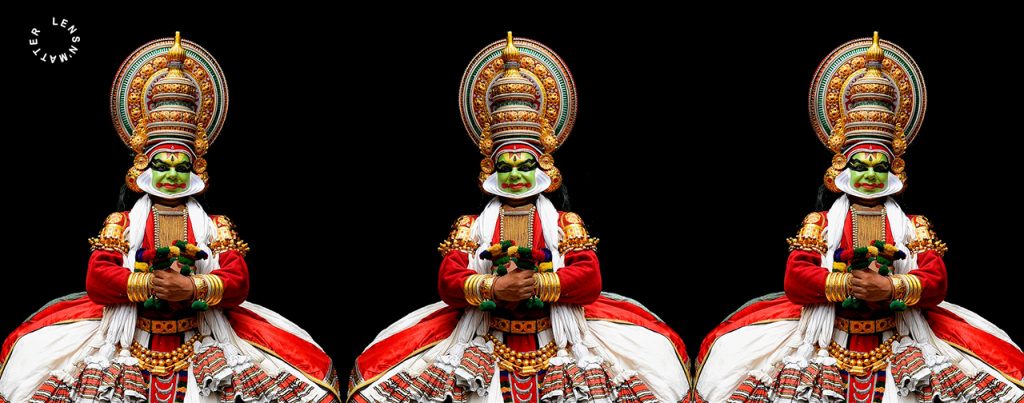
Kathakali – lensnmatter via Flickr

Finding its roots in art forms of Kerala, Kathakali has one the most elaborate costumes. It takes more than a few hours for the dancing troupes to get ready before a performance. The colorful costumes, highlighted make-up and facial paintings make Kathakali popular amongst kids as well. The make-up is coded as colors represent the type of the character that the dancers are portraying. Green (Pachcha) facial paints along with red lips are depiction of Gods, nobles and sages, such as Krishna, Shiva, Rama and more. Red (Tati) is used for those depicting evil, such as Ravana. Black (kari) is the color for hunters and forest dwellers. Sometimes demons are also painted black but with streaks of red. Yellow is for monks and noble men and women, such as Sita or Panchali. White beard represents the one with a virtuous conscious such as Hanuman. 

The make-up and colors represent the virtues of the characters and the dance form combines the colors to give deeper meaning and understanding of the characters. 

4. Odissi

Traditional-Costumes-of-Indian-Classical--Dances-Odissi
Odissi – Brendan Lally via Flickr

Odissi from Odisha is a wonderful dance form with costumes similar to that of Bharatanatyam. The sari is colorful and made from the local silk called Pattasari. There are pleats in fronts that are stitched to the garment for greater flexibility but the saris have prints and designs that are traditional to the local handicrafts and culture, such as the Sambalpuri and Bomkai sari. Silver ornaments are worn more since it is a more localized metal covering the ears in what is called kappa that decorate the side of the head too. Necklaces and armlets called bajuband are worn on the upper arm. At the waist the jeweled belt is worn to hold the sari and the hands and toes may be colored in red dye called alta. The dancer’s head is also well decorated with allaka a head piece and the hairstyle usually is adorned with a moon shaped flower bun or sometimes a mukoot with peacock feathers. 

Male dancers wear a dhoti that is pleated and the upper body maybe bare. Sometimes a translucent wrapping over one shoulder is also worn. 

5. Kuchipudi

Traditional-Costumes-of-Indian-Classical--Dances-Kuchipudi
Kuchipudi – Navaneeth Kishor via Flickr

From Andhra Pradesh, Kuchipudi traditionally was performed by male dancers. A dhoti pleated in front was the main costume of the male dancer whereas; the female dancers wore a sari with light make-up. However, in modern times the female costume has been drafted along the lines of the Bharatanatyam attire with a pleated sari that is held on the waist with the jeweled belt. The hair style varies, though in both dance forms flowers are worn as ornaments over the head. Yet, some Kuchipudi dance performances may include different costumes, such as pots over the head, gymnastic dancing or head sheets depending on the characters that are depicted. 

6. Sattriya

Traditional-Costumes-of-Indian-Classical--Dances-Sattriya
Sattriya – via Wikimedia

Originating in Assam this dance form has seen a gradual change in costume over the years. Traditionally the attires were made from raw silk and velvet was used. Over the years with more performances over the stage, the material of the costume has changed, yet continue to include pat a silk produced in Assam, as well as, hand woven materials with localized motifs. The costumes also vary on characters, such as the Sutradhar Nritya is characterized by his white costume and turban or Krishna with yellow and blue attires. 

Traditional jewelry is also used in this dance form, such as gold made from the Kesa Sun technique. The Kopali on the forehead, different necklaces, bracelets and differently shaped pendants are characteristic of this dance. In case of Ankiya Naats or dramas masks or mukha are worn by the dancers. The mask and turbans are beautifully made by local artisans. 

The male costume comprises of a dhoti and chadar and the female attire consists of the ghuri, chadar and waist cloth called kanchi. 

7. Manipuri

Traditional-Costumes-of-Indian-Classical--Dances-Manipuri
Manipuri – Arian Zwegers via Flickr

Originated from Manipur, this dance form has a distinct costume. In Manipuri dance form the dancer is dressed as Manipuri brides in the Kumil costume the dancers wear a cylinder shaped long stiff skirt. The decorations on the barrel shaped skirt are exquisite using gold and silver embroidery. On the upper body a velvet blouse is worn and the head is covered in a translucent veil. Though jewelry is worn around the neck, arms and ears, the Manipuri dancers do not wear anklets. 

The male dancers are dressed in dhoti that is pleated and tied around the waist. 

8. Mohiniyattam

Traditional-Costumes-of-Indian-Classical--Dances-Mohiniyattam
Mohiniyattam – Prasad Pillai via Flic

Mohiniyattam dance form is recognized by its white or off-white saris that are embroidered with gold brocade. Originating from Kerala, the dancer also wears a similar color coordinated blouse with the pleated sheet in front and the waist adorned with a jeweled band. The jewelry is simple and there are no masks as seen in Kathakali. The hair style is that of a bun on one side circled by the gajra. 

The different classical dance forms are thus identified by the layman through their costumes and outward appearances. There are of course, varies differences in style, grace, storytelling, music and moves. Yet, the attires are the most striking way to identify each dance form and also get a strong sense of the region and cultures that they belong to. 

Also Read – Top 10 Traditional Indian Fashion Accessories