8 Skills You Must Have For a Career in Charity Sector

0
Career-in-Charity-Sector
Image Source

“The best way to find yourself is to lose yourself in the service of others”- Mahatma Gandhi

For most of you looking at jobs in the charity sector, it is substantial to acquire specific skills before appearing for an interview. Not everyone can comprehend the desired skills and attributes required to end up with a job in this domain.

Everyday fundraising companies are hiring hundreds of candidates as development professionals. Even the hiring team is not exactly sure of the set of skills required by an individual to prosper in this charity industry.

Beyond the specific requirements of a job role, some skills and qualities will mould your future in the charity sector.

Here is the compiled list of eight qualities that you must possess to excel in this industry.

8. Gain expertise in multiple languages

It is an advantage for every job aspirant in this world to speak in various tongues. If you want to work for an international charity organisation, you need to travel from one country to another and interact with people of different races. They have their own set of languages.

For example, if you are working for a charity organisation of France, you might have to travel to places like Paris, Marseille where you have to communicate with the natives in English or French. So learning additional languages for doing charity work is a must for every aspirant in this field.

You should be well-versed in more than one language so that you can communicate with clients who might are from abroad. It would eventually eradicate the language barrier problem. Off and on foreign clients prefer to talk in their native language. It acts as a litmus test for the fundraising organisation to converse with them in that language.

If you possess knowledge in that language, you might take the ownership of coming forward and clinch the deal for your organisation by choosing to talk to your client in their preferred language. This initiative will not only augment your confidence level, but the client will be impressed with your versatility and might show interest to invest in the efforts of your charity organisation.

7. Try to remain energetic and persistent

An employee must be highly dynamic with his work to acquire more tangible benefits in life. To excel in your career as a fundraiser, you require an iron will and determination. Being steadfast will encourage you to garner the candied fruits of your challenging work. Energy remains the key to keep you engaged and motivated at the workplace.

You should take proper diet, and practice exercises and yoga to relieve your stress and boost your energy level. If you admire the work you are doing, you can even work for extended hours. Being proactive and energetic remains the key to excel in whatever you are doing in this field.

Another attribute that the professionals in this industry need are patience or perseverance. To climb up the ladder in this fundraising industry, you need to set long-term goals and pragmatic standards to gauge your performance. Plan strategically is one-way to do it. Develop a realistic time frame within which you take care of your assigned work. On demand of your bosses, you might have to work under stringent deadlines and often without adequate planning. Perseverance will support you in such situations. It would assist you to overcome the monotonicity of your job and satisfy you once your work gets completed.

6. Be flexible with your work

Flexibility is one of the very few traits you need to join this fundraising domain. A job in this industry may not be a conventional 9-5 job. You might have to stretch beyond your working hours or even have to attend the charity shows and events during weekends. So, you need to get accustomed to novel situations and work in synchronisation with new teams demand flexibility from you. Act sensibly in handling every responsibility coming in your way.

5. Brush up your Oral & Written communication skills

In this charity sector, communicating effectively with your clients is a must. Naturally internal and external communications involve the exchange of thoughts and views on a subtle note. When you are talking with your client, you need to be fluent in the language you are speaking.

Efficient communication on social media and other digital platforms is equally necessary for any fundraising job. Charity agencies need to spread the word about their activities through initiatives where they communicate with a potential audience. Consequently, you need to interact with them in a language understandable to them. You need to communicate with your clients in a fluid and convincing manner.

Charity industry is composed of a contrastive workforce of introverts and extroverts. As a result, you need to deal with every one of them diplomatically. You should be compassionate and amicable with others and develop a robust network of colleagues, clients.

4. Listen attentively

The ability to listen keenly comes with excellent communication skills. Being a courteous listener is a fundamental aspect of every individual working in this charity sector.

As a solicitor, listening helps you to foster a symbiotic relationship with the donor. Suppose, a donor is interested in contributing a certain amount of money for the cause of upliftment of studies in the rural sector and you, you need to pay attention minutely to his explanations. The donor will notice your patience level and your attention to every detail which will bewitch him in real time. It would assist you in developing a rapport with your client.

3. Be Innovative & full of ideas

Being a fundraiser or an executive from this industry, you need to go through those brainstorming sessions through which you can come out with creative ideas that will benefit your organisation in the extended run. In some cases, a charity agency may encounter the problem of budget-constraint, and to overcome such obstinate situations, you need to come up with canny and demiurgic ideas that will save the day.

You should have the ability to come up with path-breaking ideas that may sound dicey but will be fruitful for the growth of your company. Through ideation, you can achieve the goal of helping people in an advanced way.

Being creative also tests your problem-solving skills. It also assesses your decision making expertise and pronounces you an adroit individual.

2. Acquire team-building and organisational skills

To establish your career in the charity sector, you need to grab people management skills that are pivotal for your growth. To perform well in your industry, you must have the competence to communicate with people from different races, culture and age group. Start mixing with these people and work side-by-side with them.

You must be open to conversations with your colleagues and perform as a team player. What you need to do is to acquire the ownership of various activities on behalf of the team.

There are all types of people working in this sector. Some are associated with the cause of the job while others are passionate about helping others. You need to work collaboratively with your peers for achieving success in this industry.

1. Motivate others through your approach

If you are a professional in this industry, you need to motivate your peers with your thoughts and perceptions. You should encourage your donors by teaching them the essence of humanitarian activities. You need not be convincing them or forcing them to serve anything against their will. But you should make them understand how these charity activities convey joy to their lives.

By sharing the motto or the mission of your organisation, you can influence your donors. Each donor has a fixed set of motivating factors that drive the donors to donate to the charity funds. Listen attentively to what your donors want to say. It acts as an encouragement to them, and they will feel more motivated in contributing to the mission of your non-profit organisation.

Motivating your co-workers is equally vital like encouraging your donors. Through facile communications with volunteers and staff, you can inspire them to the core. Try being empathetic with them, request them to share their concerns with you, suggest solutions to their problems. By motivating your peers, you can foster a long-lasting relationship with them, and they will soon start developing respect for you. By sticking to your work ethics and maintaining your workplace hygiene, you can motivate others.

Involve them in the planning process for raising a fund and accept help from them to implement the plan. It would stimulate them to work towards greatness.

The Final Note

Apart from these eight qualities, other attributes will support you in becoming a successful individual in a non-profit industry.

Being enthusiastic and dedicated to your charitable cause is one of them. Charity organisations receive millions of funds from the private companies and independent entities. You need to be responsible enough to manage these funds with perfection.

As a part of your job, you need to develop a constructive knowledge on ethical fundraising. Irrespective of the situation, safeguarding the interests of your donors is your priority. In case you are trying establishing yourself in this fundraising sector, try to act like a smart-worker, not a hard worker. You might possess the skills of an employer but what you must need above all is the commitment to your job role.

There are hundreds of job roles available in this charity sector. It is a level playing field for every innovative and ambitious individual who is eyeing success through their back-breaking work in this field. Try to give the best sales pitch obtaining the help of your colleagues and establish a sustainable, functional relationship with your clients.

5 Delectable Desserts the Ayurveda Style

0

Ayurveda is based on the principle of three doshas, namely Vata, Pitta, and Kapha. It defines sound health, a right balance of body, mind, spirit, and social wellness.

The importance of leveling these elements is repeated numerous times in Ayurveda texts.

Science says, our health is directly governed by the food we eat. Ayurveda takes a step ahead. Not only it tells us what food to eat but also how to make and eat a food.

When it comes to desserts, Ayurveda has a distinct style of making these. It uses ghee over oil which is usually considered better for health.

Let’s take a look at some amazing sweets the Ayurveda style –

Almond Cake

Almond-Cake
Image – Splendid Table

Ingredients:

  • Almonds – 1 cup
  • Finely powdered palm sugar – 1 cup
  • Ghee – 2 tablespoon

Method:

  • Soak the almonds in water for an hour to remove its skin.
  • Grind the de-skinned almonds to a thick and smooth paste by adding very little water.
  • In a thick vessel, mix the palm sugar and 1/4 cup of water and heat.
  • Once the sugar melts completely, add the almonds paste and cook for five minutes. Add ghee and remove from the fire.
  • Pour on to a large plate and smoothen the surface of the mixture with a roller.
  • Using a knife, cut into cubes.

Ayurvedic Benefits:

  • Balances Kapha for optimum nourishment

Adhirasam

Athirasam
Image – Wikimedia

Ingredients:

  • Rice – ½ kg
  • Jaggery – 300 gm
  • Ghee – 400 ml
  • Water – sufficient quantity

Method:

  • Soak the rice in water for thirty minutes. Then wash it and spread it on a cloth to dry.
  • When the rice is almost dry, use a mixer to grind it to powder. Sieve thoroughly and keep aside.
  • Make a thick syrup of jaggery by boiling it in some water. Mix it thoroughly with the rice powder.
  • Leave the mixture for approximately 8 – 12 hours.
  • Heat the ghee in a frying pan. Take balls of the mixture and flatten them to make round shapes on a smooth plantain leaf.
  • Fry these balls to golden brown evenly on both the sides.
  • Take them out of the frying pan and serve.

Ayurvedic Benefits:

  • Benefits Pitta in terms of digestion
  • Increases Kapha for nourishment and strength
  • Aids Kapha for weight improvement, particularly in case of emaciation

Cashew Balls

Cashew-Balls
Image – NDTV Food

Ingredients:

  • Coarsely ground cashews – 1 Cup
  • Granulated palm sugar- 1 cup
  • Ghee – 2 tablespoon

Method:

  • Mix the granulated palm sugar and sufficient water in a pan and heat until sugar melts completely.
  • Add the cashews to the sugar syrup immediately.
  • Stir them continuously till all the cashews are coated with syrup.
  • With your hands greased with ghee, make balls out of small amounts of sweetened cashew mixture and roll.
  • Allow the cashew balls to cool and then store them in an airtight container.

Ayurvedic Benefits:

  • Balances Vata eliminating stress and promoting mental health

Pumpkin Halwa

Pumpkin-Halwa
Image – Milk Maid

Ingredients:

  • Grated pumpkin – 3 cups
  • Powdered palm sugar – 1 cup
  • Cashew nuts – 10
  • Ghee – 3 and a half spoons
  • Honey – 5 spoons

Method:

  • Steam the grated pumpkin and drain the excess liquid from it.
  • On a saucepan, heat ½ spoon of ghee and add the steamed and mashed pumpkin to it.
  • Then add the palm sugar to it and stir continuously on a low flame for 5 minutes. Add 2 spoons of ghee and stir the mixture well, on a low flame till the ghee floats.
  • Roast the cashew nuts in 1 spoon of ghee and add to the halwa.
  • Then take the halwa off from the flame. Once it is cooled, add honey and mix well.

Ayurvedic Benefits:

  • Balances Pitta regulating body temperature. Also aids women in vaginal problems including white discharge.
  • Improves Vata and Kapha for improved memory and intellect.

Panchamirtham

Panchamirtham
Image – Vidhya Home Cooking

Ingredients:

  • Banana – 1
  • Grapes – 1 bunch
  • Dry dates – 4 pieces
  • Apple – 1
  • Pomegranate – 1
  • Jaggery – 150gm
  • Honey – 25gm

Method:

  • Cut all the fruits into even-sized small pieces. Add jaggery and honey to them.
  • Mix the ingredients well and serve.

Ayurvedic Benefits:

  • Easy digestion.
  • Presence of fruits helps in natural detoxification.

Upshot:

Like most other desserts, these dishes are great on flavour and taste. What sets them apart is the health assurance that comes with Ayurveda.

The fact that Ayurveda uses superfoods in all its recipes, nutrition factor is almost guaranteed.

The best part with Ayurveda is its holistic side which perfectly defines the entire cycle, from picking the right food to guiding on the right way of consumption.

And this is perhaps where, it lies the success and age old popularity of Ayurveda. Isn’t it?

Navaratri Kolu – Festival of Dolls

0

Just less than a week left for the massive celebrations of Navaratri or Dussehra to start. The country becomes colourful and the goddess would be worshiped throughout. We would come across festivities in the name of Durga Pooja, Ramlila, Garba, Battukama and the navaratri kolu.

Navaratri-Kolu---Festival-of-Dolls-02

Navaratri kolu (Tamil) or Bhoombe Habba (Kannada) or Bhoomai Koluvu (Telugu) is when the dolls or Bhoomai come alive. The dolls are traditionally or in the present scenario thematically arranged in steps counting odd number (starting with minimum of 3 and growing bigger into 5, 7, 9 and so on).

The traditional arrangement needs a lot of planning and knowledge to be followed. The kolu normally describes the supreme-power, evolution and growth of mankind in a simple arrangements. The topmost step is dedicated to the three goddess – Durga for strength, Lakshmi for wealth and Saraswati for knowledge. This step also contains the kalashem which is a small pot having pomegranate in it instead of coconut to depict the  goddess in the form of mother. The fruit pomegranate is used, as its seeds are meant to represent all the living beings on earth. That is to say, every living creature from a microbe till a mammal is born on earth through the mother.
Navaratri-Kolu---Festival-of-Dolls-03

The second step represents all the gods. It is in this step that lord Shiva and Vishnu (Brahma normally not often being represented in the form of an idol) get introduced along with their goddess being their better halves. The consecutive step below would be representing the incarnations of the god on Earth. The best example for this is the Dasavatara (Incarnations of Lord Vishnu ).
These steps are followed by the gurus of the previous generation and the current generation. It would include the saints and the philosophers. This is followed by the steps depicting the day today activities and living of us, the common man. The final step would have all the live forms together finishing up with the kolu.

Navaratri-Kolu---Festival-of-Dolls-01

If noticed carefully, we would be able to understand that the sequencing is done not randomly but on the basis of evolution of a person’s mind. The animals having the shortest lifespan is followed by human who has the power of thinking, communicating and working in a society.  The step above are the gurus who show us the path to enlightenment (it could even include pioneers in a field of academics like Sri.M.V). This path was laid when the god incarnated on earth to show man the way of living or the difference between our duty and rights or between the good and bad. This is continued until we finally reach the goddess who in the form of mother gives birth to each one of us!

The time has now come to gear up for this big festival and this time may we not see it just for the new dresses, gathering, yummy prasadas and the colours but also for the meaning behind why celebrate it so.

Prajne – Ancient Artifacts Get a New Life by Artist Sneha Suresh

0

“What moves people’s hearts, in every case, is the unknown. Things that people already know don’t excite them.” – Kenya Hara.

Prajne-by-Sneha-Suresh

This quote constantly pushes me to look at the key things from different vantage points and think of different ways in which my work can tell a story makes a difference – however small it may be, says Sneha. Her thesis project ”Prajne” which means consciousness in Kannada is to pay a heartfelt tribute to the old age artifacts of ancient India. Let’s check out her story which inspired her to begin with the project.

Sneha Suresh, a 22year old graduate from Srishty University of Arts, Design, and Technology is a Visual Communicator and Print Maker. She is born and brought up in Goa and being a Tamilian and staying back in Goa most of her works are her inspired from her culture, traditions, surroundings, communities, peoples, and practices. She finds Lino Printing therapeutic.

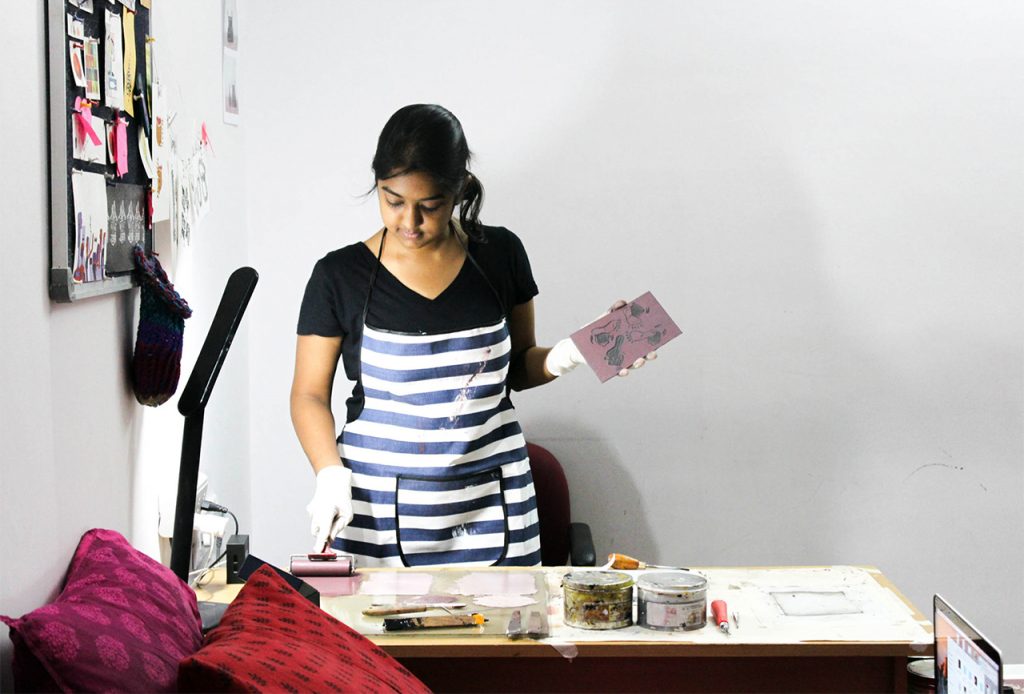
Lino Prints block in making by Sneha Suresh

When she came to know that she had to conclude her context with Gulbarga, through her mentor she got to know about the famed artist Mr. Vijay Hagargundgi.

Mr. Vijay Hagargundgi is popularly known for reviving the cultural tradition of the Surpura miniature paintings as well as his private collection of cultural artefacts from North Karnataka. After viewing his vast and unique collections and knowing about a gist of the historical stories about them, this time was the turning point which encouraged Sneha to pen down about some of the historical artefacts through her own perspective.

She was more spellbind to see a metal stick during her first visit of Mr. Vijay Hagardungdi’s grand house. As told by Mr. Vijay Hagardungdi the metal tool is called as Ookunikantha and it was used to write on palm leaves and it contained two holes. There used to be trinkets hanging from the top and when an author in the past wanted multiple copies of his work, he would prepare a batch of students to sit in front of him and dictate his work to them. While the students wrote on palm leaves, the trinkets would hit against the tool and make a sound. And if the specific sound was not in sync, the author would know someone had made a mistake.

As she was unallowed to take pictures, she decided to carve it out to represent it through Lino printing and give the ancient artefact and its narrative stories a new life through visuals.

Lino Print of Ookunikantha by Sneha Suresh

The other artefact which represent a terrific conception is called Gaggra, an ancient anklet. These anklets are more than 200 years old and were worn by men of the Sudgard Sidhru community while they travel door to door to seek alms for their livings. Children in those past days would run back to their houses when they hear the sound of the Gaggras, as they were being falsely told that these men travel to villages, tie up the children and would seize them away.

Lino Print of Gaggra by Sneha Suresh

Gangala, Banjara Community Plates are also one of the most magnetizing parts of his artifact collection. These are near about 80-100 years old. When the local people of  these communities were invited to another person’s house for a feast, they would carry their own gangala along with them. While the food was prepared, they would traditionally use the gangalas to produce music striking them against each other or by using a stick or by their hands and they would sing and dance.

Lino Print of Gangala by Sneha Suresh

In the above lino print Sneha has tried to morph the plates into manjeera and tabla to show that in addition to serving plates these Gangalas were also used as a musical instrument.

Through these project she want to make people more aware of the everyday artefacts of past and to question and think about their origination and uses. For sneha Lino prints and carved blocks are more like ancient stone tablets which were once an ancient mode of communication. And these left over blocks were the output as prints which narrates the story of their own.

Prajne-by-Sneha-Suresh
Lino Print of all artefacts together by Sneha Suresh

As Sneha is very passionate about Lino Printings she says, One has to be very mindful while carving the block. I use to hurt fingers a lot when I first started lino printing. Developing a print in this case is an extremely slow process that teaches you patience, it helps develop a steady hand and is very very satisfying at the end.

In addition to the simplicity and the aesthetic of the prints that you get at the end the process means a lot to me.

Images source –  Sneha Suresh Behance page

Bollywood songs – A Reflection of Society and a Treasure of Musical Forms

0

The world of Bollywood is one of glitz and glamour. An envoy of talent, grit and dreams, Bollywood fondly used as a term for all things related to Indian movies is more than what meets the eye. However, of all the different merits and features of this industry, there is one that stands out when compared to other cinemas of the world. Songs an integral part of Indian movies have for years been and continue to be a very important part of the movies, conveying emotions and moments in a variety of ways.

Bollywood-songs-Romantic-numbers
Romantic numbers

Very rarely in real life will you find your mom breaking into a soulful ‘lori’ while trying to make you sleep, or your brother singing about his fondness for you in front of a gathered audience and worse your boyfriend jumping on hills, running around trees emoting his deepest love and feelings. Alas! All of this happens in Indian movies and though at times criticized for its sheer absurdity, one cannot but help feeling that movies are meant to take you away from reality into a world of fantasy where anything and everything is possible. The larger than life scope of cinema hence finds a wonderful expression in songs that have over the years been the best friends of Indians domestically as well as globally.

Because just sitting idly and listening to tuneful romantic songs stirs the soul to limitless possibilities just as tapping your feet with your headphones in the middle of completing an important assignment. The rush of adrenaline while watching team India battle it out on the large screen is as much moving as missing a heartbeat while rooting for the underdog in a relationship. Hindi Cinema along with all regional cinemas does have a penchant for churning out melodies that are a large part of the movie industry.

Bollywood-songs-Sad-Song
Sad songs

Each regional cinema will have its own rhythm, chartbusters and all-time favorites, however, the songs are as much a part of the cultural landscape as of the movie and story itself. And that probably is the biggest achievement of songs in Indian cinema, that no matter what, they have reflected the society of their time. And hence have etched memories of the jingles along with the surrounding setting and societal moods. The older subtle romantic numbers showcased the communities reluctance to bold unabashed love scenes nonetheless the songs with their meaningful lyrics and heart wrenching music have laid the foundation of romanticism for generations to come. With songs about cites, occupations and events, they depicted and continue to depict the struggles of living a routine life, of why one needs a ‘tel’ maalish (a quintessential Indian remedy for practically all ailments) or the frolic behind weddings.

Bollywood-songs-Wedding
Wedding beats

A song thus simply makes one remember how a Punjabi wedding is different from a Bengali one, how picnics are characterized by group games and flirting, how Durga Puja, Diwali and Eid are celebrated, how patriotic fervor is enhanced on knowing of country’s sacrifices or how secretly meeting away from prying eyes of neighbors and family are essential aspects of a new blossoming of love. And this is why a song sequence is a true reflection of the way the story visualizes emotions and thoughts which are in turn influenced by culture, tradition and the way of life.

Bollywood-songs-Patriotic-fervor
Patriotic fervor

Songs tend to have higher impact on the audience since the visual is combined with a melody that is hard to forget. Besides the societal and individual reflection, songs in Indian cinema are also in many ways bearers of the rich traditional forms of music. At the same time they are not limited to just Indian music or classical music but also music forms from across the globe are used, integrated and presented in movies. This opens up a wide scope of letting the masses meet the popular music genres and incorporating these in a movie only increases its appeal and spread. Thus Bollywood music has been responsible in letting audiences aware of different music forms, such as, kawali, sufi songs, Hindustani and Carnatic music, folk music, Rabindra Sangeet and many more. Essentially, music of Bollywood also called Filmi Music incorporates practically all the other forms of music, hence opening up avenues and awareness of the rich history and repository of music that belongs here. At the same time, it borrows heavily from other international genres too, exemplifying the fact, that music in truth knows no boundaries.

Bollywood-songs-Occupational-hums
Occupational hums – Care for a Tel maalish?

For all the fun and sarcasm that at times is entwined with Bollywood songs, one cannot ignore their relevance in our daily lives. The blazing sound in auto rickshaws, the soulful tunes while driving in rain, the loud rocking during weddings or the melancholy of life and romance when in tears alone have been the fastest friends of everyone who has seen Indian movies. The songs besides having a personal connect also are true reflections of the world we live in. I say true, because though Bollywood songs originate in fiction, they carry with them large doses of reality, even when they involve fantasy. And, that happens to be their magical beauty. As they say, ‘Geet Gataa Hoon Main…’

5 Interesting Hobbies That Can Earn You Money

0

The old proverb “Do what you love and you will never work a day in your life” makes more sense than ever after Gallup’s poll concluded that 85% people hate their job.

Does this mean our life’s passion is entirely different from what we are doing for a living?

Well, this rings true for most of us. The reason is simple – our passion wouldn’t help us make as much money as we do; but what if it does?

Check out five hobbies (read passions) that can be turned into money-making ventures.

1. Cooking

Hobbies-That-Can-Earn,-Cooking

If you are passionate about cooking and food is always on your mind, you can make some extra cash with this hobby. If you are more into cooking than eating, consider writing a food blog or producing cookery videos for YouTube. 56-year-old Nisha Madhulika uploaded her first cooking video on YouTube in 2011, and it is assumed (from her monthly views and CPM rates) that she earns a monthly income of INR 3 lakh-INR 40 lakh through YouTube alone. Thanks to her passion for cooking, she is cooking up a storm now in India and overseas. Some food lovers make money by eating and judging food prepared by others. Sites like Zomato offer several benefits to their top reviewers. They get goodies from the company and invites from restaurants to try their food for free and post reviews. Once you become a top reviewer, Zomato also gives you free credits and free meals.

How You Can Do It: If you are into cooking, you can start your YouTube channel and become a celebrity chef while earning money in the process. If you prefer eating over cooking, start writing for a publication that accepts restaurant reviews. You can also publish the reviews on your food blog and become a self-styled food critic. Tons of bloggers are making a killing by writing anything food-related.

2. Blogging

Hobbies That Can Earn, Blogging

Blogging can be a great way of fulfilling your passion for a particular subject and is a brilliant way to make money too. Amit Agarwal, a former IITian who used to work in the USA, quit his job to start a tech blog called Labnol in 2004 and became the first blogger in India. Presently, the 35-year-old makes around INR 20 lakh a month from his blog and is often called the Godfather of Bloggers in India. Agarwal makes money from affiliate marketing, AdSense, and blog consulting, and has more than 3 million visitors on his blog every month.

How You Can Do It: If you are passionate about anything in particular (finance, fitness, beauty, fashion, cooking), find your niche, create a blog, and start writing useful content. You can build a wireframe to design a user-friendly layout for your blog, ensuring that your content is organized effectively. WordPress is, by far, the most popular blogging platform, and is easy to set up too. Log in to WordPress and follow the step-by-step instructions. Once you have created your profile, write meaningful content that serves the readers. The more traffic you get, the more money you’ll earn. Bloggers also make money online through affiliate marketing, sponsored posts and WordAds.

3. Social Networking

Hobbies That Can Earn,-Social-Networking

For some individuals, “influencing” others on social media is a full-time job, similar to what bloggers have been doing on other platforms. Instagram, in particular, is an excellent platform if you want to make some money by posting pictures of your fashion, travel, food and lifestyle experiences. The more followers you have, the more you’ll get paid by the brands you promote. According to data published by EconomicTimes, a person with over 1 lakh Instagram followers can charge up to INR 35,000 per post. If you have 2,000-9,000 Instagram followers, you can make up to INR 4,000-16,000 per post. Instagrammers like Ayushi Bangur, Masoom Minawala and Gia Kashyap have thousands of followers, and several big brands pay them for recommending their products to followers.

How You Can Do It: Choose a niche that you are passionate about- fashion, beauty, travel, food, or anything that you have thorough knowledge of and interest in. Share your stories with your followers and try to make them as visually appealing as possible. You can buy a business account to see how your posts are performing. Make sure you are posting consistently, using the right hash tags and tagging the relevant brands.

4. Playing with Pets

Hobbies-That-Can-Earn-Playing-with-Pets

The Indian pet care market is pegged at over $1.22 billion (around INR 85 crore) and is growing at a rate of 35% annually. If you love pets or have pets of your own, there is much you can do to earn money. Pranita Balar quit her well-paying job to follow her passion for looking after dogs and started BarkNBond that offers “dogs on demand” to offices. Aakanksha Tavag, founder of PetPhotographer, captures people’s fun moments with pets and makes money out of it.

How You Can Do It: The easiest way to fulfil your passion towards animals and earn money at the same time is by becoming a professional pet-sitter and take care of others’ pets just like a babysitter looks after babies. The working class is ready to pay good money to pet sitters who can take care of their pets while they are away at work. Some pet owners don’t mind paying up to INR 500 a day to their pet sitters.

5. Playing Fantasy Cricket Matches

Hobbies-That-Can-Earn,-Playing-Fantasy-Cricket-Matches

If you are an ardent cricket lover, you can play fantasy cricket and earn some money by building a fantasy team of your favourite players and exhibiting your knowledge of the sport. Sounds easy? However, it is essential that you have a fair knowledge of the players you choose, because you have to deposit some money before you create your dream team. A fantasy cricket player who goes by the pseudonym,KC claims that he has earned more than INR 15 million through several fantasy leagues platform.

How You Can Do It: If you are a sports enthusiast, download fantasy sports app and get paid for exhibiting your expert knowledge of the sport. Dream11 is one such platform where you can create your dream cricket team with players for upcoming matches and earn money based on their performance. Not just cricket, you can also use such apps to play Kabaddi, basketball and football matches, and win cash awards.

Who needs a boring 9-to-5 desk job when your hobby can help you make money? With the internet so ubiquitous in modern times, there’s a possibility to earn money from doing anything that’s helpful for others. Remember, there are people out there who are making big bucks by telling jokes on the internet! If you are passionate about something and are willing to work hard, it is going to get you paid.

24 Hours in Kolkata

0
24-Hours-in-Kolkata
Image – Nick Woodford Via Flickr

A visit to Kolkata never fails to fascinate and thrill at the same time. The city is a unique mix of history and culture keeping pace with the modern and trendy. On the one hand are the large colonial structures that remind us of a time when this city was the capital of British India and on the other, are the swanky high-rises and sprawling malls showcasing international brands. Caught up right in the middle is the rich culture of Bengal – the love of traditions, the year-long wait for Durga Puja, the best of street food, and a legacy of literary wealth.

This city is a treasure trove that takes years to explore and appreciate but if it is only a day that you have in Kolkata, here’s what you must do.

Stay at one of the top luxury hotels in Kolkata

The best way to kickstart your Kolkata experience is a stay at one of the best luxury hotels in town. While there are many to pick from, we recommend the The LaLiT Great Eastern Kolkata both for its proximity to the city’s central business area and for the olde-worlde charm of this hotel which was initially built in 1841. The modern upgrade ensures luxury while the colonial architecture and art collection lend it mystique you cannot afford to miss.

Light a candle at St Paul’s Cathedral

Start your day by paying a visit to the St. Paul’s Cathedral, the seat of the Diocese of Calcutta. The serenity of this cathedral vies for attention while the old Gothic revival architecture is absolutely fascinating. The cathedral has been one of the city’s most imposing landmarks since it opened in 1847. Attend a service here or light a candle before you get on with the rest of the day.

Visit the Victoria Memorial

Right next door is the Victoria Memorial – a sprawling white marble structure that was built in the memory of Queen Victoria in 1921. The memorial is a walk through the colonial history of the city and the architecture will cause a lot of admiration. Take a walk around the gravel filled path around the memorial and catch up on the artefacts on display. The white dome of the Victoria Memorial and the winged Angel of Victory on top of it are icons that have represented Kolkata through the ages.

Drive around the Maidan

A drive around the Maidan area or a traditional buggy ride should be on your list next. This open area is home to a number of sports clubs and defence installations. Driving down the Red Road you are likely to catch a glimpse of the iconic Fort William and of Writer’s Building. En route you will also find yourself enamoured by the colonial structures and the majestic Raj Bhavan which is now the official residence of the Governor of West Bengal.

Visit the Indian Museum

The Indian Museum in Kolkata is the oldest museum in the country. It is too vast to explore in an hour or so, but you are sure to love the 4000-year-old Egyptian Mummy that has been placed here since 1882. There is also an excellent display of Indian instruments from ancient times that you will love. The museum building itself (now maintained by the Archaeological Survey of India) is one of the finest specimens of British colonial architecture in the country.

Shop at New Market

New Market, despite the name is one of the oldest markets in Kolkata. It is the best place to enjoy your shopping. Kolkata is a shopper’s delight. From bric-a-brac to apparel to leather goods, New Market is the perfect place to find genuine goods at reasonable prices. While you are here do visit the quaint bakeries that have been here since the British times. Do look out for the great footwear shops, establishments set up by the descendants of Chinese migrants who came here over a century ago. Kolkata is also known for its fine cotton kurtas and sarees. New Market is perfect if you intend to shop for these.

Indulge in an authentic Bengali lunch

A trip to this grand old city does not end without a sumptuous Bengali lunch at one of the top restaurants in Kolkata. Aaheli, 6 Ballygunge Place, Oh! Calcutta, and Saptapadi are among the best that serve traditional Bengali dishes including the fabulous seafood and steamed fishes in rich gravies. Do not miss out on the wide range of desserts including rosogolla, mishit doi, patisapta, kheer kadam, and langcha that are served at these meals.

Go on a boat ride

One of the most beautiful experiences you will have in Kolkata is going for a boat ride across the Ganges (Hoogly). Hire a traditional boat with an oarsman and capture the beauty of the gorgeous river with your camera. The two majestic bridges across the Hoogly also make for great pictures. You may want to keep the ride for dusk when the bridges are all lit up.

Sample the great street food

Kolkata is undoubtedly a foodie’s paradise. Look out for the quaint food stalls by the street side that sell kachauris, kathi rolls, momos, singaras (a smaller crispier version of samosa), pastries, patties, puffs, luchi subzis, and radha pallavis apart from the wonderful traditional sweet shops that sell milk sweets such as sandesh.

Party in one of the night clubs of Park Street

The best dedication to a great day in Kolkata is to hit the party scene. Head to the Tantra or Roxy or the Myx and enjoy the live music, the electrifying ambience, and the fantastic cocktails. Once you step out, head straight to one of the great continental restaurants on Park Street. Flury’s, Mocambo, Peter Cat, and such restaurants are legendary eateries.

Kolkata is a delightful experience. One that must be savoured through every moment. If you have only a day to spend in this wonderful city, do pick up some great books and music on your way back.

Bunkar – The Last of the Varanasi Weavers

0

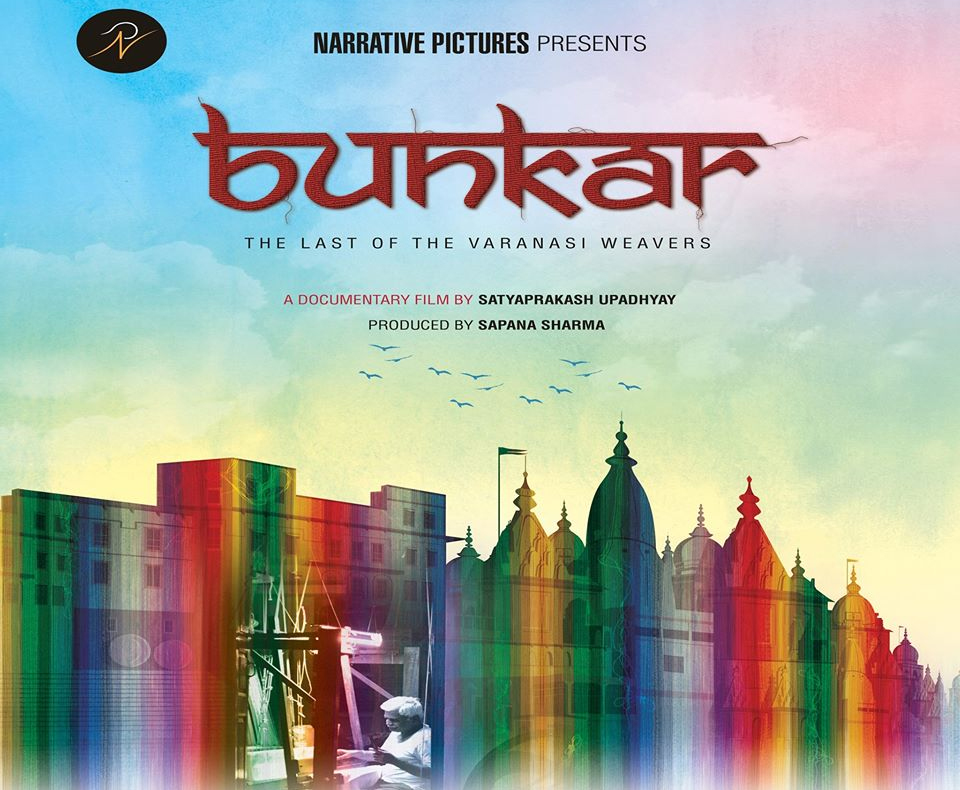
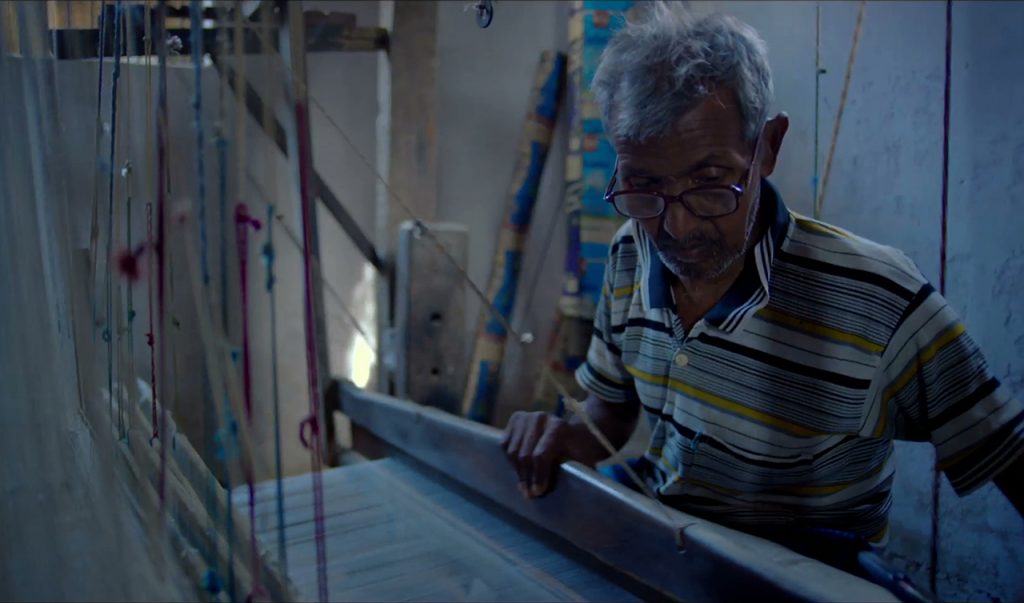
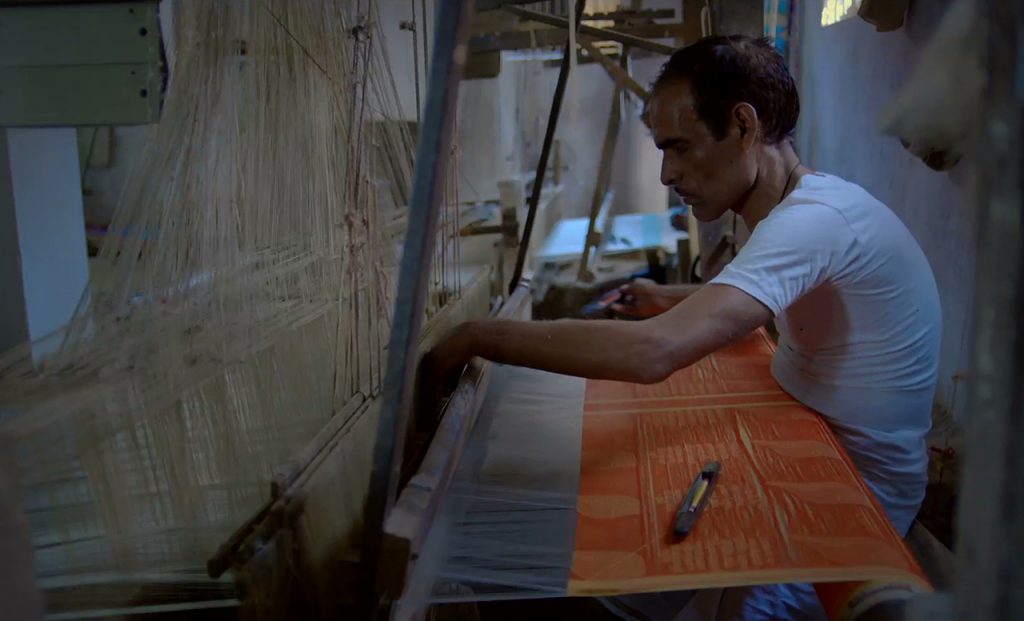
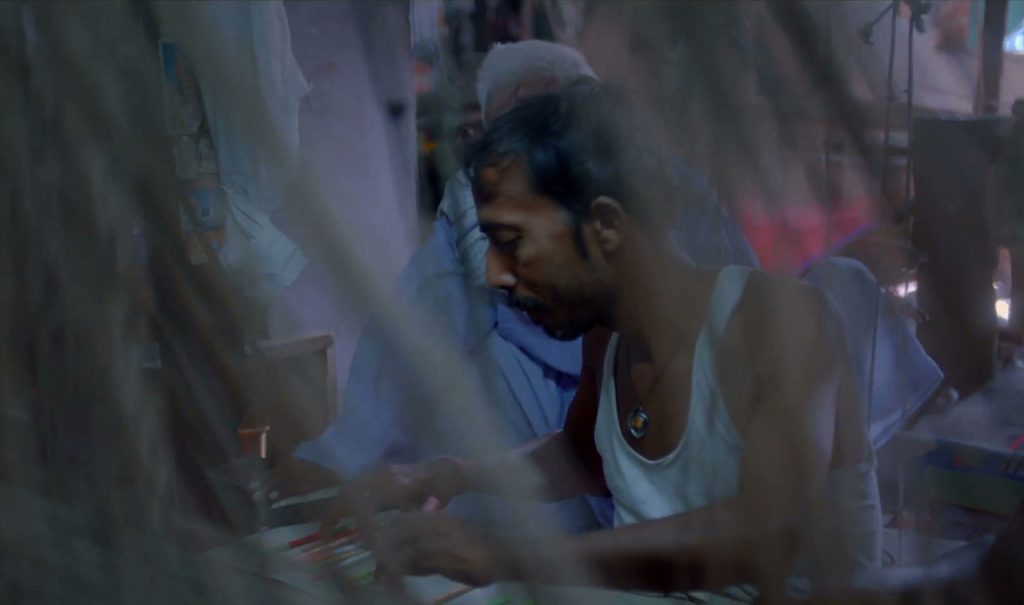
Bunkar – The Last of the Varanasi Weavers has won the Best Film (Arts and Culture) at the 66th National Film Awards. It is a matter of great pride for the forgotten weavers of Varanasi and reflects the team’s hard work and spirit. The film in fact, has bagged other various awards, including the Best Indian Film at the Banaras Film Festival 2019 and the Best Debut Director (Documentary) at the Jaipur International Film Festival. The film has been selected in the Indian Panorama at IFFI, as well as, was the official selection for the IndoGerman Film Week. Here is hoping that the film helps to ease the plight of the weavers, who find the lost glory once again in their art. And a hearty congratulations to the entire Bunkar team.

Bunkar – The Last of the Varanasi Weavers, a short documentary film shot on the shores of Varanasi is a poignant reminder of the lost glory of the Banaras weaver and a sincere effort at trying to be a part of a movement to revive its lost glory.

Bunkar-Varanasi-Weavers-

As the ghats of Khashi unfold its daily activities, the Ganga recounts the history and story of the Banaras art of weaving. The Banarasi sari is famous across the world, however very few of us know about how the hand weaved exotically rich and beautiful Banarasi fabric was a royal and luxury product. This Kashi cotton worn by characters of Mahabharatha has over the years found patronage under different dynasties and rulers flourishing fully till the Mughal era. However, with the British Raj who introduced power loom and machines to produce the saris that otherwise took 3 months to complete in a single day, the downfall of the bunkar began.

Bunkar-Varanasi-Weavers-7

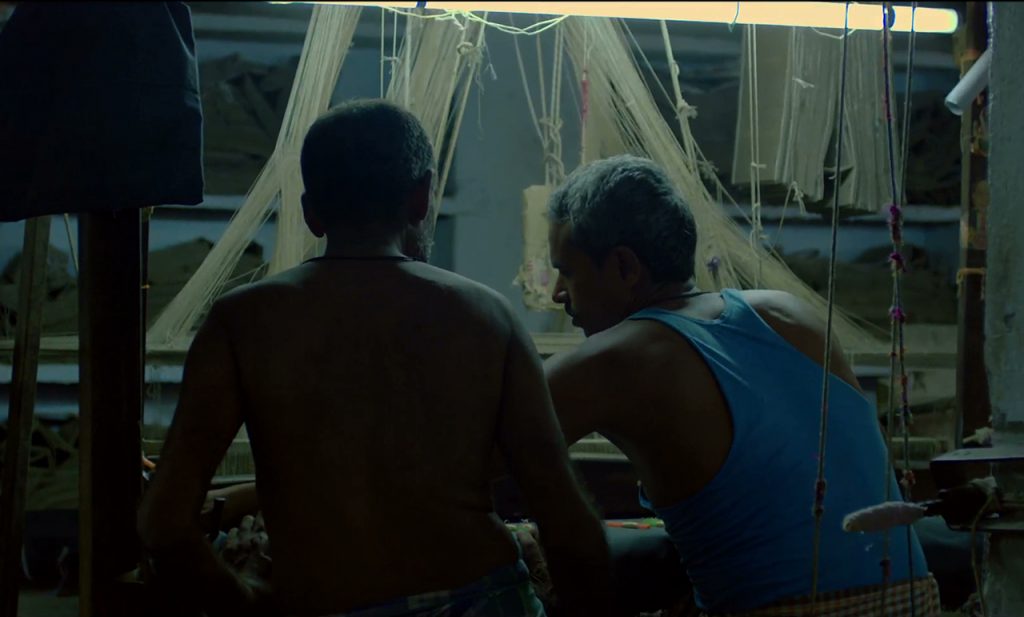
The film yet unreleased, interviews the artisans and those many concerned activists who relentlessly have been working for spreading awareness about the dying art. The plight of the weaver who is unable to meet his daily economic needs and the genuine concern that one of India’s finest skills and arts is slowly perishing at the hands of market and an unaware consumer is the palpable sub text throughout the film.

For me the main highlight of the story was the pride and social status of the weaver. The bunkar was amongst the most respected in the earlier eras whose skill and creativity was marveled at. Varanasi prospered economically and socially and put Indian handlooms on the global map, supplying their products to the exclusive royalty of the times who alone could afford such mastery and opulent wear. The traders out of respect stood up when the weaver brought his product for sale; such was the reverence, admiration and esteem of the weaver. But over the years, the weaver has become a mere laborer, losing out on the social standing and status in the society. This emotional and psychological marginalization of the bunkar and his hurt are manifested with a wonderful clarity throughout the film, making it so real, that in spite of all the other problems the bunkar faces, the blemish of his talent being undermined is the most painful aspect of the weaving community today.

Bunkar-Varanasi-Weavers-3

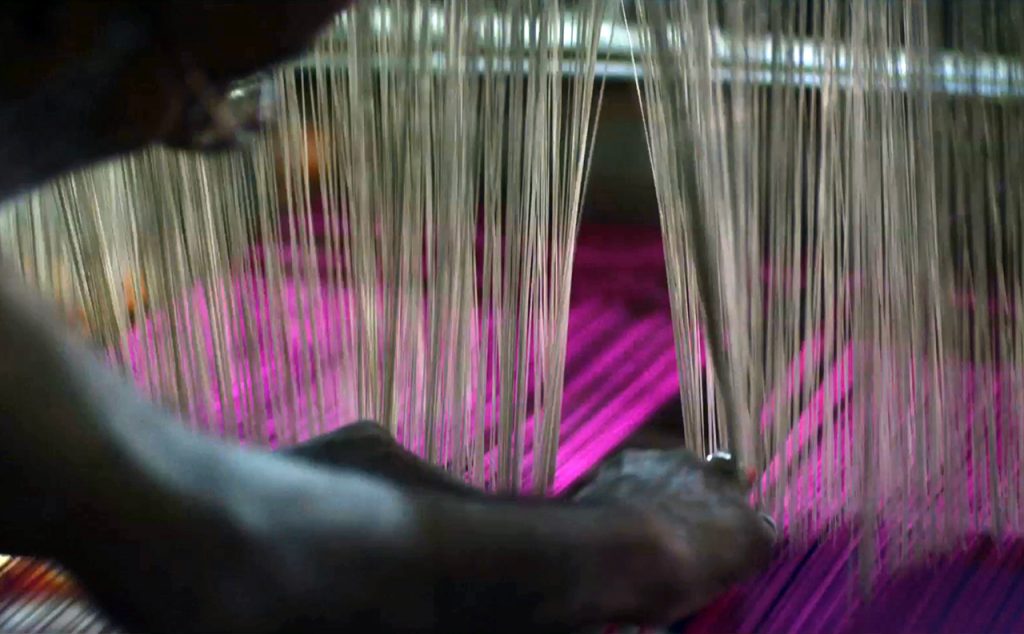
The film not only manages to bring forth a number of issues and problems that the bunkar faces but also tries and gives as many solutions and suggestions The artisans will sometimes make you smile, sometimes touch your heart with heartfelt discussions and the repeated image of the weaver meticulously following his designs amidst the subtle background sound of this handloom starts to grow on you, as you with the progress of the film learn to truly understand and appreciate the weaving process, its intricacies and the sheer creativity and hard work of the entire weaving family.

So what are the other problems that the bunkar faces today? The advent of power loom has managed to produce cheaper quality cloth faster and hence disoriented the market. However, the quality of the handloom fabric is unmatched and as a weaver explains in the film, the touch of a true Banarasi sari on your arm will give you goose bumps. The fabric speaks to the body of the wearer and stirs up a deep connection.

Bunkar-Varanasi-Weavers-4

Another issue is the problem of unfair trader actions. Traders sell the machine made cloth as a handloom and take the major cut off the commission. A buyer may not know the difference between a real handloom material versus a power loom cheaper quality product and the traders take advantage of this, throwing the market in disarray that leaves the weavers in an unwarranted mess that is not of their making. As Smriti Morarka (Revivalist of Banaras Handloom Tantuvi) says in the film, this is like being stabbed by your own brother and is perhaps the largest problem that the weaving community faces.

Bunkar-Varanasi-Weavers-1

For consumers to be able to identify a handloom sari against a machine made product is to check for tiny holes at the edge and side of the material. A handloom sari will have these holes that are made from the handloom whereas the machine finished product will not. Similarly, the government by issuing the handloom tag as well as by securing the GI or Geograpical Indication to the Banaras Brocades and Sarees in 2009 has made it easier to identify an authentic Banarasi saree from a machine made one. The Handloom Day introduced in 2015 continues to recognize and award weavers with exceptional skills giving back to these artists a sense of pride and accomplishment.

It’s simple, when there is so much effort and talent put into an art, the remuneration for it needs to be equivalent, otherwise the art will see a decline and the artists will move out of the profession. Where once entire villages were involved in weaving, today not a single family practices weaving. The handlooms are neatly folded and kept away as the weaver moves out to do other jobs, such as, ride a rickshaw or work on a construction site to make ends meet. Worse the skill is not passed with as much enthusiasm to the next generation leading to a slow decline of the art itself.

Bunkar-Varanasi-Weavers-6

And hence the younger generation needs to find balance between learning the weaving skill as well as understanding the actual dynamics of the market since handloom weaving cannot be taught as a subject but has to be learned from a young age and passed down from one generation to another.

At the end of the hour long documentary, one is left with a sense of hollowness at the same time a glimmer of hope. The reality of the dying art hits you and the realization that artists of such creative level deserve better leaves one with a slight sense of shame. Varanasi weavers are unique; they are special and are the unsung heroes of fashion and creativity. Things are changing for the better and we all can be a part of that change. If by nothing else, by at least acknowledging, as the weavers themselves in the film say, that weaving is ‘Raja kaam’ or the work of kings.

Directed by Satyaprakash Upadhyay try and watch this well researched film upon its release. It will be an hour well spent!

Norway Beyond Fjords: Best Places to Visit

0

Travelling is the best education… You see the world through another lens… You realize your homeland isn’t the only reality, there’s many…

Picture perfect landscapes, the world famous Fjords and the tremendous cities these are the things that await you in Norway. Each region, interior, exterior all are different from each other and you will be mesmerized to see it. In balance with its incredible beauty is the brilliant social and cultural life. Norway is one of the most appealing and beautiful country in the world. Taking a trip to Norway is the best verdict to a holiday trip. Norway has many beautiful places to visit as we know that Fjords are the world famous which is the best part of Norway but Norway is beyond Fjords. If you are a nature, architecture and music lover then trip to Norway once in a lifetime is a must.

To find this, let’s check out some of the most famous places of Norway to visit and not to miss….

Alesund:

Alesund Norway

Alesund is a town and municipality in Norway and is built entirely in the Jugendstil, Art Nouveau architectural style after a fire in 1904. It is a seaport and is considered the gateway to the majestic northwestern fjord and alpine mountains. Jugendstilsenteret is a national interpretation center, you can learn more about the town fire, the rebuilding of the town and the Art Nouveau style. The town is the 17th most populous municipality in Norway.

Bergen:

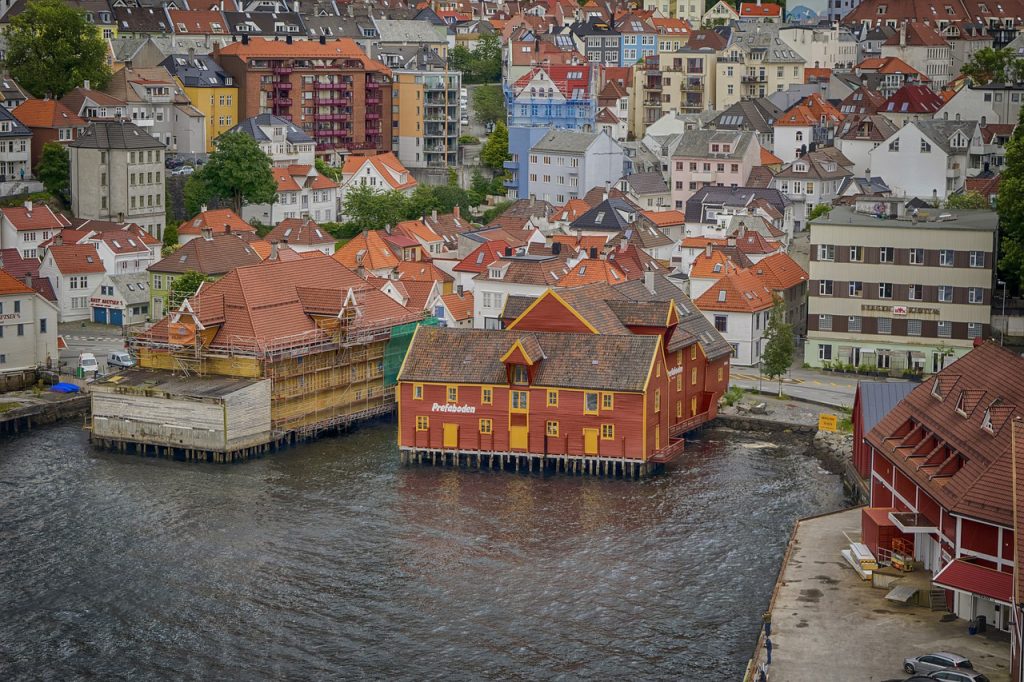
Bergen-Norway

Bergen is a city on Norway’s southwestern coast. It is the second largest city after Oslo and is considered to be the gateway to the fjords. It’s an appealing mixture of living history as reconstructed Hanseatic buildings of Bryggen, a World Heritage Site with colorful wooden houses. The 15th century waterfront in the Bryggen district is the working port as well as a famous tourist destination. Explore the live fish market in the old wharf before heading towards the other sights of Norway.

Tromso

https://pixabay.com/en/landscape-bergen-norway-3611438/

Tromso is the largest city in Northern Norway and is famed as the viewing point for the colorful northern lights that lights up sometimes in the night time sky. It is a major cultural hub in the Arctic Circle and is also best known for its 18th century wooden houses and also the gorgeous natural surroundings. There are many more places to visit such as Polar Museum- the historical and cultural spots and Polaria – the arctic museum.

Oslo:

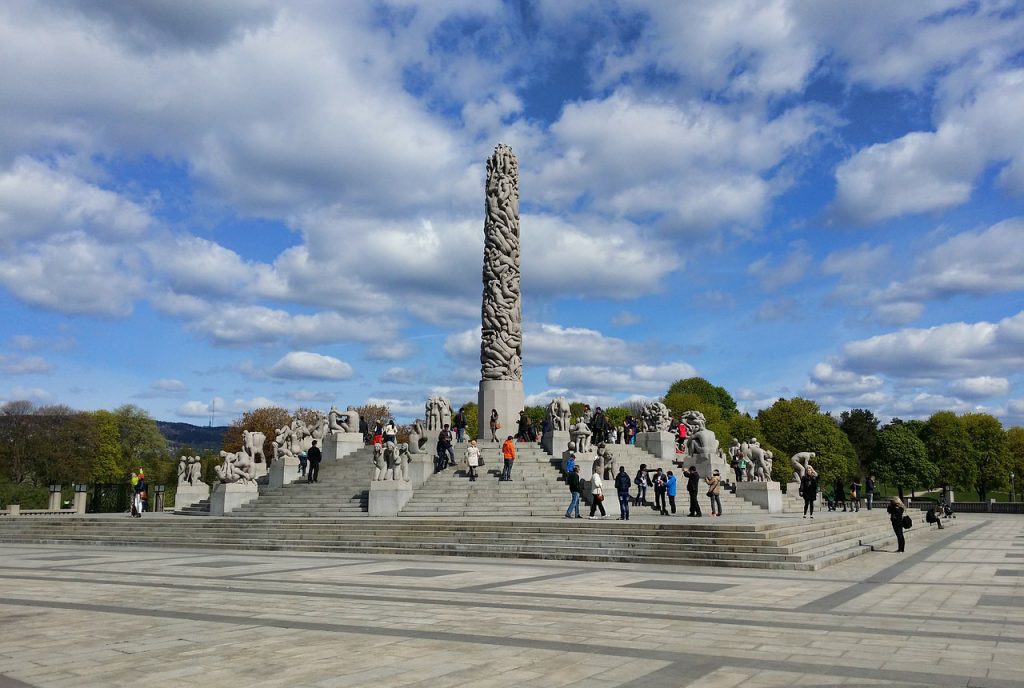
oslo-norway

Oslo, the capital of Norway sits on the southern coast at the head of the Oslo fjords. The atmosphere in Oslo is modern, fast and relaxed as it is the fastest growing cities in Norway. It is a cosmopolitan destination with world class restaurants and art galleries. As two third space of Oslo is covered with forest it is known for its green space which is suitable for biking and hiking. The place is also famed for museums which includes a ski museum, Viking ship museum, waterside Norwegian Maritime Museum in its list. Folkmuseet is an interactive outdoor museum that features 150 historic buildings.

Stavanger:

Stavanger-Norway

Stavanger is Norway’s fourth largest city and a fascinating mix of old and new. Its history dates back in deep into the middle ages. The city is different from the majority cities of Norway because of sandy beaches and warm climate. Stavanger Cathedral Museum chronicles the city’s history and preserved wildlife. The shopping street Ovre Holmegate is known for its colorful houses. The Norwegian Petroleum Museum illuminates the oil industry with submersibles. This city gives the country’s best example of Norwegian art and medieval churches.

Trondheim:

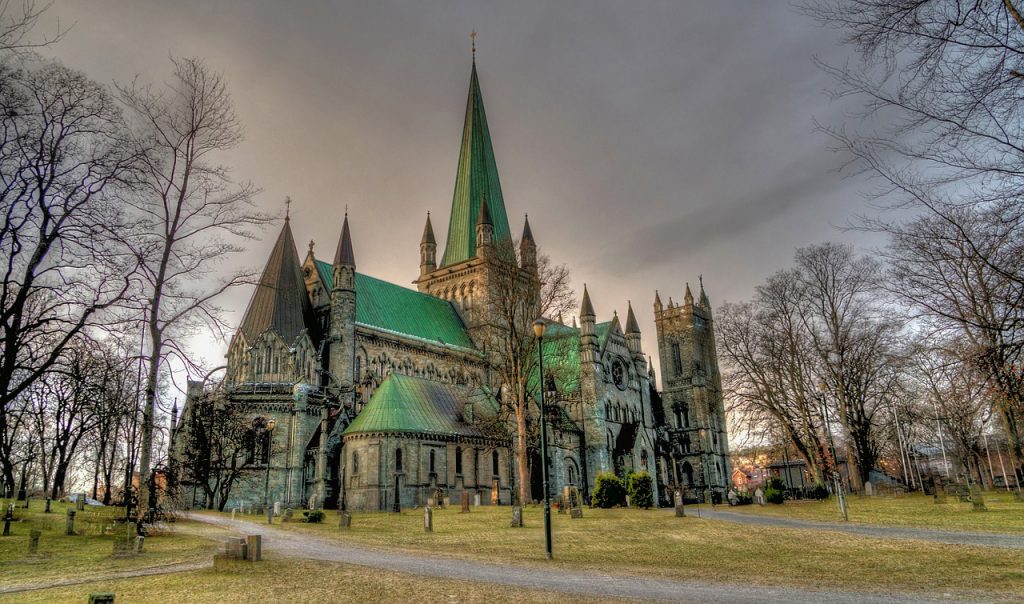
Nidaros-Cathedral-Trondheim-Norway
Source

Trondheim is the third largest city in Norway and also called as the “Intimate big city” as it captures the modern and energetic atmospheric and also let the people know about its historic beauty. The city is famed for its culture, food, students, cycling and technology. The city also comprises farmer’s market, excellent restaurants, and the incredible local breweries. The city also host various church festivals such as St. Olav festivals the largest cultural and church event. The city also boasts of botanical gardens which includes a Renaissance – inspired herb garden and museums and churches of 11th

Bodo:

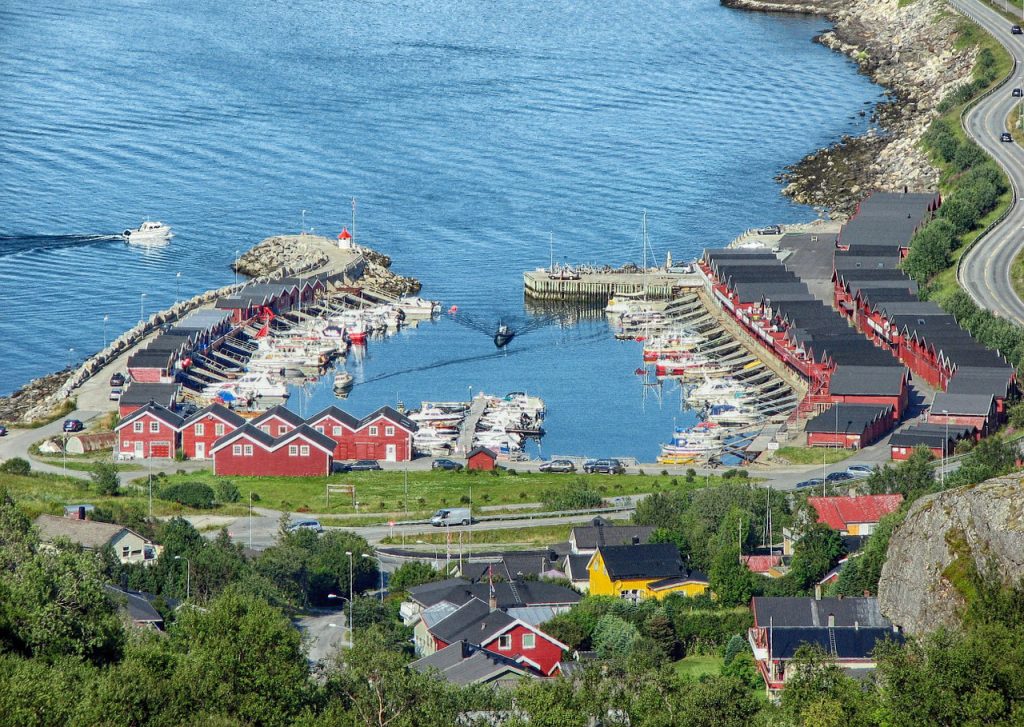
Bodo-Norway

Bodo is a town and municipality in Nordland country, Norway. In this place you can go kayaking or golfing under the midnight sun. For those who are interested in arts and crafts Bodo has a diverse community of local artisans, glass blowers, potters, and jewellery makers. The place also organizes the two big music festivals attracting thousands of tourists and peoples. This place also serves as the starting point to the north of Norway specifically Lofoten Islands. Bodo offers a lively urban atmosphere.

Lofoten Island:

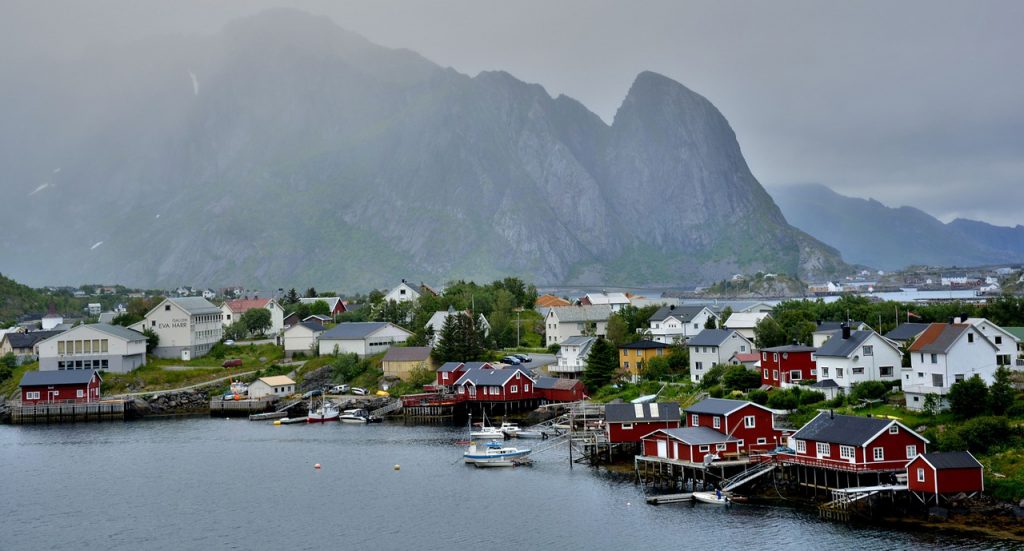
Lofoten-Island-Norway

Lofoten is an archipelago in Norway. It is known for its scenic beauty and dramatic scenery. One can dugout between the islands, go fishing, scuba dive, surf, Go Ocean rafting, hike, ski, and more. If you want to experience real Mother Nature then you must visit lofoten which has grand mountain ranges, deep fjords, unique colonies of seabirds, and exquisite beaches with mild climate. The nearby Lofotr Vikings Museum features a Viking longhouse reconstruction.

Fjords-in-Norway

Norway’s famous fjords are found throughout the country and they are not restricted upon a particular region. It is the best place for every season and for adventure too. It is a nation with rich history and best cultural expeditions too. The breathe taking Northern lights or the sun glistening on massive glacier is the best view one can experience in their lifetime.

So, if you are planning for a trip this holiday make sure to visit the Norway and experience the nature at its best!!!

Section 377 Abolishment – Another Side of Story

0
Section 377 Abolishment
Image – Charlie Nguyen via Flickr

The abolishment of Section 377 has brought a wave of joy in the country. Queer community and their supporters have finally taken a breath of relief after fighting against this inhumane law since ages. Whilst the happiness has spread like a wildfire, I am somehow untouched with it.

I am a part of the community affected with the IPC Section 377 since a long time. I did realize how it feels to be free when Delhi High Court took the first milestone decision many years back. However, things have changed over the years, and so did my perception towards the entire issue.

Yes, today, I feel relieved that at least in the eye of law, we are not criminal. People can’t put me behind bars and there won’t be any intrusion to my personal life. My twisted mind sees it otherwise though. Law may not consider us an alien, but there is a large section of society for whom we still are one. Moreover, while we seek acceptance from the society, there is no acceptance within the community itself.

To briefly introduce myself, I have known about my sexuality since I was 12 years old. At that age, I decided to be with one partner and spend my entire life with him. My dreams where shattered when I visited Pune for my further studies in 2006. That’s when I realized that gays, for most people, are nothing but a substitute for women.

This disgusted me thoroughly and I was shocked to how society look at us. However, it was not all bad since that section of society is someone no one should not ever bother. The second shock came when I started finding discrimination within the queer community.

Indeed! By having been in a couple of queer social platforms, I have faced some of the hard-hitting reality that no one speaks about. Foremost, looks matter in the community. I am not sure if straights often care about that, but in queer community if you’re not handsome, you’re judged. People have failed to understand that your appearance or features are something not in your control, but your character and personality certainly is.

Secondly, most of the people are looking for physical connection. Most tops (active) are typically looking forward to getting laid. Bottom (passive), in most cases, make the most of it. Then there is a terminology that goes around is ‘straight-acting’. If you’re feminine or have a smallest trait of a female, there are chances you will be rejected. If not, then most men would not like to be seen with you in public.

Whilst I was in Pune, I realised that caste and stature play a major role as well. If you’re not from a high stature, there are high chances is that you won’t be welcomed. You may attend the event or gathering, but you would have to come up with your own group, else you should be comfortable being alone.

After meeting quite a few people and being on and off the social media platforms, I was still hopeful that may be I am not meeting the right kind of people. Since I am looking for a long-term relationship and these platforms are mostly used for otherwise, I decided to enrol myself with a marriage agency.

When you opt for such services, that too in a country where people are not open about their sexuality and avoid been noticed on awkward platforms, you hope you have hit a jackpot; but no. It’s not what is seems. Another side of the reality struck me, and I have lost all hopes.

It’s been more than a year and half and my profiles have always been rejected. It’s quite sad to experience such responses from people who are looking for something substantial. The reasons were far surprising. Rejection came because I have less hair, I am fat, I ‘may’ be feminine, and surprisingly, because I am a vegetarian. It’s hard to believe, right? But yes, these were the reasons for rejections.

So, today, when judgment came, I was not so enthusiastic about it. After looking at the society and community closely for me acceptance on paper is just a tiny part of the whole picture. For me what matters is if people are ready to accept me for who I am. The way, all queer wish to be accepted. The day, people will not judge me for how I look and what I eat, that will be a milestone for me.

The judgement is a relief as we have won a battle, a tiny won. Now, legally we are free, but we are still tied up with other stereotypes, like looks, physical appearance, and status. Let’s focus on that. Let’s accept our peers for who they’re. If we can do that, we will be able to make a huge difference.