mild tooth of milk: afra eisma’s Tender Yet Political Textiles

0
Mild Tooth of Milk: Afra Eisma
Image Courtesy – map-india.org

The Museum of Art & Photography (MAP), Bengaluru, is presenting an upcoming exhibition titled “mild tooth of milk”, and is slated to run from 12 December 2025 to 31 March 2026 at the historic Dutch Warehouse in Fort Kochi. This solo show features works by Dutch artist afra eisma,, whose art is both playful and political at the same time, and equally weaves together softness, colour, texture, and activism. This exhibition will open concurrently with the Kochi-Muziris Biennale on the same date. eisma’s exhibition provides a soothing pause amid the usual intensity of a global art event, crafting a welcoming space for everyone. The artist brings two bodies of work to life, hush and warrior garments, each projecting a different way of engaging with vulnerability, memory, resistance, and community.

A Patchwork of Emotion and Texture

eisman’s art is a celebration of the objectivity of the materials she engages in her craft. She involves soft carpets, intricate ceramics, and delicate silk and organza textiles to frame her artwork. The exhibition aims to be a democratic space for the viewers where people can actively engage with the art itself and interact and reflect on the things that feel both personal and political. The exhibition broadly embodies two broad categories of work, hush and warrior garments.

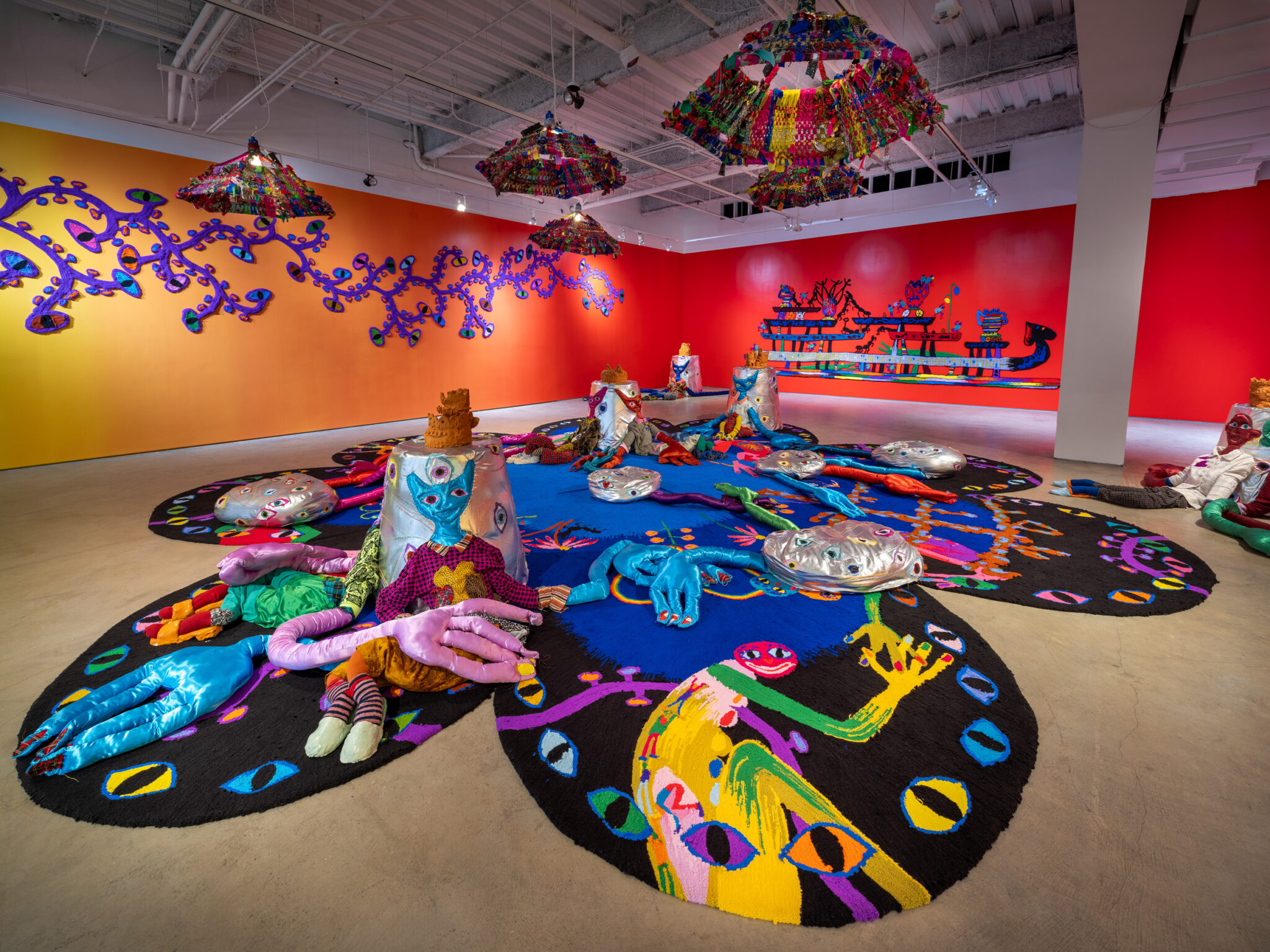
In Hush, she creates an environment that feels more like a gallery that has just been inhabited with life. The carpets, ceramics, and textiles are arranged in beautiful colour sequences and act as companions to the rudimentary subject. She weaves a dreamworld where innocence, curiosity, and gentle unease coexist. This theme will dominate the first floor of the Dutch Warehouse, presenting a large-scale tactile corpus of artwork. The soft installations feature an array of hand-crafted forms such as silver cones, cat-like creatures, conjoined heads, fun-sized shoes, etc. There is due emphasis on a playful ambivalence which engenders a non-judgemental environment, welcoming a direct emotional response from the visitors. As people move through the installation, removing their shoes and feeling the fabrics with bare hands becomes a ritual, creating a sense of sensory experience while critically viewing the themes. This enhances the emotional resonance of the art and amplifies its imprint in the minds of people.


View this post on Instagram


A post shared by MAP Bengaluru (@mapbangalore)

In contrast, the other genre, the warrior garments, brings a charged political and emotional energy. This segment features the designs of garments sewn from silk and organza. These pieces are hand-painted activist text that records the artist’s reflections on personal and societal anger and rage as catalysts for transformation. In a world where clothing often masks pain, these garments expose wounds, open scars, and demand attention. This generates a feeling of awe and a tinge of emotional resistance. This collection breaks the concrete separation between what’s emotional and what’s overtly political by challenging the traditional notions about vulnerability and weakness. The artist also dedicated a space to the survivors of sexual violence, christened “soft conversations.” eisma legitimized the catalytic force bound in hidden emotions that forms an energy, which is equally capable of bringing political change and offering a pathway towards healing. She beautifully channels pain into collective memory and solidarity, projecting the other side of vulnerability, i.e, strength. 

Together, both segments create a very deeply layered narrative. It adjoins playfulness and resistance; tenderness and survival, and much more. This space not only projects the juxtapositions but also seeks to bring people a step closer to healing. Emotions, often relegated to the private, are reclaimed as shared, public, and necessary.

Exhibition details

Event Details
Title mild tooth of milk
Artist Afra Eisma (Dutch)
Organiser Museum of Art & Photography (MAP), Bengaluru
Venue Dutch Warehouse, Fort Kochi (First Floor)
Dates December 12, 2025 – March 31, 2026
Collaborative Show Everything Leaks by Neighbour (Ground Floor)
Key Materials Soft carpets, ceramics, silk, organza textiles
Themes Tenderness, Resistance, Vulnerability, Healing, Play

Key Highlights

  • In hush, visitors are invited to remove their shoes and physically interact with a large tactile installation, soft carpets adorned with surreal forms. The work evokes a whimsical “meeting ground,” urging a return to innocence, playfulness, and shared vulnerability.
  • The warrior garments, sewn in delicate silk and organza, carry hand-painted activist texts, transforming clothing into statements of resistance, pain, healing, and solidarity.
  • The Dutch Warehouse, with its historic charm and maritime air of Fort Kochi, offers the perfect setting for this exhibition. Against a city that has historically traded in spices, culture, and ideas, eisma’s dreamlike textiles forge a contemporary site of meeting and introspection.
  • mild tooth of milk emerges as a tender, intimate counterpoint to large-scale works. 
  • The opening on December 12 will be followed by a conversation on December 13 featuring afra eisma and Meenkashi Thirukode, Founder of School of Instituting Otherwise, providing crucial context to the artist’s vision
  • The exhibition is free of cost to make art accessible. Viewers are encouraged to linger, interact, rest, and reflect. By creating a space of softness and care, eisma invites a different rhythm of engagement, rooted in empathy and collective presence.

A Re-imagined Sphere for all

The impact of eisma’s exhibition symbolizes a bigger picture. It reflects the maturing art landscape, which is keen to chip in global perspectives on contemporary issues. eisma’s art stands at the radical plane of artistic ideologies and requires an emotional armour to confront. Set alongside the lavishly curated Kochi-Muziris Biennale, this exhibition stands out for its refusal of grandeur, as it deeply percolates into the emotional ruptures of the spectator and heals them to some extent. 

The particular highlight of trauma, especially based on gender-based violence, is a commendable theme. afra eisma’s art is not decorative but a direct challenge to “comfort and luxury” associated with art; she consciously chooses to provoke the audience in order to extract an emotional reaction. The warrior garments don’t just occupy space; they carry stories, histories, and resistances. The exhibition champions the idea that genuine strength is found not in impenetrable hardness, but in the courage to be vulnerable and to engage with emotions. Overall, mild tooth of milk embodies precisely what contemporary art should aspire to be at its best: not merely visually arresting, but emotionally alive; not just a display, but a space, a community.
Echoes of Earth Announces 2025 Line-Up, Embracing “The Sixth Sense” Theme

0

Echoes-of-Earth-Announces-2025-0A

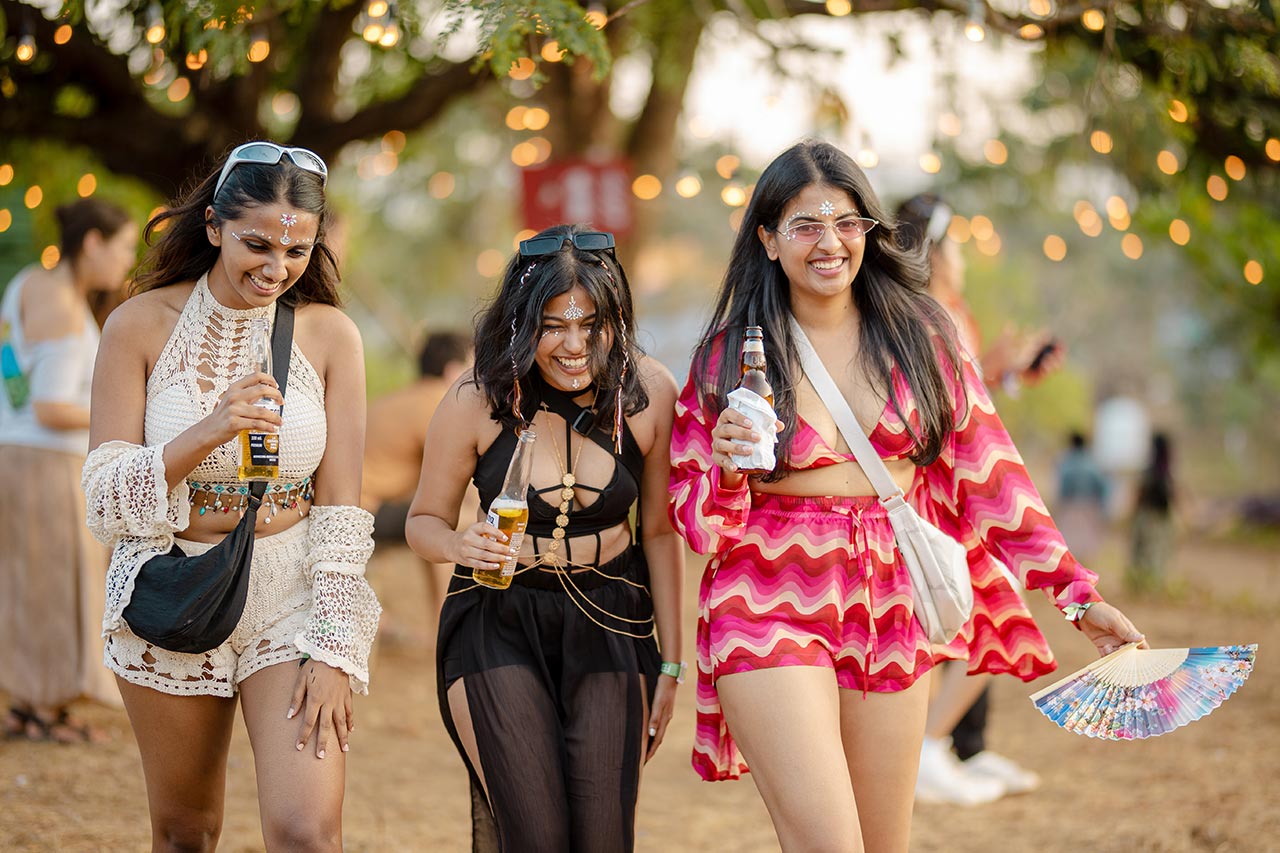
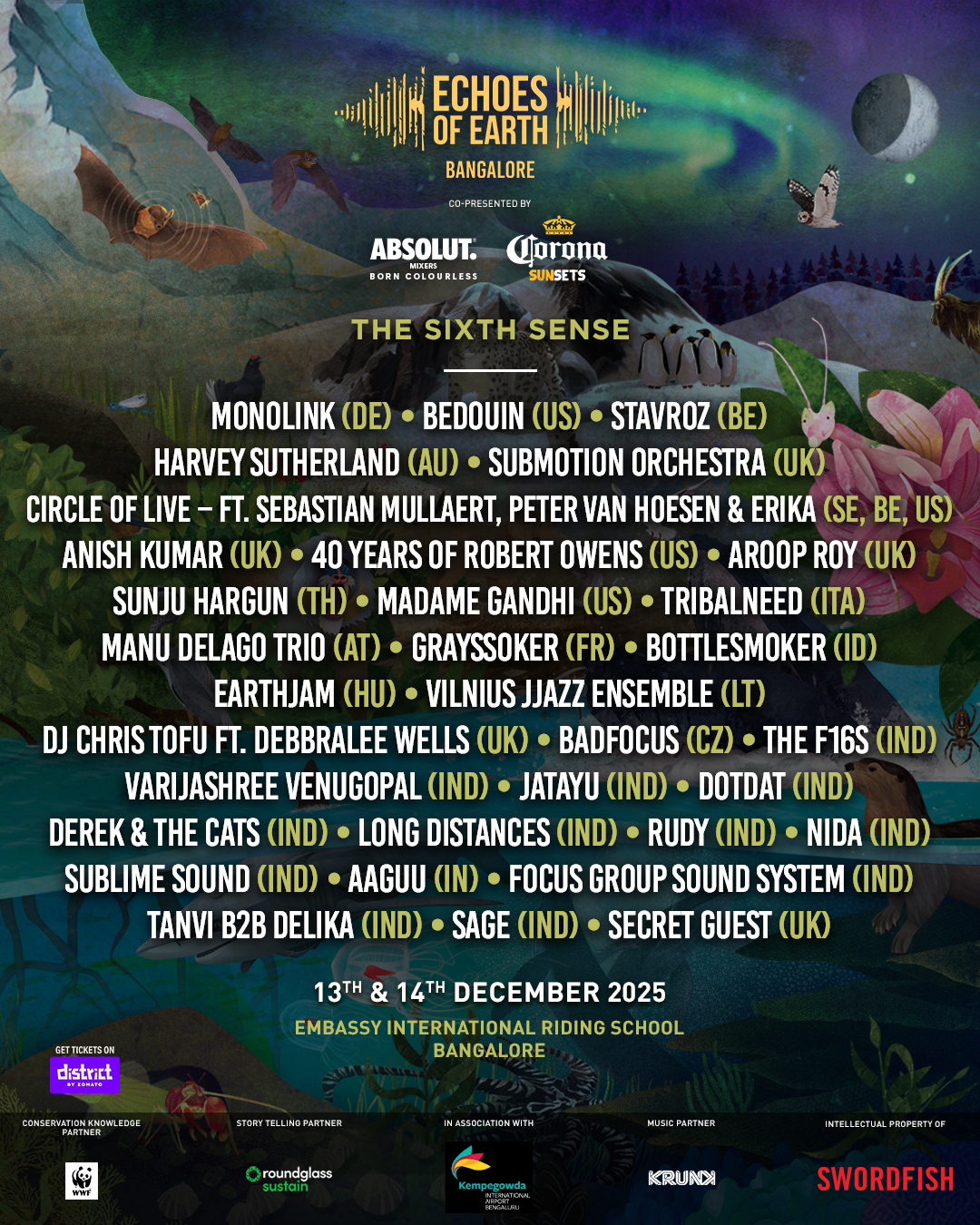
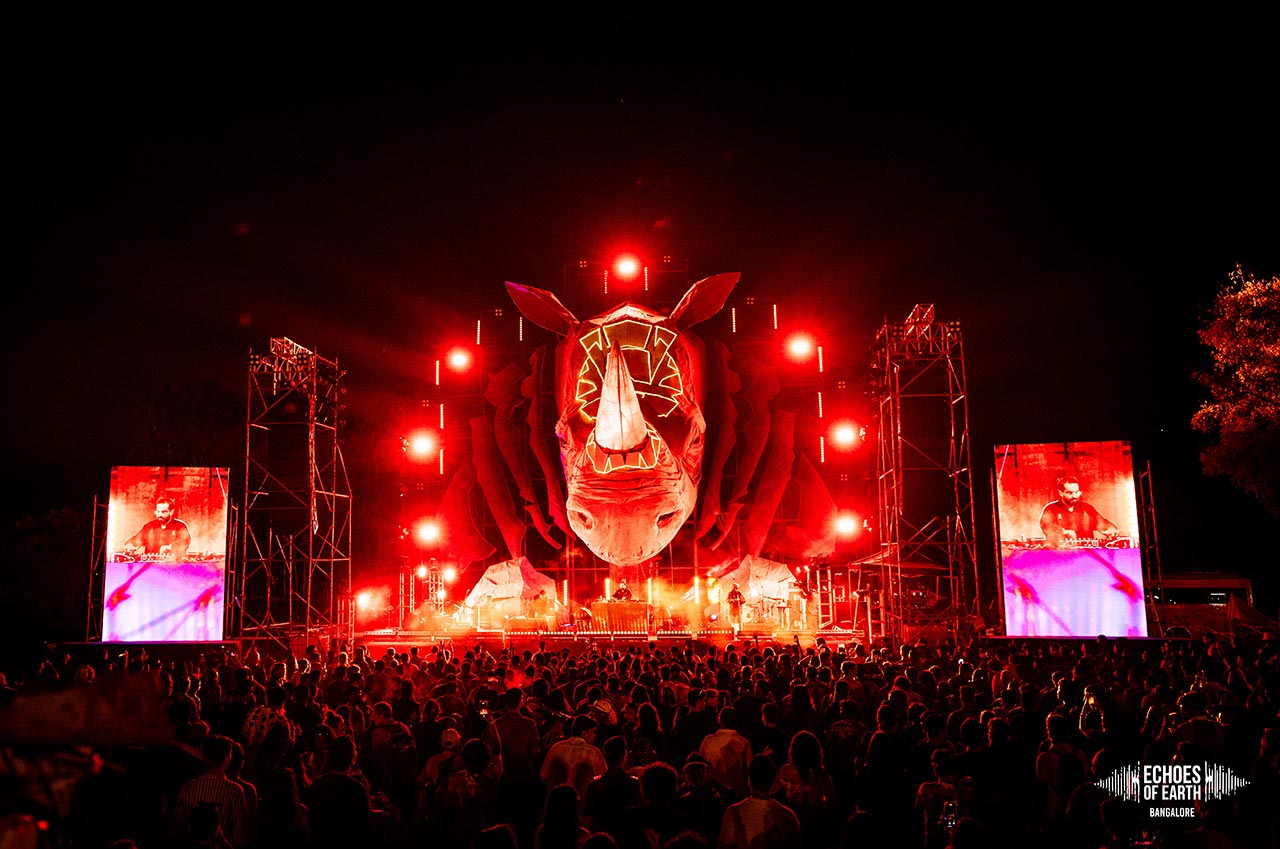
The Echoes of the Earth festival is widely regarded as India’s most environmentally progressive music event, and it has officially unveiled its artist line-up and theme for its highly anticipated 8th edition. Scheduled to take place on December 13th and 14th, 2025, at the Embassy International Riding School in Bangalore, the festival assures an anomalous blend of world-class music, upcycled art, and deep environmental consciousness, all under the banner of  “The Sixth Sense.” The theme highlights nature’s intuitive intelligence and its ability to sense, adapt, and evolve among multiple ecosystems. 

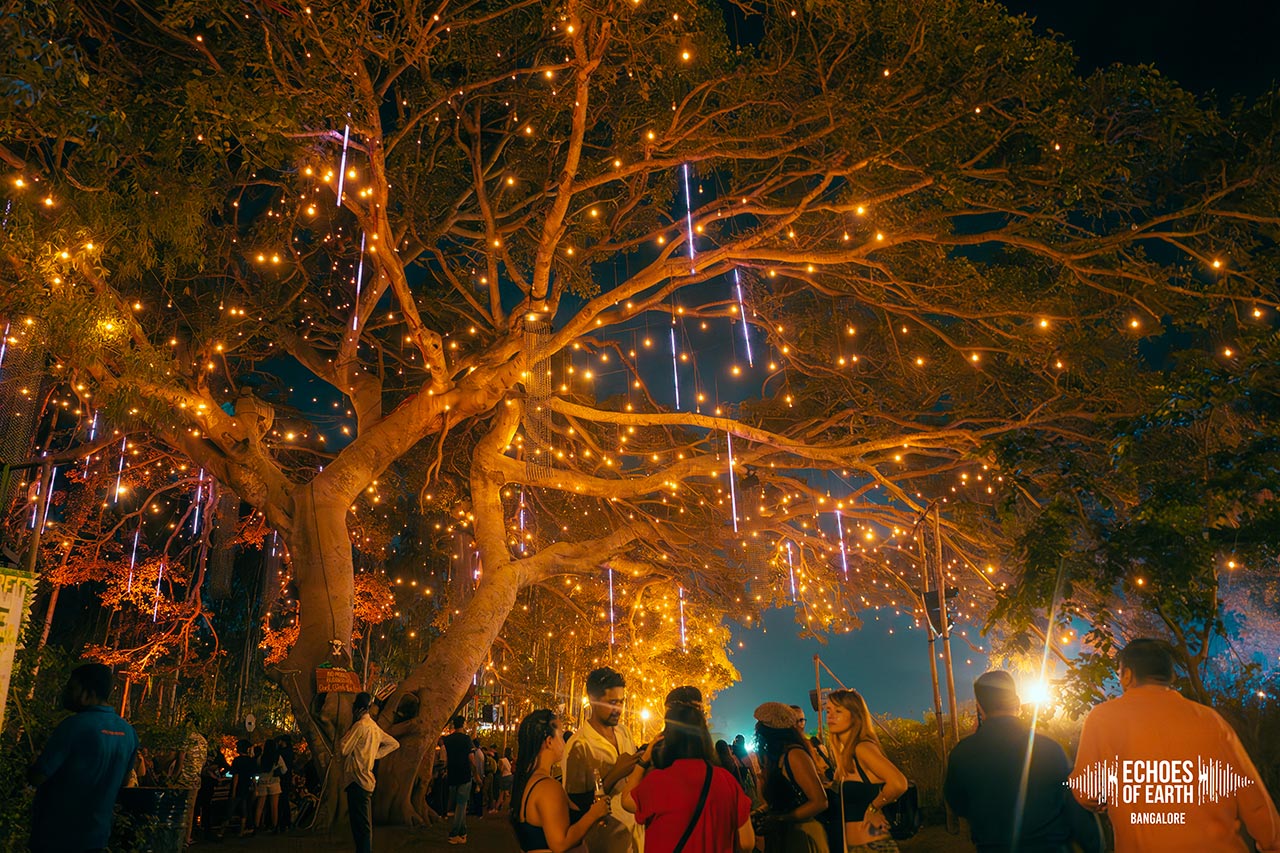
Echoes-of-Earth-Announces-2025--Big-Tree-Stage

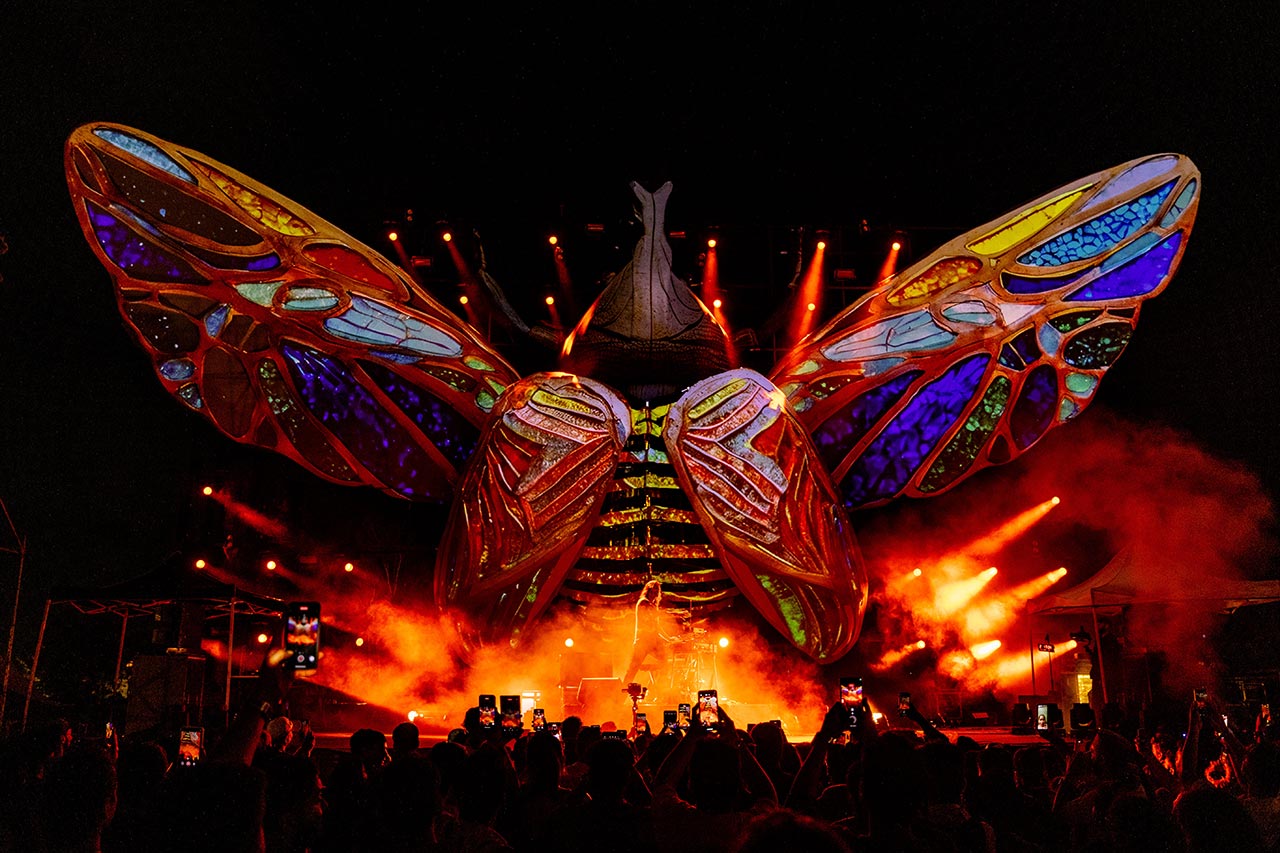
Recognised globally by A Greener Future (AGF), London, as Asia’s most environmentally progressive and circular music festival, Echoes of Earth is a leading platform where conservation and creativity merge. The festival’s foundation is built on circular design principles, transforming discarded materials from past editions into spectacular, large-scale stages and installations, an inspiring testament to sustainability in action.

The Sixth Sense

Community-at-Echoes

The nature around us is full of wonders, and this enigmatic niche possesses miraculous abilities to adapt with precision and thrive beyond the conventional five senses. The festival focuses on that unseen part. It aims to make people ponder the forces that guide a bird’s migration, or instruct a tree to bloom, or how trees communicate beneath the soil. This deep dive into the planet’s intuitive sense will be brought to life through installations, storytelling, and an educational dialogue facilitated by partners. 

Echoes-of-Earth-Announces-2025-Rhino-Beetle-Stage

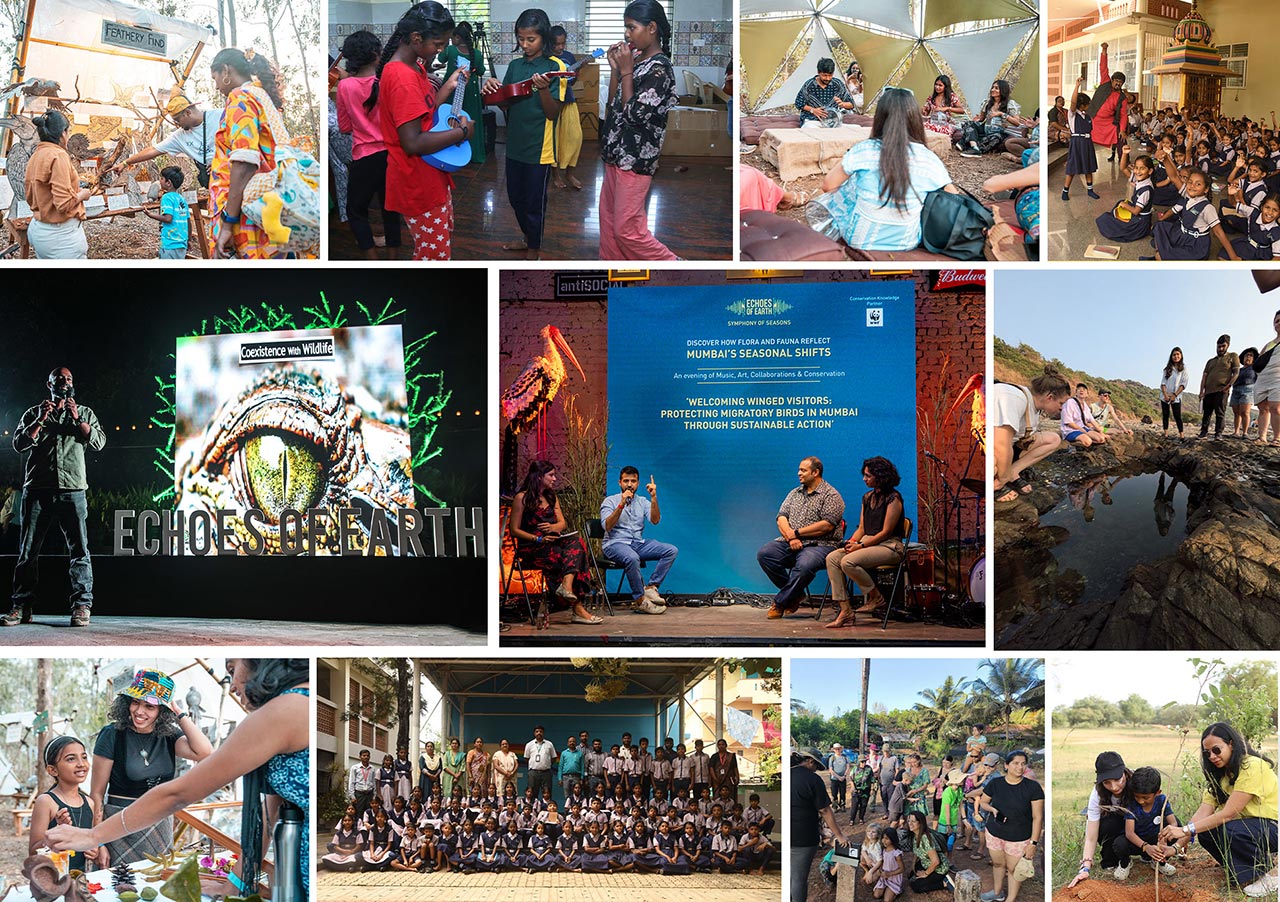
The festival has partnered with WWF-INDIA as the Conservation Knowledge Partner, organizing educational programs on biodiversity. Roundglass Sustain will serve as the Storytelling Partner, translating nature’s intelligence into compelling narratives for a wider audience. Furthermore, a unique collaboration is forged with the Kempegowda International Airport, Bengaluru (BIAL). They will spread the festival’s message and music to public spaces through curated pre-festival performances and educational programs. Echoes of Earth also extends its impact beyond the festival. With The Greener Side, they have launched a year-round initiative focused on community-led conservation projects and creative workshops. In the words of Roshan Netalkar, founder & festival director, “For me, Echoes of Earth has always been about bringing people together through music, art, and a shared love for nature. Our work has been recognized by global awards in circularity, sustainability, and conservation… Now, we’re thrilled to take the festival to a bigger scale.”

Global Artist Line-Up

Final Lineup Echoes of Earth 2025

Monolink (Germany)

Steffen Linck returns with his signature multidisciplinary performance blending acoustic tenderness with melodic techno. His set promises introspective songwriting woven into immersive electronic layers, perfectly complementing this year’s theme.

Bedouin (USA)

The celebrated duo brings hypnotic deep house intertwined with Middle Eastern melodies. Praised worldwide for their Burning Man-style atmospheric journeys, their debut at Echoes of Earth is set to be a crowd magnet.

Stavroz (Belgium)

Returning after seven years, this Ghent-based ensemble is known for cinematic grooves blending jazz, analog electronica, and contemplative house, creating surreal soundscapes that feel handcrafted for nature-focused festivals.

Circle of Live (Sweden)

The improvisational project of Sastian Mullaert arrives in India, featuring  Peter Van Hoesen and Erika. This setup is known for unrehearsed, spontaneous performances—moments that are created and dissolved entirely live.

Grayssoker (France)

A contemporary accordion virtuoso who fuses trap, jazz, Balkan influences, and frenetic electronica, reshaping what an accordion can be on a global electronic stage.

Bottlesmoker (Indonesia)

The Indonesian duo expands the bounds of sound by turning plants and fruits into musical instruments. Their experimental natural-electronic performances align seamlessly with the festival’s sustainability narrative.

Madame Gandhi (USA)

Feminist musician and activist Kiran Gandhi brings percussive power, rich vocals, and conscious storytelling, delivering performances that galvanize communities toward equality and social change.

Submotion Orchestra (UK)

Almost a decade after their last appearance in India, this iconic ensemble blends jazz, soul, dub, ambient, and electronica into deeply emotional live sets that are celebrated worldwide.

Jatayu (India)

The Chennai-based outfit merges Carnatic idioms with math rock, jazz, and funk. Their expanded six-member ensemble with horns ensures a dynamic, culturally rich performance rooted in Indian musical heritage.

Exhibition Details

Event Details
Festival Dates December 13–14, 2025
Location Embassy International Riding School, Bangalore
Theme The Sixth Sense: Celebrating Nature’s Intelligence
Global Artist Line-up Monolink, Bedouin, Stavroz, Circle of Live, Grayssoker, Bottlesmoker, Submotion Orchestra, Madame Gandhi
Indian Artist Highlight Jatayu
Core Vision Sustainability, circular design, conservation partnerships
Key Partnerships WWF-India, Roundglass Sustain, Bangalore International Airport (BIAL), Absolut, Corona
Festival USPs Upcycled stages, immersive solar-powered experiences, workshops, and large-scale art
Edition 8th Edition; Recognized as Asia’s most environmentally progressive circular festival by AGF

Key Highlights 

  • Asia’s most environmentally progressive festival, certified by AGF
  • 100% circular design, with upcycled art, recycled materials, and eco-driven architecture
  • Four uniquely designed stages, including a 360° solar-powered immersive stage
  • Partnership with WWF-India for biodiversity education
  • Collaborations with BIAL to bring art and music to the airport
  • Workshops & learning spaces under “The Greener Side” initiative
  • Live art, storytelling zones, kids’ workshops, and a curated ecological flea market
  • Community-driven conservation projects, expanding beyond the festival days

Why Echoes of Earth 2025 Matters More Than Ever

Echoes-of-Earth-Announces-2025-The-Greener-Side-Activation

Echoes of Earth is an ethical statement on the role of large-scale events in a climate-conscious future. Often, the music festivals across the globe grapple with overwhelming waste and carbon footprints. Echoes of Earth, on the contrary,  has consistently set a global benchmark, demonstrating that spectacular celebrations and deep environmental responsibility are not mutually exclusive; they are symbiotic. The thematic core of the 2025 edition accentuates the celebration by anchoring it with a space of learning, contemplation, and reconnection.

“The Sixth Sense” gently nudges a collective re-engagement with the natural world, urging us to listen to the Earth’s subtle wisdom through a multi-sensory engagement. The earnest commitment of the festival to community-building and environmental advocacy makes it stand out. It proves that most progressive music festivals of tomorrow must resonate through an uncompromising dedication to the planet. It is a necessary echo for the future of conscious celebration.

How the ULIP Return Calculator Helps Map Out Your Investment Plan Journey From Premium to Maturity

0

How-the-ULIP-Return-Calculator-Helps-Map-Out-Your-Investment-Plan-01

Thinking about ULIP? What will you get after 10 or 20 years?

ULIP mixes insurance with investment. Sounds good. But how do you know if it’s really working for you?

This is where a ULIP return calculator becomes your best friend. It shows your complete journey – from first premium to final maturity.

Let’s understand how to use this tool and plan your ULIP investment properly.

What is a ULIP Return Calculator?

A ULIP return calculator is nothing but a ULIP calculator to calculate returns. You put in your premium amount and policy details. It shows what you might receive at maturity.

What it calculates:

  • Total money you’ll invest over the years
  • Expected fund value at maturity
  • Returns after all charges
  • Year-wise growth of your investment

Think of it as a roadmap. It shows where you’re starting and where you might reach.

Why you need it:

ULIP has many charges – premium allocation, fund management, and mortality charges. These reduce your actual returns. The calculator factors all this in and shows real numbers.

Without a calculator, you’re investing blind. With a calculator, you know what to expect.

Understanding Your ULIP Journey

Before using the calculator, understand the ULIP journey:

  • Year 1-5: Lock-in period – Your money stays invested. Can’t withdraw. Charges are higher in the initial years.
  • Year 6-10: Growth phase – Charges reduce. Your fund starts growing faster. Can do partial withdrawals if needed.
  • Year 11-15: Maturity approach – If 15-year policy, this is the final stretch. Many people shift from equity to debt funds for safety.
  • Maturity: Getting your money – Policy matures. You receive the fund value. Usually tax-free.

A ULIP return calculator shows value at each stage of this journey.

Step-by-Step Guide to Using ULIP Return Calculator

Step 1: Find a good calculator

Search “ULIP return calculator” online. Many insurance and financial websites offer free tools.

Step 2: Enter your premium details

How much will you pay? Options:

  • Monthly premium
  • Quarterly premium
  • Yearly premium

Most people choose yearly for convenience. Let’s say 50,000 rupees yearly.

Step 3: Select policy term

How many years will you invest? Common options:

  • 10 years
  • 15 years
  • 20 years

Choose based on your goal timeline. For a child’s education over 15 years, select a 15-year term.

Step 4: Choose fund type

This is important. Different funds give different returns.

  • Equity fund: Higher returns (10-12% expected), higher risk.
  • Debt fund: Lower returns (6-8% expected), lower risk.
  • Balanced fund: Moderate returns (8-10% expected), moderate risk

Select based on your comfort with risk.

Step 5: Enter the expected rate of return

Based on the fund type, put a realistic return rate:

  • Equity: 10-11%
  • Debt: 6-7%
  • Balanced: 8-9%

Don’t use 15% or 20%. Be practical.

Step 6: Account for charges

Good calculators ask about charges:

  • Premium allocation charge (especially high in first few years)
  • Policy administration charge
  • Fund management charge
  • Mortality charge (for insurance component)

Some calculators include average charges automatically. Check if yours does.

Step 7: Calculate

Click the calculate button. The ULIP return calculator now shows your complete picture.

Understanding Your Results

Let’s see what the calculator typically shows:

Example calculation:

Yearly premium: 50,000 Policy term: 15 years Fund type: Equity Expected return: 10%

Results might show:

Total premium paid: 7.5 lakhs (50,000 x 15 years). Expected maturity value: Around 16-17 lakhs (after charges). Your gains: Around 8.5-9.5 lakhs. Effective return: Around 8-9% (due to charges, lower than gross 10%)

Year-wise breakdown:

Good calculators show fund value each year:

  • End of Year 5: Around 2.5 lakhs
  • End of Year 10: Around 7 lakhs
  • End of Year 15: Around 16-17 lakhs

This helps you track if you’re on course.

Planning Fund Switches Using a Calculator

ULIP lets you switch between fund types. A calculator helps plan this. Here is a strategy for a 15-year investment plan:

Year 1-5: 100% equity fund Use calculator: Expected value around 3 lakhs

Year 6-10: 70% equity, 30% debt. Use calculator: Expected value around 8 lakhs

Year 11-15: 50% equity, 50% debt. Use calculator: Expected maturity around 17 lakhs

This shifting strategy balances growth with safety as maturity approaches.

Setting Realistic Expectations

The ULIP return calculator helps set right expectations:

Common mistake: Agent shows 15% returns. You expect huge amount.

Reality check: After all charges, actual returns are 2-3% lower than gross returns.

The calculator shows post-charge returns. No false hopes. No disappointments later.

Inflation consideration:

The calculator shows 20 lakhs after 15 years. Sounds great.

But with 6% inflation, today’s 20 lakhs equals tomorrow’s 8.3 lakhs in buying power.

Good calculators have an inflation adjustment feature. Use it for real value understanding.

Making Your ULIP Decision

A ULIP return calculator removes guesswork from your investment plan journey. It shows clearly what you’ll pay, what you might receive, and whether it matches your goals.

Use the calculator before buying ULIP. Try different premium amounts. Test various policy terms. Compare with other options. The calculator is your guide. Use it wisely. Make informed decisions. Your financial future deserves careful planning, not guesswork.

The Nilgiris Earth Festival 2025: Honouring Ecology, Food Heritage & Communities

0

The-Nilgiris-Earth-Festival-2025-0A

Rooted in the ancient cadence of the Nilgiri Biosphere, The Nilgiris Earth Festival (TNEF) returns in 2025 with a replenished commitment towards ecology, community, and cultural effluence. This festival is an annual confluence of people, stories, food, and ecological consciousness bound against the backdrop of the Nilgiri Biosphere Reserve in Southern India. Organised across Ooty, Coonoor, and Kotagiri, the festival has become one of India’s most compelling eco-cultural gatherings in India. The festival traces its humble beginning in “Nilgiris Wild Food Festival”, and has eventually evolved into a four-day celebration, embracing the multi-faceted relationship between humanity and the earth. TNEF 2025 commits to honour the rich heritage and ecological significance of the “Blue Mountains”. 

Celebrating the Blue Mountains

This festival is organized by The Nilgiris Foundation (TNF), a sister concern of the esteemed Keystone Foundation. It provides a democratic platform for discussing urgent, global issues like climate change, food sovereignty, and sustainable agriculture. Much like global earth festivals that centre living landscapes, such as the New Zealand Matariki celebrations or Scotland’s Cairngorms Nature Festival, TNEF stands out for foregrounding indigenous communities of the Nilgiris, particularly the Badaga, Toda, Kurumba, Irula, Kota, and other settler groups who continue to shape the region’s identity. It seeks to highlight and preserve the region’s organically grown native foods, traditional knowledge systems, and culturally rich heritage.

The Experience of TNEF 2025

The festival is scheduled to run from December 18 to 21, 2025, and is fastidiously curated to cater to a wide range of learning and culinary delights as well. The event trespasses the traditional tourism, offering participants a way to explore the region’s vigour and richness while acknowledging its biospherical fragility and the sensitivities of the indigenous communities. It transforms the Nilgiris into a living archive where people do not interact with nature alone, but also reap a bigger intellectual prize. The whole event focuses on projecting how food, flora, and folklore intertwine.

Event Details

Important Points Description
Dates December 18th – 21st, 2025 (4th Edition)
Locations Across Ooty, Coonoor, and Kotagiri, Nilgiris
Core Themes Food, Culture, and Ecology
Organizers The Nilgiris Foundation (TNF), in association with The Keystone Foundation
Central Event The Habba 2025 at Keystone Foundation, Kotagiri (Free Entry)
Organising Ethos Ecological mindfulness, community-led knowledge, sustainable practices
Booking Detail Registration is mandatory for free events. Register here

The Discourse of The Festival

Day 1 of the event includes a native horizons walk led by restoration ecologist Vasanth Bosco. In this segment, participants will explore endemic species and conservation practices shaping the Nilgiri ecology. On Day 2, Shruti Tharayil & Devi Lakshmikutty will guide a hands-on foraging and seed heritage session. This will be complemented by a sensory workshop by Afshan Mariam exploring food as a vessel of memory and migration. Day 3 schedules a session with Archaeologist Dr. Suresh Sethuraman, who will decode Ooty’s archaeological landscape through guided walks. Simultaneously, there will be a day-long celebration of settler cuisines, artisanal stalls, and regional storytelling. Day 4, the epilogue,  will house the heart of TNEF, The Habba,  a vibrant indigenous convergence with food, craft, music, and dialogue featuring more than 15 communities from the Nilgiri Biosphere. This will include screenings, keynote addresses, and interactive discussions with leaders like Supriya Sahu IAS and Kalyan Varma. This will be complemented by a poetic, haiku-led walk with writer Shobhana Kumar

This year also promises a special Chef’s Table event in collaboration with a celebrated restaurant, bringing high-end culinary artistry into dialogue with local Nilgiris ingredients. Furthermore, the screening of the documentary “Wild Tamil Nadu” followed by a conservation discussion adds a compelling visual and political dimension to the ecological thread.

Key Highlights 

  • A rare confluence of food heritage, ecological science, and indigenous leadership
  • Conversations led by practitioners deeply rooted in the Nilgiris
  • Focus on endemic biodiversity and sustainable land practices
  • Immersive sensory experiences tied to memory, migration, and belonging
  • Workshops bridging Bengal and Nilgiri culinary histories
  • Revival of heirloom grains and foraged foods
  • The Habba, one of India’s most important indigenous gatherings
  • Hands-on artistic, archaeological, and ecological explorations
  • A commitment to community-led, slow, mindful cultural tourism

Why The Nilgiris Earth Festival Matters — An Opinion

TNEF is a counter-narrative to extractive tourism and a template for how cultural events can centre ecology and community without diluting either. By making local knowledge, indigenous communities, and regenerative practices the stars of the show, rather than mere footnotes, TNEF successfully elevates the conservation discourse from an academic concept to a tangible, delicious, and deeply personal experience.  In a time when hill stations across India are grappling with climate stress — from water shortages to biodiversity loss TNEF’s model of learning through “indigenous-first” conversations is highly necessary. 

The festival is genuine, holistic, and is laid down on a nexus of interconnected approaches. The food that will be served, the tea people will sip, and the trails that will be trodden are all brilliantly linked to the ecological hotspots. It preaches that preserving our environment is not a sacrifice, but a celebration. What makes the festival truly exceptional is its refusal to treat indigenous knowledge as nostalgia. Instead, it foregrounds living traditions, insisting that the future of the Nilgiris must be co-authored with the people who have stewarded these landscapes for centuries.

While the early bird discount has a limited window, the value of connecting so deeply with this unique ecosystem and its people is priceless. As more visitors seek meaningful, slow cultural experiences, the Nilgiris Earth Festival stands as proof that the most powerful way forward is also the most ancient: listen to the land, and listen to those who know it best.

Madras Art Weekend 2025 Returns for Its 4th Edition, Reimagining Chennai Through Art

0
Madras-Art-Weekend-2025
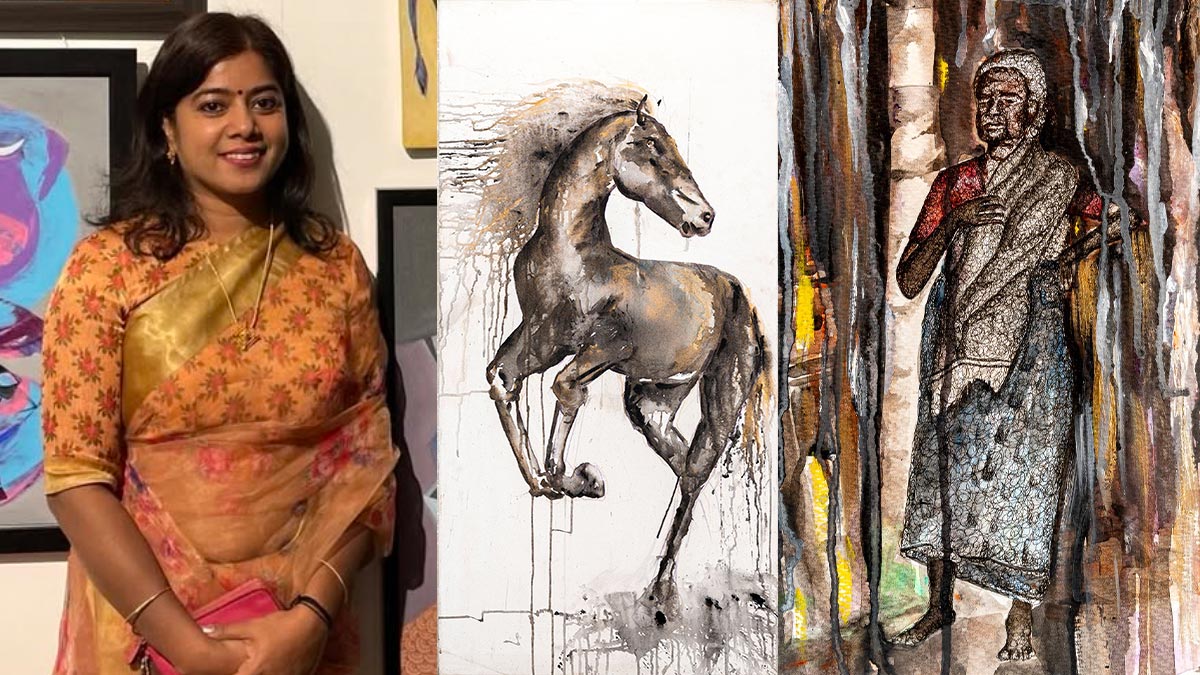
Upasana Asrani, Founder MAW

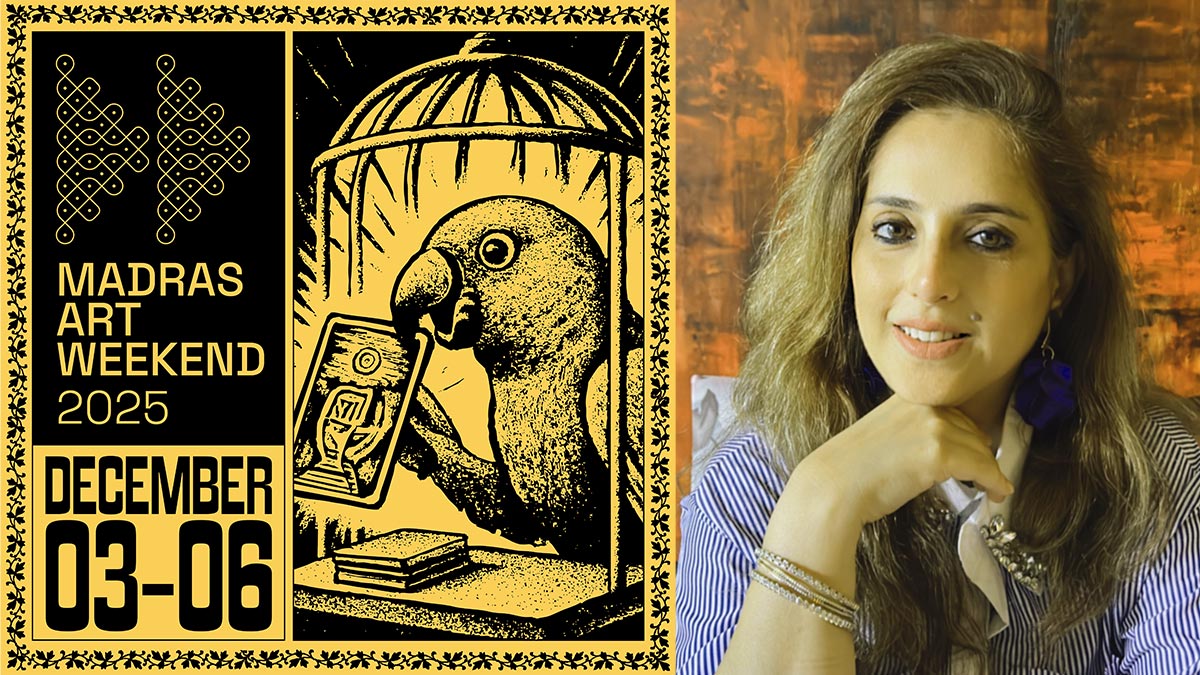
With the onset of December, Chennai prepares to once again transition the cityscape into a vibrant cultural hub as the Madras Art Weekend (MAW) returns for its 4th edition from December 3rd to 6th, 2025. The MAW is an annual cultural festival celebrating the vibrant intersection of art, design, and culture, founded by Upasana Asrani, who is also the Founder of the International Foundation for the Arts (IFA), and has swiftly carved a niche for Chennai on India’s cultural map. This has emerged as one of South India’s most influential platforms for artistic dialogue, creative innovation, and inclusive cultural expression.

The Vision

Reach-out-gallery
Reach out gallery

The theme of this upcoming edition is “Madras Reimagined”. It invites artists, designers, architects, and thinkers to engage with the city’s past and future simultaneously, reinterpreting Chennai’s cultural identity through contemporary artistic lenses.  Since its founding in 2022, MAW has significantly expanded its scope. This edition is one of the most ambitious ones since it includes 100+ artists, leading galleries, immersive exhibitions, interdisciplinary panels, heritage walks, and community engagements, making this one of the most ambitious editions yet. In Upasana’s words, the goal is to “inspire a more nuanced understanding of Chennai, its stories, its makers, and its evolving identity.”

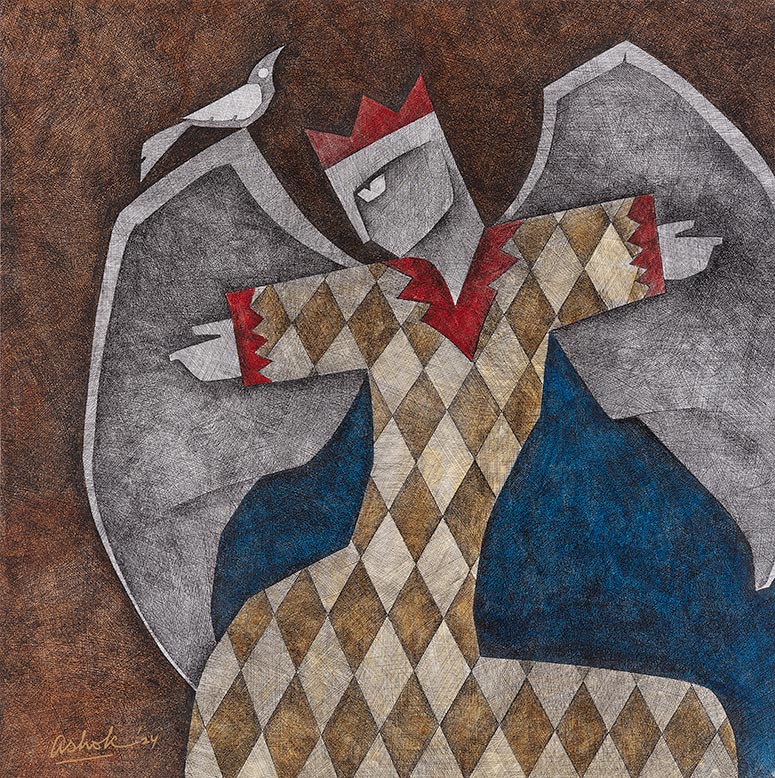
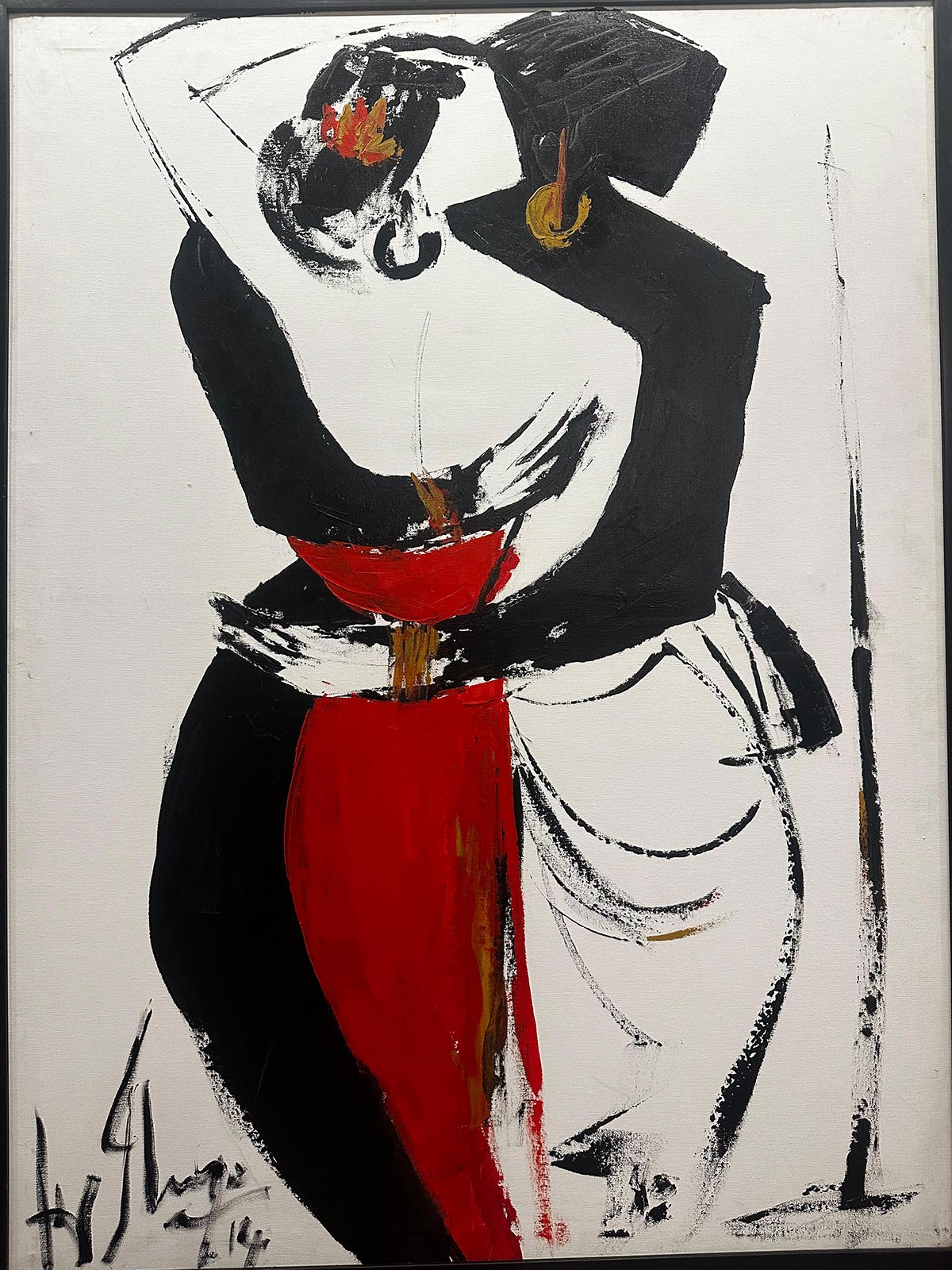
Dhoomimal-ASHOK-BHOWMICKUntitled,-Pen-and-ink,-acrylic-on-canvas-36-x-36-inches,-2024
ASHOK BHOWMICK – Untitled, Pen and ink

The theme is intentionally planned not solely to drive historical preservation, but to reinterpret, remix, and project it forward in different trajectories, offering diverse viewpoints to the city’s tale. It basically seeks to bridge the timeless spirit of Chennai with contemporary artistic expressions of art and design.

Exhibition Details

Event Details
Festival Dates December 3rd to 6th, 2025
Central Theme “Madras Reimagined”
Founder & Visionary Upasana Asrani (Also Founder of IFA)
Key Venue Taj Coromandel, Chennai (for Gallery Exhibit and panels)
Core Commitment Inclusivity, accessibility, and promoting emerging/underrepresented artists
Programming Scope Exhibitions, talks, poetic performances, Collector’s Home Tours, Art x Craft x Design showcase

A Closer Look at MAW 2025

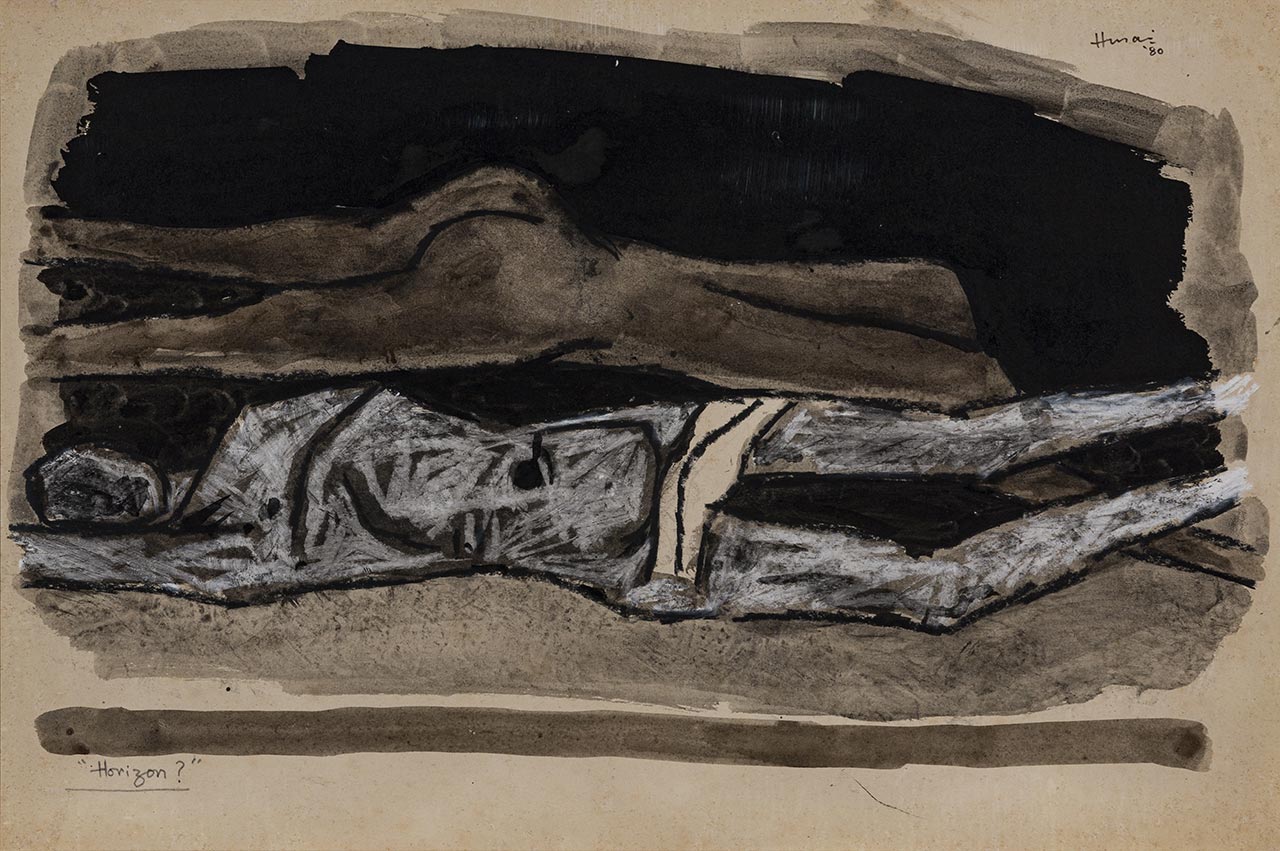
Ink-Art-MFHusain
Ink Art M F Husain

Rooted in the cultural, architectural, and artistic fabric of Chennai, the festival seeks to reimagine the total cityscape from its colonial-era edifices and classical art traditions to contemporary design practices and creative subcultures. It is a very graspable way of conveying and inspecting how “Madras” continues to influence “Chennai”, and how artists can project the city’s future.

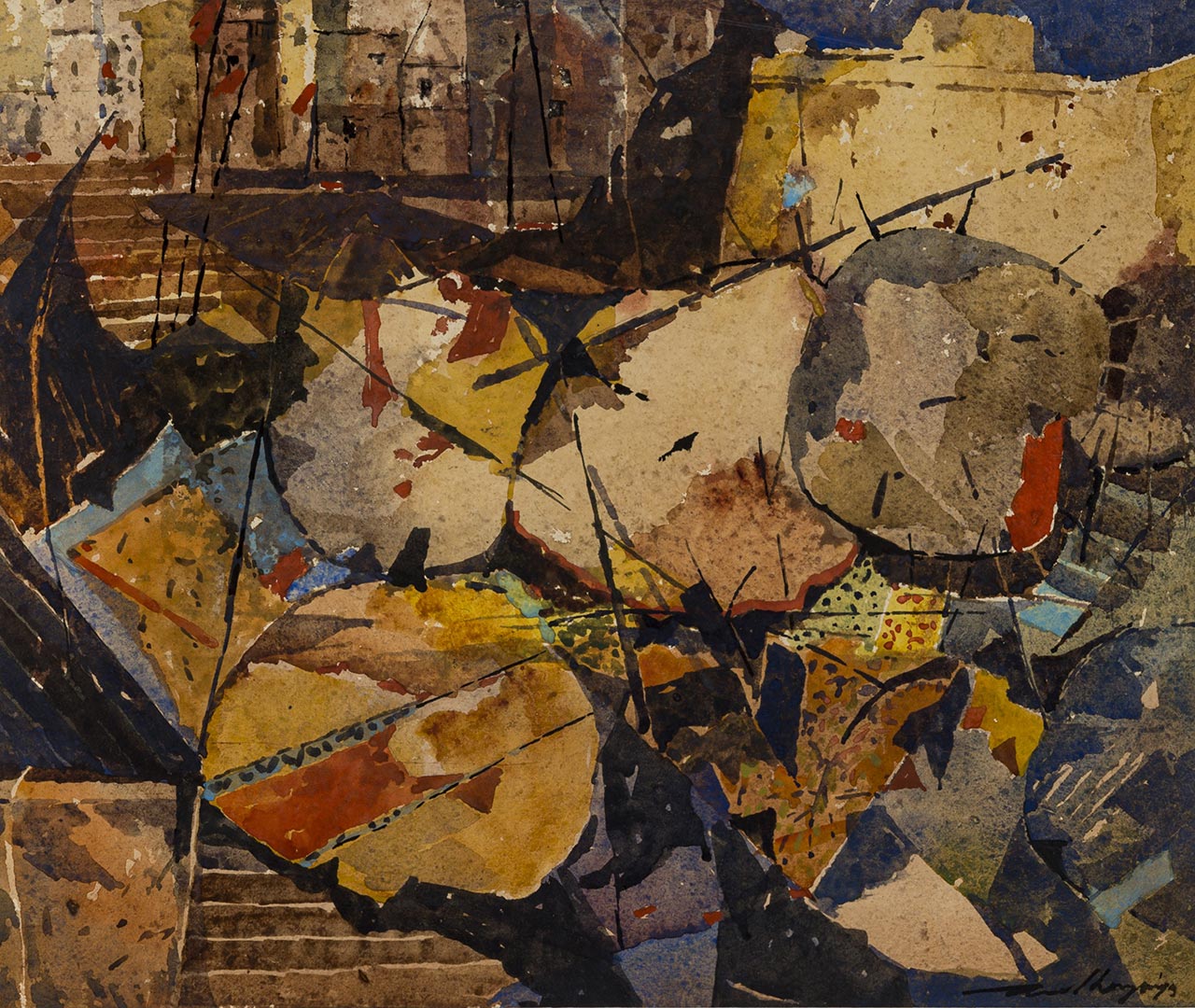
Ink-Art-SudhangsuBandyopadhyay_Untitled(Varanasi)_WatercoloronPaper_14.5x17in-(1)
Ink Art – Sudhangsu Bandyopadhyay – Untitled (Varanasi)

Hitherto, the MAW has focused on democratizing the contemporary art space, prioritizing accessibility, community engagement, and representation. The legacy continues this year by integrating NGO partnerships, platforms for artists with disabilities, and spaces for emerging and underrepresented voices. Upasana Asrani states, “Madras Art Weekend has always been about celebrating the creative pulse of this city. With Madras Reimagined, we seek a deeper, more intimate reinterpretation of Chennai, its stories, its people, and its ever-evolving creative spirit.” 

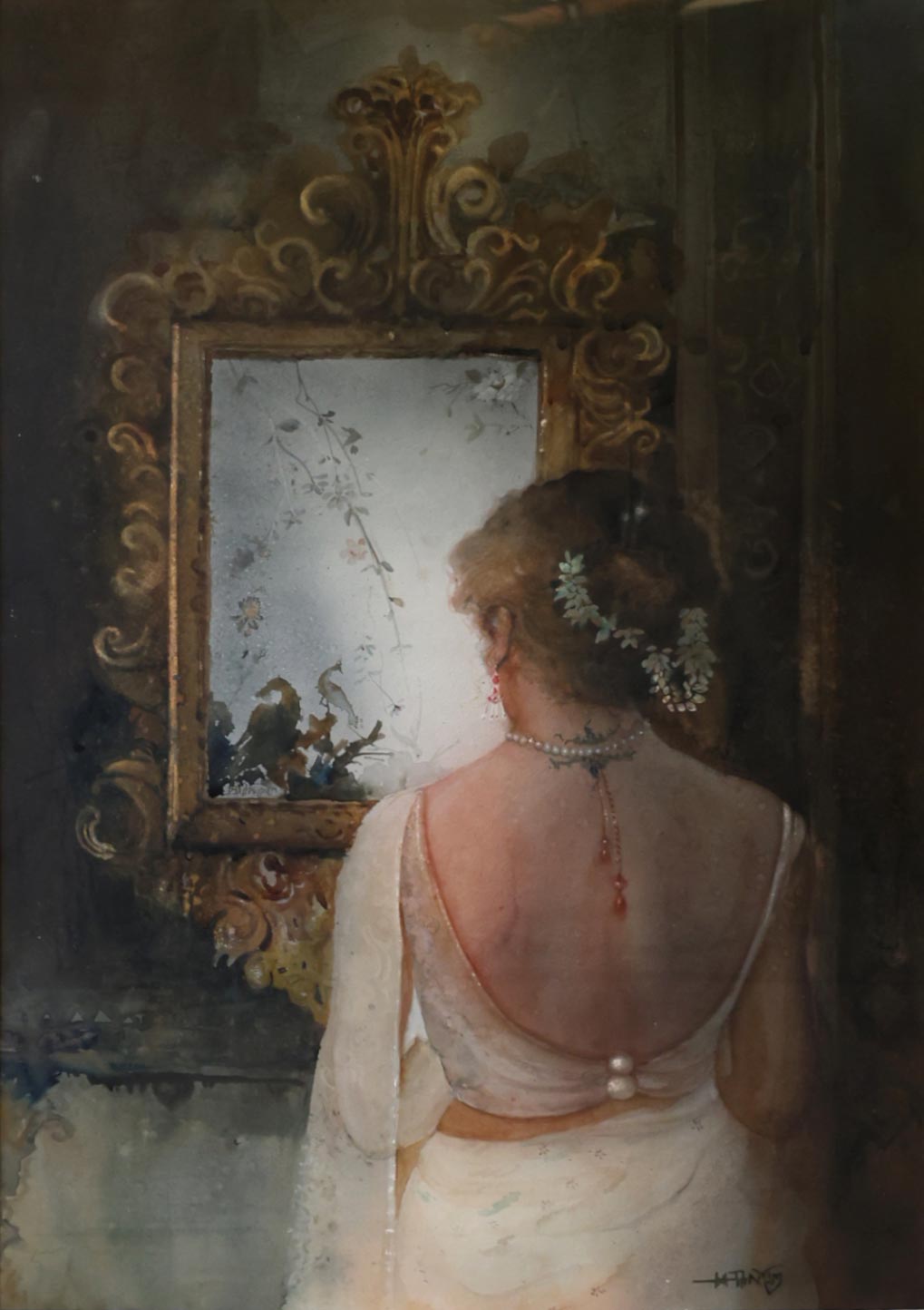
Pradip-Maitr-Water-Colour-on-paper---39.5_-x-26.5_-----(1)
Pradip Maitr – Water colour on paper

MAW’s commitment to inclusivity shines through its efforts to create space for emerging and underrepresented voices. Past editions have included partnerships with NGOs like Kairassi (for artists with disabilities) and NalandaWay Foundation’s Art Vandi (for children from marginalised communities), demonstrating a consistent effort to expand the reach of art beyond traditional settings.

Key Highlights 

  • Exclusive Art, Craft, Design showcase by Jaipur Rugs
  • VIP Preview & Opening of the gallery exhibit at Taj Coromandel on 3rd December
  • Participation of leading Indian galleries, placing South Indian art on the national map
  • A rich lineup of talks, thematic panel discussions, and walkthroughs
  • Innovative conversations on patronage, curatorship, design disruption, conservation, and textile storytelling
  • Major sessions hosted at iconic cultural venues such as the British Deputy High Commission and Wild Garden Café Amethyst
  • A poetic finale performance by Lekha Washington
  • Collector’s home tours offering insider glimpses into private art collections

The Discourse of The Events

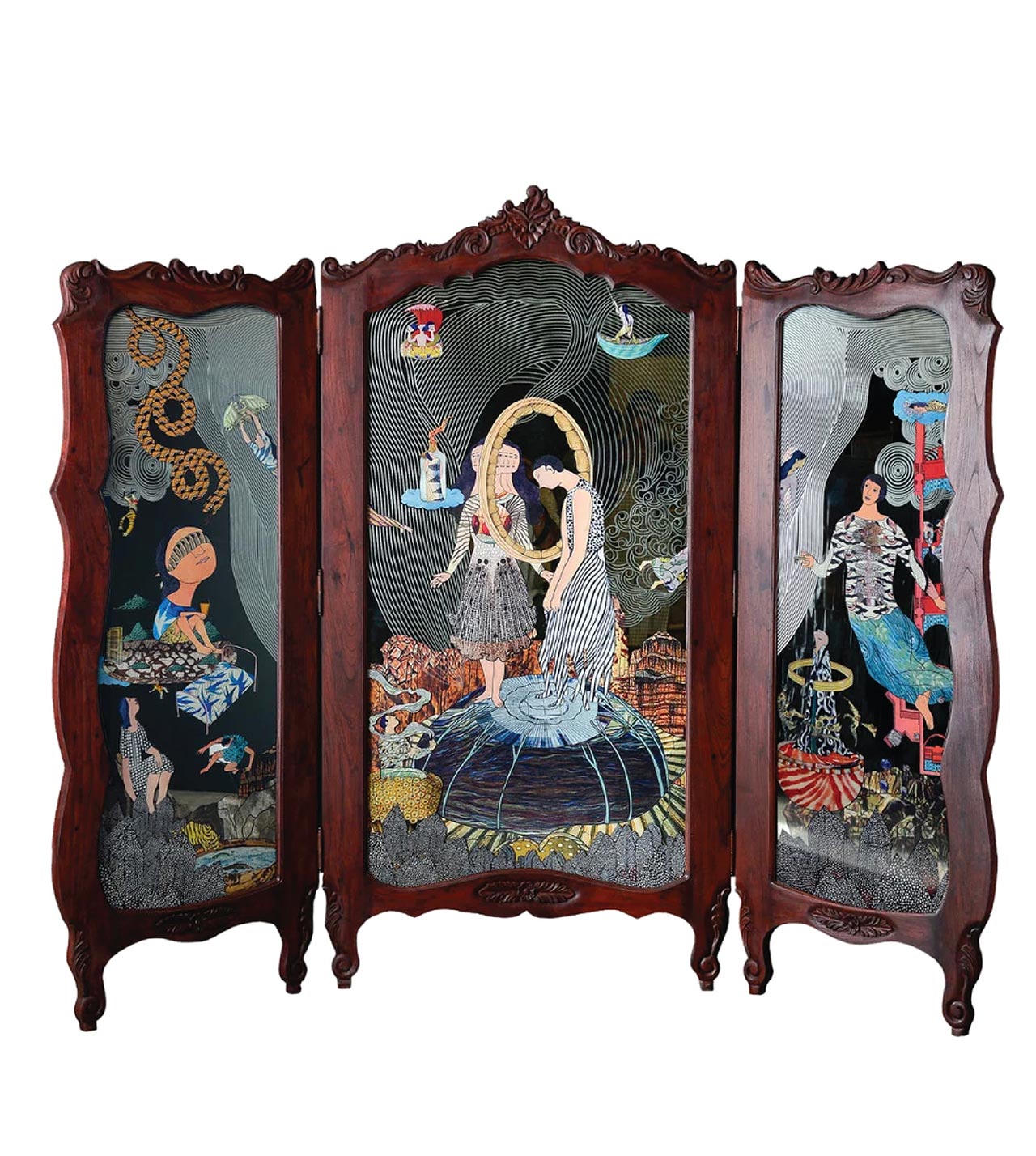
Baro-Art-(1)
Baro-Art

The first day (December 1) schedules a panel discussion on “The Impact of Private and Public Patronage”, moderated by Deepali Goyal at Taj Coromandel. Another segment called “Designer as Disrupter” at the British Deputy High Commission will feature designers like Tahir Sultan, Nimish Shah, and Vivek Karunakaran. The next discourse (December 2-4) includes three major events- a curatorial cartography panel, a design-forward conversation, and an exhibition walkthrough christened: “Truths Our Clothes Told Us” by Kallol Datta. 

Reachout-gallery

Day 3 (December 5) includes a panel discussion on “Art of Restoration” featuring Abha Narain Lambah, one of India’s most celebrated conservation architects. There will be a poetic performance by Lekha Washington of her “Unbecoming or Ways to Survive the Apocalypse”.  Day 4 (December 6) schedules an open gallery walkthrough at Taj Coromandel for the general public.  It will include collector home tours offering rare access to private art spaces in Chennai.

Shaping Chennai’s Cultural Future

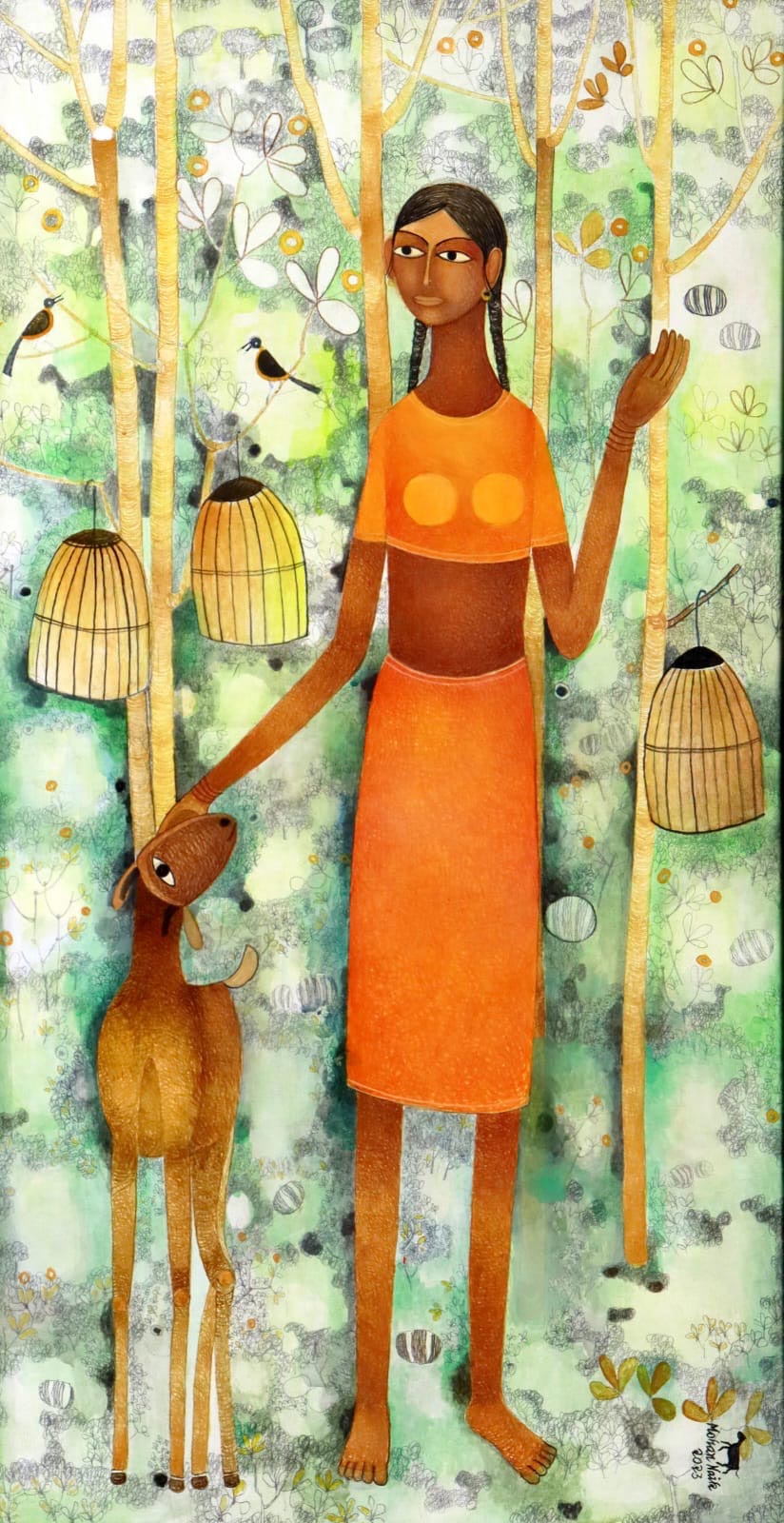
Sarla-Art-World
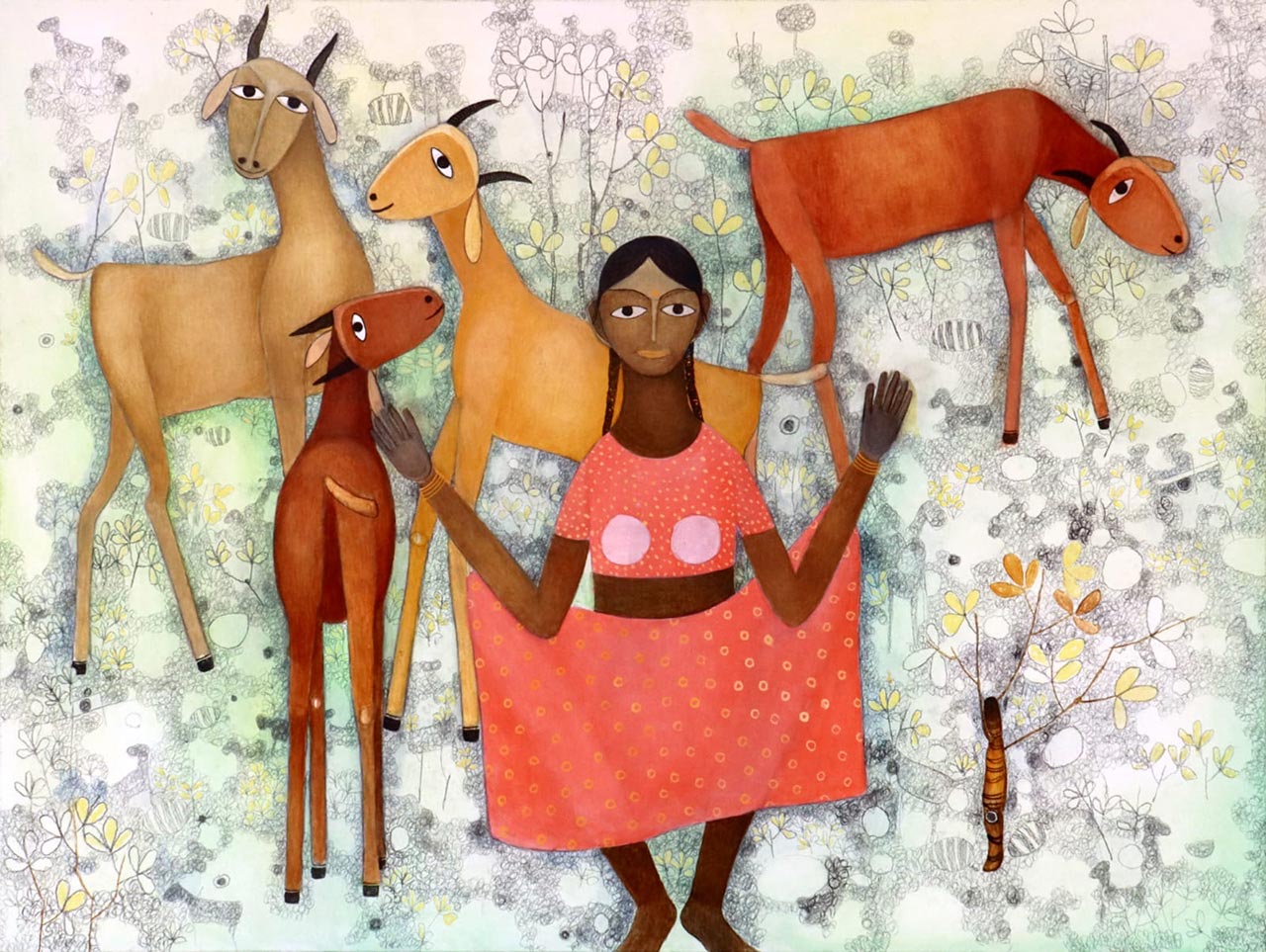
Sarla Art World

The growth of the Madras Art Weekend, from its inception in 2022 to its fourth edition in 2025, builds a collaborative ecosystem for artists and visitors alike. Upasana’s vision extends beyond hosting a mere event; it is much more focused on creating an annual legacy for Chennai. The inclusion of heritage walks, collector’s home tours, and events in diverse public and private spaces ensures that the festival is truly city-wide and accessible to the wider community. The “Madras Reimagined” theme perfectly captures the vibe of the city as it evokes a constant sense of nostalgia, introspection, and innovation. It is a must-visit for everyone who seeks to rediscover the colonial city through a different lens.
Collage Unveils an Indigo Installation by 11.11 / eleven eleven at Madras Art Weekend

0

Indigo-Installation-by-11.11-eleven-eleven-at-Madras-Art-Weekend-02

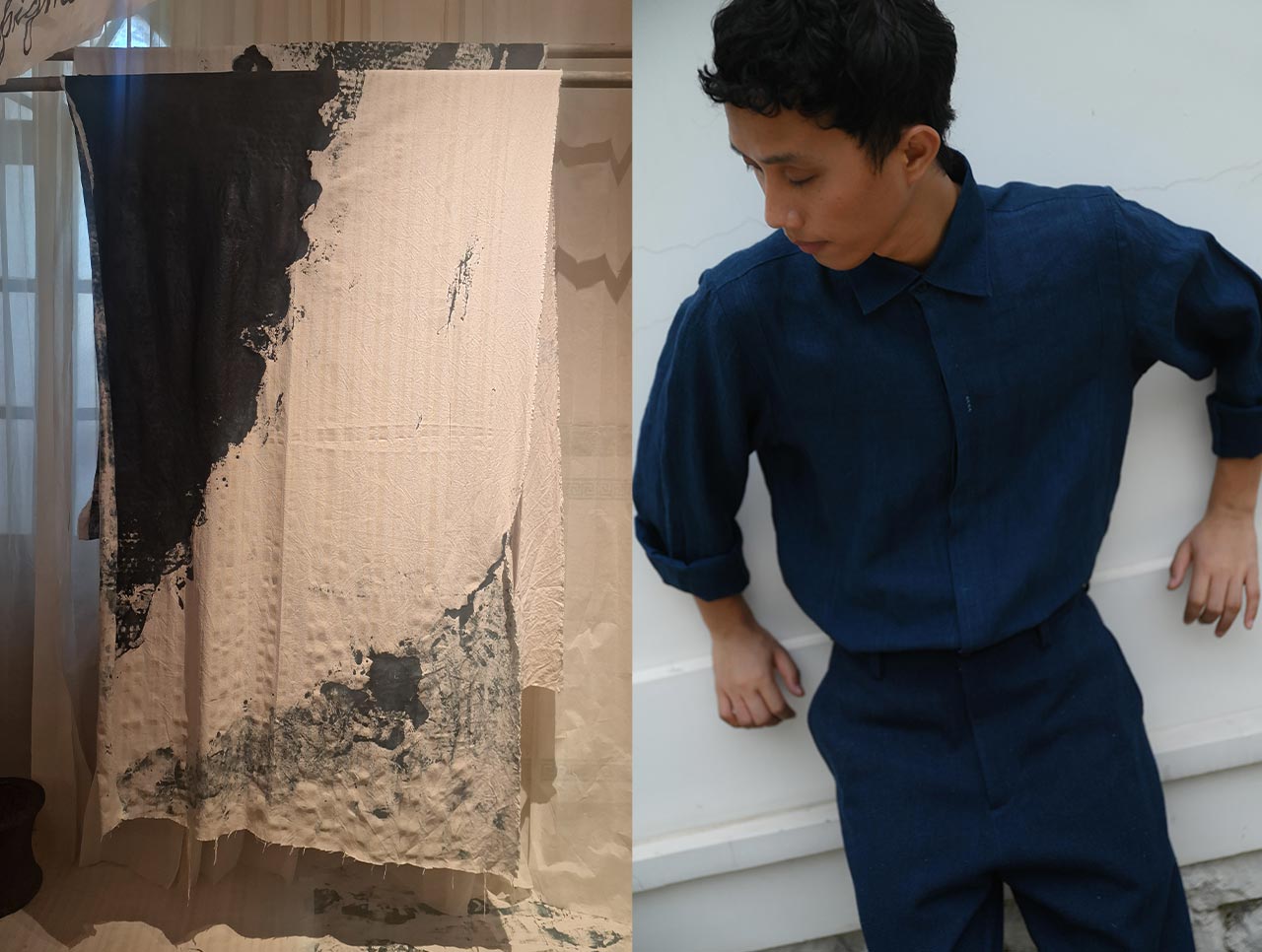
Chennai, India — As part of Madras Art Weekend 2025, Collage is proud to present a groundbreaking indigo installation by 11.11 / eleven eleven, one of India’s most respected craft-driven, natural-dye fashion houses. The showcase marks the debut of the brand’s plant-based Indigo Paste, a first-of-its-kind innovation that enables printing and large-format mark-making without the use of chemicals, expanding the possibilities of natural dye artistry.

A New Chapter in Natural Indigo at Collage

For years, Collage has championed independent Indian design and material storytelling. This installation reflects our ongoing commitment to supporting craft-led innovation and interdisciplinary thinking. 11.11’s Indigo Paste represents a significant advancement in natural dye processes — transforming indigo from a dyeing-only pigment into a medium for printing, drawing and experimental art. Collage is honored to serve as the first space in Chennai to present this pioneering material.

The Installation Experience

At the heart of the showcase is The Indigo Flower, an interactive activation hosted at Collage in which participants walked through the Indigo Paste to create footprint-led artworks. These large indigo canvases — draped, textured and layered with movement — now form part of an evolving archive that documents gesture, community and craft. Select pieces from this activation will remain on display through Madras Art Weekend from 3rd December, 2025 to 6th December, 2025.

Celebrating Craft Research & Contemporary Design

The installation builds on over a decade of research within 11.11’s Colour Lab, which has long explored plant-based pigments such as indigo, sappan wood, rubia, marigold, pomegranate and harda. This spirit of experimentation continues through their FW’25 collection, presented at Collage, featuring abstract shibori, miniature bandhani and fine tie-resist techniques across silk, velvet, wool blends and cotton.

“Collage has always been a space where craft meets contemporary culture. Hosting 11.11’s Indigo Installation allows us to highlight the power of materials, the future of sustainable textiles and the evolving language of Indian design. As Chennai’s design landscape grows more engaged with experimental art, we see this installation as a marker of how tradition can be reimagined for a new generation.” – Says Lata Madhu, Founder Collage

Exhibition Details

Overview Details
Event Indigo Installation by 11.11 / eleven eleven for Madras Art Weekend
Organizer Collage, Chennai
Dates 3 December 2025 – 6 December 2025
Installation Highlight Debut of plant-based Indigo Paste enabling chemical-free printing and mark-making
Special Activation “The Indigo Flower” – a participatory walk-through creating footprint-led canvases
Venue Collage, Chennai
Focus Natural dye innovation, material research, sustainable design, community-led art

A Moment for Art, Craft & Innovation

This showcase speaks to themes that resonate deeply with Collage’s curatorial vision — material innovation, community participation, sustainability and artistic inquiry. It is a story of how design houses are pushing boundaries and redefining the future of craft.

Celebrating Living Heritage: A-Anatya Joins Crafts Council of Telangana for Exhibition

0

A-Anatya-Joins-Crafts-Council-of-Telangana-for-Exhibition-01

A Confluence of Tradition and Design

Hyderabad is set to become the epicenter of India’s coruscating craft legacy with a highly anticipated three-day exhibition, which is organized by the collaboration between the renowned design house A-Anatya (often associated with Anantaya Jaipur), the dedicated Crafts Council of Telangana (CCT), and IID Hyderabad (likely the Indian Institute of Interior Designers, Hyderabad Chapter). Scheduled to take place from December 12 to 14, 2025, at the CCT’s headquarters in Banjara Hills, this event is a brilliant platform dedicated to celebrating and connecting India’s timeless craft traditions. This event is significant as a major design firm known for curating heritage products and a regional craft council that acts as a catalyst for economic sustainability and artistic renaissance. 

The official vision of the CCT is to transform traditional Indian handicrafts into “vibrant and globally appreciated expressions of artistry.” This vision is manifested through multiple workshops, like eco-friendly artisanship, as seen in previous CCT events, and bi-annual textile and craft exhibitions like ‘Aakruthi Vastra’ and ‘Syuti Shaili.’ The upcoming collaboration with A-Anatya is a step forward in maintaining this commitment. 

The Discourse

Primarily, the event engages the visitors to discover timeless pieces, meet the makers, and experience the living craft traditions of India. Therefore, the focus is mainly on high-quality, authentic pieces that carry the story of the artisan and the region. In Telangana, cultural tradition is boasted through Pochampally Ikat, Gadwal sarees, and Bidri metalwork, and so forth.  The contemporary age is all about fast fashion and mass production, which substantially threatens specialized, time-intensive skills. Therefore, events like this provide a vital economic lifeline and a cultural validation for master craftspeople. 

The physical presence of the makers of crafts allows people to engage in conversations with them, enabling people to understand the intricacy of the technique, the origin of the materials, and the profound effort required to create each piece. For the artisans, this platform offers market exposure, fair trade opportunities, and crucial feedback necessary to adapt their skills for a modern audience while retaining the integrity of their craft. The discourse encompasses the essence of luxury, which is actually present in the unique narrative and skill embodied in handcrafted goods, and not in the mass-produced items.

The Designhouse: A-Anatya 

Anantaya is a Jaipur-based design brand founded by Geetanjali and Ayush Kasliwal. It has earned multiple awards (UNESCO Seal of Excellence, World Craft Council Award of Excellence) and bridges craft traditions (such as Dhokra metalwork) with contemporary design sensibilities. Their effort lies in highlighting the true Indian craftsmanship in a moment when craft traditions in India are experiencing both challenge and opportunity. On one side, globalization and mechanization are related to the decline of generational crafts. On the other side, heritage branding and regional craft institutions are providing renewed impetus to revitalize the dying crafts. Amidst all of these, the exhibition by Anantaya and the Crafts Council of Telangana in Hyderabad becomes significant.

What To Expect?

For visitors, the exhibition promises an experience of a ‘curated selection of craft work.’ Rather than simply being a large-scale fair with hundreds of stalls, this looks like a focused exhibition entailing master craftsmanship, reflecting a potential presentation of higher calibre. It aims to emerge as a heaven for designers, interior decor professionals, craft scholars, and serious consumers of craft. Often, craft shows simply devolve into large bazaars that dilute the essence of craft and make it appear only as a ‘commodity’. However, this event’s branding suggests a more thoughtful approach.

Exhibition details

Event Details
Event Focus Celebration of India’s living craft traditions, Curated by A-Anatya
Organizers A-Anatya, Crafts Council of Telangana (CCT), and IID Hyderabad
Dates Thursday, December 12 to Saturday, December 14, 2025
Timing 10:00 AM to 7:00 PM (Daily)
Venue Crafts Council of Telangana, MLA Colony, Road No. 12, Banjara Hills, Hyderabad
Objective To explore curated works rooted in technique and tradition, connect makers with patrons, and shape the future of these practices.
Registration/Contact +91 9949445551, +91 7737351199, +91 99494-655533

Key Highlights 

  • The event offers a vital partnership where a major design house, A-Anatya, lends its aesthetic vision and market access to the traditional craftspeople supported by the CCT.
  • Hosting the event at the Crafts Council of Telangana’s own space reinforces the CCT’s role as a central hub for craft promotion in the region.
  • The curation promises to highlight specific techniques and traditions, offering a learning experience alongside the shopping opportunity.
  • By providing a direct platform, the exhibition facilitates fair trade and sustainable income generation for artisans from Telangana and across India.
  • The involvement of IID Hyderabad ensures that the crafts are promoted within the professional design community, fostering their incorporation into contemporary interior and architectural projects.

The Future Woven in Hand-Crafted Threads


View this post on Instagram


A post shared by Anantaya (@anantaya_jaipur)

By investing in such curated exhibitions, they are doing more than just supporting individual artisans; the bigger picture is unveiled when people realize that it is actually safeguarding an invaluable knowledge base, promoting eco-friendly production methods, and decoding the unique character of modern Indian design. This exhibition aims to make sure that these “living traditions” thrive for generations.

However, the concerned authorities should also be cautious about guarding the essence of this exhibition from becoming overly exclusive or luxury-oriented, thereby distancing themselves from the grassroots makers and communities they claim to represent. Its projection seems inclusive, and it has something or the other for almost everyone. Also, the partners like A-Anatya and IID are key to ensuring the continuity of this event in its true essence.

Voyage of the Soul: Remya Brijesh Explores Memory & Belonging in New Delhi

0

Voyage-of-the-Soul-Remya-Brijesh-01

Artist and educator Remya Brijesh’s solo exhibition Voyage of the Soul unfolds as an intimate terrain of memory, belonging, and emotional continuity. Curated by Georgina Maddox, the exhibition is on view from 27th November to 3rd December 2025, at Kalamkaar Gallery, Bikaner House, New Delhi, inviting viewers to engage with canvases that function as nostalgic recollections. The exhibition features the artist’s most conceptually mature body of work, representing a synthesis of her South Indian heritage and her contemporary explorations of selfhood.

The Artist

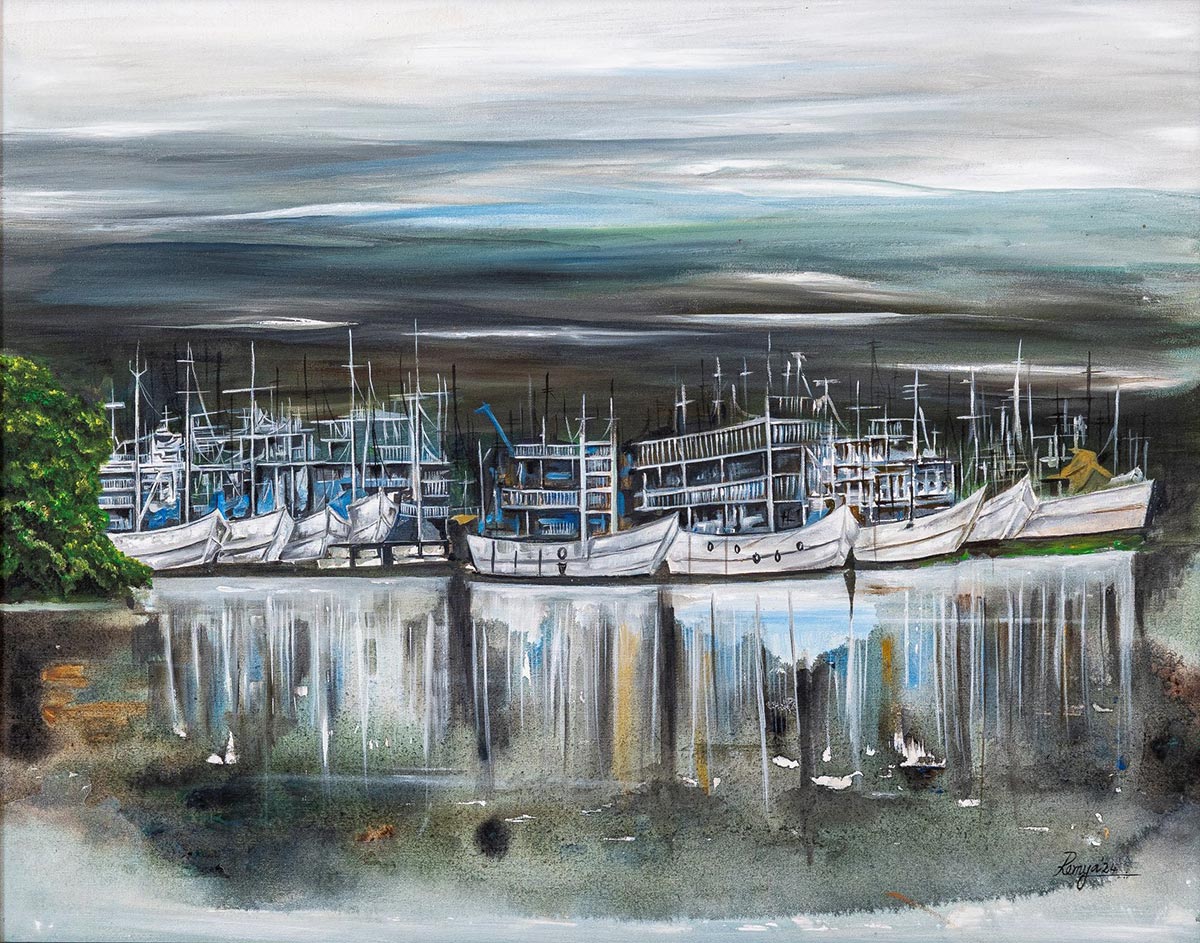
Remya-Brijesh-The-Stagnant-Life--Acrylic-on-Canvas

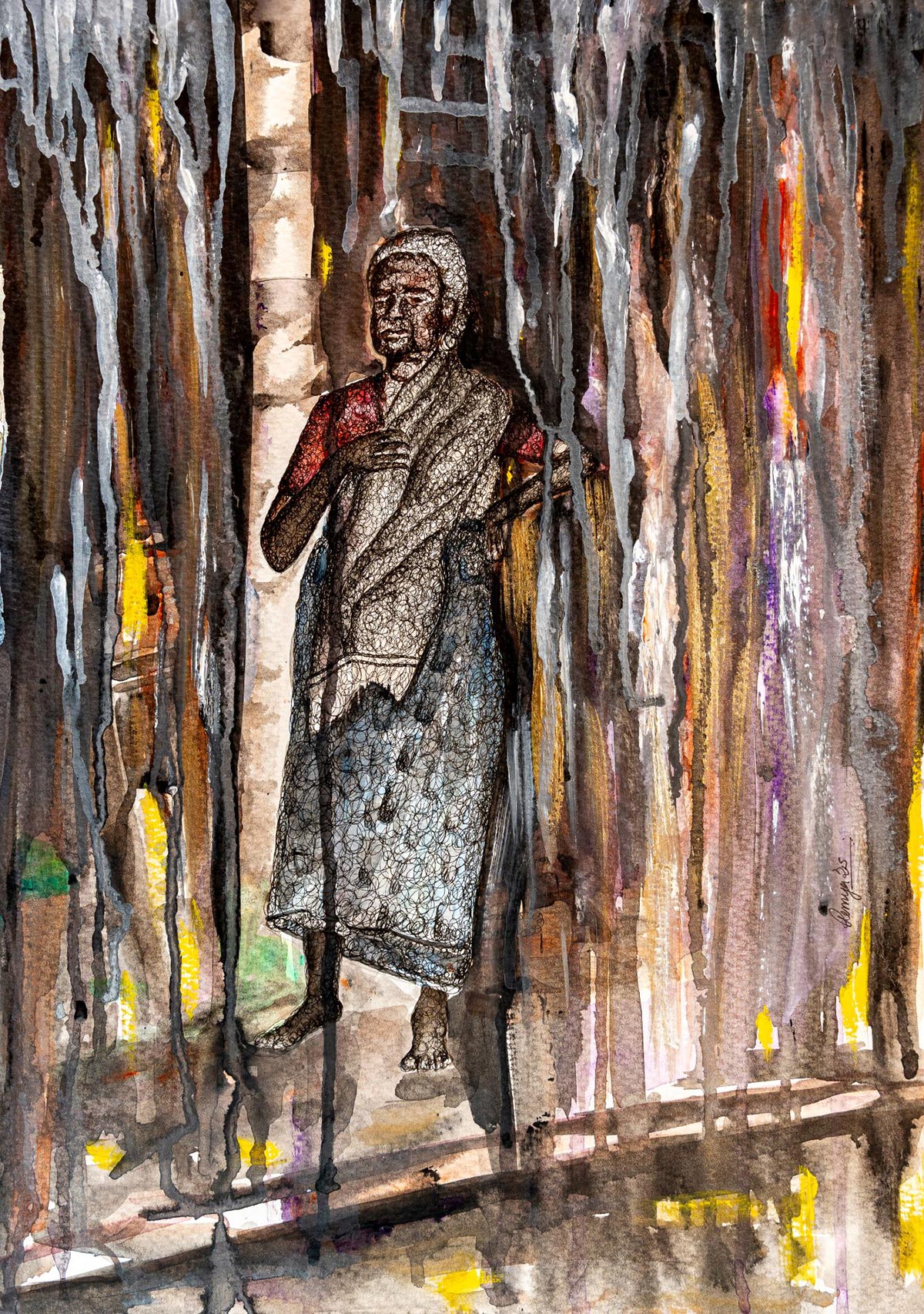
Remya Brijesh was born in Ottapalam, Kerala, and raised in Attingal near Kilimanoor, the birthplace of the celebrated Raja Ravi Varma. Her early life was steeped in a rich cultural and artistic legacy. However, her foundational influence was derived from the temple murals of Kerala. These ancient wall paintings are characterized by exquisite parallel lines and high-contrast color palettes, instilling in her a structural and spiritual discipline that is evident in her current art. 

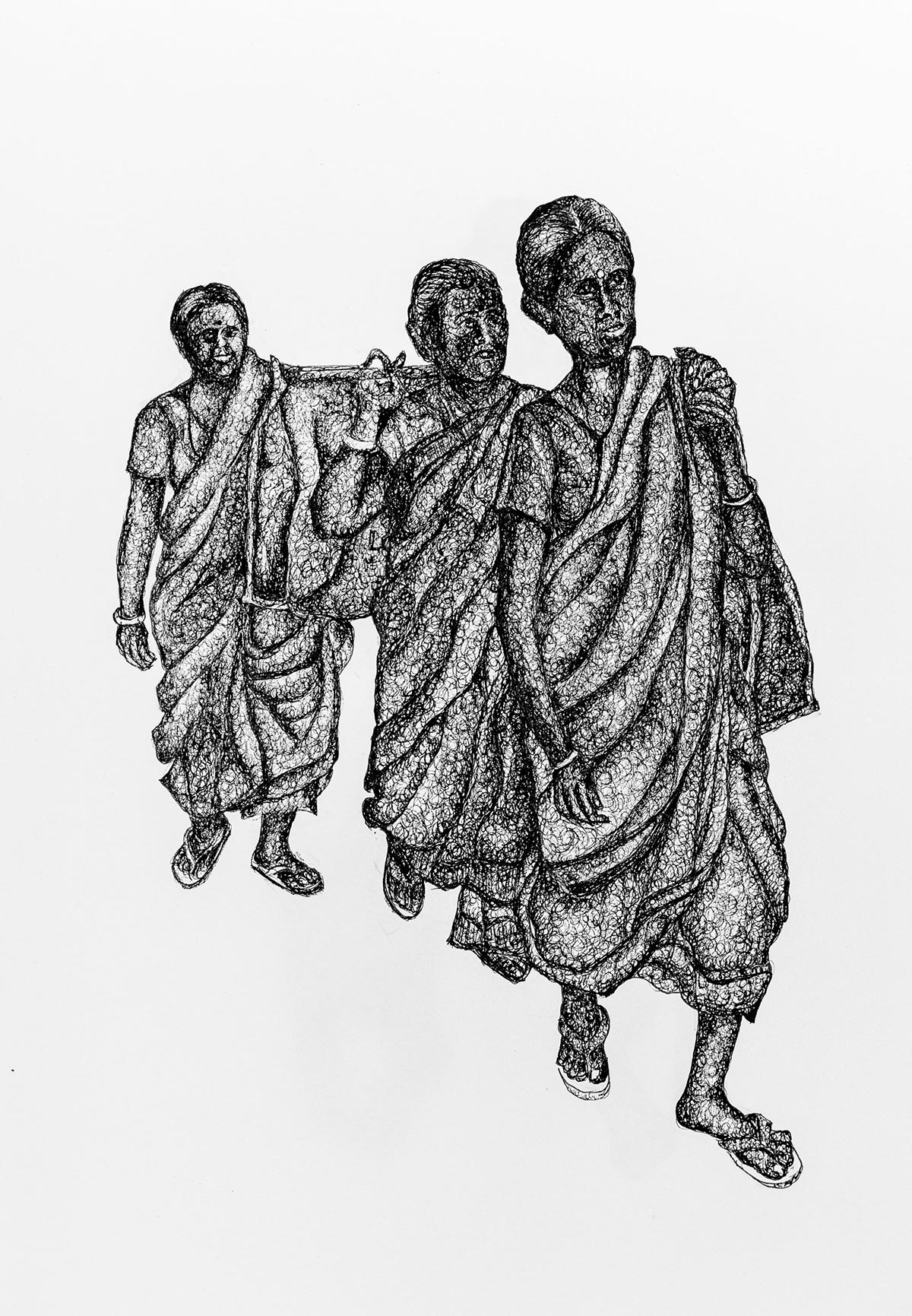
Remya-Brijesh-The-Rhythm-of-Life-Series---Pen-on-Paper-(3)

This devotional exposure to art was deepened by her family’s environment. Her father, the late Shri K. Chandrahasan, himself a distinguished painter, offered the ground zero impetus to kickstart her artistic journey. This allowed Remya to evolve a distinct style that simultaneously honours the past and engages with contemporary themes. Remya’s canvases retain a sense of sacred geometry, patterning, and chromatic sensitivity that owes to the temple architecture of Kerala. Her canvas represents visual tenderness rooted in the feminine, the familial, and the elemental. 

Tracing The Theme

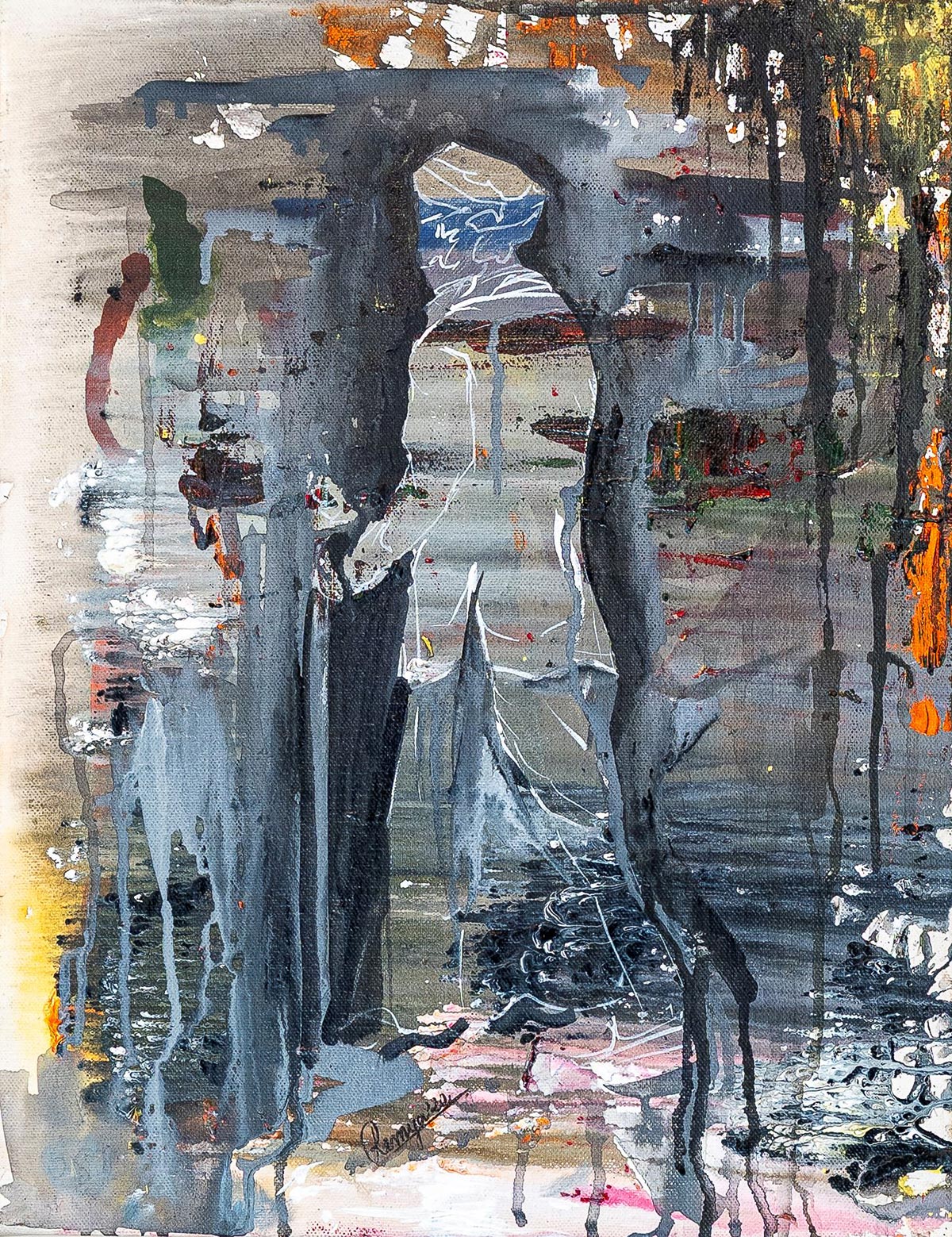
Remya-Brijesh-The-Journey-of-creativity---Acrylic-on-canvas

“Voyage of the Soul” specifically channels deep-seated history through an exploration of humanity, resilience, and interconnectedness. In the words of the curator Georgina Maddox, Remya’s work is a “meditation on the porousness of borders.” Her canvases are not the frames depicting static landscapes; they rather chart emotional topographies in which symbolic lines between land and water represent memory and the immediate moment that are gently blurred. Her subject ranges from the feminine, the elderly, or the child, and caters to the paintings by acting as active nodes in an invisible network of shared experiences. The “tactile empathy” mentioned by Maddox is born from Remya’s own life, shaped by the warmth of her grandparents. 

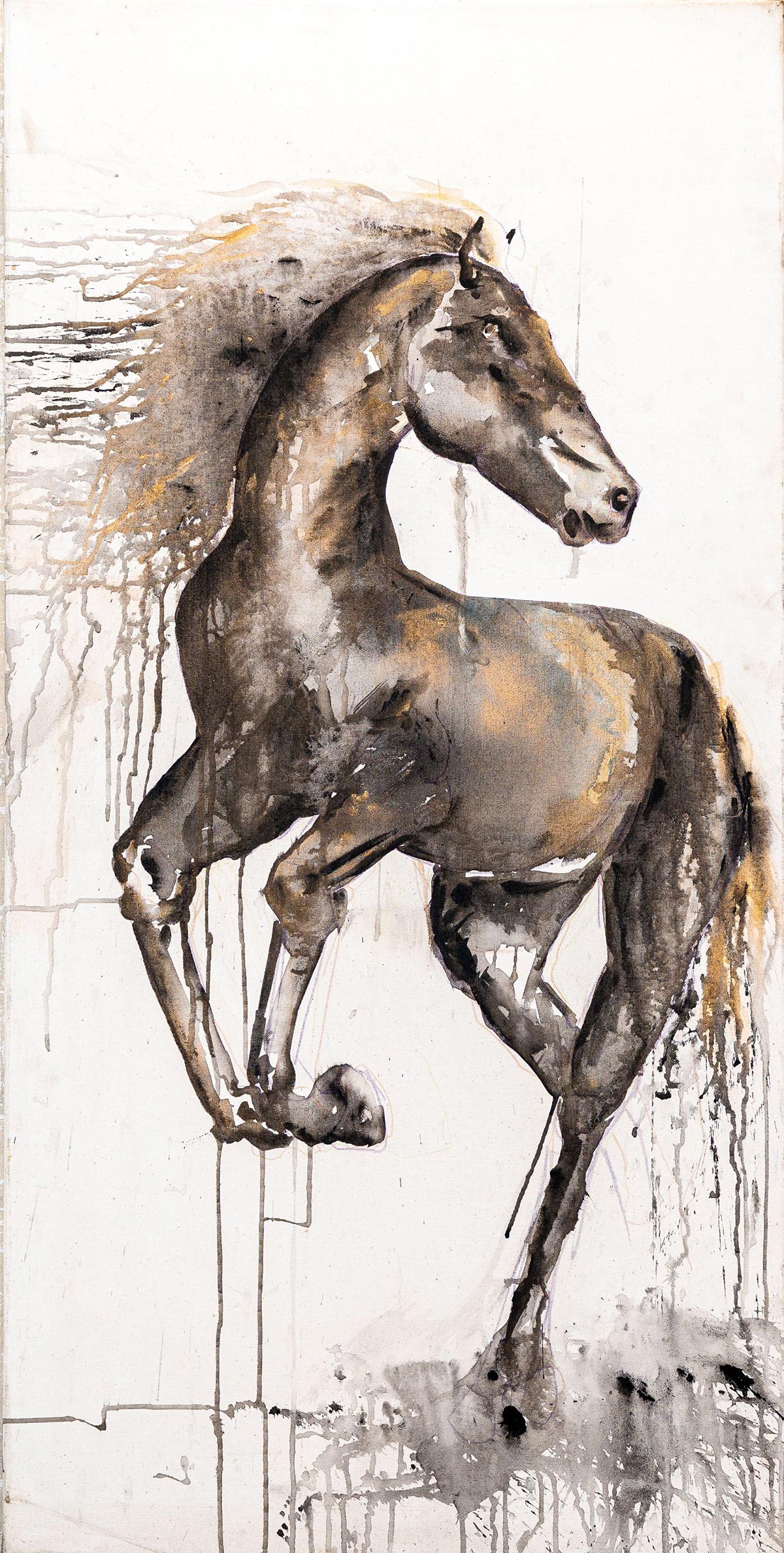
Remya-Brijesh-Horse--The-Driving-Force---Acrylic-on-canvas

In the artist’s own words, “Each brushstroke is a return, a quiet journey back to the rivers of my childhood…” The exhibition features nearly 60 artworks by Remya and acknowledges  ‘how’ the past shapes her present ‘presence.’ The curatorial aspect is to frame the viewing experience as an exercise that will help spectators find beauty in everyday things and will connect people through an invisible thread. 

In recent years, Remya’s art has appeared in regional galleries and group shows across India, but the Voyage of the Soul marks a significant milestone as it is a fully realized narrative arc of her mature paintings. The exhibition broadly aligns with the discourse of India’s contemporary art that contextualizes emotional cartography as a legitimate artistic practice. 

A Deeper Look at The Art

Remya-Brijesh-Graceful-Life-Series---Acrylic-on-paper

According to Remya, each brush stroke is an attempt to perfectly encapsulate the essence of her artistic ideology. Her canvases are not constructed solely with public eyes in mind; instead, they coax the viewer into deeper introspection. The rivers of her childhood appear as a recurring motif that stands as a metaphor for continuity and transition. Her artwork is featured with a larger intergenerational lens that values the emotional labour of women artists, particularly those whose work emerges from familial and domestic spaces.

Exhibition Details

Important Points Details
Artist Remya Brijesh
Exhibition Title Voyage of the Soul
Curator Georgina Maddox
Theme Memory, Belonging, Resilience, Interconnectedness, Kerala Murals Influence
Dates 27th November to 3rd December 2025
Timing 11 am to 7 pm
Venue Kalamkaar Gallery, Bikaner House, New Delhi

Key Highlights

  • Exhibition centers on emotional landscapes rather than literal terrains.
  • Strong influence of Kerala temple art, particularly its linearity and symbolic palette.
  • Personal histories, grandparents, rivers, and domesticity become metaphors for resilience.
  • Curatorial framing by Maddox positions Remya within feminist and intergenerational discourse.
  • The show reflects a growing national trend of artists using memory as a methodological tool.
  • Remya’s background as an art educator enriches her narrative approach and visual sensitivity.
  • Her connection to Ottapalam and Attingal situates her practice within Kerala’s rich artistic lineage.

Takeaway

The Voyage of the Soul stands out as one of the most emotionally intelligent exhibitions of 2025. Remya Brijesh’s work is a masterclass in visual storytelling, transforming personal memory into universal resonance. The emphasis on emotional vocabulary stemming from personal experiences and feelings is also refreshing. Her works insist that memory matters, that emotional labour is art, and that tenderness deserves a place in India’s expanding art discourse. This exhibition is a window to truly listen to the silent stories woven into the threads of the soul’s journey. Her canvases are experiences to be felt, absorbed, and carried forward.

Modern Freskos: Berlin Artist Paul Kuntze Debuts Solo Show at Black Cube Gallery

0

Modern-Freskos-Berlin-Artist-Paul-Kuntze-Debuts-Solo-Show-at-Black-Cube-Gallery-01

Sanya Malik’s Black Cube Gallery in Hauz Khas, New Delhi, announces a landmark exhibition in the Indian contemporary art circuit as one of the most intriguing international debuts of the season. The exhibition is christened Modern Freskos”, the first solo exhibition in India by young Berlin-based contemporary artist, Paul Kuntze. The exhibition will be on display from December 5 to 27, 2025 (Tuesday-Saturday, 12-6 PM), as it captures a rare convergence of history and contemporary art. 

The artist Paul Kuntze has emerged as a practitioner whose art encapsulates an interplay of dialogues with centuries of artistic tradition while also maintaining a distinctively modern visual template. Through his art, he tends to reinterpret the grand frescoes of European Baroque churches and palaces, integrating them with 20th-century abstractions. His work brings a remarkable synthesis of two distinct artistic eras, making people grasp the ancient vibe of the art while still looking at a near-modern frame. Thus, it assures to emerge as a bridge between the grandeur of the Baroque age and the expressive freedom of the 21st century.

Exhibition Info

Event Details
Artist Paul Kuntze (b. 1995, Germany)
Exhibition Title Modern Freskos
Gallery Black Cube Gallery, New Delhi
Dates 05 – 27 December 2025
Venue G12A Hauz Khas, New Delhi
Timings Tuesday to Saturday, 12:00 PM – 6:00 PM
Significance Kuntze’s first solo exhibition in India

Artist Bio: The Vision Behind the Canvases

Paul Kuntze, born in 1995, lives and works in Germany. His practice is deeply rooted in the visual heritage of churches and royal interiors that defined Baroque Europe. Drawing inspiration from the masters of illusionistic ceiling painting, Pietro da Cortona, Giovanni Battista Tiepolo, and Andrea Pozzo, Paul channels their artistic flair into modern forms. Across exhibitions in Berlin, Leipzig, and Copenhagen, reviewers have described his work as “a study in suspended time,” balancing historical gravitas with contemporary dissonance. His Indian debut marks a significant expansion of his international trajectory.

Baroque Reimagined: A Dialogue Between Past and Present

Modern-Freskos-Berlin-Artist-Paul-Kuntze-Debuts-Solo-Show-at-Black-Cube-Gallery-02

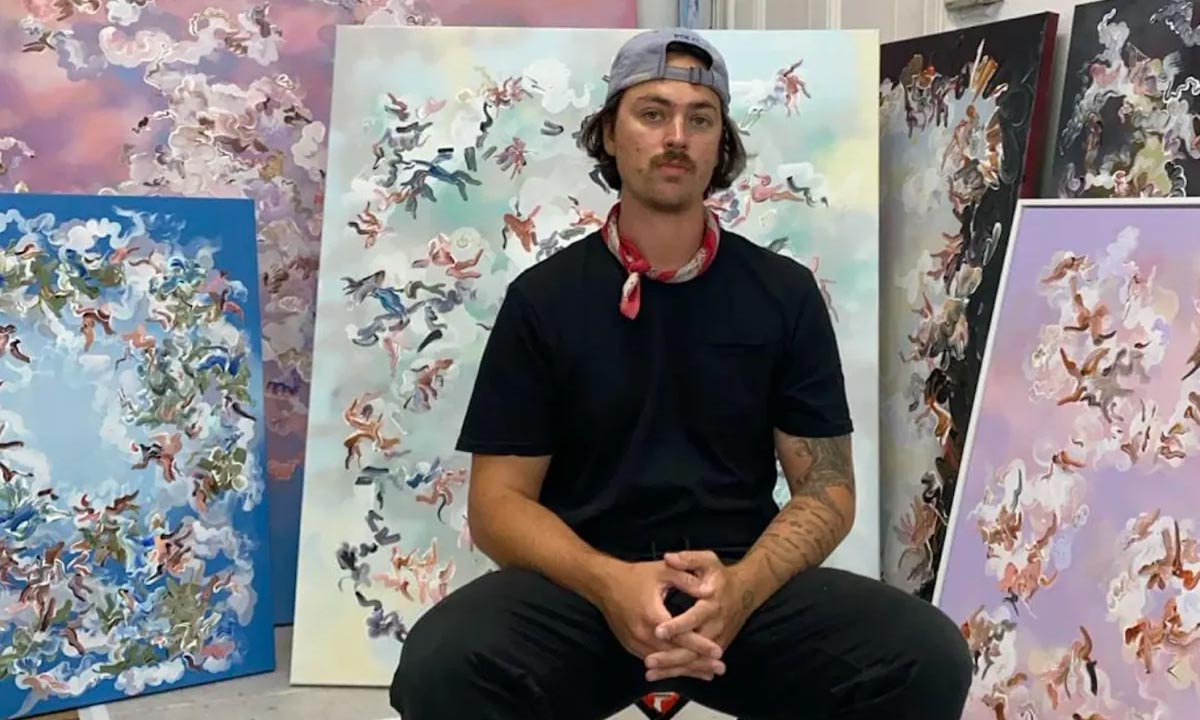
As an artist, Paul Kuntze tends to admire the Baroque ceiling frescoes of historic European churches and palaces. These monumental visions of heaven, that adorned the interiors of churches and palaces from Rome to Bavaria, emerged as a subject of true fascination for him. Historically, Baroque frescoes were designed as portals to the divine, employing illusionistic techniques like foreshortening, dramatic chiaroscuro, and radiant mythological imagery to create immersive spiritual experiences. The dramatic illusionism of masters like François Boucher soon turned into a childhood fascination for Paul, as he often grappled with how such precision could be achieved on a ceiling. It is the magnetism of this art that compelled him to turn his enchantment into his visual language.  

The spirit of the Baroque resonates in Paul’s canvas; however, he did not choose to simply feature reproductions of the same art form. He chose to reimagine the Baroque and overlay it with Abstract Expressionism. He permitted his brushstrokes to exist at the intersection of control and instinct. This ultimately resulted in a fusion, a unique hybrid. In his previous exhibitions across Europe, Paul seeks to “remind the viewer of original frescos but with intuitive parts in it,” thus prompting audiences to respond creatively rather than passively. His paintings emerge as a portal that could mediate a conversation between historical grandiosity and contemporary abstraction.

The Production of Art 

Paul’s way of processing creativity is noted to be executed through a planned colour scheme for the background. The chosen gradient is achieved through multiple layers of acrylic sprays. This exercise ensures the framing of the atmospheric perspective in traditional ceiling paintings. The conjecture of the street-art-inspired base is made to contrast with subsequent layers of abstracts. Paul implements a wide range of tools, from soft brushes for delicate strokes to a palette knife for a vintage texture. Through the deployment of this technique, the artist achieves a unique structure and perspective, imitating a three-dimensional aspect, by having a buildup of masses of paint. This technique involves both the centuries-old demand for precision and an apt tinge of abstract expressionism as well. The final pieces appear as if fragments of a tumultuous sky, complete with gods and celestial scenes, have drifted gently down to earth.

The Aesthetics of Tension: Control vs. Intuition

Modern-Freskos-Berlin-Artist-Paul-Kuntze-Debuts-Solo-Show-at-Black-Cube-Gallery-03

Art critics in Berlin and Munich have noted that Paul’s works are defined by an inner tension, structure battling impulse, precision with spontaneity. This tension is the axis of Paul’s re-envisioning of the fresco tradition. He embraces the freedom of the contemporary canvas to draw the stringently concretized frescos and to allow them to co-exist as a fresh artistic hybrid. 

The surfaces he creates are mostly weathered, almost appearing like archaeologically retrieved fragments of a long-lost ceiling painting that withstood the ravages of historical time and has finally settled into the present moment. He employs layers of muted hues to collide with the luminous patches of colour; it effuses the perfect perception of being “heavenly” or “other worldly”. 

These conscious stylistic choices fix the artist as one of the most worthy names among contemporary artists like Anselm Kiefer, who reconstructs European trauma through monumental canvases, or Francesco Clemente, who fuses spiritual symbolism with modern expressionism. However, Paul’s work remains distinct and insists on a careful analysis of his craft. 

Key Highlights 

  • A rare introduction of Paul Kuntze’s work to Indian audiences.
  • Contemporary reinterpretations of Baroque ceiling fresco traditions.
  • A powerful blend of illusionism, abstraction, and figurative suggestion.
  • Exploration of tension between control and spontaneity, a signature of Kuntze’s method.
  • The artworks appear “ancient yet alive,” echoing fragments of celestial architecture.
  • Curated by Sanya Malik, known for promoting cutting-edge contemporary artists at Black Cube Gallery.

The Black Cube 

Black Cube Gallery is known for its dedication to promoting a dialogue across generations and mediums. It frequently showcases a blend of modern Indian artists alongside emerging contemporary voices. Sanya Malik, the gallery’s founder, often emphasizes creating accessible and flexible spaces that adapt to the art. The recent initiative of Modern Freskos aligns perfectly with this ethos, as it serves as a catalytic demonstration of how art history can be reborn and recontextualised. Paul’s work contributes to a growing trend among contemporary artists who subvert or re-engage with the classical period’s art and wipe off its label of elitist history, making them a part of modern conversation with other sensitivities. 

A Statement for Contemporary Art in India

Modern Freskos is an important statement on the global nature of contemporary art. Paul’s vision is refreshing because it simply does not reproduce the past; it actively deconstructs it, retaining the awe-inspiring atmosphere while replacing dogma with intuitive expression. Paul excavates the emotional and spatial power of Baroque frescoes and rebuilds them in a language that belongs entirely to the present.

For the Indian audience, this exhibition might feel radically new and familiar at the same time. It will feel familiar. It echoes the grandeur of historical art forms and is new because it recasts them through contemporary expression. It is a brilliant example of how a young artist can honour history while augmenting it with a different mindset. Black Cube Gallery has not only introduced an important young international artist to India but has also offered a thoughtful meditation. 

So, don’t miss this opportunity to witness the celestial fragments Paul Kuntze has sent drifting down to the heart of Hauz Khas.

Remembering the Heroes of 26/11 Attack

4
Remembering-the-Heroes-of-26-11-Attack-01A
Image – Soumik/Flickr

Exactly fifteen years ago, in the heart of Mumbai, the nation’s financial capital, a sombre chapter was etched as a part of the lively city’s history. The blistering sounds of gunfire and the deafening blasts of explosives turned iconic landmarks into scenes of chaos and silenced the vibrant spirit of the city of dreams, as it is popularly known. The 26/11 attacks not only shattered the bustling metropolis but also left an indelible mark on its psyche.

The Mumbai Attacks

On the night of 26 November 2008, ten men travelling on inflatable speed boats came ashore on the coast of Mumbai, the jewel of the Arabian sea. Over the next three days, these men inflicted unspeakable horrors that this historic city would not forgive or forget for years to come. 

The Chhatrapati Shivaji Terminus

The team of ten men split into two groups immediately after coming ashore. The attacks began at the Chhatrapati Shivaji Terminus, where some of the unfortunate passengers were waiting for delayed trains. At 21:30 hours, two men stormed in, showering a spray of bullets upon the confused and terrified passengers at the station. These two men, who would later be identified as the notorious Ajmal Kasab and Ismail Khan, would kill a total of fifty eight people and injure many more at the CST alone. 

The brave actions of one man, Vishnu Dattaram Zende, the on-duty announcer that night, saved the lives of hundreds. Vishnu Zende, with access to the announcement system, was quick to act when he saw the terrorists and heard the sounds of the assault rifles and grenades blasting through an otherwise eerie silence. He quickly directed hundreds of people out the station and ensured that they would not cross paths with the terrorists on their way out. He would also guide rescue personnel in their services to the injured after the attack.

Cama Hospital

After attacking the CST, two terrorists headed to the Bhikaji Cama hospital for women and children as a part of their plan. As the terrorists killed the security guard and jumped over the walls, police engaged the terrorists. However, the terrorists continued to hail bullets and grenades at the hospital. As things were looking bleak, the nurses of the Cama Hospital stood together to save their patients, switching off lights in wards, locking the doors and wheeling away patients, including women in labour, to safety. One nurse, named Anjali Vijay Kulthe, saved twenty lives that day. 

 Leopold Cafe

At the same time, two other terrorists sprayed bullets in Leopold cafe, a cosy hangout spot in Colaba. Ten people were killed in this brief but deadly attack. 

The Taj Mahal Palace Hotel 

Movie-Hotel-Mumbai-Review-04

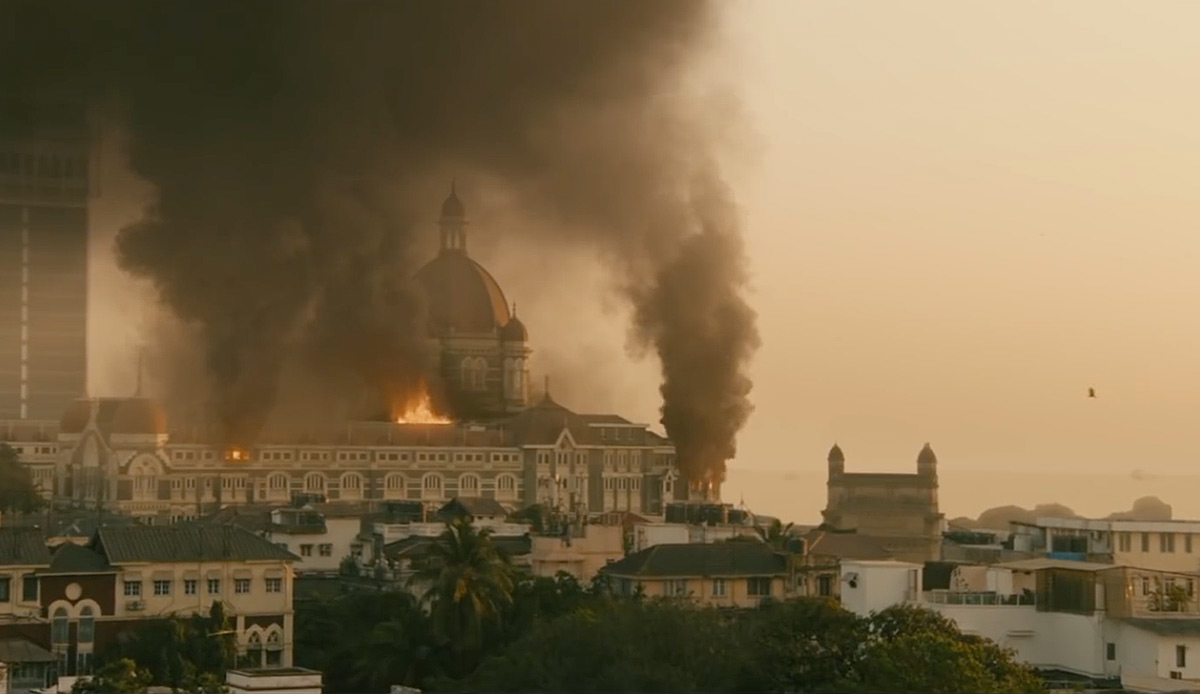
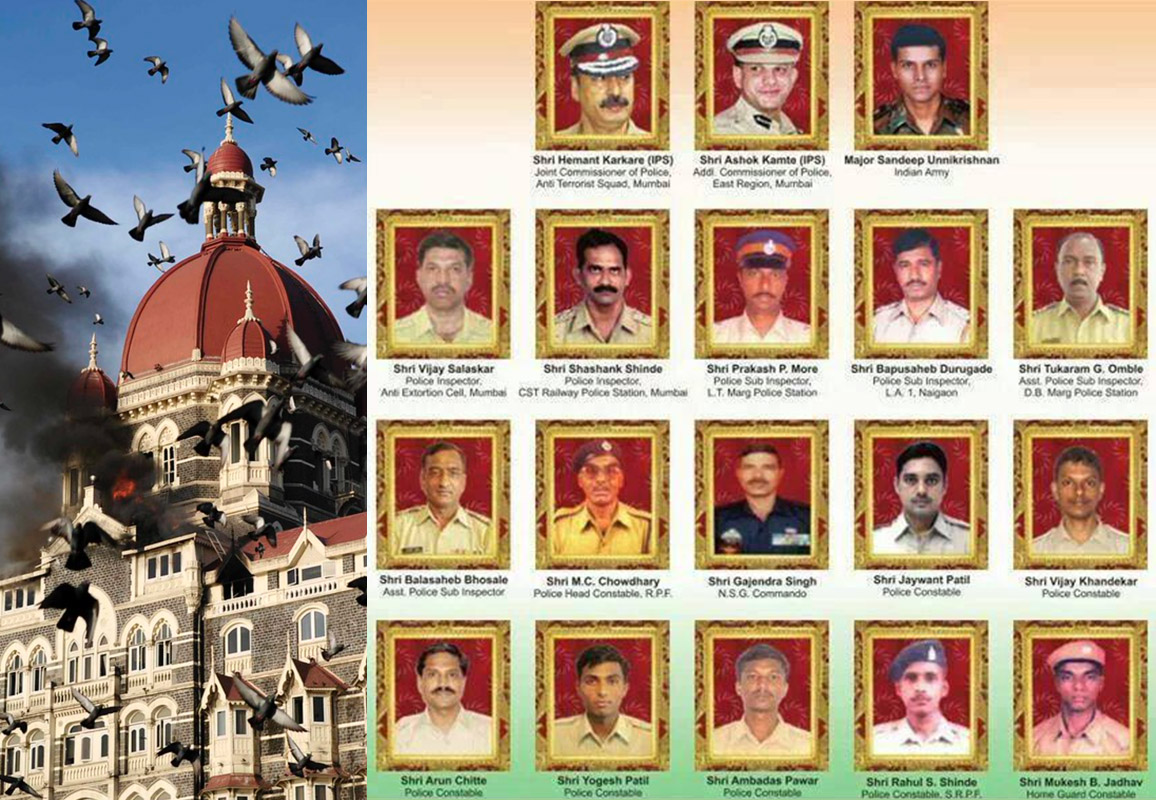
Around 2300 hours, four terrorists descended on the pride of Mumbai, the iconic Taj Mahal Palace hotel. The terrorists strategically cleared the hotels by the floor, but brave members of the staff acted quickly to save the lives of hundreds of guests. After a painstaking siege and bloody operations by the police, naval marine commandos and the elite commando force, the National Security Guard, the hotel would finally come under the control of the security forces on the night of November 29, 2008. By attacking this iconic landmark of the city, the terrorists aimed to destroy the very soul of the city. While much of the hotel was destroyed in the three day siege, it recovered from the attack and continues to honour the heroes that saved the day.

Read here about the heroic actions of the staff of the Taj Mahal Palace hotel.

The Oberoi Trident

The Oberoi Trident is one of Mumbai’s premier five star hotels. It was targeted on the night of 26/11 by two of the ten terrorists, who took several guests hostage and killed more than thirty of them. After three days under siege, it was taken over by the National Security Guard.

Nariman House

Nariman house was a jewish outreach centre in the Colaba area, and was the epicentre of the Jewish community in Mumbai. Nariman house was taken over by two terrorists and six people, including the Rabbi Gavriel and his pregnant wife, Rivka, were killed. The Rabbi’s two year old son, Moshe, was saved by his nanny, named Sandra Samuel, who safeguarded the little boy to her best efforts. He is now a teenager, living and studying in Israel under her care. Nariman house was later secured by the National Security guard.

The Heroes of 26/11

Remembering-the-Heroes-of-26-11-Attack-04
Image Source

The seventy-two hours starting from the night of 26/11, 2008 were probably the most tumultuous in Mumbai’s recent history. While the incident gave the city its deepest scars, it also produced some of its finest heroes, a few who lived to tell the tale and a few others who were martyred in the line of duty as they helped their fellow man out of danger. These are some of 26/11’s finest heroes from the Indian security services. 

 Operation Black Tornado

Operation Black Tornado was the name given to the sieges and subsequent operations carried out by the elite National Security Guard at Nariman House, The Taj Hotel and the Oberoi Trident Hotel. During Operation Black Tornado, eight of the ten terrorists were eliminated.

Major Sandeep Unnikrishnan

Major Sandeep Unnikrishnan was one of 26/11’s finest heroes. Thirty-one year old Major Unnikrishnan was the commander of the 51 Special Action Group of the National Security Guard, which had been deployed in the Taj hotel. As a part of the operation, he rescued several hostages and even sent a commando who had been grievously injured to safety before he chased terrorists on a floor above all alone, despite being shot in his right arm. It was in an encounter here that he was martyred in the line of duty. Major Unnikrishan lives on in the memories of several Mumbaikars who witnessed his heroic actions and Indians who have sourced inspiration from him. 

ASI Tukaram Omble

On the fateful night of 26/11, ASI Omble was one in a team manning a police checkpoint for vehicles. As terrorists approached his checkpoint in a hijacked vehicle, it resulted in a shootout, killing one terrorist. As the dreaded Ajmal Kasab stepped out of the car feigning surrender, ASI Omble approached him unarmed to apprehend him when Kasab opened fire. ASI Omble bravely held on to the barrel of the gun and the terrorist, even standing in the way of the fire so as to ensure that no one else was shot. He was shot a total of twenty-three times in close range from the powerful AK-47 machine gun. As he collapsed, the rest of his team arrested Kasab. His actions, even in his dying moments, ensured that one of the key perpetrators of the Mumbai

Havildar Gajendra Singh

Havaldar Gajendra Singh was one of the NSG’s 51 Special Action Group and was a part of operations at the Nariman House. He was martyred in his line of duty. The following is his Ashok Chakra citation.

In the night of 27th November 2008, Havildar Gajender Singh was leading his squad in the operation to rescue hostages from the terrorists at Nariman House, Mumbai.

After clearing the top floor of the terrorists, he reached the place where the terrorists had taken position. As he closed in, the terrorists hurled a grenade injuring him. Undeterred, he kept firing and closing in on the terrorists by exposing himself to the hostile fire. In the act, he injured one of the terrorists and forced the others to retreat inside a room. He continued the encounter till he succumbed to his injuries.

Havildar Gajender Singh displayed most conspicuous courage against grave odds and made the supreme sacrifice for the nation in combating the terrorists.

Hemant Karkare, Ashok Kamte and Inspector Vijay Salaskar

Hemant Karkare was the chief of Mumbai’s ATS or Anti Terrorist Squad at the time of 26/11. He was a distinguished IPS officer who had a number of accolades to his name. He was even a part of the Research and Analysis Wing, having served in Austria for six years. 

Additional commissioner of Police, Ashok Kamte, was an excellent police officer who was known for his calm temperament and negotiation tactics. He was the Additional Commissioner of the Eastern zone of the city of Mumbai, which was not under attack. Nevertheless, he had offered his assistance.

Inspector Salaskar was an excellent officer of the Mumbai police and had eliminated a number of dreaded criminals of the city. He fearlessly went behind the Mumbai underworld and its biggest dons, even making public statements about Arun Gawli after he became an MLA. 

These three distinguished police officers and four others were heading to the Bhikaji Cama hospital, where they had heard that ACP Sadanand Date had been injured in his efforts to protect the Bhikaji Cama hospital. On their way to the hospital, terrorists had stepped out from behind a tree and shot everyone in the van dead, except Inspector Arun Jadhav, who lived to tell the tale. These brave men have been awarded the Ashok Chakra for their commitment and supreme sacrifice.

Conclusion

In the aftermath of the 26/11 Mumbai attacks, while scars remained, Mumbai emerged stronger, its heartbeat echoing tales of courage and unity. From extraordinary police officers to ordinary service staff of hotels, many heroes emerged. Through pain and loss, the city discovered its collective strength, turning adversity into a catalyst for change. The heroes of 26/11 embody the true spirit of Mumbai- a city that, despite its wounds, stands tall, rebuilding not just its structures but also its spirit