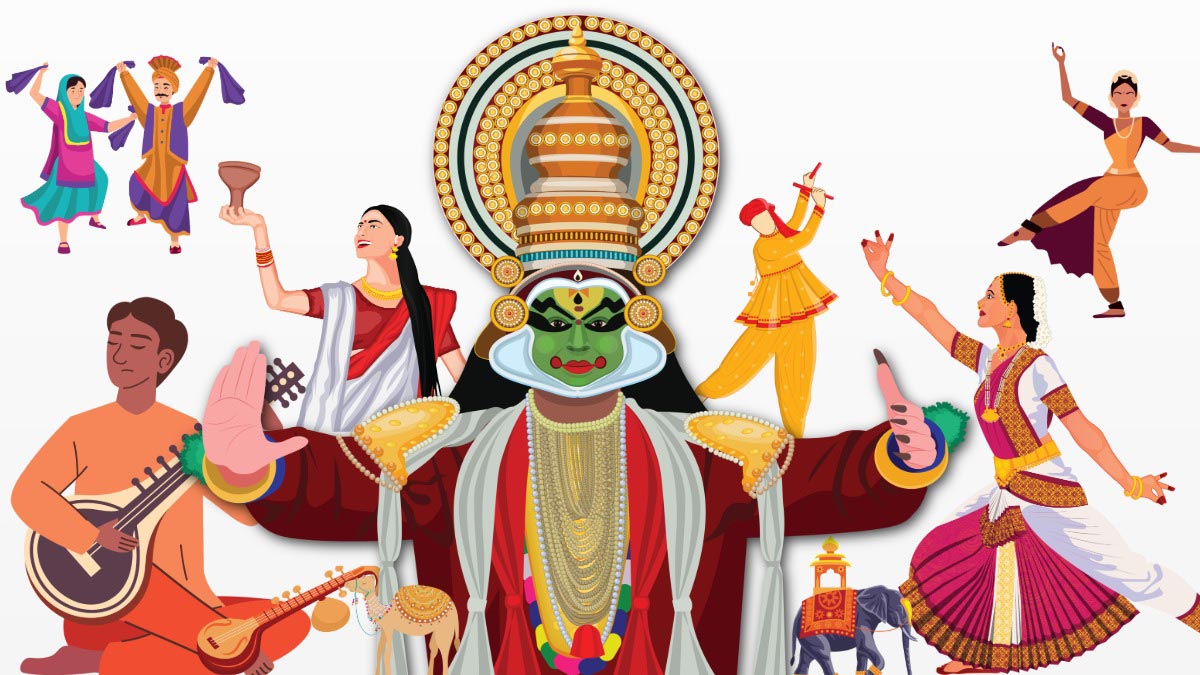
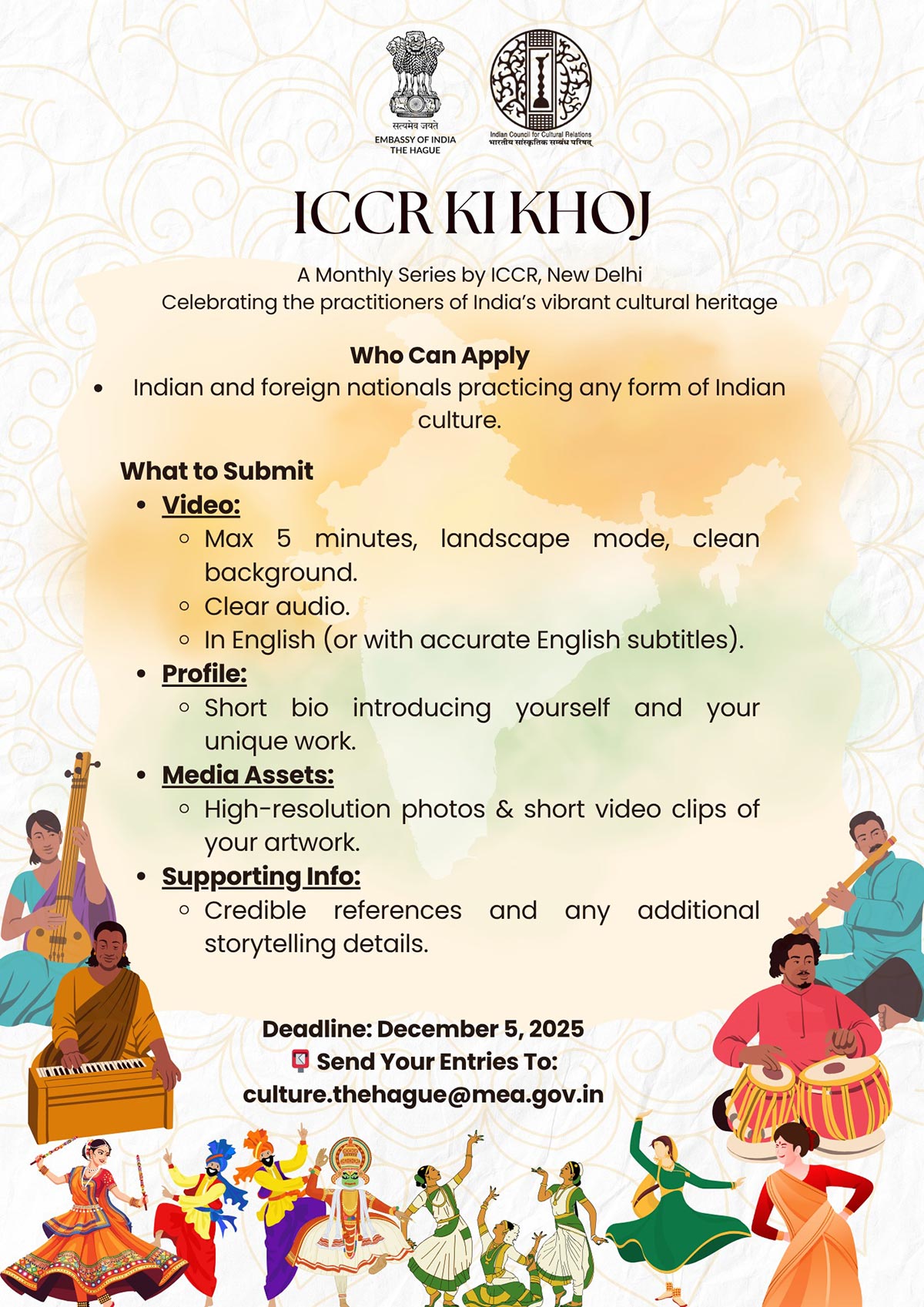
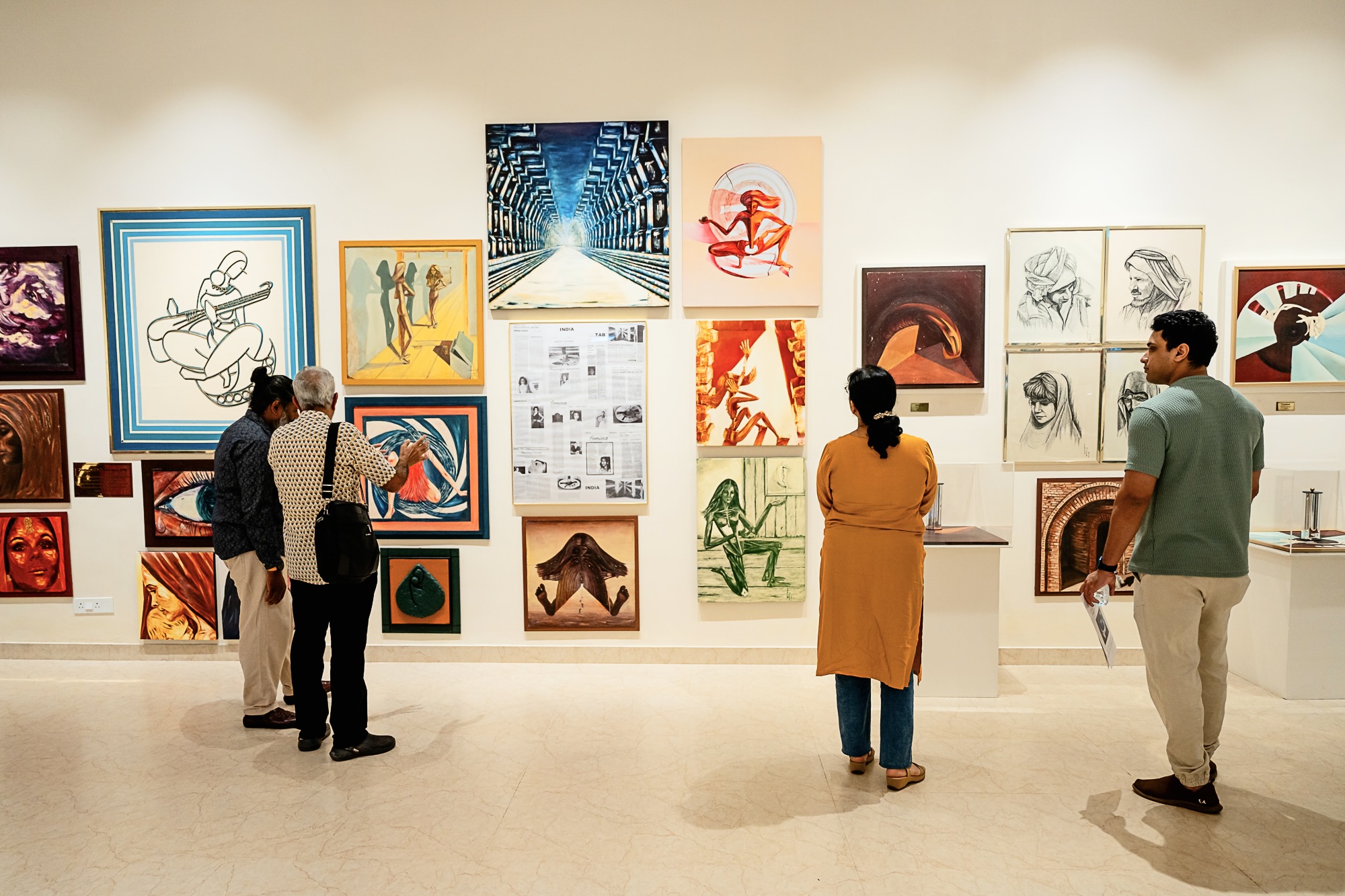
The Indian Council for Cultural Relations (ICCR), the autonomous body under the Ministry of External Affairs (MEA), Government of India, responsible for India’s international cultural relations, has launched a compelling new outreach program titled ICCR Ki Khoj (ICCR’s Discovery). This initiative is brought forward to conceptualize a continuous monthly series dedicated to celebrating the artists who bring India’s cultural heritage to life on global platforms. Apart from artists, it also extends its invitation to performers and innovators, both Indian and Foreign nationals, to showcase their craft, traditions, and unique representations of Indian culture. Starting December 2025, ICCR Ki Khoj will feature individuals who are innovating while preserving their roots of Indian tradition.
About ICCR & The Khoj
The ICCR, established in 1950 by Maulana Abul Kalam Azad, operates to chip in cultural ties and mutual understanding between India and other nations. Programs like ICCR Ki Khoj directly cater to this goal of “cultural diplomacy” by putting a digital stronghold on projects of authentic Indian culture globally. The initiative is being promoted through the ICCR’s network of Indian Cultural Centres worldwide.
The event is tailored to spot and promote the rare side of Indian culture. The main emphasis is laid on those forms of art, performance, and expression that represent the lesser-known facets of India’s cultural wealth. This includes regional folk traditions, classical art forms, cross-cultural fusions, or skills related to ancient craftsmanship and storytelling. By featuring people engaged with these, the ICCR effectively provides visibility and exposure by positioning the selected individuals as global ambassadors of Indian culture. The goal is not to celebrate tradition alone, but its relevance and new adaptations in the 21st century.
Requirements
The submission requirement mentioned includes a short video (maximum 5 minutes) showcasing the participant’s art and work. The format is strategic, catering to the modern consumption of culture. It allows the institute to build a library of content that goes beyond geographical lines and engages a global audience. Both Indians and foreign nationals are permitted to participate. The requirement for clear English narration and accurate English subtitles ensures that the narratives are interpretable to an international audience.
Aspect
Important Points
Eligibility
Open to Indians and foreign nationals practicing any form of Indian culture.
Video Requirements
Max 5 minutes in length, landscape mode, clear audio/background. Must showcase the art/performance effectively.
Language
English, or any language with accurate English subtitles.
Profile
Short and compelling bio introducing the artist and their unique work.
Supporting Info
High-resolution photos, short video clips of the artwork, credible references, or any additional storytelling details.
Deadline (Initial Call)
December 5, 2025.
Submission Email
culture.thehague@mea.gov.in
Key Highlights
Ensures cross-cultural affiliation, participation, and global outreach.
Submissions may include classical, folk, or contemporary interpretations of Indian art, craft, and performance.
Selected entries will be featured monthly on ICCR’s global media platforms.
The series underscores the importance of heritage in shaping India’s identity in a globalized world.
Entries can be in English or any regional language with subtitles, ensuring accessibility for international audiences.
Participants are encouraged to include visuals and short clips to enrich storytelling.
The Spirit of “Khoj”
ICCR Ki Khoj is a celebration of continuity and change, of how tradition lives through new voices. It is as much about rediscovery as it is about reinvention. With this initiative aired, the ICCR recognizes that cultural preservation is no longer restricted to geographical boundaries. Artists from Tokyo to Toronto, from Nairobi to New Delhi, now engage with Indian heritage in ways that are deeply personal and globally resonant. Through this initiative, ICCR positions India as an ever evolving civilization.
A Step Towards Cultural Diplomacy 2.0
ICCR Ki Khoj is a form of soft diplomacy, through which artistic exchange is effectively connected to understanding, empathy, and respect across nations. ICCR is making culture more participatory and inclusive. It also democratizes the process of discovering culture through “not-only-an Indian-lense” but from a globally oriented perspective. The series offers invaluable insights into the historical roots of India and its global connections. It offers a scope to witness India’s creative soul moulded through a dancer’s gesture, a musician’s note, or a craftsman’s hand, and much more. The essence of the series lies in the fact that culture and tradition are not to be isolated and preserved alone, these should be equally lived, experienced, shared, and re-imagined.
India commemorates the 14th of November each year with a lot of fun and festivity, as the Children’s Day which is also known as “Bal Diwas.” Jawaharlal Nehru, India’s first Prime Minister, was born in 1889 on this very day. The Prime Minister, known among children generally as Chacha Nehru, viewed children as the true power of the nation and as the foundation of a society. His birthday was selected for Children’s Day in India following the demise of the Prime Minister.
Besides a tribute to Pandit Jawaharlal Nehru’s, Children’s Day also talks about the rights of children, care and education. The First Prime Minister of India had a clear idea of contemporary India and started fulfilling his ideals through the creation of strong pillars supporting the newly independent nation. He believed in empowering young souls to educate themselves, stand up and know their rights independently.
There are several events including quizzes, debates, cultural activities such as dance, music, and theatre that each school organises on this day.
Many schools also hold sports events to mark the day. School teachers frequently ask kids from neighbouring orphanages or slums to join in with the school students. These gestures are quite welcome as children learn to share and welcome everyone in society. Such actions also give students a sense of equality. Several NGOs take advantage of this day to support underprivileged children. They run several programmes for children with disabilities. People often distribute youngsters with books, food, chocolates, toys and others.
Even on the television, on children’s day, a number of special shows are broadcasted. Several journals also publish special stories this day showing the immense talents of kids in different parts of the country.
Here are some postcards for Children’s Day Wishes
Children are like beautiful flowers from heaven. Let’s build this world to be a safe and happy place for our future. Happy Children’s Day!
Children carry the hope and the dreams of a pleasant future for a brighter tomorrow. Wishing children around the world a very pleasant day!
Let us all appreciate the innocence and purity of our children on this most beautiful day. In whatever way we can, let them feel precious. For they are our future! Because! Happy Children Day!
The more you encourage them, the more they learn, kids are like blossoming stars. Happy Children’s Day!
“History will judge us by the difference we make in the everyday lives of children.” – Nelson Mandela
A child cared for today will care for others tomorrow. Wishing all kids a very joyous Childrens’ day!
Each child is a different flower and who makes this world a harmonious and magnificent garden. When you tend them properly, they blossom beautifully.
Teach honesty to your children, teach them excellent values, teach them greatness, teach them independence. Teach your children what they need to know about kind adults who are also responsible in society.
Dear child, may you never lose your innocence. May life not be hard on you. May that twinkle in your eyes never lose its charm. Happy children’s day.
May you never lose your innocence and joy. May life not be as difficult for you. May you never lose your brilliance in your eyes. Happy Childrens’ day.
“Because children grow up, we think a child’s purpose is to grow up. But a child’s purpose is to be a child.” – Tom Stoppard
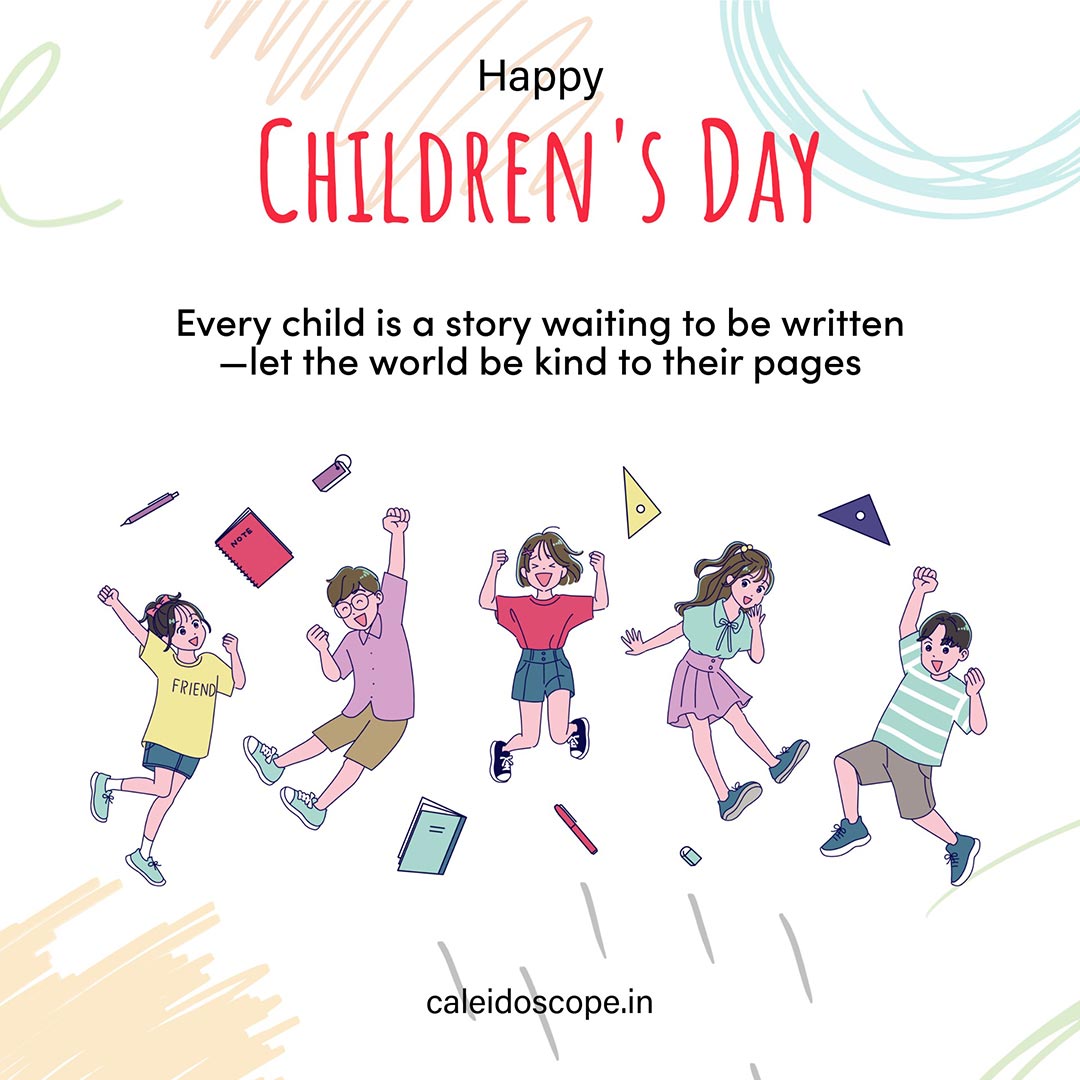
Every child is a story waiting to be written – let the world be kind to their pages.
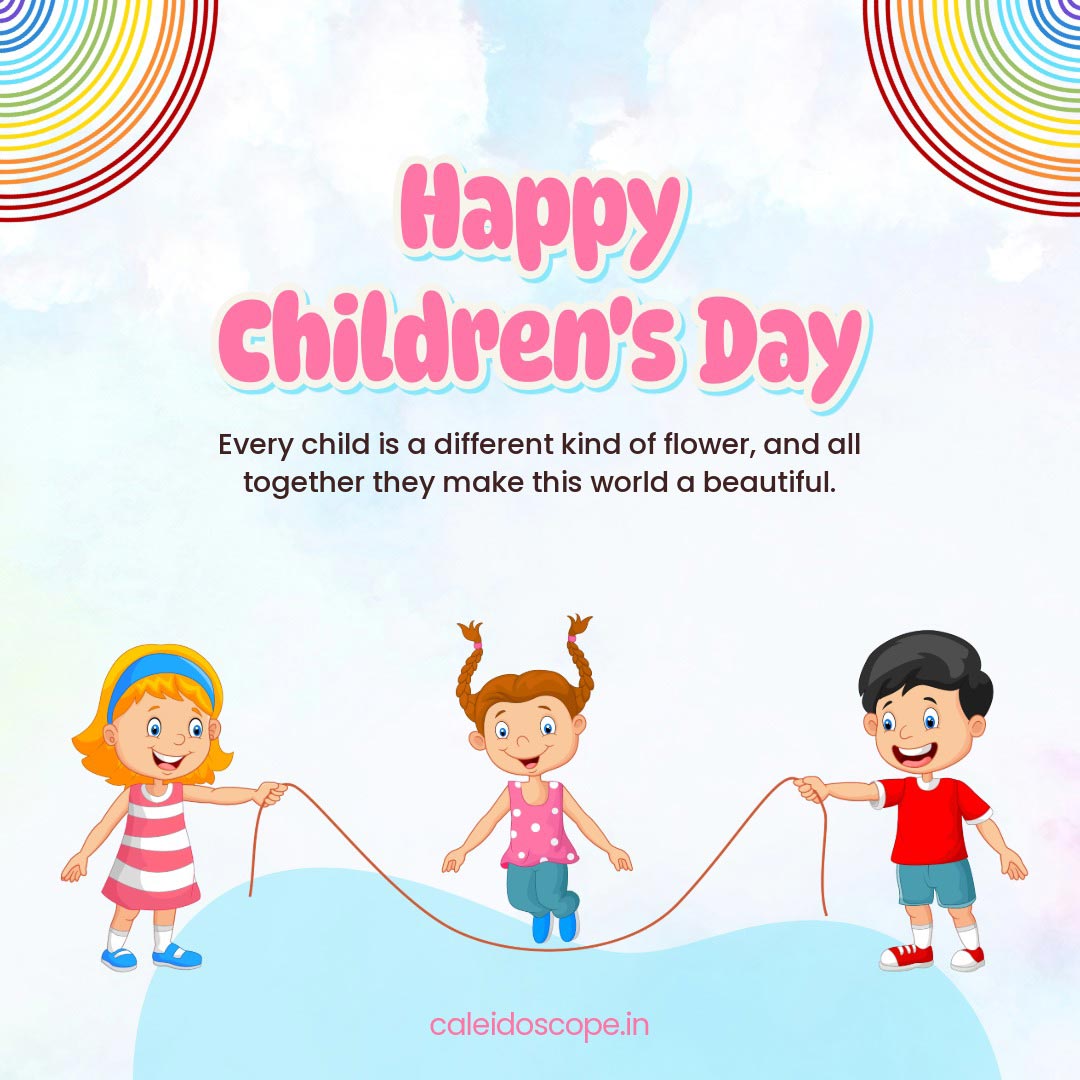
Every child is a different kind of flower, and all together they make this world a beautiful.
As quoted by Pundit Jawaharlal Nehru, “The children of today will make the India of tomorrow. The way we bring them up will determine the future of the country.” Children’s day is a wonderful opportunity to commemorate and celebrate Chacha Nehru and his thoughts along with educating the masses about the rights concerning the youth. Children’s day celebration is a great way to make both kids and adults aware of the true future of this country. Everyone should therefore appreciate the day and fulfil their duties by giving every child a fulfilled and joyous childhood.
The love and concern that we offer our children today, not taking into account their social and economic standing, will flourish tomorrow as the fate of our country. This concept is the gist of the Children’s Day celebrations.
FAQs on Children’s Day
Question: Why is Children’s Day celebrated in India?
Answer: Children’s Day is celebrated to honour the birth anniversary of India’s first Prime Minister, Jawaharlal Nehru, who believed deeply in children’s rights, education, and well-being.
Question: When is Children’s Day observed?
Answer: In India, Children’s Day is celebrated every year on 14th November. Many countries observe it on different dates.
Question: Why was Jawaharlal Nehru associated with Children’s Day?
Answer: Nehru was fondly called Chacha Nehru because of his love for children. He saw children as the foundation of the nation and advocated for their growth, education, and happiness.
Question: How do schools celebrate Children’s Day?
Answer: Schools organize cultural programs, games, assemblies, special performances by teachers, sports events, and fun activities to make the day memorable.
Question: What is the significance of Children’s Day?
Answer: Children’s Day highlights the importance of ensuring children’s rights, safety, education, health, and a nurturing environment for their emotional and creative growth.
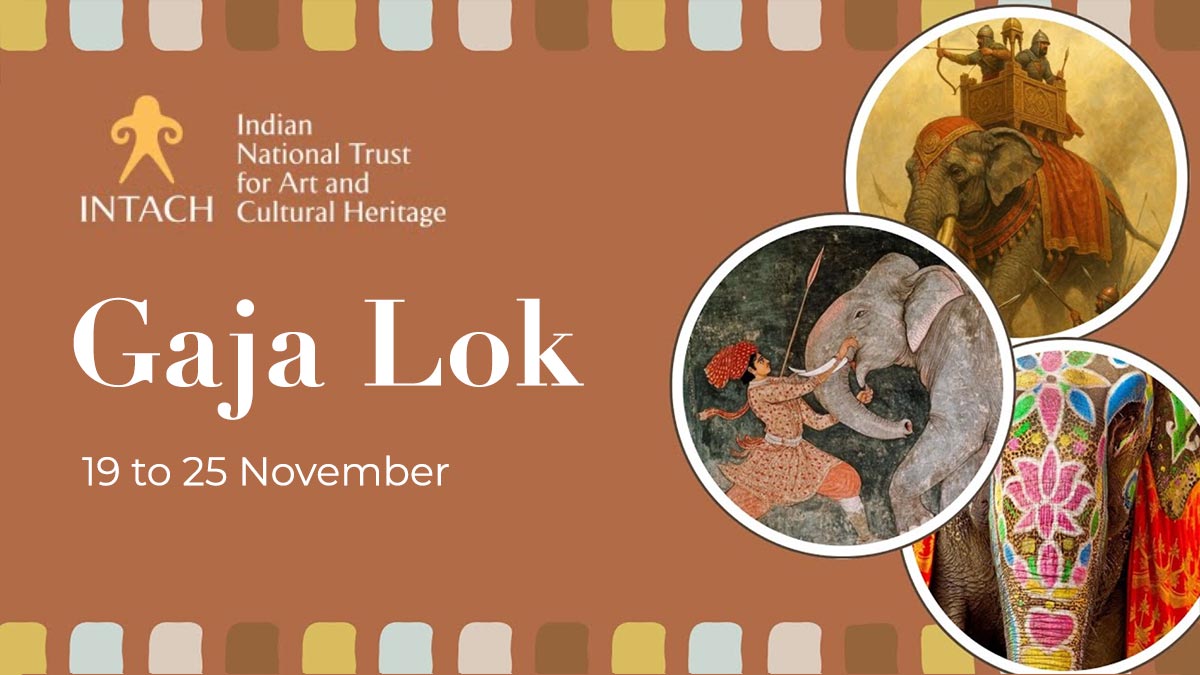
The Asian Elephant (Elephas maximus), known in India as the majestic Gaja, is an integral part of the Subcontinent’s cultural memory, spiritual consciousness, and ecology. To celebrate this irreplaceable bond, the INTACH (Indian National Trust for Art and Cultural Heritage) Heritage Academy will host its annual World Heritage Week celebrations from November 19 to 25, focusing on the theme – Gaja Lok.
This week-long event will be held at the INTACH Multipurpose Hall in New Delhi. This unique, multi-disciplinary exploration is based on the evolving relationship between humanity and the Asian elephant. This series shall weave together historical, spiritual, and environmental narratives spanning centuries. By dedicating its World Heritage Week to this subject, INTACH underscored its commitment to protecting not just architectural ruins, but also the living heritage that defines the region’s diversity and identity.
Through a curated series of lectures, cultural performances, and exhibitions, Gaja Lok expresses how elephants have shaped civilizations, from myth and art to warfare. The event brings together renowned historians, ecologists, artists, and musicians to celebrate this majestic animal. Gaja Lok, thus, reflects INTACH’s mission to preserve and interpret India’s multifaceted heritage. The main focus of the event is on the interconnection of cultural, historical, and environmental narratives, showcasing how art, literature, and conversation intersect.
The themes highlighted in the discussional schedule include the role of the elephant in the Arthashastra, Mughal diplomacy, colonial exploitation, and its spiritual connections across borders. This initiative essentially expands INTACH’s objective to foster heritage consciousness through dialogues and exchanges, supplementing the understanding of ancient wisdom and contemporary ecologies.
The adoption of this approach situates the Asian elephant as a centripetal figure in India’s intangible heritage, a symbol that ranges from royal chronicles, religious texts to modern conservation reports.
Human–elephant relationship across cultural, historical, and environmental framings.
Key Highlights
The event underscores centuries of shared space, respect, and adaptation between species across the subcontinent.
From Vedic rituals to Mughal court traditions, elephants symbolize power, protection, and prosperity.
Insights by renowned scholars like Dr. Raman Sukumar and Vivek Menon integrate ecology, conservation, and heritage studies.
The series bridges India’s cultural dialogues with Southeast Asia, emphasizing elephants as a transnational heritage link.
The exhibition and performances celebrate elephants in visual and performative traditions, from textiles to music.
Lectures will be live-streamed, extending accessibility beyond the physical venue.
Takeaways
By holding dialectic conversations, the event aims to create a holistic educational experience. It allows attendees to appreciate the elephant not merely as an object of conservation but as an active agent in shaping history, tradition, and ecology. By creating a focused centre around natural heritage, INTACH broadened the conventional definition of ‘heritage’ beyond stone and mortar, and invoked its essence into breathing symbols. The event is a nostalgic glance into the past, but with a “call to action” model aimed at reviving indigenous ecological sensibilities. It also mobilizes public opinion and protracts them towards a wider perspective, leading to improved public quotient and awareness regarding the focused subject.
The event stands out as INTACH’s spirit bridges the temporal and the tangible, inviting audiences to rethink the measures of coexistence. Events like this are crucial in mobilising public opinion, proving that the struggle to preserve biodiversity is fundamentally a struggle to preserve human history and identity. It is also a gentle reminder that protecting history begins with respecting life itself.
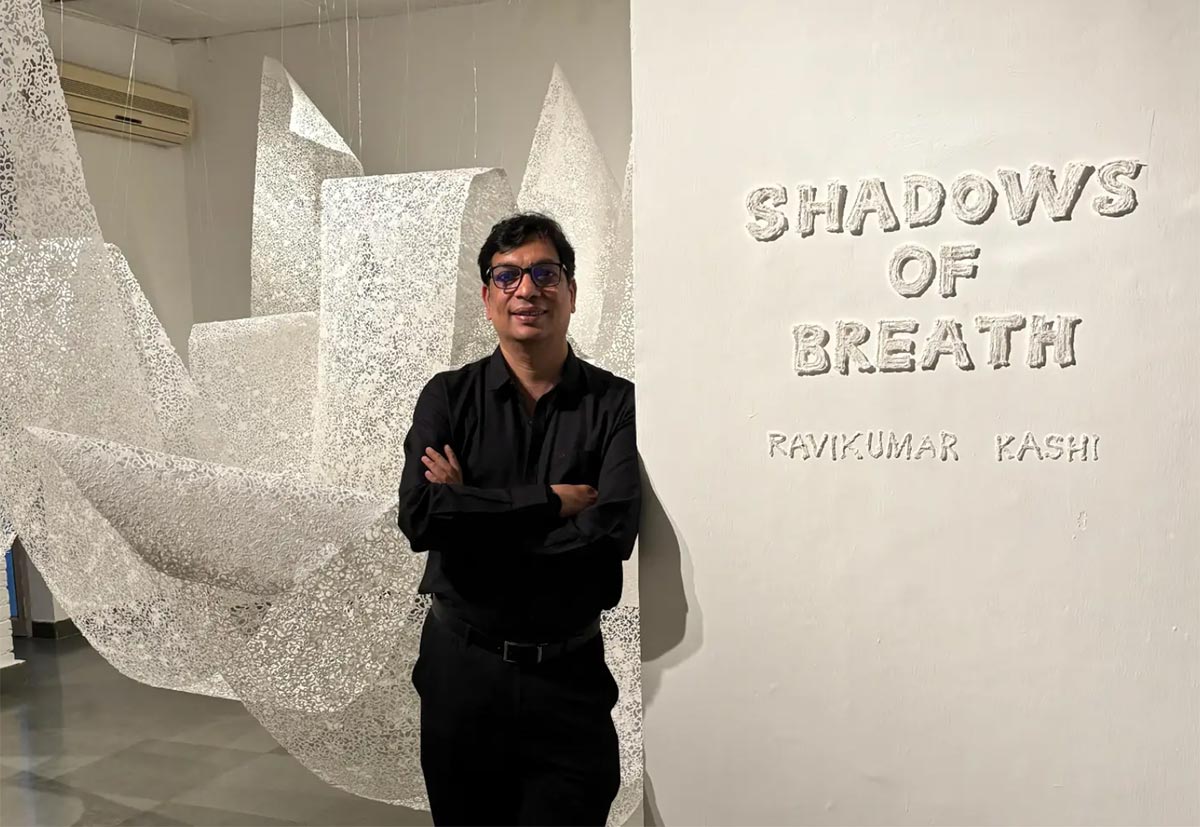
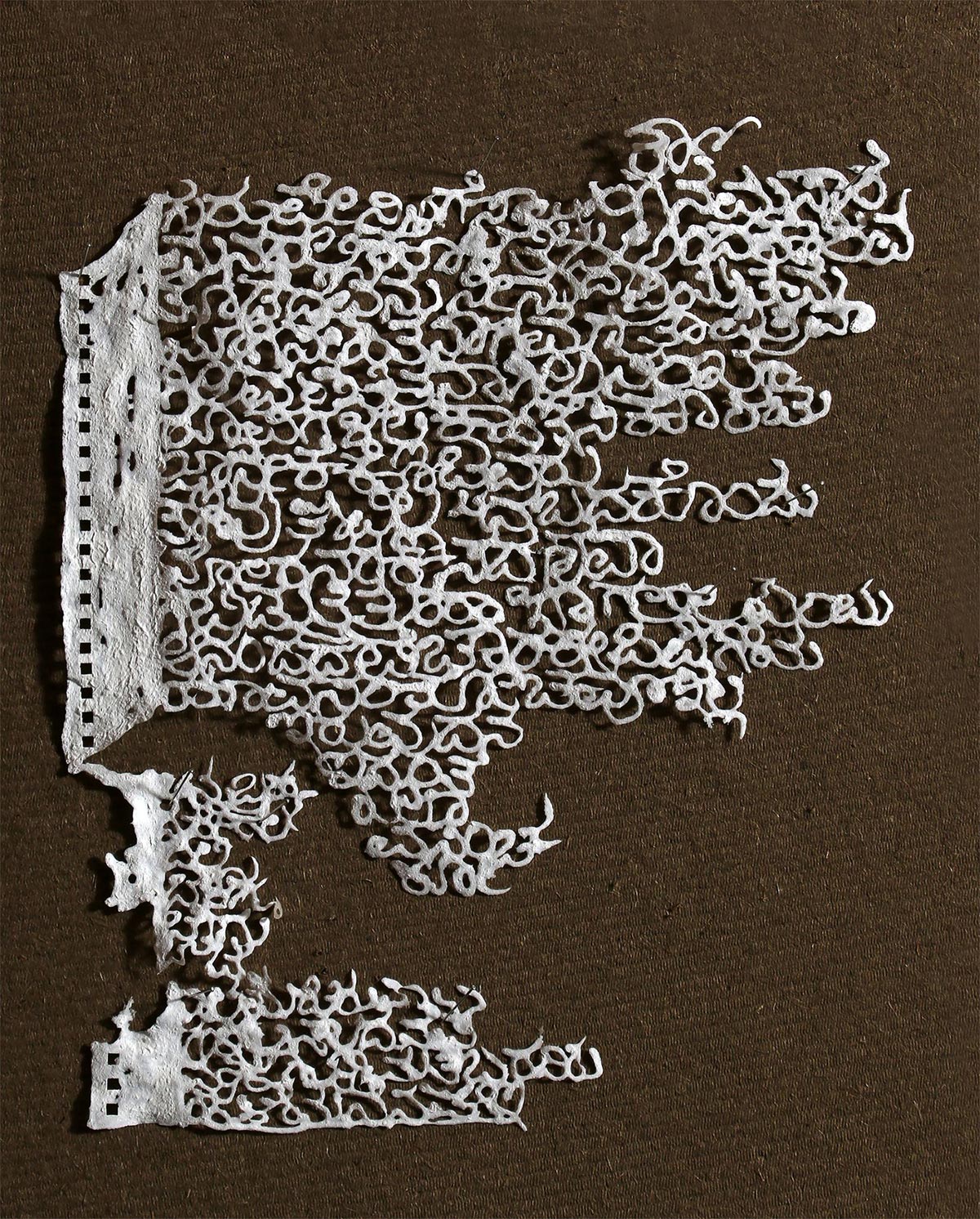
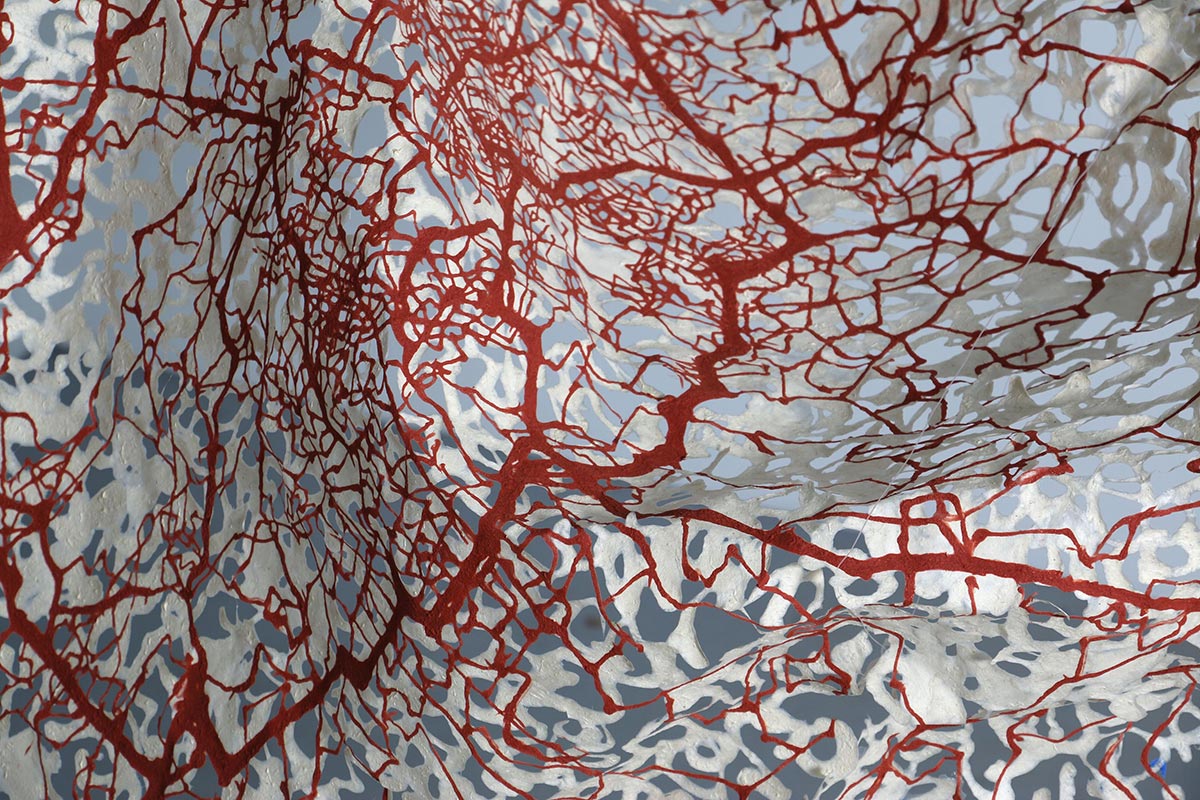
This autumn, the Threshold Art Gallery invites viewers into a deeply moving space, ‘Shadows of Breath’, a solo exhibition by the multi-disciplinary artist Ravi Kashi. Running from October 31st to November 30th, 2025, this collection is a philosophical inquiry into the nature of existence, materiality, and the unspoken language of the human body, exhibited through the singular medium of paper. To him, paper is not a passive medium of expression, but one that is layered, sculpted, and finally evokes organic forms such as skin, cloth, and structures. This is what is described as the “shadows of breath.” The artist himself states, “In this exhibition, the fragility of paper, the echoes of the body, and the weight of language all coalesce into a conversation about the unspoken and the internal in the human experience.” This actively expresses the core intention of the exhibition, i.e., to use the vulnerability of paper to feature the correlation between our physical forms and inner worlds.
The Artist
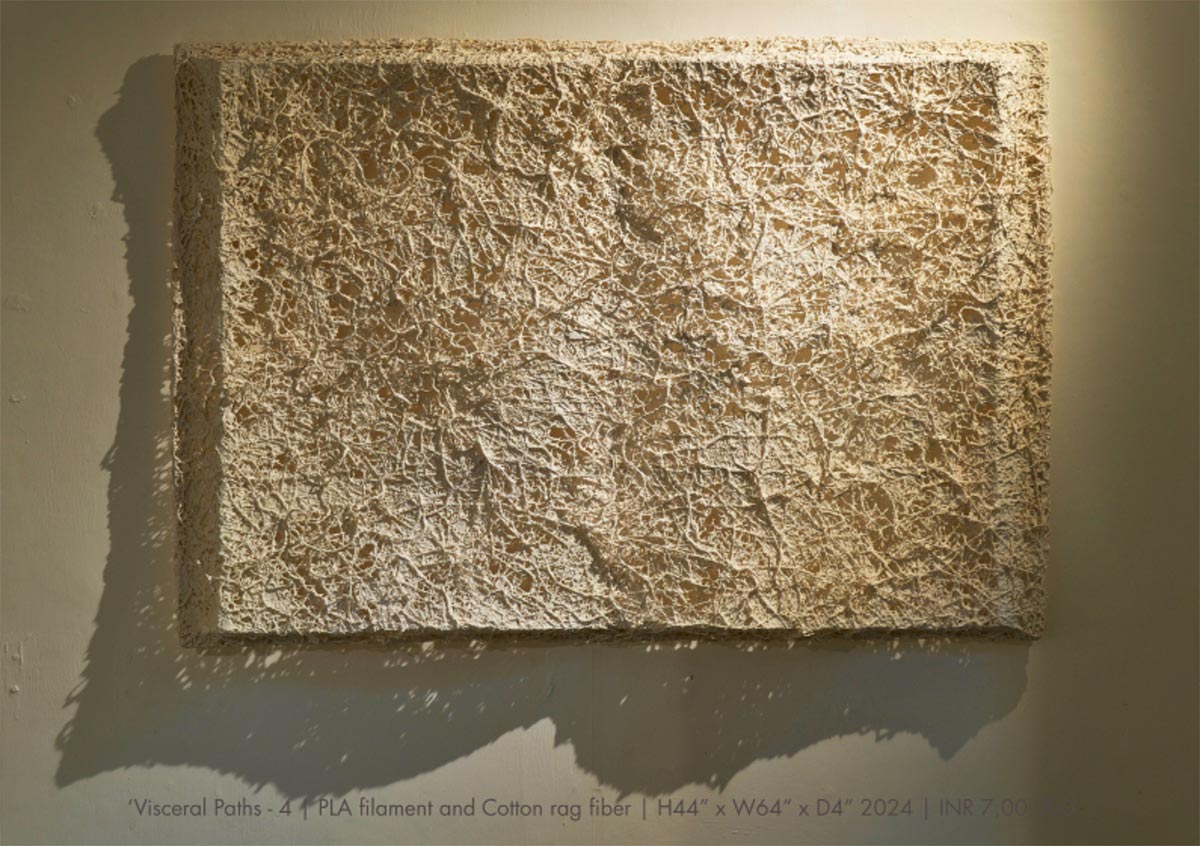
In Shadows of Breath, it becomes a contemplative space where the medium becomes the vessel of both presence and absence. Ravi Kashi’s artistic practice spans painting, printmaking, and literature, and possesses a unique relationship with paper. The artist has mastered his craft through dedicated study in the UK and Korea, and hence, paper emerges as a metaphor for the “ephemeral body”, fragile, yet resilient. This exhibition also showcases works that engage the labour-intensive process of pulp painting.
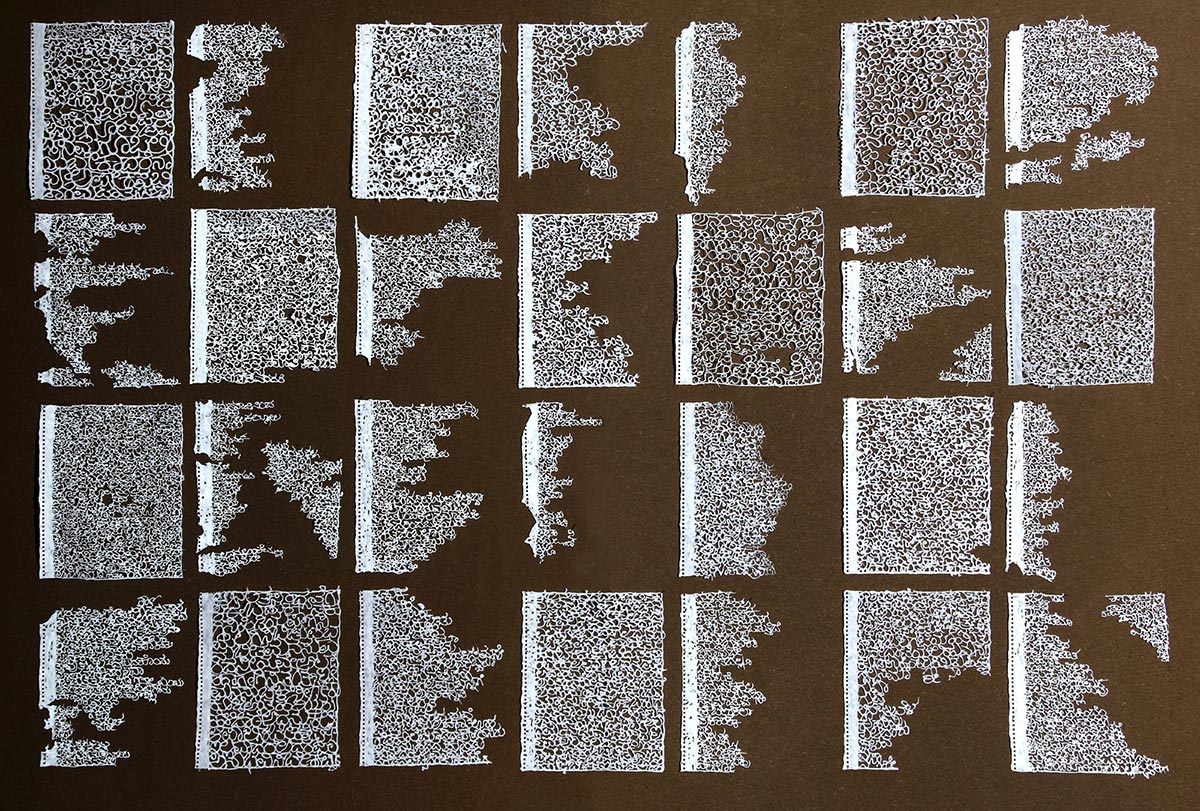
Dr. Arnika Ahldag, Director of Exhibitions & Curation at MAP, Bangalore, stated, “Paper in Kashi’s hands becomes a second skin, fragile yet resilient, porous yet present,” highlighting how the works invite the viewer to “dwell in suggestion rather than certainty.” This liminality is central to the exhibition’s power. Interestingly, language to him is also a crucial element in the field of art. Language occurs in his paintings in the form of a visual and gestural companion to the artwork. He often uses Kannada for that purpose, as the language dissolves into form, transforming into both presence and silence. Furthermore, he uses colours such as deep rusts and muted greens to draw upon his fond memories of Bengaluru. He, thus, imbues an essence of an intimate, melancholic sense of memory that reverberates with the works of artists like Krishna Reddy and Akbar Padamsee, suggesting a quiet but important dialogue across the generations of modern and contemporary Indian art.
Paper as a metaphor for the fragile and resilient human body.
Key Technique
Pulp Painting, transforming paper from surface to vessel.
Philosophical Focus
The interplay between the physical form and the inner, ethereal self.
Key Highlights
The medium of handmade paper and pulp has been central to Kashi’s practice for over a decade.
Sculptural treatments: paper folded, draped, layered, moving beyond two-dimensional gestures.
Language (often Kannada) was rendered not for reading but for sensing.
Colour as memory: rust, green, muted tones drawn from Kashi’s lived environment (Bengaluru).
This exhibition follows his earlier solo We Don’t End at Our Edges at the Museum of Art & Photography, Bengaluru (March–June 2025).
Why This Matters
Ravi Kashi’s work feels utterly relatable, as it functions in a space that we often neglect, the interior. He beautifully reminds us of fragility and resilience by using a simple medium such as paper. In doing so, he sparks a conversation between the material and the metaphor. Also, the Threshold Art Gallery, founded in 1997 and present in Delhi since 2003, has a reputation for harnessing a fertile space for artistic experimentation. By hosting Kashi’s show, it continues its commitment to deep engagement.
Takeaway
Ravi Kashi’s ‘Shadows of Breath’ serves as an act of resistance. He deliberately leans into the vulnerability of paper and forces a pause. It urges the spectators to attune to the imperceptible traces of inner life. The exhibition is an open-armed invitation to inhabit the liminal space where the material synchronizes with the spiritual. This exhibition is meant for anyone seeking an unhurried and deeply immersive experience that reminds us of the power found in shared human fragility.
The South Indian city of Bengaluru has warmly welcomed a lavish addition to its artscape. The Miller Museum of Anamorphic Art, claimed to be the world’s first museum dedicated entirely to anamorphic art, is now open in Bengaluru. Anamorphic art is a form of visual illusion that only resolves into clarity when the viewer shifts their point of view. Situated in Cooke Town, this institution initiated a space where perception does not remain as a passive act, but turns into an experience on its own. Visitors are welcome to walk, shift, and engage with the installations that might appear chaotic at first, distorted from another angle, but within the blink of an eye, they turn into a vivid artwork; the key is a precise vantage point.
Anamorphic art is an ancient technique that dates back to the Renaissance, famously explored by masters like Leonardo da Vinci. It combines mathematics, optics, and perspective to hide, distort, or transform images. This museum is a modern acknowledgement of this art form and is founded in honour of the late Bengaluru-born artist and educator Shereen Miller (1941–2023).
Shereen Miller was a 20th-century pioneer who dedicated her life to reviving and innovating anamorphosis. Her artworks were showcased across four continents, and she always dreamt of bringing her work home. Thus, her daughter, Cheryl Anita Miller, took it up as a mission to make this dream a reality. Cheryl left her successful aviation career in the United States to oversee its creation.
The most fascinating aspect of this is that the collection of this museum is not static. It features traditional paintings with surreal sculptures that change form with movement. There are digital installations as well, which react to the viewer’s position. This unique approach demands participation and active engagement, turning the museum space into an artistic “workout.
What Makes the Museum Unique?
The significance of the museum is multi-layered. Firstly, it engages a niche art form that is embedded in the concepts arising from the Renaissance. Secondly, at present, the museum is located in a city that is renowned for its tech-boom; thus, adding this to the city’s map makes Bengaluru ambitious in becoming a cultural hub as well. Thirdly, it shoots queries to all regarding whether art is only still and silent, or moves via the viewer’s movement. The overall focus of the museum lies in visual and sensory simulations, making it engaging and playful. The ecosystem of Indian art museums mostly focuses on modern-day contemporary art, craft, or heritage art.
Aspects
Description
Concept
Anamorphic Art — a visual art form that distorts perspective, revealing clarity only from a specific angle or reflective surface.
Founded in honour of Shereen Miller (1941–2023), a Bengaluru-born pioneer of anamorphosis. Realised by her daughter, Cheryl Anita Miller.
Visitor Experience
An interactive museum featuring kinetic sculptures, mirror illusions, and motion-sensitive installations encouraging viewer participation.
Key Highlights
The museum offers interactive installations where the viewer’s own motion completes the artwork.
It introduces the technique of anamorphosis in an Indian context, bringing perspective and illusion into a museum format.
The architecture and design of the museum emphasise movement, space, and viewer-relation rather than simply display.
The choice of Bengaluru, specifically Cooke Town, roots the global art form back into a local context, bridging home and world.
For students, families, and tourists alike, the museum offers a fresh “museum experience” rather than the traditional ‘looking from behind the glass’ approach.
It can be seen as part of a broader cultural push: as India’s art scene expands, niche forms and immersive experiences are gaining traction.
Takeaway
The Miller Museum is more than a cultural destination; it is a statement disguised as a gallery. It brought about a conceptual revolution by reshaping what “viewing art” means. If the museum continues to evolve and deepen its thematic exhibitions, linking them to local Indian themes, narratives, etc., it has the potential to become a meaningful cultural institution. This initiative is undoubtedly bold, playful, and promising, adding to India’s cultural map.
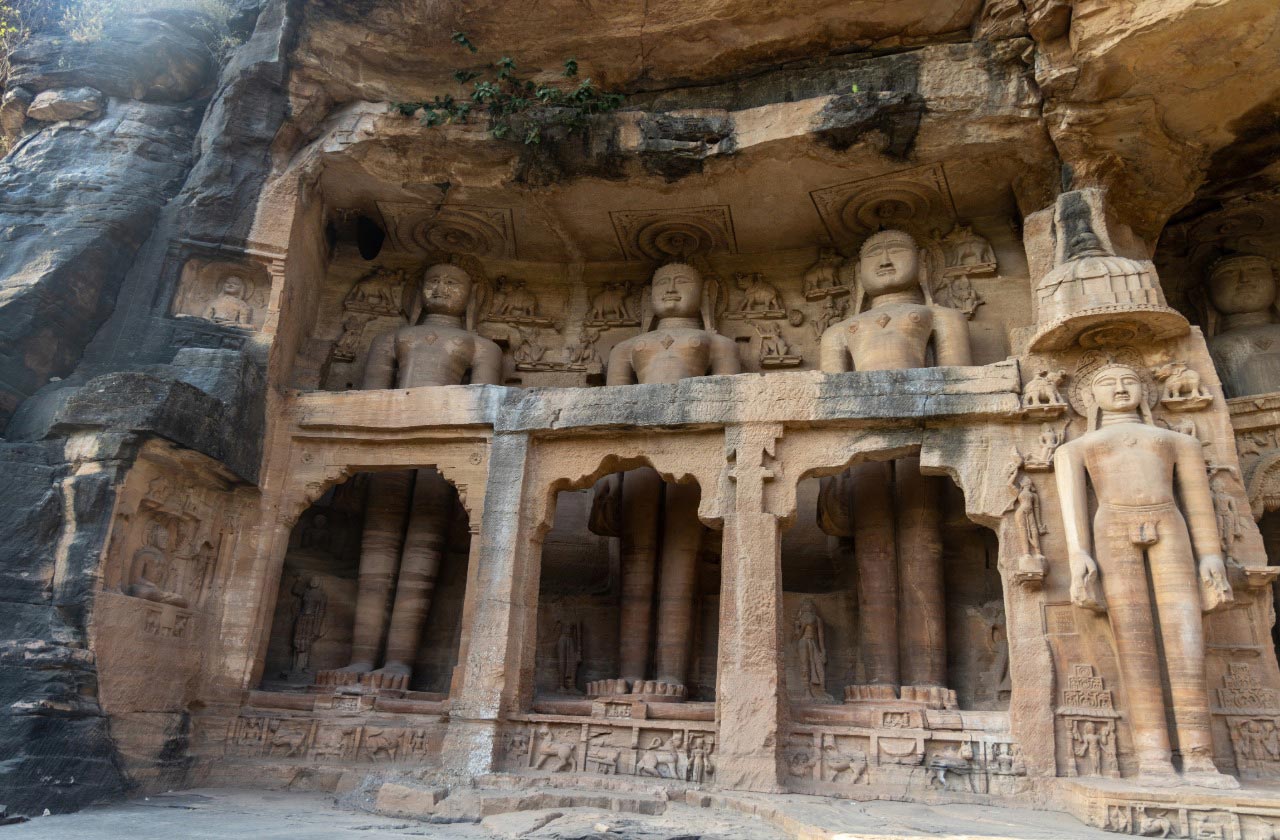
Rock carved Jain statues at Siddhachal Caves inside Gwalior Fort.
Jainism occupies a unique place among India’s vast spiritual traditions, primarily by its emphasis on ahimsa (non-violence), detachment, and an extreme respect for all forms of life. Jains believe liberation is attained through self-restraint, compassion, and ceasing from over indulgence in the material world. These concepts are not only found in writings and teachings, but also within art, architecture, and visual representation.
Whether manifested in exquisite marble temples, in monolithic statues, in manuscript illustrations, or in philosophical symbols, Jain art represents spiritual discipline expressed in lasting forms of culture. Over hundreds of years Jain art has created the sacred architecture of India and contributed to the aesthetic and pluralistic identity of the Indian subcontinent, and continues to a degree that has not been applied to some other religions of India.
Evolution of Jain Art
Jain art has evolved throughout Indian history. This evolution has been both- a response to the changing cultural practices and trends, as well as, the development and complication of internal cultural premises of the Jain culture.
Rock-cut Caves:
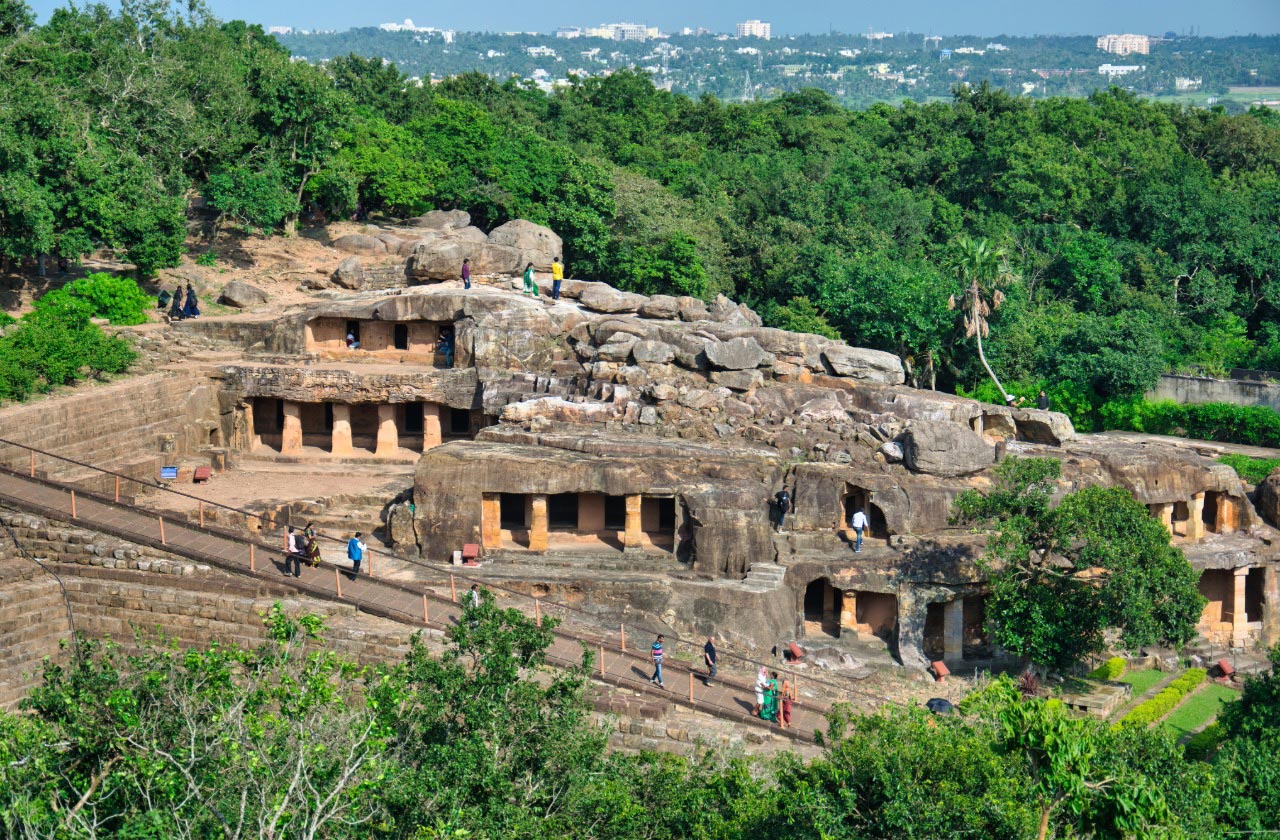
Udayagiri and Khandagiri caves in Odisha (2nd century BC)
Udayagiri and Khandagiri caves in Odisha (2nd century BC) are among some of the earliest surviving Jain sites. Financed by Kalingan king Kharavela, these rock-cut cave shelters provided sculpture scenes with representations of Jain saints, inscriptions, and supportive paraphernalia reflecting Jain values. Similarly, Ellora in Maharashtra has a series of Jain caves also from a later medieval period, thus documenting Jainism’s co-existence with Buddhism and Hinduism.
Temples in Medieval India:
By the 10th Century, Jains became a powerful force in providing money as patrons of monumental temple construction. Wealthy merchant groups especially in the western regions of India provided support, and the Jains generated a unique architectural style that was intricately assembled, symmetrical, and geometric in design.
Characteristics:
Jain art primarily emphasizes iconography stemming from values in religion: Tirthankaras (spiritual teachers) were depicted in states of passive, serene meditation; lotuses and auspicious symbols represented decor; stories from Jain scriptures were informed by sculpture and painting instead of literature. While other religious traditions emphasized gods revealing their human aspects, Jain Tirthankaras suggest detachment and transcendence; and this serenity escapes the fine lines of the sculptures.
Architectural and sculptural grandeur
The monumental scale and artistry of Jain temples and sculpture testify to the devotion and wealth of part of the Jain community which became communal heritage.
Dilwara Temples, Mount Abu:
Dilwara Temples, Mount Abu
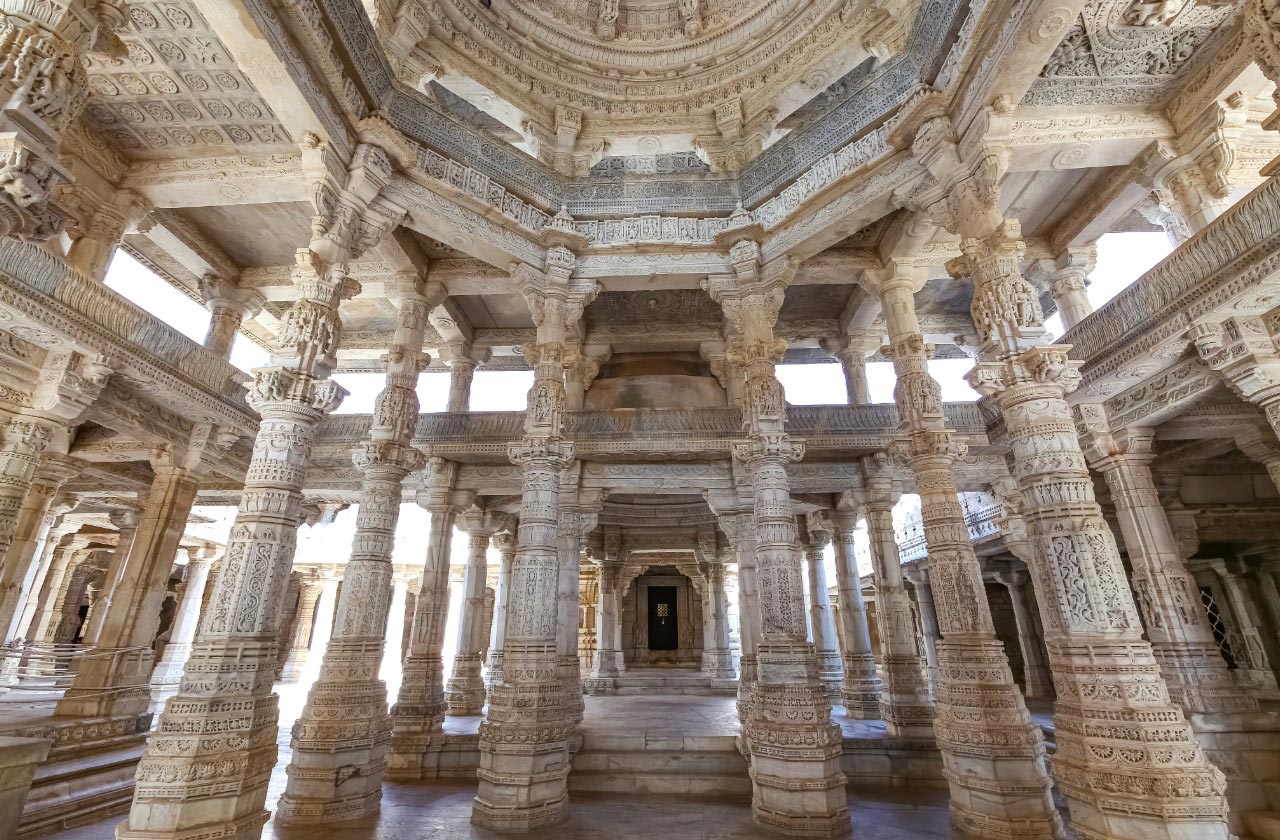
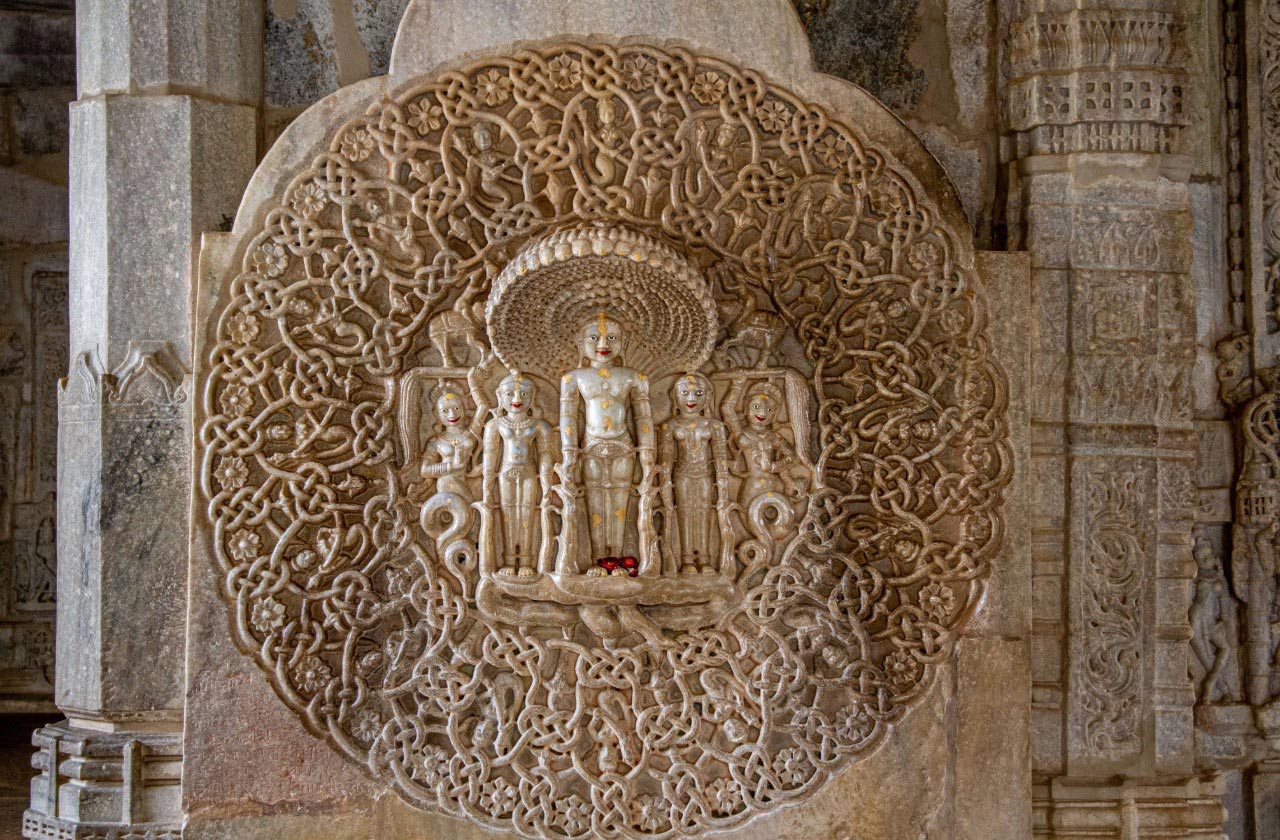
The group of temples at Mount Abu went through construction between the 11th to 13th centuries, and especially known for marble carvings which are so delicate they appear like lace. The ceilings are entirely designed with concentric circles formed by dancers, flowers, and mythological symbols, and really identified Dilwara, with the other temples not coming close in achievement as a pinnacle of Jain Art.
Ranakpur Temple, Rajasthan:
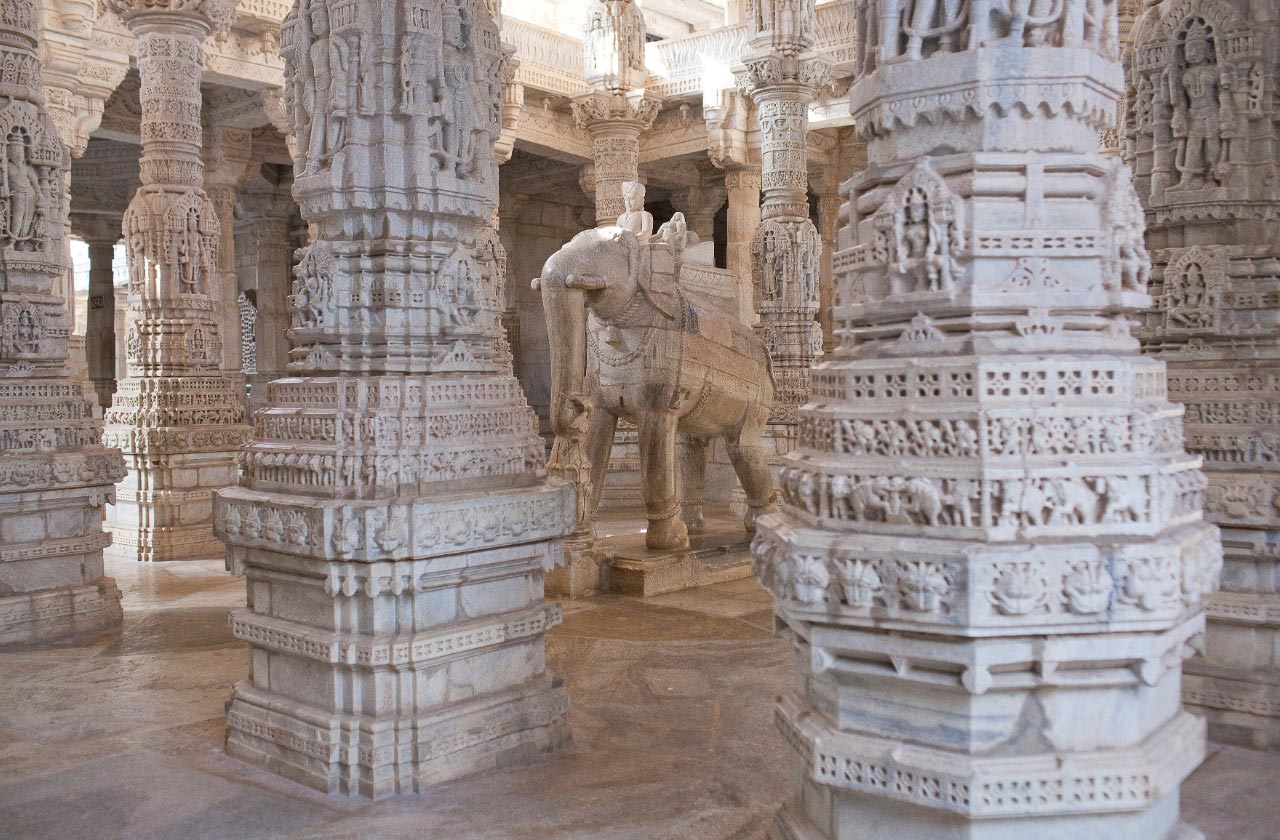
Ranakpur Temple, Rajasthan
The temple was built in the fifteenth century. The temple has a unique 1,444 marble pillars each having separate carvings. The thousand pillars of the temple are set up in such a way that when standing at any point, you can see the central shrine with no pillars in between you.
Shravanabelagola, Karnataka:
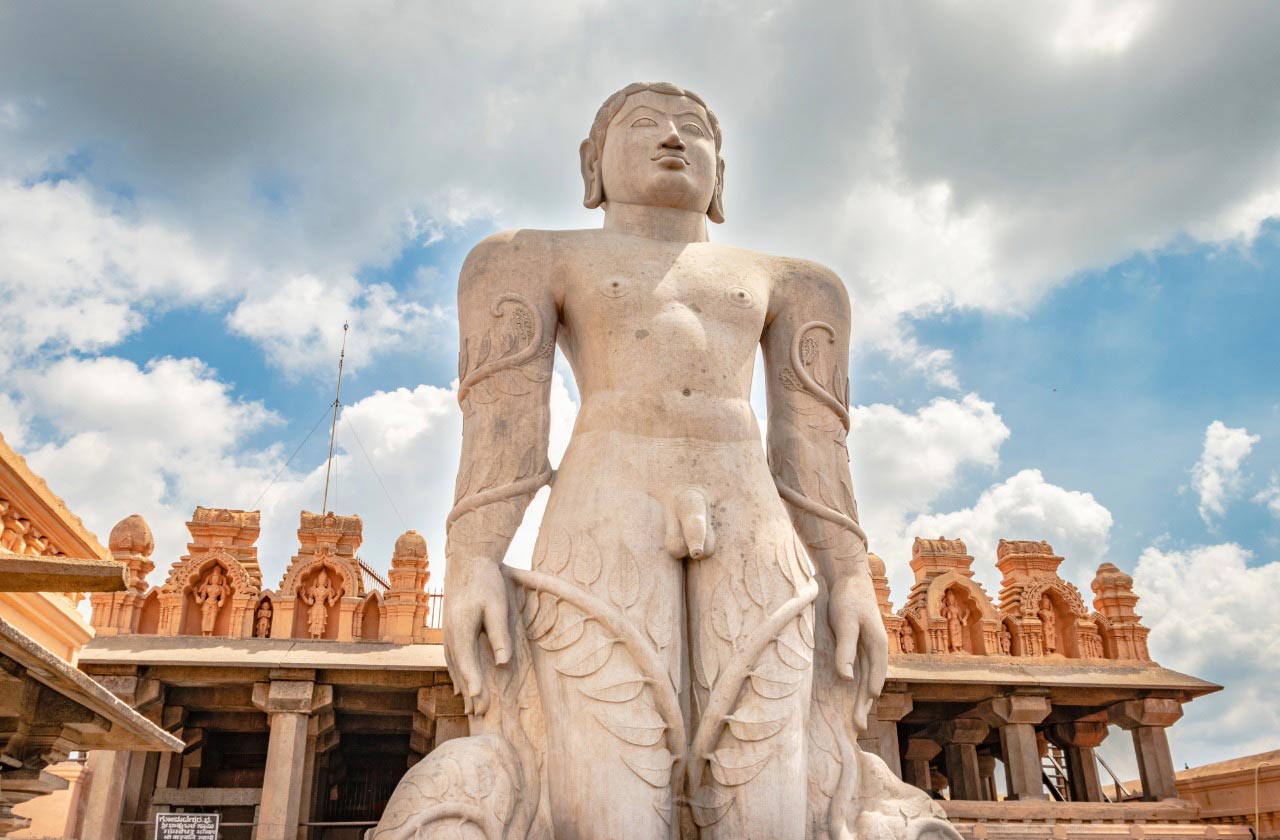
Shravanabelagola, Karnataka
The Shravanabelagola temple is known for its giant statue. The statue is that of Bahubali (Gommateshwara) which is carved from a single granite stone. The statue rises to a height of 57 feet and was built in the tenth century. The statue shows Bahubali meditating in his desire for liberation, and the idea that he is still can be witnessed through the creepers growing up his small body. Every twelve years, the Mahamatebthrisheba festival takes place, bringing thousands of devotees to the shrine, which consists of bathing the statue in milk, saffron, and sandalwood paste, forever tying religion with art.
Ellora and Badami Jain Caves:
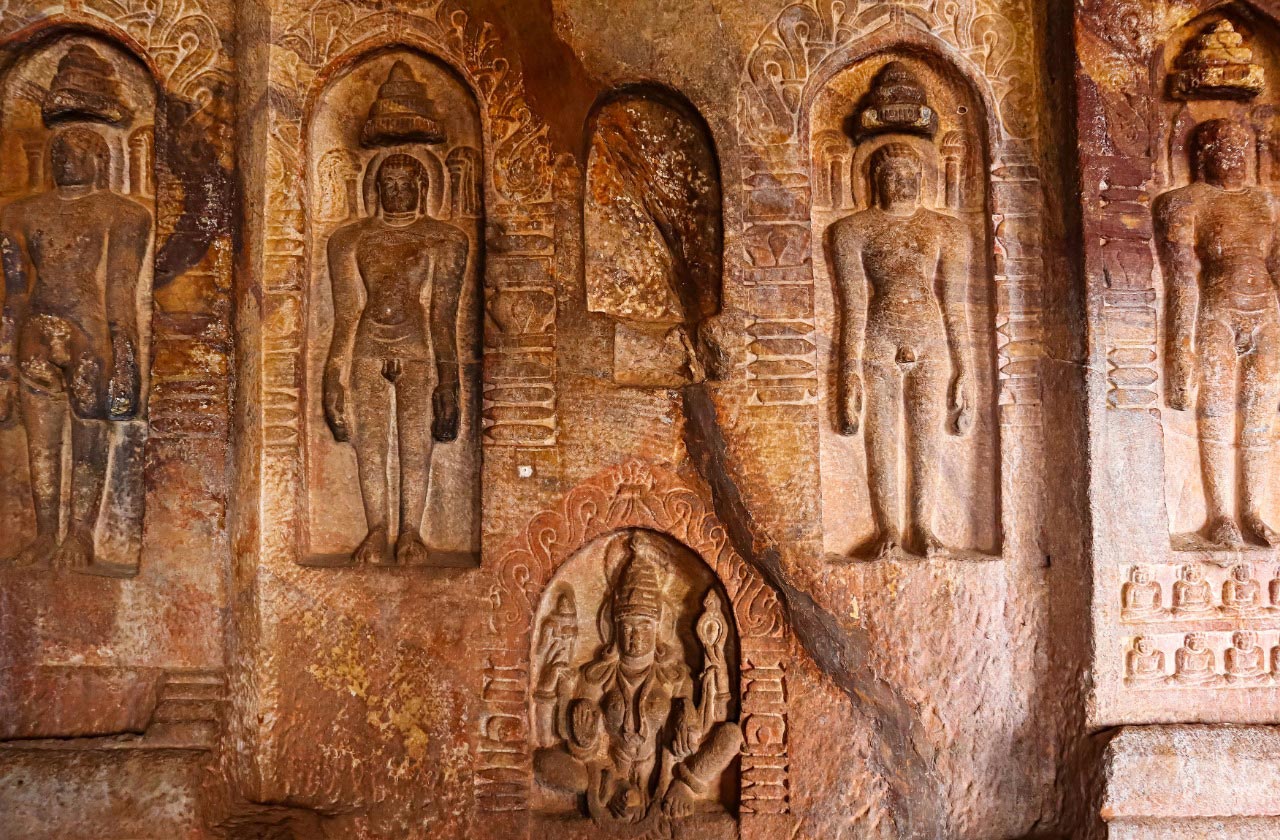
Badami Caves
The Ellora caves are famous for their exciting artworks for many different religions. The caves are not dedicated to only one religion or culture. Instead, they consist of Hindu, Buddhist and Jain religions. The designated dates for these caves are between the 9th and 10th centuries. Some of the motifs that you will find in these caves are lotus motifs, carved pillars and shrines.
Manuscript Paintings and Miniatures in Jain Art
Jain artists sustained spiritual expression in the form of paintings as well. The illustration of Jain manuscripts is among the oldest surviving examples of Indian miniature art.
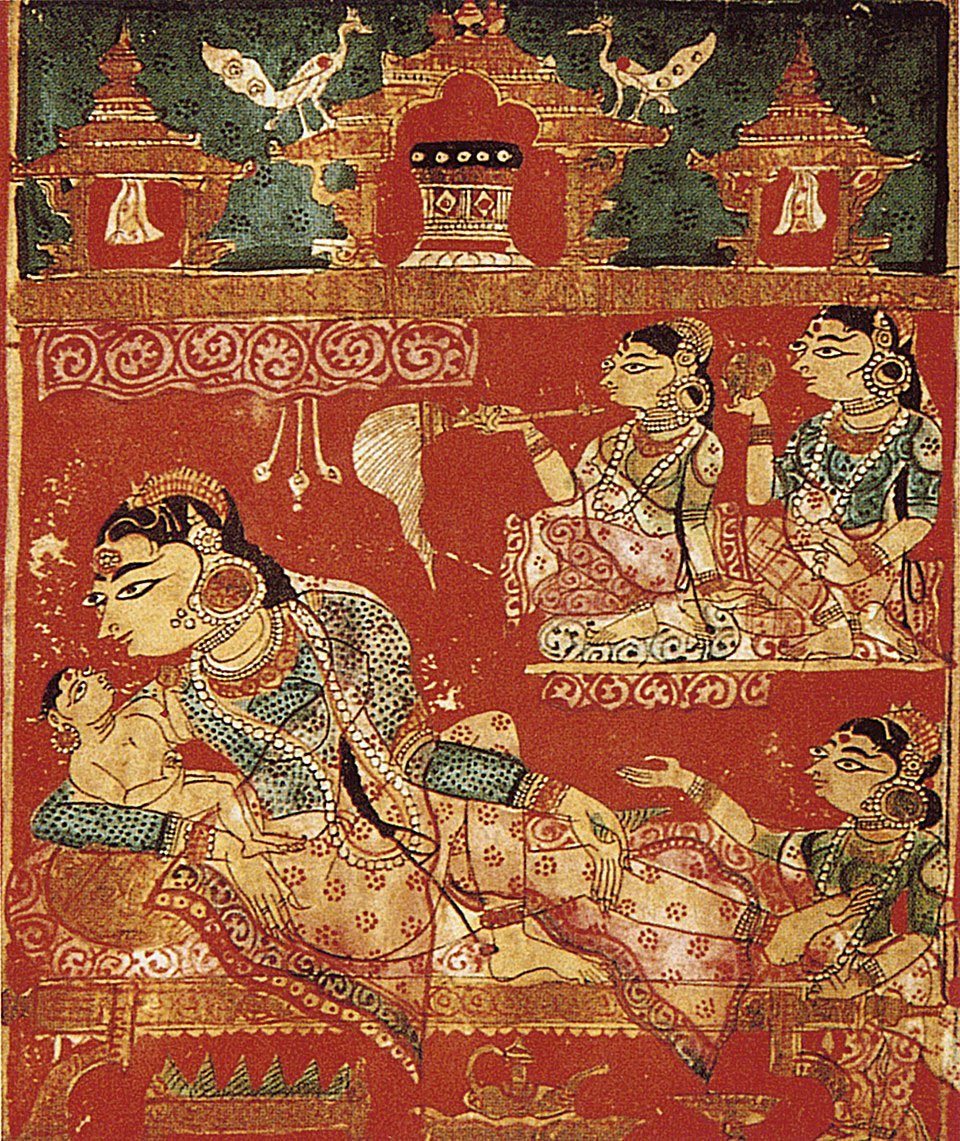
Illustration of the Kalpa Sūtra:
Detail of a leaf with, The Birth of God Mahavira (the 24th Jain Tirthankara), from the Kalpa Sutra, c.1375–1400. Wikimedia
The Kalpa Sūtra is a sacred Jain text that is typically illustrated during a festival season and it is rich with hues of bright red, gold, and deep blue. The figures are depicted in a strongly stylized and flatter form with bold outlines, pronounced protruding eye forms, and symmetrical blocks of images — a systematic form that can be both symbolic yet representational.
Miniature Tradition in Western India:
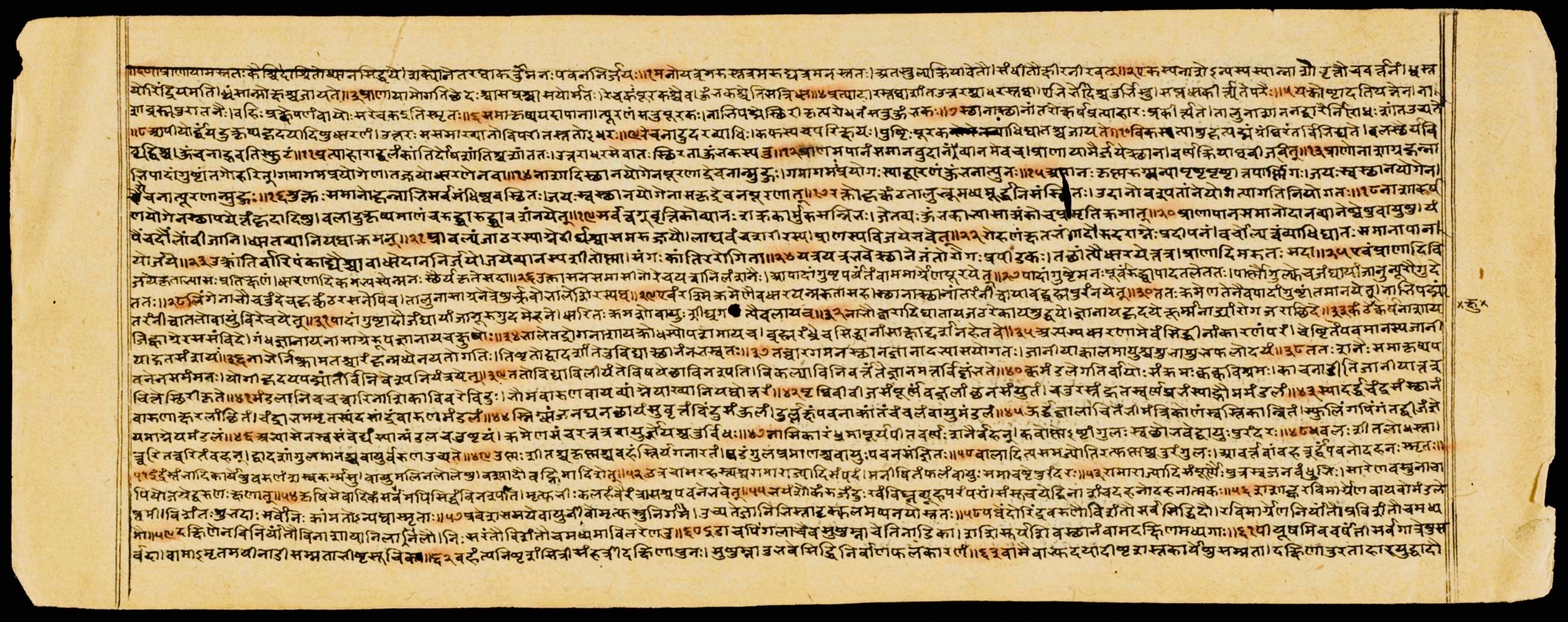
A 12th-century manuscript of Hemachandra’s Yogaśāstra in Sanskrit. The text is notable for using 1 mm miniaturized Devanagari script. Wikimedia
Between the 12th and 16th centuries, non-Islamic Gujarat and Rajasthan became important centers of the manuscript painting process. Jain merchants commissioned palm-leaf manuscripts that were hand-transcribed and illustrated, as well as manuscripts done on paper. The tradition, with its highly abstracted figures and play of jewel-like patterning of contrasting colors, foreshadows the later Rajput and Mughal schools of miniature painting.
Jain conventions of extended borders, symbolic color-set, and logical sequencing were especially influential on other Indian visual cultures. Indeed the elements of the Jain miniature legacy are present in the early Rajput painting modes as well as continuing to influence folkloric expression.
The Role of Jain Art in India’s Heritage
The contribution of Jain art encompasses far more than the role within a particular religion. Jain art has contributed, and continues to contribute, to India’s identity and culture in ways that are permanent.
Architectural Advancement:
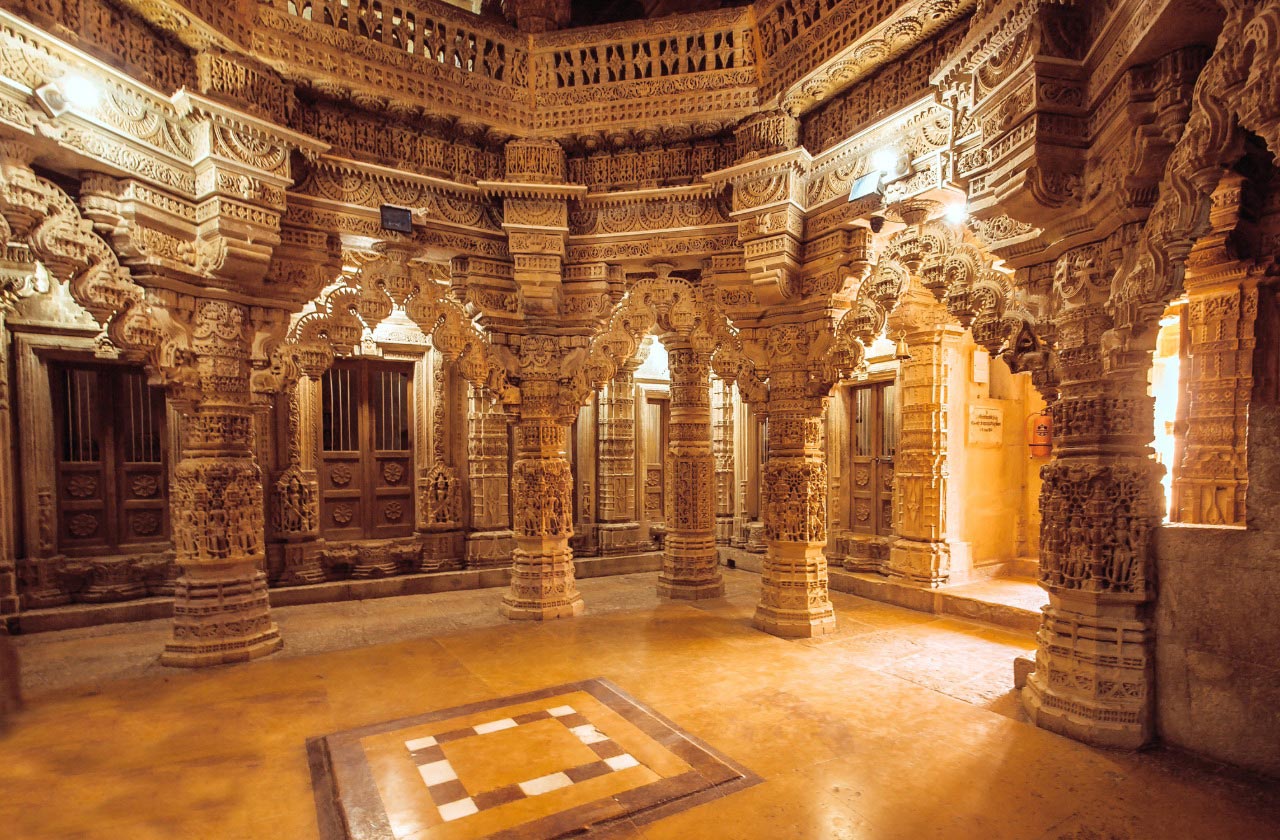
Mandapa of Jain Temple, Jaisalmer fort(Rajasthan)
Jain architects mastered marble carving, spatial symmetry, and architectural elegance. The Dilwara temples stands as a testament of the skills and mastery of the Jain archit cts. It is one of the finest stone-carved edifices in the world.
Influencing Indian Aesthetic:
The Jain community is known for serenity and symbolism. This is also true for other cultures of India. The Indian cultural landscape is a child of this serenity, among other cultural traits. The juxtaposition of Jain, Hindu, and Buddhist caves at Ellora represents an enduring ethos of shared spaces of worship in India.
Sustaining Values:
Jain art communicates more than monuments of stone; it also communicates two or intangible values, including non-violence, harmony, simplicity and restraint. The ideas of peace and spiritual discipline communicated by Jain art are just as relevant in a time often characterized by material excess.
Iconic Jain Art & Heritage Sites
Site / Artwork
Significance
Dilwara Temples, Mount Abu
Renowned for exquisite white marble carvings, the Dilwara Temples represent the pinnacle of Jain architectural craftsmanship.
Ranakpur Jain Temple, Rajasthan
Famed for its 1,444 intricately carved marble pillars, each unique, the temple embodies Jain devotion and symmetry.
Shravanabelagola, Karnataka
Home to the 57-foot monolithic statue of Bahubali, symbolizing renunciation, meditation, and spiritual victory over desire.
Ellora Caves (Jain Section)
Rock-cut temples featuring intricate sculptures from the 9th–10th century, showcasing coexistence with Buddhist and Hindu art.
Kalpa Sūtra Manuscripts
Illuminated Jain texts adorned with rich hues and bold outlines, foundational to Indian miniature painting traditions.
Conclusion
Jain art is not just an aesthetic tradition; it is not for aesthetics. Jainart has developed and grown into a form of spiritual meditation carved in stone, written on paper, and memorized in the mind. For example, the Bahubali statue has stood stable on the landscape to signify Jain practice and memory for thousands of years. Likewise, the brush strokes of Kalpa Sūtra manuscripts on paper, preserve the subtleties and affirmations of Jain life. Jainism holds a unique heritage for India with remarkable depth and breadth. The heritage keeps alive the cultures that once thrived and are still lineages in India. This culture is not only about what is physical, but also that they are intangible values that teach us. For example, Jain art has never failed in teaching compassion and peace. The art of cultures like Jainism is still alive, not just in art museums and history textbooks, but in our value system and respect for the art.
Question: What are the main features of Jain temple architecture?
Answer: Jain temples are known for intricate marble or stone carvings, symbolic iconography of Tirthankaras, and symmetrical architecture that reflects order and serenity.
Question: Which are the most famous Jain temples in India?
Answer: The Dilwara Temples (Mount Abu), Ranakpur Temple (Rajasthan), Shravanabelagola (Karnataka), Palitana Temples (Gujarat), and the Jain Caves at Ellora are among the most renowned Jain heritage sites in India.
Question: How did Jain manuscript paintings influence Indian miniatures?
Answer: Jain manuscripts pioneered bold line work, vibrant colors, and narrative sequencing, which inspired later Rajput and Mughal miniature painting traditions through structured storytelling and ornamental detail.
Question: What is the significance of the Bahubali statue at Shravanabelagola?
Answer: The 10th-century monolithic statue represents Bahubali’s spiritual triumph over ego and desire through meditation. Its grandeur symbolizes peace, detachment, and spiritual strength, making it one of India’s most revered sacred sculptures.
Question: How does Jain art reflect the philosophy of Jainism?
Answer: Through serene meditative figures, lotus motifs, and symmetrical compositions, Jain art embodies the core Jain values of non-violence, restraint, harmony, and the pursuit of spiritual liberation.
Every January, Bengaluru turns into a bustling corridor of colour, where pavements are adorned with oversized palettes and canvases featuring a plethora of scenes. The annual Chitrasanthe (Chitra Santhe), meaning ‘Art Market’ in Kannada, is a democratic street celebration of creativity that transforms Bengaluru into India’s largest open-air art gallery. Hosted by the prestigious Karnataka Chitrakala Parishath (CKP), this single-day festival aims to make art accessible to all. For thousands of artists, students, collectors, and the general public, the event is a republic of imagination. This festival shall unite over 1,500 artists from different parts of India, drawing a crowd of more than 7 lakh art enthusiasts.
Celebrating Art for All
Founded in 1960, the CKP is a visual arts complex and institution that has been a landmark in India’s cultural landscape for over six decades. It played a major role in developing the art vocabulary of the city, nurturing students, staging exhibitions, and acting as Bangalore’s creative circuit. It is the grandest annual compilation of artistic events. Inspired partly by European street art fairs and by our age-old haat culture, the festival blends professional curation with creative chaos. People will trace trace traditional Indian artforms such as Mysore paintings, leather puppets, and Pyrography (art created by burning designs onto wood) alongside modern abstract art, contemporary compositions, graphic prints, stone sculptures, and caricatures.
The recent editions have recorded artwork sales exceeding ₹5 crore in a single day, highlighting the substantial economic impact of the event and its centrality as a commercial platform amidst the creative community. The prime aspect of this festival single handedly lies in its heterogeneity and inclusivity.
A Walk Through
Longtime attendees describe Chitrasanthe as an immersive sensory experience. People trace artworks across a plethora of media, ranging from hyper-realistic landscapes to delicate pen-and-ink miniatures, as they chip in to form a colourful facade. Each stall seems to narrate a story on its own, describing the different artworks featured all over. Unlike formal and stringent gallery spaces, where people are mostly afraid of striking a conversation, Chitrasanthe encourages dialogue and exchange. Every artwork has a personal backstory, and every artist is reachable, visible, and human.
Democratization of the Art Market
Art fairs can often feel exclusive, but Chitrasanthe encapsulates all major trends and displays a deliberate defiance towards being exclusive. It is more of an umbrella ceiling which includes everything starting from small sketches under a few hundred rupees to large canvases worthy of serious collectors. For many Bengaluru folks, this yearly festival has become a ritual; a place to purchase their first artwork, support student-artists, and carry home a piece belonging to the larger creative nexus of India.
This festival is also a ground for cultural education, as many schools bring their students for a visit, NGOs bring young learners, and travellers arrive to immerse into the world of street-gallery experience. In a nutshell, there is something for everyone. The artworks featured on different media just does not remain intact within the plane, it bursts out as a public memory.
“Art for All” – celebrating inclusivity and creativity
Artist Registration Deadline
30th November 2025
Key Highlights
More than 1500 artists exhibit paintings, drawings, sculptures, folk art, digital works, and mixed-media experiments
The festival stretches across the entire Kumara Krupa Road, transforming it into a kilometre-long open gallery
Participation from senior masters, mid-career artists, art students, and emerging independent illustrators
Over 7 lakh visitors attend every year, making it one of India’s largest public cultural gatherings
A rare democratic platform where art is sold directly by its maker, removing gallery gatekeeping
Consistent presence of Kannada, folk, tribal, and contemporary art traditions
Cultural performances, live demonstrations, interactive stalls, and student showcases
A long-running legacy that has remained accessible, affordable, and unpretentious
A Celebration That Goes Beyond Transactions
Chitrasanthe builds community. It is the melting pot for a linguistically diverse crowd which stitches together many sensibilities and generate a sentiment of belonging. The festival also attracts the performances of many musicians, puppet artists, etc., who appear without fanfare, yet perform wholeheartedly for the greater crowd. This way, it has seeked much national attention and eventually Bengaluru associates this festival with its cultural identity. They also make sure that the upcoming editions adapt well to the emerging artistic waves and generation of artists, in order to provide the befitting spot to showcase their talent, while also venerating the old.
Takeaway
An emerging trend in the artistic sphere is to restrict it to commercial boxes, but this festival feels different, as it not only generates revenue, but also offers a very refreshing perspective towards art. It reminds us that for creative to thrive, openness is required. It makes innumerable strangers meet and greet eachother, fostering an amiable environment. It lets the artists breath out of their protected ecosystem and get exposed to the unexplored, getting approach dby people on ground zero and making contacts, holding the most candid and raw conversations to striking a deal. They are bringing good quality art to the pedestrian lanes in order to make it accessible to all, irrespective of any parametre. This is where the art can be touched, questioned, debated, and loved without any hesitation following.
The forthcoming 23rd edition is definitely taking the legacy forward and perhaps will stretch it further. For anyone who believes that art should belong to the society as a whole, Chitrasanthe can actually be a pilgrimage spot for those. So, if you happen to be in Bengaluru on January 4th 2026, don’t forget to bury your steps into this immersive environment. You may enter as a visitor, but you almost always leave as a collector of stories.
A year abroad sounds liberating, yet costs can snowball when something goes wrong. A hospital visit in another country, a misplaced passport, or a missed connection can upset carefully laid plans. Build protection into your prep time and buy travel insurance before large payments are made so bookings and documents sit under a policy from day one.
This guide sets out a practical way to assess risks, compare realistic options, and complete a careful purchase suited to a long international stay.
Why Travel Insurance Matters for a Year Away
Long stays are not the same as short holidays. Multiple borders, student housing, fieldwork, and frequent domestic trips mean more moving parts. A suitable plan matches route, duration, and visa rules, and explains how assistance, paperwork, and claims will be handled if plans shift. Many travellers therefore buy travel insurance early in the timeline.
Plan Your Route and Identify Risks
List countries, dates, and likely side trips, then note activities you may attempt. Higher-exposure items include trekking, winter sports, rented scooters, and boat travel.
Consider prescriptions and any condition that may need disclosure. This simple audit shows where to prioritise limits and when to buy travel insurance in the planning cycle.
Shortlist Policies that Fit the Trip
Filter options by length of journey, region of cover, and activity add-ons. Confirm that a single continuous trip is allowed for the whole period, with scope to extend if studies or projects run longer.
Many travellers prefer to buy travel insurance online from established providers or dependable comparison sites to view limits, sub-limits, service channels, and reviews side by side.
Read Limits, Exclusions and Small Print
Don’t rely on the summary page. For a year-long trip, check the basics carefully: medical treatment, evacuation and repatriation, out-patient care, baggage and electronics limits. Passport help, cancellation or curtailment, missed connections, and personal liability also matter.
If you’ll visit more than one region, make sure the policy lists every area you’ll travel to, or choose worldwide cover when you buy international travel insurance.
Work Out the Real Cost
Do not stop at the headline premium. Check excess amounts, deposit protection levels, currency used for benefits, mandatory add-ons, and card conversion fees. A slightly higher price with stronger limits can reduce out-of-pocket spend later.
Many travellers choose to buy travel insurance when flights, visa fees, or tuition payments are confirmed, so pre-departure sections of the policy activate.
How to Purchase Cover Online Safely
Buy from reputable sites, fill proposal forms correctly, and save all steps prior to payment. Once the checkout is complete, ensure that you have the policy schedule and the entire terms of the policy in hand and confirm that there are contact details that lead to a claims portal and a 24/7 helpline.
When you buy travel insurance online, store digital copies in cloud folders and keep a printed set for visa counters, landlords, and campus offices.
Visas and University Requirements for Indians
Embassies and universities often set minimum medical cover, repatriation, and duration. Some ask to see proof that the entire planned stay is covered. If the route includes several countries, buy international travel insurance that meets the strictest rule among them, rather than only the first destination. Keeping documents tidy reduces last-minute policy changes during appointments.
Make the Policy Work During the Trip
Have your policy numbers and helpline numbers with you. Take a picture of your passport, your visa, and your tickets, then keep the scans in your email. Call the help line in case you require treatment. Take instructions from the provider, and retain all the prescriptions and receipts.
If you add a side trip that was not in the original plan, consider whether to buy overseas travel insurance for those extra dates, so there is no gap in cover.
Quick Comparison Checklist
Before you pay, run through this checklist to catch any gaps in cover and make sure the policy fits your itinerary.
Medical cover limit, emergency evacuation, and repatriation terms.
Rules around pre-existing conditions and any optional upgrades.
Baggage sub-limits for electronics and valuables.
Cancellation and curtailment triggers and required evidence.
Personal liability cover and jurisdiction.
Network hospitals and 24/7 assistance numbers.
Claim filing windows and documents to retain.
Policy extension rules for long stays or extra semesters.
Trusted platforms where you can buy travel insurance online and access the full wording immediately.
If several regions are on the route, prefer to buy international travel insurance that clearly lists them on one schedule.
For extended fieldwork or long side trips, decide whether to buy overseas travel insurance for those days.
Conclusion
Travel insurance is a solid base for a year abroad, guarding health, plans, and finances when the unexpected strikes. Compare cover, exclusions, and claims support early to buy travel insurance online that fits your route, duration, and regional hops.
Arrange it before principal payments, keep digital and printed copies, and let suitable international travel insurance turn preparation into confidence.
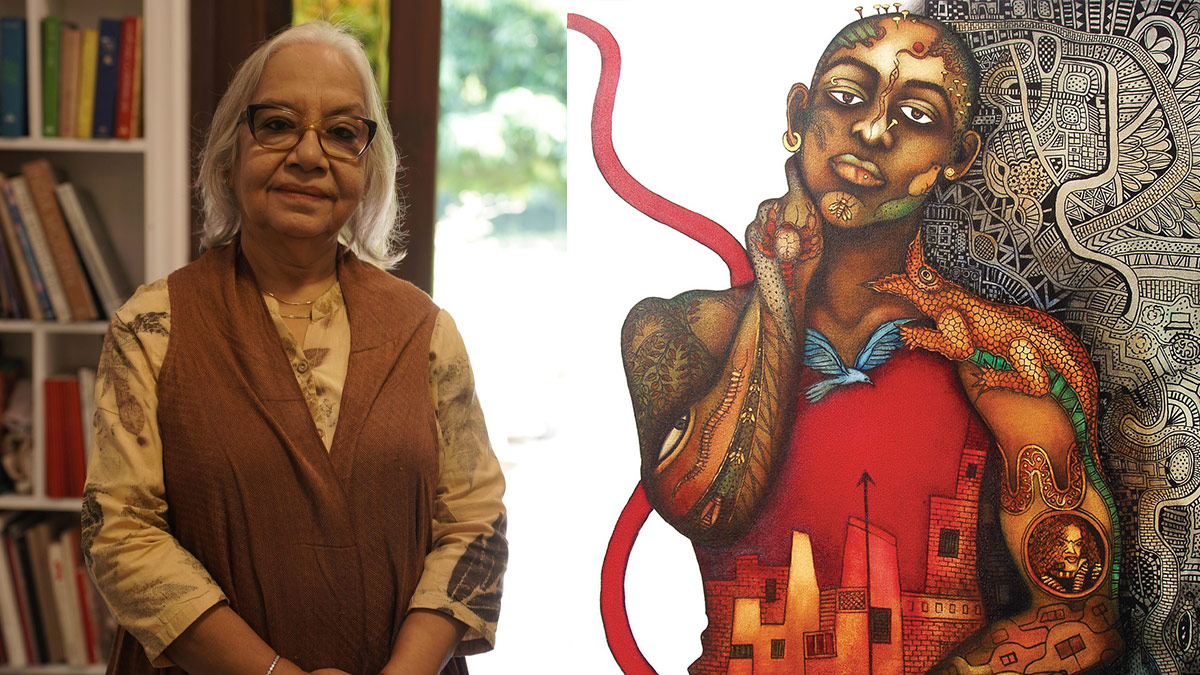
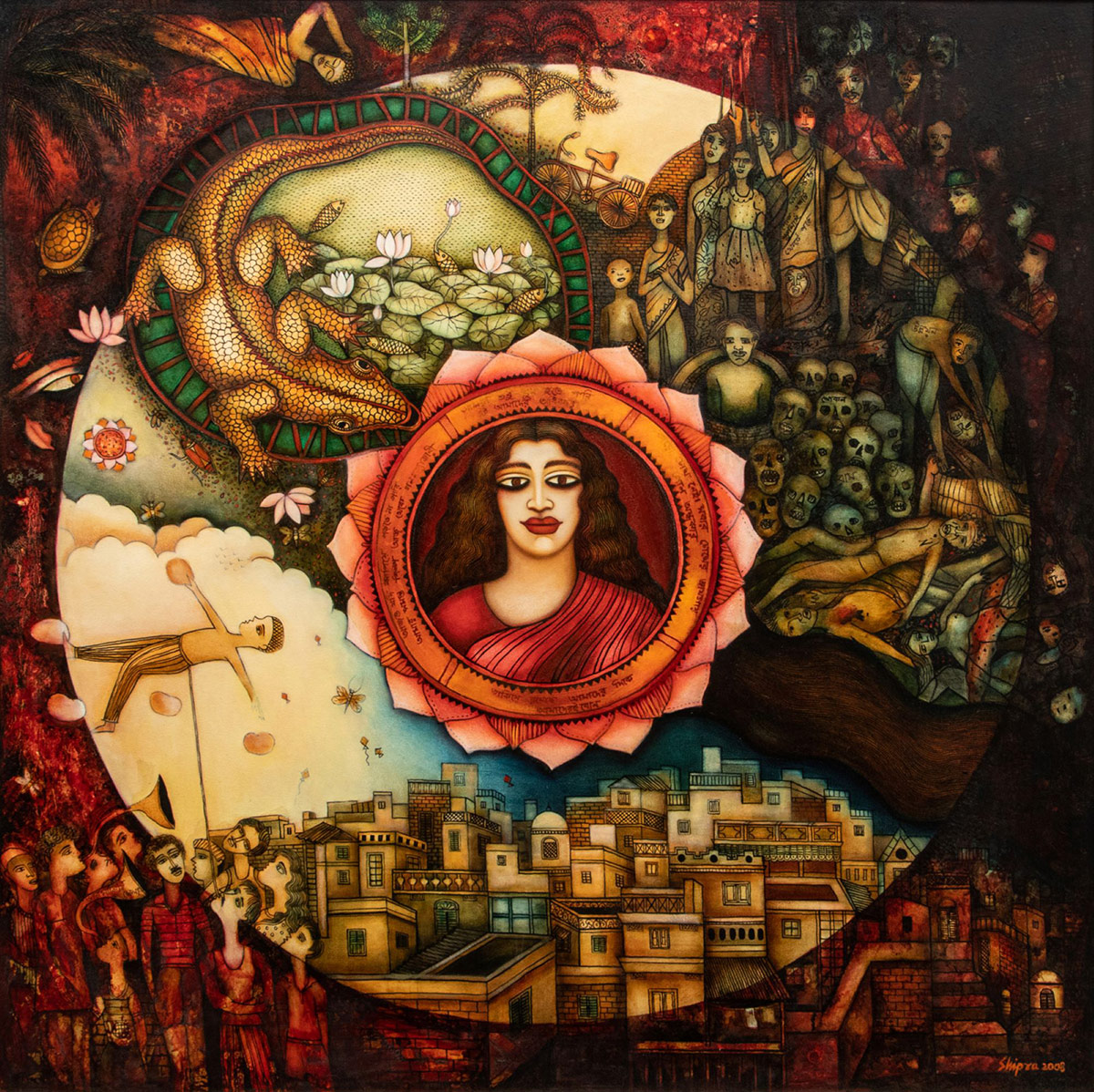
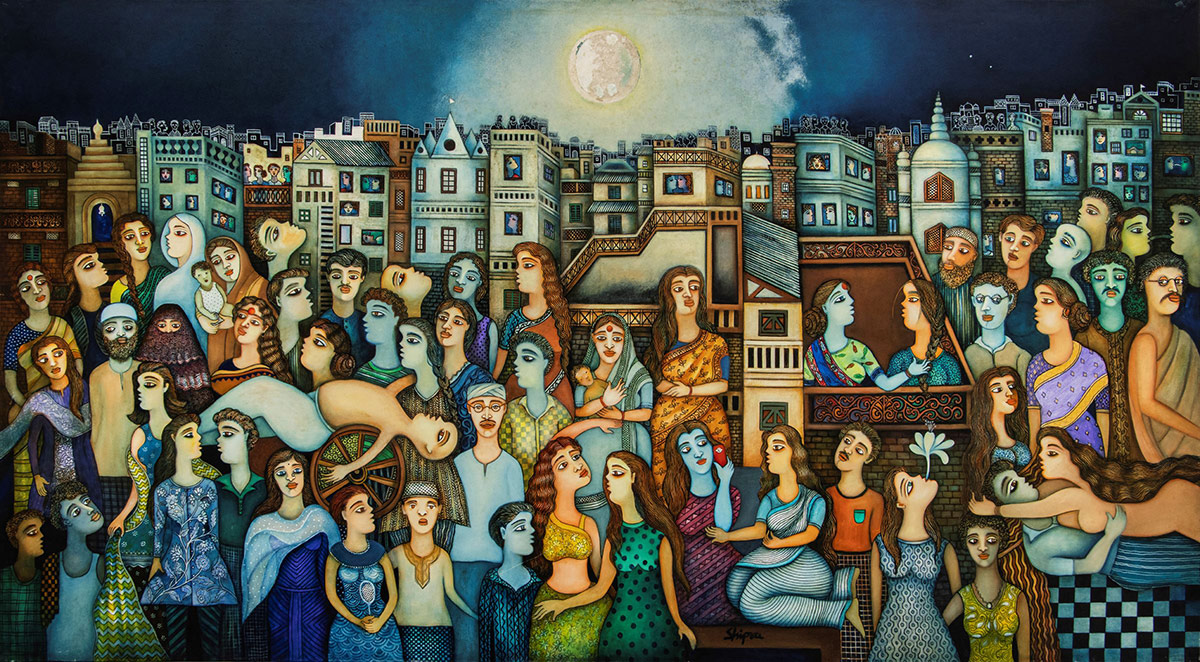
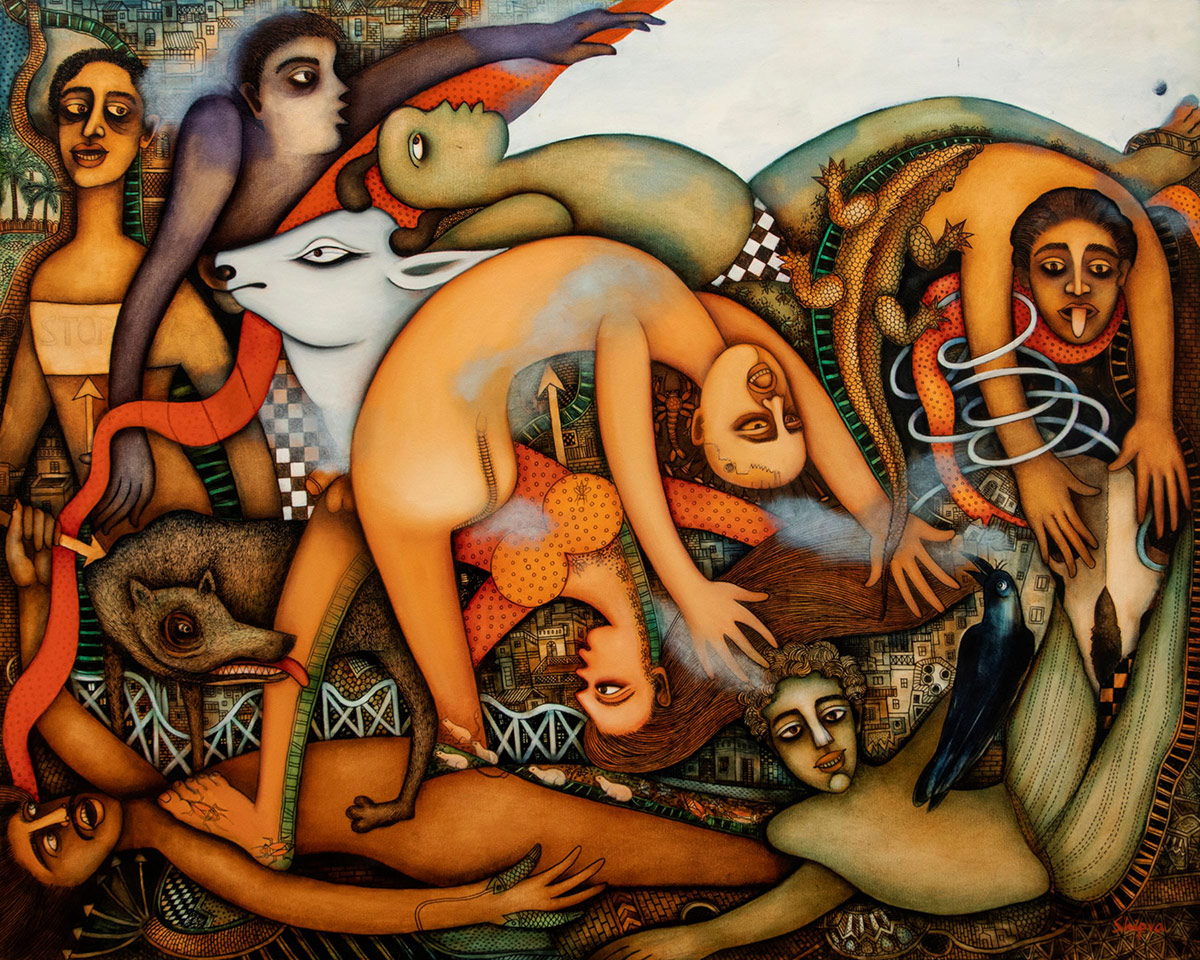
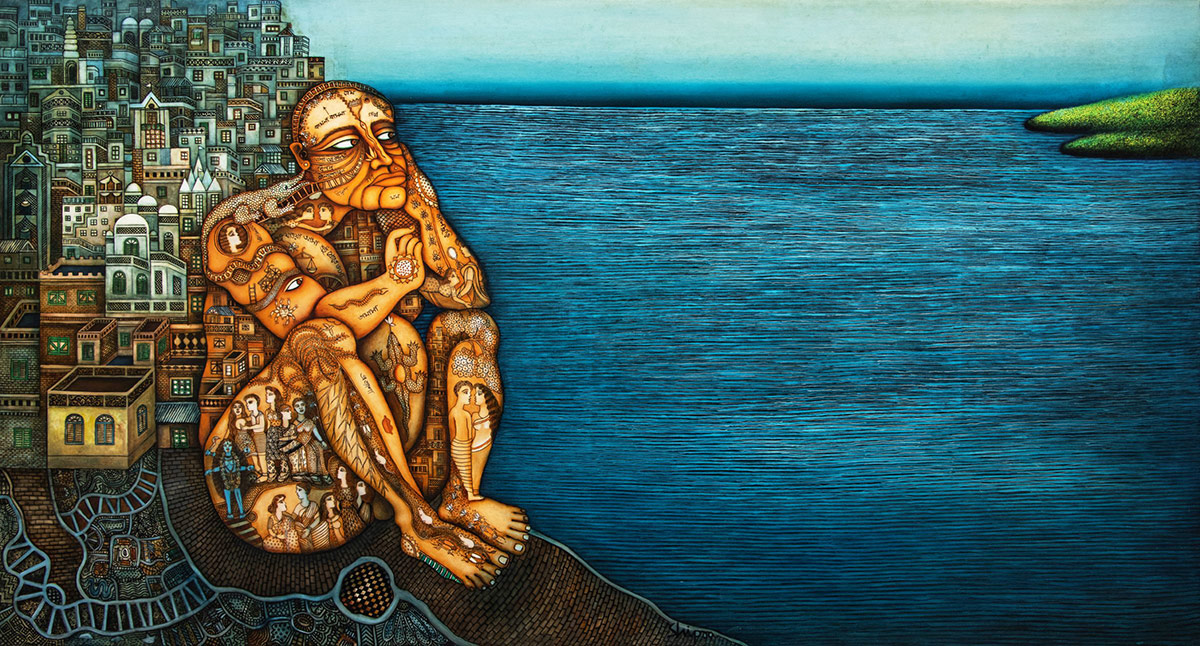
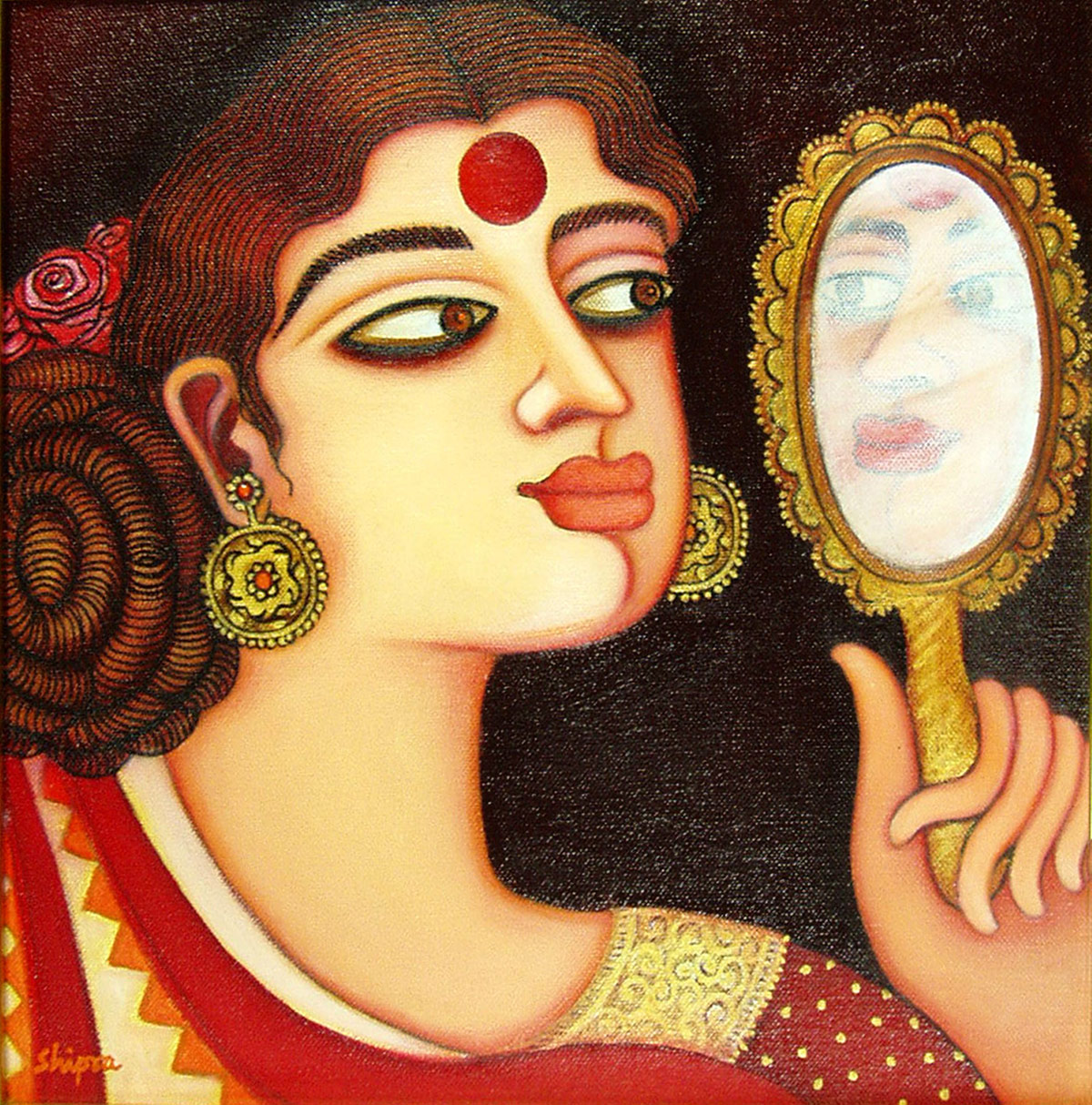
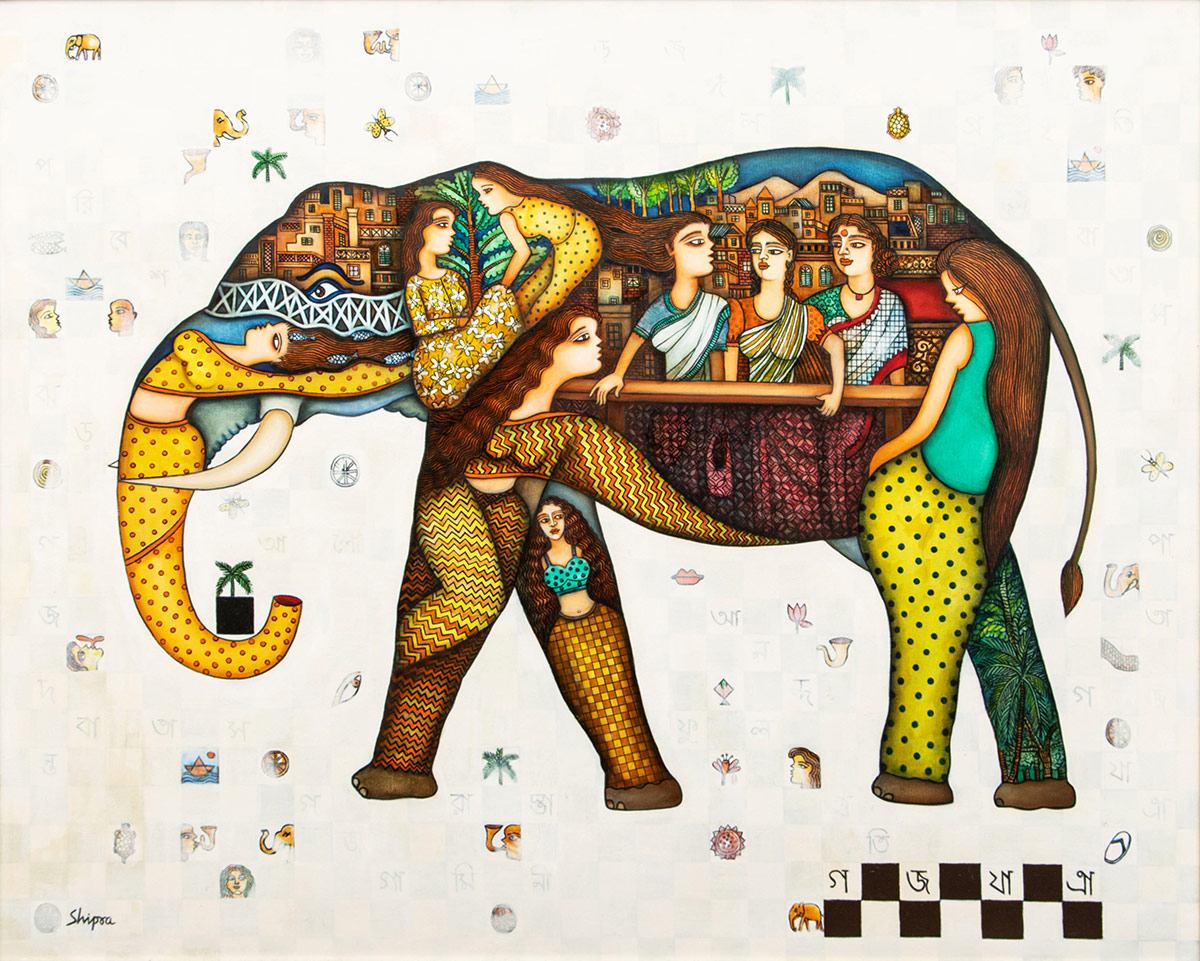
Returning to New Delhi after a decade, the landmark solo exhibition, “In Bloom: A Journey through the Five Decades of Shipra Bhattacharya,” curated by Jonaki Bhattacharya, offers an essential encounter with one of India’s most compelling and influential contemporary artists. In Bloom, on view at CCA, Bikaner House from 15 to 23 November 2025, arrives as both a homecoming and a reckoning. The exhibition meticulously taps Shipra’s commitment to figuration, a radical choice through which she has expressed emotional depth, creative freedom, and moral clarity across 50 years of artistic pursuit. The exhibition features nearly 80 works ranging from portraits, sculptures, drawings, large canvases, collages, and her distinctive tattoo-inspired pieces.
The Evolution of The Artist
Shipra Bhattacharya’s art began with an urge to express a self-taught foundation that was augmented at Kolkata’s Government College of Art and Craft and the College of Visual Arts. This sense of autonomy paved the path for her to develop her style, which is noted by bold yet soft colours and seamless brushwork. Interestingly, the figure of a solitary woman on a terrace is a frequently occurring element of her paintings throughout her career. The terrace thus becomes an element of psychic ledge rather than a mere architectural element. This recurring motif represents the imaginative freedom within the constraints of everyday life. As the artist herself notes, “Each work carries traces of silence and song, rupture and resilience… I’ve always believed that the quiet spaces within us hold immense power, not as an escape, but as a way of seeing the world more truthfully.”
The Artworks
The nature of introspection embedded in her paintings is actually a vital form of witnessing. The exhibition highlights the metamorphosis of her artworks from personal narratives to confronting collective trauma. Works such as Taposhi, an instinctive response to the Singur tragedy, and War, a commentary on global conflict, reveal the artist’s moral stand and resistance. The inclusion of abstracts like War (2014) and Stop War (2014) signifies a bold shift where the collective suffering is dissipated via fragmented representations.
Her more recent paintings, such as Floating (2023), relate to ecological sensitivity, as she depicts a duet between bloom and decay. Her domains of exploration also cover themes such as the gender matrix. One of her notable paintings, ‘He’ (2021, 2023), is surprising and intimate. She converts the male body into a vessel containing memory and tenderness. She also offers a juxtaposing view through works like She (2023) and the earlier She (2002), where a radiant feminine energy is reflected.
Her exhibitions across Germany, the UAE, the USA, and India signify the unique middle ground that she has embraced to depict the dichotomy between the traditional way of expression and contemporary political presence. She does not chase trends; she cultivates eras within herself. Also, works like Desire (2022) transform longing into a mythic river, flooding the urban subconscious, as it explores feminine identity and desire.
Exhibition Details
Important Points
Description
Exhibition Title
In Bloom: A Journey Through the Five Decades of Shipra Bhattacharya
Spanning five decades with nearly 80 works — including portraits, drawings, sculptures, collages, and tattoo-inspired paintings.
Core Theme
A sustained commitment to figuration — reflecting emotional depth, imaginative freedom, and moral clarity.
Signature Element
The solitary woman on the terrace — a recurring symbol of imagination and quiet resilience.
Notable Series
‘Desire’, ‘He’, ‘She’, ‘War’, and ‘Floating’ — exploring femininity, longing, and introspection through figuration.
Key Highlights
Nearly 80 works spanning portraits, large canvases, sculptures, drawings, tattoo works, and collages.
Shipra’s signature terrace motif threads through multiple decades, forming one of the strongest iconographic links in contemporary Indian figuration.
Works responding to collective suffering, such as Taposhi (Singur tragedy), War and Stop War (2014), present her as a witness.
Monumental canvases like Floating (2023) and He (2021, 2023) expand her thematic spectrum into mythic, urban, and ecological terrains.
Early influences of Kolkata’s emotional landscape recur in works like Kolkata (2016).
A rare display of her sculptural vision, including Floating (2021–22), which translates her painted sensibility into a tactile, narrative surface.
Curatorial framing emphasises introspection as a radical mode of perception and resistance.
Why ‘In Bloom’ Matters Now?
In Bloom offers a different kind of perspective. Shipra Bhattacharya proves that the interior world is actually a frontline, rather than a concealed space. Her focus on figuration though dignified portrayal of women, labourers, abd everyday laymen, stands against the extreme form of intellectual paintings. To her, retrospection should never be a luxury, but a moral imperative for bearing witness to both personal struggle and collective trauma. This exhibition offers a rare opportunity to appreciate the depth of an artist who has slyly built a monumental and deep corpus of work with a staunch stand and elements reflecting quality rather than quantity.
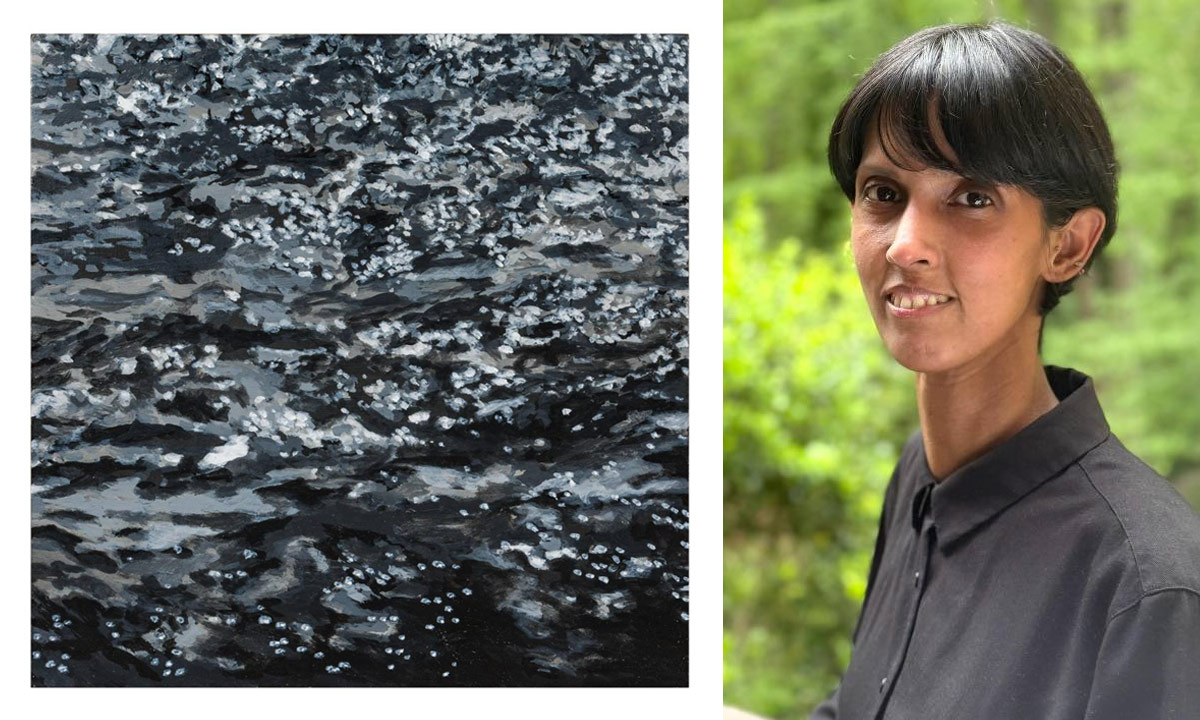
The solo exhibition of Ayesha Sultana, christened as Fragility and Resilience, is on view at the Jaipur Centre for Art (JCA) in Jaipur from 9 November 2025 to 4 January 2026. It essentially reflects the inherent duality of existence in the 21st century. The core thesis of this exhibition states that vulnerability is not the opposite of strength, but rather a vital component of resilience itself. This theme sits well in the timeframe of global social, ecological, and personal turbulence that eventually examines the boundaries of sustainability. Ayesha’s artistic practice is multi-disciplinary in nature, spanning drawing, painting, sculpture, and photography. She refers to her work as a ‘verb’, a practice in motion and an artwork in action. This flexible approach situates her amidst the legacy of noted South Asian abstractionists like Nasreen Mohamedi, yet her sensibilities are completely distinct and are specifically rooted in certain geographies she inhabits, ranging from Dhaka’s urban grids to the American South.
The Artworks
Ayesha’s acclaimed graphite relief works challenge perception. She coats paper surfaces with graphite powder and then cuts, folds, and reassembles them to mould them accordingly. This provides the artworks with an astonishing trompe l’oeil effect, resembling industrial sheets of metal or iron. The minimalist geometry present in her works is a testament to the fragile strength of paper and the repetitive human nature of mark-making. She reflects the fragility of well in her “Breath Count” series and the “Threshold” photographs. The former is basically work on clay-coated paper, and the latter is a juxtaposition of her father’s images with her own. The images bear physical scratches and are also solarized by her, which is highly reflective of her fragmented memory of a certain time-space.
The use of Japanese silk tissue in series like “Miasms” and “Inhabiting Our Bodies” offers another layer in perceiving the boundary of skin, connecting the human body to the vast ecosystem. The exhibition threads together different bodies of work in one plane. The argument posed by this presentation is that fragility is not simply weakness; it can itself be a form of resilience. Situated within JCA’s heritage building, the exhibition invites new audiences in India to engage with Sultana’s exploration of material, memory, and transformation.
Descriptive Narrative
Walking into the galleries of JCA, one shall notice the dualities that are set in motion by Ayesha. The opening section features glass sculptures that appear weightless and are made using unique procedures. Viewers find themselves fascinated to notice how the optical qualities of glass, such as transparency, reflection, and refraction, become metaphors for being seen, being vulnerable, and being open to change.
The tissue works are faint, shimmering, and fragile. This section invites a closer look, as the layered, translucent material evokes skin, membrane, sea surface.The layering of ink, pigment, and tissue creates subtle colour fields that shift depending on light and the viewer’s position. Finally, the photographic section arrives, representing the threshold of memory where presence and absence coexist. These works shed light on personal narrative regarding material investigation, inviting critical attention to lineage, migration, and change. Sultana’s Bangladeshi origins and her base in Atlanta infuse her practice with movement across geographies.
The balance between vulnerability and strength, showing that fragility can be a form of resilience.
Artist Background
Born in Jashore, Bangladesh (1984), Ayesha Sultana works across drawing, painting, sculpture, and photography.
Key Works
Graphite reliefs on paper, glass sculptures, and “Breath Count” and “Threshold” series exploring time and memory.
Artistic Style
Abstract and minimalist, using repetition, layering, and delicate materials like silk tissue and graphite.
Highlights
The hand-blown glass sculptures (e.g., Pools 2024) are visually striking: delicate bubbles and forms that evoke water, air, skin, and shell.
Works on Japanese silk tissue and clay-coated paper (e.g., Miasms, Inhabiting Our Bodies) offer tactile, transparent, layered surfaces suggestive of skin, sea, atmosphere.
The “Breath Count” series translates an internal rhythm (breathing) into external marks, a poetic gesture that collapses the division between body and art-object.
The “Threshold” photographic works explore generational memory, familial legacy, and the trace of identity through image manipulation and erasure.
The framing of the exhibition within Jaipur’s heritage context gives it a layered resonance: global contemporary art meeting Indian patrimony, which deepens the dialogue around fragility and resilience in a cultural register.
Takeaway
The placement of this rigorously abstract and contemplative body of work within a city like Jaipur, a center celebrated for its vibrant, traditional, and maximalist aesthetic, is a brilliant curatorial choice. What might be dismissed as “soft” or “delicate” is here recast as tenacious, insistent, alive. For anyone interested in material practice, in the dialogues between body and matter, memory and form, Fragility and Resilience offers a rich, resonant experience. Overall, this exhibition solidifies Sultana’s place as one of the most intellectually compelling voices in contemporary South Asian art.