Is It Acceptable to Wear a Black Dress to a Wedding?

0

Is-It-Acceptable-to-Wear-a-Black-Dress-to-a-Wedding-01

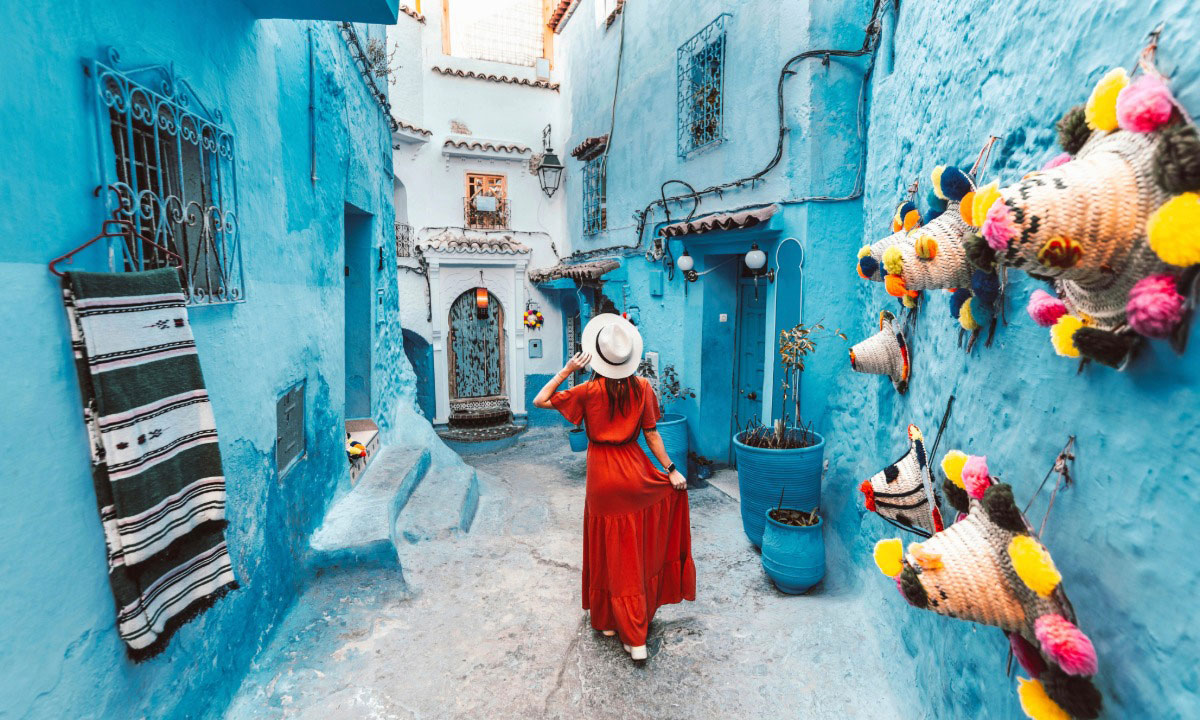
For years, wearing a black dress to a wedding has sparked debate among guests, stylists, and even wedding planners. While some still associate black with somber events, fashion etiquette continues to evolve. Is it appropriate, stylish, or potentially disrespectful to show up in black? This article explores the modern etiquette surrounding black wedding guest dresses, cultural perspectives, when it works beautifully, and when it may not be the best choice. 

Modern Etiquette and Its Evolution

Traditional View: Black Symbolized Solemnity and Was Avoided

Historically, black was considered a color tied to mourning, funerals, and moments of solemn reflection. In many cultures throughout the 19th and 20th centuries, wearing black to celebratory events—especially weddings—was discouraged. Guests were expected to express joy visually through brighter or softer colors, leaving black firmly off the wedding-appropriate list.

Modern View: Black Has Become a Synonym for Elegance and Fashion

Today’s fashion landscape tells a totally different story. Black dresses—especially sleek silhouettes, satin finishes, and cocktail-appropriate designs—are now widely considered versatile, chic, and effortlessly sophisticated. Many wedding guest outfit ideas now include black dresses as a stylish option because they flatter all skin tones, photograph beautifully, and easily adapt to various dress codes. 

Cultural Differences in Accepting Black at Weddings

Even with modern acceptance, cultural nuances still matter.

  • Western weddings generally view black as completely appropriate, especially for evening celebrations.
  • In some Asian cultures, particularly in China, Indian and parts of Southeast Asia, black can still carry associations with grief, making it less common for wedding attire.
  • Italian and Spanish weddings historically discouraged black, but younger generations increasingly embrace it.

When Wearing a Black Dress Is Perfect for a Wedding

Formal or Black-Tie Weddings

Black dresses are practically made for black-tie events. A long black gown or a refined black cocktail dress fits beautifully within the dress code and blends elegance with sophistication. Many bridal fashion experts also note that black is one of the easiest colors to style with metallic accessories—even a short black dress can look elevated when styled thoughtfully for semi-formal evening settings.

Casey Black Midi Dress

City, Hotel, or Evening Weddings

Urban venues—like rooftop receptions, modern hotels, and art galleries—naturally align with sleeker, more fashion-forward aesthetics. For these settings, a black dress feels polished, refined, and completely appropriate for an evening celebration.

When the Couple or Their Families Are Open to Black

Some couples even encourage guests to wear dark tones to maintain a cohesive or minimalist wedding aesthetic. If the invitation mentions a black-and-white dress code or “creative formal,” your stylish black dress will not only fit in but elevate the theme.

When Wearing a Black Dress May Not Be the Best Choice

Weddings With Traditional or Conservative Families

If you know the couple’s family is traditional or holds strong cultural associations with color symbolism, black may be interpreted negatively. In such cases, it’s best to choose a lighter or more celebratory color to avoid misunderstandings.

Daytime, Outdoor, or Garden Weddings

Black absorbs light and can feel visually heavy in bright daylight or natural outdoor spaces. Soft florals, pastels, and breathable fabrics tend to look more fitting for these airy settings. A black dress might stand out too starkly among the scenery.

Weddings Where the Theme Conflicts With Black

If the wedding theme centers around whimsical pastels, rustic chic, or boho romance, black may feel out of place. Themes like “Spring Blossom,” “Garden Romance,” or “Rustic Sunset” pair better with lighter, more nature-inspired colors.

How to Choose the Right Black Dress for a Wedding

Opt for Softer or Detailed Black Designs

Instead of a plain or stark dress, choose fabrics such as:

  • Lace for a romantic touch
  • Chiffon for movement and lightness
  • Satin for elegance and shine
  • Beaded or embellished designs for visual interest

Gizela Black Lace Maxi Dress

Avoid Heavy, Funeral-Like Silhouettes

Very structured, matte, or overly formal designs can lean toward a funeral aesthetic. Instead, choose styles with softer lines, breathable fabrics, or delicate shimmer that communicates joy and celebration.

Choose the Right Length for the Occasion

  • Cocktail length for semi-formal or evening receptions
  • Midi lengths for versatile elegance
  • Full-length gowns for black-tie or winter weddings

Kalliope Black Maxi Dress

How to Make a Black Dress Look More “Wedding-Friendly”

Eye-Catching Accessories: Gold, Pearls, or Colorful Accents

A pop of metallic gold earrings, a pearl-embellished clutch, or bright heels can instantly brighten your look and turn your black dress into a wedding-perfect outfit. Vibrant accessories—like emerald green, ruby red, or soft blush—also add personality without overshadowing the couple’s spotlight.

Leah Waterproof Huggie Earrings

Choose Soft Makeup and Elegant Hairstyles

A fresh, glowy makeup look balances the depth of black. Think rosy cheeks, light lips, soft smoky eyes, and romantic waves or an elegant low bun. These choices soften the overall aesthetic and help your outfit feel more celebratory.

Incorporate Seasonal Elements

  • Spring/Summer: Add pastel or floral accessories.
  • Fall/Winter: Opt for metallic accents—gold, silver, or bronze—that pair beautifully with black fabrics.

Seasonal styling is one of the easiest ways to ensure your outfit feels thoughtful and wedding-appropriate.

Conclusion

Wearing a black dress to a wedding is no longer the fashion faux pas it once was. In today’s modern wedding culture, black can be elegant, sophisticated, and entirely appropriate—as long as you consider the dress code, setting, culture, and theme. With the right styling, accessories, and fabric choices, a black dress can become one of the most versatile and stunning wedding guest outfits.
Nilaya Anthology Presents Jane Yang-D’Haene’s India Debut: “The Place That Waited”

0

Artist-Jane-Yang-D’Haene-01

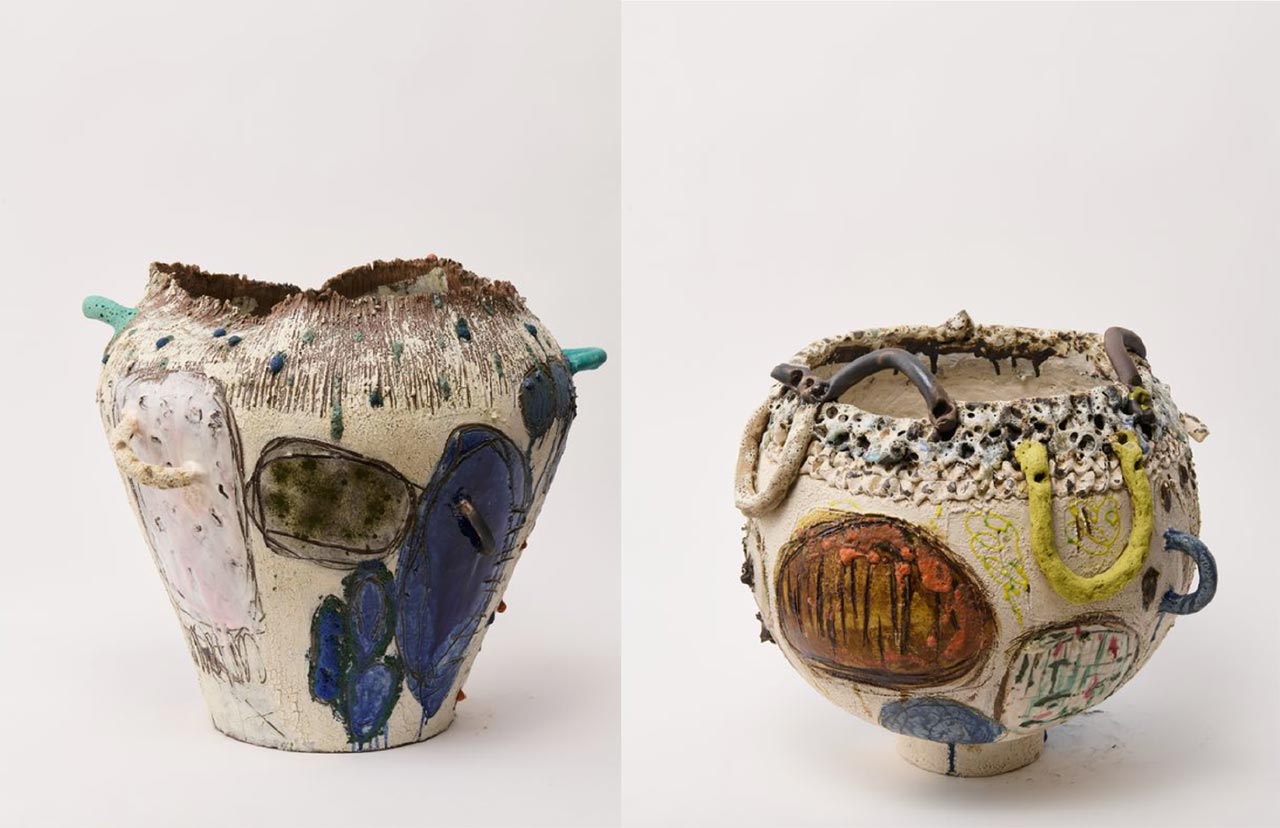
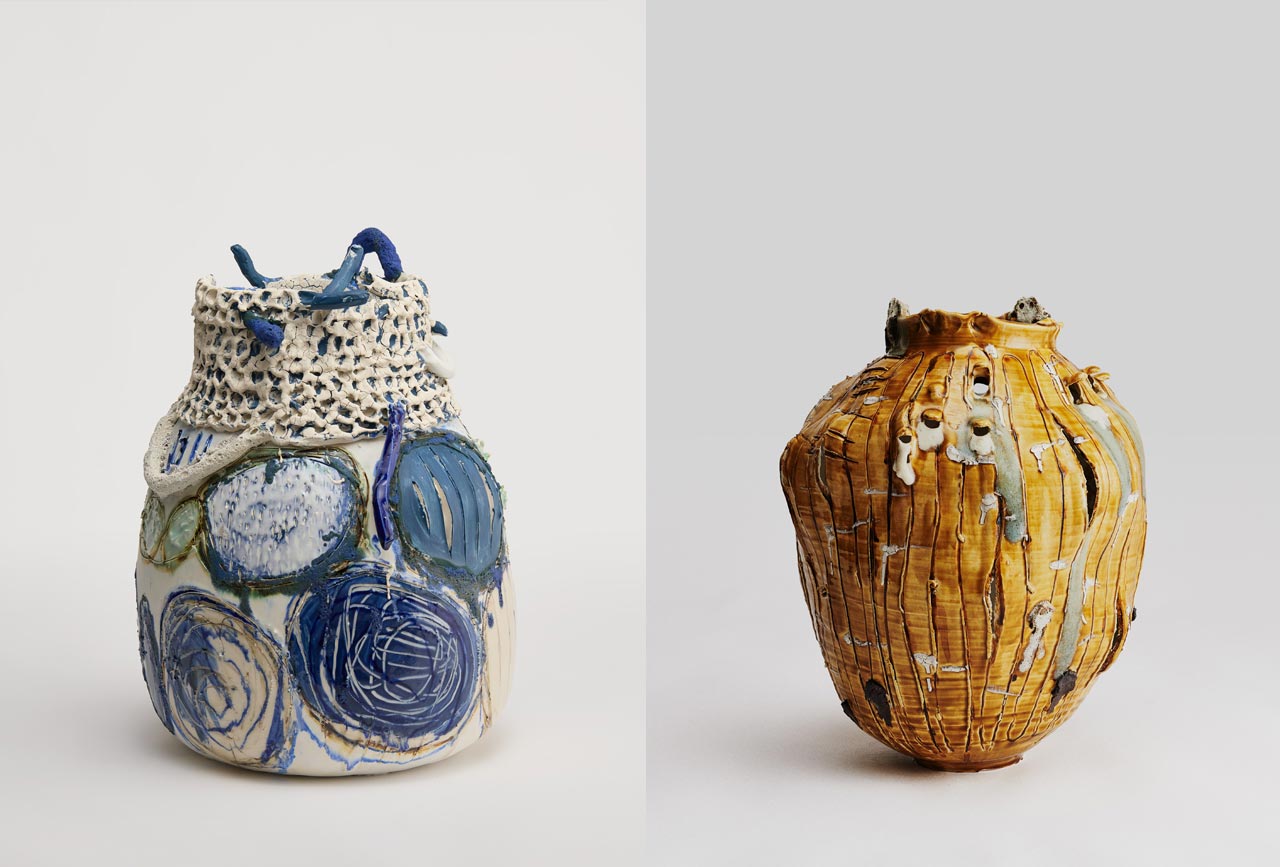
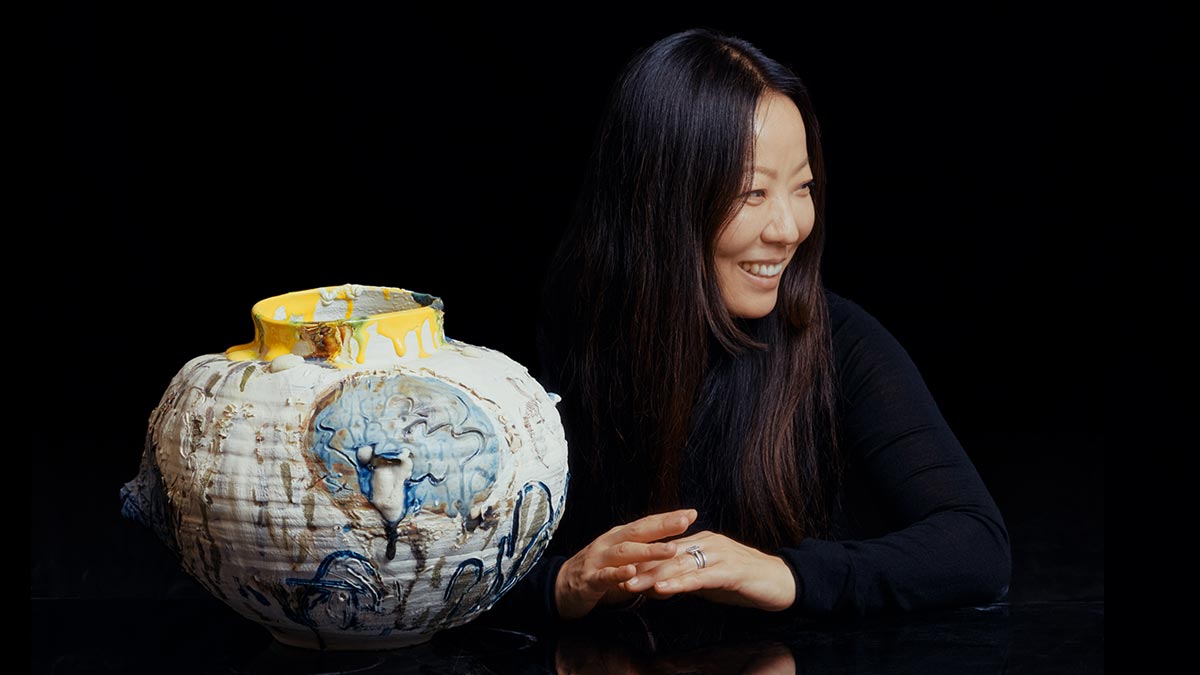
Nilaya Anthology, the ambitious cultural destination by Asian Paints, has unveiled “The Place That Waited,” the highly anticipated India debut exhibition of Korean-American ceramic artist Jane Yang-D’Haene. Inaugurated on November 12, 2025, the solo exhibition explores the dynamics of time, memory, and heritage by transforming clay into a medium for storytelling and personal introspection. Known globally for her innovative approach to clay, Yang-D’Haene creates works that personify memory, gesture, and calmness in a restless, fast-moving world. 

The Artist and Her Canvas

Artist-Jane-Yang-D’Haene-works-02

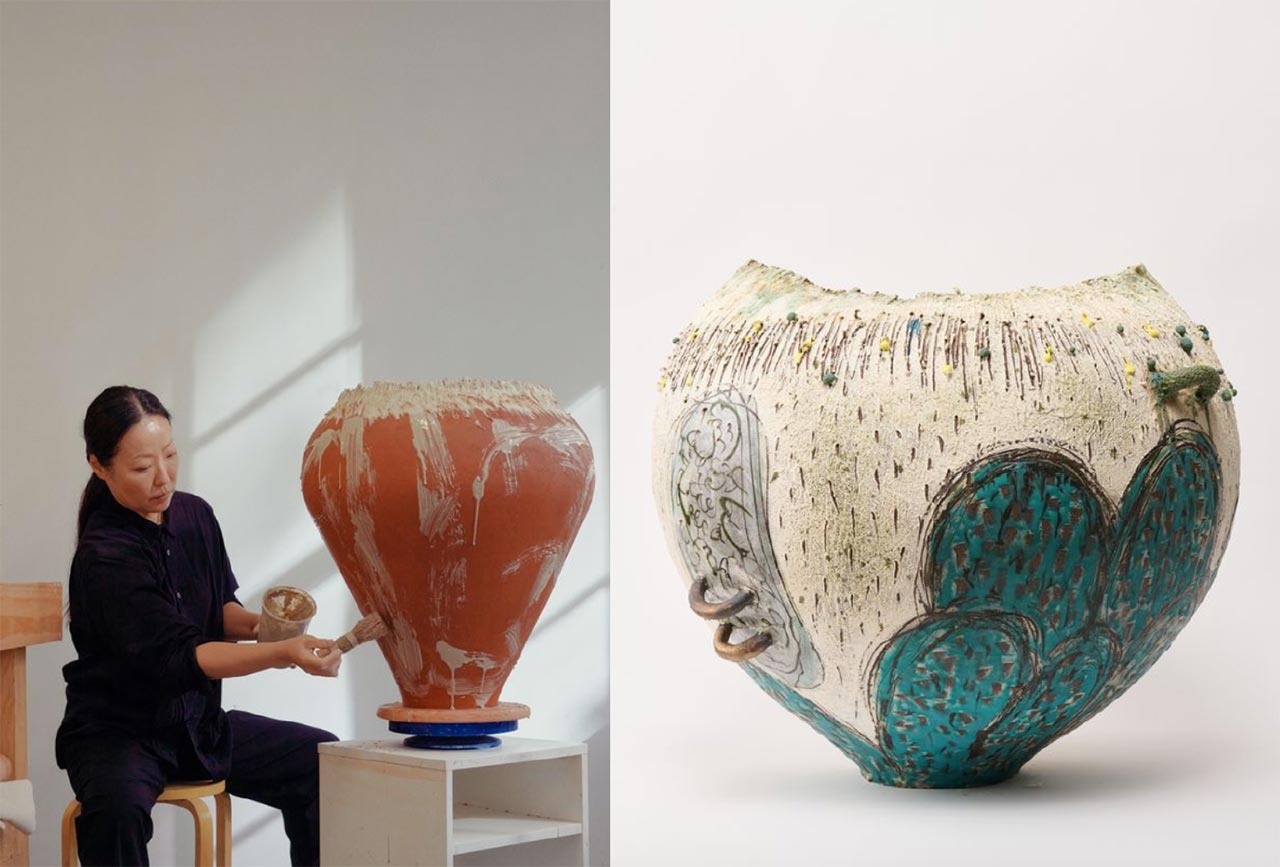
Jane Yang-D’Haene is a trained ceramic artist known for treating clay as both collaborator and canvas. Her venture into ceramics is relatively recent, but she is very good at her craft, given her background in architecture and interior design. The emotional and physical experience of memory is central to her art, where she seeks to transform the intangible into the physical. The clay functions as an equal partner in her indulgence of creation. Her signature method involves repetitive gestures of slow pressing, pulling, coiling, and carving that eventually reveal a vessel. To her, clay is a mould of memories; it registers every moment, even the hesitation and the instances of stillness, while carving something out of it. 

A key factor in her art is the dal hang-ari, or Korean Moon Jar, an iconic symbol of Korean cultural heritage known for its asymmetrical beauty. This jar was historically created by joining two wheel-thrown porcelain hemispheres. But Yang-D’Haene pushed its boundaries; her vessels do not resemble the smooth, polished objects of the Joseon Dynasty. Rather, she prefers to keep it extremely textured with fitful surfaces, as she experiments with glazes, multiple firings, and intentional ‘imperfections.’ This represents the fluidity of human conscience and experience. 

Snapshots of the Exhibition

Artist-Jane-Yang-D’Haene-works-01

“The Place That Waited” is a revolutionary exhibition happening in Mumbai this season. It coincides with major ongoing events like Art Mumbai 2025. However, it is not just a display of ceramic vessels, but a deeply moving and contemplative experience, as each vessel has a story to impart. The title itself hints at the quality of clay as an archive. It is a material that holds the past even as it becomes something new in the hands of an artist. Many special pieces were designed keeping India in mind. It resulted in a series of vibrant representations spanning Harappan terracotta to the glazed traditions of Mughal workshops, from village potteries to contemporary studio ceramics. D’Haene’s vessels often display impressions that resemble scars, folds, or ancient erosions, featuring an urge to be uncovered, dissipating a vibe as if they have waited across generations to be unearthed. There exists an enigmatic duality in her craft. They feel both fragile and tough at the same time. This dualism reflects a deeper artistic philosophy deployed by the artist. The philosophy advocates that beauty lies in the space between formation and becoming.

Exhibition Details

Event Details
Title “The Place That Waited”
Artist Jane Yang-D’Haene (Korean-American Ceramic Artist)
Location Gallery 1, Nilaya Anthology, Mumbai
Opening Date November 12, 2025
Featured Work Exclusive collection of ceramic vessels, largely influenced by the Korean Moon Jar archetype.
Core Themes Time, heritage, cultural memory, transformation, and the act of waiting to be met.
Availability All pieces are available for purchase in-store.

Key Highlights 

  • Exclusive body of work created for the India debut
  • Deep engagement with temporality, where each piece appears shaped by both present gestures and ancient memory
  • Transformation as a unifying theme, reflected in the organic deformation of surfaces
  • Fusion of global influences, including Korean, Japanese, and South Asian ceramic sensibilities
  • Tactile focus, with textures that emphasize the intimacy of touch
  • Pieces available for purchase, making the exhibition accessible to collectors and enthusiasts

Takeaway

Artist-Jane-Yang-D’Haene-works-03

“The Place That Waited” can not be merely categorized as a commercial exhibition. It is a meticulous depiction of artistic maturity with philosophical endeavor. Her craft imparts the power of patience, the wisdom of materials, and the beauty of traditions carried forward by human hands. Her Indian debut poses a challenging counter-narrative and compels people to rethink the meaning of craft. Nilaya Anthology definitely secures its position as an influential custodian of art through this exhibition, as it seamlessly facilitated a timeless dialogue between tradition and innovation.

In a city as restless as Mumbai, this exhibition becomes a sanctuary, reminding people that beauty is not always loud, that heritage is not always monumental, and that transformation often takes place through the smallest gestures. If there is one message that lingers after you leave the gallery, it is this: What waits for us, whether in clay, memory, or time, often becomes what shapes us the most.

Goa Beyond Beaches: Inside the 2025 Heritage First Cultural Festival

0

Goa-Beyond-Beaches--Inside-the-2025-Heritage-First-Cultural-Festival-01

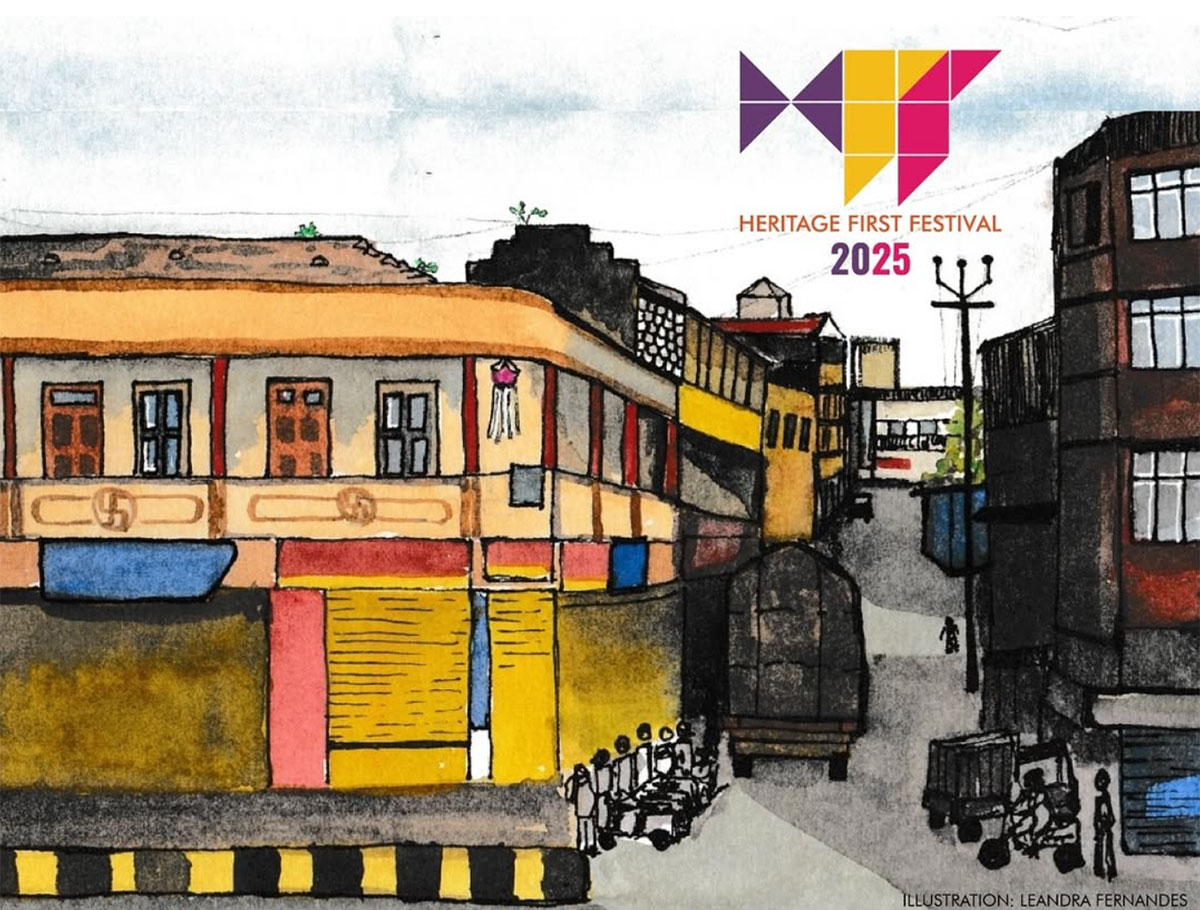
Beyond the serene beaches and vibrant nightlife, Goa’s distinctive cultural identity is equally spirited. This spirit is celebrated through the second edition of the Heritage First Festival, organised by Heritage First Goa (HFG), which is running from 14 November to 7 December 2025 across Goa. The HFG is a dedicated non-profit initiative to transform the entire state into a living classroom for heritage enthusiasts and residents alike. The founders, Heta Pandit, Jack Ajit Sukhija, and Snigdha Manchanda, noted that their core mission is to make the connection between the Goans and their culture more intellectually enriching. This is a movement that encourages the residents to recognize the worth of their inherited culture by preserving the landscape they inherit and by boosting the music and craft practices of Goa, etc. 

The 2025 edition features an impressive schedule of 41 distinct walks and workshops. This initiative seeks to unveil the ‘unseen’ or ‘lesser-known’ facade of Goa, which is often missed in the fog of its popular party culture. This enhances the exploration of  Goa’s cultural treasures, elevating it beyond the sun and the sand. With this inclusive approach, visitors will re-watch Goa not just as a holiday destination but as a place that possesses layered histories and distinct practices.

The Festival

HFF is consciously put together based on four key themes- Built Heritage, Nature and Biodiversity, Arts and Crafts, and immersive Workshops. These are not designed as sightseeing tours, but are properly curated experiences to acknowledge deep learning about Goa’s historic and cultural past. Spanning from Morjim in the North to Rachol in the South, the festival ensures that every corner of the state is covered. A compelling feature that makes HFF stand out is the innovation of ‘Heritage Pilots‘, which is spearheaded to honour Goa’s iconic motorcycle pilots who navigate the state with local knowledge. The HFG has enlisted 27 domain-expert curators to lead the events. These pilots form a heterogeneous group, as they belong to different backgrounds, including artists, writers, environmental scientists, and architects. These people are divided by occupation, but are united by years of experience dedicated to research and personal storytelling. The expertise of all these pilots merged, weave a fabric that ensures that perceptions of the visitors are shaped in a just way. 

Why Does It Matter?

The Heritage First Festival attempts to reshape the public perception of Goa in a historically and culturally maneuvered manner. Its rudimentary emphasis is on Goa’s heritage, its vernacular culture, the ecology it possesses, and the craft it creates. As one of the festival founders mentions: We want to look at familiar places from a fresh perspective… learn from them, and appreciate them in ways we may have overlooked.” The three-week format, the menu of walks, aided with the workshops, and the active involvement of local “pilots”, all work together to convert passive spectatorship into active participation. 

The festival also helps decentralise the focus from the tourist hotspots to the under-discovered or underrated hidden gems of Goa. It also offers economic and cultural prominence and visibility to lesser-known communities. The registration model with limited slots and nominal contributions features a committed engagement.

Aspects Details
Duration of HFF 2025 Three weeks, spanning November 14 to December 7, 2025
Organiser Heritage First Goa (HFG), a non-profit organization
Number of Events 41 walks and workshops
Key Founders Heta Pandit, Jack Ajit Sukhija, and Snigdha Manchanda
Guiding Experts 27 ‘Heritage Pilots’ (domain-expert curators)
Thematic Focus Built Heritage, Nature & Biodiversity, Arts & Crafts, and Experiential Workshops
Registration Status Mandatory advance registration with limited slots; booking available via the official website.

Key highlights

  • A village walk in Saligao with a local heritage historian.
  • A khazan marsh/mangrove ecology walk in Chorao with environmental guides.
  • A cave walk in Chicalim exploring prehistoric rock formations and heritage.
  • Workshops on Kunbi weaving, food stories in community kitchens, and poetry walks.
  • Night-city walks in Panaji to see heritage in an urban setting.

Looking Ahead: Impact & Opportunities

The festival is a captivating opportunity for students, researchers, and heritage enthusiasts to deconstruct the stereotypes associated with Goa and enjoy the state with a fresh perspective. The festival offers live case-studies, for instance, how mangrove ecology is integrated into heritage; how village craft becomes workshop themes, etc. For Goa’s tourism, the festival indicates a shift from commercial leisure tourism to a knowledge-based tourism. This festival also offers a guiding template for other states to walk in the same footsteps. From a community-based view, the event can help reclaim local narratives, assert value in non-tourist heritage, and involve residents in the process of expatiating the heritage in making.

Era of Regenerative Tourism


View this post on Instagram


A post shared by HeritageFirst Goa (@heritagefirstgoa)

Hitherto, Tourism Minister Rohan Khaunte has highlighted that Goa is consciously shifting beyond its beaches to a model that respects culture, nurtures the environment, and uplifts local society and economy. HFF embraces and embodies this shift by accelerating it through the creation of a platform for local self-help groups (SHGs), local artisans, and domain experts to share their knowledge and products, thus benefiting the grassroots economy directly. 

The vitality of the festival lies in two primary factors. Firstly, it deepens the local public’s understanding of their own history, particularly taking the younger generation within its ambit, so that in the future they could advocate conservation of their unique identity. Secondly, it offers an inclusive and authentic Goan experience to outsiders. 

However, there are certain sensitive pockets too. The curators engaging with the crowd have to make sure that the festival is not just for the tourists. If not executed properly, it might be subject to the risk of becoming too “tourist-friendly” rather than “heritage-aware”. The festival should ensure that locals, not just visitors, participate and see value. An efficient follow-up mechanism can also be adopted to ensure its profound impact. 

Takeaway

Overall, the festival is activism masked in activities and marketed through experience. In this rapidly evolving world, this festival marks its own spot by encapsulating Goa’s true wealth through timeless tales and folk traditions. The growing enthusiasm for HFF 2025 proves that the movement to put heritage first is resonating deeply, marking a pivotal moment in the cultural preservation of this beautiful coastal state.

Saalumarada Thimmakka: Celebrating the Eco-Warrior Who Planted Hope

0
Saalumarada-Thimmakka-Celebrating-the-Eco-Warrior-01
Image – Wikimedia

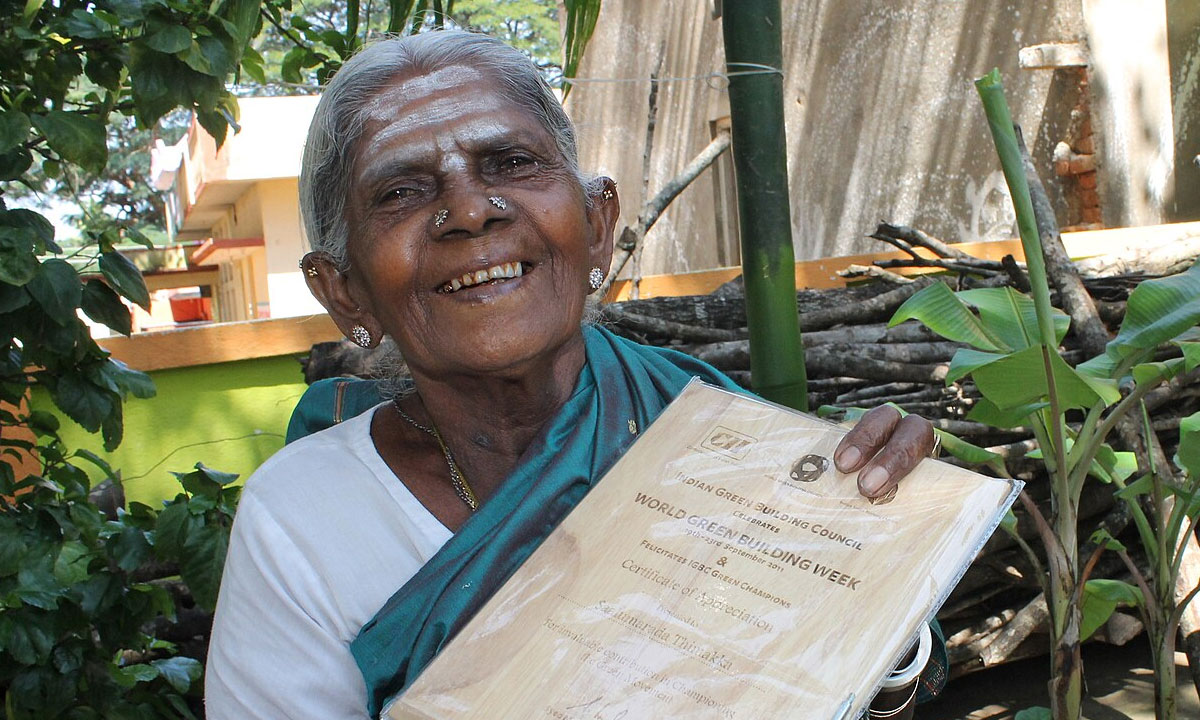
In an era of dire climate crisis and intensive deforestation, the story of Saalumarada Thimmakka, affectionately called the “Mother of Trees”, stands as an inspiration for all. Born in a small hamlet in what is now the Tumakuru/Ramanagara region of Karnataka, transformed a private lament into an ecological success. In Kannada, Thimmakka translates to “Row of Trees”, and the lady did turn this literal meaning into reality. Born into poverty and lacking formal education, she worked as a casual labourer in a nearby quarry. She was childless for years, and it was this grief that nudged her and her husband, Chikkaiah, to find their solace in nature, by considering trees as their own children. Her way of life is exemplary before everyone. She upholds the true spirit of grassroots environmentalism. 

Planting Hope Across Karnataka

The couple began the mission in the 1950s, and it was not an easy task to accomplish. Over the decades, they have planted 385 banyan trees (Ficus benghalensis) along a once-barren 4.5-kilometre stretch of the highway between Hulikal and Kudur in the Ramanagara district. They utilized their limited resources, carried four pails of water for a distance of up to four kilometres daily to water the saplings, and protected them from grazing cattle by fencing them with thorny shrubs. They strategically selected the monsoon season for planting. This tedious job was persistently executed by the couple, resulting in 8,000 trees across Karnataka. This vast, green legacy is why she is reverently known as “Vriksha Mata” (Mother of Trees).  This contribution earned her the prestigious Padma Shri in the year 2019. 

Her approach demonstrated that local knowledge and small daily efforts can also lead to a bigger public good. In recent times, the Karnataka government, to pay tribute to her life, announced large-scale sapling drives and memorial initiatives to plant native species across districts. These state-driven initiatives impart the gesture that demarcates that one’s personal stand or practice can also drive a policy-level change, and develop strong public sentiment, if channelized with an apt motive. Today, Thimmakka earned global recognition and is mentioned in international lists of inspirational women.

A Vision of Green Life

Her inspiring journey from being a nobody to a global icon is a testament to grassroots activism. The trees planted by her and her husband are now mature, majestic banyan trees, providing shade, clean air, and a home for innumerable birds and animals. The ecological asset value of just the 385 banyan trees has been estimated at over 1.5 million rupees. However, it would be shallow to assume that her influence is only in the ecological niche.  Thimmakka’s life has guided policy and education in Karnataka. The model of community-based afforestation, practiced by her, is adopted by the Forest Department. The state government has also established the Saalumarada Thimmakka tree parks in her honour. Furthermore, her inspiring story is also a part of the children’s curriculum in schools that motivates the upcoming generation to conserve, preserve, and transform their surroundings into a more naturalistic and peaceful abode. Her work has also traced a spot in national discussions on the expansion of India’s green cover and promoting citizens’ participation in this mission. 

Milestones Details
Primary Achievement Planting and tending to 385 banyan trees along a 4.5 km highway stretch between Hulikal and Kudur.
Total Trees Credited Over 8,000 trees, including banyan and other native species across Karnataka.
Moniker Known as “Saalumarada Thimmakka” (Row of Trees Thimmakka) and “Vriksha Mata” (Mother of Trees).
Motivation Found purpose and solace in nurturing trees like children, overcoming the emotional pain of childlessness.
Key Location Hulikal and Kudur village, Magadi taluk, Ramanagara district, Karnataka.

Key Highlights

  • Planted and nurtured hundreds of banyan trees along a single highway, turning a barren roadside into a cool, green corridor.
  • Used simple, low-cost techniques (grafting, seasonal timing, thorny fencing) that helped saplings survive in harsh conditions.
  • Her practice grew into advocacy: she persuaded officials to protect mature trees when road-widening threatened them, showing civic influence beyond the nursery.
  • Honoured with National awards, and held up as a model of how individual action can influence state afforestation policy.
  • Indira Priyadarshini Vrikshamitra Award (1997): National award recognizing her work as a ‘Friend of Trees.’
  • BBC’s 100 Women (2016): Listed among the world’s most influential women, bringing her story to a global audience.
  • Nadoja Award (2010): Honoured by Hampi University for her commitment to conservation.
  • U.S. Environmental Organization: Thimmakka’s Resources for Environmental Education, a U.S.-based organisation, is named in her honour.

It is also important to acknowledge that she faced plenty of hardships on her way to achieving what she achieved. For years, she asked for material and institutional support, but due to a lack of formal recognition, she was denied these resources and was forced to bear the costs all by herself. Her story essentially offers a dual query: how do we honour symbolic figures, and how do we translate applause into sustained systems that support local ecological labourers and caretakers? Admiration alone can not fulfill the ground-level requirements meant to fulfill an undertaken mission; it requires support and participation to make an impact that will be the trailblazer of change. 

The Legacy

Saalumarada Thimmakka’s legacy is not meant to be restricted within the ambit of greens; what she represents is a way of life, a bigger agenda of change, a perception that shall make the world a better place to inhabit. Her dream of getting a hospital built in memory of her deceased husband is a tribute to grassroots heroes.  Her passion proves that, to do something meaningful, one does not require a lot of wealth or high-end technology; accomplishments can be built through the most simplistic and overlooked paths, which are less trodden. The trees she planted are a hope for a better future.

Karnataka Culture – A Directory Of Rich Tradition, Art, Music, Food And Festivals

11

Karnataka-culture

Introduction

A state that defines the rich culture in its traditional attire of art, craft, music, dance, festivals and literature, to its modernity that the capital city Bengaluru breathes, Karnataka is a directory of rich culture. One of the premier choice of both domestic and international tourists alike, the state embeds a city for everyone – Bengaluru to enjoy its nightlife, the lesser known Bagalkot for its spiritual travel trail, Hampi for the historians and archaeologists and Sirsi for its thick cover of flora and fauna. Karnataka lists three sites under World Heritage Sites, five national parks and a coastline extending up to 320 kms with a mystical journey that is promised throughout. Lets take a look at some important aspects of Karnataka Culture.

Culture of Karnataka Snapshot

Cultural Aspect Details
People & Heritage Kannadigas with deep roots in Dravidian, Vijayanagara, and Mysuru traditions.
Languages Kannada (official), Tulu, Kodava, Konkani, Urdu.
Traditional Dresses Ilkal & Mysore silk sarees, Panche (dhoti), traditional Coorgi attire.
Architecture Hoysala temples, Vijayanagara monuments, Mysore Palace architecture.
Traditional Food Bisi Bele Bath, Ragi Mudde Bassaaru, Neer Dose, Mysore Pak, Udupi Havyaka cuisine.
Art & Craft Mysore paintings, Channapatna toys, Bidriware, sandalwood carving.
Music Forms Carnatic music, Gamaka, folk forms like Jogathi & Dollu rhythms.
Dance Forms Yakshagana, Dollu Kunitha, Veeragase, Bharatanatyam (regional styles).
Important Festivals Dasara, Ugadi, Kambala, Hampi Utsav, Karaga, Koda festival.
Monuments Mysore Palace, Hampi, Belur–Halebidu temples, Gol Gumbaz.

Karnataka Culture & Heritage

Heritage-of-Karnataka-Hampi
Hampi – Roehan Rengadurai via Flickr

Karnataka, formerly known as Karunadu, was ruled by several dynasties from Mauryan Empire, Nanda Empire to Kadamba Dynasty, Western Ganga Dynasty and Chalukya Dynasty. The ancient ruins at Badami speak about the rise and fall of dynasties that the state has witnessed. Hampi, the city of ruins has a narrative to share in its destroyed interiors. Some of the popular visitations in Hampi are received by Krishna Temple, Virupaksha Temple, Elephant stables and Garuda Shrine in the form of a stone chariot. Mysore Palace is yet another popular site to visit which was the formal palace of the royal family of Mysore. The architectural blend of Hindu, Rajput, Muslim and Gothic styles is more secular than the entire nation presently.

Key Points to Remember:

  • Mauryan Empire
  • Nanda Empire
  • Kadamba Dynasty
  • Western Ganga Dynasty
  • Chalukya Dynasty 

Architecture of Karnataka

Architecture-of-Karnataka-Mysore
Photo by Ashim D’Silva

There are sharp contrasting features in the architecture of Karnataka in its ancient form and its modern form. As mentioned in the last section, the secularism that the architecture of Karnataka possesses is incomparable which can be found in its magnificent temples, monuments and structures and their immersive Hindu, Islamic, Christian, Jain, and colonial imprints. Some of the best architectural buildings that are sheer examples of brilliance are Sudi monuments known for their rare stone carvings, Badami Cave Temple, Mahakuta Temples of Hampi and Gol Gumbaz. The vernacular architecture of Karnataka is a contemporary architecture method adopted by the The Gutthu Houses of the South Karnataka, highlighting the linguistic and literary significance.

Key Points to Remember:

  • Sudi monuments
  • Badami Cave Temple
  • Mahakuta Temples
  • Mysore Palace
  • Hampi 
  • Gol Gumbaz
  • Gutthu Houses

Languages of Karnataka

Karnataka-Culture-01
Gokarna by Kannan via Flickr

The effortless flow of communication is ensured by the language of a particular community. Another important aspect of Karnataka’s culture is its languages. Karnataka Culture is made up of several communities. Besides the communities, the state is a world of many ethnicities which is reiterated time and again in the literature of the state.

Languages-of-Karnataka
Image – Wikimedia

The administrative language of the Karnataka used by the natives is Kannada. The Tuluvas or the natives of Tulu Nadu speak Tulu. The Muslim community is unevenly distributed all around Karnataka and speak Urdu and Beary, which is spoken by selective communities. Another language which has the smallest acknowledgment is Kodava language which is spoken by some selective ethnic groups.

Key Points to Remember:

  • Kannada
  • Tulu
  • Urdu
  • Kodava language
  • Beary

Karnataka Food Culture

Karnataka-Food-Culture
Masala Dosa – Alasam via Flickr

Karnataka is intra-geographically popular for its dosas and sambar. However what most people don’t know is that Kannadigas savour heavily on their food habits. A regular Kannadiga thali consists of rice, sambar, ghee, pickle, and a vegetarian curry like Vegetable Sagu and a non-vegetarian curry like Korri Gassi. Coconut paste is used in almost all dishes. Since Karnataka is a coastal region, seafood is a staple curry special such as the Mangalorean fish curry and Kane Rava Fry. Where there is a heavy meal, there has to be desserts to relish on. Karnataka offers Payasa, Mysore Pak, Haalbai, Rava Kesari, Pori Unde and Chiroti as a sweet closure. Here are the best dishes from Karnataka traditional food.

Key Points to Remember:

  • Idli Sambar
  • Kara bath, Kesari bath
  • Kannadiga thali
  • Puri, Vegetable Sagu
  • Korri Gassi
  • Mangalorean fish curry
  • Kane Rava Fry
  • Payasa
  • Mysore Pak
  • Haalbai
  • Rava Kesari
  • Pori Unde
  • Mudde Bassaru

Traditional Dresses of Karnataka

Traditional-Dresses-of-Karnataka
Image – Ajay Tallam via Flickr

Karnataka is known as the silk hub of India. Where modernity is taking over the entire country, Karnataka retains the harmony in its outfit and culture. The traditional dress of Karnataka women is saree. The variety of silk sarees worn by them include Arani silks, Raw Silk saris, Kora silks, Crepe silk sarees, Mysore Silk sarees including many more types. Handwoven sarees are in great demand during festivals and weddings. Where women have an undying love for these dyed silk yarns, men are seen sporting Lungi regularly, either below a shirt and even a t-shirt. The Angavastram covers their shoulders. During the festive season or weddings, men wear a Panche which resembles a Dhoti. For covering the head, Mysore Peta is conventionally worn. 

Key Points to Remember:

  • Silk hub of India
  • Arani silks
  • Raw Silk saris
  • Kora silks
  • Crepe silk sarees
  • Mysore Silk sarees
  • Lungi 
  • Angavastram 
  • Panche 
  • Mysore Peta

Art and craft of Karnataka

Art-and-craft-of-Karnataka-Mysore-Painting
Gajendra Moksha, Mysore Painting – Asian Curator Via Flickr

Karnataka’s art forms are an integration of passion and creativity. The more we dive into them, the more we understand its culture and heritage that have been passed on from generations to generations. The Mysore Paintings are popular paintings of South India that need no introduction. These paintings have the backdrop of many festivals and traditional occasions as they depict Lord Shrinath and Lord Ganesha. Chitrakathi scroll paintings are a style of painting that is narrated as a story by a community of storytellers found in Karnataka. These are just like our modern day comic strips. Besides the artistic endeavours of the state, several crafts like Stone Carving, Doll Making, Ivory Carving, Wood Carving, Metal Ware are widely and inevitably practiced.

Key Points to Remember:

  • Mysore Paintings
  • Chitrakathi scroll paintings
  • Stone Carving 
  • Channapatna Toys
  • Ivory Carving
  • Wood Carving
  • Metal Ware

Music, Dance and Literature of Karnataka

Folk dance of Karnataka
Dollu Kunita Dance – Wikimedia

The cultural diversity of Karnataka is mostly witnessed in its performing arts. The diversity, the vividity and the enthrallingly beautiful portrayal in Karnataka’s music, dance and drama is worth knowing and watching. Dollu Kunitha which is a drum dance attracts a lot of attention because of its high decibel and incomparable energy. The dance form accompanies heavy drums and are played at various festivals and cultural events. It is largely associated with Lord Shiva. Huli Vesha is yet another popular dance form recreating the fable of Goddess Durga and her accompanying animal Lion.
Folk-dance-form-of-Karnataka-Yakshagana
Yakshagana – Kaustubh Naik via Flickr

Karnataka Sangeetha, also known as Carnatic music is an amalgamation of Sruti, Swara, Raga and Taala. Another unique artform named Yakshagana is an integration of every artform – it has dance, singing, two forms of drums and conversations that foster action. Another art form is called Gombe Aata that portrays the scenic puppet drama found only in Karnataka.

Key Points to Remember:

  • Carnatic music
  • Yakshagana 
  • Gombe Aata
  • Dollu Kunitha
  • Huli Vesha

Cultural Festivals of Karnataka

Cultural-Festivals-of-Karnataka-Kambala
Kambala – Neha Singh via Flickr

A wholesome state like Karnataka is made up of its festivals, cultural meetups and utsavs. The opportunities to witness the celebration of these festivities are many. Coastal Karnataka hosts a wild, unapologetic Buffalo race called Kambala. This festival receives loads of cheers and uproars but recently, it has received concerns and backlashes from animal welfare organisations for its animal cruelty and severe behaviour. Other traditional festivals such as Ugadi which celebrates prosperous beginnings, Hampi festival or Vijaya Utsav, Gowri festival, Pattadakal Dance Festival and Mysore Dasara are celebrated with great joy and fervour. 

Key Points to Remember:

  • Kambala
  • Mysore Dasara
  • Ugadi 
  • Hampi festival 
  • Gowri festival
  • Pattadakal Dance Festival

Occupation in Karnataka

Occupation-in-Karnataka
Image by Bishnu Sarangi

The capital city Bangalore is popularly miniaturised as the Silicon Valley of India for its booming IT sector. While the majority of the state engages in the primary sector of the agriculture sector, the others engage in public sector, private sector and artistic professions. Karnataka does fairly well when it comes to the public health services garnering a better record of health care facilities for both children and females in India. 

Key Points to Remember:

  • Silicon Valley of India
  • Agriculture sector
  • Public sector
  • Private sector
  • Artistic professions.

Karnataka with its embracing culture welcomes you to explore and find tranquility in its directory of art, food, music, dance and heritage.

FAQs on Culture of Karnataka

Question: What is Karnataka best known for culturally?

Answer: Karnataka is known for its rich heritage shaped by the Chalukya, Hoysala, and Vijayanagara dynasties, reflected in art, architecture, dance, and folk traditions.

Question: What is the famous dance form of Karnataka?

Answer: Yakshagana, a vibrant dance-drama tradition combining music, storytelling, and elaborate costumes, is the most iconic performing art of Karnataka.

Question: What are the traditional foods of Karnataka?

Answer: Signature dishes include Bisi Bele Bath, Neer Dosa, Ragi Mudde, Udupi cuisine, Mysore Pak, and Dharwad Peda—each representing regional diversity.

Question: What handicrafts is Karnataka known for?

Answer: Karnataka is renowned for Mysore paintings, Channapatna toys, Bidriware, Kasuti embroidery, sandalwood carvings, and stone sculpting traditions.

Question: Which festivals are important in Karnataka?

Answer: Major festivals include Mysuru Dasara, Karaga, Ugadi, Kambala, Vairamudi Festival, and Hampi Utsav, celebrating the state’s vibrant traditions.


Cover Photo – Peter Lepping via Flickr

“Smart Planning, Smart Savings: Your Key to Affordable Travel”

0

Your-Key-to-Affordable-Travel-01

Travel in 2025 is more than just visiting new places. It’s about finding stories, traditions, and connections that bring the world closer. As travelers experience an increasing desire for meaningful events, culture immersion, and smart planning, they have become integral parts of modern journeys. While visiting historic cities and taking off-beat destinations with heritage, traveling smart gives you more fun for less money.

It’s a guide for tourists visiting some of the world’s most beautiful sites and practical ways of planning a memorable, inexpensive trip.

The Rise of Cultural Travel

Rise-of-Cultural-Travel

People are leaving the fast track of sightseeing on a global scale. Today’s tourists would like authentic interactions with traditional foods, local art, historical history, and everyday lifestyles that reflect a destination’s identity. Cultural travel allows for more cultural interaction.

  • Support the communities and artisans
  • View art, architecture, and heritage sites.
  • Experience festivals, ceremonies, and local lifestyles.

How Deal Platforms Make Travel Cheaper

How-Deal-Platforms-Make-Travel-Cheaper

The biggest change in modern travel is the rising online coupon and offer platforms. Today, travelers use these websites to cut costs for almost everything, from flight booking to hotel reservations and buying travel necessities. For travelers who like saving smartly, using curated deal websites like Barakatalan.com helps reduce trip costs without compromising on experience.

This keeps the context natural and travel-focused.

Flight Bookings

Many airlines offer exclusive deals and promo codes that are not always shown on a booking app. It takes one platform to gather these offers in one place, so travelers have no need to worry about searching through multiple sites.

Book Discounts on Hotels & Lodge 

Hotel rates may vary, and identifying the right discounts can help to make a big difference. When it comes to luxury hotels or budget-friendly stays, coupons and seasonal deals save you money when the price is higher than average.

Offers on Travel Essentials

Travel isn’t just flight and hotel. You spend money on luggage, accessories, and clothing. This is also a discount platform, which helps you save more, allowing you to stay within the budget.

Cultural destinations are places in which you can really feel part of a region. As in Kyoto, whose ancient temples lie beside Europe’s eastern borders, or Istanbul, located between Europe and Asia, you can explore history. Jaipur’s bustling markets and royal forts and Bali’s traditional dance, ritual, and village life provide a showcase for cultural history. These destinations not just show you culture; they let you experience it more authentically.

Smart Travel: Planning With Purpose

Smart-Travel-Planning-With-Purpose-01

It focuses on choosing wisely, from comparing flight prices to budget-friendly stays. With the right planning tools and reasonable travel deals & offers, you can avoid unnecessary costs and make your trip a faster, cheaper experience. Smart planning makes any trip more efficient and stress-free.

Local Culture Before You Go

Reading about the local culture, its customs, or festivals helps you realize what life is like at a destination. The program also gives you a sense of civic responsibility as well.

Travel in the Shoulder Season

During the peak tourist season you travel rather off-peak during relatively low numbers. Here you will find.

  • Fewer crowds
  • Cheaper stays
  • For more convenient bookings
  • More authentic interactions with locals.
  • Support Local Businesses

Pick homestays, family shops, and craft workshops. This benefits not only your cultural immersion but also contributes to the local economy.

Traveling Smarter With Digital Tools

Traveling Smarter With Digital Tools

Increasingly, digital platforms are becoming essential to planning smarter travel. Today’s travelers use apps and online resources to plan itineraries, search for experiences, compare prices, and inquire about special deals.

Planning tools help you.

Flight prices

Compare hotels.

Alternatively, book museum or tour tickets ahead of time.

Visit local events and workshops.

To save on travel supplies, book deals and offers online.

Among the offerings available on comparison websites, too, many travelers look for curated sites, where they find deals and coupons for multiple brands.

Budget Without Compromising Experience

Your-Key-to-Affordable-Travel-02

Budget travel means not minimizing meaningful experiences but spending wisely. Here is how to combine savings and cultural sensitivity.

Many major cities offer free museum days, public concerts, art districts, and seasonal festivals that provide great value.

Buses, trams, and metro systems offer a local experience that costs less than traveling by bus. Walking tours reveal hidden treasures you never knew existed.

Save money by choosing homestays or boutique lodges, and spend extra money on workshops, performances, or food experiences in the extra space.

Final Thoughts: Travel With Curiosity and Care

Travel-With-Curiosity-and-Care

Cultural travel takes you beyond pictures and itinerary. It shows you patience, empathy, and understanding. For you, as you explore new cities, learn new art forms, and communicate with people from diverse backgrounds, you’re part of a global conversation.

How you go about it faster, allowing yourself to enjoy the richness of culture across the globe is a decision based on planning wisely, the right tools, and a sense of adventure. You may not see new places, but you will experience them as deeply.

Culture of Manipur: Mesmerizing Tradition, Art, Music, Food and Festivals

10
Culture-of-Manipur
Image Source

Manipur, fondly called “the bejeweled land”, is truly one of the hidden gems of Northeast India. Relatively unexplored as compared to the other parts of the country, the culture of Manipur is full of treasures. Here, we dive deep into the rich tradition and culture of Manipur that is home to enchanting art forms, delicious food, and vibrant festivals.

The Influence of Korea in Culture of Manipur

Culture-of-Manipur-Manipuri-Korean-Influence
Imphal Pot Market by Abhas Mishra

The Manipuri culture is a distinct blend of Korean, Central Indian, and Northeast Indian cultures. Owing to the Hallyu or the Korean wave that has spread worldwide, the impact of South Korean way-of-life is prominent among the younger Northeastern and specially Manipuri people. Korean international competitions are also held in the state, with famous K-pop artists visiting them for music tours. Many youngsters can even converse in Korean fluently! Korean movies and dramas are seen regularly, with their CDs being sold on the sidewalk and huge stores alike. Yet, such is the beauty of Indian culture, that while integrating other aspects, the natives have not lost their traditional culture of Manipur.

Culture of Manipur in Short

Cultural Aspect Details
People & Heritage Meitei, Naga, Kuki communities with rich martial and artistic traditions.
Languages Manipuri (Meiteilon), Tangkhul, Thadou, Paite, Hmar.
Traditional Dresses Phanek, Innaphi, Potloi, tribal shawls and woven wraps.
Architecture Indigenous wood–bamboo homes, Kangla Fort style, temple courtyards.
Traditional Food Eromba, Chamthong, Singju, Morok chutneys, fermented fish dishes.
Art & Craft Kauna crafts, bamboo ware, pottery, handloom weaving.
Music Forms Pena music, Khongjom Parba ballads, traditional tribal tunes.
Dance Forms Ras Leela, Thang Ta, Lai Haraoba, tribal war dances.
Important Festivals Lai Haraoba, Yaoshang, Ningol Chakouba, Kut, Kang.
Monuments Kangla Fort, INA Memorial, Shree Govindajee Temple.

Food Culture of Manipur

Food-Culture-of-Manipur
Image Source

The cuisine of Manipur is as diverse as the state itself. With each of the multitude of tribes of the state having their special dishes, their blend is a wonderful concoction of culture. Popular dishes include those like Eromba Chutney, Yen Thongba (chicken), Nganu Thongba (duck), Oak Thongba (pork), and San Thongba (beef). Prepared in a style of cooking exclusive to the region, their usage of the native spices gives an edge to the brilliant food culture of Manipur. Though daily home-cooked meals include rice and side dishes of vegetables or meat.

Music of Manipur

Music-Culture-of-Manipur-01
Nameirakpam Ibemni Devi – Wikimedia

The indigenous culture often includes various aspects like melodious music skillfully produced from the instruments like Pena which have existed since centuries. The Pena, which is similar to a violin, is made of bamboo and has stood the test of time. Today, it has become one of the most popular Manipuri instruments. Nameirakpam Ibemni Devi is a highly acclaimed musician from the state who was awarded one of the country’s highest civilian awards, the Padma Shri. She was an accelerator of the Khongjom Parba genre of Manipuri classical music.

Dances of Manipur

Culture-of-Manipur-Manipuri-Dance
Image Source

The dances of Manipur are often so mesmerizing that the viewers are left stunned by its beauty, grace and coordination. The distinct dance form of the state is the Manipuri dance or Jagoi which is recognized as one of India’s major classical dance forms. This dance depicts the love story of Lord Krishna and his lover Radha during the festival of Raas Leela. Unlike the popular Kathakali dance and its similar forms which heavily rely on facial expressions and eye movements, the Manipuri dance is quite lax in this forte. Instead, the dance form is more focused on the graceful movement of the entire body.

Manipur-Dance-Pung-Cholom
Pung Cholom – zehawk via Flickr

Another popular dance form of the state is the Pung Cholom, literally meaning ‘the roar of the drums’ which is a drum dance. It begins on a mild note with a few men or women playing the drum called Pung but quickly escalates to mid-air acrobatics with them whirling about, all while playing the Pung. This dance form, true to its inspiration, resembles martial arts.

Handicrafts of Manipur

Handicrafts-of-Manipur
Lori Ham – Wikimedia

The notable art and heritage crafts forms of the land include extensive usage of bamboo and Papier-mâché. The Kauna variety of reed that grows on the river banks is also used for the local handicrafts. The notable art style of the state is the Longpi pottery that originates from the two villages of Longpi. The Tangkhul Naga tribes inhabiting this region are skilled at crafting these beautiful utensils from black serpentinite stone and a special brown clay and then polishing them with the leaves of a native tree. These utensils and pottery have recently seen a rise in international sales and have become a major export.

Art Forms of Manipur

Art-Forms-of-Manipur
Thang-Ta – Image Source

The state’s traditional form of martial arts is the Huyen Langlon, otherwise known as Thang-Ta. This native art has both armed and unarmed versions, with weapons like spears, axes and shields. This martial-art form steers away from violence and instead focuses on self-defence.

Manipur has also produced many skilled film directors, actors and musicians. The prominent names in Manipur’s entertainment industry include Ratan Thiyam, who served as the director of National School of Drama and set up famous theatre groups in his state. Some of the acclaimed dancers of the state are Haobam Ongbi Ngangbi Devi and Kshetrimayum Ongbi Thouranisabi Devi. They both have been awarded the Padma Shri.

Architecture of Manipur

Architecture-of-Manipur
Temple in Nongmaijing Ching, Manipur

The architecture itself is a form of art in Manipur. The temples of the state like Kiyong, Thellon, and Laishang are the best examples of the state’s architecture. After the arrival of Hinduism, the Vaishnava influence could be seen clearly on the structures. These temples also had the holy horns or Chirongs as a distinguishing feature of the architecture. These Chirongs were also added to the tribal houses as these were believed to make the house complete. On these symbolic Chirongs, various elements relating to daily lives, like birds and flowers are carved.

Festivals of Manipur

Festivals-of-Manipur-01
Image – Wikimedia

Vibrant cultures often lead to numerous festivals to celebrate their diversity. Manipur too has many such events. Many Indian cultures have their unique forms of boat racing. Manipur celebrates its version in the Langbal month of their calendar annually. The lively boat races that take place in the Bijoy Govinda Canal are a spectacle to behold. The northeastern states of our country have a significant Christian population. The religion is a majority in many of these states. In Manipur, the festival takes place with great pomp and joy, and all religious communities celebrate this festival in harmony. Another festival is the Lai Haraoba, literally the festival of Gods, which revers all the lords of Manipuri Mythology simultaneously.

Suggested Read – Festivals of Manipur, A Mesmerising Visual Treat to Your Eyes

Like most Northeastern states, Manipur is also waiting for its appropriate share of tourism and economic boost. Truly, it is an unexplored gem of our country. Tucked away in the lands of rolling hills and wading rivers, and guarded by the dragon lords, Manipur is waiting to be discovered.

Traditional Sports of Manipur

Traditional Sports of Manipur

Manipur’s traditional sports are deeply embedded in its cultural identity, with Sagol Kangjei (the precursor to modern polo) being one of its most famous contributions. Played on horseback with bamboo sticks and a wooden ball, polo in Manipur is both a sport and a royal tradition, reflecting the valor and equestrian skills of the Manipuri people. Another significant sport is Thang Ta, a traditional martial art involving swords and spears, which originated as a form of self-defense. It symbolizes the warrior spirit of the region and is often performed during festivals and rituals. Mukna, Manipuri traditional wrestling, also showcases the physical strength and combat skills of the people, often played during local festivals like Yaoshang. Together, these sports reflect the state’s historical connection to warfare, agility, and honour.

Final Thoughts

Like most Northeastern states, Manipur is also waiting for its appropriate share of tourism and economic boost. Truly, it is an unexplored gem of our country. Tucked away in the lands of rolling hills and wading rivers, and guarded by the dragon lords, Manipur is waiting to be discovered.

FAQs on Manipur Culture

FAQs on Manipur Culture

Question: How old is Manipur culture?

Answer: Manipur’s culture is rich and ancient, with roots tracing back to the 15th Century BC.

Question: What are the cultural festivals of Manipur?

Answer: Manipur celebrates festivals such as Kut, Lai Haraoba, Yaoshang, and Chumpha—each reflecting heritage, unity, and tradition.

Question: What is the traditional art of Manipur?

Answer: Traditional Manipuri arts include wood carving, textile weaving, stone carving, block printing, hand embroidery, papier-mâché, ivory decor, dance dolls, bamboo and cane craft.

Question: What is the Manipur dress called?

Answer: Innaphi and Phanek are the traditional dresses worn by the women of Manipur.

Question: What is the cultural food of Manipur?

Answer: Traditional Manipuri foods include Chamthong, Chak-hao kheer, Ngari, and Iromba—dishes celebrated for their unique flavors and cultural significance.

Few Lines on Manipur Culture

Write Few Lines on Manipur Culture

  1. Manipur, the name given by Gharib Nawaz, means city of Jewels. 
  2. Manipur consists of many tribes, thus its culture is diverse and unique. 
  3. People of Manipur love to eat dishes like Eromba Chutney, Yen Thongba (chicken), Nganu Thongba (duck), Oak Thongba (pork), and San Thongba (beef). 
  4. Handlooms and handicraft include famous Manipuri sarees and bamboo crafts. 
  5. People of Manipur, now, wear their traditional dresses for special occasions and rituals. 
  6. The state is renowned for its classical Manipur dance, an expression of devotion and mythology. 
  7. Martial arts of Manipur like Thang Ta and other indigenous sports reflect a warrior spirit.

Must-visit Art Exhibitions in India this Weekend 15 Nov 2025

0

Must-visit-Art-Exhibitions-in-India-this-Weekend-15-Nov-2025

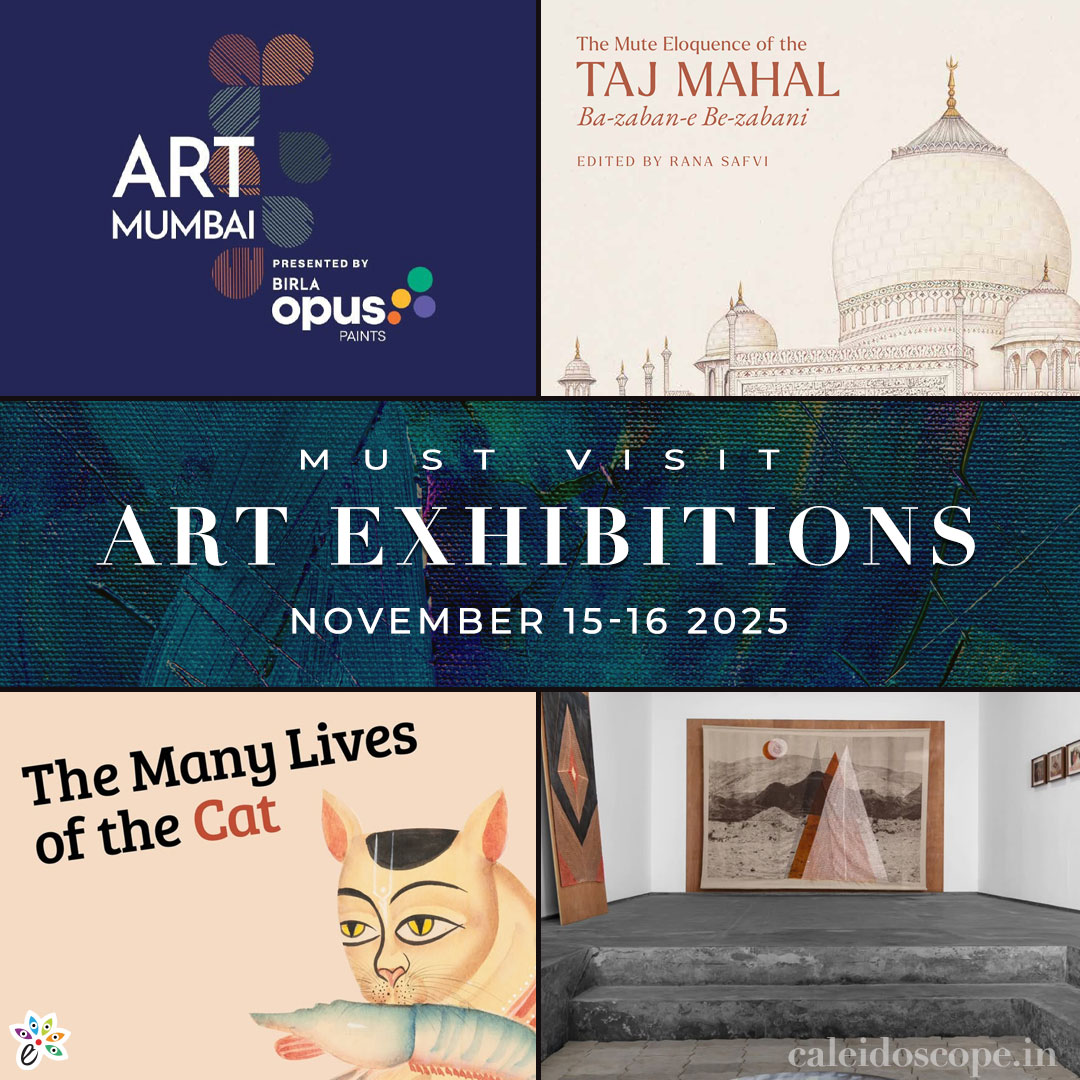
This weekend, India’s artistic calendar is filled with major events spanning almost all metropolises. From internationally focused art fairs to tribal affairs and modern art, this weekend has it all. Whether you want the thrill of discovering new artists or a quieter spot for a solitary exploration, something is waiting for everyone. Listed below are 5 five unmissable Art destinations that one simply cannot miss. 

Weekend Art Events & Venues

Events Venue
Art Mumbai Mahalaxmi Racecourse, Mumbai (13–16 Nov)
DAG – “The Mute Eloquence of the Taj Mahal” DAG, New Delhi (25 Oct – 6 Dec 2025)
MAP – Museum of Art & Photography MAP Bengaluru (selected shows through Nov 2025)
Experimenter – Sohrab Hura & Radhika Khimji Experimenter Gallery, Kolkata (5 Nov 2025 – 3 Jan 2026)
Kalakriti Art Gallery – “Sculpting with Light & Darkness” Kalakriti Art Gallery, Hyderabad (8 Nov – 31 Dec 2025)

1. Art Mumbai: Mahalaxmi Racecourse, Mumbai (13–16 Nov)


View this post on Instagram


A post shared by ART MUMBAI (@artmumbaiofficial)

Art Mumbai has transformed itself into an epicenter of the South Asian art world with the third edition of ART Mumbai 2025. It has become the one-stop melting pot for gallery collectors, younger curators, and the curious public alike. Now at the Mahalaxmi Racecourse, the fair brings together a wide range of stakeholders, ranging from renowned galleries to budding artists. People shall witness life-size installations next to smaller ones, intimate painting booths, talks, and programmes that run throughout the fair days. There are homegrown houses such as Chemould Prescott Road, Nature Morte, and Experimenter. An attention-worthy highlight is the presence of Amrita Sher-Gil’s ‘Untitled (Tigers)’, the only known sculpture by the 20th century’s most prolific avant-garde artist. Furthermore, paintings of one of  India’s modern masters, Tyeb Mehta, are also featured. 

For weekend visitors, the fair is the best way to trace the contemporary market trends, such as trendy painting styles, new media experiments, cultural events, and much more. One practical tip: arrive early on Saturday to avoid the thickest crowds and to see installations in daylight. Art Mumbai, thus, serves as a potent platform for conversation, synchronization of different masses, critics, and the public in a vibrant, immersive art marketplace.

Exhibition Overview

Event Details
Artists Highlighted Amrita Sher-Gil, Tyeb Mehta, Viren Tanwar, Sahil Naik, Carlos Aires
Focus Convergence of Modern Indian and Global Contemporary Art
Environment Large-scale, commercial, and critically significant

2. DAG: “The Mute Eloquence of the Taj Mahal” (New Delhi; 25 Oct – 6 Dec 2025)


View this post on Instagram


A post shared by Rana Safvi (@ranasafvi)

This awestrucking exhibition is curated by the renowned writer and scholar Rana Safvi. The aim is to reframe the Taj Mahal not simply as a monument but as a cultural and visual archive. This exhibition gathers company-school paintings, early photographic prints, postcards, and modern reverberations to trace how the Taj has been looked at, reproduced, and placed in myth across time frames. The most crucial aspect of this event is that it offers a vibrant historiographical experience, as the artworks display an array of events from love stories, commerce, and most importantly, civic memory. DAG also schedules a walkthrough with specialists on the weekend to explore the contextual depth of the Taj’s mute eloquence.

Exhibition Overview

Event Details
Theme Visual and historical representations of the Taj Mahal across centuries
Highlights Company-school paintings, early photographs, postcards, and modern artistic responses
Why Visit Offers a layered, archival, research-driven understanding of how the Taj has been imagined and reimagined

3. MAP: Museum of Art & Photography, Bengaluru (selected shows on view through Nov 2025)


View this post on Instagram


A post shared by MAP Bengaluru (@mapbangalore)

Bengaluru’s MAP has several museum-scale exhibitions running into mid-to-late November, including exhibitions that reframe representation and perceptions: “VISIBLE/INVISIBLE: Representation of Women in Art”; “Ticket Tika Chaap: The Art of the Trademark in Indo-British Textile Trade”; “In celestial Company”; “The Many Lives of the Cat”, and more. Each of these exhibitions offers an insightful experience and exposure to unsettling pockets of our lives. The questions put forth by the canvases make the viewers uncomfortable, but ultimately provoke them to hold deep conversations from within, and gently pass through a contemplative state through which a positive insight is yielded. The motive is not just to fill the gallery spaces and offer amusement to people on weekends; the main motive is to put people into a space where they can judge their present reality and become more aware of themselves as well as their surroundings. Allow two hours to move through MAP’s permanent and rotating displays, and check for gallery talks or late openings that often coincide with weekend programming. 

Exhibition Overview

Event Details
Exhibitions “VISIBLE/INVISIBLE: Representation of Women in Art”, “Ticket Tika Chaap”, “In Celestial Company”, “The Many Lives of the Cat”, and more
Experience Provocative, introspective viewing that challenges perceptions and encourages dialogue on identity, art, and lived reality
Why Visit Museum-scale depth, diverse themes, and weekend talks/late openings

4. Experimenter: Sohrab Hura, “The Forest” (and Radhika Khimji’s concurrent show), Kolkata (5 Nov 2025 – 3 Jan 2026)


View this post on Instagram


A post shared by Experimenter (@experimenterkol)

Experimenter in Kolkata brings together two of the season’s most compelling solo exhibitions. Sohrab Hura’s The Forest presents a corpus of fresh oil paintings, etchings on paper, and a video clip that circumnavigates themes of waiting, refuge, and fractured memory. In the adjacent gallery, Radhika Khimji’s works unveil themselves through subtle mark-making and spatial interventions that question how bodies and landscapes are constructed, erased, or reimagined. Seen together, the exhibitions form an insightful dialogue. Sohrab Hura’s cinematic, narrative tension contrasts with Radhika’s tactile, materially driven abstractions. The intellectual simulation generated by the two is distinctive as well as complementary. The rooms of Experimenter make both exhibitions equally rejuvenating, as they involve slower looking and multiple returns to the individual works. 

Exhibition Overview

Event Details
Exhibitions Sohrab Hura’s The Forest and Radhika Khimji’s concurrent solo show
Experience A dialogue between cinematic, narrative fragments (Hura) and material, spatial abstraction (Khimji) in intimate gallery rooms
Why Visit Perfect for slow, close viewing; works reward multiple passes; evening walk-throughs and weekend talks enrich engagement

5. Kalakriti Art Gallery: “Sculpting with Light & Darkness” (Hyderabad; 8 Nov – 31 Dec 2025)


View this post on Instagram


A post shared by Ina Puri (@inapuri02)

Hyderabad’s Kalakriti gallery is featuring a vibrant sculptural group show curated by Ina Puri, bringing together three sculptors whose artistic practice ranges from bronze work to thread-based interventions. The material contrast is presented through a competitive format of metal vs. textile, monumentality vs. intimate assemblage, and celebrates Kalakriti’s long history of catering to regional contemporary practice. For weekend visitors to Hyderabad, this exhibition is an excellent scope of viewing experience that involves sculptural work that is subjected to varied interpretation by varied frames. The potential of the exhibition lies in its superb strategy of engaging with a plethora of materials intelligently. Each artist works with a different medium and explores the path of light and how it transforms certain pockets into darkness as well. Hyderabad’s art scene is steadily growing, and Kalakriti remains one of the few galleries that consistently presents exhibitions of this conceptual depth and intellectual quotient. Whether you are an art student, a casual visitor, or a collector, this exhibition invites everyone to observe how sculpture behaves not just as an object, but as a kinetic subject that shifts with every step you take.

Exhibition Overview

Event Details
Exhibition A sculptural group show curated by Ina Puri featuring diverse materials such as bronze, metal, fibre, and thread-based works, exploring how light and shadow shape perception.
Viewer Experience Large and intimate works interact dynamically with the gallery’s lighting; sculptures shift in meaning with the viewer’s movement, encouraging slow, atmospheric engagement.
Why Visit One of Hyderabad’s strongest contemporary shows this season, Kalakriti’s thoughtful layout enhances the material and conceptual depth, offering an especially rewarding in-person experience.

Key highlights 

  • Art Mumbai’s fair floor is the fastest way to spot market and aesthetic trends, great for collectors and curious newcomers.
  • DAG’s Taj show reframes a national icon through artworks that together tell a cross-century story; strong for readers of material culture.
  • MAP’s VISIBLE/INVISIBLE and related displays foreground underrepresented histories in the museum collection, intellectually dense and visually generous.
  • Experimenter’s dual solo exhibitions in Kolkata reward slow looking: paint surfaces and time-based work that ask you to linger.
  • Kalakriti’s sculptural show is an excellent reminder that three-dimensional art changes with light and movement. 

Why does this weekend matter?

Art in India is currently oscillating between two factors, market-facing fairs and well-researched curatorial projects. This weekend seeps deeper into that split, as Art Mumbai delivers scale, visibility, and commerce; DAG and MAP deliver slow, archival, and museum–level thinking; Experimenter and Kalakriti remind us why galleries matter as places for risk and discovery. For art enthusiasts, students, and casual visitors, this weekend is a bustling opportunity to explore different facets of art that include socio-economic subjects to spiritual and self-contemplative topics. Art in India is evolving through multiple paths simultaneously, leaving its imprint on multiple media. To miss this confluence of exhibitions is to miss a crucial chapter in the ongoing story of Indian art. The level of diversity offered by the artists in all the cities is not just a means of passive viewing; it is an active act of engaging with the artworks and living them in the moment of viewing them.

FAQs Art Exhibitions in India this Weekend 15 Nov 2025

Question: Are tickets required for these shows?

Answer: Art fairs usually require a day-pass or ticket (check Art Mumbai’s website/Box Office). Galleries and museums sometimes have free entry or nominal charges; review each venue’s official site or social channels before you go.

Question: Which exhibition is best for families or casual visitors?

Answer: Art Mumbai offers varied work that can interest casual visitors, while MAP’s museum displays are accessible and well-signposted for family visits. DAG’s thematic show is ideal for history-minded visitors.

Question: Any advice for photographing inside these shows?

Answer: Many galleries permit non-flash photography for personal use; museums and fairs may have stricter policies (no tripods, no flash). Always check signage or ask staff on arrival.

Question: How to catch gallery talks or walkthroughs this weekend?

Answer: Check the venues’ event pages and social media. DAG and MAP often list scheduled walkthroughs and public programs; fairs post schedules daily. Arrive in time for the start of a talk to avoid missing seat-limited sessions.

Question: Can I buy art directly at these shows?

Answer: Yes, fairs and commercial galleries sell works; museum shows can be non-commercial. If you’re considering purchasing, ask galleries about provenance, condition reports, and payment options; fairs often facilitate shipping and logistics.

The Many Lives of the Cat: MAP Bengaluru Explores India’s Feline Imagery

0
The-Many-Lives-of-the-Cat-MAP-Bengaluru-01
Image Courtesy – MAP Bengaluru

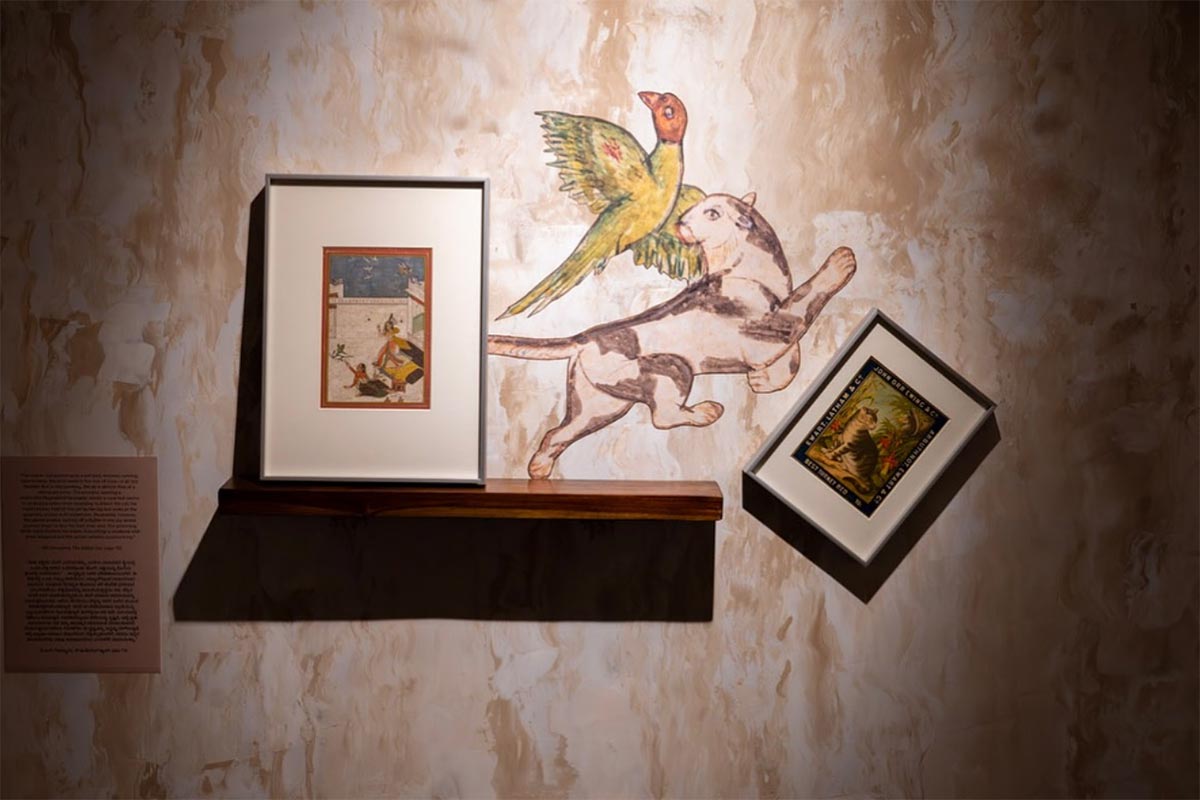
The cat is undeniably a universally beloved creature that has long transcended its role as a mere domestic companion and also left its paw prints on canvases across global art history. Thus, the Museum of Art & Photography (MAP) in Bengaluru encapsulates this feline existence brilliantly in its latest exhibition, The Many Lives of the Cat,” which runs from November 8, 2025, to March 29, 2026. This unique exhibition tracks how the cat has been visualized in Indian visual culture from miniature paintings and Kalighat prints to modern canvases, matchbox cases, and contemporary sketchbooks. Curated by Khushi Bansal, the exhibition features the cat’s inescapable presence to dive into artistic narratives. The showcasing of this event is made possible through the scholarly foundation laid by the late art historian Professor B.N. Goswamy. The exhibition draws inspiration from Goswamy’s final book, The Indian Cat: Stories, Paintings, Poetry, and Proverbs.

Feline Figure in Indian Fables

The exploration of the cat’s presence in Indian art actually begins with ancient literature. The cat, or marjara in Sanskrit, is presented as a composite character in ancient texts. In the Buddhist Jataka Tales and the tales of the Panchatantra, the feline often embodies cunning, hypocrisy, and manipulation. These negatively oriented characteristics are also captured in Sanskrit terminologies such as marjara-vrata, or “cat-like observance,” which was used in Mahabharata to denote deceit. 

On the contrary, the Vaishnava bhakti philosophy refers to the marjara-nyaya (the way of the cat) to symbolize absolute surrender to the divine, referring to a kitten that bestows its trust upon its mother, as she carries it to safety. This dichotomy in referencing makes the cat appear as both the saint and the sinner. The exhibition focuses on this split and features different points of views through canvases and sculptures. Furthermore, in the Kalighat prints, the cat walking away with a stolen fish emerged as a recurring motif that symbolized socio-political protest. Whereas in the Mughal miniature paintings, the cat is perceived with more companionable beings, as witnesses to daily domestic lives. 


View this post on Instagram


A post shared by MAP Bengaluru (@mapbangalore)

However, the modern artists’ purview is kind of different; they question the potential of the cat motif through different parameters. Jamini Roy, for instance, systematized the thief-cat motif into a nurturing mother carrying her baby. It was a thoughtful shift, as it successfully generated waves of empathy and care in the minds of the viewers. Artist K.G. Subramanyan depicted the cat with a sense of mischief, often caught in the act of pursuing a fish, symbolizing everyday realism. Also, the inclusion of more contemporary artists such as Chandana Hore and Bhupendra Baghel ensures the artworks remain relevant as a vector for socio-cultural commentary. 

Exhibition Details

Event Context and Significance
Title The Many Lives of the Cat
Date 8 November, 2025 – 29 March, 2026
Venue MAP Bengaluru, Ground Floor, Infosys Foundation Gallery
Curator Khushi Bansal
Inspiration: B.N. Goswamy’s The Indian Cat The exhibition serves as a tribute to the celebrated art historian’s final work, which broadened the academic focus to include the cat’s influence across Indian literature and art.
Notable Works and Artists Works by Jamini Roy, K.G. Subramanyan, Arpita Singh, Chandana Hore, Bhupendra Baghel, and more.
Central Symbolism The cat is examined as a complex, multifaceted symbol representing duality: hypocrisy (marjara-vrata) versus surrender (marjara-nyaya).
Commitment to Accessibility Incorporates immersive features like AR games and ISL videos, aligning with MAP’s mission to make Indian art history non-intimidating and engaging for all audiences.

Key highlights

  • The exhibition spans multiple media: paintings, sculptures, printed ephemera (matchbox covers), and contemporary sketchbooks.
  • MAP pairs scholarly commentary (drawn from B.N. Goswamy’s The Indian Cat) with playful, interactive elements to engage diverse audiences.
  • Works by modernists like Jamini Roy sit alongside contemporary responses, showing continuity and reinvention in how artists imagine the cat.
  • The exhibition foregrounds accessibility: ISL videos, audio descriptions, and physical access features ensure the show is for many, not a few. 

The Experience

The cats have long been a crucial part of the vernacular culture as well as the elite culture. This juxtaposition of belonging to both high and low makes the theme even more engaging and intelligent. MAP has also included interactive and inclusive programming to enhance the visitor experience. An AR-T detective game and audio stories extend the gallery into playful investigation; ISL (Indian Sign Language) videos and audio descriptions underscore MAP’s emphasis on accessibility. These additions are not simply for entertainment; they change the perception of people visiting museums, as people assume that museums are remote spaces with stationary items on display. The particular choice of ‘cat’ being the element of focus is an uncanny decision, which offers a model for how museums can refer scholarship into playful public encounters. 

Takeaway

The “Many Lives of the Cat” is like a masterclass in art curation. MAP has made a brilliant move by keeping the feline as the central anchor of the whole presentation. It honors the scholarship of B.N. Goswamy while validating the everyday, popular appeal of the subject. The exhibition proves that intellectual engagement can also be achieved through delightful engagements. This offers a unique perspective, as a mere domesticated creature is unleashed into the canvases and sculptural forms as a symbol of visual language. 

VISIBLE/INVISIBLE: Women’s Representation in Indian Art Through MAP

0
VISIBLE-INVISIBLE--Women’s-Representation-in-Indian-Art-Through-MAP-01
Image courtesy – map-india.org

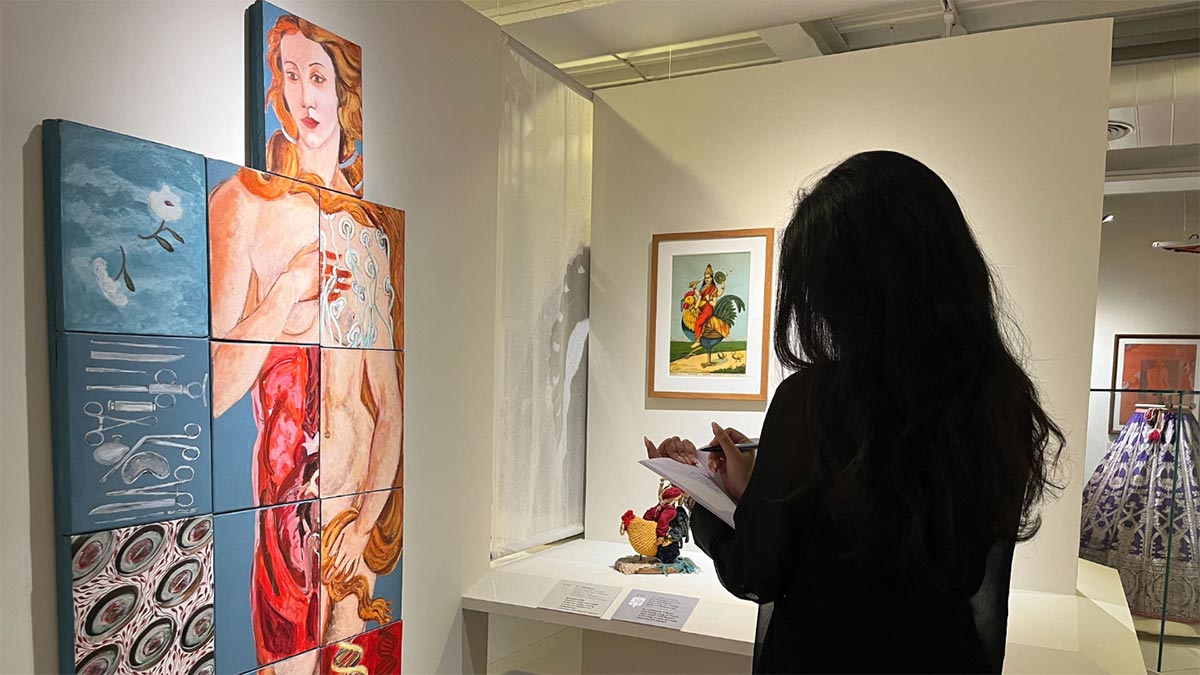
Museum of Art & Photography (MAP) in Bengaluru is housing an exhibition christened as “VISIBLE/INVISIBLE: Representation of Women in Art through the MAP Collection,” a chronological dialogue on gender and agency within the South Asian visual dictionary. Running for a transformative three-year period (February 2023 to November 2025), the exhibition challenges the paradox that limits the portrayal of women in art. There is an overwhelming visibility of subjects versus near-total invisibility in the agency and narrative. MAP Director and Curator Kamini Sawhney notes that the essence of the exhibition lies in addressing the historical imbalance where, for centuries, the image builders were predominantly male. This inherent structural bias permitted a very limited and biased entitlement to women regarding their control over mainstream representation, leading to the patriarchization of the creative field. But, even among the troop of males, exceptions do exist. For instance, the famous ‘Bharat Mata’ imagery of the Indian Nationalist Movement. 

A Critical Lens on Female Imagery

The exhibition features approximately 130 artworks, spanning from 10th-century sculptures to contemporary photography, through four interconnected narratives. This juxtaposition of ancient and modern works compels the audience to witness how representations of women have been subjected to sequential construction backed by social constructs. The first section, ‘Goddess and Mortal’, explores the dichotomy between the venerated deity and a simple earthly woman. This is expressed through a beautiful contrast between a serene 10th-century sculpture of Brahmani (one of the saptamatrikas or mother goddesses) and Devi (1965) by Bhupen Khakhar, which amalgamates body ideals and religious niche.

The second section, ‘Sexuality and Desire,’ features the complexes of the female body as imagined by others versus the self. It juxtaposes the typical sexualized Bollywood representations, such as the poster for the film Anhonee (1952), where the female body is presented for the male gaze. Interestingly, the print of Saira Banu is placed next to the protagonist, Nargis, who openly explores female desire in Anhonee. The exhibition actively critiques how popular culture homogenizes and normalizes a sexualized and objectified representation of gender and the self.

The Essence 

The power of the narrative unfolds in ‘Power and Violence,’ where the focus shifts to the dynamics of women’s lives, particularly in domestic and public spaces. Violence in the form of physical, sexual, or emotional abuse is directly addressed, as women are frequently subjected to these across public and private spaces. Works like Anoushka Mirchandani’s Wild Refuge (2021), presenting Sita in solitude, reflect on the isolation and refuge sought by women who are abandoned or neglected, pointing out domestic settings as a potential site of threatening actions. Furthermore, the final section called ‘Struggle and Resistance’ cherishes the moments when women successfully challenge mainstream norms and assert their autonomy. This section features contemporary artists like Gauri Gill, Anoli Perera, and Chitra Ganesh, whose works assert agency to the female self. Works such as Perera’s I Let My Hair Loose: Protest Series I (2010-2011) demonstrate significant acts of resistance that dismantle societal barriers.

The curators and the team ensured that the exhibition represents an inclusive space featuring commissioned works by artists such as Arshi Ahmadzai and Renuka Rajiv that expand their artworks to include underrepresented voices concerning gender and caste. To make the viewing experience more immersive and engaging, MAP has installed audio guides as well, enabling a multisensorial experience. 

Exhibition Details

Aspect Description
Date February 18, 2023 – November 30, 2025
Venue MAP Bengaluru, Manipal Gallery and Avanee Foundation Gallery (Fourth Floor)
Curators Kamini Sawhney, Arnika Ahldag, Vaishnavi Kambadur, Riya Kumar, and Arshad Hakim
Artistic Chronology The exhibition spans the 10th century to the contemporary period, demonstrating the enduring nature of gendered themes and the evolving artistic responses to them.
Curatorial Strategy Works are juxtaposed to create deliberate contradictions, forcing the audience to engage in a critique of accepted norms rather than passive consumption.
MAP’s Role The exhibition served as the opening statement for the new physical space of MAP, positioning the museum as a progressive institution committed to inclusive and critical art history.

Key Highlights 

  • The show features over 130 works, including sculptures, textiles, paintings, and photographs, underscoring the diversity of media used to depict women.
  • It is structured around four crucial thematic categories: Goddess and Mortal, Sexuality and Desire, Power and Violence, and Struggle and Resistance.
  • The exhibition explicitly addresses sensitive topics such as physical, sexual, and emotional violence, providing a context for audience awareness and feedback.
  • Accessibility is a core component, with commissioned tactile artworks and multi-lingual audio guides ensuring a broad, inclusive experience.
  • It highlights the contribution of modern and contemporary female artists (e.g., Chitra Ganesh, Gauri Gill, Anoli Perera) who actively subvert and challenge the historical male gaze.

Takeaway

Having been displayed for a prolonged period of three years, “VISIBLE/INVISIBLE” is a powerful statement and a stand in itself against the complexities of gender representation in the creative fields. The exhibition functioned not only as a source of amusement but also as a retrospective space that engaged public discourses, research, and emerging POVs. This exhibition intentionally nudges the viewers into an unsettling spot as it rises beyond the structures’ societal boundaries and highlights the autonomy and agency of women who defied these boundaries. The exhibition also highlights progress in the visual culture where women are not just seen, but are duly acknowledged for their works. With this ongoing exhibition, MAP has definitely set up a benchmark in the whole of South Asia that questions history, demands reform, and features authentic voices.