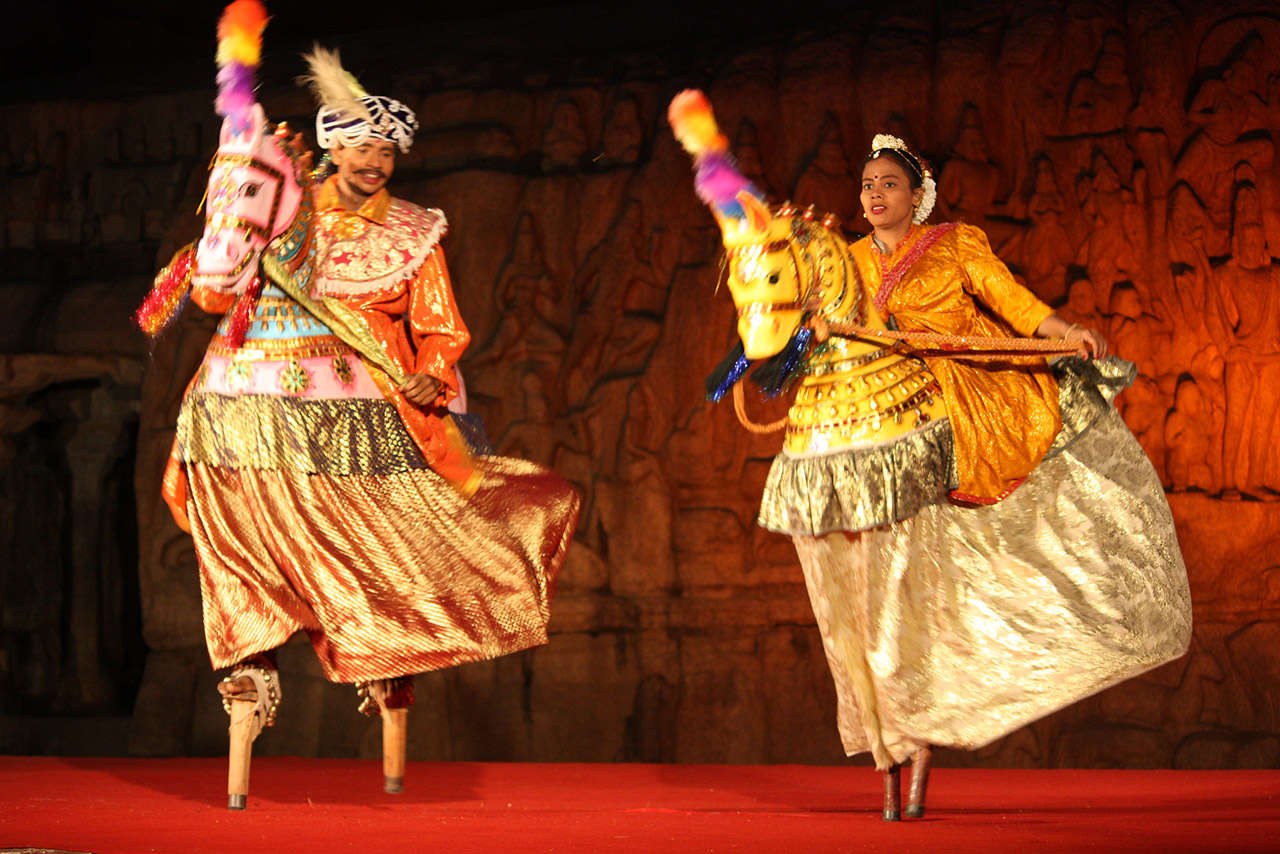
A Journey Through Classical and Folk Music Traditions of India

3
Classical-and-Folk-Music-Traditions-of-India-01
Image – Prabhu B Doss

Introduction

India’s musical heritage is vast and diverse, reflecting the country’s rich cultural history and regional identities. Broadly classified ianto Classical and Folk music, Indian music embodies a unique blend of spiritual, social, and cultural elements. These forms have evolved over millennia, shaped by religious practices, royal patronage, and the daily lives of ordinary people.

Let’s trace the different kinds of music that exist in India, both the classical traditions and folk traditions, tracing their origin, their characteristics, and with which instruments they live.

Classical Music in India

Classical-Music-in-India-01
Painting by Raja Ravi Varma

Indian classical music is one of the oldest continuing traditions in the world. It dates back to the Vedic period, where references can be found in the Samaveda – hymns that were sung during sacrificial rituals. In India, since the beginning, it was more of a gateway to spiritual enlightenment; with complexity, its forms reveal cosmic order and divine grace. Indian classical music comes under two major streams, namely Hindustani classical and Carnatic classical, respectively coming from north and south India.

Suggested Story: Indian Classical Music – A Rock Solid Rhythmic Foundation

North Indian Hindustani Classical music

Indian-classical Music-Hindustani Tansen

Hindustani classical music developed in North India after the Islamic conquests of the 12th century by retaining Persian and Afghan musical elements. However, this type of influence didn’t alter its Indian roots owing to the essence of spiritualism and the ancient concept of Raga and Tala.

Raga and tala are the two main elements of Hindustani Classical Music. A melodic structure indicating a specific mood or emotion, raga is the very soul of Hindustani music. Every raga is linked up with a particular time of day or season, thus linking it even more significantly with nature and spirituality. Differing from this, tala refers to the rhythmic framework of Hindustani music, generally complex and diverse. Some common talas in Hindustani music are Teental (16 beats) and Jhaptal (10 beats).

Major Types of Hindustani Music
Dhrupad and Dhriti The Philosophical Connection-01
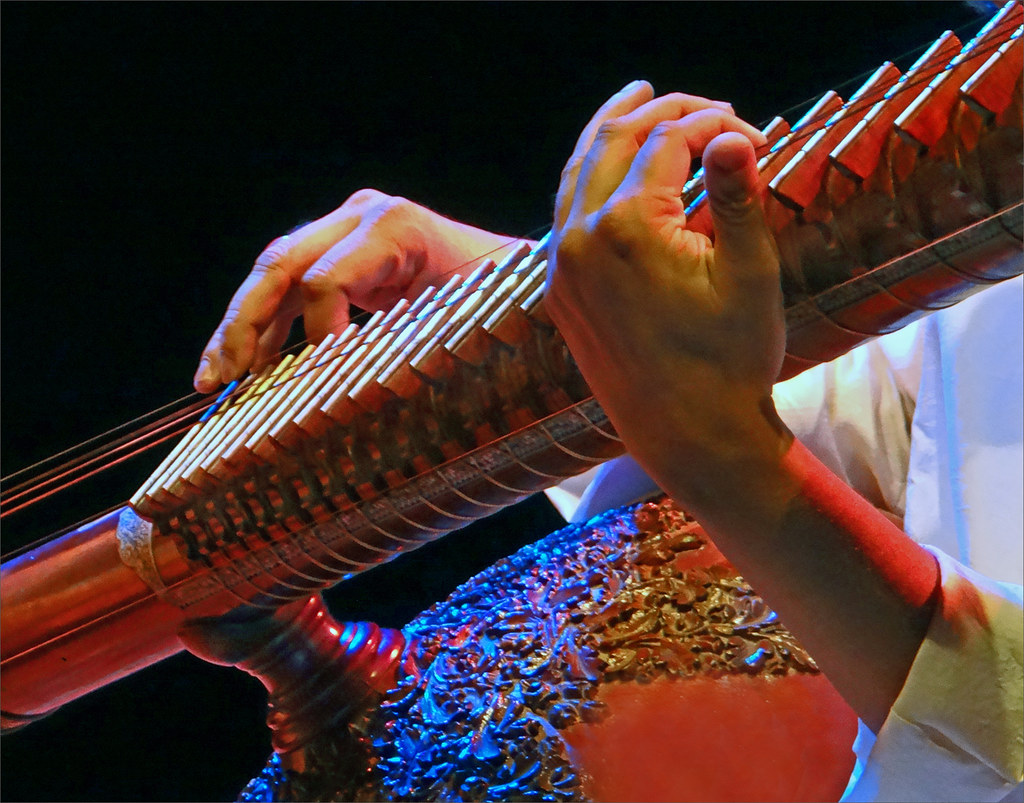
Bahauddin Dagar jouant de la Rudra Veena (musée Guimet) – Jean-Pierre Dalbéra/Flickr
  • Dhrupad: Dhrupad is one of the most serious traditional forms of Hindustani music; thus, it is a devotional, meditative genre accompanied by purity of sound and austerity.
  • Khyal: A more flexible and popular form that emphasizes improvisation. Khyal allows the artist to explore the raga’s emotional depth through expressive renditions.
  • Thumri: A semi-classical form, Thumri has themes romantic and devotional, lighter in comparison to khayal, and is usually performed with accompaniment of dance.
  • Tappa: Characterized by fast, complex rhythms it is a semi-classical form in Punjab, where there is often rapid singing and the later lively rhythm.

Suggested Read – Dhrupad and Dhriti: The Ancient Synthesis of Music and Philosophical Narratives

Hindustani music also uses a concept of Gharanas: a school of music, distinguished within regions and tradition.

  • Gwalior Gharana: Basically Dhrupad-based, though Khyal singing precedes also.
  • Patiala Gharana: It is distinguished by bold and chaste presentations of Khyal and Thumri.
  • Kirana Gharana: It is known to develop a raga slowly, almost like a dream.

South Indian Carnatic Classical Music

Vijayanagara-Literature-Sri-Purandara-Dasa-and-Kanaka-Dasa
Carnatic Music Legends Sri Purandara Dasa and Kanaka Dasa

Carnatic music originated in the southern states of India—Tamil Nadu, Karnataka, Andhra Pradesh, and Kerala. Like its northern counterpart Hindustani music, its bedrocks are raga and tala but Carnatic is much more lyrical and composition-oriented. Unlike Hindustani, Carnatic music is virtually all devotional, comprising singing and other forms of adoration for Hindu deities.

Just like Hindustani classical music, Raga and Tala are the cornerstone elements here as well. They are the heart of Carnatic music. But in comparison, Carnatic ragas are defined much more strictly and followed even more stringently. And Carnatic talas are mathematically complex, often also with complexities of subdividing the cycles. Some of the common ones are Adi Tala (8 beats) and Rupaka Tala (6 beats).

Tyagaraja, Muthuswami Dikshitar, and Syama Sastri are considered grand personalities in the Trinity of Carnatic Music, who gave important contributions to Carnatic compositions.

Major Categories:

  • Kriti: Carnatic music, extremely popular and formalized form of, generally three formats: Pallavi, Anupallavi, and Charanam.
  • Varnam: A short introductory piece that focuses both on the melody and rhythm of the raga.
  • Ragam-Tanam-Pallavi: A highly improvisational and elaborate form, often the centerpiece of a Carnatic concert. 
  • Padam and Javali: A lyrical text on love and devotion.

Folk Music in India

Folk Music in India

If classical music in India is about form and rigor, folk music is about spontaneity and community. With different types of music in India, each region of India also has its own folk music, rooted in daily life, seasonal changes, festivals, and stories passed down through generations. While classical music demands years of training, folk music is more accessible, performed by villagers, farmers, and tribal communities, often with little formal training.

Folk Music in North India

Folk Music in North India
Image – Wikimedia
  • Punjab: Folk forms here are full of energy. Punjab’s harvest season celebration Bhangra is accompanied by the drum called dhol and dance. Giddha is another traditional women’s music form in popularity, lots of claps and drums by women enact this.
  • Uttar Pradesh: Folk forms are more in the nature of Kajri and Birha, which reflect the state’s agrarian and rural world. Kajri is a kavya form sung at the monsoons, talking about love and separation, whereas Birha talks about separation, pain and longings.
  • Rajasthan: The desert state boasts the richest folk music tradition. Semi-classical music of Rajasthan is Maand, while Langas and Manganiyars are hereditary musician communities known for soulful performances, mostly singing love stories and epics.

Folk Music in East India

Baul-dance
Baul Performance
  • Bengal: The mystic Baul singers of Bengal express philosophy in the universal love and spirituality of simple though profound music. “Bhatiyali-the boatmen’s songs capture the rhythm of life on Bengal’s rivers.”.
  • Odisha: There are several folk music genres, among them the narratives Pala and Daskathia that narrate mainly mythological stories.
  • Assam: The most popular folk form of Assam perhaps is Bihu, which complements the celebration of the Bihu festival. Another traditional form is Ojapali with narration on rhythmic accompaniment.

Folk Music in South India

Janapada-Geethegalu
Yakshagana Songs – Kaustubh Naik/Flickr
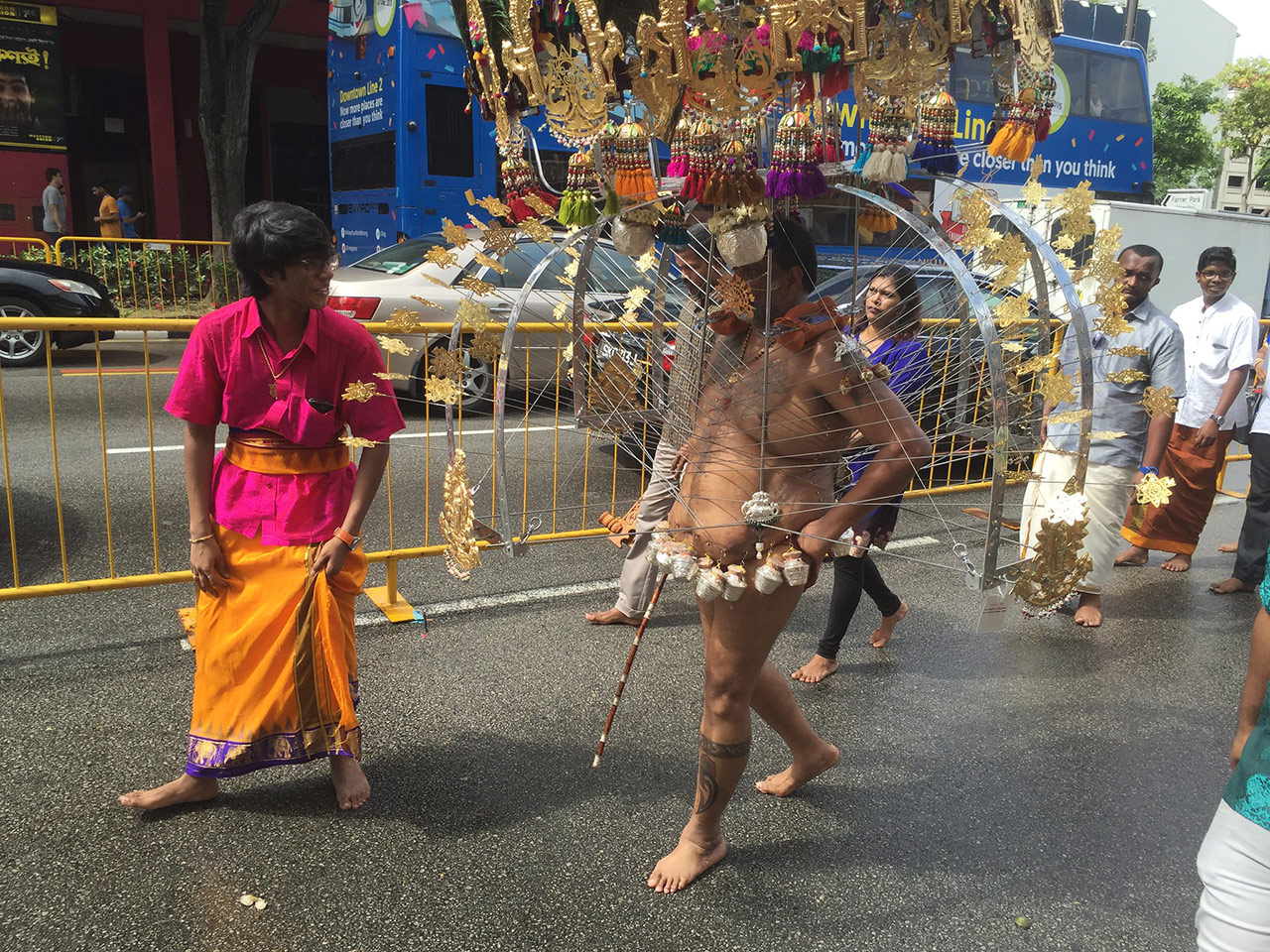
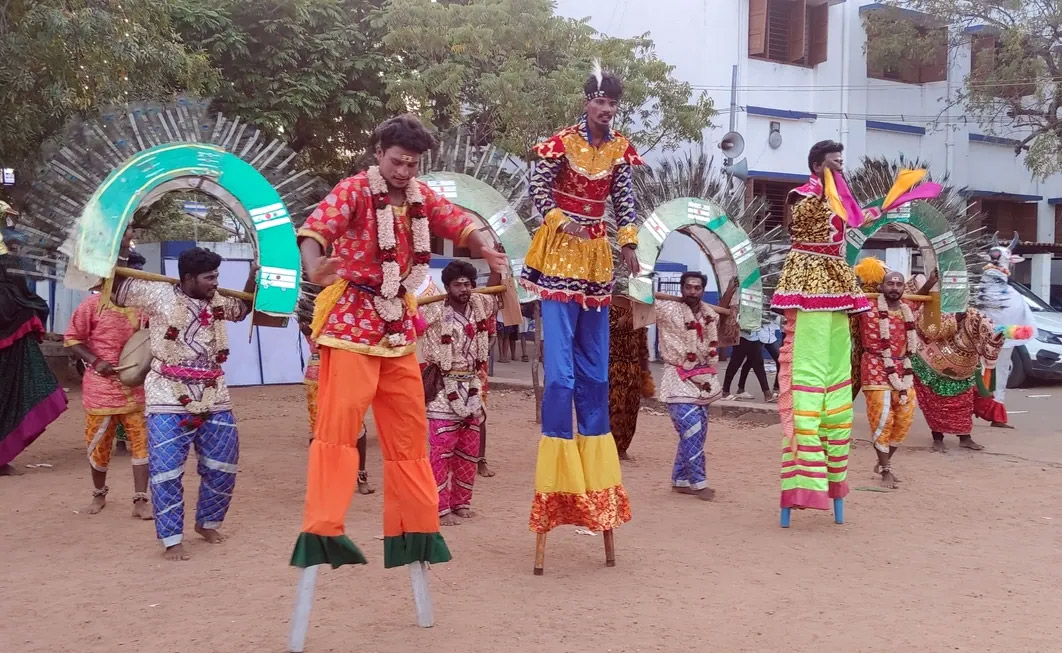
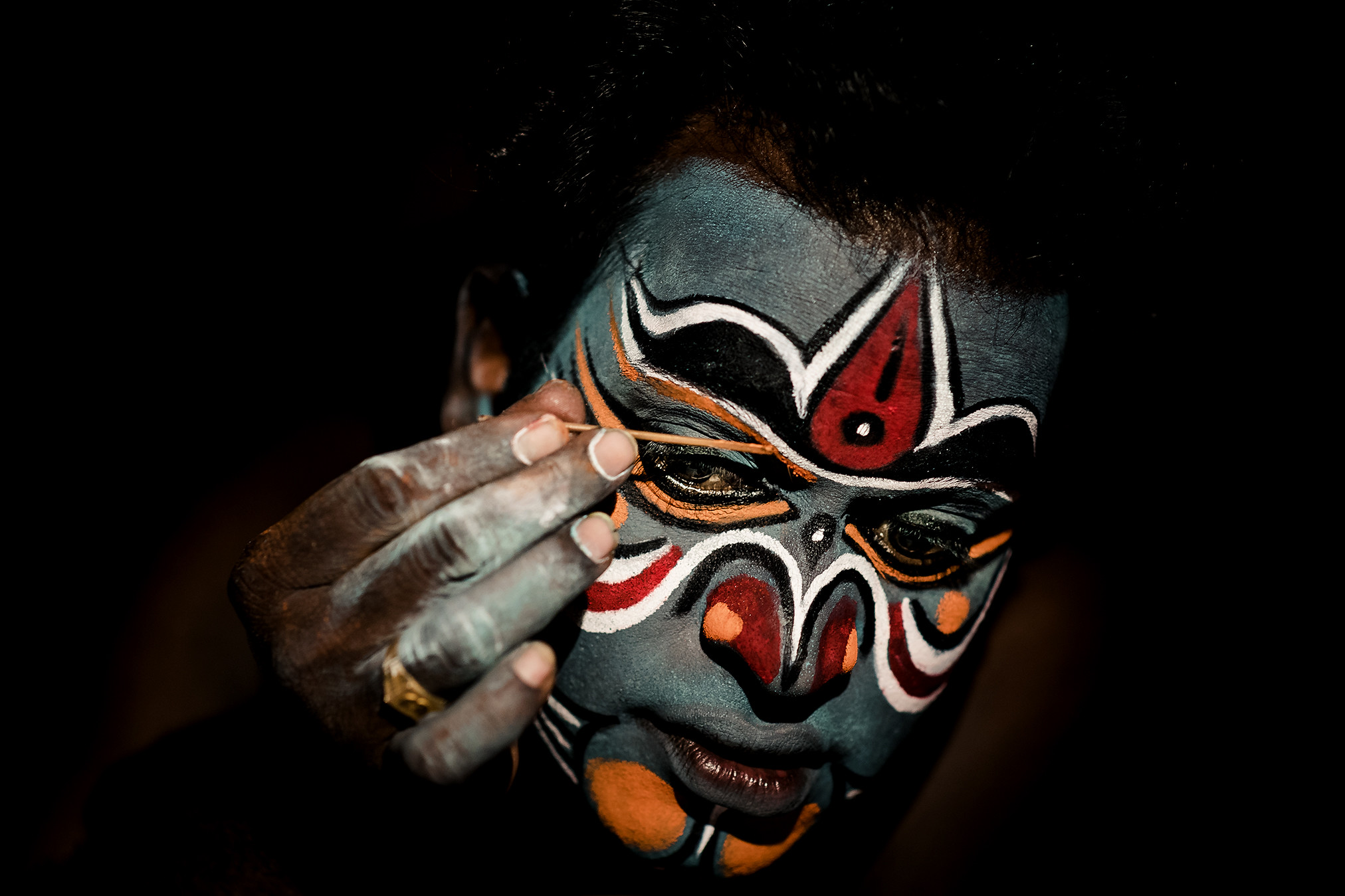
  • Karnataka: Folk music of Karnataka reflects the state’s rich cultural heritage, with vibrant traditions like Janapada Geethegalu (folk songs) and Yakshagana (a blend of music, dance, and drama). It celebrates rural life, local deities, and historical legends through unique rhythms and regional instruments like the Tamburi and Dollu.
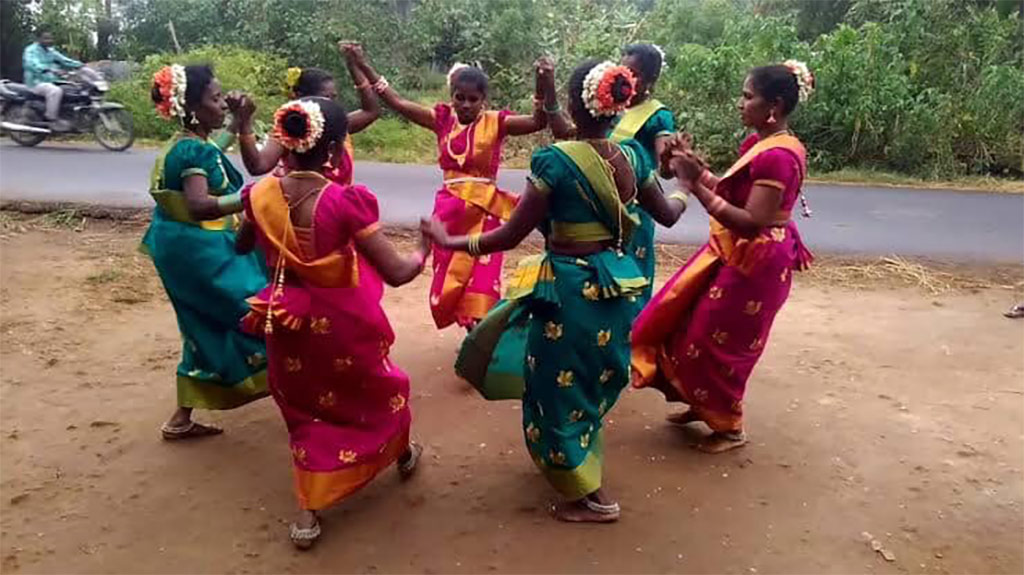
  • Tamil Nadu:  In Tamil Nadu the narrative forms like Villupattu, sung while playing along with a bow-shaped musical instrument. The other common forms are Kummi and Kolattam that appear during festivals and village gatherings.
  • Kerala: In Kerala music is ritualistic in character. Sopana Sangeetham of Kerala, played in the temples, is a thing of deep religiosity. Oppana, performed by women at Muslim weddings, forms another noisy and percussion-based form.
  • Andhra Pradesh: Burrakatha is very popular in which everybody narrates different stories accompanied by music. It also includes speaking, and acting.

Folk Music in West India

Classical-Dances-of-India Lavani
Lavani – Sunil Shanbag via Flickr
  • Maharashtra: Lavani is the most famous folk music, and it is often performed with accompanying dance; it is related mainly to romance and political satire. Powada narrates heroic deeds of the Maharashtrian rulers.
  • Gujarat: In Gujarat, there are two popular forms of music and dance celebrated during Navratri: Garba and Dandiya Raas.
  • Goa: Mando: an outsider Indian-Portuguese Mash-Up musical tradition of Goa, which reflects the colonial past of the area.

Folk Music in Central India

Folk Music in Central India
Teejan Bai performing Pandavani – Wikimedia
  • Madhya Pradesh: The tribal music in Madhya Pradesh includes traditions like Pandavani, with a theme based on the stories of the Mahabharata. The songs sung by the Gond tribe, periodically reflecting the story of nature, hunting, or tribal life.

Folk Music in Northeast India

  • Nagaland: Nagaland is indeed known for its choral singing tradition, where Naga tribes sing in harmony as they sing of valor and everyday life.
  • Manipur: Folk Songs Nurture the Traditional Dance Form of the Same Name, Which Is a Narration of Epic Love and Legend.

Conclusion

Music, a reflection of both the people and the lands of India, varies in style-from rich and classical to very vibrant folk. The classical music, whether Hindustani or Carnatic, embodies centuries of tradition, philosophical quests, and spiritual currents: it commands great technical mastery and a commitment of years. In contrast, folk music is simple, spontaneous, and truly the music of the masses-it is tied to the rhythms of daily life. Together, these layer upon other sounds that represent and come alive with the rich and old nuances of India. 

Suggested Story: Traditional Musical Instruments of India, Uphold the Spirit of Indian Classical Music

FAQs on Classical and Folk Music Traditions of India

What are the two main types of Indian classical music?

The two main types are Hindustani Classical Music from North India and Carnatic Classical Music from South India.

What is a raga in Indian classical music?

A raga is a melodic framework in Indian classical music, designed to evoke specific emotions and moods.

How is folk music different from classical music in India?

Folk music is regional, spontaneous, and tied to daily life, while classical music is formal, structured, and requires years of training.

Which instrument is commonly associated with Hindustani classical music?

The sitar is a popular instrument in Hindustani classical music, known for its deep, resonant sound.

What is Bhangra?

Bhangra is a lively and energetic folk music and dance form from Punjab, traditionally performed during harvest festivals.

Few Lines on Classical and Folk Music Traditions of India

  1. Indian classical music is deeply rooted in spirituality, with Hindustani and Carnatic traditions defining the North and South respectively.
  2. Hindustani classical music emphasizes improvisation, with Ragas and Talas forming its core structure.
  3. Carnatic classical music is more composition-based, focusing on devotional themes and intricate rhythmic patterns.
  4. Folk music in India is regionally diverse, reflecting the cultural traditions and daily lives of communities.
  5. Punjab’s Bhangra and Rajasthan’s Maand showcase North India’s vibrant folk music forms.
  6. Bengal’s Baul and Assam’s Bihu represent the spiritual and festival-oriented music of East India.
  7. India’s folk music is spontaneous and community-driven, contrasting with the formal rigor of its classical traditions.

Barahmasa: The Splendour of the Twelve Months in Paintings

0

Barahmasa-Paintings

#Didyouknow that a genre of Indian poetry the ‘Barahmasa’ has also been depicted in miniature paintings? One can also recall the highly evolved Ragamala paintings which are based on musical modes, which also include the ‘Barahmasa’ theme. In fact, the Barahmasa theme including the seasons or ‘ritus’ finds place in ancient inscriptions, Sanskrit literature, regional Indian literature, Hindi literature, Islamic art and Western Art as well.  Let’s check  further about this interesting theme in Indian miniature paintings. 

What is Barahmasa? 

Barahmasa or “the twelve months” is a poetic genre popular in the Indian subcontinent derived primarily from the Indian folk tradition. It is usually themed around a woman, a nayika longing for her absent lover or husband, describing her own emotional state against the backdrop of passing seasonal and ritual events. She could be pining away or going to meet him in the rainy season braving difficulties on the way!

Technically, the twelve months or Barahmasa, also spelt Baramasa, correspond to the length of a year which is a span of time. During these months various seasons happen in nature. Human activities change and so does nature with its various elements, the sky, birds, water bodies, animals and vegetation. Human emotions also are affected by the changes in season. The various months are Chaitra (March-April). starting in the spring season.  The following months are Vaishakha(April-May), Jyestha (May-June), Ashadha (June-July), Sravana(July-August), Bhadon (August-September), Ashvin (September-October), Kartikka (October-November), Margasirsa or  Agrahyana(November-December), Pausa(December-January), Magha (January-February) and Phalguna (February-March).

The seasons are well depicted in all forms in India’s art and literature and its overall cultural landscape. Poetry, painting and sculpture have vivid portrayals and descriptions of the seasons. Seasons in India are part of her ethos and life because in India time is cyclical and not linear. Festivals are also celebrated in connections with each season. The Barahmasa is a genre of poetry, a concept to which there have been many contributions. Indian paintings have been closely associated with literature. Many important literary works right from ancient times have been depicted in art and sculpture.  This theme has been depicted in paintings mostly from late medieval period. An Indian treatise Vishnudharmottara-purana composed sometime during the interval of the Kushana and Gupta times, has the third chapter as Chitrasutra, a set of guidelines on how the seasons are to be depicted in art. Artists have followed the guidelines in ancient and medieval India.

The Barahmasa was popular in Hindi literature during 13th to 16th centuries and was also a part of Sufi poetry. However, Barahmasa in miniature paintings were mostly done or executed in the 17th and 18th centuries. The paintings had writings in Devanagari on top or behind the painting. 

Royal patronage

Many royal courts of Indian States had their own painters and ateliers. This theme has not found much favour with Mughal miniatures and Deccani painting though nature by itself has been a subject of composition in these schools. Many animal and bird portraitures have been made in the Mughal paintings; the Deccani schools depict clouds, ponds and lotuses. The Rajasthani painting evolved in the courts of Rajputana which included the Barahmasa in their repertoire. They were done in the miniature format,  also on walls of havelis or mansions, palaces and inner chambers of forts. The pigments were derived from minerals, plants, conches and precious stones too! Gold and silver were used at places. The paintings depicted various themes from the social view-point, also stories form the epics, Ramayana and Mahabharata. Nature was depicted too; these paintings were representative of a ruler’s legacy. The Rajasthani school has many sub-schools. like Jaipur, Bikaner, Bundi, Kota, Mewar, Alwar and Jodhpur. The style of painting has been influenced by Persian, European, Mughal and Chinese art of painting. The paintings are rich, a contrast to the arid desert landscape, dry hills and less vegetation. The Barahmasa theme has been depicted in Chamba, Garhwal, Guler, Kangra, Mandi and Nurpur Schools from among the Pahari School. The Pahari Schools developed in the hilly regions of North India during 17th to 19th century.

From Jammu to Garhwal, Himachal Pradesh, the range is wide, varied and very interesting. Basohli school is from Jammu which is known for its bold colours. Kangra is famous for its Radha-Krishna depictions and its lyrical quality; being greatly inspired by Jayadeva’s Geeta-Govinda. Central India has the Malwa, Datia and Bundelkhand schools. The Chitrasutra as already mentioned, has given guidelines for the seasons and they seem to be followed by artists across India. Summer is indicated by the sun in the sky, spring with its seasonal trees in bloom, humming bees, cuckoo depictions and men and women going around happily  having conversations! Further, summer depicts fatigue experienced by men, animals, dry pools, birds hiding in trees, lions and tigers resting in their mountainous hideouts. The rainy season has its dark, laden clouds and streaks of lightning in the sky. Autumn has trees full of fruits, corn ripe in the fields, pools full of swans and lotuses. The winter has its dew, fog and snow; the earth is bare and misty. 

Barahmasa depictions

1. Chaitra

Let us see some Barahmasa paintings from different schools. Starting with the month of Chaitra which is depicted with the seasonal trees in bloom, men and women joyous, and in conversation. Birds and sarus cranes are seen in the background where the lotuses are abounding in the pool nearby.

Poet Keshav Das says about Chaitra – as per a translation

The charming creepers have blossomed and so have the young trees. The rivers and ponds are full. The women are aglow with passion, the birds are chirping making sweet sounds… “

Barahmasa-the-splendour-of-twelve-months-in-paintings-Jyeshtha
Image Source

Chaitra (March-April), from a Barahmasa series, circa 1675-1700, Bundi, British Museum, London.

2. Vaisakha

The month of Baisakh or Vaisakha is one of joy and happiness. There is a nice feel in the air with blooming flowers. The painting here shows the eternal lovers Radha and Krishna in a conversation in a palace setting. Flowering trees, flowing waters and sarus cranes are also apart of the season and the composition.

Poet Keshav Das says about Vaisakha – as per a translation

“The earth and atmosphere are filled with fragrance, breeze full of sweet smell is blowing gently. All around there is fragrant beauty. The beloved says to the lover – ………………………do not talk of going away in the month of Vaiskaha”.

Barahmasa-the-splendour-of-twelve-months-in-paintings-Vaisakha
Image Source

Vaisakha, from a Barahmasa series, Jaipur, circa 1800, British Museum, London, U. K.

3. Jyeshtha

The month of Jyeshtha is hot and humid, people are seen using hand fans reclining under shades and birds are hiding in the trees. The sun is scorching the earth and there is bright light around. The animals are resting in shade or retreating to the forest.

Poet Keshav Das says about Jyeshtha – as per a translation

The sun is so bright and scorching that the five elements air, water, sky, earth and fire have become one, hot as fire..the roads are deserted and the tanks are parched dry… . even the powerful creatures become weak in this season.”

Barahmasa-the-splendour-of-twelve-months-in-paintings-Jyeshtha
Image Source

Jyestha (May-June), Barahmasa series, Jaipur, circa 1800, British Museum, London, U K. 

4. Ashadha

The Ashadha month is the pre-monsoon month and clouds start arriving in the sky with rain on and off. The lotuses are in bloom in the ponds. People are able to stay both indoors and outdoors, as seen in the painting. The peacocks are also active since clouds are in the sky, which augurs rain.

Poet Keshav Das says about Ashadha – as per a translation

Strong winds are blowing around. In such weather only a man of feeble mind will go out leaving his home and beloved. Even birds don’t leave their nests”

Barahmasa-the-splendour-of-twelve-months-in-paintings-Asadha
Image Source

Ashadha (June-July), Folio from a Barahmasa series, Kota School, circa 1700-1725, L A C M A, Los Angeles, U.S A.

5. Shravan

In Shravan month, the sky gets laden with rain bearing clouds and opens with lightning and thunder! Peacocks are happiest during this time and dance to full glory with their splendorous tail spread out. Nature all around is green and verdant. In the painting we can see the streaks of lightning filling the sky. Pangs of separation are felt more strongly in this season. Forlorn nayikas, the heroines are eager to meet their beloved!

Barahmasa-the-splendour-of-twelve-months-in-paintings-Shravan
Image Source

Poet Keshav Das says about Shravan – as per a translation

“During this season the rivers meet the ocean making a pleasant scene. The creepers have clung to the trees. The lightning meets the clouds, all lovers are meeting their beloveds”

Sravana (July-August). Barahmasa series. Jaipur, circa 1800, British Museum, London, U K. 

6. Bhadon

The painting below shows a forlorn heroine trying to go out to meet her beloved and her sakhi or friend refraining her as the sky is full of menacing clouds during the month of Bhadon.

Poet Keshav Das says about Bhadon – as per a translation

“The dark clouds have gathered all around and are thundering loudly. The rain is pouring in torrents. The cicadas are chirping continuously and strong wind is blowing fiercely. One’s home is like nectar and outside is like poison’’

Barahmasa-the-splendour-of-twelve-months-in-paintings-Bhadon
Image Source

Virahini nayika (lovesick heroine) during Bhadon (August-September), Barahmasa theme, circa 1740, Honolulu Museum of Art, Hawaii, U.S.A.

7. Ashvin

Ashvin is a very important month. It is the month of paying respects to elders who have passed away. Goddess Durga (devi) is worshipped as well. The ponds still have the floating lotuses. The skies are clear with periodic clouds only. The painting shows a king talking to his subjects and also to his consort. People are seen praying to the devi as well.

Poet Keshav Das says about Ashvin– as per a translation

“During this month spirits of the ancestors come down to earth to receive propitiations, The Navadurgas are worshipped for success and salvation. The sky is quite clear and lotuses are in bloom. The moon illuminates the nights. The kings venture out to see their kingdoms along with pundits. The beloved requests her lover not to leave home”.

Barahmasa-the-splendour-of-twelve-months-in-paintings-Ashwin
Image Source

Ashvin or Asoja (September-October), Barahmasa series. Jaipur, circa 1800, British Museum, London, U. K. 

8. Kartikka

The painting depicting Kartikka which is month of lights and holy dips in rivers. It is believed that the Gods comes to the Ganges for a dip during this time on a full-moon night, or ‘Purnima’. Women are shown drawing ‘rangolis’ and lighting lamps, while some men are taking dips in the water-body.

Poet Keshav Das says about Kartikka– as per a translation

“A month of clear skies and cool breezes. Everything is shining and the Deepavali festival of lamps is celebrated. People paint their walls with images of gods and goddesses. The whole atmosphere is vivid and people go for sacred dips in rivers, do charity by giving alms, thus earning merit. The beloved does not want to be separated from her lover”.

Barahmasa-the-splendour-of-twelve-months-in-paintings-Kartikka
Image Source

Kartikka (October-November). Barahmasa series, Jaipur, circa 1800, British Museum, London, U.K.

9. Margasirsa

The painting of Margasirsa depicting a pleasant atmosphere with trees and lotuses in bloom and a happy peacock and few cranes. People seem to be very comfortable and in conversation. 

Poet Keshav Das says about Margasirsa – as per a translation

“Margasirsa or Agrahayana  is most dear to God, a pleasant month with flowers all around. The air is filled with the songs of the swans. It is neither too cold nor too hot. During this month too, the beloved implores the love to not leave home”.

Barahmasa-the-splendour-of-twelve-months-in-paintings-Margashirsha
Image Source

Margasirsa or Agrahayana (November-December) Barahmasa series, circa 1800, maybe Kota, Rajasthan. British Museum, London, U.K.

10. Pausa

The month of Pausa is depicted with people warming their hands over fire and sleeping under blankets to face the biting cold. Shawls are worn around the head and shoulders. People seem to be suffering from fever and are making visits to the vaidya or doctor for treatment. The painting below shows women covered in shawls and their hands over a fire to ward off the cold.

Poet Keshav Das says about Pausa – as per a translation

“In the month of Pausa nobody likes cold things, even the earth and sky have become cold. The days are short and nights are dark and long, this is not the time to quarrel with one’s lover”.

Barahmasa-the-splendour-of-twelve-months-in-paintings-Pausa
Image Source

Pausa (December-January), Barahmasa series, Rajasthan, circa 1740-60, Brooklyn Museum, U S A. 

11. Magh

The month of Magha or Magh  is another month which is has many festivals and is a time to celebrate. The Vasant Panchami falls during this month and it is springtime. Flowers bloom in full glory, people dance to music and dance away during this season. The painting on Magh shows Lord Krishna with his gopis ( cowherd maidens) in a bower at Vrindavan enjoying music and dance. All are playing different instruments.

Barahmasa-the-splendour-of-twelve-months-in-paintings-Magh
Image Source

Vasantotsav, month of Magh, (January-February), painting from Kota, Rajasthan, circa 1770, Art Gallery of New South Wales, Australia.

Poet Keshav Das says about Magh – as per a translation

‘’Forests and gardens are echoing the sweet notes of peacock, pigeons and koel. Bees are humming around as if they have lost their way. All the ten directions are scented with musk, camphor and sandal. Sweet sounds of mrudunga and other musical instruments are heard throughout the night. All are celebrating Vasanta. The beloved says don’t leave home if you love me at all! “.

12. Phalguna

Phalguna is a month when it is neither too hot nor cold and people celebrate the festival of Holi, sprinkling and smearing ‘gulal’ (a pink-red powder) over each other. Enemies forgive each other, and no-one takes offence during this festival. The painting on Phalguna shows Radha-Krishna and the gopis celebrating Holi. ‘Gulal’ is seen being sprinkled with the help of water guns amidst music and song and there is merriment in the air.

Poet Keshav Das says about Phalguna – as per a translation

“Rich and poor are merry making together without caring for anyone. They are speaking without restraint. Young men and women are playing Holi with great abandon smearing each other with gulal. You should not think of leaving home, says the beloved”.

Barahmasa-the-splendour-of-twelve-months-in-paintings-Phalguna
Image Source

Phalguna (February-March), Radha-Krishna playing Holi, painting from Awadh, 19th century, Freer Gallery of Art, U S A

Thus, we can see the miniature artists and their patrons were quite enthusiastic in portraying the months and seasons in great detail. After all man is a product of nature!

References:

  1. Dwivedi, V.P (1980) Barahmasa: the Song of Seasons in Literature and Art , Delhi: Agam Kala Prakashan. 
  2. https://en.wikipedia.org/wiki/Barahmasa
  3. Translations by V. P Dwivedi. 
  4. Images are via Wikimedia Commons (Public Domain) with CC. Licences.

5 Men’s Style Rules Every Guy Should Know

0

Men Style Rules

When it comes to men’s style, sometimes it feels like there’s a maze of “rules” to figure out. Do you need a full wardrobe overhaul, or could a few tweaks make a huge difference? Let’s skip the fluff and get straight into the five style rules that every guy should know. Each of these tips is straightforward and can transform your look without overhauling your entire wardrobe.

1. Get the Fit Right: Size Matters

You might have heard it before, but it can’t be stressed enough: fit is everything. A well-fitting outfit can elevate any look, while an ill-fitting one can have the opposite effect. But what exactly makes the “perfect fit”?

For starters, pay attention to the shoulders on jackets or blazers. The seam should sit precisely at the edge of your shoulder, not drooping off the side or pulling tight. The length of trousers is another crucial factor. They should ideally skim the tops of your shoes, creating a slight break without bunching up. Remember, it’s not just about clothes looking good; they should allow you to move comfortably. Oversized outfits can look sloppy, while overly tight clothing can be restricting and uncomfortable.

If you’re buying online or unsure about your measurements, it’s worth investing in professional tailoring. A quick adjustment can turn something average into a piece that looks like it was made for you.

2. Don’t Overlook the Importance of Footwear

Think about it: your shoes are one of the first things people notice, even if you don’t realise it. An entire look can hinge on the right footwear. Are you guilty of wearing the same shoes with every outfit? If so, it might be time to mix things up. Different occasions call for different styles, and a well-curated shoe collection covers all bases, from casual to formal.

For daily wear, clean and minimal trainers or loafers can go a long way. For professional settings, invest in a quality pair of brogues or oxfords. Not only do shoes complete an outfit, but they also reflect your attention to detail and style. And, when they’re well-chosen, they can even elevate simpler outfits to the next level. Plus, when browsing for quality pieces, it’s always helpful to check reputable retailers like https://www.terracesmenswear.co.uk, where you’ll find a curated selection to suit a range of looks.

3. Master the Basics of Layering

Layering is one of those style tricks that can take an outfit from basic to sophisticated, but it’s easy to get wrong if you’re not careful. The key to mastering layering is balance. Imagine pairing textures and colours that complement, rather than compete with, each other.

Start with lighter pieces on the inside—think T-shirts, shirts, or light sweaters. Gradually layer up with heavier items like a blazer, jacket, or coat. A typical layering outfit might include a cotton T-shirt, a button-down shirt, and a sleek jacket or wool coat. Avoid layering multiple bulky items, as this can make you look oversized rather than well-styled.

Colours play a big role, too. Neutral tones (black, white, grey, beige) work well for the inner layers, allowing you to add a splash of colour on top with a coat or accessory. Layering isn’t just for warmth; it also adds depth and versatility to your outfits. It’s your best friend when it comes to transitioning looks between casual, smart-casual, and formal settings.

4. Invest in Quality, Not Quantity

Ever bought a bunch of trendy pieces only to find they didn’t last? Or that they quickly fell out of style? The rule here is simple: buy fewer items, but make them high quality. Quality pieces not only look better, but they last longer, making them a smarter investment in the long run. Think of the essentials—a solid leather belt, a classic pair of jeans, a well-fitted blazer. These staples should be sturdy enough to withstand regular wear.

How do you spot quality? First, pay attention to fabric. Natural materials like cotton, wool, and leather often wear better and feel more comfortable. Check the stitching too; a well-made garment will have clean, tight stitching with no loose threads. With quality basics as the foundation of your wardrobe, you’re free to play around with trendier items without compromising your overall look. Over time, you’ll find that these pieces offer the best return on investment, both in durability and style versatility.

5. Know When to Accessorize (And When to Stop)

Accessories can add personality and style to an outfit, but there’s a fine line between tasteful and overdone. A few thoughtfully chosen accessories can be enough to make a statement, but going overboard with flashy items can distract from an otherwise polished look.

Start with a quality watch—it’s classic, functional, and instantly elevates any outfit. For formal occasions, cufflinks and tie clips can add a touch of sophistication. Sunglasses, a good-quality belt, and perhaps a leather bracelet are great for casual outfits. The trick is to choose accessories that align with the setting. If you’re heading into a business meeting, less is more; keep things understated and refined. On the other hand, casual weekends might allow for a bit more personality with bolder choices.

One rule of thumb: if you’re unsure, take one accessory off before you leave. Subtlety often wins the style game. A single standout piece, like a high-quality watch or pair of sunglasses, can often say more about your style than a handful of items competing for attention.

Polish Up Your Style

Style doesn’t need to be complicated; in fact, some of the most stylish men are those who keep it simple and polished. By focusing on these core rules—getting the right fit, prioritising footwear, mastering layering, choosing quality over quantity, and accessorizing smartly—you’re setting a solid foundation for your wardrobe. The best part? Once you get into the rhythm, these habits become second nature, allowing you to step out every day feeling confident and looking sharp.

Significance of Jharokhas in Rajasthan Architecture

0

Jharokhas-in-Rajasthan-Architecture-01

Introduction

Rajasthan is one of the north western states of India which is famous for its royal environment, colorful culture and stunning architecture. Of all the features that distinguish Rajasthani buildings, the jharokha is one of the most distinctive. A jharokha may well be understood as an enclosed balcony or window, intricately carved in details, projecting out of the wall slots of a building. These are not only an embellishment but have multiple uses, as tools, as signifying the social status, in Rajasthani architecture. The jharokha has evolved to be used as an artistic symbol that depicts the artistic and the cultural and the historical side of Rajasthan.

Suggested Story: Jali Architecture – A Network of Mesmerizing Splendor

The architectural style of Rajasthan is elaborate palaces, royal forts and magnificent havelis and these graceful jharokhas can be seen in many of them. These structures have been in use in Rajasthani architecture for a long time and over this period these have changed in terms of design and usefulness. They provide a glimpse of the life of the kings and queens of the region, their way of living and their choice of art in the architecture; thus, the study of it is a must for the people who are interested in Indian architecture.

Historical Background and Evolution of Jharokhas

Evolution of Jharokhas in Rajasthan-Architecture

The use of jharokha may be traced back to primitive forms of architecture found in ancient India where oriel windows were used in some form or the other. Although there is evidence of jharokhas in the earlier contexts, the structures have evolved to what is currently manifesting, especially during the Rajput period, extending from the 16th to the 18th centuries. Great patrons of the arts and architecture were the Rajputs, the warrior elite that dominated most of Rajasthan. Jharokhas played a major role in their architectural style, which was influenced by Persian, Mughal, and Hindu influences. The architectural style used by them was a blend of Hindu, Mughal and Persian that had emerged Jharokhas as major trademarks.

The first known jharokhas were rather more basic and were used just as watchtores or open areas for ventilation. Later on as the Rajasthani architecture became more elaborated, jharokhas also became more of a design status symbol and therefore, there are jharokhas that are carved out of sandstone or marble with a latticed screen with floral designs and even depictions of religious iconography. Quite a number of jharokhas were designed in such a way that royal women had ways of having a peek at what was happening in the streets and in compliance with the rules of purdah, they would do this in such a way that they would not be ‘seen’.

Architectural Features of Jharokhas

Architectural-Features-of-Jharokhas
Image – Tomas Belcik/Flickr

The Jharokhas are distinguished by their architectural style in which structural elements have both a purpose as well as an artistic flair. The following are the key features that define a typical Rajasthani jharokha:

  1. Projection and Structure: Jharokhas are constructions that protrude from the main wall of a building and result in a small chamber that forms part of a balcony. They are usually inclined by brackets or corbels which are normally well decorated with figures of animals or flowers.
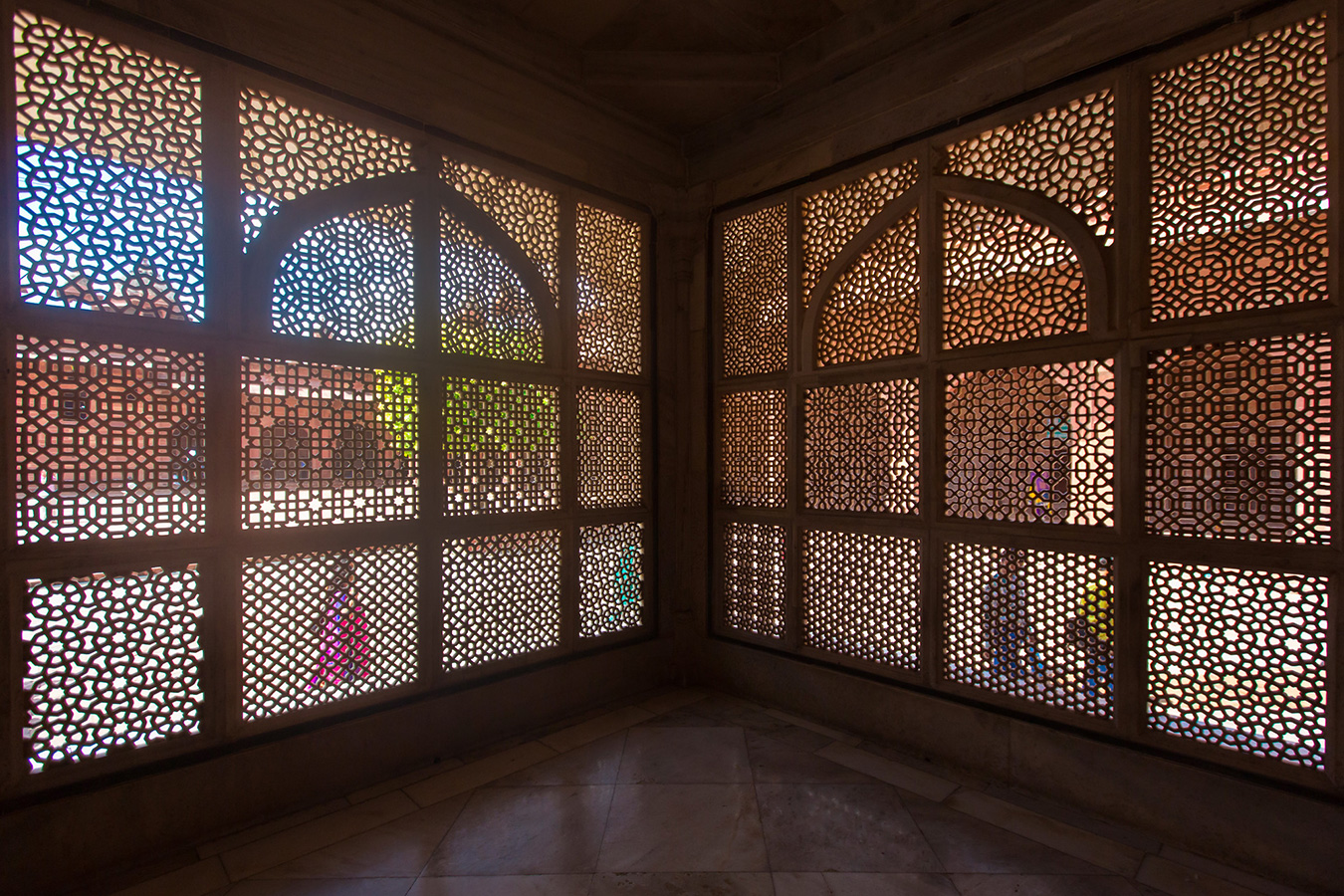
  2. Latticework (Jaali): Very characteristic of jharokhas is the jaali, the ornate net of stone, wood or alabaster that functions as the retractable roof or the window of the jharokha. These jaalis are very delicately made in geometrical shapes, flowers, gods and goddess or other Hindu icons and offer both privy and aerations.
  3. Domes and Arches: It is quite common to find many of them terminating in small domes or chhatris to make them look more magnificent. The openings are triangular with the arches scalloped or cusped and this is a borrowed feature from the Mughal architecture.
  4. Intricate Carvings: Designs on the exterior side of the jharokhas are also fine carvings that give out messages from mythology, nature or day-to-day scenarios. It also has carving work and one can clearly make out the work of art done by the Rajasthani artisans on the carvings.
  5. Materials Used: These projections are mainly designed from sandstone, marble or wooden material. This invariably depends on the area of work and the affluence of the sponsor or the one commissioning the work. For the buildings such as royal palaces and forts the two most favored monumental stones are exposed sandstone and marble while for havelis and small buildings the most commonly used material is wood.
  6. Positioning and Orientation: As to the positioning of the jharokhas in a building, this is a very important factor. They are usually positioned on the façade so that they can provide a sneak preview of the site; a view of the environment, an avenue through which cool breeze can blow and one that lets in light into the interior. It is traditionally placed in such a manner that it faces the main courtyard or the places where processions are taken through: this is because the rulers use the jharokhas to observe celebrations and functions.

Symbolism and Cultural Significance

Symbolism-and-Cultural-Significance-of-Jharokhas
Jharokhas of the Patwon-ki-Haveli, Jaisalmer – Dan/Flickr

The literal appreciation of the functionality of the Jharokhas is a shallow way of looking at the architecture, they are much more than that. Hence in Rajasthan jharokhas symbolize the power, prestige , and piety of the place constructed and used in consonance with the values and beliefs of the people of that age.

  1. Royalty and Power: In the royal palace jharokhas were treated as the public affirmation of the ruler’s despotic power. They were often designed to look out onto strategic parts of the palace or fort, such as the gate, or the main enclosure. From these positions, the ruler could get a good outlook of his people and be in a position to oversee his kingdom vigilantly.
  2. Purdah and Privacy: The purdah system which confined women especially the princess from the royal houses to their homes or havelis was traditionally followed by the Rajput families. The bad news was that, for security reasons, the royal women could not sit at the windows to watch the world go by. They tackled this problem by inventing Jharokhas. The details of jaali made it possible for the women to be and engage in social practices in public, they could keep their status of being women concealed from the outside world.
  3. Religious and Spiritual Significance: Most of the jharokhas have motifs which are religious, the images of Hindu gods and goddesses, floral designs like the lotus, the cross, and the swastika, images of the Ramayana and Mahabharata. These carvings not only served an aesthetic purpose for the jharokha but also conveyed the faiths of the adhīnar heads of the families.
  4. Social Status: The existence of a jharokha usually provided a sign of privilege and affluence in the owners of mansions or havelis . The more decorated and highly built the jharokha, the higher the caste of the family . As a rule, jharokhas were ordered to be built by wealthy merchants or nobles as that would be a manifestation of their wealth.
  5. Ventilation and Climate Control: However, a look at the nature of jharokhas in context with other buildings reveal that besides being icons, these were also functional in every sense. These structures were used to improve the airflow patterns inside structures with a view of creating natural ventilation in Rajasthan with its consistently hot weather. The latticework provided through openings for the gentle wafting of breezes while, at the same time, excluding the scorching sun that made it easier to maintain the correct temperature inside the structure.

Notable Examples of Jharokhas in Rajasthan

Notable-Examples-of-Jharokhas-in-Rajasthan
Hawa Mahal, Jaipur

Many of the historical structures in Rajasthan are famous for their exquisite jharokhas. These examples indicate multiplicity and aesthetical variety of jharokhas elements in architecture of Rajasthan.

  1. City Palace, Udaipur: Among Rajput palaces it is worthy to notice one kind of palace complex, the City palace in Udaipur is magnificent. There is quite a good number of jharokhas on the exterior of the palace, and this one is even more elaborate than the other one. The jharokhas here are carved with beautiful designs of scalloped arches and beautiful but frail jaali work. The terraces provide spectacular views of Lake Pichola and the area of the town.
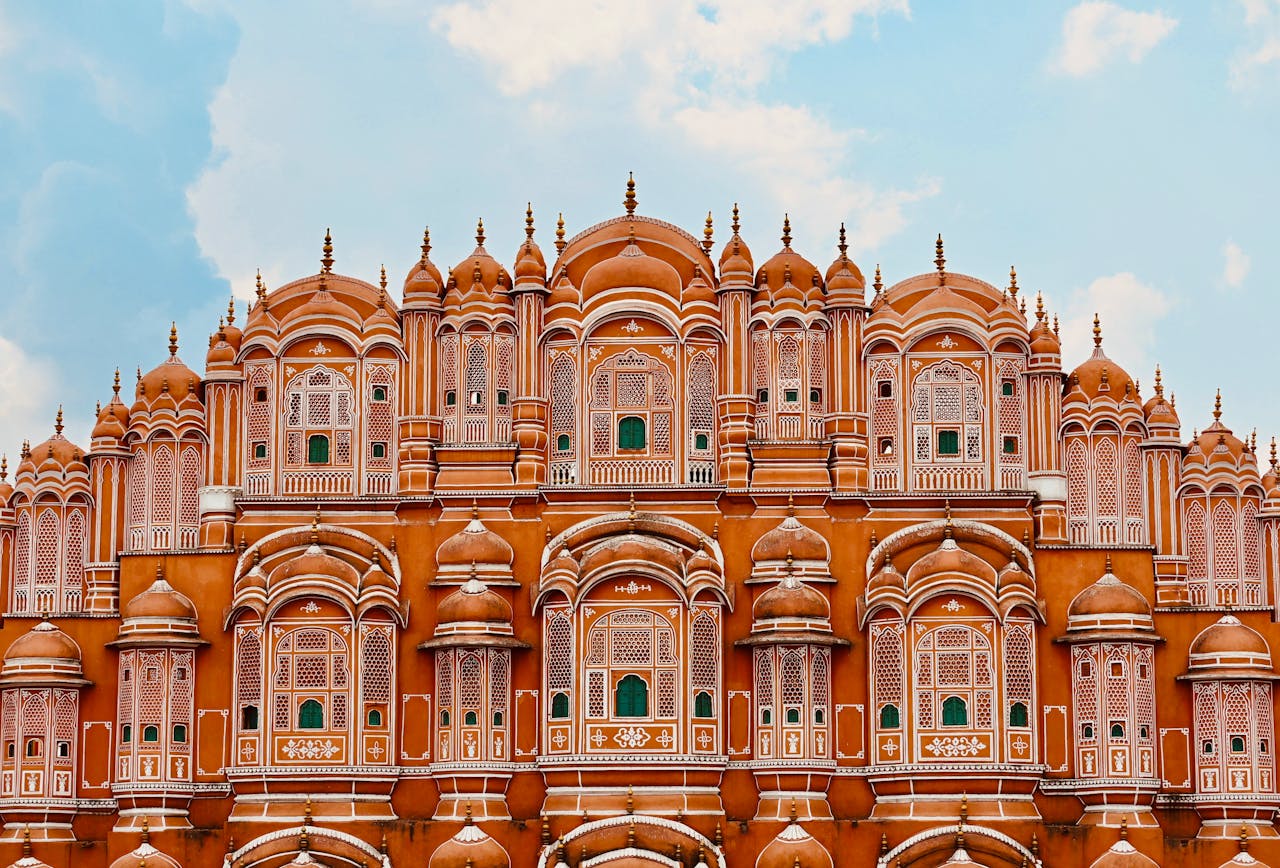
  2. Hawa Mahal, Jaipur: Among the most prominent examples of jharokhas In Rajasthan one should mention the Hawa Mahal also known as the Palace of Winds in Jaipur. This architectural construct is basically a five-storeyed building with 953 jharokhas or small openings, through which the royal women were able to watch the processions and other festivities on the streets without being observed in turn. The openings in the jharokhas are lattice work, which in effect provides the necessary ventilation for the palace during the hot summer months.
  3. Patwon Ki Haveli, Jaisalme: The whole city of Jaisalmer is brightly built with the golden touch of sandstone and one of the best specimens is the Patwon Ki Haveli. This haveli also has some wonderful examples of the jharokhas which illustrate the craftsmanship of the people at that time quite well. The jharokhas with its carvings depicting straight and geometric lines accompanied geometric or floral motifs and occasionally people and religious emblems give a glimpse of the culture of Rajasthan.
  4. Junagarh Fort, Bikaner: The Rajasthani construction of the Junagarh Fort in Bikaner also includes numerous jharokhas. The fort boasts of a number of beautiful jharokhas projecting out over the courtyard and gardens . They are of red sandstone and are adorned with carvings of gods and goddesses, animals and flowers.
  5. Chittorgarh Fort, Chittorgarh: Chittorgarh Fort, one of the largest forts in India, is the residence of many remarkable jharokhas. It is said that these jharokhas have an excellent view of the surrounding countryside and were positioned for use by the rulers of the fort for surveillance. Its jharokhas are also very attractive and are carved with several designs and motifs symbolically.

Craftsmanship and Techniques

Jharokhas-Craftsmanship-and-Techniques

The construction of the jharokha is a very demanding and labor-intensive process whose completion records a high level of workmanship. The carving of the designs that are features of jharokhas is done by traditional artisans known as ‘Suthars’ or ‘Salar’. It consists of several stages, each of which is aimed at selecting the appropriate material and the subsequent stages of work.

  1. Material Selection: The very first thing that needs to be done in order in creating a jharokha is to decide on the right sort of material. Two of the most popular are sandstone and marble and each is unique in terms of the ease or difficulty with which carving can take place. Sandstone is much comparatively easier to sculpt than marble since the latter is harder to work with.
  2. Designing and Planning: Before carving initiates, the actual aesthetics of the jharokha is conceptualized and thought out. This entails producing designs that depict the paths, shapes, and sizes and sometimes extents of the design work. The furniture design features a lot of Rajasthani influence, including the use of such symbols as the lotus flower, peacock and geometric shapes.
  3. Carving: The carving is perhaps one of the most delicate activities as it defines the most intricate part of creating a jharokha. A team of artists then employs chisels, hammers and such like to make the designs on the surface of the intended timber or another type of stone. The process is quite lengthy and one has to be very particular as when crafting the fine jaali work done on the windows.
  4. Assembly and Installation: Jharokhas are manufactured by carving wooden beams and after constructing the individual elements they are incorporated on edifice. This is done through final adjustment of brackets to corbels and panels so as to achieve the best view but at the same time have the best stability.
  5. Finishing Touches: The final step is polishing the stone or applying paint to bring out the carving out on the carvings part of a sculpture. At times, the jharokha is further embellished and given a golden appearance or the filigree work may be done with studded gem stones.

Influence and Legacy

Jali-Architecture-info
Fatehpur Sikri, Agra, India – Feng Zhong

The influence of jharokhas is not restricted to Rajasthan only as they are incorporated in other structures located in other regions of India and also in foreign nations. The projecting balcony or window can be used in one form or the other in the Mughals, Marathas, and even the British colonial architectures. There are other architectural features of the Rajasthani havelis also which also left the mark on the contemporary architectural and designing style of India including the jharokhas These are the projections or the balconies which are profusely carved and designed with latticework and the designs have inspired the modern interior designing and architecture in India.

In furtherance to this tradition of jharokhas, it is perhaps only in Rajasthan that this tradition of the jharokhas can still be seen in restoration of existing buildings and constructions that are likely to be carried out in the near future. In the present context many of the modern homes and hotels in the state proudly feature windows and balconies in jharokha style and design. This continuity helps in keeping the art and craft of jharokha alive and kicking even when the architectural trends change some time in the future.

Conclusion

Jharokha is not only true from the aesthetic point of view but also they are the pride of Rajasthan as well as symbolizes the historical and cultural eras of the place. These loft protruding balconies, the carvings and the artsy work are a part of Rajasthani architecture that remains still from centuries. Every structure truly depicts and represents the tradition of the people who constructed it as well as who used it, giving a face to the region’s history.

Suggested Story: The Rajput Architecture – Majestic, Exquisite and Cultural Mingling of Various Times

Starting from the palaces of Udaipur and Jaipur, and moving to the havelis of Jaisalmer and Bikaner, jharokhas serve as the proof of the exceptional work and imagination of the masters of Rajasthani art. Their works are still considered by architects and designers in India and in the rest of the world. By witnessing such gorgeous architecture, one is forced to recall the adage of timeless techniques and the ever so popular Rajasthani style of architecture.

15 Best Quotes for Diwali Wishes to Share with Your Loved Ones

0

Quotes-for-Diwali-Wishes

Diwali is a festival that commemorates the triumph of light over darkness. It is regarded as one of India’s greatest and most spectacular festivities. It is a festival dedicated to happiness, triumph, and harmony. Deepavali, alsp known as Diwali, is a Hindu festival that takes place in October or November. The phrase ‘Deepavali’ is a Hindi word that refers to a variety of lights (‘Deep’ refers to earthen lights, and ‘Avail’ refers to a line or an exhibit).

The festival of Diwali is celebrated in honour of Lord Ramchandra. According to Hindu legend, Lord Rama returned to Ayodhya on this day after 14 years of exile. During this time as an outcast, he faced evil spirits and the devil lord Ravana. When Rama arrived in Ayodhya, the people lit diyas to greet him and congratulate him on his victory. Since then, Diwali has been observed to commemorate the victory of good over evil. During the time of Diwali, people also worship goddess Lakshmi and Lord Ganesh. Master Ganesh is adored for his wisdom and keenness and is known as the Destroyer of Obstacles. Goddess Lakshmi is also worshiDuring the time opped for wealth and success during Diwali.

Diwali-wishes-with-images

The preparations for the event begin several days ahead of time. It all starts with a thorough cleaning of homes and businesses. Many people also get rid of all of their old family belongings and finish all of the renovations before the celebration starts.

On Diwali night, it is a long-held belief that Goddess Lakshmi visits people’s houses to bestow blessings. As a result, everyone cleans and decorates their homes with pixie lights, blooms, rangoli, candles and diyas, with other decorations in preparation for the festival.

Here are some wonderful quotes for Diwali wishes to share with your loved ones this Diwali.

Quotes for Diwali Wishes 1

May Diwali’s divine light shine brightly in your life, bringing you peace, wealth, happiness, good health, and great success. 

Quotes for Diwali Wishes 7

Just like the colours of the rangoli, may this Diwali bring new smiles, undiscovered paths, new perspectives, and boundless delight. Have a fantastic Diwali!

Quotes for Diwali Wishes 8

This Diwali and throughout the year, may knowledge triumph against ignorance. 

Quotes for Diwali Wishes 14

Allow the candles’ and the earthen lamp’s flames to cleanse your heart, mind, and soul. As a result, your relationship with the Almighty will be strengthened. Wishing you a joyous Diwali celebration. 

Quotes for Diwali Wishes 12

Let each diya you light illuminate your soul and bring a smile to your face. 

Quotes for Diwali Wishes 6

A celebration full of wonderful childhood memories, fireworks in the sky, sweets in the mouth, diyas in the house, and joy in the heart. Wishing you a wonderful Diwali.

Quotes for Diwali Wishes 2

May the light from the wick of the candle during Diwali warm the world, removing the coldness brought on by wars, disagreements, and calamities.

Quotes for Diwali Wishes 13

This Diwali, let us revel in the glory of goddess Lakshmi  and vow to stop all wrongdoings. Wishing everyone a happy Diwali!

Quotes for Diwali Wishes 11

Nothing compares to spending a Diwali night with all of your favourite people. Here’s to a wonderful celebration!

Quotes for Diwali Wishes 3

Diwali is a festival of light, hope, and knowledge. In a big bonfire of crackers, burn your ignorance and ignite the lamp of hope in your heart, which will guide you successfully through your life – personal, professional, and social.

Quotes for Diwali Wishes 4

Diwali’s glow can rekindle your spirits. May this celebration fill your heart with new hope, confidence, and courage, preparing you for a prosperous future.

Quotes for Diwali Wishes 5

Diwali’s special feature is the ability to envision a bright future ahead of us. May this Diwali instil optimism in all of us, allowing us to see the bright side of life, ignoring the dark.

Quotes for Diwali Wishes 9

May this Diwali be full of new beginnings, delicious ladoos, dazzling Diyas, incredible opportunities, and new paths. Wishing you a joyous, frolic, and never-ending Diwali celebration!

Quotes for Diwali Wishes 10

May the vibrant colours of rangoli bring you joy, may the delicious sweets bring you sweetness, and may Goddess Lakshmi grant you all your wishes this Diwali.

Quotes for Diwali Wishes 15

May the pages of your life be coloured with peace, joy, and happiness with this divine festival of lights.

Hope you loved the quotes for Diwali wishes and shared a few postcards with your loved ones. Happy Diwali to you all, have a wonderful time with your family.

Celebrating India’s Unity in Diversity: National Unity Day

0

National-Unity-Day-of-India

Introduction

In 1947, after the Independence, many had the perspective that India will go to ruins and will disintegrate due to its diversification in culture and ethnicity. But what everyone did not know was, this diversity would become the strength of India. Today, India is known for being a state with culture and heritage differing in every region and is praised for having such a strong unity despite these contrasts. On 31st of October, we celebrate this beautiful tapestry of differences, named as National Unity Day

But one might wonder, why the 31st of October? In 2014, The government of India declared 31st of October as National Unity Day to commemorate the birth anniversary of Sardar Vallabhbhai Patel. Let’s dive further into the topic to know how unity of India is linked with the Iron Man of India.

Sardar Vallabhbhai Patel’s Contribution in Indian Unity

Sardar-Vallabhbhai-Patel’s-Contribution-in-Indian-Unity

The veteran freedom fighter Sardar Vallabhbhai Patel contributed heavily with his participation in non-cooperation, Satyagraha, and Quit India movement where he also inspired a lot of Indias to participate in the movements and helped India achieve independence. But he also played an indispensable role in shaping the newly independent nation into a united and cohesive entity. After India gained independence in 1947, the country faced the daunting challenge of integrating over 560 princely states, each with varying degrees of autonomy and allegiance. Without a unified approach, these states could have fragmented the nation, leading to disunity, chaos, or even civil war. He believed that the integration of states had to be voluntary to ensure long-term stability.

As the first Deputy Prime Minister and Minister of Home Affairs, he worked tirelessly to bring these states into the fold of the Indian Union. He employed a combination of diplomacy, persuasion, and, where necessary, political pressure to achieve this goal. His ability to negotiate with the princely rulers while appealing to their sense of patriotism was key to the success of this monumental task. Many rulers, including those of large states like Hyderabad, Junagadh, and Jodhpur, were initially hesitant or outright resistant to joining the Indian Union. With his diplomatic acumen, successfully convinced most rulers to accede to India by explaining the benefits of being part of a unified nation. He also offered them personal guarantees, safeguarding their titles and privileges through the Privy Purse.

Even in challenging states like Hyderabad and Junagadh, Sardar Patel was able to annex Hyderabad with operation Polo and Junagadh acceded due to his decisive leadership and strategic moves. 

Sardar Vallabhbhai Patel’s Life

Sardar-Vallabhbhai-Patel-Life

Born on 31st of October 1875 in Nadiad, Kheda district, Sardar Vallabhbhai Patel became one of the key leaders of India’s independence movement with his influential leadership in the Bardoli Satyagraha and his efforts in post-independent India. He studied law in England and became a barrister before joining the freedom movement in India. He was one of the senior leaders of the Indian National Congress. He also played a key role in the Quit India Movement and Civil Disobedience Movement. The title ‘Sardar’ meaning chief in Hindi, was given to him by Mahatma Gandhi for his exceptional organisational skills during the Bardoli Satyagraha. He was the first Deputy Prime Minister and Minister of Home Affairs of India. 

To revere him and his contribution to India, he was awarded with the Bharat Ratna posthumously in 1991. And in 2018 on 31st October, the Statue of Unity was inaugurated. It stands still as the tallest statue in the world, at 182 metres. Located in Kevadia, Gujarat, it has become a symbol of national pride and unity paying tribute to Sardar Vallabhbhai Patel. 

National Unity Day Celebrations

National Unity Day Celebrations

National Unity Day Celebrations are held across India to commemorate the birth anniversary of Sardar Vallabhbhai Patel and to honor his contributions to national integration. The day is marked by a wide range of events, both at the governmental and public levels. The central highlight is the “Run for Unity”, a nationwide marathon organized in cities and towns across India, symbolizing the collective effort toward fostering unity among citizens. Government offices, educational institutions, and various organizations participate in the run, encouraging people from all walks of life to join and reflect on the importance of unity. Additionally, government buildings are illuminated, and tributes are paid to Sardar Patel through speeches, documentaries, and exhibitions detailing his life and work.

Many states also organize ceremonial parades, oath-taking ceremonies, and events promoting national integration. Political leaders, including the Prime Minister, address the nation, emphasizing the importance of maintaining unity and harmony in the face of challenges such as regionalism, communalism, and external threats. National Unity Day serves as a reminder of the values of “unity in diversity”, with the goal of reinforcing the idea that the strength of India lies in its ability to stand united despite its cultural and linguistic diversity. The celebrations not only honor Sardar Patel’s legacy but also inspire future generations to contribute to the continued progress and unity of the nation.

Importance of Unity Day

Importance of Unity Day

In a country as vast and diverse as India, unity is crucial for its stability, progress, and growth. National Unity Day serves as an opportunity to reflect on the relevance of national unity in contemporary times when the country faces issues like communalism, regionalism, and separatist movements. By remembering Patel’s legacy, citizens are reminded that the very foundation of the nation’s sovereignty is based on inclusiveness and collective strength. 

The day encourages individuals to rise above divisions and work towards social harmony and political integrity, ensuring that national interests take precedence over personal or regional aspirations. And with increasing Communalism, and division on the basis of regions, this concept and celebration becomes even more crucial. It aims to foster a sense of patriotism and encourages citizens to contribute to the nation’s unity in a constructive manner. In schools and colleges, the day becomes a platform to educate the younger generation about the importance of staying united, respecting diversity, and embracing the values of tolerance and cooperation.

Quotes from Sardar Patel

Quotes-from-Sardar-Patel

Remembering the man without whose contribution, India would not stand as one on national and international platforms as it does today. Sardar Patel always believed in harmony among the diversities and visioned it as a collective goal. He has strong belief in unity, equality, and the spirit of nation-building, laying the foundation for a united and prosperous India which are reflected in his quotes. 

  1. Manpower without unity is not a strength unless it is harmonized and united properly, then it becomes a spiritual power.”
  2. “There is something unique in this soil, which despite many obstacles has always remained the abode of great souls.”
  3. “Every Indian should now forget that he is a Rajput, a Sikh, or a Jat. He must remember that he is an Indian.”
  4. “Take to the path of dharma – the path of truth and justice. Don’t misuse your nation’s freedom.”
  5. “The first duty of a citizen is to maintain the unity of the nation.”
  6. “We have to shed mutual bickering, shed the difference of being high or low, develop the sense of equality, and banish untouchability. We have to live like the children of the same father.”
  7. “It is in my nature to be a friend of the friendless and an enemy of oppressors.”
  8. “Faith is of no avail in the absence of strength. Faith and strength, both are essential to accomplish any great work.”
  9. “Our object should be peace within, and peace without. We want to live in peace with our neighbors and with the world. But it is not possible unless our own homes are in order.”
  10. “Work is undoubtedly worship, but laughter is life. Anyone who takes life too seriously must prepare for a miserable existence.”

FAQs About National Unity Day

Why is National Unity Day celebrated?

National Unity Day, celebrated on 31st of October to commemorate the birth anniversary of Sardar Vallabhbhai Patel. 

Who introduced the National Unity Day first?

The National Unity Day was first introduced by the government of India in 2014.

What is the name of Unity Day?

The other name for Unity Day is Rashtriya Ekta Diwas.

Why is Sardar Patel called Iron Man?

Sardar Patel is known as Iron Man of India for his undying and unfaltering commitment to national integration in the newly independent India. 

What is Sardar Patel famous for?

Sardar Patel is revered in Indian history for not only his fight for freedom but his successful persuasion of almost 565 self-governing princely states integration in the independent India. 

Few Lines on National Unity Day

  1. National Unity Day, observed on October 31st, honours Sardar Vallabhbhai Patel’s efforts in uniting India post-independence.
  2. Also known as the “Iron Man of India,” he played a pivotal role in integrating over 500 princely states into the Indian Union.
  3. The day celebrates India’s unity in diversity, emphasizing the importance of cohesion amidst cultural and linguistic differences.
  4. Events like the Run for Unity and public programs inspire patriotism and promote national integration.
  5. National Unity Day highlights the ongoing need for harmony in India’s social, political, and economic spheres.
  6. The celebrations reflect the spirit of togetherness, urging citizens to overcome communalism and regionalism.
  7. By fostering national pride, the day encourages all Indians to uphold values of unity for the nation’s progress.

Conclusion

Ultimately, National Unity Day is not just a tribute to Sardar Patel but also a call to action for every Indian to commit to preserving the territorial and cultural unity of the country, ensuring India’s progress and peace. It stands as a powerful reminder of the crucial role unity plays in the progress and stability of India. By commemorating Sardar Vallabhbhai Patel’s monumental efforts in integrating the nation, the day not only honors his legacy but also reinforces the timeless value of “unity in diversity” in modern India. It encourages citizens to reflect on their responsibility in fostering national integration, promoting social harmony, and overcoming divisions. As India continues to grow and face new challenges, the message of National Unity Day serves as a call to action for every citizen to uphold the principles of tolerance, inclusiveness, and collective strength, ensuring the nation’s continued success and peaceful coexistence.

Vestor Courtesy: Vecteezy.com

The Aromatic and Appetizing Traditional Food of Goa

0
Traditional-Food-of-Goa-01
Image – Wikimedia

Introduction

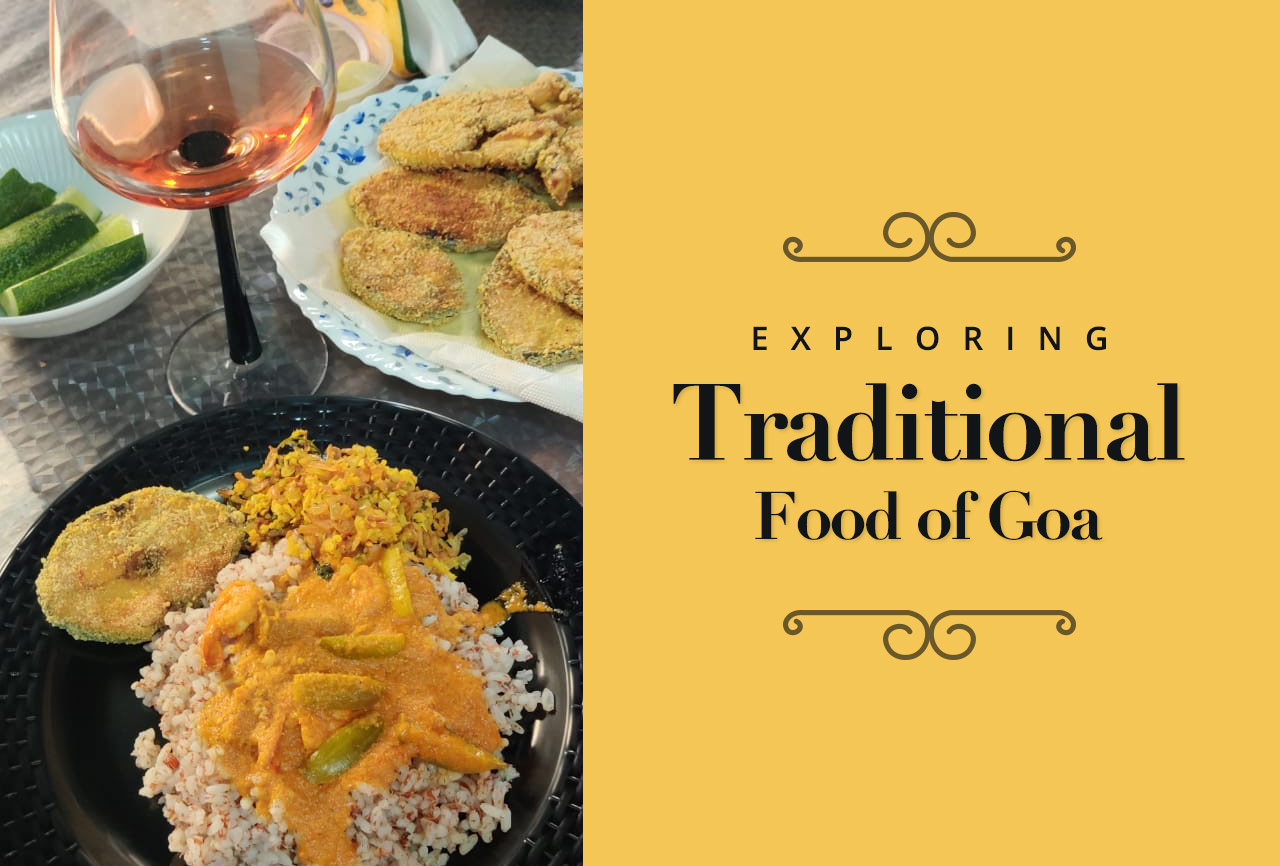
Goa is the beautiful state of India on the Southwestern coast of India within the Konkan region. As refreshing is the ambience of Goa, so is the cuisine of this state laid beside the Arabian Sea. The Goan cuisine finds its roots from Konkan, but influenced by the 451 years of Portuguese rule, and the Sultanate rule, the hints stay in their food culture. Rice, seafood, coconut, vegetables, meat, bread, pork and local spices are some of the main ingredients in Goan cuisine. Use of kokum and vinegar is another distinct feature. Though the cuisine is mostly sea-food based with their staple food being rice and fish, there are other varieties as well. So, let’s not wait further and dive deep into the Vibrant Goan cuisine. 

Suggested Story: Culture of Goa – Exploring the Traditions, Art, Music, Festivals of the Miami of India

1. Goan Fish Curry (Xitti Kodi)

Traditional Food of Goa Goan Fish Curry
Image – Wikimedia

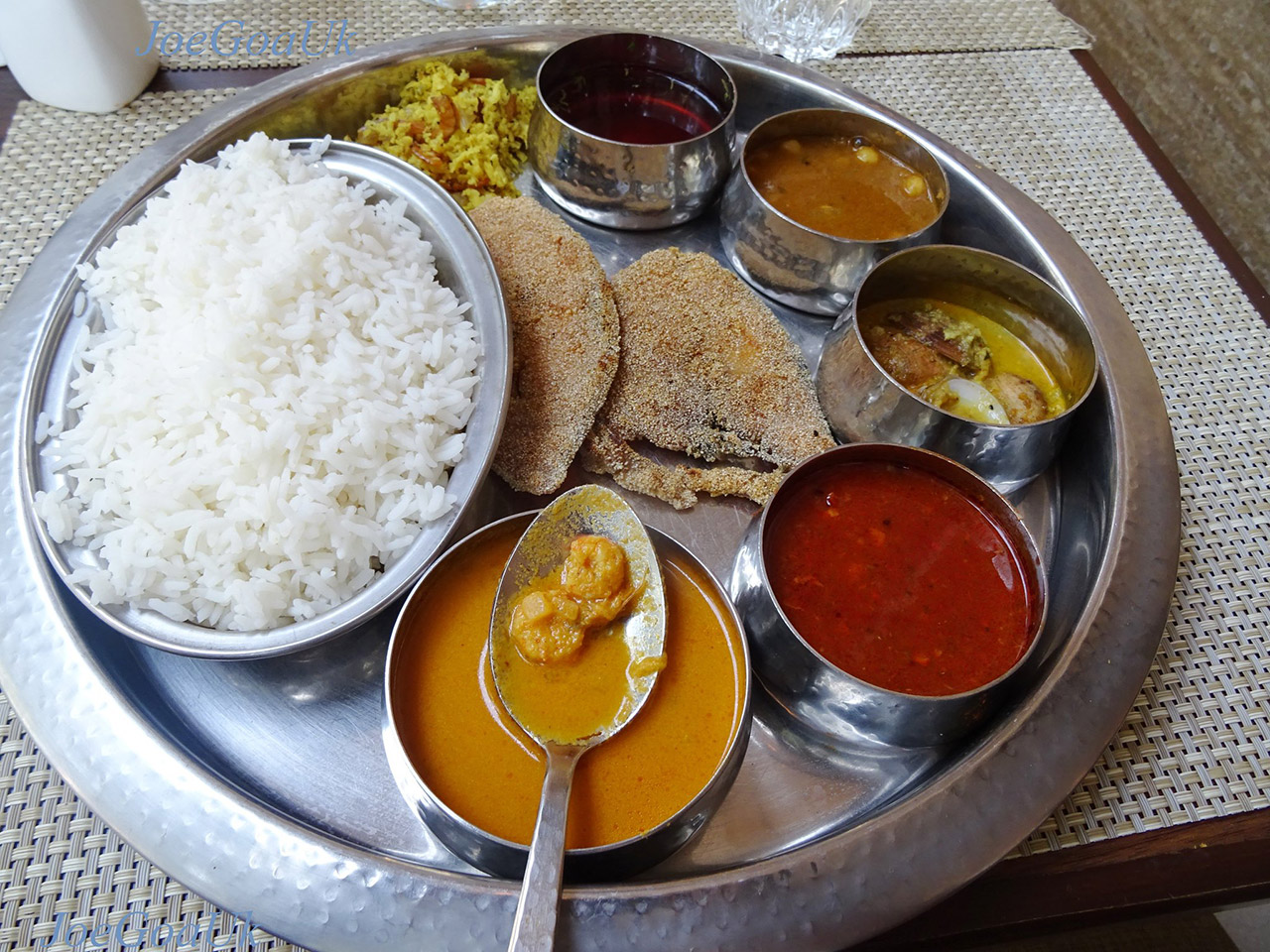
Goan Fish Curry is the heart of Goan cuisine. This dish features a flavorful coconut milk base combined with spices like coriander, turmeric, and red chilies, giving it a fiery red color. Tamarind or kokum is used to add a tangy flavor, which complements the freshness of the fish, often pomfret or kingfish. It is usually served with steamed rice, making it a complete and balanced meal.

2. Pork Vindaloo

Traditional-Food-of-Goa-Pork-Vindaloo
Image – su-lin/Flickr

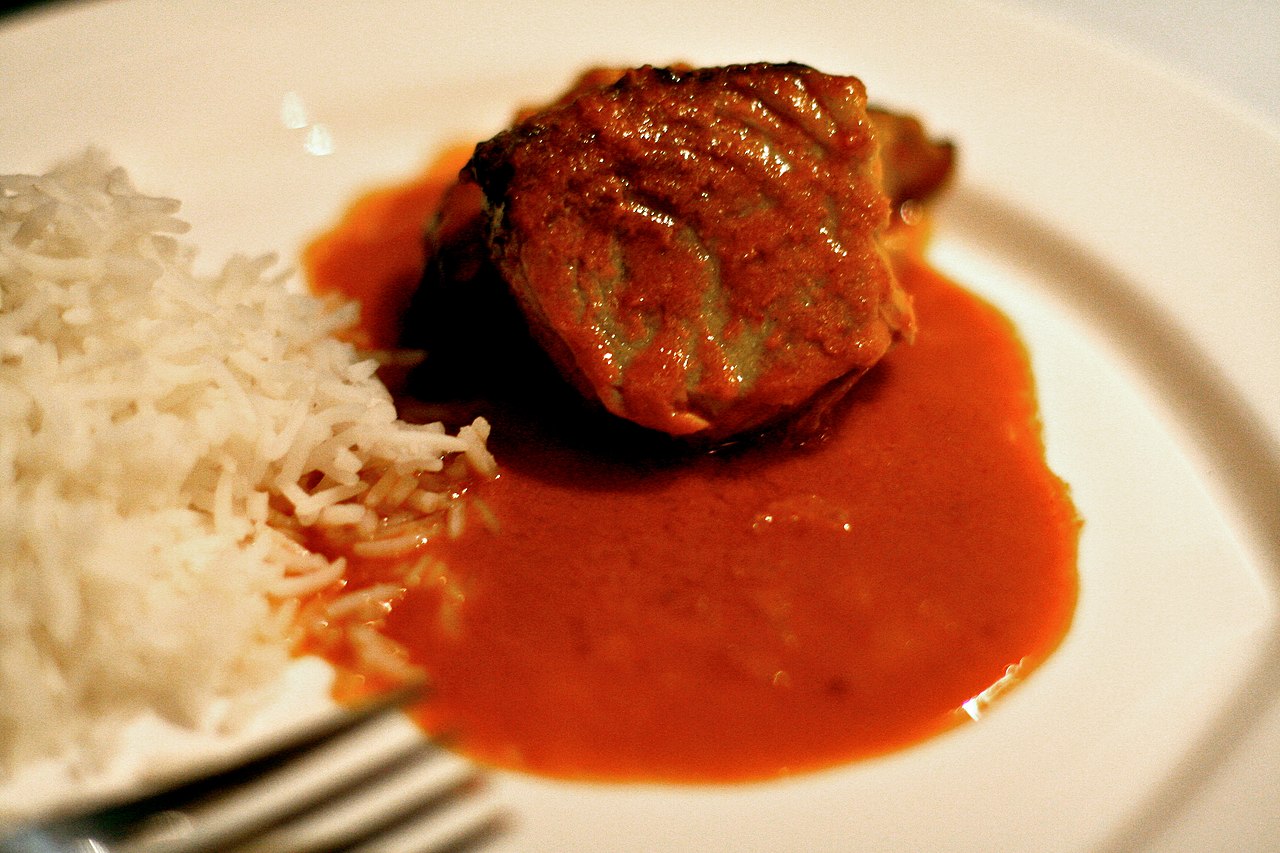
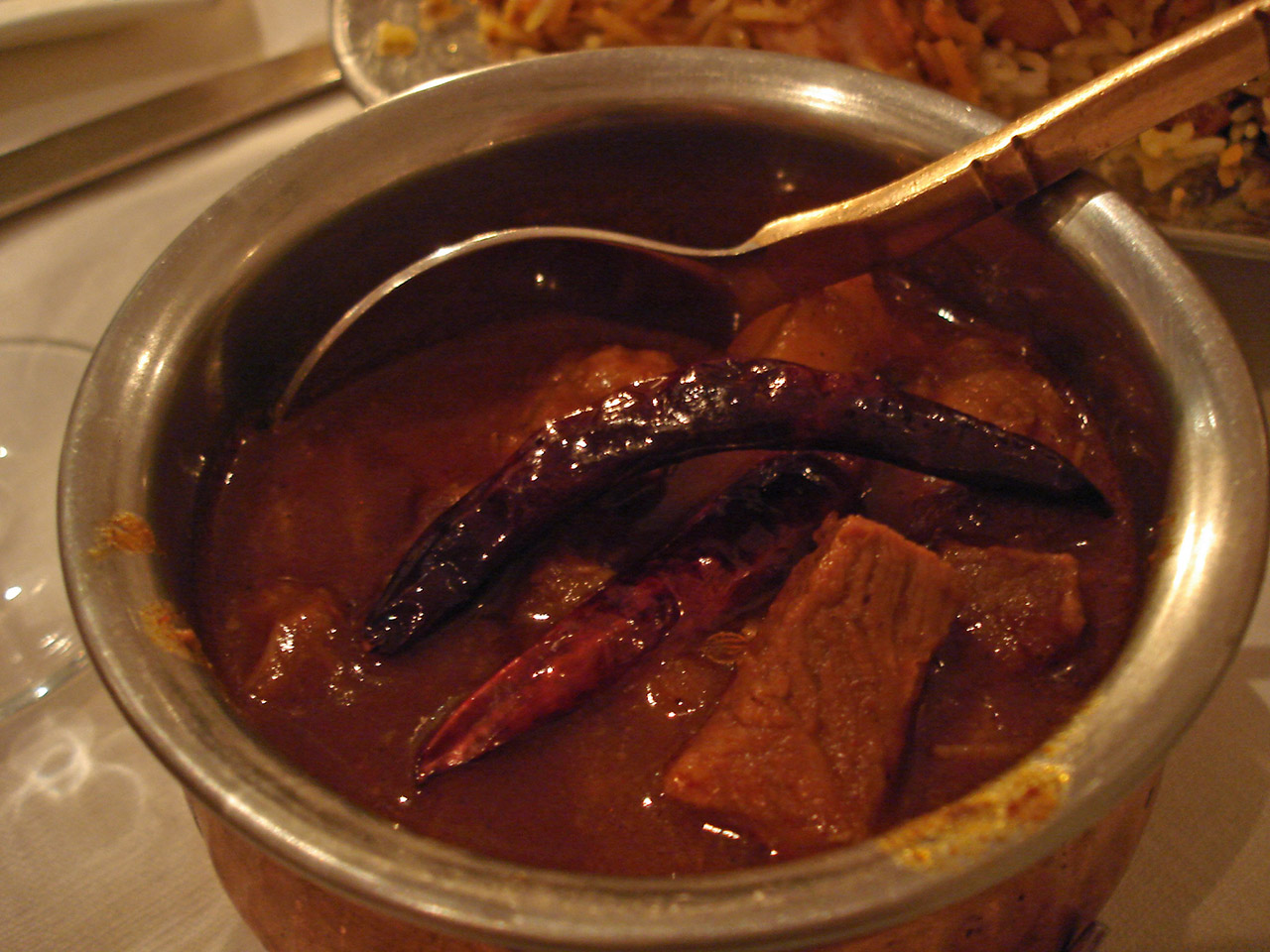
It is one of the most iconic dishes from Goa, influenced by the Portuguese dish “Carne de Vinha d’Alhos.” It is known for its fiery and tangy flavor, achieved by marinating pork in vinegar and garlic, then cooking it with a blend of spices such as red chilies, cinnamon, cloves, and cumin. The dish is spicy and slightly sweet due to the vinegar and sometimes a touch of sugar. It is often served with Goan rice or traditional Goan bread like poee or sannas (steamed rice cakes).

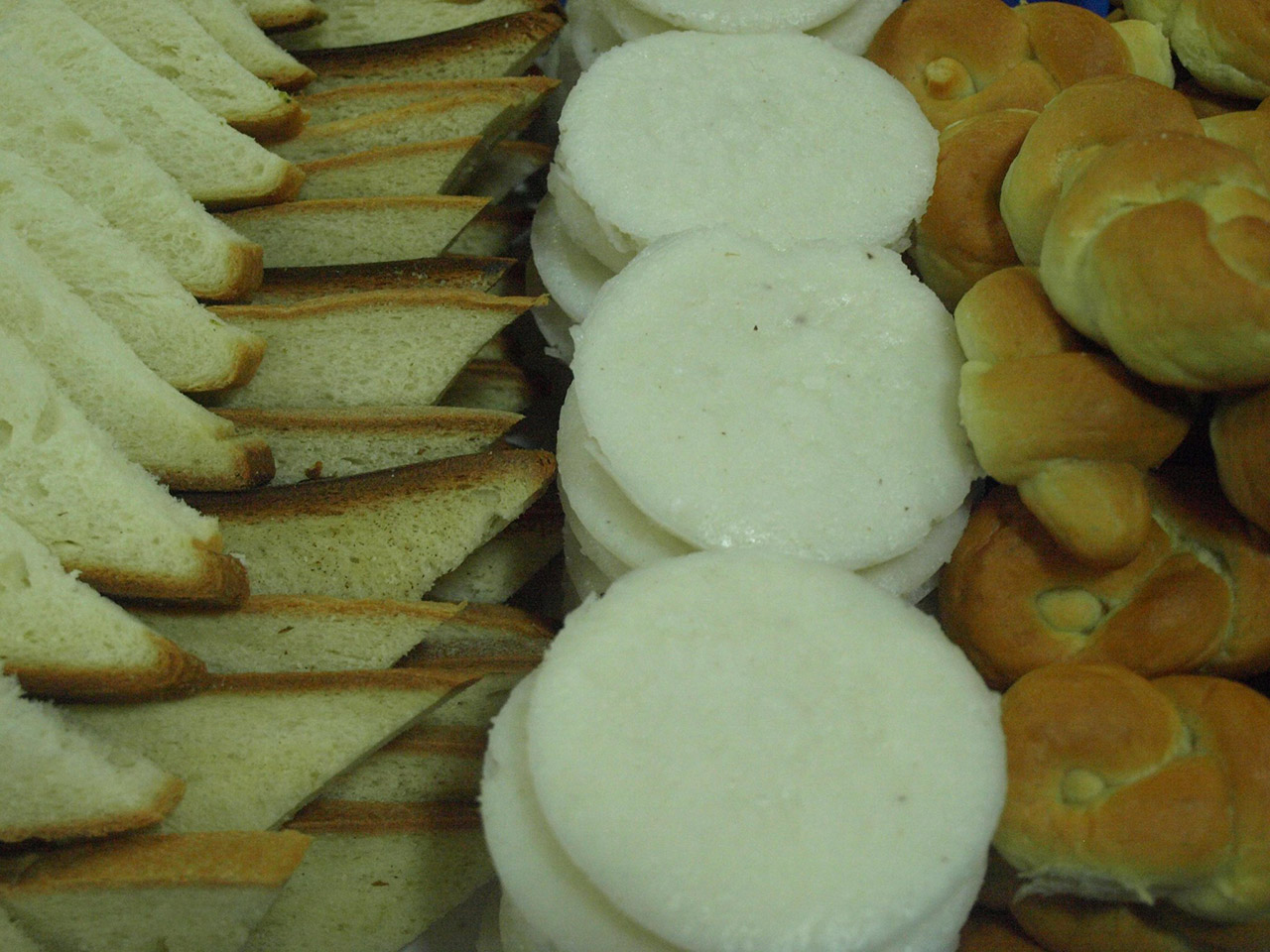
3. Sannas

Traditional-Food-of-Goa-Sannas
Goan bread and sannas – Frederick Noronha/Flickr

Sannas are soft, fluffy steamed rice cakes that are typically eaten with savory dishes like curries or as a snack. They are made from fermented rice and coconut, giving them a slightly sweet taste. Sannas are often served during Goan festivals and special occasions, particularly along with Pork Vindaloo or Sorpotel. It is paired with curries or used as a base for Goan desserts.

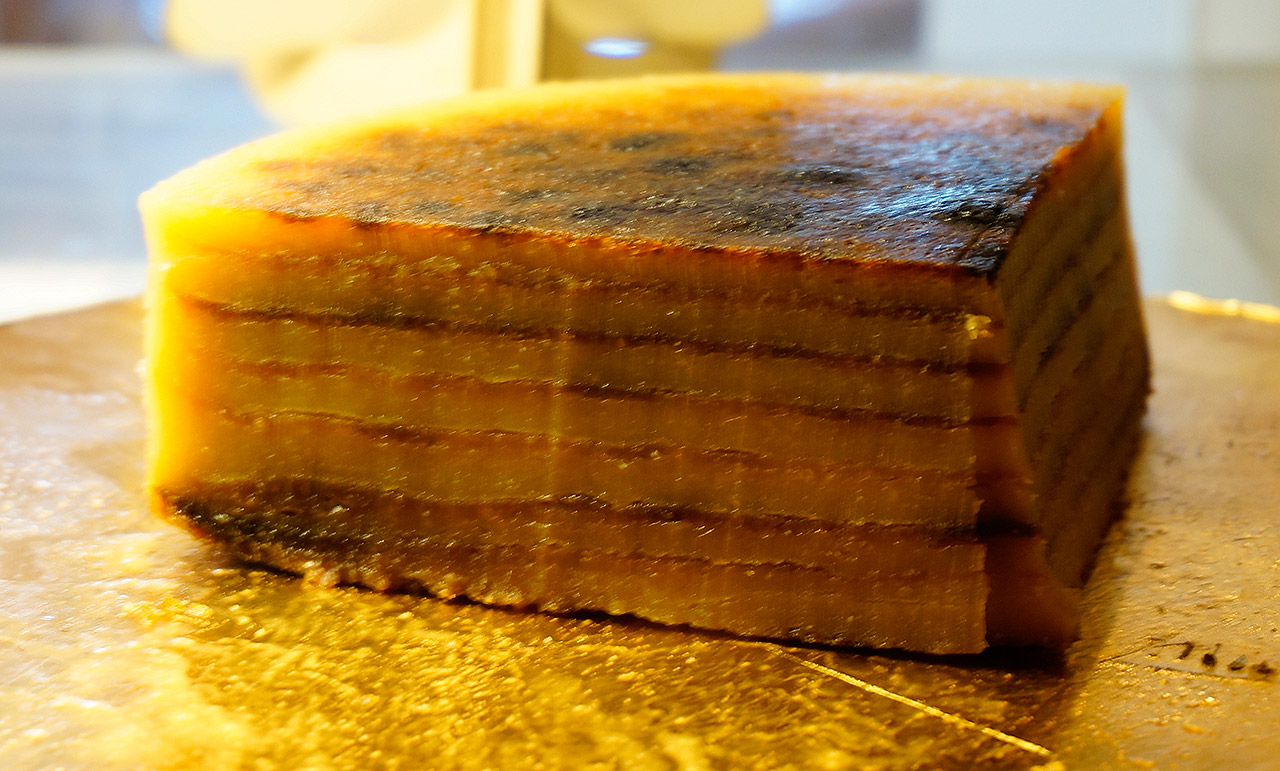
4. Goan Bebinca

Traditional-Food-of-Goa-Goan-Bebinca
Image – Frederick Noronha/Flickr

Bebinca is Goa’s most famous dessert, a layered pudding made from eggs, coconut milk, sugar, and flour. Each layer is individually baked, making it a labor-intensive but deliciously indulgent dish. It has a soft and rich texture, with the flavor of coconut and caramelized sugar blending together beautifully. It is often enjoyed as a dessert during festive occasions, especially Christmas.

5. Sorpotel

Traditional-Food-of-Goa-Sorpotel
Image – Goanfishcurryrice3/Flickr

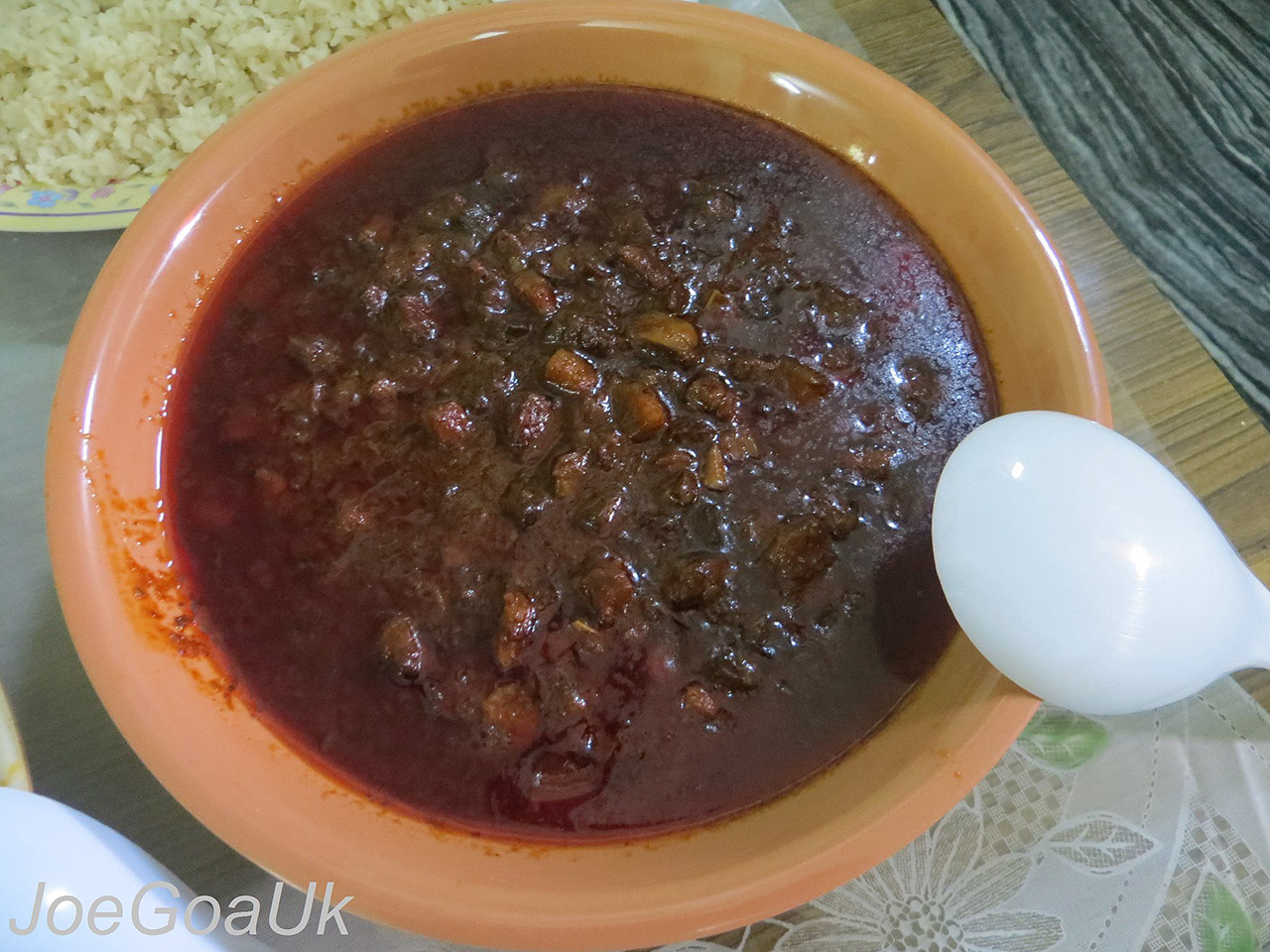
Sorpotel is another traditional Goan pork dish with strong Portuguese roots. It is made by cooking small chunks of pork and pork offal in a spicy, tangy sauce made from vinegar, garlic, and a variety of spices. The dish is typically left to mature for a few days, allowing the flavors to intensify. It is typically served with sannas or rice.

6. Prawn Balchão

Traditional-Food-of-Goa-Prawn-Balchao

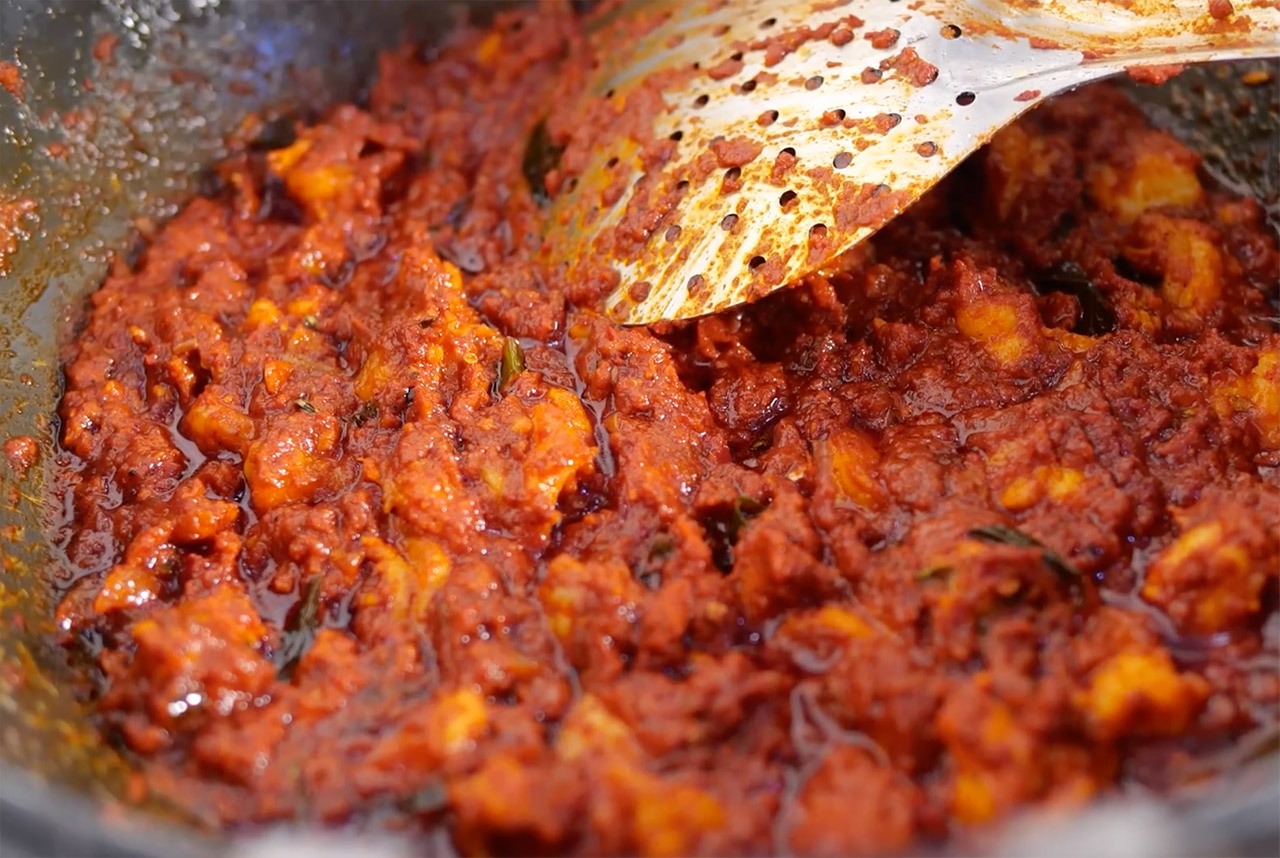
Prawn Balchão is a spicy Goan dish with Portuguese influences, often likened to a pickle due to its tangy and spicy flavor. The prawns are cooked in a rich tomato-based sauce with vinegar, red chilies, and spices. The dish is fiery and sour, making it a distinctive Goan specialty. It is served with rice or Goan bread.

7. Goan Prawn Curry

Traditional-Food-of-Goa-Prawn-Curry
Image –RovingI/Flickr

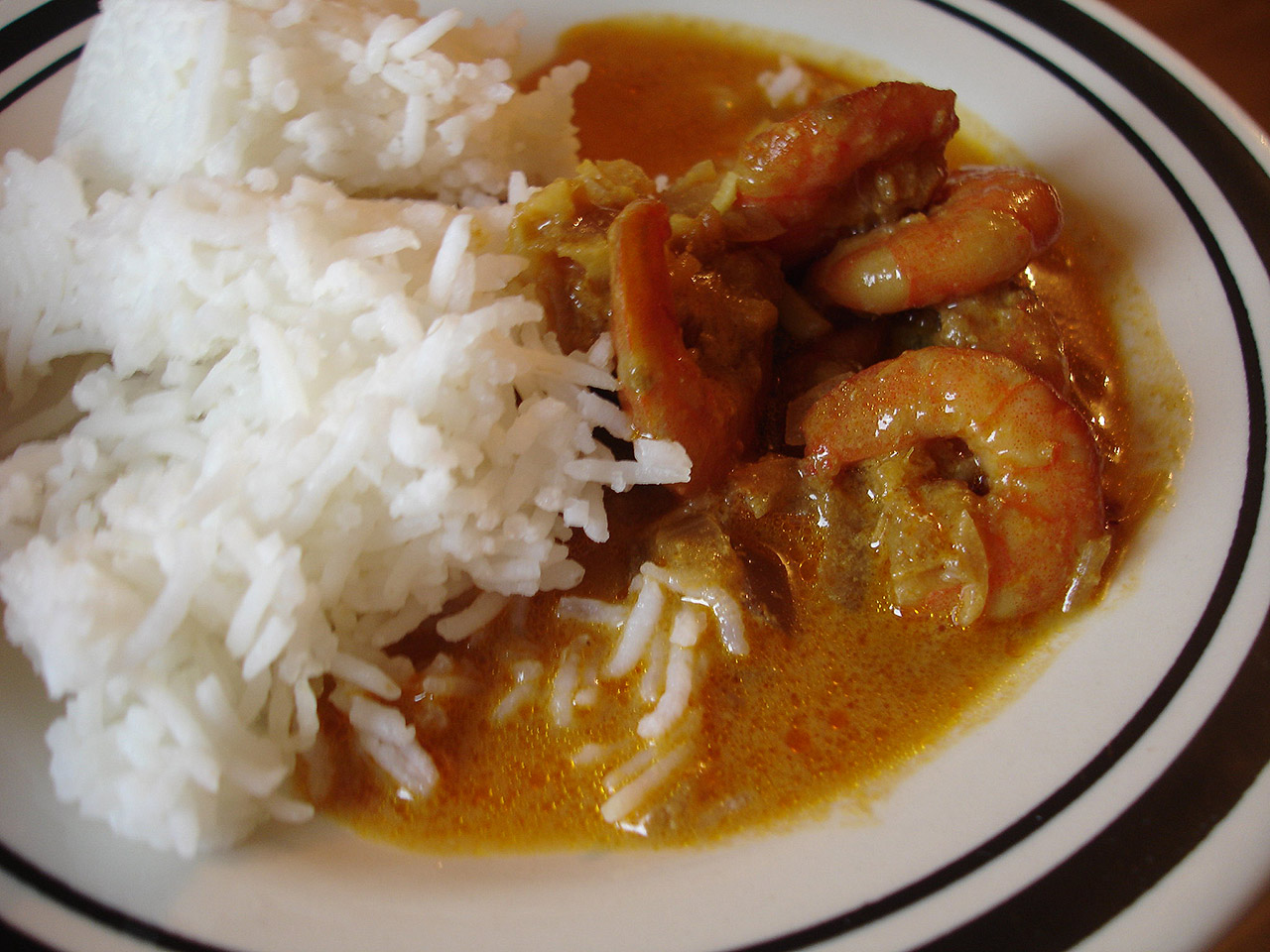
Goan Prawn Curry is a milder version of the classic fish curry, but it still packs a punch of flavor. Prawns are simmered in a coconut milk base along with tamarind, curry leaves, and a blend of Goan spices. The curry is creamy, tangy, and aromatic. It is best served with steamed rice or flatbread.

8. Feijoada

Traditional-Food-of-Goa-Feijoada

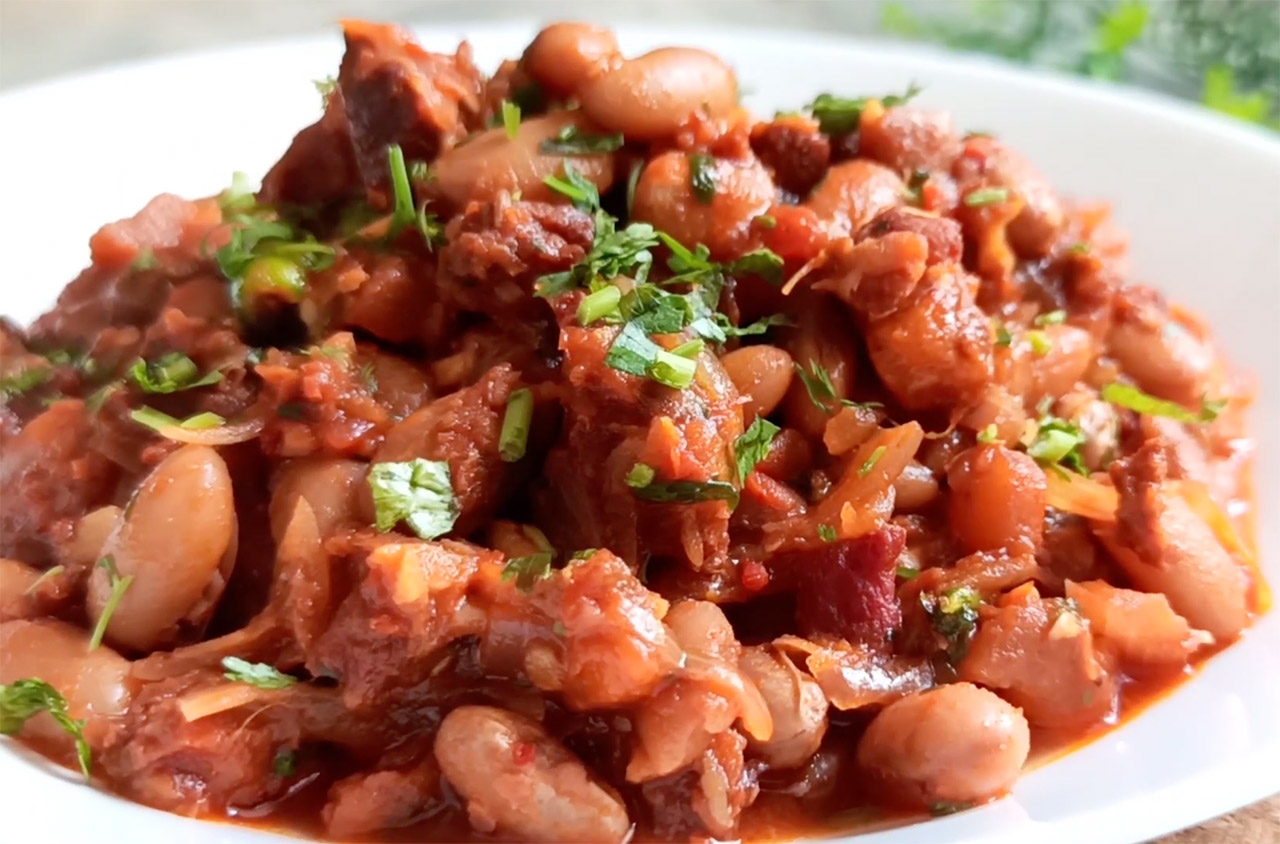
Feijoada is a bean stew that has its roots in Portuguese cuisine but has been adapted to Goan tastes. It’s made with black beans and pork, including sausages and bacon, and is slow-cooked with onions, garlic, and spices. The dish is hearty and flavorful, offering a perfect balance between the smokiness of the pork and the earthiness of the beans. It is served with rice, it makes for a wholesome meal.

9. Chicken Cafreal

Traditional-Food-of-Goa-Chicken-Cafreal
Image – Wikimedia

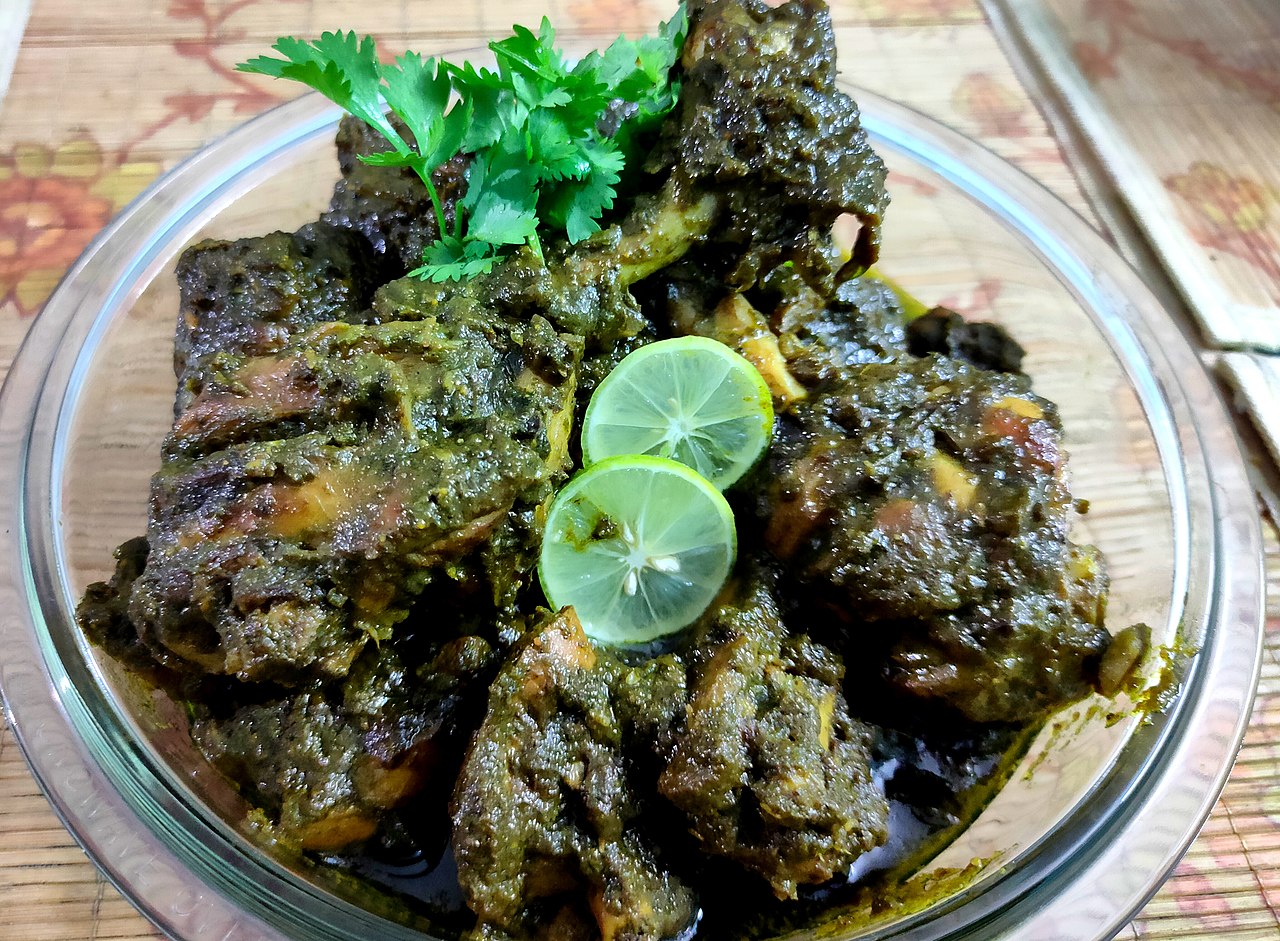
Chicken Cafreal is a Goan specialty that originated from Mozambique, introduced by the Portuguese. It involves marinating chicken in a blend of fresh cilantro, green chilies, ginger, garlic, and lime juice, then frying or grilling it. The result is a spicy, herbaceous dish with a smoky char. It is typically served with Goan bread or rice.

10. Xacuti

Traditional-Food-of-Goa-Xacuti
Image – Wikimedia

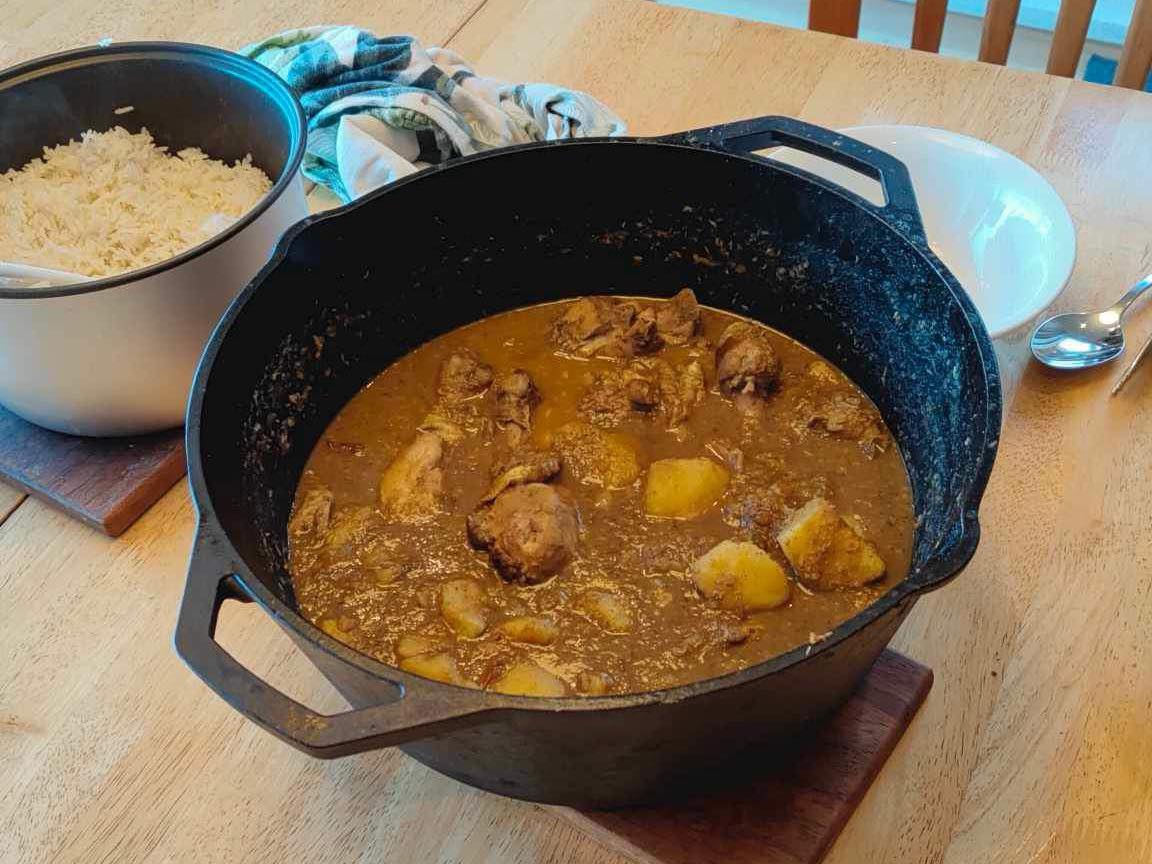
Chicken or mutton Xacuti is a dish known for its complex flavors, achieved by roasting and grinding a mixture of spices such as poppy seeds, coconut, and dried red chilies. The dish has a rich and creamy gravy, which is slightly spicy and aromatic. It is served with rice or Goan bread.

11. Foni (Foogath)

Traditional-Food-of-Goa-Foogath

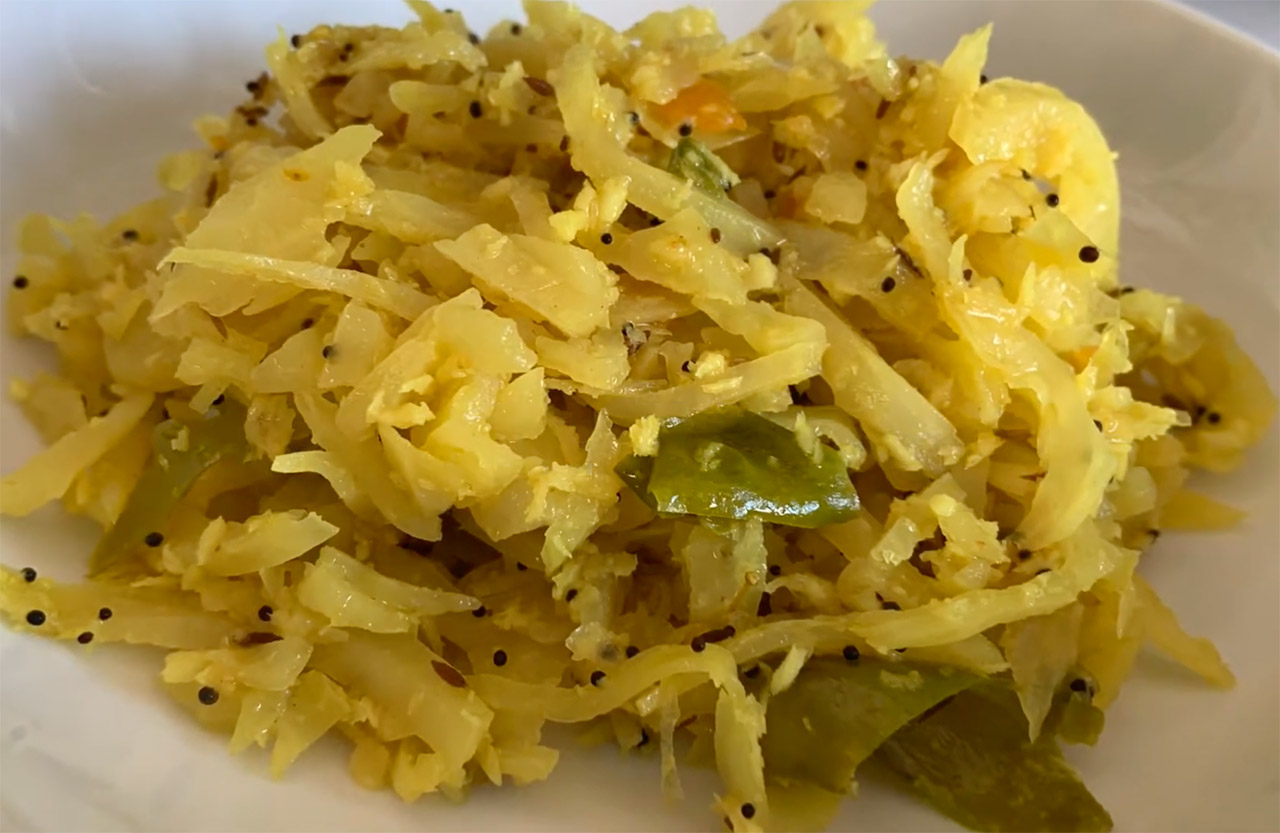
Foni, also known as Foogath, is a simple yet flavorful Goan vegetarian dish made with cabbage, coconut, and mustard seeds. It is sautéed with onions and green chilies, making it a light and healthy side dish often served with rice and curry. It is often eaten as a side dish with rice and curry.

12. Alsanyache Tonak

Traditional-Food-of-Goa-Alsanyache-Tonak

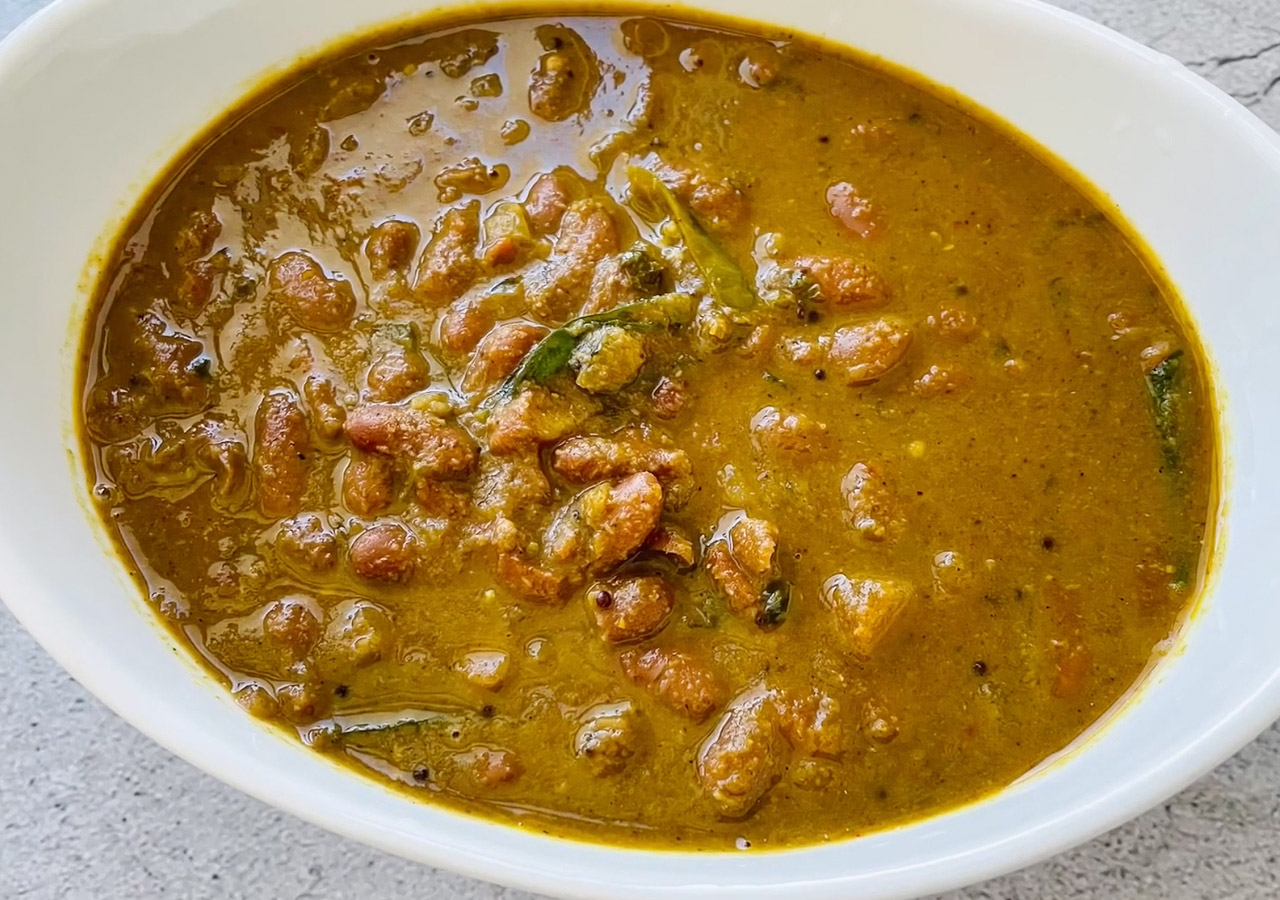
It is black eyed beans cooked in Tonak Masala recipe, is a Goan dish made from a legume and potatoes. The gravy of the dish is made from red cow peas. The Tonak masala spice mix in this dish is a unique blend of whole spices such as coriander seeds, cinnamon, red chillies, peppercorns, star anise, cloves, cumin and cinnamon. 

Hindu Goan Cuisine

Hindu-Goan-Cuisine
Image – Goanfishcurryrice3/Flickr

Originating from Saraswat cuisine, a cuisine originated in the Saraswat Brahmin community of Coastal regions of Karnataka, Goa and Maharashtra, this cuisine is mild with a use of tamarind and kokum for souring and jaggery for sweetening. It also uses spices like, asafoetida, fenugreek, curry leaves, mustard and urad dal. Cooked in coconut oil, it includes vegetables such as, lentils, pumpkins, gourds, bamboo shoots and roots. Though the list is long, some of the  famous dishes of Goan Hindu cuisine are;

  1. Kalputi, a dish normally prepared from the head of a large fish, with onions and coconut. 
  2. Fish Suke or Dhabdhabit, dry spicy preparation of fish, served as a side dish.
  3. Kismur, a type of side dish normally consisting of dried fish (mostly mackerel or shrimp), onions, and coconut
  4. Varan, A lentil preparation often made with coconut milk tempered with mustard, curry leaves, and chilies, served as an accompaniment to rice for the Naivedya, prepared during all Hindu festivals, and an integral part of wedding feasts

Key Ingredients of Goan Food

Key Ingredients of Goan Food
Image – dustysfoodieadventures.com

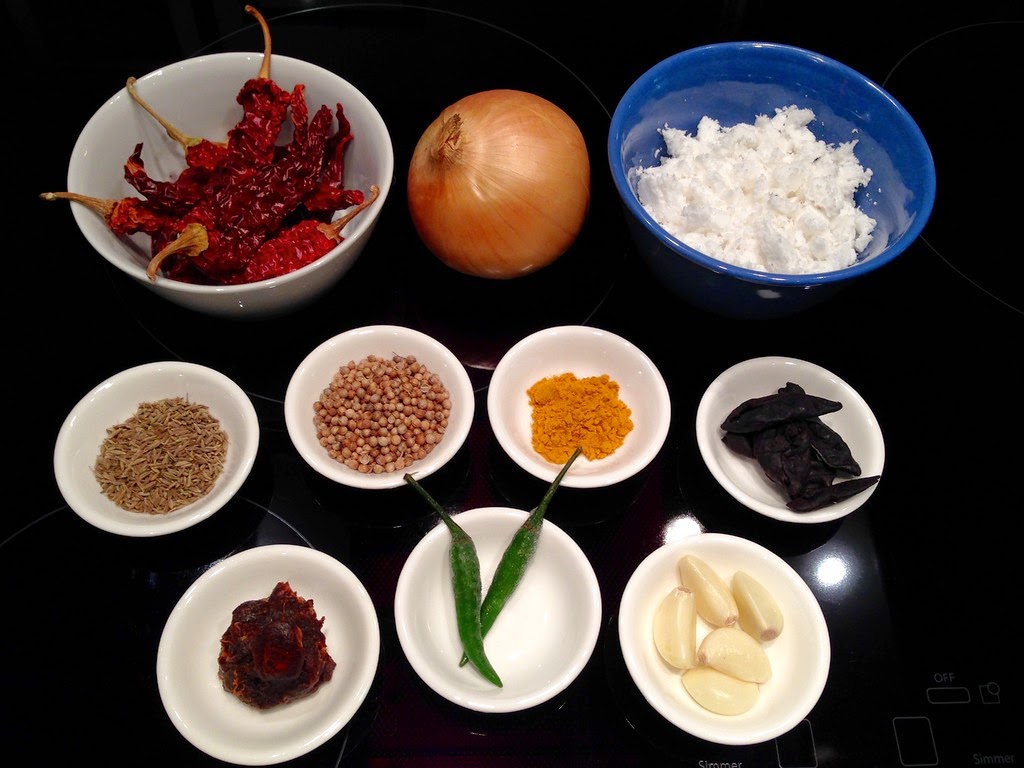
Fresh coconut, coconut milk, and coconut oil are staples in Goan cooking, giving the dishes their creamy and rich texture. Spices such as red chilies, turmeric, coriander, cumin, cloves, and cinnamon are heavily used in Goan cuisine to create its signature spicy and aromatic flavors. Fish, prawns, crabs, and other seafood are central to Goan cuisine, reflecting its coastal geography. Introduced by the Portuguese, vinegar is an essential ingredient in many Goan dishes, particularly Pork Vindaloo and Balchão, lending a tangy flavor.

Goan Festival Cuisine

Goan-Festival-Cuisine
Image – Joel’s Goa Pics/Flickr

Goa, with its significant Christian population, celebrates Christmas with great enthusiasm. Food during Christmas reflects the deep Portuguese influence, featuring a variety of sweets, savory dishes, and meat preparations.

Suggested Story: Festivals of Goa – Rich Blend of Portuguese and Local Traditions

  • Bebinca is one of the most iconic Christmas desserts, it is a multi-layered cake made from coconut milk, eggs, sugar, and flour. Each layer is cooked individually, creating a rich, caramelized texture. A sticky, sweet dessert made from coconut milk, jaggery, and rice flour, Dodol is another traditional Christmas delicacy. Its smooth, fudge-like consistency and deep caramel flavor make it a festive favorite. Another delicacy, Neureos, are sweet dumplings filled with grated coconut, sugar, and dry fruits, similar to the Maharashtrian gujiya. The dough is made from flour and deep-fried, resulting in a crispy exterior with a sweet filling. 
  • Baath Cake is a moist coconut cake made from semolina and freshly grated coconut, Baath Cake is a simple yet flavorful dessert often baked during the Christmas season. It has a dense texture due to the use of semolina, and the coconut gives it a rich, tropical flavor. A Goan version of idlis, Sannas are steamed rice cakes made with fermented coconut and rice batter. Pork Sorpotel is a tangy, spicy pork dish that originated in Portugal. Made from diced pork, including liver and other offal, it’s cooked in vinegar, garlic, and spices. The dish improves in flavor over time and is often prepared days in advance of Christmas to allow the flavors to mature. And lastly, a quintessential Goan dish during Christmas, Pork Vindaloo is made with a fiery blend of spices, vinegar, and garlic. The dish has its roots in Portuguese cuisine and is typically served with sannas or Goan rice.
  • Ganesh Chaturthi is one of the most important Hindu festivals in Goa, celebrated with grandeur. During this festival, Patoleo, a steamed sweet made by spreading rice paste on turmeric leaves, filled with a mixture of jaggery and grated coconut is prepared. The leaves are folded and steamed, infusing the sweet with a unique flavor. It is prepared as an offering to Lord Ganesha and is symbolic of the coastal traditions of Goa. Chana Ros, a popular dish made from white chickpeas (chana) cooked in a mildly spiced coconut curry. It is typically served with puris or rice during Ganesh Chaturthi. The use of fresh coconut milk imparts a rich and creamy texture to the dish. Vonn is a traditional Goan kheer made with split Bengal gram, rice, jaggery, and coconut milk. It is served as a dessert during Ganesh Chaturthi and other Hindu festivals. Another dish Mooga Gathi is a sprouted moong (green gram) curry made with coconut, spices, and sometimes tamarind. It is a simple and nutritious dish, often served during Ganesh Chaturthi as a part of the festive vegetarian meal.
  • Diwali, another important festival of Hindus, is celebrated in Goa. During this time, Goan households prepare an array of sweet and savory items. Fov, or beaten rice, is central to Goan Diwali festivities. Different variations of fov are made, such as, Doodanche Fov, made with beaten rice, milk, sugar, and cardamom. Batata Fov, a savory version made with beaten rice, potatoes, mustard seeds, and green chilies. And Kaleyle Fov: Beaten rice mixed with jaggery and coconut. Other than Fov, Karanji (Neureos) Similar to the Christmas version, is also made. Karanji is a sweet pastry filled with coconut, sugar, and dry fruits. It is a must-have sweet during Diwali, along with other fried delicacies. Various types of laddoos are prepared during Diwali in Goa. Besan (gram flour) laddoo, coconut laddoo, and rava (semolina) laddoo are some of the most common. These sweets are often distributed among family and friends during the festival.
  • Shigmo, Goa’s version of Holi. The cuisine during this festival is mostly vegetarian, with an emphasis on sweets and snacks. Khede are boiled chickpeas, often seasoned with salt and served as a snack during Shigmo. This simple dish is offered as prasadam (offering) to the deities during the festival. Sakharbhat is a sweet rice dish made with jaggery, cardamom, ghee, and coconut. It is a festive treat, offered during Shigmo celebrations and enjoyed by families. Khaje is a traditional Goan sweet made with chickpea flour, jaggery, and sesame seeds. It is crispy and sweet, and is a popular snack during Shigmo.
  • Easter is another major Christian festival in Goa, marking the resurrection of Jesus Christ. During Lent, Goan Catholics follow a period of fasting and abstain from meat, which leads to the preparation of specific vegetarian and seafood dishes. A popular sweet pancake made with coconut and jaggery filling, Alle Belle is enjoyed as a snack or dessert during Lent and Easter. Manna Polle are small rice pancakes made from fermented batter, served with sweetened coconut milk or jaggery.
  • During Lent, seafood plays a central role in Goan cuisine. Prawn Balchão, a spicy, tangy dish made with prawns, vinegar, and red chilies, is a popular choice. Though traditionally fiery, it can be moderated for those fasting. On Good Friday, the meal is usually vegetarian or includes seafood. Dishes like Goan Fish Curry and Sannas are commonly served, along with simpler preparations like boiled rice and vegetable stews.

FAQs About Traditional Food of Goa

What is the staple food of Goa?

The staple food of Goa is rice and fish curry, locally known as Xitt Kodi. Goans consume rice with a variety of seafood curries daily.

Which ingredients are commonly used in Goan cuisine?

Common ingredients in Goan cuisine include coconut, rice, fish, spices like red chilies and turmeric, and vinegar—a legacy of Portuguese influence.

What is Bebinca?

Bebinca is a traditional Goan dessert, a layered cake made with coconut milk, eggs, sugar, and flour. It is a popular dish during festive occasions like Christmas.

What is Pork Vindaloo?

Pork Vindaloo is a spicy Goan dish made with pork, vinegar, garlic, and a blend of spices. It has Portuguese origins and is known for its tangy and fiery taste.

What are Sannas?

Sannas are soft, steamed rice cakes made with fermented rice and coconut. They are often served with curries like Pork Sorpotel or eaten as a snack during festivals.

Few Lines on Traditional Food of Goa

  1. Goan cuisine blends Portuguese, Konkani, and Indian influences, rich in coconut, rice, and seafood.
  2. Fish Curry (Xitt Kodi) is the staple dish, served daily with rice across Goan households.
  3. Pork Vindaloo and Sorpotel are iconic spicy, tangy dishes with Portuguese origins.
  4. Sannas, fluffy rice cakes, are a festive accompaniment to curries, especially during celebrations.
  5. Traditional Goan desserts like Bebinca and Dodol are sweet staples during Christmas and other festivals.
  6. Vegetarian dishes like Patoleo and Mooga Gathi are popular during Hindu festivals like Ganesh Chaturthi.
  7. Goan festival cuisine highlights diverse flavors with spices, vinegar, coconut, and local seafood at its core.

Conclusion

Goan food is a rich blend of local ingredients and Portuguese influences, reflecting the region’s coastal geography and vibrant history. Coconut, rice, seafood, and spices like red chilies, tamarind, and turmeric form the base of many dishes. Iconic preparations like Pork Vindaloo, with its tangy, spicy flavors, and the creamy, aromatic Goan Fish Curry, showcase this unique fusion of flavors.

What sets Goan cuisine apart is its balance of bold flavors, the spiciness of curries, the richness of coconut milk, and the sweetness of traditional desserts. Each dish reflects Goa’s cultural diversity and local produce, offering a culinary experience that’s both distinctive and unforgettable.

Traditional Embroideries of India – Finest Skills of Regional Artisans

0
Traditional Embroideries of India
Image – UNESCO UNEVOC/Flickr

‘A stitch in time saves nine’, goes a popular saying. But what if a stitch also saves the cultural heritage of generations, showcases the skills of a particular region, and beautifies garments across the nation? Yes, we are talking about some of the finest finest embroideries and stitches that have withstood the test of time and emerged as local fashion icons. Most of these continue to be in use and are often flaunted at fashion shows and adopted by leading Indian designers.

Suggested read – Mesmerizing Fabric Arts of India

Regional Variations in Embroideries of India

Regional Embroideries-of-India
Image – Rusty Clark/Flickr

Due to the vastness that comprises India, the regional and traditional specializations are also seen in embroideries, as much as they are seen in other social and cultural aspects, such as, language, festivals, cuisine, and local ingredients.

Most regions or states have their particular style and craft of popular embroideries. The skilled laborers who are masters of embroidery art usually have this art form passed on from generations. The fact that these artisans are common people who are usually always away from the limelight is no new news. Unlike celebrity artists in various fields, the craftsmen who embroider are rarely known. They are usually the nameless and faceless assets that create the priceless wear adorned on various occasions by people.

There are many specific embroideries of India, such as the Chinkankari, Kantha, Aari, Gota, Kutch, Phulkari, Shisha work, Zardosi, and many more. Here is taking a look at some of the most popular embroideries of different states and regions.

1. Chikankari: The Delicate Art of Lucknow

Embroideries of India-Chikankari
Image/Wikimedia

From the land of Lucknow, this form of embroidery is said to have been introduced by Nur Jehan, the wife of Jahangir. It is the usage of white thread over the fabric which is block printed for patterns. The petite and elegant look of the design is used on kurtas and other garments.

2. Phulkari: The Flower Work of Punjab

Embroideries of India-Phulkari
Image/Wikimedia

Punjab is known for this amazing embroidery pattern of flowers on their fabrics. Stitches are embroidered on the back of cloth as the design unfolds in front. Bright colors are usually used over lighter fabrics and this form of Phulkari embroidery has been practiced primarily by the women of the community.

3. Kantha: The Bengal and Odisha Art

Embroideries of India-Kantha
Image/Pixabay

Practiced in West Bengal and Odisha by its rural women, this is a running stitch done along with the patterns. The simplicity of the work gives the garments an exclusive look. Also, it is often known as dorukha because there is no front or backside, the design looks the same on both sides. Kantha embroidery is not only used on garments but quilts, napkins, and so on.

4. Gota Embroidery of Rajasthan

Embroideries-of-India-Gota Embroidery
Image – Rusticrealities.wordpress.com

Hailing from Rajasthan, particularly in Jaipur, the Gota designs look similar to zardozi. Zari ribbons or gold threads are used to create patterns. The designs are of human figures, animal figures, or various shapes which are cut and then stitched on the material making it an applique with the usage of gold threads. Karchobi is another form of embroidery in Rajasthan that uses metallic zari threads.

5. Kashida Embroidery of Kashmir

Kashida Embroidery
Image/Cherry Blossom

From the breathtaking land of Kashmir is Kashida, an equally beautiful Kashida embroidery that uses bright colors and myriad motifs. Found on shawls, bed sheets, sarees, Kurtis, and many more, the designs vary from animals, fruits, flowers, and so on. The Raffugiri embroidery is a branch of the Kashida and looks the same on both sides of the cloth.

6. Kutch and Saurashtra Embroidery from Gujarat

Embroideries-of-India-Kutch Embroidery
Image – Wikimedia

The region of Kutch is home to some of the best handicrafts and embroideries. The different types of embroideries of Kutch include the Sindhi stitch which is geometric, as well as the Aribharat where a hooked needle is used for creating the chain stitches. Some other embroideries which are from Gujarat and the Kutch region include the banni, rabari, and Kathi.

7. Shisha or Mirror work

Embroideries-of-India-Shisha-or-Mirror-work

This embroidery cuts across state lines and is practiced in Gujarat, Rajasthan, and Haryana. Little pieces of mirrors are embroidered on the fabric to give the cloth a unique look. Mirror work is also usually found on cushion covers, wall hangings, bags, and other accessories.

8. Aari Embroidery

Embroideries-of-India-Aari Embroidery
Image – Apsharaa Creative Designer

Aari work involves the usage of usually silk threads to create loops and patterns outside or on the edge of the material. Practiced in Kashmir and the Kutch region this is an arduous technique that gives amazing results. Aari works are done by using a special long needle and a loop and hook method that requires skill and practice to master.

9. Kasuti: The Traditional Craft of Karnataka

Traditional-Dresses-of-Karnataka-Kasuti-Embroidery
Image – Wikimedia

The Kasuti embroidery is popular in Karnataka but is also found in the Kanchipuram saree designs. The patterns include animals, lamps, palanquins where the stitching is done by counting each thread. The process is tedious and the embroidery is without knots giving the same look on both sides of the cloth.

10. Zardozi: The Royal Embroidery

Fabric-Arts-of-India-Zari-work-01
Source – Thesethingscalledwords.wordpress.com

Perhaps the best known and most luxurious embroidery of India is the zardozi. Earlier real gold and silver threads were used on silk and velvet fabrics to make the garments fit for royalty. Nowadays, the zardozi thread is made of metal wires and is still considered one of the richest and elegant looking embroideries.

11. Parsi Gara: The Synthesis of East and West

Embroideries-of-India-Parsi-Gara
Image Source

Parsi Gara is an even more refined form of silk embroidery with impact from Persia, China, and India. It is carried out on the sarees of Parsi women, known as ‘Gara’. Parsi Gara began during the trade route between India and China when Parsi traders took Chinese embroidery skills to India.

Parsi Gara embroidery is rich in motifs of birds, flowers, and mythical creatures like dragons and phoenixes along with Indian elements like peacocks and lotuses. The background is dark, either black or maroon, but good contrast is created by the stitched silken threads. 

12. Toda Embroidery: A Tribal Art of the Nilgiris

Embroideries-of-India-Toda-Embroidery
Image Source

The embroidery itself is a tribal craft of the Toda community in Tamil Nadu located in the Nilgiri hills, and this art form has distinctive and ornamental usage of red and black threads upon a white background. Geometric in pattern and woven to the eye, the technique employed creates loose thread loops to bring about a design.

Traditionally, Toda women used to embroider these designs on shawls known as ‘puthukuli,’ worn during special ceremonies. The motifs are mostly a reflection of nature, animals, flowers, and celestial beings, and thus symbolic of the community’s deep connection with nature.

13. Rabari Embroidery: Folk Tradition from Gujarat

Embroideries-of-India-Rabari-Embroidery
Image Source

Rabari embroidery is a considerable style of Gujarat and is practiced by Rabari people. The Rabari embroidery is normally rich in stitchwork and mirror detailing but often hints at stories in motifs. Motifs of Rabari embroidery are mostly inspired by everyday activities, nature, and beliefs associated with religion; thus these themes are usually embroidered on clothes and household items. Therefore, these folk art pieces act as proof of the community’s traditional storytelling practice. 

Rabari embroidery uses bright contrasting threads against dark backgrounds in very striking visual patterns. The embroidery is deeply rooted in the Rabari way of life, where the motifs represent their pastoral lifestyle and spiritual beliefs. It is most frequently used in dowry items, bridal attire, and ceremonial textiles. Traditional Embroideries of India, such as Rabari, reflect the beauty and importance of this culture, artistic expression, and rich heritage of the region.

Conclusion

Traditional embroideries of India are more than just an aesthetic fashion in art, they symbolize the multidimensional cultural landscape of the country and the creativity of the artisans involved. These embroidery techniques, covering from royal courts to humble homes, encompass the skill, creativity, and pride of being Indian by the artisans. Today, the embroidery stitches continue to remain relevant with this emerging demand of modern fashion while continuing the traditional craft of embroidery.

FAQs About Traditional Embroideries of India

Which are the most famous types of Indian embroidery?

There are hundreds of highly famous embroidery styles in India, such as zardozi, chikankari, phulkari, kantha, kutch, and kasuti, reflecting regional cultural heritage.

What is the relevance of mirror work in Indian embroidery?

Mirror work, or ‘abhla,’ is characteristic of Kutch and Saurashtra embroidery from Gujarat. It is believed to be evil spirit-repelling, though the fabric takes on an excellent sparkling effect from the mirrors which throw back a perfect reflection of light.

Where does Chikankari embroidery originate?

Chikankari embroidery originates from Lucknow, Uttar Pradesh. The embroidered designs stitched by hand on loose-weave fabrics like cotton and muslin have begun to garner immense popularity.

What is the difference between Kantha embroidery and Phulkari?

Kantha embroidery of Bengal and Odisha draws lovely designs using simple running stitches, but Phulkari of Punjab is upon floral motifs created with different colors of silk threads.

What are the motifs in Kasuti embroidery?

Kasuti embroidery of Karnataka makes use of motifs taken from temples, chariots, animals, birds, and floral designs, often geometrically patterned.

Seven Short Paragraphs on Indian Traditional Embroidery

  1. Indian embroidery contains the cultural diversity and the traditions that reflect this nation.
  2. Zardozi was once an art only used in royal garments and décor.
  3. Phulkari of Punjab is one particular form that excels in floral motifs that are canvassed through colorful shawls and dupattas.
  4. Kantha embroidery is the craft through which the old handlooms are converted into fantastic works of beauty by Bengal.
  5. Lucknow’s Chikankari is white-on-white prints done very minutely.
  6. Kutch embroidery has glorious mirror work and colors.
  7. Kasuti from Karnataka is a labor-oriented craft, giving the viewer a very typical geometrical design.

Kotpad Textile: A Tale of Natural Dyeing Art

0
Kotpad-Textile-01A
Image Source

The richness of Indian textiles is reflected in the handloom products, which comprise the largest cottage industry of the country. Millions of looms are engaged in weaving cotton, silk, and other natural fibres across the country. The state of Odisha has one of the richest and oldest handloom traditions in India. The age old tribal weave “Kotpad” created by the Mirgan community of Kotpad village in the Koraput district of Odisha, has retained a distinct native identity. 

Origin of Kotpad Weave

Origin-of-Kotpad-Weave

Now the textile industry is moving towards sustainability and eco-friendly technology, therefore Kotpad has occupied a prominent place in the handloom industry. Kotpad is a unique weaving tradition that is preserved by the Mirgan community. There is not much known about the origin of this weave, but it is passed down to several generations. Panika weavers (Mirgan) engaged in Kotpad weaving probably since the 3rd century. Kotpad weave stands out because of the reflection of ancient tradition, and a special bond with nature. Kotpad Textiles have been made in Koraput in Odisha and neighbouring Bastar in Chhattisgarh for many centuries. The Kotpad region is historically the home of tribes like Bhatra, Munia, Gond, Munda, oraon, Santhal, Kandha and Bonda, and earlier this textile was worn by these communities. Men wear it as a shoulder cloth or as a head cloth. Women use two pieces of generally 3.5 meters long and almost a meter wide each. They wrap one piece as a skirt, and another piece is draped around the body and tied on one side of the shoulder. “Kotpad” textile is one of the rarest of Indian weaves and received a GI tag in 2005. 

Raw Materials Required for Dyeing

kotpad-weaving-Raw-Materials-Required-for-Dyeing
ImageCourtesy – BnR Films
  1. Yarn: Earlier, unprocessed thick, rough cotton locally known as “kachasuta” was used to weave the cloth. But now cotton and Tussar yarn in the form of rolls (locally called muda) are purchased from Jagdalpur, Rayagada, and Sambalpur.  The cotton of 14s and 20s count is generally woven, hence the fabric is coarse and thick. 
  2. Aal (Morinda citrifolia /Indian mulberry/madder) Dye: Morinda citrifolia also known as Indian Mulberry, is a straight, tall tree with broad, elliptical, bright green leaves and white flowers, grown mainly in the forests of Kalahandi and Malkangiri forests of Odisha. Today, madder trees are cultivated. The roots of these trees’ are dug out, and the root bark is used for the natural dye. The thinner roots of the 3-4 year old plants give intense colour therefore, roots thicker than 1.3 cm are considered useless and discarded. The bark is separated from the roots, washed, and dried in the sun. Today the dried bark is taken to the mill to be ground to a fine powder   and then stored in an earthen pot to use as the natural dye. The dyers purchase the dried root bark of Morinda citrifolia from the weekly markets or haat from the Muria, Parjas, and Gadvas tribes.
  3. Ferrous sulphate (kumahar pathar): Ferrous Sulphate is required to dye the yarn in blackish/bluish red. This is known as kumahar pathar and locally available from the blacksmith. Kumahar pathar is crushed and pound into powder in a dhenki (wooden grinder operated by foot). 
  1. Castor oil: Castor oil is ricin oleic acid and used to make the yarn saturated and soft.
  2. Cow Dung: Cow dung acts as a bleaching agent and is used when dyeing the cotton yarn.
  3. Starch: Starch is made with water and flour. Starch is applied to the yarn before setting it on the pit loom. Starch helps to provide strength to the yarn and also protects the yarn from tangling and breaking.
  4. Alkaline solution (Kharapani): It is a solution of water and wood ash or Niger seed husk (Ramtil/kalatil) or gingili/sesam stalk (safedtil).
  5. Reetha and shikakai: once the weaving is completed, the fabric is washed with natural soap, reetha and shikakai to make the colour permanent and strong.

Process of Dyeing the Yarn

kotpad-weaving-Process-of-Dyeing-the-Yarn
ImageCourtesy – BnR Films

The most interesting part of this weave is that only the women, the wives of the weavers of the Panika Community, are involved in the dying process. Dyeing of the yarns is done normally during the winter season, and it required a minimum one month to dye the unbleached cotton. They dyed yarn for their own weavers in Kotpad and also for the weavers in the neighbouring state of Chhattisgarh. The dyeing process is manually intensive, tedious, time consuming, and lengthy. Aal dying process is spread over various stages, and the girls help their mother at a very young age. The peculiarity of dyeing with aal is that the yarn is going through the treatment of castor oil, cow dung, and alkaline water before dying because aal has no direct affinity for the yarn. 

(i) Treatment with castor oil:  normally one bundle of yarn is about 5 kilograms. First these hunks of yarn are thoroughly washed with cold water, and after squeezing excess water, they are spread on a chatai (wooden plank). These washed hanks of yarn were either dipped in a solution of castor oil and water or applied by hand to the yarn. Appling the solution by hand is more effective as it spreads the oil evenly. Then the yarn is rubbed with the palm and kneaded with feet for some time for better penetration of the castor oil. This process is repeated few times till the yarn becomes saturated and soft.

(ii) Treatment with cow dung: next step is to apply cow dung, which is used as a bleaching agent, and ensure that the dye is properly absorbed by the yarn and it becomes off-white in colour. The enzyme present in the cow dung helps castor oil to form soap and partial bleaching of the yarn. Fresh cow dung is mixed with water to make a thick paste and rubbed on the castor oil treated yarn. The extra solution is squeezed out and spread on bamboo rods for drying in the sunlight. This process is repeated for darker shades. 

(iii) Treatment with alkaline solution: in an earthen pot, ash of brunt wood or Niger seed husk (ramtil/kalatil) or gingili/sesam stack is mixed with water and kept overnight to allow the ash to settle on the bottom of the container. The clear water from the top is transferred to another earthen pot and heated at a temperature of 50 0Cto 60 0C. The castor oil and cow dung coated dried yarn spread evenly on a chatai (wooden plank). The alkaline solution is sprinkled on the yarns till these yarns are completely drenched and then kneaded by hand and feet. This process is repeated for 2 to 3 times a day and continued till the yarns start oozing foam. This indicates the yarns are ready to react with the dye. Now the yarn is washed thoroughly in clean water and is kept in the sun for drying. After washing, the yarn looks dull yellowish brown. The local ash wood has alumina, which ensures proper dyeing of rich, deep, and intense red colour.

(iv) Dyeing Process with Aal Powder: Aal root powder and water are mixed to get a good dyeing solution in a wide mouthed earthen pot. Pre-treated yarns are then immersed in the solution and rubbed with hands to spread the dye evenly. Aal powder is sprinkled over the hunks and kneaded for 15 to 20 minutes. The yarn is then again put back into the earthen pot with aal solution and is kept in the bright sun for one day. Next morning the pot is put on fire and boiled till the solution evaporates completely. The yarns are stirred with the help of a wooden stick, washed, and dried in the sun. The Same process is repeated if they want a darker shade of red colour. Now the dried yarn called Achi is ready for weaving. 

Dyeing for darker shade; Iron sulphate is used to get the blackish red and coffee colours. Iron sulphate (iron fillings) mixed with jaggery and water and kept for fermentation in an earthen pot for 3 to 4 days till the solution turns black. This fermented liquor is mixed with Aal dye, and the same dyeing process continues.

It takes 25 to 30 days to complete one cycle of dyeing. Five shades of red and brown are obtained from this natural dye, namely “dull brick red” (jyotilancha), “bright brick red” (kariyaancha), “maroon” (jotilgahir), “blackish maroon”(kariyagahir),  “black”(kala) and the white unbleached yarn is locally known as “kora”. The main requirement of dyeing is sunlight and without which the dyeing process cannot be completed, so the best period to dye the yarn is between November and March.

Kotpad Handloom

kotpad-handloom
Image – kotpad handloom saree

The men of the Mirgan community are weavers, and they weave on pit looms. Starch is applied to the yarn before it is set on the loom to provide strength and prevent it from breaking and tangling. The fabric is woven with three shuttle weaving techniques for the solid temple border, and extra weft for motifs is inserted whenever required. Tools used for the weaving are Bharni, Tossar, Pawan (Warping Board), Purni, Kangi (Comb), Nathi (Spindle), Chipana, Dongi (Shuttle). Now the minute and detailed work is in demand. So the weavers weave finer motifs, comparatively finer counts, and fabric of different widths, to suit the demand of the market. Once the weaving is completed, the fabric is washed with natural soap, Reetha and Shikakai to make the colour permanent and strong.

Motifs and Designs

kotpad-weaving-Motifs-and-Designs-01
Image Courtesy – BnR Films

Like any other form of weave, the motives of kotpad handloom are passed down from generation to generation. The panikars are inspired by nature and the world around them. Leaves, animals, rivers, farms, flowers, cheeta (leopard), snake, axes, conch, boat, temple, fish, pot, birds, trees, and hut are the traditional motifs, and non-traditional motifs like umbrellas and airplanes are the parts of kotpad fabric. The designs have changed over the period due to the changing market conditions and also as per the demand for the product. These tribal motifs are fascinating and have some symbolic connotation also. Lotus (Padma) is associated with the goddess of wealth Laxmi, the fish symbolises prosperity, the peacock symbolize beauty and strength, the swan (hansa) is associated with the (vahana) goddess of learning, Saraswati, the lion (singha), signifies bravery, authority, and is also associated with the goddess Durga. 

Challenges

Like other traditional crafts the “kotpad handloom” has its challenges. 

  • Madder tree (Indian mulberry/Aal tree) is under threat. Though the roots of the madder tree are used as dyeing substances, it may affect the life of these trees in the future. 
  • Since the processes of dyeing and weaving are time -consuming and tedious, the younger generation finds the craft labour intensive, repetitive, and less lucrative and moves towards other professions. There has been a decline in the number of artisans over the number of years.
  •  Kotpad natural dye handloom fabric are labour-intensive and time consuming, so the products are relatively expensive, and considered as niche and luxury products.
  •  Lack of awareness among the consumers about the tedious process of making the products and the beauty of the materials would not share the sentiment and value of the products.
  • Facing competition from cheap, more colourful and easy –to- maintain chemical dyeing and power loom products. 
  • The entire dyeing process is lengthy, and the dyeing is made between November and March, so there is a mismatch between the demand and supply.
  •  In the absence of local markets the weavers sell their produce to the designers in cities. 
  • Lack of basic infrastructure in general, such as electricity and internet connectivity.

Simplicity in design. (Source: Biswanath Rath)

Initiatives taken

  • An encouraging step of plantation of Aal tree in the Thenguda village of the Kotpad block in the Koraput district by the government of Odisha in 2019.
  • From 1985, Panikaras began to get exposure to a wider market by the state government, central government, and designers. Government exhibitions and fairs helped to provide these eye-catching, sophisticated, and outstanding textiles an identity in domestic markets, and weavers started getting orders from Delhi, Hyderabad, Chennai, Bhubaneswar etc.
  • Under the “Kalinga Vastra Programme” of the Government of Odisha, the Panikar weavers are trained and encouraged by the designers to weave full length saris (6 m).
  •  With the intervention of freelance designers, the weaver also expanded the product range to full length saris, dress materials, home furnishing, dupattas, stoles, kurtas etc.
  • For product development, training programme for weavers with designers of NIFT Bhubaneswar, NIFT Delhi, and connection with the designers to encourage the use of Kotpad fabric.
  • Technology advancements (e-commerce) enable weavers to sell directly to the consumers and eliminate the layers of middlemen to a certain extent.  

Conclusion

The real beauty of Kotpad handloom is that each piece is unique and so special in the traditions of the tribes of this region.  Soft cotton fabric woven delicately into black, white, and different shades of red yarns, defines the identity of Kotpad village in Koraput district. These limited but mysterious colours and motifs drawn from nature transform the threads into an art piece that one can wear. For the survival of one of the very few natural dyeing techniques in the country, procedural inefficiencies should be removed, the younger generation should be motivated to weave, the customer base should increase, and a strategic knowledge- driven support system should be implemented. 

Image: peepul tree

Few Lines about Kotpad Textiles 

  • The fabric is organic, eco-friendly and non-toxic.
  • Natural dyes are non-allergic, and non-toxic, so not harmful to the skin.
  • Fabrics dyed with Aal (Morinda citrifolia), gives cooling   effect and hence men wear it as a shoulder cloth or as a head cloth.
  • Aal tree becoming extinct, so plantation of these trees in large scale is required. (The mirgan weavers claim that, harvesting the root is not harmful to the tree. This claim is based on their traditional ecological knowledge acquired with their intimate involvement with the nature, which cannot be totally ignored.)
  • Growing demand for this eco-friendly, organic products.
  • Motifs are mostly inspired by nature, have symbolic meaning, and in spite of being coarse and  thick, this fabric is simple and elegant. 

References

  1. singhee Deepali Sustaining the future of the traditionally woven textiles of Koraput”, Journal of the Textile Association · August 2021
  2. Sahoo Manas Ranjan “Effectiveness of Development Schemes for Handloom Weavers: A Way to Achive the Sustainable Development Goals” SKYLINES OF ANTHROPOLOGY, Vol. 2, No. 2, 2022, pp. 119-133.
  3. Dhingra  Sudha “Dyeing withMorinda citrifolia: In Pursuit of Sustainable future”, Textile Society of America Symposium Proceedings Textile Society of America ,2016 
  4. Rao .B.kotpad/Bastar textile,https://www.facebook.com.
  5. Chaudhury C, the dyers of Kotpad,https://www.livemint.com
  6. Dr. Bhowmik Manas Ranjan and Baidya Shantanu, “Technology and Handloom Weaving Industry: Mechanization, ICT and AI’’ JETIR Volume 11, Issue 8 August 2024.
  7. Interview with master craftsmen,craftmark, hand made in India.
  8. The Red Thread: “Tale of of Kotpad Weaving in Odisha (https:/www.orissapost.com)august, 8th 2018.
  9.  Govt of India ministry of skill development and entrepreneurship. Human resource and skill requirements in the handlooms and handicrafts sector,(2013-17, 2017-22) 
  10. Tarai Santosh,   Entrepreneurial Development in Handloom Sector through Effective Strategy Formulation: An Empirical Study in         Odisha, state of India. J textile Eng Fashion techno.2020-6:

The Beautiful Art Forms of Tamil Nadu, Reflections of Tamilian Culture

6

Art Forms of Tamil Nadu

The heritage of culture that the state of Tamil Nadu is replenished with has its essence in cities and towns as well as the remote corners of villages. As diverse, colourful and ornate as the whole of India, the art forms of Tamil Nadu, that owe their roots to ancient times, are practised and performed even today with enthusiasm and devotion. Here we present some of the art forms that serve as excellent representations of Tamilian history and culture

1. Bharatanatyam

Art-Forms-Of-Tamil-Nadu-Bharatanatyam
Image – Sandeep Patil via Flickr

Bharatanatyam, considered to be the oldest classical dance form of India, was initiated in the Hindu temples of Tamil Nadu and eventually flourished in South India. The theoretical base of this dance form, which is also referred to as Sadir, traces back to Bharata Muni’s Sanskrit text on the performing arts called ‘Natya Shastra’. In Bharatnatyam, anecdotes and stories of Hindu religious themes and spiritual ideas are illustrated by the dancers with gorgeous footwork and impressive gestures. Its performance repertoire includes the three primary aspects of performing arts, namely: the pure dance of Nritta, the slower and dramatic Nritya, and the play or Natya. Adding abundantly to the whole performance, the accompanists include the guru, a vocalist or ‘nattuvanar’ who usually conducts the whole performance, music composed by instruments like cymbals, a long pipe-horn called ‘nadaswaram’, a drum called ‘mridangam’, the string instrument ‘veena’ and flute. 

Art-Forms-Of-Tamil-Nadu-Bharatanatyam-01
Image – Jay8085 via Flickr

The Bharatanatyam costume worn by the performers resembles that of a Tamilian bride. A sari is well-complemented with traditional jewellery that includes the ornamental belt worn around the waist and the ‘ghungroo’ bells around the ankles. The eyes are especially highlighted in the prominent face make-up, and the feet and fingers are often brightened with henna colour so that the expressions and gestures can be viewed and perceived clearly by the audience. 

2. Puliattam

Art-Forms-Of-Tamil-Nadu-puliyattam-01
Image Source

A group dance performed by young men, Puli Attam embodies the grace and ferocity of the predatory tiger. With attentive details, the local artists paint the dancers’ bodies in yellow, with black stripes or dots, sometimes with darker shades to resemble the eerie presence of the panther. The performers wear headgears with ears, fangs and tongue, paws tipped with claws and even a long tail as part of the costume. Exuberant and bombastic music played on drums and other traditional instruments, add to the glory of the performance which portrays the fearful and tenacious nature of the tiger.

3. Theru Koothu

Art-Forms-Of-Tamil-Nadu-Theru Koothu
Image – Krithika via Flickr

Inspired and derived from the Puranas, the Mahabharata and the Ramayana, the street theatre of Theru Koothu is mainly performed in the villages of Tamil Nadu. The narrative and dialogues are considerably improvised and songs and music prevail through most of the performance. The play is led by a Sutradhara or director called ‘kattiakaram’ and includes the ‘komali’ who entertains the audience with his buffoonery. Most of the melodies are based on Carnatic Ragas, played across an orchestra of instruments including drums, pipes and cymbals. The costumes and makeup of the actors are flamboyant and extravagant, with vivid colours used to paint the faces of some of the characters, and ornamental designs flourishing the headgear, jacket and lower garments. The classical ‘lokadharmi’ mime is incorporated for the acting technique and the scenes often include enactment of gore and violence.

4. Oyilattam

Art-Forms-Of-Tamil-Nadu-Oyilattam-01
Image – Wikimedia

Originated in the southern region of Tamil Nadu, Oyilattam is a folk dance performed during festivities and important occasions. Initially only performed by men, Oyilattam requires the performers, with colourful kerchiefs or flags held in their hands and bells tied around ankles, to move to the rhythm and melody of the percussion instrument Thavil. The dance boasts of powerful and intricate leg movements and its rich heritage brings royal patronage as imperative support. Performed with enthusiasm and beauty, the primary themes of the dance is derived from the ancient epics of Mahabharata and Ramayana and divulges knowledge and wisdom that are passed on to the audience. 

5. Bommalattam

Art-Forms-Of-Tamil-Nadu-Bommalattam-1
Image Source

The Bommalattam puppet show of Tamil Nadu is one of the oldest forms of story-telling and is associated with religious festivities, auspicious ceremonies as well as the welfare of the community. In the earlier days, it was used to narrate religious stories depicting ethical and moralistic values. During the freedom struggle, the puppet show served as an effective vehicle that spread the zeal of nationalism. The Bommalattam show is manipulated by strings and iron rods that are tied to the limbs of the puppets. The puppets on their stage are seen through an opening roughly about four metres in height. They are manoeuvred by skilled players who have the other end of the strings or wires tied around their fingers and stand behind the stage, away from the eyes of the audience. The performances usually last for a little more than a week, often continuing overnight. The large, heavy Bommalattam puppets are the most articulate of all traditional Indian marionettes and are usually made of cloth, leather or wood, among other materials.  

6. Silambattam

Art-Forms-Of-Tamil-Nadu-Silambattam-1
Image Source

Based on the dexterous use of weapons and Indian martial arts technique, training for Silambattam begins with honing the physical agility and strength of the performer. The body must be conditioned to endurance and stamina and focus is given upon improving requirements for battle like flexibility, hand-eye coordination, kinesthetic awareness, balance and speed. The primary weapon used is the bamboo staff, whose length is devised based on the height of the performer. Other important weapons used in Silambattam include the Maru for thrusting, the sickle called Aruval, the whip or Savuku, the sword Vaal, the knife or Katti, and the cudgel or Sedikuchi. The graceful and combative Silambattam dance form infuses subtle teachings of discipline, presence of mind and comradeship among other spiritual upliftments. 

7. Bhagavata Mela

Art-Forms-Of-Tamil-Nadu-Bhagavata-Mela
Image Source

The elaborate dance-drama of Bhagavata Mela has evolved in modern times to incorporate the forms of both Kuchipudi and Bharatnatyam, like sophisticated gestures, painstakingly intricate leg movements and the elegance and grace of expression to communicate a story by abhinaya. The Bhagavata Mela comprises the three primary aspects of performing arts, Nritta, Nritya, and Natya, as stated in the ‘Natya Shastra’. The gestures and expressions of Bhagavata Mela, symbolic and moving in sync with the Carnatic style of music, convey the sentiment and emotion or ras, and the psychological state or bhava of the underlying story, which is generally derived from the great epics and the Puranas. The ensemble of instruments to aid the repertoire includes the mridangam, cymbals, flute, the string instruments and the harmonium.

8. Kai Silambu Attam

Art-Forms-Of-Tamil-Nadu-Kai-Silambu-Attam-01
Image Source

A dance of joy and merriment sounded with the jingles of ankle-bells or silambu, the Kai Silambu Attam is performed during the Amman festivals and Navratri. The dance expresses reverence to all female deities, especially the fierce warriors like Kali and Durga. 

9. Devarattam

Devarattam-Folk-Dance-of-Tamil-Nadu-01
Photo – Rekha Vijayashankar

Devarattam, believed to be the ‘rendition of God’, was performed in the courtyards of ancient kings and soldiers when they returned home after a glorious battle. Now it is performed during religious and cultural ceremonies, along with the musical accompaniment of the Urmi Melam, the Thappu Melam and the flute. In their vividly coloured clothes and with their handkerchiefs for props, the dancers embody intricacy and dexterity in their fluid, enthusiastic movements and bring excitement and joy to the occasion. 

10. Mayilattam

Art-Forms-Of-Tamil-Nadu-Mayilattam-01
Image – RENJAN KN via Flickr

The performers of Mayilattam, or the peacock dance, dress in costumes from head to toe that are replete with movable beaks and elegant plumes, to pay tribute to Lord Subrahmanya’s most sincere attendant, the peacock. Mayilattam is an extremely difficult form of art that requires unfaltering focus and exquisite skill. The dancers attach a piece of wood to each of their feet and execute the gliding movements of the bird, imitating its graceful style. This artistic dance is usually performed in Murugan temples.

11. Karakattam

Art-Forms-Of-Tamil-Nadu-Karakattam-01
Image – Thangaraj Kumaravel via Flickr

Performed to revere and praise the rain goddess Mariamman, the dancers in Karakattam balance pots on their head and move to the rhythms of folk Carnatic music to portray the greatness of the goddess. Two types of the Karakattam are widely recognised, the Aatta Karakam, embodying joy and happiness and performed as cultural entertainment, and the Sakthi Karakam, which is a performance of worship and spiritual offering.

12. Kavadi Attam

Folk-Dances-of-Tamil-Nadu-Kavadi-Attam-01
Image/Jacob Johan/Flickr

This traditional dance form (also called ‘The Burden Dance’) is a special form of sacrifice or offering dedicated to Lord Murugan, the Hindu God of War. Performed solely by men, the dancers are expected to carry Kavadi or burden which can even be a pot of milk on the end of a pole, through the pilgrimage. The roots of this dance form go centuries back when the Tamilians would embark on long pilgrimages. To fight monotony, they began writing songs and dances which eventually culminated into Kavadi Attam.

13. Kolattam

Folk-Dances-of-Tamil-Nadu-Kolattam-01
This ‘stick dance’ is performed by women during festivals and weddings. This unique dance entails a group of women holding two sticks in both hands accompanied by rhythmic sounds. Originally this dance form was performed by women, however, over the years men too have joined in and participated. Also performed in Andra Pradesh, this folk dance is a perfect combination of entertainment and precision.

14. Kummi

Folk-Dances-of-Tamil-Nadu-Kummi-02
Image Source

Emerging from the Telugu word ‘Kommai’, which translates to dancing with clapping of hand, Kummi is an age-old practiced dance form prevalent in the villages of Tamil Nadu. It is performed without any music and relies solely on the clapping of the hand as a substitute for musical instruments (there are vocalists). This folk dance is usually performed by women moving in slow circles. The slow speed of the dance is meant to symbolize the harvest period. Kummi is a joyful dance that is done at festivals, during harvests and reunions.

15. Kokkali Kattai Atta

Folk-Dances-of-Tamil-Nadu-Kokkali-Kattai-Attam
Image Courtesy – kavinkalaikuzhu.com

Prominent in Vellore district, this art form is performed by dancers who use long wooden sticks tied to their legs resembling the Crane bird, known as Kokku. Hence, the name Kokku Kattaiyattam. This dance is associated with Gangai Amman Temple festival and is performed by the devotees of Gangai Amman. It is usually performed in temples, but is performed during public and social functions. This art form is performed by male dancers only with the number of performers restricted to even numbers. The Artistes also observe fasting during their performance. Thappu, Chatty, Dolak (Dole) are the musical instruments used in this art form.

16. Servai Attam

Folk-Dances-of-Tamil-Nadu-Servai-Attam

Also known as Kurumbarattam, Servaikoothu and Kurumba Koothu as it is performed by Kurumbars, this art form is performed with the help of a musical instrument called Servai. Apart from Servai, musical instruments such as Flute, Jalra, Kilu Kiluppai are also used for the performance of this art form. Only male artistes perform this art form. There is no age restriction for the Artistes. Six to twelve artistes participate in the performance of this art form.

FAQs on Art Forms of Tamil Nadu

FAQs on Art Forms of Tamil Nadu
Image – Well-Bred Kannan/Flickr

What are the performing arts in Tamil Nadu?

There are a lot of dance forms in Tamil Nadu like Bharatanatyam, Puliyattam, Theru Koothu, Kai Silambu Attam, etc. 

Where did Bharatanatyam originate?

Bharatanatyam is a classical dance which originated in Tamil Nadu, 

What are the main features of Tamil Nadu’s traditional folk art?

Tamil Nadu is a bouquet of folk art, with each having its own meaning and importance, the main features which are associated with them are colorful costumes, lively music, and dance, often performed during festivals.

What is Puliyattam, and how is it performed?

Puliyattam, or the Tiger Dance, is a folk dance where performers paint their bodies to resemble tigers and perform energetic movements. It is typically performed during festivals to entertain crowds.

What is the tradition of Bommalattam in Tamil Nadu?

Bommalattam is a traditional puppet show performed with wooden or cloth puppets. The puppeteers narrate mythological and historical stories, blending elements of music, dance, and drama to entertain and educate the audience.

Few Lines on Art Forms of Tamil Nadu

Few-Lines-on-Art-Forms-of-Tamil-Nadu
Image – Arian Zwegers/Flickr
  1. Tamil Nadu boasts a diverse range of art forms, deeply rooted in its ancient cultural and religious traditions.
  2. Bharatanatyam, one of India’s oldest classical dance forms, originated here, known for its precision, grace, and storytelling through expressions and mudras.
  3. Folk dances like Karakattam, Kummi, and Puliyattam reflect the state’s rural vibrancy, performed during festivals and community events.
  4. Therukoothu and Villu Paatu are popular forms of street theater and folk music, which narrate mythological and historical tales to the masses.
  5. Kolam, a traditional form of decorative floor art made with rice flour, symbolizes prosperity and is an integral part of daily life.
  6. Bommalattam, or puppet shows, is a cherished form of entertainment where skilled puppeteers depict epic stories using wooden or cloth puppets.
  7. Tamil Nadu expresses its cultural richness through vibrant art forms showcasing artistic brilliance, emotional depth, and spiritual storytelling.

Conclusion

As seen above, Tamil Nadu has numerous note-worthy and mesmerizing dances which form an integral part of their culture and traditions. The significance of dance in their lives is evident from the fact that they have varied ways of expressing their interests in the form of dance. Indeed, such fascinating traditions give us a lot to learn from and a lot to think about.