Ganesha: Many Forms, One Presence Brings Diverse Artistic Interpretations to Mumbai

0

Ganesha- Many Forms, One Presence Brings Diverse Artistic Interpretations to Mumbai-02

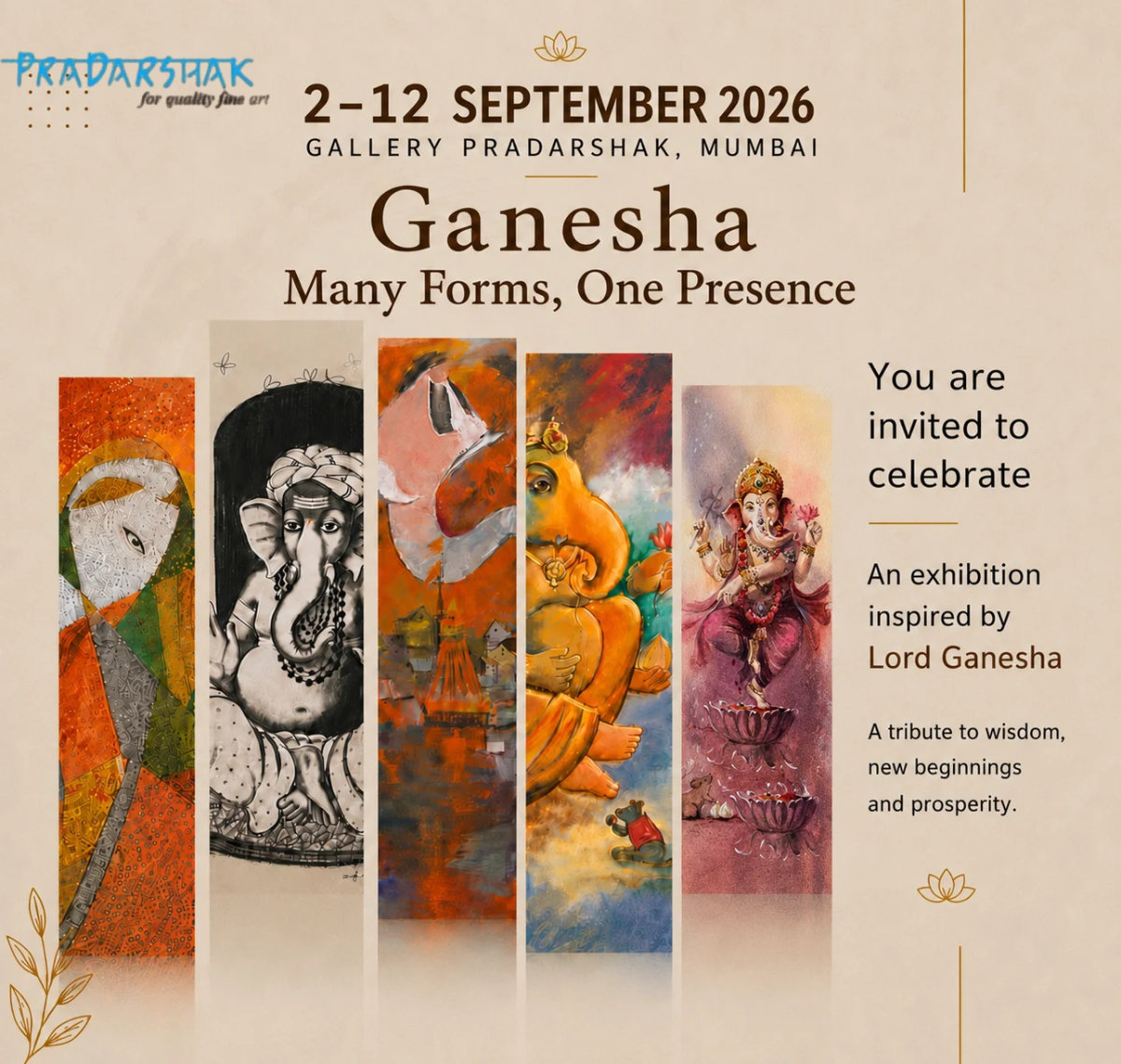
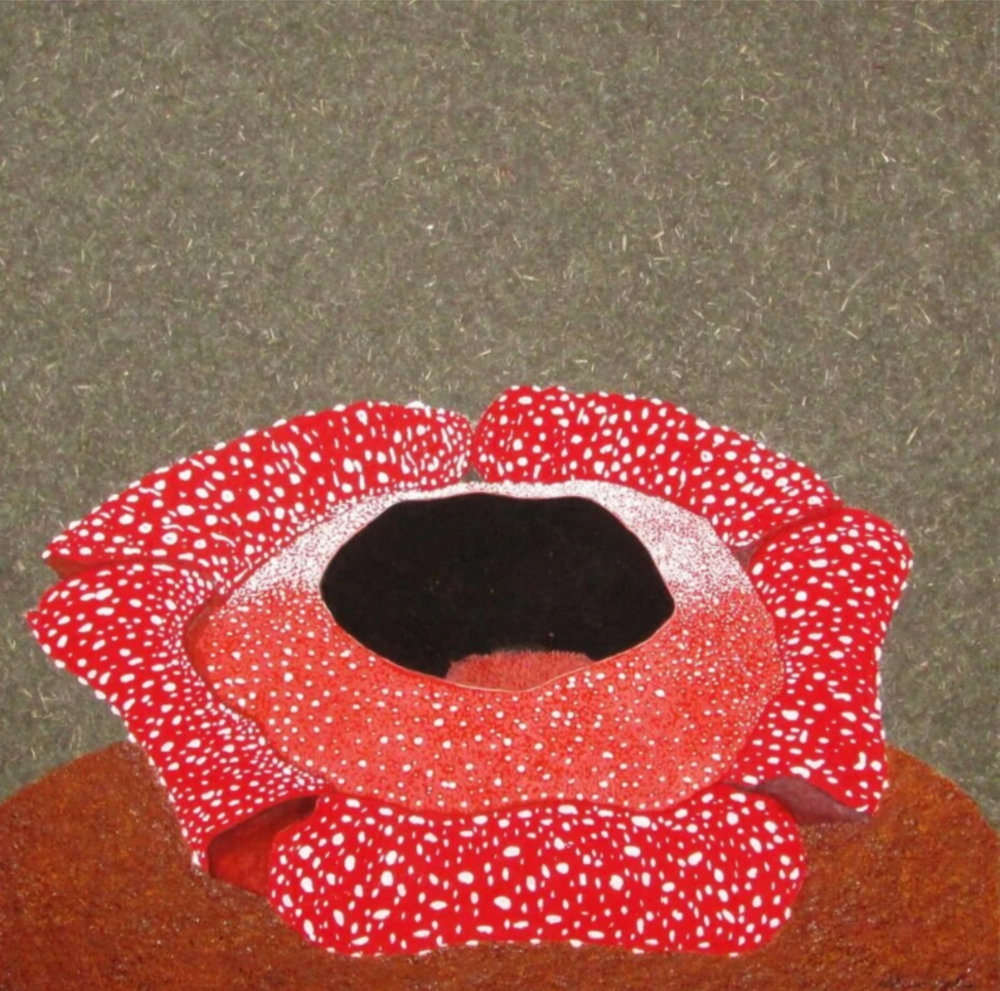
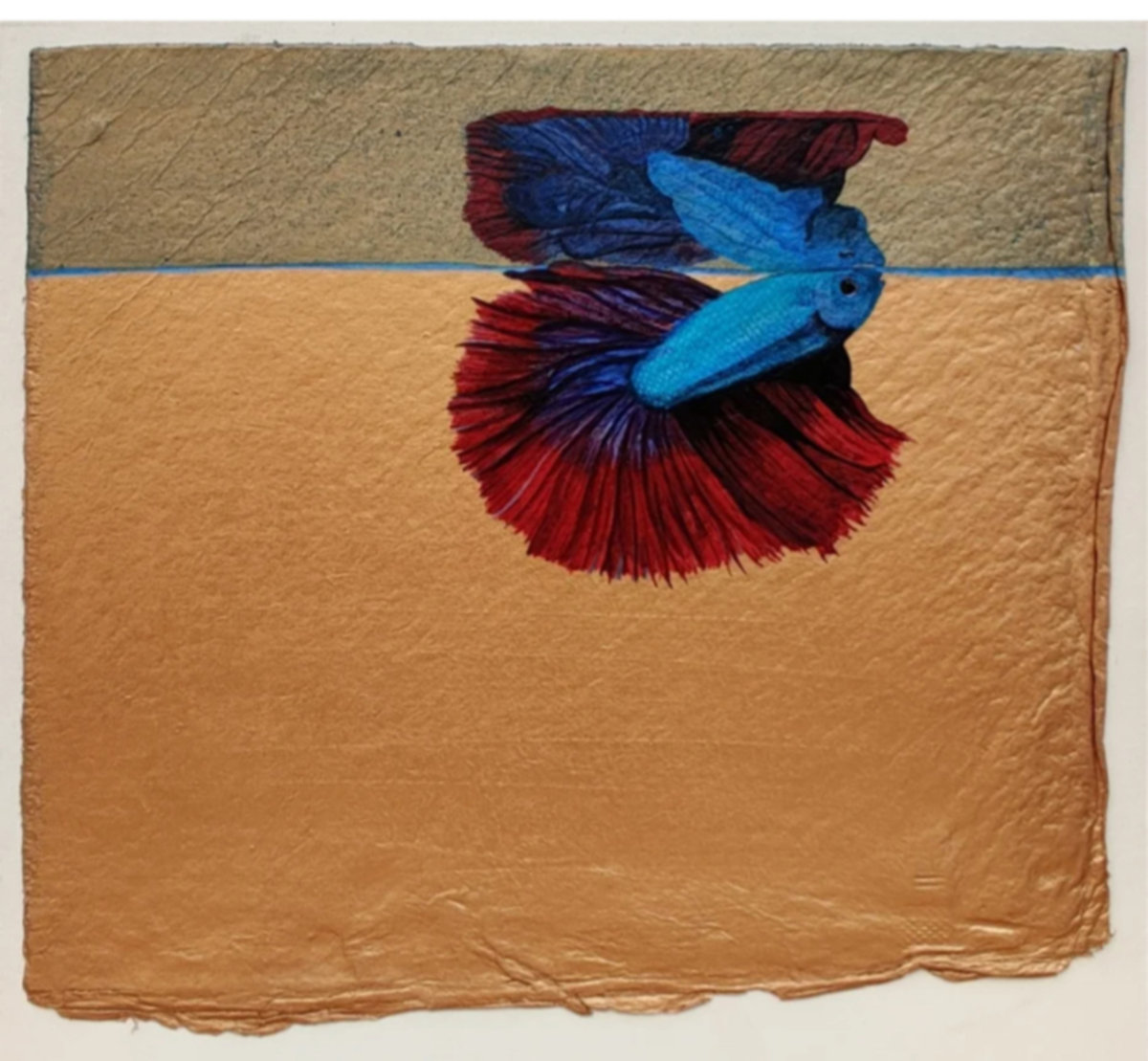
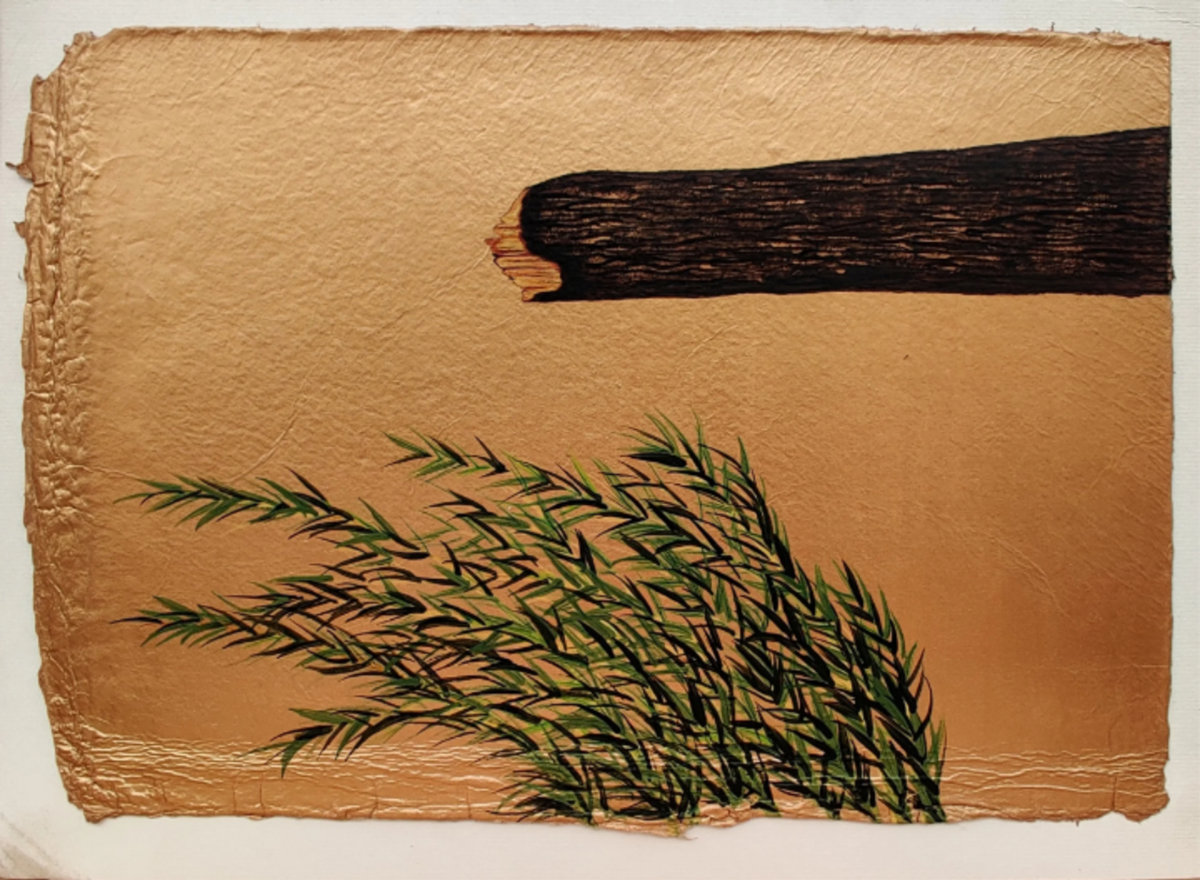
Gallery Pradarshak in Mumbai will present Ganesha: Many Forms, One Presence, a group exhibition of paintings exploring the enduring visual and cultural significance of Ganesha. Scheduled from 2 to 12 September 2026, the exhibition brings together works by 11 artists who interpret the widely recognised deity through distinct artistic approaches. The exhibition will be available both online and at the gallery’s physical space in Khar (West), Mumbai.

A Familiar Figure Through Diverse Artistic Lenses

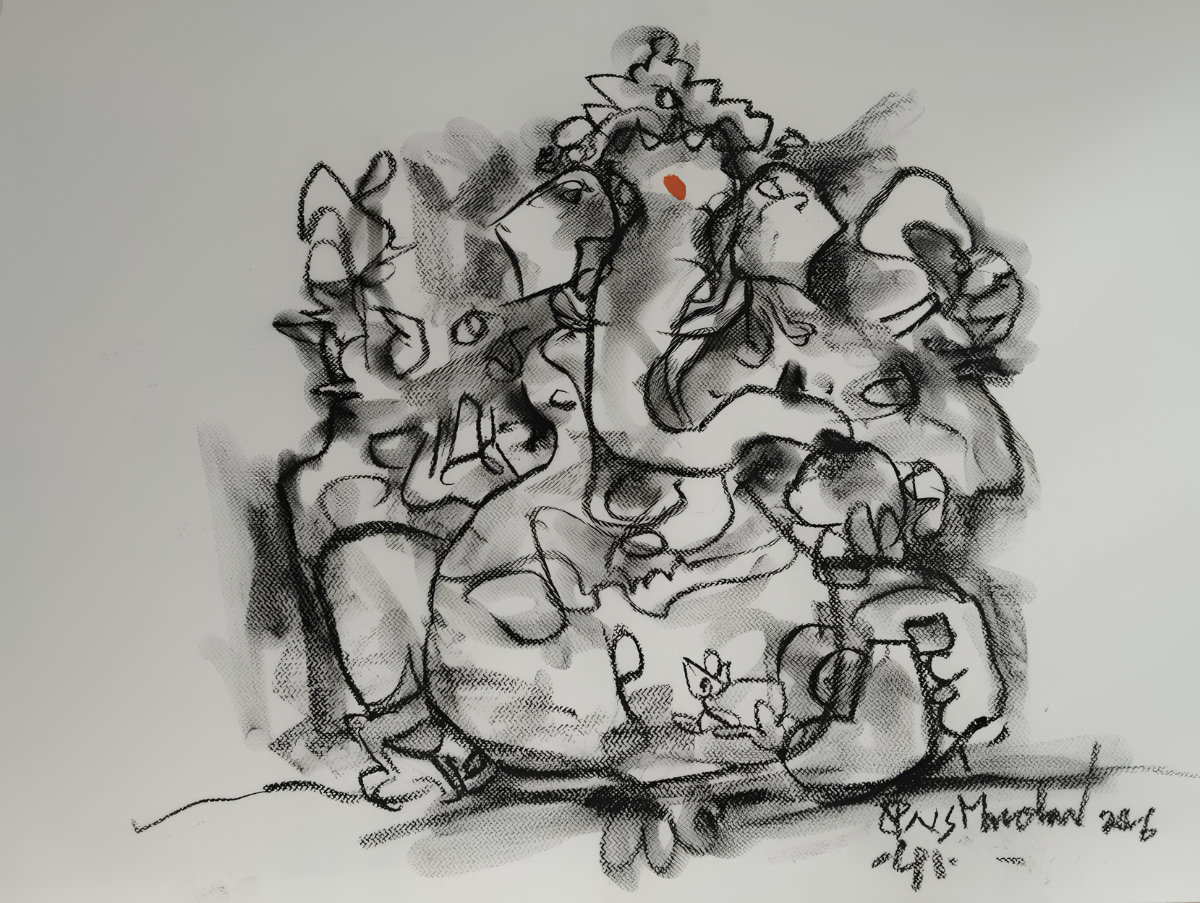
N_S_Manoharan
Artwork – N. S. Manoharan

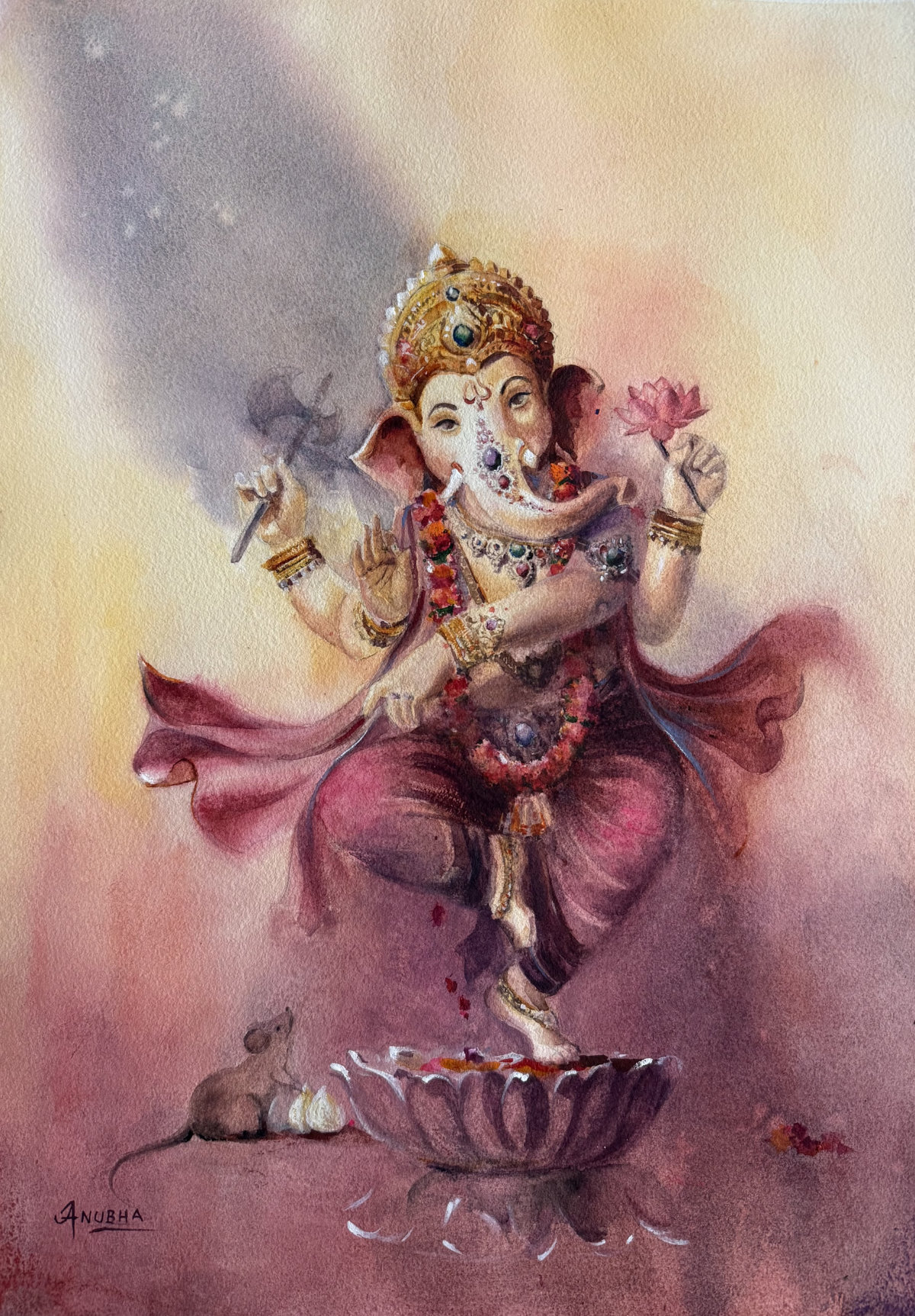
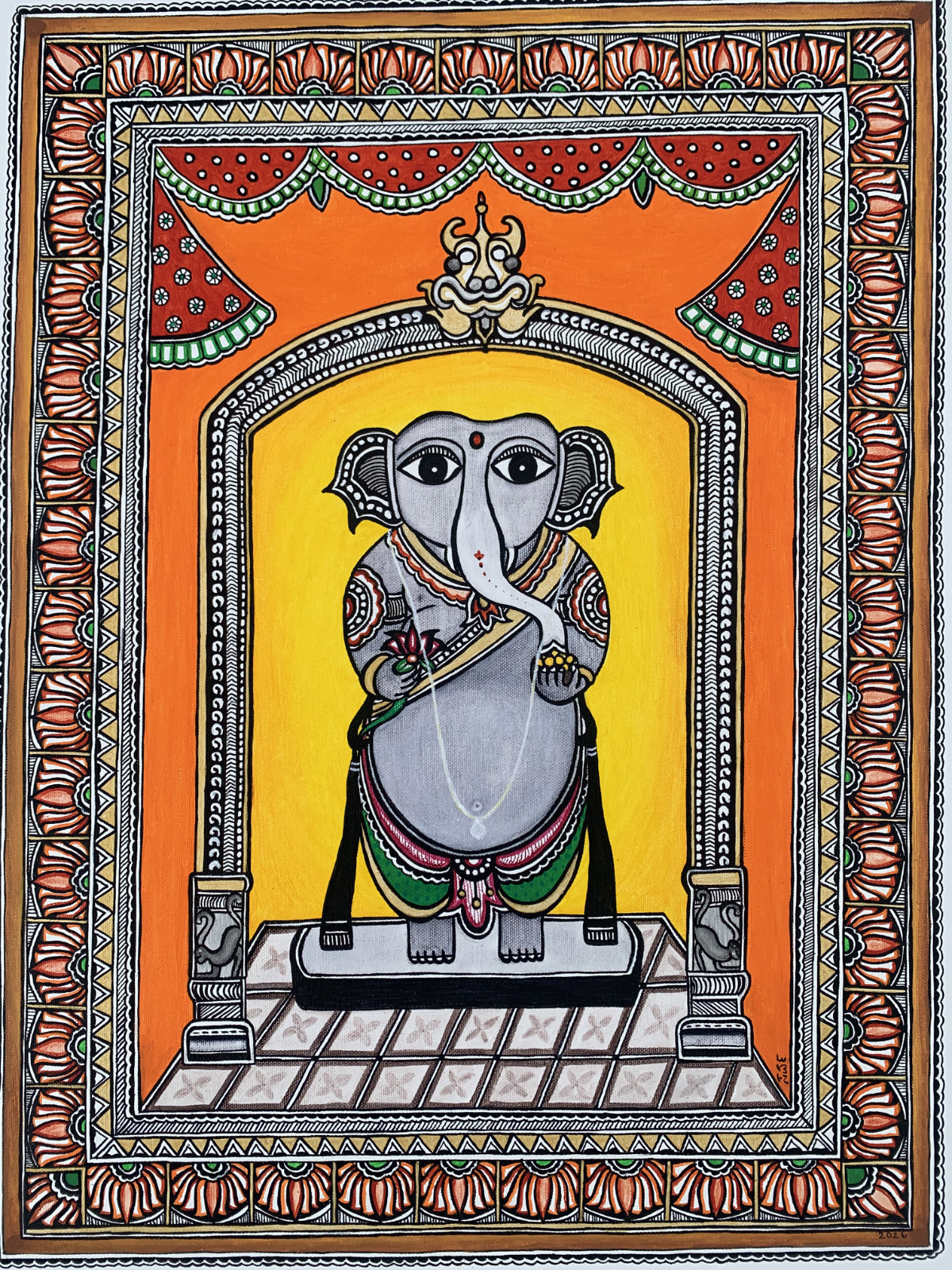
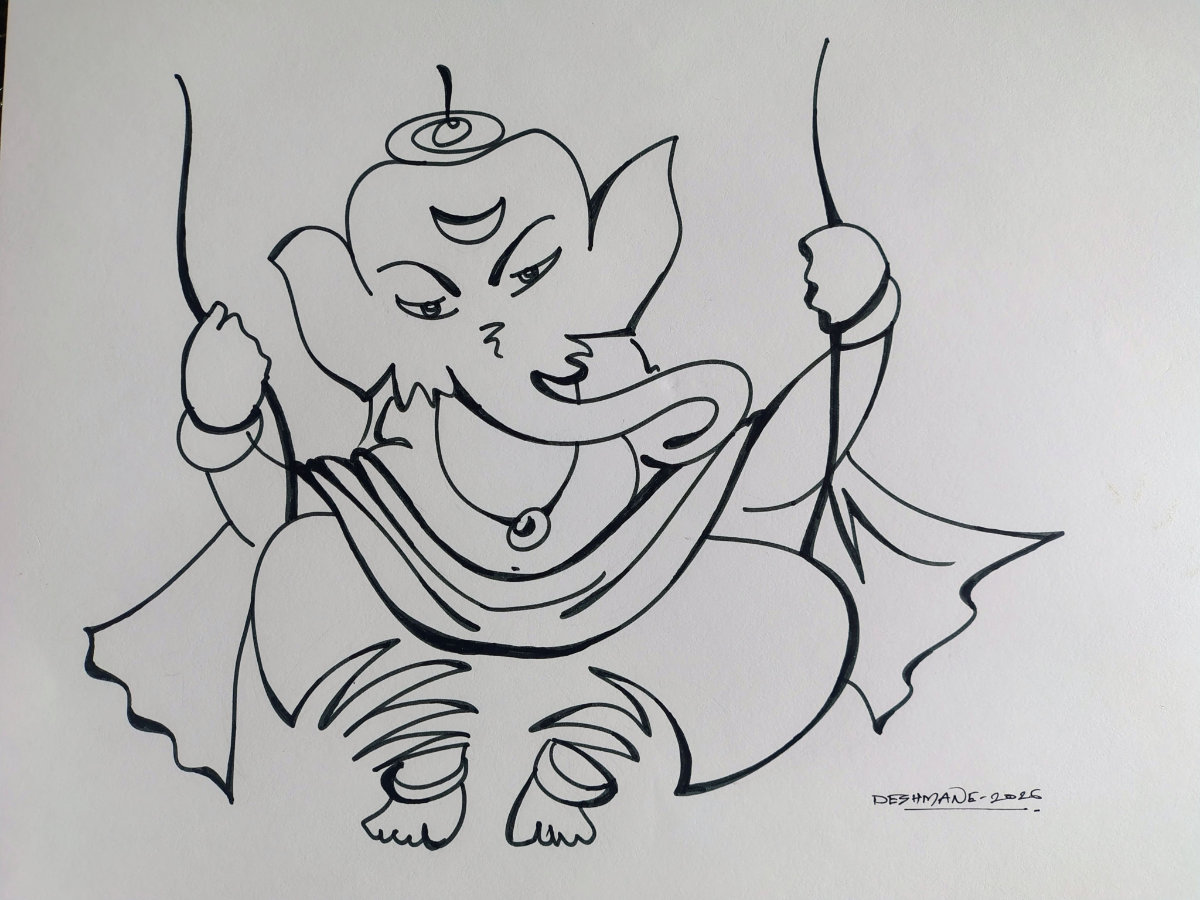
Ganesha has remained one of the most enduring subjects in Indian art, appearing across traditional, modern and contemporary practices. In this exhibition, artists approach the deity from varied perspectives. Some works retain familiar iconographic elements, while others move toward abstraction, expressive line work, simplified forms and experimental use of colour. According to the exhibition note, the collection demonstrates how a shared cultural image can acquire new meanings through individual artistic sensibilities.

Participating Artists

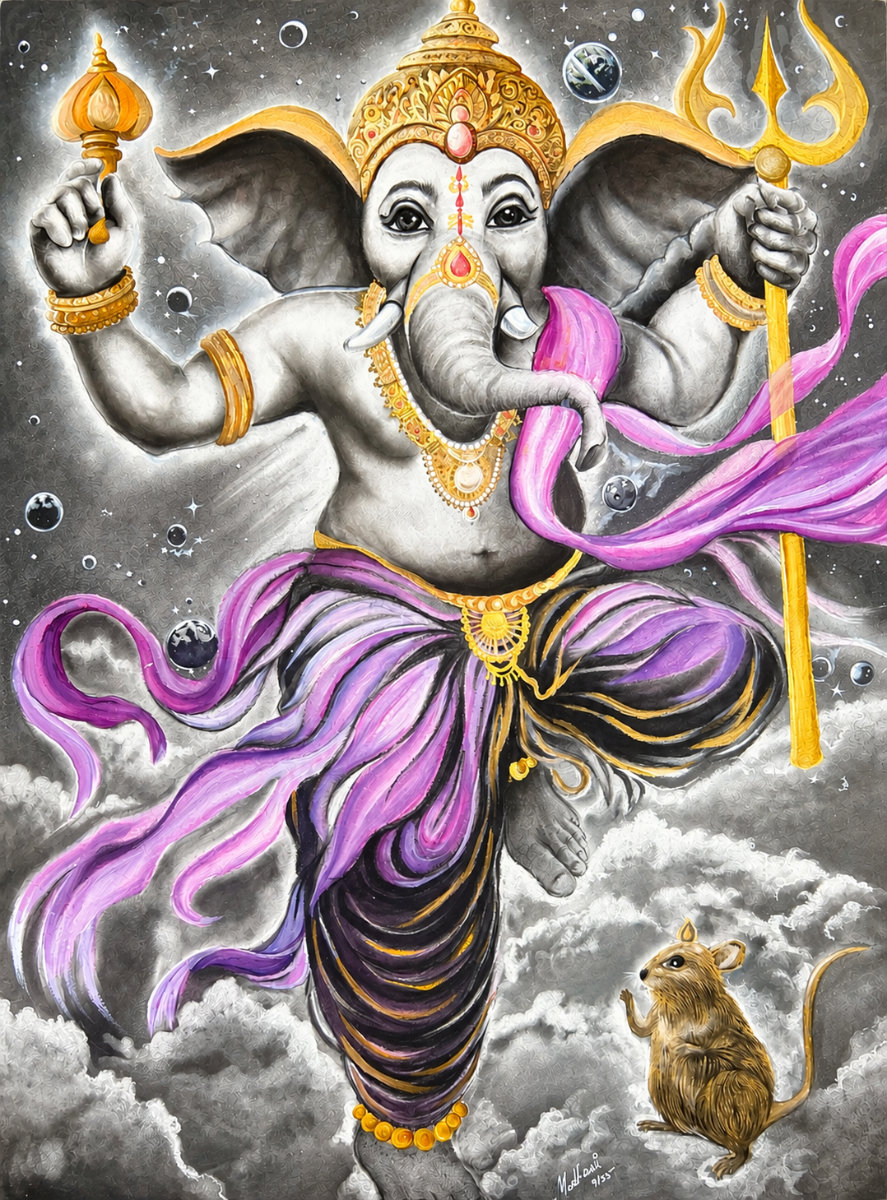
Madhavi Bhaskar
Artwork by Madhavi Bhaskar

The exhibition features works by:

Uttara Samant N. S. Manoharan
Kavita Tambolkar Sarvamangala Mavinakuli
Anubha Sharma Madhavi Bhaskar
Pravin Utge Ramesh Deshmane
Satyaki Koley Sunil Bambal
Rohan Punde

Together, these artists present a broad range of visual interpretations that highlight the continuing relevance of Ganesha in contemporary artistic practice.

Beyond Iconography

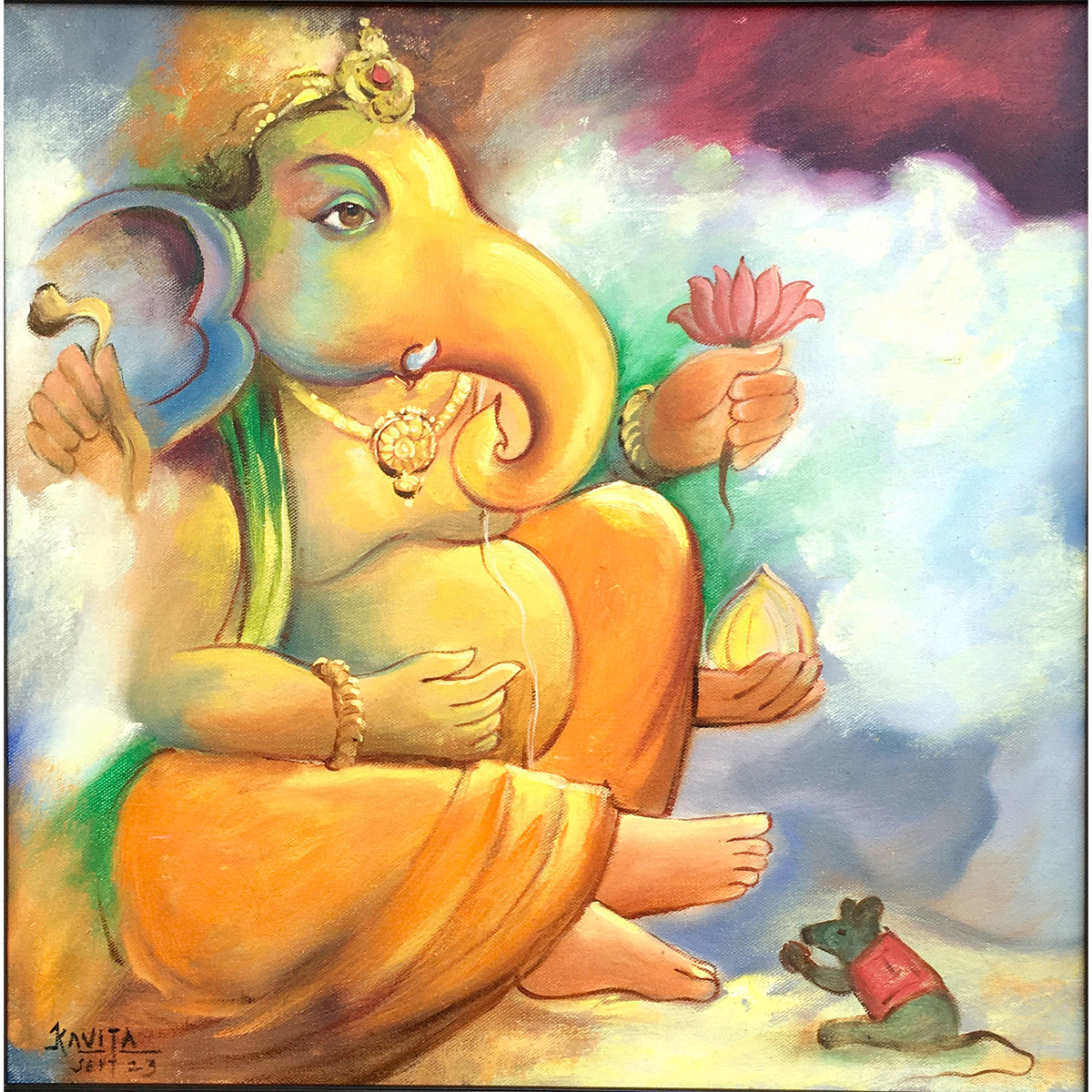
kavita tambolkar1
Artwork by kavita Tambolkar

At the centre of the exhibition is the idea of multiplicity. Ganesha has long been associated with beginnings, wisdom, resilience and the ability to overcome obstacles. The exhibition explores how these symbolic qualities continue to resonate with artists today.

The curatorial framework suggests that the deity’s hybrid form—human and animal, monumental and intimate, playful and powerful—offers rich possibilities for artistic exploration. Rather than presenting a single representation, the exhibition encourages viewers to engage with multiple interpretations shaped by personal experiences, emotions and cultural memory.

Gallery Pradarshak’s Continuing Commitment

Anubha Sharma
Artwork by Anubha Sharma

The exhibition also reflects the long-standing mission of Gallery Pradarshak, a Mumbai-based gallery founded in 1994 by Savitha and Lalit Hira. Over three decades, the gallery has built a reputation for supporting emerging artists and presenting accessible contemporary art. It is often described as one of India’s smallest fine art galleries, yet it has hosted hundreds of exhibitions and artist-focused initiatives.

Located in Khar (West), the gallery has consistently created opportunities for young and established artists while fostering dialogue between traditional themes and contemporary visual languages.

Exhibition Highlights

Sarva Mangala
Artwork by Sarva Mangala

Key aspects of the exhibition include:

  • Eleven participating artists
  • Diverse approaches ranging from detailed iconography to abstraction
  • Exploration of colour, gesture, pattern and line
  • Contemporary interpretations of a culturally familiar figure
  • Online and physical viewing options

These varied approaches underline the breadth of artistic possibilities that emerge from a single subject deeply rooted in Indian cultural consciousness.

Visitor Information

Ramesh Deshmane
Artwork by Ramesh Deshmane
Event Name Details
Title Ganesha: Many Forms, One Presence
Type Group Exhibition of Paintings
Venue Gallery Pradarshak, Mumbai, Maharashtra
Opening Date 2 September 2026
Exhibition Dates 2–12 September 2026
Organiser Gallery Pradarshak
Entry / Tickets Open to All
Website www.gallerypradarshak.com


Takeaway

By bringing together multiple artistic voices around a single cultural symbol, Ganesha: Many Forms, One Presencehighlights the continuing relevance of traditional imagery within contemporary art. The exhibition offers audiences an opportunity to encounter familiar forms through fresh perspectives while reflecting on the evolving relationship between cultural heritage and artistic expression. Through its varied interpretations, the exhibition contributes to ongoing conversations about identity, memory and the role of art in connecting past and present.

Delhi Contemporary Art Week 2026 Brings Six Women-Led Galleries and Two Major Curated Shows

0

A Dream of Abundance

The Ninth Edition of Delhi Contemporary Art Week (DCAW) will take place from 31 August to 5 September 2026 at Bikaner House, New Delhi, bringing together six leading women-led galleries from the capital alongside two major curatorial exhibitions. Organised as a collaborative initiative by Blueprint12, Exhibit 320, Gallery Espace, Latitude 28, Shrine Empire and Vadehra Art Gallery, the annual event continues its mission of presenting contemporary artistic practices from India and South Asia while fostering dialogue across disciplines, geographies and generations.

Contemporary Art Across Three Venues

Atul Bhalla

Spread across the Centre for Contemporary Art (CCA), Living Traditions Centre (LTC) and the Main Building at Bikaner House, this year’s edition examines themes including climate change, ecology, memory, identity, place, materiality and lived experience. Through gallery presentations and curated exhibitions, DCAW 2026 reflects on how artists are responding to rapidly changing social and environmental realities.

Established as a collaborative platform between six Delhi-based galleries, DCAW has become an important fixture in the city’s cultural calendar, creating opportunities for audiences to encounter a wide range of contemporary artistic voices in a single venue.

Curators Turn Attention to Climate and the Botanical World

Samanta Batra

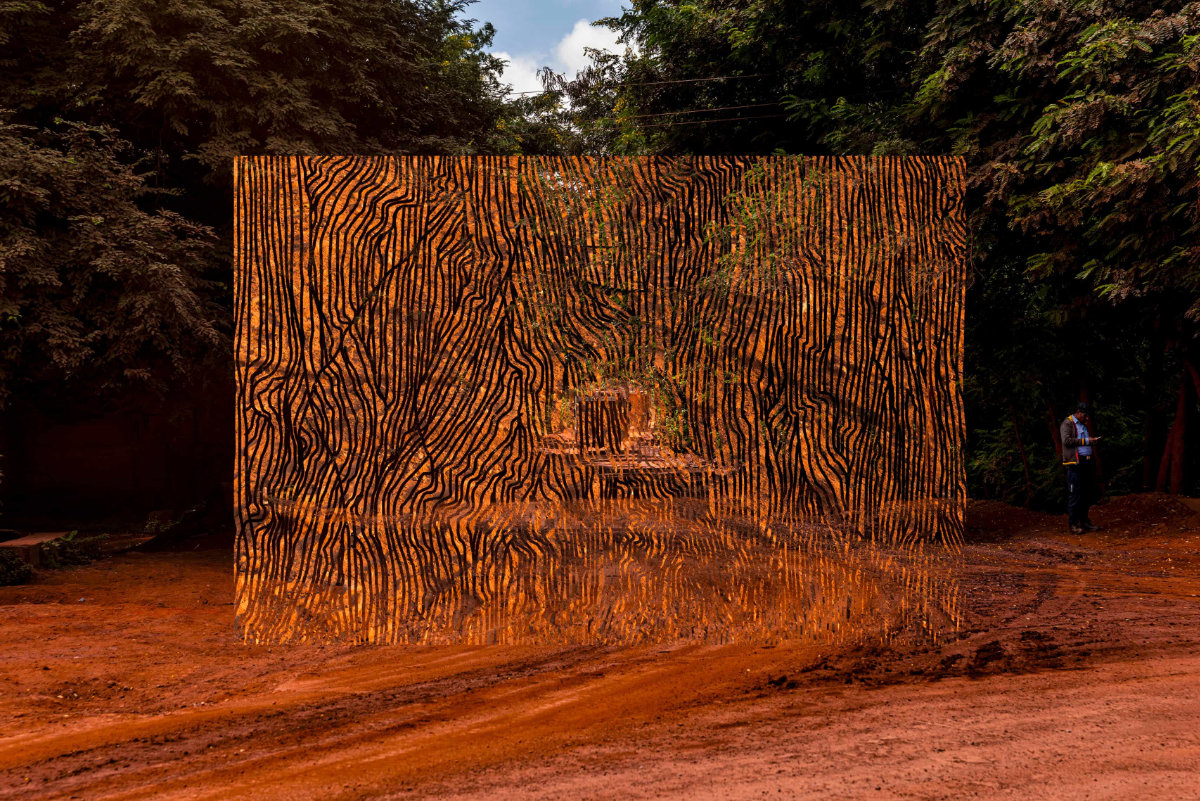
One of the central exhibitions of the edition is Bye-Bye Monsoon, curated by Adwait Singh. Drawing inspiration from Amitav Ghosh’s writings on extreme weather and climate imagination, the exhibition examines changing monsoon patterns, environmental disruption and the historical forces behind contemporary climate crises. Through newly commissioned works by artists from across South Asia, the exhibition investigates the visible and invisible effects of a rapidly shifting climate.

In the Main Building, curator Annalisa Mansukhani presents This Animate Earth, which explores the botanical world as a repository of memory, knowledge and care. The exhibition considers plants not merely as subjects of observation but as active participants in histories of land, labour, caste, ecology and empire. Through a relational understanding of the natural world, the exhibition asks how attention itself can become a form of care and belonging.

Six Gallery Presentations Offer Distinct Perspectives

Shailesh BR Cloud-Messenger

The participating galleries present exhibitions that reflect their individual curatorial approaches while contributing to broader conversations shaping contemporary art today.

Highlights include:

  • Blueprint12 – Ways of Being Seen: examining identity, intimacy, grief, memory and belonging through the human figure.
  • Exhibit 320: exploring materiality, displacement, labour and memory through painting, textiles, sculpture and mixed media.
  • Gallery Espace – Presenting Abundance: drawing on miniature traditions and abstraction through detailed studies of colour, surface and form.
  • Latitude 28 – MERIDIAN: bringing together fourteen artists exploring land, inheritance, archives and personal histories.
  • Shrine Empire: presenting South Asian artists whose practices engage with research, process and socio-political inquiry.
  • Vadehra Art Gallery – A Geography of Tender Things: examining place through memory, migration, landscape and emotional experience.

Artists from Across India and South Asia

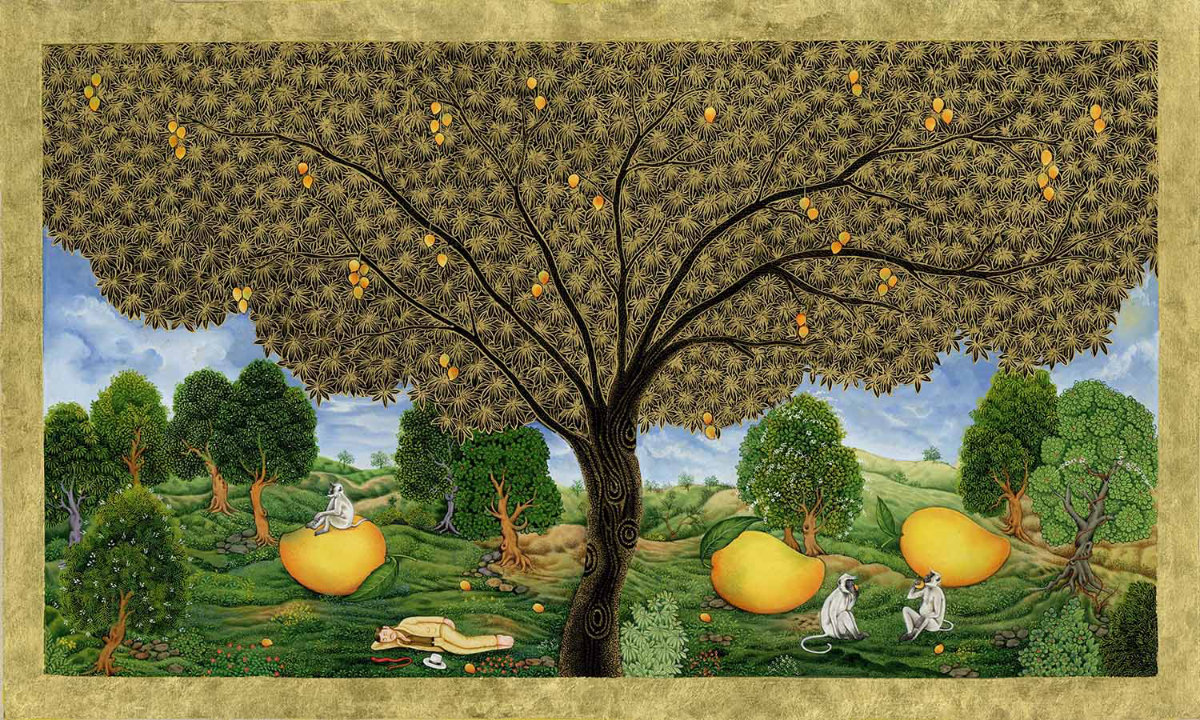
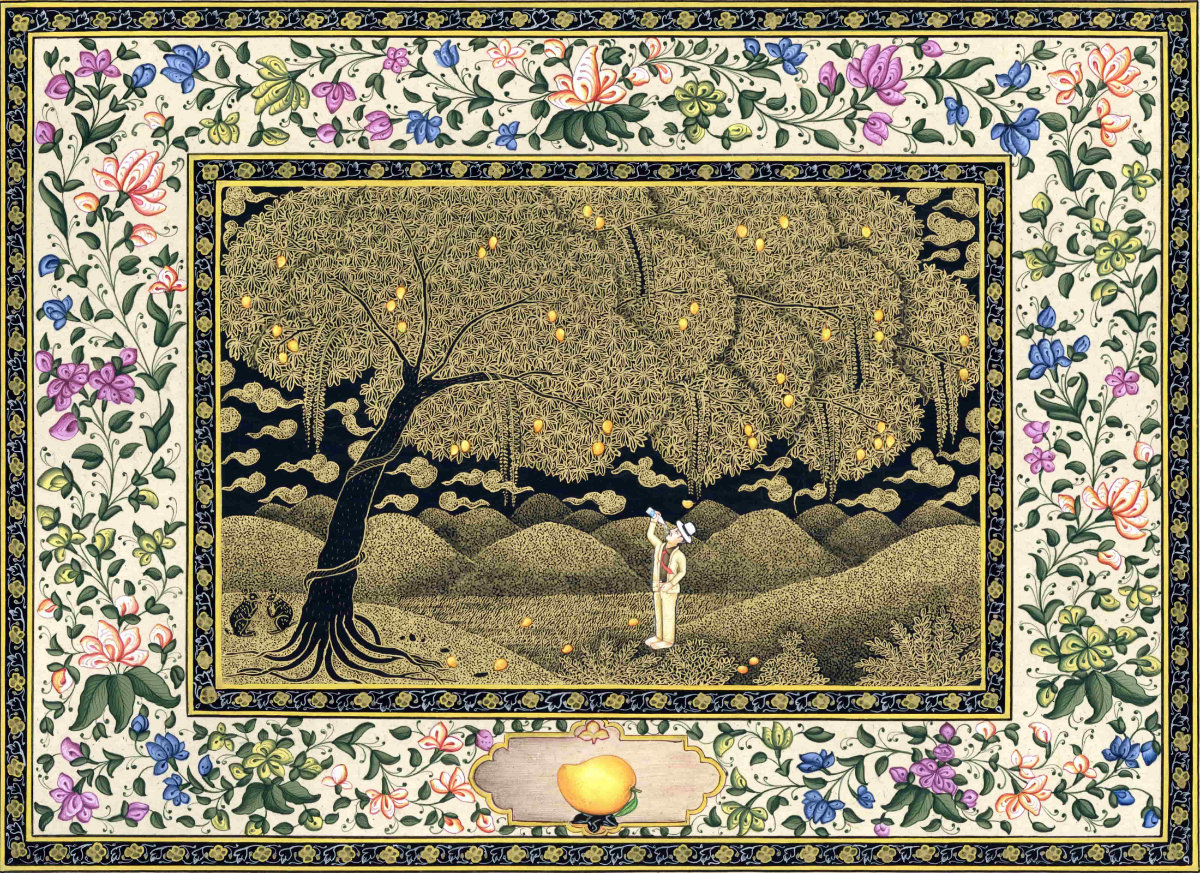
Untitled (mango tree)

The exhibitions collectively feature a large roster of emerging and established artists working across painting, photography, sculpture, textiles, drawing, installation and mixed media. Participating artists include Anju Dodiya, Atul Dodiya, Sudhir Patwardhan, Shanthamani Muddaiah, Waswo X. Waswo, Priyantha Udagedara, Wahida Ahmed, Yasmin Jahan Nupur, Paribartana Mohanty, Shubham Kumar, Hasseena Suresh and many others from India and the wider South Asian region.

The curatorial emphasis this year highlights artistic responses to environmental uncertainty, social histories and forms of belonging, while foregrounding both established and emerging voices.

Public Programmes and Audience Engagement

Alongside the exhibitions, DCAW 2026 will host a programme of walkthroughs, conversations and audience engagements across Bikaner House. These events are designed to create multiple points of access to the exhibitions and provide opportunities for visitors to engage directly with artists, curators and gallery representatives.

Programme Highlights:

  • Curator-led walkthroughs
  • Artist conversations
  • Public discussions
  • Audience engagement sessions
  • Gallery-led presentations

Continuing a Collaborative Model

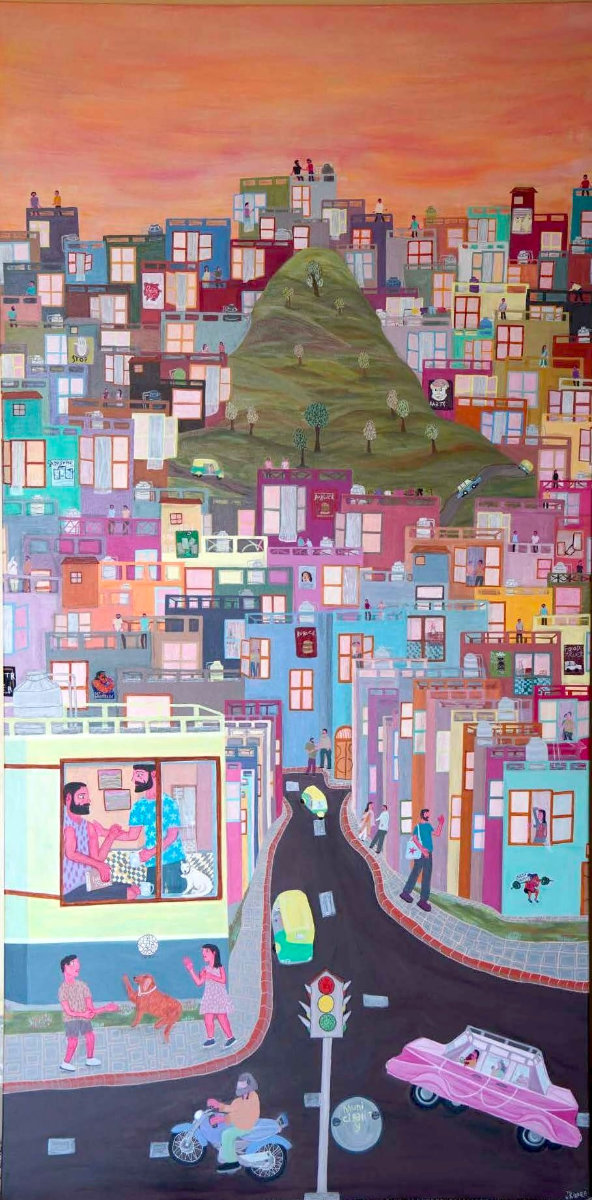
Village and City Life I, Acrylic on Canvas, 72 X 36 Inches, 2026_

A distinctive aspect of DCAW remains its collaborative structure. Rather than functioning as a conventional art fair, the initiative operates as a collective platform through which participating galleries develop a shared exhibition environment. This approach has helped position Delhi as a significant centre for contemporary art while encouraging sustained dialogue between galleries, artists and audiences.

Event at a Glance Table

Event Detail
Title Delhi Contemporary Art Week (DCAW) 2026
Venue Bikaner House, New Delhi
Opening Date 31 August 2026
Exhibition Dates 31 August – 5 September 2026
Participating Galleries Blueprint12, Exhibit 320, Gallery Espace, Latitude 28, Shrine Empire, Vadehra Art Gallery
Curators Adwait Singh, Annalisa Mansukhani
Organiser Delhi Contemporary Art Week (DCAW)
Entry / Tickets Not announced
Instagram @delhicontemporaryartweek

Takeaway

The ninth edition of Delhi Contemporary Art Week arrives at a moment when questions of climate, ecology, memory and belonging are increasingly shaping contemporary cultural discourse. Through two ambitious curatorial exhibitions and six gallery presentations, DCAW 2026 offers visitors an opportunity to engage with artistic practices that respond to the complexities of the present. By bringing together diverse voices from India and South Asia, the event continues to strengthen Delhi’s role as a platform for contemporary art and critical cultural exchange.

Sculpted India to Present Modern and Contemporary Indian Sculpture at Design Democracy 2026

0

Sculpted India to Present Modern and Contemporary Indian Sculpture at Design Democracy 2026-0A

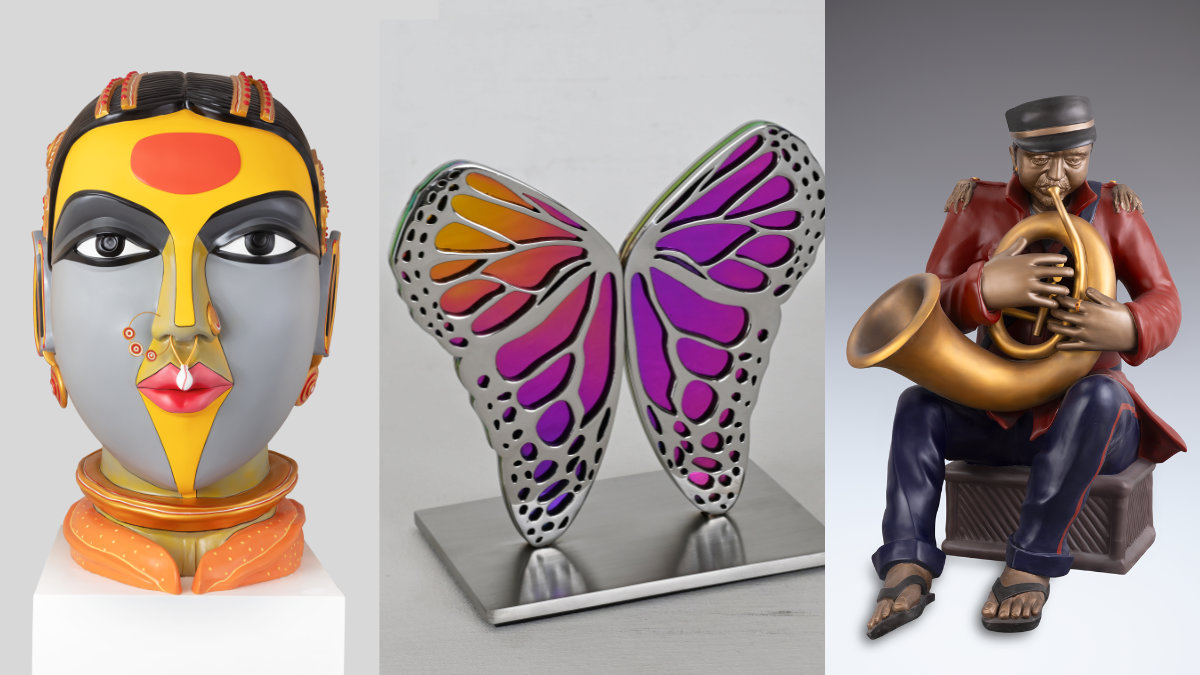
A curated presentation of modern and contemporary Indian sculpture will be showcased at Design Democracy Hyderabad from 18–20 September 2026. Presented by Sculpted India, the exhibition will bring together works by several prominent Indian artists including Thota Vaikuntam, Krishen Khanna, M.F. Husain, Himmat Shah, Jogen Chowdhury, Dhananjay Singh, Phaneendra Nath Chaturvedi and Yashika Sugandh. The showcase will be located at Booth C20 and aims to highlight the evolving role of sculpture within contemporary art, architecture and design.

Bringing Sculpture into Design Conversations

The presentation has been organised by Sculpted India, led by Sanya Malik, Raj Manohar Thota and Abhivardhan Berry. According to the organisers, the exhibition seeks to position sculpture more prominently within discussions around interiors, architecture and cultural spaces. The selected works explore themes of identity, culture, nature, human existence and the built environment through a variety of materials and artistic approaches.

The exhibition also examines how sculptural forms interact with contemporary living environments, offering visitors an opportunity to consider sculpture not only as an art object but as an element that shapes spatial experience.

Artists Across Generations

The exhibition brings together artists from different generations of Indian art, creating a dialogue between established modern masters and contemporary practitioners.

Artists presented include:

  • Thota Vaikuntam
  • Krishen Khanna
  • M.F. Husain
  • Himmat Shah
  • Jogen Chowdhury
  • Dhananjay Singh
  • Phaneendra Nath Chaturvedi
  • Yashika Sugandh

The range of participating artists reflects the diversity of sculptural practice in India, from figurative and narrative approaches to explorations of abstraction, materiality and form.

Spotlight on Thota Vaikuntam

Among the featured artists is Thota Vaikuntam, one of India’s best-known contemporary artists. Born in Telangana, Vaikuntam is recognised for his vivid portrayals of rural life and distinctive depictions of Telangana women. Over several decades, his work has become closely associated with the visual culture of the region. While widely known for painting, he has also expanded his practice into sculpture, exploring how his iconic figures can be translated into three-dimensional form. 

His artistic career includes studies at the College of Fine Arts in Hyderabad and later at the Maharaja Sayajirao University in Baroda under the guidance of K.G. Subramanyan. His work has been exhibited nationally and internationally and has received several major recognitions. 

About Sculpted India

Sculpted India describes itself as a platform dedicated to advancing modern and contemporary Indian sculpture. The initiative was founded with the objective of increasing the visibility of sculpture within India’s broader cultural landscape.

Beyond exhibitions, the organisation focuses on public installations, collaborations with institutions and immersive experiences that encourage wider engagement with sculptural practice. The initiative argues that sculpture has often remained underrepresented within mainstream art conversations despite its long-standing importance in India’s artistic traditions.

Design Democracy 2026 Venue

The showcase forms part of Design Democracy 2026, scheduled to take place at the HITEX Exhibition Centre in Hyderabad from 18–20 September 2026. The design fair is expected to feature more than 200 exhibitors and a range of programmes related to architecture, interiors, design and visual culture. 

By situating sculpture within a design-focused event, the presentation seeks to create new audiences for the medium and encourage dialogue between artists, architects, designers and collectors.

Exhibition Highlights

Visitors can expect:

  • Modern and contemporary Indian sculptures by leading artists
  • Works exploring identity, culture and the built environment
  • Diverse materials and sculptural techniques
  • Opportunities to engage with sculpture in a design context
  • A curated presentation linking art, architecture and interiors

Visitor Information

Event Name Sculpted India at Design Democracy Hyderabad 2026
Venue Design Democracy 2026, Booth C20, HITEX Exhibition Centre
City Hyderabad, India
Opening Date 18 September 2026
Exhibition Dates 18–20 September 2026
Organiser Sculpted India
Entry / Tickets As per Design Democracy visitor pass requirements
Website https://designdemocracy.in

Conclusion

The Sculpted India presentation offers a focused look at the breadth of modern and contemporary Indian sculpture while placing the medium within wider conversations around design and space. By bringing together artists from different generations, the exhibition highlights the continuing evolution of sculptural practice in India and its relevance to contemporary cultural and design discourse. The showcase also provides an opportunity for audiences to engage more closely with a medium that continues to shape public, private and architectural environments.

How to Build an Effective Mobile Messaging Strategy Without Building an App

0

Mobile Messaging Strategy Without Building an App-01

A person looks at a museum show poster, pulls out his phone and hopefully, lands on the ticket page. That’s all you can ask for. And yet, for some reason, we want him to download something. He wasn’t even a customer and you’re asking him to reach for his phone and download an application and remind himself to open it. The better option is to get him engaged with a light touch mobile stack, right in the device he already has with him.

Why an app is the wrong first move

Applications are appropriate for organizations that have recurring, high-touch interactions with their users; the sort of engagements where the friction of discovering, downloading, and opening the application is justified by the frequency of its use. A theater with four shows a year or an annual festival isn’t that kind of organization. Forcing a download on a prospective visitor before she’s decided to attend any of your events is counterproductive.

Mobile phones are already where the action is: fifty-eight percent of global website traffic originates on cellular networks (StatCounter). That isn’t a specialty channel to be mined and leveraged; it’s the default habitat for human discovery. We don’t have to find ways to get users to our app; we have to find ways to speak directly to them on the browsers and phones they’re already using

To do that, you need four tools: web push notifications, SMS mobile wallet passes, and potentially a progressive web app, if you really need a large icon to put on the homescreen for recurring events with a big audience. Most cultural institutions need only three of these levers. And trying to use all of them at once, without defining a hierarchy, is a common reason for messaging program underperformance

Audit your no-app toolkit before writing a single message

Before you write a single message, define what you want each lever to be responsible for.

Web push is for capturing attention: an on-sale notification that’s one-click to permission, appearing after a brief engagement with the event page, rather than on arrival. Asking a user to accept notification permission from within a push window is far less intrusive than standard email marketing permission flows.

SMS is for time-sensitive information: on-sale alerts, waitlist invites, and last chance notices. Leverage the ephemeral nature of text messages to deliver information that demands a response. Overusing SMS for non-urgent communication will lead to users opting out of your messages entirely

Mobile wallet passes are a feature that the entire ticketing industry is largely unaware of. A mobile wallet pass will notify a user of gate availability or day-of changes, ensure that an event isn’t buried in an email folder, and eliminate the need for any additional messages to be sent to a customer. No push, no SMS, no emails: no matter what update you want to share, it can piggyback on the mobile wallet push that the user has already opted to receive.

Finally, a PWA or progressive web app, if you really need one, is a lightweight presence that appears as a homescreen shortcut; a way to satisfy UX designers who want the convenience of an app but without the bloat and app store discovery tax. It can offer a native splash screen and top-level navigation for the average event listing or ticketing system.

Design around the discovery-to-attendance moment

Design around the discovery-to-attendance moment

A common design flaw in mobile opt-in systems is creating a form at the bottom of the page for a newsletter subscription. That’s not the moment of engagement; that’s the opt-in prompt for people already interested in receiving your messages.

The better model is to tie the opt-in prompt to the discovery moment. When someone opens an event listing after seeing it in a poster or on social media, that’s when you should ask them if they want more information.

It’s also the moment to think about what the opt-in offer should say. “Sign up for our newsletter” is a vague ask that describes what you’re going to send, not the value of receiving it. Instead, frame the event-specific offer around the benefit of being first to know about ticket releases or getting waitlist updates in real time.

Design your message sequences around the fixed dates or time windows you already have: the on-sale date itself, the early-bird deadline, or the final-week reminder. Sending a generic broadcast whenever content is available to promote doesn’t induce urgency or action. Tying a specific message to a known date provides both.

Segment by behavior, not just demographics

Once someone has opted in, treat them differently depending on what they’ve done in your system. Past attendees are more valuable than those who’ve only opened an email, so their next message should be different. Genre is often a proxy for engagement, so someone who’s clicked on every jazz listing but ignored your theatre offerings should receive different messaging than an opera buff. And proximity is always important: someone who’s browsing on a desktop three-thousand miles from your festival is a different lead than the person geofenced near your venue the day of the show.

That’s why geo-targeting has its place in the stack. A push message sent to a user within range of your facility on the day of the event is much more compelling than the same message sent as a general broadcast the week beforehand. The local visitor who receives it has a much higher chance of showing up, having browsed an event listing on their phone or the institution’s website.

Automate the moments that already have intent behind them

Some message triggers should be automated, since the intent signals behind them are strong.

Abandoned ticketing sessions make for the best automated trigger there is: someone added a ticket to their cart but left the page. One simple reminder, sent an hour or so after the session ends, will recover most of the traffic without any further intervention. First-time attendee welcome series turns one ticket sale into two: the one purchase is rewarded with another event in the series, already queued up for the happy customer as soon as they arrive at the ticketing page. Post-event follow-up messages, sent ideally a day after the show, are one of the most underused levers there are. They turn one-time attendees into season subscribers, and the next ticket sale is a given. None of these messages require a human to compose or send. Everything can be automated; all it takes is setting the rules to trigger these sequences.

Expanding beyond your own list

Your owned and operated channels only go so far. Web push and SMS notifications only go to users who’ve opted in, and, no matter how good your on-site opt-in prompt is, most potential attendees will never reach it. They’ll see your poster, maybe browse the festival page for a bit, and leave without signing up or buying anything.

That’s why paid media has its place in the stack, too. One option is to push ads to mobile devices when trying to reach users who’ve visited the event page but not subscribed or purchased anything, without requiring them to fill out their contact info first. Paid push complements the owned-and-operated message channels nicely, since the latter only reach the small minority of visitors who’ve already signed up. For an exhibition or a festival with a hard deadline, the majority of sales will come from this second group.

Bridge the physical and digital with QR codes

Most QR codes on physical promotion materials are still scanned on phones, so it’s important to get visitors to the right place: a QR code that links directly to the event’s opt-in prompt, rather than the generic event listing page. This is where deep linking becomes important: if you’re trying to drive mobile engagement, putting a QR code in a poster that only gets people to a general events calendar is much less effective than getting them to the place where they can sign up right away. This applies to any printed collateral that links to an online presence: QR codes work best when the destination is tailored to the visitor and what they’re looking to do next

Measure attendance, not just opens

Click-through rates for messages and open rates for emails are essential performance indicators, but they don’t tell you how effective your communication was at driving sales. This is especially true for SMS, where every message sent has a cost associated with it; you don’t want to be spending money on texts that are just stealing customers from one segment of your audience that would have bought a ticket anyway. As a rule of thumb, all links in your messages need to be tagged with UTM values, and every channel has its own unique promo code, if applicable. For paid SMS campaigns, the phone number used for sending the messages can also be tracked separately, if the volume warrants the investment

Standard click-through rate benchmarks are useful, but they’re only a baseline. The real measurement for your messages is from the time they’re sent to the point when the customer scans a ticket: this is how much value your engagement efforts are truly providing.

Build compliance in from day one, not as an afterthought

All of these tactics are useless if users stop receiving your messages. SMS compliance is a serious concern for any organization that uses it, and TCPA rules should be taken seriously in terms of opting out. Every SMS message should have an opt-out mechanism, and those that don’t follow the appropriate regulations are at risk of being flagged by users and having their numbers blacklisted. Users who request to unsubscribe from web push notifications should be unsubscribed immediately: a single spam complaint from anyone can get your domain added to internal push notification blockers in all browsers. If you’re collecting personal information from users that fall under similar regulations (typically in Europe), you should apply the same level of consent to messaging as well. Finally, frequency should be low enough that users don’t feel inclined to take matters into their own hands by unsubscribing from all your notifications at once.

Treat the whole thing as a running experiment

Test, measure, optimize. Don’t argue about what makes sense; A/B test send times across your audience and use real-time data to determine what time window is actually optimal for you. Don’t guess about the difference between an offer with the word “last” in it and one that says “final 48 hours”: run the test and see for yourself, and use the results to inform your next newsletter. Every engagement campaign needs to be treated as a single experiment that provides data for the next one. What segment saw the highest open rates? What message triggered the most abandoned ticketing sessions to be recovered? Which paid push audience was most likely to purchase? Use all that information to inform your next newsletter, post-event follow-up, or on-sale alert. The first time a user sees your poster is only the beginning; their journey on their phone has just started.

Where the Flowers Keep Their Counsel Opens at Gallerie Splash with 80 Works by Aishwaryan K

0

Aishwaryan K Where the flowers keep their Counsel-01

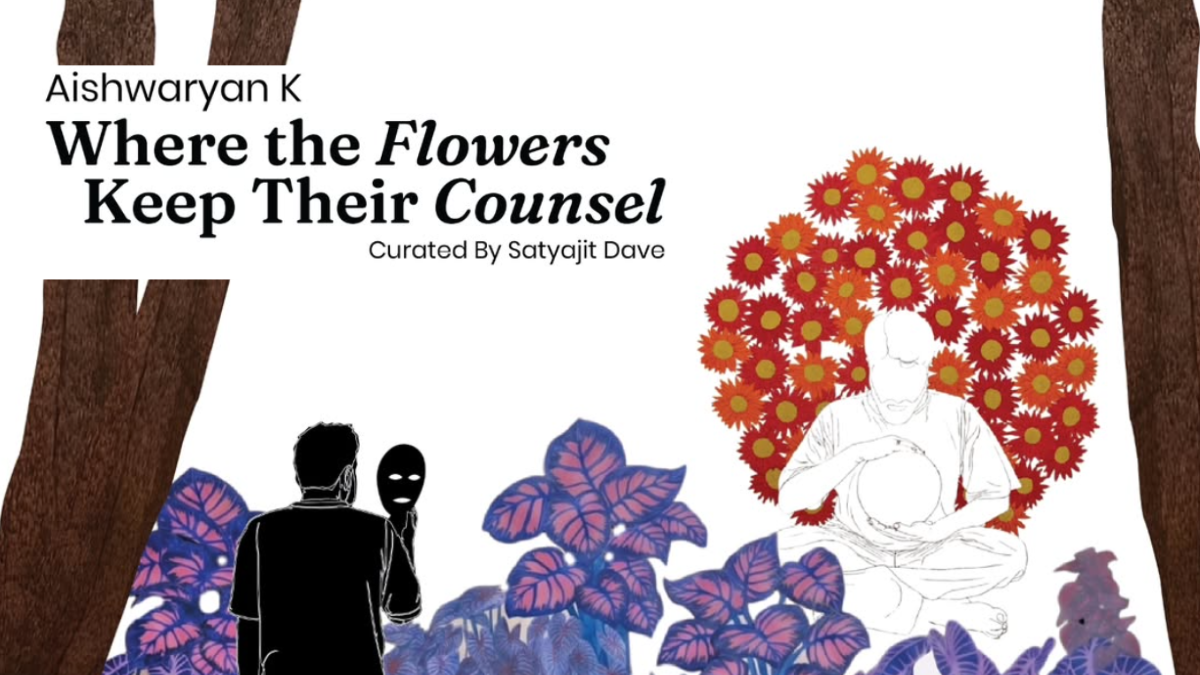
GURGAON: Contemporary art institution Gallerie Splash is presenting Where the Flowers Keep Their Counsel, the first solo exhibition in Delhi NCR by Bengaluru-based artist Aishwaryan K. Curated by Satyajit Dave, the exhibition opened on 22 August 2026 and will remain on view until 15 September 2026. Featuring around 80 drawings and works on paper, the exhibition explores memory, childhood play, botanical forms, queer experience and everyday life through a practice rooted in observation and drawing.

Drawing from Everyday Life

Aishwaryan K Artwork-8

The exhibition brings together works developed through Aishwaryan’s long engagement with familiar environments in Bengaluru. Public parks, flower and vegetable markets, garden paths and ordinary objects appear throughout the exhibition, transformed through drawing, repetition and scale.

Working primarily on wasli paper and elephant dung paper, the artist constructs images that emerge from personal memories and close observation. Botanical forms, human gestures and everyday objects are reconfigured into compositions that invite multiple interpretations rather than offering fixed narratives.

Plants as Carriers of Meaning

Art by Aishwaryan-k-4

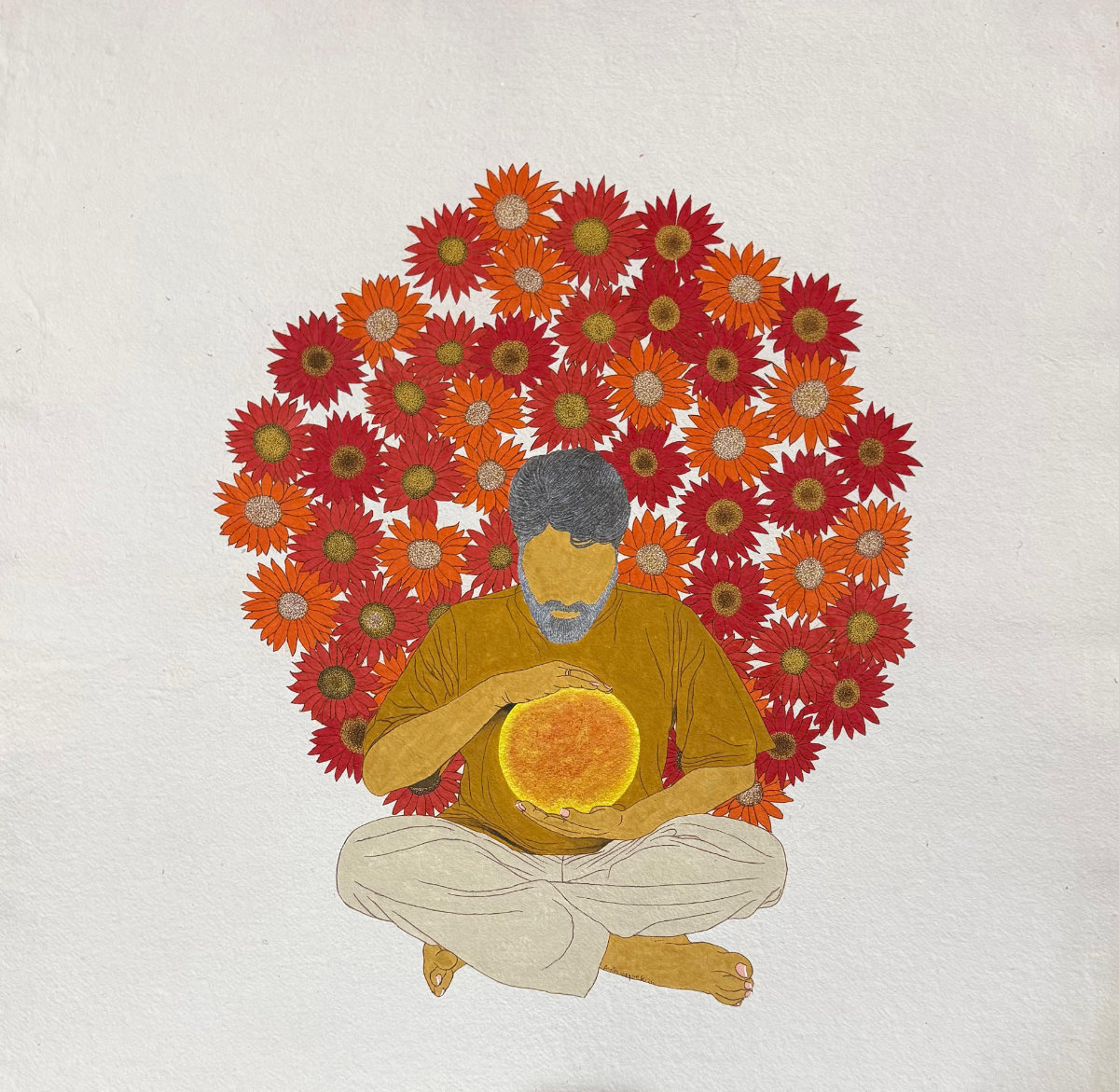
Flowers, leaves, trees and vines occupy a central place in the exhibition. Rather than functioning as botanical studies, these elements become visual structures through which ideas of touch, shelter, attraction and privacy are explored.

According to curator Satyajit Dave, the exhibition examines how forms can communicate without revealing everything at once. The recurring flower motif operates as an image that is both familiar and open-ended, allowing viewers to bring their own experiences and associations to the work. The exhibition title itself reflects this notion of meanings that are shared selectively and understood differently by different audiences.

Memory and the Language of Play

Art by Aishwaryan K

Another recurring theme is childhood play. Games involving marbles, thread, spinning tops and folded paper appear across the works, often represented through hands performing simple actions.

Highlights of the Exhibition

  • Around 80 drawings and works on paper
  • Works created on wasli paper and elephant dung paper
  • Botanical imagery inspired by Bengaluru’s public spaces
  • Visual references to childhood games and memory
  • Explorations of identity, intimacy and everyday experience

The artist uses these familiar activities as a way to explore transformation and imagination. Ordinary objects become symbolic through gesture, while repeated motifs create connections between past and present experiences.

Queer Experience and Visual Identity

Queer identity forms an important layer within the exhibition. Rather than relying on explicit representation, Aishwaryan approaches the subject through gesture, proximity, orientation and recognition.

Human figures appear among plants, across distances or in subtle relationships with one another. The works consider how identity may be communicated through everyday forms and visual cues. This approach reflects the artist’s broader interest in how personal experience can be expressed through indirect and nuanced visual language.

An Artist Shaped by Printmaking and Observation

Art by Aishwaryan K-2

Born in Palakkad, Kerala, in 1986, Aishwaryan K lives and works in Bengaluru. He studied painting at KEN School of Art and later completed a Post-Diploma in Printmaking from Bangalore University. His practice has been recognised through the Karnataka Lalit Kala Akademi State Award and the Shenoy Art Foundation Emerging Artist Award. He has exhibited widely in India and internationally, including presentations at the Seattle Art Fair and other contemporary art platforms.

Previous solo projects include The Artist’s World at Mumbai Art Room and Archive of Memory at Gallery Sumukha in Bengaluru. His work often draws on personal experiences, memory and everyday surroundings while maintaining a strong emphasis on drawing and material experimentation.

Gallerie Splash’s Continuing Curatorial Focus

Founded in 2010 by Jinoy Payyappilly, Gallerie Splash has established itself as a research-oriented contemporary art institution in Gurgaon. Through exhibitions, workshops and its Curatorial Fellowship Programme, the gallery supports artists and curators working across contemporary visual culture.

Visitor Information

Event Details
Title Where the Flowers Keep Their Counsel
Artist Aishwaryan K
Curator Satyajit Dave
Venue Gallerie Splash, 87 F, Sector 53, Golf Course Road
City Gurgaon, Haryana, India
Opening Date 22 August 2026
Exhibition Dates 22 August – 15 September 2026
Organiser Gallerie Splash
Entry / Tickets Open to visitors during gallery hours
Website https://www.galleriesplash.com

Conclusion

Where the Flowers Keep Their Counsel offers an extended view of Aishwaryan K’s artistic practice through drawings that connect memory, nature, play and identity. By bringing together personal narratives and familiar visual forms, the exhibition encourages viewers to reflect on how meaning is created through experience and observation. In doing so, it contributes to ongoing conversations around contemporary art, representation and the role of everyday life in shaping cultural expression.

Parikrama: Ganesh Gohain’s Solo Exhibition Opens at Archer Art Gallery

0

Parikrama-Ganesh Gohain Solo Exhibition-01

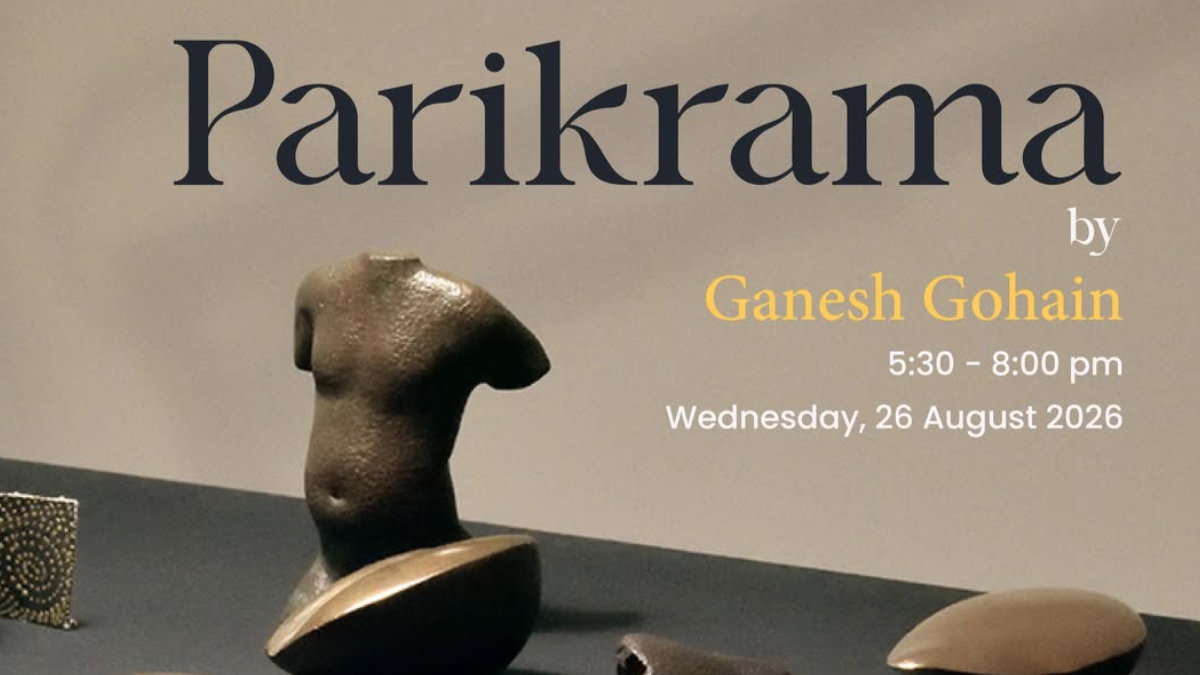
Archer Art Gallery will present Parikrama, a solo exhibition by Ganesh Gohain, opening on 26 August 2026 in Ahmedabad. The exhibition brings together works that reflect on memory, rhythm, repetition and spiritual contemplation.

The title Parikrama refers to a journey, both physical and inward. Through this exhibition, Gohain examines how movement through space can become a process of reflection and self-awareness. The works are shaped by personal memory, recurring rhythms and meditative practices that connect everyday experience with deeper introspection.

Event Overview

Parikrama considers the relationship between journey and reflection. The exhibition explores how repeated actions, remembered experiences and spiritual inquiry can influence artistic expression.

What Visitors Can Expect

Visitors will encounter works that engage with themes of:

  • Memory and recollection
  • Rhythm and repetition
  • Personal reflection
  • Spiritual contemplation
  • The idea of journey as meditation

Event Details

Event Details
Name Parikrama – A Solo Exhibition by Ganesh Gohain
Venue Archer Art Gallery, 1st Floor, Phoenix, Nr. Vijay Cross Roads, Navrangpura, Ahmedabad
City Ahmedabad
Date 26 August 2026 – 10 October 2026
Time Opening: 5:30 PM – 8:00 PM
Organiser Archer Art Gallery

The exhibition opens on Wednesday, 26 August 2026, with an evening preview at Archer Art Gallery in Navrangpura, Ahmedabad. Following the opening, the exhibition will remain on view until 10 October 2026.

Conclusion

Parikrama presents Ganesh Gohain’s exploration of memory, repetition and spiritual reflection through a body of work centred on the idea of journey. Opening at Archer Art Gallery in Ahmedabad, the exhibition offers visitors an opportunity to engage with themes of contemplation and self-examination until 10 October 2026.

Rewati Shahani Presents “i am your neighbour, i am your lover, I am” at Blueprint12

0

London-based Artist Rewati Shahani-Blueprint12-01

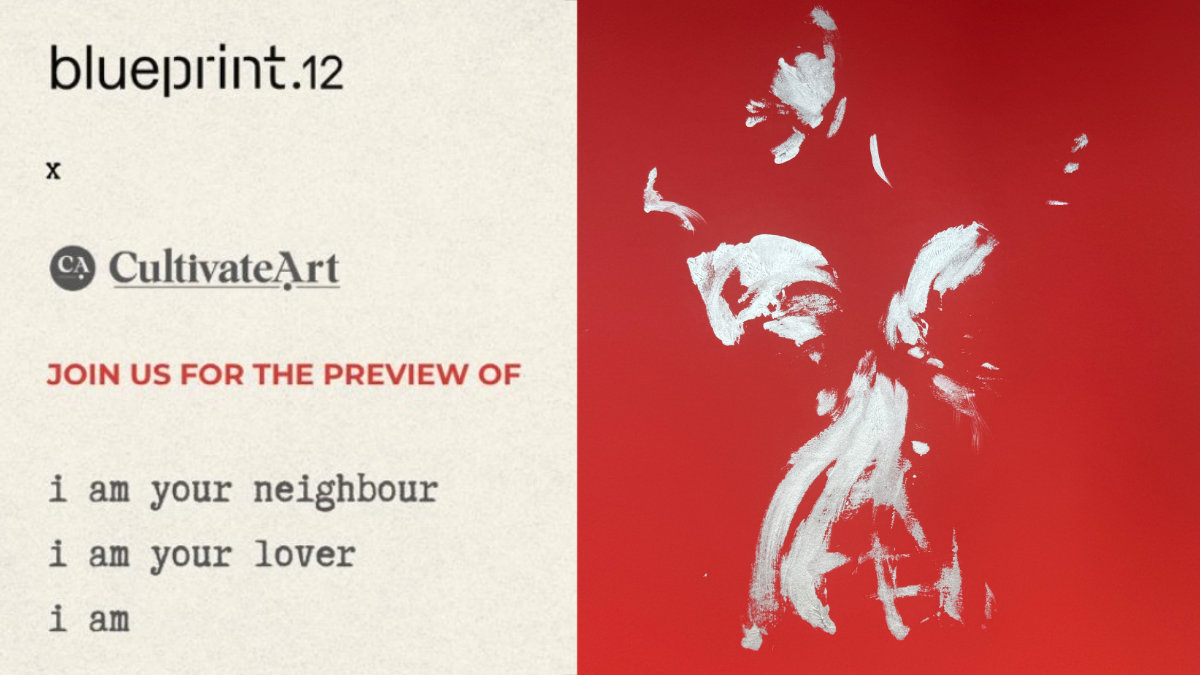
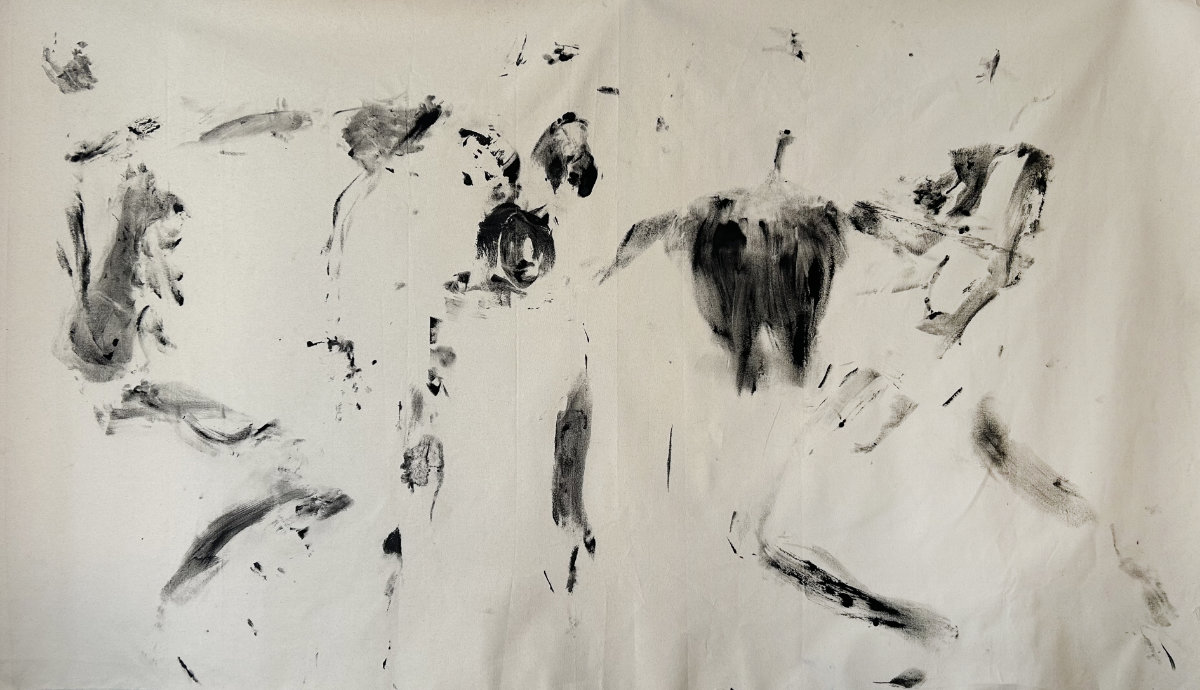
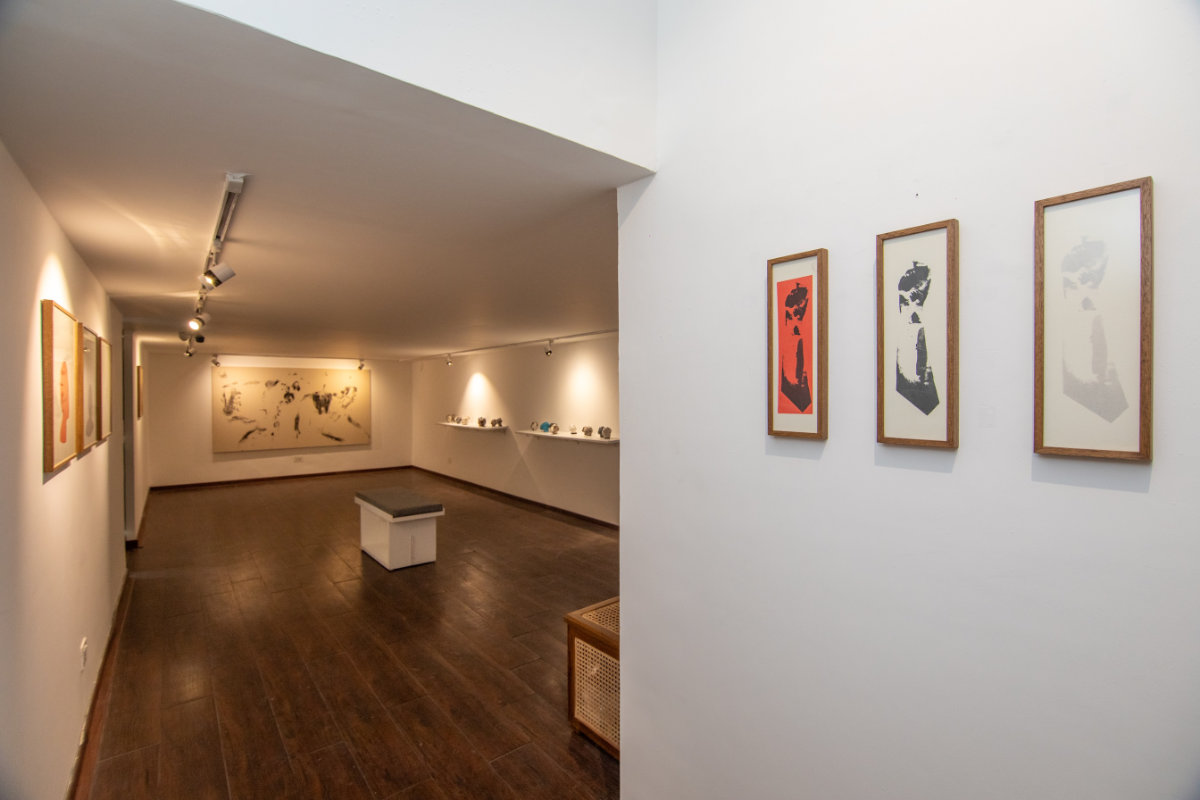
Contemporary artist Rewati Shahani’s solo exhibition “i am your neighbour, i am your lover, I am” is on view at Blueprint12 in New Delhi from 7 August to 12 September 2026. The exhibition brings together body prints, photographic works, silkscreen prints and ceramic sculptures, offering an exploration of embodiment, identity and personal experience through multiple artistic mediums.

A New Body of Work

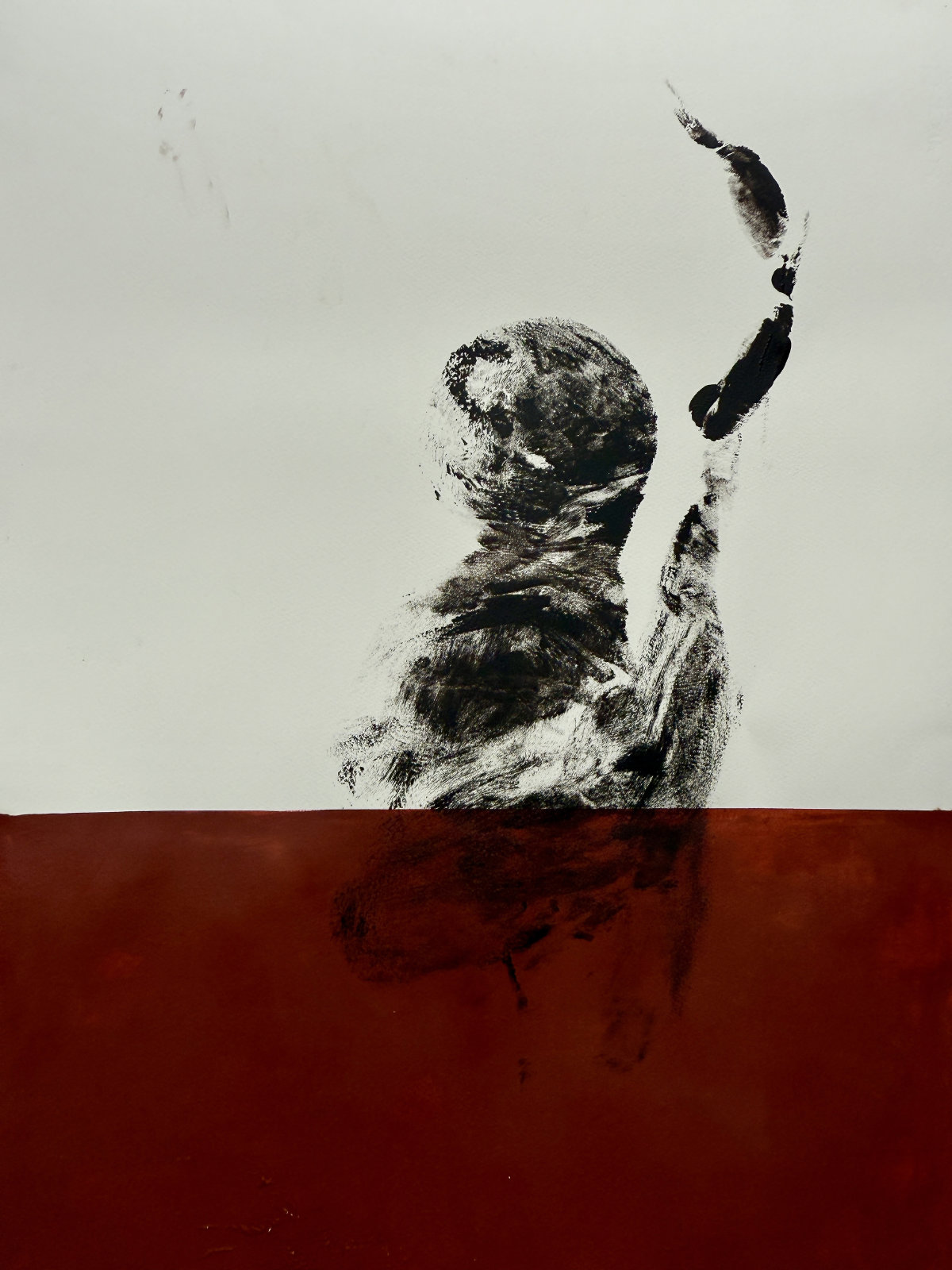
Rewati Shahani Body-print-5
Body Print

The exhibition takes its title from Shahani’s large-scale canvas work i am your neighbour, i am your lover, i am, created in 2026 using acrylic body prints on canvas. The presentation includes a wide range of recent works produced between 2025 and 2026, reflecting the artist’s ongoing engagement with the body as both subject and material.

Shahani employs physical impressions of the body, photography and sculptural forms to examine presence, memory and human relationships. Across the exhibition, the body appears as an archive of lived experiences rather than simply a visual image.

Exploring Different Mediums

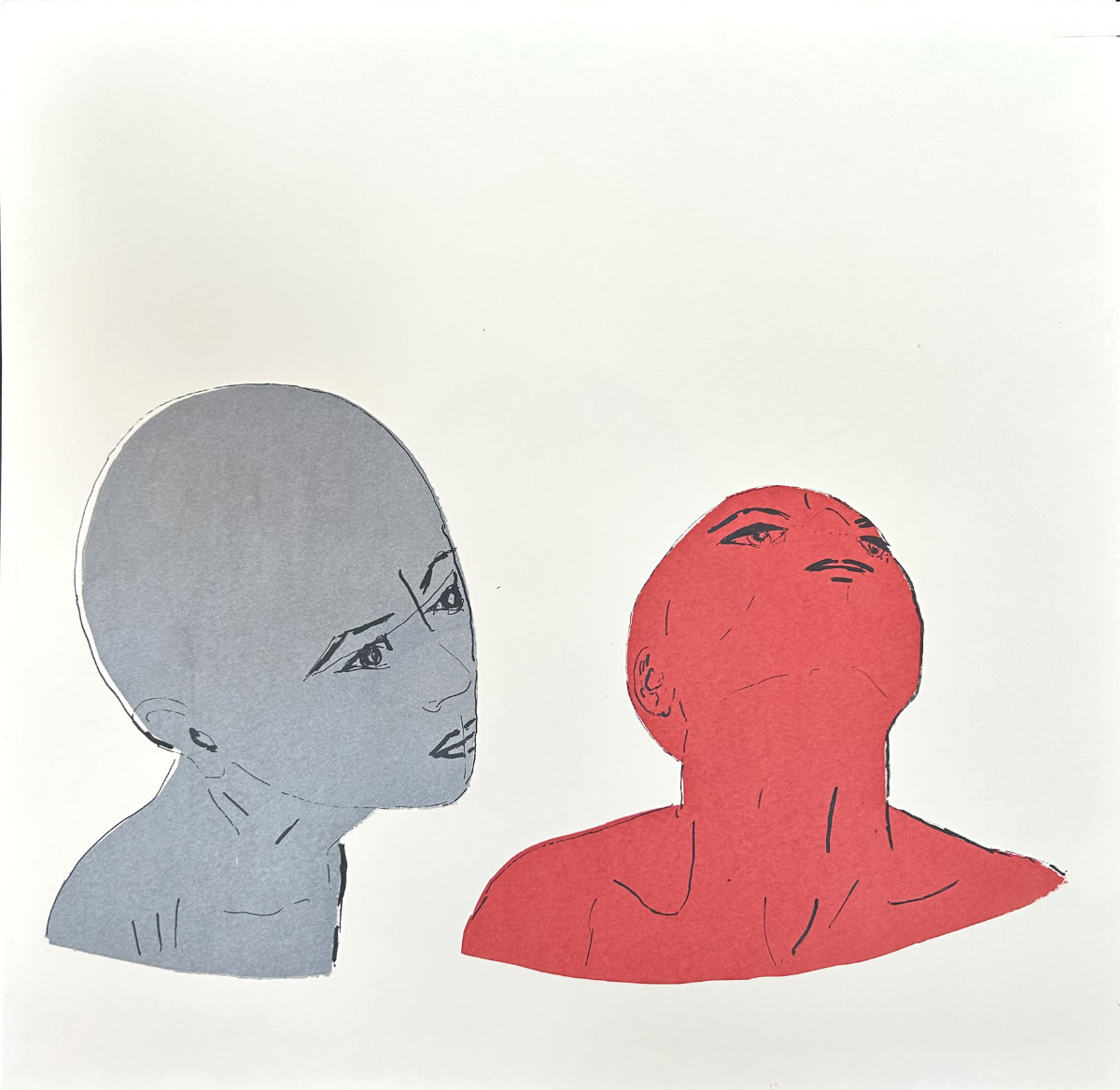
Rewati Shahani Heads (Silk Screen-print RS51)
Heads (Silk Screen-print RS51)

The exhibition features several interconnected series spanning different media.

Highlights include:

  • Body-print works such as Torso, Breakfall, Dancing Girl, Pins, I Am, Rise I and Rise II
  • Silver body-print works including Silver, Silver Body and Silver Seam
  • Photographic works such as Watch, Made me a mother, Fell, Titanium and Smile, smile, smile
  • Silkscreen prints including Silver Fist, Fist, Heads, Red and Silver Head

Together, these works create a dialogue between physical traces, representation and memory, while highlighting the artist’s interest in material experimentation.

The Aghast Ceramic Series

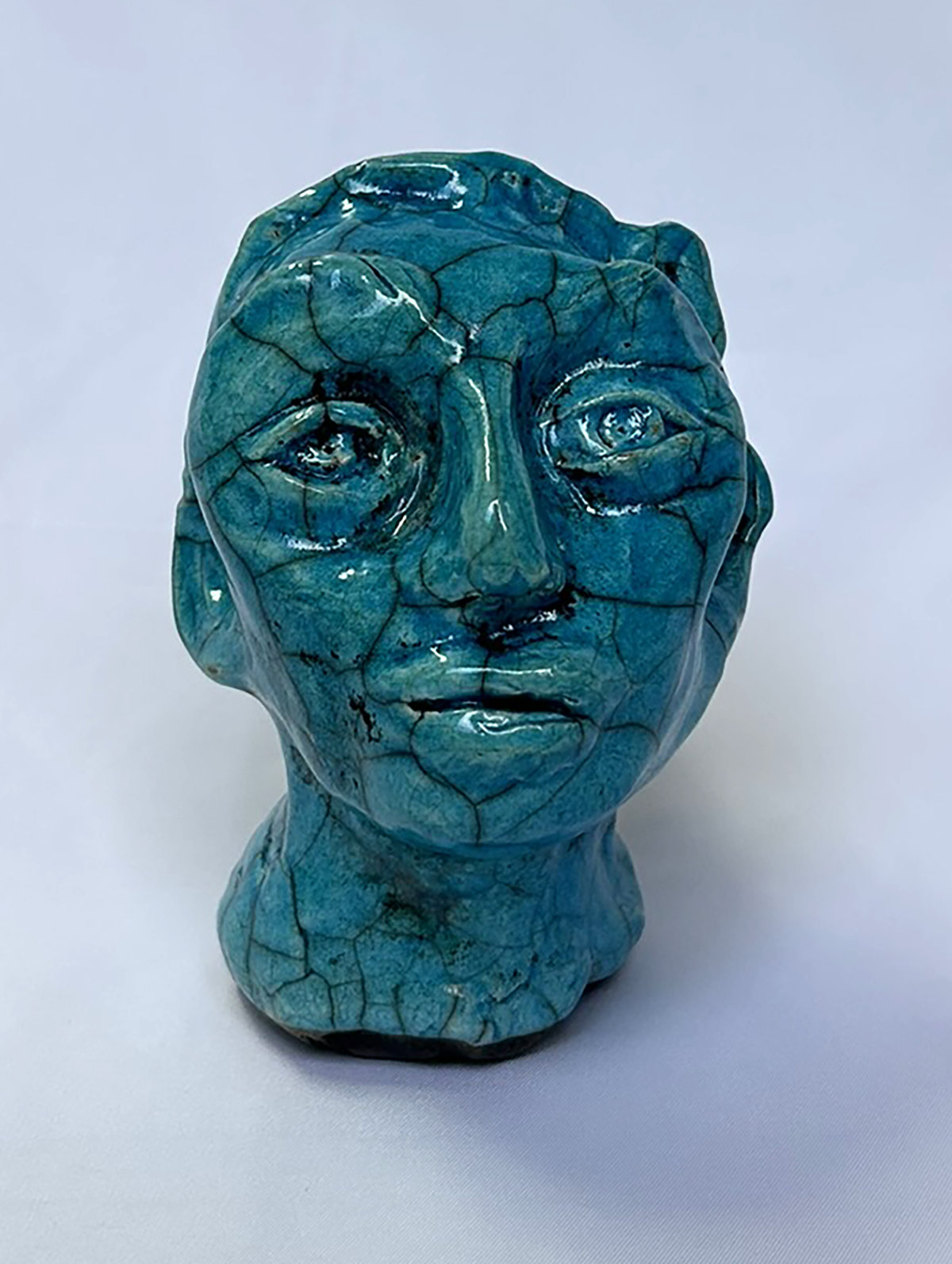
Rewati Shahani Aghast-17, 5“x5“x3“,
Aghast-17, 5“x5“x3“,

A significant component of the exhibition is the ceramic series Aghast, comprising more than twenty sculptural works. The series includes smoke-fired, raku-fired, glazed and terracotta-fired ceramic pieces produced in 2026. Individual works are presented as compact forms that extend the exhibition’s exploration of bodily presence into three-dimensional space.

The ceramic works demonstrate Shahani’s engagement with traditional firing techniques while introducing varied textures and surfaces that complement the exhibition’s broader themes.

Artist Background

Rewati Shahani I am your neighbour, I am your lover, I am (Body Print on Canvas RS 41)
I am your neighbour, I am your lover, I am (Body Print on Canvas RS 41)

Rewati Shahani is known for a multidisciplinary practice that moves across painting, printmaking, photography and sculpture. Her work frequently investigates questions of identity, memory and the body, often using physical processes that involve direct bodily engagement with materials. The current exhibition reflects this approach through body prints, photographic documentation and sculptural experimentation.

The exhibition also highlights Shahani’s interest in expanding the possibilities of mark-making beyond conventional painting, using the body itself as a creative instrument.

About Blueprint12

Rewati Shahani RS install 3

The exhibition is presented by Blueprint12, a South Asian contemporary art gallery founded in 2012 by Mandiraa Lambba and Riddhi Bhalla. Based in Anand Niketan, New Delhi, the gallery focuses on supporting emerging and established artists through exhibitions, publications and curatorial initiatives.

Blueprint12 has developed a reputation for promoting contemporary artistic practices from South Asia and has participated in international art events including Art Dubai and Frieze Seoul. The gallery’s programme places emphasis on critical dialogue, mentorship and cross-cultural exchange.

Visitor Information

Event Details
Title i am your neighbour, i am your lover, i am
Artist Rewati Shahani
Venue Blueprint12, New Delhi, India
Exhibition Dates 7 August 2026 – 12 September 2026
Organiser Blueprint12
Website https://www.blueprint12.com

Key works on view include:

  • i am your neighbour, i am your lover, i am
  • Silver Body
  • Watch
  • Made me a mother
  • Heads
  • Selected works from the Aghast ceramic series

Conclusion

Through painting, photography, printmaking and ceramics, i am your neighbour, i am your lover, i am presents a multifaceted examination of the human body and its relationship to memory, identity and lived experience. The exhibition demonstrates Rewati Shahani’s interdisciplinary approach while contributing to ongoing conversations around embodiment in contemporary art. By bringing together diverse materials and processes, the exhibition offers audiences an opportunity to engage with questions of presence, connection and selfhood within a contemporary cultural context.

AstaGuru Opens Singapore Headquarters, Strengthening Its Presence in Asia’s Art Market

0
AstaGuru launches its headquarters in Singapore-01
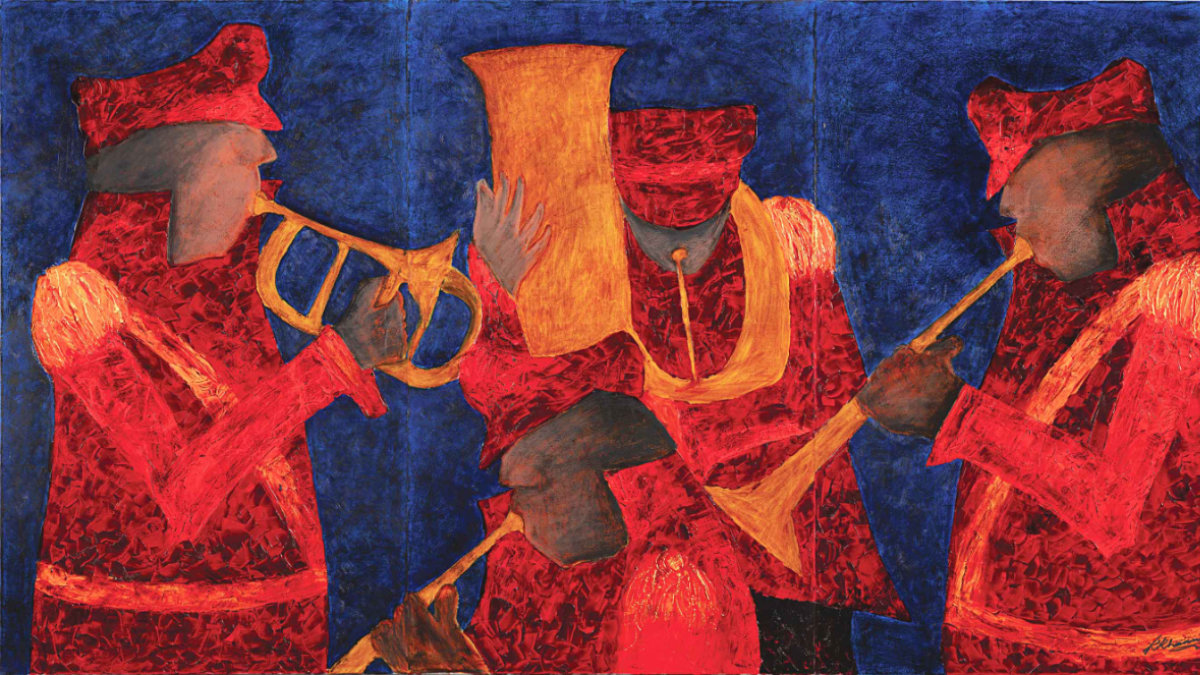
Artwork by Krishen Khanna

AstaGuru, India’s leading digital-first auction house, has announced the launch of its headquarters in Singapore, marking its second international expansion after opening a London office earlier in 2026. The move is intended to strengthen the company’s presence across Asia and provide collectors in Southeast Asia with greater access to Indian art, fine jewellery, luxury timepieces and rare collectibles.

Expansion Into a Regional Art Hub

The Singapore office was officially announced on 19 August 2026 and is positioned as a strategic gateway for the auction house’s growth across Southeast Asia. Founded in Mumbai in 2008, AstaGuru has become one of India’s most prominent auction platforms, specialising in Modern and Contemporary Indian Art, jewellery, watches and collectibles. The company says the Singapore presence will help deepen engagement with collectors, institutions and cultural stakeholders across the region.

According to information published by AstaGuru, the company pioneered a digital-first auction model in India and has built a global network of collectors through online auctions and specialist advisory services. The organisation was established in 2008 and has since expanded its activities beyond art into several luxury collecting categories.

Leadership and Regional Operations

The Singapore headquarters will be led by Jillian Kwan, Managing Director, Singapore. Kwan brings more than two decades of experience from major international auction houses and has worked across fine art, jewellery, watches and luxury collectibles. Her responsibilities will include collector engagement, client advisory services and consignment sourcing throughout Southeast Asia.

According to AstaGuru’s Singapore office profile, Kwan previously held senior roles at international auction houses including Sotheby’s, Christie’s and Phillips, contributing expertise in operational leadership and business development across Asia.

Connecting Indian Art With New Audiences

A key objective of the Singapore expansion is to create stronger links between collectors in India, Southeast Asia and international markets. Company executives said the new office will support cross-border participation and increase access to Indian art and luxury categories while encouraging greater cultural exchange.

Highlights of the Singapore initiative include:

  • Direct advisory services for collectors in Southeast Asia
  • Consignment sourcing and valuation support
  • Access to AstaGuru’s global auction calendar
  • Specialist expertise in art, jewellery, watches and collectibles
  • Curated previews and collector-focused events

September Preview Exhibition

As part of its launch activities, AstaGuru Singapore will present a private gallery display in September featuring works by several leading Indian artists. The preview is intended to introduce local collectors to the type of works regularly featured in the auction house’s sales programme.

Featured artists are expected to include:

  • S.H. Raza
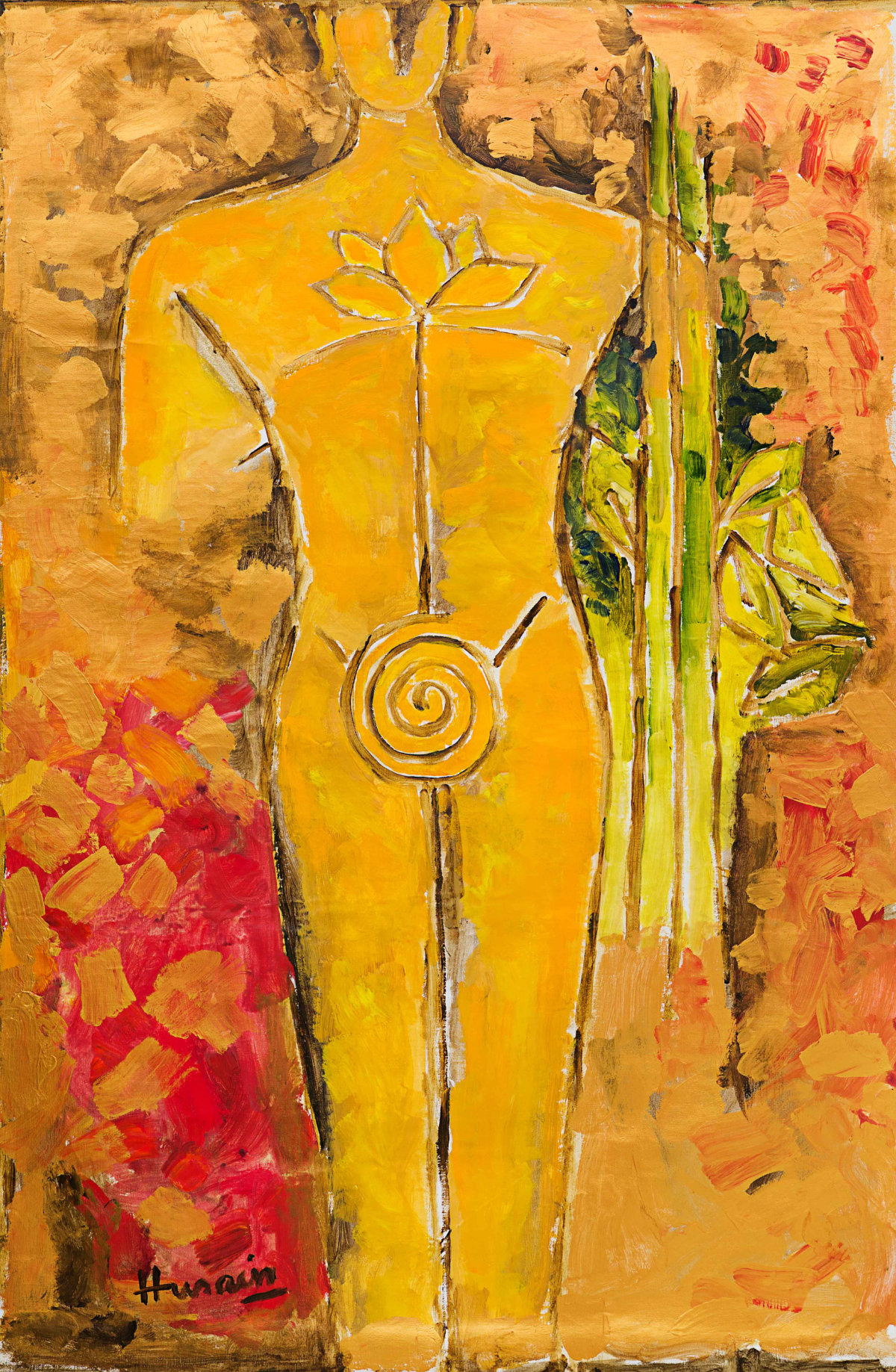
  • M.F. Husain
  • Thota Vaikuntam
  • Krishen Khanna

The exhibition will provide visitors with an opportunity to view works ahead of future auctions and gain insight into the auction house’s collecting categories.

Building on International Growth

Art work by M.F Husain

The Singapore launch follows the opening of AstaGuru’s London office in May 2026, part of a broader international expansion strategy. The company has described both locations as regional hubs designed to strengthen relationships with collectors and institutions while increasing participation in its digital auction platform.

The organisation currently operates across multiple collecting categories and conducts online auctions supported by digital catalogues, timed sales and real-time bidding systems. Through its website and mobile platform, collectors can participate in auctions from different parts of the world.

Visitor Information and Registration

Collectors interested in participating in upcoming auctions can register through the company’s official website. The Singapore office will also host specialist consultations, collector engagement programmes and selected physical previews alongside its digital auction activities.

More information is available through the official website at www.astaguru.com and the Singapore office page at AstaGuru Singapore.

Conclusion

The opening of AstaGuru’s Singapore headquarters reflects the growing interconnectedness of Asian art and luxury markets. By creating a regional base in one of Southeast Asia’s major cultural and financial centres, the auction house aims to expand access to Indian art and collectibles while encouraging stronger engagement among collectors across borders. The move also highlights Singapore’s continuing role as an important hub for cultural exchange, collecting

Pattachitra Art Workshop with Ashish Kumar Das at JCAC Mysuru

0

Pattachitra Art Workshop with Ashish Kumar Das at JCAC Mysuru-01

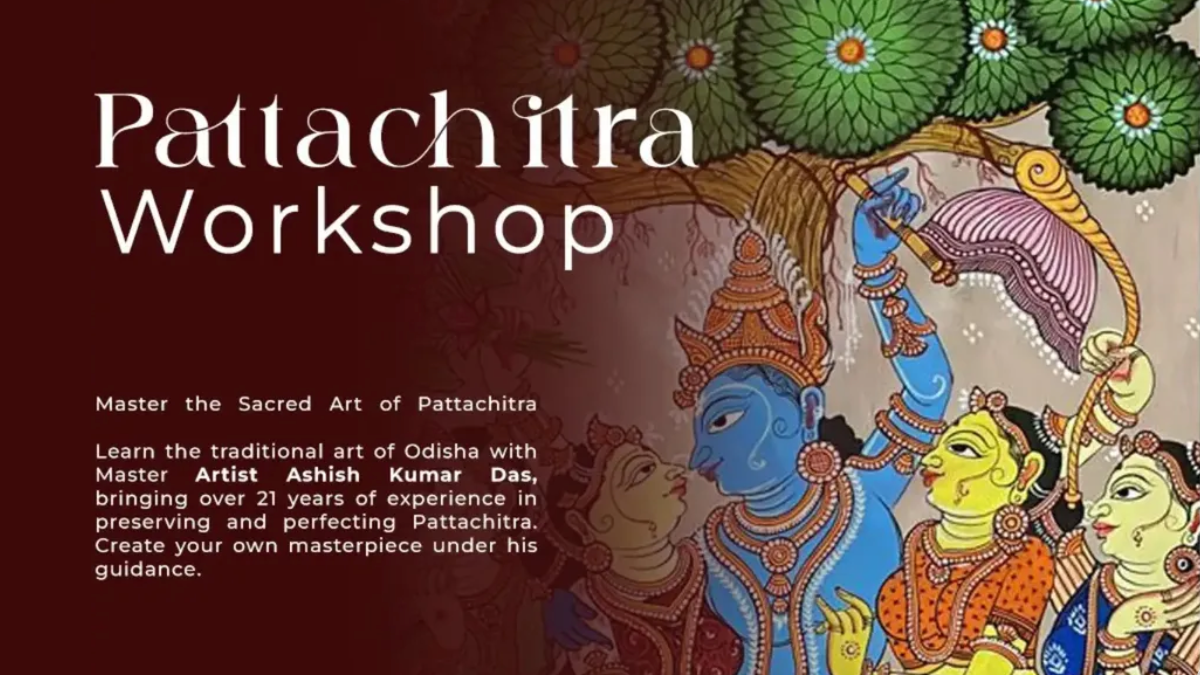
JCAC Mysuru will host a three-day Pattachitra art workshop from 25–27 September 2026, offering participants an opportunity to learn a traditional painting practice from Odisha known for its intricate detailing, bold colours, and narrative imagery.

The workshop will be led by Master Artist Ashish Kumar Das, who has more than 21 years of experience in the Pattachitra tradition. Participants will work closely with the artist to understand the techniques, motifs, and storytelling methods associated with this historic art form.

Workshop Overview

Pattachitra is one of India’s well-known traditional painting styles, originating in Odisha. Characterised by fine linework and decorative compositions, the art form has long been used to depict religious and mythological themes.

During the workshop, participants will create their own Pattachitra painting and can choose one of the following subjects:

  • Lord Jagannath
  • Radha Krishna

All art materials will be provided, including a 14″ × 20″ canvas.

What Participants Can Expect

Over the course of three days, participants will:

  • Learn the fundamentals of Pattachitra painting
  • Understand traditional compositions and motifs
  • Receive guidance from an experienced master artist
  • Complete a traditional artwork on canvas

The workshop is suitable for beginners, art enthusiasts, students, and anyone interested in Indian traditional and folk art practices.

Event Details

Event Details
Workshop Name Pattachitra Art Workshop
Facilitator Ashish Kumar Das
Venue JCAC Mysuru
City Mysuru
Date 25–27 September 2026
Time 10:30 AM – 2:30 PM
Registration For details contact +91 70220 33303
Website Instagram: @jcacmysuru

Conclusion

Hosted by JCAC Mysuru, this three-day workshop offers participants an opportunity to engage with the traditional art of Pattachitra under the guidance of Ashish Kumar Das. Through practical instruction and hands-on work, attendees will gain insight into the techniques and visual traditions of this longstanding Odisha art form while completing their own painting.

Method Delhi Presents Fresh Produce Featuring 16 Rising Contemporary Artists

0
Method Delhi Presents Fresh Produce Featuring 16 Rising Contemporary Artists-01
Garden by Jhalak Garg

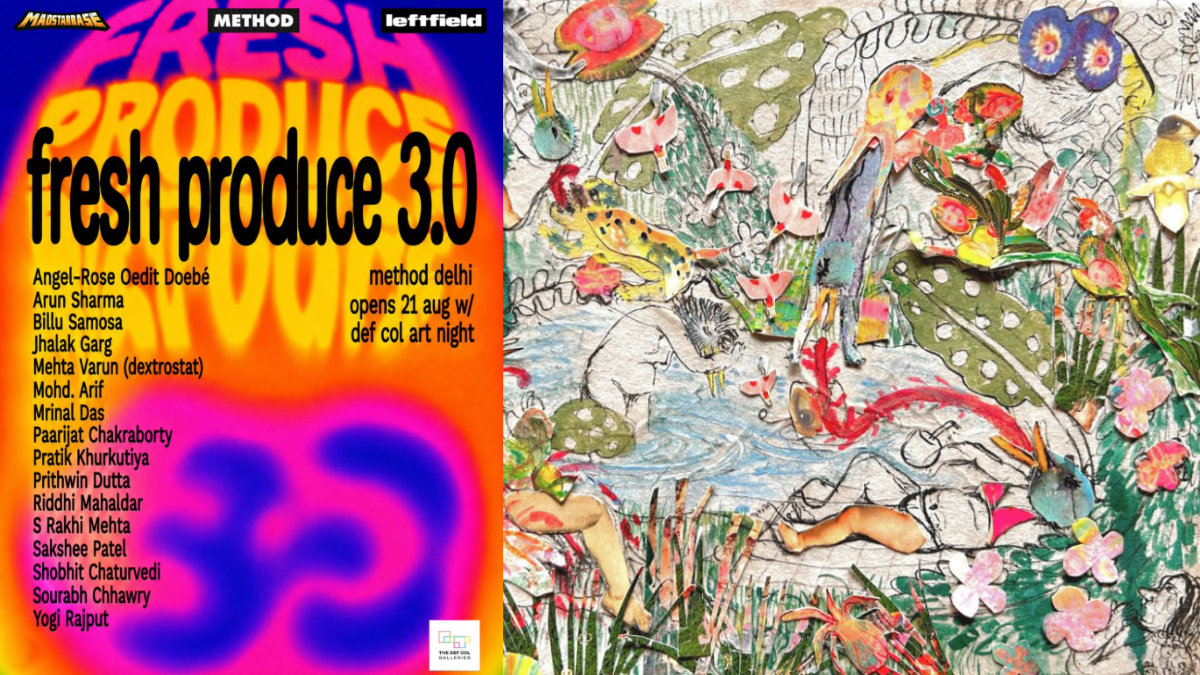
Method will present the third edition of Fresh Produce, its recurring exhibition dedicated to emerging artistic practices, from 21 August to 3 October 2026 at its Delhi space in Defence Colony. The exhibition brings together 16 artists selected from more than 400 portfolios submitted through an open call, highlighting a range of contemporary practices from across India and abroad.

A Platform for Emerging Practices

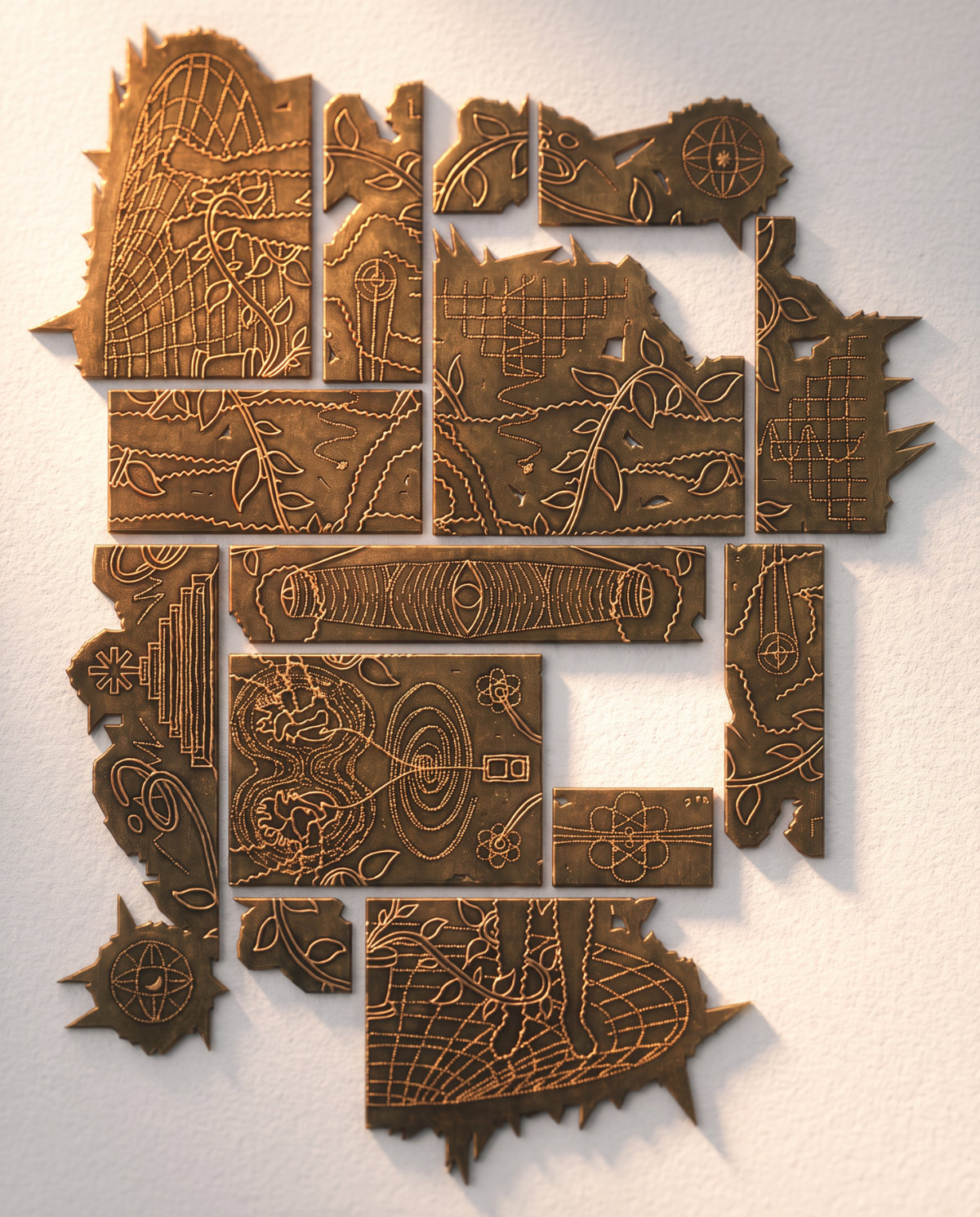
BTRSWT-01
BTRSWT-01

Since its inception, Fresh Produce has focused on identifying and supporting artists at an early stage in their careers. Rather than organising the exhibition around a single curatorial theme, the project embraces diverse approaches, media and perspectives. This year’s edition continues that approach, offering visitors an opportunity to engage with practices that are still evolving and finding their place within contemporary art.

The selected artists include practitioners from different regions of India alongside Netherlands-based artist Angel-Rose Oedit Doebé. Together, they represent a broad cross-section of emerging artistic voices working today.

Selection Process and Jury

Mehta Varun - BTRSWT-02
Mehta Varun – BTRSWT-02

The artists were chosen through an open-call process that attracted more than 400 submissions. According to the organisers, the large number of applications reflects the growing breadth of emerging artistic practices developing across the country.

The selection was made by a jury comprising:

  • Feroz Gujral, Founder and Director, The Gujral Foundation
  • Akanksha Rastogi, Associate Director, Visual Arts, Kiran Nadar Museum of Art
  • Sahil Arora, Founder and Curator of Method

The jury evaluated artists based on the strength of their practice and its potential for continued development.

Participating Artists

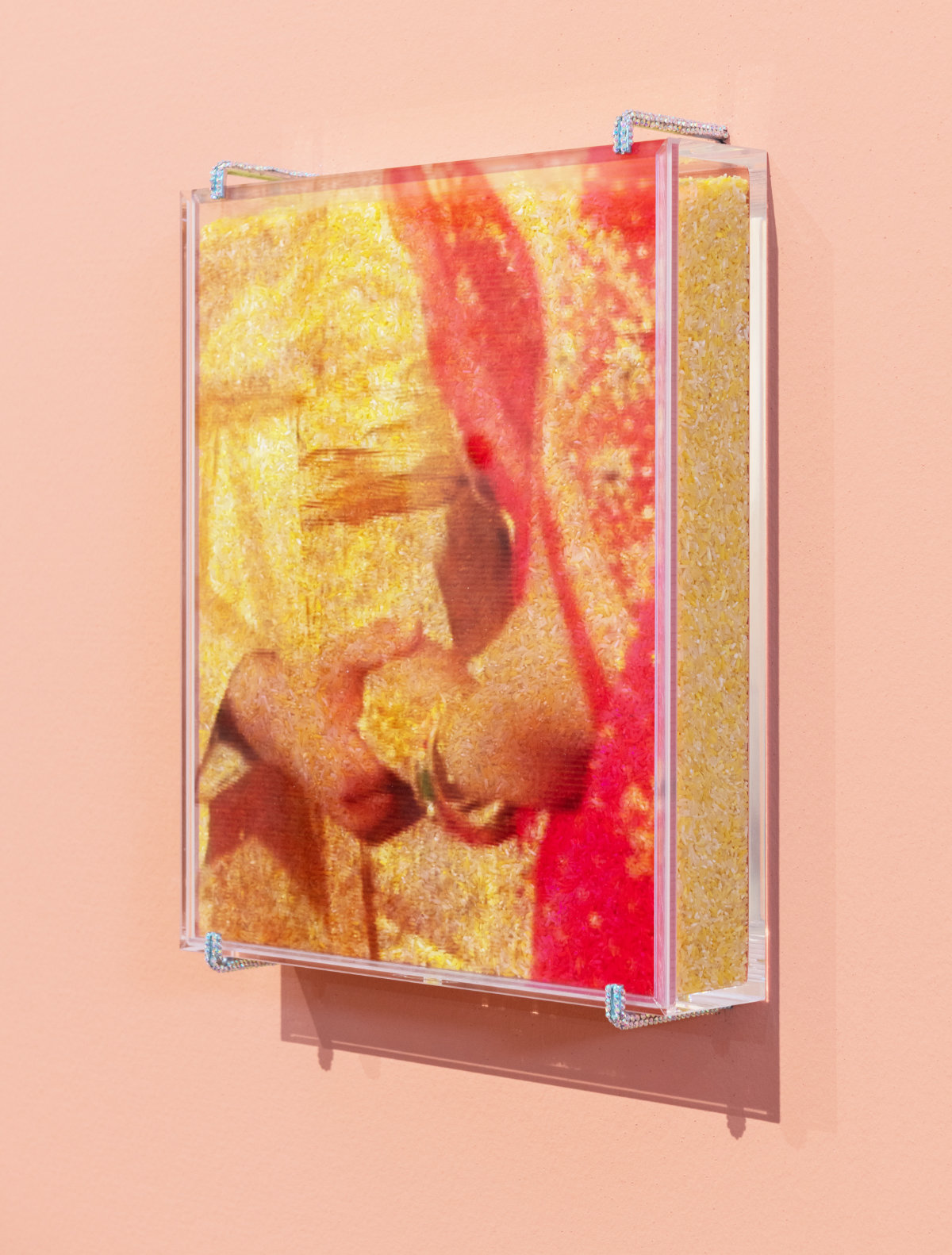
Untitled Series - Angel-Rose Oedit Doebé (2)
Untitled Series – Angel Rose Oedit Doebé (2)

The third edition features the following artists: Featured artists include:

Angel-Rose Oedit Doebé Arun Sharma
Billu Samosa Jhalak Garg
Mehta Varun Mohd. Arif
Mrinal Das Paarijat Chakraborty
Pratik Khurkutiya Prithwin Dutta
Riddhi Mahaldar S Rakhi Mehta
Sakshee Patel Shobhit Chaturvedi
Sourabh Chhawry Yogi Rajput

The exhibition offers audiences an opportunity to encounter artists working across disciplines and methodologies, reflecting the plurality that continues to shape contemporary art practices.

Method’s Expanding Presence in Delhi

Founded by Sahil Arora in Mumbai in 2019, Method has developed a reputation for working with emerging and experimental artists, including practitioners who operate outside conventional gallery structures. The gallery expanded to Delhi in 2025 with a new space in Defence Colony, an area that has increasingly become a hub for contemporary art galleries in the capital.

Method’s programming has included exhibitions, workshops, performances and interdisciplinary cultural events, reflecting its broader interest in community engagement and contemporary artistic experimentation.

For more information about the gallery, visitors can visit Method Gallery.

Exhibition Highlights

Key aspects of the exhibition include:

  • 16 emerging artists selected from over 400 applications
  • Artists from across India and the Netherlands
  • Open-call selection process
  • Diverse contemporary practices across disciplines
  • Opportunity to engage with artists at an early stage of their careers

Unlike theme-based exhibitions, Fresh Produce focuses on presenting a range of artistic positions, allowing audiences to explore multiple perspectives within a single exhibition framework.

Visitor Information

Event Details
Title Fresh Produce – Third Edition
Artist 16 Emerging Artists (Group Exhibition)
Venue Method, D-59, Basement, Defence Colony, New Delhi
Opening Date 21 August 2026
Exhibition Dates 21 August – 3 October 2026
Organiser Method
Timings 12 PM – 7 PM (Closed Mondays)
Entry / Tickets Not specified
Website https://themethod.art/

Conclusion

With its third edition, Fresh Produce continues Method’s commitment to supporting emerging artistic practices and creating visibility for new voices. By bringing together artists at a formative stage of their careers, the exhibition offers audiences insight into current developments in contemporary art while contributing to broader conversations around experimentation, representation and artistic growth. As Delhi’s contemporary art landscape continues to expand, initiatives such as Fresh Produce provide an important platform for the next generation of artists.