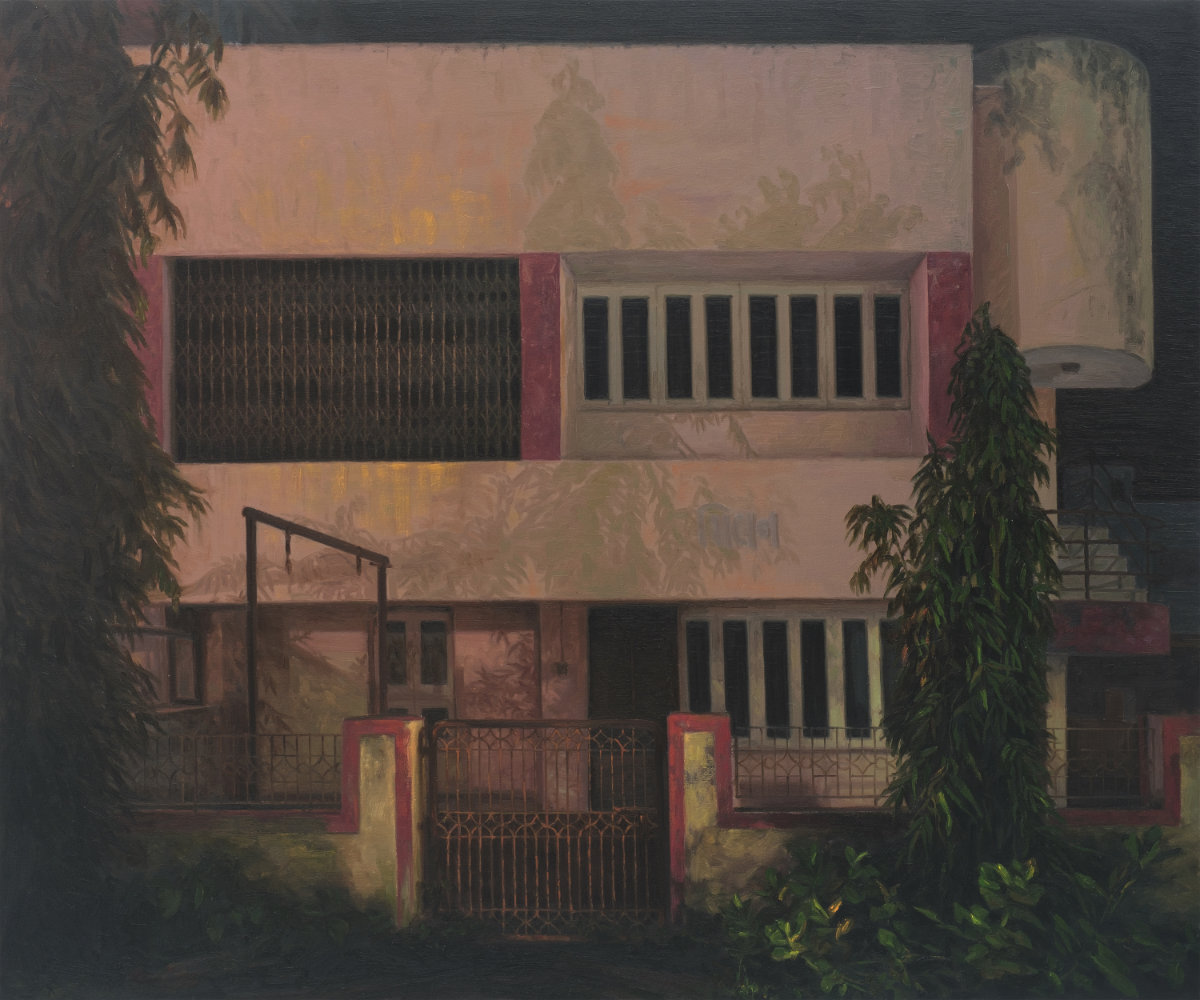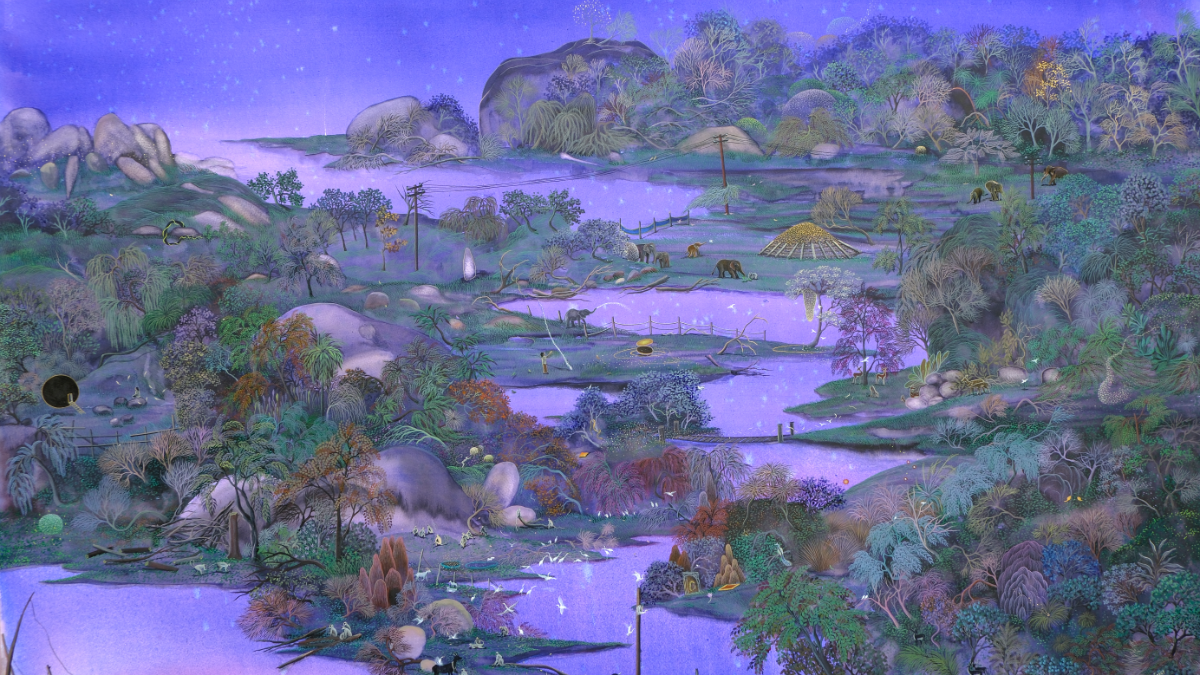
The Anatomy of Wonder Explores Contemporary Surrealism Through Dreams, Memory and Myth

0
The Anatomy of Wonder Art Exhibition
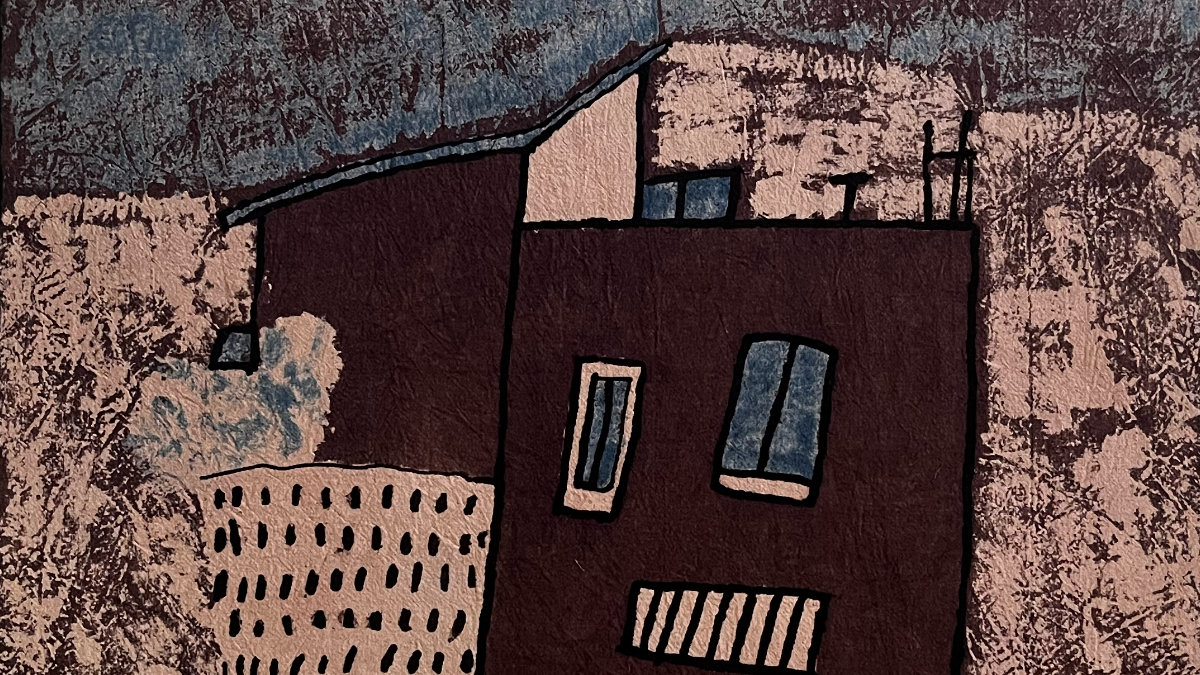
Artwork by Laxmipriya Panigrahi

A new group exhibition titled The Anatomy of Wonder will open at Anant Art in New Delhi on 10 September 2026, bringing together the works of Aditya Puthur, Anikesa Dhing, Dhiraj Rabha, Tito Stanley S.J. and Laxmipriya Panigrahi. The exhibition explores dreams, mythology, memory and the subconscious through a range of visual languages, examining how surrealist approaches continue to evolve in contemporary artistic practice.

Revisiting Surrealism Through Contemporary Contexts
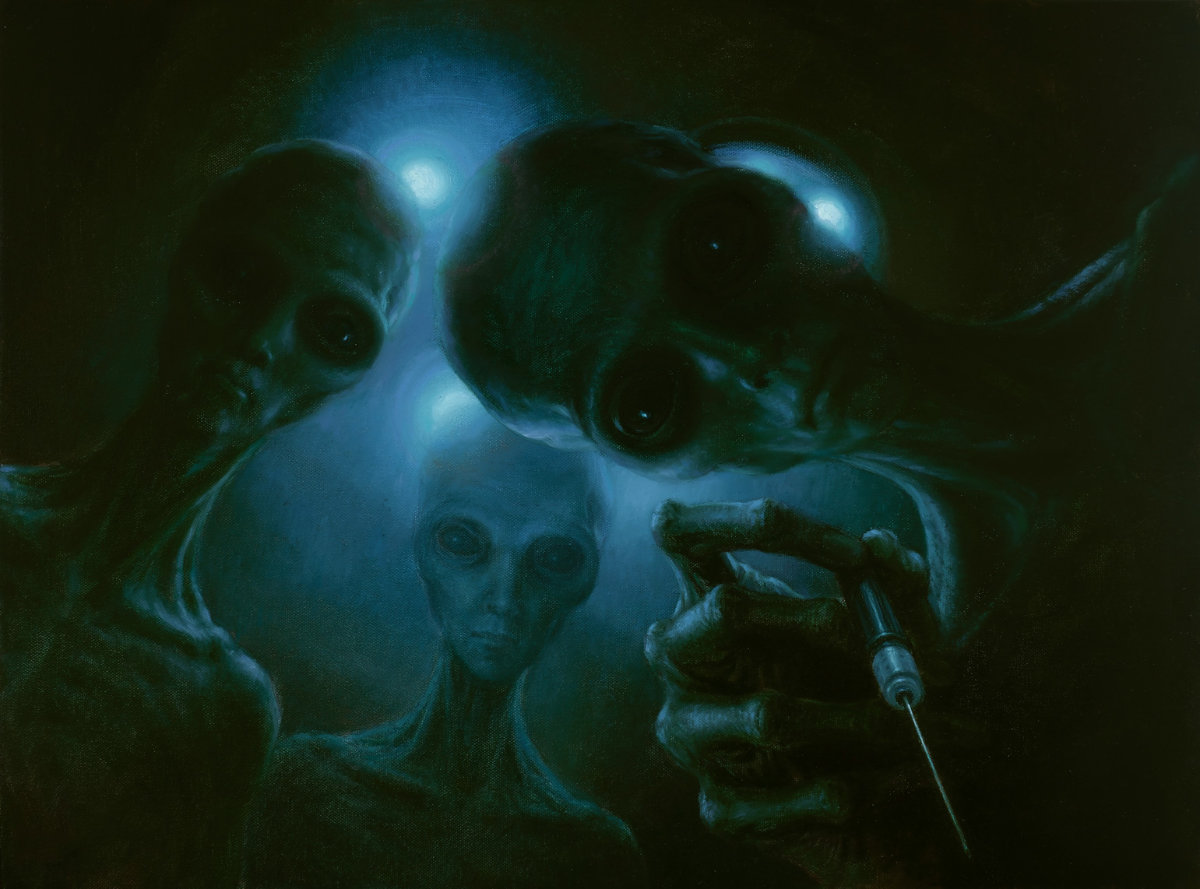
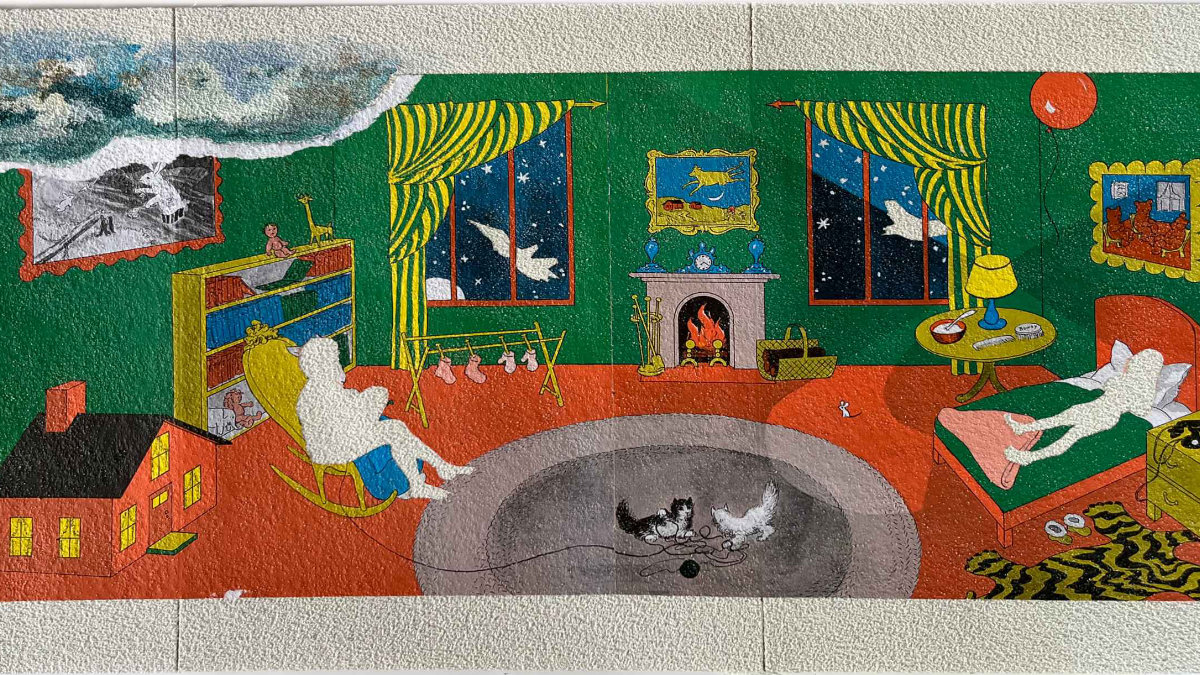
Aditya Puthur, Rosabella Believe Alien Abduction (2026), Oil on canvas, 18 x 24 in. Courtesy of Anant Art

According to the exhibition statement, The Anatomy of Wonder looks at the legacy of Surrealism beyond its European origins and considers how artists today engage with imagination, irrationality and subjective experience. Drawing on painting, drawing, installation and mixed media, the exhibition presents works that challenge linear narratives and invite viewers to engage intuitively with layered emotional and cultural realities.

The exhibition references the historical roots of Surrealism, particularly the movement’s engagement with dreams and the unconscious following the upheavals of the First World War. In this contemporary iteration, those ideas are reconsidered through personal histories, folklore, ecological concerns and questions of identity.

Five Artists, Distinct Visual Languages
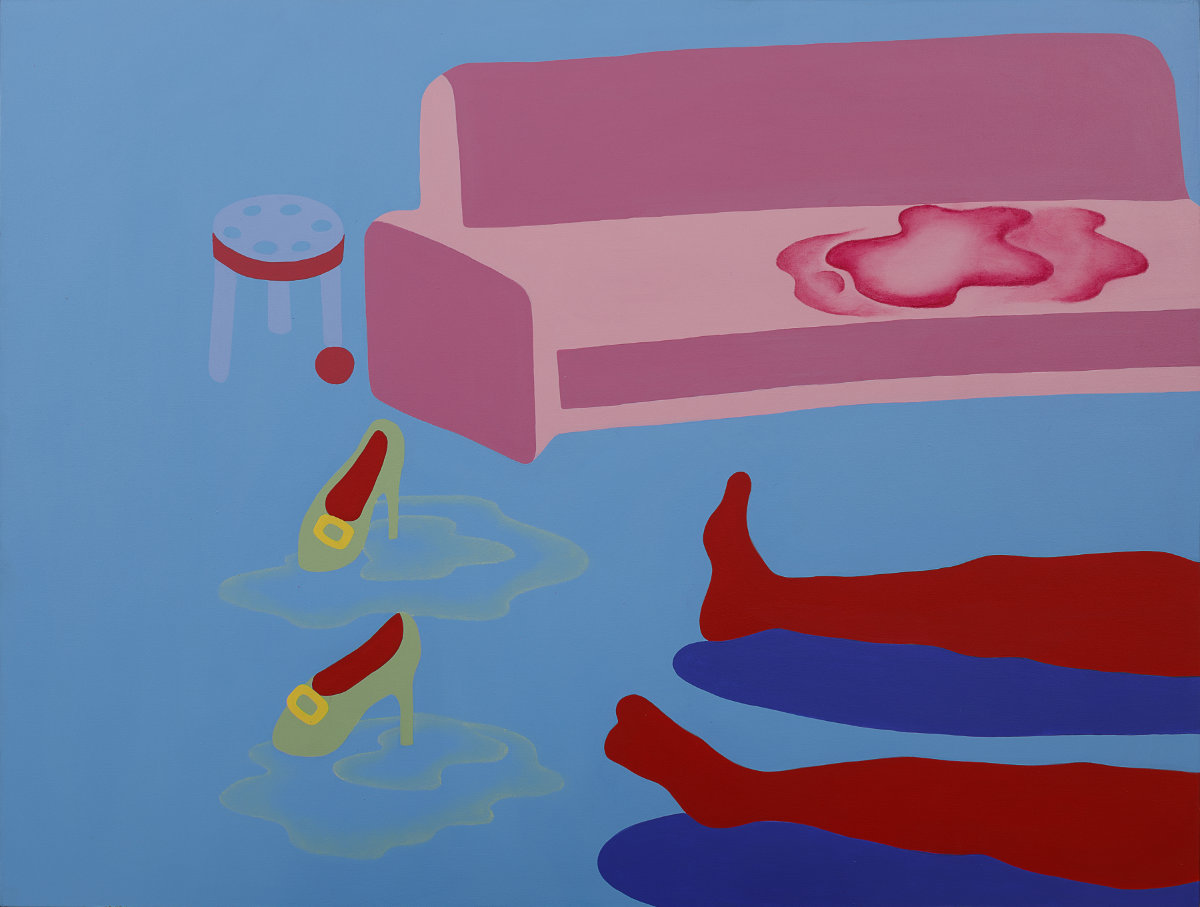
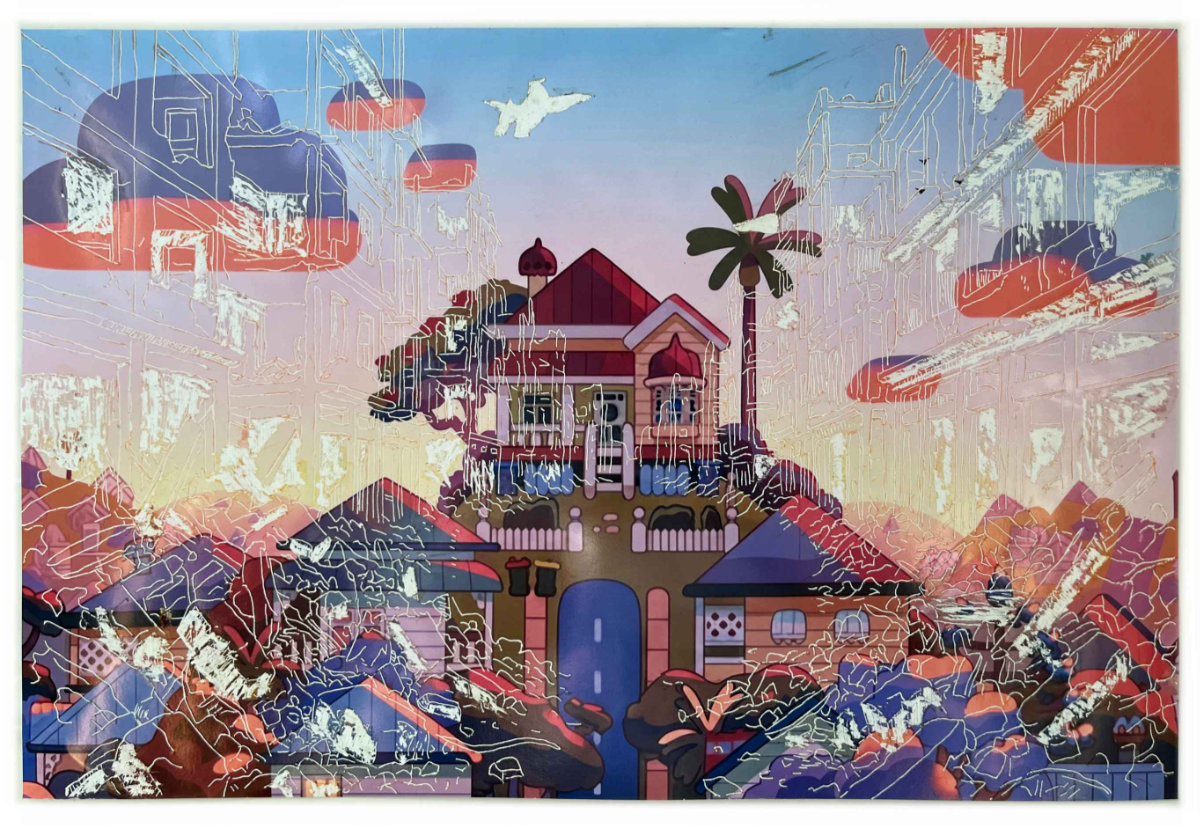
Anikesa Dhing, Idk if I forgot to close the tap (2026), Acrylic and oil stick on linen, 36 x 48 in Courtesy of Anant Art

The exhibition brings together five artists whose practices approach wonder and imagination from different perspectives.

Featured artists include:

  • Aditya Puthur, whose work investigates the human body through intersections of art, medicine and biology.
  • Anikesa Dhing, known for paintings that examine everyday objects through vibrant and surreal visual narratives.
  • Dhiraj Rabha, whose interdisciplinary practice engages with memory, identity and community histories.
  • Laxmipriya Panigrahi, recognised for miniature-inspired landscapes influenced by Odisha’s artistic traditions.
  • Tito Stanley S.J., whose allegorical paintings draw upon experiences of migration, belonging and cultural memory.

Collectively, their works create what the gallery describes as alternate worlds where fantasy, memory and speculation intersect.

Wonder as a Method of Inquiry
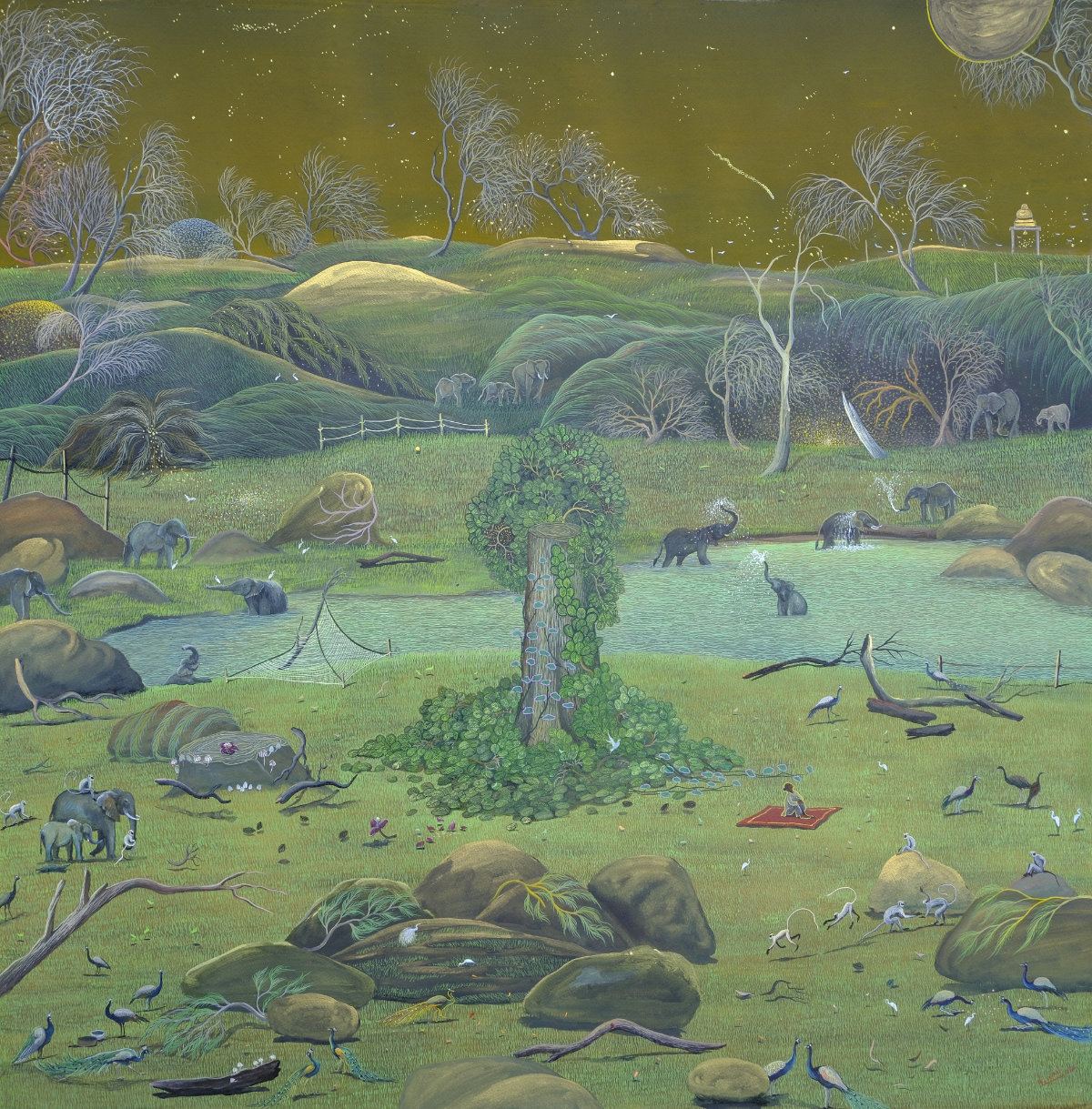
Laxmipriya Panigrahi, A World Out of Place (2026), Watercolour on paper. 29 x 29 in. Courtesy of Anant Art

Mamta Singhania, Founder-Director of Anant Art, describes the exhibition as an invitation to observe the world from a position of wonder. The participating artists, she notes, present works shaped through the development of personal visual vocabularies that engage with memory, myth, fantasy and emotion.

The exhibition arrives at a moment when issues such as ecological uncertainty, displacement, digital saturation and fragmented identities continue to influence artistic production. Within this context, the exhibition proposes imagination not as an escape from reality but as a means of understanding and responding to it.

About Anant Art
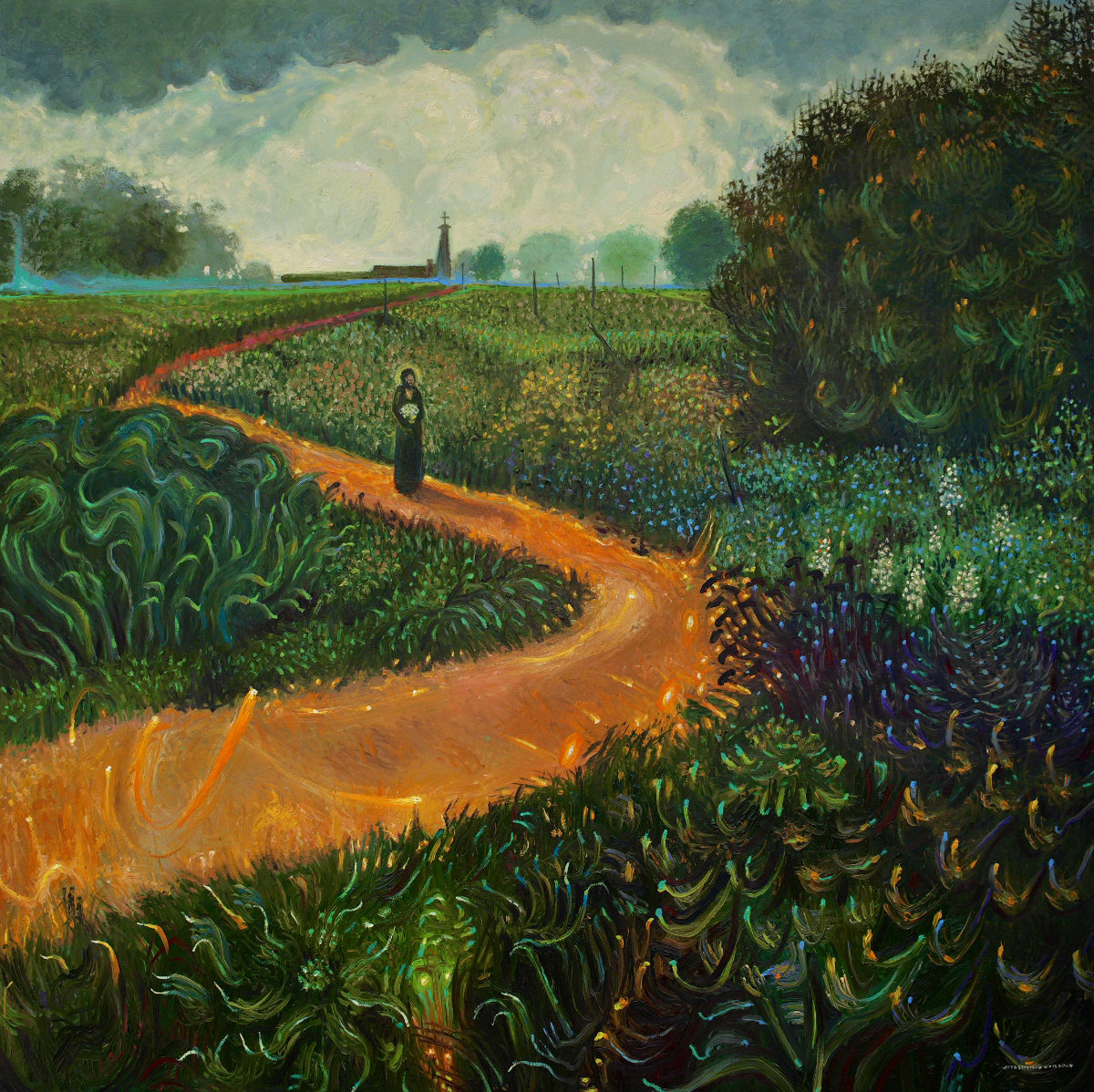
Tito Stanley S J, The Bloom and the Tempest (2025), Oil on wooden panel, 24 x 24 in. Courtesy of Anant Art

Founded in 2003 by Mamta Singhania, Anant Art has established itself as a platform for contemporary South Asian art through exhibitions, publications, residencies and public programmes. The gallery supports both established and emerging artists and has expanded its activities through initiatives such as Studio Catalyst and the Anant Foundation for the Arts. The organisation continues to focus on long-term artistic development and public engagement within contemporary art discourse.

Additional information available through the gallery’s official platforms highlights its ongoing commitment to presenting conceptually driven contemporary practices and fostering dialogue between artists, institutions and audiences.

Exhibition Details
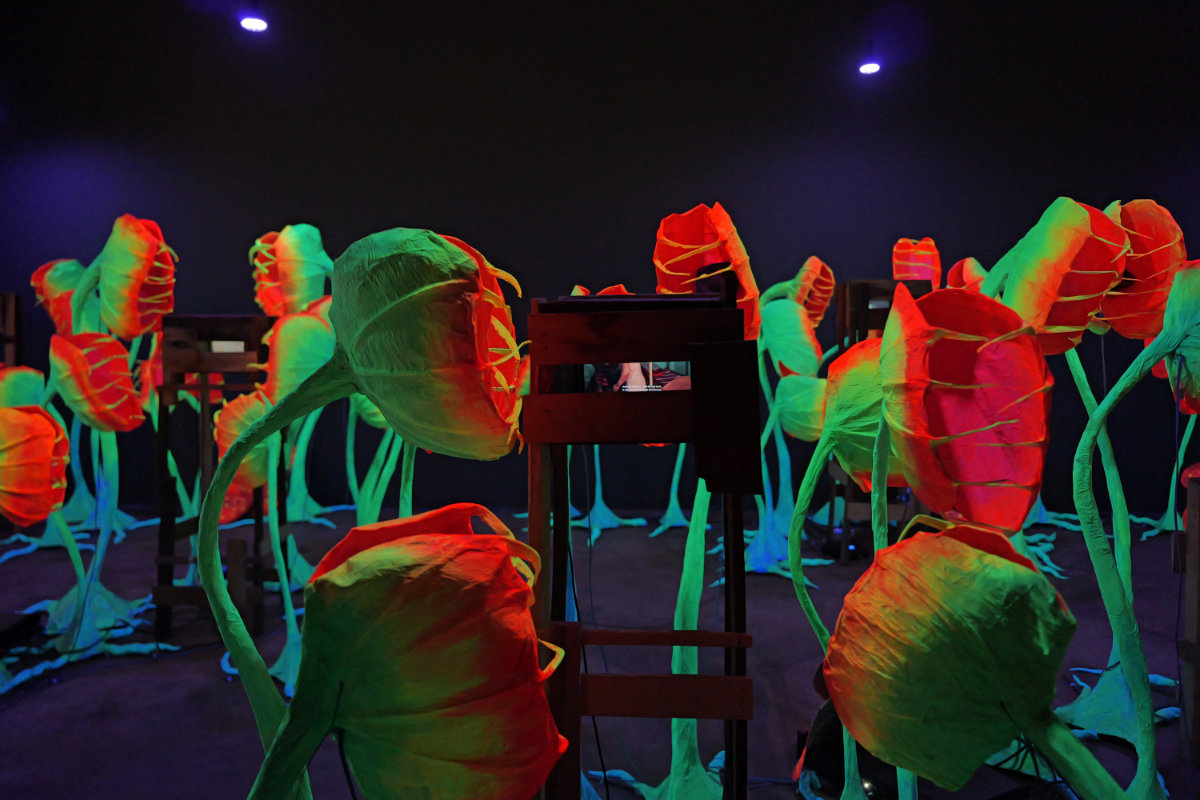
Dhiraj Rabha, The quiet weight of shadows (2025), Audio-visual installation, Size variable Courtesy of Anant Art
Event Details
Title The Anatomy of Wonder
Nature Group Exhibition
Artists Aditya Puthur, Anikesa Dhing, Dhiraj Rabha, Tito Stanley S.J. and Laxmipriya Panigrahi
Venue Anant Art, B-5/3, Safdarjung Enclave, New Delhi, India
Opening Date 9 September 2026 (Preview)
Exhibition Dates 10 September – 31 October 2026
Organiser Anant Art
Entry / Tickets Preview by invitation only; public viewing during gallery hours
Website https://www.anantart.com

Conclusion

By bringing together five emerging and mid-career artists, The Anatomy of Wonder explores how imagination continues to function as a critical artistic tool in contemporary society. Through works shaped by memory, mythology, personal histories and speculative thinking, the exhibition offers visitors an opportunity to reflect on alternative ways of seeing and understanding the world. In doing so, it contributes to ongoing conversations about the role of art in navigating cultural, social and emotional realities.
Phantasms in the Hold Examines Borderland Histories Through Art and Memory

0

Phantasms in the Hold Examines Borderland Histories Through Art and Memory-01

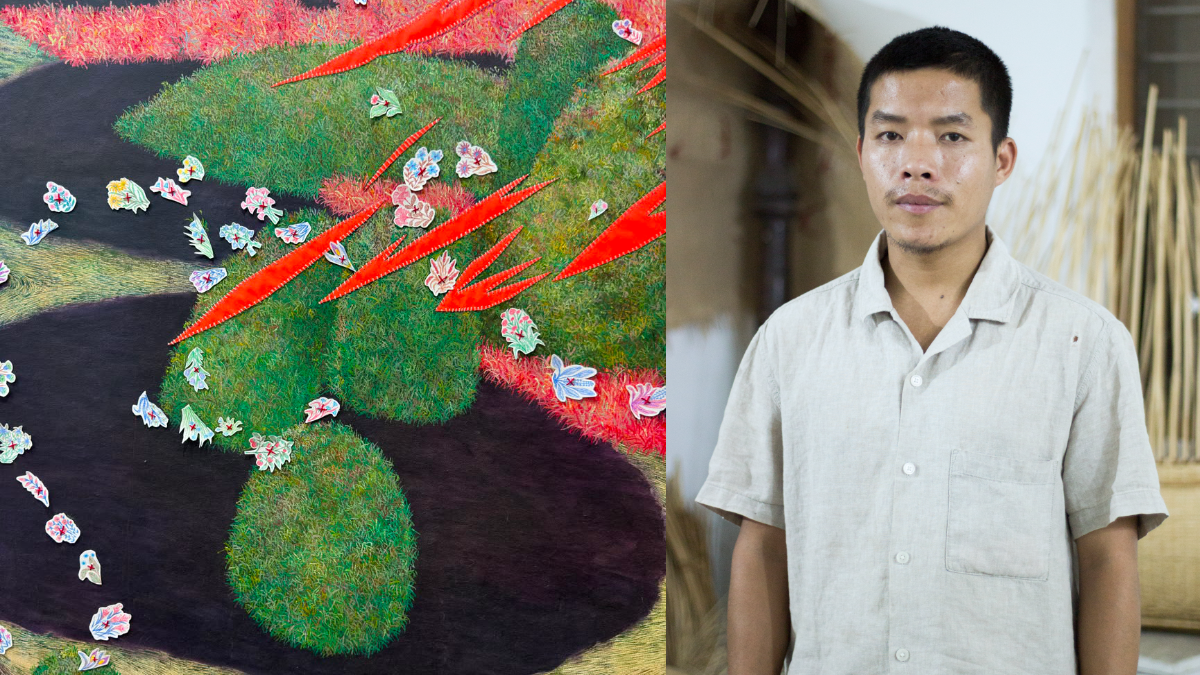
Anant Art Gallery in New Delhi will present Phantasms in the Hold, a solo exhibition by Thamshangpha ‘Merci’ Maku, opening to the public on 10 September 2026. Curated by Anna Sireiliu Charenamei and Sohorpem Kazingmei, with curatorial advice from Shaleen Wadhwana, the exhibition brings together painting, ceramics and installation works that explore memory, identity and the experience of life in India’s borderland regions. The exhibition will preview on 9 September 2026 and remain on view until 31 October 2026.

Exploring the Borderland as Place and Condition

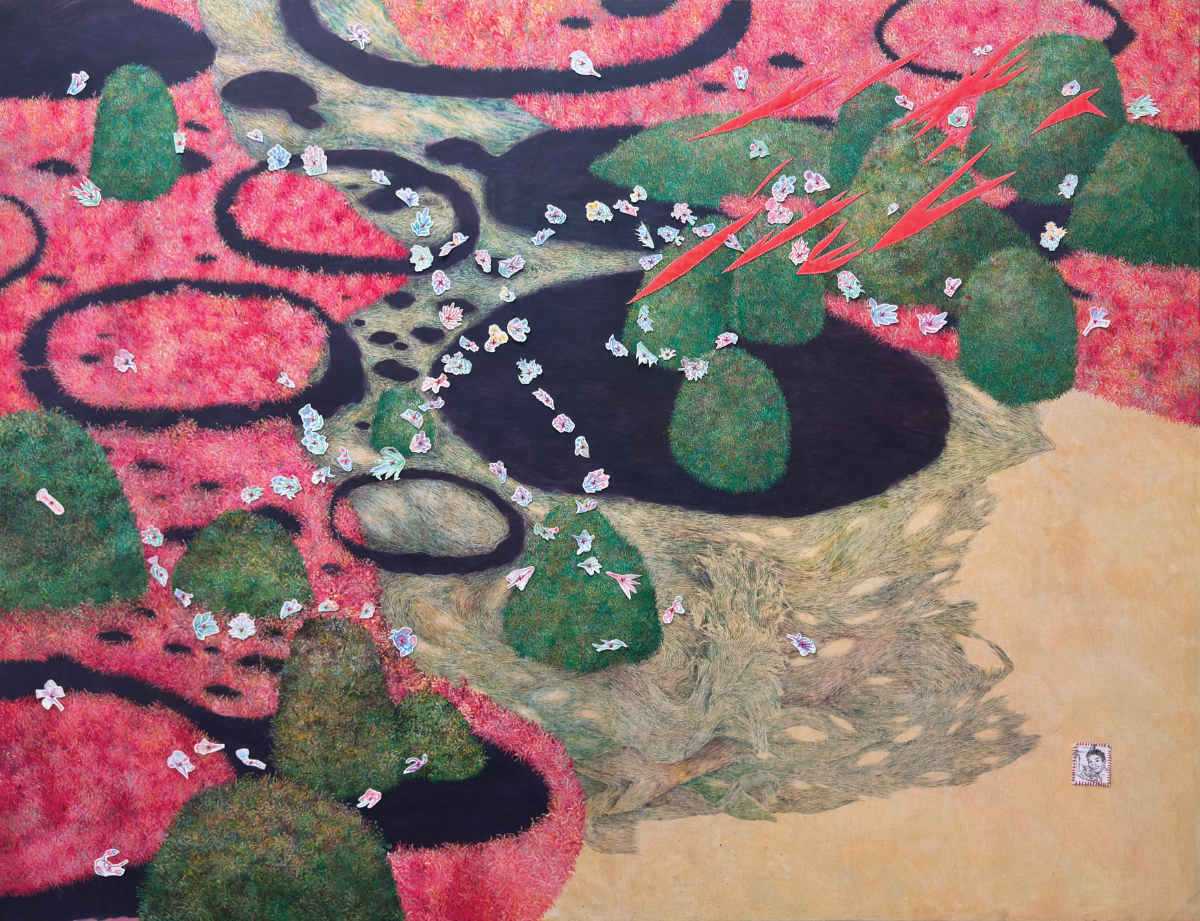
Thamshangpha Maku, Idyllic Estrangement, 2026, Oil on canvas, Pencil drawing on paper cut-out stitched with yarn, 66 x 84 in

At the centre of the exhibition is Maku’s engagement with histories and experiences that often remain overlooked in mainstream narratives. Phantasms in the Hold examines the borderland not only as a geographical territory but also as an interior psychological and emotional condition. Through his works, the artist reflects on experiences of occupation, violence, homesickness and melancholy, and how these realities become embedded within the body and memory.

The exhibition also considers how communities preserve histories through inherited knowledge systems. Maku draws inspiration from the non-representational visual languages used by women weavers in his community, where elements of nature are translated into abstract motifs passed down through generations. These traditions inform a practice that moves fluidly across painting, weaving, ceramics and installation.

Art Rooted in Indigenous Knowledge

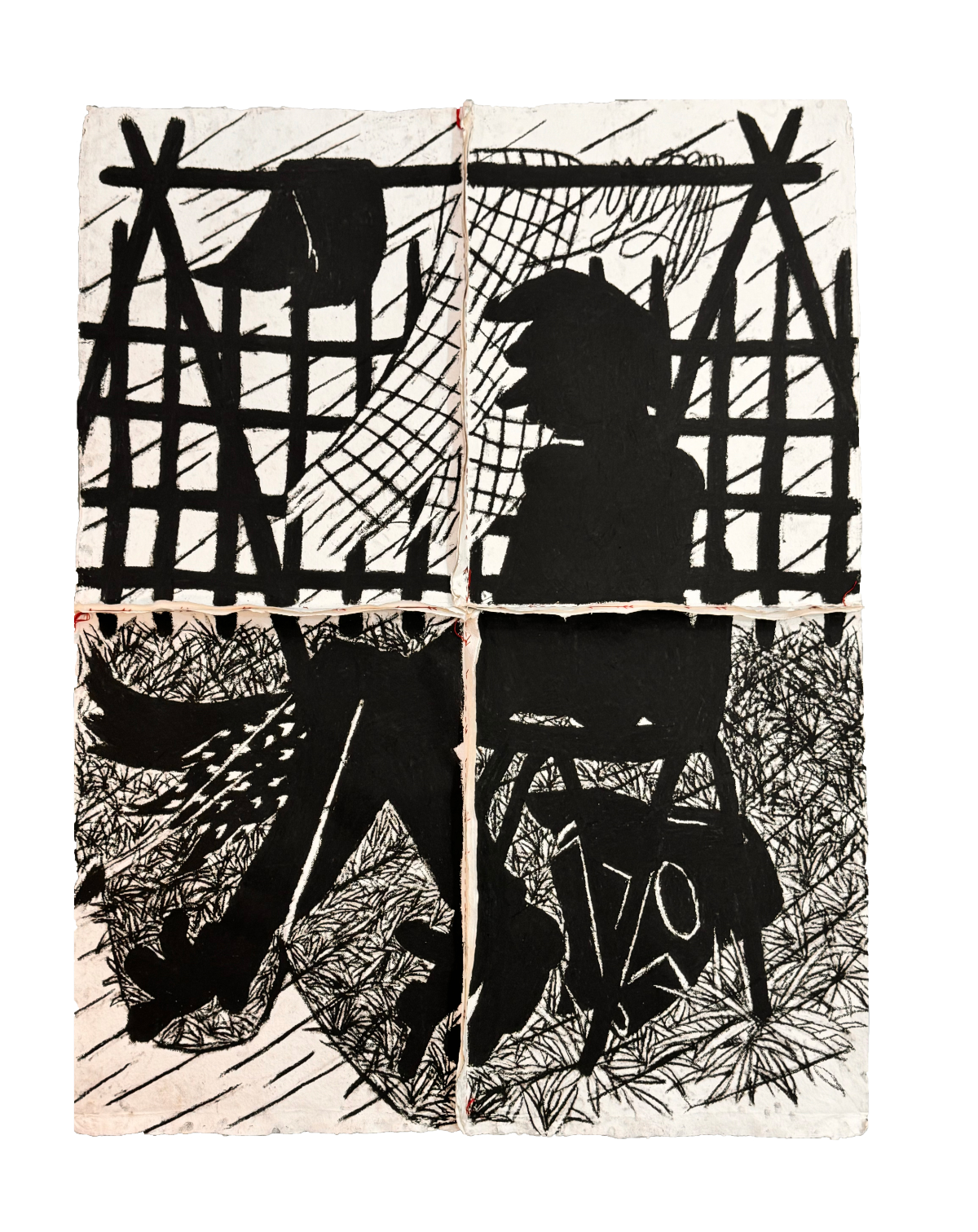
Thamshangpha Maku, Anticipating Rain, 2026, Crayon smudged on cotton handmade paper, stitched with yarn, 65.3 x 51.1 in

Born in Chandel, Manipur, Thamshangpha ‘Merci’ Maku completed his Bachelor’s degree at the College of Art, New Delhi, before earning a Master’s degree in Visual Arts from Maharaja Sayajirao University of Baroda. His artistic practice draws extensively from tribal Naga cultural traditions, indigenous flora and fauna, and the interconnected relationship between people and their natural environment.

The artist’s work frequently addresses the socio-cultural realities of peripheral regions while reflecting on personal experiences of discrimination, alienation and xenophobia. These experiences have shaped a body of work that explores resilience, belonging and cultural continuity through contemporary artistic forms.

A Language of Symbols and Spectral Forms

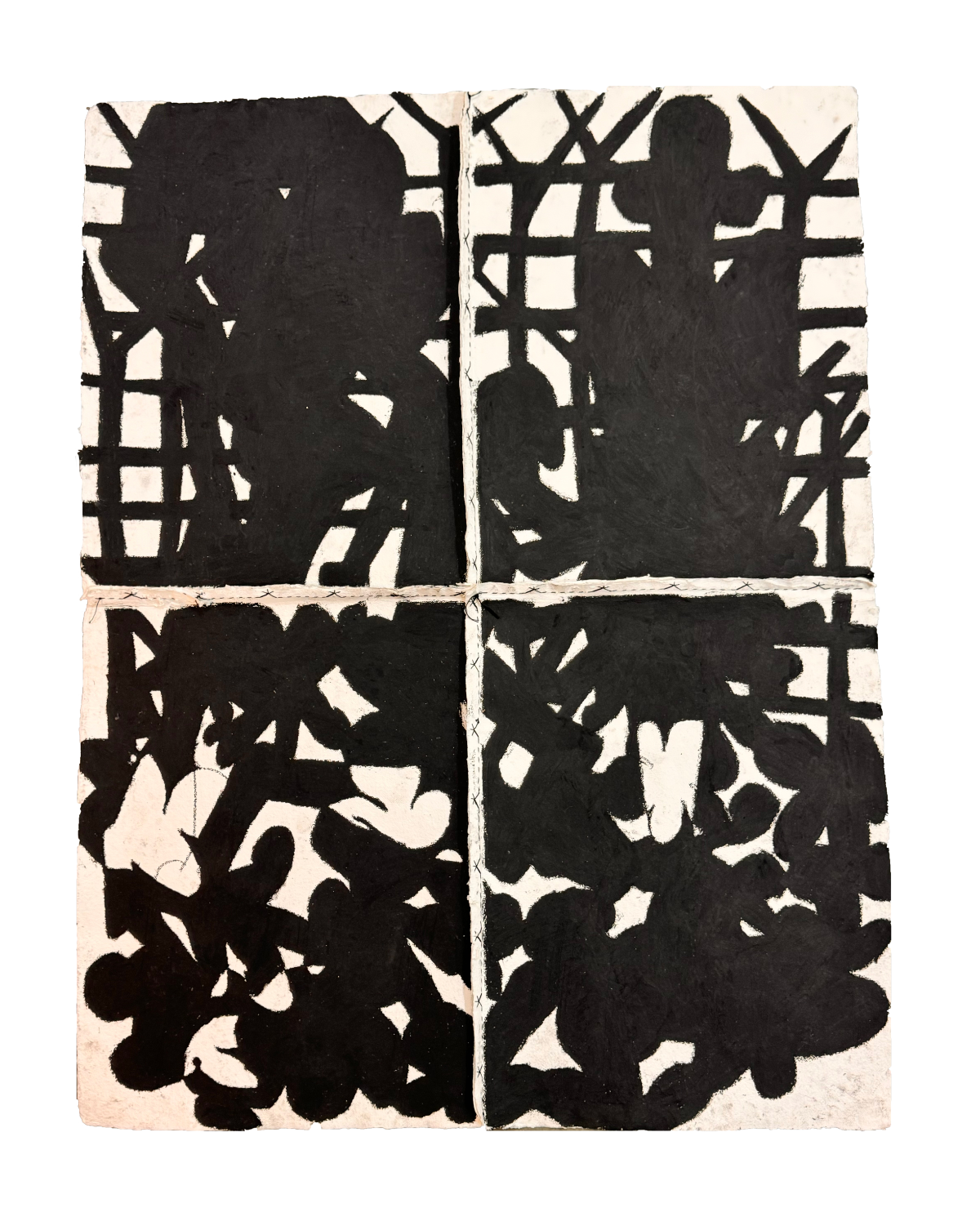
Thamshangpha Maku, Kasi Rei, 2026, Crayon smudged on cotton handmade paper, stitched with yarn, 65.3 x 51.1 in

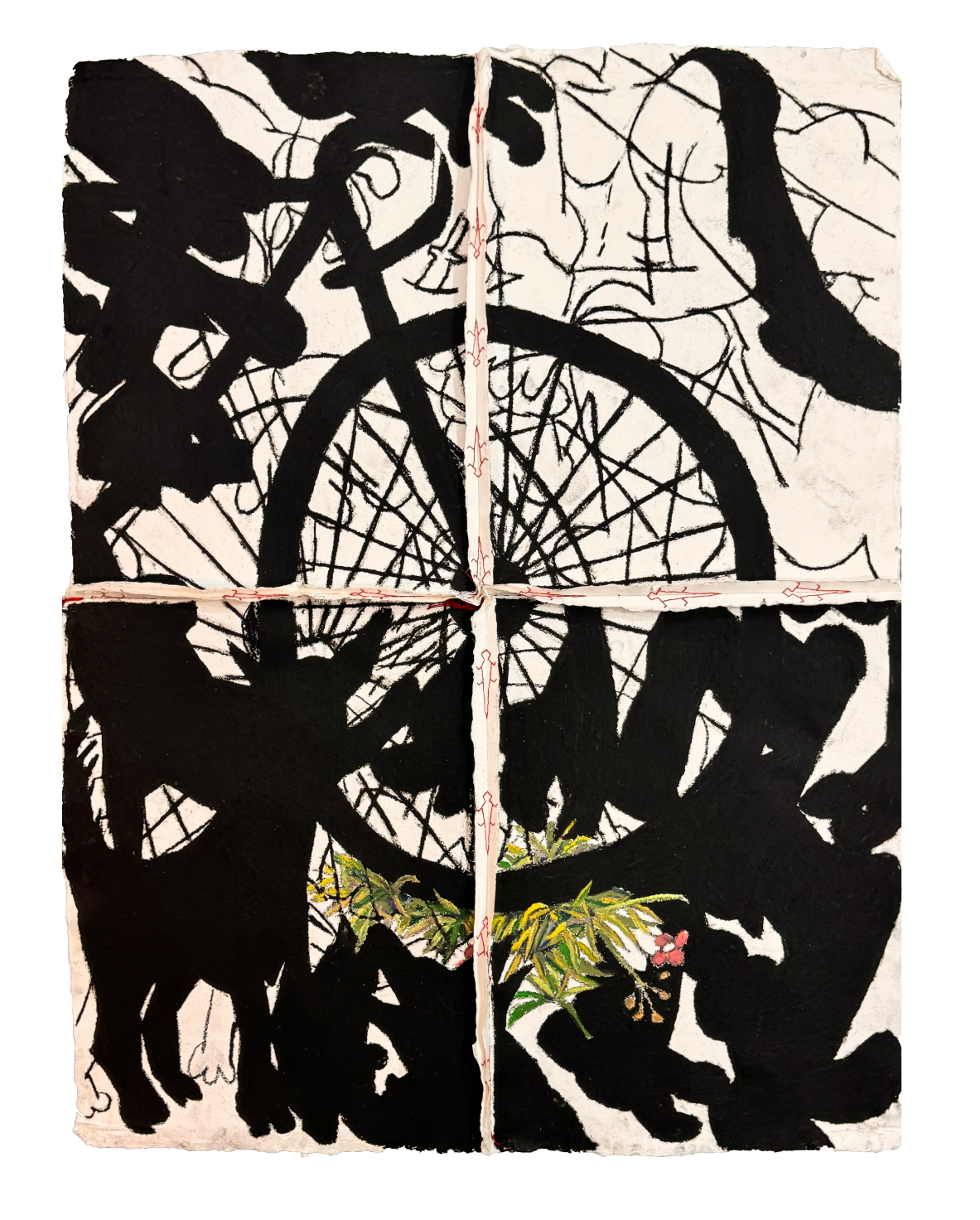
Across the exhibition, viewers will encounter recurring symbols, fragmented figures and layered visual narratives. Maku describes these motifs as a conversation between his body, the land and memory. Spectral figures appear throughout the works, often suspended between vulnerability and resistance, while references to forests, rituals and traditional craft practices create a dialogue between personal and collective histories.

Exhibition Highlights

  • New paintings examining memory, displacement and identity
  • Ceramic and installation works informed by indigenous craft traditions
  • References to community histories, ecology and ritual practices
  • Explorations of personal and collective experiences of belonging
  • The artist’s first major solo exhibition at Anant Art Gallery

Curatorial Perspectives

Thamshangpha Maku, Running Over a Flower, 2026, Crayon smudged on cotton handmade paper, stitched with yarn, 65.3 x 51.1 in

Curators Anna Sireiliu Charenamei and Sohorpem Kazingmei note that the exhibition seeks to present the complexity of Maku’s practice beyond political narratives alone. Alongside themes of conflict and marginalisation, the exhibition also highlights the artist’s everyday interests, personal reflections and imaginative worlds.

Curatorial Advisor Shaleen Wadhwana describes the exhibition as an invitation into the artist’s inner landscape, connecting community archives, terrariums, ecological concerns and personal memory. Together, these elements create a broader reflection on care, preservation and cultural continuity.

About Anant Art Gallery

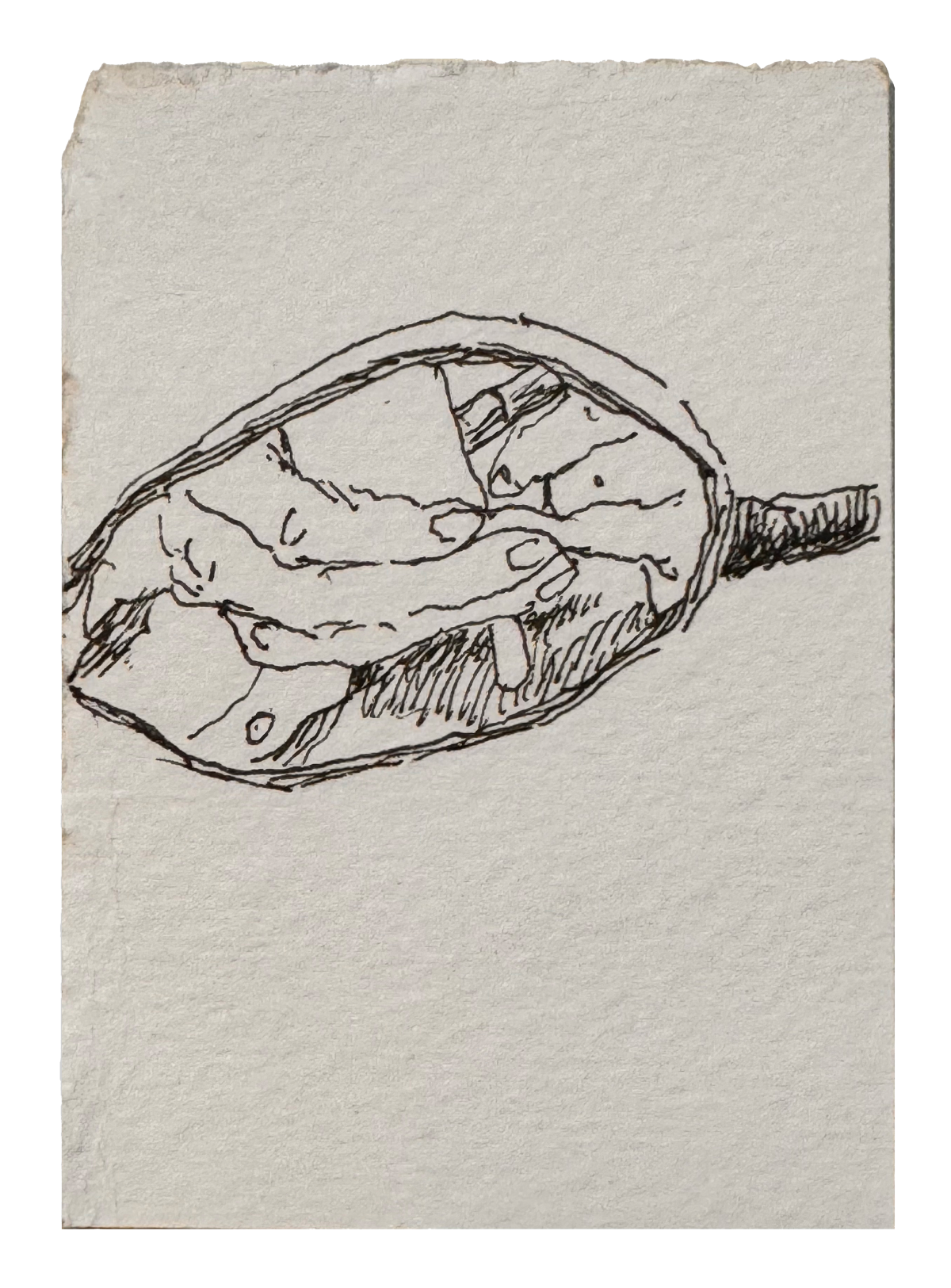
Thamshangpha Maku, Self Portrait (Part of the Back Portrait series), 2026, Micron pen on paper, 8.5 x 5.5 in

Established in the early 2000s, Anant Art Gallery has built a reputation for presenting contemporary South Asian artistic practices through exhibitions, residencies and art fair participation. Based in Safdarjung Enclave, New Delhi, the gallery works with both emerging and established artists across a range of media and disciplines, supporting long-term artistic development and public engagement.

Visitor Information

Event Details
Title Phantasms in the Hold
Artist Thamshangpha ‘Merci’ Maku
Curators Anna Sireiliu Charenamei and Sohorpem Kazingmei
Curatorial Advisor Shaleen Wadhwana
Venue Anant Art Gallery, B-5/3, Safdarjung Enclave, New Delhi, India
City New Delhi, India
Opening Date 9 September 2026 (Preview)
Exhibition Dates 10 September – 31 October 2026
Organiser Anant Art Gallery
Entry / Tickets Preview by invitation only; public viewing during gallery hours
Website https://www.anantart.com

Conclusion

Through painting, ceramics and installation, Phantasms in the Hold offers a nuanced exploration of memory, identity and cultural inheritance. By drawing attention to histories and experiences that often remain on the margins, the exhibition creates space for dialogue around belonging, resilience and the relationship between people, place and memory. In doing so, it contributes to broader conversations about contemporary art’s role in preserving cultural narratives while imagining new possibilities for the future.

Reimagining Ajrakh Art at 47-A Mumbai Showcases Khalid Amin Khatri’s Landmark Solo Debut

0

Reimagining Ajrakh Art at 47-A Mumbai-01

A new exhibition at Mumbai’s 47-A gallery will place the spotlight on Ajrakh practitioner and artist Khalid Amin Khatri, whose first solo exhibition opens on August 22, 2026. Titled LOOKING BACK. LOOKING FORWARD., the exhibition runs until September 13 at 47-A in Khotachiwadi, Girgaum, and examines how a traditional craft practice can evolve into a contemporary artistic language. The exhibition is presented by researcher Satish Reddy and explores the relationship between heritage, authorship, and artistic experimentation.

A Landmark Solo Debut

The exhibition marks an important moment in Khalid Amin Khatri’s career. Known for his roots in the Ajrakh block-printing tradition of Kachchh, Khatri comes from a family that has practiced the craft for generations. According to artisan documentation by Khamir, he learned Ajrakh within his family tradition and later expanded his practice through experimentation with design, painting, and contemporary forms of expression. His work has also been exhibited internationally and is represented in collections including the Victoria and Albert Museum in London.

Expanding the Language of Ajrakh

Traditionally, Ajrakh is a complex textile-printing process that uses hand-carved blocks, natural dyes, and multiple stages of resist printing and dyeing. The craft has long been associated with intricate geometric and floral patterns created through a labour-intensive process.

In LOOKING BACK. LOOKING FORWARD., Khatri moves beyond the conventional format of repeated textile motifs. The exhibition presents works created through natural dye painting, brushwork, overprinting, and erasure techniques. These methods transform Ajrakh from a patterned textile practice into a medium for artistic exploration. Through tonal variations and layered surfaces, the works draw inspiration from Mumbai’s architecture, weathered walls, and constantly changing urban environment.

Craft, Art and Authorship

Presented by researcher Satish Reddy, the exhibition seeks to position craft practitioners as authors of original artistic ideas rather than solely as custodians of inherited techniques. The project traces connections between Kachchh’s craft traditions and contemporary art practices, exploring how artisans can become independent artistic voices while remaining rooted in their cultural heritage.

For many practitioners in Kachchh, the exhibition is likely to be watched closely as an example of how traditional craft knowledge can enter new artistic contexts without losing its connection to history and community.

Exhibition Highlights

  • First solo exhibition by Khalid Amin Khatri
  • New works developed from Ajrakh techniques and natural dyes
  • Exploration of Mumbai’s urban textures and architectural forms
  • Research-led presentation by Satish Reddy
  • Focus on the relationship between craft traditions and contemporary art

About the Venue

The exhibition takes place at 47-A, a gallery dedicated to exploring the intersections of art, craft, and design. Located in Khotachiwadi, one of Mumbai’s oldest urban villages, the gallery occupies the ground floor of a restored nineteenth-century Portuguese-style house. Since opening in 2022, the venue has built a programme of exhibitions that examine design histories, material cultures, and contemporary creative practices.

47-A was established through collaborations between Baro Market and Chatterjee & Lal’s design initiatives, with a focus on research-driven exhibitions that blur traditional distinctions between art, craft, and design.

Visitor Information

The exhibition will be open daily from 11 am to 7 pm, except Mondays, from August 22 to September 13, 2026. Entry information has not been specified by the organisers.

Event Details
Title LOOKING BACK. LOOKING FORWARD.
Artist Khalid Amin Khatri
Venue 47-A, Khotachiwadi, Girgaum, Mumbai
Opening Date August 22, 2026
Exhibition Dates August 22 – September 13, 2026
Organiser 47-A, presented by Satish Reddy
Entry / Tickets Not specified
Website https://47agallery.com/

Takeaway

LOOKING BACK. LOOKING FORWARD. brings together questions of tradition, innovation, and artistic identity through the work of Khalid Amin Khatri. By extending the possibilities of Ajrakh beyond its conventional forms, the exhibition opens a conversation about the evolving role of artisans in contemporary culture. It also highlights how traditional knowledge can remain relevant while responding to new artistic and social contexts.

Suggested Read: Mesmerizing Fabric Arts of India Reflecting the Great Indian Culture

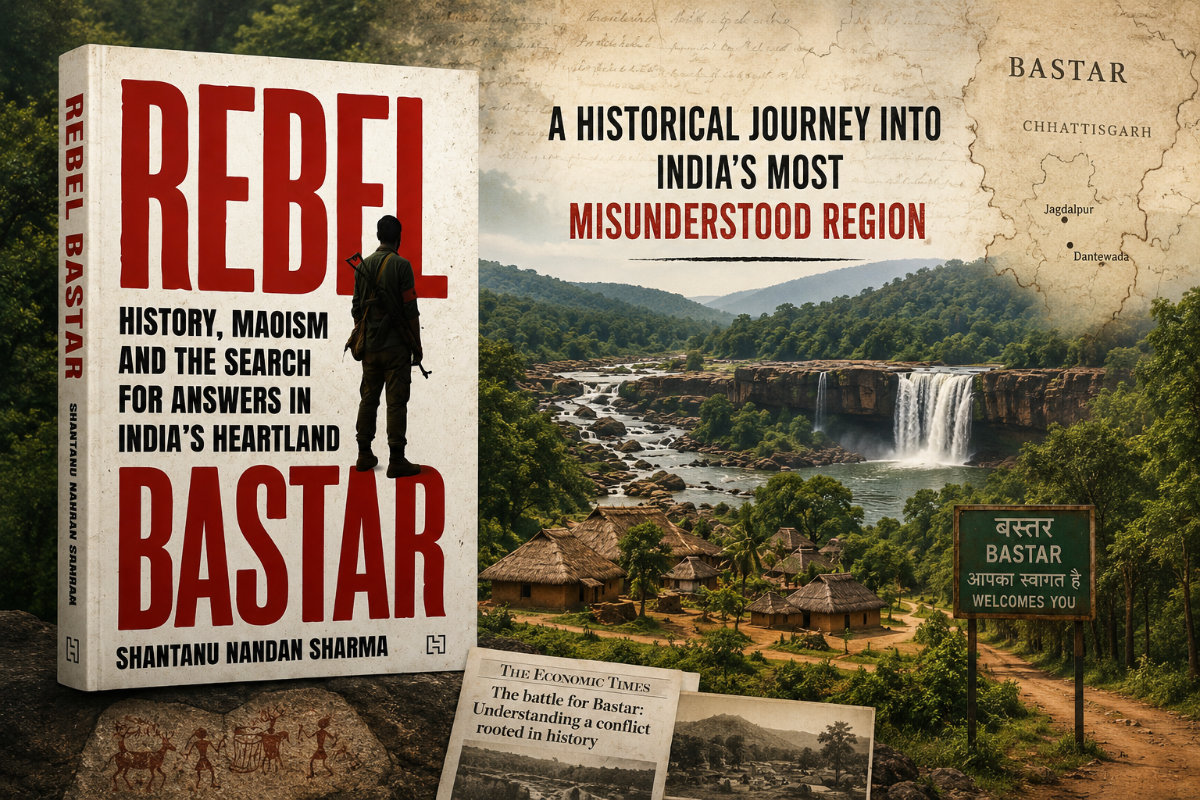
Book Review: Rebel Bastar Explores the Historical Roots of Maoism in India’s Heartland

0

Book Review-Rebel Bastar-01

A new book by senior journalist and historian Shantanu Nandan Sharma seeks to examine Bastar beyond its long association with insurgency and conflict. Rebel Bastar: History, Maoism and the Search for Answers in India’s Heartland arrives at a time when discussions around governance, development and internal security continue to shape public policy. The publication looks beyond contemporary events to explore the historical forces that contributed to the rise and endurance of Maoism in the region.

Looking Beyond the Security Narrative

In March 2026, the Government of India announced that the Maoist insurgency had been effectively defeated. While this marked a significant moment in India’s internal security history, Sharma’s book asks a broader question: how did Bastar become the centre of one of the world’s longest-running insurgencies?

Rather than focusing exclusively on conflict, Rebel Bastar examines the region through historical, social and administrative lenses. The author argues that understanding Bastar requires looking at centuries of change involving tribal communities, governance systems, colonial intervention and developmental transitions.

Tracing Bastar Through History

Drawing on years of field reporting and historical research, Sharma reconstructs key moments in Bastar’s past. The narrative explores episodes ranging from accounts associated with Dantewada and colonial-era interventions to the growing influence of Maoist ideology in later decades.

The book examines how geography, governance and historical developments interacted over time to create conditions in which insurgency could take root. Rather than presenting a single explanation, it highlights the complex relationships between local traditions, administrative decisions and external influences.

Highlights Covered in the Book

  • Tribal resistance movements and regional history
  • Colonial expansion into Bastar’s forest regions
  • Governance changes across different historical periods
  • The emergence and growth of Maoist influence
  • Development challenges and resource-related questions
  • Historical context behind contemporary security concerns

A Wider Perspective on Maoism

One of the notable aspects of the publication is its inclusion of lesser-known accounts connected to the wider Maoist movement. Among them is former NITI Aayog Vice Chairman Rajiv Kumar’s recollection of briefly embracing Naxalite ideology during his student years before later rejecting it. Similar excerpts from the book have recently drawn public attention and renewed discussion about the ideological appeal of revolutionary movements among sections of educated youth.

By bringing together historical narratives and personal reflections, Sharma seeks to broaden the conversation around Maoism beyond armed conflict alone.

The Author Behind the Research

Sharma currently serves as Senior Editor at The Economic Times and has reported from across India during a journalism career spanning more than three decades. His reporting has covered diverse regions and social issues, and he has written extensively on political, economic and cultural developments across the country.

Originally from Assam, Sharma studied history at the University of Delhi before entering journalism. According to the author, his deeper engagement with Bastar began following reporting assignments in the region after India’s 2016 demonetisation, which led him to investigate the area’s longer historical trajectory.

Recognition from International Historian

The book has received praise from historian Peter Frankopan, Professor of Global History at Oxford University and author of the internationally acclaimed The Silk Roads: A New History of the World. Frankopan describes Rebel Bastar as an ambitious exploration of why Bastar became the enduring heartland of India’s Maoist insurgency. Frankopan is widely known for his work on global historical connections and has authored several bestselling history books.

Why the Book Matters Now

The publication appears at a time when policymakers, researchers and civil society groups are increasingly focused on sustaining peace and promoting development in formerly conflict-affected regions. Questions related to tribal communities, natural resources, governance and inclusive growth remain central to these discussions.

By placing contemporary developments within a broader historical framework, Rebel Bastar attempts to contribute to a more nuanced understanding of a region that is often viewed primarily through the lens of security. Combining historical research with on-the-ground reportage, the book aims to provide context for readers interested in India’s regional histories, democratic evolution and development challenges.

Final Thoughts

Rebel Bastar presents Bastar as a region shaped by centuries of social, political and historical change rather than by conflict alone. Through its examination of governance, tribal societies, colonial interventions and ideological movements, the book encourages readers to engage with deeper historical realities. In doing so, it contributes to wider conversations about development, identity and the long-term forces that continue to influence India’s heartland.
Between Dust and Distant Skies: Pradeep Thalawatta’s Solo Exhibition to Open at LATITUDE 28

0

Pradeep Thalawatta Solo Exhibition Opens at LATITUDE 28-01

LATITUDE 28 will present Between Dust and Distant Skies, a solo exhibition by Sri Lankan artist Pradeep Thalawatta, opening on 21 August 2026 at the gallery’s Defence Colony space in New Delhi. Running until 19 September 2026, the exhibition brings together painting, drawing, photography and material-led works that examine how images of conflict, migration, memory and everyday life become part of personal experience and collective visual culture.

Exploring Memory Through Images

Curated by Rahul Kumar, the exhibition focuses on the circulation of contemporary images through newspapers, television and digital media. Thalawatta investigates how photographs of distant events gradually merge with family archives, childhood memories and domestic experiences. Rather than treating images as documentary records, the artist approaches them as fragments that accumulate within memory and shape perceptions of home, belonging and identity.

Materials as Archives

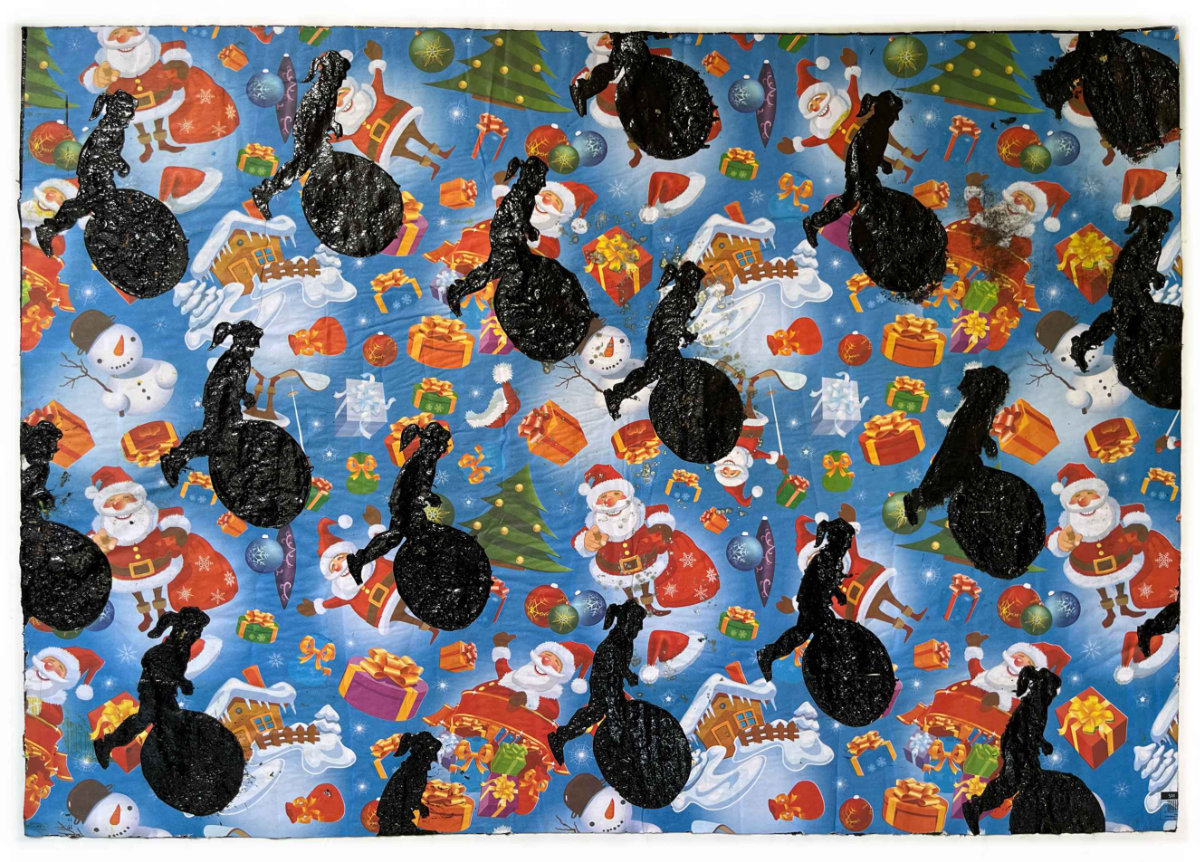
A central aspect of the exhibition is the artist’s use of unconventional materials. Used sandpaper collected from construction sites, tar, wrapping paper, toys, stickers and storybooks become carriers of memory and history. According to the curatorial note, these materials retain traces of previous lives and experiences, allowing the artworks to function as both images and archives. The exhibition proposes that memory is formed through layers, erasures and repeated acts of looking rather than through preservation alone.

Childhood, Conflict and Everyday Life

Pradeep Thalawatta Artwork-01

Several works in the exhibition draw upon children’s visual culture, including sticker books, cartoons and storybooks. These familiar objects are placed alongside references to displacement, conflict and loss, creating a dialogue between innocence and geopolitical realities. The artist’s experience of fatherhood also informs the project, offering a perspective through which images of children, safety and vulnerability are reconsidered.
Highlights of the Exhibition

  • Every Horizon Comes Home (2026) – Tar and used sandpaper on paper.
  • Elsewhere Is Never Far Away (2026) – Aircraft imagery created from used sandpaper surfaces.
  • Constructing Childhood with Dust and Dreams (2026) – Works using discarded construction-site materials and sticker-card silhouettes.
  • Every War Comes Home (2026) – A work reflecting on childhood and the impact of war.
  • Things We Could Never Wrap (2026) – A series combining childhood objects with reflections on conflict and care.

About the Artist

Pradeep Thalawatta Artwork-02

Born in Colombo in 1979, Pradeep Thalawatta is a multidisciplinary artist whose practice spans photography, installation, video, drawing, performance and painting. His work often engages with the social and political realities of post-conflict Sri Lanka, exploring memory, trauma and transformation through diverse materials and media. He holds BFA and MFA degrees from Beaconhouse National University in Lahore and has exhibited internationally, including at the Dhaka Art Summit, Dakar Biennale, Times Museum Hong Kong and exhibitions across South Asia, Europe and the United States. His works are held in the collections of the Fukuoka Asian Art Museum in Japan and Millesgården Museum in Sweden. Recent exhibitions have continued to examine the afterlives of conflict and place through material-based practices.

About LATITUDE 28

Established in 2010, LATITUDE 28 has become known for supporting experimental contemporary art practices and emerging voices from South Asia. Founded by Bhavna Kakar, the gallery works across exhibitions, publications and public programmes while fostering dialogue between artists, institutions and audiences. The gallery has developed a reputation for encouraging material experimentation and critical engagement with contemporary culture.

Visitor Information

Event Details
Title Between Dust and Distant Skies
Artist Pradeep Thalawatta
Venue LATITUDE 28, B-74, Defence Colony, New Delhi, India
Opening Date 21 August 2026
Exhibition Dates 21 August – 19 September 2026
Curator Rahul Kumar
Organiser LATITUDE 28
Website https://www.latitude28.com

Conclusion

Between Dust and Distant Skies brings together personal memory, contemporary media imagery and material experimentation to explore how distant events become embedded within everyday life. Through works that connect childhood, conflict and acts of remembrance, the exhibition offers visitors an opportunity to reflect on the visual worlds they inhabit. It also contributes to broader conversations about empathy, representation and the role of art in understanding shared human experiences.

ITC Celebrates 150 Years of Vande Mataram Through “Desh Ek Raag 3” by ITC SRA

0

150 Years of Vande Mataram Through Desh Ek Raag 3 by ITC

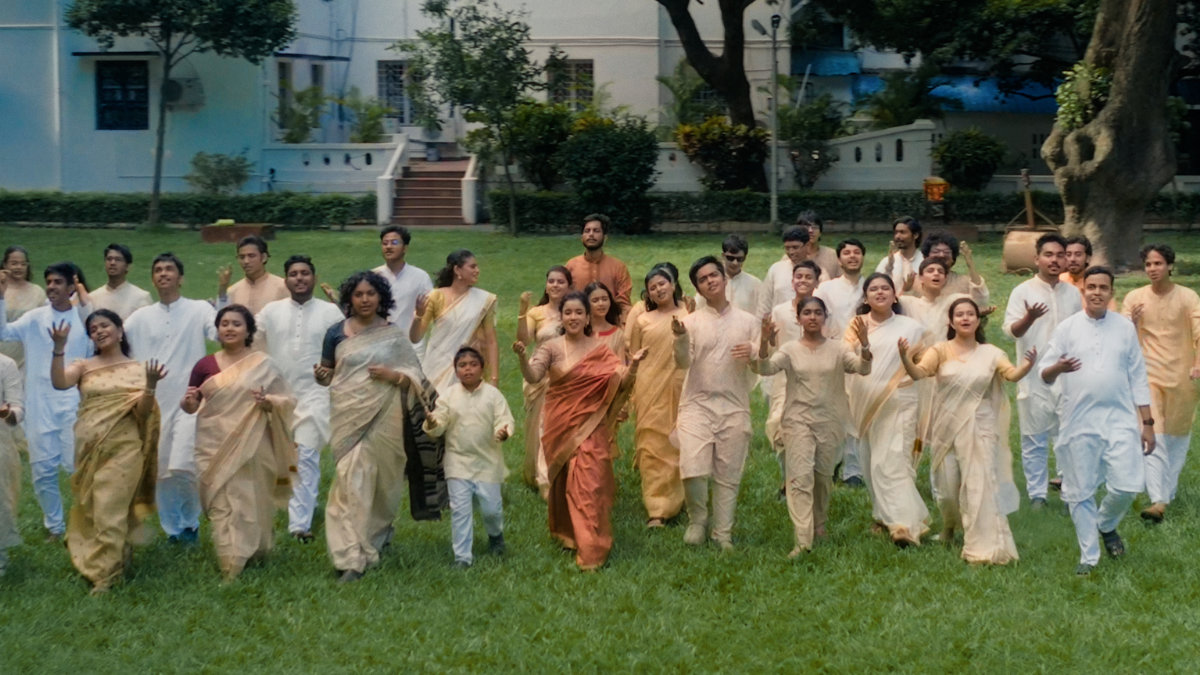
On the occasion of India’s 80th Independence Day, ITC Limited has released Desh Ek Raag 3, a musical tribute commemorating 150 years of Vande Mataram, India’s National Song. Created by the ITC Sangeet Research Academy (ITC SRA), the production is anchored in Raag Desh and performed by the academy’s Gurus, Scholars, Musician Tutors and accompanying artists. The tribute reflects the enduring cultural significance of Vande Mataram and its association with national identity, unity and collective memory.

A Continuing Cultural Initiative

The latest edition continues the Desh Ek Raag series that began on India’s 78th Independence Day and returned in 2025 with Desh Ek Raag 2. According to ITC SRA, the project has evolved into a cultural platform linking the ideas of “Desh” and “Raag” while highlighting the role of Hindustani classical music in contemporary cultural expression. Earlier editions attracted significant public engagement and expanded their artistic scope through collaborations with other performing arts, including classical dance.

Guru-Shishya Parampara at the Core

A central theme of Desh Ek Raag 3 is the Guru-Shishya Parampara, the traditional model of learning and transmission in Indian classical music. The presentation brings together multiple generations of performers, reflecting the academy’s emphasis on preserving musical knowledge through close mentorship and sustained practice. Nearly 70 participants contributed to the production, ranging from 11-year-old scholar Baibhab Mukhopadhyay to acclaimed vocalist Pandit Ajoy Chakrabarty, who was the first student of ITC SRA and is now one of its Gurus.

Artists Behind the Production

The special rendition was created by ITC SRA Guru Shri Abir Hossain and recorded at the academy’s studio in Kolkata. The accompanying music video was directed by filmmaker and creative producer Pritha Chakraborty.

The featured ensemble includes:

  • Pandit Ajoy Chakrabarty
  • Pandit Ulhas Kashalkar
  • Pandit Partha Chatterjee
  • Vidushi Subhra Guha
  • Pandit Uday Bhawalkar
  • Shri Omkar Dadarkar
  • Shri Abir Hossain
  • Shri Brajeswar Mukherjee

These artists are among the distinguished Gurus currently associated with ITC SRA, one of India’s leading institutions dedicated to Hindustani classical music.

ITC SRA’s Journey Towards Golden Jubilee

The release also marks a milestone for ITC SRA as the academy approaches its Golden Jubilee in 2027. Established in 1977, the academy was created to preserve and propagate Hindustani classical music through the traditional residential learning model. Over the decades, it has been associated with some of the country’s most respected musicians, including Girija Devi, Hirabai Barodekar, Ustad Nissar Hussain Khan, A. Kanan and Malabika Kanan. Today, the institution trains more than 50 scholars across its Kolkata campus and Pune facility while also organising concerts, festivals, lectures and archival initiatives.

Message from ITC Leadership

Ahead of Independence Day, ITC Chairman Sanjiv Puri, who also serves as Chairman of the Board of Trustees of ITC SRA, shared the project through LinkedIn. In his message, he described Desh Ek Raag 3 as a tribute to the enduring message of devotion, unity and love for the motherland embodied in Vande Mataram. He also highlighted the role played by the academy in nurturing India’s vocal and instrumental traditions for nearly five decades.

Viewing Information

The music video is available online through ITC SRA’s official channels.

Highlights of Desh Ek Raag 3

  • Commemorates 150 years of Vande Mataram
  • Released on the occasion of India’s 80th Independence Day
  • Anchored in Raag Desh
  • Features nearly 70 performers across generations
  • Created by Guru Shri Abir Hossain
  • Directed by filmmaker Pritha Chakraborty
  • Marks ITC SRA’s journey towards its Golden Jubilee in 2027

Final Thoughts

The project demonstrates how traditional musical practices continue to find relevance in contemporary India. By bringing together senior maestros and young scholars, Desh Ek Raag 3 highlights the ongoing transmission of artistic knowledge through the Guru-Shishya tradition. As ITC SRA approaches five decades of work in music education and preservation, the tribute also serves as a reminder of the role cultural institutions play in safeguarding and renewing India’s classical heritage for future generations.

Nature Morte Opens New Delhi Headquarters With The Evolution of the Soothsayer Exhibition

0
Nature Morte Opens New Delhi Headquarters With The Evolution of the Soothsayer Exhibition-01
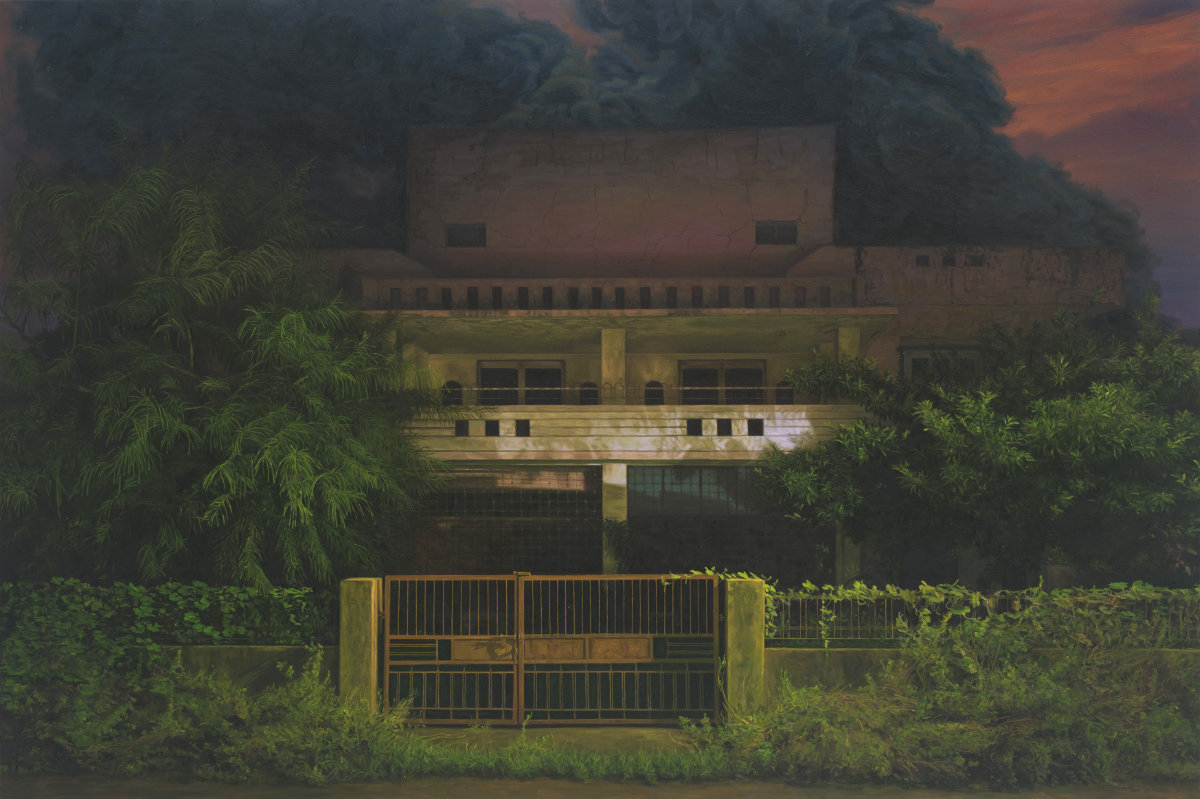
Thukral and Tagra Arboretum – 48, 2025 Oil On Canvas, Artist-Made Wooden Stretcher

Nature Morte will mark its 30th anniversary with the opening of a new permanent gallery space at A9 Gulmohar Park, New Delhi. The gallery’s inaugural exhibition, The Evolution of the Soothsayer, curated by Peter Nagy, opens on 23 August 2026 and brings together works by 35 artists from the gallery’s roster. Presented in two chapters running until 12 December 2026, the exhibition reflects on the changing role of contemporary artists amid major cultural, technological and social transformations.

A New Chapter for the Gallery

The opening represents a significant milestone for Nature Morte, one of India’s most influential contemporary art galleries. Founded in New York’s East Village in 1982 and revived in New Delhi by Peter Nagy in 1997, the gallery has played a prominent role in supporting experimental and contemporary artistic practices in India for nearly three decades. Over the years, it has developed an international presence through participation in major art fairs and collaborations with artists from India and abroad.

Exhibition Reflects on Contemporary Practice

Abir Karmakar, West wind, 72 x 108 inch, oil on canvas, 2026.

Curated by Peter Nagy, The Evolution of the Soothsayer examines how artists respond to a rapidly changing world shaped by globalisation, identity politics and advances in digital technology. Rather than presenting a unified movement or artistic trend, the exhibition focuses on individual practices that have evolved through sustained engagement with materials, ideas and forms.

The exhibition proposes the artist as a figure navigating uncertainty and change while creating new ways of understanding contemporary life. Through diverse artistic approaches, the participating artists explore how visual culture continues to evolve in the 21st century.

Works Across Multiple Mediums

Milan, 30 x 36 inch, oil on canvas, 2026 2

The exhibition features works spanning painting, sculpture, photography, installation and new media, reflecting the range of contemporary artistic practices represented by the gallery.

Highlights of the exhibition include:

  • Participation of 35 artists from Nature Morte’s roster
  • Works across traditional and emerging artistic mediums
  • Installations incorporating new technologies and digital approaches
  • A two-part curatorial structure extending over four months
  • Reflection on four decades of changes in the global art landscape

The exhibition emphasises artistic independence and long-term research-based practices rather than thematic uniformity.

Two-Part Format

The Evolution of the Soothsayer will unfold in two chapters, allowing visitors to engage with different aspects of the exhibition over several months.

Event Details
Title The Evolution of the Soothsayer
Curator Peter Nagy
Venue Nature Morte, A9 Gulmohar Park, New Delhi, India
Opening Date 23 August 2026
Exhibition Dates
  • Part Two: 22 August – 10 October 2026 (Part One)
  • Part Two: 17 October – 12 December 2026 (Part Two)
Organiser Nature Morte
Gallery Timings Monday – Saturday | 11:00 AM – 7:00 PM

This extended format creates space for ongoing dialogue around the ideas explored by the participating artists while enabling the gallery to present a broad range of works and perspectives.

A Purpose-Built Venue

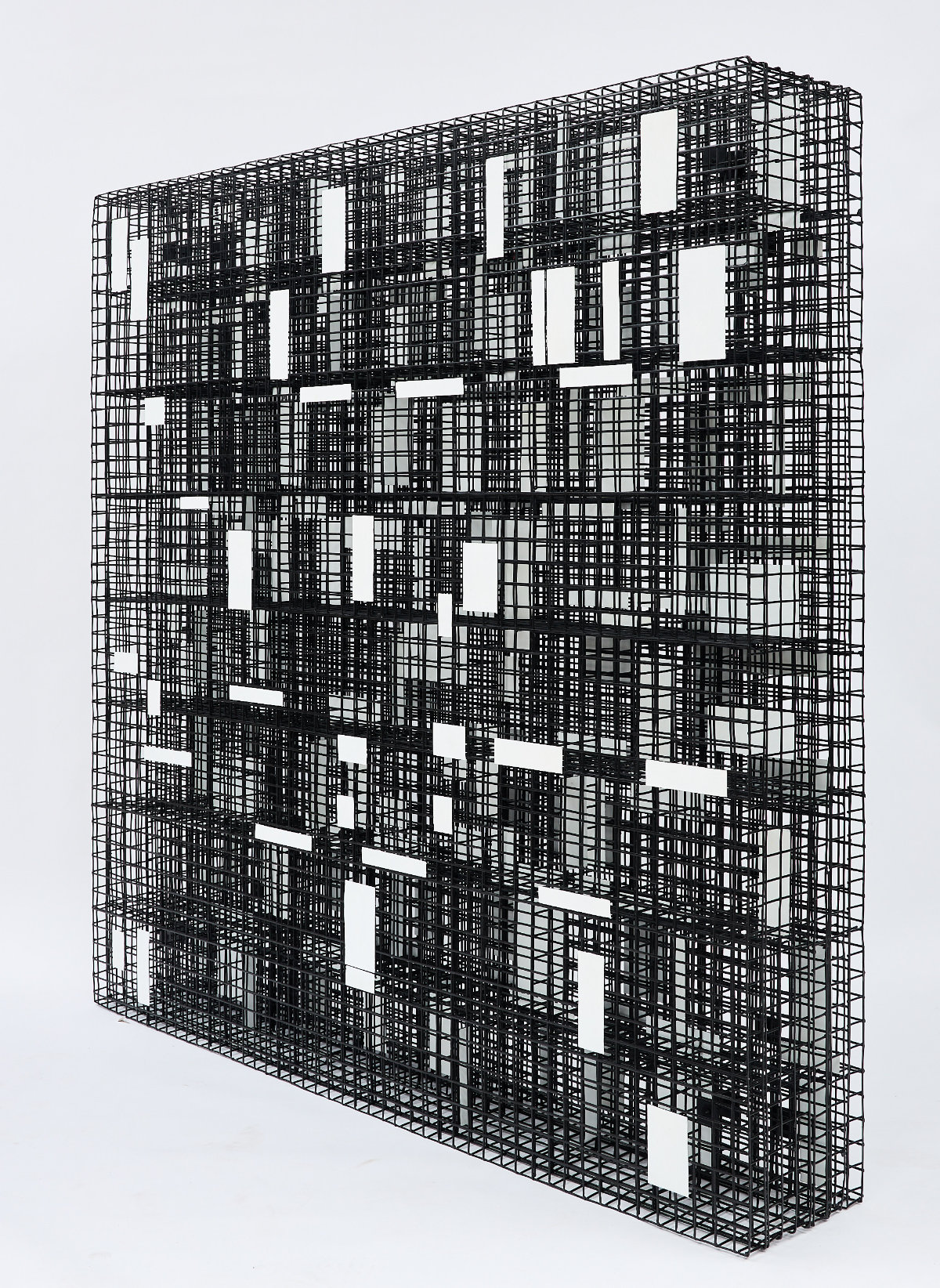
Manish Nai, Untittled, 2026, Painted aluminium elements on multiple stainless steel mesh panels, 57.5_ H x 57.5_ W x 9.5_ D x W - 50kg (side view 1)
Manish Nai, Untittled, 2026, Painted aluminium elements on multiple stainless steel mesh panels

Located in Gulmohar Park, the new gallery occupies an entire building featuring two exhibition floors and a rooftop terrace. The expanded infrastructure is expected to support larger exhibitions, collaborations and public programmes in the future.

The move signals a new phase for Nature Morte, which has operated from several locations in Delhi and beyond while maintaining a reputation for presenting experimental and concept-driven contemporary art. The gallery is currently led by co-directors Aparajita Jain and Peter Nagy.

Looking Back and Ahead

Beyond its role as an inaugural exhibition, The Evolution of the Soothsayer serves as a reflection on Nature Morte’s three-decade history. The exhibition brings together artists and practices that have shaped the gallery’s programme while also considering future directions for contemporary art.

As the gallery enters its fourth decade, the exhibition offers an opportunity to revisit the evolution of artistic practice alongside broader social and technological shifts. By bringing together established and emerging voices, the project highlights the continuing role of contemporary art in examining change, questioning assumptions and creating new frameworks for understanding the world.

Takeaway

The opening of Nature Morte’s new Gulmohar Park space marks both an institutional milestone and a moment of reflection for contemporary art in India. Through The Evolution of the Soothsayer, the gallery revisits the artistic journeys that have shaped its programme while creating a platform for future conversations. The exhibition offers audiences an opportunity to engage with diverse artistic practices and consider how contemporary artists continue to respond to an increasingly complex cultural landscape.

The Grammar of the Self Retrospective Showcases Five Decades of Kanchan Chander

0

The-Grammar-of-the-Self-Retrospective-Showcases-Five-Decades-of-Kanchan-Chander-01

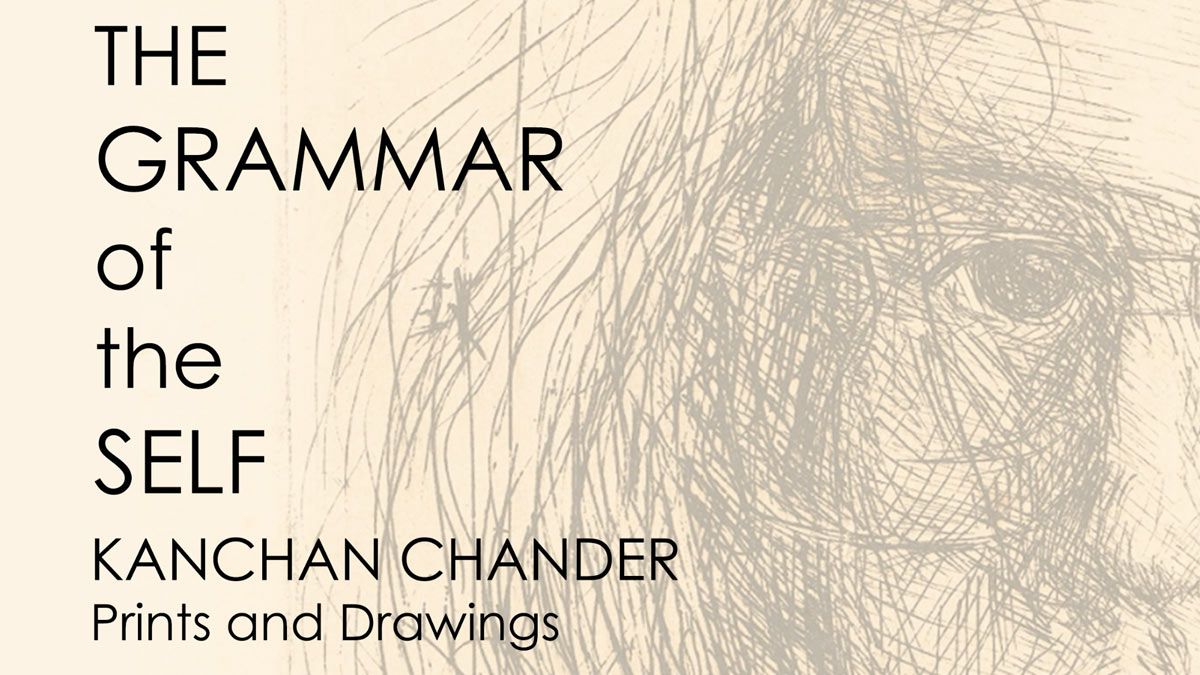
A major retrospective dedicated to artist and printmaker Kanchan Chander will open in New Delhi this September, bringing together more than five decades of work across drawing, printmaking and mixed media. Titled The Grammar of the Self, the exhibition is curated by Kishore Singh and presented by Gallery Ragini. The show will begin at LTC Gallery, Bikaner House, from 12 to 18 September 2026 before continuing at Gallery Ragini in Lado Sarai from 21 September to 31 October 2026.

A Retrospective Across Two Venues

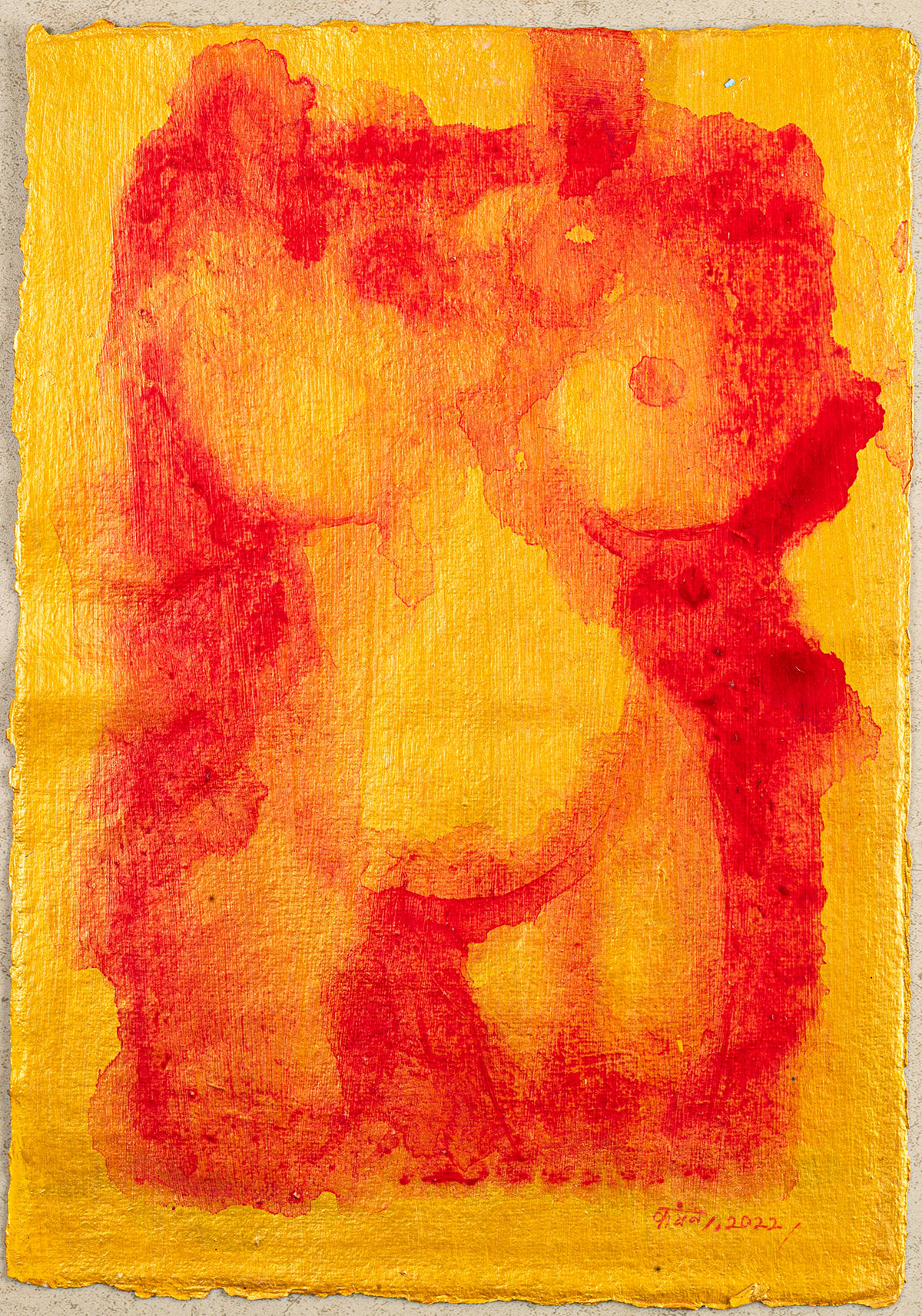
Kanchan-Chander-Golden-Torso-on-Red-I-Acrylic-on-Handmade-Paper-2022
Golden Torso on Red I | Acrylic on Handmade Paper | 12 x 8.5 in | 2022

The exhibition brings together a substantial selection of drawings, prints and selected mixed media works that reflect the evolution of Chander’s artistic practice. Organisers describe the project as an opportunity to view works from different phases of her career in a single curatorial framework.

The first leg of the exhibition will be presented at LTC Gallery, Bikaner House, while the second and longer presentation will continue at Gallery Ragini’s Lado Sarai space. Together, the two venues will host a survey of works spanning more than fifty years.

Drawing as the Core of the Practice

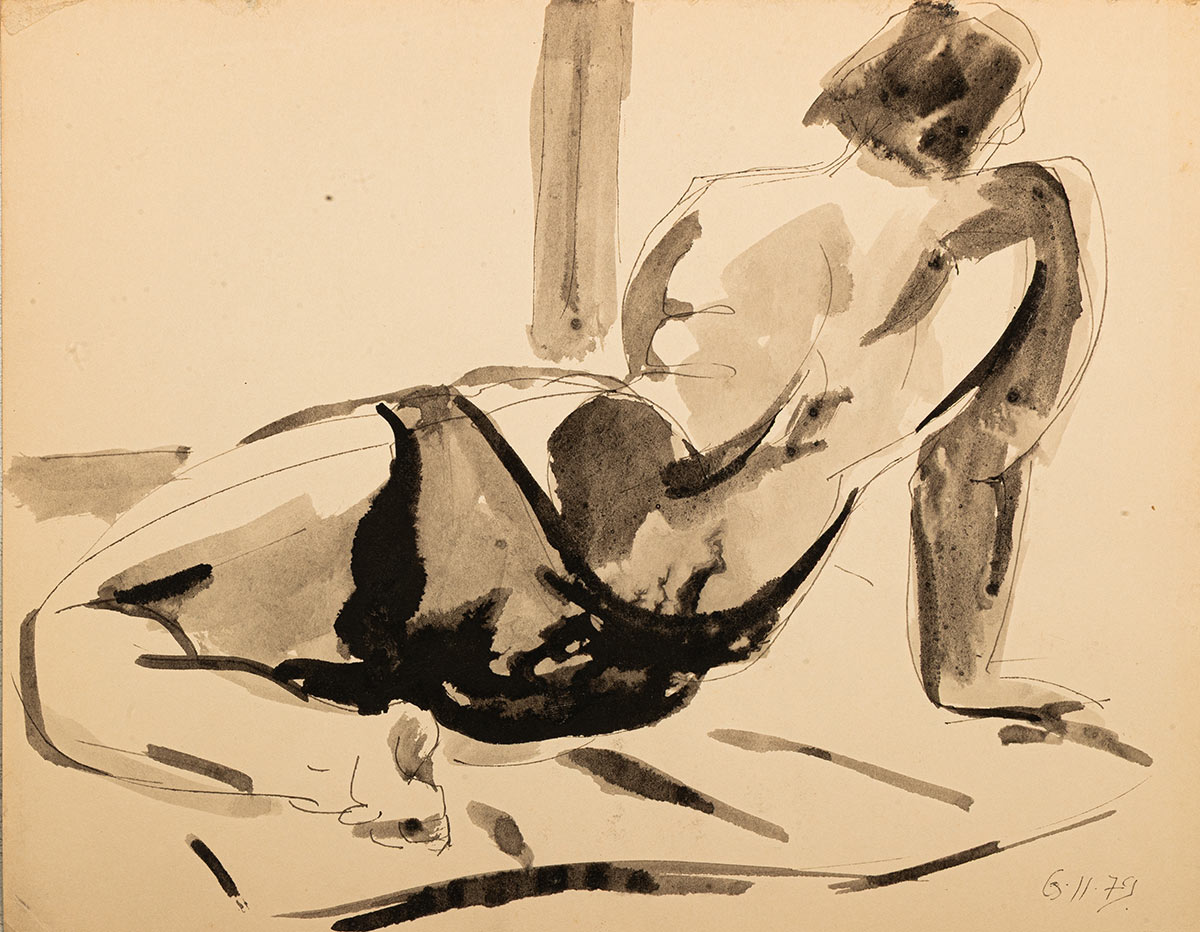
Kanchan-Chander-Study-from-Model-II-Santiago-Ink-on-Paper-1979
Study from Model II (Santiago) | Ink on Paper | 8.2 x 10.5 in | 1979

At the centre of The Grammar of the Self is drawing, a medium that has remained fundamental to Chander’s artistic language. The exhibition examines how drawing has informed her approach to observation, memory, identity and personal experience.

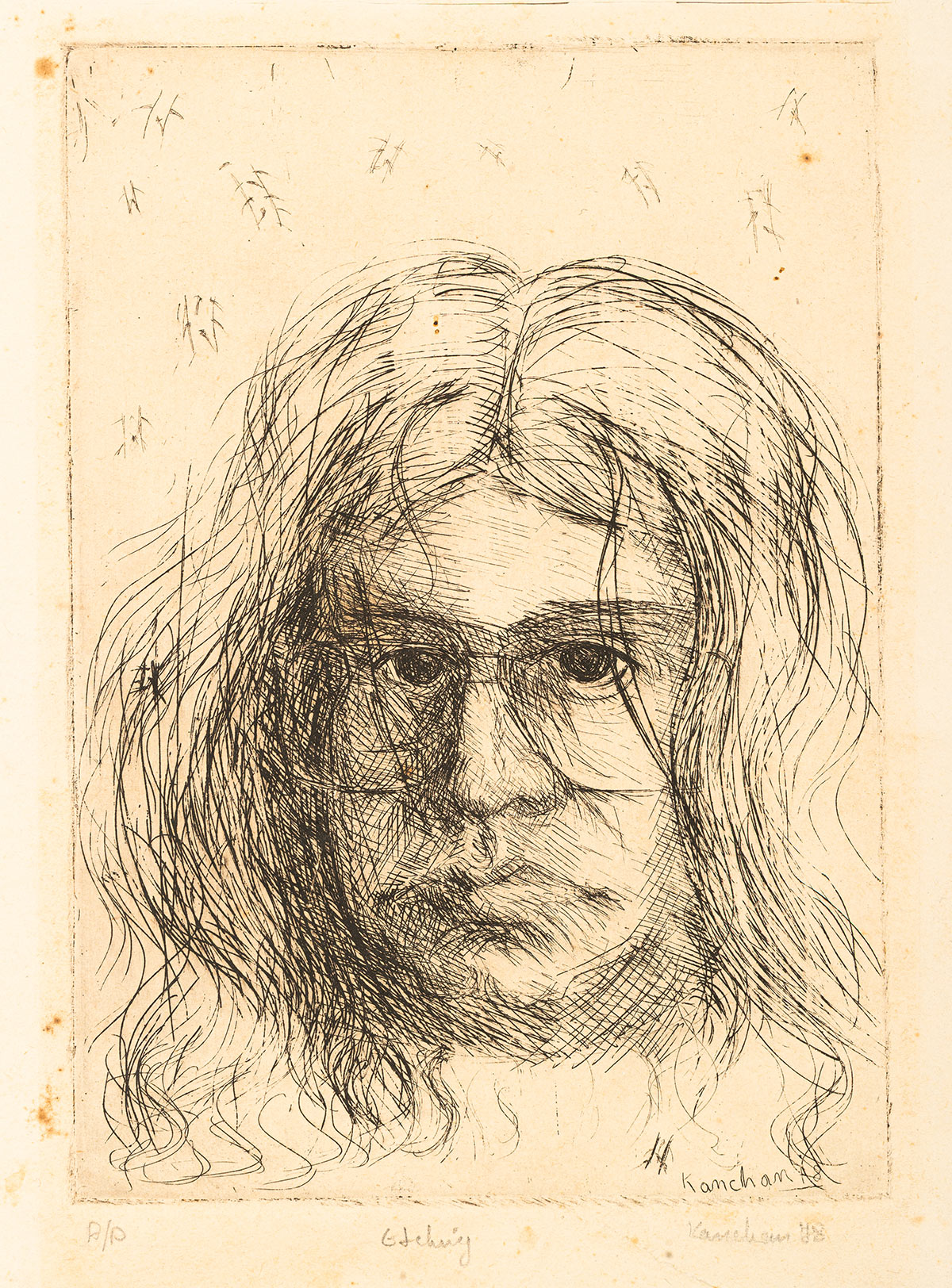
Visitors will encounter works ranging from early portraits and self-portraits to figurative studies, prints and recent abstract compositions. According to curator Kishore Singh, these drawings reveal the artist’s personal visual language and provide insight into the recurring ideas that connect different phases of her practice.

Highlights of the Exhibition

  • Early portraits and self-portraits
  • Figurative studies developed over several decades
  • Etchings, lithographs and woodcuts
  • Selected mixed media works
  • Recent abstract explorations
  • Works that examine memory, identity and the human condition

International Influences and Artistic Development

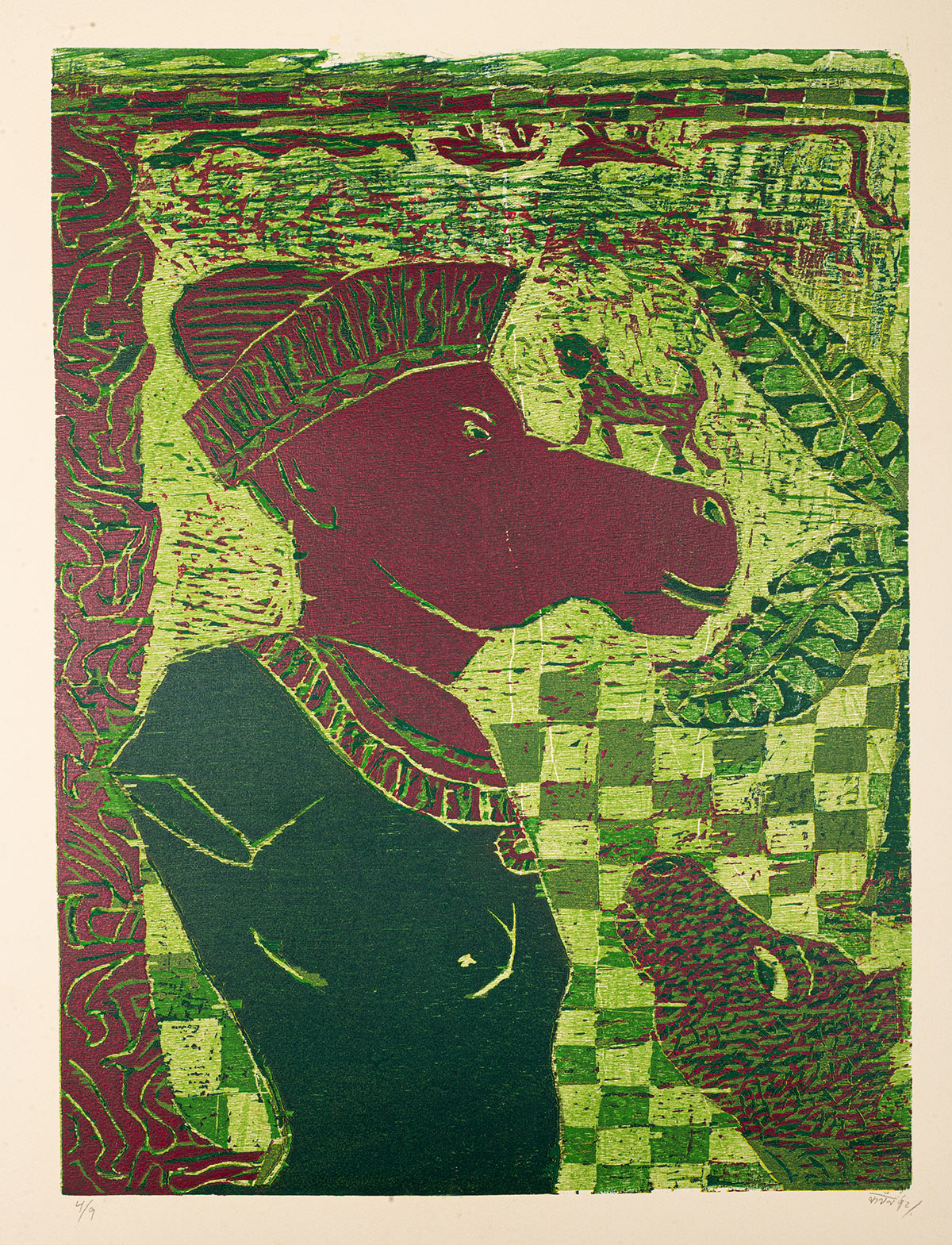
Kanchan-Chander-The-Forlorn-Queen-4_9-Diptych-Woodcut--1992
The Forlorn Queen (4_9 Diptych) | Woodcut | 25 x 19 in | 1992

Born in New Delhi, Kanchan Chander is recognised as one of India’s significant contemporary printmakers. Her education and artistic training took place across multiple countries, including India, Germany, Chile and France, experiences that have informed the international dimension of her practice. Her work frequently engages with themes of identity, memory, femininity and the human condition through a visual language rooted in drawing and printmaking.

Throughout her career, Chander has worked across etching, lithography, woodcut, painting and mixed media. Her works have been exhibited nationally and internationally and are included in both public and private collections.

Curatorial Approach

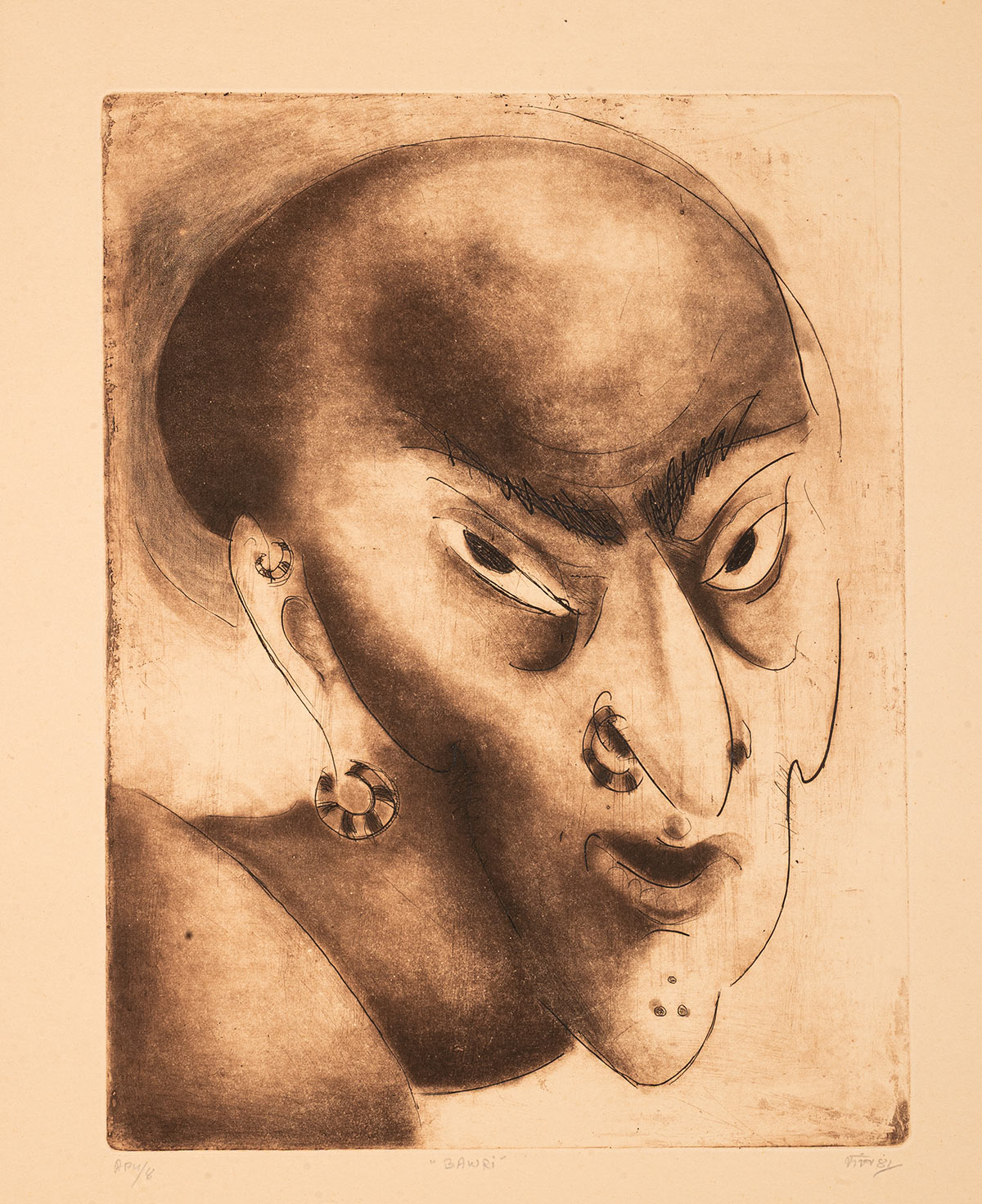
Kanchan-Chander-Bawri-AP-4_8-Etching-&-Aquatint-on-copper-plate-1981
Bawri (AP 4_8) | Etching & Aquatint on copper plate | 16 x 12 in | 1981

Curator Kishore Singh has brought together works from different periods of Chander’s career to reveal the continuities within her practice. Rather than presenting a strictly chronological survey, the exhibition places works in dialogue with one another, highlighting recurring motifs and visual concerns.

The title The Grammar of the Self refers to the personal visual language that has emerged through Chander’s sustained engagement with drawing. Across changing techniques and subject matter, the exhibition explores how the artist has transformed personal experiences into broader reflections on human life.

About the Organiser

Kanchan-Chander-Self-Etching-1978
Self | Etching | 7.5 x 5 in | 1978

The exhibition is presented by Gallery Ragini, a New Delhi-based gallery established in 2005. The gallery has built a programme that supports both established and emerging artists through exhibitions, educational initiatives, residencies and public engagement projects. Over the years it has become known for presenting modern and contemporary Indian art while encouraging dialogue across artistic disciplines.

Visitor Information

Event Name Details
Title The Grammar of the Self: Kanchan Chander – Prints and Drawings
Artist Kanchan Chander
Curator Kishore Singh
Venue LTC Gallery, Bikaner House; Gallery Ragini, Lado Sarai, New Delhi
Opening Date 12 September 2026
Exhibition Dates 12 September – 31 October 2026
Organiser Gallery Ragini
Entry / Tickets Not specified
Website https://galleryragini.com

For more information, visitors can visit the official website of Gallery Ragini. Readers interested in learning more about the artist can also explore information on Kanchan Chander’s profile.

Conclusion

The Grammar of the Self offers a rare opportunity to view the breadth of Kanchan Chander’s practice through a focused retrospective spanning more than five decades. By bringing together drawings, prints and mixed media works, the exhibition highlights the role of drawing as a continuing thread within her artistic journey. The project also contributes to broader conversations around memory, identity and the place of printmaking within contemporary Indian art, providing audiences with an opportunity to engage with an important chapter in the country’s cultural history.

Paradise Promised to Open at Bikaner House as TKCF Launches Its First Exhibition

0

Paradise Promised to Open at Bikaner House as TKCF-01

The exhibition “Paradise Promised” will open at Bikaner House, New Delhi, on 12 September 2026, marking the first public exhibition organised by The Knowledge Convergence Foundation (TKCF). Running until 16 September, the exhibition brings together works developed during the Foundation’s inaugural multidisciplinary residency in Salogra, Himachal Pradesh, alongside works by invited artists whose practices align with the exhibition’s curatorial theme.

A New Foundation Focused on Dialogue

Founded on 1 April 2026 by art advisor and collector Teesta Bhandare, TKCF was established as a platform for exchange across disciplines. The Foundation aims to encourage collaboration through residencies, workshops, publications and exhibitions that bring together artists, writers, researchers and cultural practitioners. According to the Foundation, its programmes are designed to create opportunities for meaningful dialogue across generations and fields of practice.

Bhandare is known for her engagement with contemporary South Asian art and has been associated with several cultural initiatives in India. She was part of the founding team of Art Mumbai and has contributed to discussions around contemporary art, cultural institutions and emerging technologies.

Exploring the Theme of “Paradise Promised”

Akshata Parag Mokashi Divided by River-01

The inaugural residency centred on the theme Paradise Promised, encouraging participants to reflect on ideas of aspiration, belonging, identity, ecology and social change. Hosted in Salogra, the programme brought together artists from different generations and disciplines in an environment intended to support research, discussion and creative experimentation.

A series of workshops and conversations formed part of the residency. Participants engaged with historian Sohail Hashmi, author and festival director Namita Gokhale, Anahita Batra, and singer-composer-filmmaker Madan Gopal Singh, accompanied by Pritam Ghosal. These sessions were designed to stimulate critical inquiry and encourage participants to consider contemporary realities through multiple perspectives.

Artists Featured in the Exhibition

The exhibition includes works by artists who participated in the residency as well as invited contributors whose practices resonate with the exhibition theme.

Residency Artists

  • Rekha Hebbar Rao
  • Veer Munshi
  • Kodanda Rao Teppala
  • Sheena Maria Piedade
  • Digbijayee Khatua
  • Dhiraj Pednekar
  • Lina Vincent (Curatorial Advisor)

Additional Participating Artists

  • Shailesh B R
  • Akshata Mokashi
  • Dhiraj Rabha

These artists work across painting, sculpture, printmaking, textiles, writing and multidisciplinary practices, bringing a range of perspectives to the exhibition.

Themes Across Diverse Practices

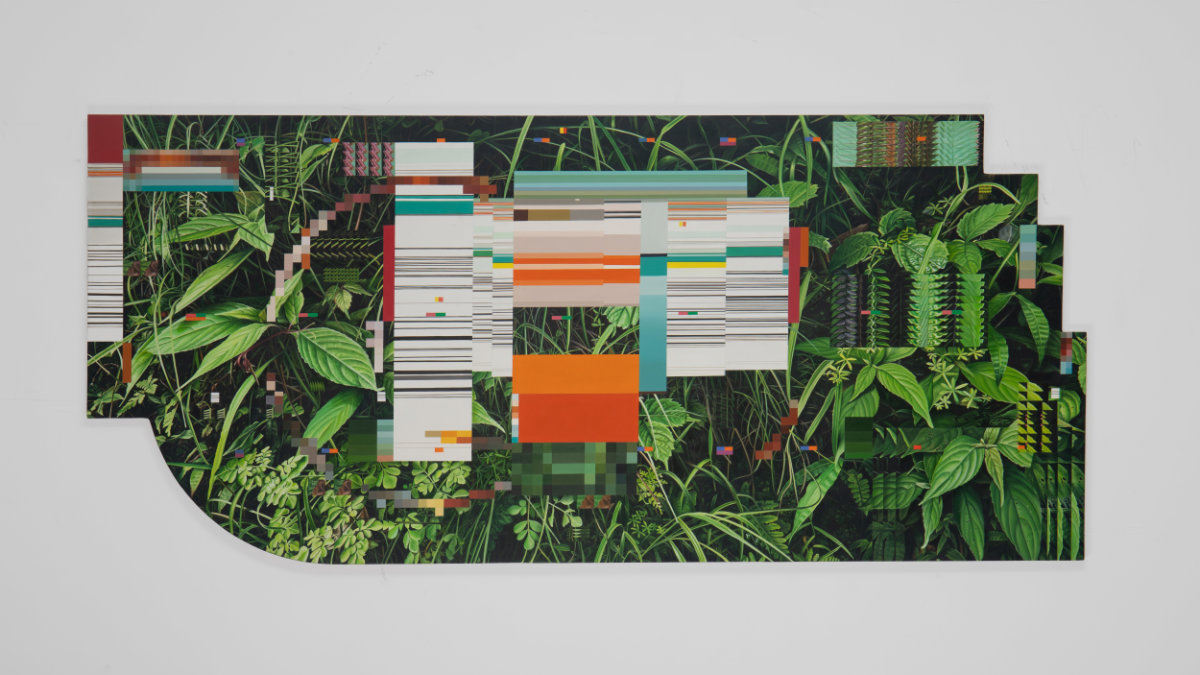
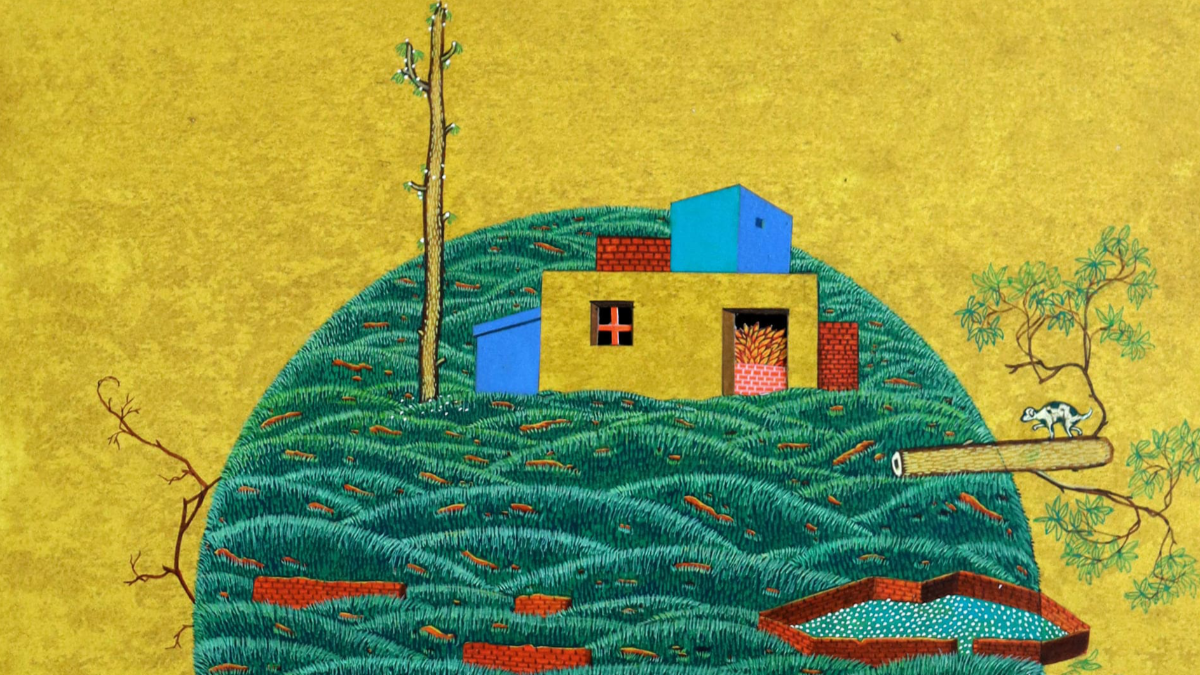
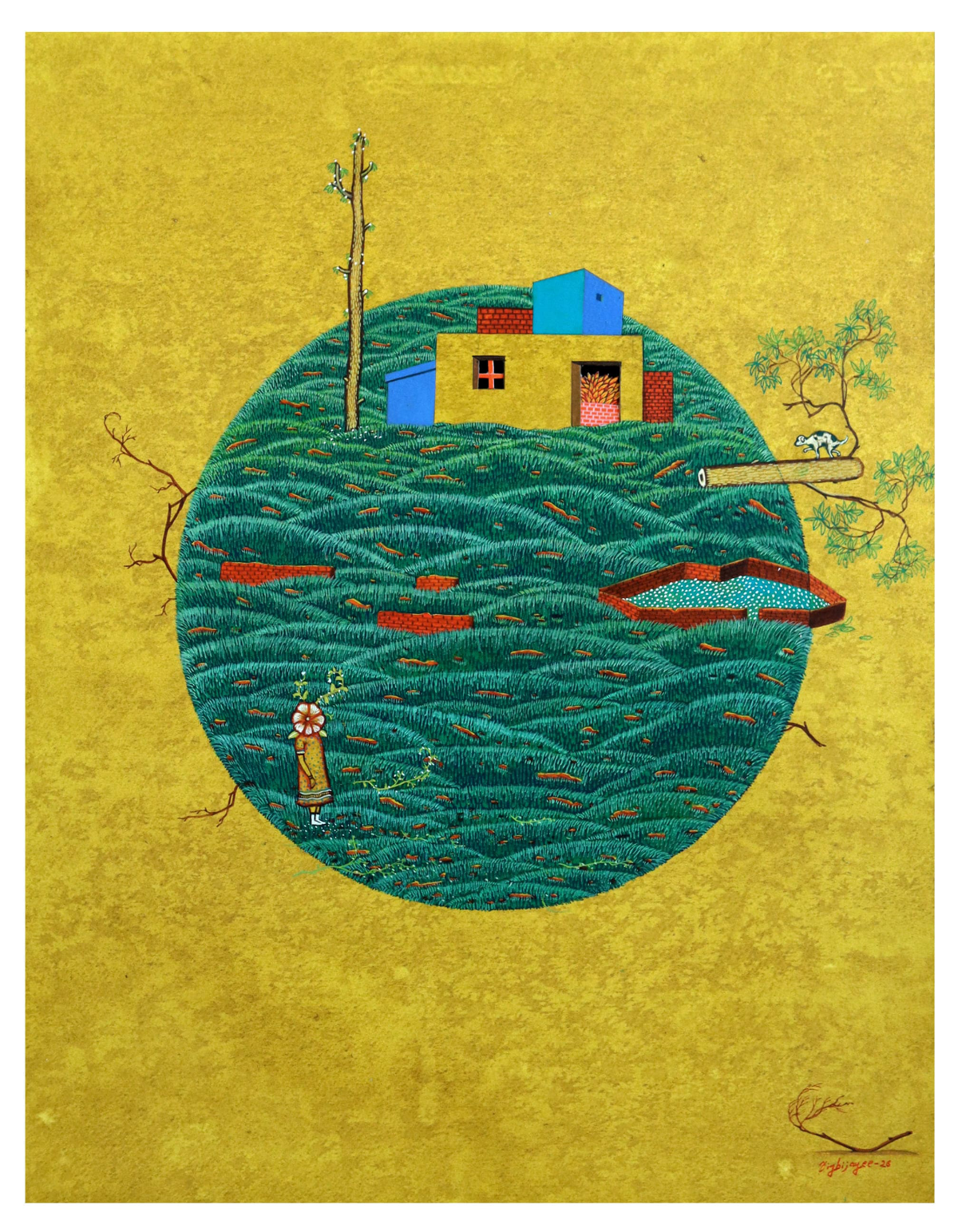
Digbijayee Khatua Unclaimed Land 2026-A
Digbijayee Khatua Unclaimed Land 2026

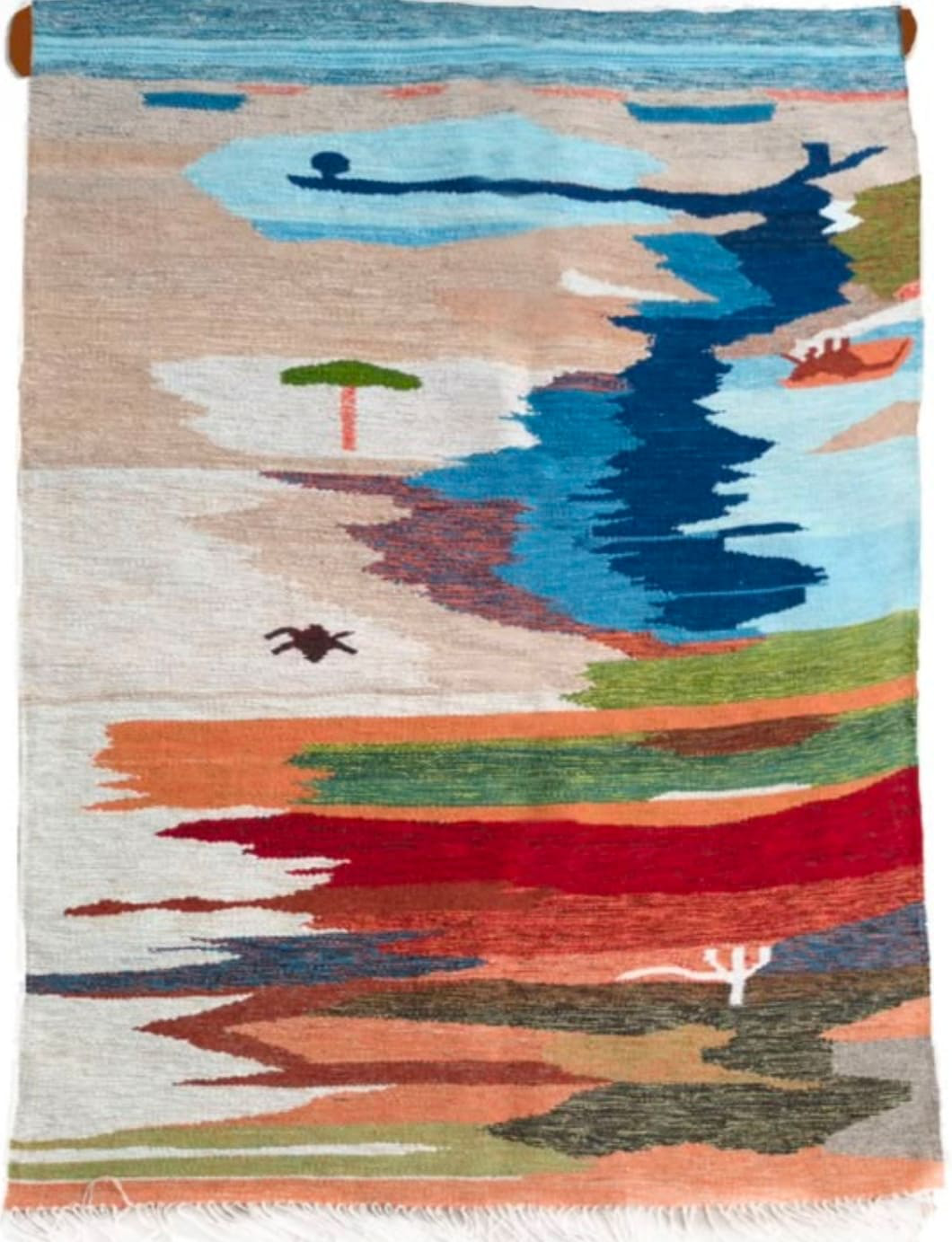
Several participating artists are recognised for engaging with questions of identity, memory, displacement and environmental change. Veer Munshi’s work has long explored themes of exile and Kashmir’s social history, while Kodanda Rao Teppala addresses environmental and societal transformation through painting and printmaking. Textile artist and writer Sheena Maria Piedade examines relationships between capitalism, ecology and community, and Dhiraj Rabha’s practice reflects experiences of displacement and resilience in Assam.

Together, the exhibition presents varied responses to the central theme, demonstrating how artists interpret notions of paradise, aspiration and belonging through different media and personal experiences.

Exhibition Highlights

Visitors can expect:

  • Works developed during the Salogra residency programme
  • Paintings, sculptures, textiles and multidisciplinary installations
  • Responses to themes of ecology, identity and social transformation
  • Contributions from artists across generations and regions of India
  • Outcomes of dialogue-driven workshops and collaborative exchanges

Venue and Visitor Information

Event Details
Title Paradise Promised
Venue Bikaner House, New Delhi
Opening Date 12 September 2026
Exhibition Dates 12 September – 16 September 2026
Organiser The Knowledge Convergence Foundation (TKCF)
Entry / Tickets Not specified
Website / Registration Not specified

Final Thoughts

With Paradise Promised, The Knowledge Convergence Foundation introduces a new platform dedicated to interdisciplinary exchange and artistic collaboration. The exhibition not only presents the outcomes of its first residency programme but also opens a broader conversation about identity, ecology, memory and contemporary life. By bringing together artists from diverse backgrounds and generations, the project highlights the role of cultural dialogue in shaping new perspectives and strengthening connections within society.

Chennai Pop-Up to Showcases Clean Fashion, Circular Clothing and Design-Led Living

0

Chennai-pop-up-01

A three-day Pop-up curated by Srila Chatterjee will take place at The Folly at Amethyst, Royapettah, Chennai, from August 27 to 29, 2026. Bringing together fashion, craft and conscious living, the event will present a selection of homegrown brands working across sustainable fashion, circular design and handcrafted lifestyle products.

Event Overview

The pop-up focuses on clean fashion, circular clothing and contemporary design informed by traditional craftsmanship. Visitors can explore collections that combine modern aesthetics with Indian textile heritage, alongside products created through mindful and sustainable practices.

The showcase features brands including Chiu, Lata Sita, Foolstop, Koorm and Nest, among others.

What Visitors Can Expect

Highlights of the pop-up include:

  • Contemporary fashion with clean and minimal silhouettes
  • Circular clothing created from pre-loved sarees
  • Handcrafted apparel and accessories
  • Lifestyle products inspired by sustainable living
  • Design-led home and décor collections
  • Artisanal products from independent Indian brands

Featured Brands

Koorm_Small-bowls-4-inch-by-2-inch

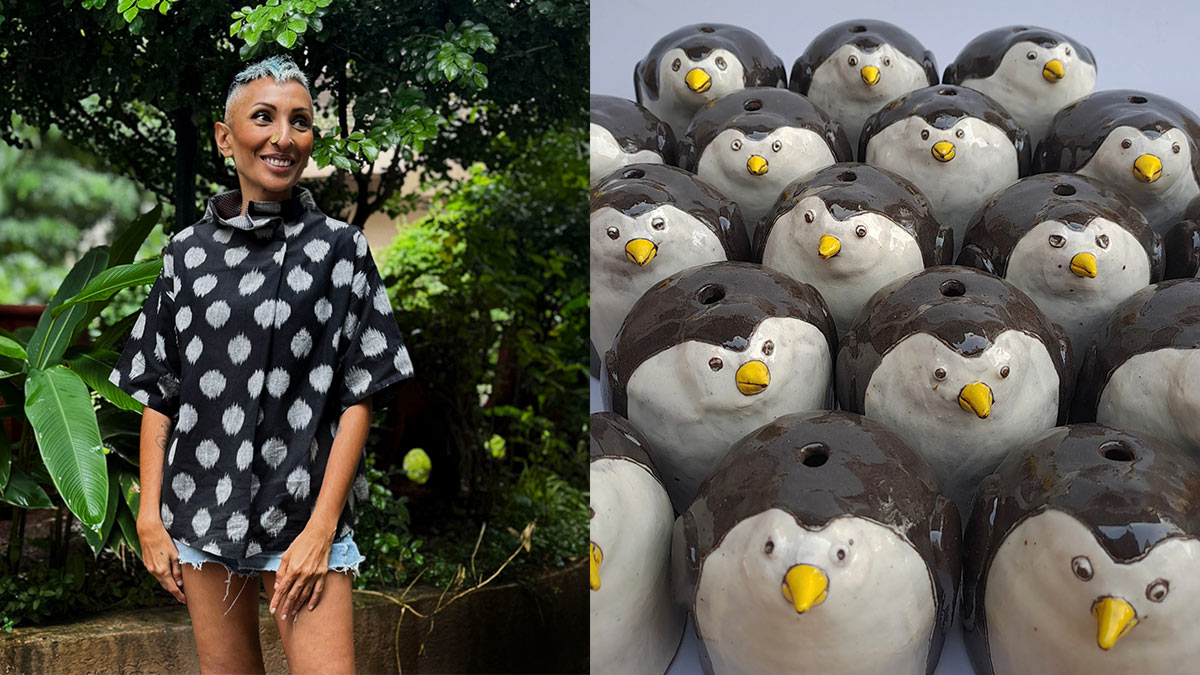
Chiu – Chiu presents contemporary everyday wear defined by clean lines, refined silhouettes, and a focus on thoughtful craftsmanship.

Lata Sita – Lata Sita gives pre-loved sarees a new life by transforming them into contemporary garments, promoting circular fashion while honouring India’s textile traditions.

Foolstop – Foolstop brings together playful narratives, handcrafted elements, and unconventional design approaches to create distinctive pieces that encourage self-expression.

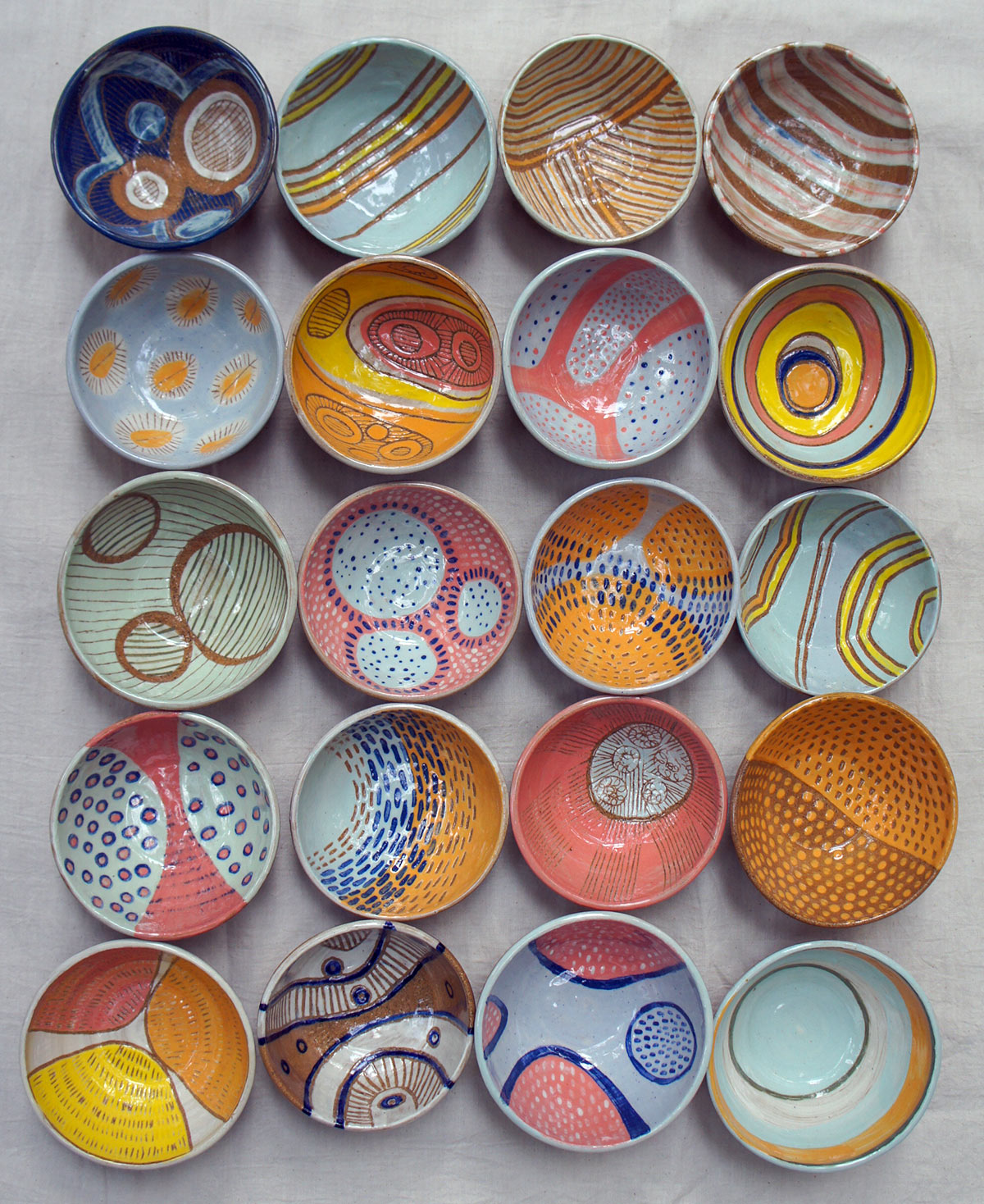
Koorm – Koorm develops consciously made products inspired by natural materials and mindful lifestyles, blending simplicity, durability, and functional design.

Nest – Nest showcases artisanal craftsmanship through thoughtfully designed lifestyle products that combine authenticity, comfort, and timeless appeal for contemporary homes.

About Baro Market

Chennai-pop-up-02

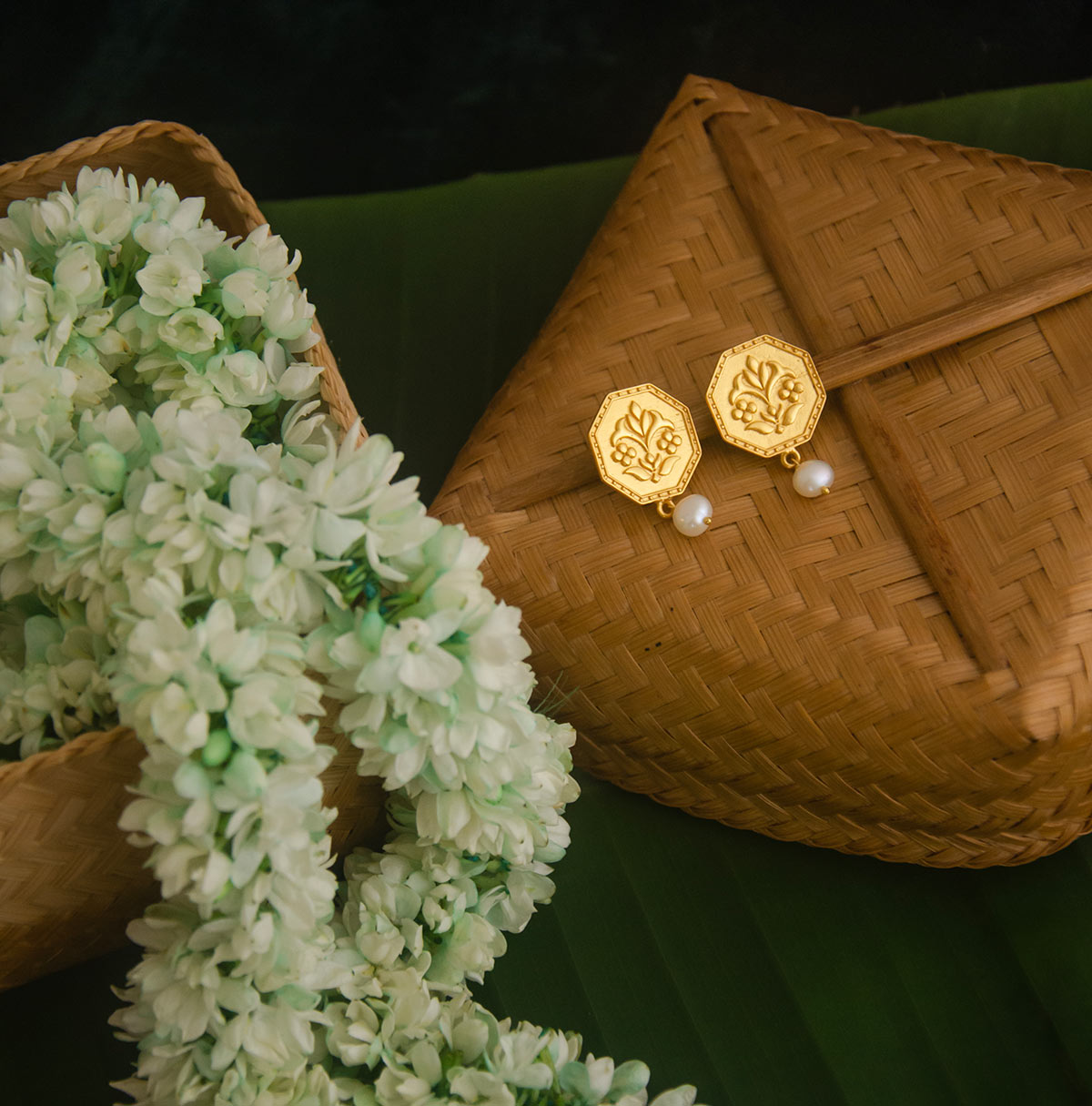
Founded by Srila Chatterjee in 2019, Baro Market is a platform dedicated to promoting Indian craft, design and conscious living. It showcases the work of designers, artists and craftspeople from across the country, with a focus on ethically sourced and thoughtfully curated products.

The platform features apparel, home décor, art, stationery, wellness products, toys and other lifestyle offerings from homegrown brands and grassroots makers.

Visitor Information

The pop-up will be held at The Folly at Amethyst in Royapettah, Chennai. Entry details and additional information can be accessed through Baro Market’s official channels.

Event Details
Name Chennai Pop-Up: Clean Fashion, Circular Clothing and Playful Storytelling
Venue The Folly at Amethyst, Royapettah, Chennai
Date August 27–29, 2026
Time August 27: 3 PM–8 PM; August 28 & 29: 11 AM–8 PM
Organiser Baro Market, curated by Srila Chatterjee
Website https://baromarket.in/

Takeaway

The Chennai pop-up offers an opportunity to engage with independent brands working at the intersection of fashion, craft and sustainability. Through clothing, lifestyle products and contemporary design, the event highlights approaches that value craftsmanship, reuse and conscious consumption. Visitors can explore a curated selection of makers and discover new perspectives on design-led living.