When India Became Home: Russian Artist Julia Usmanova’s Solo Show to Open at Bikaner House

0

Russian-Artist-Julia-Usmanova-01

Russian-born artist Julia Usmanova will present her solo exhibition When India Became Home at Bikaner House from 18 to 23 June 2026. Conceptualised by Neena Gulati, the exhibition brings together a body of figurative paintings that explore memory, identity, belonging, and the artist’s evolving relationship with India. The exhibition will be open daily from 11:00 AM to 7:00 PM. The show reflects Usmanova’s personal and artistic engagement with India after first arriving in the country in 2017.

A Journey from Russia to India

Russian-Artist-Julia-Usmanova-Artwork-01

According to the artist, India gradually transformed from a place of travel into a recurring presence in her life. Returning year after year, she developed a deeper emotional connection with the country, particularly through her experiences in Delhi and Kolkata. These encounters became the foundation of a visual language that combines personal memory with cultural observation. Rather than documenting places directly, the paintings emerge from recollection, emotion, and lived experience.

The Bilateral Layerings Series

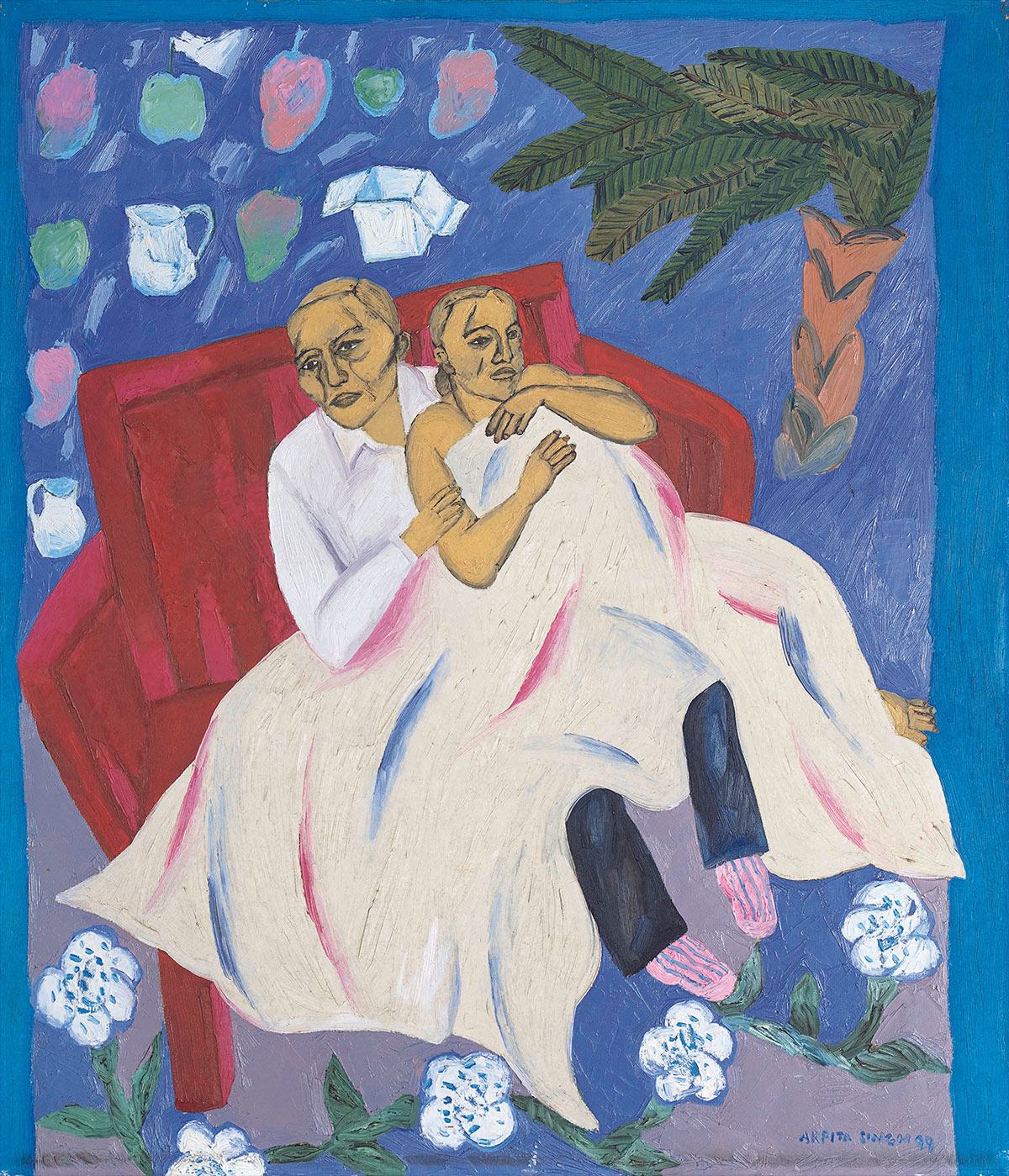
At the centre of the exhibition is Bilateral Layerings, a series that focuses on the image of the young Indian woman. Through distinctly Indian visual elements-including traditional attire, jewellery, jasmine flowers, birds, dragonflies, and symbolic figures such as the tiger-the artist reflects on ideas of “Indianness” through her own perspective.

Highlights of the exhibition

Russian-Artist-Julia-Usmanova-Artwork-02

  • Figurative paintings inspired by life in India
  • Symbolic imagery drawn from nature and memory
  • Explorations of feminine identity and cultural belonging
  • Works that move between reality and dreamlike emotional spaces
  • Cross-cultural narratives connecting India and Russia

Female Figures as Witness and Presence

Russian-Artist-Julia-Usmanova-Artwork-03

Women appear repeatedly throughout Usmanova’s paintings. The artist describes these figures as both observers and the observed. They function simultaneously as representations of nature, emotion, and everyday life, while also reflecting her personal understanding of the world around her. Through these recurring figures, the exhibition examines how identity is shaped through cultural encounters and emotional experiences.

Blending Academic Training with Lived Experience

Russian-Artist-Julia-Usmanova-Artwork-04

Usmanova’s artistic practice draws upon the academic traditions of Russian painting while incorporating contemporary and Orientalist influences. Over time, her exposure to India encouraged a shift away from strict academic approaches toward a more intuitive and emotionally responsive form of expression. Her paintings combine careful craftsmanship with layered symbolism and memory-based storytelling.

Bikaner House as the Venue

Russian-Artist-Julia-Usmanova-Artwork-05

The exhibition takes place in the Main Gallery of Bikaner House on Pandara Road in New Delhi. Today, Bikaner House serves as an important cultural destination that regularly hosts exhibitions, performances, and interdisciplinary arts programming. The historic building, once associated with the former princely state of Bikaner, has become a significant venue for contemporary art exhibitions in the capital.

Visitor Information

Event Details
Title When India Became Home
Artist Julia Usmanova
Venue Main Gallery, Bikaner House, Pandara Road
City New Delhi
Opening Date 18 June 2026
Exhibition Dates 18 June – 23 June 2026
Timings 11:00 AM – 7:00 PM
Organiser / Concept Conceptualised by Neena Gulati
Entry / Tickets Open to the public
Website https://bikanerhouse.rajasthan.gov.in/

Cross-Cultural Dialogue Through Art

Russian-Artist-Julia-Usmanova-Artwork-06

The exhibition presents a personal reflection on what it means to find a sense of home beyond one’s country of birth. Through memory, colour, symbolism, and figurative imagery, Usmanova’s paintings create a dialogue between cultures while exploring shared human experiences. Themes of belonging, emotional connection, and cultural understanding run throughout the exhibition, offering viewers an opportunity to engage with contemporary art shaped by lived encounters across borders.

Takeaway

When India Became Home brings together personal memory, cultural exchange, and contemporary figurative painting in a thoughtful exploration of belonging. Through Julia Usmanova’s reflections on her experiences in India, the exhibition highlights how art can bridge geographical and cultural distances. The works invite viewers to consider identity not as a fixed concept, but as something shaped through encounters, relationships, and shared human experiences. In doing so, the exhibition contributes to ongoing conversations about cultural understanding and artistic dialogue in an increasingly interconnected world.

Padma Shri Ratan Parimoo’s ‘Grammar of Seeing’ Opens at Bikaner House, New Delhi

0

Padma-Shri-Ratan-Parimoo-Grammar-of-Seeing-01

A major retrospective dedicated to Padma Shri awardee and artist-scholar Ratan Parimoo has opened at the Centre for Contemporary Art (CCA), Bikaner House, New Delhi. Titled Grammar of Seeing: A Retrospective of Becoming, the exhibition is curated by Satyajit Dave and presented by Gallerie Splash. Running from 12 to 16 June 2026 in Delhi, the exhibition will continue at Gallerie Splash, Golf Course Road, Gurgaon, from 17 June to 15 July 2026.

Revisiting a Lifetime of Artistic Inquiry

The exhibition brings together paintings, prints, drawings, collages, archival documents, photographs, letters and personal writings spanning several decades of Parimoo’s artistic practice. Rather than functioning solely as a retrospective, the exhibition examines how observation, memory, pedagogy and material experimentation shaped the artist’s evolving visual language.

Through a wide range of works, visitors can trace Parimoo’s journey from academic studies and Kashmir-inspired imagery to increasingly abstract explorations of colour, rhythm and spatial relationships.

Three Thematic Sections

Padma-Shri-Ratan-Parimoo-Grammar-of-Seeing-02

The exhibition is organised into three curatorial sections:

  • The Observed World
  • Between Memory and Method
  • Abstraction Becomes Language

Together, these sections explore how Parimoo’s abstraction emerged through sustained observation and formal discipline rather than a complete departure from representation. The presentation highlights the continuity between his early studies and later abstract compositions.

Artworks and Archival Material on Display

Padma-Shri-Ratan-Parimoo-Grammar-of-Seeing-03

A distinctive feature of the exhibition is the integration of archival material alongside artworks. Letters, photographs, lecture notes, exhibition catalogues and personal writings have been woven into the display to illuminate Parimoo’s multiple roles as artist, educator, researcher and institution builder.

Exhibition Highlights

  • Paintings from different phases of Parimoo’s career
  • Drawings, sketches and print works
  • Experimental collages and mixed-media works
  • Personal correspondence and archival photographs
  • Lecture notes and research materials
  • Rare exhibition catalogues and documents

The curatorial approach positions these materials as an essential part of understanding the artist’s intellectual and creative development.

Reassessing a Modernist Legacy

Padma-Shri-Ratan-Parimoo-Grammar-of-Seeing-04

Curator Satyajit Dave describes the exhibition as an invitation to reconsider Parimoo’s place within the history of Indian modernism. Particular attention is given to the artist’s early experimentation with materials including sand, pigment, glue, pebbles and textured surfaces.

The exhibition argues that these investigations contributed significantly to the development of abstraction in post-Independence Indian art and deserve greater recognition within broader narratives of Indian modernism.

Ratan Parimoo’s Contribution to Indian Art

Padma-Shri-Ratan-Parimoo-Grammar-of-Seeing-05

Born in Srinagar in 1936, Ratan Parimoo is widely recognised as one of India’s foremost art historians, educators and painters. He was a founding member of the Baroda Group, an influential collective associated with the Faculty of Fine Arts at The Maharaja Sayajirao University of Baroda, which played a significant role in shaping modern Indian art.

Parimoo served as Professor and Head of the Department of Art History and Aesthetics at the Faculty of Fine Arts and became one of the country’s most influential art educators. He is also known for his scholarship on Indian art history and museum studies. In 2025, he was honoured with the Padma Shri for his contributions to art and education.

About Gallerie Splash

Padma-Shri-Ratan-Parimoo-Grammar-of-Seeing-06

Founded in 2010 by Jinoy Payyappilly, Gallerie Splash has established itself as a research-driven contemporary art institution supporting artists, curators and interdisciplinary practices. Through exhibitions, workshops and its Curatorial Fellowship Program, the gallery has contributed to critical dialogue across contemporary art, design and material-based practices.

The Gurgaon venue will host the second phase of the exhibition, extending public access to this extensive survey of Parimoo’s work through mid-July.

Visitor Information

Event Details
Name Ratan Parimoo: Grammar of Seeing – A Retrospective of Becoming
Artist Padma Shri Ratan Parimoo
Curator Satyajit Dave
First Venue Centre for Contemporary Art (CCA), Bikaner House, New Delhi
Exhibition Dates 12–16 June 2026
Second Venue Gallerie Splash, Golf Course Road, Gurgaon
Gurgaon Dates 17 June – 15 July 2026
Timings 11:00 AM – 7:00 PM
Organiser Gallerie Splash

Conclusion

Grammar of Seeing presents an opportunity to engage with the many dimensions of Ratan Parimoo’s practice—as painter, teacher, researcher and thinker. By bringing together artworks and archival material, the exhibition offers a broader understanding of his contribution to Indian modernism. For audiences, scholars and younger artists, the retrospective provides insight into how observation, experimentation and critical inquiry can shape a lifelong engagement with art and culture.

‘Made To Appear’ Brings Viraj Khanna and Brian Robertson to GR Gallery New York

0

Made-To-Appear-Brings-Viraj-Khanna-and-Brian-Robertson-to-GR-Gallery-New-York-01

GR Gallery in New York will present Made To Appear, a two-person exhibition featuring Indian artist Viraj Khanna and Los Angeles-based artist Brian Robertson. Running from June 19 to August 1, 2026, the exhibition brings together new bodies of work that combine textile traditions, mixed media and contemporary imagery to explore identity, authenticity and the visual culture of the social media era.

Exhibition Focuses on Appearance and Construction

According to the gallery, Made To Appear investigates the tension between what is visible and what is physically present. The exhibition title reflects how images, identities and experiences are often carefully constructed to create a specific impression. The embroidered and textile-based works initially resemble paintings or digital images before revealing their material complexity upon closer viewing.

New Works Created for the Exhibition


View this post on Instagram


A post shared by Viraj khanna (@viraj_khanna)

The exhibition presents new series developed specifically for the project and marks the first collaboration between both artists and GR Gallery. Through different approaches to textile and mixed-media practice, Khanna and Robertson explore themes of human connection, self-representation and the increasingly performative nature of contemporary life.

Viraj Khanna’s Examination of Social Media Culture

Indian artist Viraj Khanna is known for combining embroidery with contemporary visual culture. His practice often explores documentation, aspiration and performativity in social media. Khanna was the first artist to be included in both the Forbes India and Forbes Asia 30 Under 30 lists, and his work has been exhibited internationally.

In Made To Appear, Khanna uses intricate embroidery developed alongside artisans from West Bengal to examine class, consumption, online validation and the presentation of idealised lifestyles. His colourful compositions move between humour and critique while questioning contemporary notions of success and desirability.

Brian Robertson’s Exploration of Memory and Everyday Life

Brian Robertson approaches memory and identity through layered materials, fabric impressions, yarn and acrylic paint. Drawing from personal photographs and domestic environments, Robertson reconstructs familiar spaces into dreamlike scenes that blur the boundaries between recollection and reality. His works investigate how experiences are continually reshaped through memory, perception and storytelling.
Highlights of the Exhibition

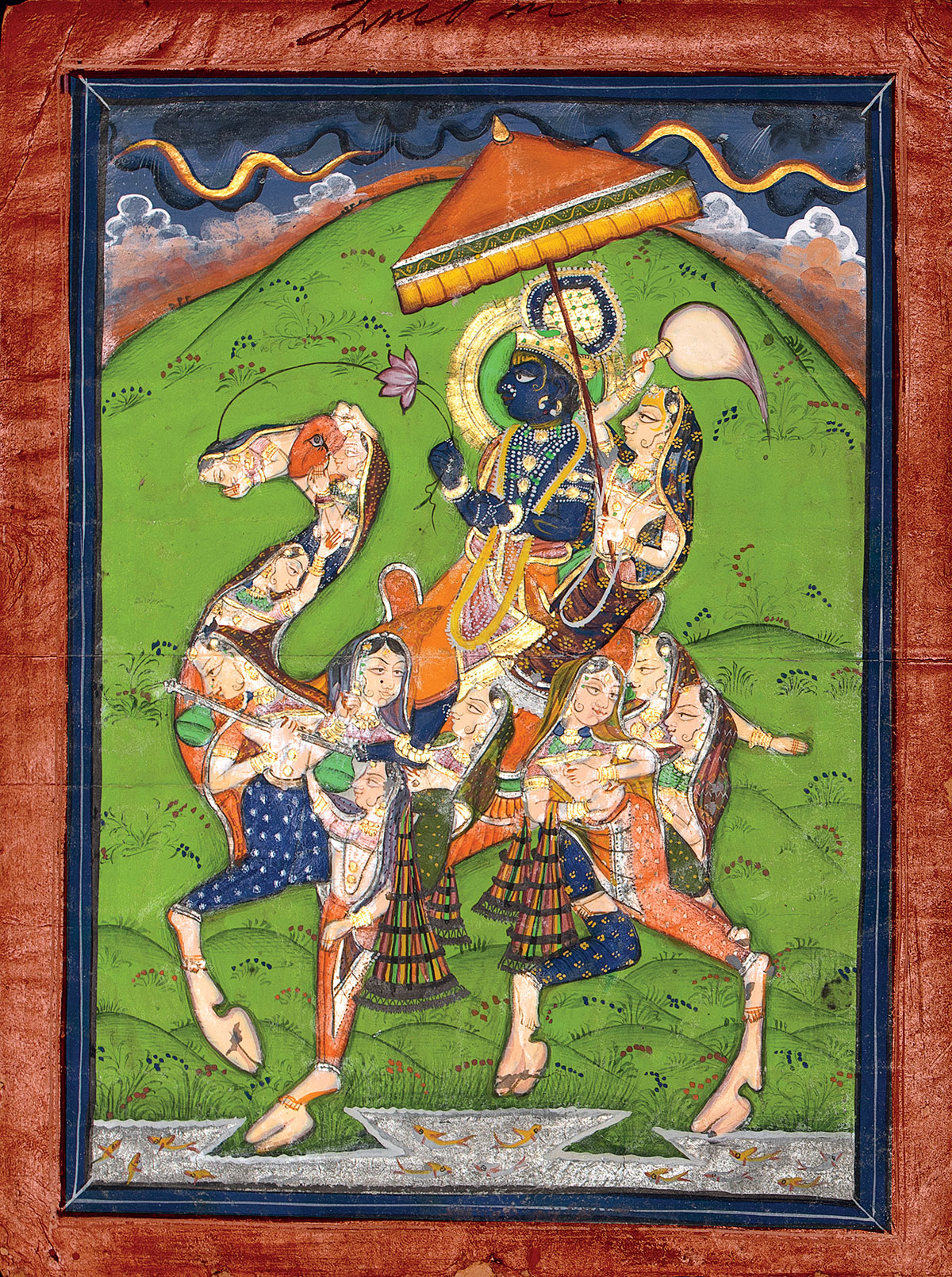
Pose After the Joy Ride

  • Newly commissioned works by Viraj Khanna and Brian Robertson
  • Textile-based and mixed-media artworks
  • Themes of identity, authenticity and self-presentation
  • Exploration of social media culture and personal memory
  • First collaboration between both artists and GR Gallery

About GR Gallery

GR Gallery was established in 2016 and relocated to Chambers Street in Tribeca in 2025. The gallery presents international contemporary artists working across multiple media and maintains a programme of exhibitions, public events and art fair participation. The gallery traces its origins to Studio d’Arte GR, founded in Venice in 1979.

Visitor Information

Event Details
Title Made To Appear
Artists Viraj Khanna and Brian Robertson
Venue GR Gallery, 116 Chambers Street
City New York, USA
Opening Reception June 18, 2026 | 6:00pm – 8:00pm
Exhibition Dates June 19 – August 1, 2026
Organiser GR Gallery
Entry / Tickets Free admission (gallery entry)
Website https://www.gr-gallery.com

Takeaway

By bringing together two artists who use textile-based processes in distinct ways, Made To Appear offers a reflection on how identity, memory and experience are shaped in contemporary society. The exhibition encourages viewers to look beyond surface appearances and consider the relationship between material reality and constructed narratives. Through embroidery, texture and layered imagery, the project contributes to ongoing conversations around authenticity, representation and cultural perception in the digital age.

Nilgiri Threads: Landmark Mumbai Show Highlights Textile Art of the Toda Community

0

Nilgiri-Threads-The-Art-of-The-Toda

Mumbai will host a landmark exhibition celebrating the textile traditions of the Toda community from the Nilgiri Hills of Tamil Nadu. Titled Nilgiri Threads: The Art of The Toda, the exhibition opens to the public on June 13 at 47-A, Khotachi Wadi, Girgaum, marking the first time this rare embroidery tradition is being presented in Mumbai through a dedicated exhibition format.

A First for Mumbai

The exhibition brings together large-format embroidered textile panels, contemporary home textile explorations and motifs inspired by the landscapes of the Nilgiris. Through these works, visitors will encounter Toda embroidery not only as a craft tradition but also as a visual art form shaped by geometry, ecology and generations of cultural knowledge.

The exhibition will run from June 13 to June 28, remaining closed on Mondays. Visitors can view the works between 11 AM and 7 PM.

The Art of Toda Embroidery

The-Art-of-Toda-Embroidery

Toda embroidery, locally known as Pukhoor, is practised by women of the Toda community and is recognised as a Geographical Indication (GI)-tagged craft. The embroidery is distinguished by red and black threadwork on an ivory cotton base and is created without sketches, tracing methods or embroidery frames. Instead, artisans work by counting threads and stitching from memory.

The tradition has been passed down through generations and remains closely connected to the cultural identity of the Toda people of the Nilgiris.

Motifs Inspired by the Nilgiris

Many of the works in Nilgiri Threads draw inspiration from the environment surrounding Toda settlements. Mountain ranges, temple lamps and native flora from the Shola forests appear as recurring visual references throughout the exhibition.

Traditional Toda motifs have historically reflected elements of nature, animals, landscapes and everyday life, translating ecological observations into geometric forms.

Highlights of the Exhibition

  • Large-format embroidered textile artworks
  • Contemporary interpretations of Toda textile traditions
  • Botanical and landscape-inspired motifs from the Nilgiris
  • Works created entirely through hand embroidery
  • Opportunities to meet senior Toda artisans during the opening weekend

Traditional Techniques on Display

Among the techniques featured in the exhibition is Murssh, a tufting method that produces a sculptural surface texture. Another highlighted technique is Octvectt Pukhoor, a traditional stitch valued for its durability and precision.

The exhibition demonstrates how Toda artisans continue to preserve specialised methods while adapting the medium to contemporary textile formats.

Meeting the Artisans

For the opening weekend, senior Toda artisans will travel from the Nilgiris to Mumbai. Their presence will offer visitors a chance to learn directly about the processes, stories and cultural significance behind the embroidery.

The interaction aims to provide insight into a living tradition that continues to be sustained within the community despite the challenges faced by many indigenous craft practices today. Recent discussions around Toda embroidery have highlighted the importance of preserving the community’s ownership and recognition of this GI-protected art form.

About the Venue

The exhibition is being presented at 47-A, a gallery dedicated to the intersection of art, craft and design. Located within Mumbai’s historic Khotachiwadi neighbourhood, the gallery operates from a restored nineteenth-century Portuguese-style house and regularly presents exhibitions focused on material culture, craftsmanship and design-led practices.

Khotachiwadi itself is one of Mumbai’s best-known heritage precincts, recognised for its historic architecture and distinctive village character within the city.

Visitor Information

Event Name Details
Artist Nilgiri Threads: The Art of The Toda
Artist Women Artisans of the Toda Community
Venue 47-A, Khotachi Wadi
City Mumbai
Opening Date 13 June
Exhibition Dates 13 June – 28 June
Organiser Coonoor & Co. / 47-A
Timings 11 AM – 7 PM (Closed Mondays)
Entry Not specified
Website https://47agallery.com/

Conclusion

Nilgiri Threads: The Art of The Toda introduces Mumbai audiences to an indigenous textile tradition that has been preserved through generations of women artisans in the Nilgiri Hills. By presenting both traditional techniques and contemporary applications, the exhibition highlights the cultural knowledge embedded within Toda embroidery while creating a platform for dialogue around heritage, craftsmanship and community-led artistic practice. The presence of senior artisans further strengthens the exhibition’s role as an encounter with a living cultural tradition.

Emerging Visions: National Institute of Fine Arts Presents Student Art Exhibition

0

National-Institute-of-Fine-Arts-Presents-Student-Art-Exhibition-01A

The National Institute of Fine Arts (NIFA) will present Emerging Visions, a student art exhibition curated by Sanyam Khera, at the Main Art Gallery, Bikaner House, New Delhi. The exhibition will run from 12 June to 16 June 2026 and brings together works by 21 emerging artists working across painting, drawing, sculpture, mixed media and experimental practices.

A Platform for Emerging Talent

Designed as a showcase of developing artistic voices, Emerging Visions presents original works created by students who have spent months researching, experimenting and refining their artistic practices. The exhibition highlights the importance of providing young artists with opportunities to present their work within a professional exhibition setting.

Diverse Artistic Perspectives

National-Institute-of-Fine-Arts-Presents-Student-Art-Exhibition-2

The participating artists include Pooja Matta, K. P. Paveine, Mousumi Bhattacharyya, Yashika Jain, Gitansh Malhotra, Sapna Raina, Geeta Arora, Divya Thapar, Prisha Buddhiraja, Suveer Aivalli, Aaira Madan, Priya Sharma, Shruti Shah, Gagan Kaur, Sanskar Yadav, Abhilasha, Manju Kathuria, Meenakshi Radcliffe, Gauri Kampalli, Manju Sharma and Priya Mahendru.

Their works explore a wide range of themes including identity, memory, emotion, human relationships, nature, urban life, abstraction and contemporary culture. Together, the artworks reflect individual experiences while engaging with broader social and cultural questions.

Curatorial Vision

National-Institute-of-Fine-Arts-Presents-Student-Art-Exhibition-6

According to curator Sanyam Khera, the exhibition celebrates artistic discovery and creative potential while encouraging audiences to engage with diverse perspectives. The exhibition focuses on the role of emerging artists in shaping contemporary visual culture through experimentation, inquiry and personal expression.

Highlights of the Exhibition

  • Contemporary paintings exploring identity and memory
  • Drawing-based works focused on observation and narrative
  • Mixed-media projects incorporating experimental techniques
  • Sculptural works examining materiality and form
  • Personal and socially engaged artistic investigations

Participating Art Student

Pooja Matta K. P. Paveine
Mousumi Bhattacharyya Yashika Jain
Gitansh Malhotra Sapna Raina
Geeta Arora Divya Thapar
Prisha Buddhiraja Suveer Aivalli
Aaira Madan Priya Sharma
Shruti Shah Gagan Kaur
Sanskar Yadav Abhilasha
Manju Kathuria Meenakshi Radcliffe
Gauri Kampalli Manju Sharma
Priya Mahendru

The Role of Art Education

National-Institute-of-Fine-Arts-Presents-Student-Art-Exhibition-7

A central theme of Emerging Visions is the value of art education in fostering originality and critical thinking. Through mentorship and structured training, the National Institute of Fine Arts encourages students to develop independent visual languages rather than relying on imitation. Established in 2005, NIFA provides fine arts education across multiple centres and supports emerging artists through exhibitions, workshops and public engagement initiatives.

Visitor Information

Event Details
Title Emerging Visions
Curator Sanyam Khera
Venue Main Art Gallery, Bikaner House
City New Delhi, India
Exhibition Dates 12–16 June 2026
Organiser National Institute of Fine Arts (NIFA)
Website https://www.nifafinearts.com

Visitors can view Emerging Visions at the Main Art Gallery, Bikaner House, New Delhi, from 12 June to 16 June 2026. The exhibition is hosted by the National Institute of Fine Arts and curated by Sanyam Khera.

Conclusion

Emerging Visions offers audiences an opportunity to engage with the ideas, concerns and aspirations of a new generation of artists. By presenting diverse artistic approaches and encouraging experimentation, the exhibition highlights the continuing importance of art education in nurturing creative talent and contributing to contemporary cultural discourse. Through this platform, young artists gain visibility while audiences encounter fresh perspectives on the world around them.

Bindu & Rekha: Sai Akhil Anand’s Solo Exhibition to Open at Sandeep & Gitanjali Maini Foundation

1

Bindu-&-Rekha-by-Sai-Akhil-Anand-4

The Sandeep & Gitanjali Maini Foundation will present Bindu & Rekha, a solo exhibition by 15-year-old artist Sai Akhil Anand, from 14 to 30 June 2026 in Bengaluru. The exhibition brings together a diverse body of work that explores animals, patterns, repetition, mathematics and the natural world through a range of artistic mediums. The exhibition will be open daily from 10:00 AM to 6:00 PM, except Mondays.

A Young Artist’s Exploration of Nature

Sai Akhil Anand, a Grade 10 student at Beyond 8, Chennai, approaches art through observation and experimentation. The son of Viswanathan Anand and Aruna Anand, he has developed a strong interest in patterns found in nature, particularly in animals. His artworks examine how stripes, spots, patches and spirals function as visual systems that shape identity and movement in the natural world.

Working across charcoal, acrylic, gouache, watercolour, photography, scribbling techniques and clay embossing, Akhil uses art as a process of discovery. He is currently mentored by artist Vijayraghavan, under whose guidance he continues to expand his artistic practice.

The Meaning Behind Bindu & Rekha

Bindu-&-Rekha-by-Sai-Akhil-Anand-1

The exhibition title draws from two foundational concepts in visual art and geometry: bindu (point) and rekha (line). These basic elements become the starting point for Akhil’s exploration of form, pattern and image-making.

The exhibition examines how simple marks can evolve into complex structures. Through repeated dots, lines and textures, Akhil investigates the relationship between artistic creation and mathematical thinking. Recent previews of the exhibition have highlighted this connection between intuitive drawing and structured visual systems.

Mathematics, Patterns and the Natural World

A recurring theme throughout the exhibition is the presence of mathematical order in nature. Akhil draws inspiration from concepts such as Fibonacci sequences, golden spirals, sacred geometry and Turing patterns.

Rather than presenting these ideas as scientific diagrams, the works translate them into visual experiences. Animal markings become evidence of hidden systems that organise the natural world, revealing relationships between biology, geometry and aesthetics.

Highlights of the Exhibition

Bindu-&-Rekha-by-Sai-Akhil-Anand-7

  • Animal-inspired artworks examining stripes, spots and natural markings
  • Mixed-media works using charcoal, acrylic, watercolour and clay embossing
  • Explorations of Fibonacci sequences, golden spirals and sacred geometry
  • Photography-based observations of natural forms
  • Works reflecting ecological awareness and conservation concerns

Dialogue with Indian Artistic Traditions

Bindu-&-Rekha-by-Sai-Akhil-Anand-5

The exhibition also engages with several Indian visual traditions, including Gond, Madhubani, Warli, Kalighat and Pichwai art. Rather than directly replicating these styles, Akhil studies how these traditions use repetition, pattern and line to represent stories, ecology and everyday life.

This engagement places the exhibition within a broader conversation about how visual languages are passed between generations and adapted by contemporary artists.

Ecology and Conservation in Focus

Alongside its formal exploration of pattern, Bindu & Rekha addresses environmental concerns. Akhil’s recurring focus on black-and-white animals allows him to investigate ideas of contrast, symmetry and balance, while also reflecting on the impact of human activity on animal habitats.

The exhibition suggests that appreciating the beauty of natural patterns also requires recognising the need to protect the ecosystems that sustain them.

Foundation Continues Support for Emerging Talent

Bindu-&-Rekha-by-Sai-Akhil-Anand-6

The exhibition reflects the ongoing cultural initiatives of the Sandeep & Gitanjali Maini Foundation, a Bengaluru-based organisation that supports art, heritage, education and public engagement with visual culture. Through exhibitions, educational programmes and artist-focused platforms, the Foundation has worked to create accessible spaces for dialogue and creative learning.

As patrons of the exhibition, Sandeep and Gitanjali Maini continue their efforts to encourage emerging artistic voices and create opportunities for young practitioners to present their work within a professional exhibition setting.

Visitor Information

Event Details
Artist Bindu & Rekha
Artist Sai Akhil Anand
Venue Sandeep & Gitanjali Maini Foundation, 38 Maini Sadan (Mezzanine Level), 7th Cross, Lavelle Road (Google Map)
City Bengaluru
Opening Date 14 June 2026
Exhibition Dates 14–30 June 2026
Organiser Sandeep & Gitanjali Maini Foundation
Timings 10:00 AM – 6:00 PM (Closed on Mondays)
Entry Please check with the venue for visitor details

Takeaway

Bindu & Rekha presents the work of a young artist engaging with ideas that connect art, mathematics, ecology and cultural traditions. Through animals, patterns and repeated forms, Sai Akhil Anand invites viewers to observe the structures that shape the natural world. The exhibition offers an opportunity to reflect on creativity, environmental awareness and the role of art in encouraging curiosity across generations.

The Mango Tree Launches Gooseberry Series With Community Art Experience in Bengaluru

0

The-Mango-Tree-Launches-Gooseberry-Series-With-Community-Art-Experience-in-Bengaluru-01

The Mango Tree is set to launch the first edition of Gooseberry Series, a new recurring programme of workshops, creative gatherings and community-led experiences, on June 13 and 14 at Bangalore Creative Circus. Designed as a space for creativity, connection and conscious living, the initiative aims to create a regular weekend platform where people can come together to learn, make, collaborate and engage with like-minded individuals. The inaugural edition will run from 3 pm to 7 pm and feature an immersive art installation created from reclaimed and sustainable materials.

A New Weekend Gathering Concept

According to the organisers, Gooseberry Series has been conceived as an ongoing programme rather than a standalone event. The initiative seeks to offer a slower, more intentional alternative to the pace of urban life by bringing together workshops, creative activities and community-focused experiences under one umbrella. The launch edition marks the beginning of what The Mango Tree describes as a recurring weekend ritual for Bengaluru’s creative community.

Art Created Through Collective Participation

One of the central features of the opening edition is a large-scale interactive installation inspired by a jellyfish form and constructed entirely from reclaimed materials. Rather than presenting a finished artwork, the project invites visitors to participate in its creation, allowing the installation to evolve through collective contributions over the two-day event. The work explores ideas of community, transformation and creative reuse, while encouraging visitors to become active participants in the artistic process.

Sustainability at the Core

The installation has been developed using waste and repurposed materials, reflecting a broader commitment to sustainability that has become central to many of The Mango Tree’s initiatives. Previous editions of The Mango Tree Festival have incorporated conscious marketplaces, interactive art spaces and environmentally focused programming, highlighting the role of creative practice in promoting sustainable lifestyles.

About the Venue

The launch will take place at Bangalore Creative Circus, a multidisciplinary space known for its focus on regenerative systems, sustainability, arts and community engagement. Located in Bengaluru, the venue functions as a creative hub that hosts workshops, exhibitions, performances and learning programmes while promoting environmentally responsible practices.

Event Highlights

  • Launch of the first Gooseberry Series gathering
  • Interactive community-built art installation
  • Creative workshops and participatory experiences
  • Sustainable design using reclaimed materials
  • Opportunities for networking and community engagement
  • Conversations centred on creativity and conscious living

Building a Creative Community

Beyond the installation itself, Gooseberry Series aims to foster connections among artists, makers, professionals and curious participants. The programme has been designed as a space where visitors can meet new people, exchange ideas and develop a sense of belonging through shared experiences. Organisers describe the initiative as an effort to cultivate a community that extends beyond individual events and grows through regular participation.

Visitor Information

Event Details
Title Gooseberry Series – First Edition
Organiser The Mango Tree
Venue Bangalore Creative Circus
City Bengaluru
Event Dates 13–14 June
Timings 3:00 PM – 7:00 PM
Key Feature Interactive waste-to-art community installation
Theme Creativity, sustainability, community and conscious living
Website / Registration District event booking platform

Conclusion

With the launch of Gooseberry Series, The Mango Tree is expanding its focus on community-centred cultural programming in Bengaluru. By combining participatory art, sustainability and social connection, the initiative seeks to create a space where creativity becomes a shared experience rather than a solitary pursuit. As the series develops, it aims to contribute to the city’s growing ecosystem of collaborative cultural and artistic engagement.

Gudi Kutcheri – The Temple Run Series Returns to Hampi for Third Edition

0

Gudi-Kutcheri-The-Temple-Run-Series-01

Gudi Kutcheri – The Temple Run Series will return to Hampi from 19 to 21 June 2026 for its third edition. Organised by Anantapravāhaḥ, the initiative seeks to reconnect classical music and dance with the sacred spaces that historically nurtured these traditions. Returning to Hampi for a second edition, the three-day programme will bring artists and audiences together across temple precincts in one of India’s most significant cultural landscapes.

Reviving the Temple as a Cultural Space

Conceived as a humble sankalpa, Gudi Kutcheri aims to reimagine the temple not merely as a venue but as a living space where artistic, spiritual and community life intersect. The initiative draws inspiration from historical traditions in which music and dance were integral to worship, education and everyday cultural practice. Through performances presented within temple environments, the organisers seek to create meaningful encounters between artists, audiences and heritage spaces.

Hampi’s Enduring Legacy

Set amid the temples, mandapas, riverbanks and iconic boulder-strewn landscape of Hampi, the event acknowledges the region’s long-standing role as a centre of artistic and spiritual activity. Once the capital of the Vijayanagara Empire, Hampi remains one of India’s most celebrated heritage destinations. Its monuments, sacred sites and cultural memory continue to attract pilgrims, scholars, artists and visitors from around the world.

The organisers describe the event as an offering born out of gratitude to the land of Hampi and to the generations of devotees, artists, scholars and local communities who have sustained its cultural spirit through centuries of change.

Organised by Anantapravāhaḥ


View this post on Instagram


A post shared by Anantapravāhaḥ (@anantapravahah)

Anantapravāhaḥ is a cultural initiative committed to fostering deeper engagement with India’s artistic and spiritual traditions. Through programmes that bring together heritage, classical arts and community participation, the organisation seeks to create contexts in which artistic practices can be experienced within their broader cultural and historical frameworks.

Gudi Kutcheri forms part of this vision by situating classical arts within temple spaces that historically served as centres of artistic expression and devotion. The initiative reflects an effort to strengthen connections between contemporary audiences and living traditions while honouring the cultural ecosystems that have sustained them.

Music and Dance as Seva

Over three days, young and accomplished artists will offer performances across a number of temple precincts in Hampi. Conceived as nāda and nritya seva to the Rāja Rasika-the deities themselves-the presentations seek to honour a tradition in which art was not separate from worship, community life and spiritual practice.

Rather than functioning as a conventional arts festival, Gudi Kutcheri encourages audiences to slow down and experience the dialogue between art, architecture, landscape and devotion. The emphasis is on attentive listening, observation and immersion within sacred environments.

Programme Highlights

Highlights of Gudi Kutcheri 2026 include:

  • Three days of classical music and dance performances
  • Presentations across multiple temple precincts in Hampi
  • Participation by emerging and accomplished artists
  • Performances conceived as offerings within sacred spaces
  • Opportunities to experience art in dialogue with architecture and landscape
  • Engagement with living traditions rooted in devotion and community

Further details regarding participating artists, temple venues and performance schedules are expected to be announced in the coming weeks.

Visitor Information

Event Details
Title Gudi Kutcheri – The Temple Run Series (Third Edition)
Venue Multiple Temple Precincts, Hampi
City Hampi, Karnataka, India
Opening Date 19 June 2026
Event Dates 19–21 June 2026
Organiser Anantapravāhaḥ
Artists Young and accomplished classical music and dance artists (to be announced)
Entry / Tickets To be announced, check updates on the official IG Page
Registration Details to be announced, check updates on the official IG Page

The event will take place from 19 to 21 June 2026 across selected temple locations in Hampi. Information regarding registration, audience access, venue-specific guidelines and performance timings will be announced by the organisers closer to the event dates.

Visitors are encouraged to follow official announcements from Anantapravāhaḥ for updates regarding schedules, participating artists and attendance information.

Takeaway

Gudi Kutcheri – The Temple Run Series offers an opportunity to experience classical music and dance within the cultural and spiritual environments that originally nurtured these traditions. Organised by Anantapravāhaḥ, the initiative seeks to foster meaningful connections between heritage, artistic practice and community life. By bringing performances into Hampi’s sacred spaces, the programme contributes to the continued vitality of classical arts while encouraging contemporary audiences to engage with India’s living cultural traditions in a deeper and more contextual manner.

Foodstories Launches The Autorickshaw Project Ahead of Mumbai Debut

0

Foodstories-Launches-The-Autorickshaw-Project-Ahead-of-Mumbai-Debut-01

Ahead of the opening of its flagship destinations in Bandra and Lokhandwala, Foodstories has introduced a city-wide public art initiative that transforms Mumbai’s iconic auto-rickshaws into moving canvases. The project, titled The Autorickshaw Project, brings together food, art and storytelling as part of the premium food lifestyle platform’s entry into Mumbai.

Foodstories Expands into Mumbai

Founded by sisters Avni and Ashni Biyani, Foodstories positions itself as a platform operating at the intersection of food, wellbeing and community. The concept moves beyond the traditional grocery store model by combining curated products, culinary experiences and cultural programming. The Mumbai expansion includes stores in Bandra and Lokhandwala, with an additional dark store planned for Powai.

The founders are also known for their earlier work in India’s premium food retail sector through Foodhall, a gourmet retail format launched in 2011. Following the closure of Foodhall, the sisters launched Foodstories in 2024 as a new experiential food platform focused on discovery, sourcing and food culture.

Turning Mumbai Autos into Moving Art Galleries

Foodstories-Expands-into-Mumbai

The Autorickshaw Project was conceived as a way to introduce Foodstories to Mumbai before the stores officially open. Inspired by the city’s everyday rhythms, the initiative uses auto-rickshaws as mobile art spaces that travel through Bandra’s streets and neighbourhoods.

According to co-founder Avni Biyani, the auto-rickshaw was chosen because it reflects Mumbai’s character—familiar, democratic and constantly in motion. The project seeks to bring stories usually found on store shelves into public spaces where people encounter them during their daily routines.

Artists Reimagine Food Through Street Art

The project features artworks by a collective of Indian artists who have interpreted ingredients and products associated with Foodstories through playful and surreal visual narratives.

Participating artists include:

  • Ankita Dsouza – exploring the journeys of coffee-infused pecans, Vietnamese purple cashews and Korean tissue bread through layered collage works.
  • Sarah Kaushik – creating whimsical scenes featuring erupting hot sauce volcanoes and oversized Parmesan cheese wheels.
  • Seema Surana – transforming white asparagus into “white gold” treasure and draft lattes into immersive fantasy landscapes.
  • Manvi Vakharia – highlighting heirloom tomatoes, ecological systems and adaptogenic mushroom networks.

Food, Memory and Everyday Culture

Connection-to-Mumbai-Street-Art-Culturea

Beyond the imagery of ingredients, the artworks also draw from everyday Mumbai experiences. References to cutting chai, neighbourhood food stops, grocery shopping, seafood lunches and family recipes connect the project to the city’s social and culinary life.

The initiative reflects Foodstories’ broader belief that food is not only about consumption but also about memory, identity and cultural exchange. Co-founder Ashni Biyani said the project aims to encourage conversations and connections through food-related stories and experiences.

Connection to Mumbai’s Street Art Culture

The project also arrives in a neighbourhood already known for public art. Bandra has become one of Mumbai’s most recognised street-art districts, with murals and creative interventions spread across areas such as Chapel Road and Veronica Street. Organisations including ST+ART India have played a significant role in developing this urban art culture.

One version of the project notes that Foodstories collaborated with ST+ART India and Guerrilla to bring the painted autos into Bandra’s streets, further linking the initiative to the area’s established public-art landscape.

Highlights of The Autorickshaw Project

Highlights-of-The-Autorickshaw-Project

  • Fleet of food-themed art autos travelling through Bandra.
  • Public art inspired by ingredients sourced and curated by Foodstories.
  • Contributions from four contemporary Indian artists.
  • Focus on food, culture, memory and community.
  • Launch campaign preceding Foodstories’ Mumbai store openings.

Looking Ahead

As Foodstories prepares to open its Mumbai locations, The Autorickshaw Project serves as an introduction to the platform’s wider vision of connecting food with culture, creativity and everyday life. By taking art beyond gallery walls and into public streets, the initiative offers a new way for residents to engage with food stories while moving through the city. It also highlights how contemporary retail concepts are increasingly using public art and cultural programming to build community engagement and encourage conversations around food, identity and local culture.

MAP Bengaluru Invites Applications for New Volunteer Docent Programme Cohort

0

MAP-Bengaluru-Invites-Applications-for-New-Volunteer-Docent-Programme-Cohort-01

The Museum of Art & Photography (MAP), Bengaluru, has announced applications for its next Volunteer Docent Programme cohort. The museum is inviting individuals interested in art, storytelling and public engagement to apply before July 13. The programme is designed to help make MAP’s exhibitions and collections more accessible to visitors through guided tours, conversations and audience engagement activities.

Building Connections Through Art

According to the museum, volunteer docents play an important role in enhancing visitor experiences. Participants conduct exhibition walkthroughs, facilitate discussions and gather feedback from audiences about their museum visits. The programme welcomes applicants from diverse backgrounds and does not require formal training in art history or museum studies.

Training for Museum Engagement

MAP’s Volunteer Docent Programme includes structured training focused on museum practices, visitor engagement and communication skills. The programme is intended for individuals interested in history, art and education who wish to contribute to museum experiences while developing their own understanding of cultural heritage.

About the Museum

The Museum of Art & Photography is one of India’s leading private museums dedicated to visual arts and culture. Founded by Abhishek Poddar, the institution houses a collection of more than 20,000 works spanning modern and contemporary art, photography, textiles, craft, design and popular culture. The museum first launched as a digital platform in 2020 before opening its physical space to the public in 2023.


View this post on Instagram


A post shared by MAP Bengaluru (@mapbangalore)

Volunteer Responsibilities

Successful applicants will be expected to support visitor engagement activities across the museum.

Key responsibilities include:

  • Conducting exhibition walkthroughs
  • Facilitating discussions with visitors
  • Encouraging dialogue around artworks and exhibitions
  • Collecting visitor feedback and reflections
  • Supporting accessibility and audience engagement initiatives

These activities help the museum understand audience needs while creating more inclusive experiences for visitors.

No Art Background Required

MAP has emphasised that curiosity and a willingness to engage with people are more important than formal qualifications in art. The programme is open to individuals who enjoy sharing stories and fostering conversations around culture and creativity. Participants receive training that helps them develop confidence in public engagement and museum interpretation.

Application Details

Applications for the new cohort are currently open through the museum’s official channels. Interested candidates are required to submit their applications by 13 July. The volunteer opportunity is listed among current openings at the museum, with the next cohort expected to commence later in the year.

Volunteer Programme Details
Organiser Museum of Art & Photography (MAP)
Venue Museum of Art & Photography
City Bengaluru, Karnataka
Programme Type Volunteer Museum Docent Programme
Application Deadline 13 July
Eligibility Open to individuals interested in art, storytelling and visitor engagement; no art background required
Entry / Registration Application required
Website https://map-india.org


Expanding Public Access to Culture

The Volunteer Docent Programme reflects MAP’s broader educational mission of connecting audiences with art and cultural heritage. By training volunteers to facilitate conversations and guided experiences, the museum continues to explore new ways of making its collections accessible to a wider public while encouraging community participation in the arts.