The Sacred Stage of Shore Temple
The ancient town of Mamallapuram (Mahabalipuram), a UNESCO World Heritage Site, is ready to orchestrate the Indian Dance Festival, also known as the Mamallapuram Dance Festival. During the course of this festival, a spectacular cultural event is organized at the ancient 7th-century rock-cut Pallava-era Shore Temple, which is transmogrified into a theatre of celebrations, jubilantly celebrating India’s rich cultural heritage. Nestled on the Coromandel Coast of Tamil Nadu, the site of Mamallapuram is set to host the event from December 21, 2025, to January 19, 2026.
The Dance Fest is supported by the Department of Tourism, Government of Tamil Nadu. The festival was conceived in the early 1990s to promote and preserve the diverse classical and folk dance forms in India. Moreover, the historicity of the Shore temple amplifies the spectacularity of the festival. Hitherto, the festival used the open-air stage near the bas-relief of Arjuna’s Penance. But, in recent years, many performances have been executed in the expansive lawn in front of the Shore Temple. The ambience against which the festival is set is unparalleled. The ethos of the historical site creates a sense of intimacy as well as grandeur that an indoor auditorium can never replicate.
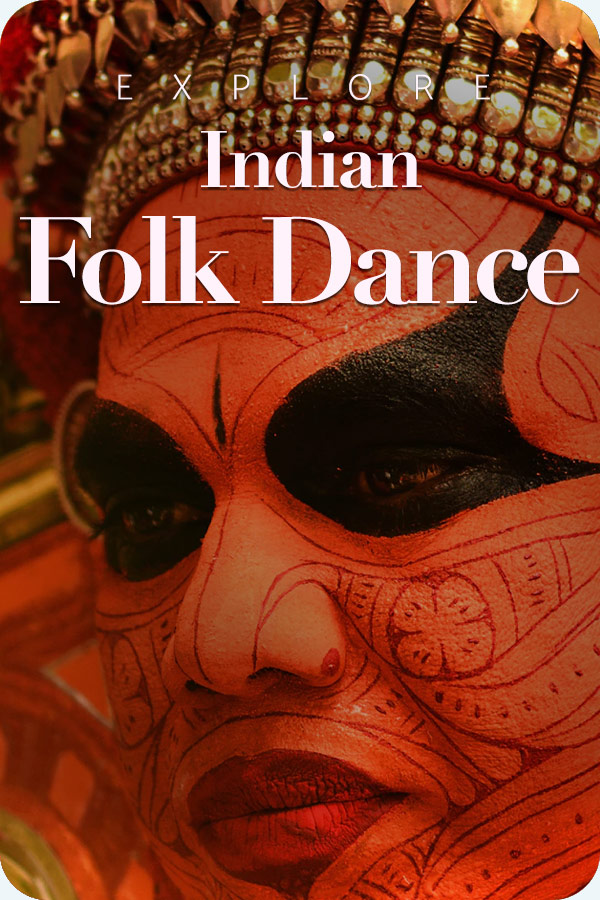
Both renowned dancers and emerging artists from across the nation congregate at that place to perform the major classical forms, including Bharatnatyam (From Tamil Nadu), Kathak (North India), Kathakali (Kerala), Kuchipudi (Andhra Pradesh), and Odissi (Odisha). Beyond these classical forms, many folk dances such as Karagam and Kavadi Attam will also be performed. To make these artforms accessible to all, the entry into the temple complex during the event is free.
Through this annual conclave, Mamallapuram emerges as a cultural hub, going beyond its traditional tourism label. The festival is renowned for drawing audiences from home and abroad. This accelerates the cultural tourism by promoting the nearby Pancha Rathas (Five Chariots) and other rock-cut monuments. This creates a symbiotic relationship between the festival and the local communities on economic lines.
The Historical Setting
The shore temple is dedicated to Lord Shiva and Vishnu. The conscious attempt to house the festival within the temple campus elevates the classical performances by adjoining them with their historical roots. The vibe of the place is unmatched, as the classical performances will be executed under the open sky, complemented by the sound of crashing waves. The dancers will enact compositions grounded in bhakti, mythology, and classical aesthetics. This wholesome experience is not only immersive but a “layered heritage experience” in a true sense.
The involvement of the Tamil Nadu Tourism department is crucial. These government-backed events tend to reach more people, creating a greater impact. Like Mamallapuram, similar events are organized in other historical sites as well. For instance, the Khajuraho Dance Festival and the Konark Dance Festival aim to balance heritage conservation with cultural diplomacy. Syncretic models like these are working in favour of promoting India’s intangible cultural heritage on a global scale.
The Event At a Glance
| Aspect | Details |
|---|---|
| Event Host | Department of Tourism, Government of Tamil Nadu |
| Dates | 21 December 2025 – 19 January 2026 |
| Theme | Celebration of Indian classical and folk dances, reflecting the nation’s rich cultural and artistic heritage. |
| Principal Venue | Open-air stage at the Shore Temple lawn (and occasionally Arjuna’s Penance), Mamallapuram. |
| Art Forms | Bharatanatyam, other classical and folk dances |
| Significance | A key cultural tourism driver and a platform for preserving traditional Indian classical dance forms. |
| Admission | Generally free, promoting wide accessibility to the classical arts. |
Key Highlights
- Performances set against the UNESCO-listed Shore Temple
- Integration of classical and folk traditions
- Features performances in Bharatanatyam, Kathak, Odissi, Kuchipudi, Kathakali, Mohiniyattam, etc.
- Participation of leading classical dancers from across India
- Provides a space for spirited folk dances like Karagam and Kavadi Attam, showcasing regional diversity.
- Night-time performances enhance the site’s visual and acoustic ambience
- Promotion of Tamil Nadu’s cultural heritage through tourism-led initiatives
- Attracts renowned artists, dance gurus, and international attendees, fostering a global dialogue on Indian heritage.
- The rhythmic movements of the dancers are complemented by live music and the natural sounds of the nearby Bay of Bengal.
A Living Tradition in a Timeless Setting
The Mamallapuram Dance Festival is arguably one of the most vital cultural events in South India today. Its vitality transcends its artistic merit and forms a unique bridge between the past and the present. It is both cultural and educational. It steps into the thread of the continuum of Indian performing arts and engages audiences from India and beyond.
Today, many classical and folk art forms grapple to exist amidst cultural homogenization and the rising popularity of pop culture among the younger generation, who assume that classical is not “cool.” But a government-backed initiative like this injects a refreshing aura into the celebration and validation of these classical forms.
View this post on Instagram
As Indians, we should be proud of the variety of classical performing arts that we have. These are our intangible national wealth. By making these performances accessible to a wider spectrum of people, the Tamil Nadu Tourism Department has successfully delineated the appreciation of classical dances and converted it into an art for the masses.
Moreover, the Shore temple does not merely host dance, it contextualises it. As India increasingly turns to cultural heritage as a soft-power resource, festivals like this must continue to emphasise depth over display. Such curated performances would elevate the festival from a cultural calendar event to a mandatory global pilgrimage for art lovers, ensuring that India’s “rhythms on the Coromandel Coast” resonate across continents for centuries to come.