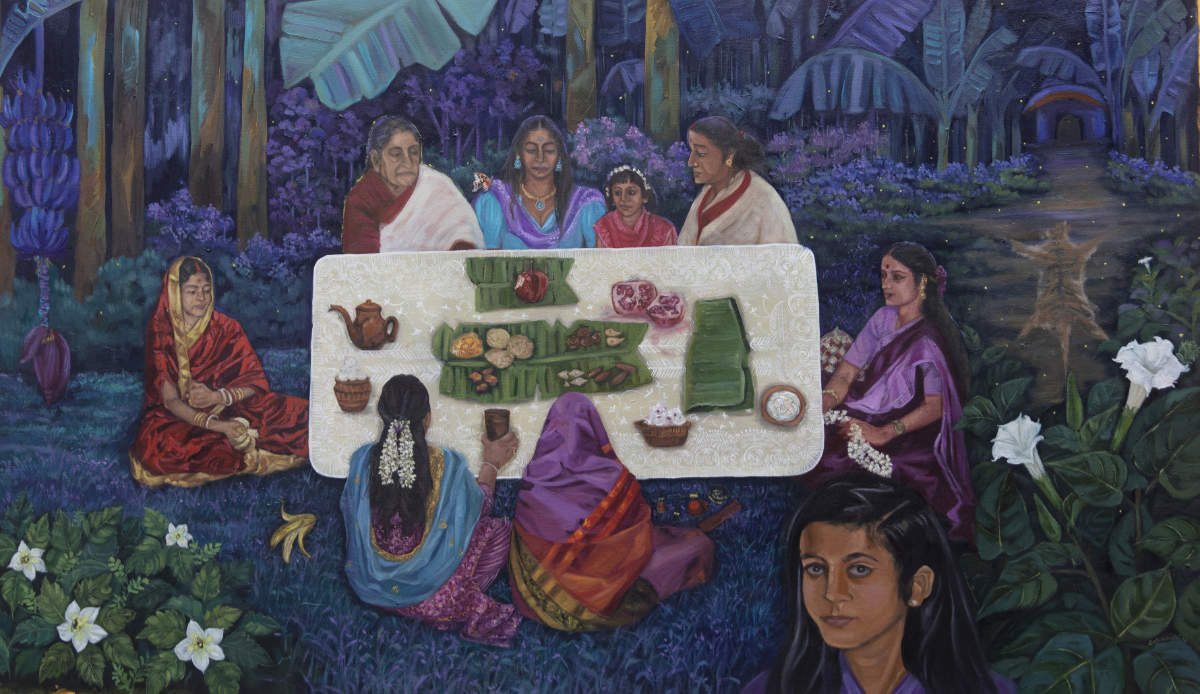
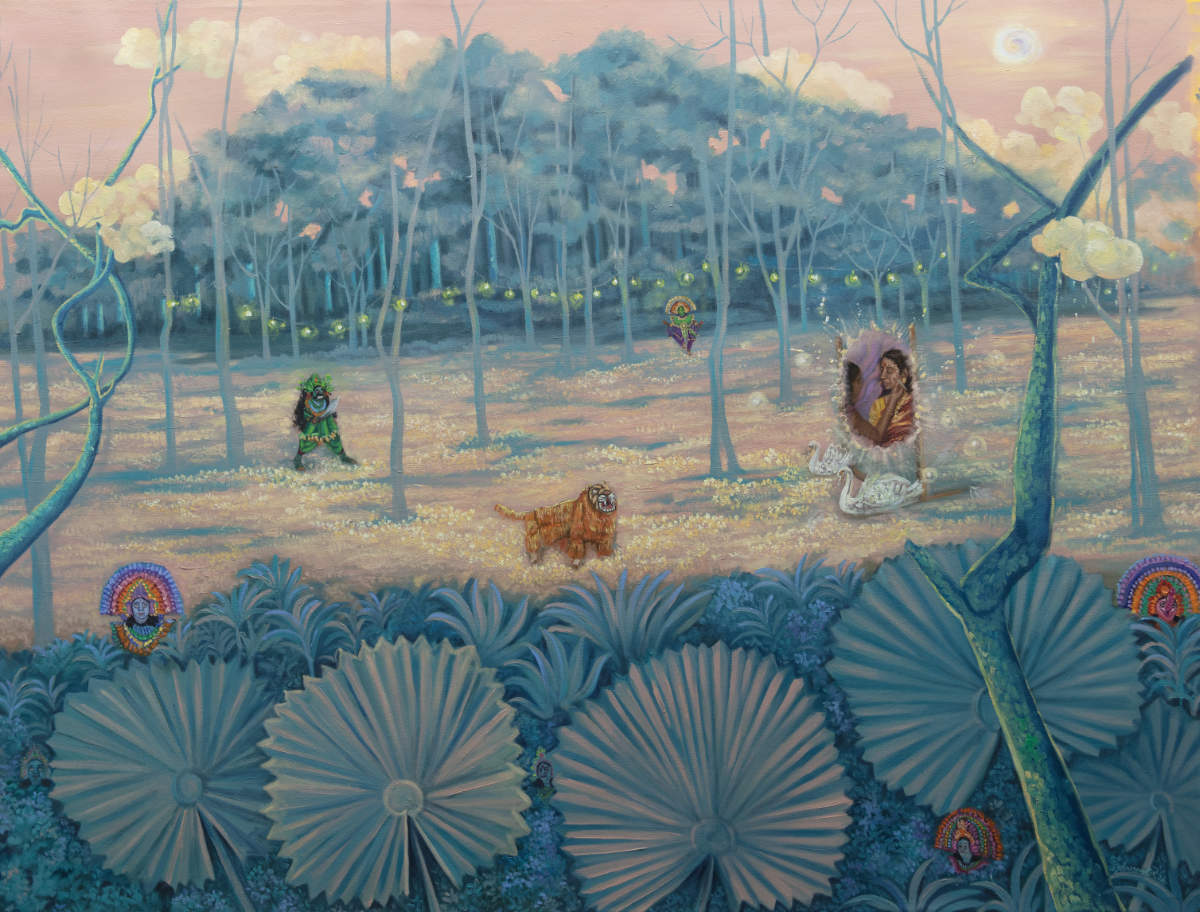
Method Delhi will present Golpo Kotha, a solo exhibition by artist Debosmita Samanta, from 9 October to 26 November at its Defence Colony space in New Delhi. The exhibition explores themes of intimacy, memory, family history, and ancestral wisdom through a body of work shaped by storytelling traditions and personal narratives. Open daily from 12 PM to 7 PM, except Mondays, the exhibition invites viewers into a visual world informed by family memories and cultural heritage.
Stories Beyond Fairy Tales
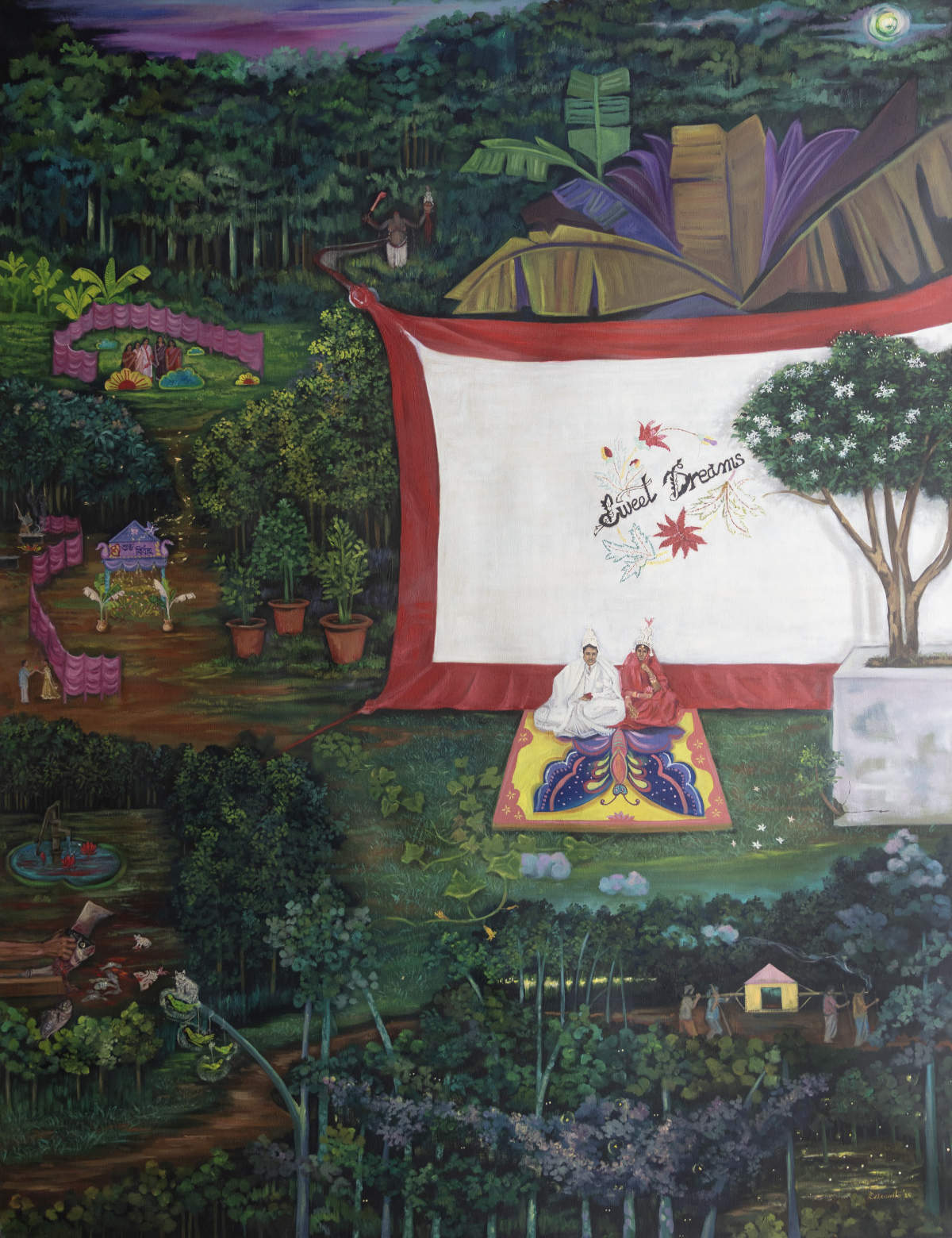
At the centre of Golpo Kotha are the stories that Samanta heard from her grandmother while growing up in West Bengal. The artist uses the idea of “fairytales” not as fantasy alone, but as a way of understanding lived experiences. According to the exhibition concept, her grandmother’s stories combined personal memories with metaphorical characters that reflected social realities, struggles, and injustices.
These narratives become a framework through which Samanta examines the meaning of home, belonging, and intergenerational connections. The exhibition draws from family histories while also addressing broader themes that resonate across communities.
Family Histories as Visual Narratives
The works in Golpo Kotha were developed through conversations and interviews with family members and women the artist has known since childhood. Many of the figures depicted in the exhibition are based on relatives, friends, and people encountered during her travels.
Rather than presenting a strictly autobiographical account, the exhibition seeks to connect personal memory with collective experience. Literary and visual references drawn from Bengali fairy tales, short stories, and mythological narratives expand the scope of the work, linking individual histories with larger cultural traditions.
Exhibition Highlights
- Paintings inspired by oral storytelling traditions
- Characters based on family members, friends, and personal encounters
- References to Bengali folklore, literature, and mythology
- Themes of memory, home, ancestry, and identity
- Exploration of women’s lived experiences across generations
About the Artist
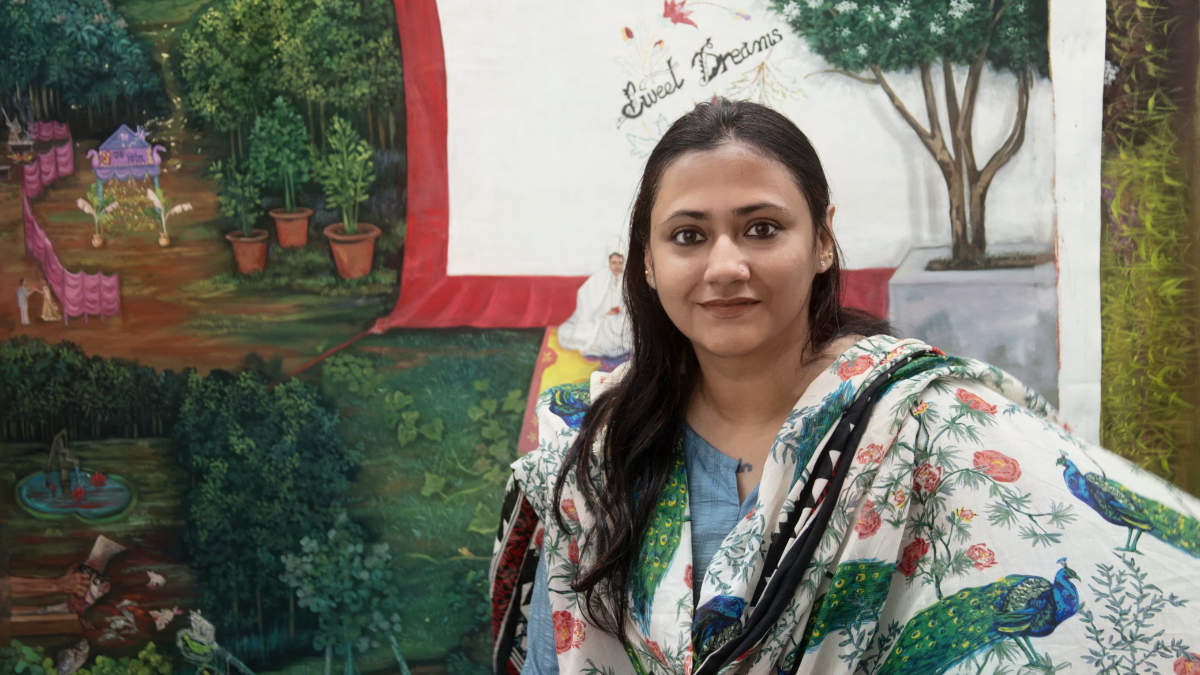
Born and raised in West Bengal, Debosmita Samanta studied painting at the College of Art and Design, Burdwan University, where she completed her Bachelor of Visual Arts in 2010. She later earned a Master of Fine Arts in Painting from the S.N. School of Arts and Communication, University of Hyderabad, in 2012.
Samanta was awarded the Elizabeth Greenshields Foundation Grant in 2025, a programme widely recognised for supporting emerging representational artists internationally. The grant has supported generations of painters, draftspeople, and visual artists working across the world.
Method’s Focus on Emerging Voices
The exhibition is presented by Method, a contemporary art platform with spaces in Mumbai and New Delhi. Founded in Mumbai in 2019, Method has developed a reputation for supporting emerging and experimental artistic practices while encouraging dialogue across disciplines. The organisation regularly showcases young artists and has participated in major events including India Art Fair, Art Mumbai, ARCO Lisboa, and Asia Now Paris.
Method describes its approach as one that balances introspection with engagement in wider cultural and social conversations. Through exhibitions, collaborations, and public programmes, it seeks to create opportunities for artists at formative stages of their careers.
Visitor Information
| Event | Details |
| Title | Golpo Kotha |
| Artist | Debosmita Samanta |
| Venue | Method Delhi, D-59, Basement, Defence Colony |
| City | New Delhi |
| Opening Date | 9 October |
| Exhibition Dates | 9 October – 26 November |
| Organiser | Method |
A Reflection on Home and Identity
Through personal narratives, folklore, and family memories, Golpo Kotha examines how stories are passed between generations and how they continue to shape identity. By bringing together intimate histories and cultural traditions, the exhibition offers a reflection on the role of memory in contemporary life. It also highlights the enduring importance of storytelling as a way of preserving heritage, fostering empathy, and understanding the shared experiences that connect individuals across communities.