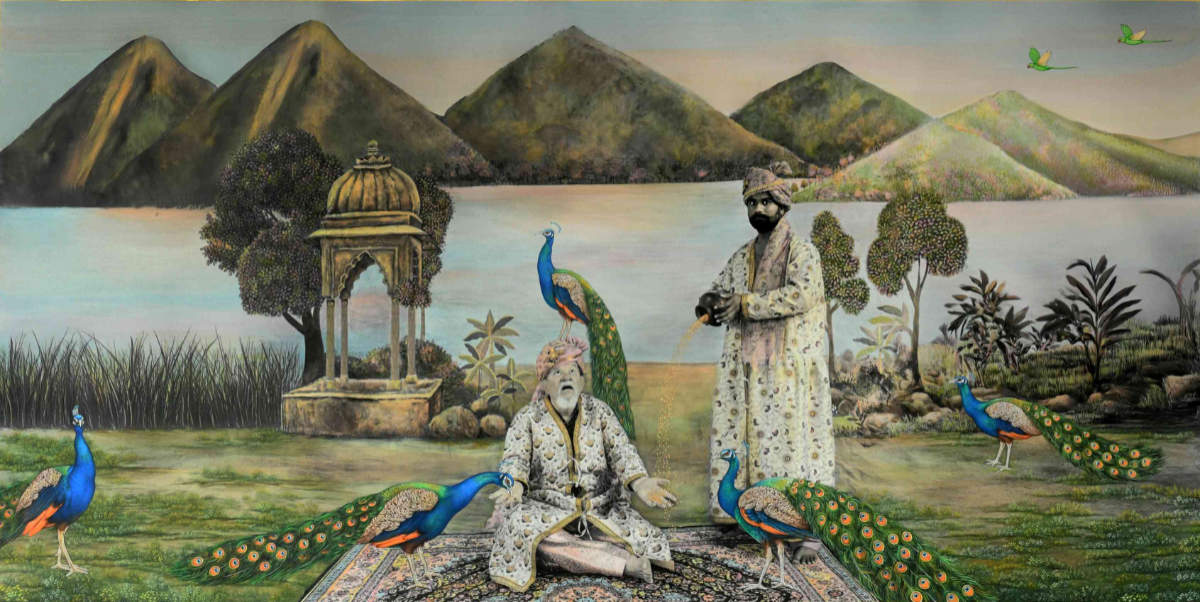
LATITUDE 28 in New Delhi will present Long Short Stories, a solo exhibition by artist Waswo X. Waswo, opening on 9 October 2026 and continuing until 20 November 2026. The exhibition brings together a new body of work that combines photography and miniature painting to construct a fictional narrative centred on memory, exile, observation, and the stories that often remain absent from official histories.
A Narrative Built Through Art
At the centre of the exhibition is a fictional tale involving a Dandy who arrives from a “Distant Land” and journeys into an “Ancient Land.” Through encounters with a Prince and the inhabitants of an Ancient City, the story unfolds through themes of friendship, fascination, rivalry, and eventual exile. The exhibition uses this narrative framework to examine how personal experiences are remembered, forgotten, or transformed into legend.
The conceptual text accompanying the exhibition describes “long short stories” as deeply personal experiences that are rarely spoken aloud because they are too intimate, painful, or socially forbidden. These stories may disappear from public memory, yet continue to shape lives and histories in unseen ways.
Revisiting Observation and the Colonial Gaze
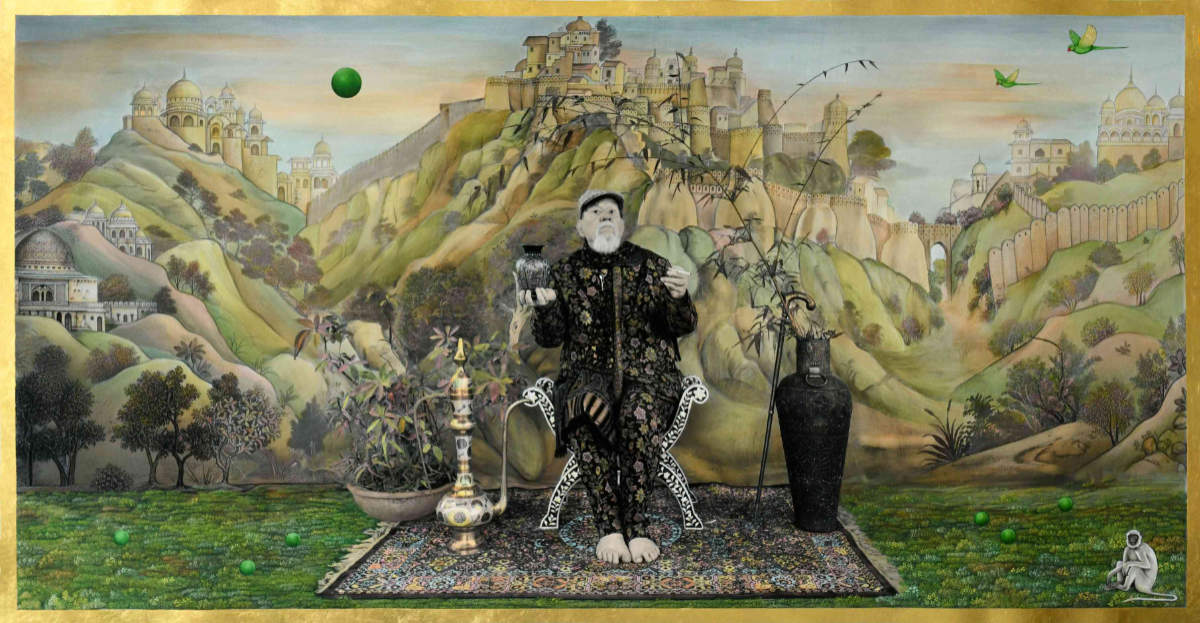
Throughout his career, Waswo X. Waswo has explored the complexities of cultural observation and representation. Born in Milwaukee, USA, and based in Udaipur for more than two decades, the artist is known for combining photography with traditional Indian miniature painting through long-term collaborations with local artists. His works frequently place himself within the narrative, using humour and self-reflection to question ideas of identity, belonging, and the legacy of Orientalism.
Art historians and critics have often noted how his work examines the relationship between ethnographic observation and artistic imagination, frequently blurring the line between critique and homage. Monsoon Malabar
Highlights of the Exhibition
Visitors can expect:
- A fictional narrative spanning friendship, desire, exile, and memory.
- New works combining photography and miniature painting.
- References to observation, travel, and cultural encounter.
- Exploration of untold or forgotten personal histories.
- Collaborative works developed with traditional miniature painters.
View this post on Instagram
The Story of the Dandy and the Prince
The exhibition’s central narrative follows the Dandy as he documents landscapes, flora, fauna, and people using tools such as telescopes, binoculars, cameras, and magnifying glasses. These instruments become symbols of observation and remembrance while also suggesting the power structures historically associated with looking and recording.
As the Dandy’s friendship with the Prince deepens, the story moves beyond observation into participation. Their relationship evolves through exchanges of knowledge and magical practices before suspicion and hostility emerge from those around them. The narrative eventually culminates in the pair leaving the Ancient City together, entering exile and leaving behind a story with no definitive ending.
About the Artist
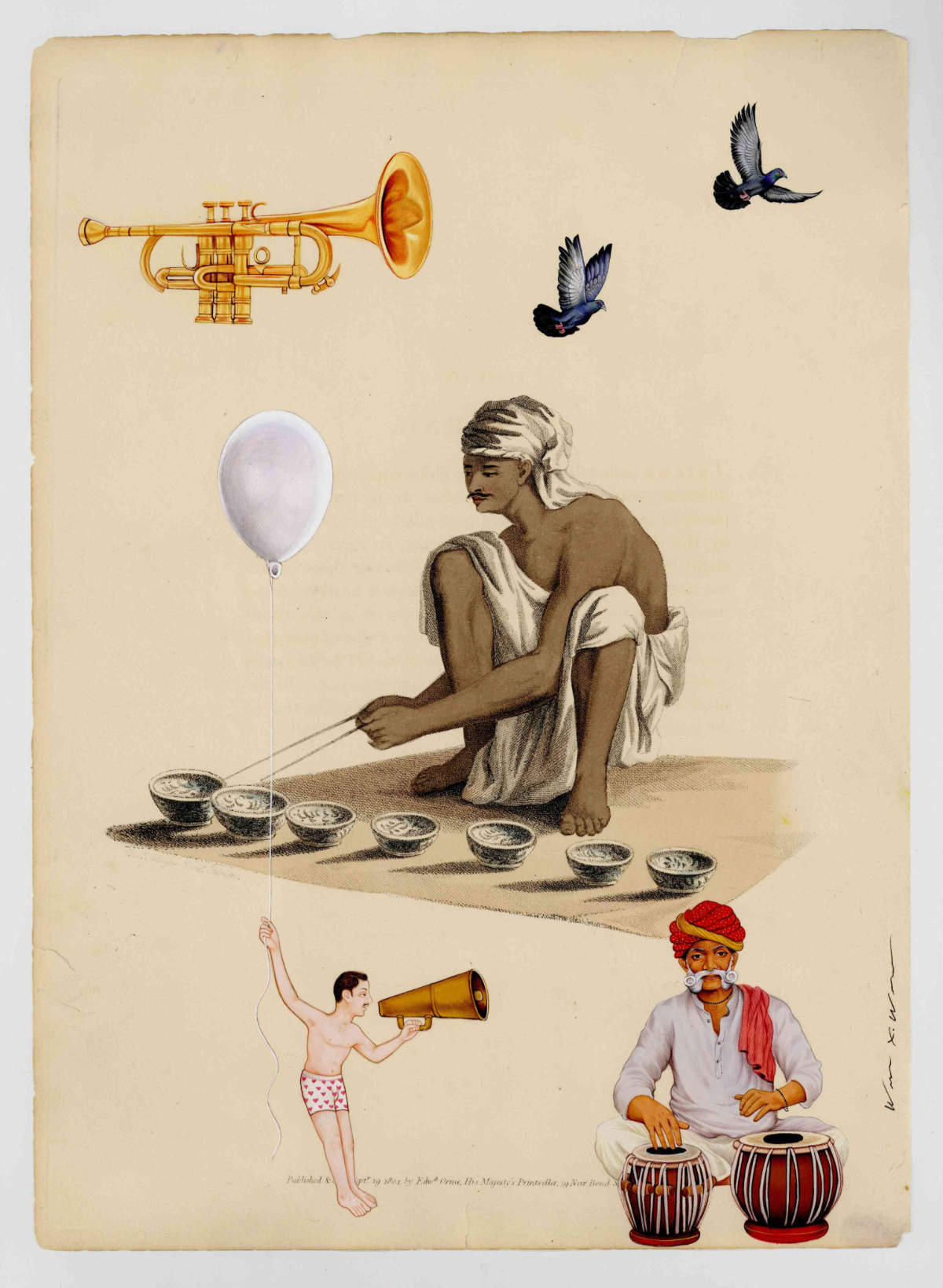
Waswo X. Waswo has exhibited widely in India and internationally. His work is held in major collections including the Art Institute of Chicago, the Asian Art Museum in San Francisco, the Kiran Nadar Museum of Art, and the Museum of Art and Photography in Bengaluru. He has also authored and contributed to several publications focused on photography, culture, and Rajasthan. Wikipedia
For more information about the artist, visit Waswo X. Waswo Official Website.
Visitor Information
| Event Name | Details |
| Title | Long Short Stories |
| Artist | Waswo X. Waswo |
| Venue | LATITUDE 28, B-74, Ground Floor, Block B, Defence Colony, New Delhi |
| Opening Date | 9 October 2026 | 6:00 PM – 9:00 PM |
| Exhibition Dates | 9 October – 20 November 2026 |
| Organiser | LATITUDE 28 |
| Website | https://www.latitude28.com |
Takeaway
Through a fictional narrative layered with symbolism, Long Short Stories reflects on the fragile relationship between memory and history. By foregrounding experiences that remain undocumented or forgotten, the exhibition invites audiences to consider how personal narratives continue to influence collective understanding. In doing so, it contributes to broader conversations around identity, belonging, cultural exchange, and the preservation of stories that exist beyond official records.