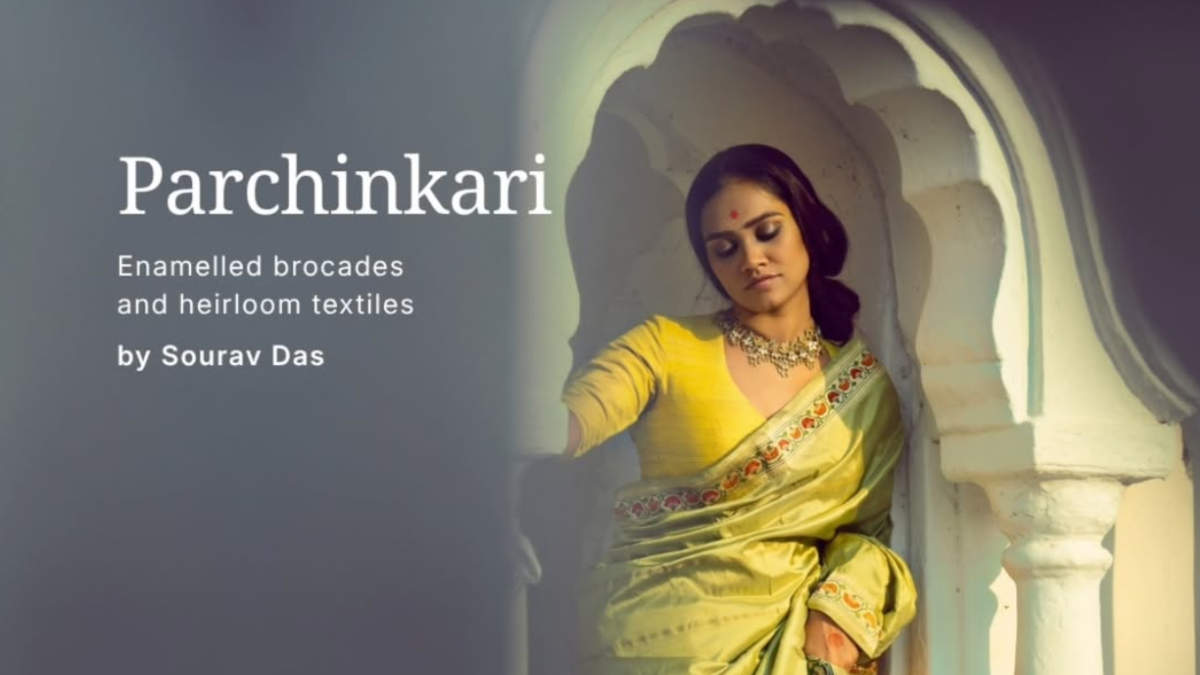
A new exhibition titled Parchinkari by textile designer Sourav Das will open at 47-A in Khotachi Wadi, Mumbai, from September 18 to 27. Bringing together enamelled brocades, heirloom textiles and research-driven textile explorations, the exhibition draws inspiration from the Indian tradition of Parchinkari—the local expression of Pietra Dura, the intricate inlay technique associated with monuments such as the Taj Mahal. Through woven surfaces, zari work and historic textile references, Das examines how memory, craftsmanship and cultural heritage can be translated into contemporary textile forms.
A Textile Interpretation of Parchinkari
Traditionally associated with stone inlay, Parchinkari is reinterpreted by Das through fabric and weaving. The exhibition proposes a dialogue between permanence and movement, using textiles as a medium through which architectural memory can be reimagined. Threads, motifs and metallic zari become the building blocks of a visual language that references both historical craftsmanship and contemporary design.
According to the exhibition concept, the softness of cloth replaces the solidity of stone while retaining the discipline, precision and attention to detail that define the original craft tradition. The works explore how textiles can function not only as garments but also as repositories of cultural memory and artistic expression.
Revisiting Historic Indian Weaves
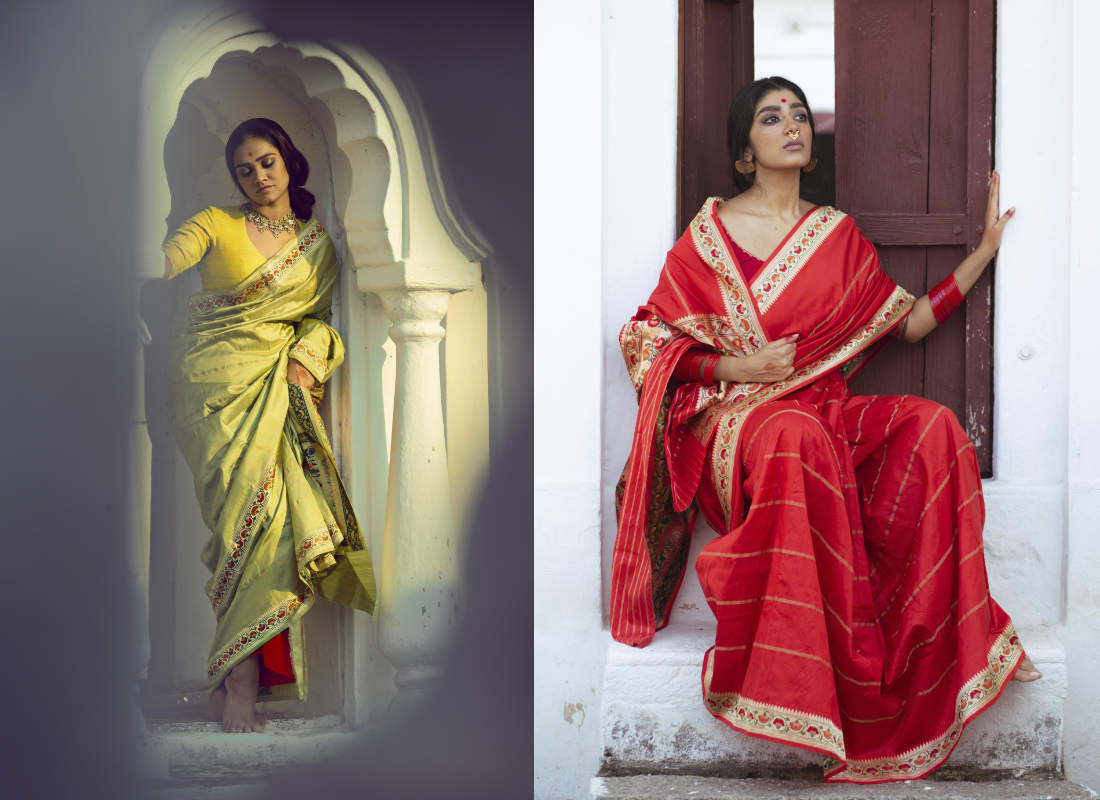
At the centre of the exhibition are textiles created using traditional Indian weaving practices. Banarasi brocades, Chanderi fabrics, zari tissue textiles and other classical weaves feature prominently throughout the display.
Highlights of the exhibition include:
- Banarasi brocades inspired by historical motifs
- Chanderi textiles drawing from archival references
- Zari tissue fabrics with metallic detailing
- Textile works influenced by Minakari and inlay traditions
- Contemporary interpretations of heirloom weaving techniques
The exhibition positions these materials as living traditions, demonstrating how they continue to evolve through collaboration between designers and weaving communities.
Sourav Das and Textile Revival
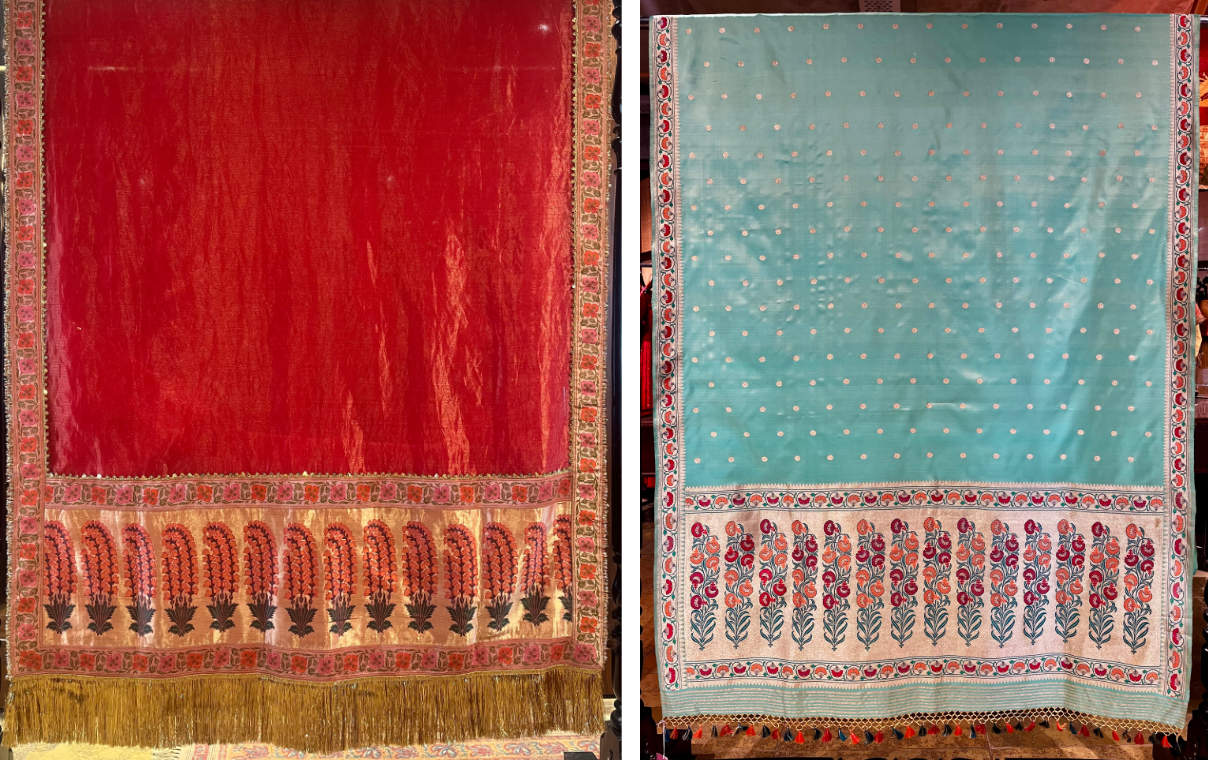
Das, a graduate of NIFT Delhi, launched his label in 2021 and has become known for his engagement with historic Indian textiles and weaving traditions. He works closely with master weavers across Banarasi, Maheshwari and Chanderi textile clusters, often revisiting archival designs and adapting them for contemporary audiences.
His previous work has included the revival of museum-inspired Chanderi textiles, reinterpretations of Paithani motifs and the reintroduction of traditional geometric chaarkhana patterns in Banarasi weaving. These efforts reflect a broader interest in documenting and extending textile histories through design-led research.
For more information on the designer’s work, visitors can explore the coverage of Sourav Das.
The Setting: 47-A in Khotachi Wadi
View this post on Instagram
The exhibition will be hosted at 47-A Gallery, a design-focused gallery located within a restored 19th-century Portuguese-style house in Mumbai’s historic Khotachi Wadi neighbourhood. The gallery is known for presenting exhibitions that examine the intersections of art, craft and design through research-led curatorial projects.
Founded in 2022, 47-A has developed a programme featuring exhibitions on textiles, craft traditions, material culture and contemporary design practices. The venue forms part of the cultural landscape of Khotachi Wadi, a heritage precinct recognised for its historic architecture and long-standing artistic associations.
Exhibition Details
| Event Name | Details |
| Title | Parchinkari – Enamelled brocades and heirloom textiles by Sourav Das |
| Artist | Sourav Das |
| Venue | 47-A, Khotachi Wadi, Girgaum, Mumbai |
| Opening Date | 18 September |
| Exhibition Dates | 18–27 September |
| Timings | 11:00 AM – 7:00 PM (Daily, except Monday) |
| Organiser | 47-A Gallery |
| Entry / Tickets | Open to visitors during gallery hours |
| Website | https://47agallery.com |
Continuing Conversations Around Craft
In recent years, Indian textile exhibitions have increasingly explored the relationship between archival research and contemporary design. Parchinkari contributes to this discussion by focusing on craftsmanship, material knowledge and the role of weaving traditions in shaping cultural memory.
Rather than presenting textiles solely as fashion objects, the exhibition frames them as artefacts carrying histories of labour, skill and community knowledge. Through this approach, Das highlights the enduring relevance of handwoven traditions within contemporary cultural practice.
Takeaway
Parchinkari offers visitors an opportunity to engage with Indian textile traditions through a lens that connects architecture, craft and memory. By drawing from historic weaving practices while experimenting with new interpretations, Sourav Das presents textiles as both artistic expressions and cultural archives. The exhibition also contributes to ongoing conversations about preservation, craftsmanship and the evolving place of handmade traditions within contemporary Indian design.