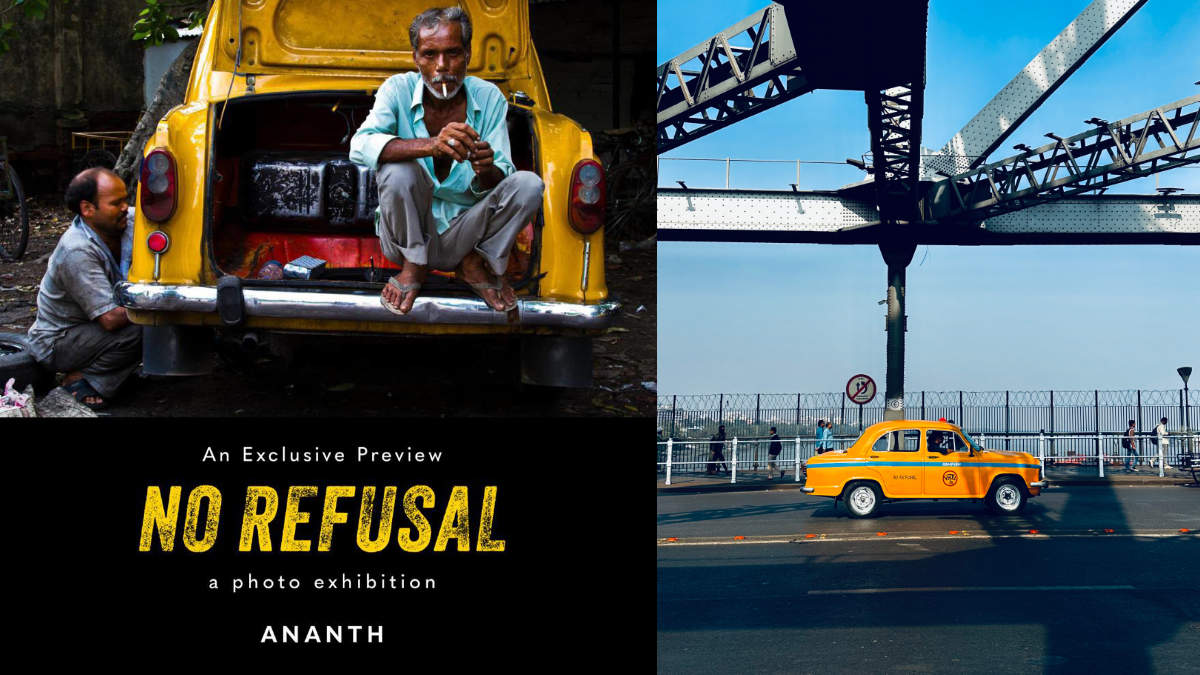
Photographer, novelist and publisher Ananth Padmanabhan will present No Refusal, a photography exhibition exploring Calcutta’s streets, changing urban landscape and collective memory, at the Visual Arts Gallery, India Habitat Centre, New Delhi, from 4–10 November 2026. A preview is scheduled for 3 November from 7 pm onwards. Bringing together photographs made over several years, the exhibition focuses on the city’s everyday visual identity, particularly its gradually disappearing yellow Ambassador taxis.
A Personal Connection with Calcutta
Padmanabhan’s relationship with Calcutta began in January 1998, when he arrived from Delhi aboard the Rajdhani Express and stepped into the bustle of Howrah. That initial encounter developed into a sustained photographic engagement with the city, its streets and its changing character. Through images made across different periods, he has documented the relationship between urban development, decay and the rhythms of everyday life.
The exhibition continues a photographic exploration that began with his first solo show, Calcutta: Walking in the City, presented at the India Habitat Centre in 2012. The earlier exhibition established his interest in observing the city through images, providing a background to the concerns explored in No Refusal.
The Ambassador Taxi as a Cultural Marker
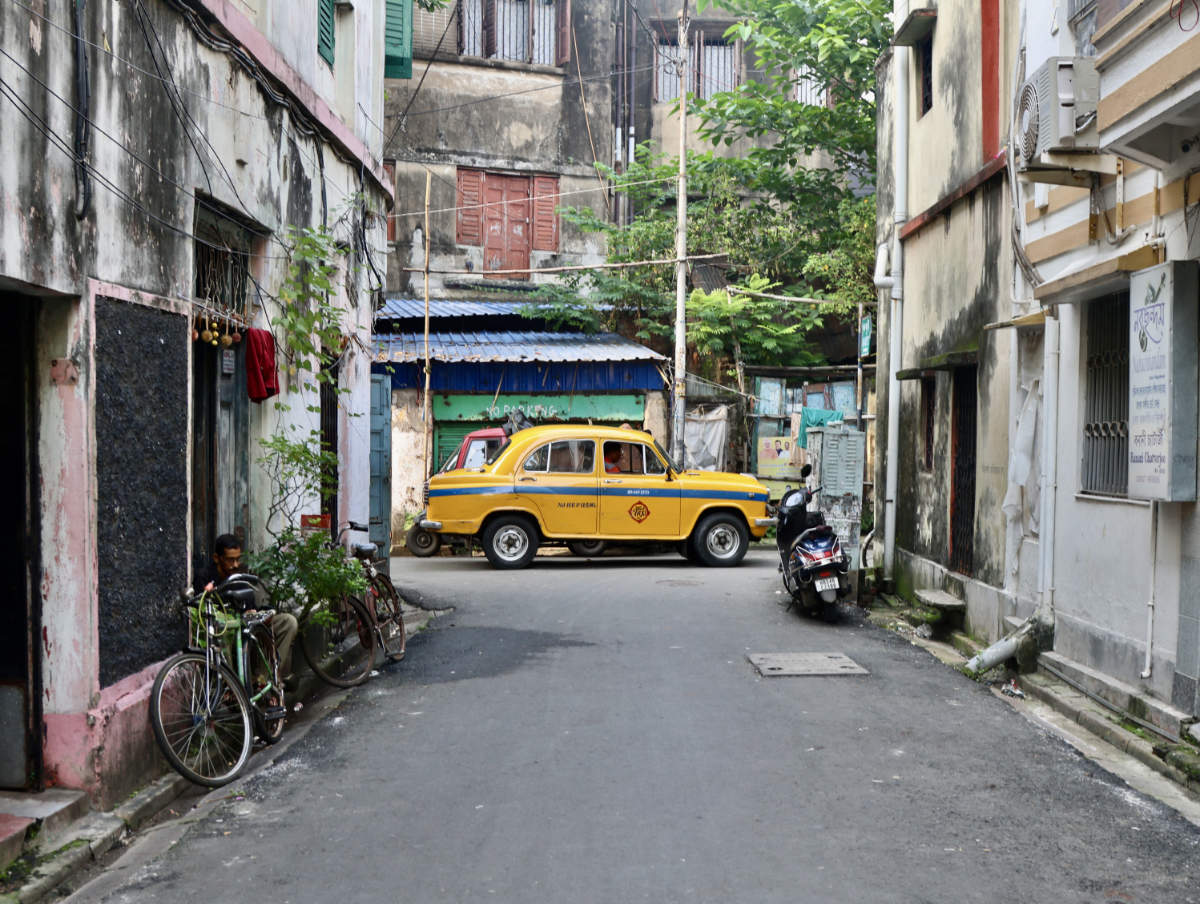
At the centre of No Refusal is the Ambassador taxi, once a familiar presence on Calcutta’s streets. For Padmanabhan, the vehicle became both a recurring photographic subject and a personal point of connection with the city. Its recognisable shape and yellow exterior made it part of the everyday landscape, linking individual journeys with the wider experiences of generations of residents and visitors.
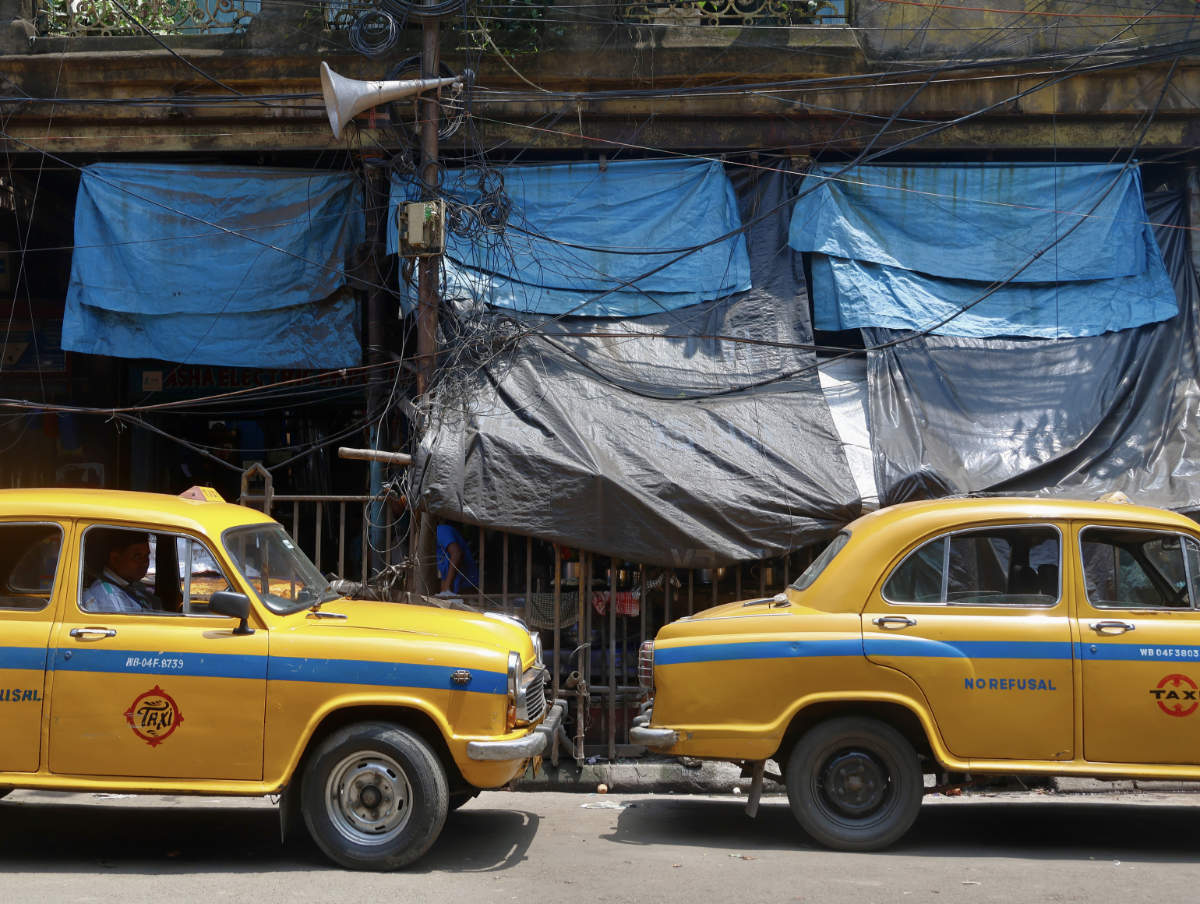
The exhibition’s title refers to a government directive intended to prevent taxi drivers from refusing passengers. The phrase subsequently became associated with the city’s yellow taxis and their place in its visual identity. According to the exhibition press release, the Ambassador was first manufactured in 1958 at a factory near Calcutta. Originally painted black and yellow, the taxis transitioned to an all-yellow appearance in the mid-1990s.
Documenting a Disappearing Streetscape
The gradual disappearance of these vehicles provides the exhibition with its central subject. Production of the Ambassador ended in 2014, and the cars have become less visible on Calcutta’s roads. The growth of app-based transport has also placed pressure on traditional owner-drivers, while the remaining taxis face an uncertain future.
Padmanabhan’s photographs record this transition, including images of a garage where ageing vehicles are taken for scrapping. Rather than treating the taxis solely as objects of nostalgia, the exhibition considers what their disappearance reveals about the changing city and the ways people relate to familiar surroundings.
Key themes explored in the exhibition include:
- Urban change: The evolving streetscape and the relationship between development and decay.
- Collective memory: The role of everyday objects in preserving shared experiences.
- Belonging: The connection between the photographer, the city and its familiar sights.
- Impermanence: The gradual disappearance of a recognisable feature of Calcutta’s cultural landscape.
Ananth Padmanabhan’s Photography Practice
Alongside his photographic work, Padmanabhan has built a career in publishing and writing. Born in Madras, he began his professional career at Landmark Bookstore and has worked in the publishing industry for three decades. He is currently the Chief Executive Officer of HarperCollins, according to the supplied exhibition biography.
His earlier photographic work includes images of Ladakh featured in NDTV’s SOS Ladakh Project and the Religare Arts Initiative Exhibition in 2010. His first solo photography exhibition, Calcutta: Walking in the City, followed in 2012. In 2014, his debut novel, Play with Me, became a bestseller, further reflecting his work across different creative fields.
More information about the photographer is available on his official website.
Exhibition at India Habitat Centre
| Event | Detail |
|---|---|
| Event Name | No Refusal |
| Artist | Ananth Padmanabhan |
| Venue | Visual Arts Gallery, India Habitat Centre, Lodhi Road, New Delhi, India |
| Preview | 3 November 2026, 7:00 PM onwards |
| Exhibition Dates | 4–10 November 2026 |
| Organiser | Not specified in the supplied press release |
| Timings | 10:00 AM–8:00 PM, Monday to Sunday |
| Website / Registration | Artist’s Official Website | India Habitat Centre |
No Refusal will be presented at the Visual Arts Gallery, India Habitat Centre, on Lodhi Road in New Delhi. The gallery hosts exhibitions across visual art and other creative disciplines, providing a setting for the presentation of contemporary artistic practices. Its programme includes both two-dimensional and three-dimensional works, according to the institution’s official website.
Preserving the Everyday Life of a City
Through No Refusal, Padmanabhan turns attention to a familiar part of Calcutta’s streetscape to examine broader questions of urban identity, memory and change. The photographs invite viewers to consider how ordinary objects acquire cultural significance through repeated encounters and shared experience. As the city evolves, the exhibition offers a photographic record of a disappearing landmark and a reflection on the connections between place, personal history and collective memory.