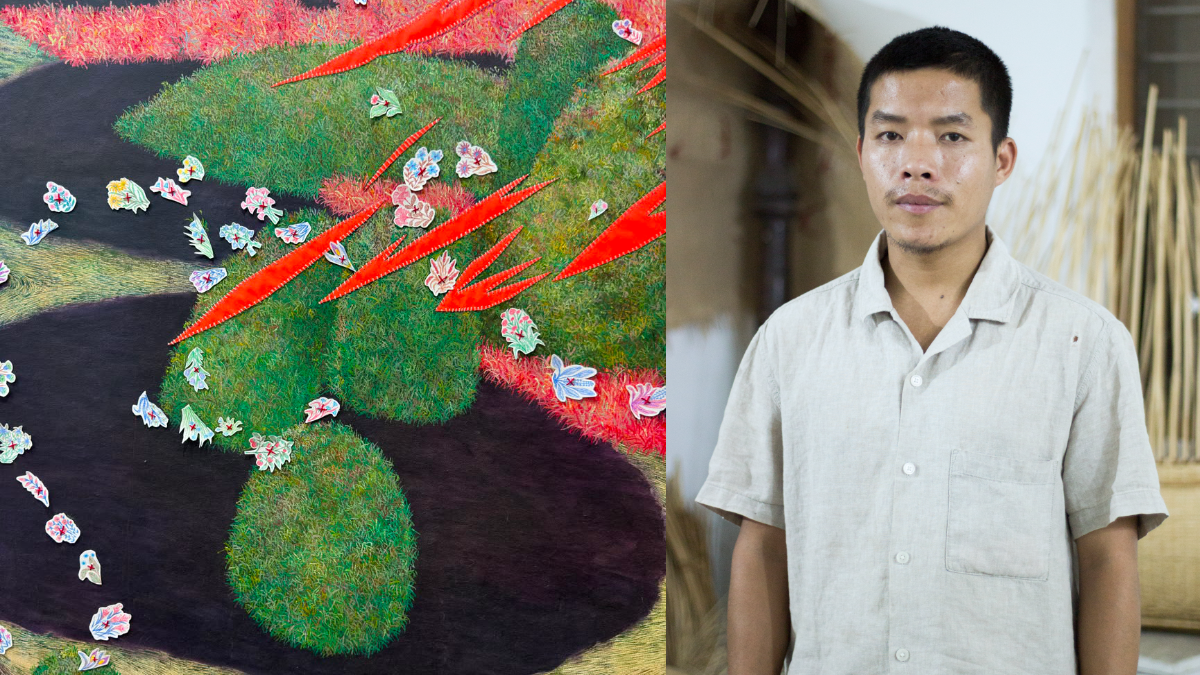
Anant Art Gallery in New Delhi will present Phantasms in the Hold, a solo exhibition by Thamshangpha ‘Merci’ Maku, opening to the public on 10 September 2026. Curated by Anna Sireiliu Charenamei and Sohorpem Kazingmei, with curatorial advice from Shaleen Wadhwana, the exhibition brings together painting, ceramics and installation works that explore memory, identity and the experience of life in India’s borderland regions. The exhibition will preview on 9 September 2026 and remain on view until 31 October 2026.
Exploring the Borderland as Place and Condition
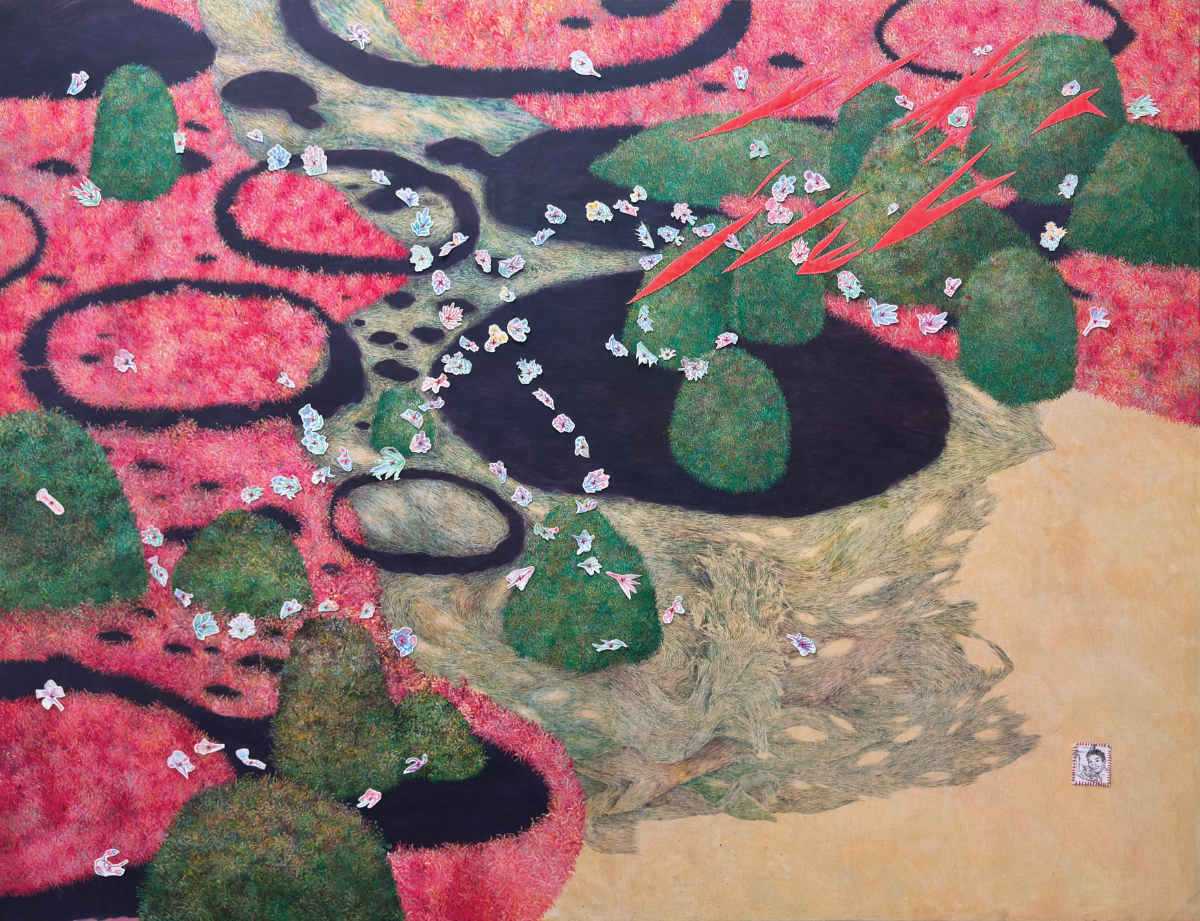
At the centre of the exhibition is Maku’s engagement with histories and experiences that often remain overlooked in mainstream narratives. Phantasms in the Hold examines the borderland not only as a geographical territory but also as an interior psychological and emotional condition. Through his works, the artist reflects on experiences of occupation, violence, homesickness and melancholy, and how these realities become embedded within the body and memory.
The exhibition also considers how communities preserve histories through inherited knowledge systems. Maku draws inspiration from the non-representational visual languages used by women weavers in his community, where elements of nature are translated into abstract motifs passed down through generations. These traditions inform a practice that moves fluidly across painting, weaving, ceramics and installation.
Art Rooted in Indigenous Knowledge
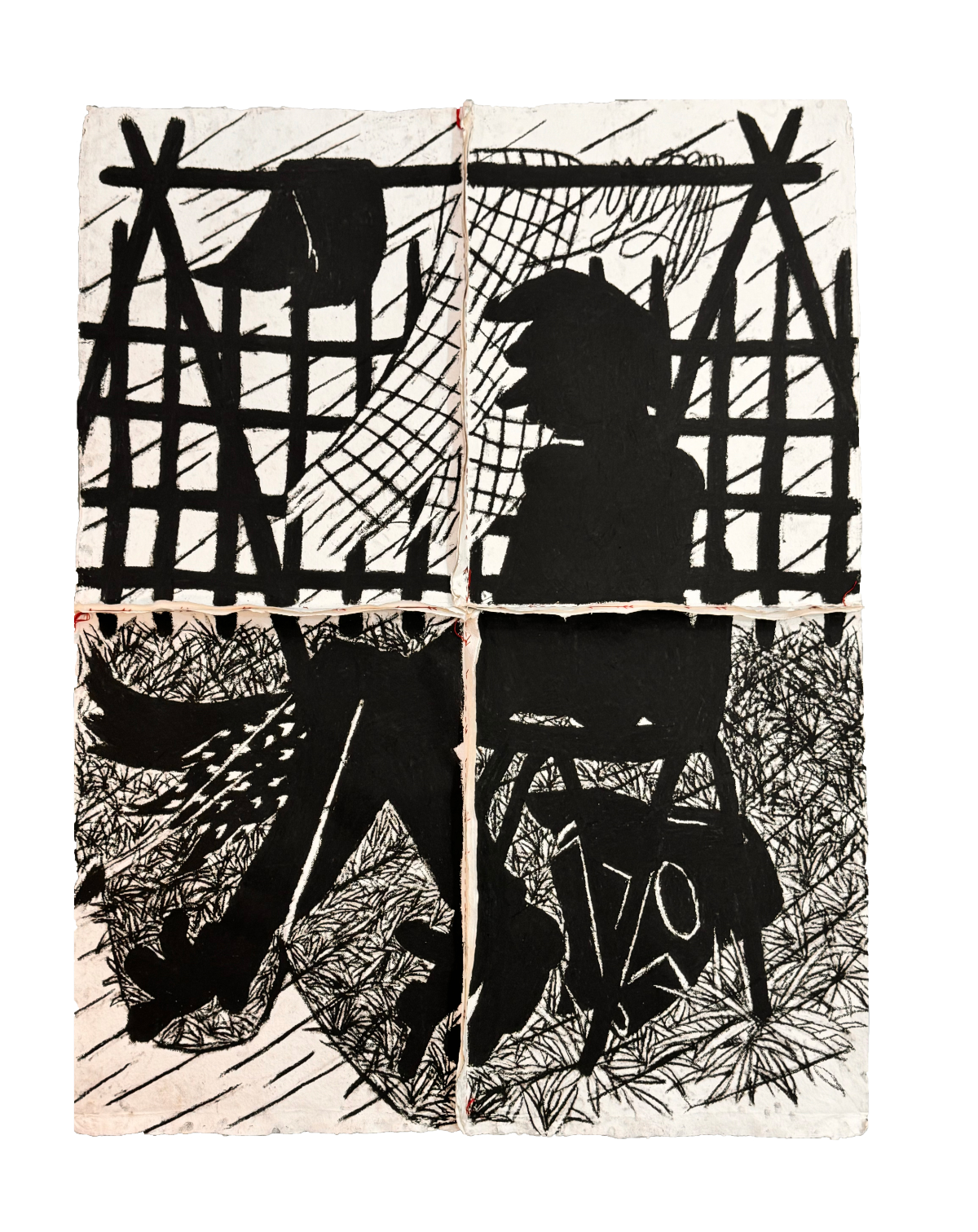
Born in Chandel, Manipur, Thamshangpha ‘Merci’ Maku completed his Bachelor’s degree at the College of Art, New Delhi, before earning a Master’s degree in Visual Arts from Maharaja Sayajirao University of Baroda. His artistic practice draws extensively from tribal Naga cultural traditions, indigenous flora and fauna, and the interconnected relationship between people and their natural environment.
The artist’s work frequently addresses the socio-cultural realities of peripheral regions while reflecting on personal experiences of discrimination, alienation and xenophobia. These experiences have shaped a body of work that explores resilience, belonging and cultural continuity through contemporary artistic forms.
A Language of Symbols and Spectral Forms
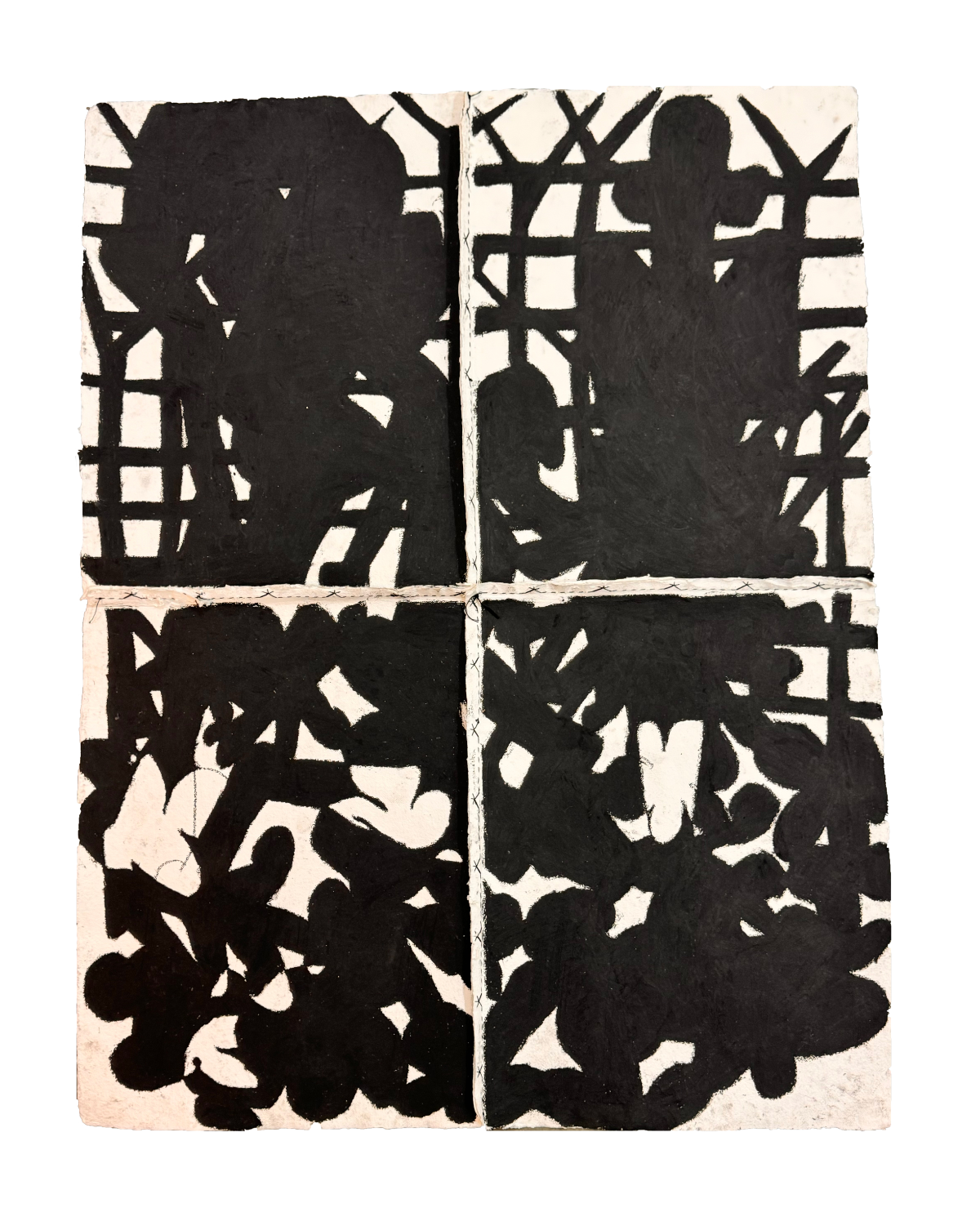
Across the exhibition, viewers will encounter recurring symbols, fragmented figures and layered visual narratives. Maku describes these motifs as a conversation between his body, the land and memory. Spectral figures appear throughout the works, often suspended between vulnerability and resistance, while references to forests, rituals and traditional craft practices create a dialogue between personal and collective histories.
Exhibition Highlights
- New paintings examining memory, displacement and identity
- Ceramic and installation works informed by indigenous craft traditions
- References to community histories, ecology and ritual practices
- Explorations of personal and collective experiences of belonging
- The artist’s first major solo exhibition at Anant Art Gallery
Curatorial Perspectives
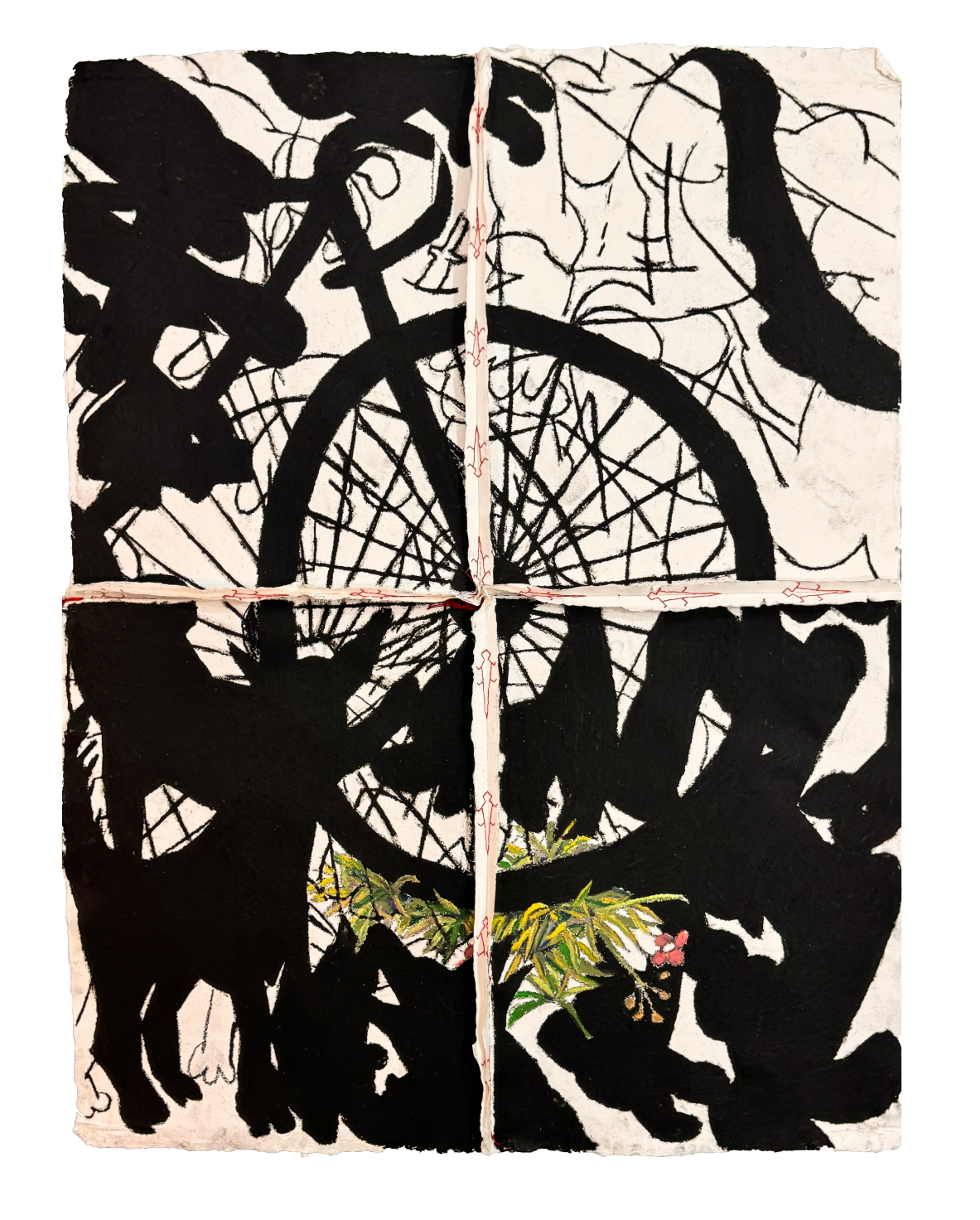
Curators Anna Sireiliu Charenamei and Sohorpem Kazingmei note that the exhibition seeks to present the complexity of Maku’s practice beyond political narratives alone. Alongside themes of conflict and marginalisation, the exhibition also highlights the artist’s everyday interests, personal reflections and imaginative worlds.
Curatorial Advisor Shaleen Wadhwana describes the exhibition as an invitation into the artist’s inner landscape, connecting community archives, terrariums, ecological concerns and personal memory. Together, these elements create a broader reflection on care, preservation and cultural continuity.
About Anant Art Gallery
Established in the early 2000s, Anant Art Gallery has built a reputation for presenting contemporary South Asian artistic practices through exhibitions, residencies and art fair participation. Based in Safdarjung Enclave, New Delhi, the gallery works with both emerging and established artists across a range of media and disciplines, supporting long-term artistic development and public engagement.
Visitor Information
| Event | Details |
| Title | Phantasms in the Hold |
| Artist | Thamshangpha ‘Merci’ Maku |
| Curators | Anna Sireiliu Charenamei and Sohorpem Kazingmei |
| Curatorial Advisor | Shaleen Wadhwana |
| Venue | Anant Art Gallery, B-5/3, Safdarjung Enclave, New Delhi, India |
| City | New Delhi, India |
| Opening Date | 9 September 2026 (Preview) |
| Exhibition Dates | 10 September – 31 October 2026 |
| Organiser | Anant Art Gallery |
| Entry / Tickets | Preview by invitation only; public viewing during gallery hours |
| Website | https://www.anantart.com |
Conclusion
Through painting, ceramics and installation, Phantasms in the Hold offers a nuanced exploration of memory, identity and cultural inheritance. By drawing attention to histories and experiences that often remain on the margins, the exhibition creates space for dialogue around belonging, resilience and the relationship between people, place and memory. In doing so, it contributes to broader conversations about contemporary art’s role in preserving cultural narratives while imagining new possibilities for the future.