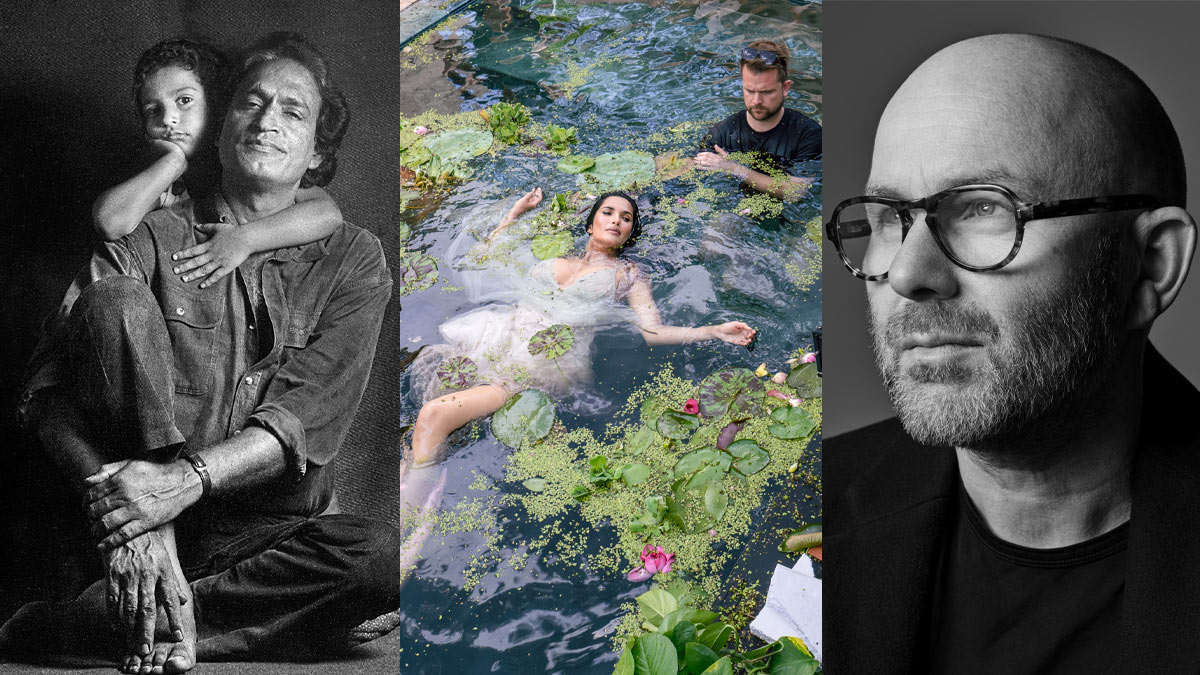
For more than six decades, the Pirelli Calendar popularly known as The Cal™, has occupied a unique place in the worlds of photography, fashion and visual culture. With Pirelli Calendar 2027, the iconic publication continues its evolution from a promotional calendar into one of the world’s most prestigious artistic platforms. Produced in limited editions and never sold commercially, it has consistently invited some of the most celebrated photographers to interpret contemporary ideas through their own visual language. Over the years, the calendar has moved beyond glamour photography to embrace storytelling, diversity, identity and social narratives, with Pirelli Calendar 2027 placing India at the centre of this ongoing creative journey.
The 2027 edition marks a significant milestone in that evolution. For the first time in its history, India becomes the central protagonist, and the project is realised through the work of two photographers representing distinct artistic traditions. Norwegian photographer Sølve Sundsbø, known for his experimental and fashion-driven imagery, joins forces with the late Indian master Raghu Rai, whose vision has been brought to completion by his daughter, photographer Avani Rai, following his passing. Rather than presenting a single interpretation of India, the calendar creates a dialogue between two perspectives, one looking at the country from the outside and another deeply rooted within it.
A Historic First for The Cal™
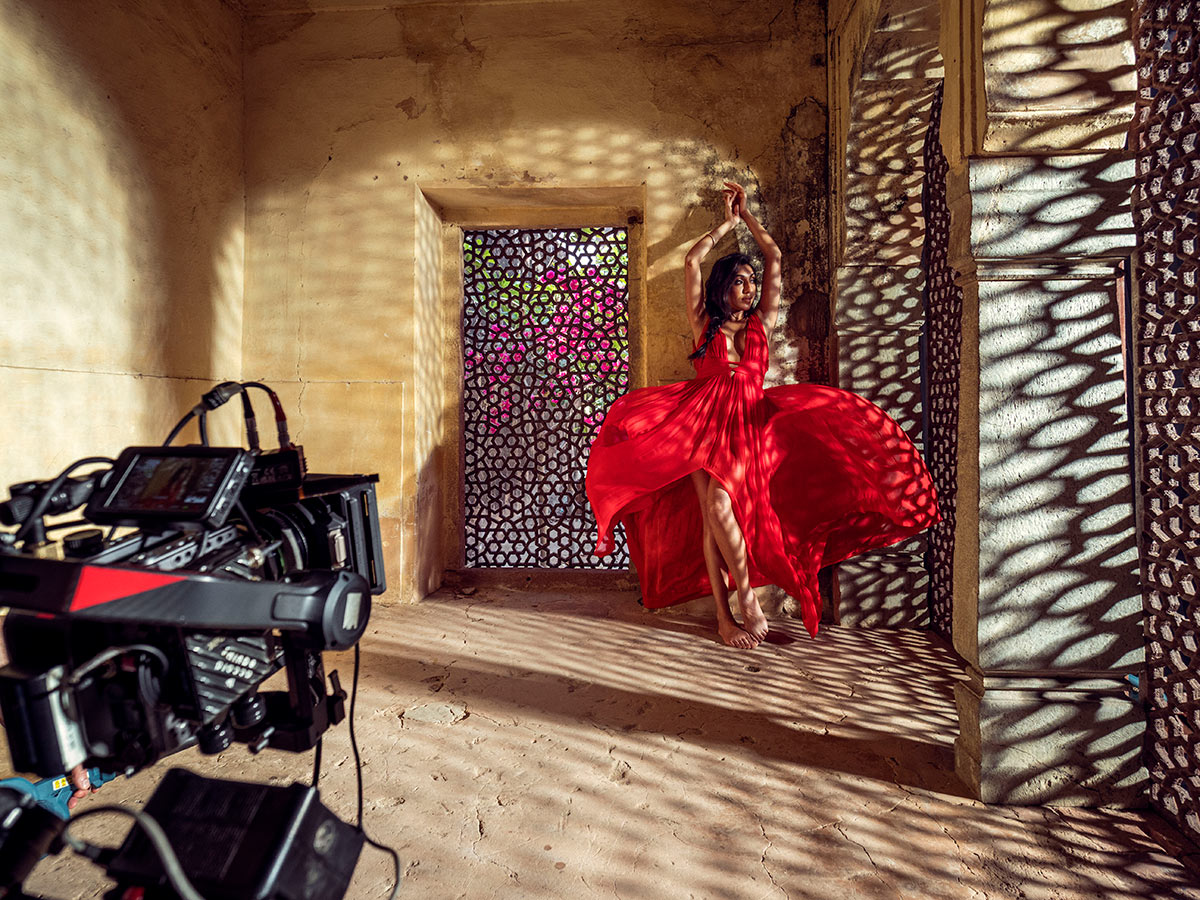
Every edition of the Pirelli Calendar has reflected its time, often capturing changing conversations around beauty, culture and identity. The 2027 edition introduces another first by appointing two photographers to share creative responsibility. According to the project’s fact sheet, this decision was intended to foster an artistic conversation between highly acclaimed creative voices while acknowledging India’s immense cultural complexity.
India is not presented as a backdrop or an exotic setting. Instead, it becomes the subject itself a nation explored through architecture, landscapes, portraits, communities and everyday life. The result promises to be less a fashion calendar than a visual exploration of a country whose contradictions and diversity resist easy definition.
Raghu Rai’s Unfinished Vision
At the emotional centre of the project lies the legacy of Raghu Rai, one of India’s most influential photographers. For decades, Rai documented the country’s political history, religious traditions, urban life and ordinary people with remarkable sensitivity. His photographs have become part of India’s collective visual memory, capturing everything from bustling streets and spiritual gatherings to moments of national tragedy and resilience.
Before his passing, Rai had devoted months to conceptualising India’s chapter for the Pirelli Calendar. His intention was to create a project that combined his lifelong understanding of India with a contemporary expression of its people and culture. Although he could not complete the work himself, his vision remained the foundation of the calendar.
His daughter, Avani Rai, chose not simply to replicate her father’s plans but to extend them in a way that remained faithful to his philosophy. Instead of confining the project to a studio setting, she carried it into the streets of Old Delhi, the same streets that had shaped much of Raghu Rai’s photographic career.
Avani Rai: Continuing a Legacy
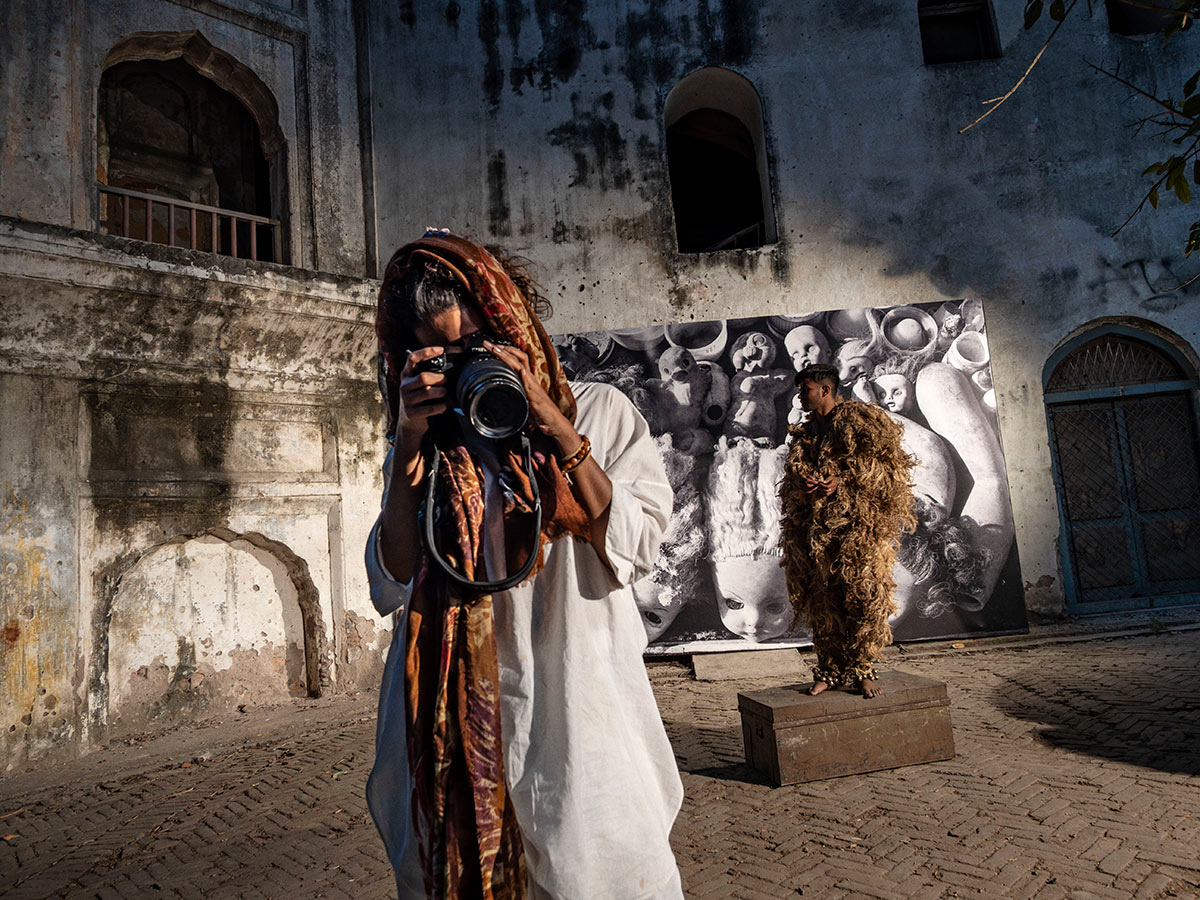
For Avani Rai, completing the project became both an artistic responsibility and a deeply personal journey. In her reflections accompanying the calendar, she describes photography as the language through which she remained connected to her father. She recalls how he never instructed her what to photograph but instead taught her patience waiting until a moment revealed itself naturally.
Her decision to return to Old Delhi transformed the project into something larger than a memorial. By photographing places her father had documented for decades, she created a conversation between past and present, allowing familiar streets to reveal how India continues to evolve while preserving its enduring character.
More than 200 participants appear in Avani Rai’s chapter, including artisans, dancers, musicians, performers, street artists and everyday residents. Unlike conventional fashion photography, these images celebrate ordinary people alongside cultural practitioners whose lives collectively represent the rhythm of contemporary India. Even Avani Rai’s mother, Gurmeet Rai, appears within the series, reinforcing the project’s intimate connection to family and memory.
Sølve Sundsbø’s Contemporary Portraits
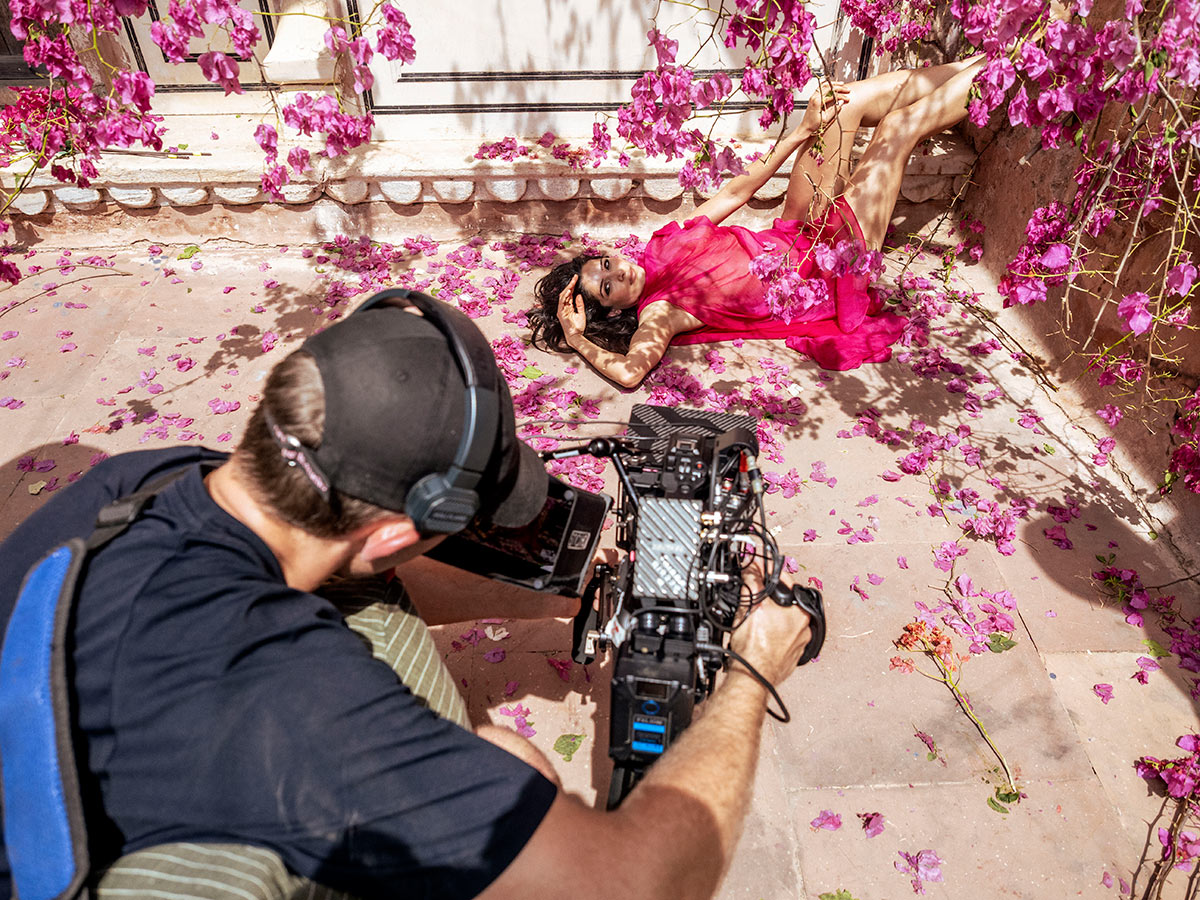
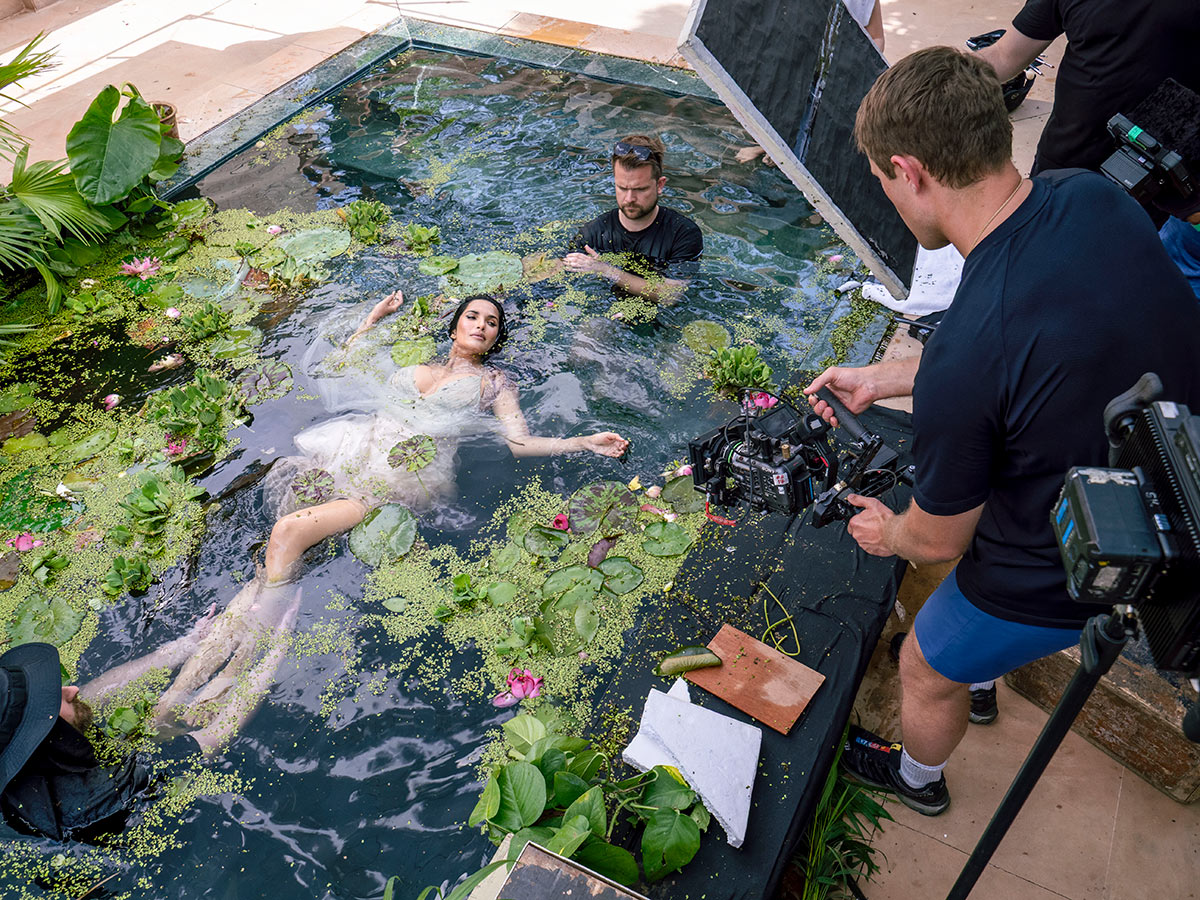
While Avani Rai’s work grows from documentary traditions, Sølve Sundsbø approaches India through carefully composed portraiture. Renowned internationally for his experimental fashion photography, Sundsbø photographed his chapter between Jaigarh Fort in Jaipur and Ajabgarh in Rajasthan, creating images that embrace India’s rich colours, architecture and natural light.
Sundsbø has acknowledged that representing India through a single visual narrative would be impossible. Rather than attempting to explain the country, he concentrated on photographing remarkable individuals whose achievements span cinema, literature, music, fashion and culture.
His cast includes:
- Freida Pinto
- Padma Lakshmi
- Anoushka Shankar
- Rupi Kaur
- Aditi Rao Hydari
- Avantika Vandanapu
- Lakshmi Menon
- Bhavitha Mandava
- Avani Rai
Together, they represent different generations and disciplines, reflecting India’s growing influence across global creative industries.
Two Ways of Seeing India
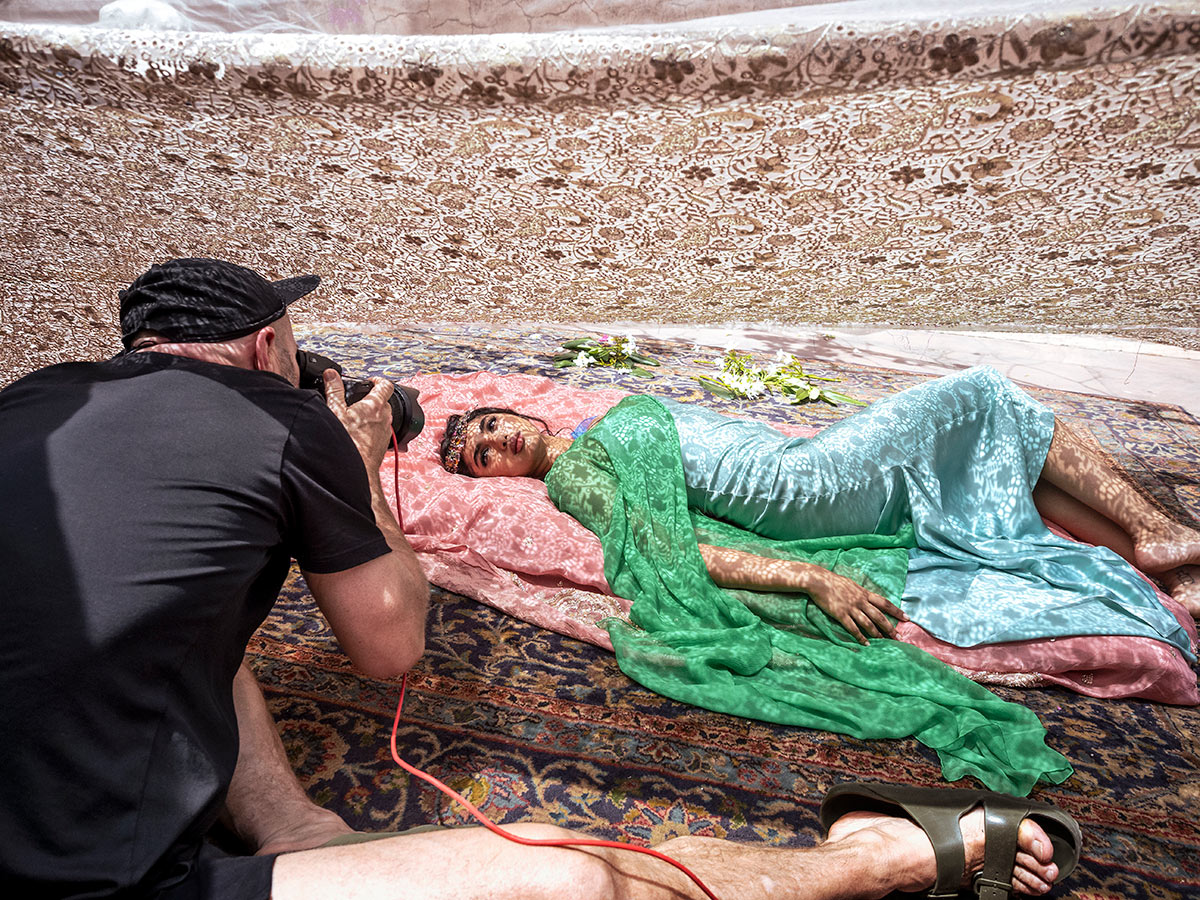
The most compelling aspect of the 2027 calendar lies in the contrast between its two visual approaches.
Sundsbø’s photographs are meticulously composed portraits where colour, styling and architectural settings become part of the storytelling. His work reflects India’s visual richness through fashion and artistic direction while focusing on individuals who have achieved international recognition.
Avani Rai’s contribution moves in the opposite direction. Her images emerge from streets, neighbourhoods and public spaces, where the emphasis falls not on celebrity but on collective experience. The faces she photographs belong to craftspeople, performers, musicians and ordinary citizens whose stories rarely occupy the spotlight yet remain essential to India’s cultural identity.
Rather than competing, these two approaches complement one another. One chapter celebrates India’s global presence through accomplished creative figures, while the other explores the country’s everyday humanity. Together they suggest that no single lens can fully represent a nation as vast and diverse as India.
Beyond Fashion
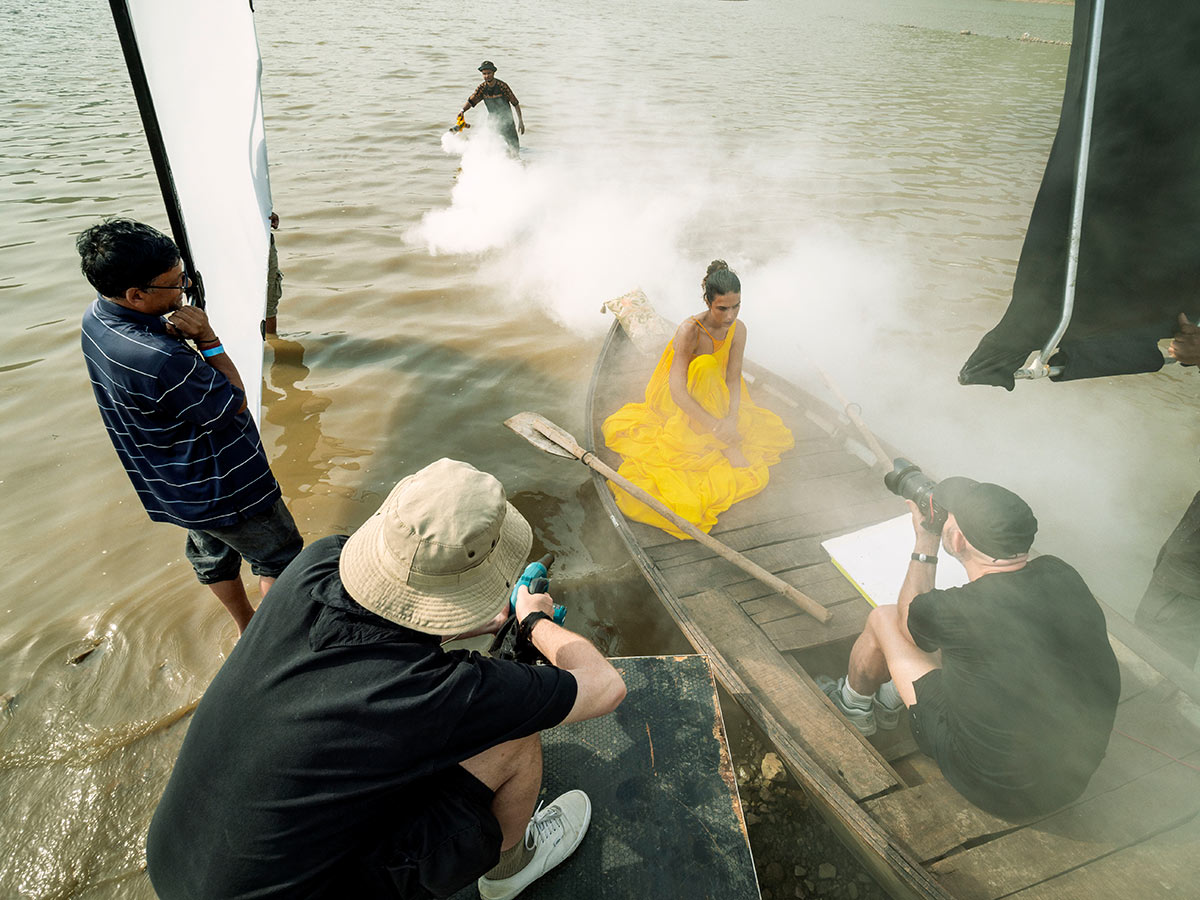
The Pirelli Calendar has gradually transformed from a publication associated primarily with fashion into one recognised for commissioning ambitious artistic projects. Recent editions have increasingly explored themes of identity, inclusion and cultural storytelling.
The 2027 edition continues this evolution by shifting attention from glamour alone to questions of heritage, memory and representation. It becomes a collaboration between generations, cultures and photographic traditions rather than a conventional fashion editorial.
Equally significant is the role played by Avani Rai. By completing her father’s final vision while introducing her own perspective, she demonstrates how artistic legacies remain alive through reinterpretation rather than preservation alone. Her work does not imitate Raghu Rai’s photography; instead, it extends his way of seeing into a contemporary context.
A Portrait of Contemporary India
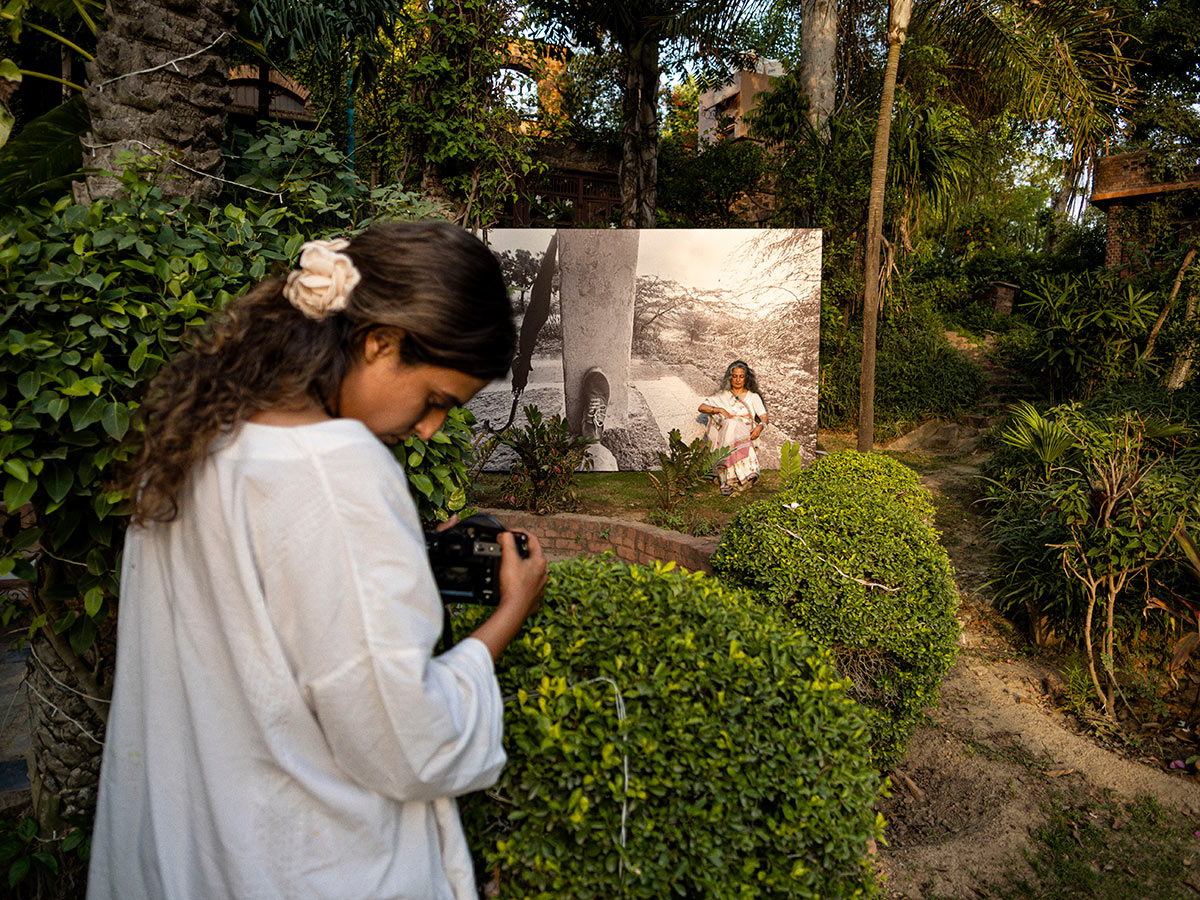
Ultimately, the Pirelli Calendar 2027 is about far more than photography. It presents India through two complementary narratives one shaped by international portraiture and another grounded in documentary observation. The result is a visual dialogue that embraces celebrated personalities alongside ordinary citizens, monumental architecture alongside crowded streets, and established artistic traditions alongside emerging voices.
In bringing together Sølve Sundsbø’s contemporary portraits with Raghu Rai’s enduring vision, carried forward by Avani Rai, the calendar acknowledges that India cannot be captured through a single image or a single story. It is a country of multiple histories, identities and perspectives, all existing simultaneously.
Final Thoughts
For one of the world’s most influential photographic publications, that may be the most fitting tribute of all. The Pirelli Calendar 2027 does not seek to define India. Instead, it invites viewers to encounter its richness through different eyes, reminding us that the most meaningful portraits of a nation are often those that leave room for complexity, continuity and conversation.