Convergences: Shared Lineages, Practices, and Futures in Eastern Indian Art

0

Convergences-Shared-Lineages,-Practices,-and-Futures-in-Eastern-Indian-Art-A

The Ethics of Making in Eastern and North-Eastern India

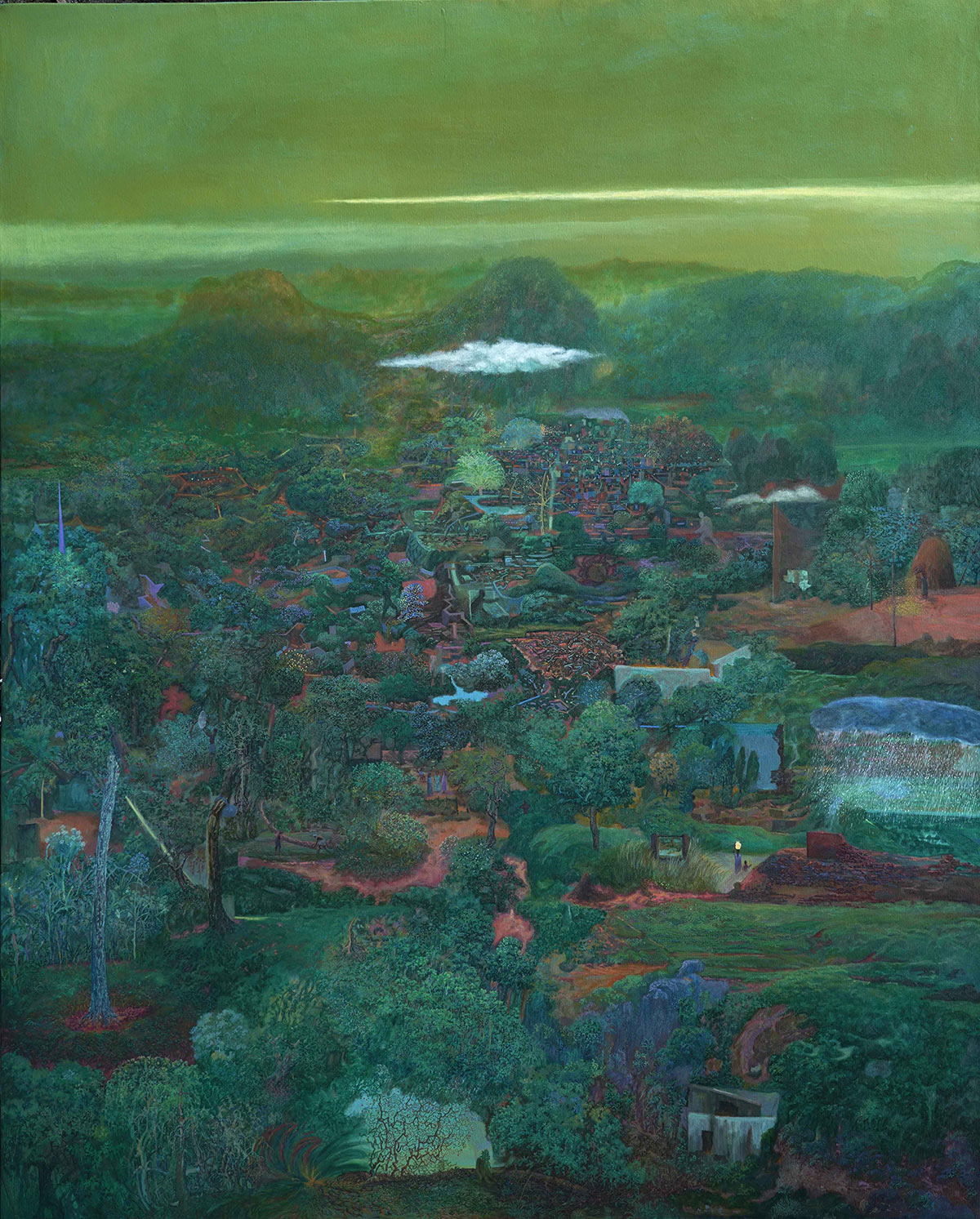
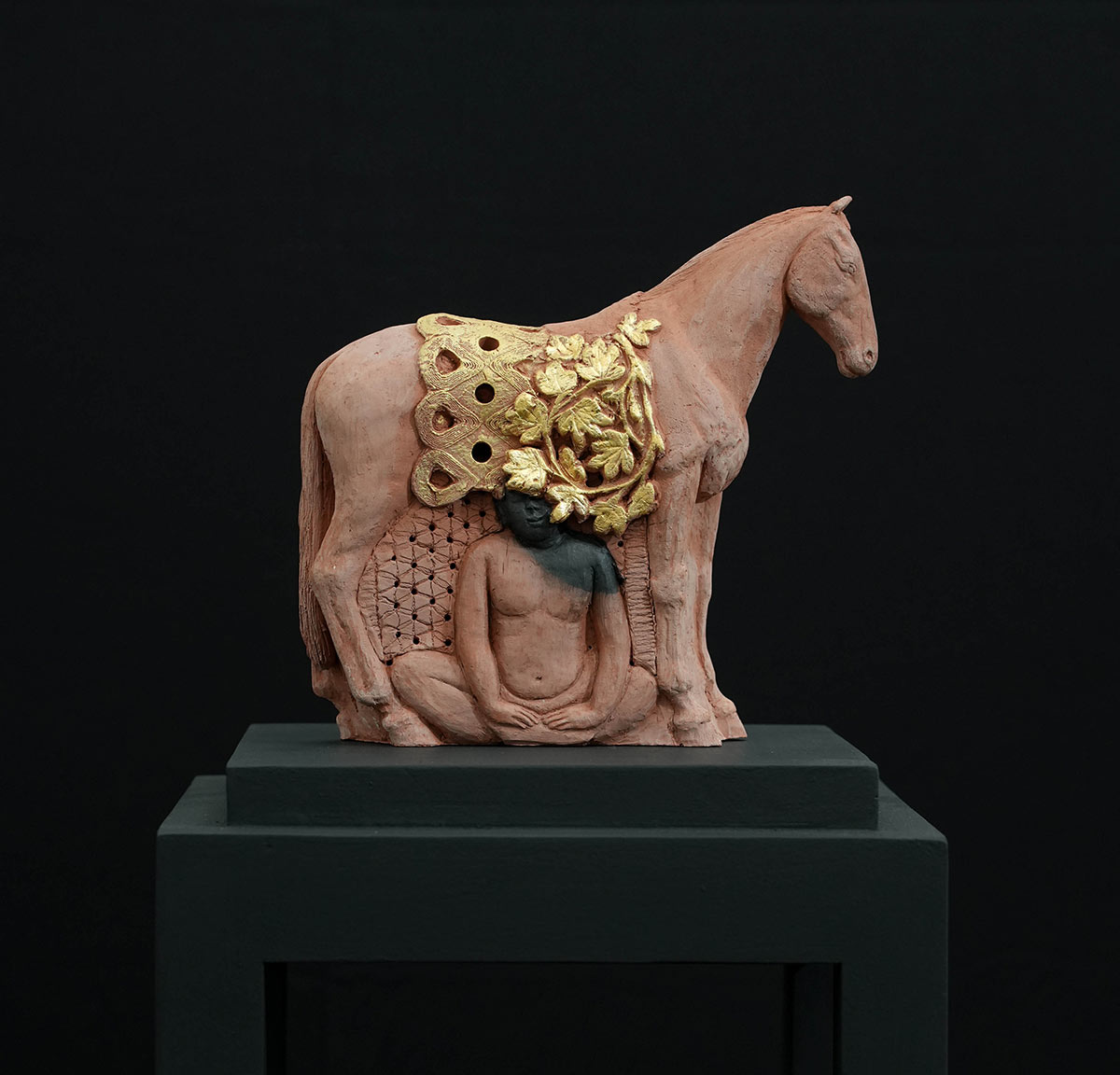
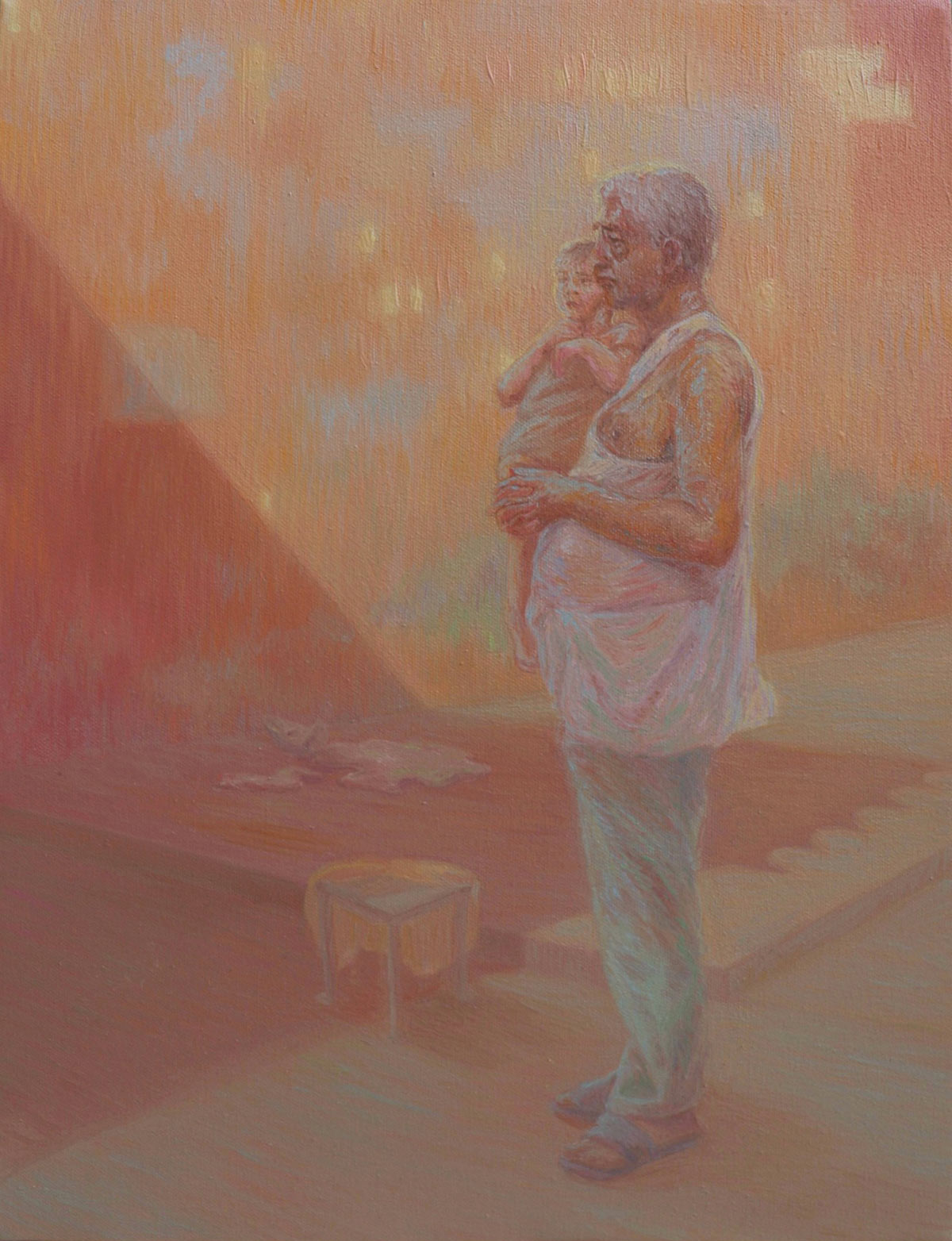
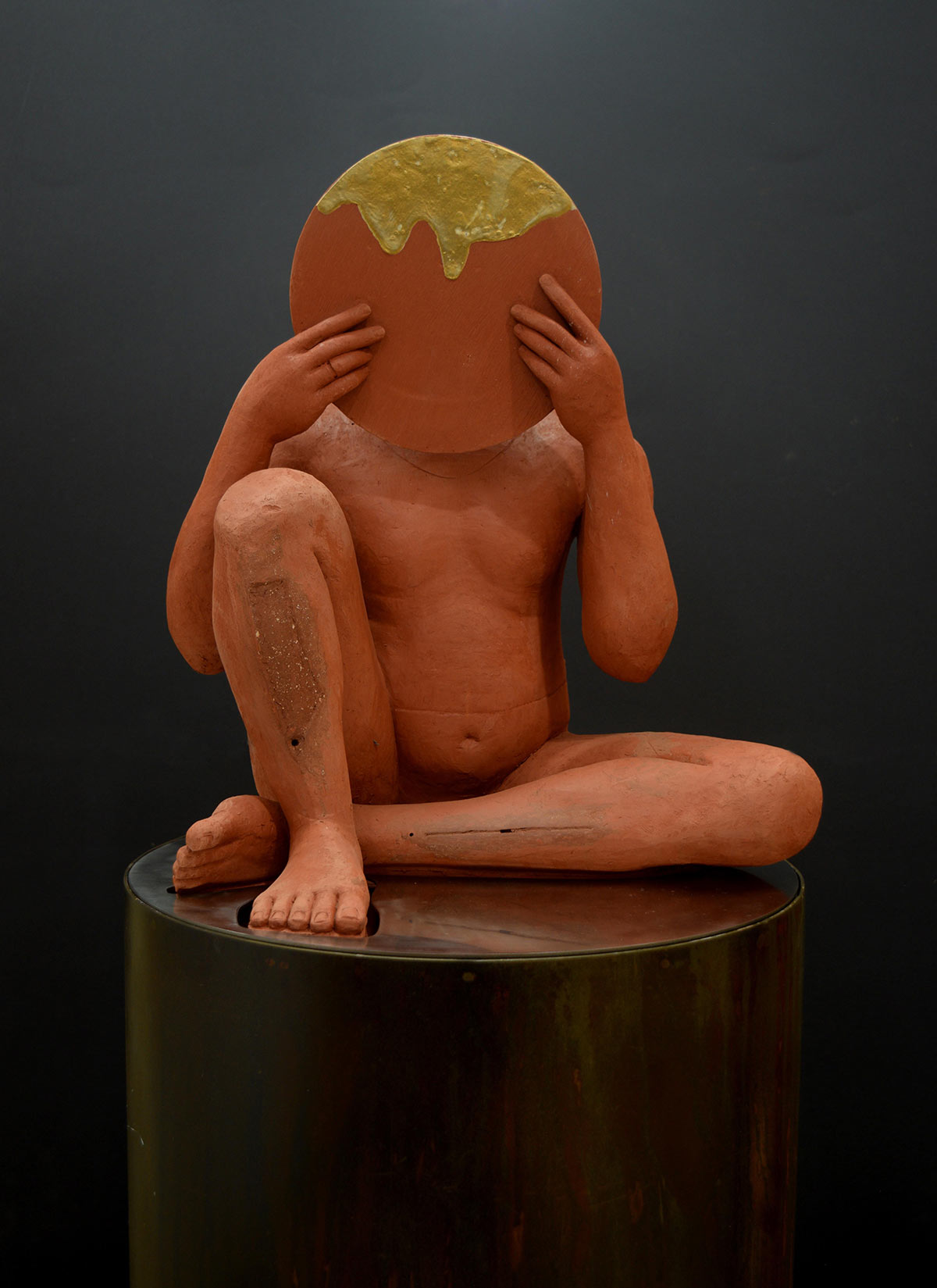
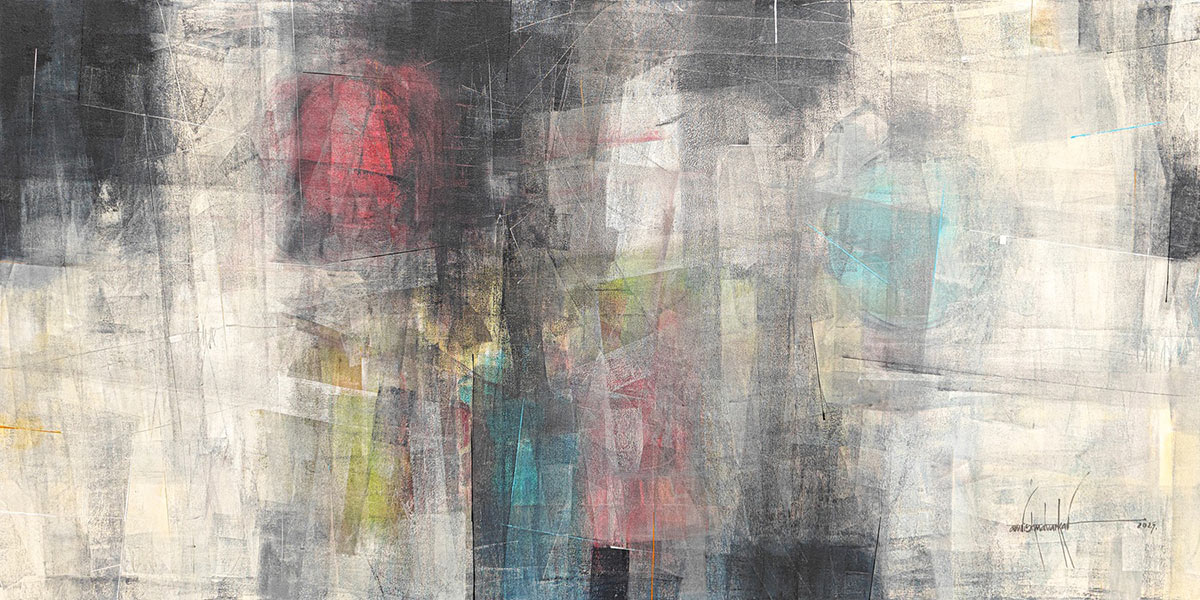
The city of Joy is known for its excellence in art and its relentless pursuit of the “new.” In search of the new, the Kolkata Centre for Creativity (KCC) has inaugurated a new satellite exhibition titled Convergences: A Shared Ground — Lineages, Practices, Futures as a part of their 7th Annual Symposium, Vasudhaiva Kutumbakam (The World is One Family). This exhibition is scheduled to be on view from January 9 to February 14, 2026. This exhibition presents a dedicated view into contemporary debates on sustainability, community knowledge, and decolonial practices of making. Most importantly, the entry is free for everyone, making art accessible to all. 

This exhibition probes into how artistic, craft, and architectural practices from Eastern and North-Eastern India serve as a continuum of embodied knowledge and ecological conscience. Today, as many indigenous and vernacular practices face erosion, KCC steps ahead in extending a helping hand to preserve and represent those in a proper, curated way. Convergences moves beyond the traditional displaying of exhibits and proposes a different approach that allows heterogeneous lineages to be represented under one roof. 

The Method of Convergence

The curatorial psyche emphasizes the “framework of production” itself. It detaches the act of making art from being a solitary event and frames it amidst its relationship with the land and communities of people who are producing it. The basic notion propounded by this exhibition is that “convergence” does not appear only in the sense of a stylistic arrangement but as a systematized approach too. 

The organizers are bringing numerous artists and collectives to the same plane. Anshu Kumari; ARTISANS’ Sustainable Development Foundation X Leshemi Origins; Dulair Devi, Malo Devi, Putli Ganju, Rudhan Devi, Sajhwa Devi (supported by Sanskriti Museum & Art Gallery, Hazaribagh); Ruma Choudhury; Silpinwita Das; Simi Deka; Ujjal Dey; and Ujjal Sinha, collectively articulate a material language shaped by bamboo, earth, fibre, thread, natural pigments, and organic waste. Thus, the exhibition forges a shared ground where distinct lineages seamlessly overlap. 

About The Vasudeva Kutumbakam Series

KCC’s Vasudeva Kutumbakam symposium series synchronizes with a broader movement in Indian art that challenges Eurocentric notions of progress and innovation. Instead, subscribe to the approaches of repair, reuse, and remembrance as radical acts. Repair stems from ethics, reuse aims to extend the lifecycles of materials, and remembrance ensures the continuity of intangible heritage. Together, they craft a counter-statement that propounds resilience over lavishness. 

One of the most significant developments in this exhibition is the inclusion of the eastern and the north-eastern regions of India. These regions have been historically marginalized and treated as “separate” elements, away from the mainstream cultural narratives. This exhibition wishes to bring their everyday practices of weaving, building, dyeing, and foraging, etc., into light and aims to reveal the system of knowledge framework that eventually arises from these communities. 

Therefore, convergences also probe into institutional hierarchies that make distinctions between “fine art,” “folk,” and “craft.” Thus, it fuels scholarly discourses that fit the lens of artisanal and community-based practices. The exhibition does not aestheticise tradition; rather, it situates tradition as an active, evolving force capable of shaping contemporary life-worlds.

Important Points of the Exhibition 

Aspects Details
Exhibition Title Convergences: A Shared Ground — Lineages, Practices, Futures
Associated Event Satellite Exhibition of the 7th Edition of KCC’s Annual Symposium Vasudhaiva Kutumbakam
Dates 9 January – 14 February 2026
Entry Free
Regional Focus Eastern and North-Eastern India
Key Themes Convergence, sustainability, embodied knowledge, repair, reuse, remembrance
Materials Used Bamboo, earth, fibre, thread, natural dyes
Participating Artists Anshu Kumari; ARTISANS’ SDF X Leshemi Origins; Dulair Devi et al.; Ruma Choudhury; Silpinwita Das; Simi Deka; Ujjal Dey; Ujjal Sinha
Core Philosophy Practice as a “Shared Ground” where continuity is valued over novelty.
Materiality Use of bamboo, earth, and natural fibers as ethical and cosmological choices.
Participant Mix A blend of individual contemporary artists and traditional craft collectives.

Key Highlights

  • Brings together indigenous, artisanal, and contemporary practices on a shared ethical platform.
  • Reframes convergence as a methodology rather than a visual style.
  • Focuses on sustainability, ecological consciousness, and community knowledge systems.
  • Challenges rigid distinctions between art, craft, and architecture.
  • Advocates repair, reuse, and remembrance as cultural and environmental imperatives.
  • Provides free public access to critical artistic discourse.
  • The works challenge the “flattened” progress of modernity by foregrounding transmission and care.
  •  Knowledge is presented as something absorbed through seasonal rhythms and lived experience.
  • The exhibition asks viewers to find value in the mended and the persistent rather than just the “whole” or the “new.”

Tracing the Event and Its Philosophical Roots


View this post on Instagram


A post shared by Emami Art (@emami_art)

The curatorial purview rejects the “throwaway culture” of the 21st century and builds something meaningful to shape a better tomorrow. While the symposium features global scholars discussing interconnectedness, Convergences provides the tangible, material evidence of this philosophy. It moves the abstract idea of “one family” into the physical realm of shared craft and architecture. This exhibition also looks forward to framing ethnographic tales by showcasing how innovation in these regions emerges from accumulated experience rather than sudden rupture. 

This interdisciplinary approach mirrors a global trend in “slow art” movements that aim to recalibrate the nature of viewing human labour in symphony with ecological awareness. 

“Convergences” emphasizes “sustainability.” It does not perceive the concept as a hollow buzzword. The most striking feature of the exhibition is that it embraces fragility like a concrete form.  It reminds us that our “shared ground” is not a solid, immovable slab, but a living, breathing, and occasionally wounded landscape that requires constant tending.

Takeaway

“Convergences” doesn’t just show us art; it teaches us a way of staying with the world. By privileging continuity over consumption and care over novelty, it offers a model for future art practices that are ethically rooted, socially accountable, and ecologically sensitive. It showcases the brilliance of an institutionally backed initiative in showcasing sustainable forms in an impactful way. It reminds us that the most radical futures may not lie in technological acceleration, but in the slow, patient wisdom of communities that have long known how to live with, rather than against, the world.

Terra & the Divine: A Collaborative Exhibition Opens at Milaaya Art Gallery

0

Terra & the Divine A Collaborative Exhibition Opens at Milaaya Art Gallery-A

The Alchemy of Thread: Confluence of Art, Craft, and the Mystical

With the advent of 2026, Mumbai is glazing with a brand new exhibition titled Terra & the Divine — an ambitious contemporary art exhibition presented as part of the Mumbai Gallery Weekend (MGW) 2026. This exhibition was inaugurated on January 8, 2026, at the Milaaya Art Gallery in Kemps Corner, Mumbai. This four-day extravaganza proffers itself as a ‘city-wide’ celebration of contemporary arts. It has emerged as a major cultural marker on the cultural datesheet of Mumbai. This has emerged as one of India’s leading art shows, connecting galleries, collectors, academics, and most importantly, art enthusiasts.  

MGW orchestrates dozens of shows in the heart of the city. This exhibition stands out because it is a pure collaborative showcase featuring works by three internationally recognised artists: Waswo X. Waswo, Seema Kohli, and Jagannath Panda. The preview took place on January 8 from 11:00 AM to 7:00 PM. With the initiation of this exhibition, MGW has substantially enhanced its core vision and its commitment to continue engaging with a diverse audience. 

Exploring the Thresholds

This exhibition showcases the rawness of “hand embroidery” as a rudimentary medium that weaves the works of the three brilliant artists together. The exhibits on view are the results of a nearly two-month residency for these works and will continue to be on view till February 28, 2026. “Terra & the Divine” percolated into the Indian artscape with a dedication to refresh the vogue and to create a counterpoint against the rapid-fire nature of digital consumption. 

The philosophical core of the exhibition is well depicted through the transformation of fibre from a decorative element to a “medium of expression.” It bestows meaning on the threads and makes them lively.  By using embroidery, the artists challenge the traditional hierarchy between “craft” and “fine art,” elevating the stitch to the level of the brushstroke. The organizers believe that contemporary art can dissolve boundaries between traditional craft and conceptual depth. Traditional artistic media, such as photography, painting, and textiles, are recalibrated to rephrase and form a new set of dialogues between symbol, form, and cultural narrative.

Glimpses of The Exhibition

Aspects Details
Exhibition Title Terra & the Divine
Venue Milaaya Art Gallery, Kemp’s Corner, Mumbai
Key Artists Seema Kohli, Waswo X. Waswo, Jagannath Panda
Primary Medium Hand Embroidery / Fibre Art
Exhibition Dates Jan 8, 2026 – Feb 28, 2026
Event Context Part of Mumbai Gallery Weekend (MGW) 2026
Opening Hours 11:00 AM – 7:00 PM
Featured Artists Waswo X. Waswo, Seema Kohli, Jagannath Panda
Artistic Focus Intersection of myth, memory, urban life, and spirituality
Notable Medium Hand-embroidery integrated with contemporary visual art

Featured Artists

Seema Kohli contributes to the corpus of artworks with her multidisciplinary practice. She introduces the themes of Cosmic femininity, creation myths, and spiritual paradigms. Her artistic signatures span painting, sculpture, poetry, and installation. Her art sits at the juncture of mythopoesis and real-world experience. Her segments include the fascinating Hiranyagarbha (the golden womb) and the cyclical nature of life. A gaze at her artworks dissipates a vibe of transcending the earthly realm and stepping into a world that is neither mythical nor real. Her aesthetic core is inspired by the philosophical themes, ranging from Sanskrit cosmological ideas to ongoing global dialogues around gender and existence. The nicety of her needlework makes the divine tangible” and represents it through the “Terra” or Earth. 

Waswo X. Waswo is an American photographer and visual artist who found his ‘home’ in India. He brings a completely alternative aspect through his craft. His work establishes historical linkages with the inquiries about cultural encounter, representation, and visual memory. His photography entails elements of Indian miniature traditions that evoke an agency to personal as well as collective narrative building. His photographic intricacies delve into perspectives, and he expresses how the act of seeing mediates experience. His photographs include collaboration with local craftsmen, and in this exhibition, his “portraits unfold as tender acts of storytelling.” Waswo has an inherent tendency to depict “irony.” He uses irony as the accentuating lens to explore themes that add to the vintage effect of the traditional embroidery and weaves a complex narrative. 

Jagannath Panda’s artistic sensitivities also acquire a different corner of the carpet. He emphasizes urban sensibilities and cross-cultural aesthetics. Jgannath Panda is acknowledged for his attention to detail and his intricate and exquisite crafting of city life and modern mobility. His art synchronizes traditional elements with a modern touch. He skillfully maps how metropolitan intensities shape subjective consciousness. He is highly concerned about the ‘Ecological Pulse.’ He takes up the Terra and makes it the medium to express his opinion on the friction between urban sprawl and the natural world. By depicting industrial or urban motifs through the softness of fibre, Panda creates a poignant juxtaposition that highlights the fragility of our environment.

Key Highlights

  • Terra & the Divine is part of Mumbai Gallery Weekend 2026, connecting this exhibition to a larger city-wide art ecosystem.
  • The show features three distinctive artistic voices: Waswo X. Waswo (an American artist based in India), Seema Kohli (a renowned Indian contemporary artist), and Jagannath Panda (an Indian painter with a focus on urban experience). 
  • The exhibition places unusual emphasis on hand-embroidery not just as ornamentation but as a narrative and meditative art form, continuing a curatorial vision that Milaaya Art Gallery has been fostering in recent years.
  • Works on display explore cosmic symbolism, personal memory, cityscapes, and spiritual ambience, inviting visitors toward reflective engagement.
  • The show’s extended run, nearly eight weeks, underscores the gallery’s long-form engagement strategy, beyond the typical short-term fair schedule. 
  •  The show bridges the gap between the celestial (the Divine) and the terrestrial (Terra), exploring how humans navigate both realms.
  • While many MGW events are short-lived, “Terra & the Divine” offers an extended viewing window through late February, allowing for deeper public engagement.

The Significance of Terra & the Divine 

The Terra and the Divine successfully protracts its trajectory towards reclaiming the “feminine” and “domesticated” history of embroidery and rebrands it as a tool for high-concept contemporary commentary. The artists, by choosing their respective media,  are making a political statement against the sterility of modern life. The artists have worked hard to humanize the ultra-modern aspects of today’s world and ask the viewers to feel the texture of existence. 

The artist intricately engages with history, identity, and the sacred; the exhibition constructs a layered narrative where art becomes a site of reflection and resonance. Importantly, the platform offered by the Mumbai Gallery Weekend amplifies this dialogue across broader audiences, enhancing both accessibility and critical visibility. As Mumbai continues its rapid modernization, this collection serves as a necessary, tactile reminder of the patience and precision required to create something truly eternal.

Takeaway

Today, everything is dominated by fast fair cycles and market metrics. Amidst this, Terra & the Divine marks a significant shift that affirms that contemporary art can be intellectually invigorating and transcendental. Through this exhibition, Milaaya Art Gallery secures its position not only as a commercial space but as a cultural crucible where heritage, innovation, and contemplative creativity coalesce.

Footsteps Across Time: Dholavira Festival 2026 and India’s Oldest Urban Memory

0

Dholavira-Festival-2026

Echoes of Antiquity: The Harappan City

The arid plains of Dholavira in Kutch, Gujarat is on the precipice of hosting the much-awaited Dholavira Festival. It is slated to take place on January 10, 2026. The city of Dholavira is 4,500-year-old, and has been a UNESCO World Heritage Site since 2021. It is one of India’s most crucial remnants of the Indus Valley Civilization. This festival was conceived to bridge India’s glorious past to contemporary artistic heritage. 

The festival, organized by Craft of Art, aims to “reintroduce monuments to the people.” This initiative has successfully coalesced craftsmanship wth world-class performances for over 16 years. The 2026 edition includes heritage tours, classical and folk music, artisanal performances, and ceremonial celebrations. Known for one of the world’s earliest sophisticated rainwater harvesting systems with stone-built reservoirs and channels, the site of Dholavira offers the most suitable backdrop for the celebration of this festival. 

The Melodic Lineup and Cultural Significance

The 2026 edition enlists numerous musical cognoscenti, including Ustad Fazal Qureshi on the Tabla, Ganesh Rajagopalan, and Selva Ganesh. Alongside the Sufi singer Mooralala Marwada, who is also illuminating the stage, carrying the raw essence of the desert. The festival unfolds its prime from the late afternoon into evening hours. There are guided tours called Footsteps Across Time that will take visitors throughout the ancient cityscape. 

Similarly, art installations and craft demonstrations are also present. There will be a wide range of presentations, ranging from Ajrakh Block Print and Stone Bead Making to Tangaliya Weave. The festival has a brilliant lineup of classical musicians and folk singers, such as the Kutch Group – Kalavsa. There will be photographic exhibits like Unearthing the Indus that will let people travel through the archaeological narratives and heritage conservation. 

Glimpses of the Festival 

Aspects Details
Primary Venue Dholavira UNESCO World Heritage Site, Kutch, Gujarat
Date & Time January 10, 2026; 6:30 PM onwards
Organizing Body Craft of Art (supported by Gujarat Tourism)
Entry Policy Free (Prior registration via platforms like BookMyShow is required)
Musical Genres Indian Classical, Fusion, and Kutchi Folk
Historical Context 4,500-year-old Indus Valley Civilization city
Nearby Attractions Road Through Heaven, Wood Fossil Park, Great Rann of Kutch

Contextualising the Festival within Heritage Tourism

The Dholavira Fest does not cater as a source of entertainment alone, it is a deliberate cultural intervention to boost heritage-based tourism and archaeological education. The setting of the festival at a UNESCO world heritage site draws more people towards it and make them aware of the rich past that India had. This is indeed a heaven for history enthusiasts who wish to explore one of the largest and best-preserved urban settlements of the Indus Valley Civilization. 

The site of Dholavira holds immense historial importance in itself. Dholavira surfaced into the mainstream after it was discovered in 1967-68. It is the fifth-largest Harappan site and is acknowledgdeg for its well designed and sophisticated water management system. The site has a series of about 16 reservoirs which facilitated a substantial population belonging to a thriving civilization and allowed them to survive in an arid landscape. The organizers have a clear cut vision for situating the festival in here; they wish to bridge the chasm between the “minds of the Harappans” and the modern Indians. 

Key Highlights

  • Interactive Heritage Walks that guided participants through the urban layout of the ancient Harappan city.
  • Traditional Crafts in Action, including block printing and bead making, bringing centuries-old techniques to life.
  • Performances by folk and classical musicians juxtaposing the ancient site with living traditions.
  • Photographic Exhibitions that documented the excavation and preservation of the heritage site.
  • Cultural storytelling that positioned Dholavira not merely as an archaeological zone, but as a living narrative of human ingenuity.
  • The event utilizes “monument lighting” to highlight the intricate stone masonry and urban planning of the Harappans, creating a surreal visual backdrop for the music.
  • Travelers reaching the festival will traverse the iconic 30 km causeway that cuts through the white salt desert, often cited as one of the most beautiful drives in India.
  • Beyond music, the festival includes audio-visual shows that narrate the history of Dholavira and its trade links with Mesopotamia.
  • The festival coincides with the peak of the Rann Utsav (November–February), making it a centerpiece for tourists staying at the Dholavira Tent City.
  • A portion of the festival’s objective is to foster “monumental pride,” encouraging the younger generation to value and protect India’s archaeological treasures.

A Deeper Reflection Into The Festival

The Dholavira Festival 2026, represents a very judicious and indispensable evolution in how India presents its heritage. Ancient sites are frequently considered as “static” indicators of a long gone past; however, festivals like these alters this regressive perception and makes it clear that these sites still have ample of importance in shaping the modern Indian identity.

This festival elevates Dholavira beyond “ruins” and “relics” of the past and display the actual relevance of the site. It is a heritage revival drive that brings everyone to have a personal encounter with the pieces of the glorious days that once was a reality. For the “digital-first” generation, initiatives like this makes art and history “cool” again. As the world moves forward and is getting equipped with AI, peeping back at sites like Dholavira, inspires one to adopt sustainable measures related to water and systemic human progress. 

Takeaway

The Dholavira Festival 2026 brings the pulse of life back to Dholavira. By  situating music, craft, performance, and guided interaction within the precincts of one of the earliest urban settlements known to humanity, this festival challenges visitors to reimagine history as something lived rather than merely observed. Moreover, Entry is free for all. 

As heritage tourism continues to expand in India, such initiatives can serve as models for sustainable engagement, where education, artistry, and archaeological stewardship converge to produce not just footfall, but genuine cultural discourse. It is a mandatory experience for anyone who wishes to feel the heartbeat of India.

Indian Craft Collective Showcases Women-Led Art and Craft Ventures in Bangalore

0

Indian-Craft-Collective-Showcases-Women-Led-Art-A

A Celebration of Women-Led Creativity

Today’s world is well acquainted with mass production and fast fashion; amidst this, the  “Indian Craft Collective” emerges as a noteworthy confluence of innovation, tradition, and entrepreneurship, highlighting women’s contribution to the craft, art, and handloom ecosystem in India. Scheduled on January 10th and 11th, 2026, the Indian Craft Collective is organized under the Women Startup Program by NSRCEL (the entrepreneurship cell of the Indian Institute of Management Bangalore) and supported as a CSR initiative by Kotak Mahindra Bank. This craft conclave will be taking place at Safina Plaza in Bangalore. This two-day public exposition aims to recalibrate the perspectives oriented around craft traditions, and it will align the event in close ties with modern design and enterprise. 

While the world stands at a critical juncture, a lot of emphasis is placed upon sustainable practices. The craft collective understands the undercurrent of this requirement and employs sustainable measures to mould consumer preferences. It facilitates women-led ventures by offering more visibility and also supports them in scaling up by making their businesses more creative. This craft exhibition encompasses a plethora of items ranging from textile innovations to handcrafted jewelry. 

Important Event Details

Aspects Details
Event Name The Indian Craft Collective – Women in Art & Craft Showcase
Primary Organizers NSRCEL (IIM Bangalore)
Sponsorship Kotak Mahindra Bank (CSR Initiative)
Dates January 10 & 11, 2026
Time 10:00 AM – 8:00 PM
Location Safina Plaza, Bangalore
Entry Policy Open to all (RSVP recommended)
Focus Women-led handmade art, craft, handloom, and design ventures
Offerings Handloom textiles, artisan design, DIY craft products, jewellery, and home décor

Key Highlights

  • The showcase brings forward women creators and entrepreneurs making strides in craft and design. 
  • The exhibition features a handpicked selection of women-led ventures, focusing on “Handmade, Women-led, and Thoughtfully designed” products.
  • From handloom textiles to DIY weaving kits, zero-waste fashion, hand-smocked children’s wear, and artisan jewelry, the spectrum of offerings reflects an eclectic craftsmanship repertoire. 
  • The exhibition is open to all visitors and encourages interaction between makers and attendees.
  • The event highlights how heritage crafts are being reimagined for contemporary audiences and markets. 
  • Situated within NSRCEL’s broader Women Startup Program, the Collective serves as both a marketplace and a visibility booster for early-stage creative enterprises. 
  •  Unlike traditional retail, this event allows visitors to meet the “makers” behind the products, offering a deeper understanding of the labor-intensive techniques and cultural stories embedded in each piece.
  • The event is designed to be immersive, encouraging conversation between the creators and the community to foster an appreciation for the “slow craft” movement.

The Socio-Economic Impact


View this post on Instagram


A post shared by NSRCEL (@nsrcel_iimb)

The Craft Collective represents a paradigm shift in boosting financial inclusion. NSRCEL has a reputation for edifying social startups and micro-entrepreneurs. They have a pioneering “Women Startup Program” through which they provide mentorship and networking opportunities to women artisans. A deep dive into NSRCEL’s previous initiatives reveals its focus on “scalability with soul.” 

Also, the judicious partnership with the Kotak Mahindra Bank ensures that the artisans receive necessary business-oriented inputs and are not limited to being one-time exhibitors. This partnership also encourages digital literacy and market exposure. This event serves as a launchpad for many artisans and entrepreneurs who have been working behind the scenes to uplift their brands. For India’s Silicon Valley, this craft expo is a reflection of the country’s artistic roots, proving that technology and tradition can coexist and thrive together.

Why the Indian Craft Collective Matters

Indian-Craft-Collective-a-Women-in-Art-&-Craft-Exhibition-A

Their emphasis on sustainable and low-impact production makes this initiative distinct. The organizers are not just taking in the elements in vogue, but also setting new trends in terms of consumerism. They set up a space where buyers increasingly value products with ethical provenance and environmental consideration. Exhibitors such as “ Slow Made India” and “Raatai Handloom” signify these facts. This blend showcases the possibilities that can be tapped by mixing craft enterprises with sustainable practices. 

The collaborators chose to build a high-impact socio-economic ecosystem to support women who are frequently sidelined in the formally organized economy, despite being half the productive force. In fact, Safina Plaza is one of Bangalore’s key heritage shopping spots. By organizing the expo in this venue, the organizers have elevated the exhibits from being mere “handmade” objects to a premium, desirable lifestyle choice. 

Takeaway: Crafting Futures with Purpose

The Indian Craft Collective 2026 entails an evolving movement in acknowledging the cultural heritage as a key economic and creative force. Today, consumer preferences revolve around authenticity, sustainability, and cultural resonance. Platforms like the Indian Craft Collective will increasingly shape how craft economies thrive in the 21st century. This event is a clarion call for consumers to move away from the “buy-and-discard” culture and invest in pieces that carry a legacy. Supporting these women is not just about sustaining a business; it is about preserving the very fabric of Indian identity. If you are in Bangalore this weekend, visiting the Collective is more than a shopping trip; it is an act of cultural preservation.

The Hindu Lit for Life 2026 Returns to Reignite Literary Conversations in Chennai

0

The-Hindu-Lit-for-Life-2026

The Hindu Lit for Life (LFL) has garnered widespread acceptance as “the sharpest literature festival in India.” It is not only a convocation of letters; it is a carnival of ideas. Organized annually, this lit fest is orchestrated by India’s one of the most reputed English newspapers, The Hindu. As the 2026 edition approaches, the aim is to transform the fest into an omnidirectional cultural exposure. 

Literature and Ideas Beyond Boundaries

Since its inception in 2010, the lit fest has evolved into a fête that unifies eminent authors, thinkers, artists, and audiences for an immersive experience in ideas, storytelling, and cultural discourse. The 2026 edition is scheduled to be on air on January 17–18, 2026, in Chennai. While the core of the fest entails literature, the programme cradles a diverse array of creative expression, including music, theatre, performance, and intellectual dialogues.

The Lit Fest will be held at the Sir Mutha Venkatasubba Rao Concert Hall and Lady Andal School premises. The festival stages discussions that connect literary exploration with global currents. There are a plethora of segments lined up, encompassing everything from constitutional law and economic history to Japanese fiction and a lot more. In a nutshell, LFL 2026 avows to be a watershed event for bibliophiles, thinkers, and other enthusiasts alike. 

The Festival Architecture: Beyond the Pages


View this post on Instagram


A post shared by The Hindu (@the_hindu)

LFL 2026 outsets with an ingenious precursor titled “Between the Lines: A Literary Treasure Hunt,” scheduled for January 11th. This event marks the physical manifestation of the theme of the fest, i.e., connecting Chennai’s geographical landmarks with literary history. The organizers have devised a phenomenal approach to take literature “Beyond the Book.” They have declared the requirements of a “team of two” to solve the clues and navigate Chennai. This exercise allows people to relive history through personal exploration. This exercise is very interactive and will target the youth and the residents alike. 

On January 17th, the prime proceedings would reflect the formation of contemporary Indian identity through sessions like “How to Reclaim India, aka Bharat” with Ashutosh and Sobhana K. Nair, and T.M. Krishna’s exploration of national symbols, indicating a festival that is unafraid to tackle the evolving political terrain. The fest also includes international figures, such as Satoshi Yagisawa’s session on the healing power of books, showcasing the festival’s ability to oscillate between the local and the universal.

A Sneak Peek AT The LFL 2026

Aspects Details
Event The Hindu Lit for Life (LFL) 2026
Primary Dates January 11 (Literary Treasure Hunt) & January 17, 2026 (Main Sessions)
Organizer The Hindu newspaper
Key Venues Sir Mutha Concert Hall & The Hindu Pavilion (Lady Andal Premises)
Major Themes Indian Identity, Legal Rights, Diaspora, Economic History, and Translation
Festival Type Multi-day literature and cultural festival
Registration Mandatory via official link; limited slots for the Literary Treasure Hunt
Featured Speakers T.M. Krishna, Arvind Subramanian, Ghazala Wahab, and Satoshi Yagisawa
Programming Talks, performances, author conversations, and theatre
Expected Audience Readers, writers, thinkers, students, and cultural enthusiasts

Literature as a Lens on the Contemporary World

The Hindu LFL stands out because it insists on placing literature beyond the realm of an aesthetic pursuit and puts forth a critical lens to examine it. The fest is persistent in curating conversations, highlighting today’s socio-political issues, and demonstrating how literature and literary narratives can mould lived experiences. By bringing in authors, economists, journalists, musicians, and cultural theorists on the same platform, the festival creates a rare interdisciplinary space where literature becomes a medium of civic engagement and social reflection.

Another offbeat fact about it is that the LFL seamlessly blends theatrical readings, music, and conversive sessions, cultural performances, and more. It coalesces all these segments to create a heterogeneous foundation of intellect that also embraces culture alike. The festival shifts the sedentary outlook of literature and swaps it with a more lively one. It recalibrates literary pursuits within a more community-oriented space that is inclusive.  In doing so, Lit for Life not only preserves literary heritage but actively reinvents it for contemporary audiences, particularly younger participants encountering literature through embodied and immersive forms.

Key Highlights of the 2026 Edition

  • The festival covers a massive spectrum of topics, including “Women, Know Your Rights” with Manasi Chaudhuri, providing practical legal knowledge, and “Supercop!” with Madhukar Zende, exploring Mumbai’s criminal history.
  • Moving beyond traditional panels, the festival features “The Tamils, a theatrical reading of Nirmala Lakshman’s work, directed by Prasanna Ramaswamy and featuring a star-studded cast including Anita Ratnam and Revathy Kumar.
  • A dedicated session on “Diasporic Narratives of Relocation and Belonging” brings together voices like Amrita Shah and Saras Manickam to discuss the search for home in a globalized world.
  • Academic depth is provided by Arvind Subramanian and Devesh Kapur, who will dissect India’s economic journey since independence.
  • The session on “The Joys and Challenges of Translating Imayam” highlights the festival’s commitment to regional Indian languages and the vital role of translation in national unity.
  • The platform bridges global perspectives with regional and national voices, providing a rich ecosystem for literary exchange that is both cosmopolitan and deeply rooted in Indian thought.
  • Participants and audiences are encouraged to engage directly with thought leaders and creatives, fostering dialogue that goes beyond passive listening to active participation.

The Other Segments

One of the most striking features of the 2026 edition is that the LFL commits to “Actionable Literature.” It makes Lit for Life a truly holistic “State of the Nation” event. This purposeful extension of the ambit of the lit fest to include social issues, politics, artistic interpretations, and live performance makes it distinct. This has evolved into a rostrum that offers a democratic space to nurture the exchange of ideas, build and discuss experiences, and perceive the vibrant side of our culture. 

The LFL 2026 carves out a “safe space” for introspection, commitment to literature, and celebrating literary endeavours. As such, it should not only be attended for its intellectual dividends but appreciated as a cultural landmark that deepens our collective understanding of who we are and what stories we choose to tell. With a nucleated focus on “contemporary India,” LFL 2026 looks forward to building on its legacy and evolving into a bigger event with each edition. 

Takeaway

LFL 2026’s inclusion of the “Literary Treasure Hunt” deserves applause. It is not only planted as a prelude to the event but also as an activity that weaves a sense of cohesion among the residents and youth of Chennai. People will learn about the city’s past by personally digging into the facts and clues; it is indeed a “masterstroke.” Apart from that, with important segments lined up and vibrant cultural performances on the queue, LFL 2026 is not just a festival about books; it is a vital check-in on the soul of the nation, providing the “sharpest” tools for citizens to navigate an increasingly complex world.

Suggested Story: 10 Best Literary Festivals of India that Every Book Lover Must Attend

Looking Southwards: Reframing Material Knowledge at DakshinaChitra

0

Looking-Southwards-Reframing-Material-Knowledge-at-DakshinaChitra-0A

Decentering Art History through Material Knowledge

For the better part of a generation, the nucleus of the mainstream chronicon of Indian art history was restricted to the Indo-Gangetic plains (North India). It primarily highlighted the patronage of the art by the imperial courts and was dominated by what can be identified as “northern aesthetics.” To display the other side of the coin, DakshinaChitra is poised to instate an exhibition titled, “Looking Southwards: The DakshinaChitra Vision of Craft, Art, and Cultural Heritage.” Curated by Shruti Parthasarathy, this showcase of exhibits contests the status quo and inherently looks Southwards. “Looking Southwards” in the context of Indian art and heritage does not refer to a geographical reconfiguration; it is noetic and epistemic in nature.  

This exposition aims to situate the southern Indian aesthetics in a self-contained and critical juncture of global attention. It also looks forward to subverting the narrative of positioning the South as the peripheral cultural zone and setting foot to unveil its true cultural zeal. The exhibition will be on view at the Varija Art Gallery, DakshinaChitra, Muttukadu (ECR), running from January 9 to February 15 and March 9 to March 30. Drawing from DakshinaChitra’s extensive collections, the exhibition presents objects not as inert artefacts but as carriers of histories, labour economies, and intergenerational memory systems.

Understanding the Southward Gaze

A huge chunk of Indian history views the South through a very “selective” lens of temple architecture, classical dance forms, and devotional iconography of certain distinct phases. This tendency creates a huge lapse of everyday material practices, vernacular aesthetics, and craft lineages that are subsequently marginalized and gradually lost within the folds of the past. Therefore, looking southwards means acknowledging the unique sociopolitical and ecological factors that shaped Southern Indian craftsmanship.

Actually, looking southwards poses contrarian views by accentuating craft as a form of knowledge, rather than a commodity. It invests in a huge corpus of craftsmanship ranging from the intricate bronze casting of the Chola period to the vibrant weaving traditions of the Coromandel Coast, and more. In this context, the “south” appears as a depot of techniques that have survived through community-held knowledge rather than just state-sponsored patronage. It subtly breaks the binary of the “traditional vs. modern” and looks beyond it by introducing the “southern” element. 

Craft as Knowledge, Not Ornament

The exhibition at DaskshinaChitra rejects the pure commodification and decorative categorisation of craft. Instead, they situate it within a bigger umbrella of museology, anthropology, and heritage politics. The displayed exhibits are contextualized and validated through their associations with social lives. This aspect makes them a vital node of the ritual, domestic, and market economies. This reflects the contemporary scholastic traditions regarding material culture. This recognizes craft as a repository of technical intelligence and socio-cultural negotiation.

The curatorial narrative directly opposes the narrative of one-region-dominated craft narratives and questions regional representation. Unlike other narrative buildings, this exhibition breaks through the homogenization of “South Indian Culture.” It shifts the foci to multiple cultural segments and offers a pluralistic understanding of the South as a mosaic of languages, castes, occupations, and rituals. In this way, they probe into how museums and heritage institutions construct narratives, what they choose to display, what remains invisible, and how authority is exercised through curation.

Glimpses of The Exhibition 

Exhibition Details
Title Looking Southwards: The DakshinaChitra Vision of Craft, Art, and Cultural Heritage
Curator Shruti Parthasarathy (@lafzbeylafz)
Venue Varija Art Gallery, DakshinaChitra, Muttukadu, ECR, Chennai
Primary Phases January 9 – February 15 & March 9 – March 30
Opening Ceremony January 9, 2026, at 4:00 PM
Focus Area Material knowledge, regional representation, and heritage-making
Core Theme The South as a site of material knowledge and cultural production
Approach Interrogates representation, heritage-making, and curatorial authority

The DakshinaChitra Intervention

DakshinaChitra has successfully earned an image of a “living” cultural centre. It is not a museum of static objects, but an evolving institution with a forward-looking vision. By orchestrating this exhibition, they have enhanced the bargaining power of the South in not being a static relic of the past but a dynamic agent of contemporary culture. The exhibition functions not merely as a showcase of collections but as a discursive platform that questions the politics of heritage-making itself. It echoes current academic conversations around decolonising museums and rethinking regional knowledge systems that challenge Eurocentric hierarchies in art history.

Key Highlights

  • Positions South India as a critical intellectual and material landscape rather than a cultural “periphery.”
  • Draws extensively from DakshinaChitra’s collections, foregrounding living craft traditions.
  • Challenges decorative interpretations of craft by framing it as embodied knowledge.
  • Engages with contemporary debates on decolonising museums and heritage narratives.
  • Encourages reflection on curatorial power, representation, and institutional storytelling.
  • Bridges traditional craft and contemporary artistic practices.
  • The showcase features objects that bridge the gap between daily utility and high art.
  •  The exhibition explores the chemistry of dyes, the physics of loom-work, and the spiritual geometry behind southern architecture.
  • It questions who gets to decide what is “heritage.” 
  • By placing craft on the same pedestal as “fine art,” Parthasarathy challenges the colonial hierarchies of aesthetic value.
  • Beyond the objects, the exhibition utilizes narratives to connect the viewer with the anonymous artisans whose hands shaped the southern identity.

Takeaway

By positioning the South as a “critical site,” the exhibition forces the viewer to confront their own biases regarding what constitutes “sophisticated” art. It challenges visitors to rethink how they understand “tradition,” not as a static inheritance but as a dynamic, contested, and deeply political terrain of knowledge. It is a bold statement that the heart of Indian cultural production has always had a strong, southern pulse. This exhibition does not merely display culture; it reframes it, compelling viewers to confront the epistemological hierarchies that continue to shape how Indian art and heritage are studied, curated, and valued.

Weaving Flowers: Archana Hande’s Solo Exhibition Explores Textile History and Labour

0

Weaving-Flowers--Archana-Hande’s-Solo-Exhibition-Explores-Textile-History-and-Labour-02

The Warp and Weft of History

The Dr. Bhau Daji Lad (BDL) Museum is Mumbai’s oldest museum and a jewel of Victorian architecture. This premier institution is poised to officiate a profound exploration of India’s socio-industrial chorography, by housing a brand new exhibition titled ‘Weaving Flowers, Wandering Stains and Floating Silks.’ This showcase, running from January 10th to March 1st, 2026, is a solo survey exhibition by the renowned artist Archana Hande. It functions as a vital conduit bridging between the city’s colonial past and its contemporary urban identity. The exhibition, curated by Tasneem Zakaria Mehta, appears to be a catalytic retrospective into the interstratified contexts of textile, labour histories, colonial prowess, and personal narratives. 

The Artist Archana Hande is an alumna of the prestigious Visva-Bharati University (Santiniketan) and MSU Baroda. Her artwork stems from deep research and nuanced exploration of her domain, which is reflected in the BDL Museum. Her artwork explores the very bedrock of cities like Mumbai and Bengaluru, which were critically manipulated and indoctrinated by the colonial labour policies, and ultimately resulted in the reshaping of local identities

Mapping Textiles, Memory and Modernity

Equipped with years of research, political sensitivity, and nuanced practice, Archana has scrutinized how colonial economic systems, industrialisation, and migration altered India’s textile industry. These parameters are not just measured in terms of production, but in shaping identities, moulding aspirations, and finally summing up to “cultural loss.” 

The housing of this exhibition in the BDL museum creates a contrast, as the museum itself is a colonial-era institution. The exhibition features her works in the form of textile-based installations, drawings, archival interventions, and mixed media that trace how fabrics, dyes, stains, fibres, and weaving patterns operate as carriers of memory, displacement, and power.

The Tapestry of Resistance and Memory


View this post on Instagram


A post shared by Dr. Bhau Daji Lad Museum (@bdlmuseum)

The artist herself spent tears in decoding the history of Mumbai’s textile mills and discovered that while the city, in contemporary times, is known for its skyline, it was originally built on the “profundity of labor.” The exhibition pursues the “wandering stains” of industrialization. It critically set the lens against the marks left by sweat, dye, and the systemic obscuration of the artisanal prerogative and their creative agency.

Her signature can be seen in the act of attaching emotions to distinct geographies. She creatively depicts textile cities like Bombay, Bangalore, and others. She showcases these places as rostrums where livelihoods were both forged and lost, where craft lineages disappeared due to migration, and where labour remained largely “invisible.”

She highlights the streaks of migrant workers from the hinterland to “Girangaon” (the Village of Mills). Her depictions prolong the dichotomy of loss of habitat and the formation of a fractured urban culture. Archana carefully sheds light on the “secret” desires woven into the fabrics. This reflects the neglected aspirations of the workers that got lost within the grand narratives of economic history. In her artistic practice, fabric becomes both witness and archive.

Glimpses of the Exhibition

Aspects Details
Artist Archana Hande
Curator Tasneem Zakaria Mehta
Venue Dr. Bhau Daji Lad Museum, Mumbai
Duration 10th January – 1st March, 2026
Supporter Chemould Prescott Road
Primary Theme Labor, Textile History, and Colonial Identity
Focus cities Mumbai, Bangalore, and other textile centres
Core Concerns Craft invisibility, power relations, loss of habitat, desire, and memory

Key Highlights

  • A rare survey-format presentation mapping decades of Archana Hande’s research-based practice.
  • Deep engagement with Mumbai’s mill history and labour movements as aesthetic and political material.
  • Textile as an archival medium, fabric, stains, and fibres narrating histories of displacement and survival.
  • Curatorial framework by Tasneem Zakaria Mehta that situates the exhibition within broader postcolonial discourse.
  • Supported by Chemould Prescott Road, underlining its institutional and contemporary relevance.
  • Works that explore desire, memory, and intimate personal narratives embedded within textile traditions.
  • A comprehensive look at Archana’s career showcases her evolution from a student of traditional techniques to a critical commentator on global trade.
  • Incorporation of Mumbai’s labor movement histories, reflecting the strikes and struggles that defined the city’s 20th-century political landscape.
  • It offers an analysis of how British policies intentionally disrupted indigenous textile ecosystems to favor industrial mass production.
  • It focuses on the invisibility of the craftsman in the modern capitalist value chain, reclaiming the artisan as a central figure of civilization.

Beyond Fabric: A Dialogue with the Site

Under Tasneem Zakaria Mehta’s curation, the exhibition complements the museum’s permanent collection, creating a “living archive.” As Archana Hande’s work intersects the critical junctures of history and material explorations, her artworks earned the title of “material historiography.” 

Her installations frequently function as mnemonic devices, inviting viewers to read textiles as socio-political documents rather than decorative artefacts. In the context of Weaving Flowers, Wandering Stains, and Floating Silks, this approach expands into a museum-scale narrative. Through the distinct segment of “floating silks,” Archana explores how tradition is often carried by those who have been displaced. 

Archana challenges the romanticism of craft by emphasizing inequitable power structures that governed colonial and post-colonial modes of production. By drawing attention to unacknowledged artisans and disrupted communities, her art speaks not only to art history but to labour studies and migration discourse. 

Takeaway

Weaving Flowers, Wandering Stains, and Floating Silks is a historical discourse that is meant to be contemplated and felt. In an era of fast fashion, Archana Hande teleports the audience to the very core of what we now recognize as “vogue.”  Her practice insists that fabric remembers what societies try to forget: labour, displacement, aspiration, and loss. Today, Mumbai is known for its growing luxury real estate, which is growing at the cost of its rapidly diminishing industrial heritage. Thus, the artist’s work conscientiously nudges the audience to focus on and acknowledge the ghosts of the looms. This is a must-visit for anyone who wishes to understand the true cost of the modern city. It is, quite simply, one of the most intellectually and emotionally significant exhibitions Mumbai will host in 2026.

Suggested Story: ‘Warp and Weft’ – Weaving a Rustic Tale

Vadodara Literature Festival 4.0: A Celebration of Ideas, Books and Culture

1

Vadodara-Literature-Festival-4.0

Celebrating the Written Word

Vadodara, the cultural capital of Gujarat, was an ancient trading hub called Vadpatra (“in the heart of banyan trees”) or Virawati (land of warriors). The city earned the title “City of Arts” under the Gaekwads. This bustling city is poised to host one of the most anticipated intellectual gatherings of the year, the “Vadodara Literature Festival (VLF) 4.0.” This Lit Fest is scheduled for January 27, 28, and 29, 2026. This platform has crystallised as a melting pot of writers, thinkers, cultural ambassadors, students, and bibliophiles from across the country.

The aim of the festival is to develop and promote a love for reading, writing, and vibrant discussion within the literary community. This lit fest is orchestrated by Parul University in association with India’s International Movement to United Nations (I.I.M.U.N.). The festival involves dialogues on contemporary issues and creative expression. The upcoming edition promises a more immersive experience compared to its predecessors. 

Glimpses of The Lit Fest

Aspects Details
Event Name Vadodara Literature Festival (VLF) 4.0
Dates 27th, 28th, & 29th January 2026
Primary Partners Parul University and I.I.M.U.N.
Location Vadodara, Gujarat
Core Theme Illuminating Minds, Expanding Perspectives
Core Objective Celebrate literature, encourage reading habits, and provide a platform for writers and thinkers
Expected Activities Panel Discussions, Book Launches, Cultural Performances
Target Audience Students, authors, readers, cultural enthusiasts
Key Features Author sessions, workshops, panel discussions, book launches, literature tank
Accessibility Free for students and significant literature enthusiasts
Interactive Elements Literature Tank, author meet-and-greets, and interactive sessions

Evolution of The Fest

The Vadodara Literature Festival bridges academic scholarship and public engagement with literature. This fest has eventually evolved into a vital rostrum that presents a culturally rich environment where storytelling, critical thought, and creative pursuits sync. As the fest has grown, so has its ambition. VLF 4.0 is expected to expand on this legacy. The VLF believes that every writer deserves a stage, and they would collaborate with them to weave a better world together. 

The 2026 edition has a vibrant lineup of authors, innovators, and leaders from varied disciplines. They look forward to the belief that ideas thrive when they meet, and thus the forthcoming edition carves out a bustling space for both dialogues and disagreements. Apart from the literary engagements, there is music, poetry & storytelling, and Sufi sama, and more. Artists like Aditya Gadhvi, Manhar Seth, and Bismil are performing live. 

Core Components

There will be author sessions and Panel discussions that will explore the genres ranging from fiction and non-fiction to history, culture, psychology, business, and gender studies. They provide diverse perspectives on how literature interacts with real-world issues and intellectual exploration. There will be standalone sessions for authors like Kaajal Oza Vaidya, Pooja Dhingra, and Kaushik Mitra. Some entrepreneurs and businessmen also entered the literary corridor, such as A.V.Anoop, Apekshit Khare, etc. This year, regional literature figures like K. Srilata, Geet Chaturvedi, and Anita Gopalan will also be present. 

A special segment also entails delving into a special perspective on the “Bangladesh context.” There will be journalists and diplomats such as Deep Halder, Jaideep Mazumder, and Shahidul Hassan Khokon to take the people through the evolving discourse of Bangladesh. Special sessions will be conducted by Journalists Jyoti Yadav and Kaunein Sheriff M., Entrepreneur Saurav Nigam, and others will spearhead sessions on empowering minds to lead and transform. Dimple Jangda and Dr. Manjari Chandra will conduct “fitness” sessions by imparting their knowledge on the “science and spirit of staying fit.” 

One of the core highlights of the lit fest is the presence of decorated army officers, including Lieutenant General Dr. M. Kantikar Mitra, Lieutenant Colonel Sanjeev Mallik, and others, who will impart stories from the frontline of service. Another highlight is the session titled “Samvidhan pe charcha,” which will be spearheaded by Law practitioners like Ramanuj Mukherjee and others. There will be a dedicated culinary session conducted by Hina Gujral and others. 

Important Keynote Speakers include personalities, like Ankur Warikoo (Entrepreneur, author, content creator & Co-Founder, Nearbuy), 50th CJI Dhananya.Y. Chandrachud, novelist Shobhaa De, General Manoj Mukund Naravane, and others. 

Other Engagements

VLF 4.O has interactive workshops that aim to enhance the creative skills of participants. Hitherto, previous editions encouraged creative writing, storytelling techniques, and engagement with literary arts. In 2025, participants also had the opportunity to experience specialised workshops on graphology and caricature. Similar enriching opportunities are anticipated in the 2026 festival’s schedule.

The 2026 edition introduced the “Literature Tank.” It is an innovative initiative where budding authors present manuscript ideas to an audience, including publishers and literary experts, to receive real-time feedback on publication potential. This initiative will empower emerging writers to gain visibility. 

The festival conveys its commitment to “Vocal for Local.” While the platform has a global outlook, it also remains firmly planted in the rich soil of Gujarati heritage. From the royal legacies of the Gaekwads to the modern industrial spirit of the city, VLF 4.0 aims to weave a narrative that bridges the gap between tradition and modernity.

Key Highlights

  • Three-day immersive celebration centred on literature, ideas, and creativity.
  • Free entry and special provisions to encourage widespread student participation.
  • Diverse participation from authors with expertise across multiple genres.
  • Workshops, cultural activities, and interactive sessions designed to elevate literary engagement.
  • Literature Tank initiative aimed at supporting emerging voices in writing.
  • VLF 4.0 is set to feature a mix of best-selling novelists, screenplay writers, regional poets, and digital content creators, providing a 360-degree view of the modern media landscape.
  • Beyond listening to speeches, attendees can participate in creative writing workshops, storytelling sessions for children, and workshops on “The Art of Publishing.”
  • Each day typically concludes with musical performances or theatrical plays that bring the literature discussed during the day to life through performance art.
  •  Special sessions dedicated to international relations and global literature, encouraging students to view books as a tool for international empathy and diplomacy.
  • A significant portion of the festival is dedicated to Gujarati literature, ensuring that the local language and its contemporary evolution receive national attention.

The Broader Significance of Literary Festivals in India

Parul University’s involvement catalyzes educational reform. By hosting such large-scale events, the university is moving ahead of rote learning and offering students direct access to the brightest minds in the humanities. This event plays a crucial role in promoting reading, conversation, and cultural exchange in a rapidly globalising world. Also, it attracts global audiences and thought leaders. For Vadodara, it boosts cultural tourism during the three-day event. It also focuses on youth engagement and creating accessible platforms for literary exploration.

Takeaway

The VLF 4.0 is a meaningful intersection of community engagement, academic scholarship, and cultural celebration. What sets VLF apart from other major lit-fests in India is its lack of pretension; it feels inclusive rather than elitist. By involving organizations like I.I.M.U.N., the organizers are successfully rebranding “literature” not as a dusty relic of the past, but as a vibrant, breathing tool for future leaders.VLF 4.0 will not only illuminate minds but will also serve as a blueprint for how regional cities can lead the way in India’s soft-power projection through culture and education.

Suggested Story: 10 Best Literary Festivals of India that Every Book Lover Must Attend

MAP Launches 2026 with ‘Bouquet of Hope’, One of the Largest Public Art Initiatives

0

NL-video-hero-content2-26

A Million Petals of Resilience

The Museum of Art & Photography (MAP), Bangalore, has recently unveiled one of the world’s largest art initiatives to date. This cultural milestone is titled “Bouquet of Hope.” This exhibition defies the traditional “white cube” encumbrances of enclosed gallery spaces. It aims to bring world-class Indian modernism directly into the homes of one million citizens. 

Interestingly, Hindustan Times has partnered with MAP to make this experiment accessible to the masses by distributing a limited-edition, individually numbered collector’s art print to one million readers through a special New Year’s Day edition of the paper. This initiative shows a growing tendency of museums as they act as civic catalysts rather than just an abode of antiques. This initiative is conceived as an “exercise in accessibility rather than exclusivity.” In the opinion of Abhishek Poddar, the founder of MAP, “Art should belong to everyone, not just galleries or collectors.” Therefore, this initiative contests the presumed hierarchies of cultural custodianship. 

Taking Art Beyond the Museum Walls

The Bouquet of Hope is also extended into the digital realm through a dedicated microsite. The core of the exhibition revolves around a singular, composite artwork featuring 25 Indian artists. The sequencing of the exhibition bridges the gap between established masters and contemporary voices. 

Audiences will explore floral detailings and personalised digital bouquets, and share them with others, metamorphosing the viewers into co-creators. The prime showcases include the representation of Indian modernism through the paintings of M.F. Husain and K.G. Subramanyan. Alongside, Arpita Singh and Anjolie Ela Menon bring their unique figurative and symbolic languages. Ram Kumar, Bhupen Khakhar, and Manjit Bawa, whose works offer varied perspectives on color and form.

Glimpses of Bouquet of Hope 2026

Aspects Details
Primary Initiative Bouquet of Hope Public Art Project
Key Partners Museum of Art & Photography (MAP) & Hindustan Times
Media Partner Hindustan Times
Reach 1,000,000 individually numbered collector’s prints
Artist Count 25 Indian Modern and Contemporary Artists
Digital Components Interactive Microsite and Short Film by Naveed Mulki
Launch Date January 1st, 2026
Featured Artists M.F. Husain, K.G. Subramanyan, Arpita Singh, Ram Kumar, Bhupen Khakhar, Manjit Bawa, Anjolie Ela Menon, among others
Digital Engagement Dedicated microsite with interactive features and a documentary film
Core Objective Democratisation and mass accessibility of art

The Layers of Engagement

Each flower in the “bouquet” was either chosen or created to resemble the themes of renewal, resilience, and hope. These themes offer a visual representation of a nation stepping into a new era with new aspirations. This showcases MAP’s long-lasting commitment to online engagement, which began with the launch of its digital museum in 2020 and has since evolved into a significant platform for global audiences. The exhibition also hosts a short documentary by filmmaker Naveed Mulki, which documents the conceptualisation and making of the project. 

The aim with which this initiative is put into place is diverse. Firstly, the institution believes in extracting art from the elite spaces and incorporating it into everyday life. Secondly, MAP has an inherent institutional will to surpass the physical and conceptual boundaries of what it means to be a museum and hold exhibitions in physical spaces. Thirdly, this initiative aligns MAP with its track of becoming a long-term cultural institution. Last but not least, MAP is willing to collaborate across disciplines and platforms to expand the reach and relevance of art. 

Key Highlights

  • Largest known mass distribution of art prints in global cultural history
  • Integration of India’s modern masters with contemporary museum outreach strategies
  • Individually numbered prints that blend collectibility with accessibility
  • Interactive digital microsite for personalised engagement
  • Documentary film by Naveed Mulki providing behind-the-scenes insights
  •  Moving art from institutional spaces into the “everyday public life” of a million individuals.
  • Each print is uniquely numbered, granting the owner a sense of exclusivity and “my edition” provenance within a mass-produced medium.
  • A dedicated microsite (bouquetofhope.in) allows users to create their own digital bouquets, fostering a living archive of community interaction.
  • This project serves as a cornerstone for MAP’s broader 2026 calendar, which includes the upcoming permanent exhibition Beneath the Turning Sky on January 17th.

Situating “Bouquet of Hope” within MAP’s Institutional Vision

MAP-Launches-2026-with-‘Bouquet-of-Hope-02

The physical museum of MAP was opened to the public in 2023. Since its conception, it has emerged as a promising institution in the socio-cultural aspect and defied being a mere enclosure. MAP, with its seven-storey building, houses galleries, learning centres, research, and conservation facilities, and a digital museum platform. MAP has judiciously constructed a model that prioritizes education, accessibility, and community engagement. With the initiation of the Bouquet of Hope, it has extended its philosophy and entailed art within quotidian routines. Moreover, with this meaningful collaboration, MAP and Hindustan Times have expanded the definition of “public art” itself. The project aligns with global museum discourses that advocate for participatory culture, yet it surpasses many such efforts in sheer demographic breadth.

Why “Bouquet of Hope” Matters 

The significance of this initiative lies in its psychological core. Traditionally, the museum experience has been restricted by geography and social capital. This kind of experience is an ad nauseam in contemporary times. Thus, with this initiative in place, MAP has bypassed these barriers. This initiative proves that art does not lose its “aura” through reproduction; rather, it gains new meaning through shared ownership. 

Currently, MAP houses a dynamic collection of over 100,000 artworks that represent India’s creative journey of its salient art and culture. MAP’s digital Museum was launched in 2020, and ever since its inception, it has curated online exhibitions, along with programming like artist talks, panel discussions, workshops for children, masterclasses, and more. This reflects MAP’s continued reliance and display of qualitative content that actively works at reaching and captivating new audiences, especially those who have had no previous exposure to the arts.

Takeaway

The Bouquet of Hope is more than a celebratory New Year gesture. It offered hope to millions by meeting the people exactly where they are. This initiative democratized the experience of viewing art and enhanced the ambit of relevance, inclusion, and audience diversity.MAP’s initiative offers a compelling blueprint. By collapsing the distance between gallery walls and breakfast tables, Bouquet of Hope restores art to its foundational role as a shared civic resource.  If sustained and emulated, this model has the potential to transform not only how art is distributed, but also how cultural capital itself is imagined in contemporary India.

Hampi Utsav 2026: Tracing Culture, Heritage and Legacy of the Vijayanagara Empire

1

Hampi-Utsav-2026

The Cultural Renaissance of the Vijayanagara

Hampi, the august capital city of the quondam Vijayanagar Empire, is anew and prepared to transport people to a dimension shift and teleport them to the “Golden Age” of Indian History. The Government of Karnataka has averred about the long-awaited Hampi Utsav 2026. The utsav will span three days and is scheduled to be on air from February 13-15, 2026. The three-day grandiose spectacle is traditionally known as the Vijaya Utsava. This utsava is a resplendent acknowledgement of the grandeur, art, and architectural brilliance of a city that Abdur Razzaq Samarqandi once mentioned- “a city the eye had never seen the like of, with immense grandeur and population.” Interestingly, the cessation on February 15 coincides with the Mahashivratri. This is utterly significant as lord Virupaksha (Shiva, worshipped as the consort of Pampa Devi) is Hampi’s presiding deity. Even the rulers of Vijayanagara ruled in the name of Shri Virupaksha. 

A slight glance at history reveals that the region of Hampi resembled ‘Kishkindha,’ the monkey kingdom mentioned in Ramayana. The term Hampi is an anglicized form of the Kannada word “Hampe.” Hampe is derived from the word “Pampa,” an ancient name of the Tungabhadra river and the local river goddess of the region. According to the Sthala Purana, Pampa was the daughter of Brahma, who later became a manifestation of the goddess Parvati. Thus, the region came to be known as “Pampa-Kshetra.” With the passage of time, the “pa” sound got transformed in the local dialect and became Hampa, then Hampe, and eventually anglicized as Hampi

This utsav is supposed to reinvigorate a spark of life into the ruins of Hampi, a UNESCO World Heritage site. It is a vibrant tribute to South India’s artistic legacy, where history, music, dance, and folklore converge against the backdrop of magnificent temple architecture and monumental landscapes. The 2026 edition is expected to draw record-breaking crowds to the banks of the Tungabhadra River.

The Essence of Hampi Utsav

The Hampi Utsava is not just another seasonal fest; it is a grand cultural peregrination into India’s medieval setup. The polity of Vijayanagara thrived during the 14th-16th centuries, and this festival resembles the artistic heyday of the empire. It is a colossal exposition orchestrated by the state government to promote tourism and keep the legacy of the “city of Victory” alive. The fest is a convention of  “Nada Kacheri” (folk music), classical dance performances like Bharatanatyam and Kathak, etc. 

The state government reimagines the trail of the Vasantotsava of the empire in a contemporary perspective that amalgamates heritage commemoration and public celebration. The “Janapada Kalavahini” is one of the most spectacular vignettes of the utsav. It encompasses a grand procession of folk troupes, decorated elephants, and local artists showcasing the diverse martial arts and dance forms of Karnataka. Once the dusk arises, the ruins of Hampi are illuminated with thousands of lights. It creates a phantasmagoric ambience that truly resembles what medieval travellers opined about the place. 

Glimpses of The Festival

Aspects Details
Title Hampi Utsav 2026
Official Dates February 13th, 14th, and 15th, 2026
Primary Location Hampi (Vijayanagara District), Karnataka
Organisers Government of Karnataka and the district administration
Historical Context Celebrates the cultural zeitgeist of the Vijayanagara Empire
Major Highlight Confluence with Mahashivratri (Feb 15)
Entry Fee Generally free for the public (selected shows may require passes)
Key Attraction Sound and Light Show (Vaibhav) & Shobha Yatra
Venue Highlights Historic sites, including Virupaksha Temple and other ancient monuments
Cultural Elements Dance, folk music, processions, puppet shows, and illumination shows
Participation Artists, troupes from Karnataka and beyond; applicants required
Public Participation Deadline Artists and troupes to apply by January 20, 2026

Activities & Attractions

The Hampi Utsav aims to showcase a wide variety of cultural activities that engage visitors of all ages and interests. People can expect traditional music, folk songs, and dance forms that reiterate the heterogeneous cultural fabric of Karnataka. There will be large-scale processions, traditional puppetry, and theatrical representations of mythic & historic narratives that offer a sneak peek into the folk arts of the region. Alongside, local artisans will also display their hand-crafted wares. Visitors will also get to delve into the regional cuisines and other cultural endeavours. 

The Cultural Impact: A Broader Context

The Hampi Utsav is a major propagation of “Heritage Conservation through Awareness.” This three-day festival single-handedly brings in funds for the upkeep of the 1,600 surviving monuments. Beyond the music and dance, the festival includes “Hampi By Sky” initiatives and photography contests that document the changing landscape of the ruins. The 2026 edition also emphasizes “Sustainable Tourism.” Unlike urban festivals, Hampi Utsav integrates performance spaces into archaeological landscapes, making the festival a living museum rather than a staged recreation. 

Key Highlights

  • Celebrated annually as a tribute to the artistic legacy of the Vijayanagara Empire
  • Scheduled for February 13–15, 2026, by the Karnataka Government
  • Folk music, dance, and Janapada Kalavahini form the festival’s heart
  • Processional spectacles with costumed performers and decorated elephants accentuate visual impact
  • Historic temples like Virupaksha serve as evocative venues for performances and lighting displays
  • The festival typically hosts three to four main stages (including the Gayathri Peetha and Hampi Vasanta Madapa), where renowned national and international artists perform
  • In recent years, the district administration has introduced helicopter rides for an aerial view of the ruins, along with rural sports like wrestling and kabaddi
  • A dedicated ‘Shilpa Kala’ section allows local craftsmen to showcase terracotta, wood carvings, and the famous Lambani embroidery, providing a boost to the local economy
  • A high-tech “Son et Lumière” show narrating the rise and fall of the Vijayanagara Empire against the backdrop of the monoliths
  • The Shobha Yatra features various tableaus representing the historical triumphs of Krishnadevaraya

Takeaway

The Hampi Utsav stands as a riveting model of how cultural heritage can be promulgated through a creative approach and community engagement. Hampi Utsav’s immersive enactment of music, dance, and procession reasserts the communicative power of tradition. While the crowds can be overwhelming, the sight of a Bharatanatyam dancer performing under a full moon amidst the stone chariot is an experience that transcends time. For any traveler or history buff, Hampi Utsav 2026 is not just an event to visit but a legacy to experience. By bridging past and present, this festival operates not merely as a commemorative spectacle but as a testament to living culture.