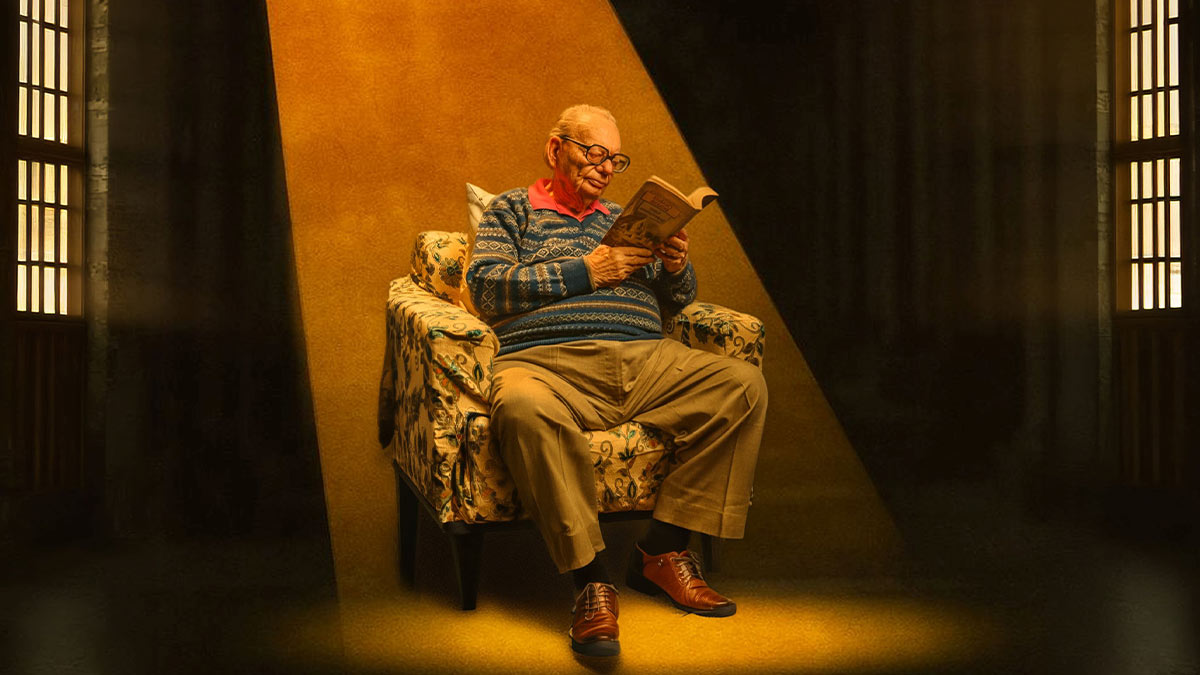
The first edition of The Ruskin Bond Festival will take place on May 24 from 3:00 PM onwards at Lekhak Gaon in Dehradun, bringing together literature, film, music and discussions inspired by the life and writings of Ruskin Bond. Powered by StoneX Global and organised in collaboration with The Ruskin Bond Foundation, the event will be held at India’s first writers’ village. Registration is available on BookMyShow.
A Festival Dedicated to Storytelling
Set in the foothills of Mussoorie, the festival is conceived as a day-long celebration of storytelling across different art forms. According to the organisers, the programme combines literature with cinema, music, heritage and culinary experiences, reflecting the many ways stories are created and shared.
Bond, one of India’s best-known authors, has written extensively about childhood, nature and life in the Himalayan region. His books, including The Room on the Roof and Our Trees Still Grow in Dehra, continue to be widely read by children and adults.
Venue at India’s First Writers’ Village
Lekhak Gaon was founded as a literary and cultural space dedicated to writers, artists and readers. Located near Dehradun, the venue regularly hosts conversations, workshops and festivals focused on literature and the arts.
The organisers say the setting was chosen to reflect Bond’s long association with the hill towns of Mussoorie and Dehradun, landscapes that have shaped much of his writing.
Screening of Mastery
A central event of the festival will be the screening of “Mastery”, an original cultural film produced by StoneX Global. The film explores Bond’s life and creative journey while examining the relationship between literature and the seven forms of art.
Sushant Pathak, Chief Marketing Officer of StoneX Global, said the project is intended to encourage younger audiences to engage more deeply with literature, art and culture.
Programme Highlights
The festival will include:
A keynote appearance by Ramesh Pokhriyal Nishank
Panel discussions featuring writers, educators and artists
A performance by Meena Rana
The screening of “Mastery”
A storywriting contest organised with CrossWord Books, with selected participants receiving an opportunity to interact with Ruskin Bond
About the Organisers
Founded in 2003, StoneX Global is an Indian natural stone company with manufacturing facilities in Kishangarh, Rajasthan, and operations in more than 20 countries. In recent years, the company has expanded its support for cultural initiatives that connect design, craftsmanship and artistic practice.
The Ruskin Bond Foundation is a non-profit organisation focused on education, youth development and environmental awareness. Inspired by Bond’s literary legacy, the foundation promotes reading, storytelling and community engagement.
Visitor Information
Event
Details
Title
The Ruskin Bond Festival — A Celebration of Life and Literature
The event is open to readers, students, educators and art enthusiasts. Registration is required through BookMyShow. The organisers have stated that terms and conditions apply for participation in the storywriting contest and the opportunity to meet the author.
Takeaway
The Ruskin Bond Festival brings together literature and the arts in a setting closely connected to the author’s work and life. By combining film, music and discussion, the event offers audiences an opportunity to reflect on how stories shape personal memory, cultural identity and shared imagination.
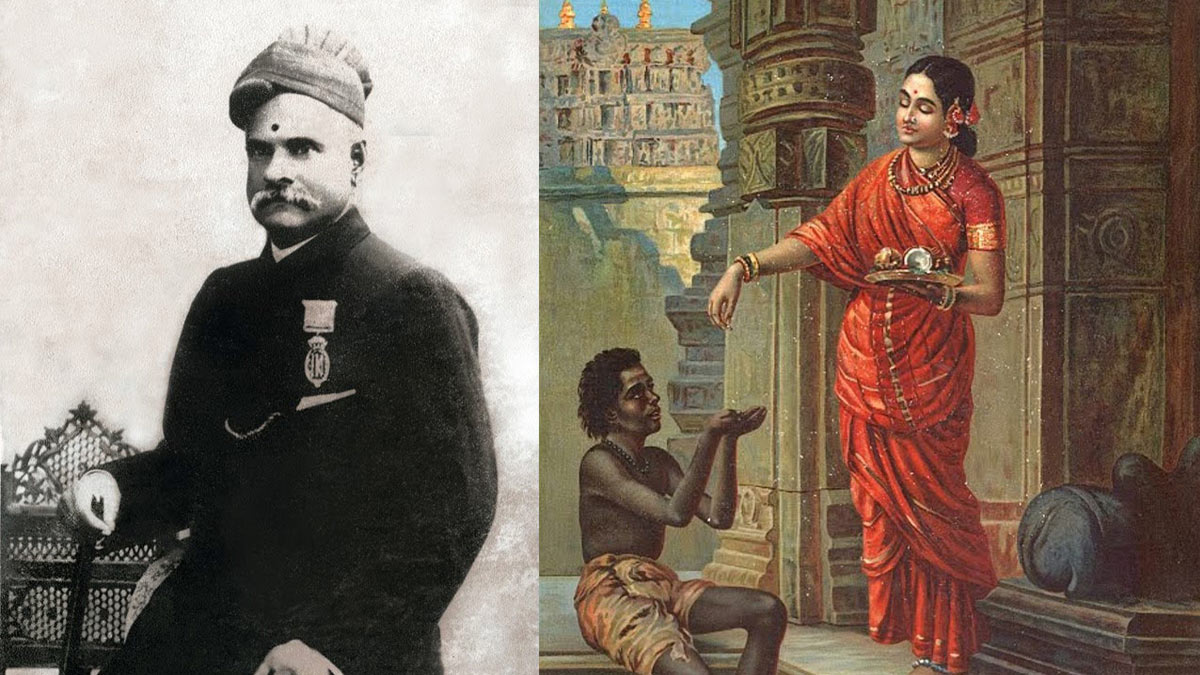
Raja Ravi Varma is one of the most recognised names in Indian art. His paintings changed the way mythological stories, royal portraits, and cultural characters were visually represented. For many people, his work became the first clear image of Indian gods, goddesses, queens, and epic characters in a realistic style.
For beginners, understanding Raja Ravi Varma artwork becomes easier when you know what to look for: the themes, expressions, clothing, storytelling, and his unique blend of Indian subjects with European painting techniques.
Raja Ravi Varma was a 19th-century Indian painter known for giving Indian mythological and royal subjects a lifelike appearance. At a time when many Indian artworks followed traditional flat or symbolic styles, he introduced realistic body forms, facial expressions, fabric folds, depth, and lighting.
His paintings often featured gods, goddesses, queens, noblewomen, saints, and scenes from Indian epics. What made his work special was the way he made these figures look graceful, emotional, and human.
Instead of showing mythological characters only as distant divine figures, he painted them with expressions and gestures that people could relate to. This helped his work connect with a wider audience.
What Makes Raja Ravi Varma Artwork Different?
The most important quality of Raja Ravi Varma’s paintings is the balance between Indian storytelling and European realism. His subjects were deeply rooted in Indian mythology and culture, but his technique included realistic shading, proportion, perspective, and soft colour transitions.
For example, a goddess in his painting is not shown only through symbols. She is painted with detailed jewellery, flowing fabric, expressive eyes, and a natural posture. This makes the artwork feel rich, emotional, and visually complete.
He also paid close attention to clothing and ornaments. Sarees, crowns, necklaces, bangles, and traditional drapes were painted with detail. These elements helped bring cultural identity into the painting without making the composition feel crowded.
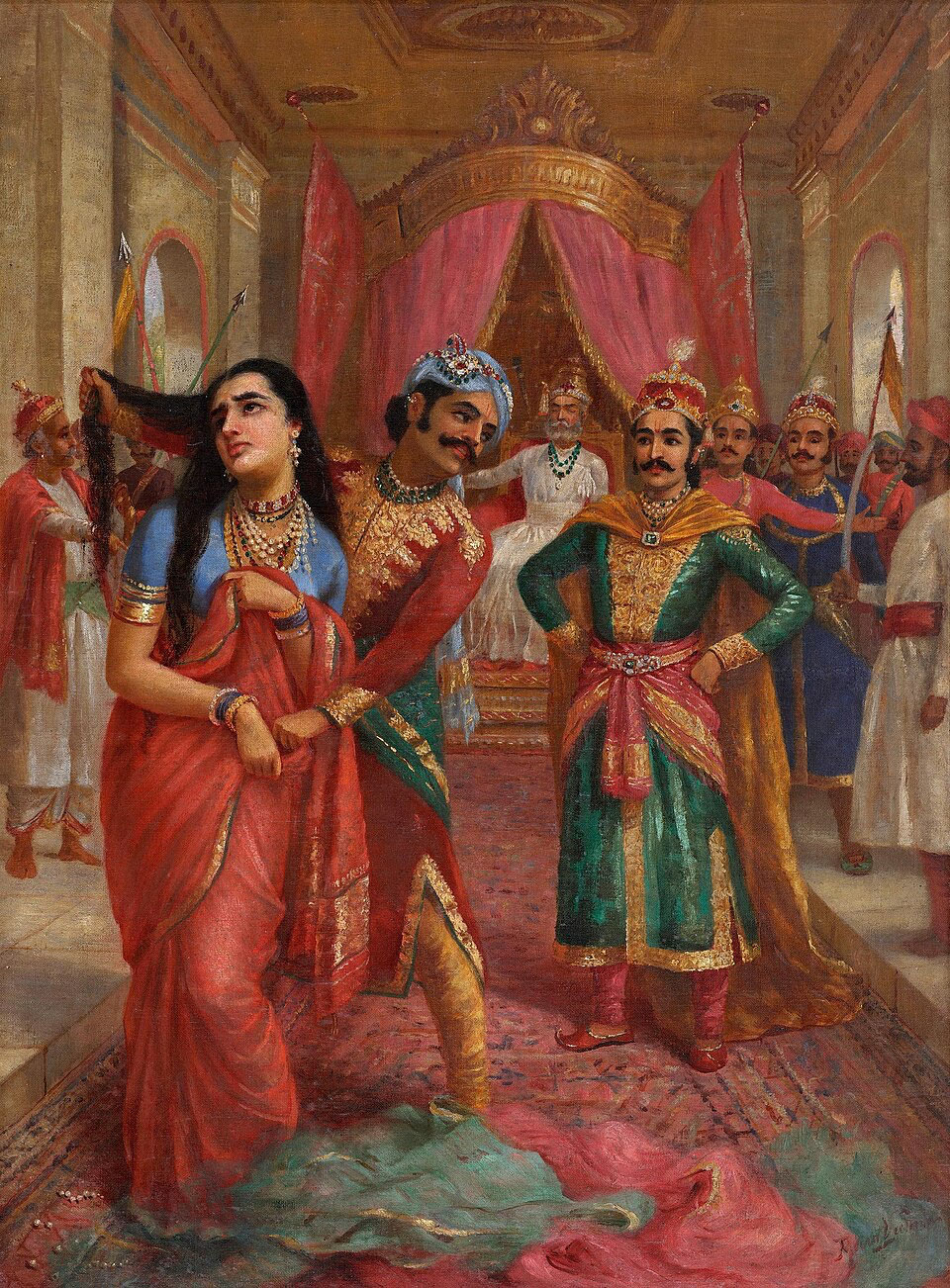
Many of Raja Ravi Varma’s famous works are based on the Ramayana, Mahabharata, and Puranic stories. He painted characters such as Lakshmi, Saraswati, Shakuntala, Damayanti, Sita, and Krishna in a graceful and expressive style.
These paintings were not just religious visuals. They were storytelling pieces. A viewer could understand the mood of the scene through posture, expression, clothing, and setting.
This is one reason why Raja Ravi Varma artwork still works well in Indian homes. It carries both artistic value and cultural meaning.
Women in Traditional Attire
Raja Ravi Varma is also known for his portraits of women in Indian clothing. His female figures often appear calm, composed, and expressive. Their saree drapes, jewellery, and body language reflect beauty, dignity, and cultural identity.
These works are still appreciated because they show Indian women with depth and presence, rather than only as decorative subjects.
Royal and Noble Portraits
He also painted kings, queens, and noble families with a strong sense of realism. These portraits helped capture the personality, clothing, status, and elegance of the people he painted.
For beginners, these portraits are useful to study because they show how carefully he observed faces, fabric, posture, and background details.
Why His Work Became So Popular
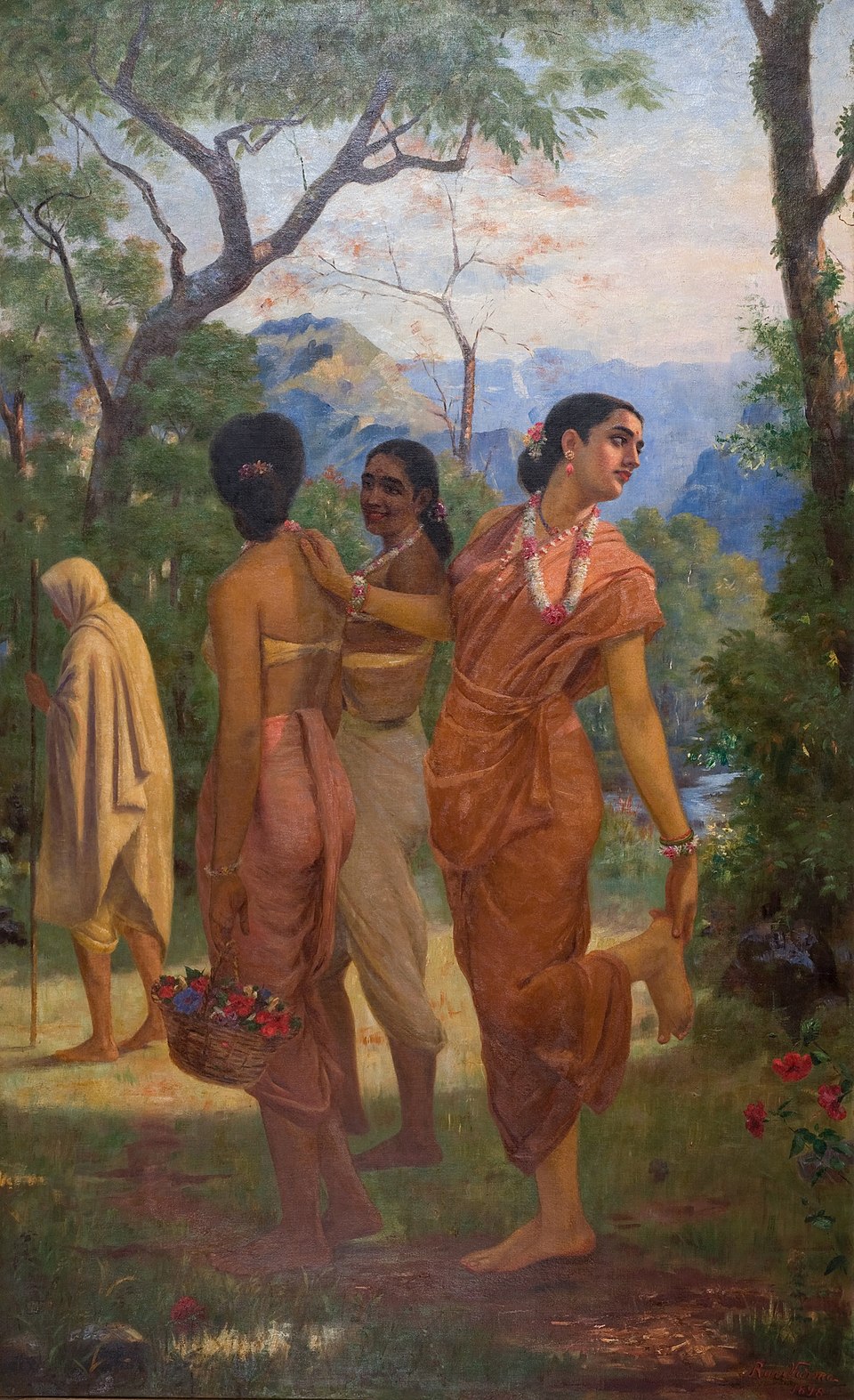
Shakuntala looking backwards for Dushyanta as she removes a thorn, painting by Raja Ravi Varma,19th century. Wikimedia
One major reason behind Raja Ravi Varma’s popularity was accessibility. His paintings were reproduced as prints, which allowed more people to see and own copies of his work.
Earlier, original paintings were usually limited to royal families, collectors, or wealthy patrons. But through printed reproductions, his images of gods and goddesses reached ordinary homes across India.
Many people first imagined deities like Lakshmi and Saraswati through visuals influenced by his paintings. His work played an important role in shaping how Indian mythological figures appeared in popular culture.
How to Understand a Raja Ravi Varma Painting
If you are new to his work, start by observing the subject. Is it a goddess, a royal figure, a woman from mythology, or a scene from an epic?
Next, look at the expression. His paintings often communicate emotion through the eyes, face, and posture. A character may look thoughtful, devoted, graceful, or sorrowful.
Then, study the clothing and jewellery. The sarees, ornaments, and accessories often tell you about the character’s role, status, or cultural background.
Finally, look at the background. His settings are usually simple but meaningful. They support the subject without taking attention away from the main figure.
Why Raja Ravi Varma Artwork Works Well in Home Decor
Goddess Sarswati, painting by Raja Ravi Varma, 19th century. Maharaja Fateh Singh Museum, Lakshmi Vilas Palace, Vadodara, Gujarat. Wikimedia
Raja Ravi Varma-inspired art is often chosen for homes because it carries cultural value and visual richness. It works well in living rooms, pooja rooms, hallways, reading corners, and traditional decor spaces.
For a living room, a larger artwork can become a strong focal point. For a pooja room, paintings of Lakshmi, Saraswati, Krishna, or other devotional subjects can add a traditional touch. For bedrooms or quiet corners, softer portraits and graceful compositions may work better.
When selecting artwork for a wall, consider the size, frame style, colour palette, and placement. A large piece should have enough blank space around it. Smaller pieces can be placed above consoles, side walls, or compact corners.
If you prefer a lighter and easy-to-place format, canvas painting for home decor can be a practical option. Canvas formats often suit modern homes because they are easier to hang, shift, and maintain compared to heavier traditional frames. Artociti offers art collections that help users choose pieces based on theme, room style, and wall space, making it easier to bring Indian art into everyday interiors.
What Beginners Should Keep in Mind
Raja Ravi Varma’s art should not be seen only as religious painting. His work stands at the meeting point of mythology, portraiture, realism, and Indian cultural identity.
Beginners should also remember that many artworks available today are reproductions or inspired prints, not original paintings. This is common in home decor. What matters is choosing a piece with clear print quality, balanced colours, and a subject that suits your space.
Before buying, check the artwork size, frame option, material, finish, and where you plan to place it. This helps ensure the artwork fits well with your room rather than looking too small, too large, or visually heavy.
Final Thoughts
Understanding Raja Ravi Varma artwork becomes easier when you look beyond surface beauty. His paintings tell stories, show emotion, preserve cultural details, and bring mythological figures closer to real human experience.
For beginners, his work is a strong starting point for understanding Indian visual culture. Whether used for study, appreciation, or home decor, Raja Ravi Varma’s paintings continue to hold value because they connect tradition with realism in a way that feels graceful, familiar, and meaningful.
Kolkata Centre for Creativity (KCC), in collaboration with Museo Camera, is presenting Touching Light, an exhibition that marks 200 years of photography and reflects on the history of analogue image-making. The exhibition is open to visitors until 29 May 2026 at KCC in Kolkata.
Two Centuries of Photographic Practice
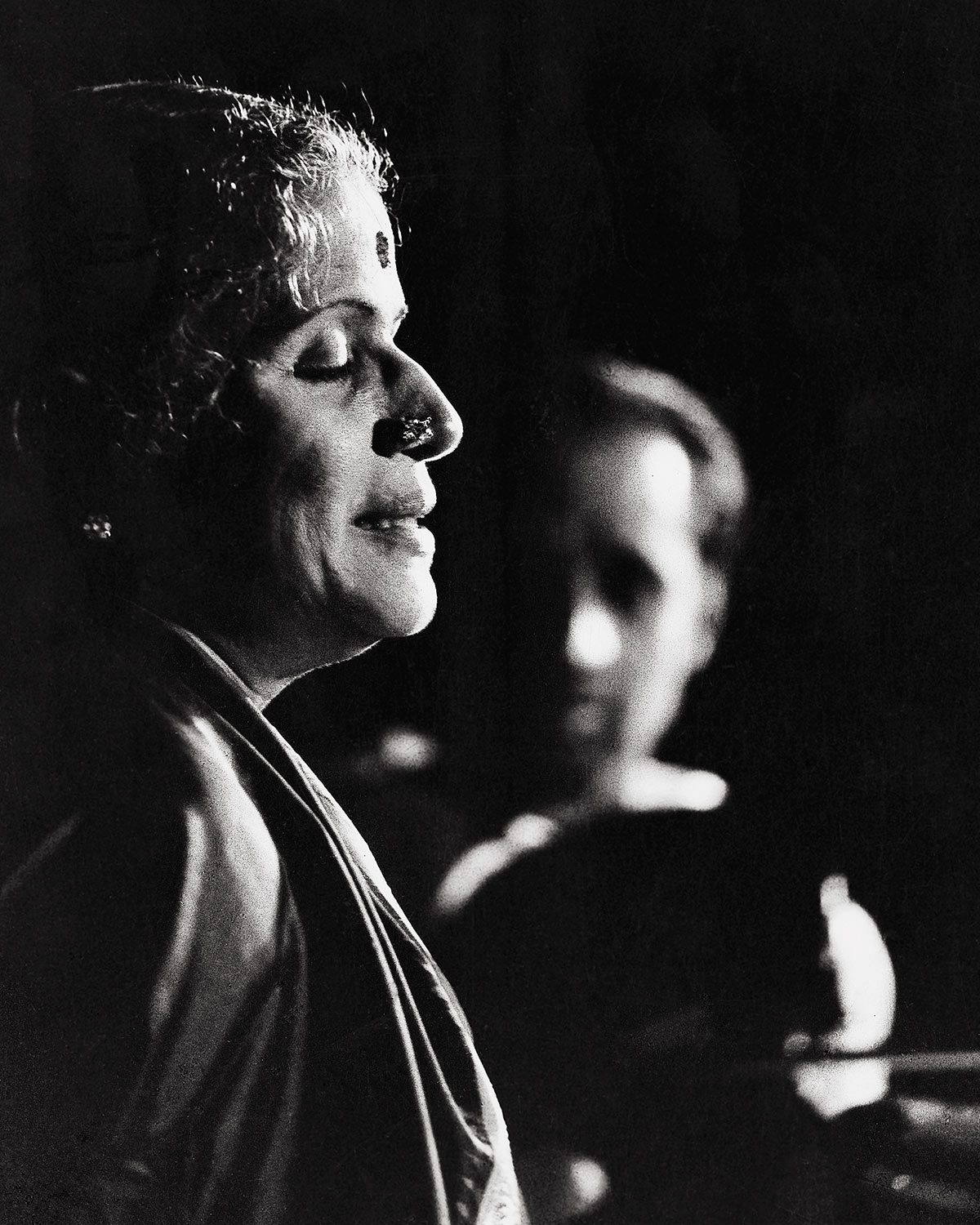
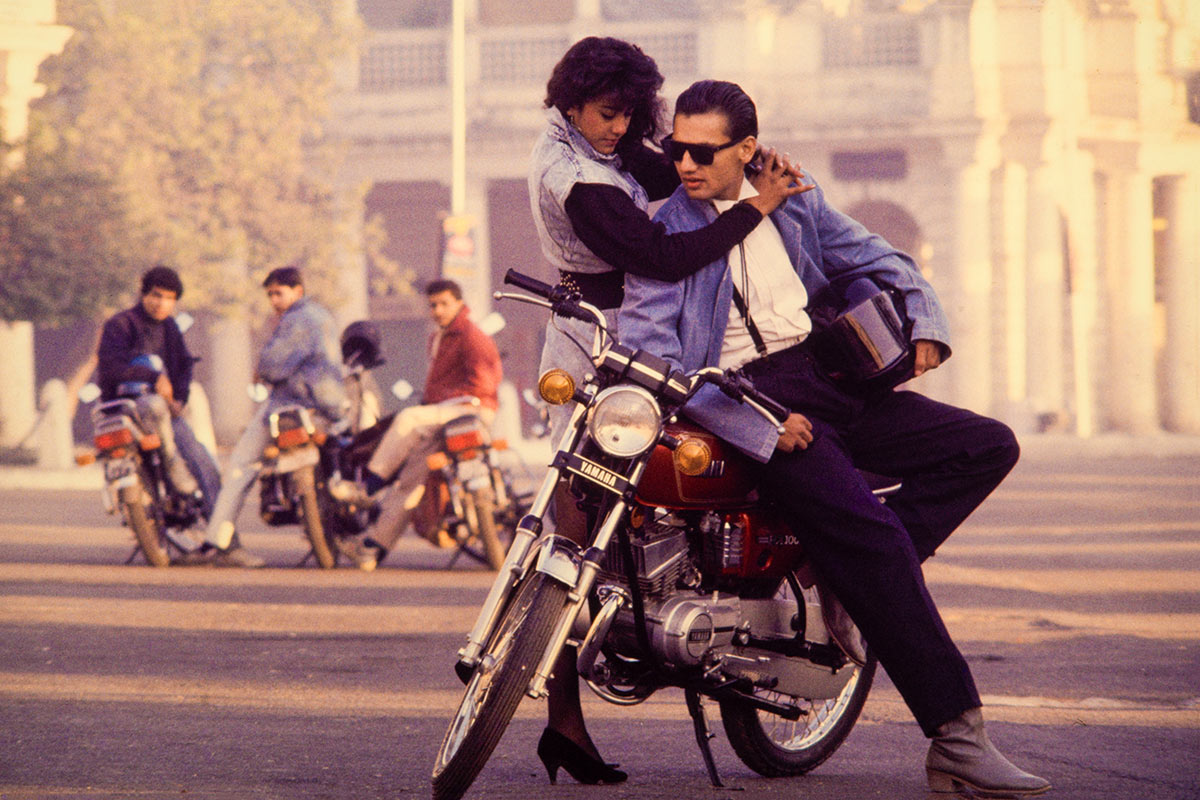
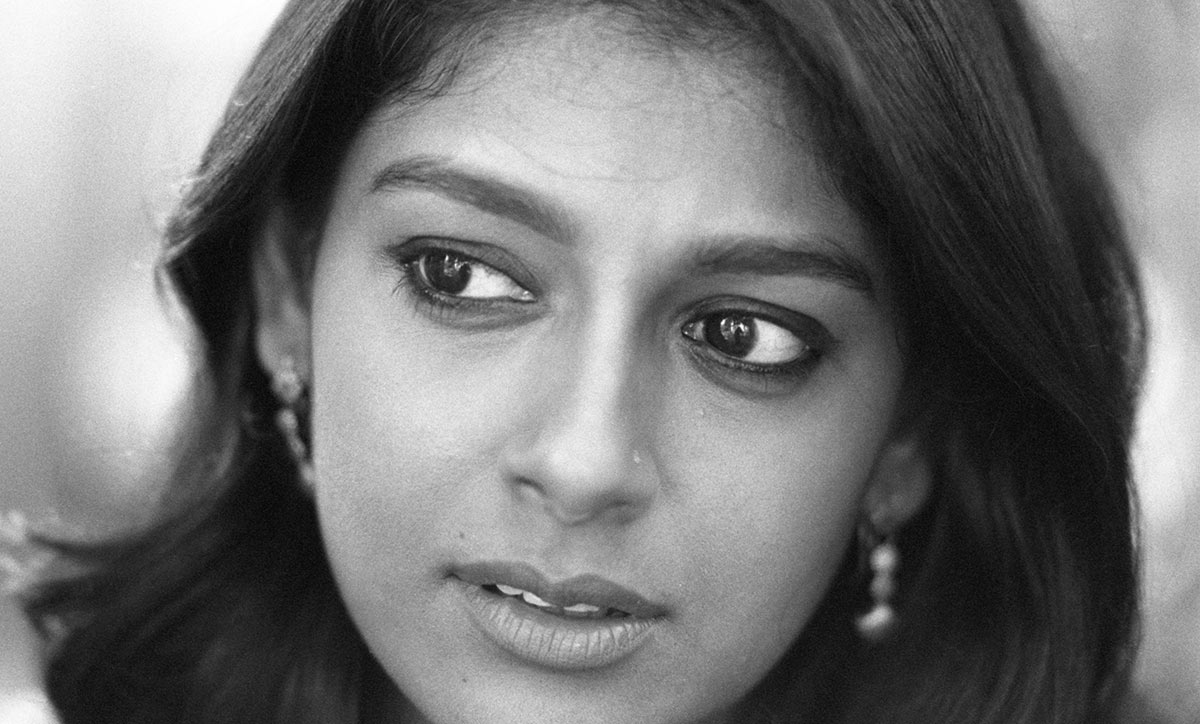
The exhibition brings together rare nineteenth-century photographs and contemporary analogue works to examine photography both as a historical archive and as a living process. By placing early formats alongside present-day practices, Touching Light highlights how analogue methods continue to shape visual culture.
Among the featured works are Carte de Visite photographs by Bourne & Shepherd, one of the most significant commercial studios in colonial India. Also included are albumen prints and Beauties of Lucknow by Darogha Abbas Ali, a landmark publication documenting nineteenth-century Lucknow.
Highlights of the Exhibition
Carte de Visite portraits by Bourne & Shepherd
Albumen prints from the nineteenth century
Beauties of Lucknow by Darogha Abbas Ali
Contemporary analogue photography works
About Museo Camera
Based in Gurugram, Museo Camera is India’s museum dedicated to photography and visual culture. Founded by photographer and collector Aditya Arya, the institution houses an extensive collection of cameras, photographs, and archival materials and regularly organises exhibitions and educational programmes.
About Kolkata Centre for Creativity
Kolkata Centre for Creativity is a multidisciplinary arts space established by Anamika Kala Sangam and supported by the Emami Group. Located on the Eastern Metropolitan Bypass, the centre hosts exhibitions, workshops, performances, and public programmes across visual and performing arts.
The exhibition is being held on the first floor of Kolkata Centre for Creativity, 777 Anandapur, EM Bypass, Kolkata. It is open daily from 11:00 AM to 7:00 PM and is open to all visitors.
Event
Details
Title
Touching Light
Artist / Participants
Group exhibition featuring historical and contemporary analogue photography
Venue
Kolkata Centre for Creativity, 1st Floor
City
Kolkata
Opening Date
16 May 2026
Exhibition Dates
On display till 29 May 2026
Organiser
Kolkata Centre for Creativity in collaboration with Museo Camera
Touching Light offers an opportunity to look closely at the physical and cultural history of photography. By presenting both historic prints and contemporary analogue practices, the exhibition encourages viewers to consider how images preserve memory, shape historical understanding, and continue to influence artistic practice today.
Conclusion
Touching Light offers a rare opportunity to view photography not only as a means of image-making but also as a material and cultural record. By bringing together historic prints and contemporary analogue practices, the exhibition invites audiences to reflect on the enduring relationship between technology, memory, and artistic expression. In a time dominated by digital images, the show underscores the continued relevance of analogue photography and its role in preserving both personal and collective histories.
Mandalas are circular designs used in several traditional practices for their spiritual significance. Nowadays, mandala art is widely practised and known for aesthetic reasons throughout the world, with mainstream youtubers and artist-influencers popularising the art. However, aesthetics is not all that there is to Mandalas. They have a rich and ancient history rooted deep in Indian and South Asian spiritual practices and have been used for concentrating the meditative and metaphysical facets of the human mind throughout the pasts of multiple traditions. Mandalas are fascinating pieces of art, spirituality, history or culture based on what one’s interests are.
What are Mandalas?
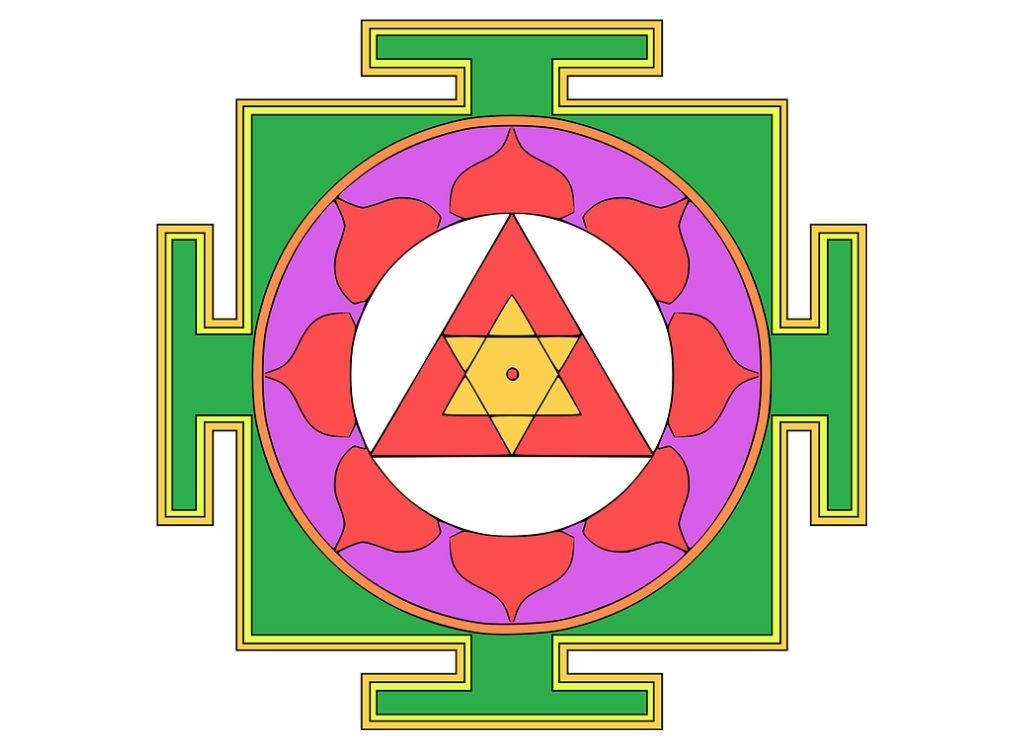
Image Source
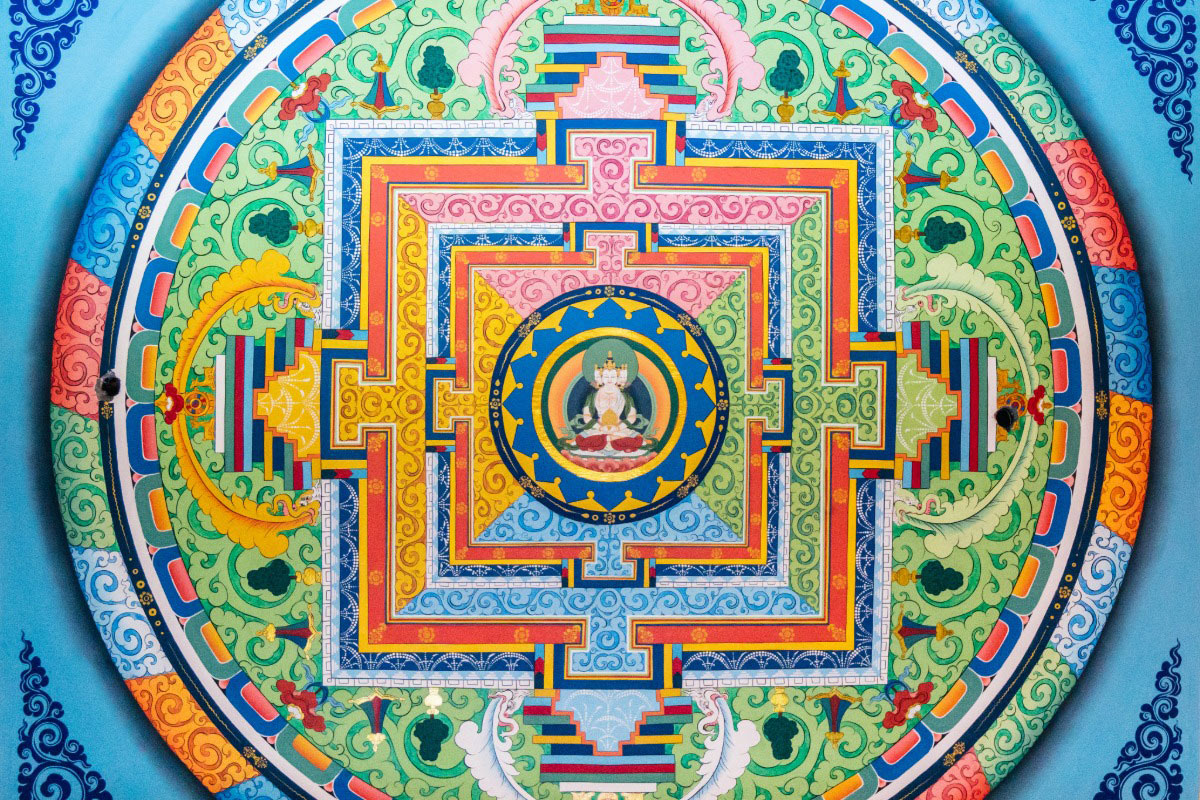
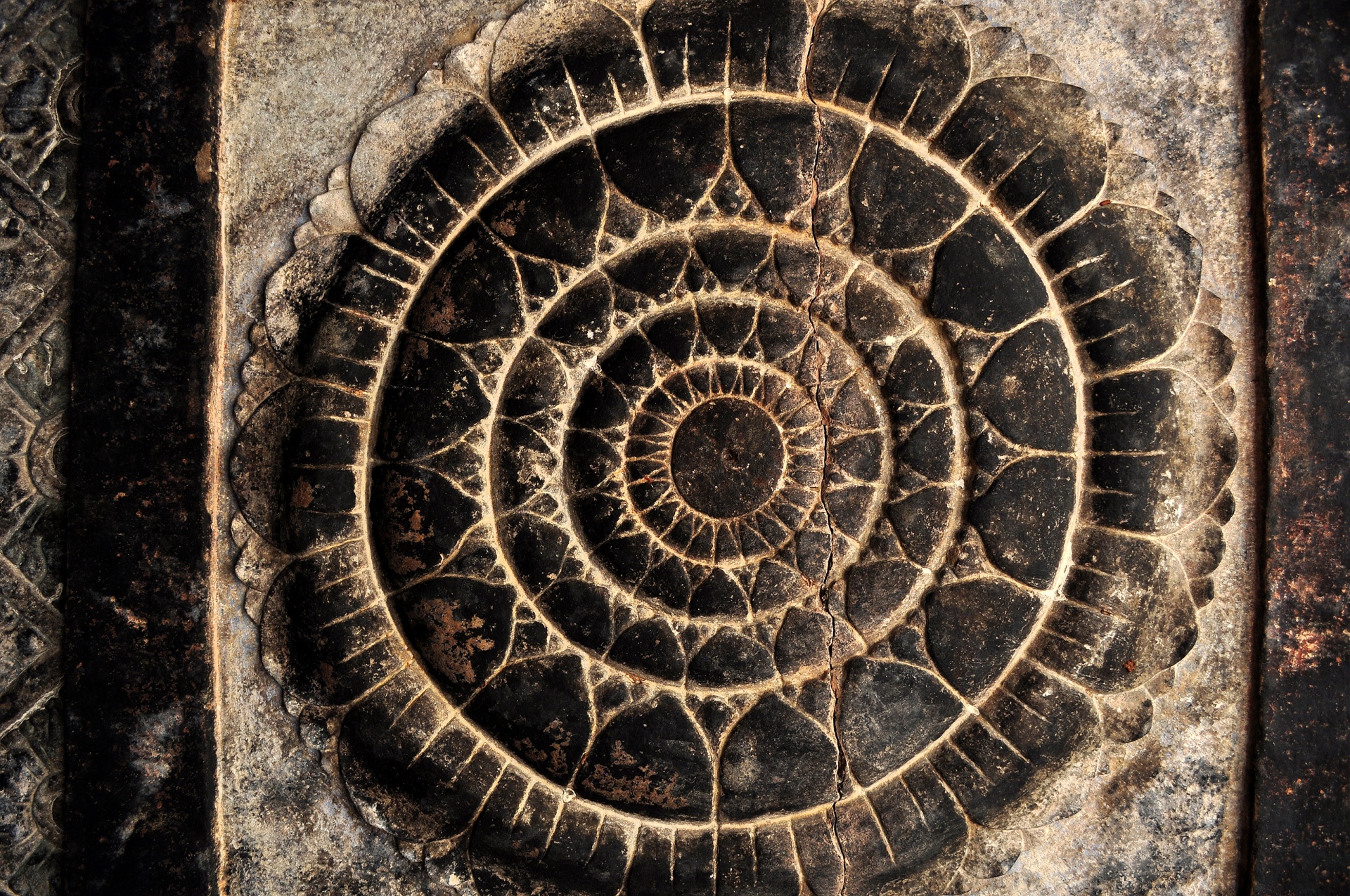
Mandalas are designs used widely in Hindu, Buddhist and several Indic traditions and religions, as a spiritual and ritualistic symbol, representing the nature of universe and life. They are usually circular and incorporate different complex shapes within the circular outline. They are a part of several significant sites of religious architecture across the world, from the Meenakshi temple in Tamil Nadu to the blue Mosque in Turkey.
Sacred Geometry of the Mandala
A mandala is far more than an intricate circular design. In Hindu and Buddhist traditions, its geometry symbolizes the structure of the universe and the journey toward spiritual realization. Each shape from the central bindu to the surrounding lotus petals and gates represents a deeper philosophical idea about cosmic order, consciousness, and enlightenment.
Maṇḍala Meaning: The Sanskrit word maṇḍala means “circle,” “essence,” or “sacred enclosure.”
Bindu (Central Point): Represents the source of creation and the center of consciousness.
Circle and Square: The circle symbolizes infinity, while the square represents stability and the sacred realm.
Lotus Petals and Gates: Lotus petals signify spiritual awakening, and four gates mark entry from the cardinal directions.
Colors and Symmetry: Symbolic colors and balanced patterns help focus the mind during meditation.
The word ‘mandala’ comes from the Sanskrit word ‘circle’ or ‘disc’. It first appears in one of the bases of Hindu religion, the holy Rig veda, written around three thousand years ago. While this is the first appearance of Mandalass in written or physical form, this need not be the first time they were conceptualised. Mandalas could have been artistic and spiritual symbolS for centuries by then.
In Hinduism, Mandalas are commonly observed in Yantras, a holy symbol for Hindus throughout the world. Yantras are geometric patterns in a circular configuration surrounded by a square with four gates. The centre is supposed to be the abode of the divine – and the yantras’ complex geometric designs make one feel the presence of the deity, as one concentrates on the symbolism they represent.
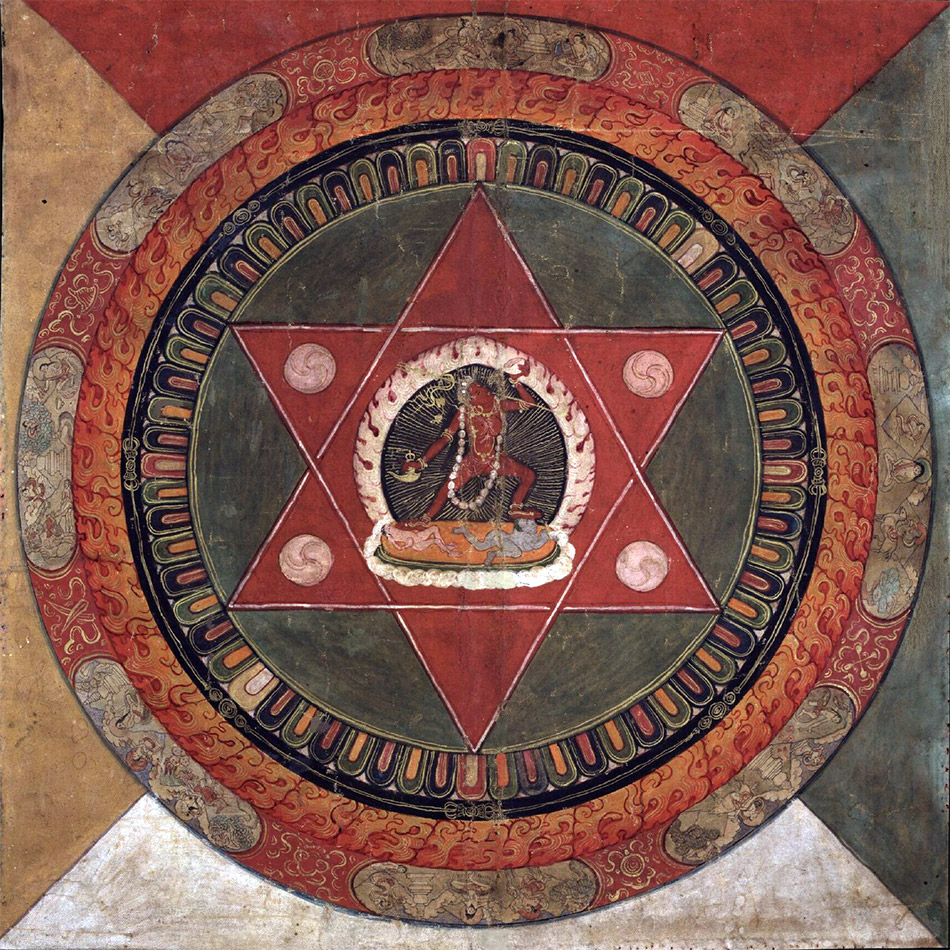
As religions and philosophical traditions boomed in the cultural and philosophical hub that was ancient India, Mandalas became central to Buddhist spiritual practice. Mandalas are crucial to meditation in Buddhism – they are supposed to inspire a person in meditation and are to be contemplated to such an extent that the practitioner can internalise the minutest detail of every mandala. Apart from this, Mandalas are supposed to represent wisdom and the impermanence of the universe. The centre of a Buddhist mandala is usually a sacred symbol, which could be a fire, a deity or another design of spiritually symbolic significance.
The central symbol represents wisdom. One of the outer rings usually incorporates the theme of death, one of which could be charnel grounds, to represent the impermanence of the universe and life.
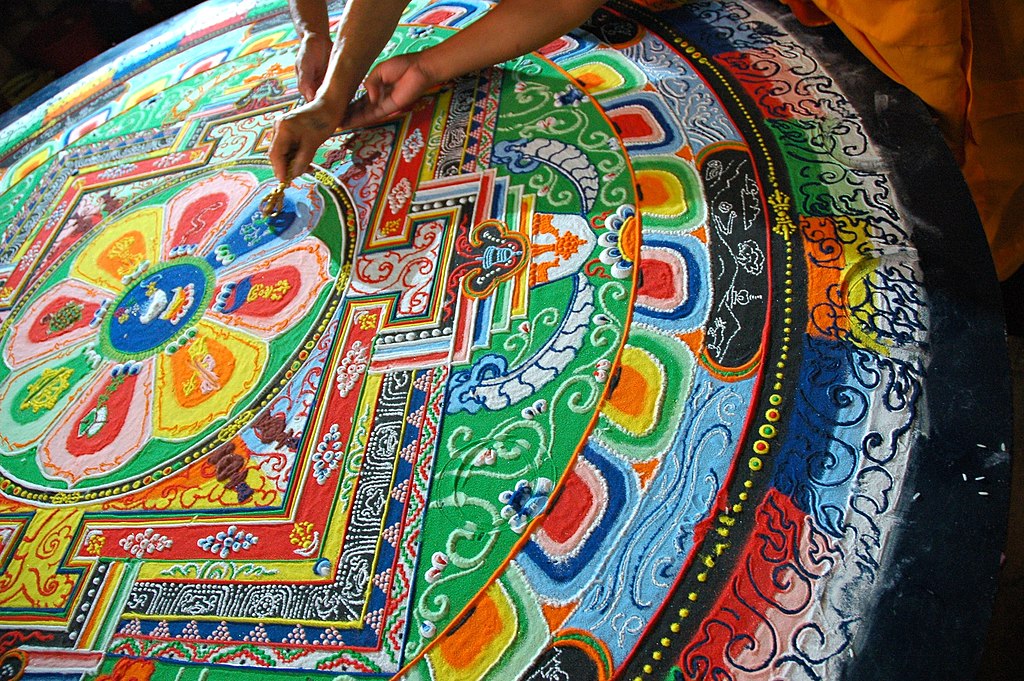
Apart from this, a ritual in one of the most spectacular and sacred Buddhist events, the Kalachakra, is the tradition of making a mandala as the twelve day long festival progresses. Buddhist monks use funnels called ‘chakpu’ to make a painfully intricate, colourful mandala out of colourful sand, that is, at the end of the event, completely destroyed. The sand of all colours is mixed up, resulting in dull, brown sand. This ritual is heavy with symbolism. Firstly, the quick destruction after the painfully long process of making the Mandala is supposed to symbolise the impermanence of suffering and of life. The circular shape of Mandalas represents the infinite, never ending wheel of time.
Mandalas Travel Across the World
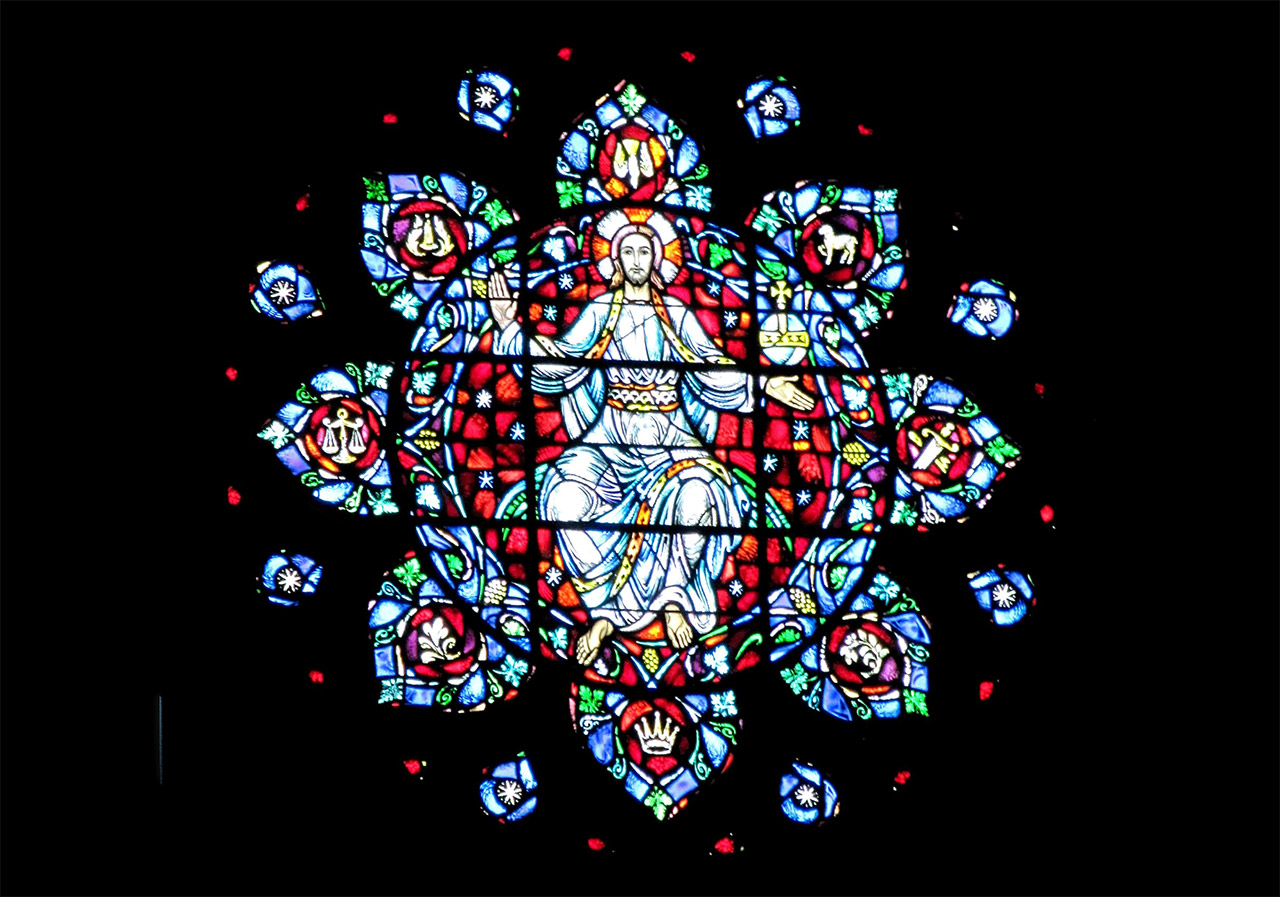
Window of Marsh Chapel at Boston University – Image Source
As the wheel of time progressed, Mandalas found a place in the philosophy and architecture of Christianity and Islam. They were also incorporated in the architecture of Hinduism and Buddhism previously, making spectacular, hypnotic centrepieces for domes. Many important religious sites of Abrahamic religions, such as the Hagia Sophia, the blue Mosque and Notre Dame feature them.
Christianity used Mandalas or complex, symmetrical circular patterns as a media to contemplate the wholeness and all-encompassing nature of the divine. In Islam, Mandalas have similar connotations. They incorporate natural themes, additionally representing the beauty of Allah’s creation.
Mandalas are not restricted to symbolism in these religions, it is also included in the philosophical musings of the peoples of the mesoamerican cultures. In the Mayan culture, calendars were represented in the form of a Mandala, resembling the Kalachakra mandalas in Tibetan Buddhism. The famous Aztec find, the Sun stone, found in Mexico and dated to the sixteenth century, resembles mandalas, with the infinite circular encapsulating the whole of the universe.
Mandalas in Western Philosophy
Mandalas travelled throughout the world as spiritual symbols, and as a result, they became open to secular philosophical interpretations by Western philosophers. One of the most prominent commentators on Mandalas was the highly influential Swiss psychiatrist Carl Jung, who lived in the nineteenth century. He wrote in his semi-autobiographical work, Memories, Dreams, Reflections-
I sketched every morning in a notebook a small circular drawing, […] which seemed to correspond to my inner situation at the time. […] Only gradually did I discover what the Mandala really is: […] the Self, the wholeness of the personality, which if all goes well is harmonious.
Myth vs Reality: Mandalas Are More Than Stress-Relief Coloring Patterns
Today, mandalas are widely associated with coloring books, home décor, and mindfulness exercises. While these modern uses can be relaxing and creatively fulfilling, they represent only one aspect of a much deeper tradition. In Hindu and Buddhist practices, mandalas are sacred diagrams created according to precise geometric and symbolic principles. They are used in rituals, meditation, and spiritual initiation, serving as visual maps of the universe and the path to enlightenment.
Myth
Reality
Any symmetrical circular design is a mandala.
Traditional mandalas follow precise symbolic and ritual structures rooted in sacred geometry.
Mandalas are mainly decorative art.
They are sacred tools used for meditation, visualization, and consecration.
Mandalas were created only for personal relaxation.
Many were created by trained practitioners as part of religious ceremonies and spiritual initiations.
The purpose of a mandala is to preserve it permanently.
Sand mandalas are often ritually dismantled to symbolize impermanence and the transient nature of life.
Modern mandala coloring books are identical to traditional mandalas.
They are contemporary adaptations inspired by sacred designs, usually without ritual significance.
Takeaway
It is from such a rich history of philosophical and spiritual contemplation surrounding Mandala art that we come to the present day. Today, Mandalas have been popularised for their aesthetic value, for it demands great patience and skill, being a highly symmetrical and intricate art form. Apart from this, many people in the present day also find the art highly stimulating for similar reasons to Jung’s. Buddhist and Hindu practitioners continue to use Mandalas as a tool for contemplation of the divine, and they continue to be centrepieces in traditional architecture of many cultures. The applications and interpretations of Mandalas are infinite, like the circle they are encapsulated in. Mandalas shall remain a constant in the contemplations of humanity, despite the ephemeral nature of everything else.
FAQs on Mandala Art
Question: What is Mandala art and what does it symbolize?
Answer: Mandala art consists of intricate geometric patterns arranged around a central point. In Hindu and Buddhist traditions, mandalas symbolize the universe, spiritual balance, and the journey toward enlightenment.
Question: What is the origin of Mandala art?
Answer: Mandala art originated in ancient India and is mentioned in Vedic literature. It later became an important part of Hindu, Buddhist, and Jain spiritual practices across Asia.
Question: How are mandalas used in meditation?
Answer: Mandalas help focus the mind through symmetrical patterns and sacred geometry. Practitioners contemplate the design to improve concentration, mindfulness, and inner awareness.
Question: What is the significance of sand mandalas in Buddhism?
Answer: Buddhist monks create intricate sand mandalas over several days and ceremonially dismantle them to symbolize impermanence and the transient nature of life.
Question: Are modern mandala coloring books the same as traditional mandalas?
Answer: Modern coloring books are inspired by traditional mandalas, but they are usually created for relaxation and creativity rather than ritual or spiritual purposes.
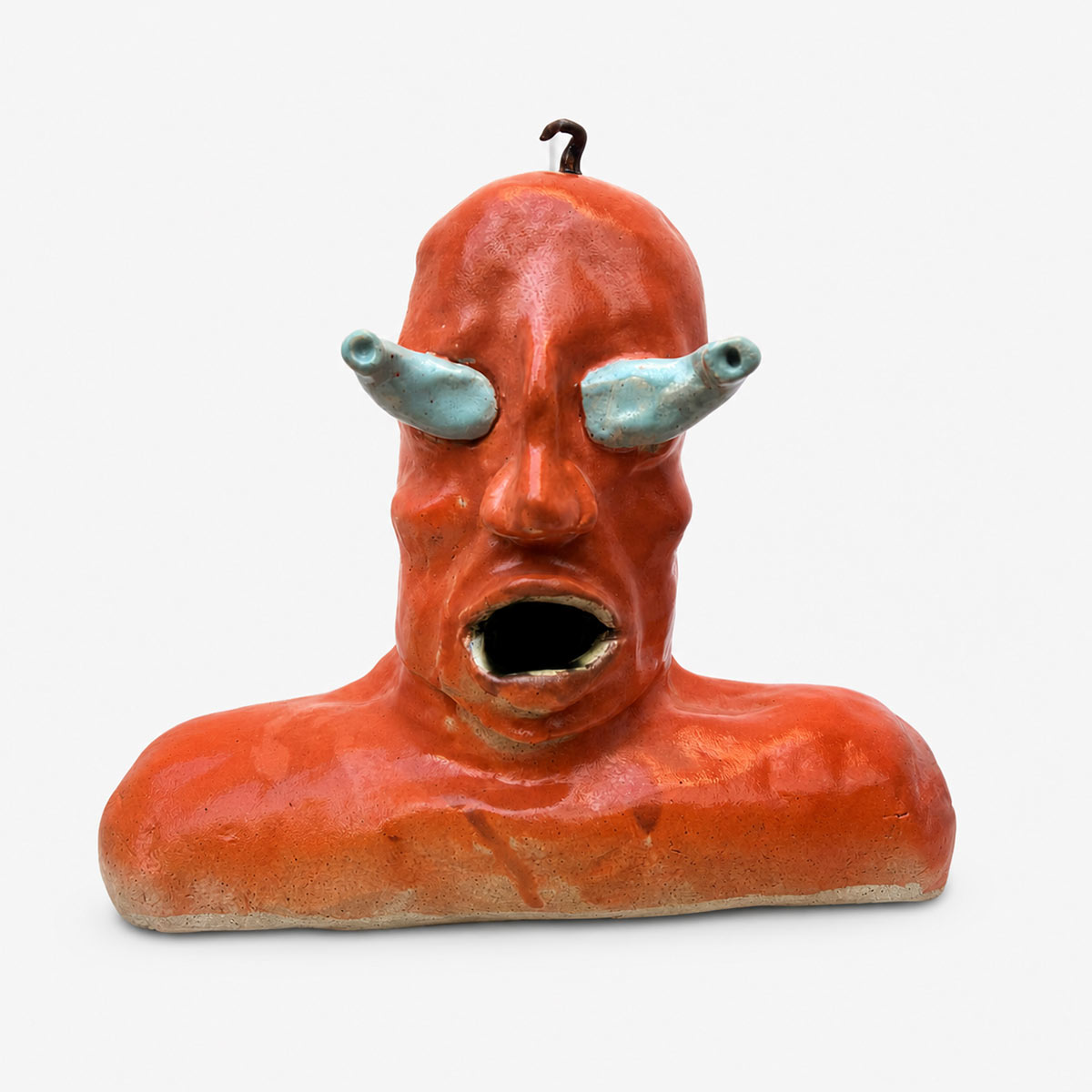
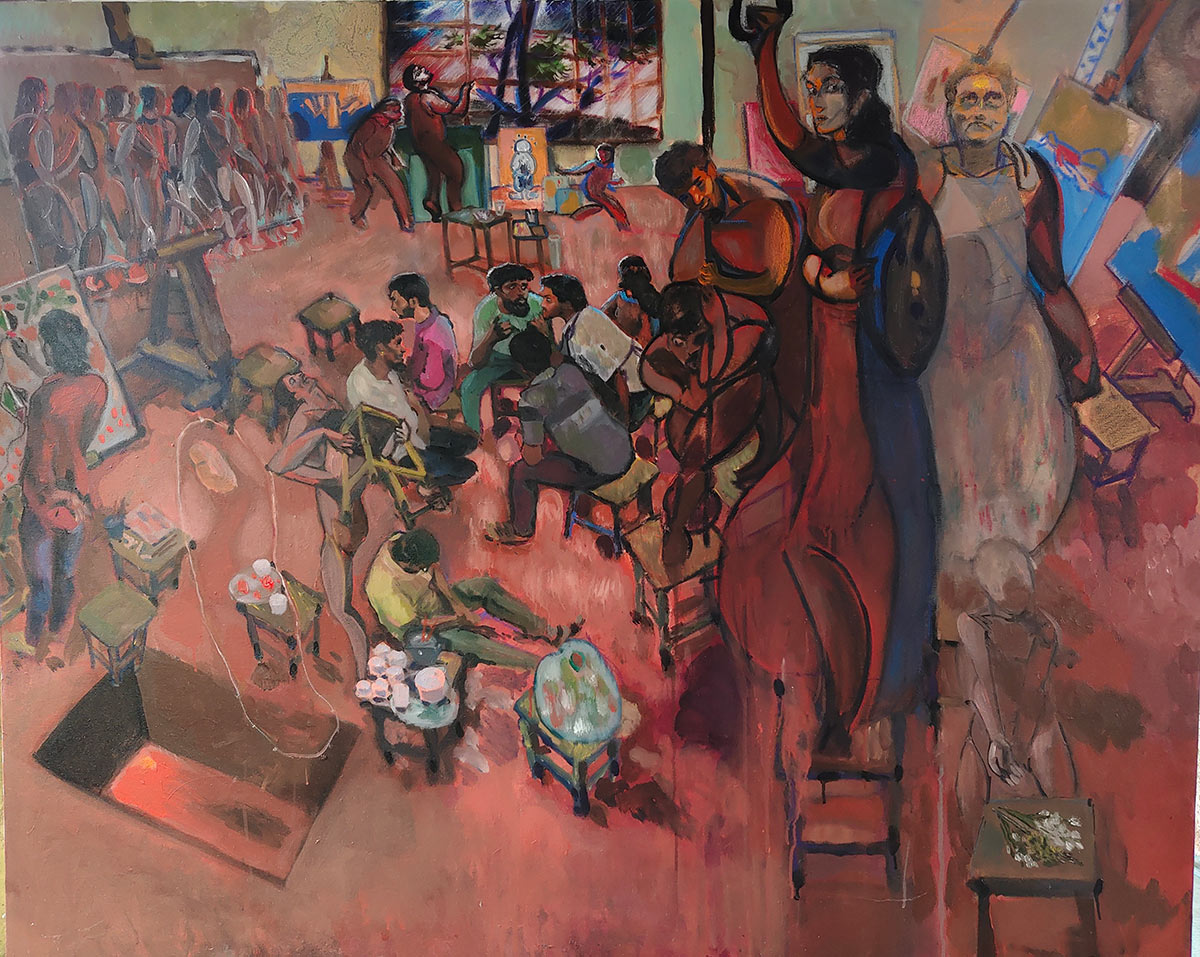
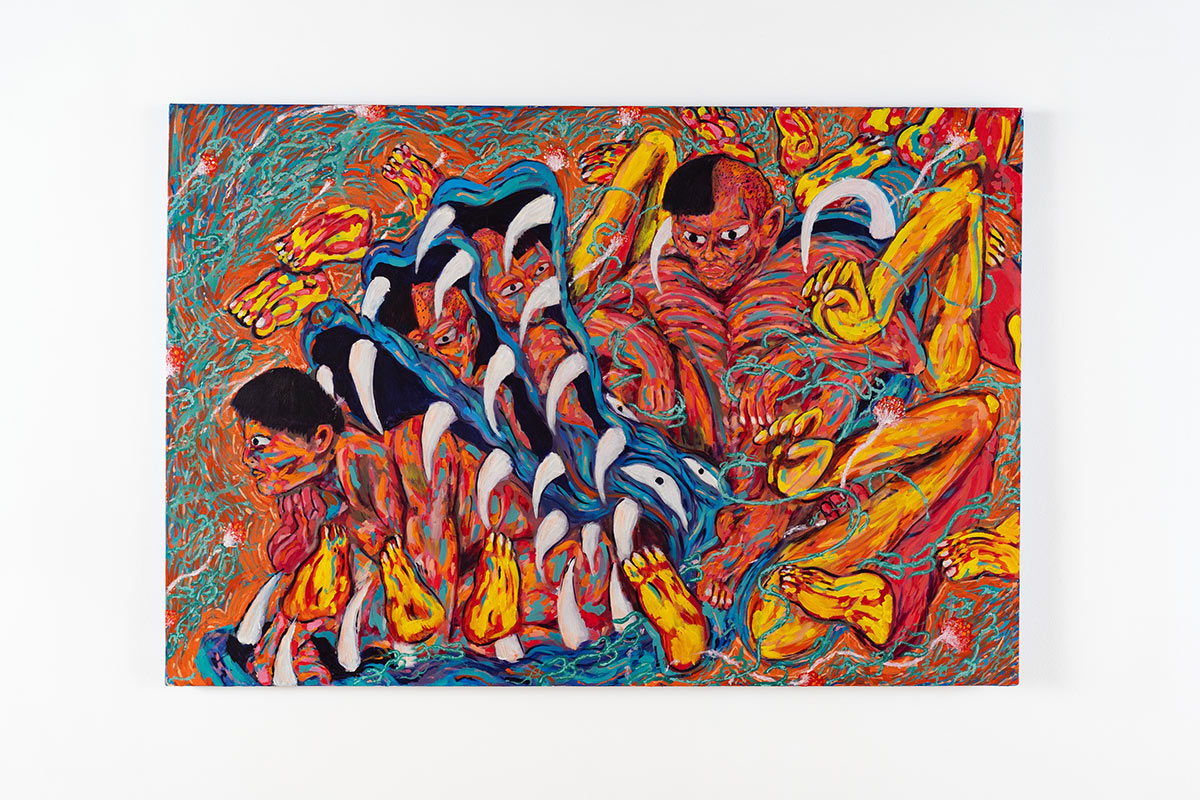
Method Delhi is presenting Slow Rot, a group exhibition featuring ten contemporary artists whose works examine human fragility, psychological unrest and the unsettling dimensions of contemporary life. The exhibition is on view at Method’s New Delhi space in Defence Colony until July 3, 2026.
Exploring the Grotesque
The exhibition takes its cue from the artistic mode of the grotesque, using fractured and unprocessed imagery to reflect vulnerability and emotional unease. Rather than presenting the monstrous as spectacle, Slow Rot considers the grotesque as a way of confronting the instability of selfhood and the social anxieties that shape everyday experience.
The curatorial text references writers such as Kamala Das, Charles Bukowski, Saadat Hasan Manto and Sylvia Plath, whose work addressed suffering, identity and personal truth.
Participating Artists
Chhagan by Aditiya Dhabhai
The exhibition brings together ten artists working across painting, sculpture and mixed media:
Aditya Dhabhai
Dhruvi Jain
M. Imran Ahamed
Milan Sharma
Mitali Das
Priyesh T.
Revant Dasgupta
Riya Chandwani
Sajid Wajid Shaikh
Tithi Das
Several works currently on view include Breathless by M. Imran Ahamed, Rebirth (Diptych) by Mitali Das and The Garden & The Grave by Tithi Das.
Art as a Repository of Social Anxiety
According to the organisers, the exhibition responds to a society marked by anxiety and dissatisfaction. Individual trauma is framed as a reflection of wider social conditions, encouraging viewers to engage with emotional and psychological realities that often remain hidden.
The show does not seek confrontation, but instead searches for authenticity and personal truth in a world shaped by uncertainty and disconnection.
About Method
M. Imran Ahamed Pei Kadha
Founded as a platform for emerging and experimental artistic practices, Method operates galleries in Mumbai and New Delhi. The gallery supports early-career artists and interdisciplinary practices that challenge conventional approaches to contemporary art.
Method has participated in events including India Art Fair, Art Mumbai and ARCO Lisboa.
Slow Rot is open daily from 12 PM to 7 PM, except Mondays, at Method Delhi, D-59, Basement, Defence Colony, New Delhi. Entry is free and no prior registration has been announced.
Works addressing trauma, identity and psychological unrest
Themes inspired by literature and philosophy
Free public access throughout the exhibition period
Takeaway
In bringing together diverse artistic voices, Slow Rot reflects on how personal and collective anxieties are represented in contemporary art. The exhibition offers viewers an opportunity to consider discomfort not as something to avoid, but as a way of understanding the social and emotional conditions of the present.
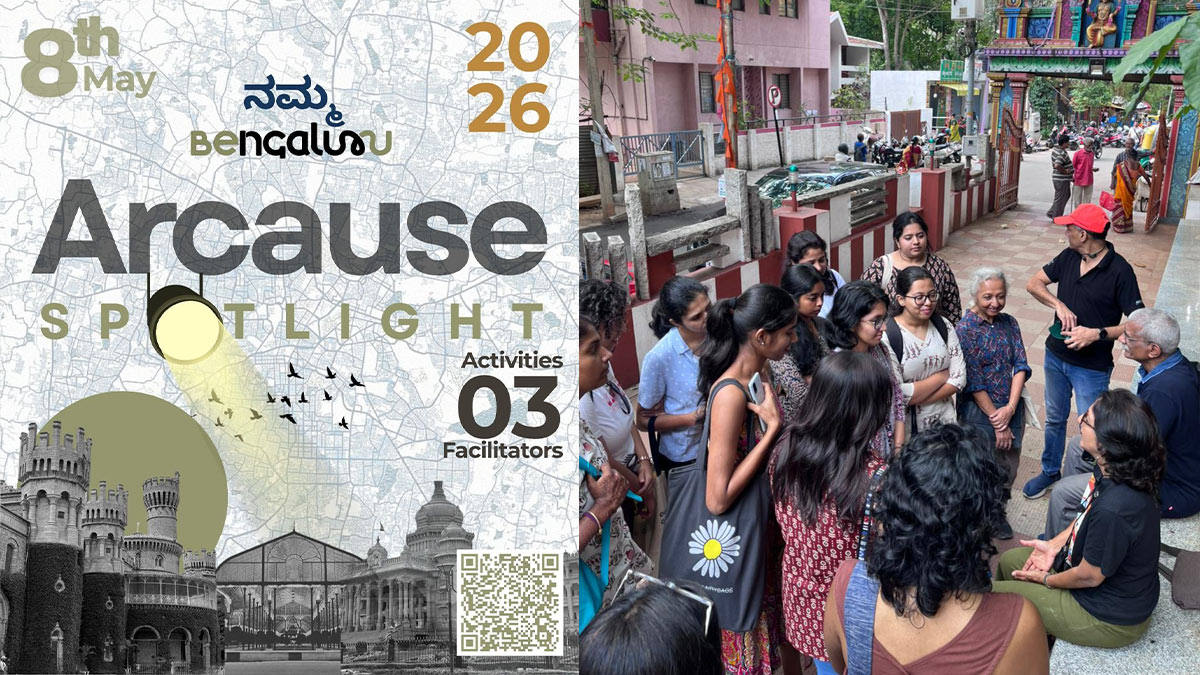
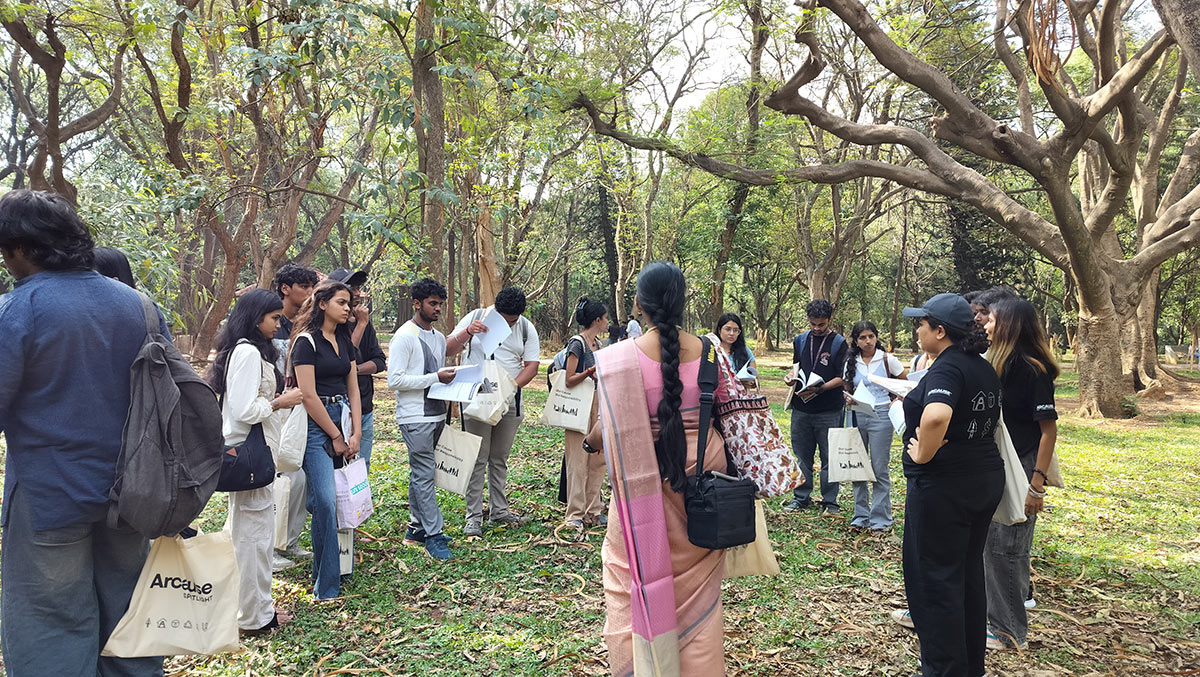
Arcause Spotlight 3.0 | Bengaluru Edition brought together architects, design students, researchers, faculty members and urban practitioners for a day of site-based learning and discussion focused on accessibility, inclusive design, walkability and heritage. Held on 8 May 2026, the programme unfolded across some of Bengaluru’s best-known public and cultural spaces, including the Museum of Art & Photography (MAP), Cubbon Park, Malleswaram and K R Market.
A Platform for Interdisciplinary Exchange
Organised by Arcause in association with the Rainmatter Foundation, the Spotlight series is designed to connect architectural education with real-world urban issues. The Bengaluru edition encouraged participants to engage directly with the city and consider how design decisions affect everyday life.
Accessibility Audit at MAP and Cubbon Park
Photo Credits: Ar. Rishav Sinha
The first activity centred on accessibility and inclusive design. Participants conducted structured assessments at MAP, Cubbon Park and Cubbon Park Metro Station using observation and metric cards developed by Team Ethos.
The exercise focused on:
Entrances and circulation systems
Seating and rest zones
Tactile pathways and signage
Sensory comfort and independent movement
The session concluded at MAP with a reflection led by Rama Krishnamachari of the Diversity and Equal Opportunity Centre (DEOC). Discussions addressed the distinction between technical accessibility and the lived experience of navigating public space. MAP, founded by collector Abhishek Poddar, is known for integrating accessibility into its museum programming and public engagement.
Walkable Malleswaram and Citizen-Led Urbanism
Photo Credits: Ar. Priyanka Michael
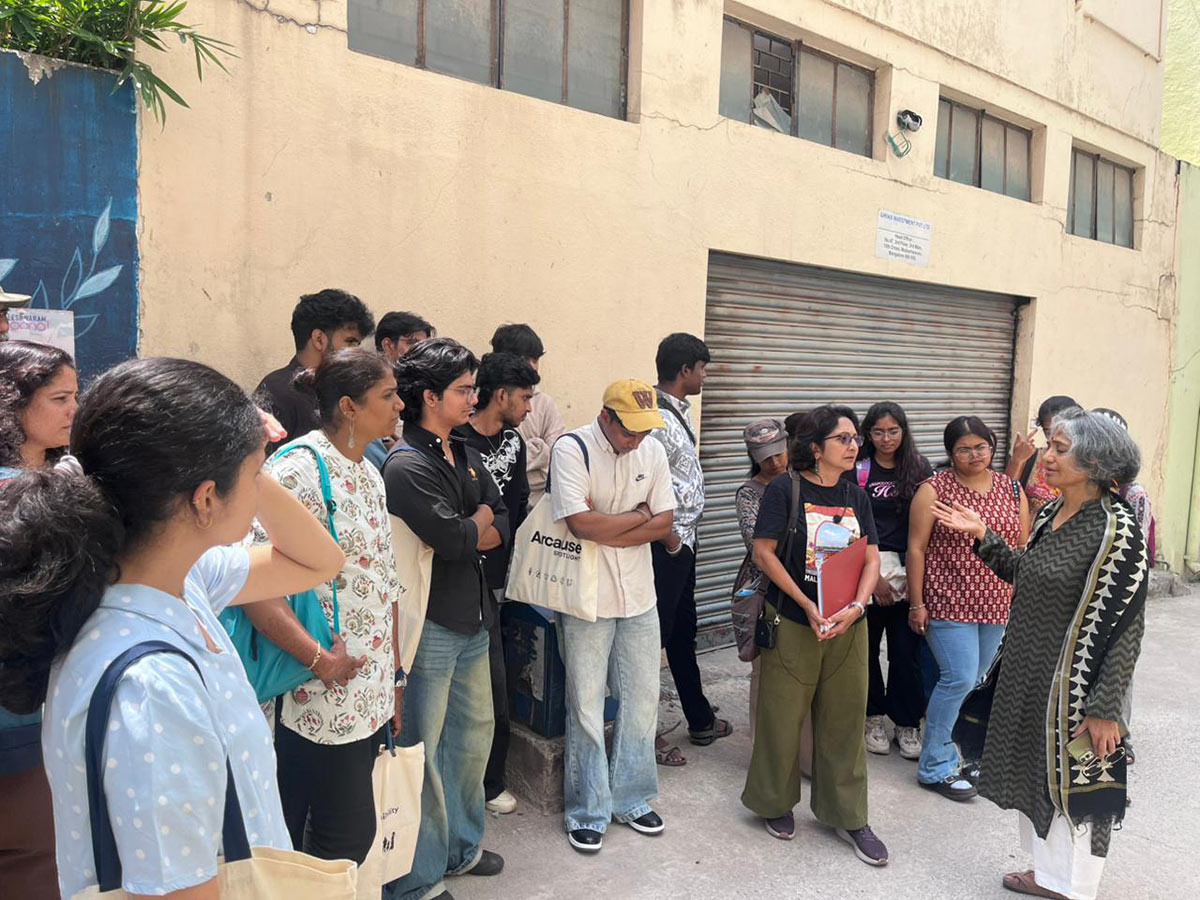
The second programme, Walkable Malleswaram, introduced participants to local efforts to improve pedestrian infrastructure through community participation. The session explored how former conservancy service lanes—historically linked to manual scavenging—have been transformed into pedestrian routes.
Participants joined a neighbourhood walk and a stakeholder roleplay exercise to examine how vendors, elderly residents, children and workers experience the same street differently. The activity generated memory maps, narratives and small-scale design proposals rooted in observation and empathy.
Heritage and Urban Continuity at K R Market
Photo Credits: Ar. Aksheeta Shah
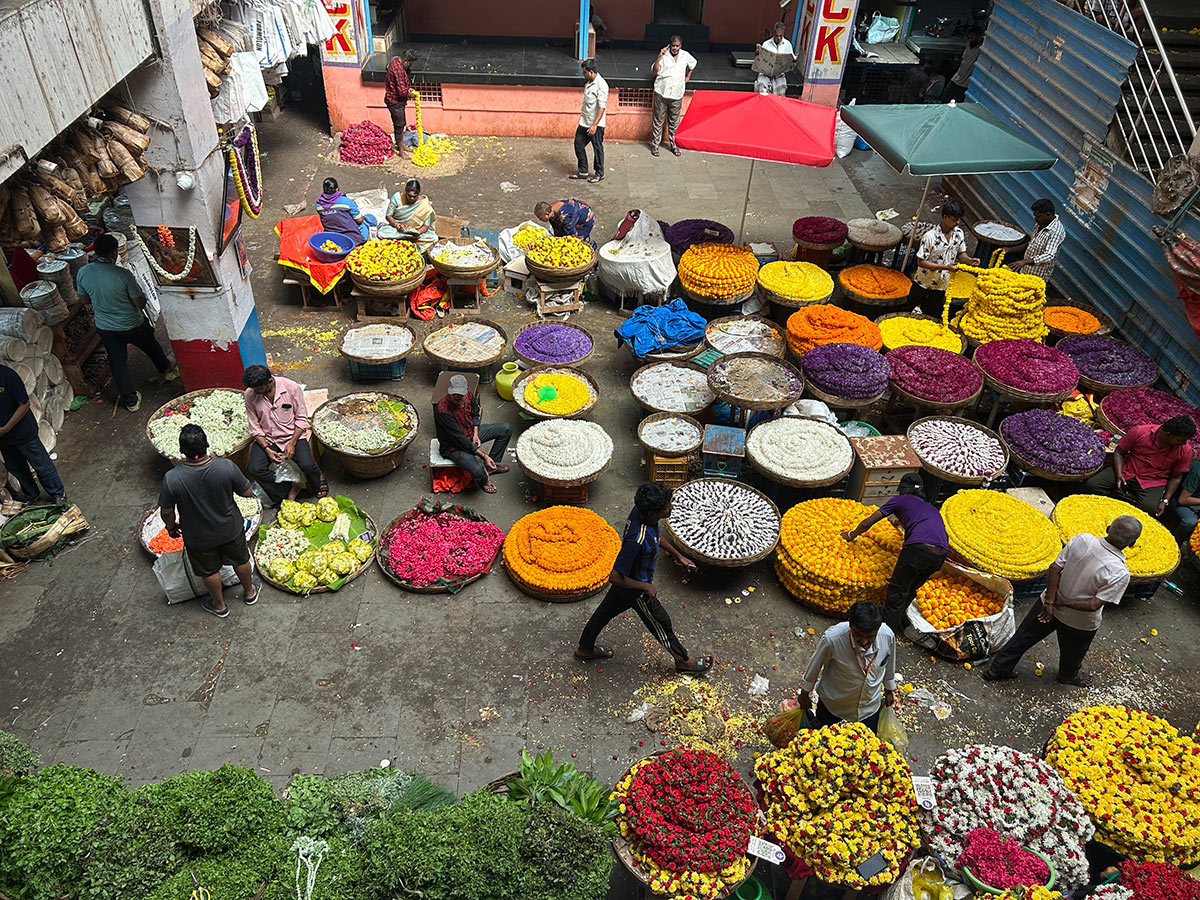
The final session was led by the INTACH Bengaluru Chapter, part of the Indian National Trust for Art and Cultural Heritage. The walk through K R Market considered the relationship between historic structures, contemporary development and everyday use.
Participants examined colonial-era market architecture alongside later additions and discussed how heritage sites can remain active parts of urban life. The walk concluded at a historic armoury, where participants proposed adaptive reuse ideas and debated how underused heritage spaces might serve surrounding communities.
Education Beyond the Studio
By moving discussions from classrooms to streets, museums and markets, Arcause Spotlight 3.0 encouraged participants to observe how urban spaces are shaped by design, policy and daily practice. The programme highlighted the value of interdisciplinary learning and on-site engagement in architecture and urban studies.
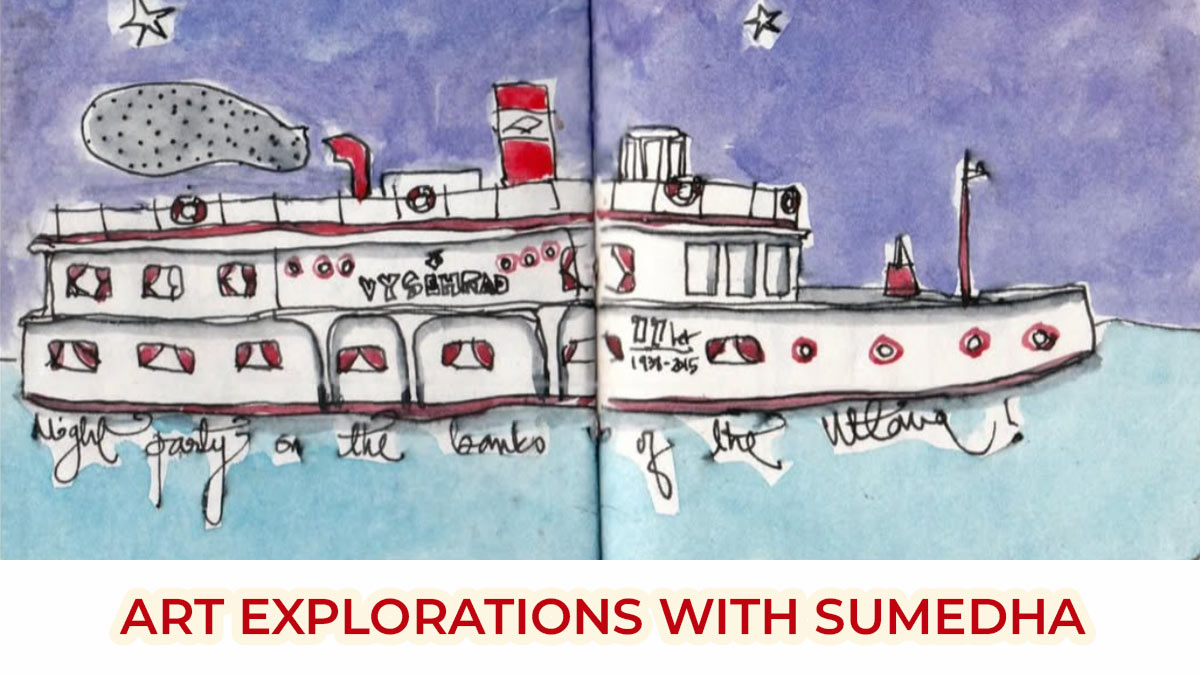
Registrations are now open for Art Explorations with Sumedha, the final summer workshop of the season at Lightroom Bookstore. Designed for children, the workshop encourages participants to maintain visual diaries as a creative way to observe, record, and document the small wonders of everyday life. Hosted by the independent Bengaluru bookstore, the program combines neighbourhood walks, field notes, and hands-on artmaking with a wide range of materials and techniques. Led by artist and educator Sumedha, the workshop offers a thoughtful blend of artistic exploration and experiential learning.
A Summer Workshop That Turns Everyday Moments into Art
Art Explorations with Sumedha invites children to slow down and notice the world around them. The central idea of the workshop is visual diary keeping—a practice that combines drawing, writing, collecting, and reflection.
Each morning, participants will step outside for guided walks through the neighbourhood. During these excursions, they will create field diaries filled with sketches, notes, observations, and collected inspirations from their surroundings.
These records will then become the foundation for artworks that transform everyday experiences into imaginative visual stories.
Learning Through Observation and Documentation
The workshop emphasizes one of the most valuable artistic habits: careful observation.
By documenting what they see, hear, and notice, children learn to:
Develop attention to detail
Strengthen drawing and note-taking skills
Build personal storytelling abilities
Connect art with their immediate environment
Discover creative inspiration in ordinary objects
This approach also nurtures curiosity and encourages children to see beauty and meaning in familiar places.
Exploring Found Objects and Recycled Materials
A distinctive feature of the workshop is its use of found and discarded materials.
Children will transform collected and recycled objects into original works of art, introducing them to sustainable creative practices. This process helps young artists understand how art can emerge from unexpected materials while also encouraging environmentally conscious thinking.
The workshop demonstrates that creativity does not depend on expensive supplies; it often begins with observation, imagination, and resourcefulness.
Participants will work with a variety of art materials and methods, gaining exposure to both traditional and experimental forms.
Skills and Techniques Include:
Visual diary and field journal creation
Map making
Zine making
Portraiture
Ink drawing
Mixed-media assemblage
Found-object art
These activities are designed to be engaging and accessible while allowing children to develop their own artistic voice.
Meet the Facilitator: Sumedha
Sumedha brings a multidisciplinary background to the workshop. She is a self-taught artist, a Montessori-trained early years educator, an architect, and holds a Master’s degree in Sustainable Practices. She is also a children’s book illustrator. This unique combination of art, education, design, and sustainability shapes a teaching approach that is both structured and imaginative, allowing children to benefit from her deep understanding of creative learning and child-centered education.
Why Visual Diaries Matter for Children
Visual diaries are powerful tools for self-expression and learning.
They help children:
Record personal experiences
Build confidence in drawing and writing
Organize observations
Develop independent thinking
Create meaningful artistic narratives
For students, these skills extend beyond art and support broader educational growth, including communication, observation, and critical thinking.
Neighbourhood walks, field notes, map making, zines, portraiture, ink drawing
Materials
Varied art materials, found objects, discarded materials
Registration
Call or WhatsApp +91 73385 46262
About Lightroom Bookstore
Lightroom Bookstore is an independent bookstore in Bengaluru known for its carefully curated collection and its support for literary and artistic communities. Through workshops, readings, and cultural programs, the bookstore has become a vibrant space for creative learning and community engagement.
Takeaway
Art Explorations with Sumedha offers children an enriching opportunity to combine observation, journaling, and artmaking in a meaningful and playful setting. By turning neighbourhood walks and daily discoveries into maps, zines, drawings, and found-object artworks, the workshop nurtures creativity, environmental awareness, and a deeper appreciation of everyday life. For parents seeking an educational and imaginative summer activity, this workshop presents a compelling opportunity.
A vehicle often represents far more than transportation. For many drivers, it serves as a daily companion, a personal retreat, and a reflection of individuality. As personalization options continue to expand, car owners are finding creative ways to make their vehicles stand out while maintaining comfort, practicality, and safety. From subtle details to expressive upgrades, thoughtfully chosen additions can transform an ordinary car into a personalized statement that feels uniquely yours.
Interior Customization That Reflects Personality
Interior additions are one of the most accessible ways to express style without making permanent changes. Seat covers, steering wheel wraps, dashboard accents, and custom floor mats allow drivers to tailor the cabin’s look while protecting original materials. Color coordination, textures, and patterns can create anything from a minimal, professional aesthetic to a bold, expressive environment.
Small accessories also play a key role. Center console organizers, custom key holders, decorative air fresheners, and personalized sunshades enhance functionality while adding character. When selected with intention, interior additions blend seamlessly with everyday use, improving comfort while reinforcing personal taste each time you step inside.
Exterior Details That Make an Immediate Impression
Exterior enhancements offer a powerful way to express creativity at first glance. Vinyl decals, accent stripes, mirror covers, and customized emblems allow drivers to highlight interests, hobbies, or design preferences without committing to permanent paint changes. These additions can be subtle or eye-catching, depending on how much attention the driver wants their vehicle to attract.
One popular option for outward expression is the ability to design your own license plate, which allows drivers to incorporate personalized wording or visual elements in a way that remains visible and practical. When paired with coordinated trims or accessories, exterior details elevate curb appeal while maintaining road-ready professionalism.
Lighting Upgrades That Enhance Style and Mood
Lighting plays a significant role in modern vehicle personalization. Interior LED lighting kits, commonly installed beneath seats or along floor panels, allow drivers to adjust brightness and color based on mood or time of day. These additions not only enhance visual appeal but also improve visibility during nighttime driving.
Exterior lighting upgrades, such as modern headlight assemblies or subtle accent lighting, can sharpen a vehicle’s appearance while contributing to safety. When installed responsibly and in compliance with regulations, lighting upgrades add both form and function, making nighttime driving more comfortable and visually engaging.
Functional Additions With Creative Appeal
Personal expression does not have to come at the expense of practicality. Many functional car accessories are now designed with aesthetics in mind. Trunk organizers, phone mounts, storage bins, and seat-back solutions come in a range of styles that complement different interior themes.
Drivers who frequently travel or commute also benefit from accessories that align form with function, such as sleek roof racks, custom cargo liners, or upgraded cup holders. These tools make everyday driving more efficient while reinforcing personal preferences and lifestyle choices through thoughtful design.
Sound, Comfort, and Sensory Enhancements
Sound and comfort upgrades contribute significantly to how personalized a car feels. Audio enhancements, including improved speakers or customized equalizer settings, transform driving into a more immersive experience. Even modest upgrades can noticeably improve sound quality for music, podcasts, and hands-free calls.
Comfort-focused additions, such as ergonomic seat cushions, steering wheel grips, or premium upholstery materials, support longer drives and daily commutes alike. Subtle sensory upgrades, including signature scents or tactile accents, deepen the connection between driver and vehicle, creating an environment that feels intentionally crafted rather than generic.
Conclusion
Creative car additions allow drivers to express individuality while maintaining practicality and comfort. Through intentional interior details, thoughtful exterior accents, functional upgrades, and sensory enhancements, any vehicle can become a reflection of its owner’s personality and lifestyle. Personalization does not require dramatic alterations; often, it is the carefully chosen details that make the strongest impression. By selecting additions that align with both style and function, drivers can create a car that feels truly their own every time they get behind the wheel.
New Zealand wasn’t exactly on India’s radar two centuries ago. And yet, here we are in 2026, with nearly 300,000 ethnic Indians calling Aotearoa home making them the third-largest ethnic group in a country of five million people.
That’s a 128% increase since 2006. Not a typo.
This isn’t just a migration story. It’s a story about ambition, identity, and what happens when two vastly different cultures find they have more in common than anyone expected. From the first lascars who jumped ship in 1769 to today’s tech founders navigating Auckland’s startup scene, the Indian community in New Zealand has quietly become one of its most transformative forces.
How It All Started: A History That Doesn’t Get Enough Credit
Most people assume Indian migration to New Zealand is a recent phenomenon a product of 1990s globalization and the tech boom. The real story starts much earlier.
The first recorded Indians arrived aboard East India Company ships, some deserting to settle among Māori communities in the late 18th century. By the 1890s, steadier waves from Gujarat and Punjab were arriving, drawn by economic opportunity in a young, resource-rich country.
Then came the walls. The 1899 Immigration Restriction Act and the broader “White New Zealand” policy effectively shut the door for decades. Indian migration didn’t truly resume momentum until the 1960s and 1970s, when those discriminatory policies were finally dismantled.
Two more events reshaped the community significantly. The 1987 Fijian coups sent waves of Indo-Fijians to New Zealand families who’d spent generations in the Pacific and brought a distinctly different cultural blend with them. Then India’s own economic liberalization in 1991 accelerated skilled migration, as engineers, doctors, and IT professionals began looking beyond India’s borders for opportunity.
By 2014, Indians were recording net permanent long-term gains of 7,565 people in a single year a number that would have seemed unthinkable to those early Gujarati settlers navigating a hostile immigration system.
The Numbers Behind the Community
The 2023 Census tells a clear story: 292,092 ethnic Indians now live in New Zealand, representing 5.8% of the total population. That’s up 54% from 2018 alone.
Auckland dominates, as it does for most migrant communities. About 64.7% of Indian New Zealanders live in the Auckland region nearly 176,000 people. Papatoetoe has earned its nickname “Little India” with a 26.2% Indian concentration. Hamilton is the next significant hub outside Auckland, followed by Wellington and Christchurch at lower concentrations.
The community skews young, with a median age below the national average. Family structures remain strong. Sectors like retail (14.5% of employment), healthcare (10.5%), and professional services dominate occupational profiles and median incomes exceed national averages across the board.
Work and student visas account for around 44% of recent arrivals, with 29,598 work visas approved in 2025 alone. The India-New Zealand Free Trade Agreement negotiations since 2025 are set to ease pathways further, particularly in IT, healthcare, and engineering.
Culture That Didn’t Stay Quietly in the Background
One of the most striking things about Indian cultural influence in New Zealand is how thoroughly it’s moved from “ethnic enclave” to mainstream.
Diwali in Auckland is no longer a community hall gathering. It’s a city-wide event with council support, light installations, and thousands of non-Indian New Zealanders attending. The same shift has happened with Holi. What began as private celebrations have become part of New Zealand’s cultural calendar.
The Swaminarayan Complex in Auckland stands as a landmark, not just for the Hindu community but architecturally within the city itself. The Auckland Indian Association, operating since 1920, runs language schools, media outlets, and cultural programs and has increasingly found ways to weave Bollywood aesthetics with Māori elements, creating hybrid cultural expressions you won’t find anywhere else on earth.
Food has followed a similar trajectory. Indian restaurants and grocery stores anchor neighbourhoods like Ōtara. Spice aisles in mainstream supermarkets have expanded beyond recognition compared to two decades ago. Women’s associations have played an outsized role here quietly and consistently preserving culinary heritage across generations.
Economic Footprint: More Than Just Numbers
Indian New Zealanders punch well above their demographic weight economically. The community has become a cornerstone of the IT, healthcare, engineering, and education sectors. Thousands of Indian-founded businesses now contribute an estimated NZ$10 billion-plus to GDP.
University campuses have benefited enormously from Indian students, both in tuition revenue and in the talent pipeline they represent. Property ownership rates within the community are strong. Executive-level representation, while still growing, is visible across major industries.
Then there’s the investor category. Since 2025, the Active Investor Plus Visa has seen 491 applications totalling NZ$3 billion in committed investment, with 129 approvals granted. Indians represent a significant portion of this group a reflection of both the community’s financial capacity and New Zealand’s appeal as an investment destination.
For high-net-worth Indian families exploring investing for NZ residency, the Active Investor Plus Visa offers two clear tracks: a Growth category requiring NZ$5 million over three years with just 21 days of physical presence, and a Balanced category requiring NZ$10 million over five years. Processing averages around 31 days, and the pathway leads to citizenship eligibility after five years. Global Residence Index, a specialist investment migration consultancy with direct government relationships, is one of the more experienced advisors in this space for Indian applicants navigating these options.
Integration: Honest About the Challenges
It would be too easy to frame the Indian experience in New Zealand as uniformly positive. The community itself wouldn’t accept that framing.
South Asians consistently rank among the top hate crime victims in New Zealand data from 2022 to 2025. Housing and employment discrimination are reported regularly. These aren’t abstract statistics they represent real experiences within families who came here specifically for safety and opportunity.
The community’s response has been largely through advocacy organizations, interfaith dialogue, and direct engagement with Human Rights Commission processes. Health access has improved notably post-COVID. Mental health support, once almost entirely informal within community networks, has become more structured.
Youth integration happens faster and sometimes creates its own tensions. Second-generation Indians navigate between two cultural expectations simultaneously, often developing a “Kiwi-Indian” identity that doesn’t map neatly onto either parent culture. This tension, it turns out, is also a source of creativity. The most interesting cultural expressions emerging from the community tend to come from this generation.
Why New Zealand Still Wins the Quality-of-Life Argument
Ask Indian migrants why they chose New Zealand over Australia, Canada, or the UK, and the answers cluster around a few consistent themes: safety, natural environment, work-life balance, and education quality.
New Zealand consistently scores near the top of Numbeo and Mercer quality-of-life indices. Healthcare access is strong. The school system has a good reputation. And there’s something about the scale of New Zealand cities large enough to have everything, small enough to feel human that resonates strongly with families who’ve escaped the density of Indian megacities.
Housing costs are the main friction point, particularly in Auckland. But community networks have historically helped new arrivals navigate this informal knowledge-sharing about neighbourhoods, property agents, and mortgage brokers flows remarkably efficiently within Indian professional circles.
The Second Generation and What Comes Next
Around 46% of Indian New Zealanders are now New Zealand-born, a figure that has been rising steadily since 1981. This shift matters because it changes the nature of the community itself from primarily migrant to genuinely bicultural, in the New Zealand sense of that word.
Second-generation leaders are emerging across politics, medicine, law, and technology. Their relationship with India is affectionate but not nostalgic in the way their parents’ generation is. They view the India-New Zealand bilateral relationship strengthened by a defence pact in 2025 and a Free Trade Agreement bringing NZ$1.1 to 1.3 billion in projected export gains as an opportunity rather than a symbol of cultural identity.
Population projections suggest the Indian community in New Zealand could surpass 300,000 by 2043. Technology and healthcare sectors will continue to be the dominant professional pathways. The FTA easing skilled worker flows means the growth trajectory shows no signs of levelling off.
What the next chapter looks like depends partly on how well New Zealand addresses housing pressure and integration challenges and partly on how confidently the community itself continues to shape the narrative. Based on the last 250 years of evidence, betting against them seems unwise.
A new group exhibition titled Cartographies of the Inner World will open on 15 May at 47-A Gallery in Khotachiwadi, Mumbai. Presented by KYNKYNY Art Gallery, the exhibition marks the Bengaluru-based gallery’s debut in Mumbai and brings together seven contemporary women artists whose works explore memory, mythology, personal history and the natural world.
A Collective Exploration of Inner Landscapes
The exhibition features Dimpy Menon, Rakhee Shenoy, Veenita Chendvankar, Payal Rokade, Bakula Nayak, Priyanka Aelay and Nidhi Mariam Jacob. Together, their practices chart the emotional and symbolic terrains of everyday life, dreams and ecological connection.
The title suggests a mapping of personal and collective experiences, tracing how inner worlds intersect with the broader environment.
Surreal Narratives and Mythic Memory
Bakula Nayak
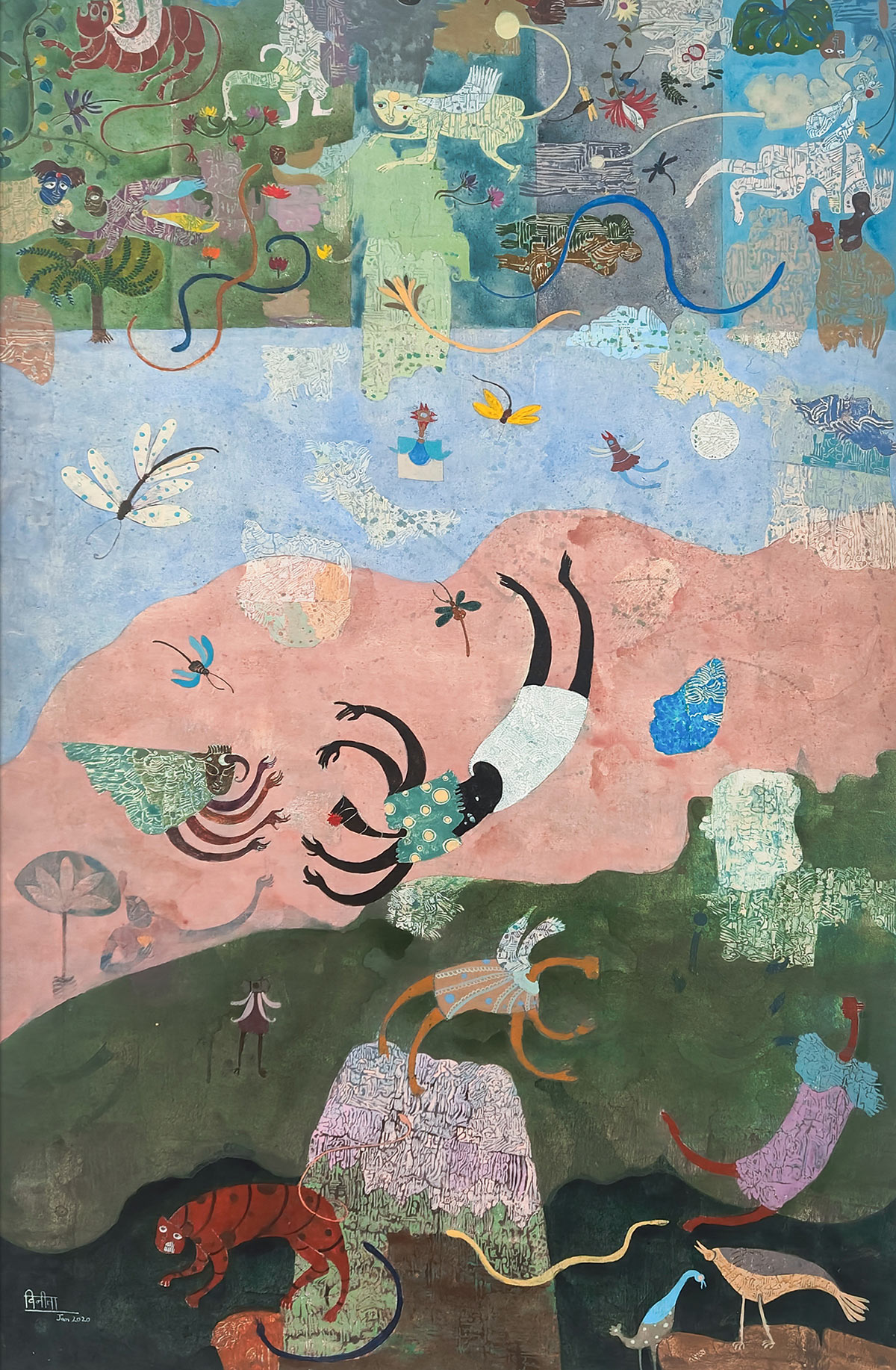
Rakhee Shenoy, Veenita Chendvankar and Payal Rokade present works that draw on surrealist imagery and layered storytelling. Their compositions combine myth, memory and contemporary concerns, offering alternative readings of history and lived experience.
Sculpture and Personal Histories
Dimpy Menon’s bronze sculptures focus on movement and grace, while Bakula Nayak uses mixed media on vintage documents to examine memory and the material traces of personal history.
Highlights of the Exhibition
Bronze sculptures by Dimpy Menon
Mixed-media works on archival paper by Bakula Nayak
Graphic and surreal paintings by Rakhee Shenoy, Veenita Chendvankar and Payal Rokade
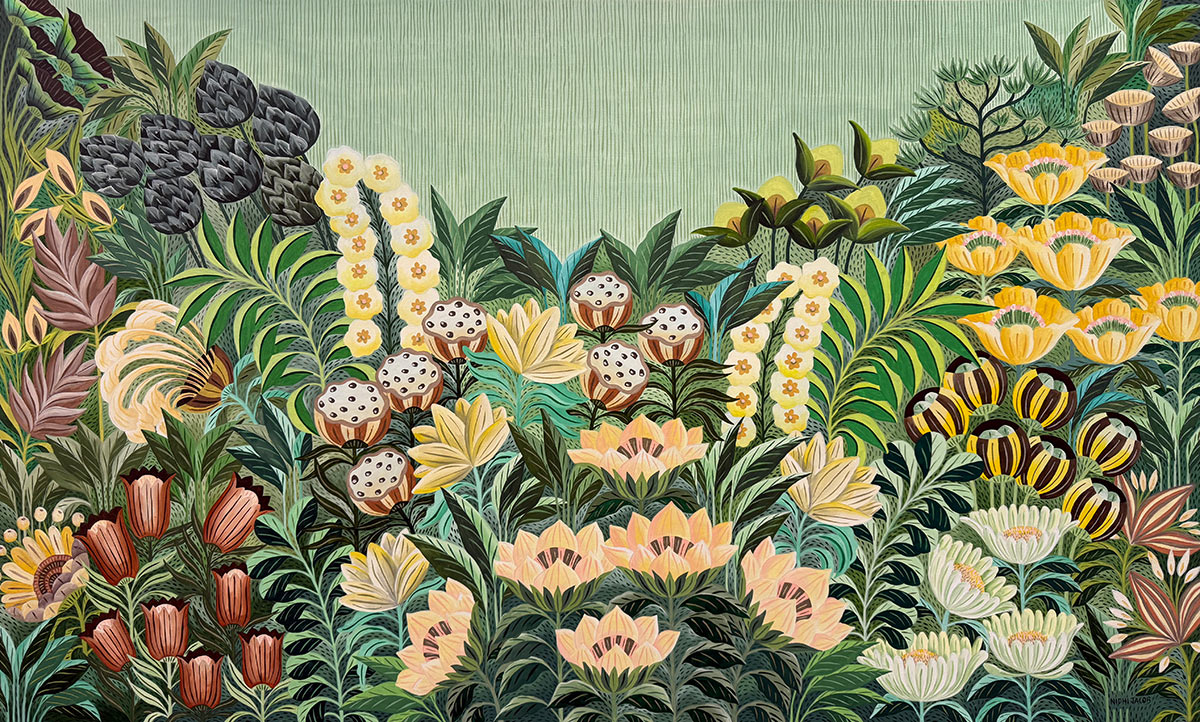
Botanical and nature-based works by Nidhi Mariam Jacob and Priyanka Aelay
Nature as Myth and Memory
Priyanka Aelay
The paintings of Nidhi Mariam Jacob and Priyanka Aelay centre on botanical forms and organic systems. Their works draw viewers into imagined ecosystems where plants and landscapes become carriers of stories and symbols.
KYNKYNY’s Mumbai Debut
Founded in Bengaluru in 2004, KYNKYNY Art Gallery has developed a programme focused on contemporary Indian art, with exhibitions spanning painting, sculpture and mixed media. The gallery works with both established and emerging artists and has built a roster that includes several participants in this exhibition.
About 47-A in Khotachiwadi
Veenita Chendvankar
47-A is an exhibition space dedicated to art, craft and design, located in a 19th-century Portuguese-style house in the historic Khotachiwadi neighbourhood of Girgaum. The gallery is known for presenting research-based exhibitions that engage with material culture and contemporary practice.
Visitor Information
Payal Rokade
Cartographies of the Inner World will be on view from 15 May to 24 May at 47-A, Khotachiwadi, Mumbai. The exhibition is open daily from 11:00 am to 7:00 pm.
By bringing together seven distinct artistic voices, Cartographies of the Inner World offers a thoughtful look at how contemporary artists interpret memory, identity and the natural world. The exhibition creates space for reflection, inviting visitors to consider the connections between personal experience and broader cultural narratives. In doing so, it highlights the role of art as a means of introspection and shared understanding.