The Upstairs Fest Reimagines Baithaks for a New Generation in Delhi

0

The-Upstairs-Fest-01

Over the weekend of 13–14 December 2025, music lovers in Delhi have been invited to experience something quite rare: the first edition of Upstairs Fest, presented by Upstairs with Us and hosted at The Kunj in Vasant Kunj. This fest presents a collection of performances and aims at building a deep, emotionally invested community centred around Indian classical music. Founded by Tejas Jaishankar and Sukanya Banerjee, Upstairs with Us was initiated through gatherings in their Vasant Kunj home in 2018. Their core mission is to sanitize the “elite” label off classical music and make it accessible to everyone. The model they adopted is hosting intimate baithaks where artists are paid their fair price, and audiences share a home-cooked meal. This model appeared to be successful and received a lot of praise, and has successfully sold out nearly every event since its formal launch. The Upstairs Fest is the aggregation of this philosophy and is transforming the same warmth into a concentrated two-day mega event, opening doors for more audience to hop in.

A Sneak Peek into The Schedule

This two-day music extravaganza is set to run on the weekends and is structured in a way that places equal emphasis on participatory learning workshops and the concert. This blend of events reflects the organizer’s ideology that true appreciation comes from the understanding and emotional investment in music, not just from passive listening. 

The festival will begin on Saturday with the workshop christened as ‘Sam Pe Aana’ (11:30 AM to 1:00 PM). This session will be led by a Tabla artist, Saptak Sharma. This will be a beginner-friendly guide to finding and hearing tāla (rhythm) in classical music. This session is solely aimed at training the untrained ear to receive a better pulse of the concert. 

 Following this educational start, the afternoon presents a Hindustani Classical Concert (3:00 PM to 5:00 PM). This session is advertised as a “close, quiet concert” featuring Kartikeya Vashisht on the flute. This piece will unfold music at its own pace, infusing an experience of deep presence that contrasts with the contemporary, rushed musical tunes. In the evening, ‘Stories You Wish You Knew: The Uncles and Aunties Who Made Music’ (6:00 PM to 7:30 PM) is scheduled. This session drifts away from the musical aura and brings together the family members of the legendary musicians to share their memories. This humanizes the artists from famous performers to off-stage, real people who are as down-to-earth as ordinary men. This softens the distance between the listener and the tradition they are engaging with.

Day & Date Time Event / Session Description
Saturday, 13 December 11:30 AM – 1:00 PM Workshop: Sam Pe Aana
Saturday, 13 December 3:00 PM – 5:00 PM Hindustani Classical Concert
Saturday, 13 December 6:00 PM – 7:30 PM “Stories You Wish You Knew: The Uncles and Aunties Who Made Music”

A similar richness in activities can be traced on Sunday as well. The morning session, ‘Three Phrases to Know a Raag: Bhimpalasi’ (11:30 AM to 1:00 PM), led by co-founder Sukanya Banerjee, demystifies the structure of a rāga. This workshop focuses on viewing the rāga as a unique tune, using the soulful āga Bhimpalasi as a case study. The afternoon session puts a tinge of variety by dedicating the session to Carnatic Classical Concert (3:00 PM to 5:00 PM), ensuring that the festival covers both major traditions of Indian classical music. The festival concludes with ‘Behind Baithaks: Building a Listening Community’ (6:00 PM to 7:30 PM). The last segment will feature hosts from other Delhi-NCR community-focused initiatives like Naadyatra Baithak and Evenings Unplugged.

Day & Date Time Event / Session Description
Sunday, 14 December 11:30 AM – 1:00 PM Three Phrases to Know a Raag: Bhimpalasi
Sunday, 14 December 3:00 PM – 5:00 PM Carnatic Classical Concert
Sunday, 14 December 6:00 PM – 7:30 PM “Behind Baithaks: Building a Listening Community”

This fest sets the stage for a gradual drift from the hustle culture that dominates modern lives and the economy. By shifting the focus to intimacy, deep listening, and fair economic practices for the artists, Upstairs With Us is curating a culture based on ethics and purity. 

Important Points Details
Event Name The Upstairs Fest, December Edition
Organizers Upstairs with Us (Tejas Jaishankar & Sukanya Banerjee)
Venue & Location The Kunj, Vasant Kunj, New Delhi
Dates Saturday, December 13th & Sunday, December 14th
Core Philosophy Democratizing classical music access, ensuring fair pay for artists, and fostering a non-judgmental, deep listening audience
Event Type Blend of classical concerts (Hindustani and Carnatic) and listener-centric workshops

Key Highlights

  • The Upstairs Fest isn’t just a festival; it’s a revival of the age-old “baithak,” where music resided in homes, loved and respected by a dedicated listening audience.
  • The inclusion of workshops (e.g., “Sam Pe Aana”, “Three Phrases to Know a Raag: Bhimpalasi”) shows an emphasis on not just passive listening but active learning and appreciation.
  • According to press coverage, Upstairs with Us aims to dismantle rigid, elitist notions around classical music concerts — where dress code, social standards, and etiquette often alienate newcomers. They offer accessibility, warmth, and shared meals after the gig.
  • By charging ticket prices modestly and directing proceeds to artists, Upstairs challenges the conventional system of grants or elite patronage that often limits who gets to perform and who gets to listen.
  • The fest is inclusive of multiple Indian classical traditions, offering both Hindustani and Carnatic concerts, a rare treat that recognizes India’s musical diversity.

Why It Matters – An Opinion


View this post on Instagram


A post shared by Upstairs (@upstairswithus)

The mainstream classical-music ecosystem has long struggled with financial sustainability, accessibility, and elitist norms. Upstairs with us aims to make amends right at this critical juncture.  The “home concert” movement challenges all that by offering inclusive, paid, and globally accessible concerts. Also, by having a ticketed model and by channeling proceeds directly to artists, Upstairs is reimagining classical music’s economic foundations.

The scale of this event does not make it feel like just another weekend activity. It marks a subtle shift in how we experience and value classical music in India. It doesn’t just preserve tradition, it rejuvenates it. The organization combines education, performance, storytelling, and community essence, and elevates this genre beyond “entertainment” and honours it as a living heritage of our country. 

This movement, built on empathy and ethical practice, offers a vital blueprint for the future of arts patronage. Of course, challenges remain. Sustaining consistent audience interest, ensuring enough revenue to support artists, and so forth. But if the organisers and community remain true to their ethos, Upstairs Fest could become a blueprint for cultural resurgence.

National Handicraft Week 2025: Reviving India’s Artisans Through Digital India Handmade

0

Handicraft-Week-2025-A

The annual All National Handicrafts Week, observed nationally from December 8th to 14th, is a zestful, week-long dedication to millions of artisans who are the custodians of India’s tangible heritage. This nationwide observance is announced under the aegis of the Ministry of Textiles, Government of India, in collaboration with the India Handmade digital platform. This strategic blend of tradition and technology displays an initiative that not only promotes handicrafts as consumable products but also as living cultural legacies and sustainable livelihoods. 

The Handicraft Week is projected as a participatory campaign urging citizens to discover, shop, support, and share India’s vast artisanal heritage. The recent promotional drive by @indiahandmademdeofficial on platforms like Instagram represents a transformation in bringing traditional craftsmanship into the modern digital marketplace. This annual celebration serves as a call to action for every citizen to participate in boosting the artisanal economy. It aligns with the national vision of Vocal for Local and Atmanirbhar Bharat (Self-Reliant India). 

Celebrating Centuries of Craftsmanship

The Digital India Corporation develops the campaign. The revolutionary aspect of this initiative is that it operates on a Zero-commission, Zero-portal-fee model. Its primary objective is the direct financial and social empowerment of weavers and artisans by eliminating exploitative intermediaries. The platform ensures that the entire value of the transaction flows back to the creators, helping to stabilize livelihoods and providing access to a global customer base.  The Indiahandmade portal showcases an authentic range of handloom and handicraft items, from exquisite Madhubani paintings and rare Muga Silk textiles to intricate Bidriware metal crafts, spanning the entire breadth of India’s state-wise craft identity. By shopping here, consumers directly contribute to preserving skills passed down through generations.

The initiative clearly delineates two crucial ways of public engagement with handicrafts. Citizens are encouraged to discover and shop by visiting the official website and purchasing authentic handmade products. Secondly, people are encouraged to capture a picture of the handmade products and post it on Instagram or other social media, and tag @indiahandmademdeofficial. These engaging actions ensure the visibility of the artisans.  The accompanying hashtags, such as #I Stand for Swadeshi and #Be a Proud Indian, frame the consumer to act as a patriotic and culturally conscious choice.

Contextualising The Handicraft Week

The celebration of the handicrafts week holds a profound historical significance. It pays homage to the Late Smt. Kamaladevi Chattopadhyay, a celebrated social reformer and freedom fighter recognized for her dedicated efforts in reviving and supporting the Indian handicrafts movement post-independence. This annual focus allows for the revival and showcasing of diverse, regional specialities. It encapsulates everything from the Kalamkari and Etikoppaka toys of Andhra Pradesh and the Sikki grass craft of Bihar, to the gold-hued Muga Silk of Assam and the detailed Kutch Embroidery of Gujarat. 

The aim of the government is enormous. It is aiming to onboard over 60 lakh (6 Million) artisans onto the digital platform. The handicraft week successfully bridges the rural-urban divide, delivering authentic, high-quality, and often sustainable products from remote villages and craft clusters directly to urban and global customers, thereby safeguarding the soul of India’s intangible heritage. This model mirrors earlier efforts such as the GeM portal for government procurement, but with a stronger cultural and livelihood orientation.

Scholarly studies on India’s handicraft economy consistently highlight three core challenges. They are – lack of market access, price exploitation by intermediaries, and declining youth participation in hereditary crafts. Thus, in order to bridge it, the handicrafts week directly addresses all these shortcomings. It offers national visibility, encourages direct consumer-artisan interaction, and makes the craft aspirational for younger generations through digital media. 

Event Overview

Event Details
Title National Handicraft Week 2025
Duration & Date 8–14 December (Annual national celebration)
Organizing Body Ministry of Textiles, Government of India, via Digital India Corporation
Official Platform Indiahandmade.com (Zero-commission digital marketplace)
Key Objectives Financial empowerment, elimination of middlemen, skill promotion, and cultural preservation
Participation Methods 1. Shopping directly on indiahandmade.com.
2. Sharing photos of handmade products on social media and tagging @indiahandmademdeofficial.
Historical Homage Pays tribute to Late Smt. Kamaladevi Chattopadhyay for her contribution to the sector
Core Theme Vocal for Local, Digital Support for Traditional Crafts

Key Highlights 

  • Promotion of handmade over machine-made products.
  • The Indiahandmade platform operates on a zero-commission and zero-portal fee basis, ensuring artisans receive full and fair remuneration for their work.
  •  It is a flagship project aligned with the Atmanirbhar Bharat and Vocal for Local movements, prioritizing self-reliance and domestic industry support.
  • Encouragement of citizen participation via social media.
  • Use of digital platforms to democratise craft consumption.
  • Direct financial support to artisans through online purchases.
  • Integration of Swadeshi ideology with modern consumer culture.
  • Youth-centric engagement strategy using Instagram and online tagging.
  • Emphasis on captioning the story behind the craft, not just the product.
  • The initiative provides end-to-end seller support, including free registration, catalogue creation, and logistics assistance, thus digitalizing the traditional sector.

Economic, Cultural, and Social Impact

From an economic perspective, India’s handicraft sector is a major contributor to the non-farm rural economy. During festive seasons and national campaigns, artisan incomes can witness a tangible rise. By scheduling the handicraft week in December, a peak consumption month, the initiative smartly taps into year-end buying behaviour. 

Culturally, the campaign plays a crucial role in heritage preservation. Many Indian crafts are endangered due to declining demand and intergenerational discontinuity. Digital archiving through consumer-generated content acts as a form of crowdsourced cultural documentation.

Socially, the visibility given to artisans restores the dignity of labour. When a potter or weaver is framed not as a “poor craftsman” but as a “skilled heritage bearer,” it reshapes social perception and fosters pride within craft communities.

Other Social Initiatives

Other meaningful initiatives were Hunar Haat, Surajkund International Crafts Mela, Delhi Haat exhibitions, and Crafts Bazaar under Rural Livelihood Missions. All of these aim at connecting artists to the market. However, Handicraft Week uniquely functions as a digitally driven, decentralised national festival, where participation is not restricted to physical locations but expanded across smartphones and social media platforms. This is a very significant step, especially in the post-pandemic era, as the digital boom has happened. It normalizes craft consumption that has hitherto been labelled as a luxury. 

Takeaway

The handicraft week is a cultural intervention in the political economy of Indian crafts. It infuses a feeling of national sentiment in digital consumerism. The campaign transforms the act of purchasing into a well-established nexus of support systems for effective backing of India’s artisanal communities. Steps like these prevent the erosion of traditional skills by prioritizing human artistry over mechanical efficiency. It empowers the artisan not merely as a creator of objects but as an entrepreneur in the global economy, giving their work the dignity and economic stability it deserves. By choosing to invest in hand-crafted products, people will cast a vote for cultural preservation, economic equity, and the sustainability of a generational legacy. 

In India, craft is more than an industry; it is the thread of our civilization. And this dedicated handicraft week carries within it a story of skill, survival, evolution, and centuries-old identity. It is the definitive way to be a truly Proud Indian, by supporting the skilled hands that weave the nation’s rich tale.

The Angadi Soiree 2025: Bengaluru’s Favourite Year-End Fest Returns

0

The-Angadi-Soiree-2025

A Festive Confluence of Craft, Culture, and Christmas Cheer

As December gently settles over Bengaluru with its cool evenings and festive vibe, the Angadi Heritage prepares to don its most enthusiastic form with the return of The Angadi Soiree- Year-End showcase. The fest returns with its signature charm, a perfect blend of high-end craftsmanship, cultural richness, and a high Christmas spirit. On Friday, December 12, 2025, from 11:00 AM to 8:00 PM, the heritage space on Ashoka Pillar Road will be transformed into a bustling hub of creativity, craftsmanship, and community. With free entry, no age bar, and an open invitation to all, the Soiree promises to be one of the city’s most wholesome and immersive year-end festive experiences.

The event is scheduled to take place as the holiday season peaks, offering city-dwellers an exclusive shopping experience. The venue has earned a reputation in Bengaluru as a cultural landmark that is deeply invested in the philosophy of sustainability, handicraft, and Indian heritage. Over the years, it has hosted exhibitions, workshops, heritage walks, and artisanal pop-ups, making the event a very happening site. They are continuing a legacy by offering a thoughtful platform for over 40 independent artisanal brands to showcase their work under one iconic roof. 

The Artisanal Hub

By showcasing over 40 artisanal brands, this event does more than formally collaborate with the vendors; it meticulously represents the best craftspersons in contemporary India and its independent enterprise. The diversity of products ensures that it fits the unique tastes of people. Shoppers can explore clothing, featuring bespoke textiles and modern silhouettes, and fine and silver jewellery collections alongside contemporary designs. For home, handcrafted décor, beauty essentials, and perfumes are displayed for self-care treats. Furthermore, there are quirky stationery, stylish handbags and accessories, sophisticated art, and a variety of gourmet treats and festive foods.

Unlike large commercial exhibitions, The Angadi Soiree prioritizes homegrown talent. The participating brands are often based on slow fashion, sustainable sourcing, and traditional techniques. This closely aligns with Angadi’s larger vision of preserving heritage while enabling innovation. Previously, Angadi’s showcases attracted a great crowd that values authenticity over mass production. Visitors are encouraged to meet the creators, understand the processes behind their crafts, and shop directly from them. 

The environment of the whole site ignites with the Christmas spirit. The venue is expected to glow up with festive decor, warm lights, and the aroma of baked goods. Visitors can explore limited-edition festive collections ranging from handcrafted gifting options and festive foods to exclusive accessories and décor pieces designed for Christmas and year-end celebrations. The main aim is to put forth high-quality handcrafted goods with a trendy touch. 

The Experience At A Glance

Aspects Details
Event Name The Angadi Soiree – Year-End Showcase
Date & Time Friday, December 12, 2025, 11:00 AM – 8:00 PM
Venue Angadi Heritage, Ashoka Pillar Road, Bengaluru
Entry Free entry, Open to all
Featured Brands 40+ artisanal brands
Product Focus Clothing, Jewellery, Handcrafted Décor, Gourmet Treats, Beauty, Accessories
Special Attractions Gold foil painting, cake mixing, Christmas quiz, lucky draw, nail art bar, live sketching, hot chocolate

A Merry Shopping Engagement

The retail experience of purchasing gets a boost and receives a much-needed lift with the Angadi Soiree. It is packed with special attractions and engaging recreational activities that are vital for attracting visitors and shoppers. These exciting elements infuse a sense of cultural engagement and festive cheer, making a mere shopping trip into a delightful day out. The Soiree represents a growing urban desire to reconnect with slower, more intentional forms of consumption. It fits perfectly into this evolving landscape, offering not just products but experiences, stories, and shared moments.

Key Highlights

  • A festive showcase of over 40 curated artisanal brands
  • Wide-ranging collections spanning fashion, beauty, décor, and gourmet foods
  • Direct interaction with independent creators and artisans
  • Discovery of exclusive festive and limited-edition products
  • Immersive, hands-on activities including gold foil painting and live sketching
  • The popular Nail Art Bar also provides a fun, instant aesthetic upgrade.
  • Seasonal experiences such as cake mixing and a hot chocolate station
  • Family-friendly engagement through a quiz and a lucky draw
  • Hosted in a heritage space synonymous with sustainable culture

A “Heritage” Venue with Lasting Legacy

The iconic Angadi Heritage building provides a historical backdrop that complements the artisanal products. The physical setup is significant as it offers a bustling atmosphere to the event.  The Angadi Soiree stands out for its commitment to nurturing the independent creative ecosystem. In an age of mass-produced goods, the Soiree championing bespoke, handcrafted products is a powerful statement. It is a brilliant, community-focused initiative that includes a focused spirit promising to leave every visitor feeling inspired and thoroughly ready for the holidays.

Krishna Reddy at 100: Celebrating a Master of Printmaking at Santiniketan

0

Krishna-Reddy-at-100-A

A Centennial Celebration

On December 6, 2025, Experimenter unveiled the first in a series of centennial exhibitions for Krishna Reddy (1925–2018), titled Krishna Reddy at 100: Of Friendships, held at Tokaroun in Santiniketan, in collaboration with Musui Art Foundation. This is a retrospective of his artistic journey and also an earnest homage to his revolutionary practice. Krishna Reddy was an established Indian printmaker, sculptor, and esteemed teacher. 

Tagore’s Shantiniketan is the place where Krishna Reddy’s artistic consciousness was shaped. The exhibition acknowledges and celebrates the formative years of his sensitive development towards nature, form, and the broader human condition. The organizers’ remark that “this centennial exhibition is at the root of where he had his heart” aptly defines this event. The exhibition’s significance lies in the fact that the soul of his artworks is displayed in the place that functioned as the bedrock of his career. 

Santiniketan and Early Influences

In the mid-1940s, the sixteen-year-old Krishna Reddy got enrolled at the Visva-Bharati University’s Kaa Bhavana (Institute of Fine Arts). He was one of the key carriers of the legacy established by Rabindranath Tagore, Nandalal Bose, Benode Behari Mukherjee, and Ramkinkar Baij. He found himself centred around a unique pedagogy established by the charismatic figures of art. It was in this phase of life that he developed a deep sensitivity towards nature, so much so that it continued to be a lifelong cornerstone of his art. Interestingly, Krishna Reddy’s early education was greatly influenced by the philosopher Jiddu Krishnamurti, whose support facilitated his departure for Europe for further studies. 

The Tokaroun exhibition emphasises these foundational years and augments his craft. It presents key rare and early works of Reddy alongside those of his teachers, contemporaries, and students. This arrangement is consciously done to create a contrast among the different styles of his friends and apprentices, and create a composite sense of their camaraderie. Reddy’s artworks range from pre- and post-Partition India to the post-war artistic crucible of Paris and New York.

Contributions and Significance

After studying sculpture in London under Henry Moore, he moved to Paris, where his life changed forever at Stanley William Hayter’s Atelier 17. This renowned printmaking hub, including figures like Joan Miró and Alberto Giacometti, became the laboratory for Reddy’s most celebrated innovation: simultaneous multi-colour viscosity printing.

Krishna Reddy’s most significant contribution lies in modern printmaking through his development of the simultaneous multicolour viscosity-printing technique. Working alongside Hayter and others, Krishna Reddy mastered this revolutionary intaglio technique. The innovation was that by using inks of different viscosities and different hardnesses, he could apply multiple colours to a single engraved metal plate without mixing them. This resulted in a stunning range of prints with multi-layered colours in a single press run. 


View this post on Instagram


A post shared by Experimenter (@experimenterkol)

This ultimately revolutionized how artists worked with colours, plates, and inks. This technique enabled each print to display a unique impression. His artwork challenges the narrow geo-centric narratives of modernism. As one scholar has argued, Reddy’s career invites a rethinking of modern art’s cultural pluralities under conditions of cross-regional contact. In practical terms, the exhibition offers valuable archival material along with sketches and sculptures. These artefacts revealed his technical experimentations and the depth of the philosophies he moulded in his art. 

The Exhibition at a Glance

Event Details
Exhibition Title Krishna Reddy at 100: Of Friendships
Duration December 6, 2025 – March 21, 2026
Venue Tokaroun, Santiniketan, West Bengal, India
Collaborators Experimenter in collaboration with Musui Art Foundation
Key Significance Marks the artist’s centennial; held at Santiniketan, his key place of influence.

Key Highlights 

  • Rare and early etchings and prints by Krishna Reddy, dating from the 1950s and 1960s.
  • The exhibition concept draws attention to the formative influence of Santiniketan’s pedagogical environment under Bose, Mukherjee, and Baij, and maps Reddy’s global trajectory from India to Paris, Central Europe, and New York.
  • A series of iconic prints, such as The Great Clown (Le Grand Clown), demonstrates his mastery of viscosity printing.
  • A body of his metal printing plates, showcasing the sculptural aspect of his printmaking.
  • On display are the actual engraved plates that he treated almost like sculptural objects, carved to minute depths, providing insight into his rigorous process. 
  • Drawings of the human form, reflecting his lifelong practice and keen observation.
  • Works by Stanley William Hayter, Zarina, Ramkinkar Baij, Benode Behari Mukherjee, Nalini Malani, Shirley Witebsky, and Mona Saudi celebrate the spirit of friendship he cultivated globally.

A Unique Legacy? – An Opinion

Krishna Reddy at 100: Of Friendships successfully demonstrates him as a “global humanist”. The nature, different philosophies, and the catastrophic impact of global historical events such as the Bengal Famine and Partition left a deep mark on his mind. These are well reflected in his artworks throughout his career. This exhibition enacts the very spirit of what Krishna Reddy stood for: collaboration, cross-cultural dialogue, mentorship, and communal creation. 

His move to Newyork in 1976 to lead the graphics and printmaking department at NYU strengthened his role as a revered mentor and guide. There, his studio became a refuge for many and nurtured the innovations in printmaking. This exhibition projects him beyond a technical genius. His role in the field of art is not restricted by geography and knows no limits. 

The exhibition states that legacies are not constructed in isolation, but in countless acts of shared creativity, reverence, and mutual growth. Reddy’s practice bridges the modern world’s search for balance between nature, material, and human experience.

AKLF 2026 at Alipore Museum: Kolkata’s Grand Celebration of Books & Ideas

1

AKLF-2026-at-Alipore-Museum-01

The city of joy, Kolkata, is also India’s cultural capital. The cultural schedule of the city is about to set foot into another intellectually charged fest- the 17th Apeejay Kolkata Literary Festival (AKLF).  Scheduled to take place over three days, from January 09 – 11, 2026, the festival promises a gathering of the finest creative minds from India and across the globe. This edition of the lit fest is taking place at the iconic Alipore Museum. The setup of a vibrant literary environment at the lap of history is an irresistible combo for all the folks. It aims to create an environment for a much-needed Literary Renaissance. Kolkata is already a hub of book lovers, not only in India but across the globe. This reading spirit is about to receive a boost as the enthusiasts will encounter their favourite authors and engage in immersive sessions with them. 

About The Fest

The Apeejay Kolkata Literary Festival is instituted by the Apeejay Surrendra Group and its nearly century-old heritage institution, the Oxford Bookstore on Park Street. This fest was conceived in 2010, and since its inception, it has cultivated a distinct identity in shaping the literary landscape of Kolkata. Hitherto, the past editions too unfurled against the charismatic public monuments of Kolkata, including the pride of the British Empire- The Victoria Memorial, St. Paul’s Cathedral, and also the renowned Allen Park. This time, Alipore Museum is about to demonstrate this well-orchestrated continuity and ensure that the much-awaited conversations between the books, their authors, and people never get disrupted. 

The space housing the coming edition of the fest resonates a distinct voice saturated with historical ties. The Alipore Museum, also called the Alipore Central Jail, was once the hub of India’s struggle for independence. This jail captivated nationalists like Netaji Subhash Chandra Bose, Jawaharlal Nehru, C.R.Das, and many more. The place holds a very intense corpus of sentiments associated with the liberty that we enjoy today. The Lit Fest, on the other hand, is a celebration of the same liberty, in the context of art, intellectuality, expression, ideas, and many, many stories. The correlation that has been established between the two is immensely powerful in igniting the vibe of inclusivity and oneness among the visitors and nudging them towards a delightful celebration of humans’ infinite capabilities. 

The Thought Behind The Fest


View this post on Instagram


A post shared by AKLF (@theaklf)

Over the years, the AKLF has itself transitioned into something between a tangible heritage and a cultural institution. It is a meaningful platform that engages people through insightful conversations across genres, disciplines, generations, and languages. The philosophical core of AKLF is multifaceted. It brings together books, music, art, and cinema. It seeks to explore literature beyond its literary aspect and dive into contemporary themes such as current socio-political realities, etc. Even in the previous editions, pressing issues like diversity, gender equality, etc., were thoroughly spoken about. 

This 3-day literary endeavor, amidst Kolkata’s cultural warmth and welcoming atmosphere, aims to build an environment entailing books and reading, particularly focusing on newer voices and young writers. The fest aims to blend a progressive focus on literature and ideas with the foundational themes of independence and freedom, promising a truly immersive and enriching experience. It passes the statement that literature does not exist in a vacuum; it is rather rooted in places, memories, and identities. 

Event Details

Aspects Details
Festival Edition 17th Apeejay Kolkata Literary Festival (AKLF)
Dates 09–11 January, 2026 (Three Days)
Venue The iconic Alipore Museum, Kolkata
Significance of Venue Former Alipore Central Jail, a historical site of the Indian Freedom Struggle
Organizers Apeejay Surrendra Group and Oxford Bookstore
Core Goal To celebrate books, ideas, music, art, and film with creative minds globally
Access Events are typically free and open to all (unless specified otherwise)

Key Highlights

  • The 17th edition shifts to the Alipore Museum, underscoring AKLF’s commitment to hosting events at Kolkata’s key heritage locations.
  • The venue, a former prison where freedom fighters were held, provides a poignant historical context for discussions on freedom of thought and expression.
  • AKLF remains unique as the only literary festival in India founded and run by a bookstore (Oxford Bookstore).
  • The festival is designed to facilitate “enriching conversations” with creative minds from both the nation and globally.
  • Beyond literature, the programming traditionally incorporates various art forms, including music, film, and theatre.

A New Vision

Although the full roster of speakers is not out yet, however, based on the previous editions, visitors can expect a robust lineup of intellectuals and artists. There will be different sessions touching contemporary issues like politics, identity, history, heritage, gender, etc. Cultural experiences are on queue as well. There are distinctive events for children and young readers, making the space family-friendly and inclusive for a younger crowd as well. 

Today, people’s preferences heavily oscillate between e-books and social media, often leading to low attention spans. In an environment like this, AKLF acts as a mediator that brings back the vintage energy of reading a book physically and engaging with influential authors whose writings actually bring a change. The events are free, accessible to all, and encompass an excellent intellectual rigour and temperament. The 2026 edition feels like a renewal of a chance to re-experience Kolkata through its dominant literary niche, complemented by heritage and art. So, if you happen to be in Kolkata that week, do not forget to bury your feet into the lavish Alipore Museum campus with a chai in hand and notebook ready.

Call for Mural Proposals at The Steps Bandra: Art for Urban Renewal

0

Call-for-Mural-Proposals-at-The-Steps-Bandra--Art-for-Urban-Renewal-01

Once a forgotten, narrow staircase, The Steps Bandra has undergone a remarkable transformation, evolving into a vibrant public space. It is also a symbol of successful urban regeneration in the heart of Mumbai’s Bandra district. This initiative is spearheaded by the Bombay Greenway in collaboration with the local municipal body (BMC). The transformation of the site has restored utility and also instilled a dose of colour, creativity, and community spirit. Now, this iconic public space is opening its doors once again to artists with an exciting Call for Mural Proposals, inviting creators to become part of its ever-evolving story. With the submission deadline extended to December 8, 2025, at 12 noon, and painting scheduled between December 10–15, 2025, this initiative promises to further deepen the relationship between art, people, and place.

Reimagining Public Space Through Art

The site was once derelict and unsafe. But now the spot has undergone a massive transformation. The place has gotten a staircase, an amphitheatre, performance value, a leisure zone, and a cultural meeting point. The spot also caters to musicians generously, as the landings now serve as informal stages where musicians rehearse, children play, people unwind their hectic schedules, and encounter a pulse of artistic aesthetics in their neighbourhood. The recognition of The Steps Bandra as the Place Design Winner at the prestigious international Great Places Awards in 2021 further cemented its status as a global model for placemaking. 

Urban design experts across India and abroad have since cited the project as an example of how small-scale architectural interventions can lead to large-scale community impact. Unlike many purely aesthetic-driven reconstruction projects, the steps focus on social life, accessibility, safety, and community ownership. The side walls of The Steps will serve as large public canvases, disseminating tales of community, identity, belonging, and movement

A Call to Creativity


View this post on Instagram


A post shared by TheStepsBandra (@thestepsbandra)

The opening of opportunities with a call for Mural proposals is directly protracted at community engagement and celebrating the local artistry. This initiative aims to utilize the blank spaces in the side walls of The Steps Bandra and embody the  “creativity and the colour of the place.” These murals are to be drawn with the intention of weaving a more intimate connection between locals, artists, and visitors. The rudimentary intention is to make the place bright-eyed and bushy-tailed with a truly collaborative work of art. The art, once completed, will serve as a permanent, public exhibition of Bandra’s cultural pulse.

The process of submission is hassle-free. The platform directly pitches an invitation to the artists to share their vision for this iconic landmark. This kind of public art commissioning not only beautifies the area but also provides a platform for emerging and established artists. The tight timeline for painting, scheduled for December 10–15, 2025, ensures that the new artistic chapter will be unveiled rapidly. The organizers have committed to providing all paints and materials, removing financial barriers, and making the opportunity accessible to a broader range of artists.

Crucial Details 

Important Point Details
Purpose Celebrate creativity, community, and public connection
Submission Deadline December 8, 2025, 12 noon
Contact Method Selected artists notified via phone or email
Painting Dates Must be available December 10–15, 2025
Materials All paints and materials provided by the organisers
Project Recognition 2021 Place Design Winner at Great Places Awards
Space Function Amphitheatre, open-air stage, community gathering spot

Why The Steps Matter

Today, Indian metropolises struggle for inclusive public spaces with rising real estate pressures and shrinking open areas. Projects like this bring significant alternatives to this and challenge the norms of infrastructural development. The small public places, like stairways, street corners, and sidewalks, find repeated mentions in the words of urban scholars and planners, as they shape the “daily experience” of urban life. Residents report increased pedestrian activity, greater feelings of safety due to constant footfall, and renewed cultural life through informal performances and gatherings.

Public murals across Mumbai, from Bandra’s street art lanes to Versova’s fishing villages, have consistently shown how art can democratise urban aesthetics. The Steps’ murals will continue this tradition, embedding artistic expression into the routines of school children, office-goers, elderly walkers, and tourists alike.

Key Highlights 

  • Open call inviting artists to become part of a landmark public project
  • Opportunity to create large-scale murals in a high-footfall community space
  • All paints and materials to be provided by organisers
  • Guaranteed public visibility in one of Bandra’s most culturally active zones
  • Continued legacy of a globally recognised urban design project
  • Strong emphasis on community, inclusivity, and public engagement
  • Direct participation in an ongoing story of urban regeneration

The Model of Transformation

The model adopted by them is collaborative and aligns with emerging global philosophies of placemaking, where people, not just viewers, but contributors as well. The extended deadline for submissions reflects the organisers’ intention to ensure wider participation and diverse artistic voices. By providing all painting materials, the initiative also removes financial barriers for artists, reinforcing its commitment to inclusivity. With Christmas and New Year knocking at the doorstep, this initiative ensures that the space is charmed with people’s stories and turns into a jolly place to be. 

A Blueprint that Mumbai Must Replicate

The best part of this opportunity is that it is not competitive but cooperative. It’s a reaffirmation of Mumbai’s potential to nurture human-centred urban design. The decision to use public art as the next phase of regeneration is an inspired choice. It acts as a catalyst for dialogue and a source of local pride. By inviting local artists to leave their mark, the organizers are not just decorating walls; they are embedding the soul of Bandra into the very fabric of The Steps. This initiative proves that meaningful urban regeneration does not require massive budgets or grand monuments.

This project highlights the fact that urban renewal is not just about building skyscrapers on concrete and steel, but is more about community participation and shared experiences. The new murals, undoubtedly, will only further amplify the area’s vibrant reputation and inspire similar acts of creative placemaking across the city. In many ways, The Steps Bandra should now serve as a replicable model for neighbourhood-scale interventions across India’s cities.

Tyeb Mehta’s 1977 Artwork Leads AstaGuru’s Historic Masterpiece Auction

0

Tyeb-Mehta’s-1977-Masterpiece-Leads-AstaGuru’s-Historic-Auction-01

In its upcoming Historic Masterpieces auction, scheduled for December 14-17, 2025 AstaGuru will unveil a remarkable selection of works by India’s most acclaimed modernists. The auction brings together important works by artists who profoundly shaped the trajectory of modern Indian art. Highlights include an exceptional canvas from Tyeb Mehta’s highly transformative period, exquisite M. V. Dhurandhar watercolours, evocative creations by Bengal School luminaries such as Jamini Roy and Asit Haldar, and significant pieces by members of the Progressive Artists’ Group, including F. N. Souza, K. H. Ara, Sadanand Bakre, Krishen Khanna, and K. K. Hebbar, among others.

AstaGuru on the Vision Behind ‘Historic Masterpieces’

Talking about the upcoming auction Manoj Mansukhani: Director – Marketing, said: 

“With the ‘Historic Masterpieces’ auction, we are delighted to present one of the most thoughtfully curated selections in recent years, bringing together works that define the very foundations of modern Indian art. This auction not only showcases rare creations by India’s most influential masters but also traces the evolution of artistic thought across an entire century, from early Bengal School pioneers to the radical innovations of the Progressive Artists’ Group and beyond. Each work in this catalogue embodies a moment of artistic breakthrough or cultural exchange, offering collectors the opportunity to engage with pieces of genuine historical importance. For us at AstaGuru, this edition stands as a celebration of the depth, diversity, and global significance of India’s artistic legacy.”

Further Highlights from Celebrated Masters

Also featured are works by celebrated masters such as N. S. Bendre, Jehangir Sabavala, and Manjit Bawa, and Ganesh Pyne, further enriching the diversity and depth of the curation.

Historic Masterpieces auction offers a compelling journey through the evolution of modern Indian art across the 20th century, presenting seasoned collectors with an exceptional opportunity to acquire rare and significant works.

Tyeb Mehta’s 1977 Masterpiece Leads the Catalogue

Lot-21-Tyeb-Mehta

Adorning the catalogue cover, lot no. 21, is an exceptional canvas from Tyeb Mehta’s highly transformative period. Executed in 1977, Created in 1977, this striking work demonstrates Mehta’s complete command. The protagonist, rendered in warm, saturated tones that contrast sharply with the cool planar background, appears suspended between composure and shock, her limbs gently unravelled by the slashing black bar that anchors the composition. This lot is expected to sell at INR 30,00,00,000 – 40,00,00,000. 

Manjit Bawa’s Poetic and Formative Works

Lot-27-Manjit-Bawa

The auction will also offer two stunning canvases by Manjit Bawa. Lot no. 27, titled ‘Flying’ showcases Manjit Bawa’s fascinating artistic evolution, but more importantly is firmly attributed with his formative style. This work is estimated to sell at INR 3,00,00,000 – 5,00,00,000. Another work by him, lot no. 65, exemplifies Manjit Bawa’s poetic engagement with the human figure. This lot is estimated to sell at INR 2,00,00,000 – 3,00,00,000.

Xu Beihong and a Historic Santiniketan Connection

Lot-2-Xu-Beihong

Lot no. 2 is a set of two sketches and a calligraphic work by Xu Beihong, who is regarded as one of the most influential figures in the formation of modern Chinese art. His visit to Santiniketan in 1939–40, at Rabindranath Tagore’s invitation, became one of the most significant cultural exchanges of modern Asia. This lot is estimated to sell at INR 25,00,000 – 35,00,000. 

Somnath Hore’s Sculptural Meditation on the Human Condition

Lot-7-Somnath-Hore

Lot no. 7 is a Somnath Hore’s sculptural work reveals a quiet yet searing distillation of his lifelong engagement with the human condition. It is estimated to sell at 1,00,00,000 – 1,50,00,000. 

K. K. Hebbar’s Spiritual and Political Reflections

Lot-11-K-K-Hebbar

Two important works by K K Hebbar is also part of the auction. Lot no. 11 depicts lord Ganesha into a radiant, near-abstract presence, revealing his characteristic ability to merge spiritual iconography with modernist expression. This lot is expected to sell at INR 55,00,000 – 65,00,000. Another work by him, lot no. 48, emerges from a deeply reflective period in Hebbar’s practice. During the mid to late 1970s, he absorbed the turbulence of his times, dwelling on the psychological aftermath of the 1971 Bangladesh Liberation War. This lot is offered with an estimate of INR 1,00,00,000 – 1,50,00,000. 

Krishen Khanna and Souza: Expression and Architecture

Lot-40-Krishen-Khanna-and-Lot-47-_-FN-Souza
Left Work – Krishen Khanna and Right Work – F N Souza

Another important highlight of the auction is lot no. 40, a stunning rendition of Krishen Khanna’s biblical theme engagement with a work titled ‘The Last Supper.’ In this work, Krishen Khanna reinterprets one of the most iconic scenes in Western art through his distinct humanist and expressionist sensibility. This lot is estimated to sell at INR 2,00,00,000 – 3,00,00,000. Lot no. 47, is an iconic Souza landscape.  It reflects a late-period return to architectural themes, reimagined through the sharper graphic language that characterised his 1990s style. This work is estimated to sell at INR 1,00,00,000 – 1,50,00,000. 

M. F. Husain’s ‘Mother Teresa’ Series

Lot-49-MF-Husain-Mother-Teresa-Series

Another important offering in the auction is lot no. 49, a work from M F Husain’s famed Mother Teresa Series. Husain orchestrates a tableau of movement where Mother Teresa’s presence becomes an anchoring force around which the surrounding figures, women carrying water pots, children in playful motion, circle like fragments of a larger human narrative.

Jehangir Sabavala’s ‘Conspirators’

Lot-87-Jehangir-Sabavala

Lot no. 87, titled ‘Conspirators’ is an important creation by artist Jehangir Sabavala. Painted in 1992, the work is one of the most evocative articulations of this period, a tableau where the monumental and the intimate converge, and where Sabavala’s lifelong quest for quiet drama finds one of its most compelling expressions. It is estimated to sell at INR 4,00,00,000 – 6,00,00,000.

Auction Overview

Aspects Detail
Auction Dates December 14–17, 2025
Leading Lot Tyeb Mehta’s 1977 canvas (Lot no. 21)
Estimated Sale Price for Tyeb Mehta Lot INR 30,00,00,000 – 40,00,00,000
Featured Groups/Schools Progressive Artists’ Group (PAG), Bengal School, Post-Independence Modernism
Cross-Cultural Significance Works by the Modern Chinese master Xu Beihong
Curator’s Vision Traces the evolution of artistic thought across an entire century of Modern Indian Art
Notable Artists Tyeb Mehta, Manjit Bawa, F. N. Souza, Krishen Khanna, K. K. Hebbar, M. F. Husain, Jehangir Sabavala
Thematic Focus Human condition, spirituality, war, myth, modern identity

Key Highlights 

  • Tyeb Mehta’s 1977 masterpiece leads the catalogue with a record-breaking estimate
  • Rare Xu Beihong works reflecting historic India–China artistic exchanges
  • Strong representation of the Progressive Artists’ Group
  • Significant works by Manjit Bawa from his formative and mature phases
  • Krishen Khanna’s powerful reinterpretation of ‘The Last Supper.’
  • Sabavala’s ‘Conspirators’ as a major late-20th-century modernist statement
  • Sculptural depth through Somnath Hore’s emotionally charged work
  • Spiritual-modern synthesis in K. K. Hebbar’s Ganesha artwork
  • M. F. Husain’s iconic Mother Teresa series is represented in a major lot

Takeaway

This historic Masterpieces Auction 2025 is a cultural milestone that celebrates India’s modern artistic narrative. The inclusion of a plethora of artists with such meticulous curation is a phenomenal compliment for market validation. The presence of Tyeb Mehta, Souza, Husain, and Sabavala alongside Bengal School pioneers and Asian modernists like Xu Beihong transforms this auction into a living archive of India’s turbulent, visionary 20th century. It is a meticulously documented exhibit describing Indian art as a global culture.  In many ways, this edition of Historic Masterpieces cements legacies.

Sunday Soul Sante Christmas Edition 2025: Bengaluru’s Grand Celebration Returns

0

Sunday-Soul-Sante-Christmas-Edition-2025-01A

For Bengaluru, the month of December is virtually incomplete without the mild warmth of fairy lights, festive cheer, and the unmistakable buzz of Sunday Soul Sante. Bengaluru is now buzzing with the approaching vibe of Christmas and the beautiful celebration that follows. The city is now a home to people from all around India, and this time of the year binds everyone alike in an overwhelming festive mood. The grand Christmas Edition 2025 is marking a remarkable 15-year milestone of aggregating art and entrepreneurship. Scheduled for Sunday, December 21, 2025, from 10 AM to 10 PM, this full-day immersive festival will transform The Bay, Ecoworld into a twinkling, vibrant Christmas market, perfectly timed for pre-holiday merriment. 

Sunday Soul Sante

The Christmas Edition of Sunday Soul Sante promises to be nothing short of magical. It is set against The Bay, Ecoworld, and seeks to reshape how Bengaluru encounters and experiences community markets. Since its inception, the Sunday Soul Sante has evolved from a local flea market into a significant pan-India cultural movement, providing a crucial platform for thousands of artists, designers, and passion-led, homegrown brands. Over the years, this event has become synonymous with culturally conscious consumerism and encompasses the unified ethos of our country. This fair is organized in a way that makes sure that the visitors do not just shop, but have a rendezvous with a “merry” Christmas through sensory, creative, and community-driven interactions. 

A wholesome Spot of Festive Discovery

This year’s Christmas market is set to host over 250+ curated stalls, featuring almost everything from fashion and handcrafted decor to sustainable lifestyle products, bakery items, beverages, and global street food. This diversity reflects the spirit of modern urban culture as well as the melting pot for tradition and modernity. The whole event campus is subdivided into multiple immersive zones that aim to include a varied crowd by offering inclusive support. One of the best highlights of the fair is the availability of a dedicated pet zone. This creates a distinctive, joyous space for people’s furry companions to enjoy themselves with treats, grooming facilities, toys, and other pet-friendly amenities. 

The sneaker zone highlights the throb of the youth by offering incredible options on streetwear and collectible sneaker brands. For young visitors, the kids zone offers engagement through workshops in art, games, etc. 

Then there is the wellness/ Breath zone that features detox activities like aromatherapy, organic skincare, and wellness brands focused on mindful living. Beyond this, music remains an inseparable part of the whole happening. The live performance lineup features Dhruv Visvanath, Juxtaposed, and Perfect Strangers. These astonishing artists are best acknowledged for combining indie, rock, acoustic, and alternative influences. These artists draw diverse audiences, amplifying the identity of the event. 

Most importantly, the entry is free for children under 5 and senior citizens above 60, making it a truly family-friendly celebration. The venue is about to be adorned in the European-style Christmas market with twinkling lights, cosy corners, Instagrammable photo points, interactive workshops, festive installations, and a warm holiday ambience that becomes an ideal visiting spot for families, couples, and creator communities. 

Event Overview

Overview Details
Title Sunday Soul Sante – Christmas Edition 2025
Date & Time December 21, 2025, 10 AM – 10 PM
Venue The Bay, Ecoworld, Bengaluru
Milestone Celebrating 15 Years of Sunday Soul Sante
Shopping 250+ curated stalls (festive fashion, décor, sustainable products, gourmet food)
Entertainment Live performances by Dhruv Visvanath, Juxtaposed, and Perfect Strangers
Entry Family-friendly (Free for kids under 5 and seniors above 60)
Theme Most Magical Christmas Celebration Yet

Key Highlights

  • Celebrates 15 years of Sunday Soul Sante as a cultural movement
  • 250+ curated stalls of fashion, décor, food, and sustainable lifestyle products
  • Dedicated Pet, Sneaker, Kids, and Wellness Zones
  • Live performances by leading indie bands and artists
  • A fully transformed festive Christmas market setup at Ecoworld
  • Inclusive entry policy for children and senior citizens
  • Strong focus on conscious, sustainable, and artisanal consumption

A Platform for Purpose and Passion

Occasional feedback regarding crowds and pricing complexities resonates deeply with Indian art and entrepreneurship. It is a movement that validates the hard work of creators, giving them direct access to a receptive and conscious audience. For 15 years, it has provided an offline nexus of commerce that has turned out to be very vital for people. Today, as malls and e-market platforms dominate the commercial space, this fair blends the urban festivity with artisanal authenticity. For Bengaluru, it is not just another event on the calendar; it is a festive tradition that continues to grow in both scale and soul.

The Emergence of Textile Art in India: Tradition and Innovation with Global Outreach

0

Emergence-of-Textile-Art-in-India-01

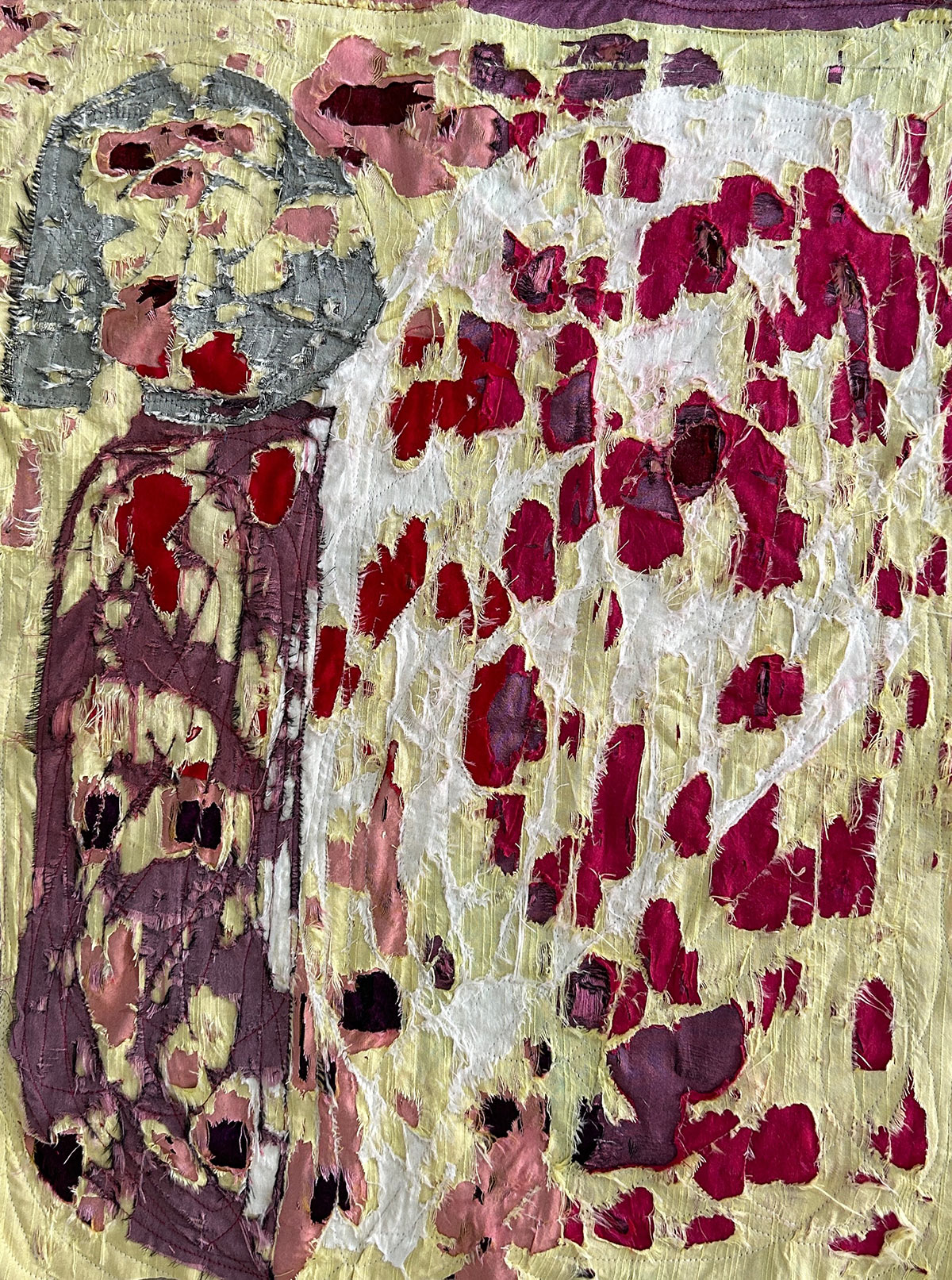
The landscape of arts in India has always been nourished by its close link with textiles. Starting with ancient textile weavings and moving on to modern interpretations of textiles as tools for telling stories, textile arts are now once again at the forefront of 2025. What was treated more like craft arts before now receives recognition as fine arts and hence draws considerable attention not only among curators but among art lovers and art institutions globally too. All this can easily be viewed at prominent arts festivals taking place in India itself.

Creative Processes & Global Intersections

Many modern artists of India share how their own processes of creation begin with an unexpected starting point, which can either be derived from traditional subject matters or an impromptu occurrence of daily life itself. While analyzing how visual concepts develop differently yet similarly among various cultures around the globe, many artists refer to those sources that explain the larger landscape of creativity, ranging from great fashion websites to other related avenues, where the interplay of design and creativity meets cultural expressions with a global outlook taken into account.

Textile Art at India Art Fair 2025

The increasing importance given to textile art was evident at India Art Fair 2025 held at New Delhi because several galleries showed installations based on fabric that delved into identity, memory, and politics. Weaving artists and dyers using natural fibers took center stage because of their skill to combine traditional art with new subject matters. There was an increase reported at India Art Fair 2025 with regard to visitors engaging with textile-based installations that showcased traditional processes like ikat, ajrakh, or kanthas that were being rediscovered among younger artists of India’s art landscape.

Textile Narratives at the Kochi-Muziris Biennale

Another field in which textile-based arts made an impression was at the Kochi-Muziris Biennale; this Biennale has always been at the forefront when it comes to pushing non-traditional and community-based artists. The edition for 2024 and 2025 brought to the table works of artists who tried to express themselves with cloth as their chosen media on matters pertaining to migration studies, gender studies, and environment studies, among others. These included fabric-based installations using natural dyes, recycled fabrics, and hand-woven fabrics taken from craft-based communities spread all over India.

Revival, Preservation & India’s Craft Legacy

The movement to revive textile art can also be linked to India’s rich craft tradition. Initiatives such as those taken by and Craft Revival Trust can be referred to as an important part of preserving India’s weave traditions for posterity’s sake. Contemporary artists inspired by these efforts can now treat textiles not only as an art form but as an archive too. Most of these artists work with weavers, embroiderers, or dyers; hence, fine arts and craft traditions intersect with an objective to keep age-old traditions alive while unearthing new paths for artists to experiment with their creations.

Textile Art in Indian Galleries (2024–2025)

Textile art receives growing recognition within galleries in India too. Exhibits held at Mumbai, Delhi, and Bengaluru over the years 2024 and 2025 established that there has been a growing need for such artwork based on fabric within the modern art market too. Jhaveri Contemporary and Gallery Espace exhibitions establish that textile art has ceased to be viewed as something remote, but rather a mature form able to deal with complex notions too.

Artists Leading the Textile Art Renaissance

There are several artists who have been at the forefront of this movement. Shelly Jyoti has been investigating the philosophical foundations of khadi fabrics through her installations involving large-scale textile works that combine hand-woven fabrics with modern conceptual ideas. Gauri Gill has been working with craft networks based in Rajasthan to create stories around fabric and embroidery about life and the role of women in rural areas of India. These artists, among others like Aisha Khalid, show how important textile stories are becoming in South Asian contemporary art circles. They not only conserve tradition but also challenge definitions related to textile-based art.

Academic Engagement & Institutional Support

Apart from exhibitions, there has been an observable rise in academic and institutional engagement with textile art too. Institutions of higher learning and art colleges throughout India have increasingly opened new courses related to textile design and innovative arts using textiles. Workshops and residencies now regularly incorporate textiles into their programs so that young artists can work with textiles under the supervision of designers and traditional craftsmen alike, a positive indication that there will indeed be a lasting focus on these arts into the future. The growth of textile art relates to global discourses on sustainable practice too.

Sustainability & Eco-Conscious Textile Practices

With increasing awareness about waste, production practices, and provenance of materials, artists in India have increasingly started using these sustainable factors to create art with natural fibers and recycled materials. These artists relate well to global trends associated with ecological art and have given Indian textiles an opportunity to make their presence felt at global art festivals and exhibitions too. Sustainable practice and handmade art can be said to define India’s arts and crafts circles of 2025. The significance of this particular era resides within how textile art bridges individual experience with collective cultural memory.

Fabric as Language, Memory & Transformation

Fabric has stories – stories of labor, lineage, geography, and identity. India’s artists bear witness to this power of emotion associated with fabric not just as media but as language itself because these artists pay tribute to tradition even while pushing beyond boundaries into areas of innovating with textile art’s role at the forefront of India’s cultural transformation. While India becomes more prominent in the global arts community, textile art emerges at the forefront of India’s authentic art movement. It embroils history and ingenuity, skill and creativity, tradition and transformation. And what becomes evident at the start of 2025 is that while textile art indeed enjoys an era of rediscovery and rebirth, it’s nonetheless forging a new future for art.

Thoughtful Secret Santa Gift Ideas for Men That Capture the Festive Spirit

0

Secret Santa Gift Ideas for Men-01

Secret Santa is a fun tradition during Christmas. It is all about giving small, thoughtful gifts in a surprise way. The joy comes from guessing who gave the gift and watching your friends smile. In India, the idea of secret gifting feels very special. It connects well with our culture of sharing during festivals. From Diwali to Pongal to Christmas, people love giving small tokens of love.  

This year, you can add a touch of festivity to your Secret Santa gift for him. Think about colours, traditions and small joyful items that make our celebrations beautiful.  

Finding the Best Secret Santa Gifts for the Special Men in Your Life  

The best gifts are always simple and thoughtful. Secret gifting is not about big money. It is about knowing what makes your person happy. It shows how well you know them. A small gift can mean a lot when it connects to personal taste or a festival moment.  

Try to think about things he uses on a daily basis, it could be anything ranging from food items, small plants or desk items that bring joy without being heavy. 

Add a touch of Indian tradition 

Indian festivals are full of colours and warmth. You can bring the same feeling to your Secret Santa gift. A set of candle holders is very simple but looks elegant on a desk. You can also give him a tiny rangoli magnet that reminds him of home. These thoughtful secret santa gifts for men bring festive charm and feel unique.  

Indian style tea blends are also a great idea. Masala tea, rose tea, or cardamom tea brings comfort in winter. If your man is the kind to enjoy trying new flavours, this is a great gift idea for him. Besides, a cute teacup adds a personal touch to this gift.  

Keep it Fun and Useful 

Secret Santa gifts should be fun. Make him smile. Pick items that he can use in daily life. A creative personalized calendar looks good in a workspace. A box of sweets makes you feel happy during holidays. Scented candles make any room calm and peaceful. Small indoor plants are a big trend today. They look good and are easy to care for. A little plant feels like a fresh start for the new year. It also cleans the air and makes the room brighter.  

Thoughtful Food Ideas  

Food gifts always work. Indian winter sweets are a joy. If you want something modern, go for cookies or chocolates. This makes the gift more interesting. You can also try gifting a spice mix. Every Indian kitchen uses spices. A special spice blend feels personal and useful. It brings taste and joy to everyday meals.  You can also make a small and thoughtful hamper out of these little gift items.

Gifts with a Personal Touch  

Personal touch makes a gift special. You can give him a notebook with his name on it. A simple photo frame with a fun note also works. Personal gifts show that you made an effort. It tells the person that you want them to feel happy.  

You can also add a small handwritten message for him. A few simple lines can brighten his day. This is the charm of Secret Santa. The surprise and the message together create a nice memory.  

Simple and Easy Gifting Ideas  

Here are some quick ideas if you are still unsure:  

  • A small rose plant  
  • Indian art notebook  
  • A box of sweets  
  • A cup with a tea blend  
  • A mini candle set  
  • A soft scarf for winter  
  • A bookmark made by local artists  

All of these items are simple but thoughtful. They look nice and bring joy.  

Keep the Spirit Joyful 

Secret Santa is not about showing off. It is about sharing joy. When you mix this feeling with Christmas, you get something unique. Your gift becomes more than a product. It becomes a small moment of happiness.   

In the end, choose something that feels right. A bright colour, a soft scent, or a sweet box of treats. Make it simple and keep it warm. That is what festive gifting is all about.