Nilaya Anthology Presents: What The Land Remembers Group Exhibition

0

Nilaya-Anthology-Presents--What-The-Land-Remembers-Group-Exhibition-01

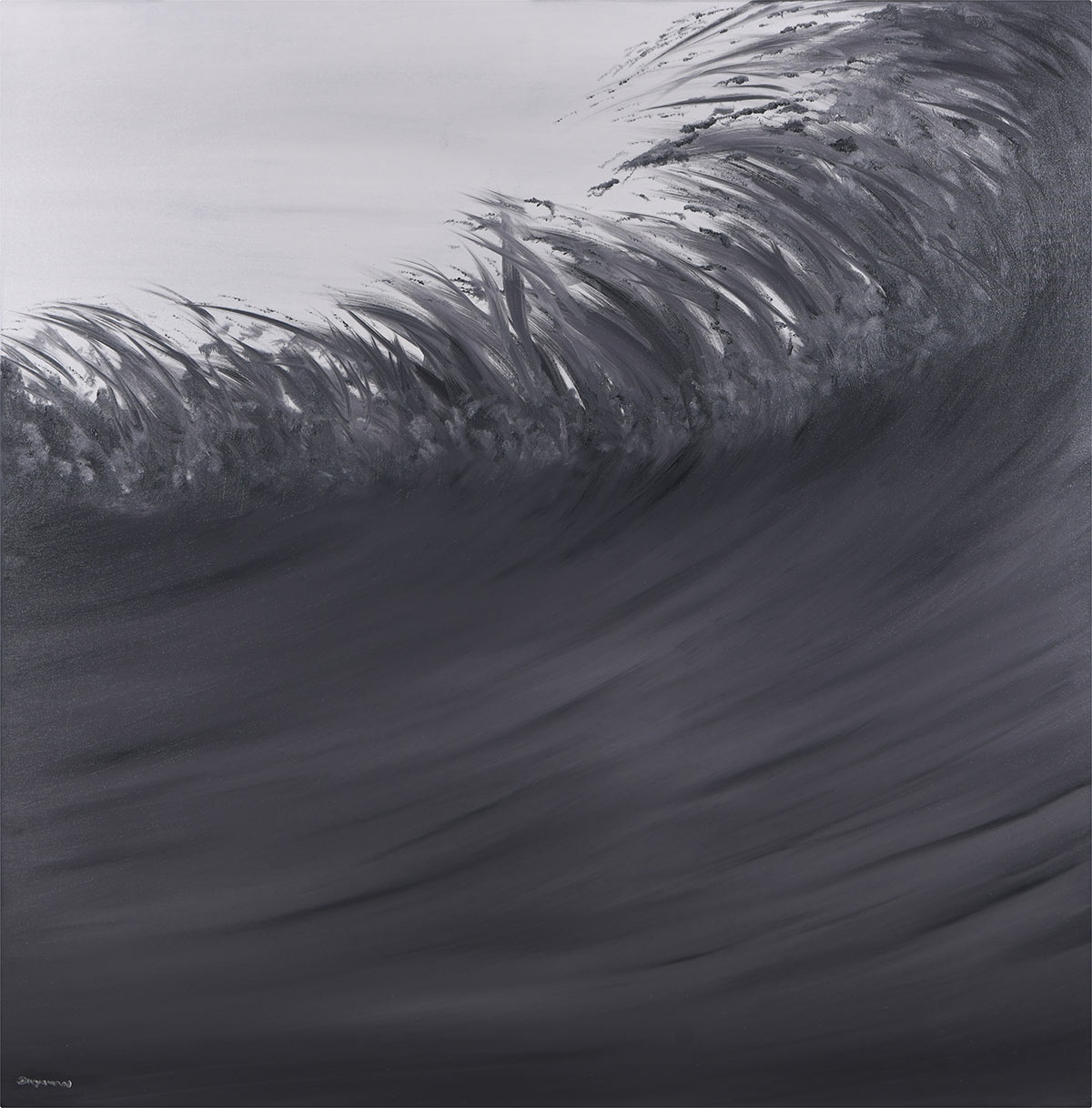
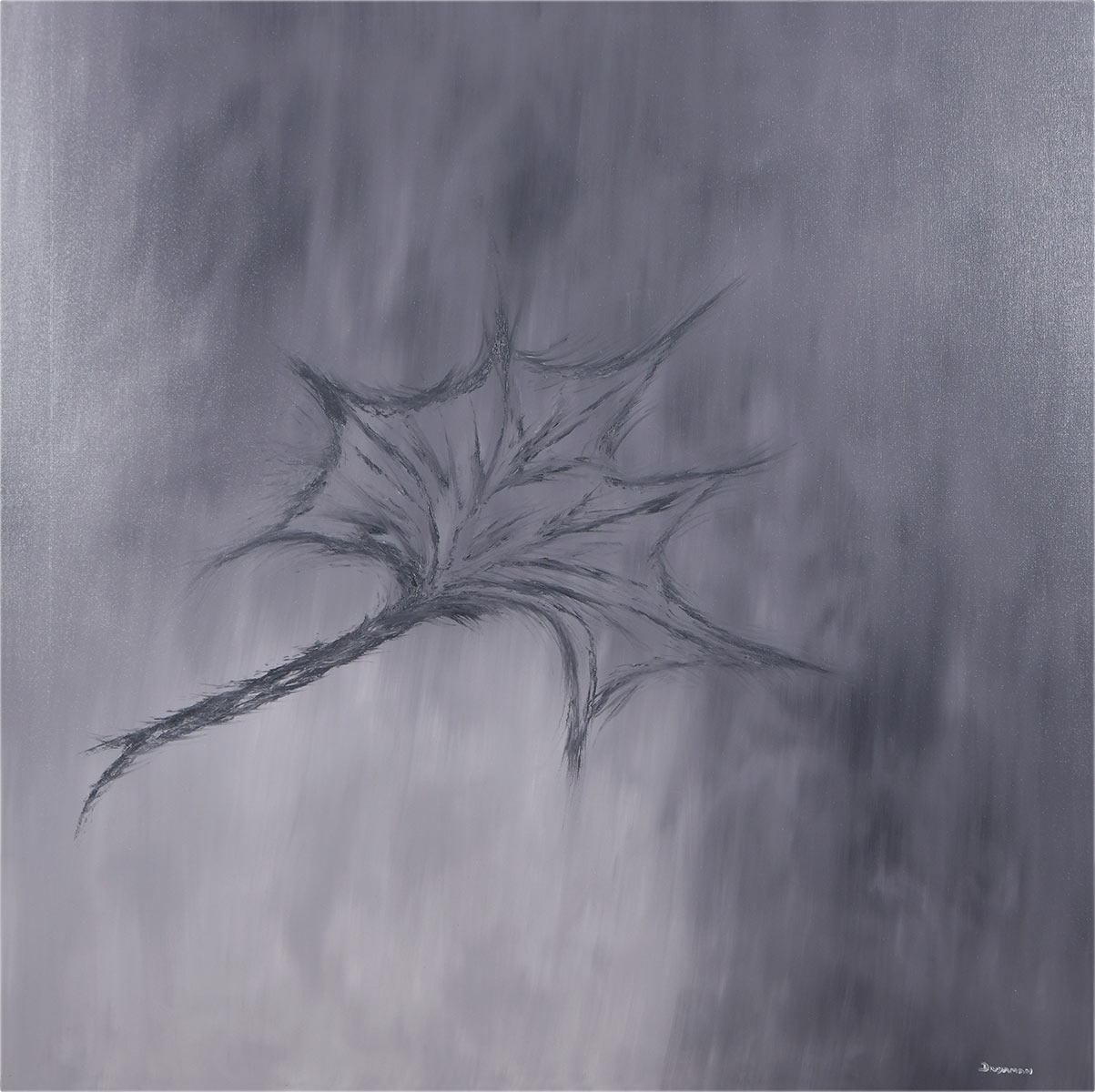
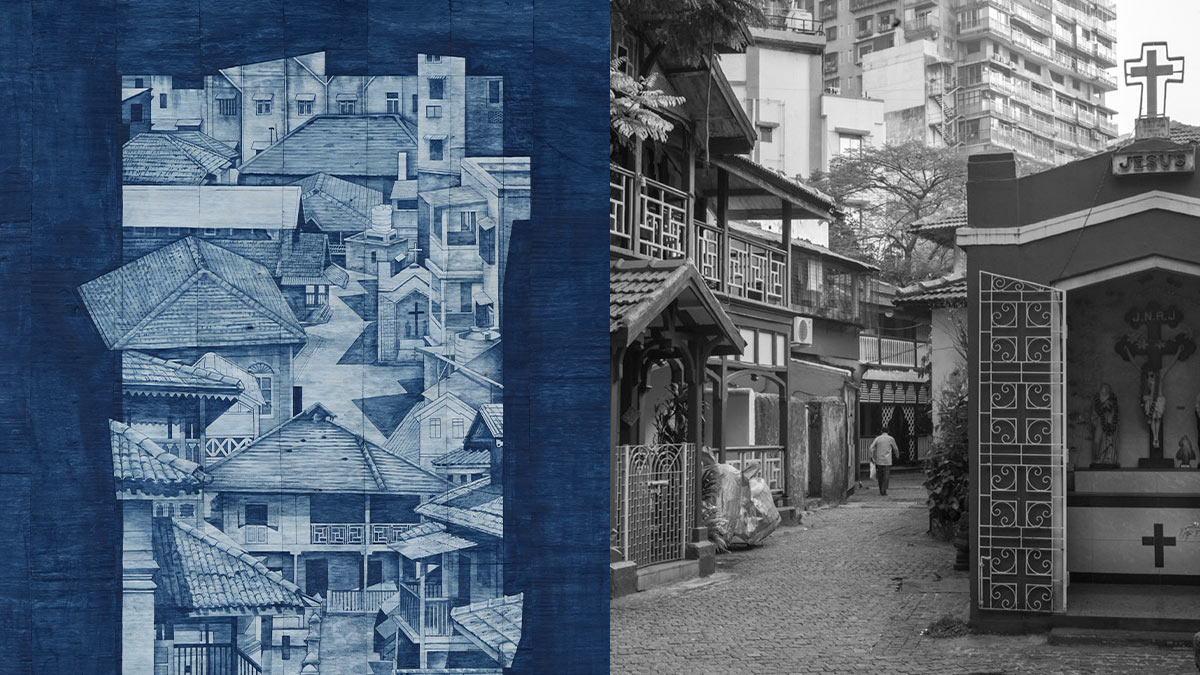
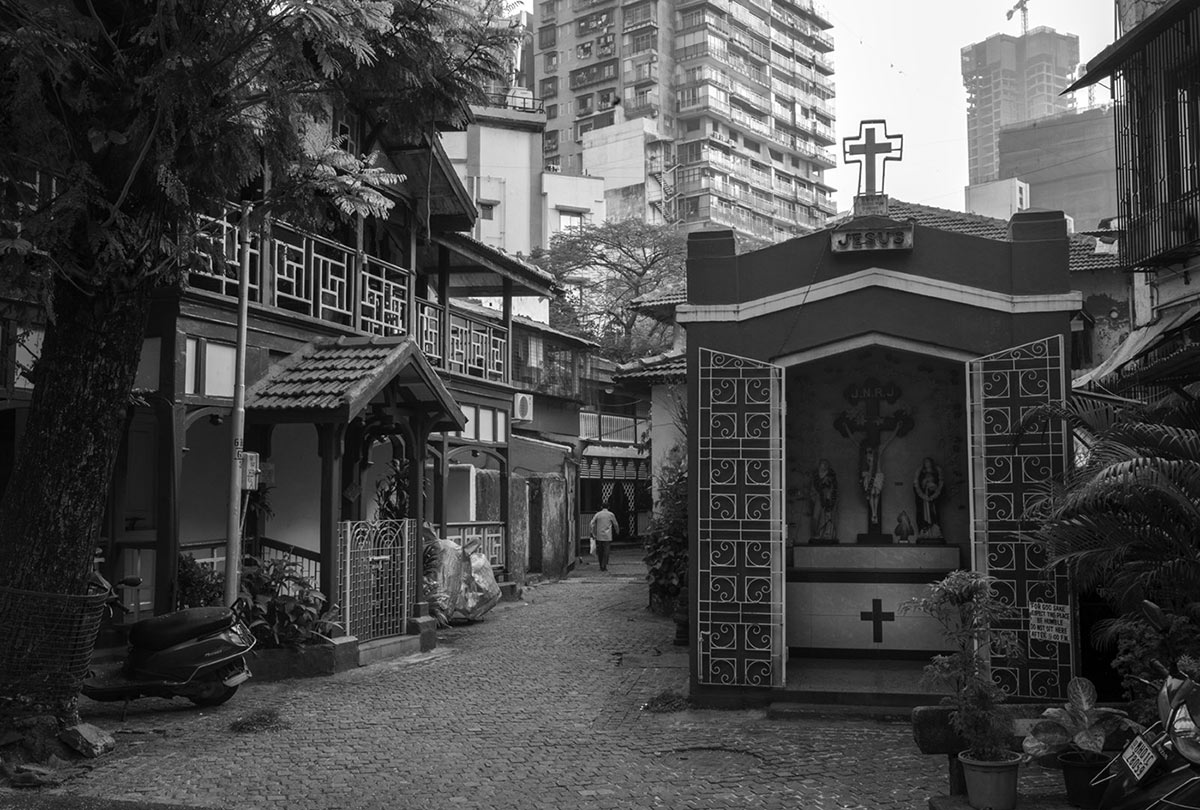
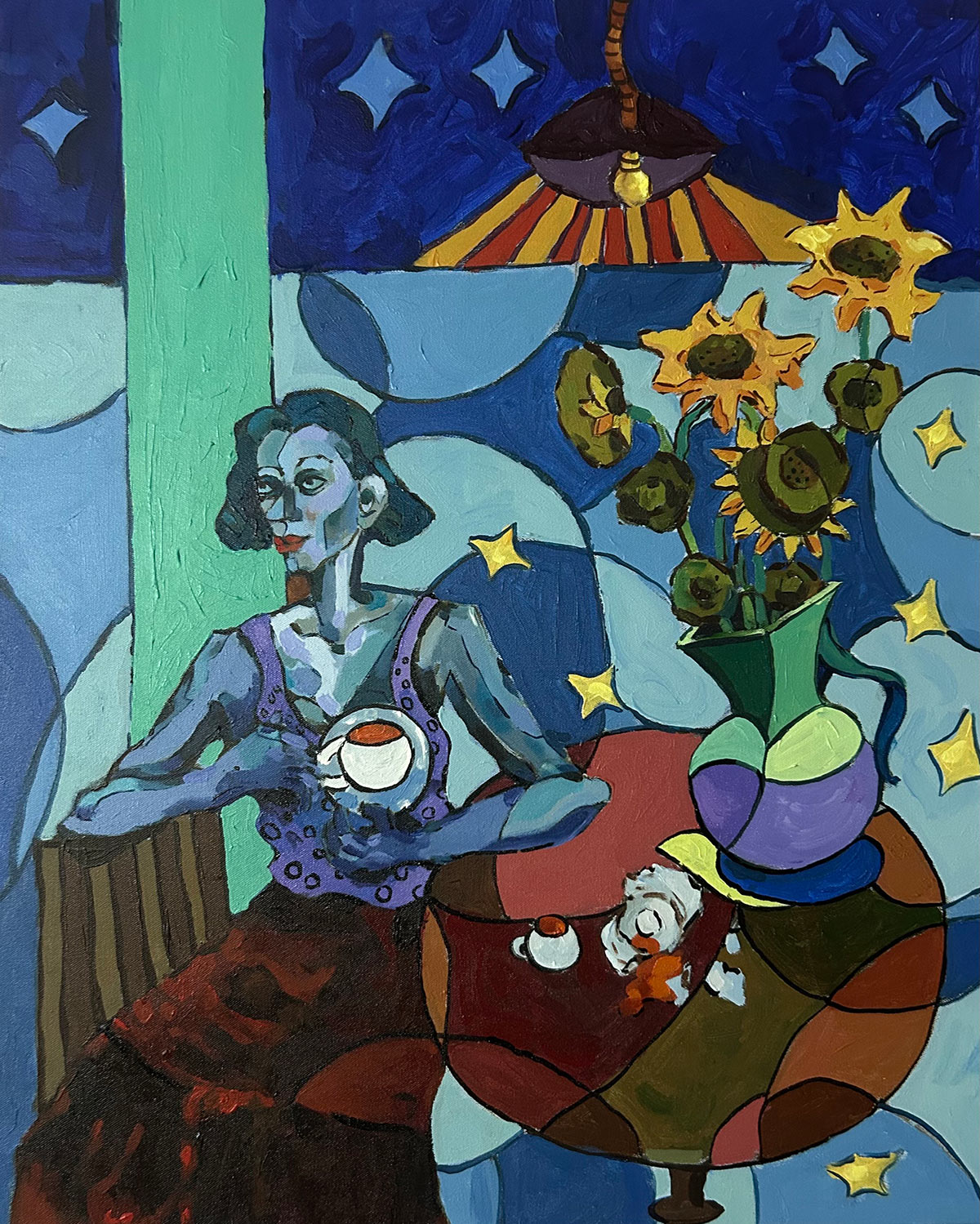
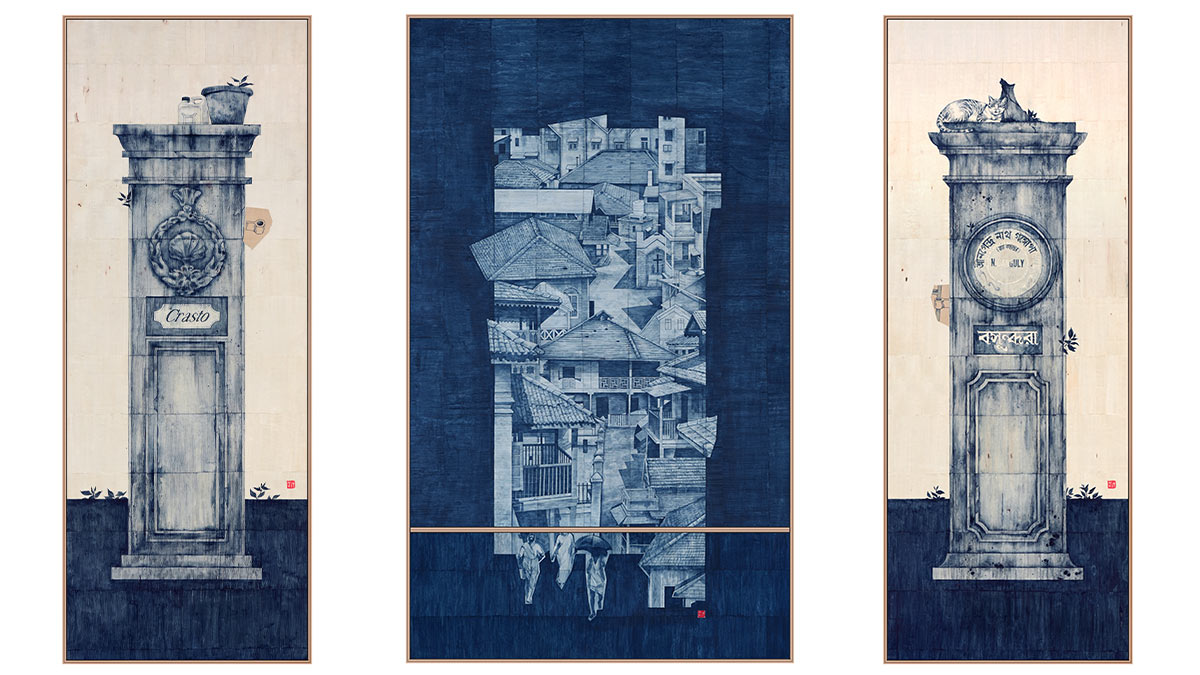
Nilaya Anthology, widely regarded as India’s premier design and cultural destination, is hosting a one-of-a-kind exhibition titled “What The Land Remembers.” This confluence of art, memory, and materiality is presented through the works of Helena Bajaj Larsen, Tenzin Dhakpa, and Gaia Pawar Shapiro. The exhibition runs from 12th November to 31st December, 2025, at Gallery 2, Peninsula Corporate Park, Lower Parel (W), Mumbai, from 11 AM to 7 PM. The core themes revolve around how landscapes are remembered or imagined by retaining the human element. This exhibition surpasses the boundaries of aesthetic appreciation and moves towards becoming a persistent representation of loss, ecology, and inheritance. The diversity of the subjectivity of the canvases is what makes it stand out. 

A stroll through the gallery proves to be a compelling journey where personal memories coincide with collective thought and are translated into co-dependent tangible acts of preservation and reinvention. The event unfolds itself a space filled with quietude, but its grace places it in a beautiful chaos. 

Landscape & Identity


View this post on Instagram


A post shared by Nilaya Anthology (@nilaya.anthology)

The thematic core oscillates within the reciprocity between person and place. This notion is vividly articulated with the works of three distinct artists. Each artist has a unique taste and a rare signature of artistic endeavor that swiftly delves into the complex process of making a “self” within the contours of shifting terrains. These paintings deal with a broad subject matter ranging from diaspora, history, personal introspection, and so forth. The land in the landscape is not featured as a serene background, but it is personified as a living participant in the human saga. The land, thus, appears as an archive of migration, loss, and return. 

The Artists


View this post on Instagram


A post shared by Nilaya Anthology (@nilaya.anthology)

The works of Helena Bajaj contribute to the exhibition through experimental textile installations. The artist grew up in varied geographies, and this sentiment is well reflected in her artistic practice. Her Indian, Norwegian, and Persian roots are well-defined inspirations in her work. She presents hand-painted and flat-woven textiles that attract inspiration from the Global South. Through her work, she pays homage to “home.” She beautifully combines Indian ornaments with the minimal aesthetics of Scandinavia, and finally adds a juxtaposing sense by introducing the Italian touch. 


View this post on Instagram


A post shared by Nilaya Anthology (@nilaya.anthology)

In contrast, Tenzing Dakpa’s medium is documentary photography. His series focuses on the region of Kurdi in South Goa, a village that was submerged by the Salaulim Dam but partially resurfaces each year during the dry season. Dakpa’s lens captures this cycle of absence and presence. He often captures images in silence and darkness and punctuates those with light bursts. This creates a sense of confrontation within the resulting image. Dakpa’s photographs are not simply records of a flooded settlement; they are haunting meditations on displacement, development, and the fragile relationship between modern infrastructure and living heritage. He also depicts the tension between the man-made dam and the untamed natural environment using the same method, as a way of delivering his concerning views towards Mother Nature.


View this post on Instagram


A post shared by Nilaya Anthology (@nilaya.anthology)

Finally, the presenters’ trio is completed by Gaia Pawar Shapiro. Her canvases appear to be the dreamland between real landscapes and the collage of personal recollections. Having grown up in the beautiful surroundings of Hampi, her paintings frequently explore the concept of “home” as a safe, isolated inner world, a walled-in garden surrounded by trees. Her compositions recreate the feeling of a solitary walk. 

Overview of The Event 

Event Details
Title What The Land Remembers
Venue Gallery 2, Nilaya Anthology, Peninsula Corporate Park, Lower Parel (W), Mumbai
Dates 12th November – 31st December 2025
Timings 11 AM – 7 PM
Participating Artists Helena Bajaj Larsen, Tenzing Dakpa, Gaia Pawar Shapiro
Presented by Nilaya Anthology
Curatorial Theme Memory, landscape, ecology, and cultural inheritance

Key Highlights

  • A rare confluence of textiles, photography, and painting within a unified conceptual framework.
  • Exploration of submerged landscapes and resurging memory, particularly through Dakpa’s Kurdi series.
  • Sustainability, craft, and ecology are foregrounded in Helena Bajaj Larsen’s textile practice.
  • Psychological and emotional landscapes are explored through Gaia Pawar Shapiro’s canvases.
  • A strong engagement with Global South geographies and post-development realities.
  • Hosted at Nilaya Anthology, a space known for blending contemporary design with critical cultural discourse.

A Dialogue Between Land, Loss, and Legacy

What The Land Remembers is a perfect example of artistic practice aligning with the global trend in which landscape is no longer treated as a neutral piece of background, but holds deep, politically or ecologically driven significance. Given the backgrounds of the artists, it is also a great contribution to South Asian art. Today, the world is defined by migration and rapid, often disruptive, urbanization, a phenomenon particularly relevant to Mumbai. It also resonates strongly with contemporary conversations around dams, development-induced displacement, and environmental justice, issues that remain unresolved across large parts of India. In a nutshell, it is a brilliant reminder that a landscape’s most profound stories are often found not on its prominent surfaces, but in its deepest, most hidden layers.

National Tribal Trade Fair 2025: Celebrating Tribal Commerce, Culture & Craft

0

National-Tribal-Trade-Fair-2025

The Melting Pot of Culture and Commerce

The National Tribal Trade Fair (NTTF) 2025 is scheduled to unfurl itself at the heart of Gujarat’s tribal belt from December 25 to 28, 2025. It is poised to be far more than a mere marketplace of handicrafts. This fair is a monumental convergence of culture, commerce, and community in India. Set in Varsrai, Mahuva, the immersive 4-day event is a strong statement on inclusive growth, aimed at integrating India’s vast tribal economy with the mainstream. Organizers are anticipating a footfall surpassing 3,00,000, transforming the venue into a bustling epicentre of cultural and commercial activities. These anticipations reflect the growing appeal of India’s Tribal heritage among the citizens. The fair aims to house talent and products from 16 Indian states, showcasing a pam-Indian representation og tribal craftsmanship, cuisine, and business innovation. 

The central focus of the fair is the generation of livelihood and scaling tribal enterprises. This aim is put forth by the establishment of 400+ stalls dedicated to cuisine, traditional crafts, and modern business ventures. In a traditional setup, the tribal population faces considerable challenges while accessing the market in a true sense. They are constrained by supply chain limitations and the lack of direct communication with consumers. Thus, they mostly end up depending solely upon the intermediaries who do not let the tribal folks have the share of profit they deserve. The trade fair directly addresses these issues, allowing artisans to transact business directly, receive immediate customer feedback, and understand contemporary market demands. Also, the presence of organizations like DISHA ( A Gujarat-based organization working on marginal community empowerment) highlights the involvement of local development bodies committed to facilitating this market linkage. 

The Core

With participants hailing from 16 states, more than 400 stalls, and 1000+ delegates, the fair aims to ignite a nationwide movement of tribal entrepreneurship with the ambition of creating 1000 new tribal entrepreneurs within a year. It highly reflects the agenda of “Vocal for Local”, and Atmanirbhar Bharat by the inclusion of tribal products into the mainstream without diluting their cultural authenticity. The government officials, industry leaders, NGOs, financial institutions, and representatives from national bodies are the drivers of this change.   These delegates are instrumental in conducting B2B meetings, organizing workshops on digital marketing, intellectual property rights (IPR) protection, and product standardization, essential steps for tribal businesses to compete nationally and globally. These are also supported by institutions like the MSME Ministry and Skill India. 

Events like these are also supported by the framework set by the Ministry of Tribal Affairs and its nodal agency, the Tribal Co-operative Marketing Development Federation of India (TRIFED). TRIFED’s flagship initiatives, such as the Aadi Mahotsav and the Van Dhan Vikas Kendra (VDVKs), focus on empowering tribal communities by monetizing minor forest produce and handicrafts. 

A Cultural Economy in Motion

From a cultural perspective, it is a repository of India’s living tribal heritage. Visitors get to see the intricate, first-hand metal crafts of Dokra to the vivid textiles and jewellery of Gujarat’s own tribal groups, and art forms such as the geometric Warli paintings ot the mythological Gond Art. By labelling the fair economic value of these products, these tangible legacies are duly safeguarded. Through these monetizing opportunities, the younger generations of these craft practitioners are encouraged to carry their legacy forward. NTTF 2025, like the successful models of Surajkund Mela and Aadi Mahotsav, brings all these strands together into one integrated ecosystem.

Furthermore, the Gujarat Government’s focus on tribal development is duly channeled through schemes like the Vanbandhu Kalyan Yojana. Efforts like these ensure that infrastructure, financial aid, and policy support are in sync with the wave of enthusiasm generated by the fair. Key focus areas include cuisine, craft, business, and delegates. The Mahuva Trade Fair thus caters as a holistic and inclusive model that acknowledges the supply as well as the demand. 

The Fair At A Glance

Important Point Detail
Event Name National Tribal Trade Fair (NTTF) 2025
Duration 4 days (December 25 – 28, 2025)
Venue Vasrai, Mahuva, Gujarat, India
Expected Footfall 3,00,000+
Participating Entities 16 Indian States
Business Scope 400+ Stalls (Cuisine, Craft, Business)
Core Mission To create 1,000 new entrepreneurs in the next year
Key Sectors Handicrafts, cuisine, culture, and Business

Key Highlights of NTTF 2025

  • Participation of tribal artisans, farmers, musicians, and entrepreneurs from across 16 Indian states
  • 400+ stalls featuring tribal crafts, textiles, forest produce, traditional food, and start-ups
  • A strong focus on tribal entrepreneurship and business incubation
  • Cultural performances showcasing indigenous music, dances, and rituals
  • Platform for policy dialogue between tribal leaders, entrepreneurs, investors, and government bodies
  • Expected economic boost for the regional and local markets in Mahuva
  • Youth-centric entrepreneurship mission with a target of 1,000 new enterprises

Why Gujarat?

Gujarat has emerged as a hub of trade, cooperative economics, and entrepreneurship. Hosting NTTF in Muhva places the tribal economy within a broader spectrum of industrial growth and enhanced market connectivity. It also allows tribal communities from western and central India to engage more directly with national and international buyers.

Cultural Diplomacy

Beyond its economic significance, NTTF also functions as a mediator in internal cultural diplomacy in India. People visiting the fair will not just physically take a stroll throughout the place, they will encounter ritual dances, taste indigenous foods, and themselves will be a part of the cultural exchange taking place. It will be a milieu, a melting pot of India’s cultural heterogeneity. This will also soften and reshape the perception of people towards the tribal folks, who are often just viewed through the lens of welfare or conflict. It aims to reframe the tribal identity into something bigger as entrepreneurs, cultural ambassadors, innovators, and stakeholders of their original indigenous goods. 

Takeaway

NTTF stands with the agenda of oneness in the future of the Indian economy, where every type of folk will find a place to be. NTTF truly is a dual insistence on economic profit and cultural pride.  It does not ask tribal communities to modernize by abandoning tradition; instead, it invites the market to recognize tradition as innovation. If executed with accountability and follow-through, it has the potential to become the desired turning point in India’s tribal economic history. The Mahuva fair is a blueprint for how cultural pride and commercial acumen can collaboratively drive India’s progress.

Blossoming Grace: Natania Samuel’s Bharatanatyam Arangetram in Gurugram

0

Natania-Samuel-Bharatanatyam-01

The Epicentre, Apparel House, Gurugram, is poised to encounter a once-in-a-blue-moon occurrence as Natania Samuel, a young dancer who, at just 10 years old, is set to present her 

Bharatanatyam Arangetram on Sunday, 7th December at 6 PM. Trained under the esteemed guidance of Guru Smt. Priya Venkataraman, Natania became one of the youngest artistes to achieve this milestone in the National Capital Region (NCR). This event is a lively celebration of dedication, talent, and the beauty of India’s classical arts. 

In the niche of classical dance, an Arangetram refers to a dancer’s formal debut solo performance after years of training, signifying a transition to a professional level of proficiency. It is a rite inviting the spectators to witness the culmination of years of rigorous training and marks the initiation of a lifelong spiritual and artistic commitment of the performer. The performance of the little girl is reflective of her innocence, which only a young dancer can bring. 

The Rite of Ascending The Stage

The Arangetram, derived from the Tamil words Arangu (stage) and Ettam (rising). It is the moment a student, under the watchful eye of their Guru, presents the full classical repertoire, the Margam, for the first time, publicly proving their mastery and readiness to be an independent performer. For Natania, this will be a turning point as her performance will become her signature of commitment to the forthcoming artistic journey. Her achievement at such a tender age represents an exceptional adherence and connection to the art form.

Natania is trained under the esteemed Guru Smt. Priya Venkataraman, the Artistic Director of Nrityadiksha. Smt. Venkataraman is a renowned Bharatanatyam pioneer known for her strict conformity to the classical traditional repertoire. She herself was trained under legends like Guru Saroja Vaidyanathan. Her mentorship ensures that Natania’s debut is embedded in classical mastery, despite the dancer’s youth.

The Discourse of The Dance

Appreciators of art or Rasikas, as they are known in Sanskrit, can expect an Alarippu, an invocatory piece in Bharatanatyam. Natania’s Arangetram will feature the entire 120-minute Margam. The traditional sequence progresses from abstract pure dance (Nritta) to expressive storytelling (Abhinaya), usually including the Pushpanjali, Alarippu, Jatiswaram, Shabdam, Varnam, Padam, and Tillana. Natania is also well-informed about both Carnatic and Western classical music, which enhances the scope for a sensible and breathtaking performance, just as mature artists do. The evening will present a pleasant impression of rasas (emotions), as Natania navigates contrasting roles with maturity. She will depict a wide spectrum of acts, ranging from the innocence of childhood and the playful naughtiness of Krishna to the spirited grace of the Kurathi

Interestingly, a distinguished group of musicians will accompany her. The list includes masters like Smt. Priya Venkataraman (Nattuvangam), Shri Venkatesh Kuppuswamy (Vocals), Shri Varun Rajashekar (Ghatam), Shri Raghavendra Prasath (Violin), Smt. Karaikudi Shyamala Bhaskar (Veena), and Shri Manohar Balachandirane (Mridangam). Together, they wish to weave an aural ambience that complements Natania’s dance. This will be a hallmark of authentic Bharatanatyam debuts across India.

Event Overview

Event Details
Dancer Natania Samuel
Event Bharatanatyam Arangetram
Date & Time Sunday, 7th December at 6:00 PM
Venue Epicentre, Apparel House, Gurugram
Guru Smt. Priya Venkataraman (Nrityadiksha)
Repertoire The entire classical Margam (approx. 120 minutes)
Entry Open to all (First-come, first-served basis)
Accompanying Ensemble Vocals, violin, veena, ghatam, and mridangam led by senior artistes

Key Highlights

  • One of the youngest dancers in NCR to perform a complete Arangetram
  • A full 120-minute Margam performed with classical depth and age-appropriate aesthetics
  • A rare blend of dance, Carnatic music, and Western classical sensibilities
  • Years of early training—beginning at just three years of age
  • Participation in established choirs such as the Mozart Choir and the Sargam Choir
  • Parallel training in figure skating, showcasing her multidimensional artistic growth
  • A supportive ensemble of senior musicians with strong stage presence

A Childhood Immersed in the Arts

Natania was born into a culturally rich household. Her name means “Gift of God”. Her mother recalls how even as early as one year old, she would sit through entire Carnatic concerts (kacheris), quietly absorbing every raga and kriti. At two, she echoed the rhythmic jathis practiced at home; by four, her formal dance training had already taken root. Under Guru Smt. Priya Venkataraman, Natania has absorbed the values that form the backbone of Bharatanatyam: discipline, devotion, and humility. Her artistic pursuits are extended across multiple fronts, including Carnatic Vocal music, Western Classical music, and Piano (Trinity College London Certifications), Choir participation, and figure skating. A Grade 5 student at HIXS Avenue, Gurugram, she balances academics with her artistic commitments, excelling particularly in Mathematics, a testament to her structured thinking and discipline.

The Future of Grace

Natania Samuel’s journey reflects a revival of the guru-shishya parampara, nurtured by a family that values tradition and a teacher devoted to the classical arts. Her age does not pose a constraint to her depth of immersion in her craft. Her Arangetram is a display of bhakti conveyed through movement and expression.  Natania’s debut is an affirmation that the future of classical Indian dance is in gifted and devoted hands. Her Arangetram is a reassurance that India’s classical heritage continues to evolve vividly, even amongst young stars.

BLR Hubba 2026: Bengaluru’s Biggest Cultural Fest Returns with a Bang

0

BLR-Hubba-2026

Bengaluru is gearing up for one of its most-awaited celebrations, the BLR HUBBA 2026. During this festival, the globally recognized tech hub just turns its wired minds into a multifaceted identity. Scheduled to run from 16–25 January 2026, BLR Habba is about to make a comeback with its third edition. The festival promises to transform the city into a throbbing centre of culture, creativity, and tradition. The festival aims to highlight the city’s rich and underrated cultural heritage. It functions with the mission to redefine brand Bengaluru. In the present times, BLR Hubba has rapidly grown into one of India’s biggest multi-genre cultural showcases. The festival is said to take the form of an “urban organism,” and organizers describe it as a festival that seeks to place Bengaluru firmly on the world’s cultural map, pursuing direct inspiration from established international behemoths like the Edinburgh Fringe Festival. 

Bengaluru’s Grand Cultural Exposure


View this post on Instagram


A post shared by BLR Hubba (@blrhubba)

The festival was hitherto known as Unboxing BLR Hubba. The festival is organized by UnboxingBLR Foundation, a non-profit organisation. The foundation aims to challenge the unilateral perception of Bengaluru solely as a tech hub. The co-founders and facilitators, like Prashanth Prakash and V Ravichandar, have initiated the narrative that Bengaluru is a hub (Hubba) of creativity, innovation, arts, and community. Their mission is to give Bengaluru its well-deserved recognition beyond its startup ecosystem. Interestingly, the name of the festival itself is quirky. BLR stands for the airport code of the city, and the Kannada word for festival is Habba. Together, it weaves a sentiment rooted in the modern as well as traditional fabric of the city. The festival acknowledges the dual identity of the city, both as a cosmopolitan city as well as a place rooted in its culture. 

The structure of the festival is made decentralized by consciously shifting away from a single fairground model. Instead of being restricted to a particular venue, the festival will utilize virtually 20 iconic venues and countless public spaces for more and more engagement. Public spaces include places of high foot traffic, such as metro stations, local parks, and heritage buildings. This exercise aims to turn the whole city into a breathing canvas. The rudimentary objective behind such planning is to ensure the inclusivity of people hailing from all walks of life by reaching neighborhoods from Malleswaram to Whitefield. Events of almost 12+ genres are also scheduled to offer an immersive experience to everyone. 

The Discourse


View this post on Instagram


A post shared by BLR Hubba (@blrhubba)

BLR Hubba was conceptualized to create a people-centric cultural revival for Bengaluru, connecting art with everyday urban life and democratizing cultural experience. There are more than 250 genre-defying experiences spanning throughout the spectrum of arts from classical dances and experimental theatre to modern spoken word and fusion music. The ambit of the festival shoots beyond the traditional scope and also includes a plethora of subfestivals like Kantha, a multi-genre music festival celebrating the sound of Asia. Other crucial subfestivals include Kala, Thindi, Vishesha, Nataka, Makkala, Rasthe, and so forth. 

The festival is dotted with free public events accounting for almost 70% of the scheduled events.  Also, initiatives like Gala-Gala-Gaddala bring Kannada programming, such as Kuvempu Ramayana readings, to local community parks. Dance troops like Yakshagana and Veeragase to contemporary indie rock bands, this edition has it all. There are many cross-disciplinary practitioners, including musicians working with visual artists, or dancers interacting with poets, and so forth. The organizers constantly reiterate that BLR Hubba is “for the city, by the city”. The stage is opened for local artisans, SHGs (Self Help Groups), and neighboring cultural clubs, transforming the whole experience into a grassroots episode. 

Beyond Celebrations

The mouthwatering street food culture of Bangaluru is also well integrated into the whole eventful experience. The 2026 food festival is anticipated to highlight Karnataka’s underrepresented culinary traditions, including coastal delights, Malenadu cuisine, and millet-based dishes. It’s a wholesome 10 days of an immersive experience brought to light by the collaboration of corporate sponsors like JSW. Alongside the state government, hundreds of independent artists have joined hands to make this festival fruitful. 

Event At A Glance

Overview Details
Event BLR Hubba
Dates 16–25 January 2026
Total Events 250+ experiences across art, theatre, music, dance, food, and markets.
Genres 12+ including spoken word, children’s programming, indigenous arts
Venues 20+ locations across Bengaluru—parks, cultural centres, markets
Objective To celebrate Bengaluru’s cultural diversity and artistic innovation
Organisers Presented by JSW; supported by multiple cultural foundations, local partners
Notable Additions (2026) Larger street markets, more immersive theatre, expanded children’s zone, food festival
Organizing Principle UnboxingBLR Foundation’s vision to redefine Bengaluru as a global cultural hub—privately enabled and community-driven.
Accessibility Focus on transforming community spaces and making cultural events accessible physically & economically.

Key Highlights

  • Bengaluru’s largest multi-venue cultural festival, spread across 10 consecutive days.
  • A curated lineup blending traditional Karnataka arts (like Yakshagana and folk dance) and contemporary genres (spoken word, indie music, theatre).
  • A city-wide format encouraging citizens to experience public spaces differently.
  • Major participation from community groups, schools, and young performers.
  • An expanded food festival showcasing Karnataka’s regional cuisines and global flavours.
  • Street markets, pop-up installations, and art walks were activated across neighbourhoods.
  • Dedicated experience zones for children, enhancing cultural engagement among young audiences.
  • Emphasis on genre-defying performances, fusion theatre, experimental dance, and collaborative music sets.
  • Supported by reputed partners, including Manipal Foundation and Unboxing BLR.
  • Strong digital engagement through the BLR Hubba website and WhatsApp channel for updates.

Reimagining the City

BLR Hubba is not restricted to a stringent sequence of performances. It is an attempt to rebrand Bengaluru solely through shaping its identity beyond the infamous traffic and technology. The democratic approach adopted by the festival prioritizes public access and puts forth a mix of composite culture. For a city that is often judged based on its economic and technological contributions is equally hungry for its cultural validation. The BLR Hubba is one of the vocal stages that make it a reality.  It breaks the limitations of “elite” art spaces and brings creativity to the grassroots. Bengaluru has always been a melting pot of languages, cultures, and communities, and BLR Hubba amplifies this ethos.

Swarapaana’s Kannada Janapada Jamming: Bengaluru’s Biggest Folk Sing-Along

0

Swarapaana-Kannada-Janapada-Jamming-02

Bengaluru, India’s Silicon Valley, has a soul that beats far beyond its tech corridors. At the heart of South Bengaluru lies a cultural pulse rooted in Kannada folk traditions, poetry, music, and community spirit. The place is going to reverberate stronger than ever as Swarapaana, one of Bengaluru’s fastest-growing community music collectives, is presenting the biggest Kannada Janapada Jamming event at the iconic Bugle Rock Park, Basavanagudi, on December 7, 2025. The festival bills itself as the “biggest, loudest, strongest group of music lovers across Bengaluru,” a movement dedicated to celebrating regional musical heritage. The organization is hosting a spectacular event, “Haadu Janapada” (Sing Folk). 

A Deep Dive Into The Janapada Flavour

The venue is the iconic Bugle Rock Park in Basavanagudi, a location that transports people to the old-era charm of Southern Bengaluru. The site, with its ancient rock formations and historical significance, provides a perfect naturalistic spot for a music form that is inherently tied to the localities. Historically, the area has been a cultural hub, from Basavanna’s philosophical legacy to the old-world charm of Gandhi Bazaar. One of the major highlights of the event is that it is projected as a “super fun, no-rules (but full-of-heart) music community where anyone can sing, seriously, anyone!” This ideology is the core of this festival. It is designed to be an inclusive, non-judgmental space where the joy of music takes over the awareness of perfection.

The jamming sessions are highly inspired by Karnataka’s diverse folk traditions, Lavani, Dollu Kunitha rhythms, Jogathi Nritya elements, and the earthy musicality of rural Karnataka that carries stories of harvests, festivals, and everyday life. This approach propagates a genuine sense of community, allowing members to “grow musically, discover your own voice, and have an amazing time,” with the belief that “every voice matters, every song has a story, and music is meant to be shared.” The festival orients itself towards crafting an authentic ‘Janapada’ (folk) atmosphere. This edition aims to push that legacy further.

Dress Code That Celebrates Tradition

Though optional, the dress code for this event encourages participants to evoke life in the colours and textures of Kannada Janapada. For women, the options are Traditional sarees of earthy hue, checked or patterned Janapada-inspired drapes, and flowers in their hair, including orange marigolds, jasmine, or yellow blooms. Big bindis and rustic accessories are also desired. 

Men are encouraged to adorn themselves with the classic combination of traditional lungi and jubba. A “Jogi look”, though optional, is applicable too. Or, they can simply go for any comfortable traditional outfit. The participants are also encouraged to carry eco-friendly jute bags, floral accessories, sugarcane, and even grass bundles. These props highlight the essence of the rural festivities and harvest rituals. 

Event at a Glance

Overview Information
Date & Time 7th December, 8:30 AM – 10:30 AM
Venue Bugle Rock Park, Basavanagudi, Bengaluru
Registration WhatsApp: 84310 76697 / 95388 18836
Point of Contact Mona
Dress Code Traditional Janapada-inspired outfits (optional)
Props Jute bags, flowers, sugarcane, grass bundles

Key Highlights

  • A large-scale Kannada Janapada jamming session—open for all music lovers, singers, and enthusiasts.
  • Community-first musical celebration—no stage, no performers, only collective singing.
  • Venue steeped in heritage—Bugle Rock Park, known for its geological and cultural significance.
  • Traditional dress and props are encouraged to recreate the warmth of rural Karnataka.
  • Mass participation expected—Swarapaana events often see hundreds gathering for grassroots music revival.
  • Hassle-free registration via WhatsApp through event coordinators.

The event carefully capitalizes the fresh morning hours from 8.30 am to 10 am, creating an environment of freshness and good vibes. This consistent gathering of music lovers has established the organization as a significant player in the community music space in Karnataka.

A Voice For Local Culture


View this post on Instagram


A post shared by SWARAPAANA (@swarapaana_official)

Swarapaana’s ‘Haadu Janapada’ is a pioneer in regional folk music. Even in a fast-paced metropolis like Bengaluru gets intoxicated by the timeless vibes of the festival. The rustic melodies, deep connections, and the joys of the rural populace make the experience more authentic and rooted in the Kannada culture. Its inclusivity is depicted in the model of mass participation, making the event a place where people from all walks of life can find joy. Swarapaana dissolves boundaries between performer and audience and democratizes culture.

Bangalorians are reminded that “tradition” is not outdated, but rejuvenating as well. It can live, breathe, and augment even in the spaces dotted with skyscrapers. ‘Haadu Janapada’ is a revival of the soul of Karnataka’s music in the heart of its capital city.

11 Most Famous Food of Telangana You Must Try

0

Folk-Dance-of-Telangana-0

Food represents the culture of a place, city, state, or country, so the best way to learn about someone’s culture is by eating the food of that particular place. Telangana is most famous for its Mughlai and Turkish dishes, such as Hyderabadi biryani and many more. Let’s explore the famous foods of Telangana:

1. Hyderabadi Biryani: The Royal Joy of Telangana

Famous-Food-of-Telangana-Biryani
Image – Wikimedia

Hyderabadi Biryani is called the pride of Telangana. It was first made by the Hyderabadi nawabs. The delicious and spicy iconic basmati rice dish is made tastier by its unique cooking style. It is indulged with the flavor of spices, with rice layered with succulent meat. Those who enjoy eating non-vegetarian biryani are just in love with it. Now, Hyderabadi Biryani is not only famous in Telangana but in the whole of India.

2. Pachi Pulusu – A Spicy Twist in Fresh Tamarind Soup

Famous-Food-of-Telangana-Pachi-Pulusu

Pachi pulusu is the Telugu word which means “raw tamarind soup”. The perfect balance of sourness and spiciness makes this soup more delicious. Fresh tamarind pulp is used as an ingredient in this soup which makes it tangy and flavorful. Using tamarind pulp along with green chillies, mustard seeds, curry leaves, and spices gives a tasty and tangy tamarind soup.

3. Sarva Pindi: Exploring the Zests of Spicy Rice Pancake

Famous-Food-of-Telangana-Sarvapindi
Image – Wikimedia

Sarva Pindi is the most delicious snack and breakfast option of Telangana. It is rice pancakes made with rice batter along with spices, vegetables, and herbs. The batter is then spread equally on a flat pan, making a pancake known by the name ‘Sarva Pindi’. It is one of the most eaten traditional foods of Telangana and also represents Telangana’s love for rice-based dishes. It is a refreshing snack, mostly enjoyed during the summer.

4. Gutti Vankaya Kura: A Delicious Stuffed Eggplant Curry

Famous-Food-of-Telangana-Gutti-Vankaya-Kura

Gutti vankaya kura is an eggplant-based curry. It is the gem of Telangana dishes. It is basically brinjal (eggplant) filled with flavors and deliciousness. The main ingredient of this dish is small brinjals which are stuffed with onions, ground nuts, spices, and grated coconut. After stuffing, these brinjals are cooked properly in tomato puree, and the delicious curry is ready. It shows Telangana’s love for plant-based dishes.

5. Sakinalu: Crunchy Sesame Seed Snack

Famous-Food-of-Telangana-Sakinalu
Image – Wikimedia

Sakinalu is also a rice-based dish, representing Telangana’s love for rice-based dishes. It is a tangy, spicy, salty, and very crunchy snack. Its crunchiness makes it extra delicious. It is made with rice flour properly mixed with the right amount of water and spices, and then rolled and made into a unique shape like jalebi. It is mostly eaten as a snack, and having it with tea is icing on the cake.

6. Gongura Chutney: Eruption of Flavor with Sorrel Leaves

Famous-Food-of-Telangana, Gongura Chutney
Image Source: Wikimedia

Gongura Chutney is a tasty, tangy, and flavorful chutney which enhances the food. The key ingredient of this chutney is Gongura, also known as sorrel leaves. These sorrel leaves are finely cut and mixed with chilly, curry leaves, and other spices. The Gongura leaves are tangy, which gives this chutney more flavors and makes it tasty. This chutney is a blast of flavors, tanginess, sourness, and deliciousness.

7. Jonna Rotte: Enjoying the Traditional Sorghum Flatbread

Famous-Food-of-Telangana-Jonna-Rotte

Jonna Rotte is the famous healthiest flatbread. The word Jonna means jowar, so these are known as jowar roti. It is eaten as wheat roti. It is also the best complement to wheat flour roti. It is made with jowar flour and eaten with dal, chutney, and vegetable sabzi. It is the tastiest bread and also the healthiest. Jowar roti also helps in weight loss and keeps the stomach healthy. As it is a traditional roti, it is made by hand on a flat tawa or pan, which makes it extra tasty.

8. Mirchi Bajji: Peppery Attraction in Stuffed Chili Fritters

Famous-Food-of-Telangana-Mirchi-Bajji
Image – Ravigopal Kesari/Flickr

Mirchi Bajji is the most famous street snack of Telangana, full of flavors. Addressing the lively cooking section of Telangana, this dish presents the region’s love for spicy and tangy flavored street food. The chili used in the mirchi bajji is of the variety called “Bhavnagari” or “Banana Pepper.” These chilies are perfect for stuffing and frying. The chili is coated with flour and stuffed with potato, and the yummy mirchi bajji is prepared.

9. Qubani Ka Meetha: Pampering in the Sweetness of Apricot Dessert

Famous-Food-of-Telangana-Qubani-Ka-Meetha

Without dessert, food is incomplete. Desserts make the food ending extra special. Qubani ka Meetha is the most famous and yummy Telangana dessert. Quabani ka Meetha is made from dried apricots, creamy textures of fruits used in it, and also the aromatic spices, all of which make it full of flavor. The main ingredient of this dessert is dried apricots. These apricots are soaked overnight and then blended with aromatic spices and other ingredients, giving a tasty, yummy, flavorful dessert. It is the most famous Hyderabadi dessert and mostly served at Hyderabadi weddings, adding a special touch to the celebrations.

10. Double Ka Meetha: A Sweet Delight in Telangana’s Bread Dessert

Famous-Food-of-Telangana-Double-Ka-Meetha
Image – Wikimedia

Double ka Meetha is the most famous and delicious dessert, also called Sahi Tukda. It is mostly served at Hyderabadi weddings and festivals to make these occasions more special. This dessert is basically made of bread, which is deep-fried in ghee until crispy and brown. Then, the fried bread is soaked in flavored milk and garnished with fruit nuts, and the Double ka Meetha is ready. The bread soaked in milk makes this dessert the sweetest, most flavorful, and yummiest, which is the pride of Telangana.

11. Garijalu: A Sweet Telangana Dessert

Famous-Food-of-Telangana-Garijalu
Image Source: Wikimedia

Garijalu is the dessert of Telangana. It has a sweet filling of grated coconut, nuts, and cinnamon. It is also known as Kajikaya. Its shape is like Karanji, a dish from Maharashtra. A crispy layer of maida inside with a delicious filling of grated coconut, nuts, and cinnamon, it is deep-fried and served on special occasions. This garijalu is famous all over India and is made in northern India during Holi, where it is known as Gujiya and served during the festival.

These are some of the most famous foods of Telangana that will help you to know more about Telangana and its flavor-rich, delicious food, which mostly includes rice-based dishes full of tanginess and flavors.

FAQs on Famous Food of Telangana

FAQs-on-Famous-Food-of-Telangana

Question: What is the most famous food of Telangana?

Answer: Hyderabadi Biryani is considered the most iconic dish of Telangana, known for its aromatic spices, layered basmati rice, and rich Mughlai-Turkish culinary heritage.

Question: What are some traditional Telangana snacks?

Answer: Popular traditional snacks include Sarva Pindi, Sakinalu, Mirchi Bajji, and Garijalu, each offering a unique blend of spices, crunch, and local flavors.

Question: Which Telangana dish is best for vegetarians?

Answer: Gutti Vankaya Kura and Jonna Rotte are excellent vegetarian choices, reflecting Telangana’s love for plant-based dishes and traditional grain-based recipes.

Question: What is unique about Telangana chutneys?

Answer: Telangana chutneys, especially Gongura Chutney, stand out for their bold tangy flavors created using sorrel leaves, regional spices, and tempering techniques.

Question: What are the must-try Telangana desserts?

Answer: Qubani ka Meetha, Double ka Meetha, and Garijalu are iconic Telangana sweets, often served at festivals and weddings for their rich taste and cultural significance.

Where Earth Writes Upon the Sky: Seema Kohli’s Feminine Cosmic Vision in Chennai

0

Where-Earth-Writes-Upon-the-Sky-Seema-Kohli-01

Chennai is hosting an expansive dialogue between dualities with “Where Earth Writes Upon the Sky”, Seema Kohli’s latest solo exhibition. Seema is noted for her mythic storytelling, unique luminous palettes, and her endorsement of Indic philosophical traditions. This exhibition is presented by Gallery Veda and curated by Shaunak Mahbubani and is scheduled to run from 2nd to 28th December, 2025, with an exclusive preview on 1st December, 2025. The exhibition is rolling at the Lalit Kala Akademi, Chennai, with Mr. Edgar Pang Tze Chiang and Mrs. Mimi Pang as the chief guests representing the Singapore Consulate. The eve of the preview will be graced by a special musical performance by Shruthi Veena Vishwanath, whose Bhakti–Sufi–rooted performance perfectly corresponds with Seema Kohli’s spiritual visual language. Interestingly, the exhibition marks a watershed moment, as it marks the artist’s return to Chennai after an eight-year gap. 

The Exclusive Preview 

The inauguration event will be marked by an exclusive preview on December 1st, 2025, at 5.30 PM. It will be graced by the esteemed chief guests of the Singapore Consulate and a live music performance by musician Shruthi Veena Vishwanath. Shruthi Vishwanath draws inspiration from the ideologies of the rich, centuries-old traditions of Bhakti and Sufi music, and also associates herself with the ideologies of community, feminism, and the decolonization of voice. She seeks to reimagine and reclaim voices that were marginalized by dominant histories. 

Diving Into The Aesthetics of Her Art

“Where Earth Writes Upon the Sky” is inspired by a line from the poet Gibran that unfurls as a fecund exchange between the opposites, such as earth and sky, body and spirit, and so forth. Her artistic vision is superimposed by mythopoetic imagery, cosmic archetypes, and feminine divinity, which embodies her approach towards her canvases. She projects her vision through inquiries into nature, transcendence, time, and the feminine principle, but pushes the boundaries further through a more immersive narrative. The exhibition houses over 30 diverse works, including paintings, sculpture, drawings, installations, video, and innovative textile-based pieces. 

The core concept of the exhibition is rooted in ancient Indian philosophy of Prakriti, where nature is revered as a feminine force. Her work is an articulation of ecofeminist ideology, linking the exploitation of nature to the oppression of women, arguing that both are results of patriarchal structure and societal hierarchies. It urges the viewers to reconnect with the understanding of the environment that is inherently feminine. The curator contextualizes the exhibition within the frame of dualities and highlights how the artist implements the ‘metaphor of the tree’ as the connecting node between poetic and fantastical expressions. 

The Mythological Inspirations

Where-Earth-Writes-Upon-the-Sky-Seema-Kohli-02

The posters and early sneak peeks appear to explore the transitional zone where the sensory feelings blur at the horizon of metaphysics. The artist draws inspiration from Vedic Cosmology, Tantric symbolism, ecological imagination, and autobiographical interpretations. Seema has pushed her boundaries beyond the traditional media of art and beautifully incorporates intricate work of thread and embellishments on raw canvas. The signature motif that is central to her work is the Golden Womb (Hiranyagarbha), a recurring symbol of creation, renewal, and cyclical time. By integrating all these crucial elements, she turns her canvas into a living ecological niche that nurtures not only her vision but also inspires the viewers to engage in ecology-based dialogues. The exhibition, as noted by the artist, is built on the “lifeline of the feminine aspect of nature,” creating a composite experience for the viewer that mediates between the artist’s vision, the artwork’s depth, and the public’s engagement. The curator, Shaunak Mahbubani, known for queer, feminist, and experimental curations, brings an intersectional layer, situating Seema within the contemporary conversations about gendered cosmologies and embodied storytelling.

Important Points About the Exhibition

Aspect Details
Exhibition Title Where Earth Writes Upon the Sky
Artist Seema Kohli
Curator Shaunak Mahbubani
Preview 1 December 2025, 5:30 pm
Venue Lalit Kala Akademi, Thousand Lights West, Chennai
Exhibition Dates 2–28 December 2025
Chief Guests Mr. Edgar Pang Tze Chiang & Mrs. Mimi Pang
Scope of the Artworks Over 30 works across painting, sculpture, installation, drawing, video, and textile-based media, showcasing the breadth of Seema Kohli’s artistic practice.
Presented by Gallery Veda

Key Highlights 

  • A major solo exhibition by one of India’s most revered contemporary artists.
  • Curated with a conceptual lens that bridges myth, feminism, and cosmology.
  • Hosted at Lalit Kala Akademi, a premier national art institution in Chennai.
  • Preview event includes a live Bhakti–Sufi musical experience by Shruthi Veena Vishwanath.
  • Themes revolve around ecological harmony, feminine energies, and spiritual imagination.
  • Artworks expected to include large-scale canvases, intricate details, and Kohli’s signature gold leafing.
  • Supported by a strong international presence through the Singapore Consulate representation.
  • An exhibition that aligns visual art with sound, community practice, and decolonial aesthetics.

Takeaway

Firstly, the exhibition is an integrated showcase of a broader South Asian lineage where art is not distinct from sound, ritual, and collective cultural memory. It is an interconnected continuum. It offers a necessary spiritual and ecological corrective. Today, as the world grapples with dire environmental crises and gender imbalances, Seema Kohli’s undiluted efforts to represent the Prakriti are crucial. It establishes the feminine principle beyond the human gender and poses it as the central force of nature and the universe. Seema’s art seeks to address contemporary questions through ancient imagery. It is a masterpiece of curation and creation, an undeniable highlight of the Chennai art calendar.

Networks of the Past: CSMVS Mumbai’s Groundbreaking Gallery on Ancient Civilisations

0

Networks-of-the-Past--CSMVS-Mumbai-01

The Chhatrapati Shivaji Maharaj Vastu Sangrahalaya (CSMVS) in Mumbai is set to unveil one of India’s most ambitious and globally significant museum initiatives: “Networks of the Past: A Study Gallery of India and the Ancient World,” opening on December 13, 2025. This mega project brings together 7 international museums, 8 Indian museum lenders, and an extraordinary team of more than 100 experts, curators, conservators, researchers, and designers. With 300 objects displayed within a single immersive gallery, this exhibition represents a landmark in India’s museological and cultural diplomacy landscape.

A Paradigm of Global Artefacts 

This new permanent gallery is the culmination of years of international collaboration, designed to fundamentally re-examine India’s role in the global story of antiquity. This initiative challenges the narrow traditional view of national histories and dissipates the philosophy of interconnectedness of human civilizations, stretching back over 4,000 years. In the words of the curators, the objects on display were once products of “movement, trade, belief, and life,” not static museum pieces. As the exhibition’s teaser suggests, “4000 years ago this wasn’t a museum object… it was life.” Thus, one can conclude that historical objects are not determinants of static history or “dates” alone; they were once active participants in human lives belonging to a distinct period. 


View this post on Instagram


A post shared by CSMVS (@csmvsmumbai)

The journey of this project began with the preparatory “Pilot Project” exhibition, Ancient Sculptures: India, Egypt, Assyria, Greece, Rome, which ran from December 2023 through 2024.  The subsequent permanent gallery, “Networks of the Past,” expands dramatically on this concept, acting as the capstone of CSMVS’s broader Ancient World Project. It was during this exhibition that international partners like the British Museum (London), the Staatliche Museen zu Berlin, and the J. Paul Getty Museum (Los Angeles), have loaned significant objects for an extended period. Furthermore, major participation is received from the Museum Rietberg (Zurich), the Al-Sabah Collection (Kuwait), the Benaki Museum (Athens), and the Ephorate of Antiquities of the City of Athens, Ministry of Culture, Greece. Thus, each partner institution contributes not only artefacts but scholarly expertise. 

The Indian Institutions

On the Indian side, the National Museum, New Delhi, the Indian Museum, Kolkata, and key regional museums like the Government Museum, Mathura, and the Bihar Museum, Patna, are participating. Through this diverse partnership, India’s cultural heritage will reach more people. It will include a wide timeline from Harapan artefacts to the Gandhara sculptures, Gupta bronzes, and early trade-based materials that will stand tall beside their global counterparts. 

Beyond the setting up of the physical gallery, the project also aims to have a greater educational outreach. Organizations like the Getty are supporting micro-exhibitions featured on the CSMVS’s successful Museum on Wheels buses. This step is taken to ensure that the global narrative reaches beyond Mumbai’s metropolitan centre. This project aims to reach millions of people, redefining the museum’s role as a catalyst for learning and social contribution.

The Storyline: How Civilisations Stayed Connected


View this post on Instagram


A post shared by CSMVS (@csmvsmumbai)

Movement, Trade & Maritime Linkages

The core theme of the gallery is the showcasing of civilizational interconnectedness through ancient trade routes, shared technologies, and the movement of peoples. The segment, thus, revolves around four prime river cultures: the Indus Valley Civilization (Harappa), Mesopotamia, Ancient Egypt, and Early China. And then, subsequently, there are representations of the vital connections with the Persian, Greek, and Roman worlds.

The objects collected from the British Museum might illustrate the trade of precious materials between the Mediterranean and the subcontinent, and artifacts from the Staatliche Museen zu Berlin could demonstrate shared aesthetics found across West Asia and India. Meanwhile, the Indian collections, from the Archaeological Survey of India (ASI) and key national institutions, will provide the essential context, showcasing the continuity of Indian tradition within a massive global framework. Objects such as boat models, seals, beads, ceramics, and religious icons highlight how trade in spices, textiles, metals, and precious stones paved the way for intercultural exchanges.

Belief Systems & Cultural Diffusion

The gallery also explores how religious and philosophical ideas travelled. The presence of Greek, Egyptian, and Indian ritual objects demonstrates a connected spiritual world where Buddhism, early Hindu traditions, and Mediterranean religions coexisted and interacted.

Material Culture & Everyday Life

Across 300 objects, visitors will trace commonalities in tools, household items, jewellery, artistic motifs, and technologies, revealing that ancient societies were far from isolated.

Exhibition Details

Event Detail
Title Networks of the Past: A Study Gallery of India and the Ancient World
Opening Date December 13, 2025
Venue Chhatrapati Shivaji Maharaj Vastu Sangrahalaya (CSMVS), Mumbai
Exhibition Scope Permanent gallery focused on the interconnectedness of ancient India with global cultures.
Object Count Approximately 300 artifacts are displayed in a single gallery.
Core Theme Highlighting trade, belief, and cultural exchange across the four river cultures (Indus, Mesopotamia, Egypt, China) and the Greco-Roman worlds.

Key Highlights

  • Meticulously curated gallery showcasing 300 multi-civilisational objects.
  • Rare artefacts from Egypt, Greece, Mesopotamia, Rome, Iran, and India.
  • It is a First-of-its-kind collaborative initiative between 7 international and 8 Indian museums.
  • Focus on the movement of goods, people, artistic styles, and religious concepts.
  • A strong educational emphasis on how civilizations were historically interconnected.
  • Supported by global institutions like the Getty and cultural stakeholders in India.

Why This Exhibition Matters Today

The initiation of this new gallery is a seminal moment for Indian museology and cultural diplomacy. Today’s world is mostly characterized by geopolitical fragmentation and debates around cultural ownership. Amidst this, Networks of the Past stands as an exception, displaying global inclusivity. It challenges the narrow perception of people regarding the cultural isolation of the ancient civilizations and weaves a theory that denotes connection through a plethora of means. It sets a precedent for scholarly collaboration, shared custodianship, and public access to world heritage. CSMVS has crafted not just an exhibition but a model for future museum partnerships in India.

By comparing the chakra-bearing Vishnu alongside a Roman Bacchus and an Egyptian Sekhmet, the exhibition sparks a wave of curiosity in people’s minds and nudges them towards dialectical conversations and analyses. As one steps into this well-curated sphere, they come in contact with artefacts that have survived thousands of years and are helping us reimagine history in a composite way. It is a testament to India’s centrality in global affairs from time immemorial.

Astitva – The Essence of Being: Meena Yadav’s Contemporary Abstract Exploration

0

Astitva-The-Essence-of-Being-Meena-Yadav-01

New Delhi is back with yet another artistic introspection as Meena Yadav houses her solo exhibition, “Astitva – The Essence of Being,” at the Visual Arts Gallery, India Habitat Centre, New Delhi. The exhibition is running from December 3rd to December 7th, 2025, and is definitely more than a collection of paintings; it is an invitation to present a powerful exploration of identity, resilience, and the elemental, unspoken core of human existence.

Delving Into The Artistic Vision

Meena-Yadav-Artwork-01

Meena Yadav built her journey as an artist belonging to the niche of contemporary abstract expressionism. Her artworks stand firmly at the conjecture of emotions, environment, and existential brooding. The artist is based in Gurugram and is known for her intuitive visual language, a vocabulary that is fluid, textured, and mediates between stillness and emotional inertia. Critics who have followed her previous showcases, including her 2023 series Echoes of Silence and her participation in the Art Habitat Gurgaon Collective (2024), note her consistent preoccupation with elemental forces, memory, and inner contours. Astitva, thus, elevates this inquiry into a more distilled and introspective realm. 

Meena-Yadav-Artwork-02

In her view, the abstractions are not a departure from reality, but a medium to bring people back to the foundational truths that underpin our complex lives. Her artistic practice is a result of her diligent observation of environments in constant flux. She observes the transforming sky, the land carrying invisible histories, and spaces trodden by silent memory. Meena’s canvases act as distillations of these phenomena, capturing their internal rhythm and meditative calm. She creates environments that are neither landscapes nor dreamscapes; her sense of environment is rooted in the context of emotional geographies, reverberating the energies of nature. 

Four Windows into Existence: A Curatorial Journey

The exhibition is anchored by key works that serve as distinct emotional and conceptual stations on the journey to define ‘Astitva.’

Exhibition Details
Title Astitva – The Essence of Being
Artist Meena Yadav
Dates December 3rd to December 7th, 2025
Time 11:00 AM to 8:00 PM
Venue Arts Gallery, India Habitat Centre, New Delhi.
Key Artworks The World in One Breath, A Meadow in Motion, The Sky Opens Elsewhere, A Realm in Rupture
Artistic Approach Abstraction as introspection, returning to elemental truths rather than escaping reality
Essence of Astitva Focuses on existential stillness, inner strength, and fluid identities
Artistic Language Built through layered texture, colour gradients, intuitive marks, and atmospheric abstraction

Exploring the Works

Meena-Yadav-Artwork-03

1. The World in One Breath

In this piece, the artist orchestrates a cinematic unfolding of colours, including ochres, earthy greens, and blues. Art critics drawing parallels to the atmospheric paintings of Rothko and contemporary Indian abstract expressionists note that the painting’s dissolving transitions create a suspended temporality. This artwork functions like a memory of seasons: cyclical, fluid, and quietly immense.

2. A Meadow in Motion

Here, upward strokes animate the composition, invoking the subtle dynamism of land meeting light. The work embodies her core strength: abstraction that conveys sensation rather than form. It mirrors her earlier works inspired by the shifting fields of rural Haryana, but with a more liberated, ascendant movement.

3. The Sky Opens Elsewhere

Rendered in lilacs, muted blues, and translucent veils, this painting opens into an imagined horizon where gravity loosens. Viewers and critics have compared this piece to her 2024 work Weight of a Whisper, citing its porousness and meditative expansiveness. The soft veils of colour behave like portals into alternative emotional states, an inward journey disguised as an outward sky.

4. A Realm in Rupture

In contrast to the quiet subtlety of the previous works, A Realm in Rupture introduces urgency. Tense textures, raw marks, and restless strokes evoke fracture and flight. It becomes a psychological terrain of struggle, survival, and transformation. Yet within its turbulence lies strength, a reminder that rupture, too, is a form of becoming.

Key Highlights of the Exhibition

Meena-Yadav-Artwork-05

  • A deeply introspective exploration of existential identity.
  • Works that balance stillness and motion, echoing natural rhythms.
  • Complex layering techniques that create subtle depth and movement.
  • A seamless blend of emotional landscapes and environmental cues.
  • A thoughtful progression from calm to rupture, representing the many states of human existence.
  • Exhibition situated in one of Delhi’s most prominent cultural spaces — the Visual Arts Gallery.
  • Strong resonance with contemporary global abstraction while retaining a distinctly Indian intuitive sensibility.

Moving Beyond The Canvas

https://caleidoscope.in/wp-content/uploads/2025/12/Meena-Yadav-Artwork-04.jpg

 Her paintings do not merely narrate; they breathe. They compel the audience to step away from the external chaos and stand long enough to experience the vital movements captured within the art-space. The Visual Arts Gallery space, known for accommodating immersive experiences, provides the perfect backdrop for this series, allowing the layering and depth in her works to be fully appreciated. They echo the deep-dive required to grasp one’s inner strength, illustrating that the most profound realities are often the quietest.

Takeaway

Astitva is a visual philosophy in itself. Her art reveals the emotional truth through silent viewing. The contemporary world is punctuated with a complex spectacle; amidst this, Meena Yadav’s contemplative abstractions feel radical. She emphasizes that identity is not a declaration but a pulse, a rhythm, an ever-shifting constellation of experiences. Do not miss this opportunity to witness an artist defining the delicate yet resilient architecture of the self.

Kailash Mansarovar Yatra : A Guide to Spiritual Journey of a Lifetime

0

Kailash-Mansarovar-Yatra-01

As someone from Mumbai, Maharashtra, the Kailash Mansarovar Yatra had always been a dream of mine, one I’d heard about since I was a child. It’s not just a journey of physical endurance; it’s an experience that touches your soul. 

In 2026, I finally embarked on this life-changing trip, which led me to the sacred Mount Kailash and the holy Lake Mansarovar.The decision to take this pilgrimage was deeply influenced by the spiritual significance of the journey.

Mount Kailash is considered the dwelling place of Lord Shiva, and Lake Mansarovar is regarded as the holiest body of water in Hinduism. This sacred journey promised more than just divine blessings; it was an opportunity for personal transformation, one that I knew would change me forever.

What Is Kailash Mansarovar Yatra?

What-Is-Kailash-Mansarovar-Yatra

The Kailash Mansarovar Yatra is one of the most sacred pilgrimages, attracting devotees from various faiths like Hinduism, Buddhism, Jainism, and Bon. Mount Kailash, towering in the Tibetan Himalayas, is believed to be the divine home of Lord Shiva, while Lake Mansarovar is famed for its purifying qualities.

The journey takes you through stunning landscapes and rugged terrain, ultimately leading you to the foot of the sacred Mount Kailash. Pilgrims believe that completing this Yatra helps cleanse sins, brings spiritual enlightenment, and offers a deep sense of peace. It’s not just a physical trek; it’s a spiritual journey that touches the very core of your being.

My Personal Experience of the Kailash Mansarovar Yatra

My Personal Experience of the Kailash Mansarovar Yatra

I began my journey from Mumbai, and as soon as I arrived in Kathmandu, Nepal, I could already feel a sense of spiritual energy surrounding me. The trip from Kathmandu to Tibet was both challenging and awe-inspiring, with the towering Himalayas serving as a breathtaking backdrop.

When I finally reached the sacred Mount Kailash, the first view of its snow-capped peak left me in complete awe. The mountain, a symbol of divinity, stood majestically against the bright blue sky, while the waters of Lake Mansarovar sparkled with purity.

The physical challenges along the way were intense, including high altitudes, unpredictable weather, and the tough trek to the base of Mount Kailash really tested my endurance. But the spiritual rewards made every step worthwhile. This journey allowed me to connect with myself and the universe on a much deeper level.

Kailash Mansarovar Yatra Route 

The Route I Followed

Kailash-Mansarovar-Tour-from-Nepal

Starting from Mumbai, I flew to Kathmandu, Nepal, where my journey to Mount Kailash officially began. From Kathmandu, the route took us through the Nepal-Tibet border, crossing into Tibet, and we made our way through Kerung, Saga, and finally reached Lake Mansarovar.

 After that, we continued to Darchen, which served as the base for the Kora (the circumambulation) around Mount Kailash.

The entire experience felt nothing short of divine. The first sight of Mount Kailash was truly overwhelming, and the serene atmosphere of Lake Mansarovar only deepened the spiritual significance of the place.

Alternative Routes

For pilgrims traveling from India, the Lipulekh Pass is another way to Kailash Mansarovar, but the route through Nepal is usually more accessible and comfortable. The road through Nepal is well-developed, with much better infrastructure, making it easier for travelers to reach their destination.

The Kailash Mansarovar Trek (Kora)

The-Kailash-Mansarovar-Trek-(Kora)

The Kailash Mansarovar trek is one of the most spiritually enriching parts of the Yatra. The Kora, the circumambulation of Mount Kailash, is believed to purify the soul and lead to spiritual salvation.

Day-wise Trek Itinerary:

  • Day 1: Darchen to Dirapuk: The journey begins with a relatively easy trek from Darchen to Dirapuk, where pilgrims get their first close-up view of Mount Kailash.
  • Day 2: Dirapuk to Dolma La Pass: The trek becomes more challenging as you ascend to the Dolma La Pass, the highest point on the Kora. Altitude sickness is a concern here, so it is important to pace yourself.
  • Day 3: Zutulpuk: After descending from the Dolma La Pass, the trek moves towards Zutulpuk, where we rest before the final leg of the journey.

The Kora trek isn’t for the faint-hearted, but it’s an enriching spiritual journey. The stunning landscapes, combined with the physical challenge, create a deep sense of accomplishment and a stronger connection to the divine.

Kailash Mansarovar Yatra Duration

Kailash-Mansarovar-Yatra-Duration

The Kailash Mansarovar Yatra usually lasts between 10 and 14 days, depending on the route and the pace of travel. Here’s a general breakdown of the duration:

10-Day Route: This is a quicker, more intensive option, often used for helicopter-assisted journeys or faster overland routes.

12–14 Days: The standard overland route from Nepal to Kailash, which includes time for acclimatization, cultural exploration, and spiritual activities, typically takes around 12 to 14 days.

Planning My Yatra: A Step-by-Step

Permits & Documentation:

Before I could set off, I had to gather a few important documents: a valid passport, a Chinese visa, and a Tibet Travel Permit. I also needed medical clearance to make sure I was physically fit for the journey. It felt like a lot of paperwork, but it was all worth it once I got everything in order.

Best Time for the Kailash Yatra:

For me, the ideal time to take the Kailash Mansarovar Yatra turned out to be between May and September. During these months, the weather was generally favorable. That said, I still found the temperatures in the higher altitudes to be pretty chilly at night, so I had to be prepared.

Essential Packing List:

Kailash-Mansarovar-Yatra-Essential-Packing-List

  • Clothing: I made sure to pack warm layers because the temperature drops fast, especially at night. Even though it was warm during the day, I wasn’t prepared for how cold it could get up in the mountains.
  • Altitude Gear: Trekking boots and a walking stick were my go-to essentials, plus I made sure to carry an oxygen can just in case. The altitude really took a toll, so that extra gear came in handy.
  • Medicines: I also made sure to pack any medications I needed, along with prescriptions, since I knew medical supplies would be limited in some of the more remote areas.

Kailash Mansarovar Yatra: India vs. Nepal Route

Choosing between the India and Nepal routes really comes down to personal preference. The Nepal route is the more commonly traveled one, and I found it easier to access.

The process for permits and logistics is smoother and quicker, which made things a bit less stressful.

On the other hand, the route from India (via Lipulekh Pass) is more challenging, but for those willing to take on the longer, tougher path, it offers a unique and more adventurous experience.

Challenges You Should Be Ready For

Kailash-Mansarovar-Yatra-Duration-Challenges-You-Should-Be-Ready-For

The Kailash Mansarovar Yatra definitely comes with its fair share of challenges. One of the biggest concerns I faced, and many other pilgrims experience, is altitude sickness, so it’s crucial to take the necessary precautions.

The harsh weather, especially at higher altitudes, can be tough to handle. But what I learned was that mental preparation is just as important as physical fitness. Staying calm, positive, and focused on the spiritual journey really helped me push through the toughest moments.

Tips From My Experience

  • Stay Hydrated: I can’t stress this enough, carry water and drink plenty of fluids. Dehydration can be a real issue, especially at higher altitudes.
  • Take It Slow: Don’t try to rush through the journey. The Yatra isn’t just about physical endurance; it’s also about spiritual growth, and taking your time helps with both.
  • Trust the Process: There will be moments when the journey feels overwhelming, but trusting the process and staying focused on the bigger picture will help you push through.

Takeaways

The Kailash Mansarovar Yatra isn’t just a pilgrimage; it’s a journey of the soul. The physical, emotional, and spiritual challenges you face along the way ultimately lead to a profound transformation.

Whether you choose the shorter route or the longer, more challenging path, this Yatra will become one of the most unforgettable experiences of your life.

For anyone planning to undertake the Yatra in 2026, I encourage you to approach this journey with faith, patience, and an open heart. The path to Mount Kailash is more than just a trek; it’s a life-changing experience that will leave you spiritually fulfilled and deeply connected with the divine.