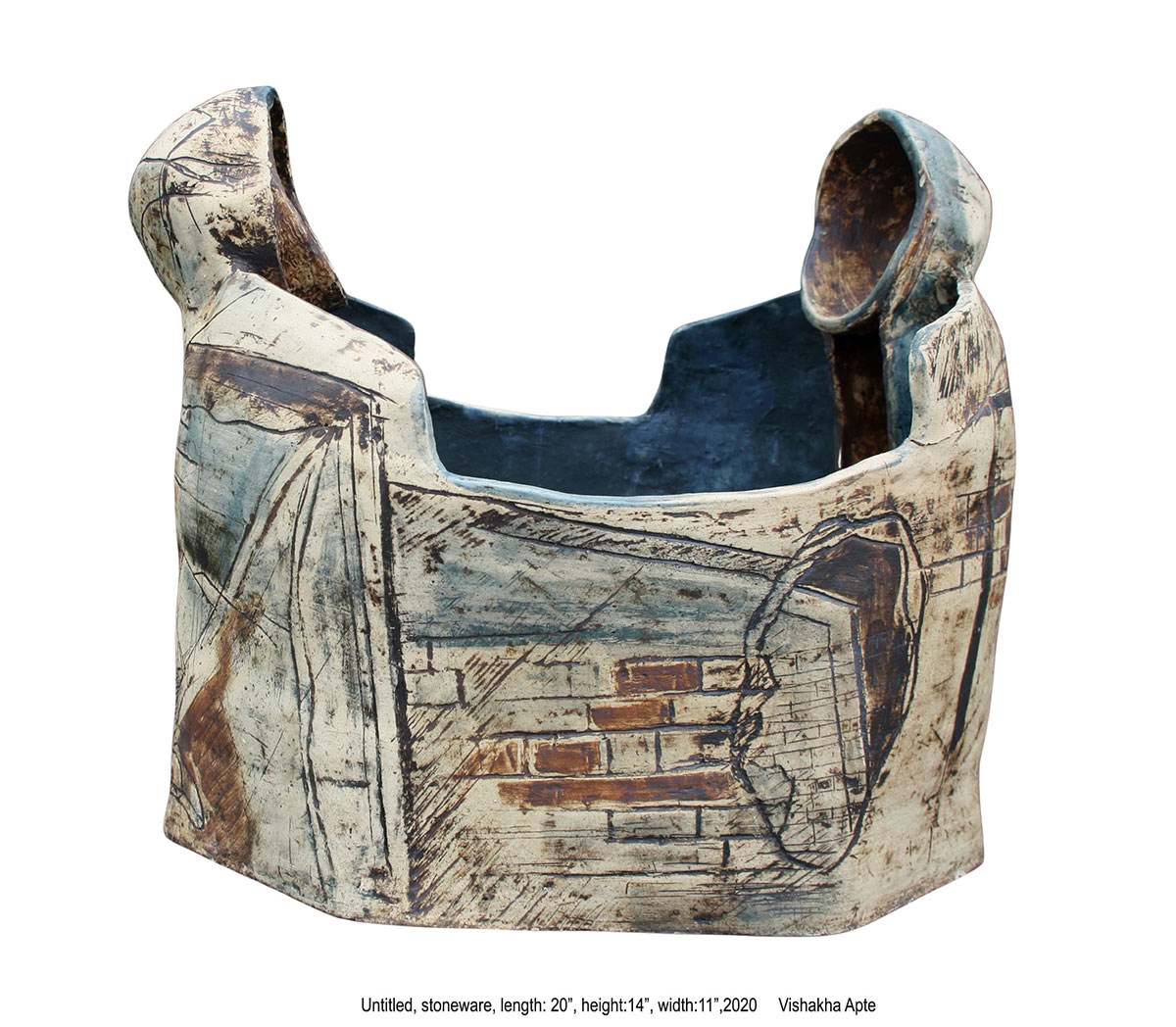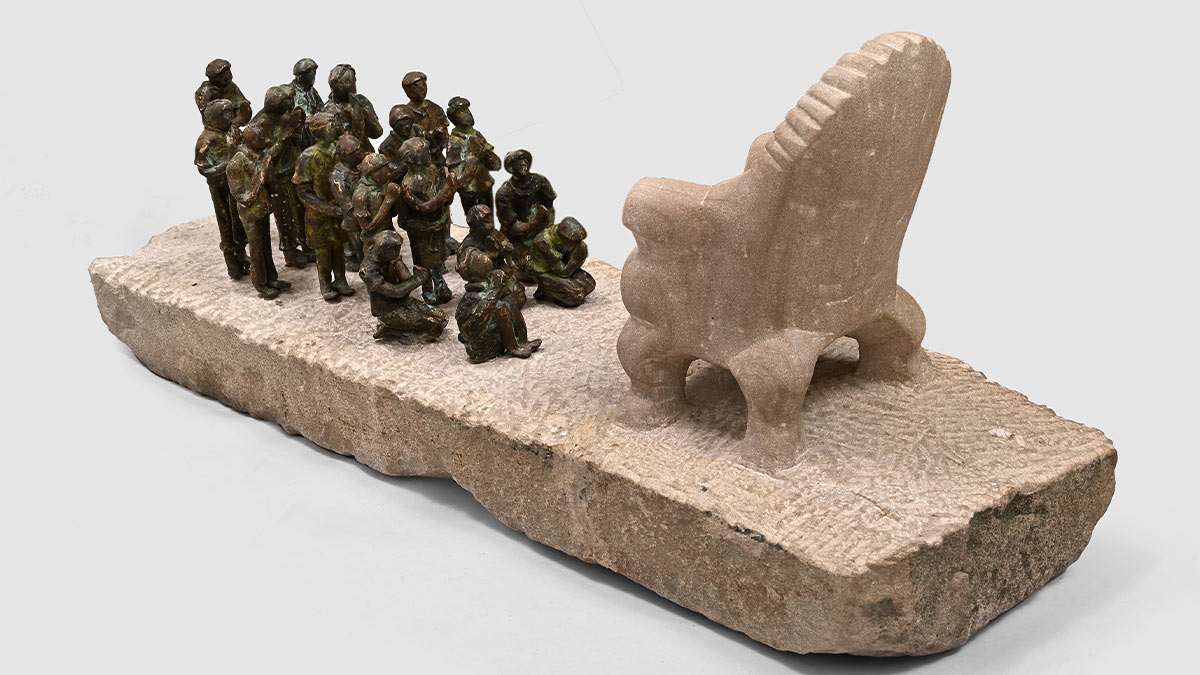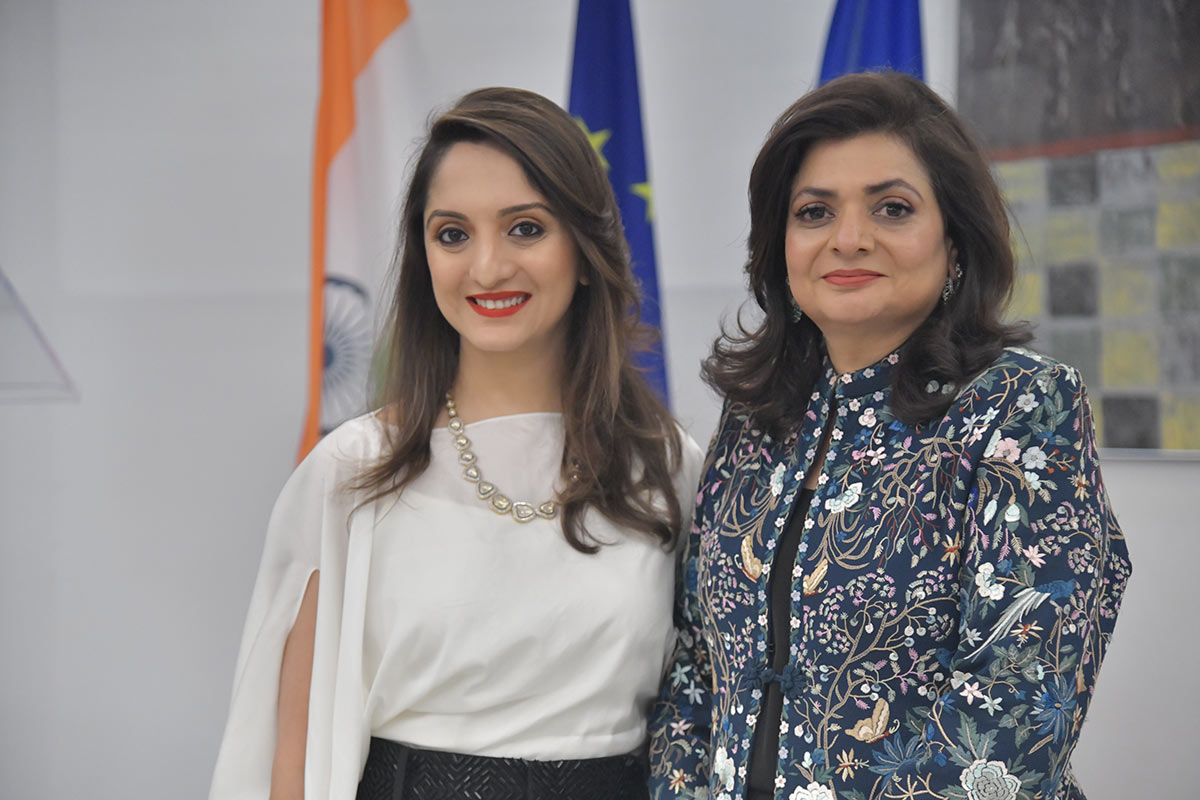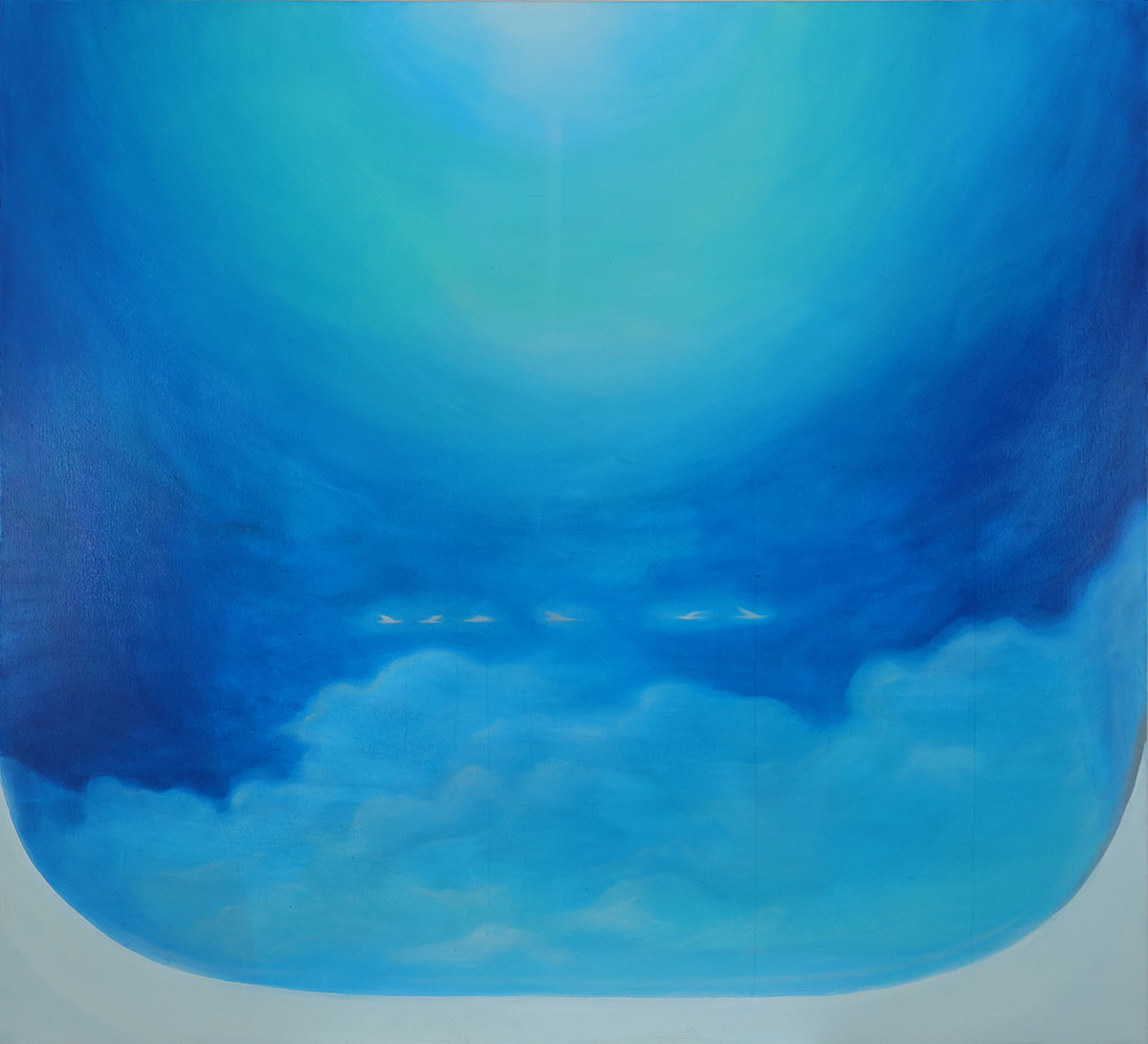
Hyderabad is one of the most dynamic cities of India and is known for its historic grandeur and an augmenting technological prowess. Amidst this collage, the city is preparing itself for a 3-day art event called HYD ART 2025. Interestingly, this event is propagated as “Hyderabad’s Own & Hyderabad’s Biggest.” This event is about to transform EON Hyderabad into a sanctuary for art enthusiasts. The event promises to be a celebration of the creative pulse that runs through the Deccan region. This is a mega-scale event that pins a different cultural landmark on the city’s annual calendar. The HYD ART 2025 is going to be a high-impact gathering aimed at both commercial success and critical appreciation.
The event will bring together over 200 artists across India. Over three days, visitors can expect museum-style displays, lounge-like viewing spaces, and thoughtfully planned zones that encourage not just seeing art, but conversing with it, investing in it, and understanding the stories behind it. Presently, Hyderabad has a fast-growing base of high-net-worth individuals, design-conscious professionals, and a population increasingly drawn to cultural experiences. HYD ART correctly taps that enthusiasm and presents it as a mega public festival.
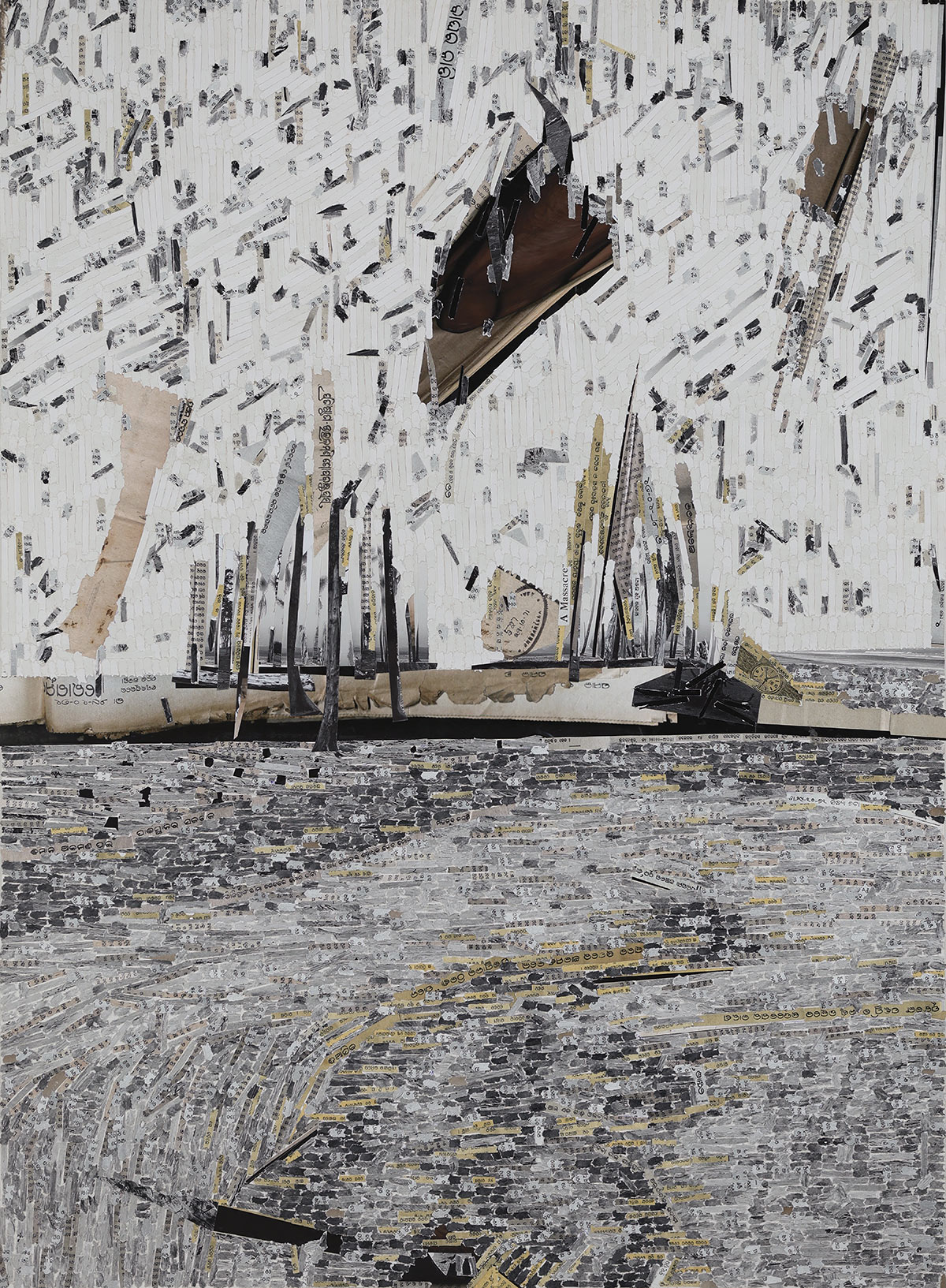
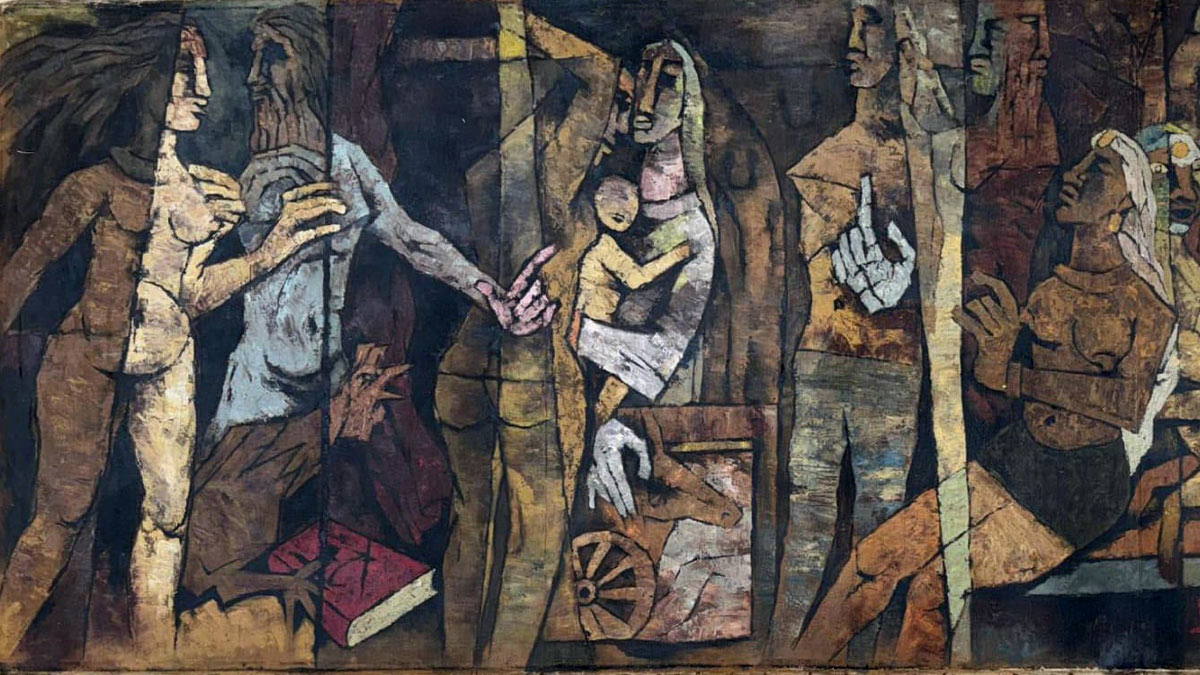
The festival is designed to bridge the gap between regional artistic talent and national/international collectors. It will ensure that local artists and indigenous art forms receive prime attention alongside modern and contemporary work from across India and the globe. This focus is crucial, as Hyderabad possesses a rich, yet often underrepresented, artistic heritage.
HYD ART 2025 emerges as a space where aesthetic value is integrated with market reality. It provides a unique opportunity to engage directly with artists and discover the next wave of significant Indian art. The event aims to offer high-quality choices to not only consumers but the public in general. It coves everything from paintings and sculptures to photography, digital art, and even performance. This holistic approach ensures a multifaceted experience for every visitor, regardless of their preferred medium.
The venue, EON Hyderabad, is strategically important in inviting a sophisticated urban crowd, including corporate collectors, interior designers, and high-net-worth individuals, which is vital for the commercial viability and expansion of the art scene.
HYD ART 2025 at a Glance
Aspects
Details
Dates & Duration
3-day festival from 19–21 December 2025
Discourse
200+ artists, 3 days, thousands of expected footfalls, workshops, and talks
Venue
EON Hyderabad, a new landmark commercial tower in Nanakramguda’s Financial District, designed as a premium corporate and event space
Curatorial Choice
Focus on clarity, context, strong practices, and regional representation over spectacle
Artists
Emerging and established artists from across India, plus 30 artists from Hyderabad
Regional Tribute
“Keerthanam – A Tribute to Telugu Art”, honouring 20th-century Telugu masters and cultural memory
Traditional Arts
Dedicated Mithila/Madhubani Art Show with master practitioners and contemporary inheritors
Workshops
Hands-on sessions in Mithila painting, mythological caricature, gouache cityscapes, woodcut printmaking, and more
Engagement
Curatorial walks, panel discussions on collecting, legacy, and regional legends; invite-only preview night for collectors
Access
Tickets and workshop registrations managed online via the hyd.art platform; hybrid gallery + festival model
Key Highlights of the Festival
Featuring a broad spectrum of art forms, including fine art, sculpture, photography, print, digital, and perhaps contemporary installations, ensuring a rich visual feast.
Offering a dedicated platform for established masters and emerging artists to network directly with serious collectors and art patrons.
Highlighting the unique cultural narratives and traditional techniques specific to the Telangana and Deccan regions.
While unconfirmed, similar festivals often include live demonstrations, artist talks, and guided tours to enhance the visitor experience and demystify the creative process.
The event seeks to be the premier art exhibition in Hyderabad, setting a new standard for quality, curation, and scale within South India.
Surprisingly, hyd.art is not merely an event organiser; it is already a hybrid gallery platform that maintains a running roster of artists, both from Hyderabad and beyond, and sells works online with authenticity certification. The festival can thus be read as an offline expansion of an already active digital ecosystem.
Why HYD ART 2025 Matters
Instead of throwing together stalls and calling it an “art mela,” HYD ART 2025 fixated itself in regional memory (through Keerthanam), national heritage (through the Masters zone), and future-looking experimentation (through emerging artists and contemporary practices). The inclusion of folk arts like Mithila/Madhubani within the same niche also erases the divide between “high” and “vernacular” art. For too long, the immense talent pool of the Telugu-speaking states has had to rely on external platforms. This festival is an overdue declaration of self-sufficiency. It has also developed itself as a sustainable annual event in India.
A Living Archive of Culture, Community, and Celebration
The smallest state of India, Goa, is popularly pictured with sun-kissed beaches and a relaxed way of life. Beneath these popular pictures lies an intricate culture that is manifested through vibrant festivals. This throbbing quintessence is brought forward by the Museum of Goa (MOG) in celebrating its 10th anniversary, through a landmark exhibition christened as “Festivals of Goa.” This festival will pay tribute to the expansive culture of Goa. The festival is running from November 9, 2025, to January 18, 2026, bringing together over 90 artists and over 100 artworks, distributed across four curated showcases. It serves as a live documentation of Goa’s living traditions that is augmenting in the continuum of evolution while holding its roots. This festival is a proud celebration of the Goan identity.
The scale of the festival is monumental. MOG ensures that the diversity of Goan culture finds a just place in the eyes of the viewers and lets them channelize a different way of perceiving the place beyond a holiday destination. There are photographs, paintings, sculptures, etc, that are spearheading the conceptualization of what it means to participate in a Goan festival. Beyond these perceptible artistic endeavours, there are religious fests and jatras in the form of carnivals, and the colourful Shigmo.
A Decade of the Museum of Goa
Marking its tenth anniversary, MOG chose to celebrate the people of Goa and their distinctive culture. MOG has long acted as the viaduct between contemporary artistic expressions and lived heritage. And the celebration of the Festivals of Goa is an extension of this spirit. Each segment showcased in the festival reveals a different dimension of Goan festivals, ranging from Catholic feast days, tribal rituals, Hindu temple festivals, Kunbi and Gauda traditions, & performance arts such as ghumot drumming, fugdi dance, and zomnivhelle processions. These festivals aim to promote social cohesion and historical continuity.
The curators have punctiliously gathered works that recce the emotional altitude behind the rituals, which include the preparation, the anticipation, the bond created through inter-generational participation, and much more. Here, people will have a rendezvous with the masked folk dancers, the sinuous artistry of the makhar, and the processions of the Church feast. Each artwork acts as a janela into a specific pocket of the state. This also reflects the syncretism that is woven by the voluntary efforts of Hindu, Catholics, Muslims, and others, truly embodying Goa’s “Sarva Dharma, Sarva Bhava” (Equal Respect for All Religions) spirit. It also reminds everyone that beneath the coat of tourism, Goa has the “other” side that is rooted in traditions and a colourful and joyous culture.
The exhibition leans heavily on collaboration. A composite portrait of Goa is produced by the local artists, photographers, craftspeople, and performers. Together, installations, paintings, video essays, sculptures, and old photos illustrate how festivals serve as archives of memory. It ignites a desire to take part in the festivals and stop being a spectator. Instead of portraying festival culture as static imagery, the exhibition places these customs within a constantly changing ecological and socioeconomic framework.
MOG has positioned itself not just as a repository of art, but as an active cultural hub. It is committed to cultivating local talent and providing a platform for critical engagement with Goan and Indian art. This year’s celebration is the result of a decade-long effort. It is more like a “return gift” to the Goans for their continuous support for the museum’s vision.
Housed in Pilerne, the exhibition offers ample room for the 100+ artworks to get aptly showcased. The timings of the exhibition will expand during the high-tourist season and throughout the new year corridor, ensuring both the locals and tourists get a chance to experience this unique cultural immersion. For any cultural institution, stepping into a ten-year milestone truly matters, especially in the artworld. And this opportunity is taken up by MOG, not for self-celebration, but to reaffirm its core mission, that is to preserve and honour the essence of Goan life.
The Festival At a Glance
Aspects
Details
Exhibition Title
FESTIVALS OF GOA
Organizing Institution
Museum of Goa (MOG), Pilerne
Exhibition Type
Art Exhibition (10th Anniversary Show)
Duration
09 November 2025 – 18 January 2026
Scope of Work
4 Showcases, 90+ Artists, 100+ Artworks
Theme
Honouring Goa’s Culture, Community & Heritage
Curatorial Focus
Goan culture, community, heritage, festival traditions
Poster Photography Credit
Vaibhav Rastaad
Key Highlights
Celebrates the Museum of Goa’s 10-year milestone.
Features over 90 artists and 100 artworks.
Represents diverse cultural traditions across Goan communities.
A sensory and thematic journey across four major exhibition sections.
Poster features a masked folk performer captured by Vaibhav Rastaad.
Exhibition celebrates communal memory and cultural continuity.
Open for viewing until 18 January 2026.
Takeaway
MOG’s creativity lies in presenting festivals not as decorative or nostalgic motifs but as living ecosystems shaped by real people and real histories. The ‘Festivals of Goa’ exhibition, ultimately, is a plea for preservation. It has opened its doors to showcase the irreplaceable customs and community spirit that distinguish Goa from other coastal destinations. The curatorial approach resists romanticization and foregrounds authenticity, diversity, and the everyday labor that sustains cultural practices.
Just like any other place, Goa too is rapidly changing. Here, tourism is the prime determinant of life, and it often commodifies festivals and cultures. This exhibition put forth a conscious attempt to undo that and restore dignity in Goa’s community narratives. Ultimately, Goa’s heritage side is underrated, and this festival seeks to present it in the most animated way possible, stating that meaningful art is often that which holds a mirror up to our own collective identity.
The creative spirit of Bengaluru is buzzing with the spirit of creativity and nature as the National Gallery of Modern Art (NGMA Bengaluru) is set to host the “Anubandha: Celebrate Art in Nature.” This is a multisensory festival designed to amplify the bond between nature, self, and art. The festival is scheduled to run from December 12th to 21st, 2025. The festival is orchestrated in collaboration with The Naturalist School and Lila, an Artist Research Studio that wholeheartedly invites all to rediscover the enigma of the world through nature. The festival is hosting an immersive event that seeks to chip in ecology, collective learning, and a multimodal endeavour.
The event is slated to continue for 10 days in the NGMA campus, and it aims to transform the environment of the venue into a psychedelic panorama entailing a plethora of notions, dialogues, workshops, performances, and walks. These animated themes promise a simple yet profound impact of the artworks on the spectators. People can expect to get awestruck by the vibrancy of nature presented through art.
A Portal To Nature
The credo of Anubandha is that there are countless ways to know nature and every one of them matters.” The festival espouses heterogeneous formats, such as guided story walks through galleries, workshops on creative expression, and a bout on natural history, which creatively coalesces scientific curiosity with field-based learning.
Visitors are highly heartened to join the art and ecology walks where paintings and installations serve as visual reflections of ecological impression, biodiversity, and climate histories. These walks offer a revitalizing experience, allowing attendants to understand how artists interpret nature and its tensions and fragile balance. People become more than just passive viewers, as they are constantly encouraged to “wander through” and have active participation.
The premise of NGMA is adorned like a living laboratory where art, ecology, and human experience intertwine. For people who are interested in experiential learning, the Pop-Up DIY Nature Corners invite participants to engage in mindful creative activity. Under the guidance of able naturalists, people can sketch, observe textiles, collect impressions, and craft tiny notebooks. The organizers have made it clear: “No experience needed; just wander in, play, and discover what your hands can learn from the wild.” This approach reflects the sense of inclusivity propounded by the organizers to make the festival accessible to all. Here, “curiosity” is treated as the only prerequisite for participation.
The Creative Encounters
Anubandha’s workshops extend to art, design, and nature-based creativity. These activities are solely designed with the aim to invigorate people’s bond with nature. Each session is well curated and leads to a saga of exploration that involves persistent observation, field journaling, and much more. The festival also sets foot into performative and cinematic experiences. The rawness of the festival is well represented through live performances. Wildlife screenings are also scheduled to teleport viewers into distinct distant habitats. The “docu-dialogues and natural history learning sessions” amalgamate scientific documentation and storytelling.
The finely spearheaded photography exhibition is also one of the major attractions. It behaves as a visual aid that depicts how people engage with nature. The displayed images function as an aperture into how individuals perceive, sense, frame, and respond to the non-human stimuli.
The Juncture of Art and Ecology
Anubandha shines bright as it celebrates diverse art forms and highlights how artists, scientists, and everyday observers use their physical presence to deal with the environment. Attendees can look forward to exploring various art forms inspired by landscapes, species, and ecological moods. It weaves an inclusive space for people to freely converse about ecology, environment, and climate and connect directly to specialists, students, and laypeople. The major emphasis lies on promoting ecological literacy.
The festival feels more like an authentic call to reconnect with our naturalistic roots. A festival like ‘Anubandha’ reminds us that some of the deepest learning happens when we step away from the screen and use our hands, our bodies, and our senses to interact with the raw, untamed reality of nature. By creating an accessible entry point into ecology through art, it democratizes learning about the environment without a stringent academic jargon. At a time when environmental crises intensify, festivals like Anubandha become essential cultural interventions. They restore the sense of responsibility and empathy in people and make them more accountable for their actions in relation to the natural environment. The experience promises to be an aide-memoir that we are not just in nature, but we are nature.
The concept of the triumph of light over darkness is central to Indian culture, and the festival that celebrates it, Deepavali, has recently received its highest global validation. The festival of lights has been officially inscribed on UNESCO’s list of Intangible Cultural Heritage of Humanity (ICH). This announcement was made following the 20th session of the Intergovernmental Committee for the safeguarding of the Intangible Cultural Heritage, which represents the Indian festival beyond its religiosity and highlights it as a global festival. UNESCO’s framework highlights living traditions through criteria like continuity, community participation, and cultural diversity, which are globally represented through the Indian diaspora. This recognition was formally adopted on December 10, 2025, at the historic Red Fort in New Delhi. The event marked the sixteenth cultural element from the nation to be featured on this prestigious list, such as yoga, kumbh mela, Durga puja, etc.
Deepavali As a Living Tradition
The nomination of Deepavali was secured under the domain of “Social practices, rituals and festive events.” This categorization pushes the objectivity of the festival beyond its historic ties and designates it as a living heritage that has been passed down through generations. This also justifies the role of Deepavali in promoting social cohesion, support towards traditional artisanalship, and core societal values like generosity and hope. The festival spans five days, beginning with Dhanteras and culminating in Bhai Dooj. This festival is not restricted to the Hindus alone; it is well-celebrated by Jains, Sikhs, and certain Buddhist communities as well. The festival symbolizes the return of Rama for Hindus, the event of Mahavira’s nirvana in the Jaina traditions, and Bandi Chhor Divas for Sikhs.
The festival encompasses people of all age brackets, all genders, and all backgrounds, transmitting rituals where the elders instruct the children on preparations and celebrate the proceedings together. Furthermore, oil lamps are lit, stories are recited, traditional food is prepared, and pujas are performed. These practices recreate cultural memory, making the festival a continuous source of joy and bonding. UNESCO advocates for the safeguarding of these traditionally crucial practices to be sustained to keep the authenticity intact.
Beyond this prospect, Deepavali also functions as a corridor of economic boom. In different regions, it also marks the beginning of agricultural transitions. In Tamil Nadu and Karnataka, Deepavali signals the end of monsoons and the beginning of a new business year. In North India, it represents renewal and purification.
Inscription Details
UNESCO Inscription
Details
Official Name of Listing
Deepavali
Inscription Year
2025 (Adopted December 10, 2025)
Location of Committee Session
Red Fort, New Delhi (20th Session)
Domain of Heritage
Social practices, rituals, and festive events
Status for India
16th element on the UNESCO Representative List
Core Values Reinforced
Victory of light over darkness, social unity, hope, and generosity
UNESCO’s Criteria
Deepavali meets UNESCO’s criteria of community-driven transmission, representation of cultural diversity, and safeguarding of traditional knowledge systems.
Ritual Complexity
The festival includes rituals, oral traditions, performative arts, culinary practices, and household customs that differ regionally yet remain unified in meaning.
Key Highlights
Deepavali fulfils UNESCO’s emphasis on living heritage sustained through community participation.
It encompasses a wide array of intangible practices: rituals, folklore, performing arts, culinary knowledge, and social customs.
The festival functions as a cultural bridge across religious groups, regions, and diasporic communities.
Its adaptive nature allows continuous renewal, ensuring long-term viability.
Deepavali’s symbolism reinforces collective values of hope, moral renewal, and social cohesion.
The Responsibility of Recognition
The inscription of Deepavali in the globally acknowledged list of intangible heritage is a proud moment for all citizens of India. However, it also brings a pile of responsibilities upon everyone. This global recognition is not the end of the goal, but the initiation of a journey to make a festival a means for a better tomorrow. It is a mandate to safeguard and ensure the tradition is authentically transmitted and traditional elements are protected and not subject to homogenization. It also aims to protect the warmth of diyas and homemade traditional food from getting replaced with modern-day commercial items.
It functions as a reminder for all of us to consciously choose our living heritage and carry forward the continuum of our celebrations. Deepavali’s global presence today demonstrates the capacity of cultural practices to travel, adapt, and unite communities. Thus, UNESCO’s honour is a validation of the deeper human requirements for continuity, meaning, and shared celebrations.
Gurugram’s South Point Mall houses ‘Art Incept,’ a gallery known for supporting emerging and mid-career artists from South Asia. This time, the gallery is featuring “The body speaks,” a group exhibition curated by Rahul Kumar, running from December 5th, 2025, to January 10th, 2026. This exhibition taps the inner contours of human experience and translates them through canvases. The premise of the event is to perceive the human body as “canvas, vessel, and voice.” The exhibition features the work of 5 artists, namely Badush Babu, Deepanjali Shekhar, Indu Antony, Isha Sharma Haritash, and Rinku Choudhary. In their art, the body becomes the medium through which stories of labour, grief, joy, desire, and social injury are narrated.
The Body as Canvas, Vessel, and Voice
In the history of art, no other motif has possibly enjoyed the privilege of multiple subjectivity as the “humans”. The exhibition positions the human body as the “first landscape.” The body becomes the living archive of time and life. Every curve and scar bears the weight of care, exhaustion, aegin, and desires. Curated by Rahul Kumar, whose previous curatorial projects like ‘Precarious’ and ‘Original Shadows’ have also tackled profound human and artistic concerns, the exhibition sought to reveal the “inner world” through expressive forms.
The body becomes a metaphor for expressing universal experience. The artists used different media to convey their distinctive styles. These include painting, photography, and mixed media. This wide range of media helps in creating an intersection where almost every aspect of “human life” is touched. It asks pointed questions: What does it mean to belong in a body? How does one negotiate visibility and erasure? What forms can freedom take when the body itself is a site of regulation? The subject of the exhibition is based on the dichotomy of the body, which is vulnerable and resilient at the same time. The works challenged viewers to confront their own physicality and their own stories.
Mapping the Human Form as Archive, Threshold and Voice
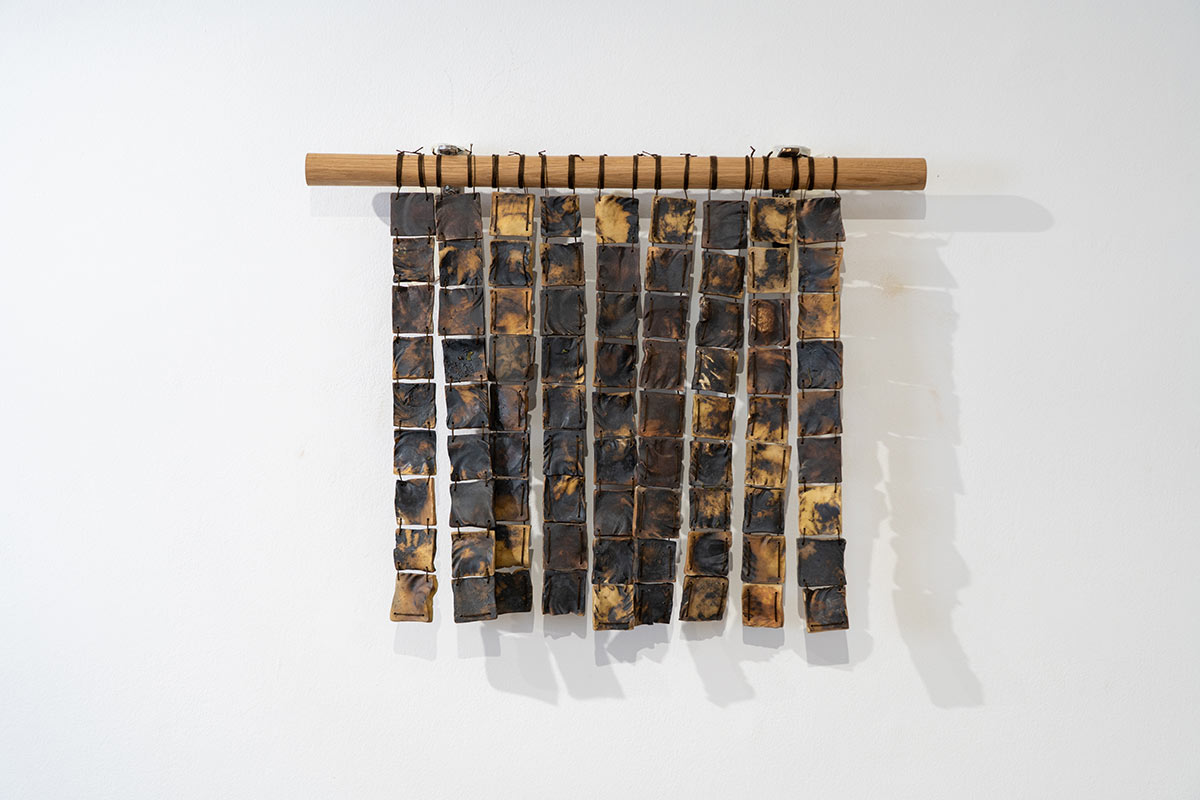
A sense of animatedness is invoked in the audience with the ongoing charcoal series, Silent Stories by Badush Babu. He puts forth recollections of his mother’s garden, depicting mushrooms, vines, moths, and other organic elements that symbolize growth, decay, and metamorphosis. He named it the “healing touch” and created it during a difficult phase of life. As he attempted to cope with the difficulties, nature accompanied him, becoming his healer and easing the process of dealing with turbulences in life. His purposeful reliance on charcoal and soot crosses the peripheral understanding of aesthetics. He himself spoke about the medium as metamorphic. The imperfect texture of coal and soot personifies the instability of both memory and the body.
Deepali Shekhar views the human body as an evolving inner ecology. Her paintings, titled “Stages of growing up,” “They are welcoming in nature,” and the “Dance of Joy” series, together construct an organism-like motif. The core of her presentation is unspoken emotions, and these are aptly translated through botanical forms and microbiological structures.
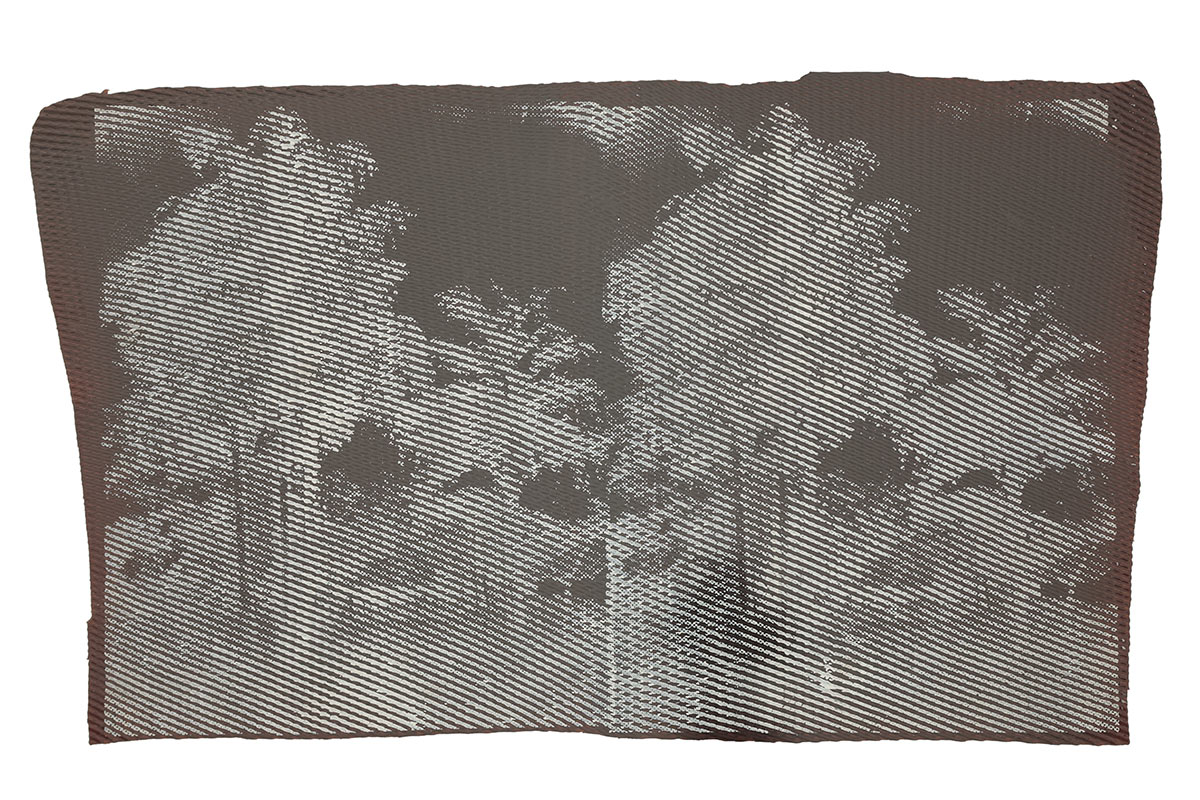
Indu Antony, from her Archive of Memories and Names they called series, forges a sharper social and feminist character into the exhibition. She works with cyanotype prints, combined with her own hair and khadi cloth painstakingly embroidered with words. This technique helps her depict the human body as a wounded text. Names they called emerge from her long-term engagement with gendered abuse and eve-teasing, where derogatory words hurled at women are literally stitched onto a fabric using the artist’s own hair strands. Upon viewing, it appears like an exorcism of trauma. Her Archive of Memories series further augments the theme via photographic processes. The body is never directly depicted, yet obsessively indexed through traces in hair, cloth as skin, cyanotype as ghost-image.
Isha Sharma Haritash, and Rinku Choudhary also contribute to this saga with their untitled works, where fragments of the body appear to oscillate between presence and disappearance. Their artworks contribute to the plurality of the exhibition.
Curated, conceptually cohesive show that explicitly frames the body as canvas, vessel, and voice rather than mere subject.
Strong material dramaturgy: charcoal, cyanotype, hair, cloth, and intricate drawing push the idea of the body beyond representation into tactility and residue.
Participating artists span different regions and life experiences, bringing together ecological, feminist, psychological, and autobiographical perspectives on the body.
The exhibition is embedded in Art Incept’s broader mandate to support emerging voices and critical discourse around contemporary Indian art.
The show is accessible yet conceptually layered, inviting both casual viewers and informed audiences to reflect on how bodies carry memory, violence, care, and transformation.
Takeaway
Today, bodies are constantly constrained by law, technology, and social norms. Amidst such a climate, The Body Speaks feels like a necessary provocation that speaks on behalf of the body, that it must listen to its own terms. The exhibits refute the easy, spectacularised images of human form. It displays a quieter part of the struggle and stresses more on pain, care, solitude, and healing. It becomes a space where people can intellectually reclaim their bodies and converse with their inner selves. Every artwork feels like a relatable self-reflection and re-evaluates the body as our home. Art Incept continues to solidify its role as a vital cultural hub, bridging the gap between emerging South Asian talent and a globally conscious art audience.
In an age when the world was yet to grasp the essence of photography, one princely figure from a little-known corner of northeastern India redefined time and technology. Maharaja Bir Chandra Manikya of Tripura, also known as the ‘vikramaditya of modern age’, along with his consort, a Manipuri Meitei princess Khuman Chanu Manmohini Devi, not only composed lyrical verses and nurtured music but also captured moments through the lens— leaving behind what many believe to be India’s first “selfie” or “self-shot portrait”. This article traces the multifaceted legacy of this visionary monarch who fused tradition with technology and art with administration to lay the cultural foundations of modern Tripura.
The Beginning of Photography
Illustration of the camera obscura principle from James Ayscough’s A short account of the eye and nature of vision (1755 fourth edition) – Wikimedia
In the 21st century, almost everyone is a photographer with great cameras fixed on our devices. But, long before phones and photo apps, the camera arrived in India as a strange, boxy invention called the ‘camera obscura’, a lens, a mirror, and a sheet of paper, ensnaring light like never before. It was a miracle draped in science. In the early 1800s, two English brothers, Thomas and William Daniell, travelled in India with this mystery box. It was their overseas contemporary, W.H. Fox Talbot, who invented ‘negatives’, allowing innumerable ‘prints’ from a single shot. He called it the ‘calotype’, meaning “the beautiful”. And this invention simply overturned the fate of photography forever.
Arrival of the Camera in India
Sasbahu Temple photographed by Lala Deen Dayal in the 1880s. Wikimedia
By the 1830s, cameras were quietly clicking in India. Even Louis Daguerre, the French inventor of the ‘daguerreotype’, left his mark. In Calcutta around 1840, a man named Monsieur Montaino used this technique to capture early glimpses of Indian life. Soon, Photographic Societies sprang up in Bombay, Calcutta, and Madras, backed by the British elite. They published journals, held exhibitions, and turned photography into a ‘fashionable pursuit’. The discourse of photography in India was surely not restricted to a ‘hobby’. In 1839, the British began using photography as a powerful tool. It reflected the subjugated culture of the subjects through the frames of the conqueror. The Indians were photographed by Westerners to strengthen their ideas about the “other”. Alongside, they also captured India’s architecture, mapped its monuments, and catalogued its people. The camera became inseparable in the field of ‘ARCHAEOLOGY’. Men like Alexander Cunningham and Lord Canning saw it as the perfect medium to document India’s ancient past, to preserve what was ‘vanishing’.
The Case of Tripura
Ujjayanta Palace
In the tranquil corridors of ‘Nuyungma’ or ‘Ujjayanta Palace’, as named by Rabindranath Thakur, during the 1880s, Maharaja Bir Chandra Manikya devised a way to capture an image of himself and his queen, taken using what Bir Chandra’s great-great-great grandson Vivek Dev Burman terms “a long wire shutter control” activated via a pneumatic bulb in the king’s hand as the couple sat facing their camera. This strikingly intimate photograph frames the king affectionately embracing the queen. Such a pose juxtaposes the typical portrayal of a royal pair in a traditional sense. Surprisingly, this experimentation with portraiture resulted in ‘India’s first selfie’, as it did more than freeze a moment in time; it framed a king’s obsession with his craft, innovation, and identity.
A Palace Turned Into a Living Darkroom
He possessed one of the first two cameras that arrived in the Subcontinent (the other was purchased by Raja Deen Dayal, perhaps funded by the Indore state) and was photographing ‘Daguerreotypes’ in the 1860s. He developed all the fresh techniques of photography. The craft of photography in the late 19th century clung to the typical European photographic portraits that were accepted as ‘examples’ and were presented with props, costumes, and painted backgrounds.
Breaking the European Frame
Maharaja Bir Chandra Manikya, King of Tripura, 1862-96 – Wikimedia
But Maharaja Bir Chandra approached his craft differently. He consciously chose to break the continuum and began experimenting at the Agartala palace. Forthwith, the palace housed a dedicated studio where settings were frequently changed to keep things ‘fresh’. With exposures lasting 10–20 seconds, photography emerged as a collaborative and meticulous process. The photographic materials were sourced from Calcutta, involving a long and tedious journey. The Maharaja soon forged his own “photo darkroom”, mastered the processes of coating and developing, and began importing photographic chemicals and equipment independently.
Building India’s First Royal Camera Club
Maharaja Bir Chandra institutionalized his passion for photography by founding “The Camera Club of the Palace of Agartala” and initiating an annual photography exhibition at the palace. (Memory project) He held the yearly photo exhibition at Agartala to encourage the princes, nobles, and people in the state. His craft became so renowned that the American photographic journal, namely “Practical photographer”, published the illustrated biography of Maharaja in one of its publications. In a holistic sense, it was during his reign that the true beginning of Tripura’s modern age occurred.
When the Queen Became a Photographer
Selfie of Maharaja Birchandra with the queen Maharani Manamohini in 1880 – Wikimedia
In the May 1890 edition of the Photographic Society of India’s journal, a letter penned by Radharaman Ghosh, secretary to the Maharaja of Tripura, titled “The Camera Club of the Palace of Agartala,” offered insights into a royal photographic endeavour. Though signed by Ghosh, the content was likely dictated by Maharaja Bir Chandra Manikya himself and accompanied a set of photographs submitted to the journal. Interestingly, some of the images were credited to the Maharaja, others were said to have been taken by his consort, Maharani Manmohini. This resurfaced in Siddhartha Ghosh’s landmark 1988 book, Chobi Tola: Bangalir Photography Chorcha. Ghosh highlights that Maharani Manmohini not only took photographs but also printed most of them, while the Maharaja handled much of the developing. Each image, he notes, bore a distinct identifier marking its creator. Therefore, Maharaja’s passion for photography transcended the boundaries of his personal pursuit, as his third wife, Monmohini Debi, became an amateur photographer under his guidance. Manmohini seems to be the first Indian woman credited with taking photographs, but it is her bhadramahila contemporary Sarojini Ghosh who is recognised as the first Indian woman professional photographer.
The Sons Who Carried the Lens Forward
Some of his platinum palladium prints were part of a 2019 exhibition titled The Tripura Project curated at the Mangalbag Gallery, Ahmedabad, by Tilla, a design studio founded by Aratrik Dev Varman, one of the king’s descendants, including another “selfie” with his first wife, Bhanumati Devi. Bir Chandra’s sons were also avid photographers, carrying their father’s legacy forward. Samarendra (Bara Thakur) was a prolific photographer who regularly submitted his photographs to competitions in England. His work and writings on photography are well documented. One of his most renowned photographs—a portrait of a tribal girl—is preserved at the British Library. Samarendra even experimented with techniques to preserve negatives under the challenging hot and humid conditions of India. His father famously remarked, “Samarendra’s paintings and photographs were near flawless.” Another son, Maharaja Radha Kishore Manikya, was likewise a passionate photographer and succeeded to the throne in 1897. Unfortunately, no negatives of their photographic works have been discovered to date.
Important Aspect
Mentionworthy Details
Royal family’s engagement
Bir Chandra’s sons were avid and skilled photographers
Samarendra (Bara Thakur)
Prolific photographer; submitted work to competitions in England. Experimented with techniques to preserve negatives in hot/humid conditions. His renowned portrait of a tribal girl is at the British Library.
Maharaja Radha Kishore Manikya
Passionate photographer; succeeded to the throne in 1897
Father’s Remark
Bir Chandra considered Samarendra’s paintings and photographs near flawless
Loss of Archival Material
No negatives of their photographic works have been discovered to date
Key Highlights
Bir Chandra Manikya’s sons carried forward his pioneering interest in photography.
Samarendra (Bara Thakur) gained recognition internationally for his photographic submissions to England.
His iconic portrait of a tribal girl is preserved in the British Library.
He explored techniques to protect photographic negatives in harsh tropical conditions.
Maharaja Radha Kishore Manikya was also deeply passionate about photography, alongside his royal duties.
Despite their contributions, none of their original photographic negatives have survived.
Takeaway
The photographic pursuits of Tripura’s royal heirs reflect a remarkable blend of artistic curiosity and technological experimentation. These were rare qualities in princely households of the time. Their engagement with the medium was not only leisurely; it was innovative and internationally relevant. The loss of their negatives is an unfortunate gap in India’s visual heritage, for their works could have offered invaluable insights into the socio-cultural landscape of Northeast India during the late 19th century. Their legacy, however, stands as a testament to a dynasty far ahead of its time.
FAQs on Tripura’s Royal Photographers
Question: Why were the Manikya princes interested in photography?
Answer: They inherited Bir Chandra Manikya’s passion for modern visual culture, treating photography as both an art form and a scientific pursuit.
Question: What makes Samarendra’s work significant?
Answer: His photographs were internationally recognised, technically innovative, and one of his portraits is preserved in the British Library, a rare honour for an Indian prince of that period.
Question: Why are their photographic negatives missing today?
Answer: Poor preservation practices, climatic conditions, and archival neglect likely led to the disappearance of these historically valuable negatives.
Question: Did Radha Kishore Manikya continue the artistic legacy as a ruler?
Answer: Yes. Even after ascending the throne, he remained engaged with photography, reflecting the family’s deep-rooted affinity for the medium.
Question: How does their legacy contribute to Tripura’s cultural history?
Answer: It enriches Tripura’s narrative by highlighting royal involvement in early photography, linking the state to global visual culture in the colonial era.
New Delhi’s International Centre (IIC) has once again transformed into a poignant space hosting the “Three Moderns,” an art exhibition of sculptures by the three iconic masters of Indian art- Himmat Shah, Krishen Khanna, and Thota Vaikuntam. These sculptural marvels are presented by the Namtech Fine Art and are curated by Uma Nair. The exhibition runs from December 12- 22, 2025. This display of masterful craftsmanship bridges the spaces between material, memory, and the human spirit that seeks never-ending things. The exhibition space is a repository of twelve major works that are engraved with the conceptual depths of modern Indian art. The event aims to reassert sculpture as a living and evolving public encounter. This also depicts a unique convergence between historical linkages and metaphors of materials.
The three towering sculptures are distinctively acknowledged for their distinct sculptural forms. Three Moderns unfurls as an aesthetic representative of how identities and lived experience are etched into a perceptible medium, such as stone, cast in bronze, and resinated fiberglass. In the IIC, this exhibition is housed at the Gandhi King Plaza.
The Vision Behind the Art
The master curator, Uma Nair, has previously spearheaded five watershed sculptural projects at the Gandhi King Plaza. And this time, she envisoned the energy and design of Three Moderns. She views the exhibition as an act of creation in itself. She stated, “Curating an exhibition of Three Indian Moderns at the Gandhi King Plaza is about creating a feeling, an energy formed through the synergy of great artistic minds.” In her opinion, time becomes witness and sculpture becomes language.” The venue’s spatial orientation, under the open sky surrounded by a lush green canopy, makes the sculptures appear more lively.
The Art & The Artists
Artwork – Krishen Khanna
This exhibition critically reflects on the artistic practice of those stalwarts whose craft has played a massive role in shaping modern art. Among them, Krishen Khanna has marked a century of an illustrative artistic career. This exhibition houses his masterpieces from the celebrated Bandhwallah Series. The Bandhawallah figures are also very well-known in his paintings. However, their depiction in sculptural forms amplifies their significance. The sculptures represent figures of humble street musicians as a symbol of celebration. His carvings are uniquely chiseled into resin-impregnated fiberglass. Krishen Khanna’s figures are presented in simplified forms that connect the “personal” to the “peripheral” and create deep resonance in the heart of the viewer. As he was the last among the progressive group, his artwork reverberates the modernist approach that incorporates the “everyday Indian experience.”
Artwork – Himmat Shah
Another stalwart whose sculptures adorn the space is Himmat Shah. He was an important member of Group 1890, a notable but brief artists’ collective founded by J. Swaminathan that spearheaded radical artistic expression. He is one of India’s most senior and revered sculptors. His medium of expression is stone. His “heads” are acclaimed as anachronistic but also possess an idiosyncratic contemporary touch, which is exquisitely eloquent. Himmat Shah’s work on textured stone turns out to be a meditative process of dealing with time and patience. He stripped the stone from multiple fronts to mould it in a way that pleases him. His art is a journey that is aptly reflected in every incision. His stone models scream the stories of ancient civilizations, migration, exile, and survival. The curvatures created in the granular surfaces of stones leave a permanent array of deep-seated sentiments.
Artwork – Thota Vaikuntam
Apart from these two, Thota Vaikuntam introduces his expatriates through bronze work from his series “The Sacred Gaze”. He is noted for his animated depiction of the rural life of Telangana. His bronzes are ritualistic in orientation and are sculpted with a spiritual outlook. The surfaces he painted reflect the earthly hues of the Deccan, offering a delightful peep into the rural landscape. He beautifully celebrates the rawness of rural life with dignity and grace.
The Exhibition at A Glance
Important Points
Description
Exhibition Title
Three Moderns: Sculptures by Himmat Shah, Krishen Khanna, Thota Vaikuntam
A rare confluence of three distinct sculptural languages rooted in memory and identity
Tribute
Honours the late Prof. M.G.K. Menon, a champion of Indian sculpture at the IIC
Key Highlights
A rare public convergence of three modern Indian masters in a single sculptural exhibition.
Krishen Khanna’s centenary year is marked by monumental sculptural interpretations of the Bandwallah series.
Himmat Shah’s stone heads as archaeological and existential metaphors of time and migration.
Thota Vaikuntam’s rural Telangana-inspired bronzes foreground spirituality and everyday ritual.
Curated by Uma Nair, known for shaping the sculptural legacy of the Gandhi King Plaza.
Hosted in an open public plaza, reinforcing sculpture as a civic and democratic art form.
Tribute to the late Prof. M. G. K. Menon and his enduring cultural vision for IIC.
A Critical Perspective
In the broader dimension of Indian modern art, the Three Moderns occupy a very significant spot as they negotiate the boundaries between artistic endeavors and public spaces. The physicality of these sculptures offers a sensory experience through well-defined, perceptible means of consuming these masterpieces. The most compelling factor of the exhibition is the intelligence put behind the arrangement, with distinct works intersecting as well as complementing each other. The effect is that the viewing of sculpture goes beyond visual consumption; it makes people linger around, see and re-see, and come back again because of an invisible pull. The corpus of these 12 sculptures reiterates the story of modern India in itself, covering a plethora of contexts.
In recent years, the Three Moderns has been one of the most intellectually acclaimed exhibits. It forms a vital chapter in the ongoing history of Indian Modernism. Shah’s abstract timelessness, Khanna’s social narrative, and Vaikuntam’s rooted ritualism weave a syncretic conscience that respects humanism above all. The main argument shaped by the functionality of these sculptures is that even in a rapidly digitizing world, the power of a solid, tangible form, carved and cast from the earth, remains an irreplaceable vessel for national and personal identity.
Visiting this classic visual retreat is a wholehearted recommendation, as its coverage and beauty demonstrate the very essence of modern Indian sculpture and keep it alive. Three Moderns reminds us that endurance, depth, and integrity remain the truest measures of artistic greatness.
Method Delhi’s winter programme is housing a mesmeric exhibition by artist Kunel Gaur, christened “Signs of Life”. This solo exhibition is on display from December 11, 2025, running until January 25, 2026, with a private preview scheduled on December 10, 2025. His art focuses on capturing the coded tones of the contemporary world and presents those in a very eye-pleasing form. His latest solo explores a hoard of these artistic explorations. Located at D-59, Block D, Defence Colony, this exhibition provides an immersive sensory experience through masterfully engineered pieces that define 21st-century life.
The colours, structures, and codes defined in the paintings of Kunel symbolize the contemporary life of industrial orientation and the mechanization of human life. He employs architectural materials such as wood, concrete, metal, and acrylic to repurpose these elements into his vision of creativity. This method is inspired by functional design and brutalist architecture. His artworks probe into how identity, memory, and emotion move through the niche of art and are featured as elements that represent the rawness of life.
The Prime Foci
The very essence of contemporary life is the heart of this solo. Kunel seeks to explore the nook and corner of how people’s mechanical lives are sculptured by technology, industries, and a new emerging culture. His artistic practice finds its origins in graphic design and architecture. His background is pretty predictable, given the precision of his art forms and the composition. Despite using architectural elements, he skillfully makes the art appear “soft.” This reflects vulnerability, trapped memories, and emotional dregs.
The emotional warble is synced by the series, Colour Field Studies. Here, the lush environment is held by rigid frames. The visual effect of the series generates a tension, a free-flowing wave of emotions that confides in the void between control and vulnerability. The artist next turns towards the human face in his “Interface Portraits.” However, the catch in his painting is that the human face does not conform to the traditional representations. Rather, these “portraits” are punctuated by signage and mass communication. The “human” identity gets filtered through interfaces that resemble screens, advertisements, or mechanical readouts. The beauty of these portraits is how the emotions are depicted. Humans are not stripped of emotions; they exist, but in a digitized space where they are fragmented and disorganized. This is a very strong stand that reflects the core of human life in the present. This series resonates strongly in an age of algorithmic selfhood, where the self is increasingly known through data, pixels, and profiles rather than flesh and presence.
Other Series
A more mischievous and quaint depiction is introduced to viewers through “KUMI”. This one critically analyses the intellectual dimensions of the exhibition. The artist got inspired form Japanese arts and graphic tradition and the Y2K aesthetics and presented this series in a singular character-like form, which appeared to be quirky and eccentric at first, but when seen through those, they represent a deeper meaning. Graphics become 3-D, blurring the boundaries between surface and structure.
The Tile Assemblies, in contrast, feature the narratives of cultural inheritance and ornament. He uses different kinds of patterns to show that domestic spaces, crafts, and histories are subjected to mechanical restraint and industrial framing. The ornaments he drew, now become more fragmented, controlled, and forced to adapt within a new system. This states a very strong message that tradition is not always the result of seamless continuity, but a reconfigured negotiation with modern infrastructure.
Together, the four of these weave a fabric that constantly shifts between what is perceptible and the other framework that shapes the world. This solo does not give off a linear narrative, but builds many on a common base.
Identity, memory, industrial design, visual systems
Key Highlights
Brings together four major ongoing series into a unified conceptual presentation.
Gaur’s visual style is deeply inspired by the stripped-down rigor of 90s functionalism and the robust honesty of Brutalist design.
Explores the intersection of emotional life and mechanical systems through material and visual language.
Engages with contemporary urban aesthetics, industrial signage, and graphic design traditions.
Reflects on how identity is mediated through technology, consumption, and interfaces.
Demonstrates Method Delhi’s commitment to experimental and emerging contemporary practices.
Extends Gaur’s internationally exhibited visual vocabulary into a cohesive curatorial narrative.
The Artist and His Craft
Kunel Gaur is a creative director and founder of projects like Indianama. He is an artist who is exceptionally skilled at distilling complex societal observations into minimal, high-impact compositions. He is an electrician, a machinist, and a carpenter rolled into one. His artistic practice is grounded in contemporary material culture. His craft is distinguished by the “technical” aspect, which helps him convert his portraits into refined queries of deep intellect. His paintings showcase the encounter between what is constructed and what is felt. The philosophy imbued in his artworks is of “introspection and extrospection.” His art reflects the interior pockets of the inner self as well as the superficial engagement with the socio-political realities. Therefore, The Signs of Life is a fragment of a bigger conversation amongst the art, the artist, and the spectators.
Takeaway
Today, the world is accelerating towards a speedy hybridization. In such circumstances, the artist picks up his tools to create a collection of artworks that compel people to inquire about their lives in an extremely winsome manner. His solo at Method Delhi is very adaptive and risk-taking in nature. He seamlessly departs from the traditional norms of depicting human lives and their mechanizations. Signs of Life is ultimately less about machines becoming human and more about recognising how humans are already within machines. It offers a fresh and rejuvenating perspective, as people ought to feel relatable. Our lives are no more ours; they are dominated by a packed schedule and a mechanized system.
Memes have transitioned from being simple internet jokes to the hidden awesomeness of modern marketing, and have changed the way that brands speak and connect to entertain. The days of formal advertisements are long gone; now, brands crave relatability, wit, and artistic mindfulness. Every scroll brings a new chance for horselaugh, and the brands that understand this meter are the bones people flash back.
In this world of fast-moving trends, Dreamina helps generators transfigure viral humor into vibrant juggernauts. Its AI video generator gives marketers the capability to bring meme-inspired ideas to life, not just as clips, but as stories that speak the language of the internet. Dreamina islands humor with imagination, helping generators turn comedy into connection.
Memes the Twinkle of a Digital Liar
Memes speak emotion briskly than words ever could. They’re the longhand of the internet, familiar, funny, and incontinently understood. What began as arbitrary images with captions evolved into a new liar language. Brands now use this humor not to vend, but to belong.
A clever meme doesn’t just promote a product; it promotes a feeling. It’s a wink, a nod, and a combined moment between the brand and its followership. That’s why companies are embracing memes as part of their identity. They’re using humor to sound more mortal and less commercial. Some exemplifications include
A snack brand using a trending meme template to poke fun at Joness
A fitness brand pairs a viral joke with a motivational twist.
A tech incipiency remixing old pop brand references for ultramodern humor.
Humor, Timing, and Tone, the Triad of Viral Success
Every viral meme-grounded crusade depends on three unnoticeable vestments: humor, timing, and tone. Humor is the hook, timing is the meter, and tone is the voice. Get the humor right, and a branded smile. Get the timing wrong, and it’s history’s joke. Brands that understand brand’s palpitation, the speed at which trends shift, dominate digital discussion.
Tone, meanwhile, must feel effortless. However, it breaks the vision if humor sounds forced or dissociated. Brand wants to laugh with the brand, not at it. A good tone makes a brand feel like a friend who just gets it.
Visual Creativity with an Image Creator
Behind every meme is a striking image, one that captures emotion incontinently. That’s where an AI image creator becomes a game-changer. It lets generators produce unique illustrations that image internet humor while staying original.
Imagine casting a meme where your brand’s charm joins a trending format, but rather than stealing an image, you induce a fully fresh bone. The AI image generator gives measureless creative freedom, helping brands stand out without copying what’s formerly viral. It turns arbitrary ideas into pictorial, shareable illustrations that catch attention and earn laughs in equal measure.
Micro-stories that move
Meme-inspired vids are the moment’s form of micro-storytelling. They’re short, facetious, and punchy, yet packed with meaning. Each frame, caption, and response is precisely timed to produce a meter that feels natural.
The secret isn’t complexity; it’s timing. brand moment scroll snappily; you have seconds to make them stop. A clever visual paired with an emotional twist can transfigure a small joke into a story they renewed again and again. Meme-ground marketing thrives when it connects through participatory gestures. A funny clip about morning coffee struggles or the internet fails becomes further than a joke; it becomes a glass of real life.
Lights, Laughs, and Circles Dreamina’s 3-way to Creative Magic
Dreamina makes it simple for generators to turn meme-inspired ideas into eye-catching stir stories. With just a few clicks, humor transforms into a looping video masterpiece.
Step 1: Enter the Prompt & Upload Image
Subscribe to Dreamina and head to the “AI video” section and write your prompt describing what kind of video you want to produce.
Illustration: “A funny short clip of a penguin confidently walking into a meeting room wearing sunglasses.”
You can also click on Add reference image to upload your print and let Dreamina do the magic.
Step 2: Induce Your Video
Choose a generation model, select your video’s duration, and set the aspect ratio, 16:9 for YouTube or 9:16 for TikTok. Also hit Dreamina’s icon and let the AI do the magic in seconds.
Step 3: Enhance & Export video
Take your clip to the next level with Dreamina’s tools: the Upscale point increases the resolution, and Generate Soundtrack includes music to fit your style of humor. When you’re done polishing, export your content. Now your creative, meme-inspired creation can be shared across your favorite channels.
Humor as Digital Art
The great part about meme marketing is that it breaks that boundary between humor and creativity. A meme doesn’t just entertain, it inspires. With tools like an AI art generator, generators can give visual depth to their humor, turning ordinary memes into surreal or painterly masterpieces.
These brandural traces don’t abolish humor; they enhance it. They give advertisements a unique identity, a commodity both funny and visually stunning. It’s where horselaugh meets art. This shift shows that memes aren’t disposable presently. They’re getting collectible, pieces of a visual brand that define our digital generation.
Dreamina and the New Age of Marketing Humor
Memes have the emotional palpitation of the internet: hot, clever, and endlessly remixable. Brands that master this form of communication turn transitory moments into lasting impressions.
With Dreamina, that process becomes smoother, brisker, and infinitely more creative. It’s not just a tool; it’s a mate in humor helping generators express wit, timing, and artistic applicability through technology. As memes evolve into ultramodern liar formats, Dreamina ensures that every joke, visual, and caption is drafted to connect, not just to vend. The future of digital marketing isn’t about crying louder, it’s about laughing smarter.
The Mahindra Sanatkada Lucknow Festival (MSLF) is the vector of the throbbing pulse of a living heritage that has continued its streak from antiquity. With its forthcoming seventeenth edition, the event marks a renewal of the richness of its own tradition. The theme for MSLF 2026 is “Raabta Lucknow Calcutta Ka” (The Connection between Lucknow and Calcutta). The festival is a highly ambitious exploration of the intimate connection between the two cultural capitals. This festival stands as a luminous pathway between the past and the present. The MSLF was conceived in 2010, and since then, it has beautifully evolved into one of India’s most significant platforms dedicated to celebrating socio-cultural syncretism. As the countdown to the seventeenth edition of MSLF 2026 officially began to tick, the anticipation of the grandeur of the celebration also flourishes. The arrival of the festival in Kolkata with a two-day curtain raiser is scheduled on December 13-14, 2025, at Studio Bari.
The scheduled curtain raiser will act as a prelude to the festival, disseminating its essence with immersive music, walks, panel discussions, and so forth. The prime festival is scheduled to take place from January 30- February 3, 2026. The official launch of the festival in Kolkata is a crucial marker of the acknowledgement of Kolkata as a subject of history and a partner in cultural exchange. The “raabta” will make people encounter the stream of history and emotions associated with the narrative of exile, migration. Artistic patronage, evolved cuisines, music, craftsmanship, and political histories have critically shaped the metamorphoses of the cities. The festival has created descriptive accounts of cultural journals, heritage platforms, etc, that demonstrate how MSLF has consistently swayed beyond the notions of nostalgia. The festival presents heritage as a living entity and as an integral part of our lives. The 2026 edition, curated around Lucknow–Calcutta connections, builds strongly on this philosophy.
The thematic core of MSLF 2026 stems from the forced political movement of the Nawab of Awadh to Calcutta in the mid-19th century. The year was 1856, and India was gradually getting engulfed by the company. With the treacherous policy of the Doctrine of Lapse, many states like Satara (1848), Jaitpur & Sambhalpur (1849), Udaipur(1852), Jhansi(1853), and Nagpur (1854) were already annexed. Finally, the cherry of Awadh fell into the British hands in 1856, as the colonial power deposed the then Nawab of Oudh, Nawab Wajid Ali Shah, on the pretext of misgovernance. Despite having a legitimate heir, the doctrine was ruptured, and Awadh was absorbed. Subsequently, the deposed Nawab was exiled to the outskirts of Calcutta at Metiabruz. It is said that when the Nawab migrated, he was accompanied by a large retinue of over 6,000 attendants who proceeded with him on his journey. The Nawab also authored under the pen name Akhtar,and he did not let this political instability extinguish his cultural pursuits.
With the Nawab settling at Metiabruz, a hybrid and syncretic culture grew around that settlement and came to be christened as “Chhota Lucknow”. Thousands of retinue, including poets, musicians, craftsmen, and master Chefs (rakabdars) also followed him and found a refuge home. This settlement functioned as a premier site of cultural exchange for virtually three decades. The Awadhi dance form Kathak received further patronage in the Nawab’s new court. Musical genres like Thumri and Ghazal flourished. The most important innovation of all was the formulation of the Kolkata Biriyani with the potato. This sublime culinary excellence was born out of necessity but soon began to dominate the royal kitchens.
The aroma of Awadhi kebabs and the tradition of paan (betel) shops run by descendants of the Nawab’s paanwalas still define the Metiabruz and Kidderpore areas. Crafts also flourished under his patronage, particularly the gold-thread work of Lucknow.
The Celebration
The upcoming curtain raiser in Kolkata will narrate a huge part of this saga and offer an early glimpse into the intellectual and artistic direction of the main festival. The weaves and craft bazaar will be at the heart of the 2026 edition, featuring over 100 artisans from across the country with signature Zardari and Chikankari styles as well.
The extent of the festival can be interpreted through its setting of venues. This year, the festival is expanding its sites into the Qaiser Bagh complex, utilising Safed Baradari, Raja Ram Pal Singh Park, and the Amir-ud-Daulah Library. These venues are critically important as they once functioned as the hubs of the Nawabi culture of Lucknow. There will be literary exchanges, concerts, dance, and poetry in the famous Ganga-Jamuni Tehzeeb.
Two-day prelude in Kolkata (Studio Bari, Dec 13–14, 2025) to launch the theme
Main Festival
Five days (30 Jan – 3 Feb 2026) of crafts, food, performances, and talks in Lucknow
Historical Link
Exile of Nawab Wajid Ali Shah to Metiabruz in 1856, leading to “Chhota Lucknow”
Cultural Events
Shared traditions in Biryani, Kathak, Zardozi, and kite making
Signature Feature
Weaves and Crafts Bazaar
Venues
Safed Baradari, Raja Ram Pal Singh Park, and Amir-ud-Daulah Library, Qaiser Bagh
Core Focus
Living heritage, migration, crafts, music, food, memory
Key Highlights
Immersive music performances reflecting Indo-Awadhi and Bengali cultural syncretism
The theme speaks of migration and adaptation, exploring stories that reach beyond familiar neighbourhoods and well-known histories
Panel discussions on migration, memory, and cultural exchange
Heritage walks tracing shared histories
Expanded Weaves and Crafts Bazaar supporting artisan communities
Focus on zardozi, kite-making, culinary traditions, and textile heritage
The inclusion of many flavours of Lucknow and Kolkata suggests a dedicated focus on the culinary innovations born from the raabta.
Activation of historic sites within the Qaiser Bagh complex
Strong emphasis on living legacies and community-based heritage
Takeaway
The MSLF beautifully proposes heritage as a continuity of human interaction shaped by displacement, adaptation, resilience, and creativity. The current era is synchronizing with cultural homogenization; amidst this ongoing phenomenon, MSLF’s intervention induces a sense of inertia in it. “Raabta Lucknow Calcutta Ka” is a narration of historic truth that demands to be remembered and accepted by people at large. By protracting the focus on the exile of the Last independent ruler of Awadh, MSLF is reclaiming an opportunity to view history from multiple dimensions.