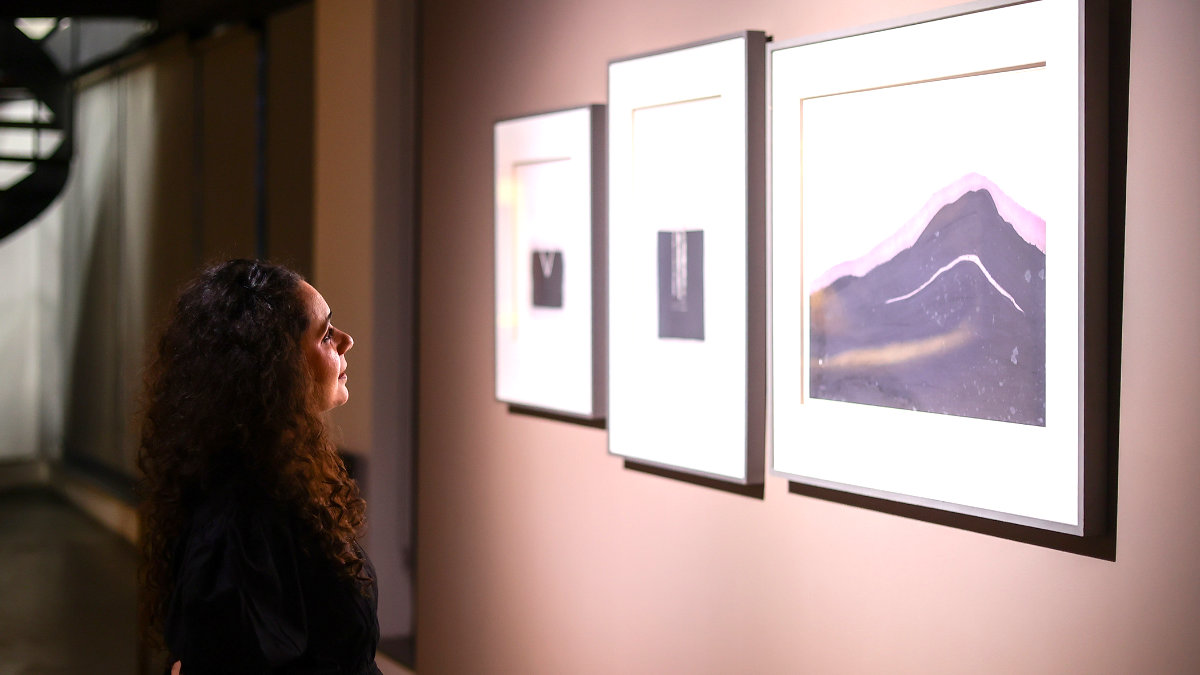
Thapar Gallery in New Delhi is presenting Many Modernisms: Figuring the New Artistic India, a group exhibition that brings together works by some of the most influential figures in twentieth-century Indian art. Open since 31 August 2026 and continuing until 15 October 2026, the exhibition examines the varied ways artists responded to social, cultural and political change during a transformative period in India’s history. The exhibition is on view at the gallery’s space at Kapashera Estate, Rajokri Crossing on NH-8 in New Delhi.
A Broader View of Indian Modernism
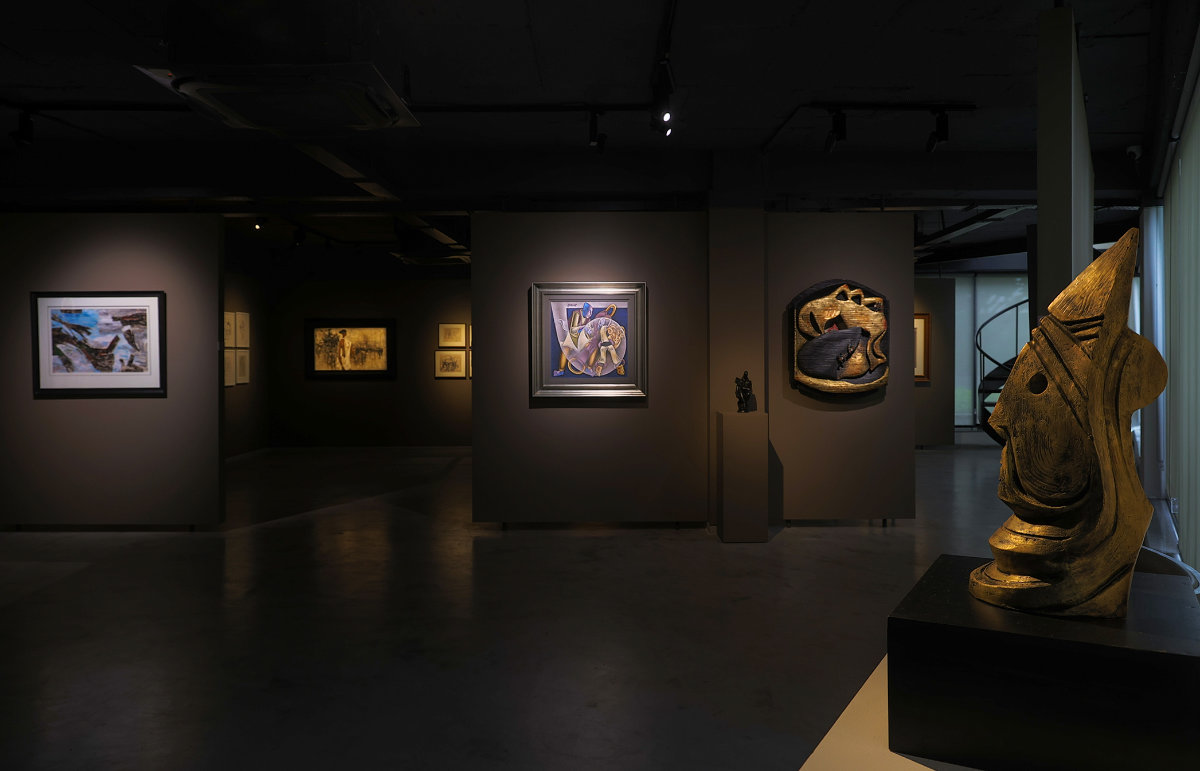
Rather than presenting Indian modernism as a single movement, the exhibition proposes a more expansive understanding of the term. Through works that span different regions, generations and artistic approaches, the show explores how artists developed distinct visual languages while engaging with questions of identity, memory, modernity and tradition. According to the gallery, the exhibition considers modernism as an evolving field shaped by individual experiences and multiple histories.
Artists Featured in the Exhibition
The exhibition includes works by several major names associated with modern Indian art, including:
| Jamini Roy | Amrita Sher-Gil |
| K.K. Hebbar | M.F. Husain |
| F.N. Souza | Ram Kumar |
| Bhupen Khakhar | Sadanand Bakre |
| A. Ramachandran | Badri Narayan |
| Satish Gujral | Sohan Qadri |
| B. Prabha | Haku Shah |
| Himmat Shah |
Together, these artists represent a wide range of artistic concerns, from figurative narratives and social realities to abstraction, spirituality and experimentation with form.
Themes Across the Exhibition
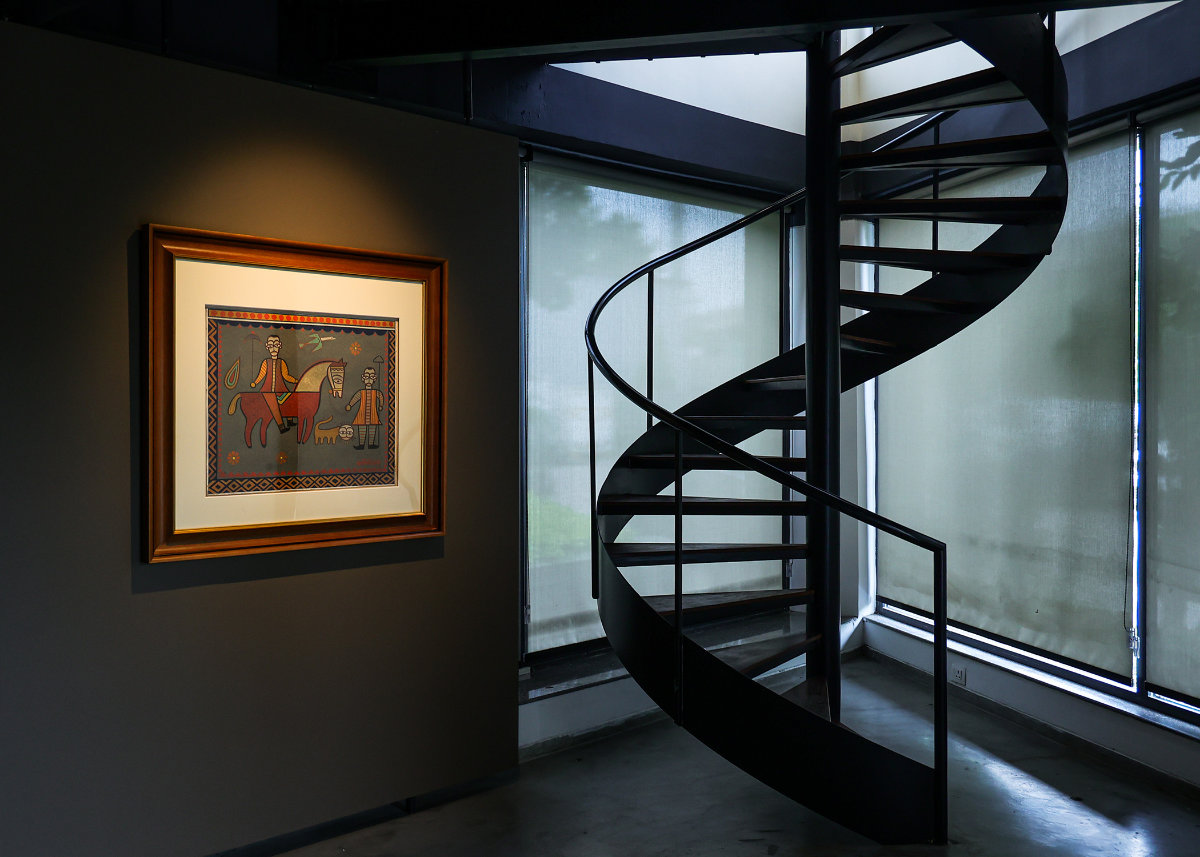
The works on display engage with recurring themes that shaped modern Indian art throughout the twentieth century. Landscapes, mythology, faith, labour, urban life and the human figure appear across different artistic styles and mediums.
Visitors will encounter works that move between village and city life, local traditions and international influences. The exhibition also highlights how artists explored emotional intensity, social observation and personal reflection through painting, drawing and sculpture. According to the organisers, these varied approaches reveal the breadth of artistic responses that emerged during a period of rapid societal transformation.
Continuing Conversations on Modern Art
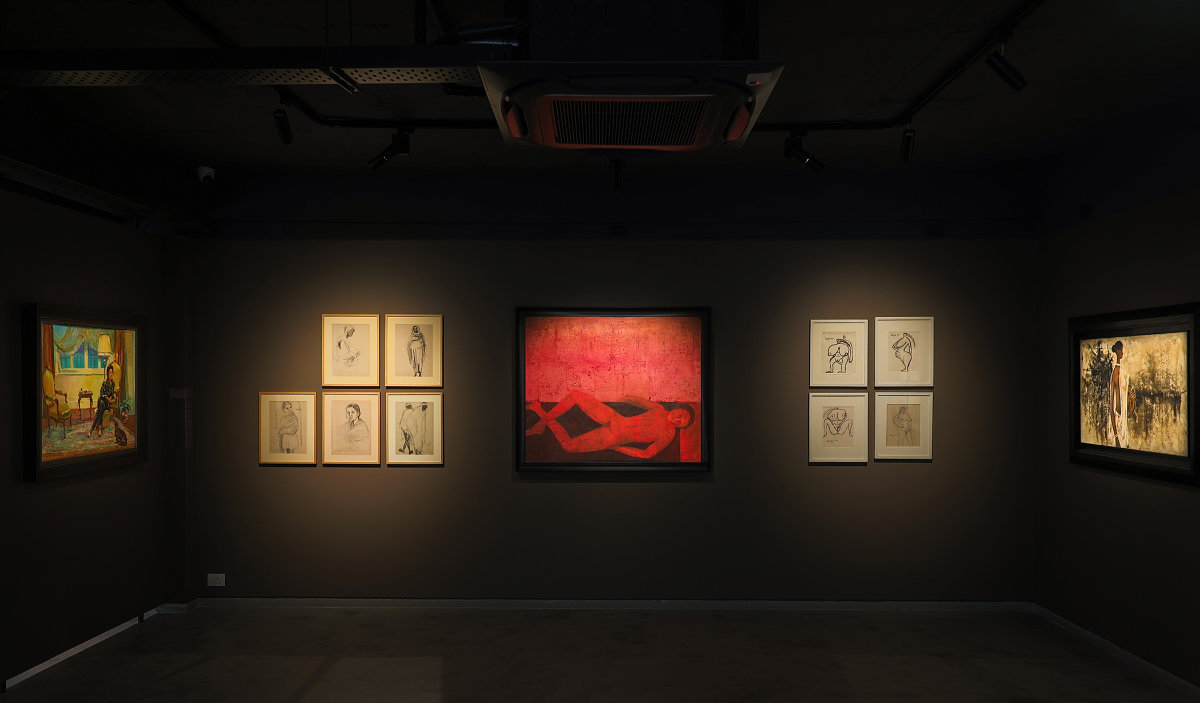
The exhibition aligns with Thapar Gallery’s broader engagement with modern and contemporary art. Since opening its Delhi space, the gallery has organised several exhibitions examining different strands of Indian modernism, including presentations focused on artists such as Krishen Khanna, Prabhakar Kolte and A.A. Raiba. These exhibitions have explored themes of memory, history and artistic experimentation within modern Indian art.
Visitors interested in learning more about the gallery can visit the official website of Thapar Gallery. Additional information about the participating artists can also be found through the gallery’s exhibitions and artist archives.
Gallery Director on the Exhibition
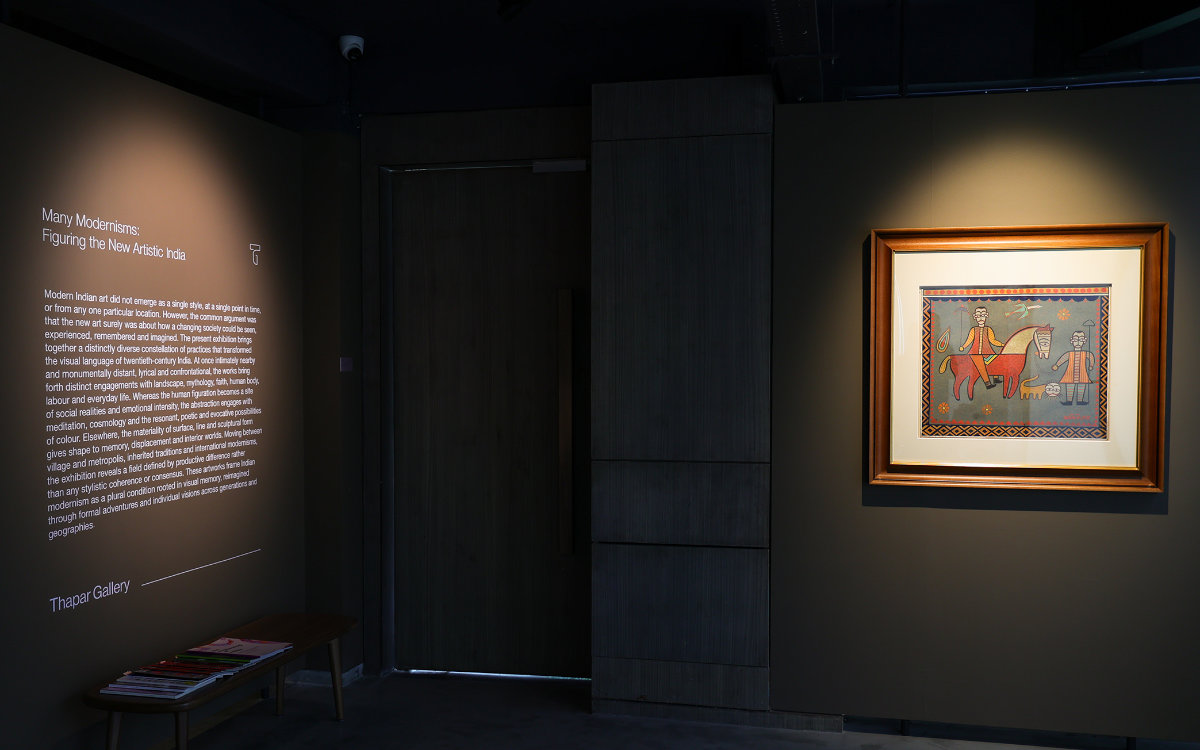
Ashish Thapar, Director of Thapar Gallery, notes that modern Indian art emerged through multiple artistic trajectories rather than a single stylistic development. He describes the exhibition as an opportunity to view Indian modernism as a plural and evolving field shaped by visual memory, formal experimentation and diverse artistic visions across generations and geographies.
Visitor Information
| Event Name | Details |
| Title | Many Modernisms: Figuring the New Artistic India |
| Venue | Thapar Gallery, The One, Kapashera Estate, Rajokri Crossing on NH-8, New Delhi |
| City | New Delhi |
| Opening Date | 31 August 2026 |
| Exhibition Dates | 31 August 2026 – 15 October 2026 |
| Organiser | Thapar Gallery |
| Entry / Tickets | Entry details not specified |
| Website | https://thapargallery.com |
Takeaway
Many Modernisms: Figuring the New Artistic India offers an opportunity to revisit the diverse artistic practices that shaped modern Indian art during the twentieth century. By bringing together artists with distinct visual languages and perspectives, the exhibition highlights the complexity of India’s modern art history. The show encourages viewers to consider how artists responded to social change while contributing to broader conversations about culture, identity and artistic expression that continue to resonate today.