The City of Joy Braces for a Literary Storm: Kolkata Literary Meet 2026

0

Kolkata-Literary-Meet-2026

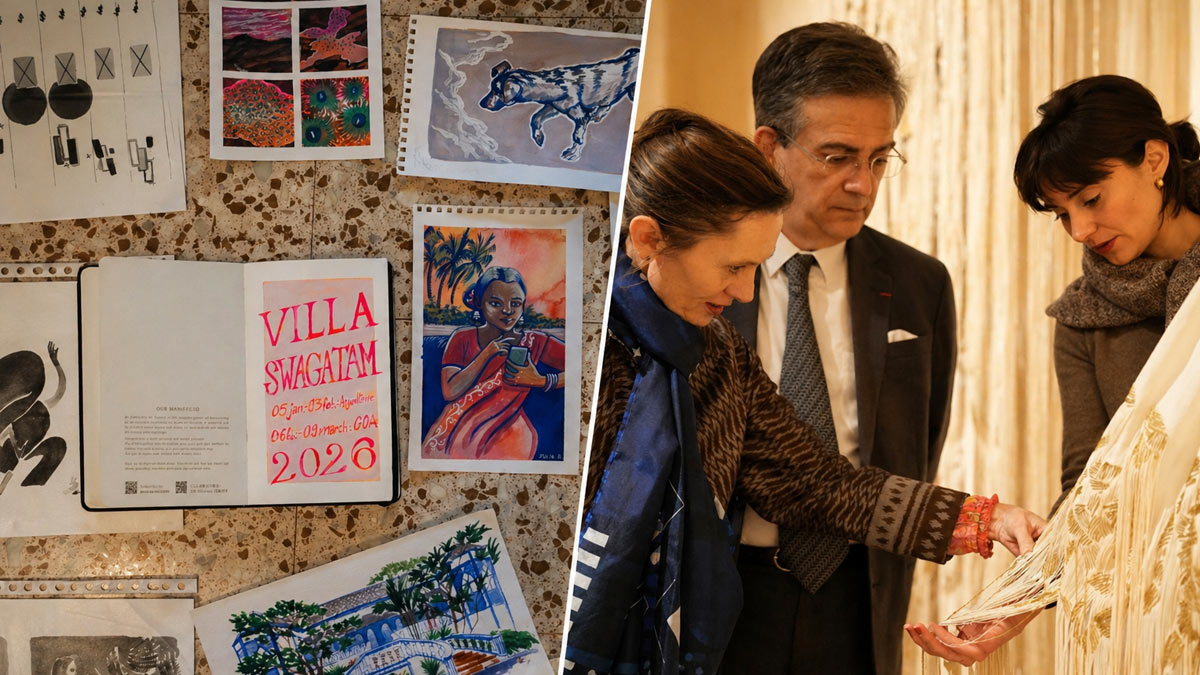
The city of Joy, Kolkata, is also renowned as the cultural capital of India. This intellectual soul of the country is all set to embrace the new year by upholding the city’s most highly anticipated event, the Exide Kolkata Literary Meet (Kalam) 2026. This is one of the most nonpareil and consummate occurrences in the city’s art season. Kolkata is not just another colonial city; it is the city of poets, bookstores, public readings, and a hub of Weltanschauung honing ideas. This city has housed India’s intelligentsia for a long time and is now ready to unfurl its literary quotient once again. 

The Lit Meet

The event is scheduled to take place from January 22 to 26, 2026, at the Alipore Museum (the former Alipore Central Jail). This Lit Meet has earned the status of being one of the most plausible ones in the entire country. It incorporates the spirit of inclusivity with intellectual ambition, bringing together eminent authors, thinkers, translators, storytellers, performers, and audiences for five days of conversations that transcend genres.

This lit meet revolves around a multidisciplinary cultural format. It places literature in the company of other crafts, such as cinema, food culture, translation studies, music, wellness, and others. It is open to all and offers free entry. This public spirit and non-exclusive audience base are what make it a vibrant umbrella of adroitnesses. The upcoming event will be its thirteenth edition, and it looks forward to a seamless literary experience. The Kalam 2026 will open a portal to a world of words and ideas. 

Electrifying the Intellectual Landscape

This literary conclave is officially rebranded as Kalam 2026. This partnership with Exide aligns with the higher goal of the fest, i.e., to “ignite minds and power conversations” at a scale never seen before. The 2026 edition looks forward to a multi-sensory experience, where literature will meet music and other performances. The inaugural night has scheduled “Mile Sur,” a performance by the acclaimed duo Sourendro and Soumyojit, which aims to celebrate the diversity of India’s musical landscape. This musical opening sets the tone for a festival that is as much about the rhythm of the city as it is about the power of the written word.

A Glimpse of The Proceedings

Aspects Details
New Branding Officially partnered with Exide to become “Exide Kolkata Literary Meet
Festival Dates January 22 – January 26, 2026
Central Venue The Alipore Museum, Kolkata
Official Website kolkatalitmeet.in/2026
Core Mission To ignite minds and power conversations across diverse disciplines
Accessibility Entry is free and open to all members of the public
Disciplines Literature, translation, cinema, food culture, music, dystopian literature, and gender discourse

The Sequence of The Fest

Cross-Genre Literary Conversations

Kalam 2026 brings forth a plethora of sessions with a lot of intellectuals. The inaugural session will begin at 3:30 PM at the KaLam Lawns, followed by an engaging session with Jhumpa Lahiri. She would engage the audience by taking them through conversations concerning place, language, and displacement. Banu Mushtaq’s Heart Lamp session places gender and social justice at the forefront. Her work focuses on stories that traverse borders and lived realities. 

Local Voices with Global Resonances

Interestingly, the curator Malavika Banerjee has highlighted a “dystopian yet contemporary” thread running through the sessions. On the second day, there are focused discussions on music (Ashwini Bhide-Deshpande, Suresh Talwalkar, and Kathakali Jana), social critique, political imagery, and a lot more. Popular icons like Anupam Roy and Javed Akhtar are going to adorn the venue with their charisma. A tinge of history is also tapped through Uma Das Gupta’s “A History of Shantiniketan,” and “The Forgotten Indian Prisoners of World War II” by Gautam Hazarika. 

Authors like Barbara Kingsolver and Keshava Guha will lead panels that question the environmental and political stability of our era. This contrasts beautifully with the nostalgic sessions, such as the discussion on the legendary film Sholay or the translation of the classic Chowringhee by Arunava Sinha. There are several film shows lined up as well under the label of “Talkies@KaLam.” For instance, there will be a premiere of “Manto” by Nandita Das, “Court” by Chaitanya Tamhane, etc. It will be called a day with “Ekok,” an eclectrifying Rupam Islam unplugged. 

The Following days

The rolling days will also get more and more engaging with discussions on regional literature, Tagore’s classics, mythological discourses by Devdutt Pattanaik, and a tinge of history and culture. There will be multilingual sessions targeting a larger audience base. Infact, the young adults’ favourite Durjoy Datta is also hailing the fest. There will be thorough talks on themes of hope, displacement, political discourse, the evolution of arts in different parts of the country, and so forth. 

The last day will feature charismatic artists like Piyush Mishra, famous authors like Jhumpa Lahiri, Amitav Ghosh, Aparajita Dasgupta, and others. Finally, this grandeur comes to an end with the KaLam Finale adorned by the performance of Ali Bangash & Ayaan Ali Bangash. Their timeless classical music with the legendary legacy of the Senia Bangash gharana, will pull the end curtain. 

Key Highlights of the 2026 Festival

  • After a 12-year absence, Pulitzer Prize-winning author Jhumpa Lahiri will take the stage on the opening day to discuss her “Roman Stories” and her deep creative journey with the Italian language.
  • Jnanpith awardee Amitav Ghosh will officially launch his highly anticipated new novel, Ghost-Eye, fitting the festival’s underlying “spectral” and “dystopian” theme.
  • The shift to the Alipore Museum allows for a “Son Et Lumiere” atmosphere. Sessions like “Nowtopia” with Megha Majumdar and “Sholay @ 50” with Javed Akhtar will take place in the shadow of historic prison wards.
  • The festival will honor the 100th birth anniversaries of legends, including Mahasweta Devi, filmmaker Ritwik Ghatak, and the “Mahanayak” Uttam Kumar.
  • A special segment dedicated to the “Focus State” of Maharashtra will explore its rich legacy in Hindustani classical music and Marathi theatre, featuring stalwarts like Ashwini Bhide-Deshpande.
  • Each day will conclude with soul-stirring performances, including “Mile Sur” by Sourendro-Soumyojit, an unplugged set by Rupam Islam, and a grand finale sarod recital by Amaan and Ayaan Ali Bangash.

Takeaway: Why KaLaM Matters

The KaLam stands out for its intellectual generosity, curatorial ambition, and democratic spirit. It is a festival that understands literature not as an isolated artefact, but as a living nexus of culture, history, memory, politics, and performance. The  “Exide Kolkata Literary Meet” is a brilliant move; it brings a sense of modern “power” to a tradition that is often viewed as purely academic. Kolkata’s longstanding reputation as a city where ideas thrive in the open air, where books are public property, and where every conversation is a site of transformation. If there is any city that can successfully turn a prison into a temple of words, it is Kolkata.

How Vegetable Delivery Apps Are Making Freshness Accessible

0

Vegetable-Delivery-Apps

Most of us want to cook fresh meals and eat better. Then the week gets busy. Work takes over, energy drops, and grocery trips keep getting pushed to another day. Generally, fresh vegetables are the ones that are most often removed from the list. This is where the vegetable delivery app quietly fits into everyday life. It does not demand effort. It simply makes fresh food feel possible again.

When Shopping No Longer Needs Planning

Buying vegetables used to mean planning a trip and finding the energy to follow through. For many households, that now feels unrealistic. With an online delivery app, vegetables can be ordered whenever the need appears. There is no rushing and no rearranging schedules. Shopping becomes something you do calmly, from home, in between everything else. That small shift removes more stress than people realise.

Freshness That Arrives At The Right Moment

Vegetables are most appealing when they are fresh and ready to use. Timing makes a real difference. A good vegetable delivery app shortens the distance between sourcing and cooking. Produce arrives looking bright and feeling crisp. That freshness often brings motivation back. Cooking feels easier when ingredients look inviting rather than tired.

Supporting Busy Homes Without Judgement

Busy households rarely follow neat routines. Meals depend on workdays, school schedules, and how tired everyone feels. An online delivery app supports this unpredictability without judgement. Forgetting an ingredient no longer means changing dinner plans. Fresh vegetables arrive while the willingness to cook is still there. That support makes everyday meals feel less stressful.

Why Ease Changes Food Choices

Healthy eating is rarely about willpower. It is about access. When vegetables are easy to get, people naturally use them more. A vegetable delivery app removes common obstacles like lack of time or energy. Instead of postponing healthy meals, fresh ingredients are always close by. Over time, better food choices become part of the routine without forcing anything.

How Grocery Shopping Feels Lighter Now

Online delivery has quietly changed how people think about shopping. Waiting days for essentials now feels unnecessary. An online delivery app allows shopping to happen in small moments throughout the day. Food planning becomes more flexible and less daunting. Food decisions feel gentler and more intuitive.

Trust That Builds Over Time

Trust grows slowly through familiar experiences. A reliable vegetable delivery app delivers produce that meets expectations again and again. Vegetables arrive well packed and ready to use. Over time, relying on delivery feels natural rather than risky. Fresh vegetables at the door become part of the household rhythm.

Why This Fits The Way We Live Now

Life today is busy and often unpredictable. People want to eat well without adding pressure to already busy days. Having fresh vegetables easily available makes that possible. An online delivery app blends into daily life quietly, offering support rather than demands. Freshness becomes something people can count on every day. In a world that rarely slows down, that quiet reliability feels deeply human.

Debut Solo Exhibition of Vishal Kumar Gupta: Field Notes (On the Afterlife of Trees)

0

Solo-Exhibition-of-Vishal-Kumar-Gupta

The Art and The Artist

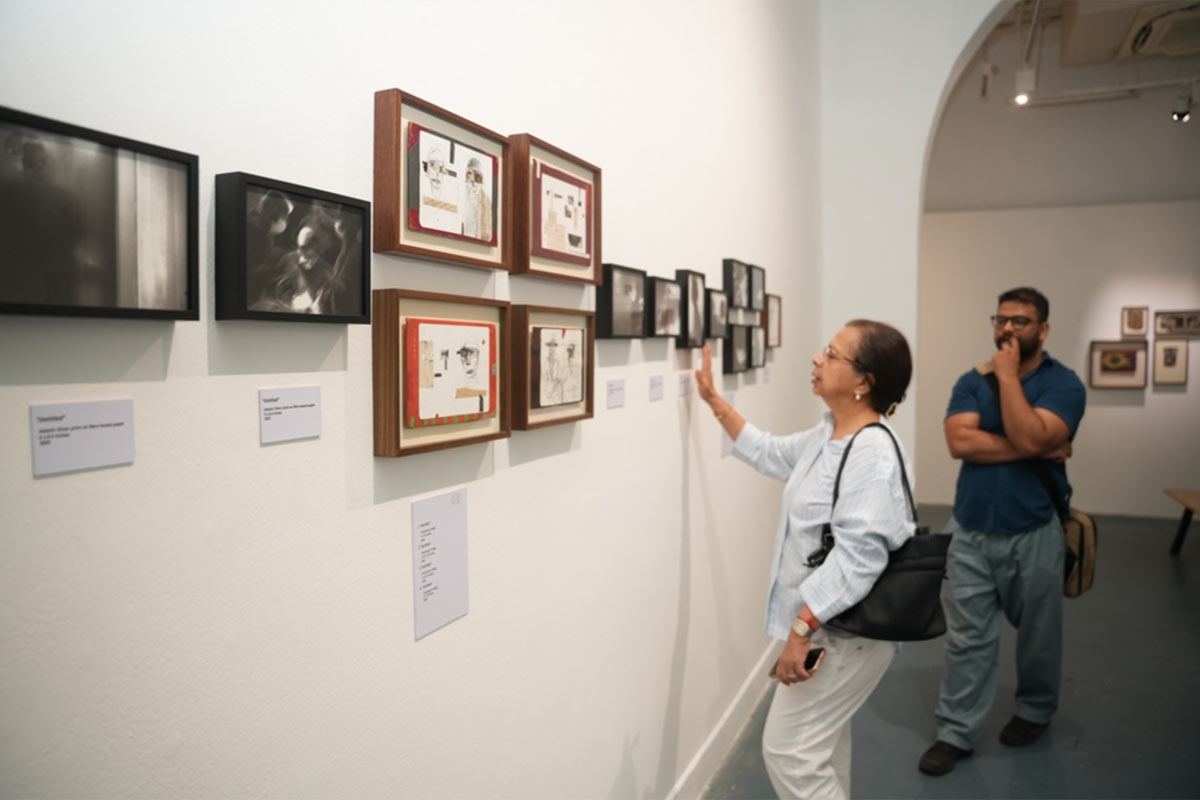
With the New Year knocking, Kolkata’s artscape is even more thrilled to host events of a plethora of genres. Emami Art is no anomaly. Starting from January 9, 2026, Emami Art is set to transform its Gallery 1 into a purlieu by hosting the solo debut exhibition of  Vishal Kumar Gupta, titled ‘Field Notes (On the Afterlife of Trees).’ The exhibition will continue on display till March 7, 2026. Vishal is one of the most promising evolving artistic practitioners in India. 

He is a graduate of both the legendary Kala Bhavan, Shantiniketan (BFA), and the Faculty of Fine Arts at MSU Baroda (MFA), where he graduated with a gold medal. The exhibition is a watershed moment in Vishal’s career, as it is a judicious showcase of his most trenchant artworks to date. Vishal has developed an astute perspicacity towards ecology, form, and visual memory. He was awarded the Nasreen Mohamedi Award (2022–2023), a distinguished recognition for excellence in painting that aligns him with the legacy of deep visual inquiry in Indian contemporary art.

The Saga of Growth And Decay

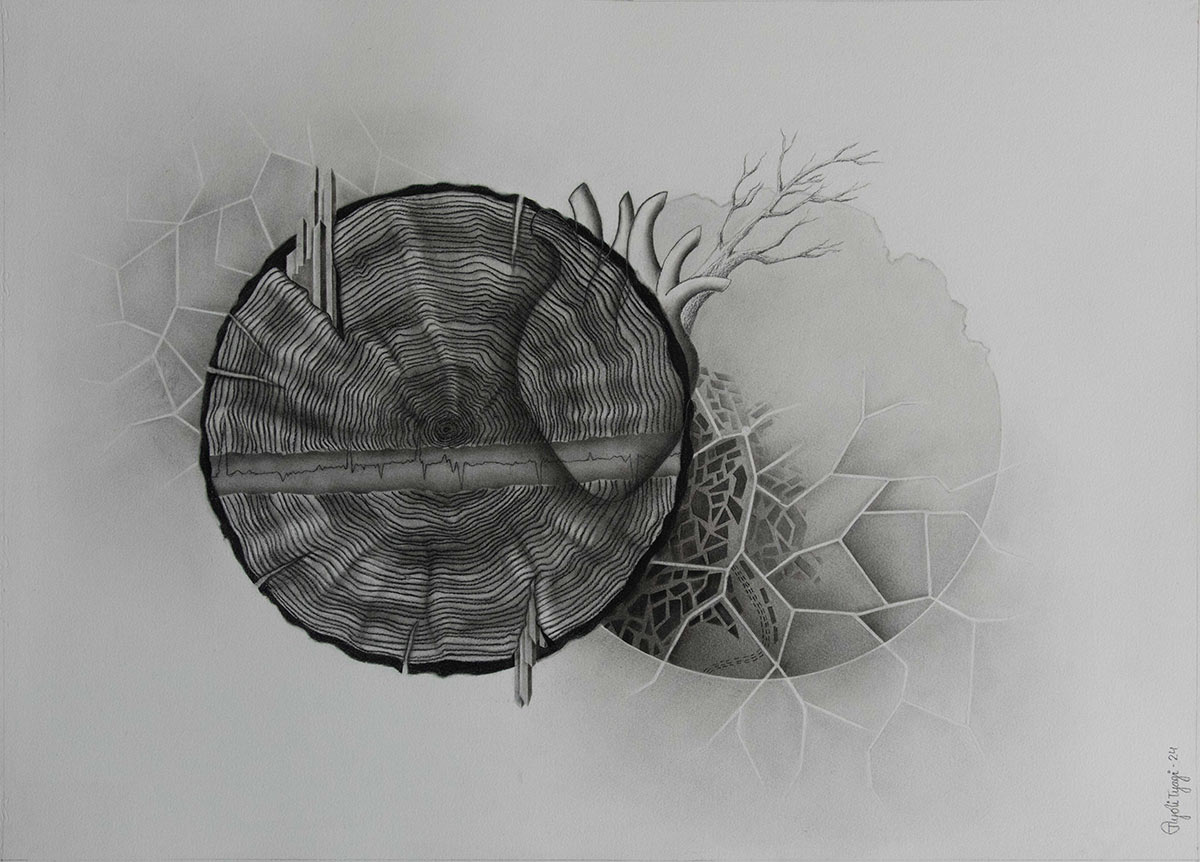
The quiddity of the exhibition lies in the concept of the “afterlife” of trees. Vishal does not perceive the afterlife phase as the death of a tree; his perception, rather, discerns it as a “continuation” of form, texture, and ecological anamnesis. His artistic practice appears to be an exercise to develop assiduousness. 

As people today are more habituated to the rapid consumption of digitally produced art, Vishal’s handcrafted masterpieces mandate a slower pace. The exhibition features a diverse range of media, including large-scale oil paintings, delicate watercolor drawings, and graphite works.

His signature is to reengineer the perceptibility by bridging the gap between what is observed and what is felt. His canvases do not just pose as bark, root, or leaf; they epitomise the palpability of these elements of nature. He employs the techniques of accumulation and fragmentation as he moulds surfaces that belie three-dimensionality. He possesses a captivating quality of crystallising the viewer’s eyes onto the interstitial spaces where his images oscillate between the “known” and the “unknown.”

Peeping At The Solo Debut

Aspects Details
Artist Vishal Kumar Gupta (b. 1996, Ranchi)
Exhibition Title Field Notes (On the Afterlife of Trees)
Exhibition Dates January 9 – March 7, 2026
Preview January 9, 5:00 PM
Venue Gallery 1, Emami Art, Kolkata
Media Oil on canvas, watercolours, graphite on paper
Artistic Focus Landscape, trees, tactile abstraction
Core Themes Temporality, tactile abstraction, ecological memory
Academic Pedigree Kala Bhavana (BFA), MSU Baroda (MVA – Gold Medalist)
Major Accolades Nasreen Mohamedi Award (2022–2023)

Key Highlights

  • Debut solo exhibition by Vishal Kumar Gupta at Emami Art, Kolkata.
  • The exhibition spans oil paintings, watercolour drawings, and graphite works.
  • Vishal’s artistic method is shaped by accumulation, fragmentation, and sustained acts of looking
  • Works explore the liminal space between abstraction and physical presence with tactile intensity. 
  • The exhibition will run from January 9 to March 7, 2026, with a public preview on January 9 at 5:00 PM. 
  • Exhibited work invites sensory engagement, a hallmark of Gupta’s practice. 
  • The works are designed to be “seen with a sense of touch.” 
  • Vishal’s work reflects a unique stylistic lineage. 
  •  He carries the organic, nature-centric ethos of Santiniketan’s landscape tradition while integrating the rigorous, experimental, and conceptual framework associated with the Baroda School.
  •  Each piece serves as a “field note,” a quiet, documented observation of the passage of time.
  • The “afterlife” suggests a focus on the scars, rings, and weathered surfaces that trees acquire over decades.
  • From expansive canvases that swallow the viewer’s periphery to intimate drawings that require close-up inspection, the exhibition plays with the scale of observation.

The Exhibits and Artistic Practice


View this post on Instagram


A post shared by Emami Art (@emami_art)

Field Notes (On the Afterlife of Trees) is a significant corpus of art that is reflective and sensory in nature. The core philosophy of this exhibition is to pose a query in the heart of the viewer to re-evaluate their relationship with nature, especially trees. Vishal birthed these artworks through oil paint, watercolours, and graphite, each medium lending itself to a sui generis. The oil paint adds weight and density, watercolour offers a contrast with delicacy, and graphite makes the art appear “raw.”

Vishal displays a sense of nonconformity in representing direct figurative forms. Instead, he amalgamates abstractions and physical presence as pieces of a jigsaw puzzle, which makes his art appear more realistic and tangible. He emphasizes visual sensitivity and enables his audience to “see with a sense of touch,” merging perception with sensory abilities. 

Thematic Understanding of The Solo Through The Curatorial Lens

The Title of the exhibition, Field Notes (On the Afterlife of Trees), itself suggests a deeper view of the residual presence trees retain after being subjected to environmental or temporal change. This way of looking at nature encourages introspection and a focused synthesis of ecological transformation, memory, and how nature imprints itself on human consciousness. Vishal’s works are metamorphic muniments of these impressions. This solo debut is a part of Emami Art’s program of contemporary initiatives, placing Vishal’s artwork within the wider ambit of Indian artists who engage staunchly with ecology. 

This exhibition focuses on the nuances of  “micro-landscapes” found within nature. These gradations often go unnoticed by casual observers, but when observed minutely, they reveal the structural complexity of the environment. The exhibition seamlessly blends a higher degree of scientific quotient with poetic license and results in a beautiful representation of nature that is seldom perceived by the “digital man.” Even when a tree is no longer “living” in the biological sense, its structure remains a testament to its history. 

Takeaway

This exhibition invites people to slow down and observe how art records experiences. There is a profound humility in Vishal’s work, a refusal to “conquer” the subject on canvas. Instead, he allows the subject to reveal itself through layers of paint and graphite. This exhibition is a testament to the power of the “slow gaze,” and for anyone interested in the future of Indian abstraction, it is an unmissable debut. It is a deeply tactile and introspective presentation that situates Gupta as a significant new voice in Indian contemporary art. For those in Kolkata and beyond, this exhibition at Emami Art is a must-visit, not only for its aesthetic rigor but for its capacity to shift how we engage with the visual and natural worlds.

A Renaissance of the Brush: Unveiling The Art of India 2026

0

The-Art-of-India-2026

2026 is about to begin as a busy year with plenty of events lined up. The charm of the new year will be aided by “The Art of India 2026,” a quintessential art fest orchestrated by the Times of India in collaboration with Standard Chartered Bank. The art fest is slated to run from January 10th to 18th, 2026, at the Habitat Centre in New Delhi. 

This art festival is publicized as a luxury in itself, offering a high-impact convergence with India’s artistic heritage and contemporary creative innovation. This upcoming fest has been framed as a “mega luxury art collective.” 

Understanding the Grandeur of the Event

“The Art of India” series has been one of the largest pan-Indian initiatives to elicit art from the haute monde and ensconce it in the public conscience. Peeping into the bygone editions reveals that this platform served as a conduit between established masters and emerging contemporaries. This art fest has earned the title of being a great instrument of cultural diplomacy, creative economy expansion, and heritage revival. The Art of India is a modern, high-end exhibition that propounds Indian heritage and strengthens the country’s international cultural influence. 

As reported by the TOI, this platform surpasses commercial transactions and emphasizes storytelling through art, indigenous knowledge systems, and sustainable craft traditions. They envision positioning Indian art within a global luxury nexus. Fairs of such fashion are highly noticeable in Art Dubai, Frieze London, and India Art Fair. They boost creative tourism and position Indian art within a global framework.

Furthermore, the association of Standard Chartered as the “Global Indian Partner” elevates the value of the event. This partnership builds on the narrative of Indian art not only as a form of expression, but as a currency of the “Global Indian” identity. The 2026 edition aims to showcase the “artistic brilliance” and “cultural depth” of the nation. The upcoming edition will feature a plethora of sculptures, paintings, and digital installations that reflect on the transforming identity of 21-st century India. 

The Event At a Glance

Aspects Details
Event Name The Art of India 2026
Primary Organizers The Times of India (TOI) and Standard Chartered Bank
Scheduled Dates January 10 – January 18, 2026
Location India Habitat Centre (IHC), Lodhi Road, New Delhi
Nature of Event A mega luxury art collective and cultural exhibition
Visual Aesthetic Traditional–modern fusion emphasising folk art and heritage motifs
Target Audience Art collectors, global Indians, students, and cultural enthusiasts
Objective Promote Indian art as a global luxury and cultural product

Key Highlights

  • Curated as a luxury cultural showcase, not merely an art market
  • Focus on heritage-driven contemporary Indian aesthetics
  • Strategic emphasis on India’s global cultural footprint
  • Participation expected from leading Indian galleries and collectors
  • Platform for cross-generational artists and traditional artisans
  • Strengthens Delhi’s status as a global art destination
  • Supported by Standard Chartered’s Global Indian cultural vision
  • The exhibition is expected to feature works curated by leading art historians and critics, ensuring a narrative that spans from traditional folk styles to avant-garde contemporary pieces
  • A strong emphasis on “A reflection of heritage,” focusing on preserving ancient techniques while giving them a modern stage
  • The event seeks to connect the Indian diaspora with the domestic art market
  • While marketed as a “luxury collective,” the inclusion of The Times of India suggests a broad media outreach aimed at democratizing art appreciation
  • The India Habitat Centre provides an open-air and indoor mix, perfect for large-scale installations and interactive workshops

A Mega Confluence

Hitherto, the previous editions of The Art India initiatives included “Masterclasses” and “Art Walks” in their rosters. These events aim at educating the public to sensitize them regarding the subjectivity and objectivity of art. This upcoming edition is a vital addition to their ongoing saga. One could expect the celebration of the “handmade” and the “historical” at the 2026 edition. 

Also, the choice of venue, the Habitat Centre, is a dedicated cultural hotspot that symbolises a polished creative practice. It conveys a clear message that art is not peripheral to the nation as an asset; it is central to the nation’s intellectual, aesthetic, and socio-economic self-reflection. 

The Art of India 2026 peeks into the evolution of how people consume, participate in, and perceive “art & culture” in the post-pandemic era. While the “luxury” label might feel exclusionary at first. But, as one explores the dimensions of the partnership with a mass-media behemoth like The Times of India, it ensures that the event remains a public celebration rather than an exclusive tender. 

Takeaway: More Than an Art Fair

With the announcement of India’s one of the most awaited cultural curtain raisers, it became clear that this art fest is a strategic cultural intervention. This fair serves as a quiet yet powerful declaration of India’s artistic sovereignty and global relevance. It seamlessly admixes luxury, heritage, and contemporary expression and aims to metamorphose art into a lingua franca of diplomacy, aspiration, and civilisational continuity.

It also speaks out loud about India’s evolving “Global” future. By positioning Indian art as a premium global brand, the organizers are not just selling paintings; they are selling a narrative of a confident, culturally wealthy nation. If the event successfully mitigates the gap between the rural artisan and the global collector, it will be a landmark event in India’s art history.

The Art of India 2026 staunchly conveys that this platform is increasingly remoulding how India is culturally perceived on the world stage. 

Birla Academy 59th Annual Exhibition 2026: Zameen and Living Cities

0

Birla-Academy-59th-Annual-Exhibition-2026

The Birla Academy of Art & Culture, Kolkata, is a key linchpin of India’s cultural landscape. For almost six decades, the Birla Academy of Art & Culture has continued its legacy as one of India’s most reputed institutions dedicated to modern and contemporary arts. Its annual exhibition is a conceptual catalogue of the evolving artistic trends that feature the generational transitions across the wave of art and aesthetics. The Birla Academy has also been a historic platform that has paved the way for many significant art practitioners. 

Birla Academy at 59

The upcoming annual edition will mark the 59th version of this yearly occurrence. This exhibition was conceived in 1967 and continues to carry forward its institutional vision and aspirations to date. In its present format, the academy aims to explore the critical niches of land, ecology, and urban life. The 2026 edition is slated to inaugurate on January 9, 2026, at 06:30 PM. It will continue to be displayed until February 8, 2026. The exhibition will be open to all from Tuesday to Sunday (03:00 PM to 08:00 PM IST). It is one of the most-awaited winter calendar entries in Bengal. 

The exhibition will have a key centerpiece, followed by a competitive section that features artists specializing in site-specific installations. Alongside, they also arrange a prize distribution for award winners in the competitive categories. 

A Sneak Peek At The Exhibition

Aspects Details
Inauguration Date Friday, 9th January 2026, 6:30 PM
Exhibition Duration 9th January – 8th February 2026
Edition 59th Annual Exhibition
Viewing Hours 3:00 PM – 8:00 PM (Closed on Mondays & Holidays)
Chief Guest Shri Jawhar Sircar (Former MP & Ex-CEO, Prasar Bharati)
Venue 108–109 Southern Avenue, Kolkata – 700029
Curator (Zameen) Ina Puri
New Section Projects – Terra Kolkata
Lead Artist (Projects) Anirban Das & Team
Special Segment Annual Winter Performances

The Artistic Narrative of 2026

The Birla Art Academy has been a catalytic launch pad for many stalwarts of modernism in India. The Academy’s annual exhibition is one of the few remaining “salon-style” large-scale exhibitions that continues to move along the high academic standards while also being accessible to the public. The prime conceptual core of the exhibition lies in “Zameen,” curated by Ina Puri. The word “Zameen” translates to land, which is a mere geographical entity. However, from an artistic perspective, this “land” is converted into a witnessing catalogue that bears the imprints of memories, displacement, agrarian chronicles, and socio-political intercessions. Land, when perceived through this lens, appears as a living entity that is moulded by ecological crises, urban expansion, and shifting rural economies.

Renowned Indian-American artist Zarina Hashmi is also featuring her artworks here. She is widely acknowledged for her skillful lens of exploring home and exile through the lens of minimalism. Her work will be placed in the vicinity of contemporary artists like Mithu Sen, whose work displays a persistent tension between the permanence of “zameen” and the fluid human experiences. 

Other Segments and Winter performances

The section titled “Terra Kolkata” further places the exhibition amidst the local landscape. This segment positions the city as both subject and medium. This exhibition aims to remind us that art is not something to be perceived in a white-cube enclosure, but something that develops from the very soil of the city, adopting a more empirical and site-responsive approach. 

The exhibition encompasses forms of art beyond the physical application of colours and drawings. There will be performances featuring classical dance, theatre, and music. The upcoming edition will also host a cross-disciplinary showcase by orchestrating two performances titled  “Draupadi” (a performance by Anjana Chandak) and “Saraccandrakm” (by Chidakash Kalalaya). It establishes an inter-woven fabric of performances and visual arts and creates an aesthetic syncretism that appears extravagant and truly joyous. 

Key Highlights

  • 59th edition marking nearly six decades of curatorial continuity
  • Thematic highlight exhibition Zameen curated by Ina Puri
  • The theme “Zameen” (The Land) explores identity, belonging, and the physical/emotional connection to territory
  • This flagship exhibition highlights a stellar lineup of artists, including Mithu Sen, Riyas Komu, and Zarina Hashmi
  • Launch of the new Projects section focusing on urban and ecological narratives
  • Terra Kolkata | Burnt Earth and Living City by Anirban Das & team
  • These site-specific installations on the back lawns explore the relationship between the city’s urban evolution and the primordial element of clay/earth
  • Month-long public viewing with free institutional access
  • Annual winter performances complement the exhibition programme
  • Prize distribution ceremony honouring award-winning artists from the competitive section
  • To celebrate the Academy’s anniversary month, the lawns will host prestigious performances, including a Khayal-Thumri rendition by the legendary Pt. Ajoy Chakrabarty on January 25th
  • The galleries on the 4th and 5th floors will showcase a wide array of works selected from across India, ranging from traditional paintings to experimental digital media

Takeaway: The Vitality of Institutional Continuity

The 59th Annual Exhibition at the Birla Academy is a cultural milestone as it is a reassertion of the evolving and existing artistic brilliance in India. What makes this event truly special is its democratic spirit; it places the works of established masters, like Riyas Komu, in the same building as the unnamed winners of the competitive section. This creates a rare “living archive” of Indian art.

Moreover, Shri Jawhar Sircar is invited as the Chief Guest. His presence will bridge the gap between cultural policy and artistic discourses. On January 25, 2026, Pt. Ajoy Chakrabarty will mesmerize everyone with his performance under the winter sky of Southern Avenue. The Birla Academy isn’t just showing art; it is sustaining a specific, sophisticated “Kolkata way of life” that balances intellectual rigor with soulful expression.

Dream Vision by Nikas Safronov: An Immersive Indo–Russian Art Dialogue at NGMA Mumbai

0

Dream-Vision-An-Immersive-Indo–Russian-Art-Dialogue-at-NGMA-Mumbai-01

A Bridge of Light and Colour

The National Gallery of Modern Art (NGMA) in Mumbai is hosting the “ Dream Vision,” an exhibition that has officially arrived in Mumbai after receiving a superlative rejoinder from New Delhi. This exhibition is a solo show by Nikas Safronov, a National Artist of the Russian Federation and one of the world’s most celebrated contemporary painters. The exhibition is scheduled from December 30, 2025, to January 15, 2026. This showcase marks a decisive step in the cultural exchange between Russia and India. This event is supported by the Ministry of Culture, Government of India, and is offering free public entry to all. 

The showcase of Nikas’ paintings was originally inaugurated at the Lalit Kala Akademi, New Delhi, where it received an overwhelming response. This showcase appears to be a cultural handshake between the two nations. The Delhi showcase attracted high-profile visitors, including Sonia Gandhi, and coincided with the visit of Russian President Vladimir Putin. Now, its showcasing in Mumbai is a more pragmatic step towards expressing the notion of a  “multipolar” world. 

The Philosophical Twigs

The gallery projects the artworks in the company of modern multimedia and AI. It aims to create a space where viewers trace themselves as a part of the artist’s vision. The artworks are not restricted to canvases alone; they are chaperoned by digital protrusions, sound systems, and other visual treats.  The curatorial stewardship envisions a pathway to redefine how Indian audiences encounter contemporary art. The prime highlight of the whole showcase is Nikas’ patented technique. He employs multiple layers of diaphanous lighting to emulate a “dream-like” impression. He has masterfully integrated AI-driven sequences along with 400 meters of LED screens. Through these techniques, he enlivens the quiescent canvases into a digital elephant bearing a framed dream-city.

In the Indian context, the elephant is a symbol of wisdom and continuity. The elephant framed by the artist represents bearing the weight of a surreal civilisation and imagined futures. This is an efficacious metaphor for a transnational artistic symbiosis. The elephant itself forms a hybrid ground where Indian symbolic traditions carry Russian dream narratives into an iconographic syntax.

Genres & Isms

Nikas’ artistic interpretations draw inspiration from classical realism, symbolism, and surrealism. His dream-like construct probes into the extent of memory, time, and hits the peripheries of metaphysical conscience. With NGMA’s backing in the orchestration of this showcase, his imagination surpasses the boundary of extrapolation and depicts human forms within dubious vistas. The rendezvous of a visitor with the artist’s virtuosity creates a different trail of imageries where the spectator is not a passive admirer, but an essential core of the artist’s dream.”

This art exhibition is dedicated to strengthening the amiable ties between Russia and India. “Dream Vision” celebrates the ligatures between the two sovereigns and diplomatically commemorates the long shared Indo-Russian artistic exchanges, ranging from Soviet-era theatre pedagogy to shared cinematic and literary networks. These exchanges facilitated the growth of modern Indian art education. 

The exhibition is also co-supported by the Rosneft Oil Company. This support demonstrates the active participation of a corporation’s cultural responsibilities in coordinating an international art collaboration. 

Glimpses of The Event

Aspects Details
The Artist Nikas Safronov
Artist Background People’s Artist of Russia, known for portraiture and a surrealist-symbolic style
Mumbai Schedule 30 December 2025 – 15 January 2026 at the National Gallery of Modern Art (NGMA)
Key Sponsorship Organised with the full support of Rosneft Oil Company, highlighting corporate–cultural synergy
Technological Integration AI, neuro-mirrors, augmented reality, and 4D soundscapes animating the canvases
Cultural Dialogue Series inspired by Indian landmarks such as the Taj Mahal, Varanasi, and Hindu mythology
Entry Free
Supported By Rosneft Oil Company
Nature of Exhibition Immersive multimedia solo exhibition

Key Highlights

  • A solo exhibition by the National Artist of the Russian Federation
  • Integrates painting, multimedia, and artificial intelligence
  • Designed as an immersive, participatory art environment
  • Celebrates Indo–Russian cultural dialogue
  • Previously received an overwhelming response in New Delhi
  • Free public entry ensures wide accessibility
  • Visitors are greeted by hand-painted elephant sculptures in Russian folk styles, symbolizing the union of the two nations
  • A multimedia corridor uses color-recognition technology to generate a personalized trail of light for every visitor
  • Safronov created ten specific works for this tour, reimagining the spiritual ghats of Varanasi and the Bara Imambara through his surrealist lens
  • Each hall features bespoke aromas and spatial sound design, creating an “atmosphere of presence” that transcends the visual
  • In line with Safronov’s philosophy that art should be accessible to all, the exhibition offers Free Entry to the public

Takeaway: The Future of Multipolar Art

This exhibition is a one-stop explorational site that taps into the Moscow Kremlin and Indian temples alike. It emphasizes philosophical depth and proves that art is the universal language. Dream Vision is a masterful depiction of how traditional art can thrive in the digital age. While people fear AI as a potent encroacher, the artist demonstrated that technology can be a powerful ally in making art more democratic and emotionally resonant. This exhibition proves that art is a tool for connection rather than just a commodity for the elite. In an era often dominated by transactional geopolitics, this exhibition quietly but powerfully asserts that shared creativity can still shape shared futures.

New Delhi World Book Fair 2026: Celebrating Books, Culture, and Exchange

1

New-Delhi-World-Book-Fair-2026

A Literary Renaissance at Bharat Mandapam

India’s literary world is zipping with the most-awaited literary event, the New Delhi World Book Fair (NDWBF) 2026. This book fair, organized by the National Book Trust (NBT), India, is globally acknowledged as the World’s largest Business-to-Consumer (B2C) book fair. Scheduled to take place from January 10 to 18, 2026, at the iconic Bharat Mandapam at Pragati Maidan, New Delhi, this upcoming book fair promises to be a major convergence of heritage, modern literature, and international diplomacy.

The NDWBF 2026

The event will bring together a massive number of bibliophiles, publishers, authors, educators, and cultural enthusiasts under a shared space, where everyone will celebrate the formation of a collective ecclesiastical culture. This massive initiative takes place under the Ministry of Education, Government of India. The India Trade Promotion Organisation (ITPO) is the co-organiser that partners with NBT in making this grand happening a tangible reality. 

NBDWBF is a well-established flagship event for the Indian publishing industry and also acts as the giant gateway to the South Asian Market. The upcoming 2026 edition appears to be even more welcoming than before, and people can expect a pleasant admixture of the joy of reading with a profound sense of national pride and international collaboration.

The Book Fair At a Glance

Aspect Details
Event Name New Delhi World Book Fair 2026
Dates 10–18 January 2026
Venue Bharat Mandapam, Pragati Maidan, New Delhi
Organiser National Book Trust, India
Co-organiser India Trade Promotion Organisation
Guest of Honour Country Qatar
Focus Country Spain
Main Theme Indian Military History – Valour and Wisdom@75
Scale 1000+ publishers, 3000+ stalls
Engagement 600+ literary and cultural events
Key Sections Children’s Pavilion, Theme Pavilion, International Events, Authors’ Corners

The Theme and International Ties

The upcoming edition emphasises the theme “Indian Military History – Valour and Wisdom@75.” This book fair is celebrated to be more than just another literary event; it has become a cultural landmark for a huge spectrum of Indians. This fair taps into the sensitive nooks and corners of global literature and has been continuing this legacy for five decades. 

The theme for the forthcoming edition commemorates India’s historic milestones and also amalgamates specific narratives entailed with India’s military legacy.  It seeks to contextualize the narratives of courage, strategization, valour, and philosophical reflection. By putting a much required focus on this theme, the book fair also aims to bridge the gap between civilian life and military history. It also offers a very detailed and well-researched perspective into the strategic and humanistic dimensions of India’s defense history over the last 75 years.

From a diplomatic lens, the book fair establishes good bilateral ties through literature. For the 2026 edition, Qatar drapes the spotlight by being the Guest of Honour country. This is a very crucial step, as its presence will infuse the rich traditions of Arabic literature and the Middle Eastern vogue of storytelling into the heart of India. Similarly, Spain also gets the designation of being the focus country. This promises a sprightly exhibition of European literary trends and the Spanish language’s global influence.

Key Highlights 

  • With over 1,000 publishers and 3,000+ stalls, the fair caters to every possible niche, from academic journals to indie comics and regional literature.
  • A curated space dedicated to Indian Military History, featuring rare books, interactive displays, and seminars led by defense experts and historians.
  • A dedicated zone designed to foster a love for reading among the youth, featuring storytelling sessions, workshops, and meet-and-greets with children’s authors.
  • A hub for cross-border dialogues, where international delegates discuss global publishing trends and translation rights.
  • Beyond books, the fair will host daily music, dance, and theatrical performances that reflect the diversity of Indian and guest-country cultures.
  • A high-level forum for CEOs and publishing executives to discuss the impact of AI, digital publishing, and sustainability in the book trade.
  • Promoting Qatari literature and cultural dialogues with Indian and international authors.
  • A special showcase of Spanish literature, cultural heritage, and contemporary literary productions.
  • Panels and seminars with global publishing professionals and authors.
  • Live sessions, book signings, and meet-the-author interactions.
  • Thought leadership sessions featuring industry veterans offering insights into the future of publishing.

Deep Dive into the NDWBF Experience

The unique state-of-the-art infrastructure of the Bharat Mandapam makes the venue a perfect melting pot of a mega cultural mosaic. The 2026 edition of NDWBF is expecting a footfall in millions. This book fair reaffirms the importance of physical spaces where ideas can be shared in real time. From book launches to panel discussions and cross-cultural collaborations, the Fair strives to build bridges between countries, genres, and generations.

Furthermore, there will be dedicated interactive spaces in which people will be engaged in conversations with their favourite authors. Alongside these festivities, NBT consistently ensures that Bhasha literature, books in Marathi, Tamil, Bengali, Odia, and other Indian languages, receive equal prominence alongside English and Hindi publications. This inclusivity is what truly makes it the “World” book fair.

Takeaway: 

The NDWBF does not present itself only as a large scale market place for books; it is the heart of the intellectual pulse of India. It is not merely a marketplace, but an intellectual commons where ideas are exchanged, narratives are shaped, and readers are inspired. For anyone passionate about books and learning, NDWBF 2026 will offer an unforgettable journey into the heart of global and Indian literary culture.

The choice of military history as a theme is a masterstroke. By inviting Qatar and Spain, the organizers are not just trading books; they are facilitating a “soft power” exchange that builds empathy and understanding between nations. It is a celebration of the fact that, despite the digital noise, the written word continues to be our most profound way of making sense of the world. Visiting such an event is not just about browsing; it is about engaging with the world’s narratives, understanding our shared histories, and discovering new ideas to carry forward into the future.

Emami Legacy Centre: The Entrepreneurial Journey from Startup to Legacy

0

Emami-Legacy-Centre-01

A Journey Rooted in Vision

The Kolkata Centre for Creativity (KCC) envisions constructing a cultural mosaic that is highly focused on the people-public-partnership model. Its aspirations percolate through the nexus of Art and Creativity, and aim to enable and invigorate eclectic learning through participatory and experiential art and other creative exercises. Founded by R.S. Agarwal and R.S. Goenka, the Emami group is a sprawling umbrella of brands and ideas. 

This prodigious legacy of the duo, manifested through a remarkable journey of the Emami group, is presented publicly to everyone through a first-of-its-kind corporate museum dedicated to narrating the incredible saga of its inception to glory. This setup is an attestation to the visionary entrepreneurship, strategic foresight, and enduring values exhibited by the founders of the Emami Group. This showcase seeks to honour the founders’ intrepid ambitions and the company’s evolution from scratch to a globally recognized conglomerate. This corporate museum will exhibit one of the most defining legacies of one of the most iconic homegrown businesses in India.

The corporate space is dedicated to enticing experiences and judiciously curated zones. Visitors are not just exposed to the exponential growth of the company, but also the values it puts forth in its entire journey. These values include Innovision, Resilience, and Persistence. This presentation stands out as both a learning centre and an inspirational tenet for entrepreneurs, students, and even families. This dedicated space is situated on the fifth floor of Kolkata Centre for Creativity (KCC), and is christened The Emami Legacy Centre

A Path Inspired by Vision and Values

The Emami Legacy Centre commemorates the success of a small-scale start-up in the 1970s. The founders of Emami, R.S. Agarwal and R.S. Goenka, were childhood companions. This corporate museum aptly depicts the Emami group’s leap of faith and evolving pneuma in an empirical space. Initially, the company embarked on its humble beginnings as a small cosmetic manufacturing unit called Kemco Chemicals in Kolkata. At that time, they introduced products such as Emami Talcum Powder, Emami Vanishing Cream, and Emami Cold Cream. These products gradually gained a loyal customer base and also dominated a substantial part of the market. 

In the beginning, the company was steered by traditional principles aided by modern manufacturing. Over the years, through innovation and strategic adaptations, the group transitioned into a multifaceted company with a huge peripheral ambit across personal care, healthcare, edible oils, paper, real estate, and retail sectors, with products available in more than 70 countries. From their early days, they have acquired legendary brands like Zandu and BoroPlus. This emerging centre documents every step of this growth.

An Experience that Inspires

The Emami Legacy Centre invites people to explore the thoughtful niches of the corporate museum, which is designed to visually present the trajectory of the brand’s growth with a near-magical ambience that ensures the “Emami Way” is made aptly accessible to the youth and upcoming businesses.  

Aspects Details
Location 5th Floor, Kolkata Centre for Creativity, Anandapur, Kolkata
Founders Shri R.S. Agarwal & Shri R.S. Goenka
Visiting Hours 11:00 am – 5:30 pm (Closed on Sundays)
Contact +91 96741 40905
Core Theme Entrepreneurial excellence & business ethics
Focus Corporate legacy through immersive storytelling
Exhibits Interactive zones, narrative installations, milestone showcases

Unlike traditional displays at traditional museums, this Legacy centre opens up its floor for all visitors to have a delightful rendezvous with history, an intellectual and value-based system that made the company a popular choice among Indians. 

Integration with KCC

The housing of the Legacy Centre at KCC engages it with an interdisciplinary discourse across art, design, performance, and education. This centre contributes to the larger ethos of KCC, i.e., nurturing creativity through diverse means, connecting a masterful corporate legacy with cultural expression. This initiative appears to be the opening of the Group’s diary to the larger public. 

Key Highlights 

  • Zones that activate your senses while educating about business heritage.
  • Tours that reveal deeper contextual insights behind Emami’s evolution.
  • Themes of resilience, innovation, and strategic foresight for aspiring entrepreneurs.
  •  A blend of corporate legacy with creative engagement unique to KCC.
  • A compelling timeline of Emami’s accolades, core values, and the evolution of its iconic packaging.
  • High-tech interactive displays that bring the history of innovation to life through touch, sound, and visuals.
  • Narrative-driven exhibits that capture the senses, detailing the chemical and creative processes behind famous products.
  • Curated tours are available for students and corporate groups, providing deeper insight into the Emami business philosophy.
  • Located within KCC, a 70,000 sq. ft. sustainable “Green Building” dedicated to multidisciplinary arts.

Takeaway

The Emami Legacy Centre appears to be more than a museum; it is a thoughtful corpus of values, strategies, and a successful trajectory of the growth of the Emami Group. It is an immersive environment that resonates with both the heart and the mind. 

In an era where “start-up culture” is often associated with quick exits and digital-only platforms, seeing the physical evolution of a brand that started in the narrow lanes of Burrabazar is incredibly grounding. It serves as a reminder that true legacy is built over decades, not days.

In an era where storytelling is central to cultural and entrepreneurial development, the Emami Legacy Centre articulates a powerful message: that business success is not only measured in numbers, but in the values, vision, and resilience that shape generations of creators, thinkers, and changemakers. Whether you are an art student, a budding entrepreneur, or a curious traveler, this space offers a profound look at the “Soul of Kolkata,” a city that values its history just as much as its future.

Resonant Histories: India and the Arab World in Post-Colonial Modern Art

0

Resonant-Histories-India-and-the-Arab-World-in-Post-Colonial-Modern-Art-01

A Convergence of Spirits: Decolonizing the Canvas

The Relationship between India and the Arab world has historically been encased through the monocle of ancient maritime trade, migration, and cultural exchanges. However, a watershed exhibition titled ‘Resonant Histories: India and the Arab World,’ at the Chhatrapati Shivaji Maharaj Vastu Sangrahalaya (CSMVS), Mumbai, is presenting a different trail of intellectual and aesthetic exchange between the two worlds. The wondrous exhibition, curated by Puja Vaish and Suheyla Takesh, has brought together the works of over 67 artists spanning Bahrain, Egypt, Kuwait, Iraq, Lebanon, Palestine, Syria, Tunisia, the United Arab Emirates, and India itself. 

These artworks delineate and depict the T-junction of the 20th-century modernisms across the two lands. Although both lands are geographically distant, both have grappled with the same anti-colonial struggle and post-independence aspirations. The showcase borrows from both the Jehangir Nicholson Art Foundation and the Barjeel Art Foundation in Sharjah. The curatorial approach not only traces the disparities between the art of the two worlds but also emphasizes their plangencies. Reverberance can be traced between the two on the grounds of political, intellectual, aesthetic, and other spheres that emerged in their distinct modernist practices. Both worlds’ art has shifted significantly from a Eurocentric structuring and stepped into a more transregional exchange, and parallel developments. 

The Event at A Glance

Aspect Details
Title Resonant Histories: India and the Arab World
Duration November 14, 2025 – February 15, 2026
Venue JNAF Gallery, CSMVS Museum, Mumbai
Collaborators Barjeel Art Foundation (Sharjah) & JNAF
Number of Artists 67+ artists from India and the Arab world
Participating Nations India, Bahrain, Egypt, Kuwait, Iraq, Lebanon, Palestine, Syria, Tunisia, UAE
Curators Puja Vaish (JNAF) & Suheyla Takesh (Barjeel)
Primary Themes Decolonization, Non-Aligned Movement (NAM), migration, shared symbols

A Deep Dive Into Its Thematic Core

The exhibition unfurls itself as a crosswalk of a plethora of conceptual trails, tracing how Indian and Arab artists navigated the overlapping currents of modernism within specific socio-political contexts. One of the strong themes of the showcase is mobility and cross-cultural learning. An Indian artist, Nasreen Mohamedi, uses innovative grids and abstract compositions that were moulded by her experience in Bahrain and Kuwait. Her compositions stand as a strong statement of transregional artistic encounter. Her artworks reveal a distinctive form of aesthetics that is shaped by the shifting paradigms of modernising movements. 

The opening section is titled Visions of Freedom, by Chittaprosad Bhattacharya, which includes art pieces that encompass themes of liberation, conflict, hope, and disillusionment in the post-decolonisation period. His art critiques the hunger left in the wake of the British Empire. His work is juxtaposed with the Syrian artist Naim Ismail’s Al Fiddaiyoun. His artwork presents the geometry of Palestinian keffiyehs that symbolize resistance. 

Beyond these, the exhibition opens doors to viewers to perceive how formal languages were shaped by both shared and divergent historical conditions. Both Indian and Arab modernists faced the same kinds of pressures while dealing with colonial legacies, redefining cultural identity, and engaging with international modernist waves in their times. These ideas are presented in their true heterogeneous forms and are showcased as a complex web of affinities and disjunctions that challenge linear art historical accounts. 

Syrian portraiture and Emirati abstractions also find expression in the works of Indian artists like Francis Newton Souza and Gulammohammed Sheikh. Sheikh’s The Incomprehensible Animal (2000) depicts mythic traditions that connect Persian and Indian worlds. It reminds the viewers that the “Western Indian Ocean Grid” was once a unified cultural space.

Artpieces also depict a lotus held by an Egyptian woman and the “industrial waste” of a war-torn landscape. Finally, the concluding space of the exhibition displays themes of labour and migration. This is the space where Mohamed Kazem’s depictions of migrant workers in Dubai are placed in contrast with Sudhir Patwardhan’s laborers in Mumbai. 

Key Highlights

  • First comprehensive examination of artistic intersections between India and the Arab world’s modern art movements.
  • Collaborative curation by institutions in India and the UAE, making extensive use of Barjeel Art Foundation’s holdings.
  • Thematic threads that foreground anti-colonial struggles, migration, and post-independence aspirations.
  • Artworks traverse genres, including abstraction, figuration, political commentary, and formal experimentation.
  • Highlights of individual journeys, such as Nasreen Mohamedi’s work, influenced by time spent in Bahrain and Kuwait, illustrate how geography shaped artistic vocabularies. 
  • Unlike traditional art history that centers on European modernism, this show explores “horizontal” exchanges between the Global South, emphasizing how artists looked to one another rather than just the West.
  • The exhibition vividly showcases the influence of the Non-Aligned Movement (NAM). Works depicting leaders like Mahatma Gandhi and Gamal Abdel Nasser serve as symbols of shared resistance against colonial hegemony.
  • Nasreen Mohamedi’s time in Bahrain and Kuwait is reflected in her minimalist grids, while Vivan Sundaram’s Eclipse (1991), made with engine oil and charcoal, responds to the environmental and human devastation of the Gulf War.
  • The show revives the history of the Triennale-India (launched by Mulk Raj Anand in 1968), which acted as a vital platform for Arab artists to exhibit in New Delhi during the 20th century.
  • The show revives the history of the Triennale-India (launched by Mulk Raj Anand in 1968), which acted as a vital platform for Arab artists to exhibit in New Delhi during the 20th century.

Takeaway

This exhibition is a crucial step in moving towards a space of global modernism, which compels viewers to rethink the boundaries of art and its conceptual peripheries. Rather than emphasizing Western narratives, Resonant Histories highlights how non-Western artists also weave tales that are equally compelling and fascinating. 

For too long, the story of Modernism has been told as a series of footnotes to Paris or New York. This exhibition effectively “de-centers” the West by showing that Cairo, Baghdad, Mumbai, and Shantiniketan were active nodes in a vibrant, independent network. It is a powerful statement that our histories were deeply intertwined in a shared “aesthetic of resistance.” This collaboration sets a high standard for how institutions in the Global South can work together to rewrite their own stories.

Rakhigarhi Mahotsav and the Revival of India’s Oldest Urban Memory

0

Rakhigarhi-Mahotsav

The Indus Valley Civilization was one of the earliest urban civilizations in the world, which was contemporaneous with the Nile Valley of Egypt, Mesopotamia in Iraq, and the Yellow River in China. It was the largest of the first urban cultures. The immensity of the IVC can be equated with that of Mesopotamia and Egypt combined. The civilization was not only a geographical brobdingnagian, but was technically sophisticated with a well-delineated way of life. Among this expansive nexus of sites stood Rakhigarhi, now considered the largest Harappan site, surpassing Mohenjo-daro

This nucleus of human civilization, dating back to a 5,000-year-old civilization, is breathing once again in the contemporary era from December 26th to 28th, 2025, as the Department of Archaeology and Museums, Haryana, is hosting the “Rakhigarhi Mahotsav.” This festival is a resonance of the theme Maati Se Mahotsav Tak (From the Soil to the Festival). Located in the Hisar district of Haryana, the archaeological site of Rakhigarhi is an area of heightened focus. The motto of this mahotsav is to reinvigorate the site into an experiential learning hub. 

The Rakhigarhi Mahotsav is a celebratory event that aims to raise public awareness about the historic significance of its location. It belongs to the early & matured phase of the Chalcolithic civilization that features urban planning, ritual structures, rich crafts, burials, and even DNA traces that challenge the “Aryan Invasion” theory. This mahotsava is designed to reconnect the contemporary society with its ancient urban roots. 

An Experiential “Museum” Under Open Skies

The Mahotsav is ideated as an experiential heritage trail, where archaeologists will conduct guided heritage walks across the excavation mounds. This will facilitate a tangible contact between the visitors and the structural legacy oddments of the ancient granaries, residential spaces, and ritual zones. These walks are supplemented by scholarly sessions where the Harappan settlements are decoded and interpreted through dialogues diving into themes like town planning, burial customs, etc. 

Parallel to these will be pottery workshops where Harappan styles will be recreated. Meanwhile, there will be bead-making and painting sessions complementing it. Exhibitions curated by the Haryana Museums Department display excavated artefacts, digital reconstructions, and comparative Indus Valley panels connecting Rakhigarhi with Harappa, Mohenjo-daro, Dholavira, and Lothal.

The Mahotsav At a Glance

Aspects Details
Event Name Rakhigarhi Mahotsav (Maati Se Mahotsav Tak)
Dates 26th – 28th December 2025
Location Rakhigarhi Village, Hissar District, Haryana
Organizers Department of Archaeology & Museums, Haryana
Entry Fee Free (Registration needed: https://surl.li/bpklcg)
Primary Focus Heritage education, rural tourism, and archaeological awareness
Major Activities Heritage walks, workshops, rural sports, folk performances, exhibitions
Educational Outreach Student quizzes, painting competitions, and photography contests
Community Integration Self-help group stalls, craft mela, rural artisans

Cultural Continuity and Rural Heritage

The virtue of the festival lies in the fact that it does not typify its proceedings and curation; it beautifully integrates Haryana’s rural living traditions. The mahotsav will feature folk dance troupes performing Saang, Khoria, and Dhamal, while rural sports such as kabaddi, wrestling (kushti), and traditional games reflect continuity between agrarian Harappan life and modern village culture. A striking highlight of the Festival is the display of handmade textiles, organic produce, terracotta artefacts, and herbal products by the Self-Help Groups. This initiative will continue heritage preservation while continuously boosting economic and women’s empowerment. 

Key Highlights

  • Heritage walks led by professional archaeologists
  • Live pottery and terracotta workshops inspired by Harappan forms
  • Archaeological exhibitions and digital reconstructions
  • Direct interaction with experts regarding the latest DNA findings and excavation reports that have redefined the timeline of the IVC
  • Evening folk performances that celebrate the living traditions of Haryana, showing the continuity of culture from ancient times to the present
  • Rural sports demonstrations
  • Student quizzes and Rangoli competitions
  • A photography contest and painting workshops aimed at capturing the aesthetic beauty of the mounds and the rural landscape
  • Craft Mela with Self Help Group participation
  • Entry is free for all visitors
  • The use of QR codes for free registration and digital mapping of the site to enhance the visitor experience
  •  Specific focus on student participation through inter-school competitions centered on Indian history and archaeology

Significance Beyond The Known Lines

The Rakhigarhi Mahotsav is strategically protracted towards the Government of India’s mission to boost heritage tourism. It also strengthens Haryana’s archaeological tourism framework. This Harappan site has been proposed for inclusion on the UNESCO World Heritage List. This mahotsav not only brings life to the site, but also emerges as a crucial instrument of exerting “cultural” soft power

By arranging guided tours and creating a direct contact between crucial archaeological spots and citizens, this mahotsav deconcretizes the rigidity of historical knowledge and makes it accessible to all. It extracts the historical facts from school textbooks and presents them in an experiential format.

Reshaping The Civilizational Narratives with The Discovery of Rakhigarhi

In scholastic opinion, Rakhigarhi is one of the important sites that takes exception to the early presumptions of the existence of the Harappan core only in Pakistan. This assumption was moulded by the discovery of “Harappa,” the first major urban center discovered, which was located there. As the emblems of the civilization, Harappa and Mohenjo-Daro, lay in what came to be known as Pakistan, Indian archaeologists, post-partition, fanatically began to search for Harappan sites within the new Indian borders. Finding “lost” Indus sites in India became a top research priority to ensure the new Republic remained a stakeholder in one of the world’s oldest urban civilizations.

The Site of Rakhigarhi was discovered by ASI in 1963. The major large scale exacvations began later under archaeologist Amarendra Nath. Other streaks of excavation were carried out by Prof. Vasant Shinde and Dr. Sanjay Manjul. Interestingly, the findings from Rakhigarhi sparked a debate around the origin of the civilization, as the site unearthed pre-Harappan culture dating back to almost 6,000 BCE. The early and mature phases of the site suggest that the civilization may have originated and gradually evolved in the Ghaggar-Hakra basin (present-day Haryana, India) and then spread to the Indus Valley, rather than the other way around. 

Moreover, the DNA findings from the skeletons excavated from Rakhigarhi significantly challenged the Aryan Invasion theory. The DNA analysis of a 4,600-year-old female skeleton from the site revealed a descent from ancient Iranian farmers and South Asian hunter-gatherers. There were no traces of genetic linkages with the stated steppe pastoralists or “Aryans.” This advocated the foundation of an alternative, “independent” and “indigenous” origin of the people of this civilization. 

Furthermore, the discovery of a gold foundry, a large number of beads of semi-precious stones, and seals indicates that Rakhigarhi was a major manufacturing and trade center with connections to other regions like Rajasthan, Gujarat, and even Mesopotamia.

Takeaway: A Confluence of Past and Present

The Rakhigarhi Mahotsav 2025 commemorates a phenomenal shift in the paradigms of archaeology and human history. It stands as a blueprint model for a democratic heritage demonstration. Unlike enclosed urban museums, this mahotsav extracts the essence of the archaeological landscape itself into an open-site museum. 

With this initiative, Rakhigarhi is no longer a site of “Silent” ruins, but it has effectively transitioned into a site of living experience. By celebrating this mahotsav, the government is rebranding the archaeological site with a “heritage-first” mindset among the youth.

Rakhigarhi incorporates the piece of history that transcends empires, kingdoms, and scriptures, and brings a very crucial chunk of the past to the people of this age. The attendees will not just look at the heap of old bricks lined up, but into the remnants of the largest urban civilization of the ancient world. If we can learn to celebrate our “Maati” (soil) with such fervor, the legacy of the Indus Valley will never truly be lost. This festival is a step toward making history a living, breathing experience for every Indian.