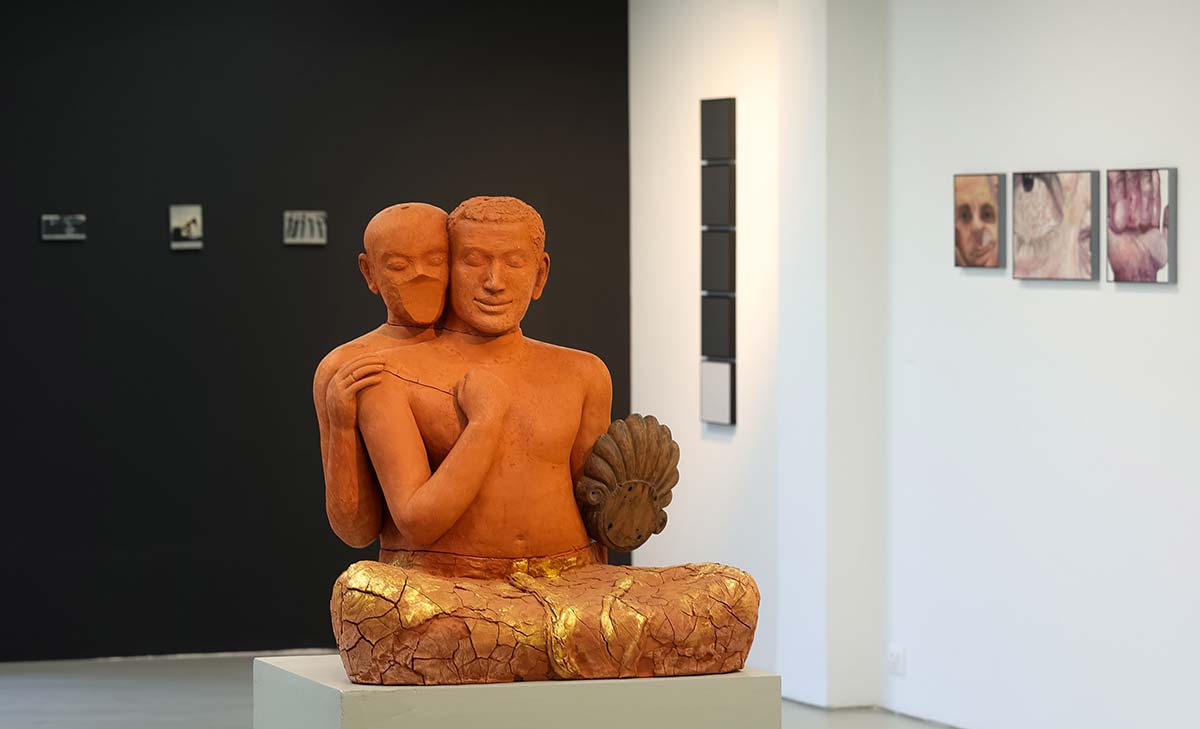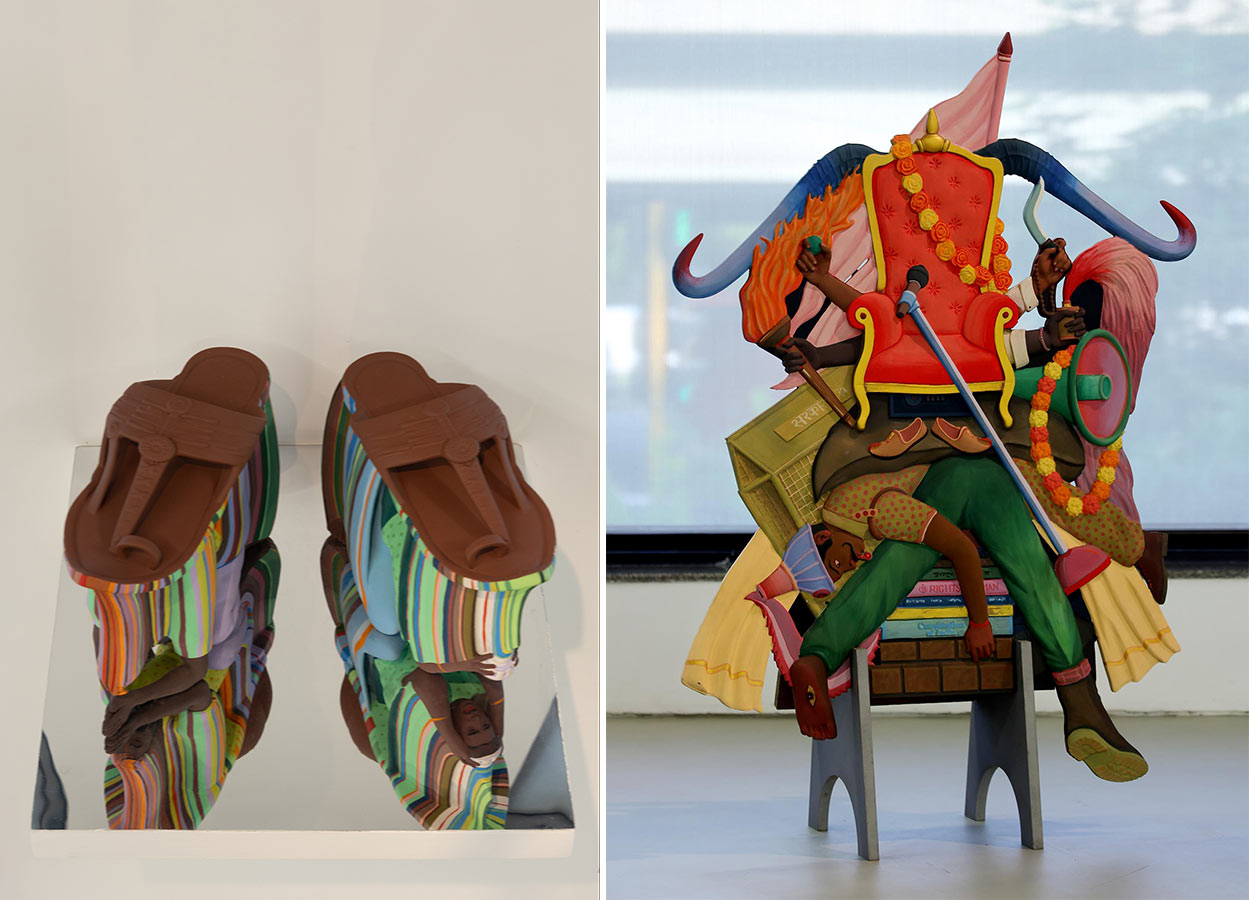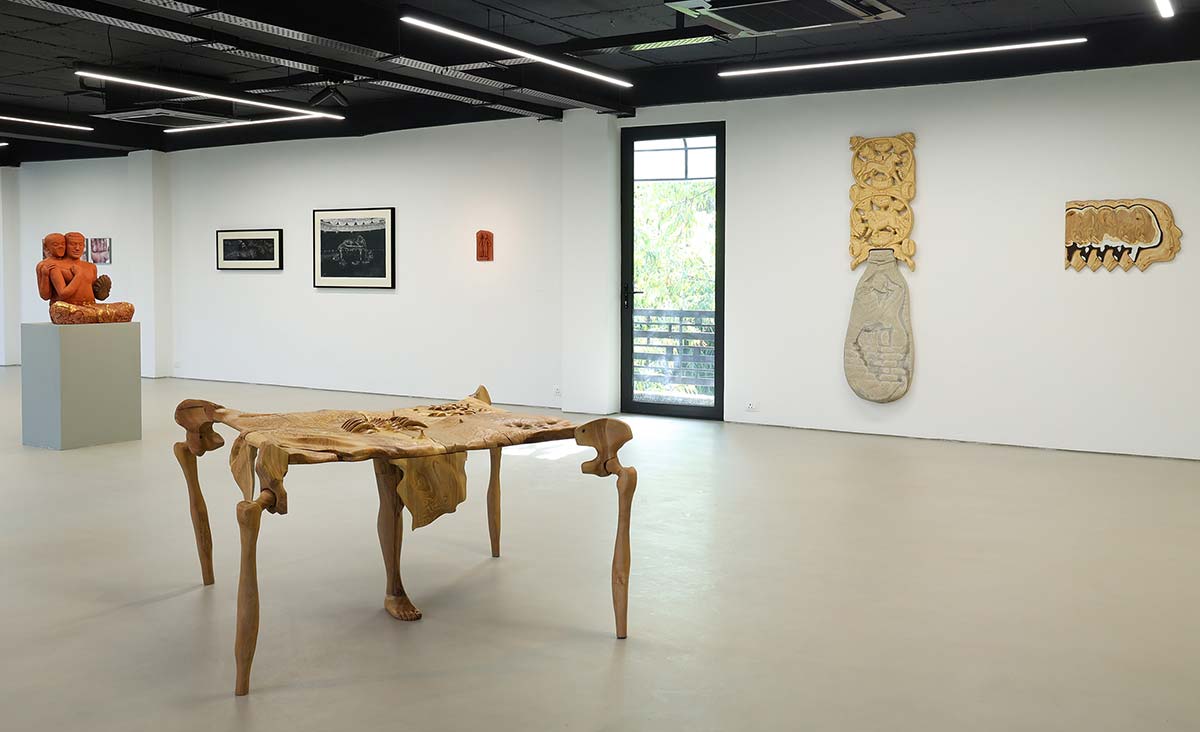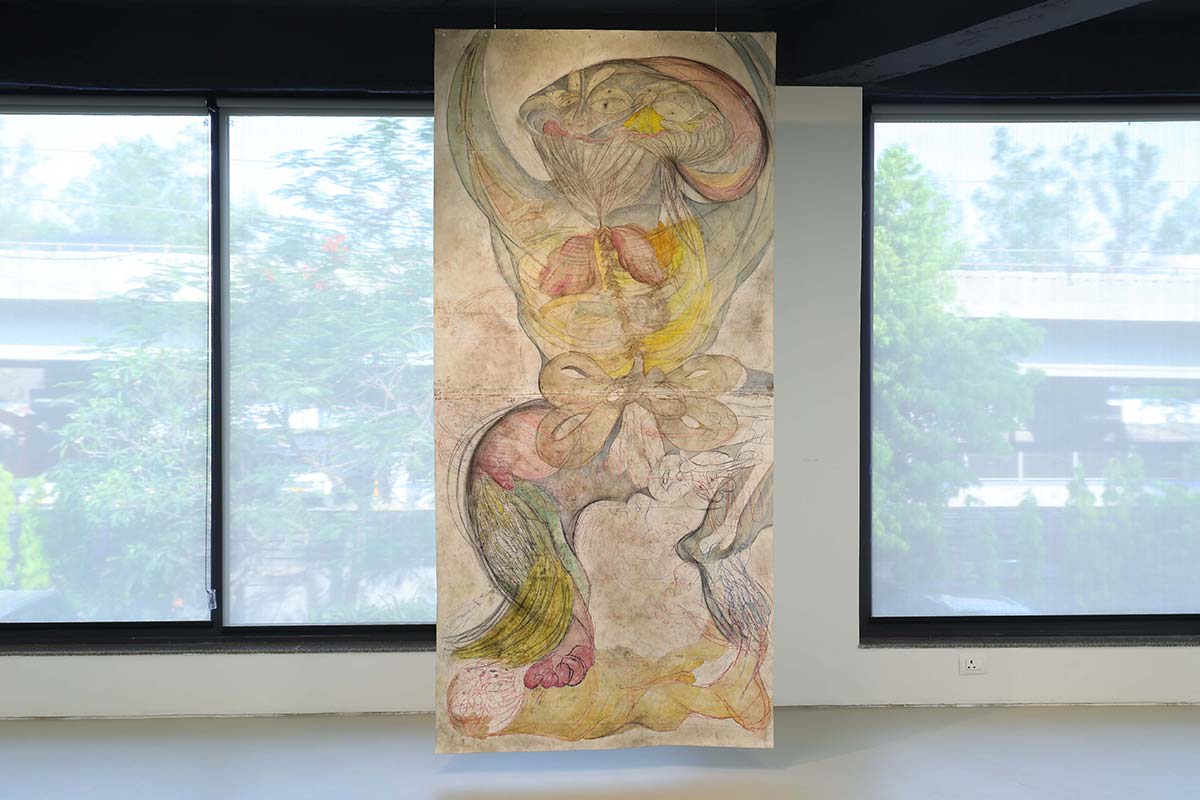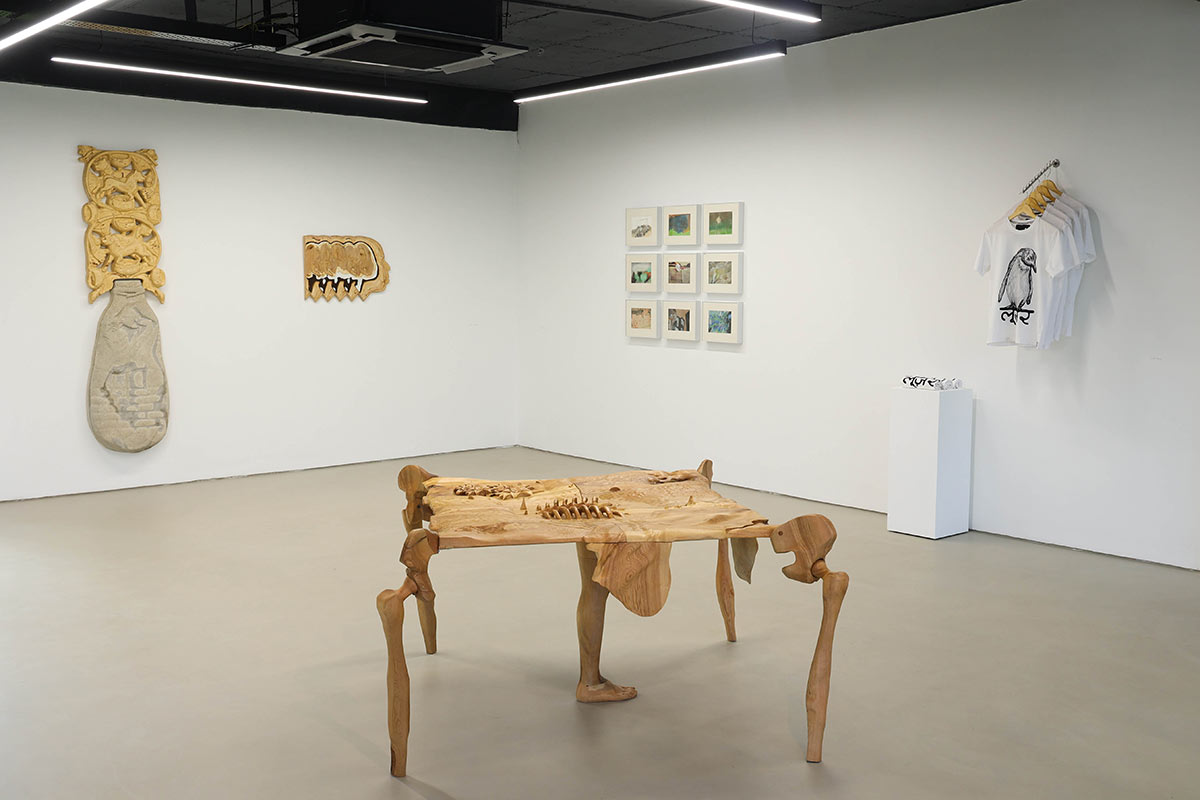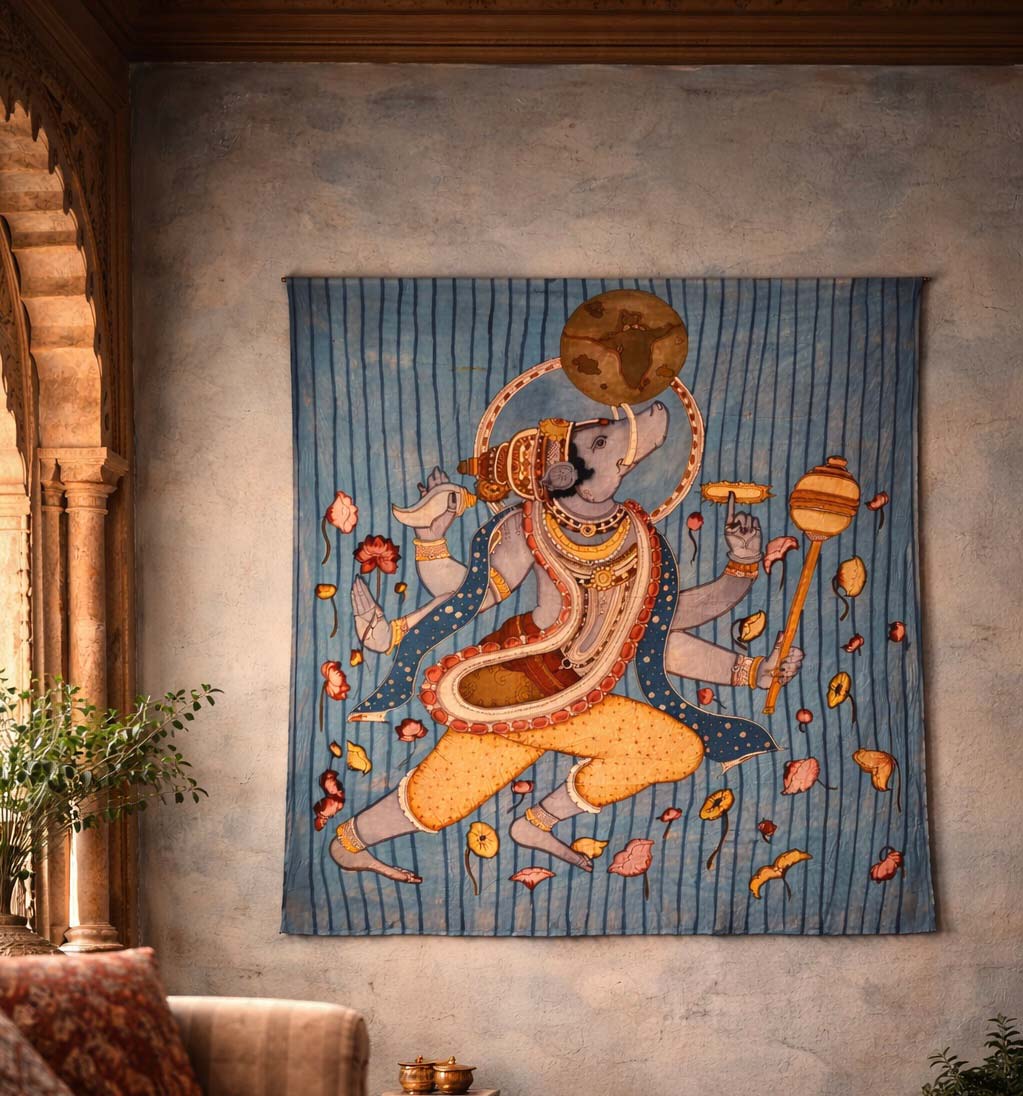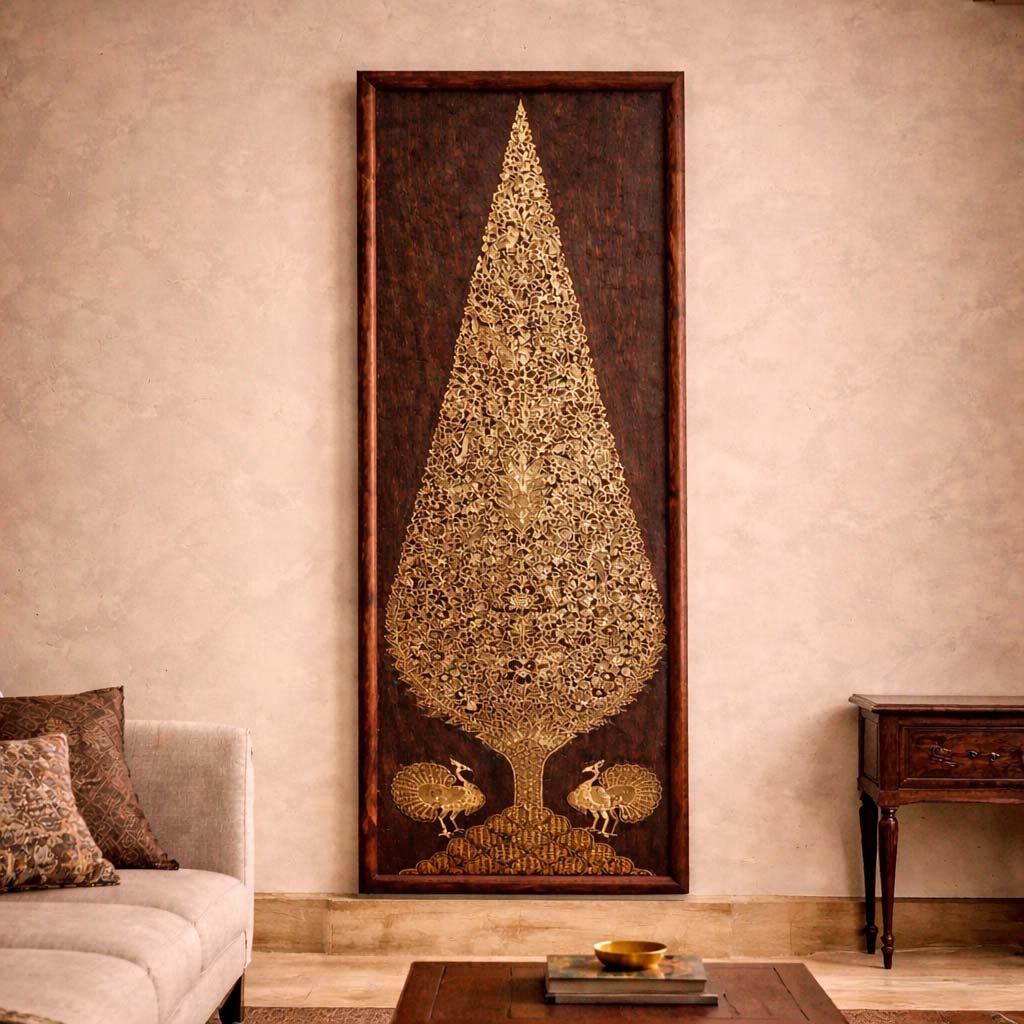
The city of joy is one of India’s most intellectually coruscating cities. It is a pluralistic space for literature, theatre, political confab, and visual arts. Over the years, it has emerged as a strong cultural hub that offers a fertile ground for contemporary art and design that aims to redefine the spectrum of tradition, craft, and the sense of “modernity.” In this evolving sphere, Aakar is collaborating with Raw Collaborative to bring “Design Cultures | City Collabs 2026 – Kolkata Edition.” This unique showcase of art and design is scheduled to be on air from February 27th to March 1st, 2026, at the Kolkata Centre for Creativity (KCC). This marks a profound moment for the artistic community of the city.
This show will convene some of India’s finest designers, craft practitioners, and creative entrepreneurs under a common ceiling. This showcase is promised to be a masterful display of sustainability, heritage, craftsmanship, and urban cultural identity.
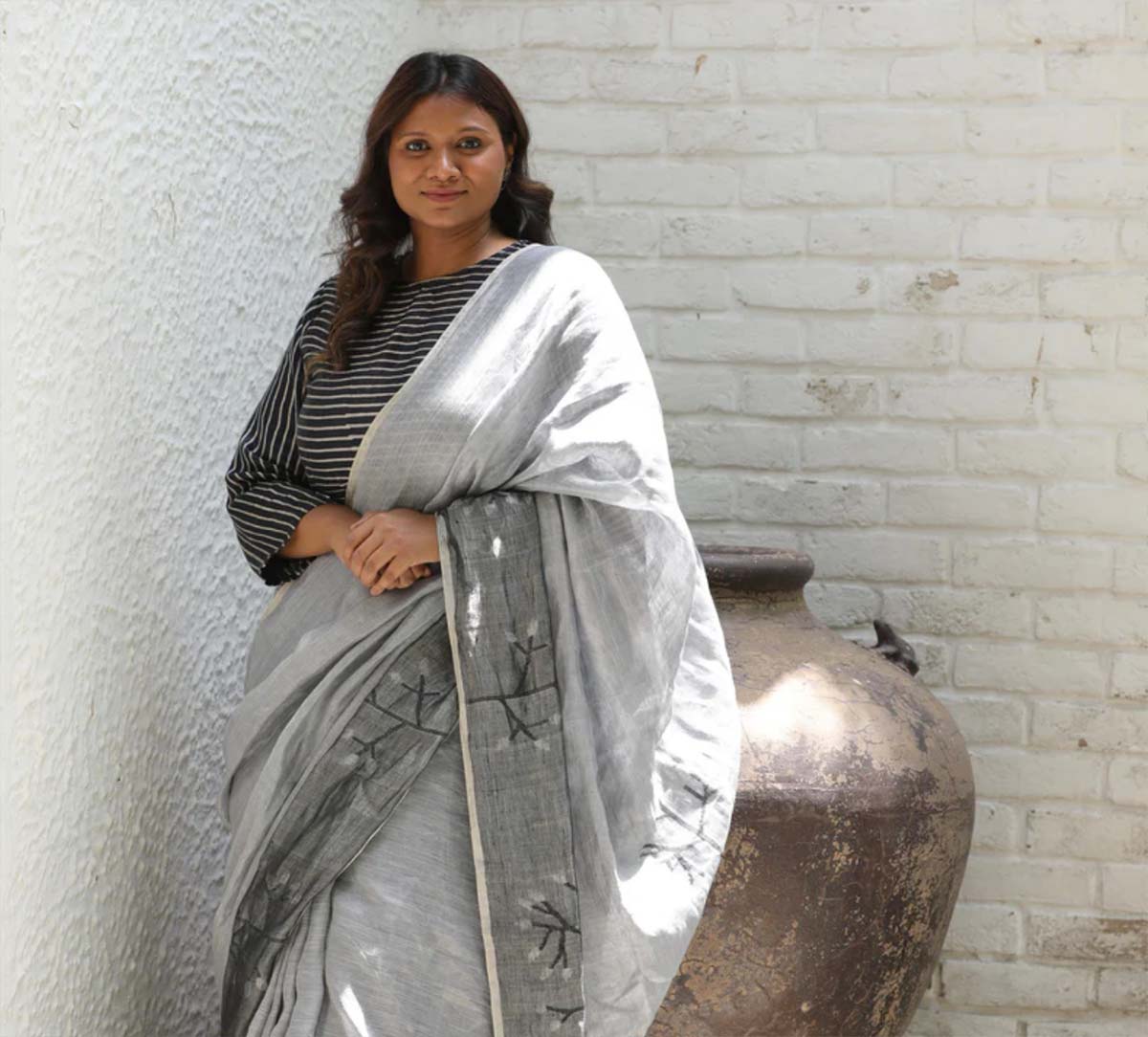
Aakar, founded by Bhawna Agarwal and Ritu Bansal, is acknowledged for its nuanced curation for creative spaces. Its recent partnership with Raw Collaborative is a great head start in its vision to redefine traditional craftsmanship and modern aesthetics. Raw Collaborative is a platform that is renowned for displaying the finest “collectible design” in India. By unleashing this meaningful collab in Kolkata, they aim to build a freshly structured narrative over the rich history of the place.
Their City Collabs series has previously activated multiple Indian cities, encouraging designers and audiences to engage in conversations about place, people, and process. “Design Cultures” in Kolkata is anticipated to broaden the existing prism of Bengal’s legacy of terracotta, handloom, Dokra, woodcraft, clay modelling, and book arts, while juxtaposing them with modern product design, interior design, architecture, and visual storytelling. Also, choosing KCC to execute this initiative is a matter to be highlighted. KCC is a multidisciplinary interactive art center that provides the perfect backdrop for an event that seeks to blur the lines between “craft” and “fine art.”
Showcasing India’s finest design and creative community
Why Kolkata?
The momentum of design showcases has spurred in Kolkata through phenomenal art shows curated by India Story, Experimenter, etc. Moreover, Kolkata offers an eccentric venue where craft is integrated into everyday life. This makes the city a natural host for platforms like Design Cultures. Also, the Aakar x Raw Collaborative proffers to introduce the concept of “Design Culture” as a lifestyle.
Key Highlights
Curated presentation of Indian handcrafted and contemporary design works
Participation of designers, craft entrepreneurs, and creative studios from across India
Emphasis on Made-in-India, sustainable, and community-driven practices
Focus on the intersection of architecture, interiors, furniture, art, and lifestyle products
Platform for cross-city cultural and creative exchange under the City Collabs format
This marks the first time Raw Collaborative’s “City Collabs” is entering the East Indian market, specifically targeting the refined tastes of Kolkata’s design enthusiasts
The event promises a rigorous selection of designers who specialize in “Made in India” handcrafted furniture and architectural products
Beyond mere display, the event focuses on “Design Ecosystems,” encouraging networking between architects, interior designers, and master craftsmen
The schedule includes three days of immersive showcases, likely to include talks, workshops, and exclusive walkthroughs
The city of Joy, by hosting this unique partnership will deliver a masterstroke to the public because it is a combo of local logistical prowess with a nationally recognized brand for design excellence. For emerging designers, especially from Bengal and the Northeast, this platform could become a gateway to national visibility. For “Design Culture 2026” to be a true success, it must engage with the local student community and young designers in Bengal, ensuring that the “ecosystem” is acknowledged. If executed correctly, this could be the catalyst that turns Kolkata from a city of “historic art” into a hub for “contemporary design.”
The artscape of India is undergoing a conscious paradigm shift, where many showcases are reflecting a recalcitrance towards getting featured in galleries or traditional spaces. The recent trend is shifting physically to a more “experiential” site, where a bigger and freer dialogue can be woven. New Delhi is also orchestrating an exhibition on similar lines on January 10, 2026, at 89 Central Avenue, Sainik Farms, titled “Emerging Voice of India.” This upcoming exhibition is presented by the collective “Emerging Art” (EA). This showcase is a pronunciamento of India’s next generation of creative practitioners.
This exhibition, curated by Mahima Syal, will exhibit a collection of 85 artworks of selected contemporary artists from India. Most parallel exhibitions focus on a small group of 5 to 10 artists; this exhibition has effectively decentralized its approach and looks forward to showcasing 85 voices. This resonates with the “state-of-the-nation” approach. This exhibition not only provides a much-needed platform to India’s emerging talents but also echoes the zeitgeist of the present through art. This artistic overhaul encompasses everything, ranging from traditional oil on canvas to humongous installations and digital media.
The venue, Sainik Farms, is known for its greenery, quietude, and warm ambience, which provides the perfect backdrop for a six-day art event. By nestling the exhibition in this locale, the organizers are recalibrating their focus towards a “destination art” episode. The organizers are inspired by the global trends seen in major art hubs like London and Basel, where the venue’s architecture and atmosphere are as much a part of the experience as the artwork itself. This is crucial in this case, as the organizers aim to highlight the shift from renowned mainstream art to the contemporary discourse of Indian art beyond established arenas.
There are big artistic labels in India that organize such experiential art shows, but they mostly cooperate with established institutions and renowned artists from India and beyond. However, Emerging Voice of India situates itself differently: it prioritizesemergence over establishment and participation over market metrics. In India, the artscape finds itself oscillating between supporting grand experiments and responding to the commercial interests of people. However, this exhibition is part of a movement in India that emphasizes providing independent platforms for artists who are yet to be acknowledged as big names.
Recent market trends revealed a surge of 15-20% growth in interest from young, first-time investors in the Indian art market. Emerging Art is one of the platforms that has recognized the potential catalytic ability of this surge and is dashing into the sphere as a key player. They have branded their exhibition as “Future Unfolding,” which marks their intent to create something fresh, relevant, and socially-conscious. The artists they look forward to are mostly the practitioners of interdisciplinary forms that exist at the intersection of traditional art and contemporary notions. This suggests a clear delineation of diversity.
The exhibition is curated by Mahima Syal, who has deliberately emphasized emergence, selecting artists whose practices are evolving and experimental.
With 85 artists, the show is expected to feature a range of media, from painting to sculpture, mixed media, and installation.
Mahima Syal has established a reputation for identifying “raw” talent before they hit the mainstream market, making this a prime event for collectors looking for the next big name in Indian art.
Hosting the show in Sainik Farms allows the curators to break from institutional confines and situate contemporary art in a community context.
The choice of Sainik Farms suggests an exclusive, sophisticated viewing experience designed to foster high-level networking among art patrons, critics, and enthusiasts.
The week-long duration creates space for a sustained public engagement with the works.
With only six days for public viewing, the exhibition creates a sense of exclusivity within the Delhi social and cultural calendar.
Emerging Art (EA) positions itself as a champion for grassroots artistic voices, aligning with broader efforts within India to decentralize art visibility.
The inclusion of contact details for previews and inquiries (+91 8906158629) indicates a focus on commercial viability and supporting the artists’ professional growth.
Takeaway
The institutional will of the Emerging Voice of India is what makes it stand out in its niche. They have successfully projected the exhibition’s trajectory as raw, discoverable, and most importantly, reflective. It’s an enhanced emphasis on upcoming talents rather than the straightforward commodification of mainstream art. It is a filtered-out opportunity that escapes the ambit of big labels in the art world and vests a moral responsibility on it to continue its pedagogical philanthropy.
Initiatives like this will make sure that art in India never faces saturation and continues along the path of creative exploration. It also promotes the notion of “art for a cause.” People might presume that “85 artists” is too much, and the exhibition might be just another “clutter.” But in reality, it entails a plethora of “creative chaos” and offers them a spotlight to be visible in the public sphere. This is like a launchpad for these creative souls and amateur practitioners.
Mahima Syal’s curation is likely to be the catalyst that transitions several of these artists from “emerging” to “established.” If Emerging Art sustains this commitment beyond a single exhibition cycle, it could become one of the few platforms in India that meaningfully nurtures artistic emergence rather than merely branding it. This exhibition isn’t just showing art; it’s defining an era.
Finally, 2025 is winding down, and a new year is knocking at the door. This is the celebration corridor bustling with cultural celebrations and joyous cheers. It is that time of the year when people tend to turn off their notifications, slow down, reflect on the past year, and hold celebrations with their loved ones. As everyone attempts to recalibrate their thought processes and begin planning for the coming year, they often look for a refuge to settle into. Among all the digital clutter and busy schedule, the Goa Open Arts Festival emerges as one such refuge. It is a thoughtful step taken towards giving people the essence of returning to their roots. Nestled in the beautiful Konkan coast, this festival is slated to take place from February 20-25, 2026, at the Old GMC Complex, Panjim, Goa. This Festival aims to make art more accessible, dialogue-oriented, and reflective rather than glamorous to the eyes.
The Goa Open Art Festival is an artist-led initiative conceived to carve out a democratic space for creative voices that exist outside the traditional confines of institutional nexuses. This space is dedicated to artists who’re cornered at the peripheries of galleries, those whose films were unreleased, for musicians devoid of a stage, and so forth. These voices are equally contributing to the artscape and need to be heard. They situate themselves outside the mainstream Fest circuits and open a stage for those deserving artists who still have not had a chance to frame their creative spirit. They seek experimental crafts and interdisciplinary artists whose creativity is often overlooked.
They do not refer to this Fest as an event; it is an aggregation of months of grants, mentorship, and grassroots work with local creators. Unlike other commercial arts festivals, the Goa Open Arts Festival is punctuated with a high community spirit, with a focus on international curation and a commitment to accessibility. The brightest aspect of the event is that it is evolving and growing every year and is becoming a little more audacious with its experimentation than the preceding year. They are staunch subscribers to the notion that “art must belong to people before it belongs to institutions.”
This Fest is born out of the cooperative shrewdness of people, such as photographer Prashant Panjiar, artist Diptej Vernekar, and designer Gopika Chowfla. This Fest has an orientation of a “homegrown movement.” It is dedicated to those who call “Goa” home. It is not borrowed or imported from the grand metropolises of India, but got its shape in the indigenous red soil of the smallest state.
Artist-first programming that privileges creative autonomy over market appeal
Platform for unreleased films and independent music outside mainstream circuits
Interdisciplinary engagements, combining visual arts, cinema, performance, and discourse
The 2026 edition will feature the culmination of months of work by local grantees, mentored by industry experts
Heritage site-based exhibitions that activate Panjim’s architectural memory
Workshops and conversations that encourage participation, not passive viewing
Expect a vibrant mix of visual art installations, durational performances, and original music that spans from traditional Fado to contemporary electronic beats
Open-access spirit, making contemporary art approachable to non-specialist audiences
The venue, the Old Goa Medical College complex, provides a rustic, atmospheric backdrop that contrasts beautifully with cutting-edge contemporary art
True to its community roots, the festival usually includes sessions for both adults and children, ranging from printmaking to photography and ecological arts
A Festival as an Act of Mindfulness
The Fest has a major role in acting as a cultural retreat for many. Visitors can expect to hold an impromptu conversation with the performing artists and will be engaged in different forms of contemporary creativity. Art Historian Claire Bishop opined that participation-based artistic orchestrations yield “relational aesthetics.” The festival has a unique tendency to transform spectators into collaborators.
Takeaway
Today, the world is obsessed with the precision of content rather than the craft itself. However, the Goa Open Arts Festival 2026 stands as a counterweight that emphasizes community spirit, open-ended performances, and believes in giving an opportunity to newcomers and amateurs as well. They have efficiently transitioned the spotlight from a commercial lens to an artistic inquiry.
Through this initiative, Goa can restore art to its rightful place: as a tool for connection, introspection, and community memory. Whether you are a student, cultural enthusiast, or just a tourist enjoying your vacation, this festival has something for everyone. It is a rare chance to see Goa not as a playground for tourists, but as a living, breathing laboratory for creativity.
With the onset of 2026, the Indian Council for Cultural Relations (ICCR), New Delhi, is presenting the 11th edition of the India International Dance & Music Festival. It is scheduled from January 16th to 18th, at Baansera Park, New Delhi. Thus three-day raree-show is a bold pronouncement about the soft power of India’s cultural diplomacy and the philosophy of Vasudhaiva Kutumbakam—the world is one family.
This gracious event was initiated as a flagship cultural diplomacy vision. Over the years, it has blossomed into an international platform that facilitated a plethora of artistic exchanges between India and the world. Each edition of this cultural rejuvenation lauds the very philosophical core of these crafts that surpasses linguistic, political, and geographical boundaries. This edition is also the continuation of the jubilant legacy and will feature renowned artists from across continents. The whole event will metamorphose Baansera Park into a global amphitheatre of unity and expression.
The Essence of the Festival
The festival serves as a prodigious rostrum where music, dance, and art transcend sovereign borders and become a universal lingua franca. Hitherto, this initiative was employed by ICCR to mitigate the interstices between nations like Russia, Brazil, and South Africa to share the stage with India’s own maestros. The event has beautifully showcased Indian classical forms such as Bharatanatyam, Kathak, Odissi, and Manipuri alongside international genres including Flamenco, contemporary ballet, Sufi whirling, African percussion ensembles, East Asian folk traditions, and Latin American rhythms. Many scholars and critics have acknowledged the event as a paradigm of India’s soft power.
This event is not intended for entertainment alone; it also teaches, educates, and connects people beyond borders. The upcoming 2026 edition is based on the same trajectory of collaborating with Indian masters and a diverse audience. The previous editions have received puissant representations from countries such as Russia, Spain, Japan, Egypt, Indonesia, Iran, France, and several African nations, and the forthcoming edition promises an equally expansive cultural footprint.
Beyond cultural endeavours, the festival also turns into a mediating spot for global forces to converse. It facilitates a judicious flow of dialogue and diplomacy between artists, diplomats, students, scholars, and cultural practitioners. It re-establishes “art” as a medium of peaceful exchange and cooperative heritage promotion. The upcoming festival is expected to be the largest iteration yet, featuring a curated selection of artists who represent the soul of their respective lands.
Cultural diplomacy, global art exchange, heritage celebration
Key Highlights
Three-day immersive global cultural showcase
Performances by internationally acclaimed dance and music ensembles
Fusion of Indian classical traditions with world dance forms
Cultural diplomacy platform fostering global artistic exchange
Free public access encouraging inclusive participation
Ideal for students, scholars, families, and art enthusiasts
Anticipate performances from over 10 international troupes, following the tradition of previous years, which hosted nations like Mongolia, Rwanda, and Kyrgyzstan.
Unlike the enclosed auditoriums of the past, Baansera Park offers an open-air, eco-friendly setting. The park’s musical fountains and bamboo groves provide a serene backdrop for soul-stirring melodies.
The event is a key part of the ICCR’s mission to foster international understanding, often attended by foreign diplomats, scholars, and art enthusiasts.
This year, a special focus will be placed on young talent, showcasing winners from the Pratibha Sangam competition alongside veteran performers.
Today, the world is highly divided by political agendas, conflicting geographies, and many other matters of contention. In a time like this, ICCR’s approach of uniting countries through the fabric of culture is a thoughtful and necessary step. It also establishes India as a mature mediator of world affairs through soft power. The 10th edition in 2025 saw a massive turnout at Central Park, and moving to the broader expanses of Baansera Park suggests an intent to make the 11th edition a more communal, “green” festival. It stresses India’s adoption of the “people-to-people” diplomacy.
As we have collectively stepped into the post-pandemic era, cultural spaces have become more crucial than closed, strong rooms. For the audience, it is a rare opportunity to witness a Latvian folk group followed by an Indian Sufi ensemble, creating a dialogue that requires no translation.
Takeaway
The forthcoming 11th edition of the India International Dance & Music Festival is an invigorating attempt to amalgamate diversity and make the world a more inclusive place to inhabit. Today’s world is highly characterized by globalization, homogenization, and acculturation. Amidst this, judiciously curated cultural experiences like this are a pleasant way to maintain a balance by cherishing other cultures with our own.
The ICCR’s choice to host this in the New Year signifies a fresh start fueled by harmony. Every performer or backend contributor will act as a “silent ambassador” of peace. It will reaffirm the continuity of art as humanity’s greatest uniting force, promoting multicultural solidarity. Attending this festival is not simply about witnessing performances; it is about participating in a living, breathing global dialogue through art.
The National Gallery of Modern Art, New Delhi, recently announced an upcoming centenary exhibition dedicated to Satish Gujral (1925–2020), titled “Satish Gujral Centennial Exhibition.” Satish Gujral was a Padma Vibhushan recipient who moulded a significant trajectory of Modern Indian Art. This centenary commemoration is slated to run from January 16, 2026, to March 30, 2026. This exhibition is set to exhibit a corpus of artworks, including paintings, sculptures, drawings, archival material, and personal narratives that will trace Gujral’s extravagant career. He mastered the psychological laceration of partition and turned out to be the virtuoso of multidisciplinary artistic creations.
Born in Jhelum, the artist lost his ability to hear at a verytender age; and since then, life has been quite challenging for him. This emotional backdrop is well-reflected in his craft as it greatly symbolizes resilience, inward reflection, and a continuous lookout for alternative modes of expression. Gujral studied at the Mayo School of Arts in Lahore, followed by the Sir J.J. School of Art in Bombay. But this was interrupted by the partition of India in 1947. He himself is an eyewitness to the partition and assisted his father in transporting refugees.
Thus, he developed a raw and distinctive style that is deeply political, and most importantly, original to him.
He skilfully engages with the themes of pain, displacement, and varying human conditions. His canvases execute a typical defiance towards being decorative pieces; instead, they appear to be confrontational artworks embedded with a hue of existential unease. These are shaped by partition, war, and cultural fragmentation. This commemorative exhibition will contextualize these nuanced works under a broader label and place them in a more composed manner. His personal trauma, dating back to the partition, gave birth to his “Partition Series.” This series is one of the most raw documents of human suffering in Indian history.
The Bigger Picture: From Jhelum to the World
Satish Gujral’s craft does not lie within the periphery of paintings alone. His contribution to architecture is equally noteworthy. His architectural notions are traceable at places such as the Belgian Embassy in New Delhi, where he amalgamated sculptural form with functional modernism. His architectural mastery is also reflected at the India Islamic Cultural Centre. In the opinions of critics, Gujral was an architect who “painted with buildings.” The forthcoming retrospective aims to put his architecture in a dialogue with his paintings and other crafts. This exhibition is supported by the Gujral Foundation in collaboration with NGMA and the Ministry of Culture.
Gujral, unlike his contemporaries of the Progressive Artists’ Group (PAG), considered his own experiences as the plausible source of his artistic creation. He refused to rely on European modernism and remained rooted in his own experiences. Gujral received a scholarship to Mexico in 1952 that turned out to be a watershed moment in his life. There, he was accepted under the mentorship of muralists Diego Rivera and Siqueiros. With their guidance, he learnt to use art as a mode of “public service.” Gradually, he created murals in ceramic, steel, and wood, which today adorn the facades of major institutional buildings across India and abroad.
Paintings, sculptures, drawings, archival material, and architectural works
Collaborators
Gujral Foundation, NGMA, Ministry of Culture
Focus
Art, architecture, resilience, and post-Independence Indian identity
Physical Resilience
Overcame near-total deafness from age eight; regained hearing after surgery in 1998
Mexican Influence
Apprenticed under Diego Rivera and David Alfaro Siqueiros; absorbed muralism and social realism
Architectural Prowess
Designer of the Belgian Embassy in New Delhi, regarded as a landmark of 20th-century architecture
Political Lineage
Younger brother of Inder Kumar Gujral, the 12th Prime Minister of India
Key Highlights
A rare, consolidated retrospective spanning Satish Gujral’s entire career
Inclusion of architectural drawings and models alongside artworks
Archival material offering personal and historical context
Focus on Partition, trauma, and human endurance as recurring themes
Institutional collaboration underscores national cultural importance
A centenary framing that invites reassessment rather than nostalgia
The recent discovery of “The Condemned” (1957), a previously undocumented conte drawing from the Jhabvala family collection, adds a new layer to his post-Partition oeuvre
Led by Mohit and Feroze Gujral, the foundation is launching academic programs and digital archives to preserve the artist’s legacy for future generations.
Renewed interest in his autobiography, A Brush with Life, which details his transition from an isolated child to a Padma Vibhushan recipient.
Gujral is a distinguished individual, and this retrospective exhibition positions him within the greater context of the turbulent political past of South Asia. His artwork was long veiled from a full-fledged public engagement. Thus, with the unveiling of this centenary celebration, his artworks are placed amidst an active historical hotspot. This exhibition aims to reinterpret how Gujral is taught, studied, and remembered.
The man brilliantly experimented with burnt wood, granite, and bronze, creating sculptures that felt both démodé and futuristic. His talent in architecture was also unmatched. He possessed a stunning sense of visuals, spaces, and form, without any formal training.
Takeaway
Satish Gujral’s life is perhaps the greatest masterpiece he ever produced. This exhibition is more than a tribute to the great man; it is a commemoration and reassessment of the moral and cultural responsibilities of artistic practice in modern India. His works demand engagement, discomfort, and reflection. While other artists of his era were chasing the abstract trends of Paris or New York, Gujral stayed true to the “agony of the immigrant.” He gave a face to the faceless victims of Partition, ensuring that their pain was etched into the permanent memory of the nation. As we celebrate his 100th year, we are reminded that true art does not just decorate—it witnesses, it builds, and above all, it endures.
The Jaipur Literary Festival (JLF) is an annual literary meet organized in Jaipur, Rajasthan. It is widely acknowledged as one of the most prodigious and prestigious literary gatherings. It is often expounded as the “greatest literary show on Earth.” JLF began in 2006 as an unostentatious gathering of 18 writers and a few dozen curious tourists at the Diggi Palace.
Over the years, it has transmogrified into a large-scale event of global significance. Today, JLF has evolved into a platform that brings together Nobel laureates, Booker Prize winners, homegrown artisans, and thousands of students, curious people, and literature enthusiasts. This Lit Fest is managed by Teamwork Arts and is directed by its founders, William Dalrymple and Namita Gokhale. The JLF has redefined the terms of a “Literary Festival” and transitioned it into a bustling hub of music, art, and intellect.
JLF was conceived in 2006 with a hankering to create a democratic space for literary engagement in India. The Fest has gained considerable momentum and has grown into a highly inclusive and expansive event. Over the years, the collaborative efforts of Teamwork Arts and the Jaipur Virasat Foundation have resulted in elevating JLF as a platform for a crucible for dialogue on literature and pressing global issues.
The Fest not only skirts literary aspects but also endorses cultural exchange through intellectual engagement. JLF stations literature under a bigger umbrella. It equally highlights facets that connect words and ideas with life experiences, social change, and artistic expressionism. Other vital steps, such as publishing industry forums and mentorship workshops, to shape the path of the emerging writers.
Interestingly, JLF’s rise has a lot to do with India’s postcolonial explosion in English Literature. But surprisingly, its legitimacy lies in its relevance among localities. As the scale of the event grew, it was shifted to Hotel Clarks Amer to accommodate the growing number of attendees attending the Fest. Now the Lit Fest has also launched a more avant-garde experiential prospect through the “Friends of the Festival” hospitality experience. This played a huge role in catering to the global travelers.
JLF From Other Perspectives
This Fest played a mammoth role in transitioning the city into a hub of exploring ideas. Following the scheduled events, eateries become spaces of discussion, and the corridors of the venue turn out to be an unpremediated space for networking. Each bookstore becomes a bustling place of discoveries, with readers picking their next reads.
One of JLF’s most standout features is its plurilingualism. One can find dedicated sessions ranging from Urdu and Bangla to Tamil and Malayalam. This attracts a lot of people from almost all parts of the country, making the celebration a linguistically inclusive one. These translation panels often turn out to be sites of political reflection, pointing out power hierarchies between English and the regional languages.
Many publishing houses set up their stalls alongside intellectual programming. For emerging authors, this Lit Fest often serves as the entry point into global publishing networks. Thus, it serves a dual purpose; it is both a site of literary and cultural engagement as well as a marketplace of ideas.
One of the key highlights of the JLF is the engagement of youth. It signals towards an evolving future of literary culture in India. To keep this spirit ongoing, JLF orchestrates youth-centric programmes, school outreach, and interactive sessions to inculcate a sense of physical engagement with the literary world. JLF does not frame literature and technology in two distinct poles, but rather explores and exposes its intersections and forms a syncretic learning from both.
Known for its “Free to All” spirit (now with registration), ensuring student and public accessibility
Global Expansion
International editions in London, Boulder, New York, Adelaide, and Doha
Economic Contribution
Significantly boosts Rajasthan’s tourism, creating a peak of “Literary Tourism” each January
Key Highlights
Over the years, JLF has hosted nearly 2,000 speakers and welcomed more than a million book lovers from around the world, making it one of the most widely attended literary festivals in the Asia-Pacific region.
The festival typically showcases a stellar lineup of authors, including Nobel laureates, Pulitzer and Booker Prize winners, celebrated journalists, historians, poets, and cultural icons.
Past participants include Margaret Atwood, Salman Rushdie, Oprah Winfrey, Stephen Fry, and prominent Indian writers and thinkers.
Unlike many Western festivals, JLF places regional Indian languages (Hindi, Rajasthani, Tamil, Bengali, etc.) on the same pedestal as English, fostering a truly “vernacular” cosmopolitanism.
Beyond traditional literary discussions, JLF’s programming features debates, panel discussions, poetry readings, book launches, writing workshops, and multidisciplinary sessions that address contemporary global challenges such as climate change, democracy, and the digital transformation of storytelling.
Every evening, the festival transitions from words to melodies, featuring a mix of folk, Sufi, rock, and fusion performances that celebrate South Asian heritage.
A dedicated B2B segment for the publishing industry, where literary agents, translators, and publishers converge to trade rights and discover new talent.
Attendees experience Jaipur’s rich cultural heritage through musical performances, art installations, live performances, and festival bazaar.
Spaces like the Young Readers’ Zone and Jaipur Music Stage further broaden the festival’s appeal to all age groups.
The festival is famous, and sometimes infamous, for its “Front Lawn” debates on topics ranging from climate change and artificial intelligence to the nuances of historical partitions.
Beyond sessions, the venue is a kaleidoscope of Rajasthani craft stalls, local food courts, and art installations, making it a “Kumbh Mela of Literature.”
Recent editions have emphasized a “Carbon Neutral” approach, implementing waste management audits and eco-friendly infrastructure.
JLF has extended its footprint beyond India with international editions in cities like London, New York, and various U.S. states, spreading the ethos of literary debate and cultural exchange globally.
Like any large public cultural platform, the Jaipur Literary Festival has occasionally found itself at the centre of public debate. The widely discussed 2012 Salman Rushdie episode, for instance, opened up a national conversation on freedom of expression, underscoring the complex intersections of literature, politics, and public sentiment.
In recent editions, conversations have also surfaced around the festival’s expanding scale, evolving formats, and registration structures. While these shifts have enabled broader programming and international participation, they have also prompted reflections on accessibility and affordability, particularly among students and regular attendees. Such discussions are less critiques than signals of the expectations placed on a festival that continues to grow while striving to retain its original spirit of open dialogue and intellectual intimacy.
The Jaipur Music stage runs in parallel to JLF and will feature a variety of artists from India and beyond. Renowned singers like Kailash Kher, Susheela Raman, Kamakshi Khanna, and Hrishi will perform live. The registration for this event starts at INR 499. There are free registration opportunities available exclusively for the media personnel. There is also a provision for free registration for the virtual sessions.
Takeaway
The Jaipur Literary Festival may be dynamic and expansive, but its role in nurturing a truly global literary community remains undeniable. It goes beyond a mere Literary Festival and caters to the people as a common space for a syncretic convergence of ideas, dialogues, cultures, and much more. It is indeed one of those rarest spots where a noble laureate and a naive beginner reader can share the same patch of grass. It is a vital and evolving public institution that seeks constant reinvention beyond literary engagement.
The festival has turned out to be one of the prime gateways to reading and thinking. For many first times, it is indeed an ideal spot to explore the dimensions of literature and start delving into it. The Fest, when spectated from this perspective, turns out to be a finished cultural product with a sparkling outlook. It mirrors complexities and contradictions, yet does not cease to remain an open-ended platform that also receives criticism and new voices alike. It is committed to the notion that words, when shared, still have the power to shape collective futures.
Colonial Imagery and the Construction of Indian Identities
The term “Typecast” is brought into play in the modern context, while relegating or compartmentalizing a certain group of people into specific chambers of presumed frames. However, these attestations are often punctuated by errs and prejudices. To mitigate these with a historically corrected vision, DAG is about to craft an exhibition titled “Typecasting: Photographing the Peoples of India, 1855-1920,” at Bikaner House, New Delhi, from January 30 to February 14, 2026.
The intellectual space in which the exhibition swoops is how the British lenses clicked and visualized the socio-culturally diverse communities of India. The exhibition will exhibit one of India’s largest collections of early ethnographic photographs, which were used as a tool to categorize people under distinctive labels. It interprets the colonial gaze of the 19th-20th centuries and de-classifies the British psyche of classifying Indians based on a visual tradition.
The corpus of images also displays the paradigm-shifting “The People of India” (published between 1868 and 1875). It was an eight-volume photographic series compiled under the direction of John Forbes Watson and John William Kaye. These images were clicked by leading photographers like James Waterhouse, William Willoughby Hooper, Francis Frith, Skeen & Co., and Nichols and Sons. The stated agenda of these white men was to create a visual catalogue of the heterogeneous tribes, castes, and communities. What they executed and compiled put people into rigid categorical receptacles for “scientific” observation. However, the true intention was to understand the actual diversity and divergent factors of the population to control them through manipulative measures.
The typecasting of the Indian people was carried through the appellations of caste, occupation, and perceived character traits, putting millions of folks into socio-political minaudières that moulded their model of governance and administration for generations to come. The corpus of these snapshots reveals a lot about the political ambitions of the colonizers and expatiate their way of utilizing aesthetics to exert political control.
The People of India photographic series (1868–1875)
Curatorial Focus
Colonial ethnography and visual categorisation of Indian communities
Range of Media
Albumen prints, silver gelatin prints, cartes de visite, photo albums
Historical Span
Images from 1855 to 1920, tracing early photographic evolution in India
Critical Inquiry
Challenges the presumed objectivity of colonial photographic documentation
Colonial Ethnography
Photography used by British officers such as J. Forbes Watson and John William Kaye to document tribes and castes for administrative “intelligence”
The “Scientific” Gaze
Subjects were often posed and stripped of individuality to represent generic human “types” under the guise of scientific truth
Programming Parallel
Colonial typecasting simplified complex identities, similar to how data typecasting forces variables into fixed formats
Impact on Modernity
These classifications contributed to rigid caste and communal identities that continue to influence Indian sociology and politics
Key Highlights
The exhibition is one of the largest showcases of early colonial ethnographic photography ever mounted in India.
The exhibition features works from 1855 to 1920, a period where photography transitioned from a rare novelty to a powerful tool for the British Raj to “know” its subjects.
Works include a wide array of photographic formats, from albumen and silver-gelatin prints to postcards and cabinet cards, that chart technological and aesthetic developments over decades.
Central to the display are the folios from The People of India, which attempted to present a comprehensive visual index of India’s “types.”
Research shows that subjects were frequently photographed against neutral backgrounds, removing their personal context and turning them into “specimens” rather than individuals.
Photographs in the exhibition encompass communities ranging from the Lepcha and Bhutia tribes of the Northeast to the Afridis of Sind and the Todas of the Nilgiris, as well as urban social groups including Parsee and Gujarati communities.
The curatorial narrative emphasises that photography was neither purely scientific nor objective but played an active role in shaping colonial power relations and social hierarchies.
Visitors are encouraged to consider how visual categorisation informed British administrative practices and influenced contemporary understandings of Indian identities.
Similar ethnographic projects were carried out by colonial powers in Africa and the Americas, showing that “typecasting” was a global phenomenon used to justify imperial rule.
The Legacy of the Colonial Image
This phenomenon of typecasting is not restricted to the display of vintage pictorials; it is an interrogation of the “Anthropometric” method, meaning to scientifically study the measurements and proportions of the human body. These initiatives were also related to the notions of “scientific racism” of the 19th century. Methods like these were employed to transform a diverse population into legible, manageable data.
For instance, the colonial anthropometrician, Sir Herbert Hope Risley, stated that India was not a single nation but a collection of fragmented “racial” groups. By proving India was “irretrievably fragmented,” the British could argue that their rule was indispensable to prevent anarchy. Risley subscribed to the fact that “caste is race,” and he deployed the attained measurements to “prove” that the caste system was a rigid, biologically-driven hierarchy rather than a social one.
The Brits used measurements like the nasal index (nose width vs. height) to determine Indians’ proximity to the European standards. These photographs were the visual evidence used to support the “Martial Races” theory. This theory was propounded by the colonizers in the post-1857 period. It was a pseudo-scientific theory devised by the British to reorganize the colonial military and stabilize the foundation of crown rule. It was an essential tool to maintain the “divide and rule.” The Brits labelled some communities that remained loyal as “naturally warlike.” The groups that rebelled got labeled as “unfit for battle.” This was a manipulative tactic to ensure that the colonial army comprised groups trusted by the colonizers. It marked a selective exclusion of educated, politically active Indians from military service to prevent future uprisings.
Today, when people look at these images in the post-colonial era, an intrinsic juxtaposition resurfaces. A grappling situation is confronted by the spectator, where they observe the intent of the whites clashing with the dignity of the subjects who were photographed. Even within the rigid “types” of a Brahmin priest, a Rajput warrior, or a Banasree laborer, the eyes of the subjects often betray a resistance to the box they were being placed in.
Further Scrutiny
In the showcasing of these images, they will be accompanied by descriptive letterpress that confirms the racial and cultural assumptions. This enables the viewers to analytically understand the colonial vision in depth. DAG does not aim to neutralize or dilute the formation of these images and thus took a very judicious step in keeping it categorical, just as how Watson, Kaye, and their collaborators shaped stereotypes. It stands out because DAG has effectively paired the photographs with thoughtful explanations that bring in different perspectives and help people see through it.
The range of materials exhibited incorporates studio portraits, albums, and postcards. They also reveal the circulation of these images. Some postcards, meant for Indian buyers, celebrated the country’s heritage, while others, sent to Europe, encouraged exotic or hierarchical interpretations of Indian communities.
Also, other photographers featured in the exhibition, such as Samuel Bourne and Lala Deen Dayal, operated within the ambit of the colonial sphere of perceptions. Samuel Bourne’s aesthetics, for instance, bridged the thirst of both the East and the West. Bourne was acknowledged for the clarity anf composition of his images and they shaped to a great extent of how the foreign audiences actually imagined India. His photographs rarely touched the niche of the trivial everyday life of India, and focused on the grand historical monuments, dramatic landscape, etc.
On the other hand, Lala Deen Dayal was one of India’s earliest and most accomplished indigenous photographers. He worked as the court photographer for the Nizam and also documented the vividness of India’s civic life by covering public events, architecture, and aristocratic elements as well. He stood at the other end of the plane, as an Indian responding to the colonial photographers.
Takeaway
DAG’s upcoming exhibition is going to emerge as a mnemonic that the way people label others is rarely about the person being labeled and always about the person doing the labeling. It opens a liberal space inviting critical introspection into the existance of visual culture in India.
The exhibition diorients the myths infused by the colonizers upon Indians by welcoming a more composed debate around the colonial photography with a contemporary lens. Whether it is a colonial administrator in 1860 or an algorithm in 2025, the act of “typecasting” strips away the zeal that make us human.
Their wish to create a “manageable” India, actually created a fragmented one. The core essence of revisiting these pictures is to refresh the stereotypes and prejudices that still exists in the larger mental sphere of Indians. Identities are extremely fluid and multifaceted; they change with social, economic, cultural, and political influxes.
By understanding how we were once “typecast” by an external power, we gain the clarity to reject the modern stereotypes. The exhibition not only enriches art historical discourse but also contributes meaningfully to broader conversations about post-colonial identity and archival justice. History, in this case, is not just a record of the past, but a mirror reflecting our own lingering biases.As Robertson Davies said, “The eye sees only what the mind is prepared to comprehend.” DAG truly steps into the psyche of the colonial times and re-shaping the modern Indian conscience, letting people become more and more inclusive.
The Indian Rupee has been a witness to the rise and fall of empires, routes of commerce, and finally the formation of a nation-state. This year, our very own currency has turned 75; to commemorate this, the Sarmaya Arts Foundation has organized a landmark occasion titled Odyssey of the Rupee: From India to the World. The exhibition began on November 1, 2025, and will continue till January 31, 2026, at the Sarmaya Archive in Mumbai. This exhibition is a great opportunity to peek into the numismatic history of the subcontinent through scholarly interpretations. This fascinating showcase of the evolutionary history of the currency is curated by Dr. Shailendra Bhandare (Senior Curator for Asian Coins and Paper Money) of the Ashmolean Museum at the University of Oxford; the exhibition space is designed by Pavitra Rajaram Design. This exhibition turned out to be the museum’s largest display of historical currency to date.
Sarmaya, founded by Paul Abraham, has evolved into a museum without boundaries, and this exhibition is an attestation to its leaning towards a higher degree of scholarship. The phenomenal partnership of the foundation with Dr. Bhandare has helped them in framing the rupee within a “grander sweep of world history.” The exhibition does not restrict the viewing of the coin within glass boxes, but molds people’s perception by distinctly narrating its biography. The exhibits begin with the ancient punch-marked coins of the Janapada era (circa 6th century BCE). Then the showcase trails through the standardization under Sher Shah Suri and his silver rupiya (1538), and finally comes to a climax with the minting of modern Indian currency.
A Living Currency
One of the primary focus areas of the whole exhibition is the internationalization of the rupee. Before the USD became the standard currency on the global dias, the Indian rupee was the preferred currency across a gargantuan geography. Therefore, the undercurrent is to make people aware of the “soft power” of the Indian currency through a beguiling demonstration of currencies minted for use in East Africa, the ones that circulated in the Persian Gulf, and even examples from the Dutch East Indies (Java). An interesting case surfaces from the Cocos (Keeling) Islands, an Australian territory, that was ruled as a fiefdom by the Clunies Ross Family for generations (nearly 150 years). This kingdom is known for the creation of the Cocos Rupee, a private token currency system based on the Indian Rupee that was primarily used for trade.
The point of disclosing these fascinating facts is to democratize the rooted perceptions related to the “Rupee” simply as a domestic currency. It becomes an important discourse to trace the movement of the currency as it functioned as the primary engine of colonial and pre-colonial global trade. Our rupee is beyond a metallic bullion; it is an archive of global affairs interlocked in the reverse and obverse facades. The visitors will take a glance at the transformation from the Mughal Rupaiya adorned with Persian calligraphy to the colonial-era mints with the British sovereigns. An interesting showcase features a silver coin of Akbar, on which the term “Rupaiyah” appeared for the first time in 1602 (47th year of his reign). People will also have the opportunity to catch sight of the first coin of the Republic of India, minted in 1950, bearing the Lion Capital of Ashoka. This resembles booting out the colonial integument and embracing an independent identity.
The exhibition also delves into the art of coin-making. The aesthetic evolution of coinage is well displayed through the presentation of hand-struck tankas to machine-made coinage. This valuable partnership with Dr. Bhandare has brought a culturally nuanced perspective towards our currency to life. There are distinctive mentions about the use of the rupee in Mozambique or its influence on the German East African rupie. This holistic presentation of the currency establishes it as a socio-cultural catalyst rather than just an economic agent.
Sequencing of The Exhibition
The exhibition opens with a segment titled, ‘Before the Rupee.’ It introduces the earliest coins produced in India, encompassing the punch-marked silver Karshapanas and regional gold issues, etc. It also taps into the ancient trade routes and the circulation of money through those channels. This segment highlights the gradual evolution of the subcontinent’s indigenous monetary nexus and its elevation into a “global currency”. It testifies to the fact that the emergence of this currency did not stem out of vacuum, and neither was it accidental.
Moving further, the catalogues and wall texts mention Sher Shah’s stable silver unit and the wider acceptability of the Mughal currencies. One of the most significant portions of the whole arrangement is the Rupee Abroad. It displays a wide collection of coins and notes from the Indian Ocean region. It testifies to the high mobility of the Indian currency and its domination in the vicinity.
The final galleries shed light on the rupee through the colonial period to the Republican era. It displays a plethora of machine-struck uniform coinage, princely rupees, and ‘Nazarana.’ It also presents wartime paper money and the 1950 coin bearing Ashoka’s Lion Capital. This section also highlights certain concerns regarding the outsourcing of minting, commemorative mints, and the transition to bimetallic and polymer forms. These aspects invoke a sense of continuity amidst the trails of change.
Dr. Shailendra Bhandare (Ashmolean Museum, Oxford)
Exhibition Design
Pavitra Rajaram Design
Key Anniversary
75th Anniversary of the Republic of India’s Rupee (1950–2025)
Core Theme
The journey of the rupee from a domestic coin to a global currency of trade
Scale of Collection
Largest-ever Sarmaya showcase, ranging from pre-rupee punch-marked coins to the first Republic rupee (1950)
Global Reach
Objects demonstrate the circulation of the rupee across Java, Mozambique, and Gulf polities
Public Engagement
Walkthroughs, school programmes, and press coverage position the show as a civic and pedagogic project
Key highlights
It is the first collaboration between Sarmaya and Dr. Shailendra Bhandare, lending the show deep academic rigour.
The exhibition gathers punch-marked coins, Indo-Greek drachmas, Mughal rupees, princely state issues, East India Company and British coinage, and the first Indian Republic rupee (1950).
Rare international issues and Gulf/Indian Ocean linkages on display — material evidence of the rupee’s role in long-distance trade and migration (examples include coins/notes linked to Java, Mozambique, Saudi Arabia, and other ports).
Didactic panels situate objects within political and economic episodes: Sher Shah Suri’s monetary reform (1538), Mughal standardisation, the Uniform Coinage Act (1835), and 20th-century transitions to paper and alloyed coins.
A visual timeline showing the shift from calligraphic Mughal designs to the portrait-heavy British India coins, and finally to nationalistic symbols of the Republic.
A special ten-rupee banknote issued by the RBI in 1959 for exclusive use in the Persian Gulf is displayed. These were created to stop smugglers from buying gold abroad with regular Indian currency.
Beyond standard currency, the show includes curious oddities like the Cocos-Keeling island currency and “Portcullis money” (struck by Elizabeth I for trade with the East).
A Clink Of History: Takeaway
The most special part of this exhibition is that it scrutinizes the rupee as a vector of the cultural past as well. The evolution of currency has undergone changes and upheavals throughout a very, very long time frame. Today, the masses are observing yet another evolutionary boom, as the clinking of the coins is getting rapidly replaced by the ping of UPI payments.
In a time like this, the Odyssey of the Rupee drags the masses back to an eon of “tangible” relationships formed through our currencies. This exhibition makes people confront what we “lose” when the physical money disappears and gets transformed into digital units in online wallets. It is a revolutionary showcase on reflective history where introspection is the key.
The rupee is a living index archiving the aspects of political sovereignty, technological change, and global entanglement. In today’s age, the physical currency is rapidly metamorphosing into something abstract, with a trend of mobile payments, digital wallets, and talk of a ‘digital rupee.’ This exhibition reminds us that money is also forged, struck, printed, and circulated.
The rupee, on completing its 75 years’ hallmark, is a great moment to look back at its physicality and the stories that followed it. The rupee has survived devaluations, demonetizations, and digitizations; this exhibition is a timely reminder that before it was data, it was silver, and it ruled the world.
Decoding Minimalism and Abstraction in the Indian Context
The Centre of International Modern Art (CIMA) in Kolkata, on December 19, 2025, has recently launched a watershed exhibition titled “Less Is More.” This exhibition is set to offer an experience that freewheels into the history of abstraction and minimalism in the Indian artistic landscape. The central notion is to challenge the Eurocentric view that abstract art is a Western import. A counterweight is proposed through the display of Indian aesthetics, which is sourced as the foundation of abstraction in the subcontinent. The first phase of the exhibition will be on view through February, 2026. It will be followed by a second phase featuring new artworks and fresh perspectives.
The take of this exhibition is dual; it is as philosophical as it is historical. It projects the presence of abstracts and minimalism as an intrinsic element within Indian thought and artistic practice. It projects abstraction as a continuing tradition stemming from tribal arts, other ancient forms, and so forth. The Exhibition’s catalogue essay is authored by the founder and director of CIMA, Rakhi Sarkar. This text acts almost as a guide in tapping the flow of artistic ideas from India to the West through the Theosophical Society.
Directed by Rakhi Sarkar, focusing on the “inner life” of abstraction versus the “external reality” of naturalism.
Historical Thesis
Proposes that abstraction travelled from India to the West through philosophical exchanges such as the Theosophical Society (est. 1875).
Philosophical Roots
Connects minimalism to Buddhist mandalas, Jain geometry, and Vedic Hindu representations of the cosmic order.
Two-Phase Structure
A dynamic exhibition format where a fresh set of artworks and perspectives will be introduced in the second phase.
Featured Artists
Includes works by Samir Aich, Shakila, Bimal Kundu, Ashok Mallick, and Shreyasi Chatterjee.
Contextualising Less Is More within Indian Art Historiography
Indian Modern Art predates the Western constructs about the creative consciousness of the people of the subcontinent. Renowned artists such as Bimal Das Gupta broke new ground in abstract expressionism in India during the 1940s. He dabbled with colours, forms, and spiritual themes, and established a perspicuous dichotomy with European modernism. This reflected a paradigm shift in the representation of artistic modernism. His “homegrown abstracts” borrowed heavily from indigenous thought and artistic experimentation that was brewed within the subcontinent.
Also, artistic movements such as the Bengal School of Art were eccentrically crucial in this context. The Bengal school redrafted folk aesthetics and expressed a staunch refusal to accept Western naturalism. It also opened doors for the adoption of “Indian” elements, styles, and subjects. The indigenization and formation of a new artistic vocabulary altered the vogue of art. These steps made abstract art appear more “organically.”
The Calcutta Group, formed in 1943, represented the second phase of this transformation. While the Bengal School looked inside, the Calcutta Group decidedly engaged with Western modernism. Renowned artists like Paritosh Sen, Prodosh Das Gupta, and Gopal Ghose introduced new styles influenced by Cubism, Expressionism, and later abstraction. Their signatures bore the impression of fragmentation of forms, angular structures, and experimentation with “space.” They were believers of the notion that art should respond to contemporary realities, such as political upheaval, war, famine, and changing urban life. Together, they moulded a highly intellectual space for art.
The inclusion of these elements into the thematic umbrella of the exhibition, Less Is More, feels more like a scholarly take on art and its evolution, rather than a trivial corpus of art hung on walls.
The Art and The Artists
An expressive dimension to abstraction is visualized through the works of Samir Aich. He moves beyond pure geometric figures and creates something extraordinary on canvas that appears to be filled with life. The central theme of his art is to challenge the quietude in minimalistic art and present it in a more lively avatar, punctuated by emotional depths. Shakila is a self-taught artist hailing from a traditional Muslim family in Kolkata. Her art reuses discarded newspaper scraps and printed materials to form vibrant structures. Her vision is to evince that minimalism can also emerge from judicious reconfiguration of everyday items, not from reduction alone.
Ashok Mallik brings an international touch to the exhibition. Having spent years working in France, he absorbed European influences. His signature is post-war abstraction. But his artwork, presented in the exhibition, also incorporates Indian sensibilities. Bimal Kundu adds to the exhibition by showcasing his sculptures. He is widely acknowledged for his aluminium and steel works. His 3-D minimalist sculptures draw inspiration from industrial materials and architectural structures. He aims to describe the ambit of artistic minimalism beyond canvases.
Paintings of Yogesh Murkute exemplify the inculcation of abstraction as one of the likable genres of the younger generation. His paintings feature abstraction by bridging modernist art with a contemporary hue. A unique perspective is unfolded by the work of Shreyasi Chatterjee. She blends textile motifs with traditional Indian decorative devices and finalizes with a seamless, minimalistic outlook. Seema Ghurayya’s canvas stands out for her brilliant use of white. She emphasizes subtlety over spectatularity. Her artistic approach states that minimalism is not about visual scarcity, but about perceptual depth.
Key Highlights
Less Is More posits that abstraction and minimalism in Indian art have deep cultural and spiritual roots.
The exhibition features cross-generational works, showcasing evolution rather than rupture.
Rakhi Sarkar’s essay provides a theoretical framework linking Indian aesthetic traditions to global modernism.
Artistic contributions reflect diverse media and methodologies, from collage to painting and sculptural forms.
The show encourages contemplative viewing, inviting audiences to reconsider the role of abstraction beyond stylistic confines.
Despite the lack of figurative realism, the works evoke deep emotional responses.
The exhibition is an open invitation to everyone to experience these phenomenal art pieces with unhurried contemplation. This “less” allows for “more” intellectual and emotional engagement.
Takeaway
Amidst a thick envelope of digital clutter, this exhibition offers a retrospective refuge. “Less Is More” at CIMA Gallery serves as a vital aesthetic detox. It differs from the dominant Eurocentric view of abstract and minimalist art and positions those carefully within the ambit of Indian art. For too long, Indian art history has been viewed through the lens of Western influence; however, by rooting abstraction in the ancient Indian traditions, CIMA restores a sense of cultural ownership to the minimalist movement.
This exhibition is hauntingly beautiful and proves that silence can speak louder than words, if channeled through the right media. It reminds us that the “inner side of life” is far more expansive than the world we see with our eyes.
Mona Lisa by Leonardo da Vinci from Wikimedia (Cropped), Public domain
Art has entered an era of unprecedented breadth. Contemporary creators explore technologies, cross boundaries between disciplines, and display work in settings far removed from traditional museums. This proliferation of forms enriches our cultural landscape, but it also brings a challenging question to the foreground: how do we judge artistic quality when shared frameworks seem to have fragmented or disappeared altogether?
This is precisely the issue addressed by Esthete.org, an online initiative dedicated to the systematic evaluation of aesthetic experience. Its growing database includes over 5,500 artists, more than 200,000 works, and an expanding collection of reflective judgments. The project illustrates a central dilemma of our time: although art offers more variety than ever before, the systems we once relied upon to understand and assess it no longer serve.
Beyond Canon: The Dissolution of Unified Standards
For centuries, art was evaluated within shared cultural and aesthetic frameworks. From classical ideals of harmony and representation to the modernist emphasis on autonomy and formal innovation, dominant principles helped art communities articulate values and foster meaningful dialogue.
Yet during the twentieth century, as artistic practices evolved at an accelerating pace, these frameworks began to lose coherence. The boundaries between mediums dissolved, and the authority of any single school, style or aesthetic ideology weakened. Today, diverse expressions sit side by side without a common evaluative language to connect them. In such a landscape, it becomes difficult to explain why one artwork resonates more deeply than another without referring to subjective taste alone.
One response to this fragmentation has been to attempt a return to fixed standards or canonized works. Institutional selection — whether in major museums, academic curricula or prize circuits — often reflects a consensus within specific cultural spheres. Philosophical traditions that seek universal criteria for beauty have also been invoked. However, these approaches risk overlooking the very plurality they aim to organize. When a standard excludes certain practices by definition, it fails to reflect the diversity of human artistic activity.
Shared Judgment Without Uniformity
Rather than reasserting hierarchical norms, Esthete.org proposes a different direction: a concept of shared aesthetic judgment rooted in human capability rather than institutional decree. This idea draws inspiration from philosophers like David Hume, who emphasized the social and experiential dimensions of taste. According to this view, aesthetic judgment is not innate or fixed. It develops through exposure, reflection, and interaction with artworks under conditions of open-minded engagement.
From this perspective, taste becomes a cultivated ability. It emerges when observers learn to recognize and articulate qualities in individual works and compare them in thoughtful ways. Importantly, this process does not require agreement on every evaluative point. Instead, it depends on the possibility of coming to shared judgments under agreed conditions of attention and reflection.
Judgment, then, is not a private preference but a skill shaped by experience and critical dialogue.
Classifying What Matters
A core idea of Esthete.org’s approach lies in classifying artworks according to discernible aesthetic traits. These qualities may be formal, conceptual, expressive or contextual. Within each classification, comparisons become possible without collapsing all art into a single value scale. For example, two works might be compared for expressive intensity, while another pair might be discussed in terms of compositional clarity.
What enables meaningful judgment within these groupings is an agreement on the criteria to be applied. A work can be regarded as stronger, more evocative, or more coherent than another when the evaluators share an understanding of the terms of comparison. In this way, judgment becomes a process of locating works within a conceptual landscape of aesthetic relations.
This method allows aesthetic relativity to be both structured and communicable. Rather than dissolving differences into arbitrary opinion, it organizes them into fields of appreciation where insight and comparison are possible.
Toward a Shared Aesthetic Framework
The aim of Esthete.org is to support a new paradigm of aesthetic judgment that reflects both diversity and coherence. By identifying shared traits across artistic practices, it fosters a space where judgments are grounded in observable qualities and critical understanding. Artworks are no longer isolated objects of subjective preference; they become participants in systems of meaning that can be discussed, compared, and enjoyed with greater depth.
This framework does not impose a single standard. Instead, it cultivates the conditions under which meaningful judgment can arise: attentiveness, openness, and a willingness to learn. In doing so, it enables audiences to navigate the vast panorama of contemporary art with curiosity and insight.
In a cultural moment where the value of judgment is sometimes questioned, this approach reclaims it as a dynamic and communal act.