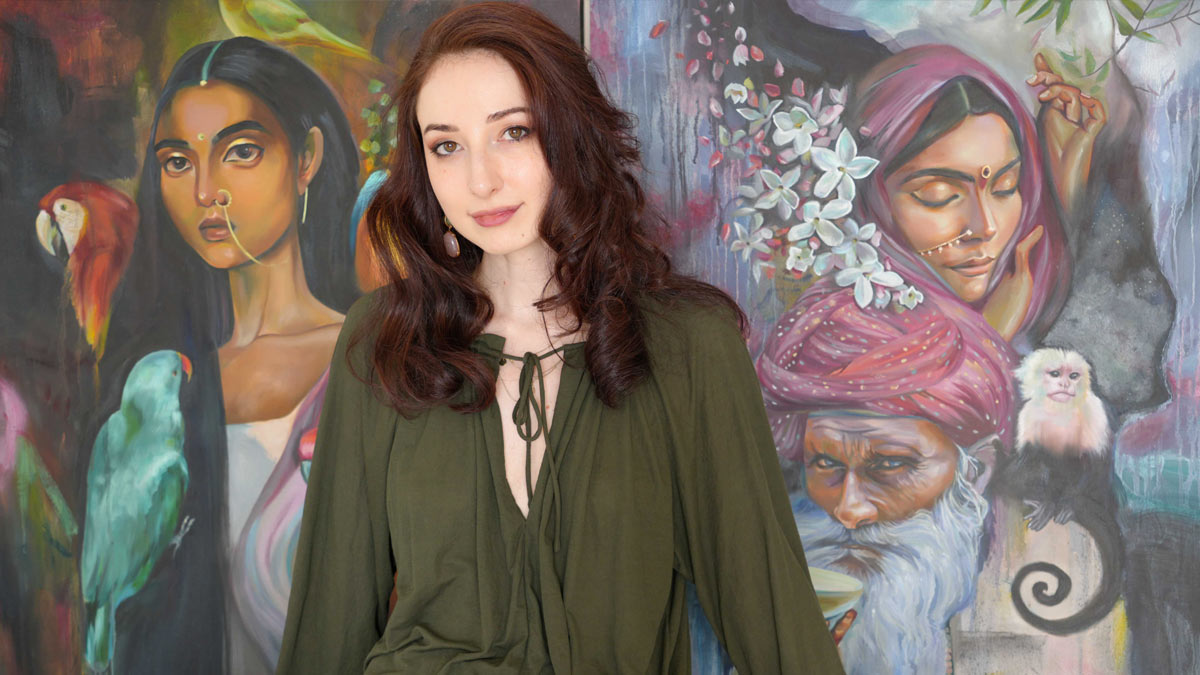
Russian-born artist Julia Usmanova will present her solo exhibition When India Became Home at Bikaner House from 18 to 23 June 2026. Conceptualised by Neena Gulati, the exhibition brings together a body of figurative paintings that explore memory, identity, belonging, and the artist’s evolving relationship with India. The exhibition will be open daily from 11:00 AM to 7:00 PM. The show reflects Usmanova’s personal and artistic engagement with India after first arriving in the country in 2017.
A Journey from Russia to India
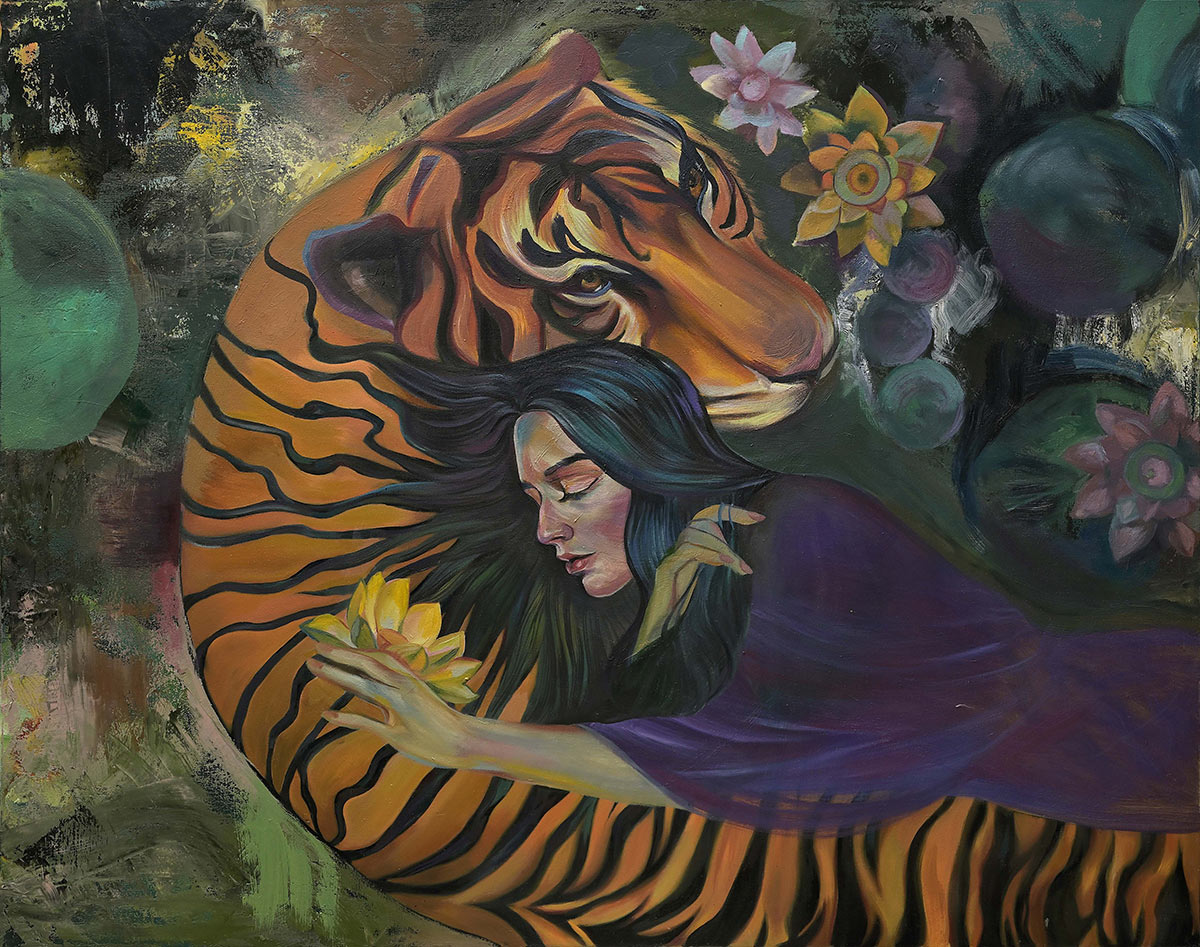
According to the artist, India gradually transformed from a place of travel into a recurring presence in her life. Returning year after year, she developed a deeper emotional connection with the country, particularly through her experiences in Delhi and Kolkata. These encounters became the foundation of a visual language that combines personal memory with cultural observation. Rather than documenting places directly, the paintings emerge from recollection, emotion, and lived experience.
The Bilateral Layerings Series
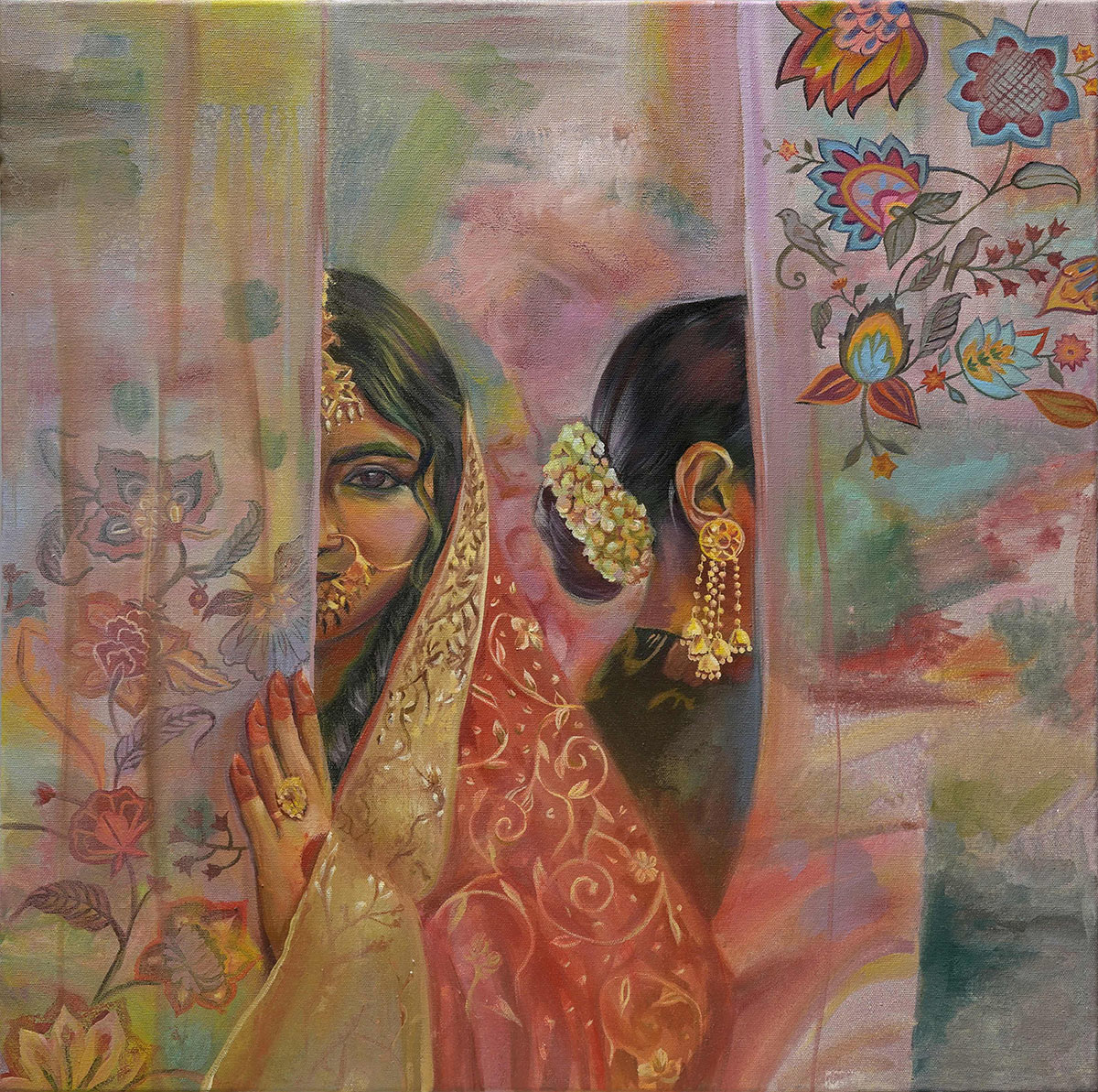
At the centre of the exhibition is Bilateral Layerings, a series that focuses on the image of the young Indian woman. Through distinctly Indian visual elements-including traditional attire, jewellery, jasmine flowers, birds, dragonflies, and symbolic figures such as the tiger-the artist reflects on ideas of “Indianness” through her own perspective.
Highlights of the exhibition
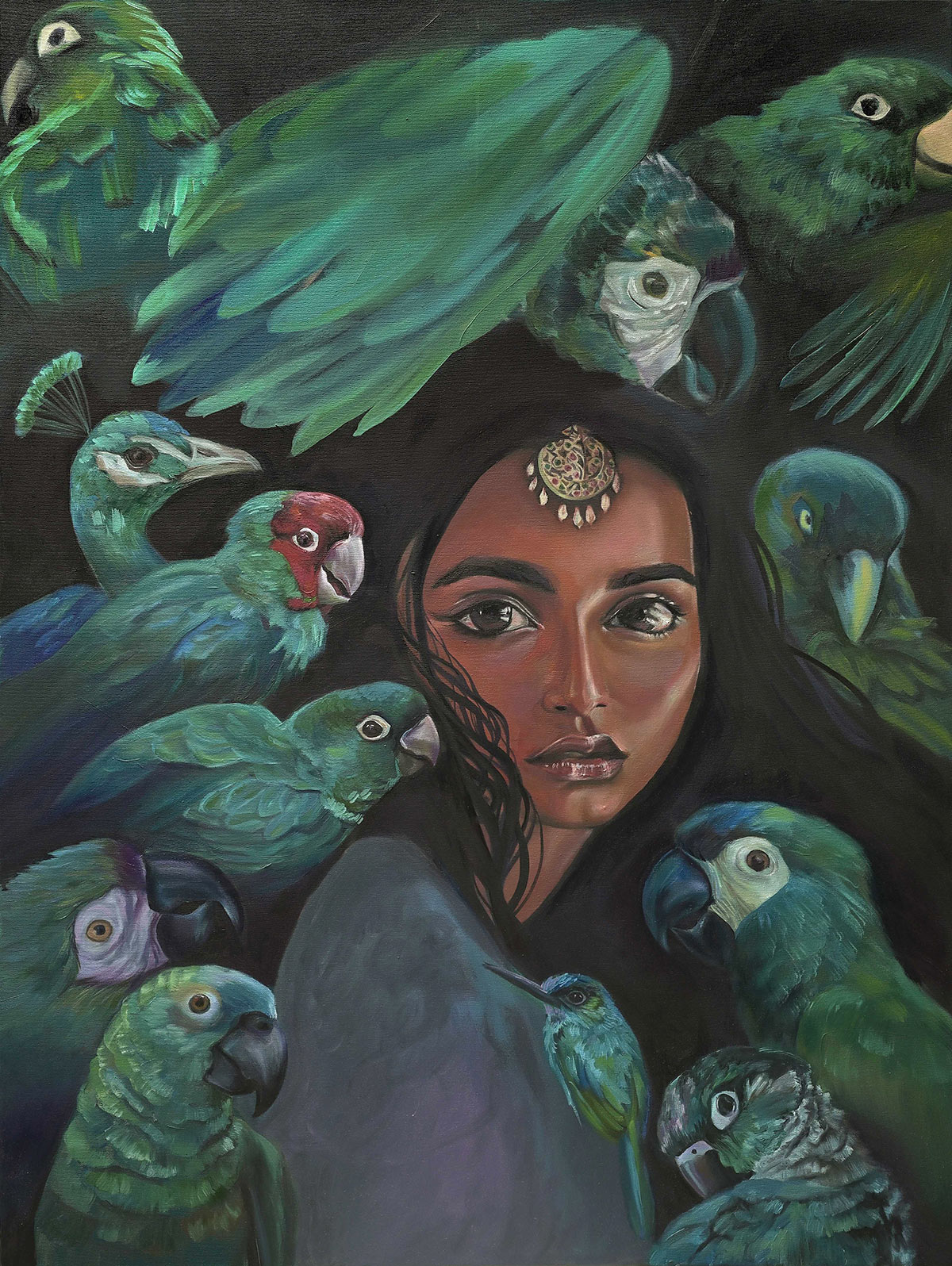
- Figurative paintings inspired by life in India
- Symbolic imagery drawn from nature and memory
- Explorations of feminine identity and cultural belonging
- Works that move between reality and dreamlike emotional spaces
- Cross-cultural narratives connecting India and Russia
Female Figures as Witness and Presence
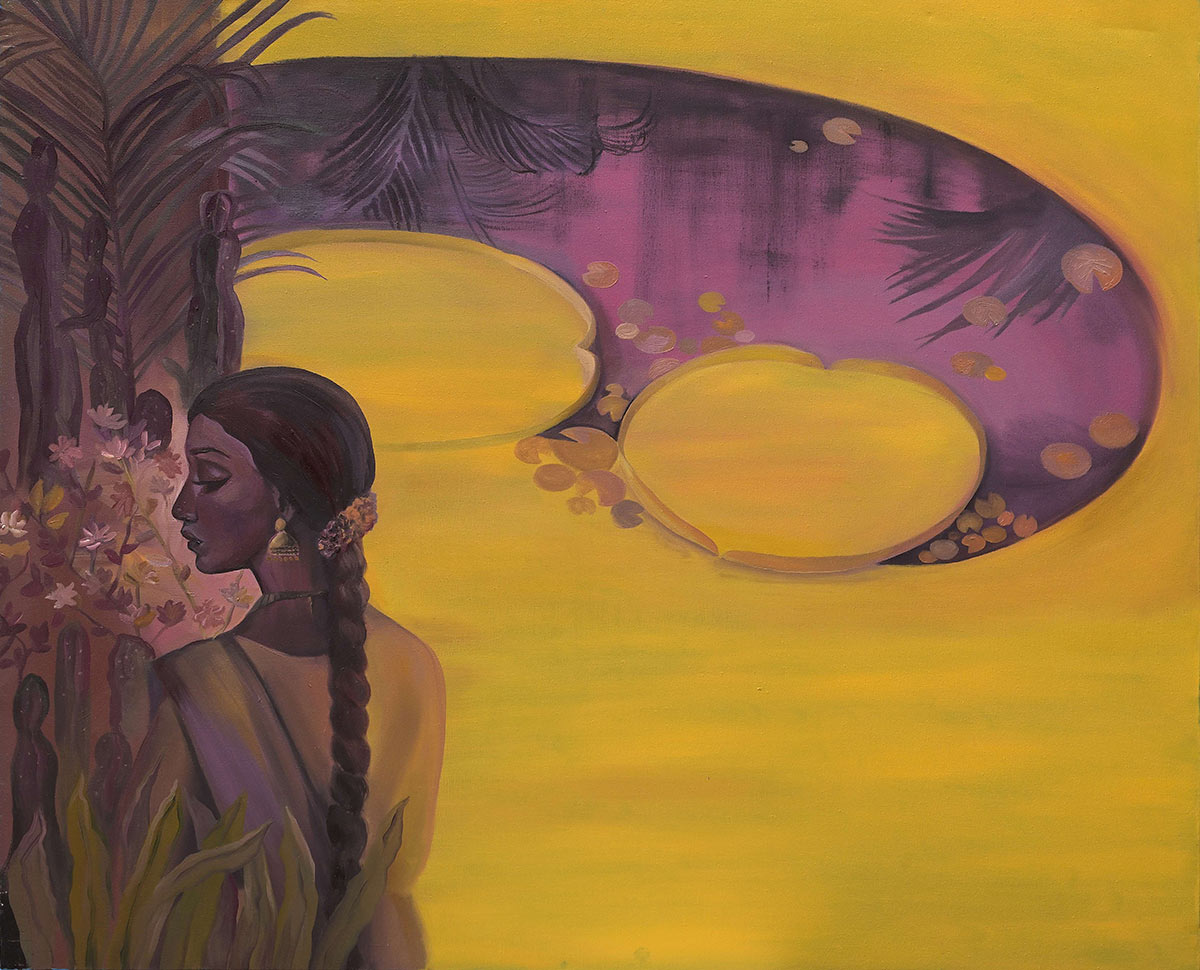
Women appear repeatedly throughout Usmanova’s paintings. The artist describes these figures as both observers and the observed. They function simultaneously as representations of nature, emotion, and everyday life, while also reflecting her personal understanding of the world around her. Through these recurring figures, the exhibition examines how identity is shaped through cultural encounters and emotional experiences.
Blending Academic Training with Lived Experience
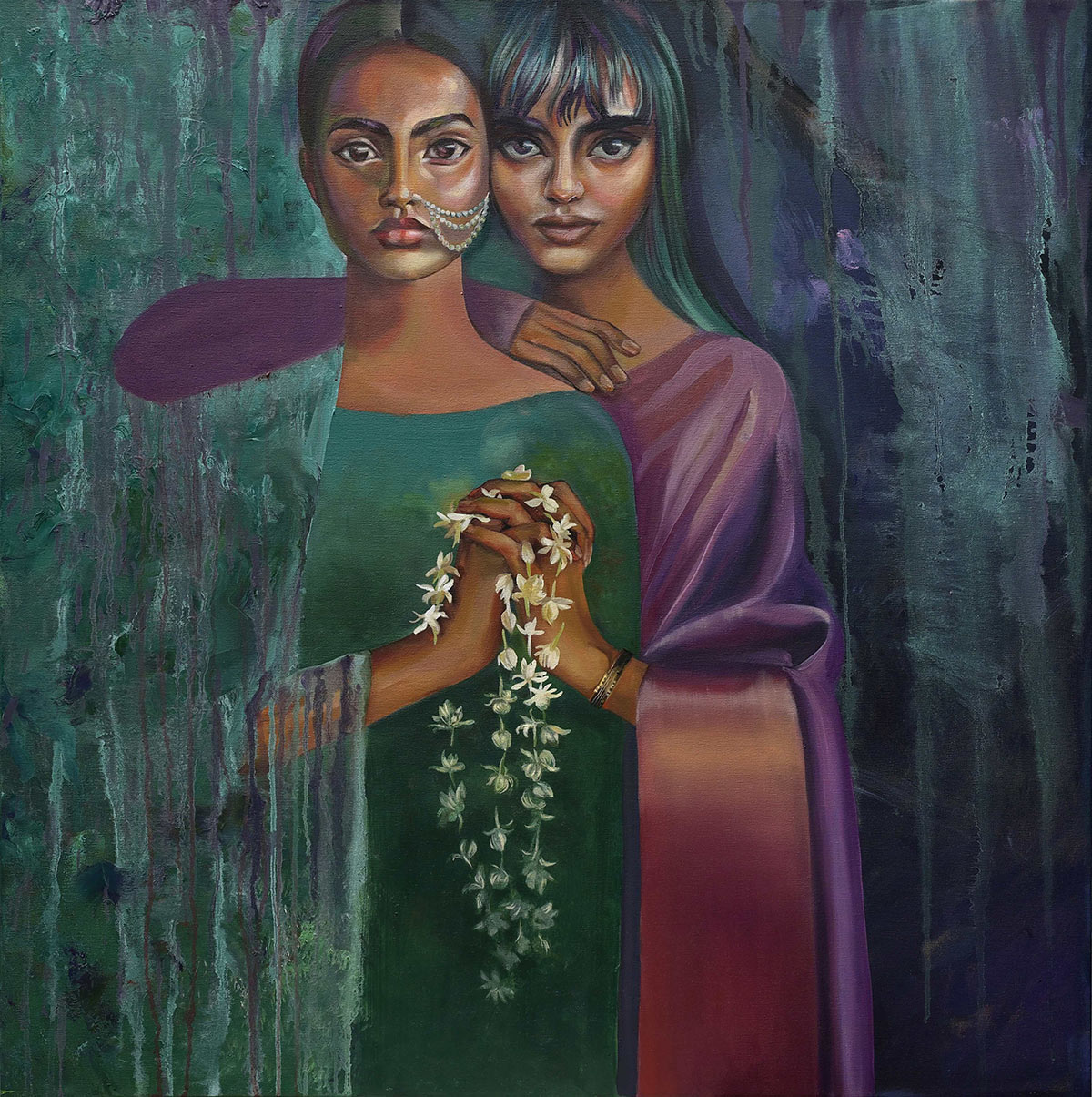
Usmanova’s artistic practice draws upon the academic traditions of Russian painting while incorporating contemporary and Orientalist influences. Over time, her exposure to India encouraged a shift away from strict academic approaches toward a more intuitive and emotionally responsive form of expression. Her paintings combine careful craftsmanship with layered symbolism and memory-based storytelling.
Bikaner House as the Venue
The exhibition takes place in the Main Gallery of Bikaner House on Pandara Road in New Delhi. Today, Bikaner House serves as an important cultural destination that regularly hosts exhibitions, performances, and interdisciplinary arts programming. The historic building, once associated with the former princely state of Bikaner, has become a significant venue for contemporary art exhibitions in the capital.
Visitor Information
| Event | Details |
| Title | When India Became Home |
| Artist | Julia Usmanova |
| Venue | Main Gallery, Bikaner House, Pandara Road |
| City | New Delhi |
| Opening Date | 18 June 2026 |
| Exhibition Dates | 18 June – 23 June 2026 |
| Timings | 11:00 AM – 7:00 PM |
| Organiser / Concept | Conceptualised by Neena Gulati |
| Entry / Tickets | Open to the public |
| Website | https://bikanerhouse.rajasthan.gov.in/ |
Cross-Cultural Dialogue Through Art
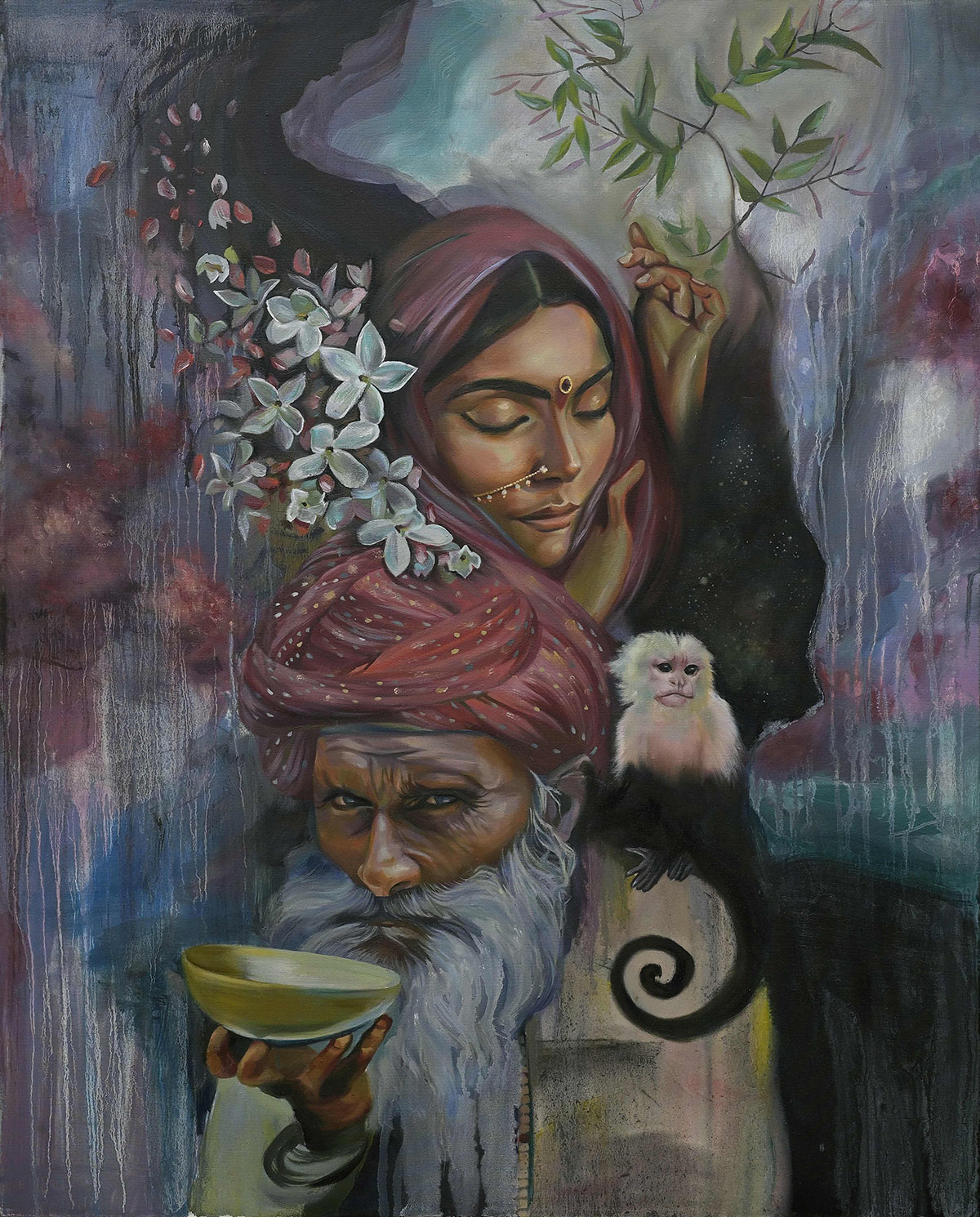
The exhibition presents a personal reflection on what it means to find a sense of home beyond one’s country of birth. Through memory, colour, symbolism, and figurative imagery, Usmanova’s paintings create a dialogue between cultures while exploring shared human experiences. Themes of belonging, emotional connection, and cultural understanding run throughout the exhibition, offering viewers an opportunity to engage with contemporary art shaped by lived encounters across borders.
Takeaway
When India Became Home brings together personal memory, cultural exchange, and contemporary figurative painting in a thoughtful exploration of belonging. Through Julia Usmanova’s reflections on her experiences in India, the exhibition highlights how art can bridge geographical and cultural distances. The works invite viewers to consider identity not as a fixed concept, but as something shaped through encounters, relationships, and shared human experiences. In doing so, the exhibition contributes to ongoing conversations about cultural understanding and artistic dialogue in an increasingly interconnected world.